Weeds
Hiram Latorre, Loren Minzú, Manuella Silveira, Marina Nacamuli, Martin Lanezan, Matheus Chiaratti and Sheyla Ayo
curated by Julie Dumont
March 07, 2024 - May 16, 2024
Rio de Janeiro
At the beginning of March, Rio de Janeiro is roaring under the scorching sun. Summer is stretching out and the avenues still echo with the sound of marchinhas and batucadas: glitter and confetti sparkle in the cracks in the sidewalk. The blood pulses hotly between sweaty bodies and empty glasses, asphalt and hill, sand and forest, waterfalls and plant baths. Weeds, after a first chapter in São Paulo, follows its pagan dance to dock here, mending the February fever with more life, art, intoxication and vertigo. Because art – like carnival – offers a moment above and outside of time, a Saturnalia, reverie and jubilee.
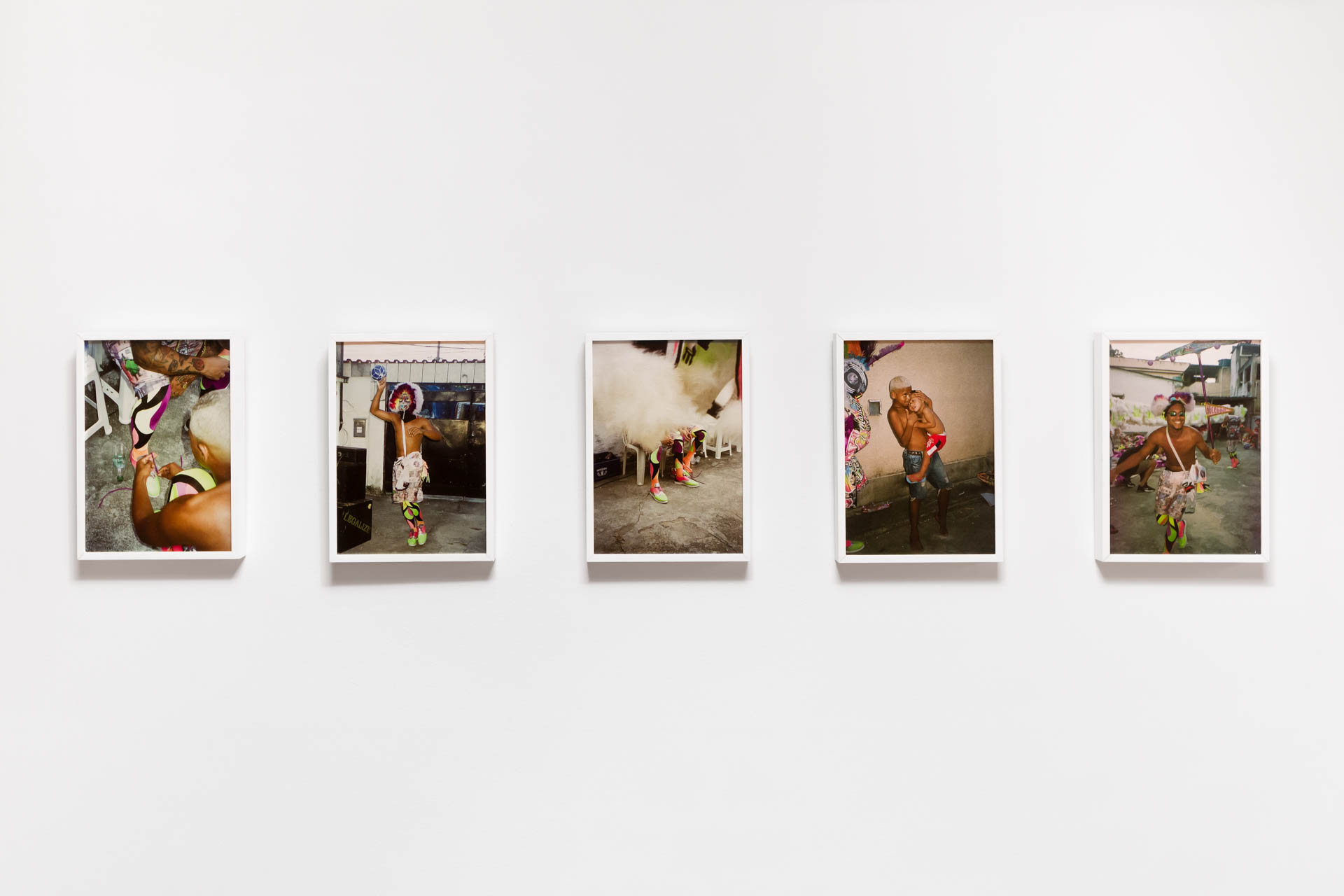
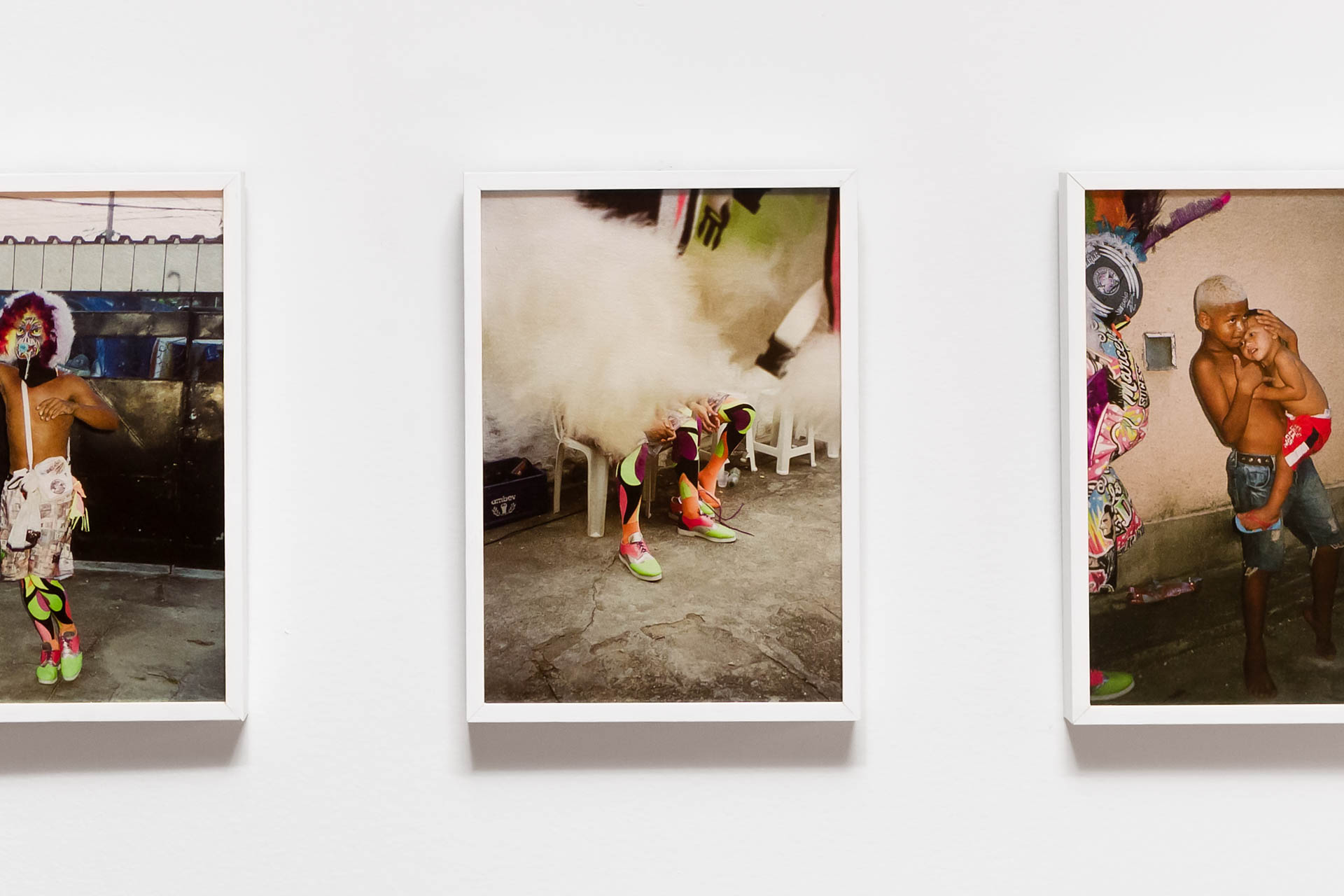
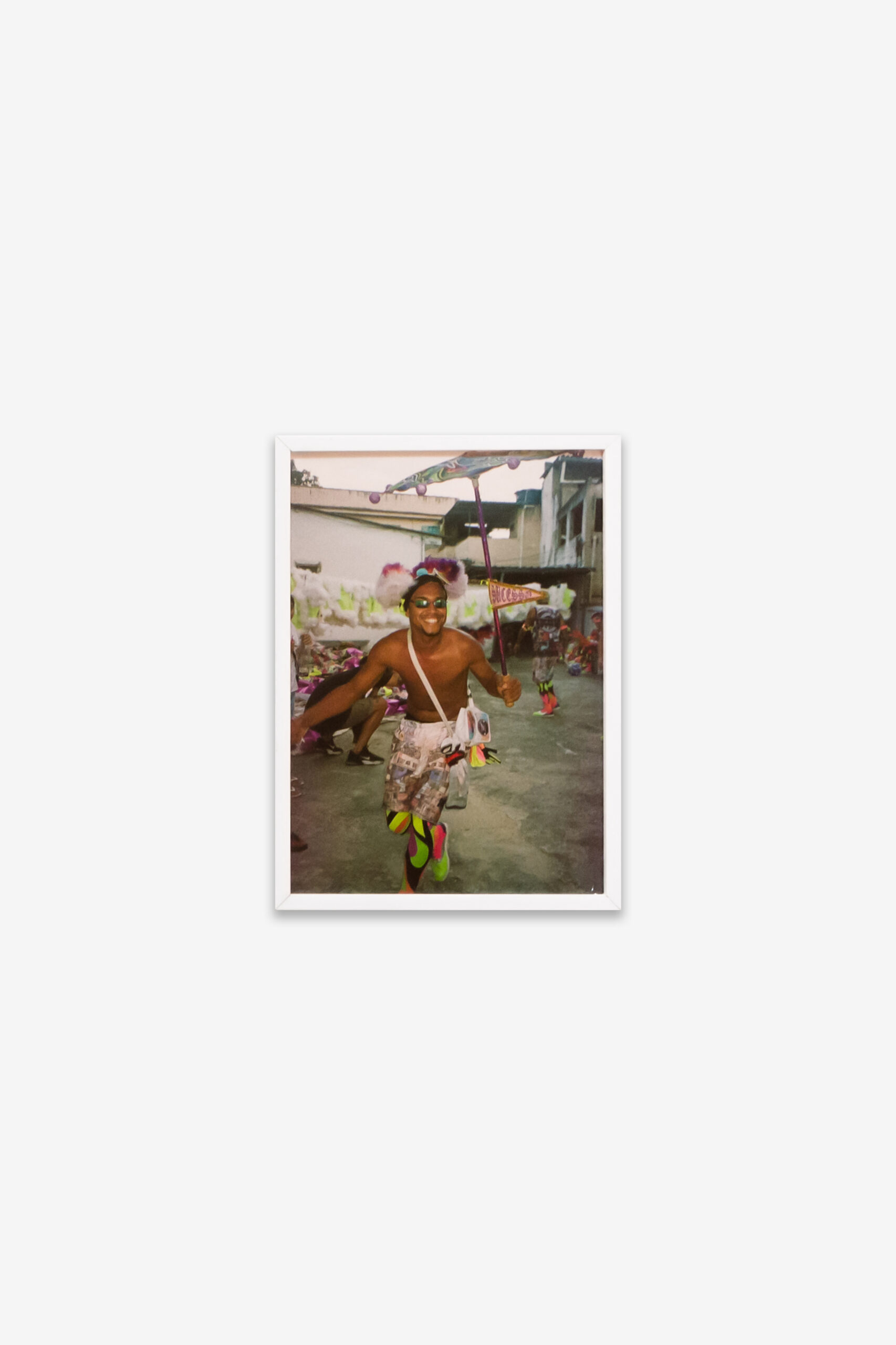
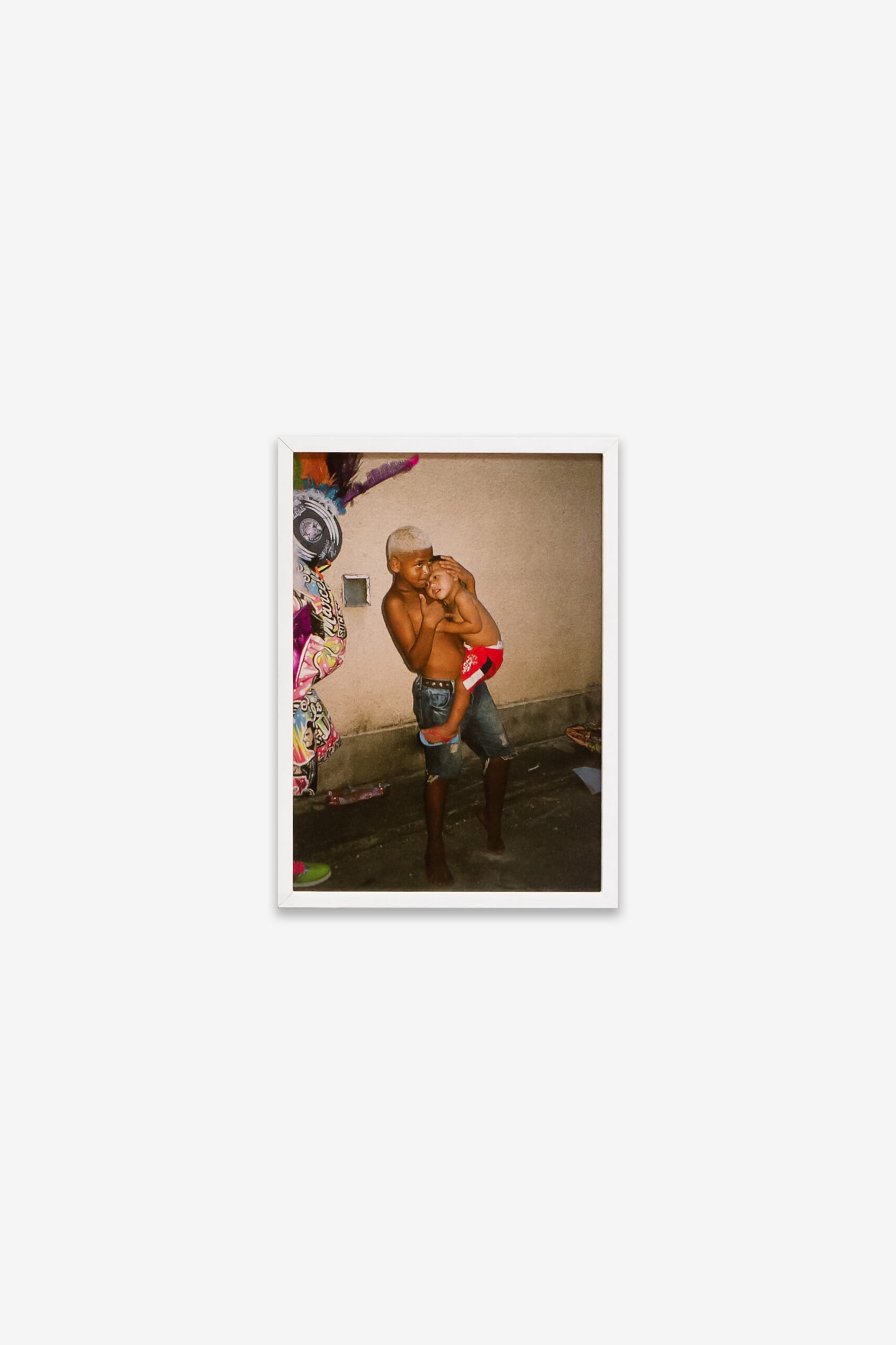
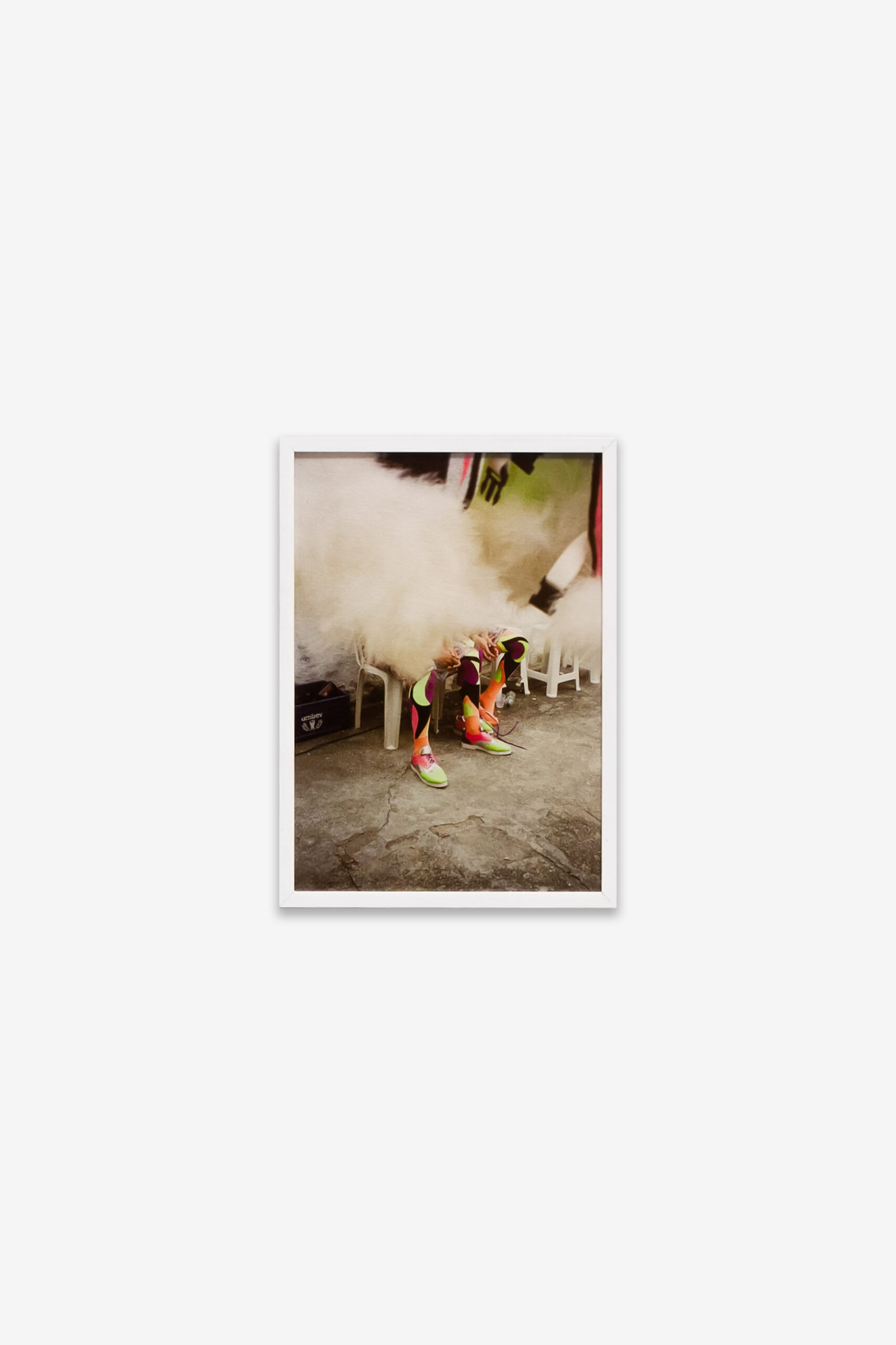
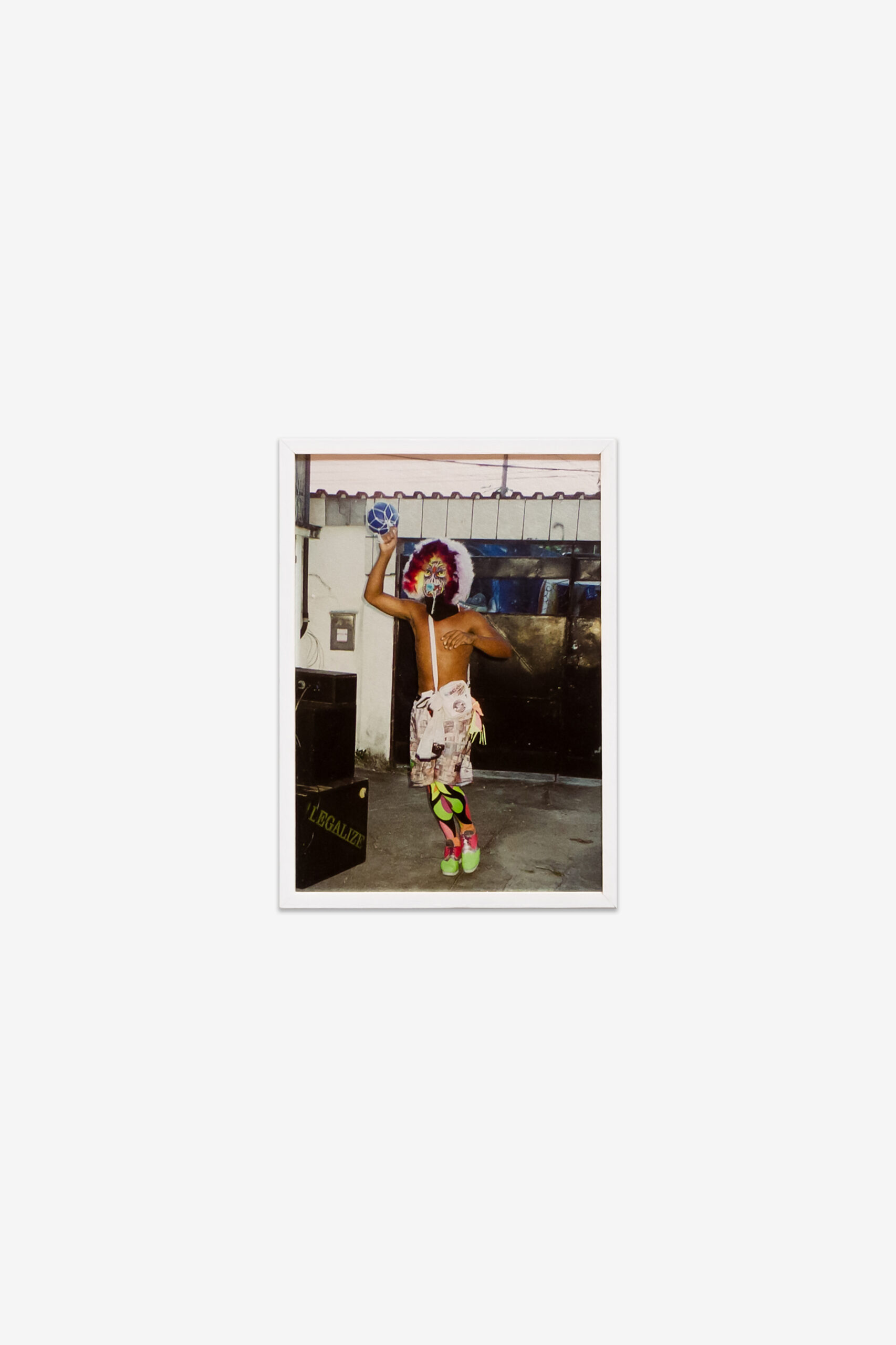
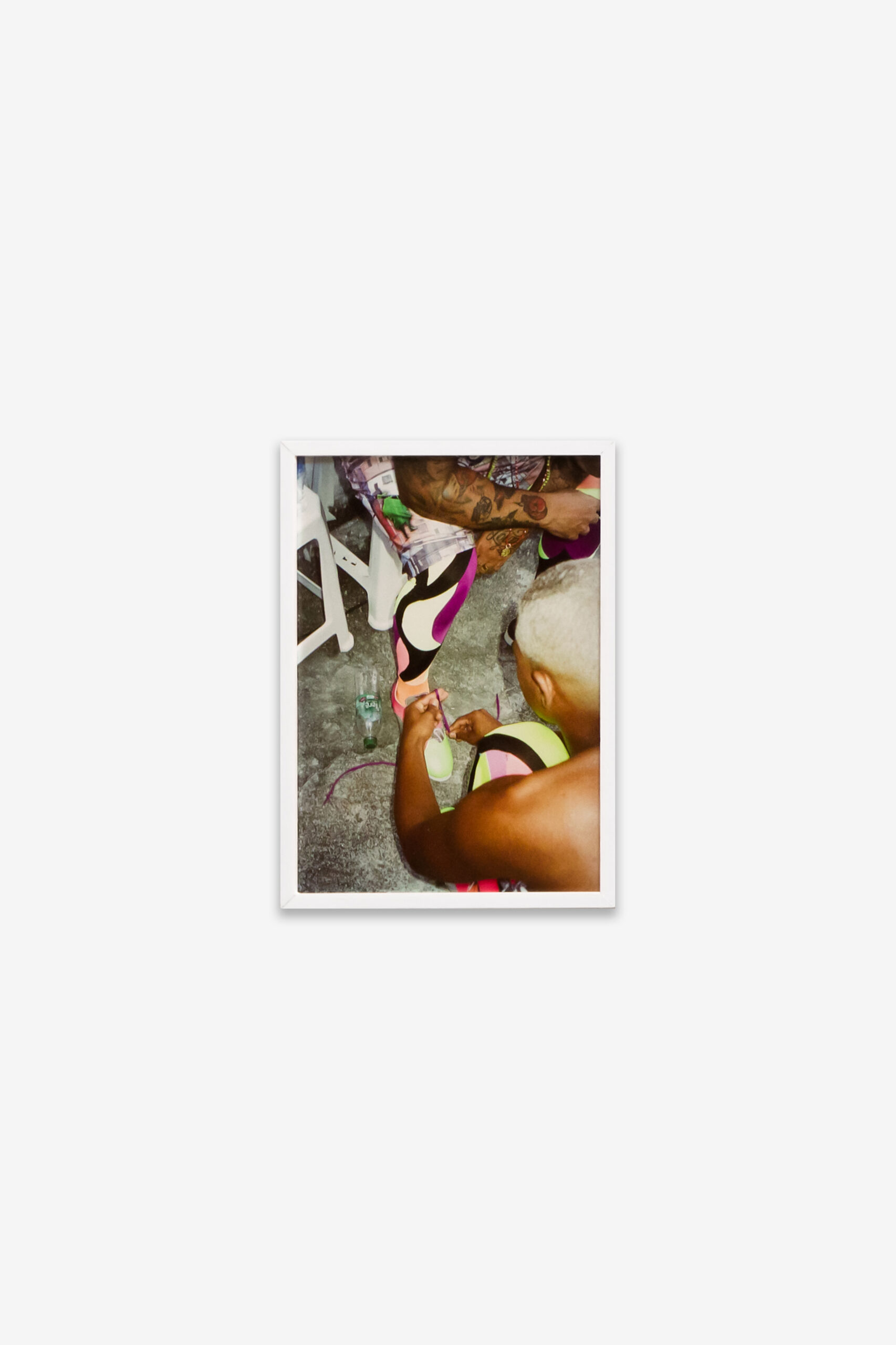
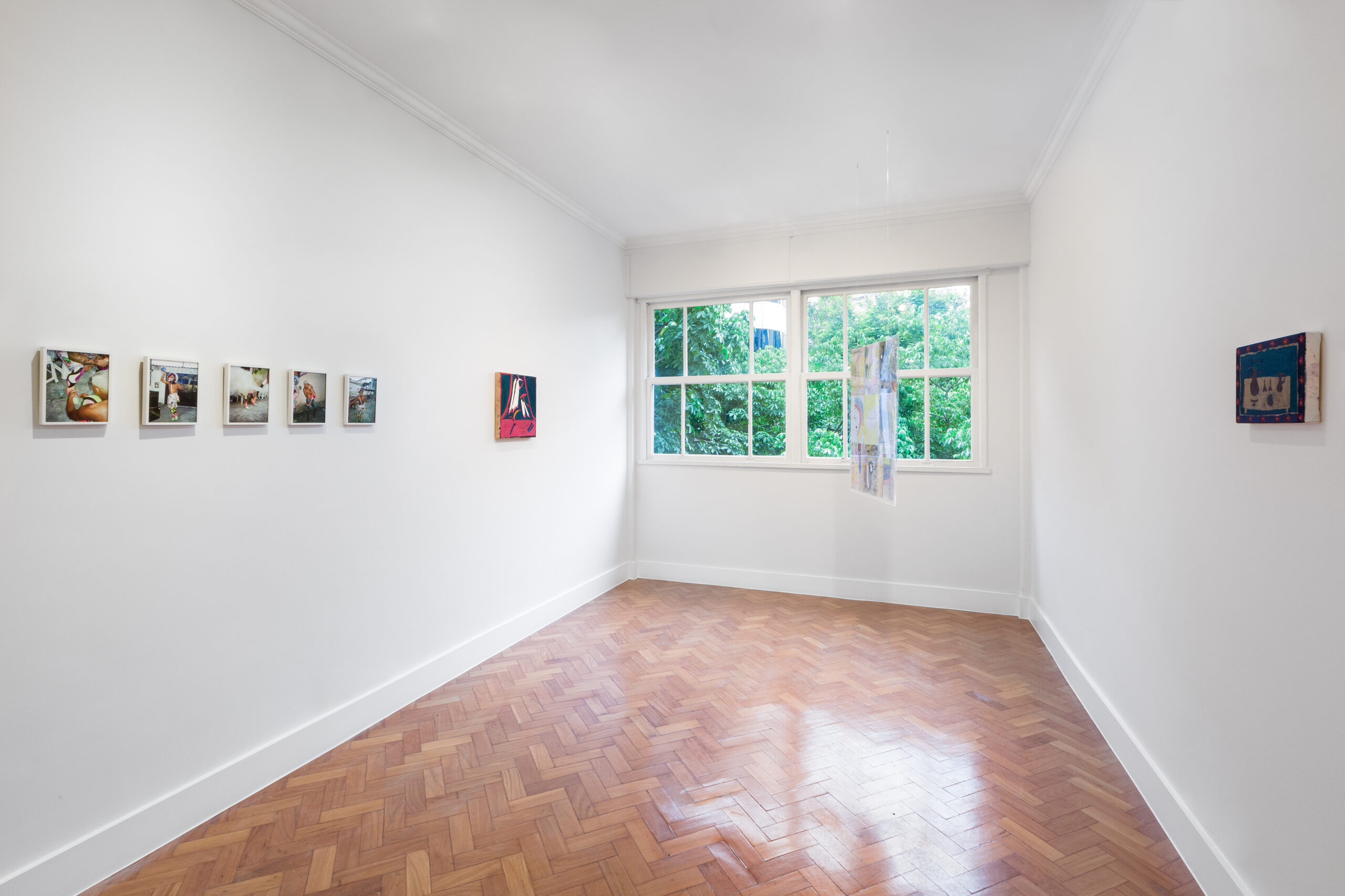
Emblems of carnival masquerade culture, the bate-bolas portrayed by Marina Nacamuli carry on a tradition that generates awe and wonder with the thunder of their balls hitting the ground and their frightening costumes. The bate-bolas raise symbols that belong to the collective unconscious and establish an irreverent bridge between past and present, Northern and Southern rituals. Art and life collide here, opening a portal to dive into a new year with a light head, without torments.
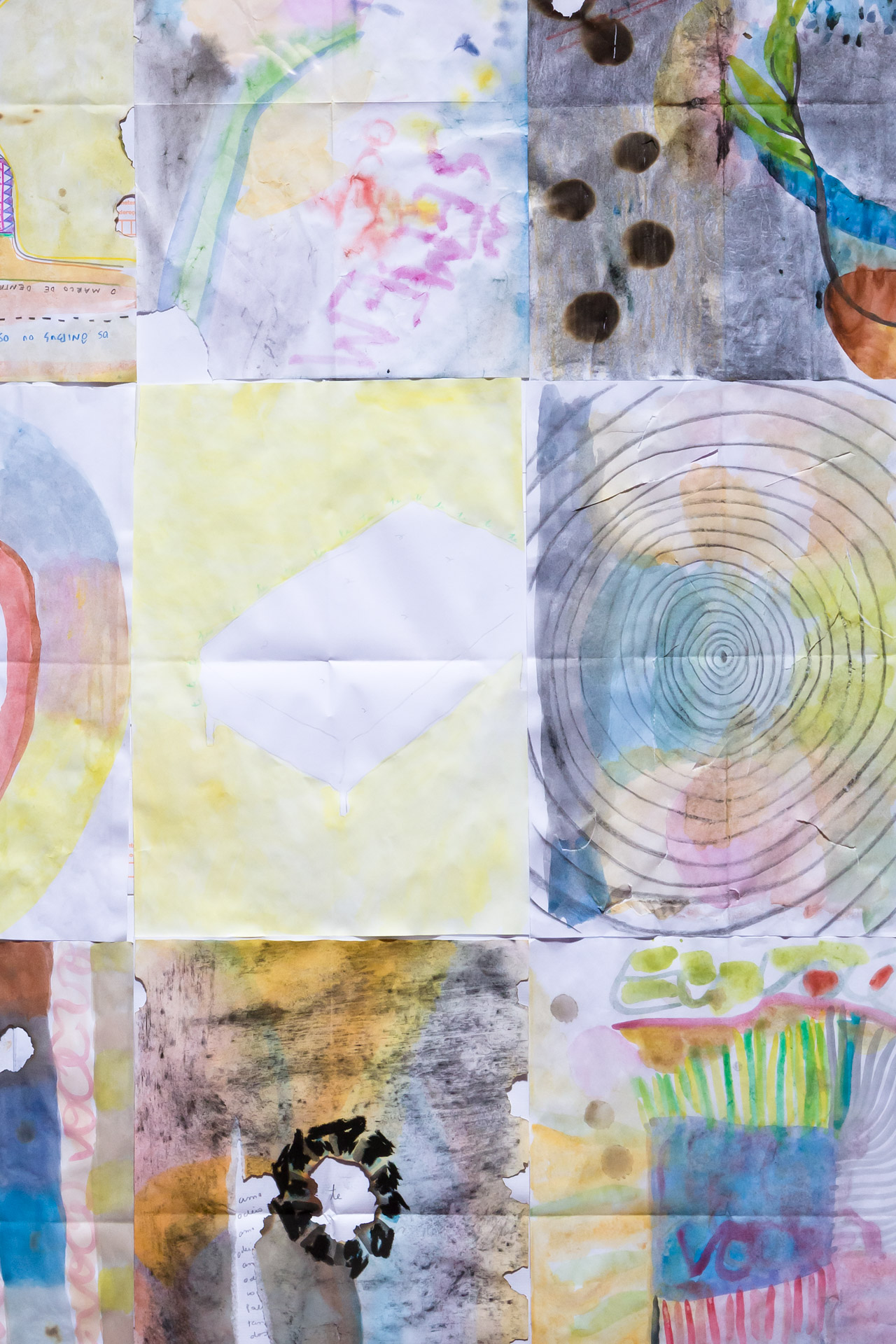
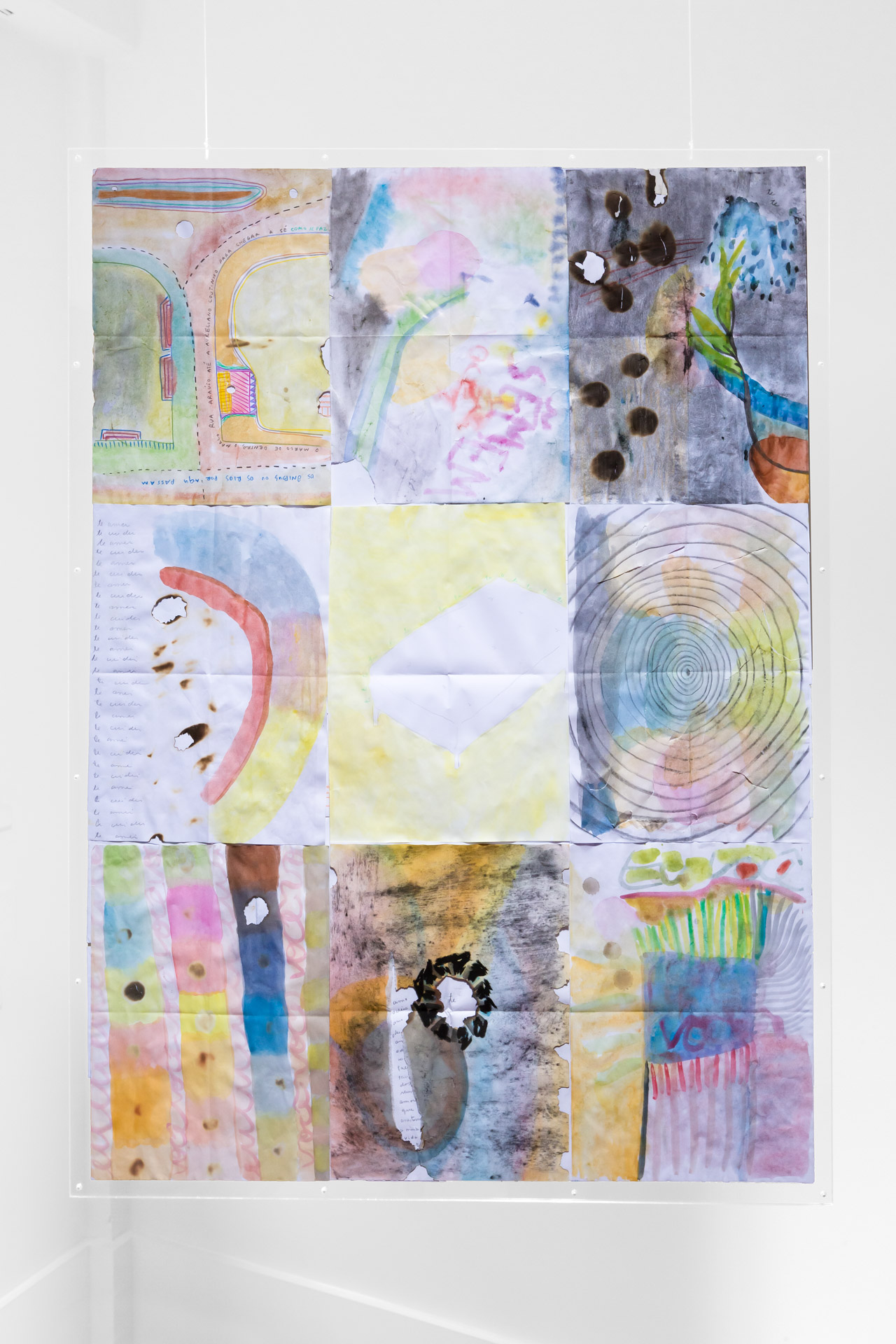
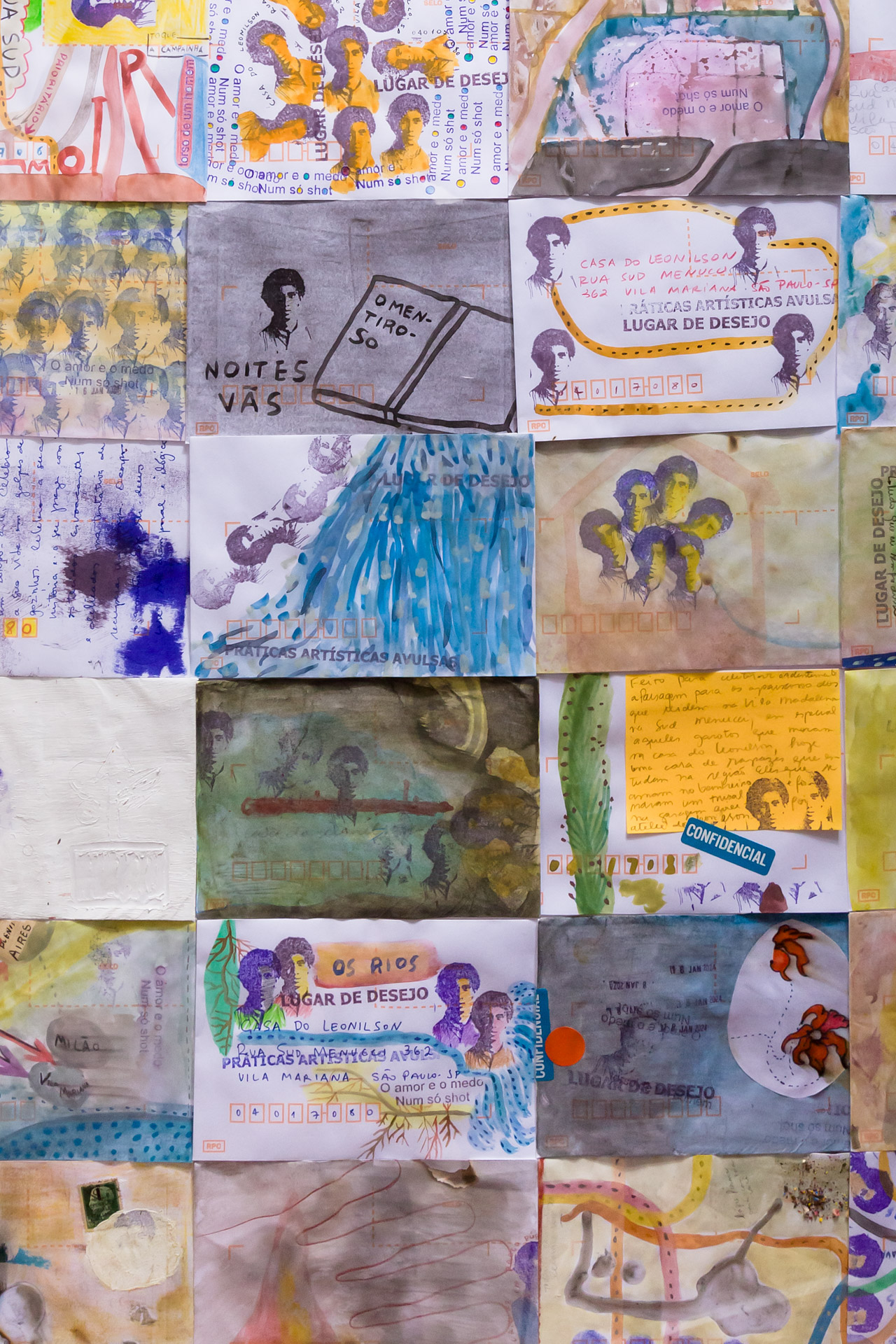
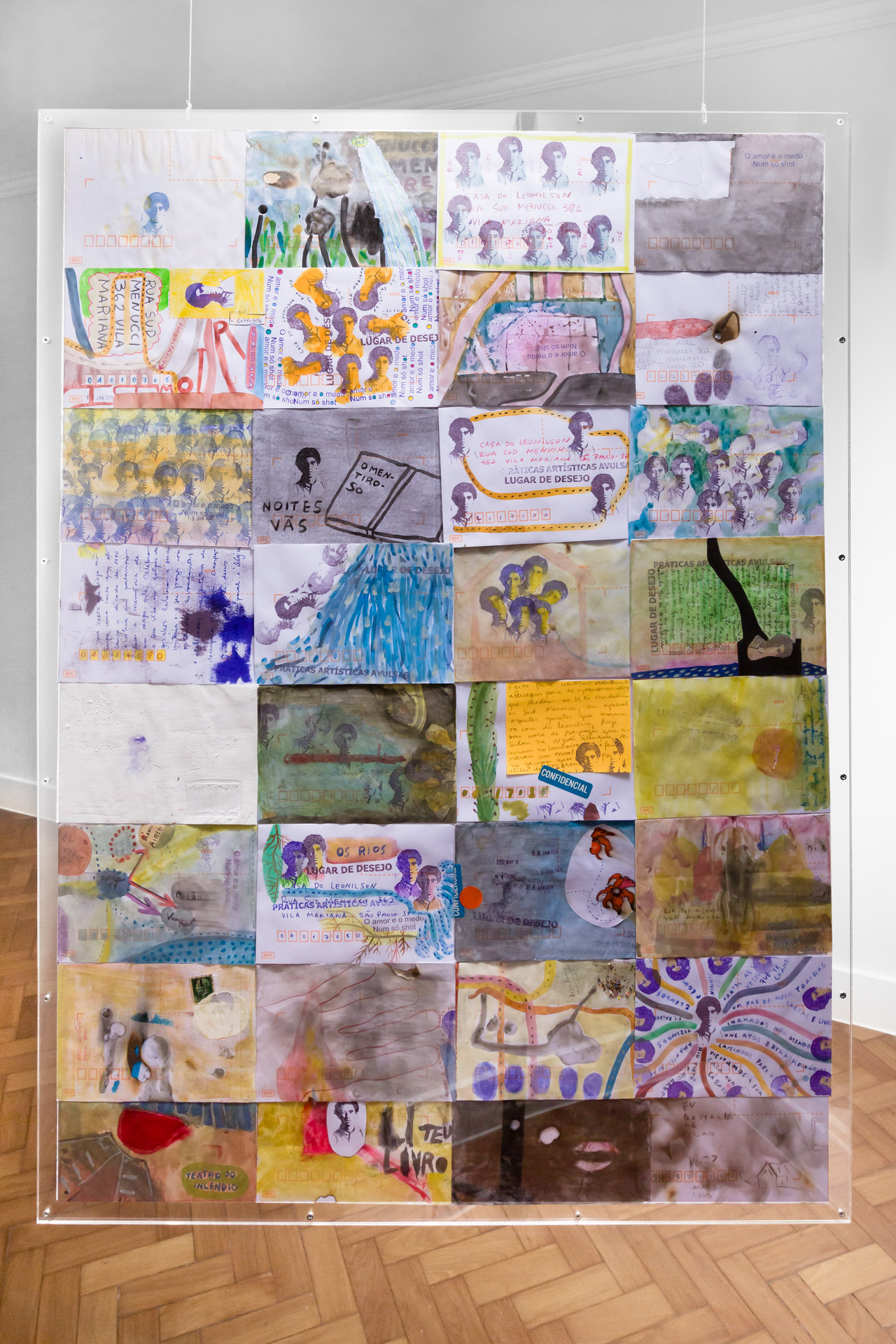
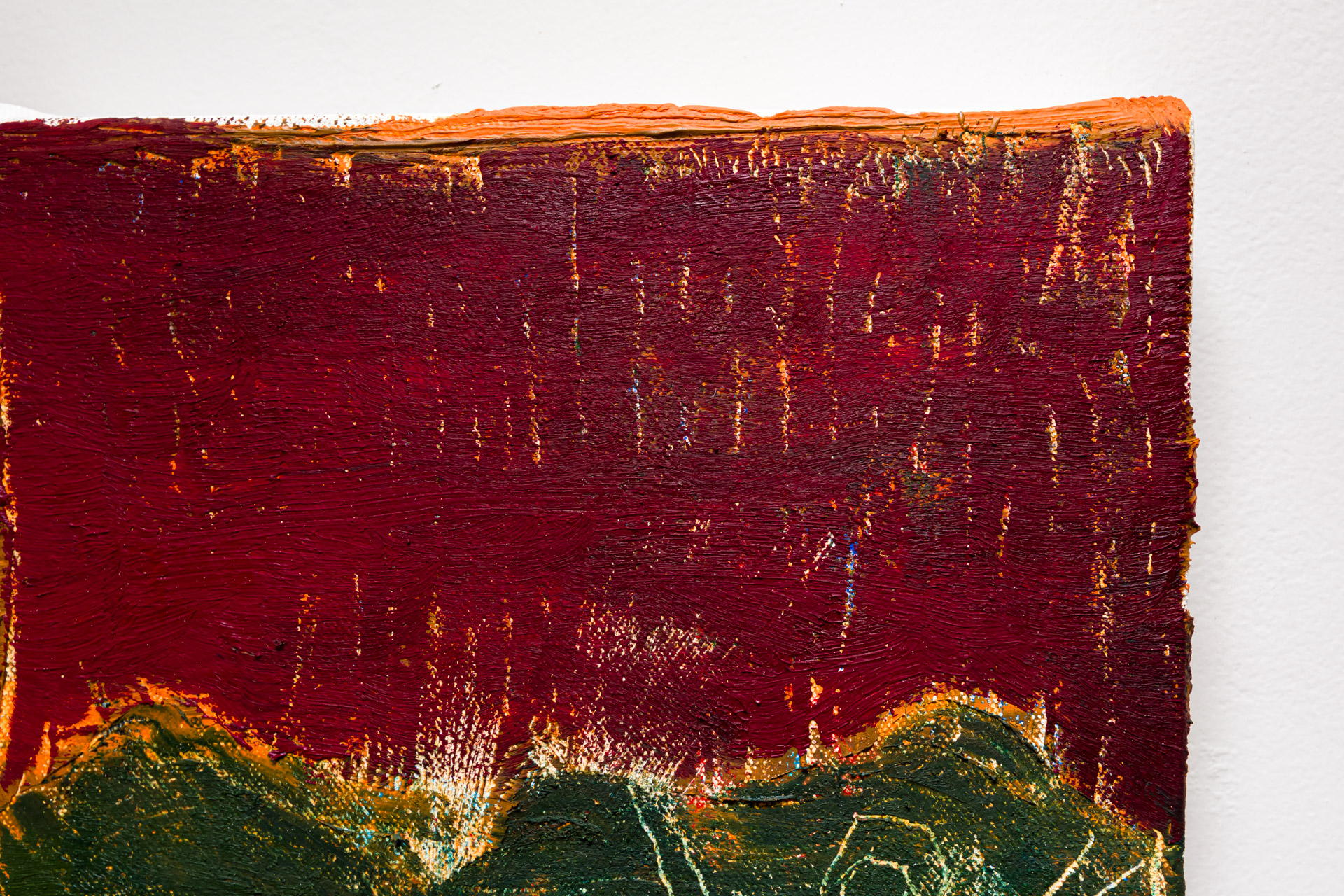
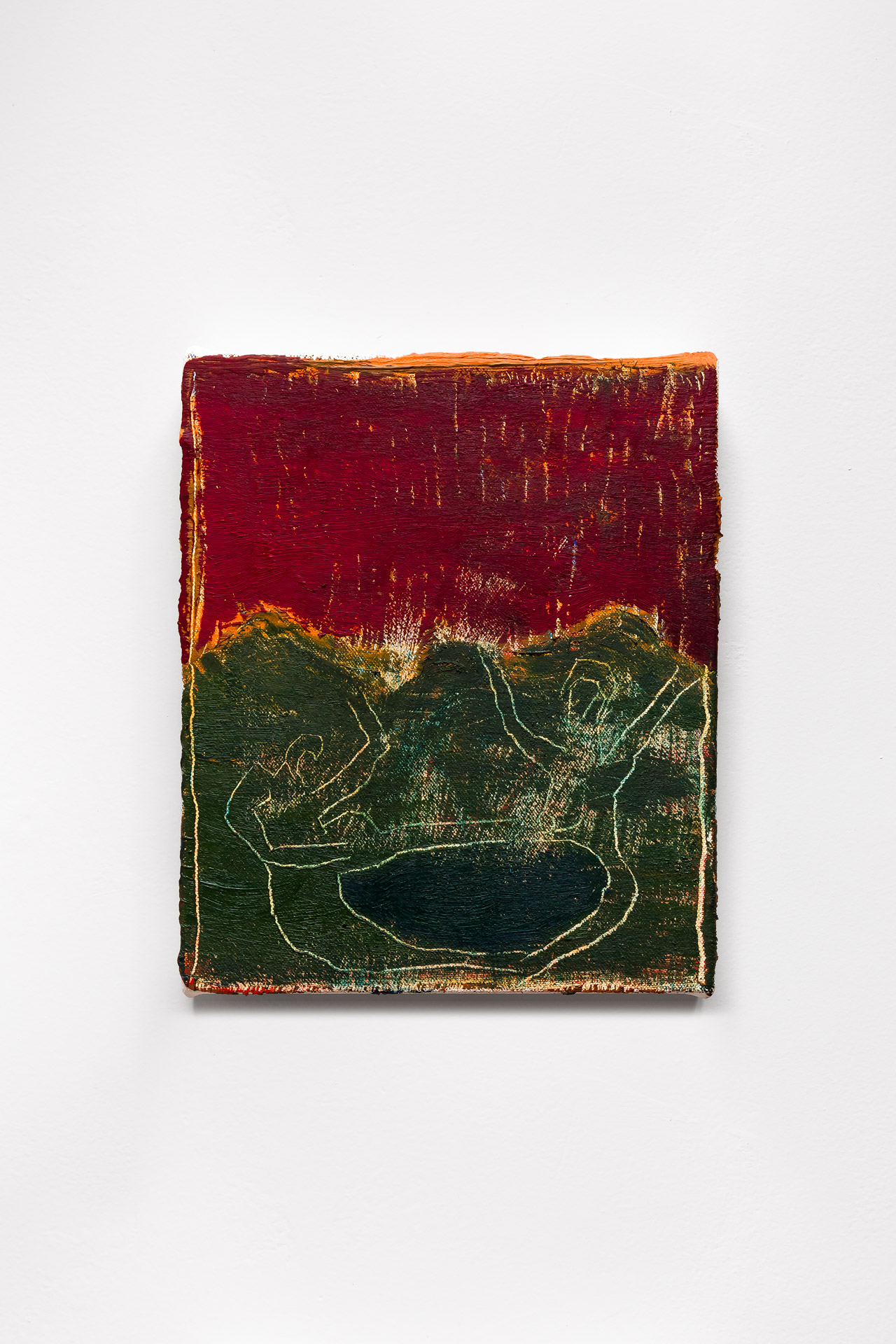
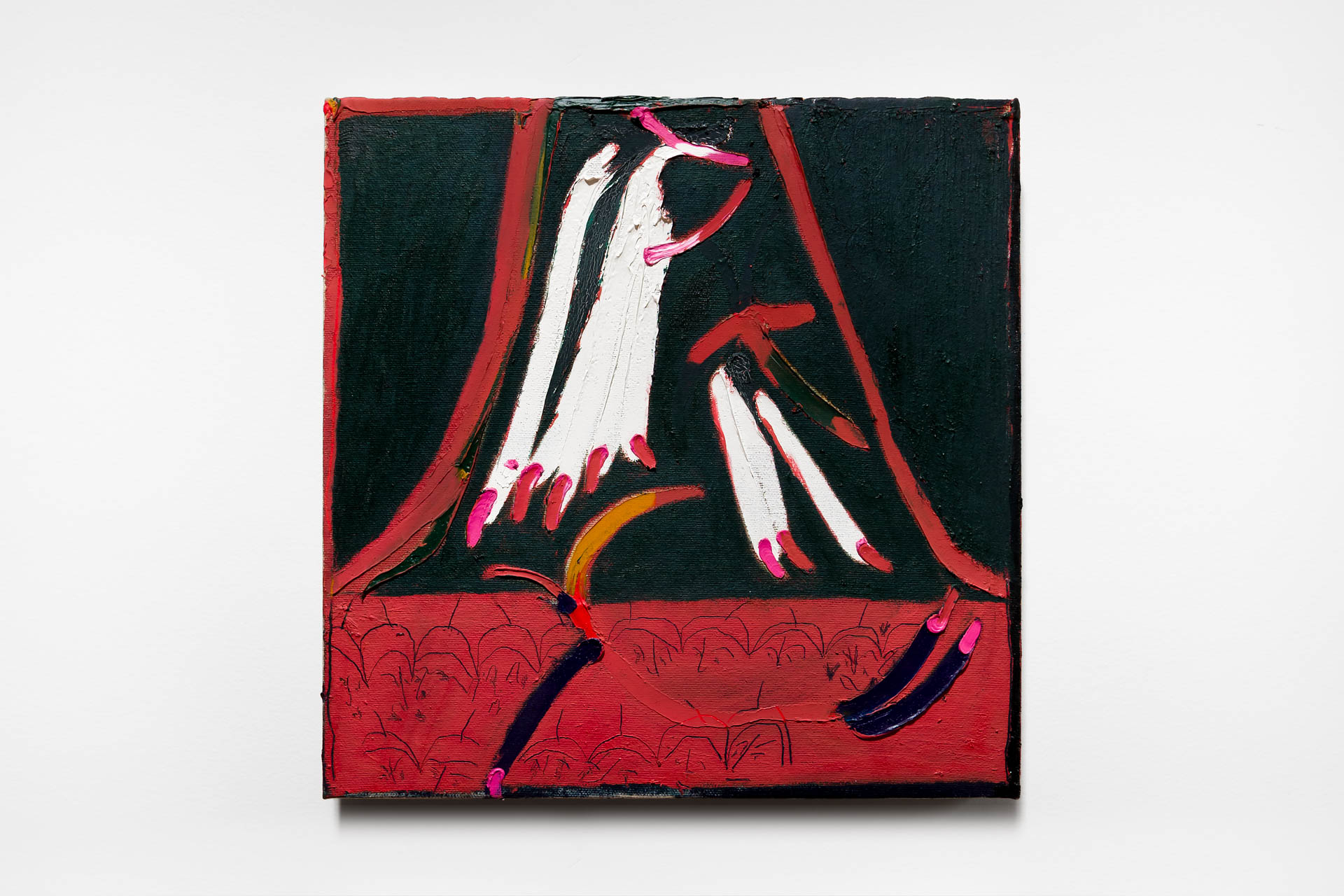
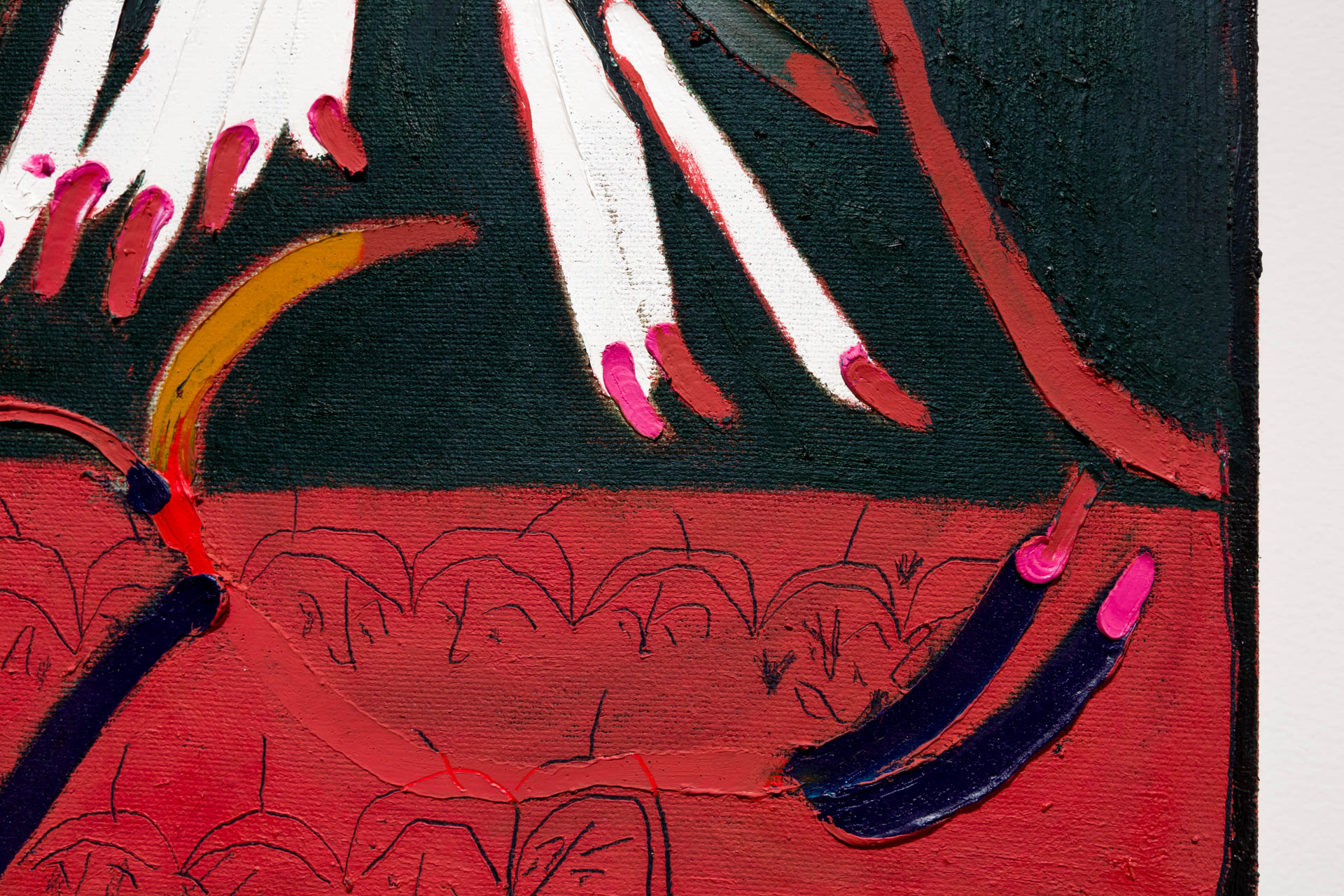
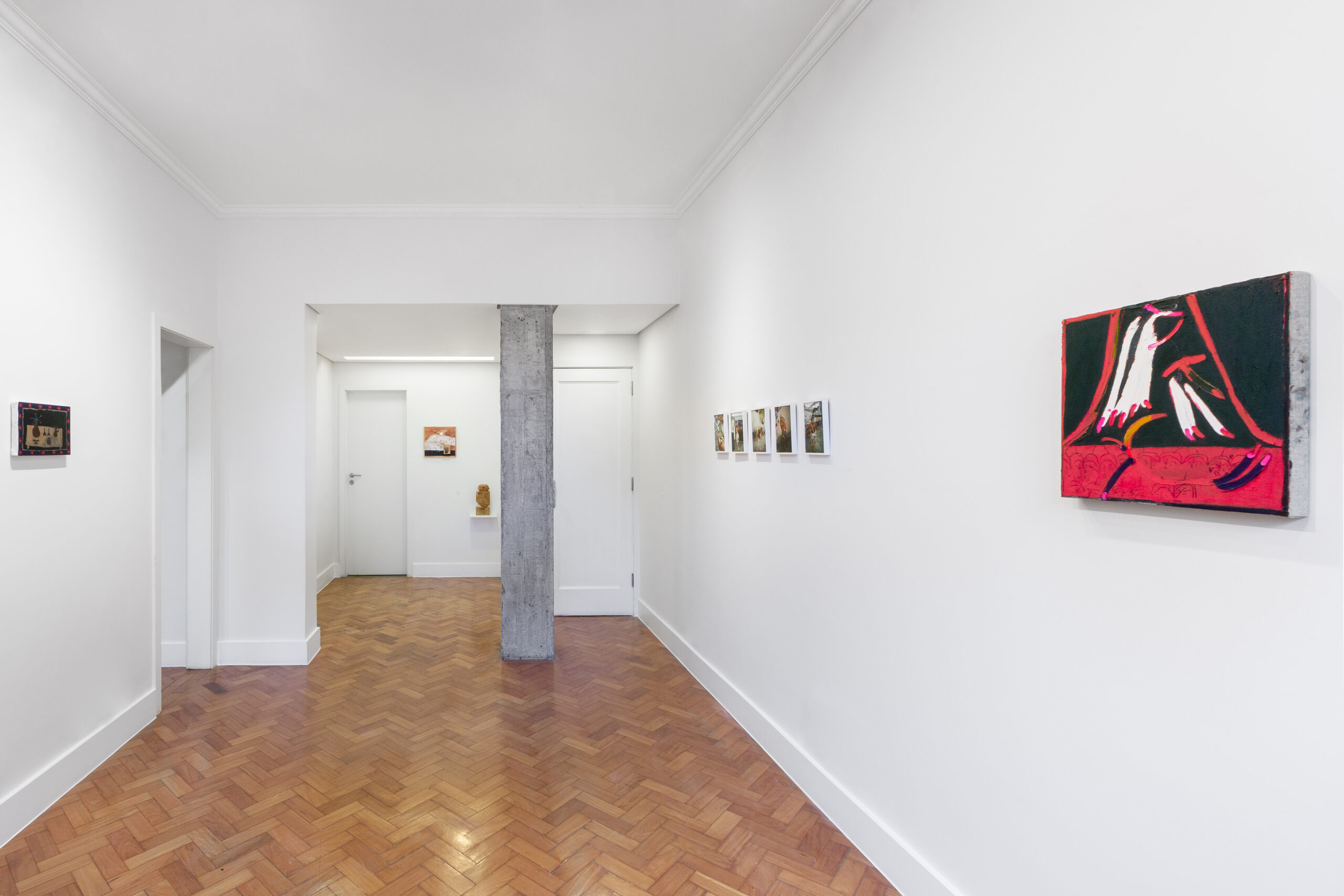
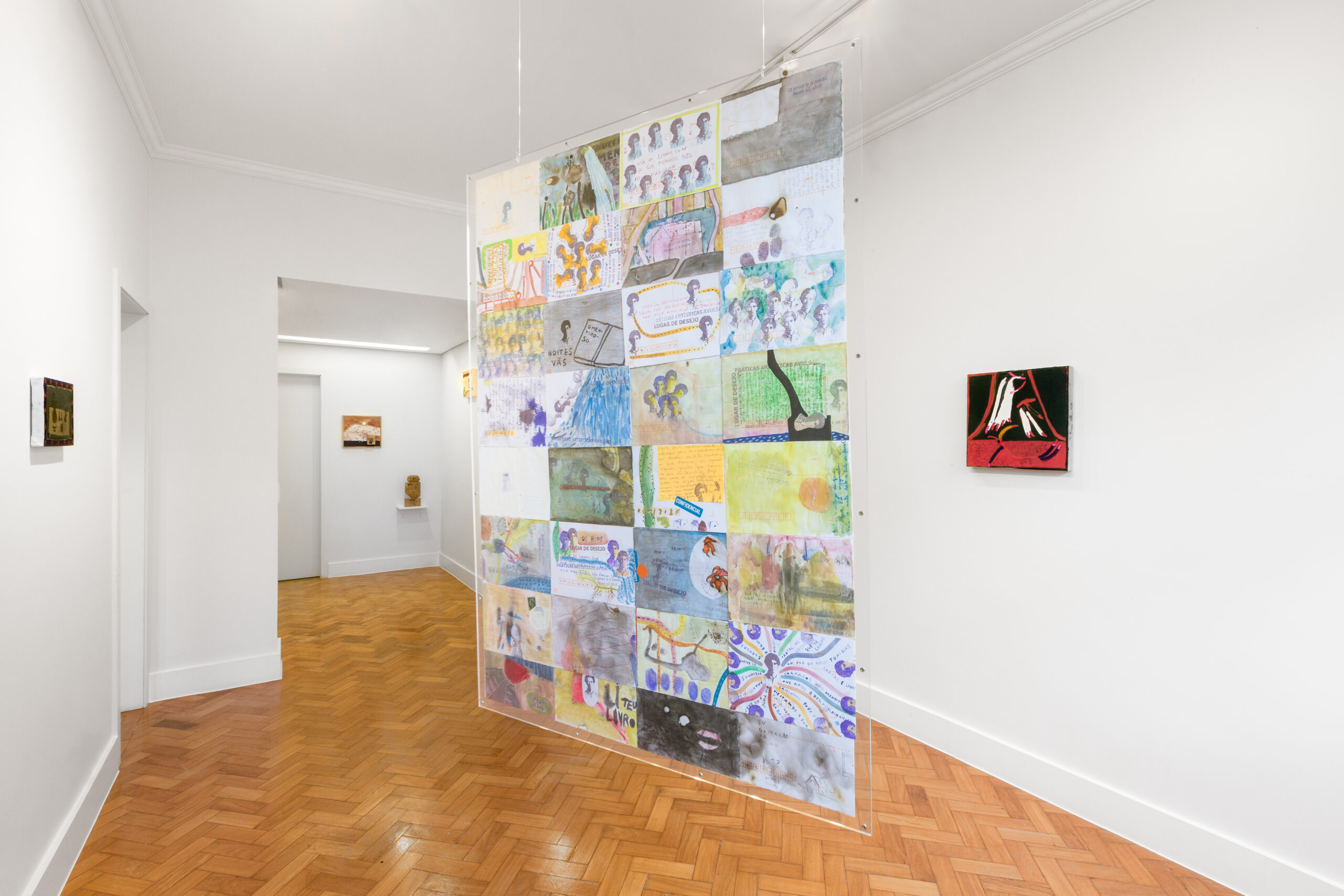
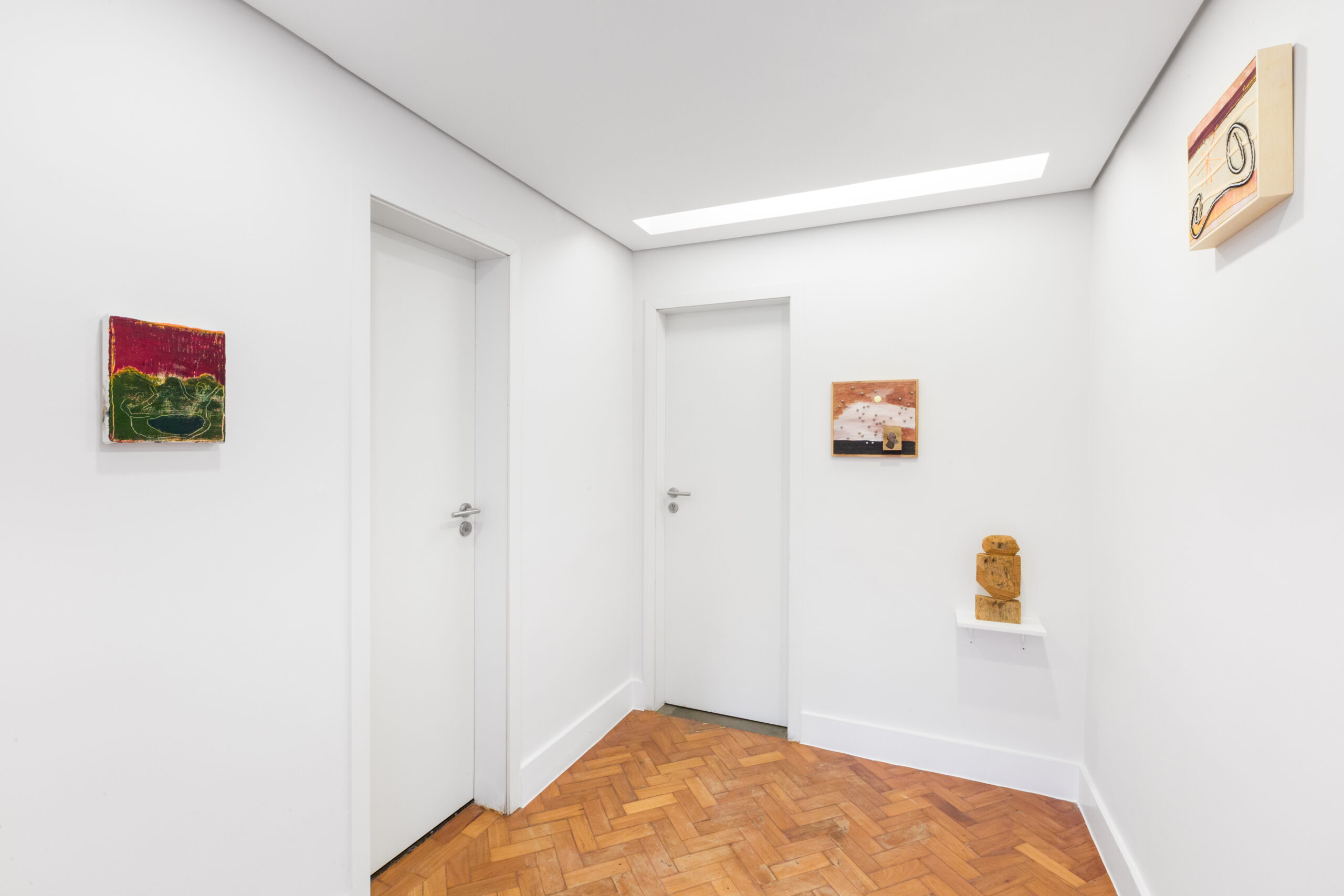
This chaotic joy, of irony and intertwined symbols, is at the heart of Manuella Silveira’s paintings. Ghostly, allegorical bodies and elements that seem to have been borrowed from the circus or popular culture are repeated in intuitive sarabands made up of layers and layers of paint, creating fields of saturated matter. The escape from reality that art and poetry provide, sprouting and gushing like hallucinations from a place where reason has no voice, refer to the enjoyment, the uncontrollable desire of souls and bodies that Matheus Chiaratti incorporates into his Casa do Leonilson installation. In it, drawings and verses float, like so many love letters that will never reach their addressee, bathed in celestial waters and pleasure, burned with lust and fire, like the weeping diary of an upset lover.
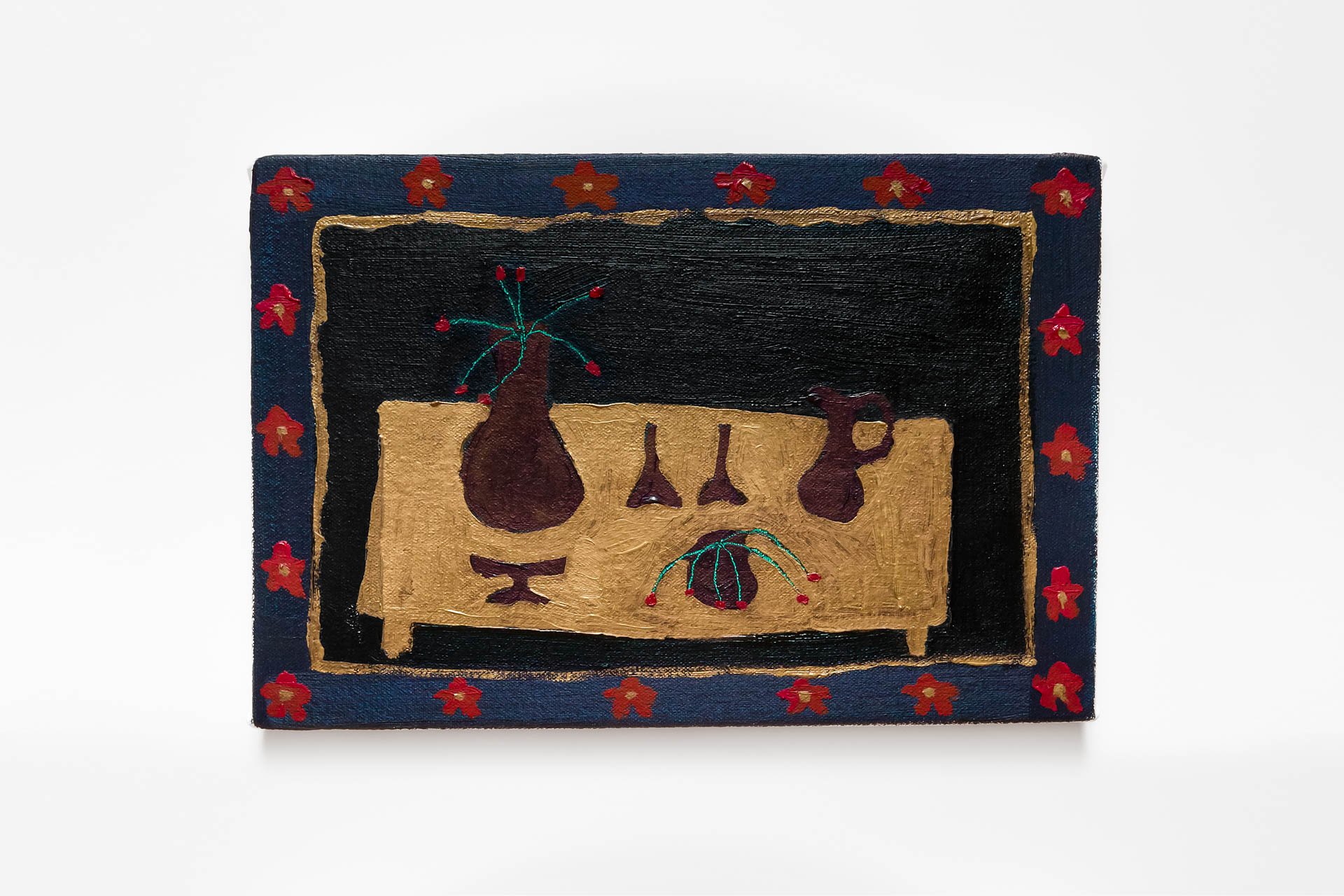
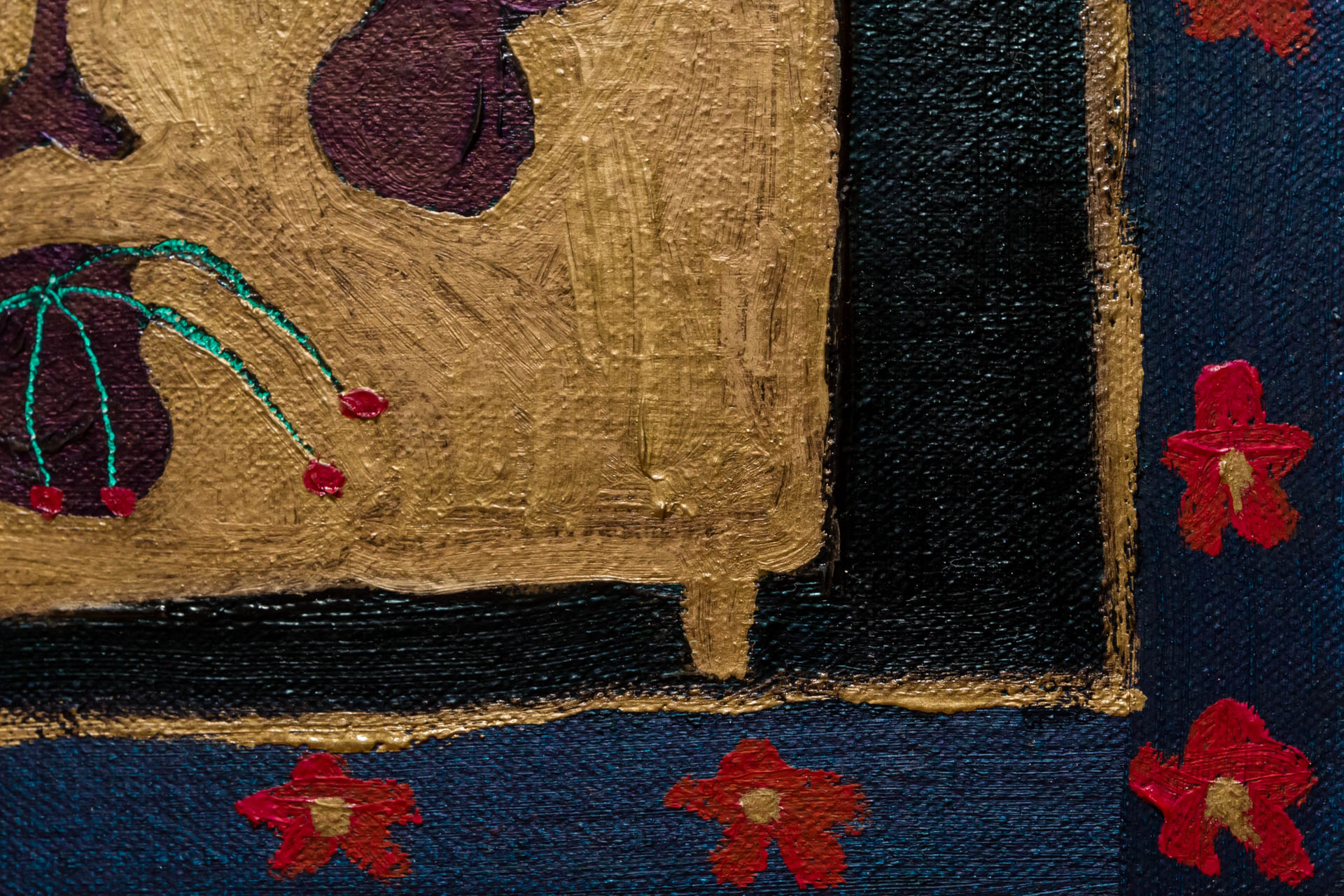
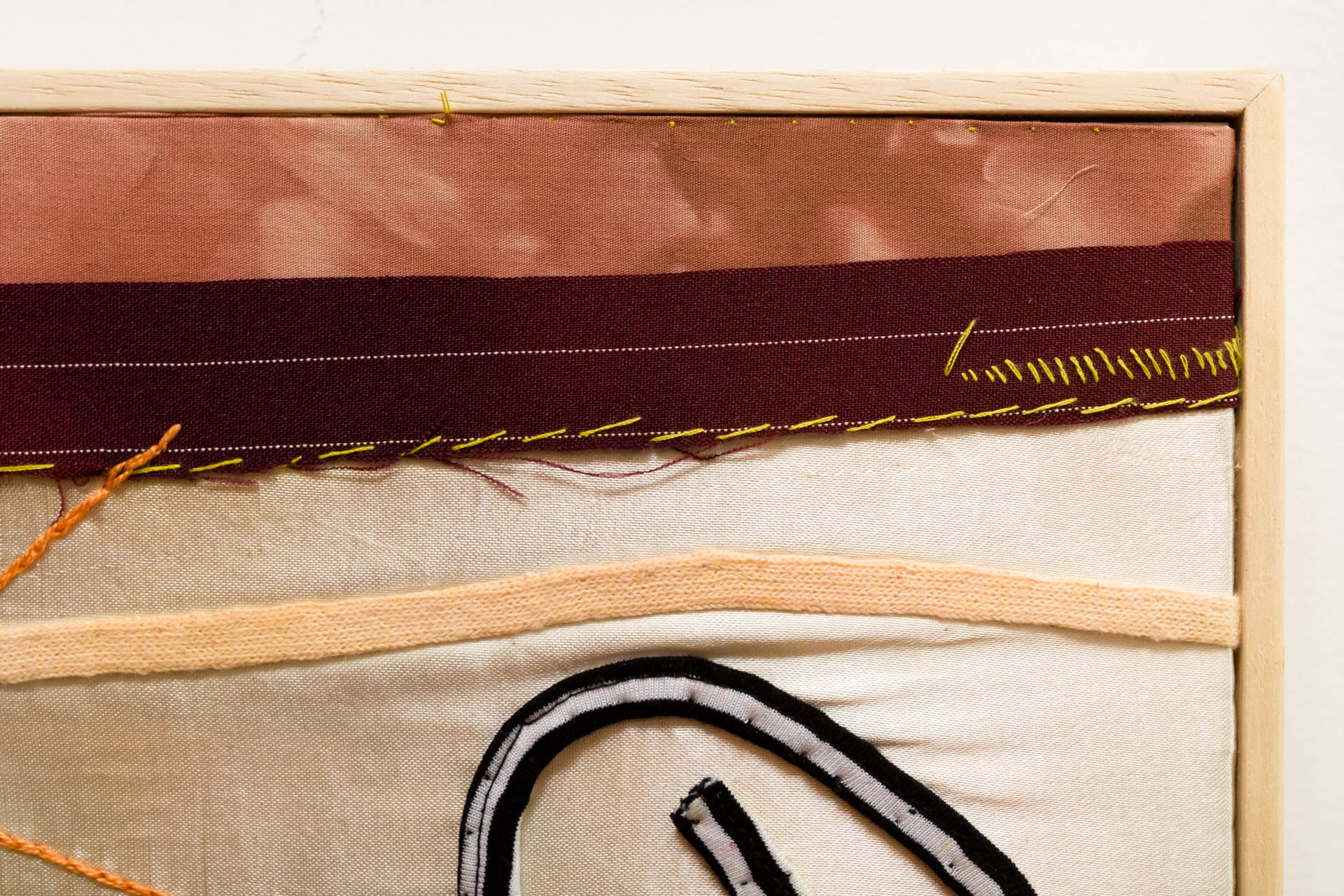
Dialoguing with the longing and absence that permeate Casa do Leonilson, Hiram Latorre reveals in his painting Onde percebo tudo que eu mais amo (Where I perceive everything I love most) the staging of amorous waiting: a table set, a vase and glasses awaiting a toast; red flowers rise and pour out the waters of a desire.
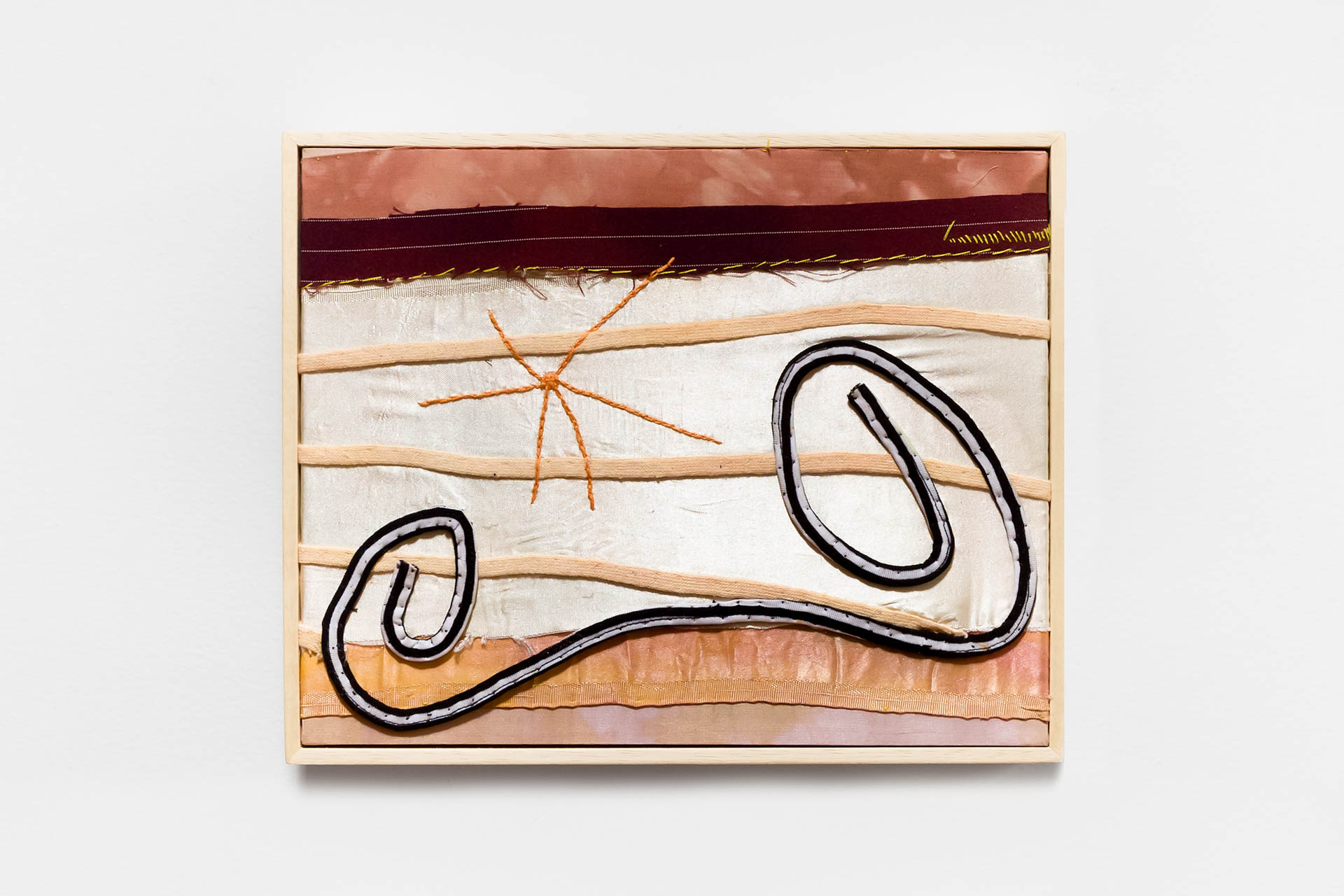
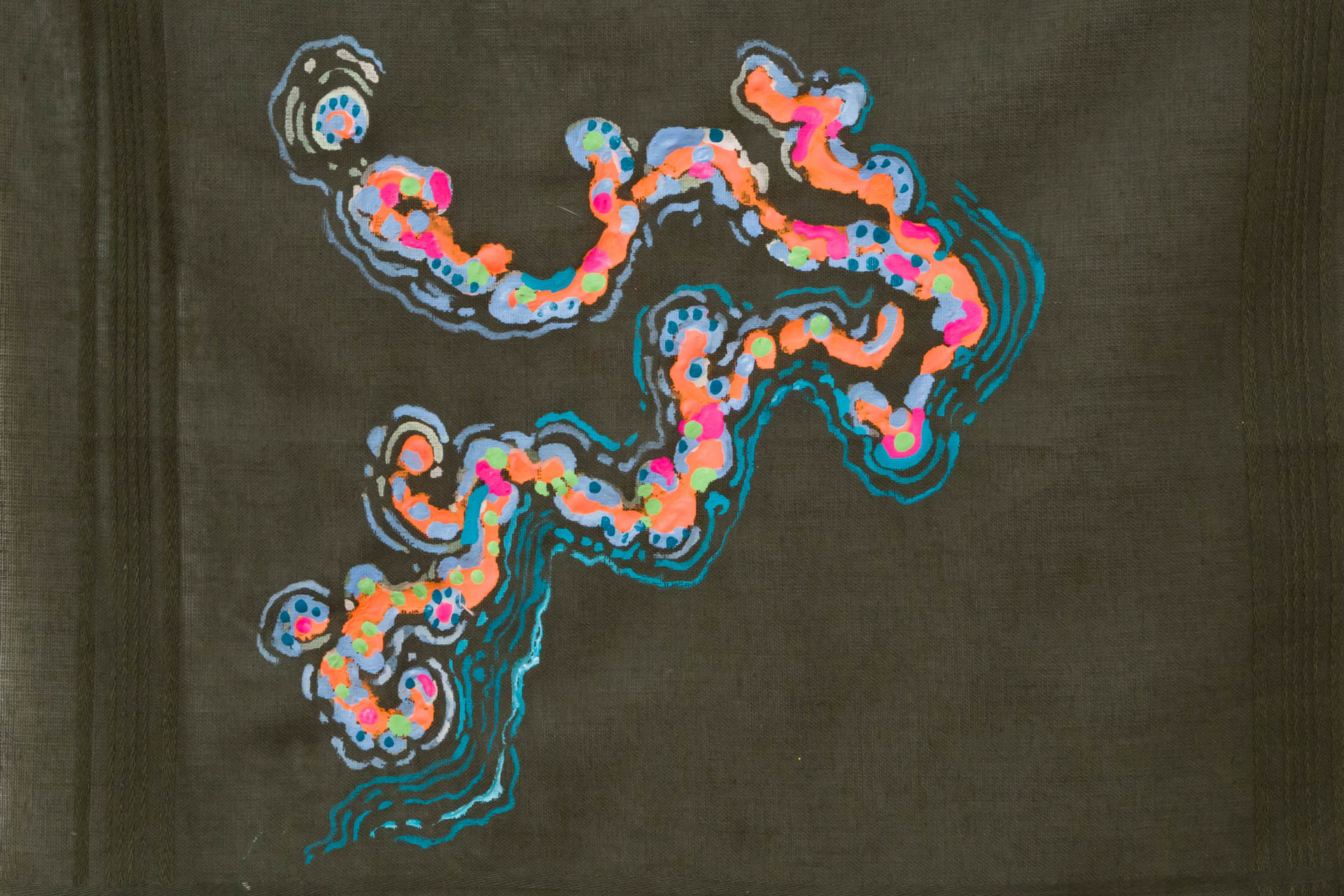
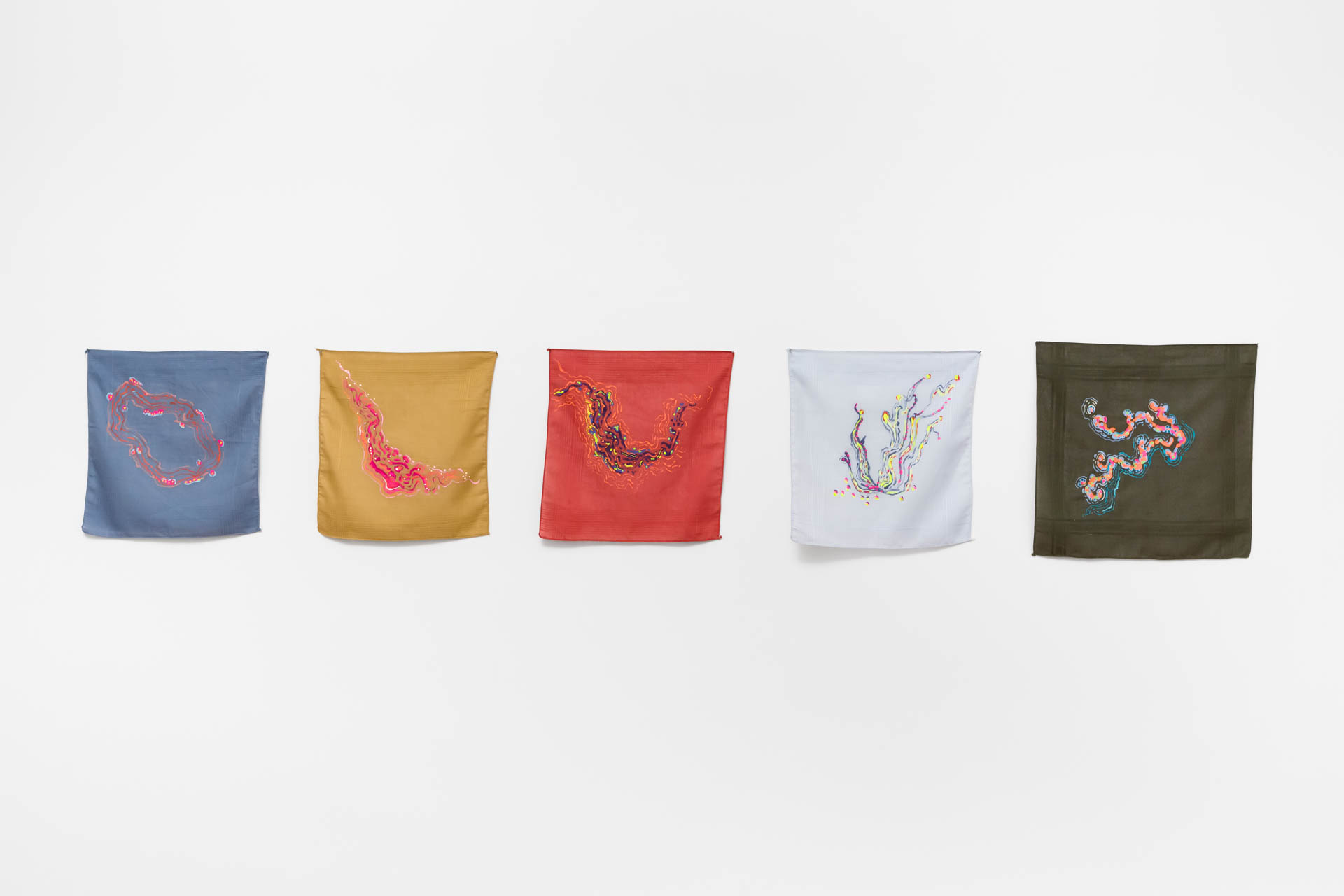
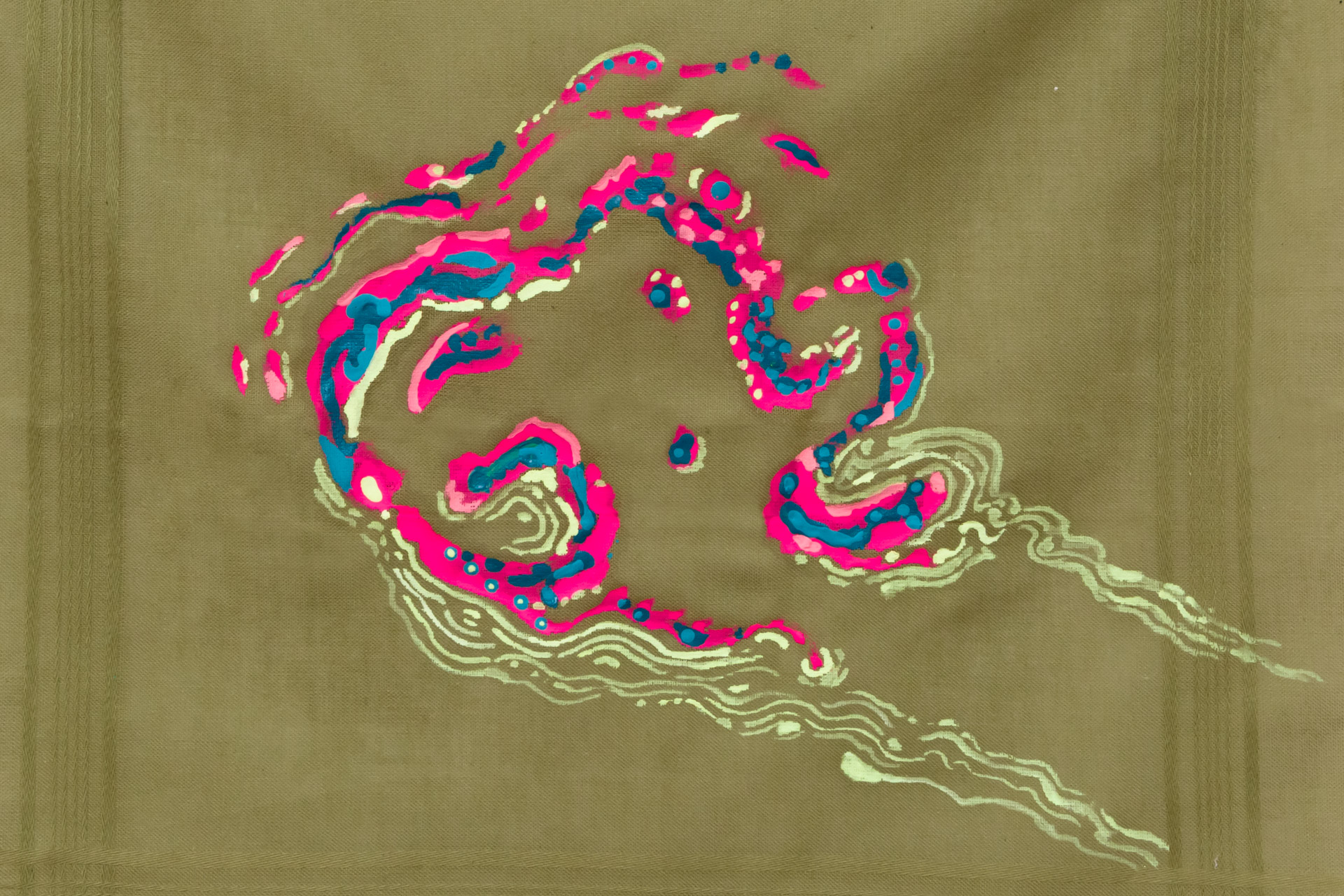
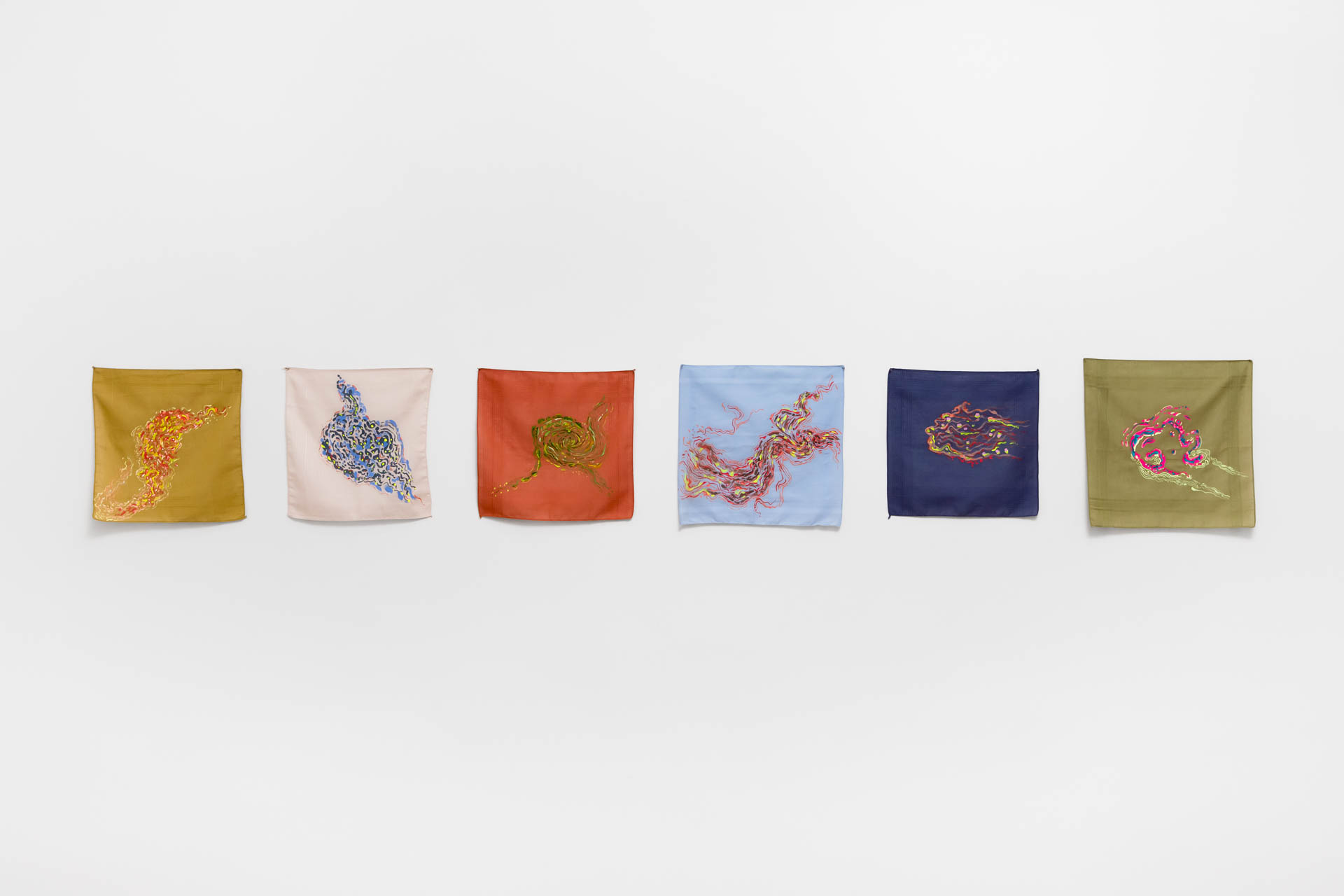
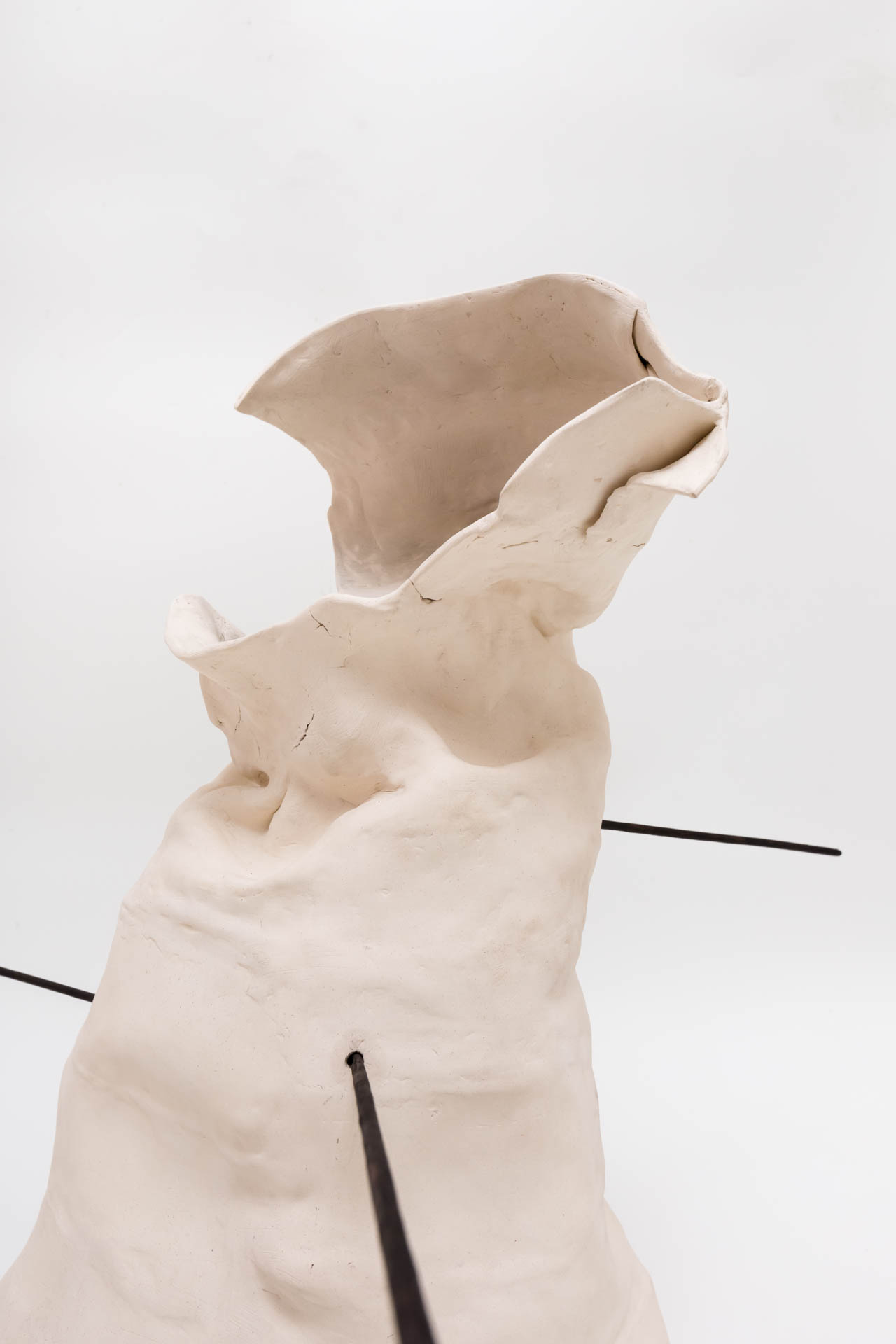
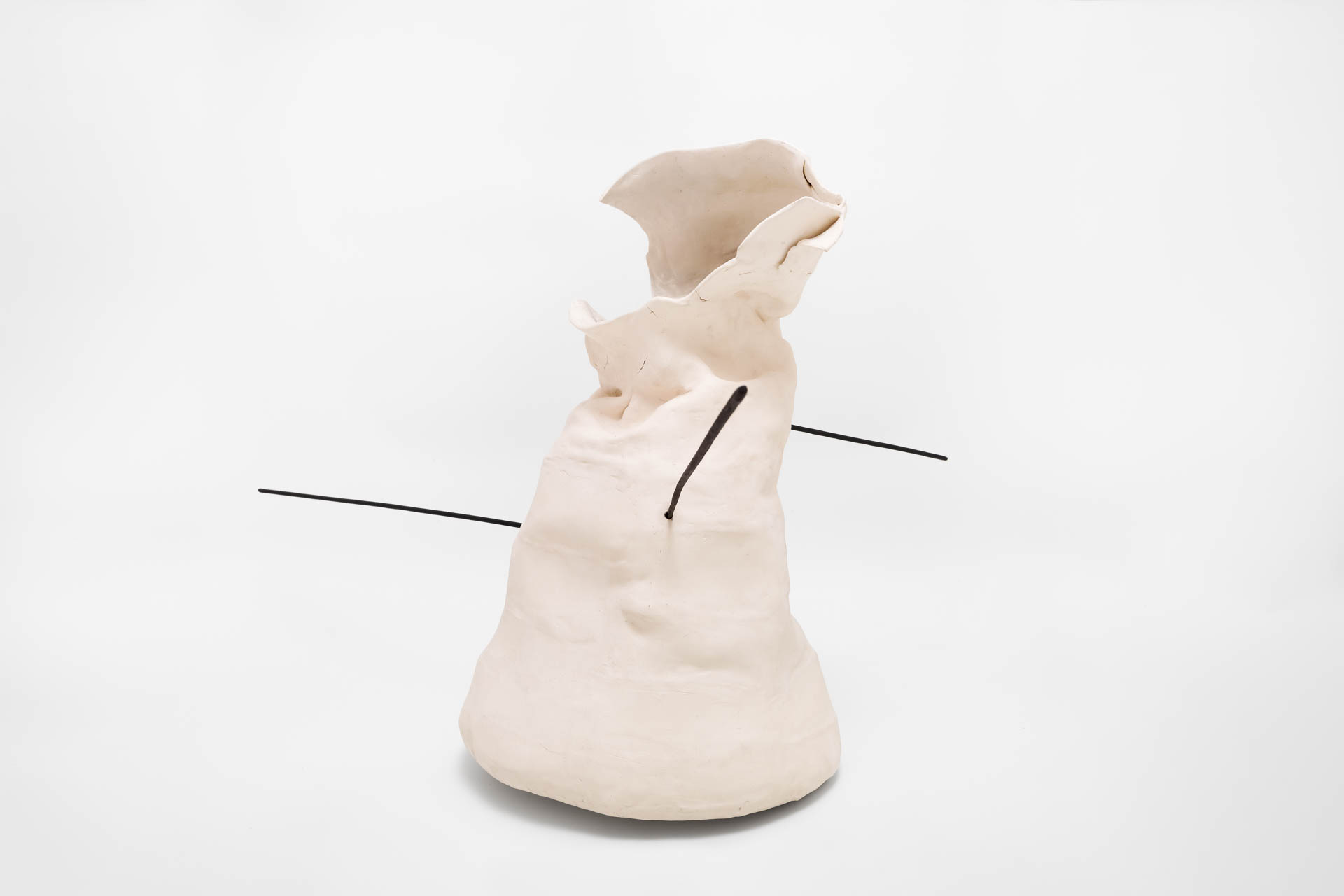
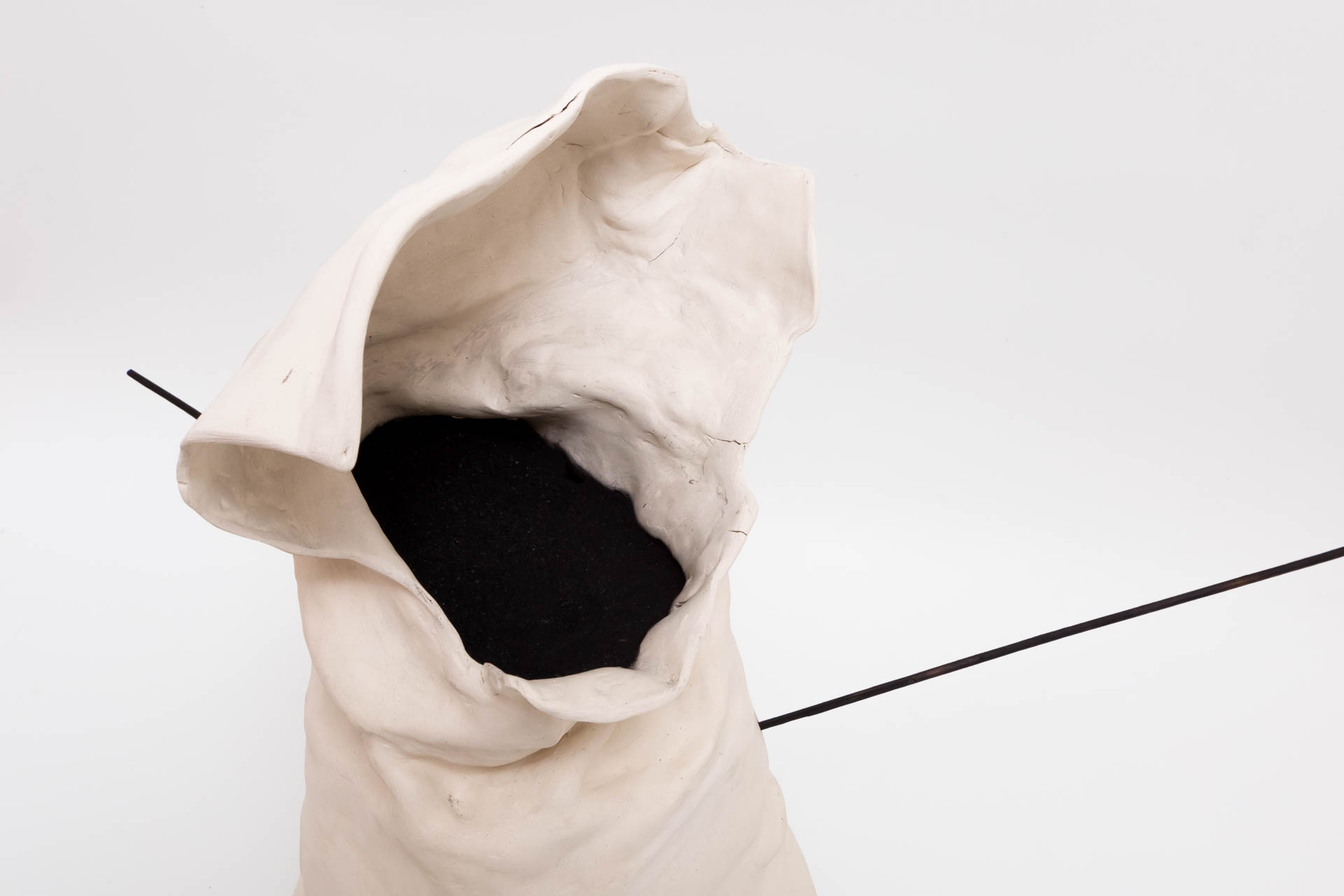
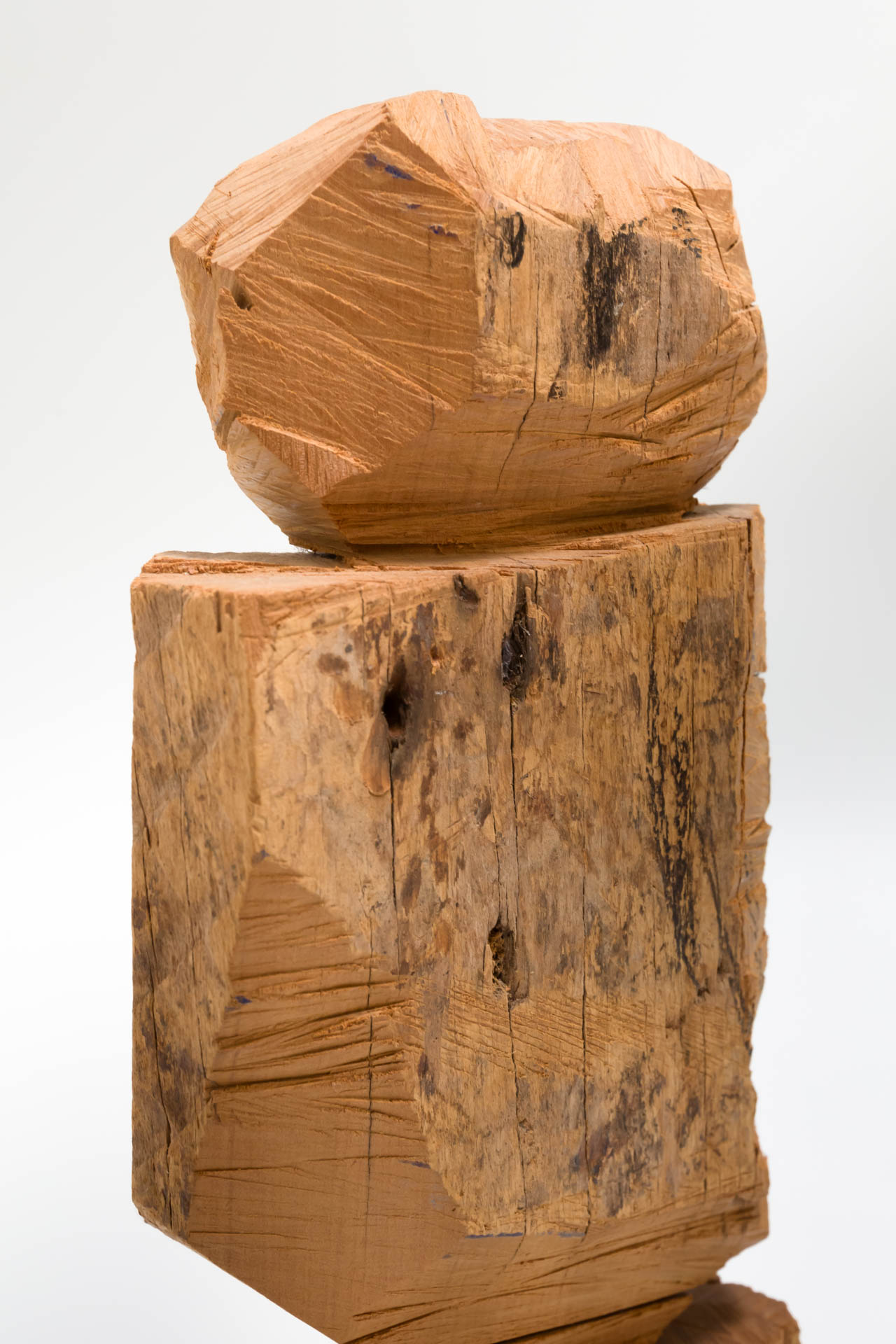
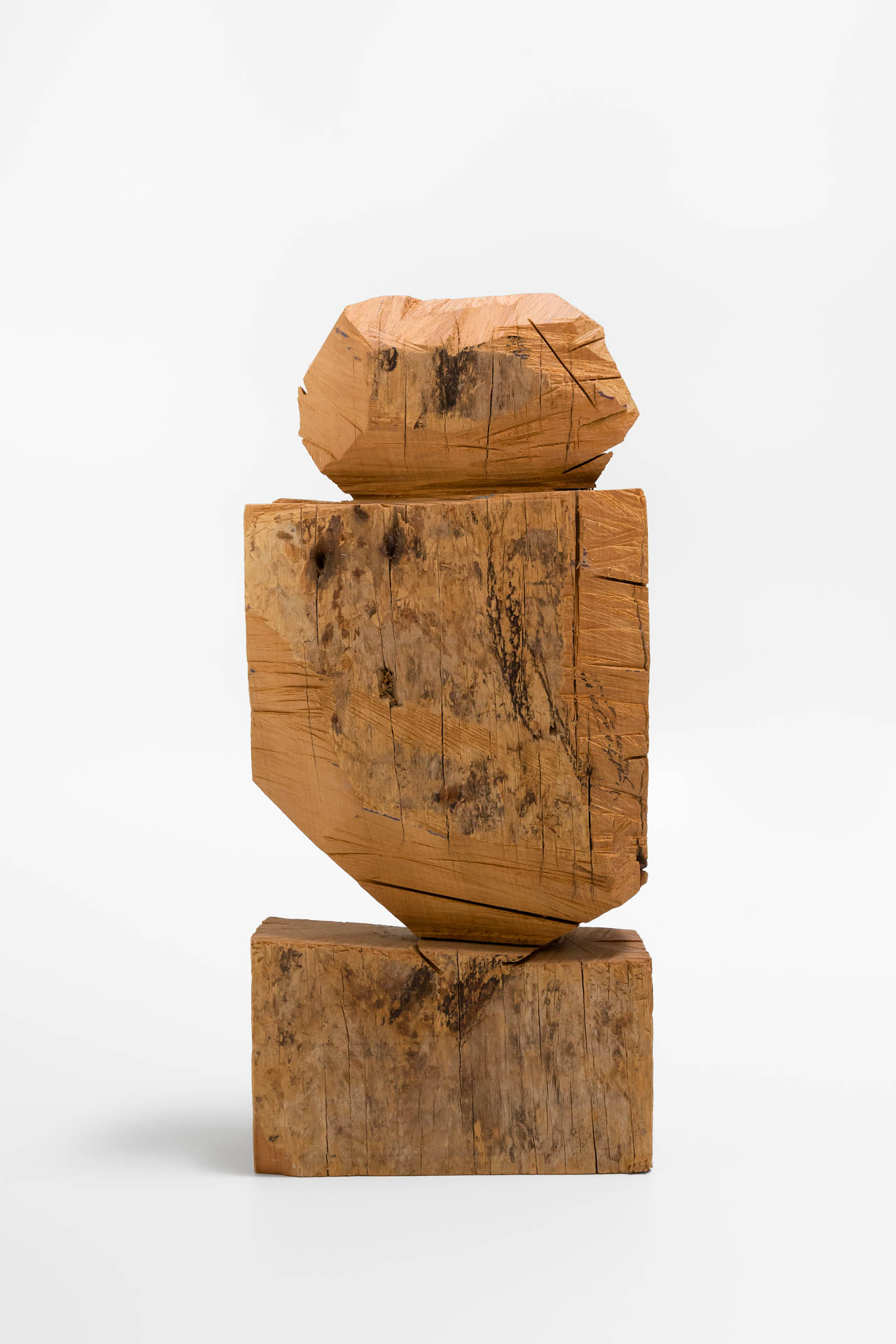
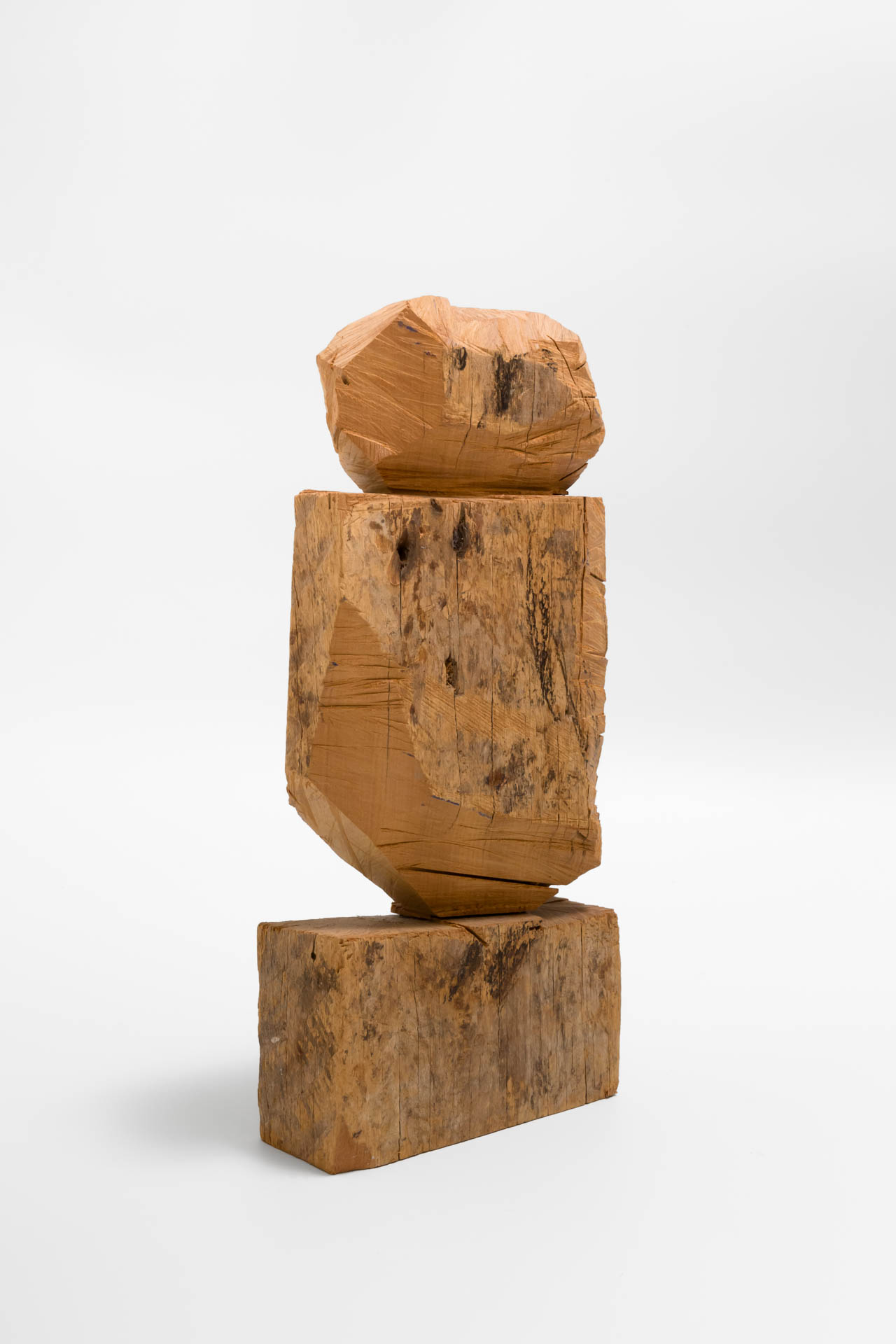
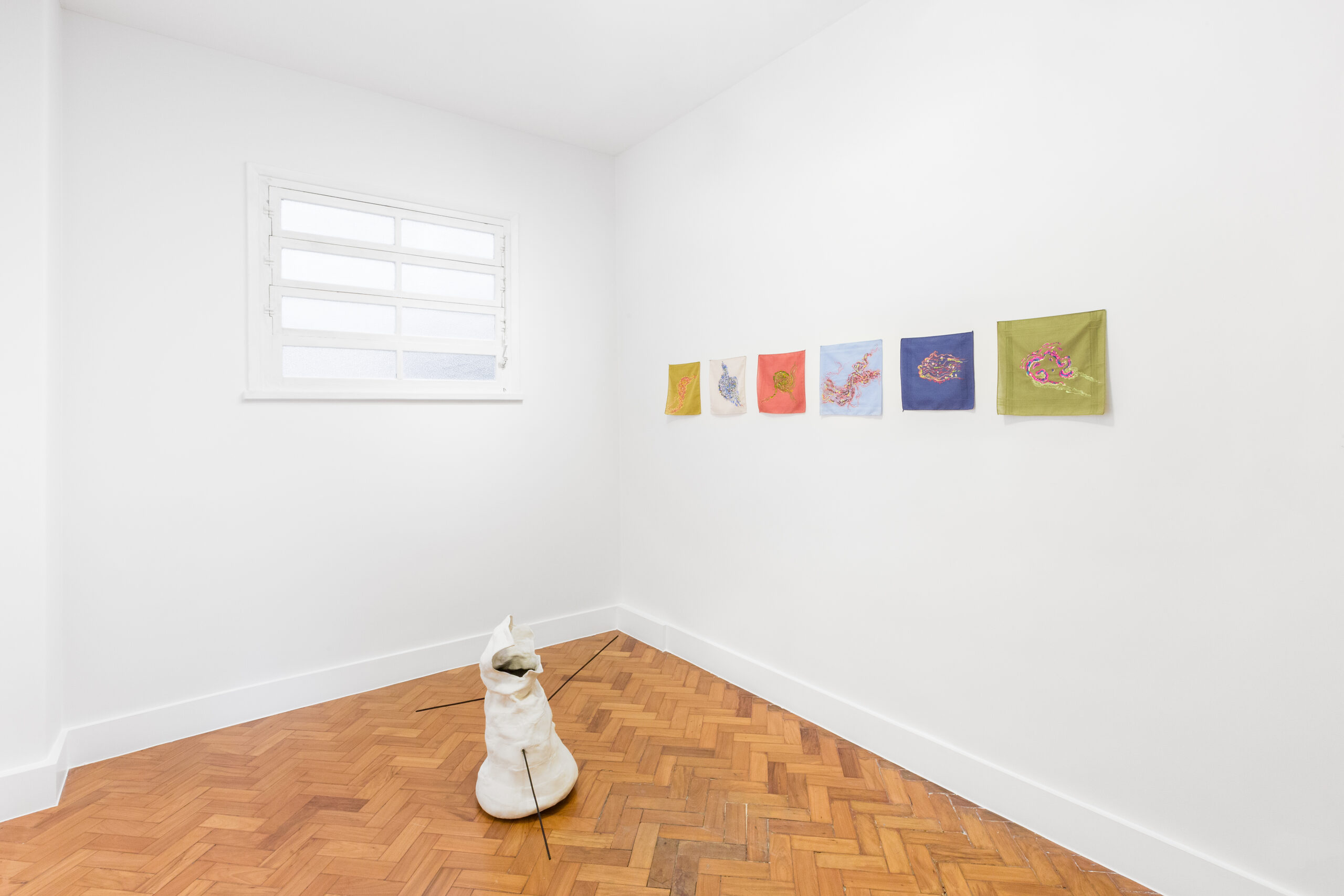
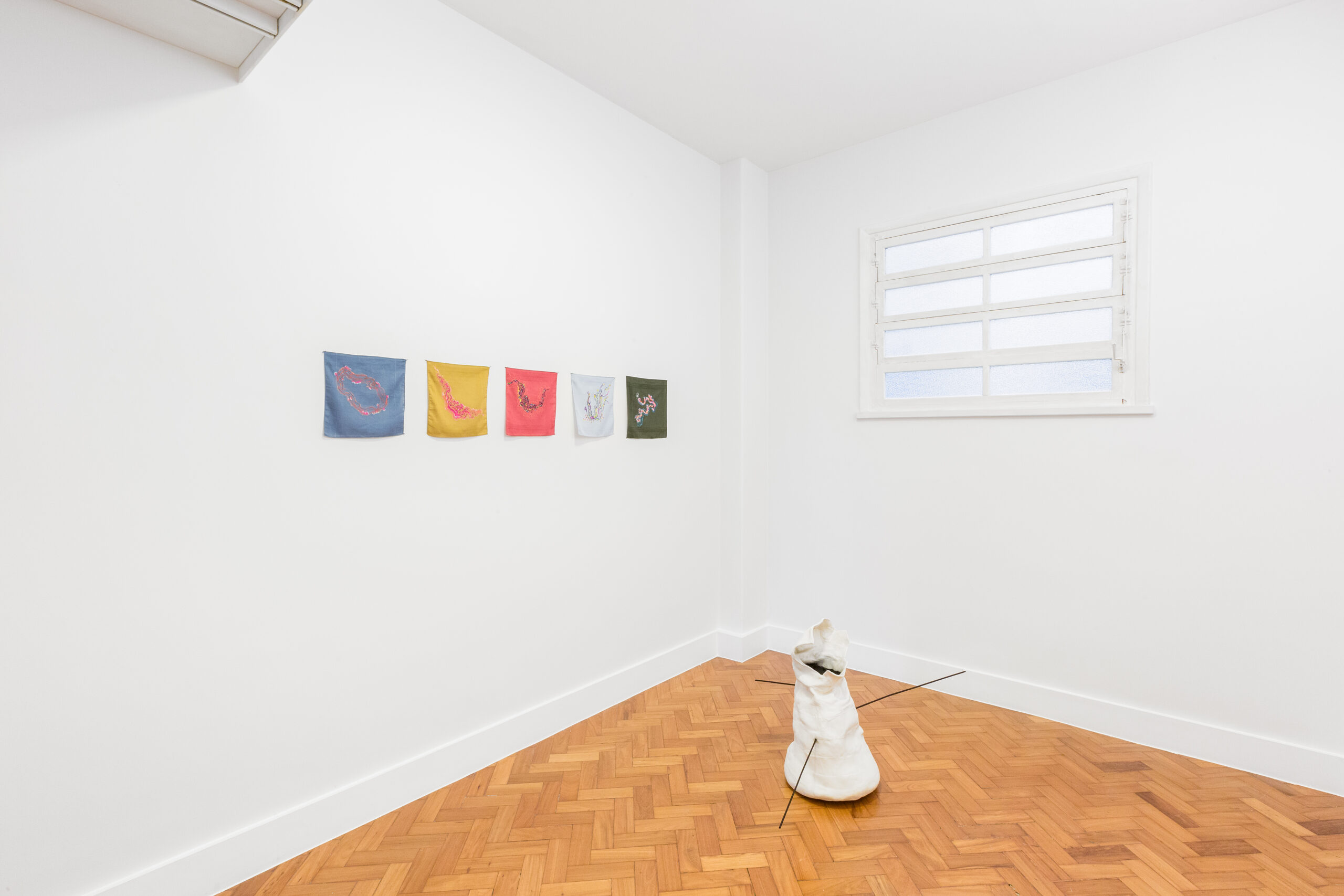
Finally, focusing on the primordial pulse of nature, the works of Loren Minzú, Martin Lanezan and Sheyla Ayo evoke wildness, the wisdom of the owl and the snake, ancestry and the preparation of herbal potions that heal and annihilate; the power of the shadow reflecting the light, the dance of the movements of the cosmos mirrored in the earthly field.
Thus, the rising sap of the plants aligns with the celestial stars, echoing the beating of hearts and the energy pulsing through the veins of passers-by. They wind through the city streets, between viaducts and carrion skyscrapers, waves and dunes, fleeting encounters and eternal exchanges. Life and art vibrate in the verses of poets: Roberto Piva and Antonin Artaud, lounging at the bottom of empty glasses and in the crumpled sheets of lovers.
Between underworlds and jouissance; games, parties and masquerades, madness, nature and freedom, the artists featured in Weeds talk about blood, the erotic, emotions and dance. They foment insurrections and guide us through the dark alleys of Babylon, the avenues covered in glitter, confetti and empty bottles, or the muddy trails of the forest. They exalt the Dionysian, the disorder of reality, the disruptive and transgressive power of art without which we suffocate, the freedom from which it springs and provides new airs. Like vines and weeds that grow, sinuous, and infiltrate the smooth surface of conventions, setting in motion the still waters of bourgeois life, breaking up the hard sidewalk of our sidewalks.
Julie Dumont