Pau Lavrado
Matheus Chiaratti
curated by Ulisses Carrilho
November 19, 2022 - January 20, 2023
São Paulo
– Everything is holy! There is nothing natural about nature.
When nature seems natural to you, that will be the end of everything and the beginning of something else.
[In the movie “Medea” by Pier Paolo Pasolini]
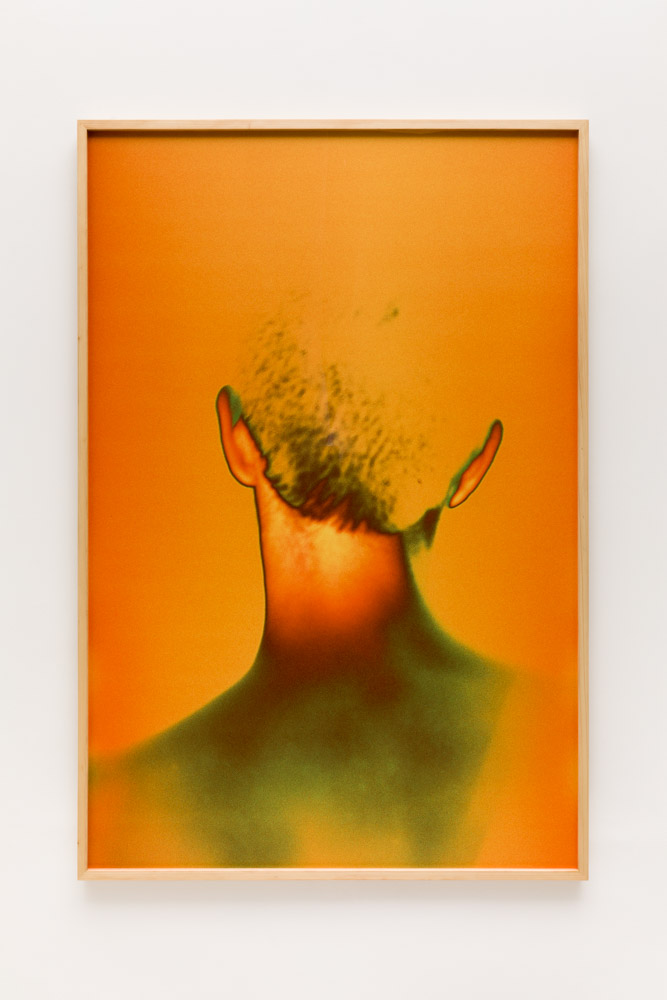
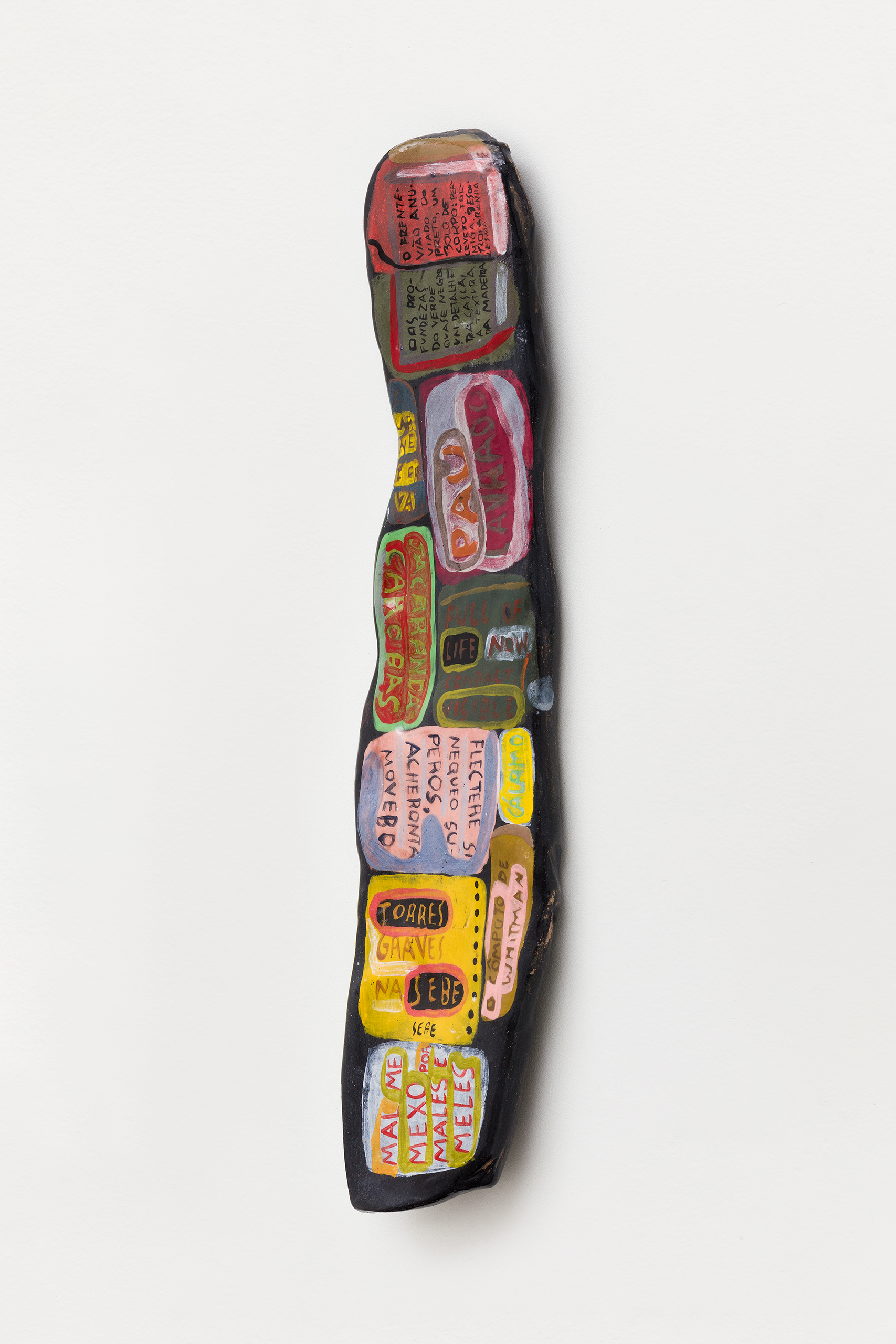
For this text, which is dedicated to reinforcing a dialog with the body of work produced by Matheus Chiaratti, with special attention to the new temperatures in “Pau Lavrado”, I deviate from looking at the works. I rely on an exchange of glances: as I perceive things, they look back at me. I find names, inscriptions, clues. In his book “Quando verbo si fa carne”, Italian philosopher Paolo Virno explored how language is directly related to the conditions that govern our experiences – from spiritual transcendence to biological circumstances. By asking himself when language becomes flesh, with intellectual impetus, he takes up the Herculean task of all those who chose the cold of marble to make the hot flesh of men solid and immutable. Although he uses the term “flesh” again in this title, this idea is deliberately weakened here. Language is not flesh, it speaks of it and with it; the word cannot stop either joy or pain. The poet is the one who unsuccessfully, miraculously, insists. He trusts in the word. Chiaratti’s poetry leads the audience to insist and also to trust in the words. That, recombined, they can lend a meaning that is not revealed on the surface of the material – the artist has created a poetic procedure for himself in which his paintings, drawings, sculptures and also in his poetic text, he presents words and images in a regime of concomitances. If both the flesh and the tongue of the human are weak, for this introduction I call on the voice of the Centaur in Pier Paolo Pasolini’s film “Medea”. A creature from Greek mythology, with the upper body of a human and the lower body of a horse, I trust this voice, between people and god, between person and beast, to read violence and the sacred on the surface of matter. There is nothing natural about naturethe creature emerges. When nature seems natural to you, that will be the end of everything and the beginning of something else.
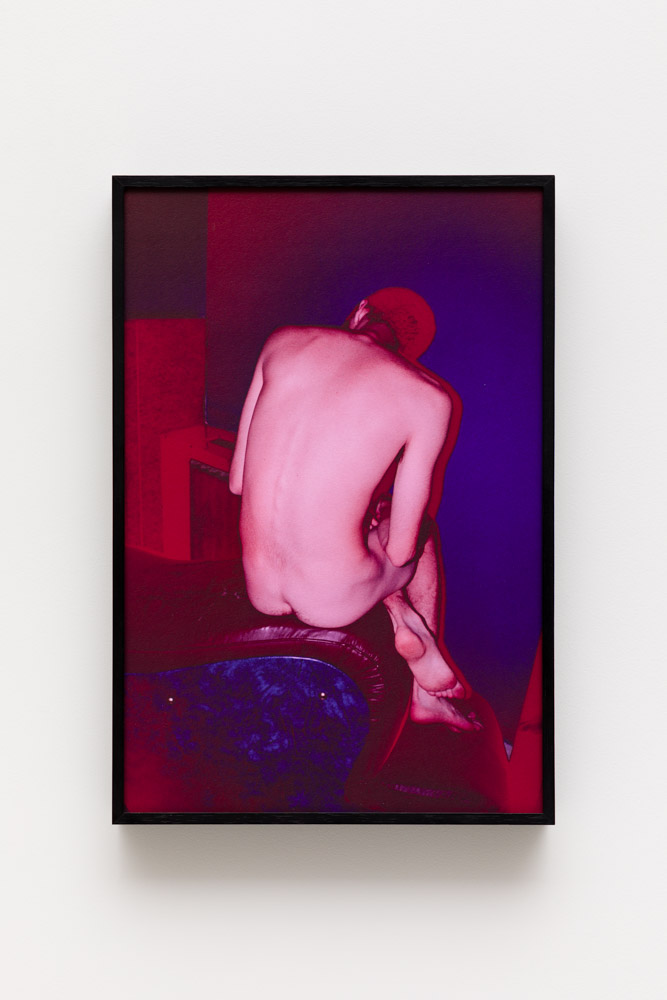
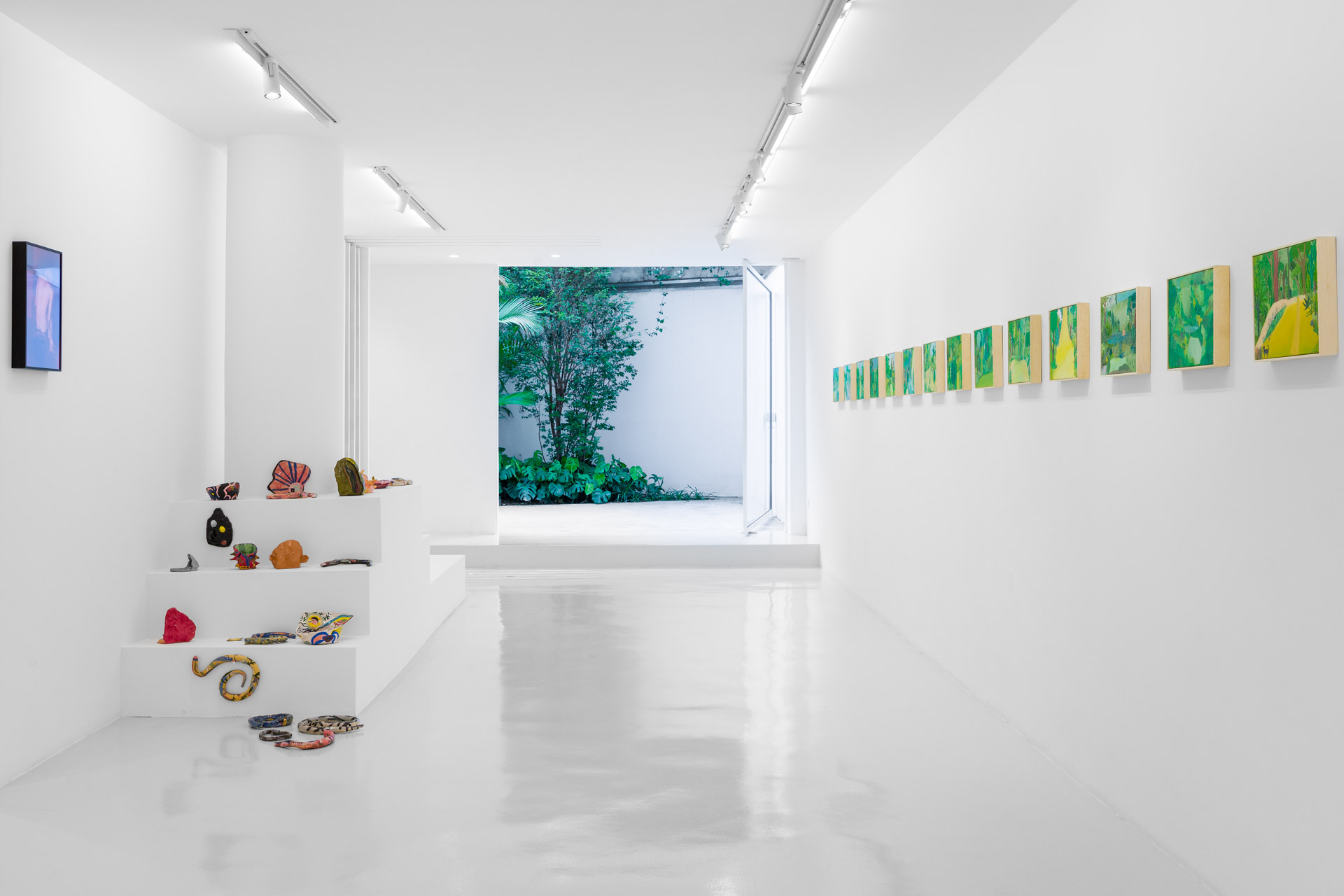
Curiosity is a form of love. Anyone who visits Pau Lavrado can investigate the artist’s desire. Hypothesize about what moves Chiaratti to return to the Birigui of his childhood and adolescence, his past, and inscribe it in his present. As well as suggesting body and form from the title of the show, it borrows an eroticism that lurks in the name of a rural neighborhood in the city where the artist was born and raised. It is also the name of a book written by the artist, not yet published: a work that comes. Exhibition and book, landscape and body part, people and thing, beast and divinity: everything is holy.
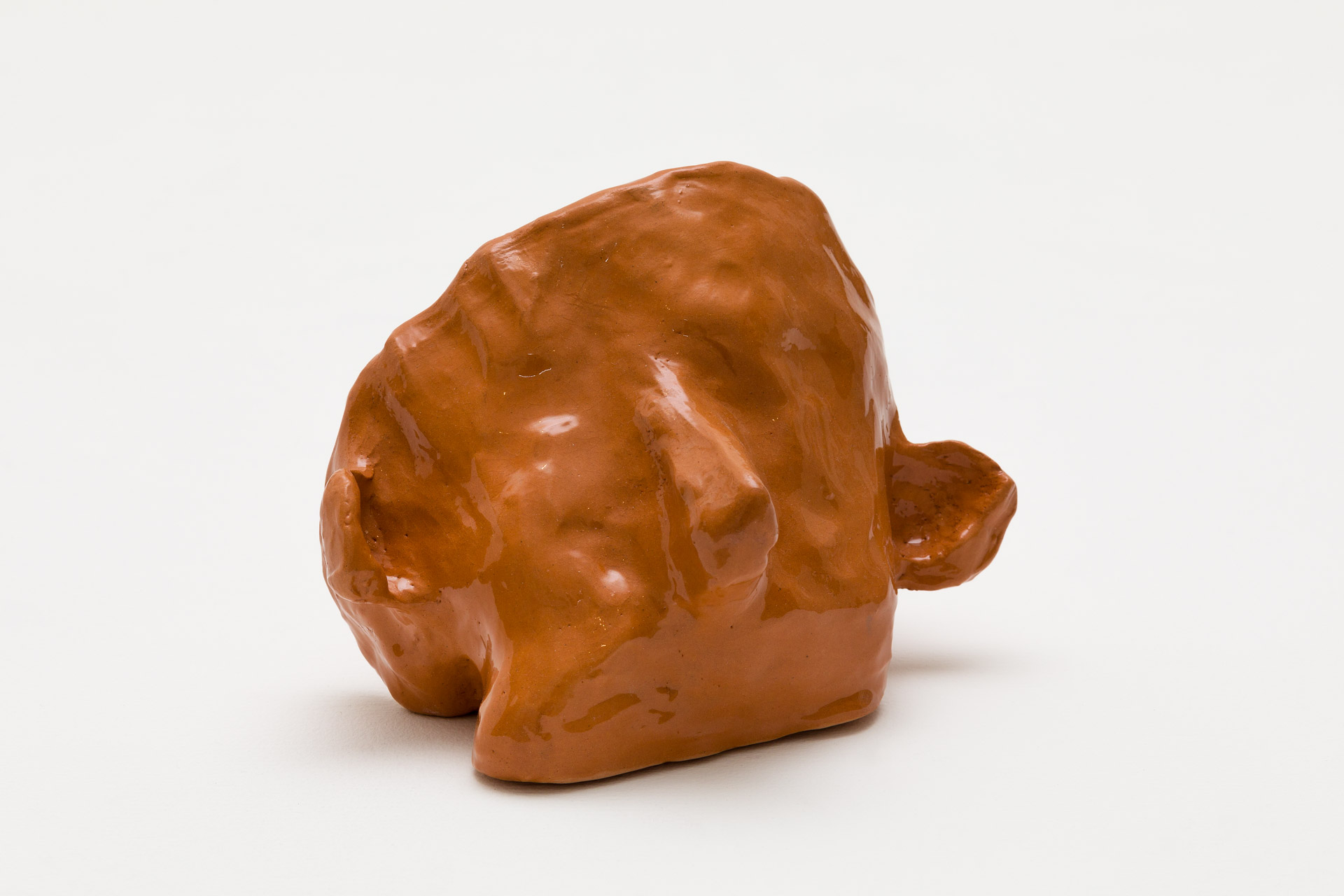
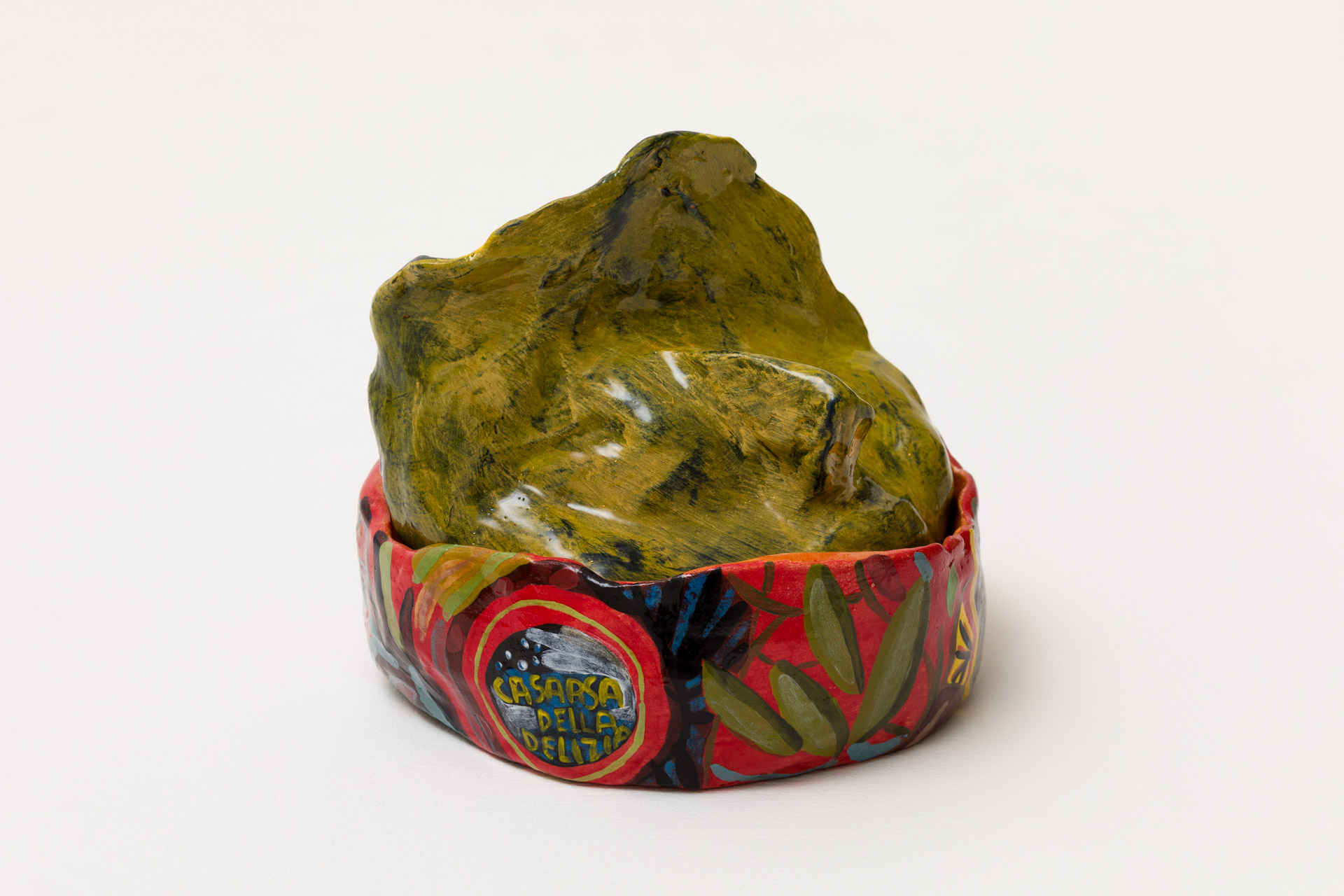
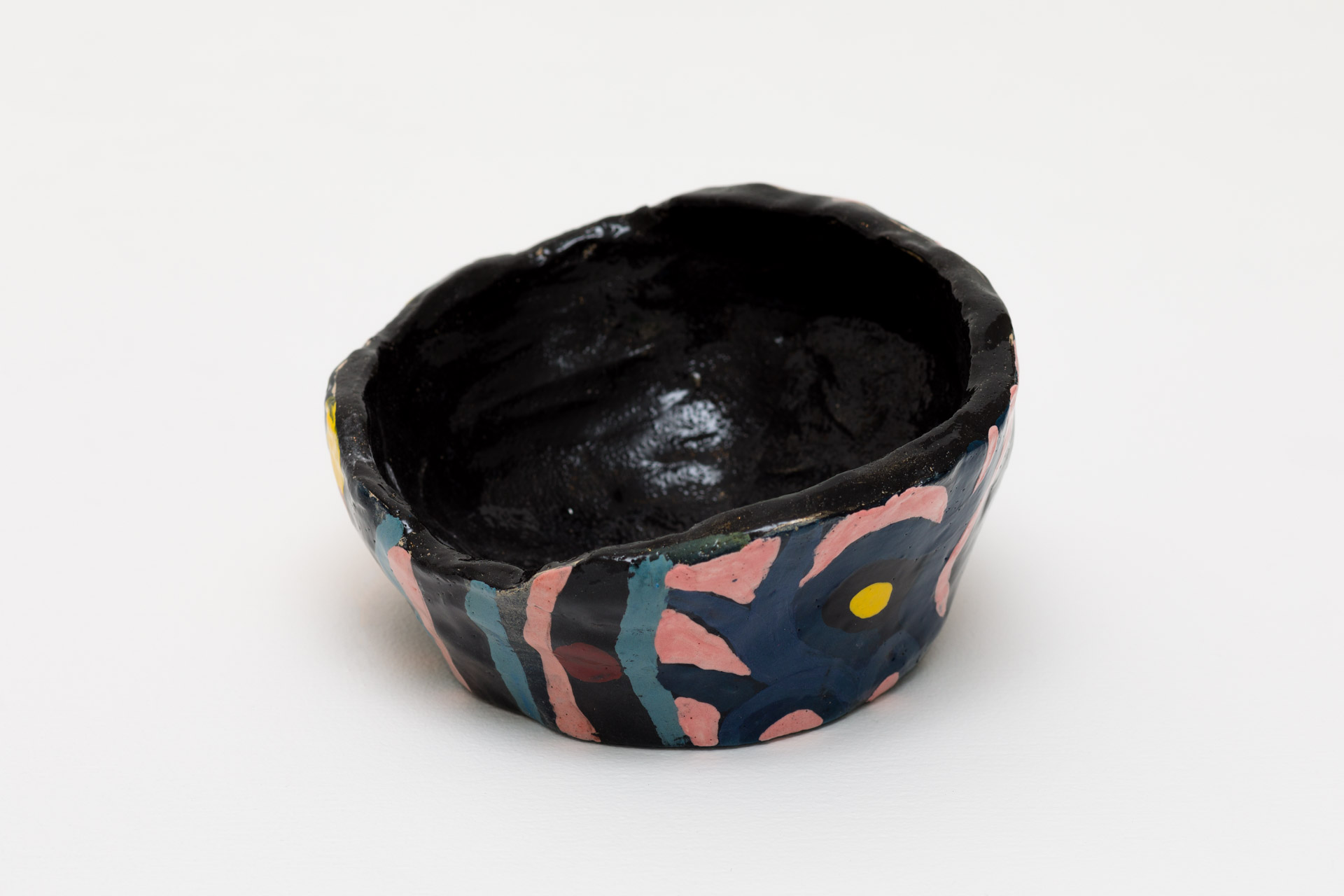
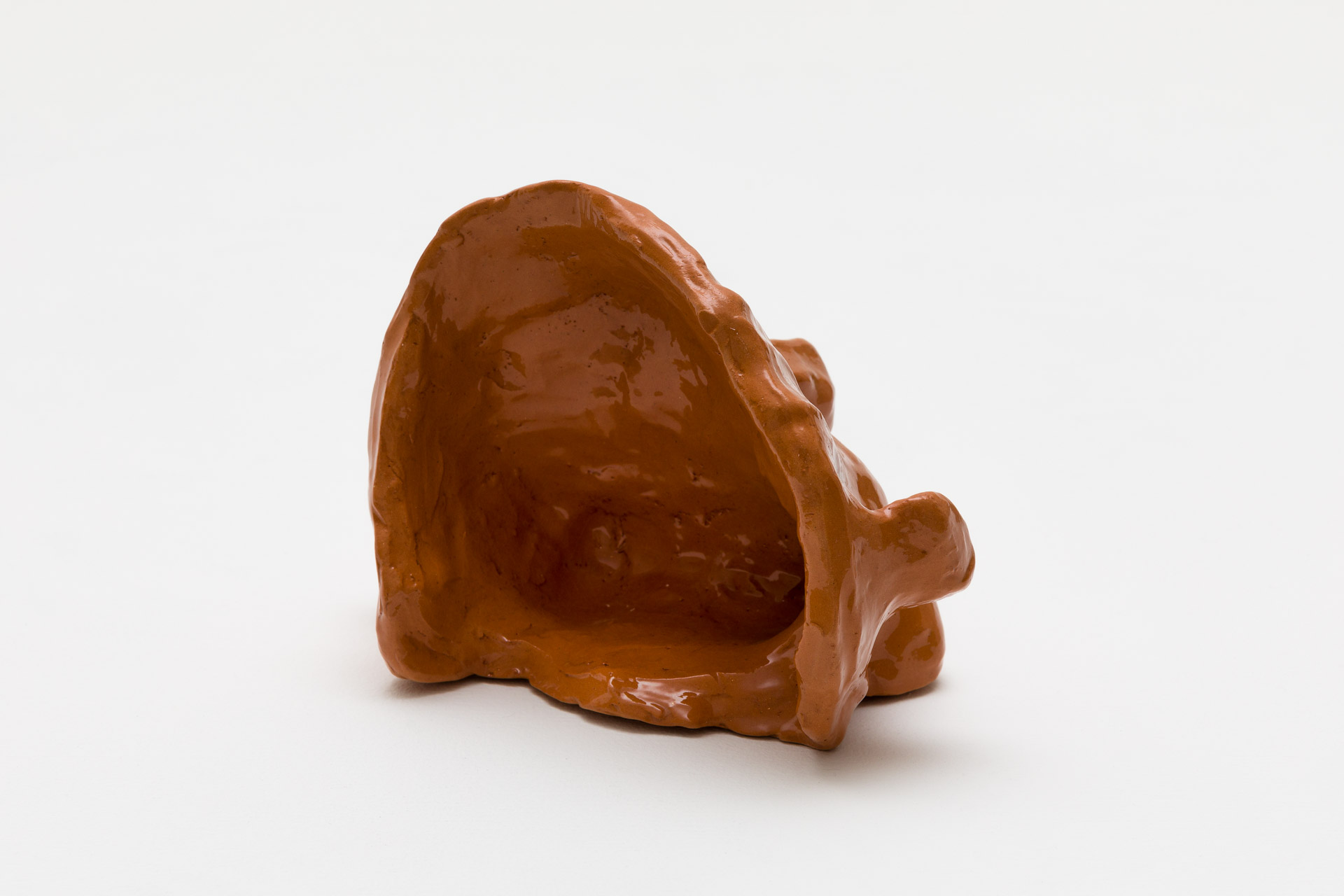
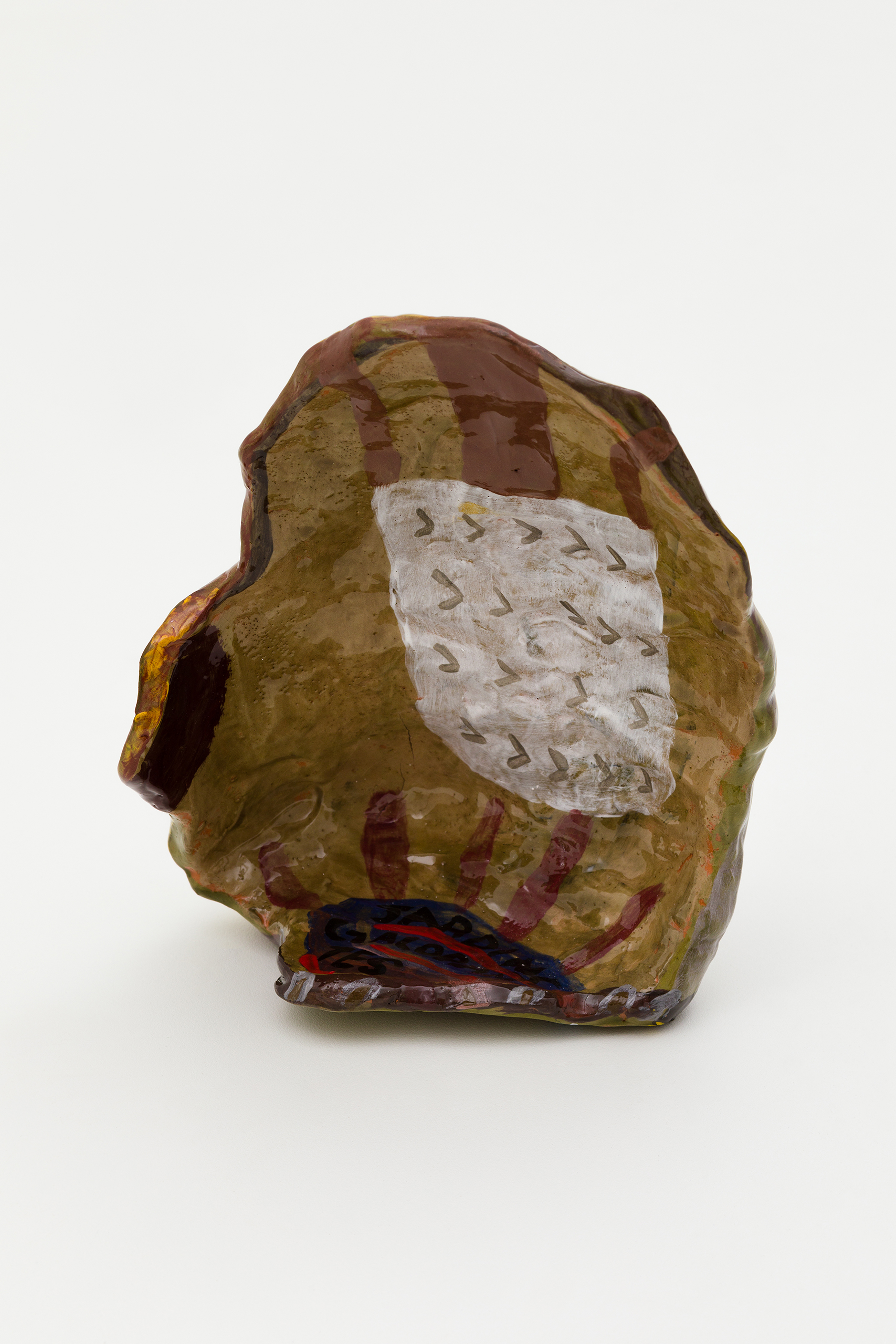
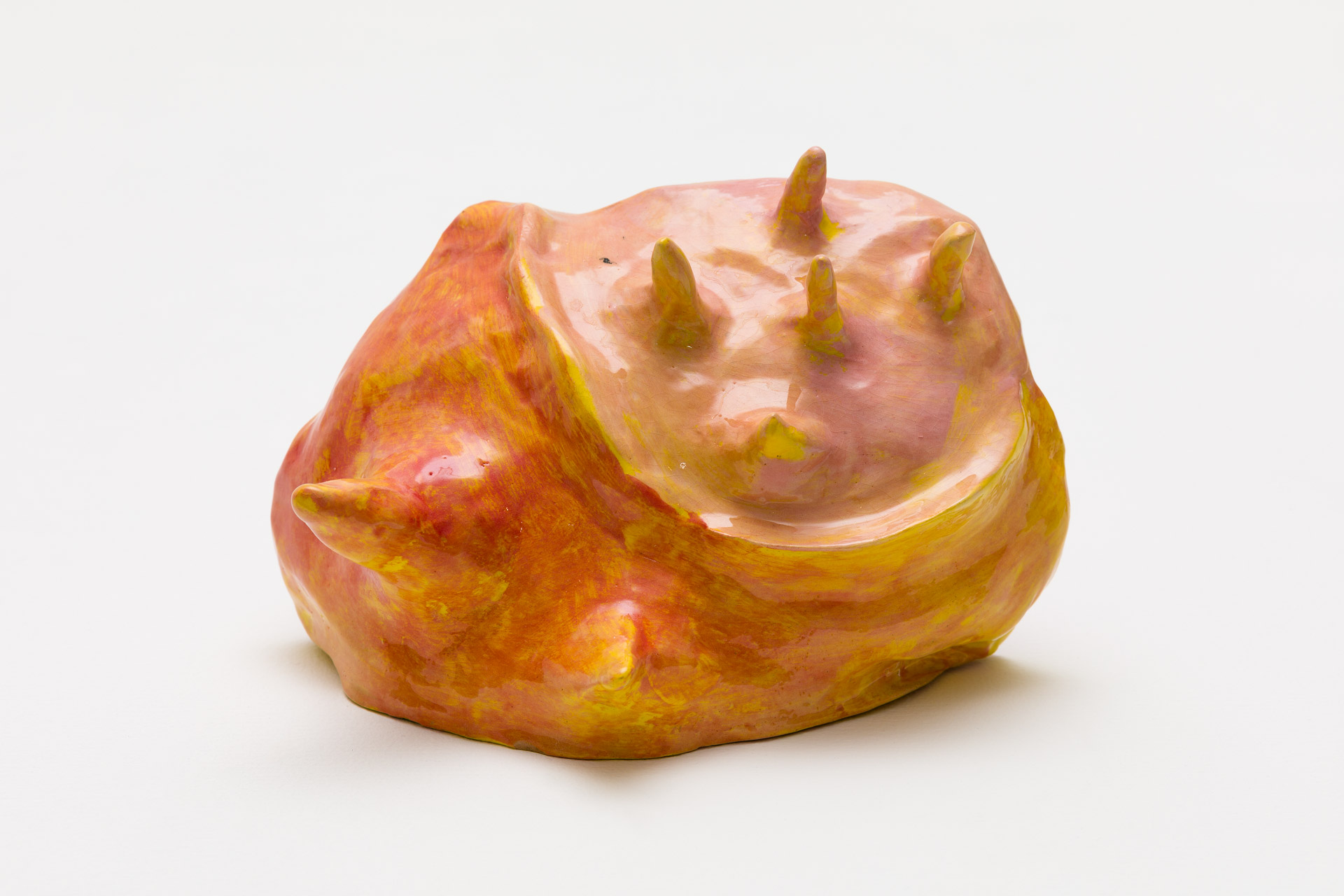
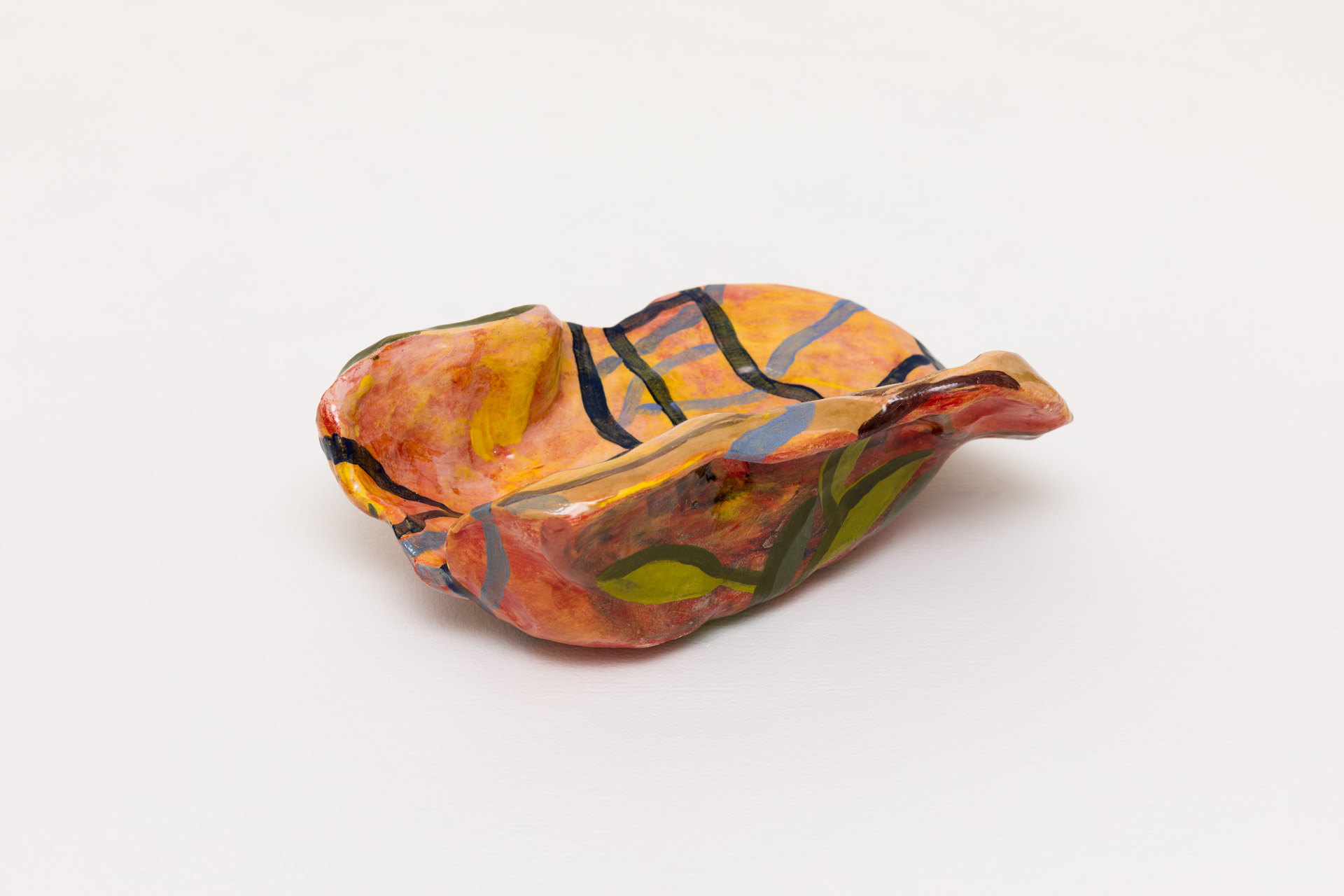
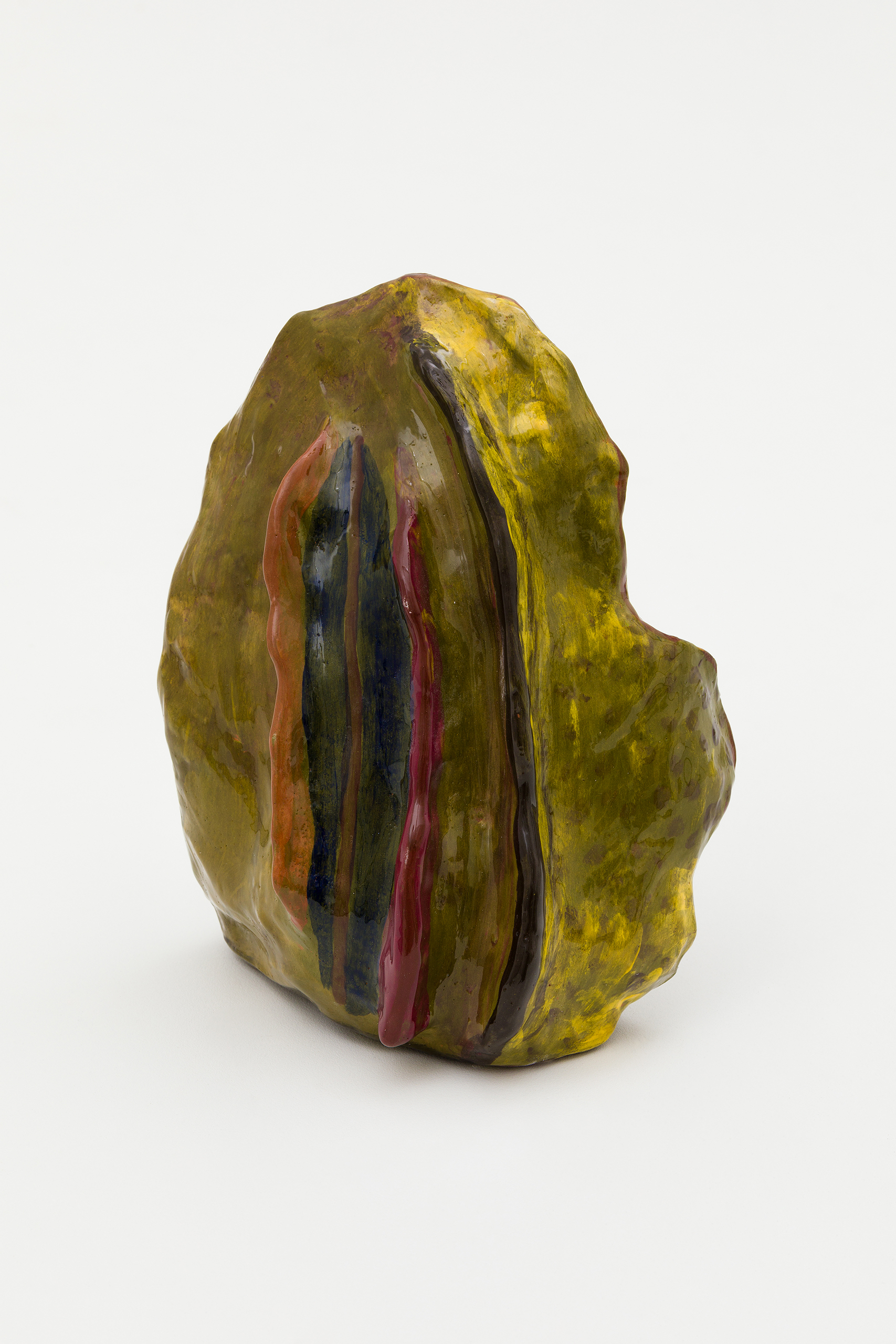
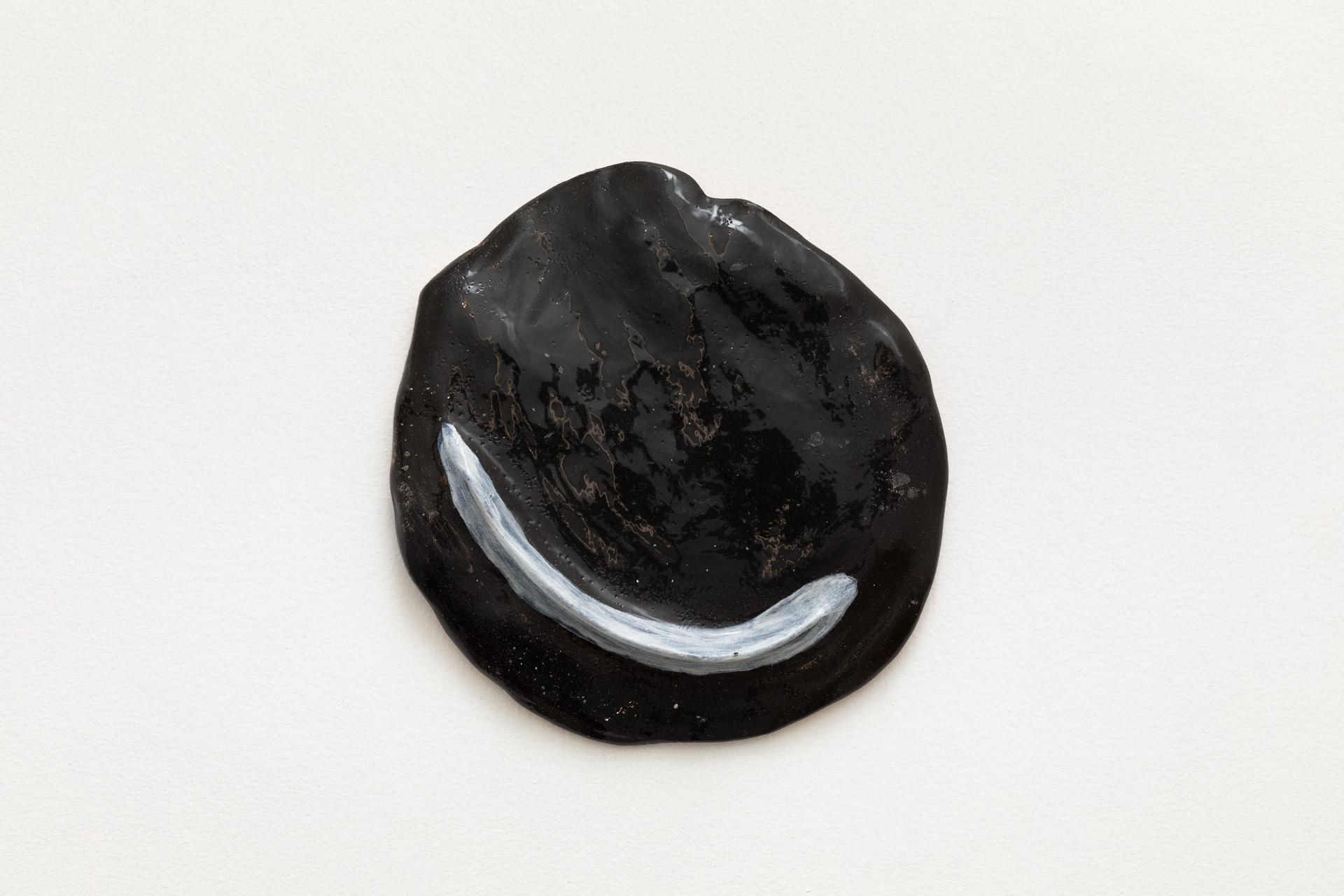
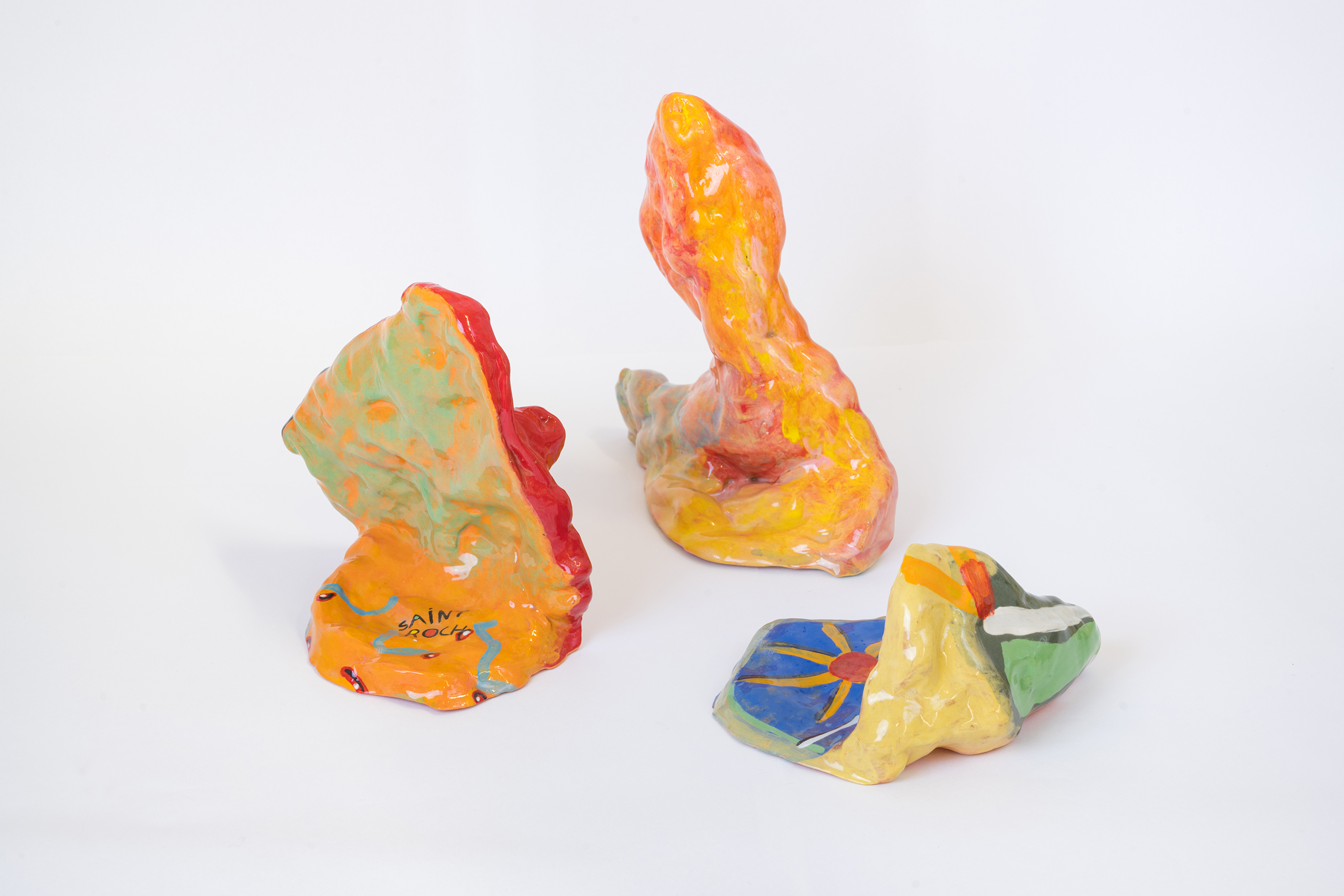
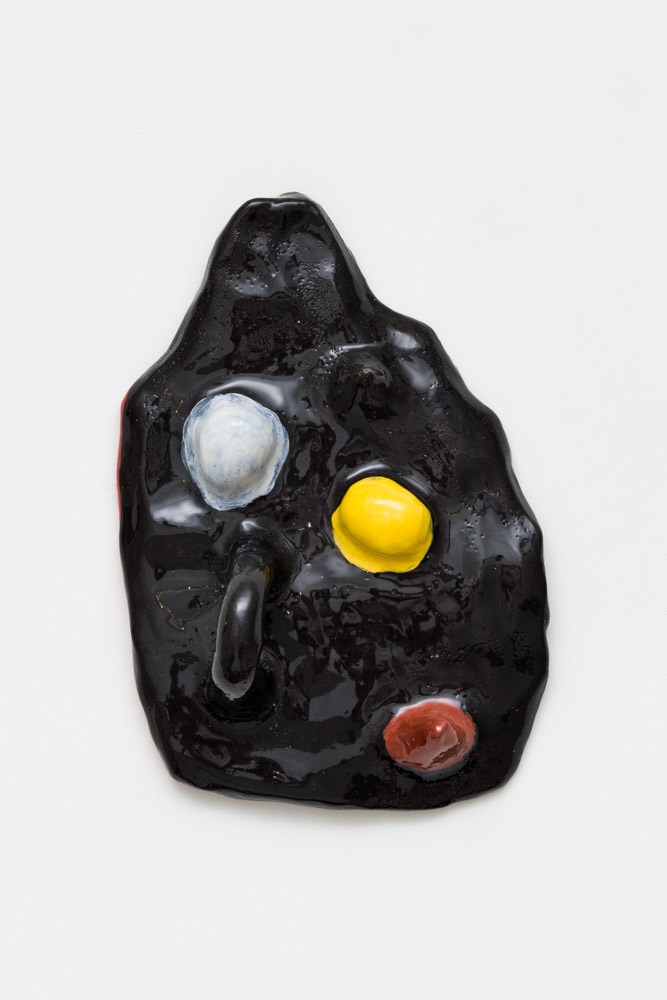
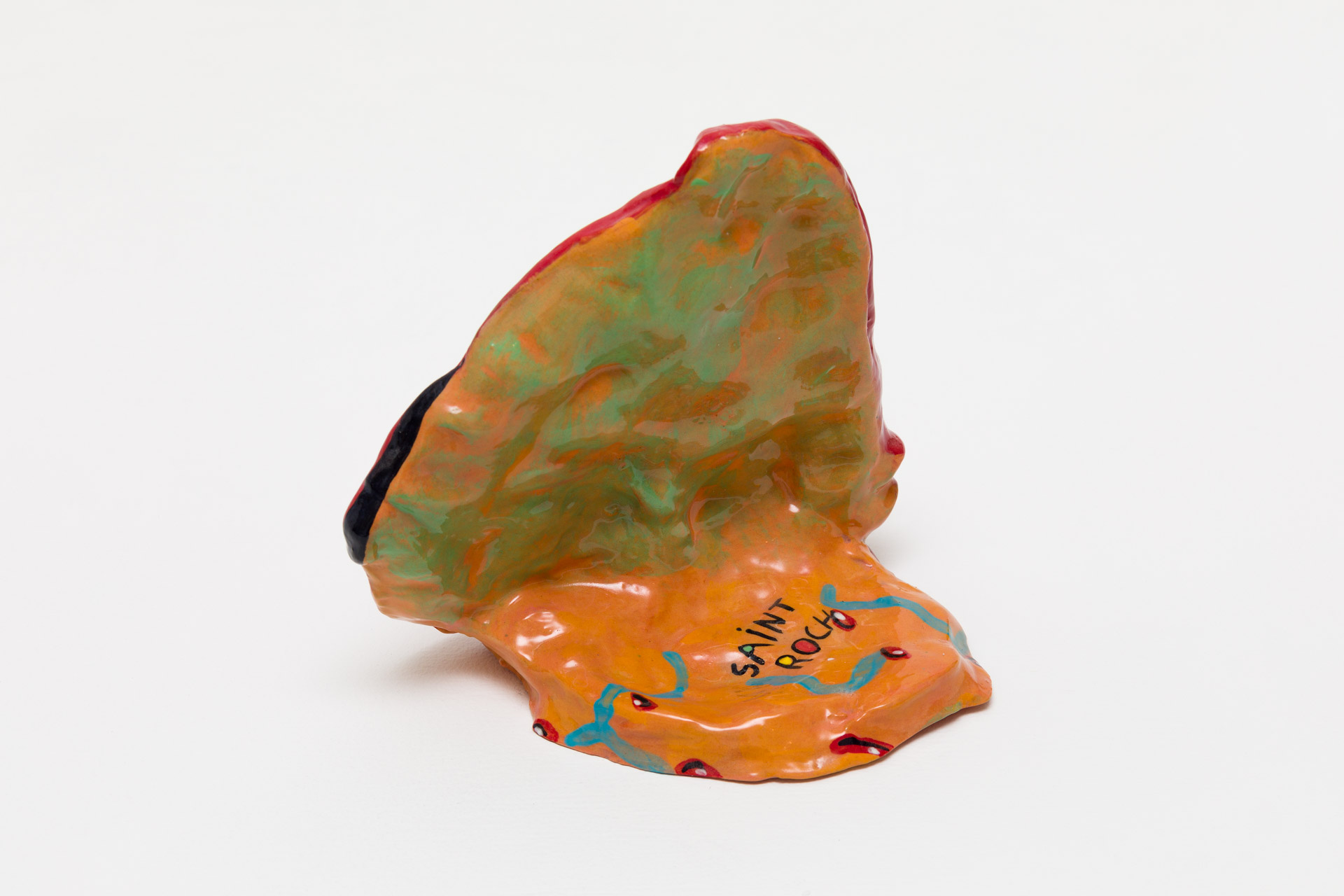
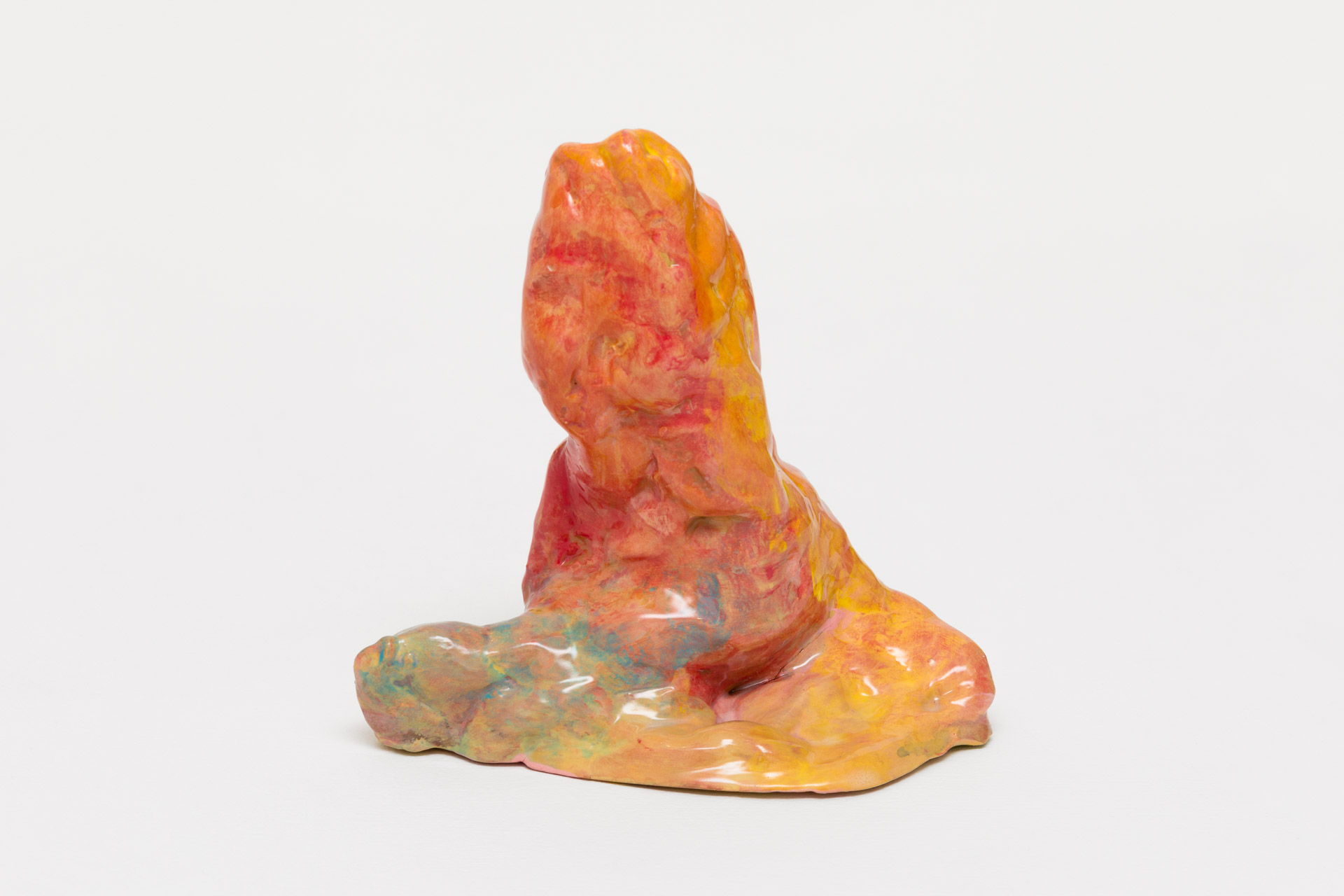
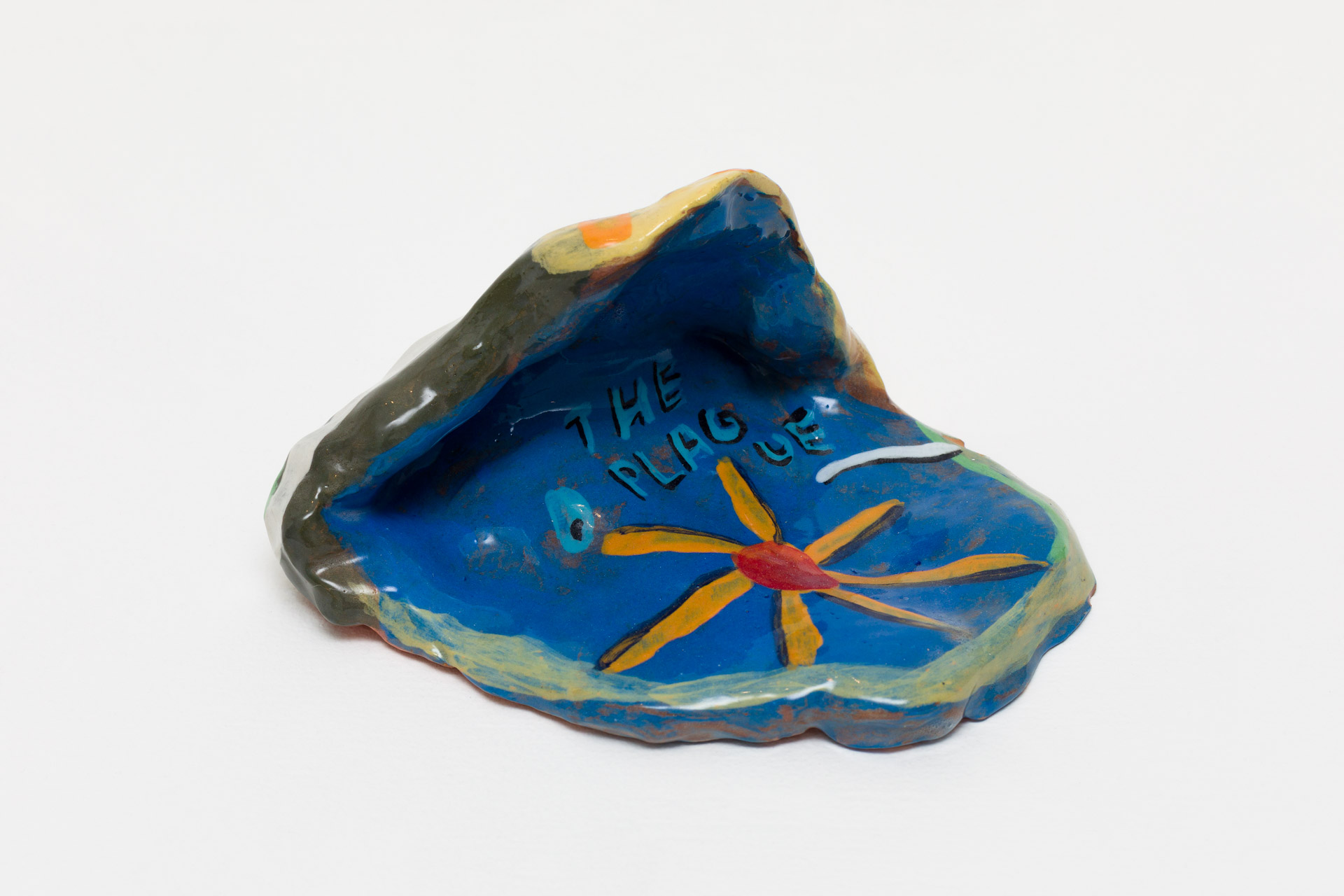
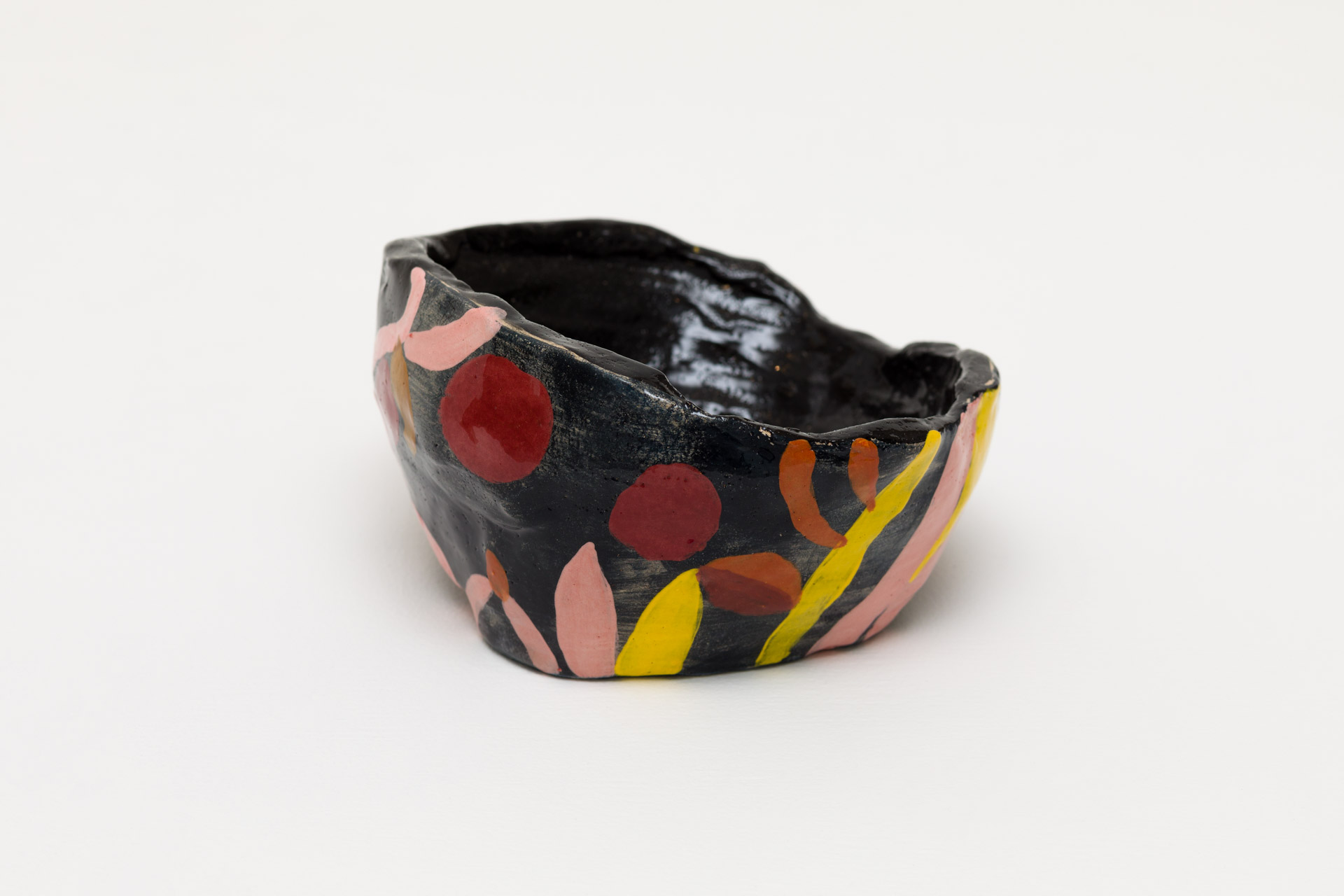
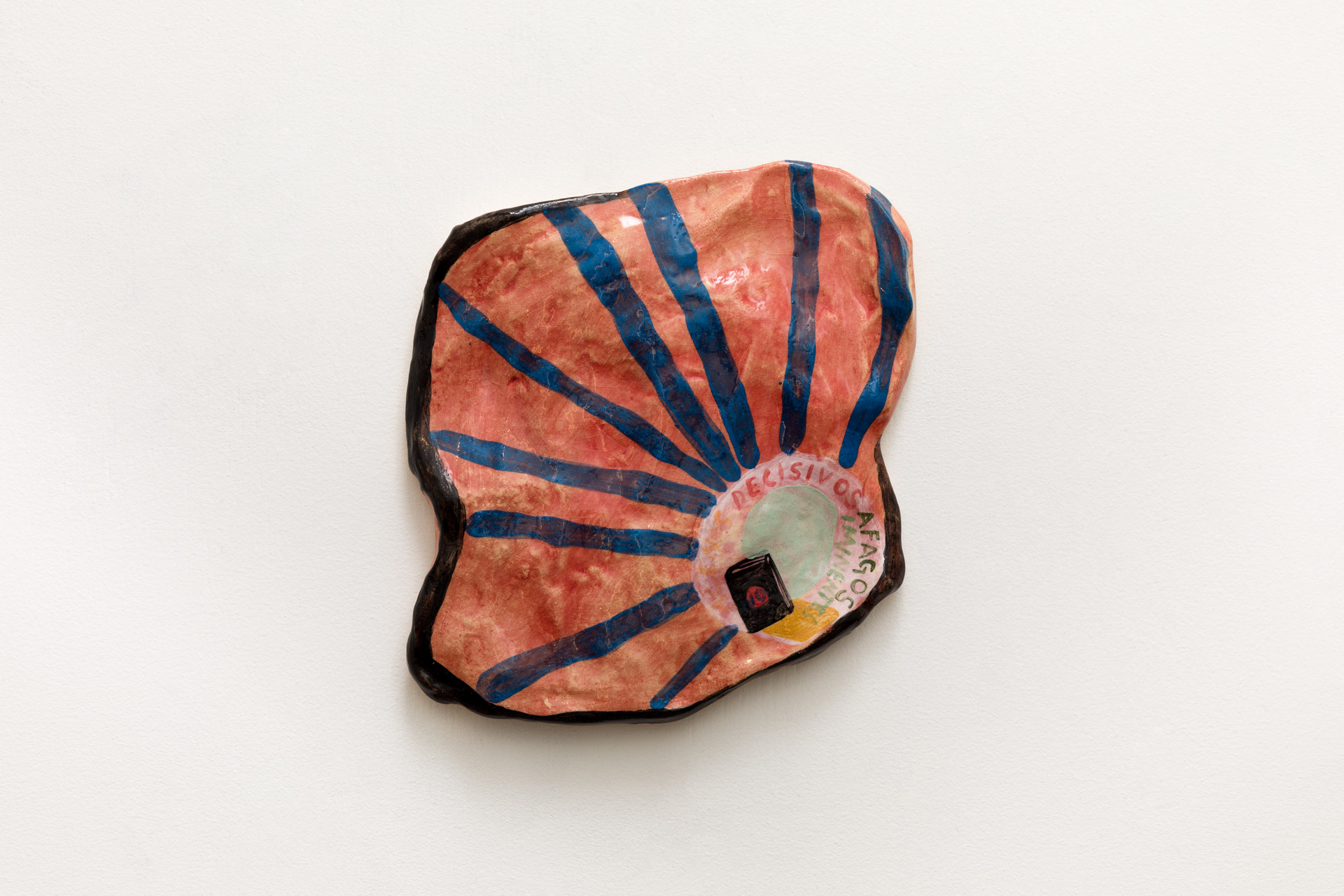
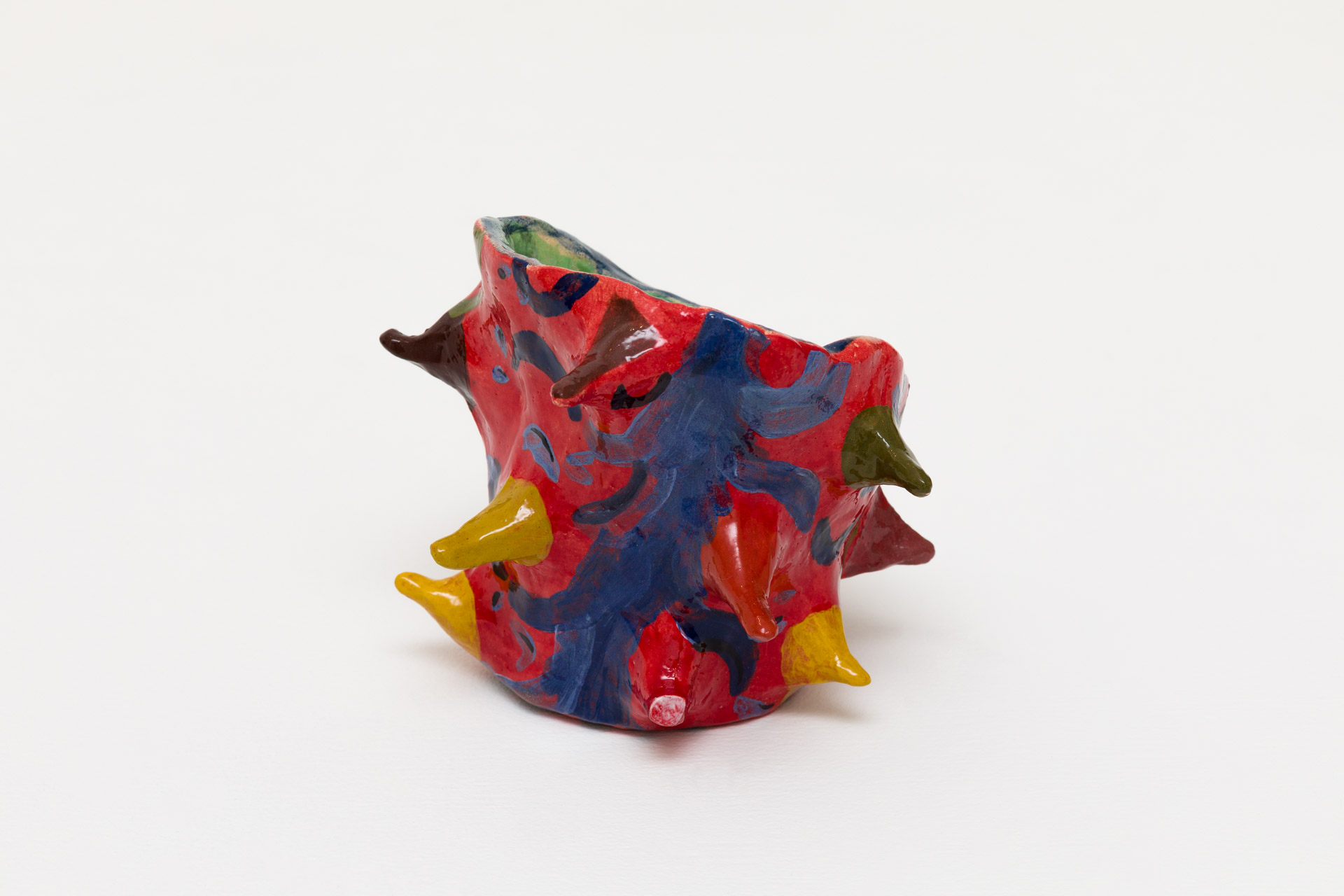
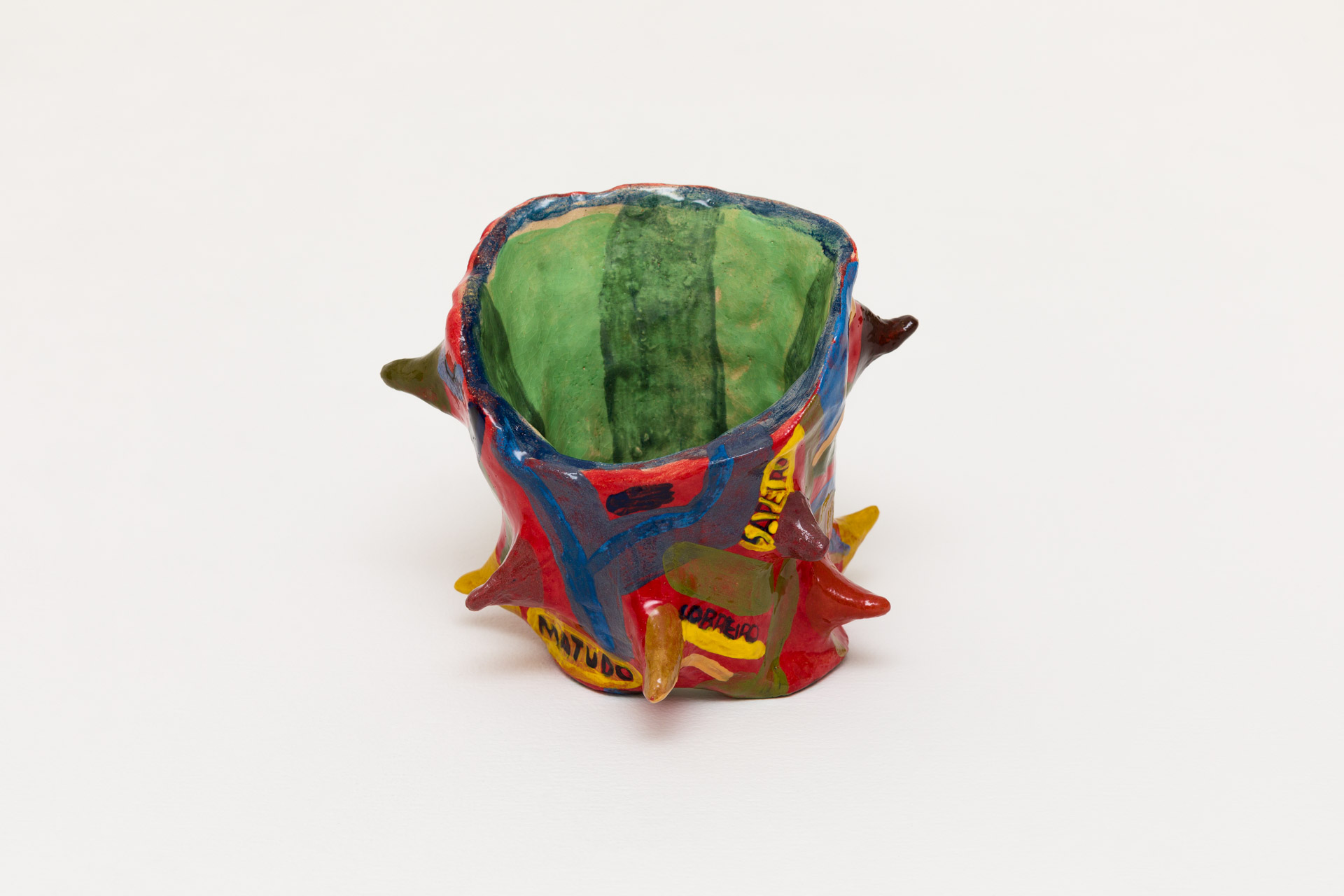
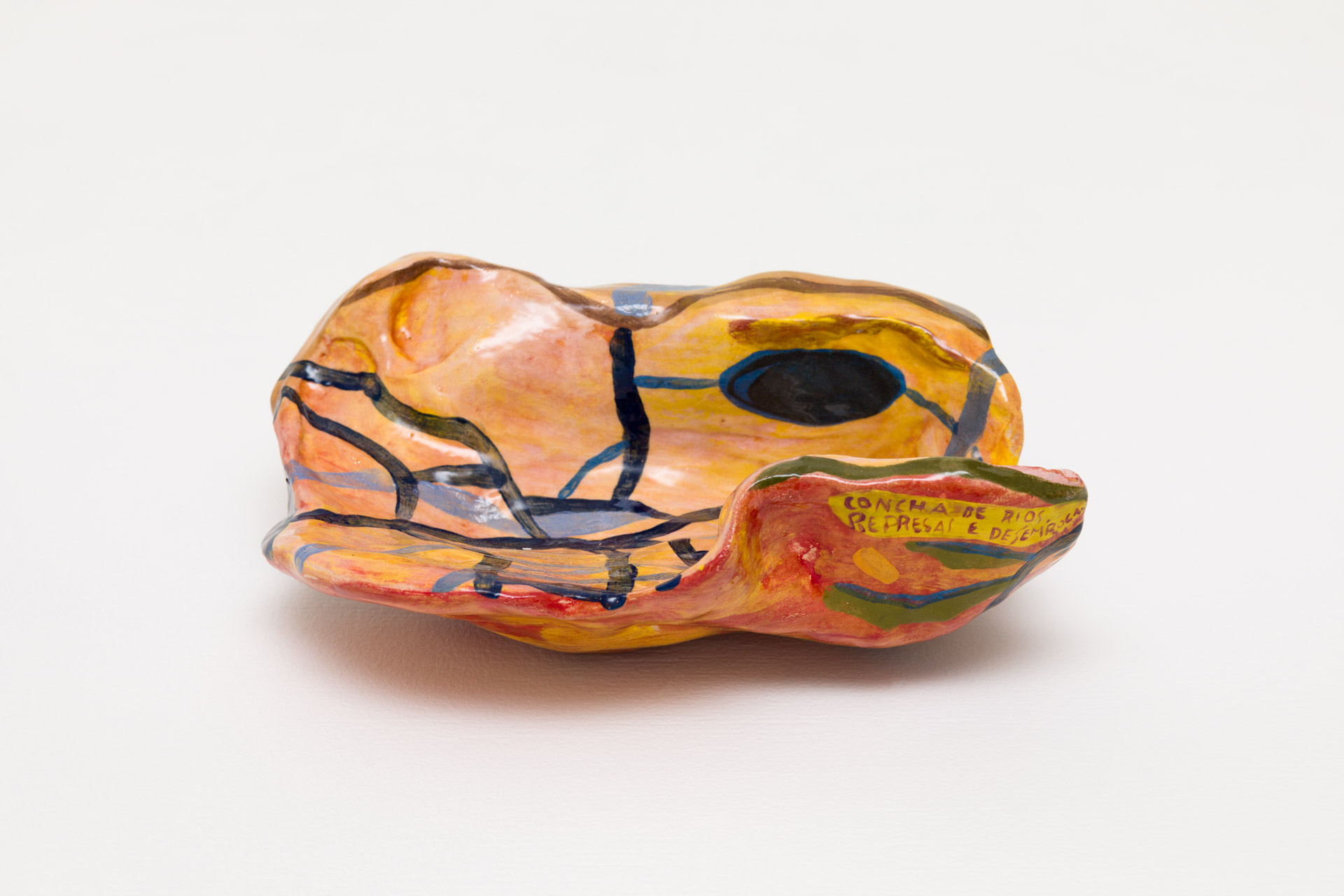
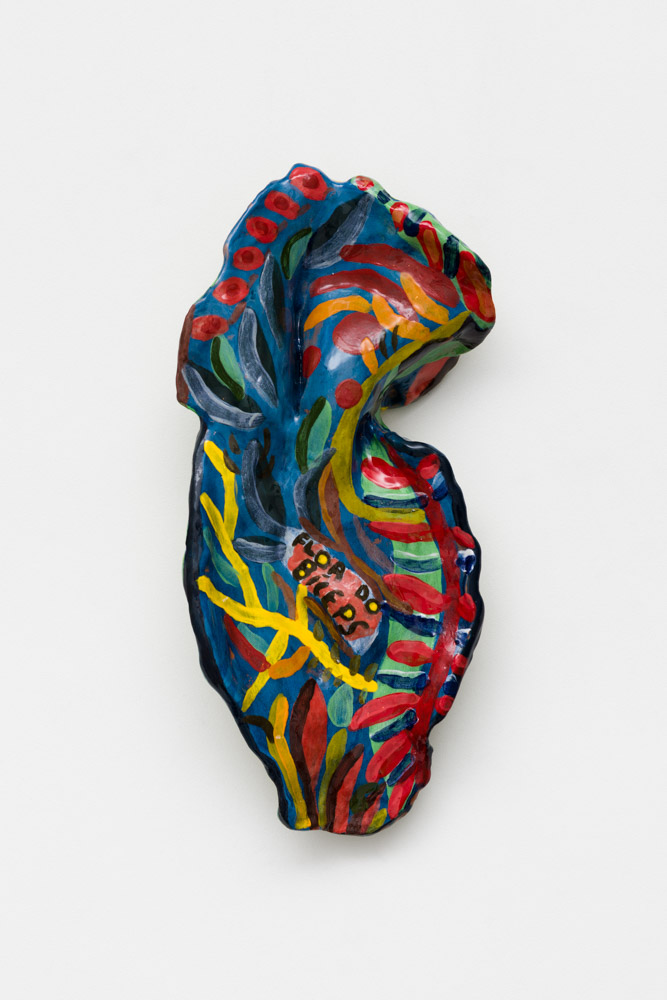
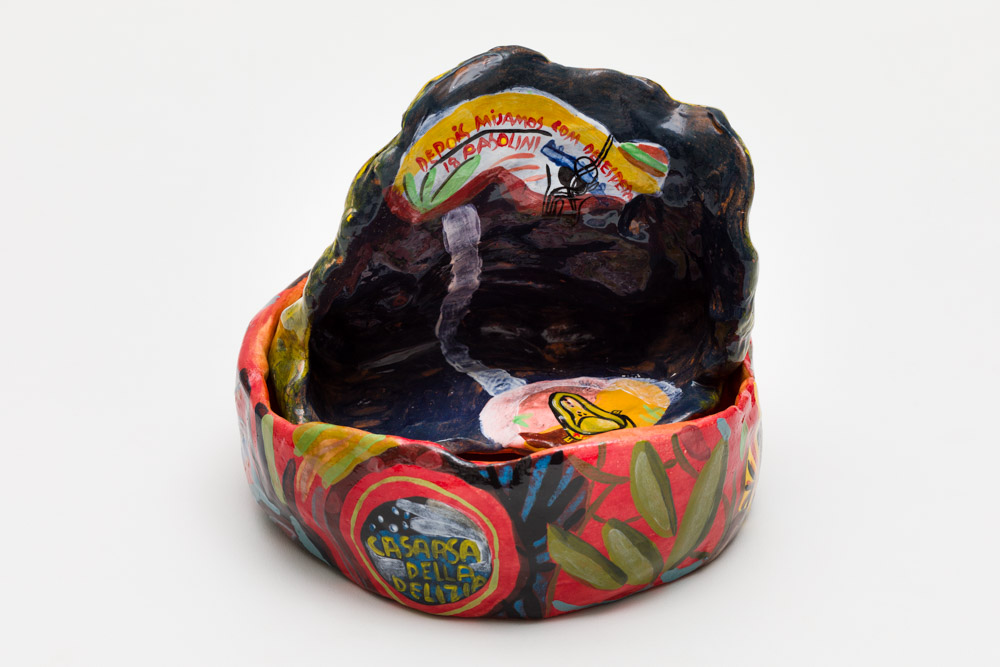
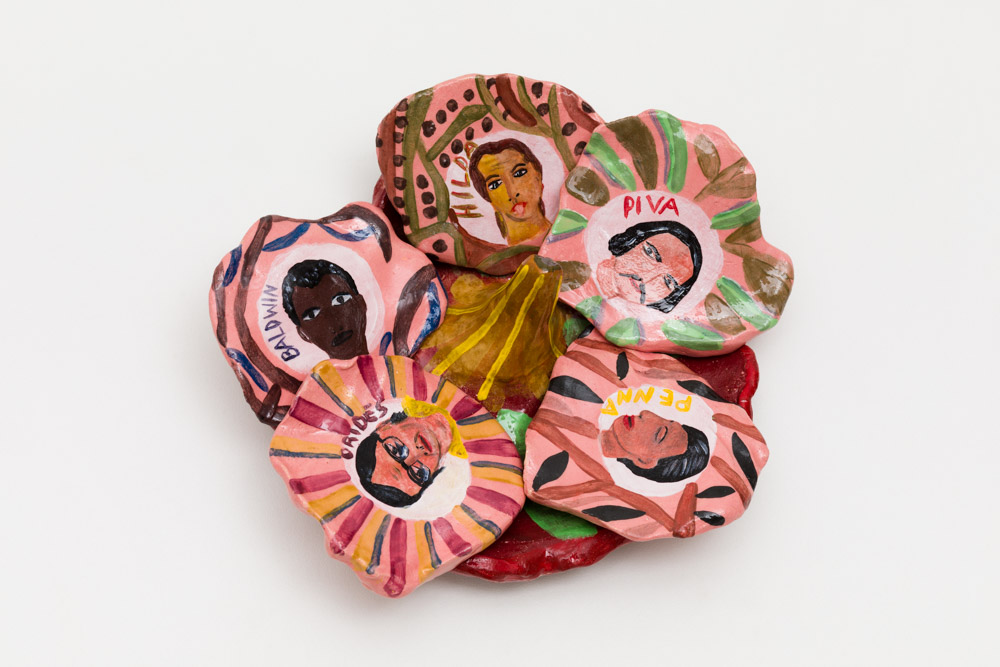
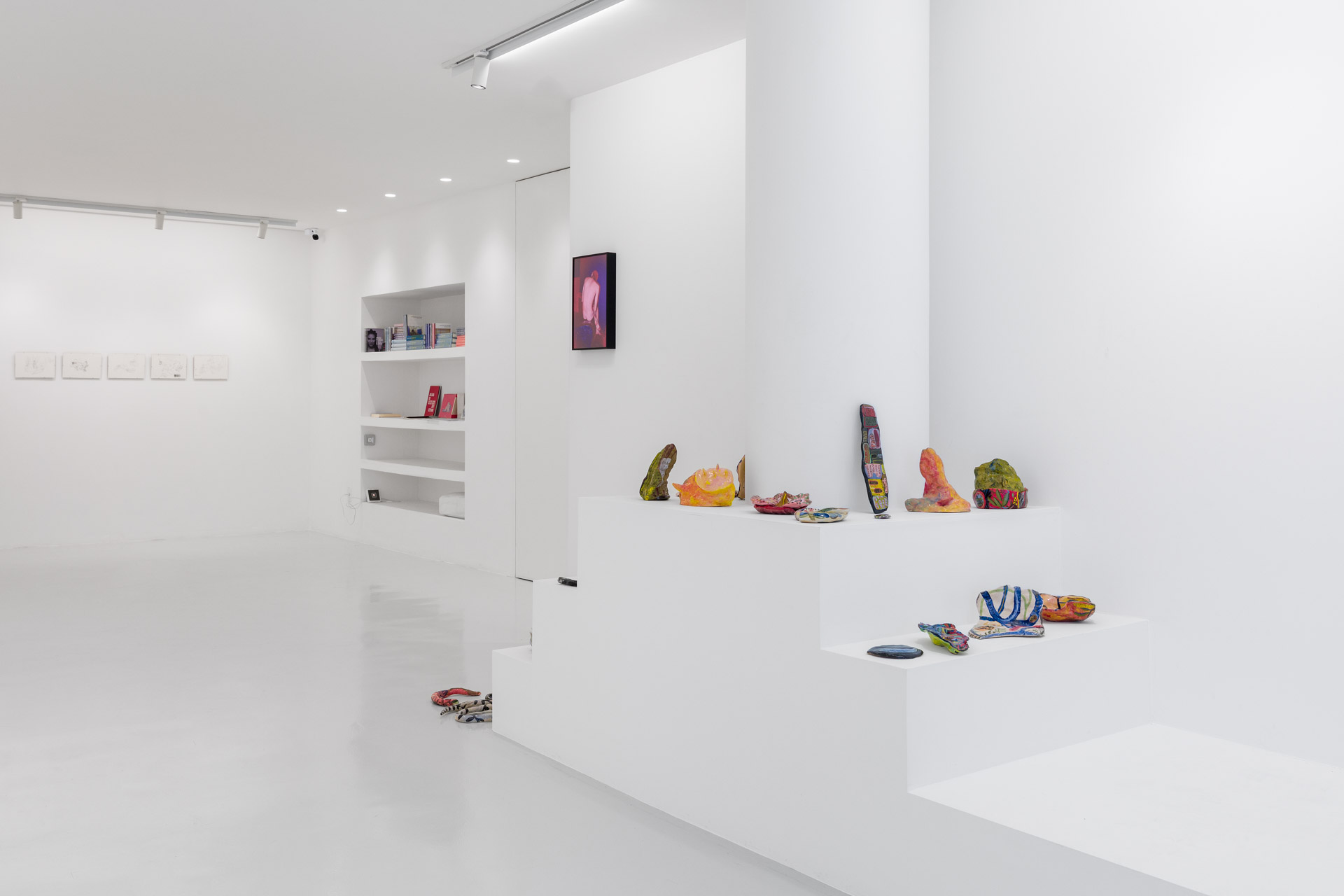
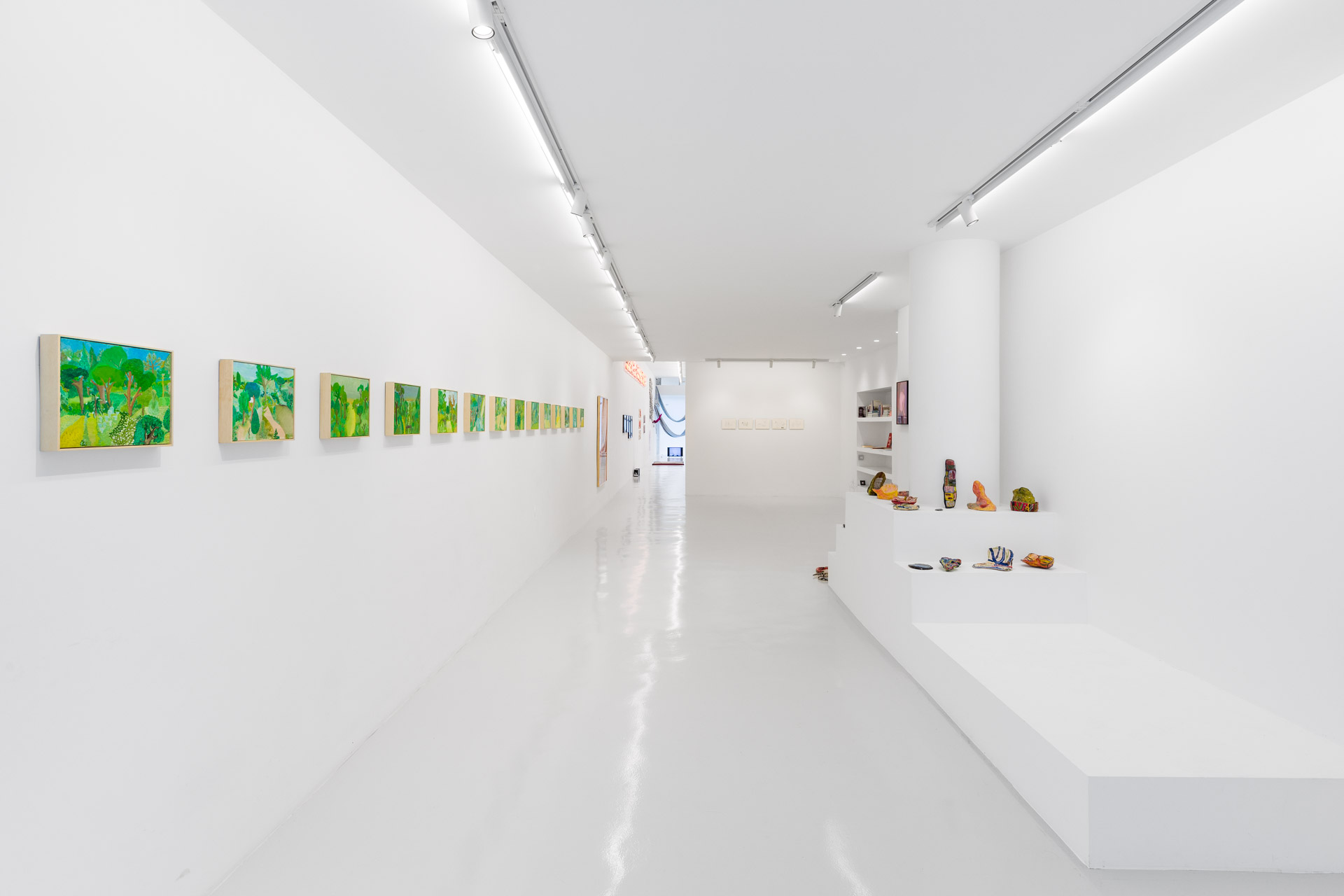
It’s important to investigate the indentations in his ceramics: they are an insistence of the artist, who in several of his exhibition projects presents different configurations of experimentation with this artistic language. In the flesh of the material, we find a suggestion of the body, past presences and present absences. While I find language and representation in the shell of the thing, I also find what the artist makes escape from the scheme of representation or narration, what he is not happy to show, but prefers to suggest or hide in the recesses of a piece.
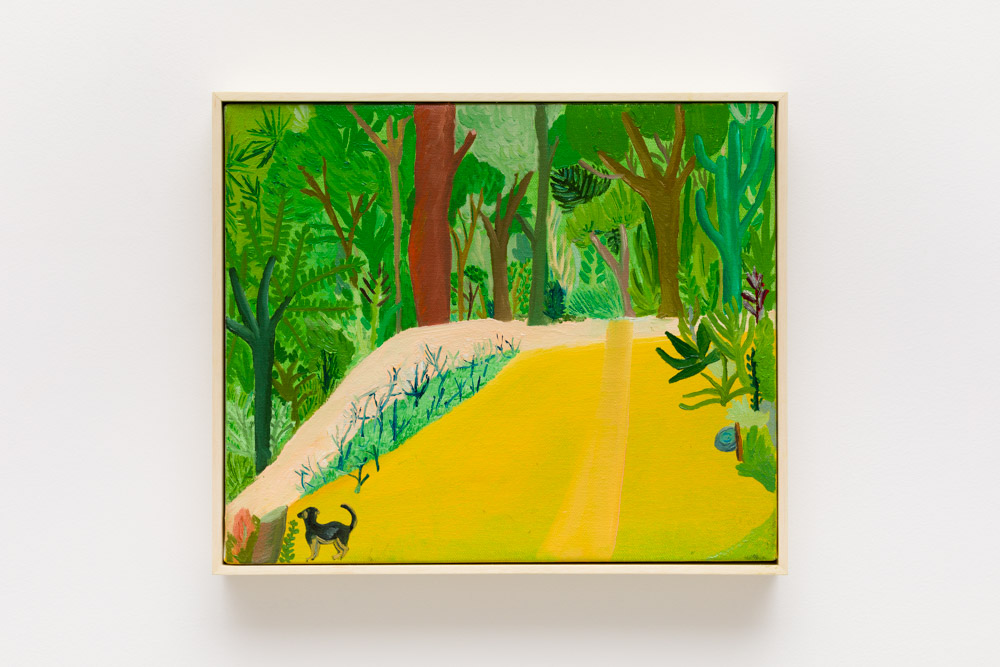
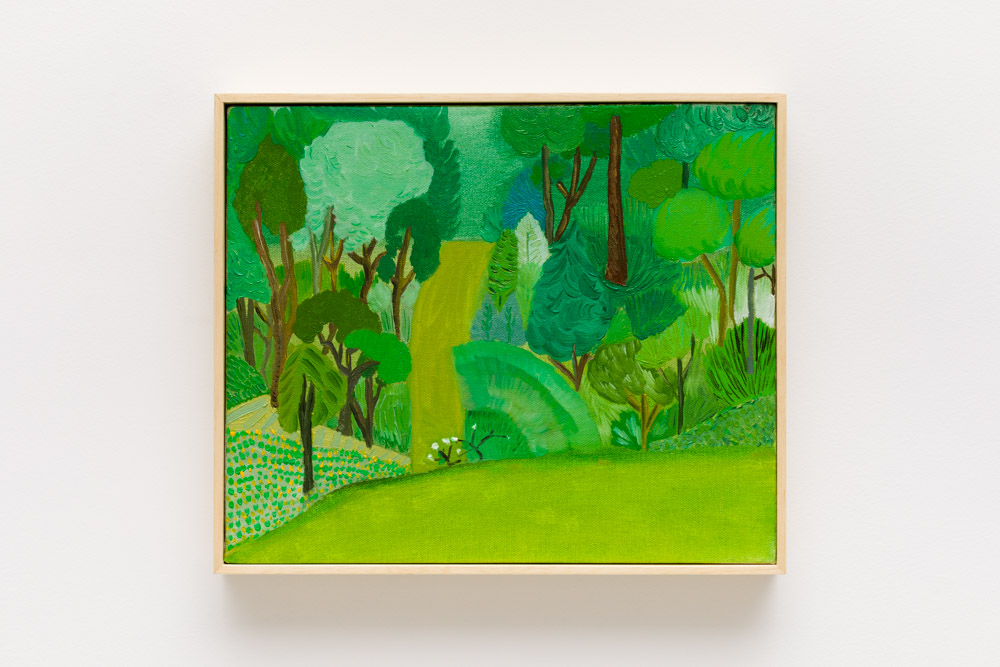
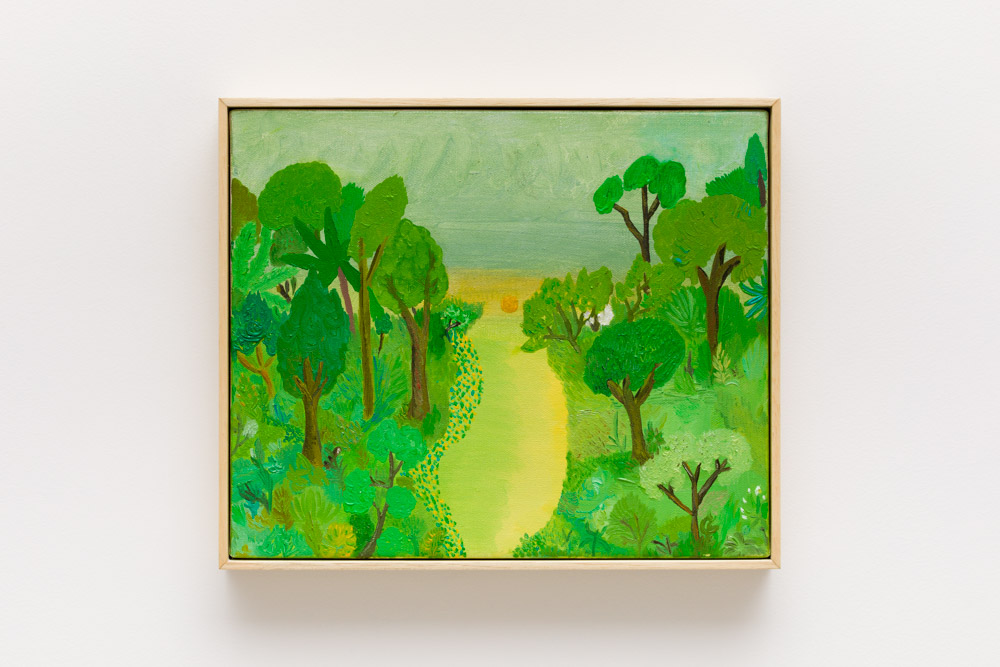
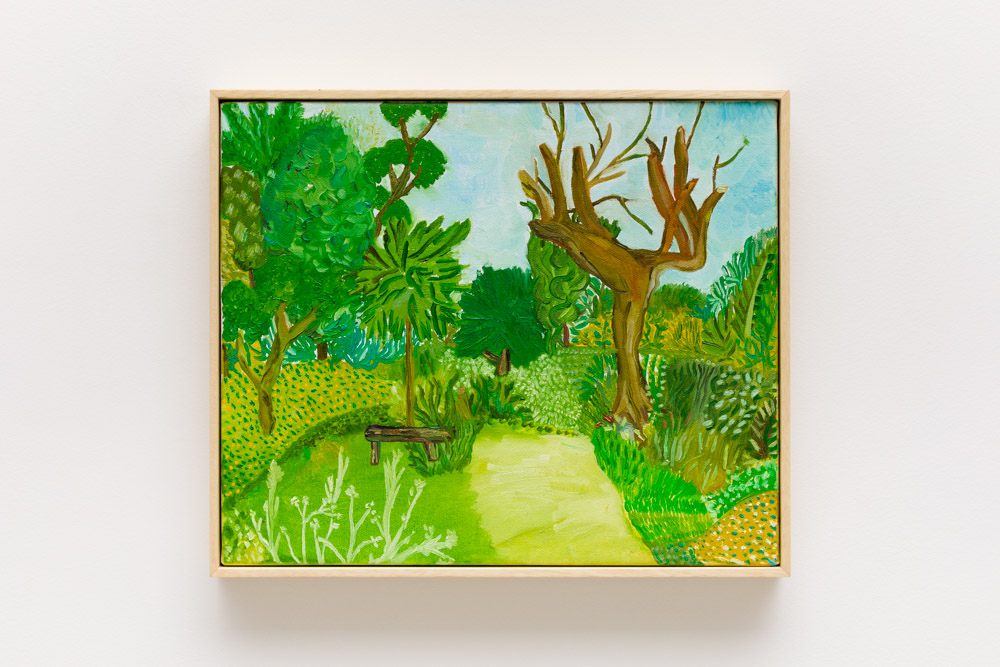
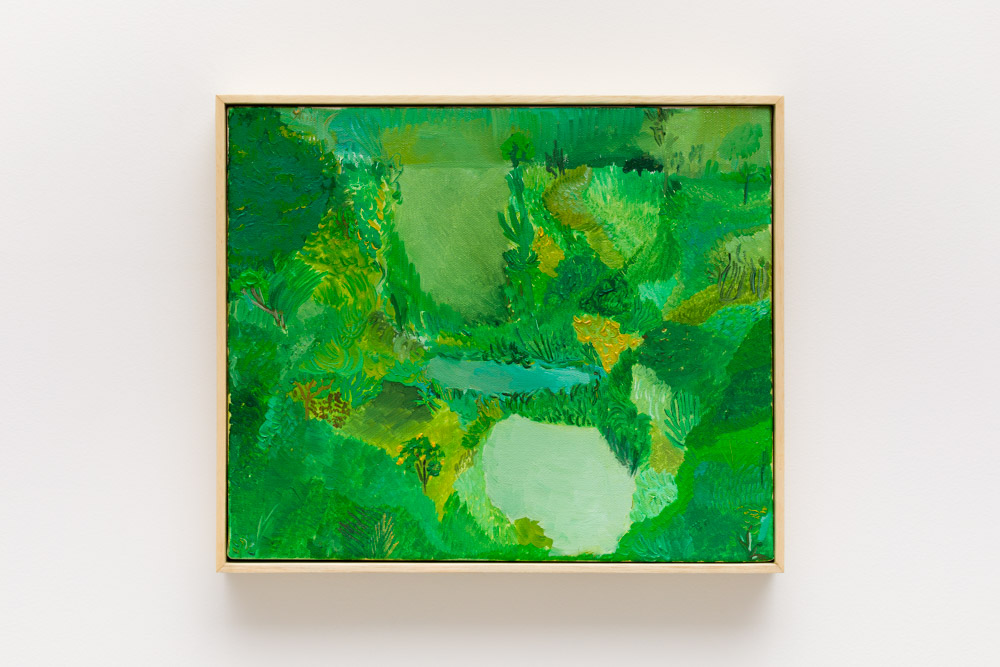
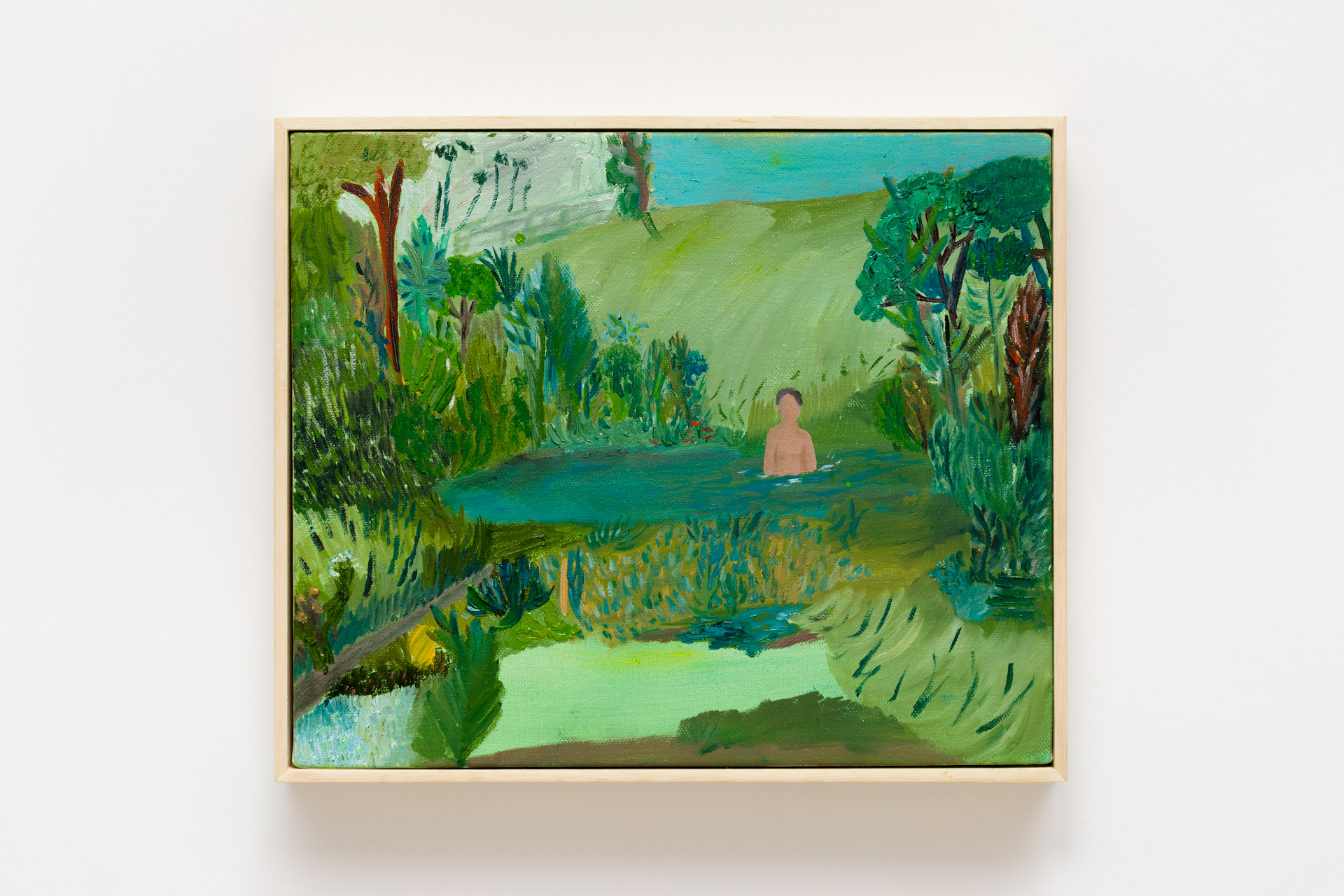
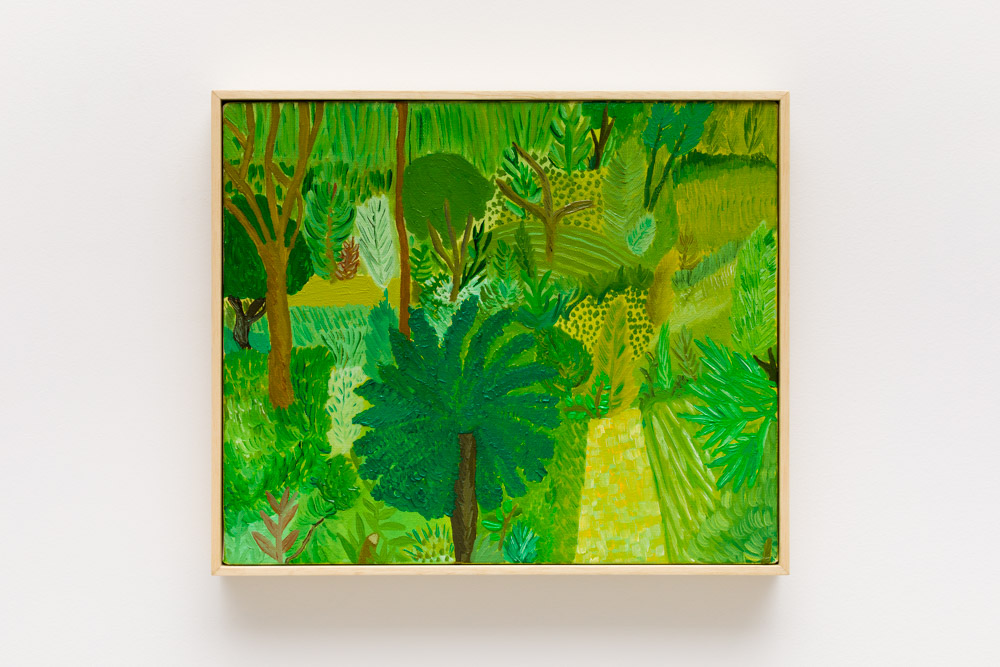
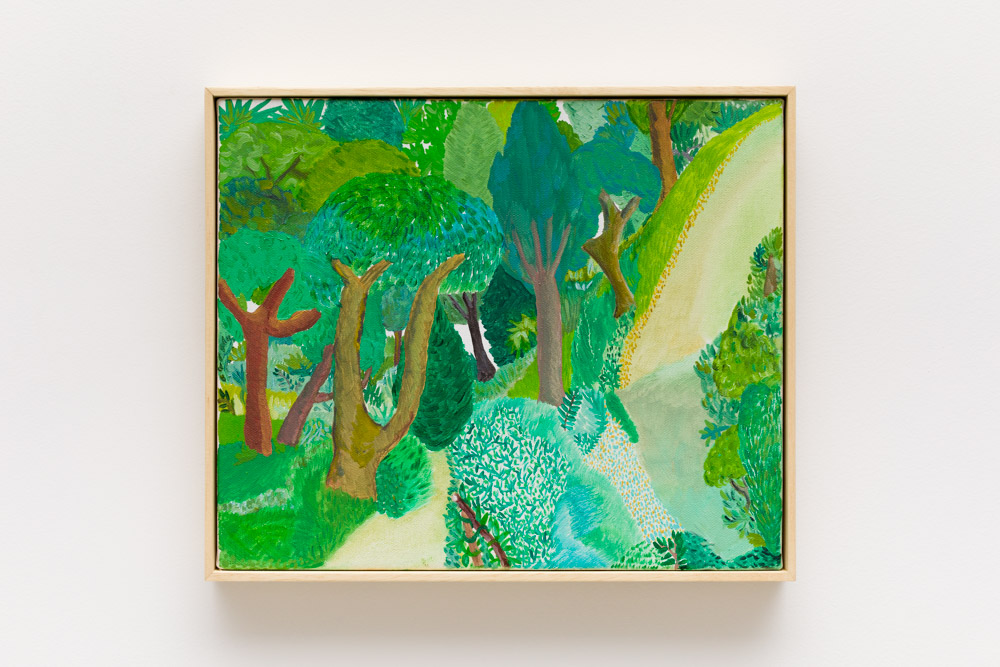
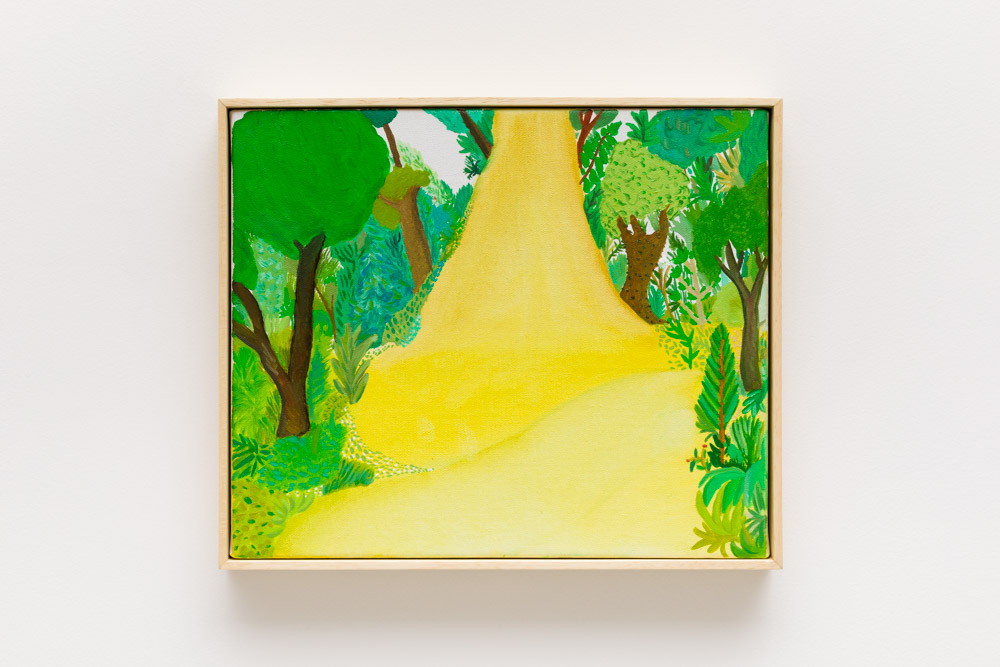
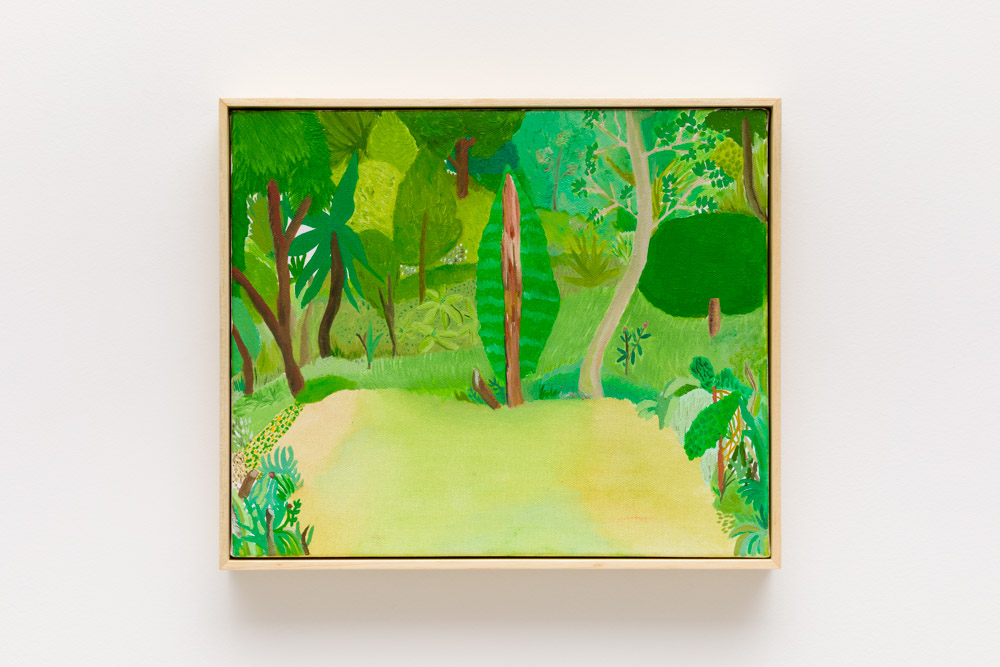
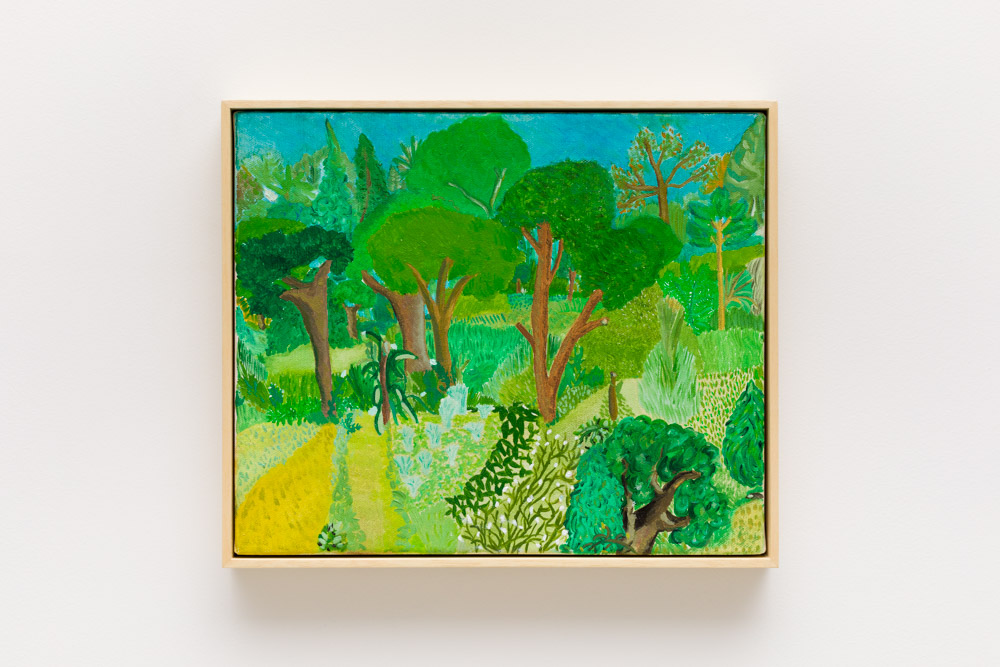
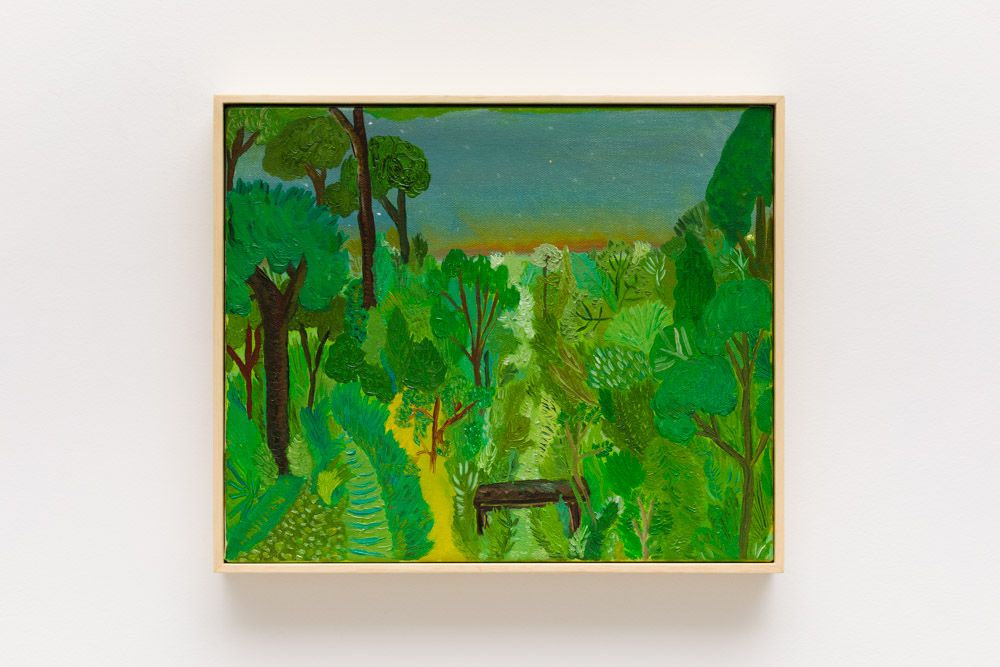
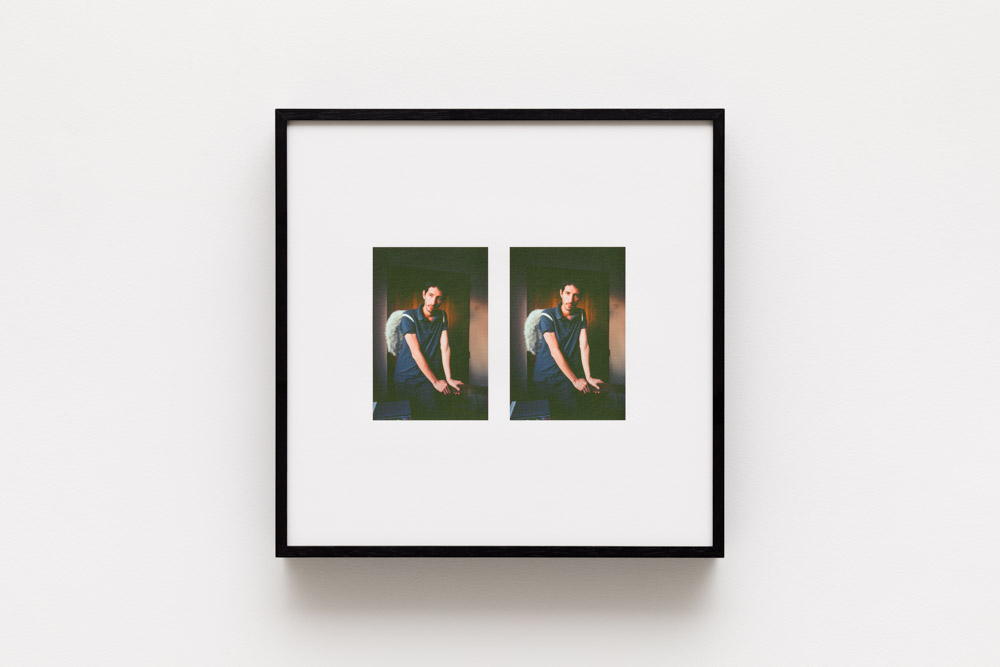
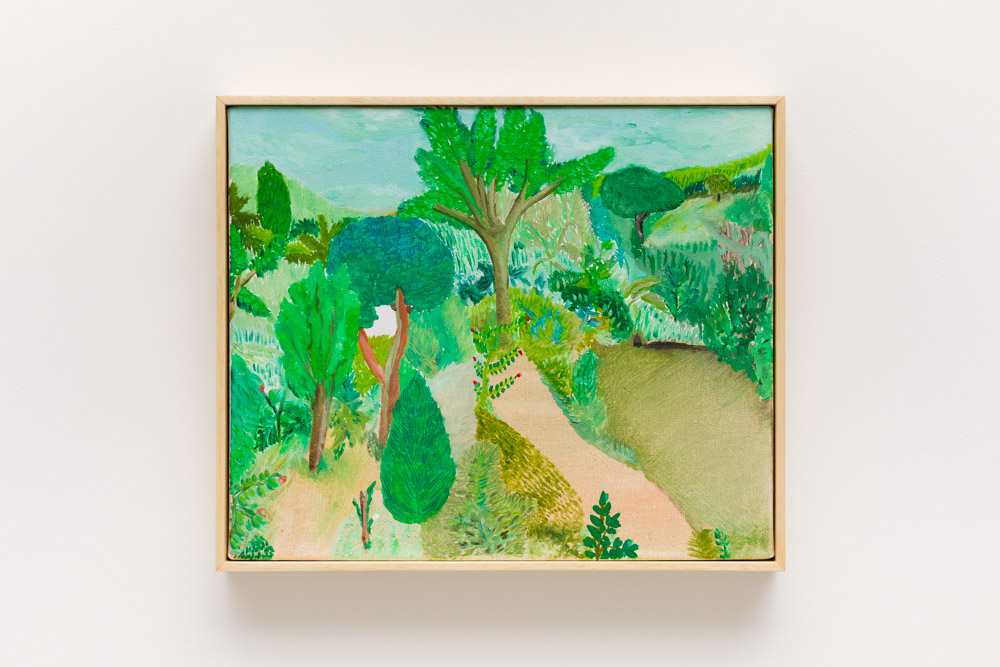
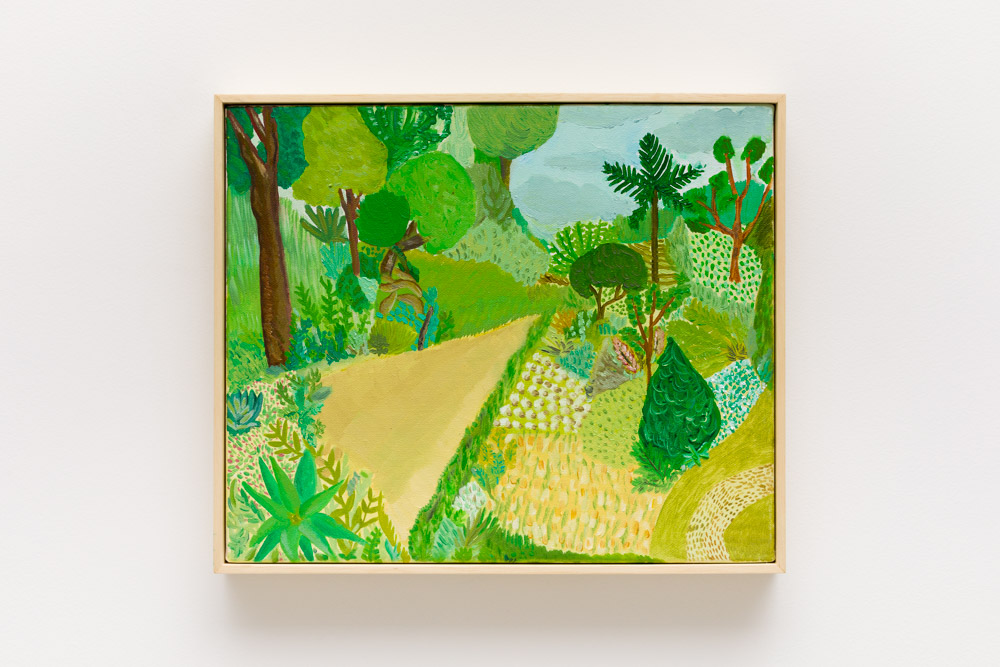
In his earlier paintings, Chiaratti shows a freedom in pictorial construction that places him in a very broad visual lineage: he rarely has the impetus to organize figure and background with fidelity to perspective. The layers overlap in an insubordinate way, protesting against the supposed organization of the world. The planes seem to be constructed to sing of the artist’s loves. In Pau Lavrado, we see landscapes that return to the exercise of representing the landscape, an exercise that is always dangerous and elusive – like existence itself. In the incidence of sunlight, the passing of the hours. We ask about the announcement of the days that are coming, the nights that are imposed by the falling of the suns. These landscapes, with the exception of a man and an animal, do not appear to be inhabited by people – at least on the surface of the painting. If I have warned those who entrust me with their reading of my trust in the material and my experience with it, I remain certain that my words will not be able to distort their understanding – I don’t even try to. Between them and with them, it now seems to me more decisive to share what I heard from the artist himself: a desire to express in these paintings, which are derived from photographs of these green-yellow fields, the tension of an imminent scene. Even though we can’t see human figures on these horizons, it’s not difficult to be suspicious of the naïve nature of things when you perceive the artist’s poetics. Like a voyeur on the prowl, the desire for an imminent encounter. There is something that has become painting and, I maintain, something else that prefers silence. What fantasies lie behind the trunks of trees, bushes and grasses? If we go back to the artist’s quotations from Whitman, Cocteau, Penna or Pasolini, there’s some kind of love left over.
Ulisses Carrilho