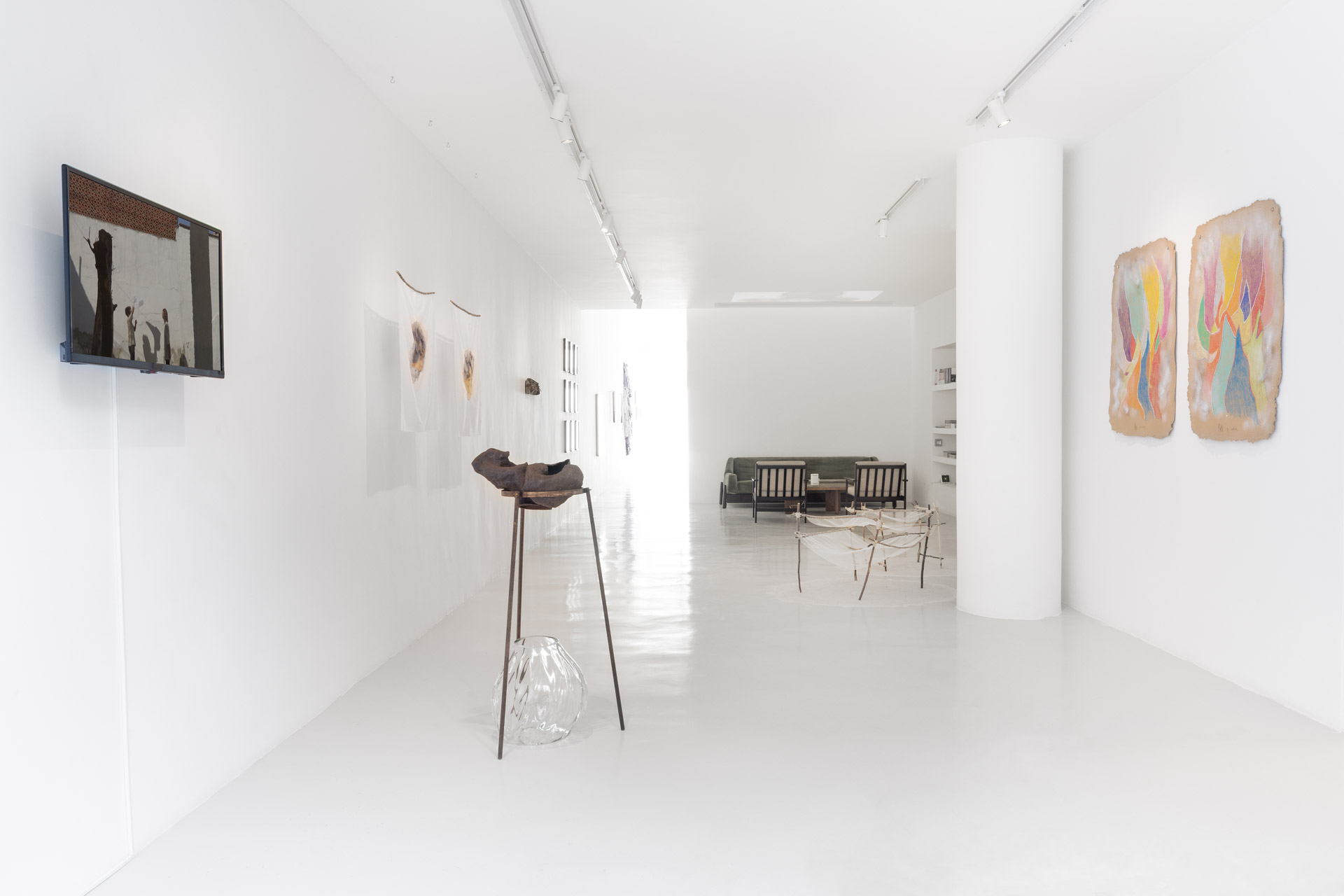
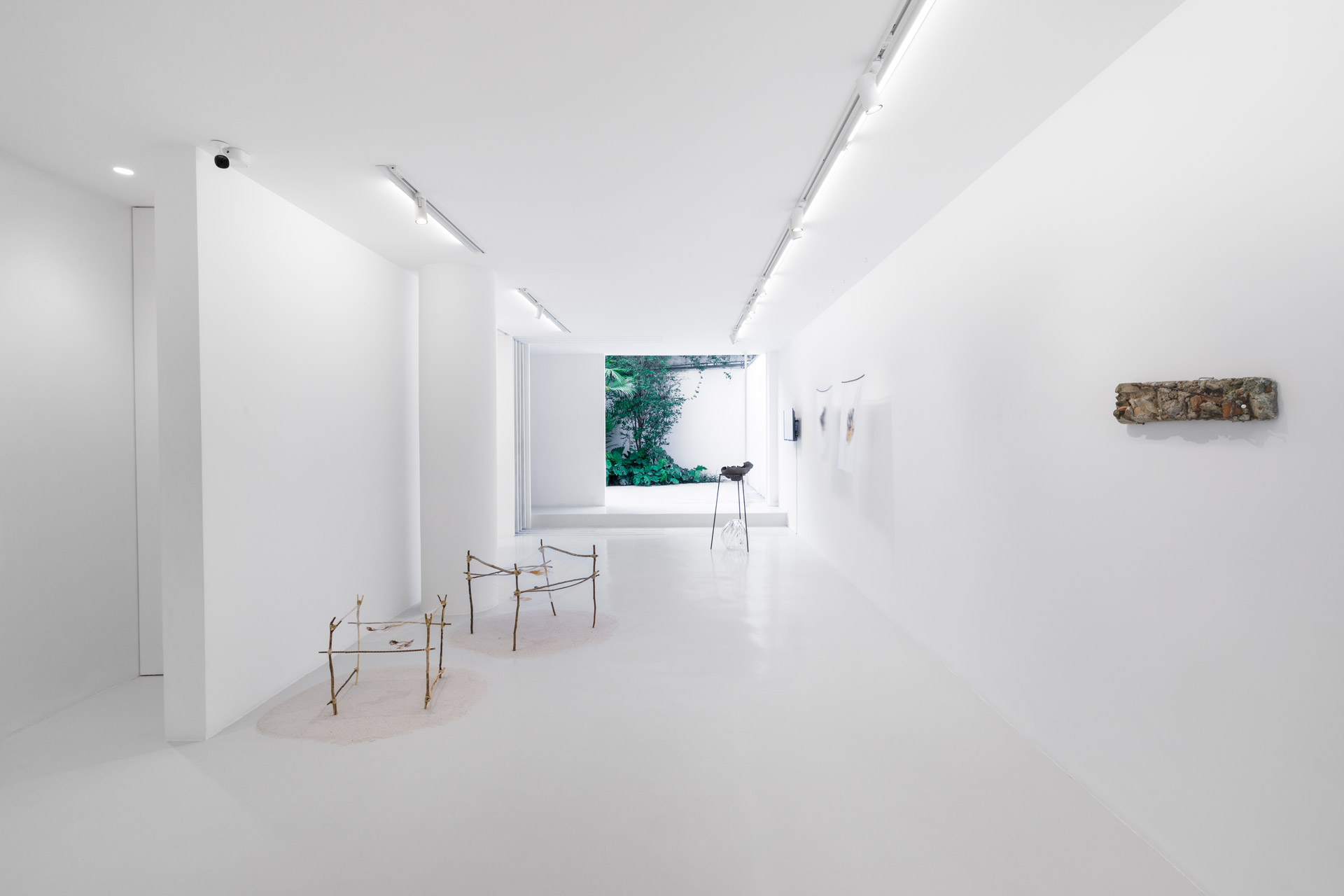
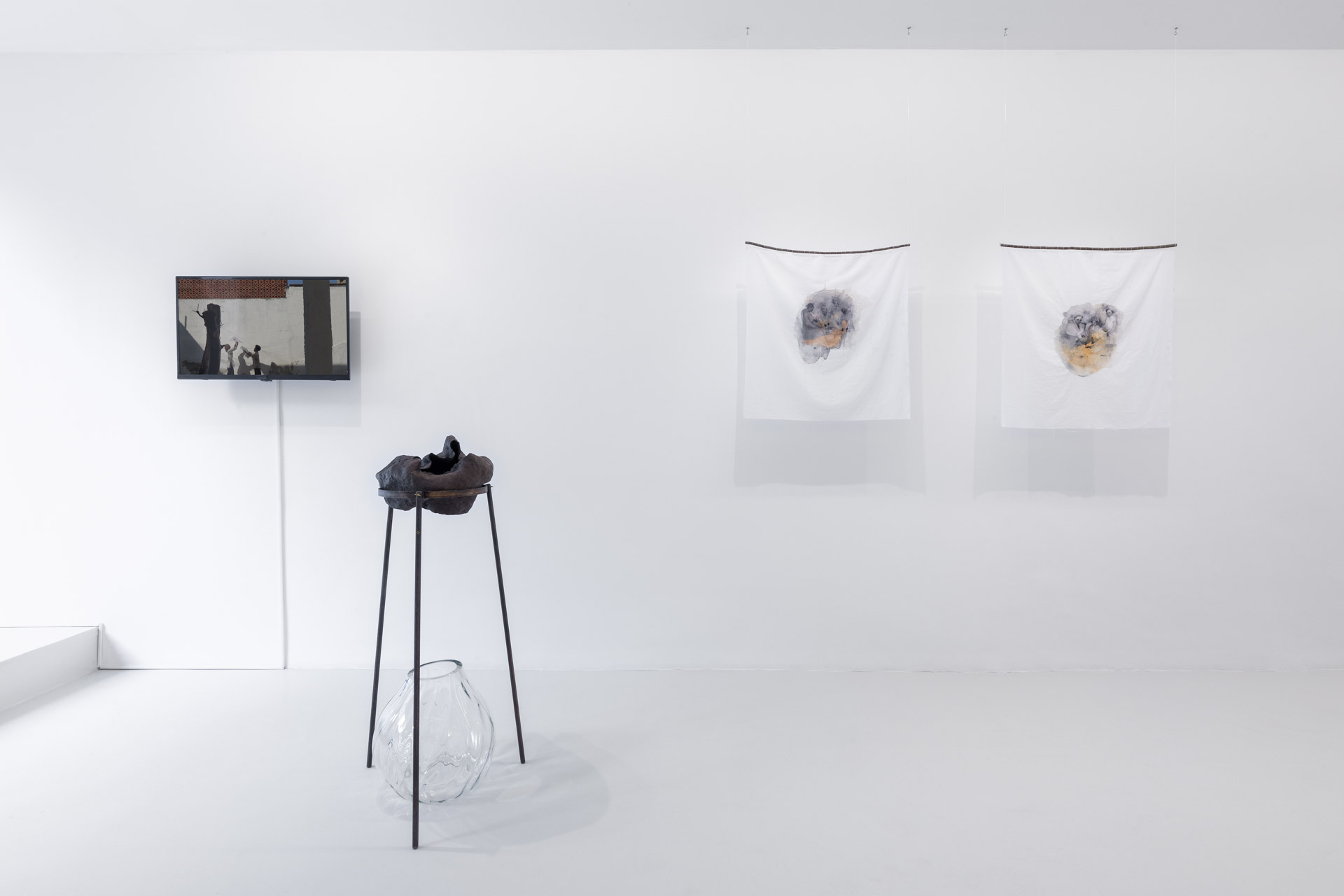
HEAT
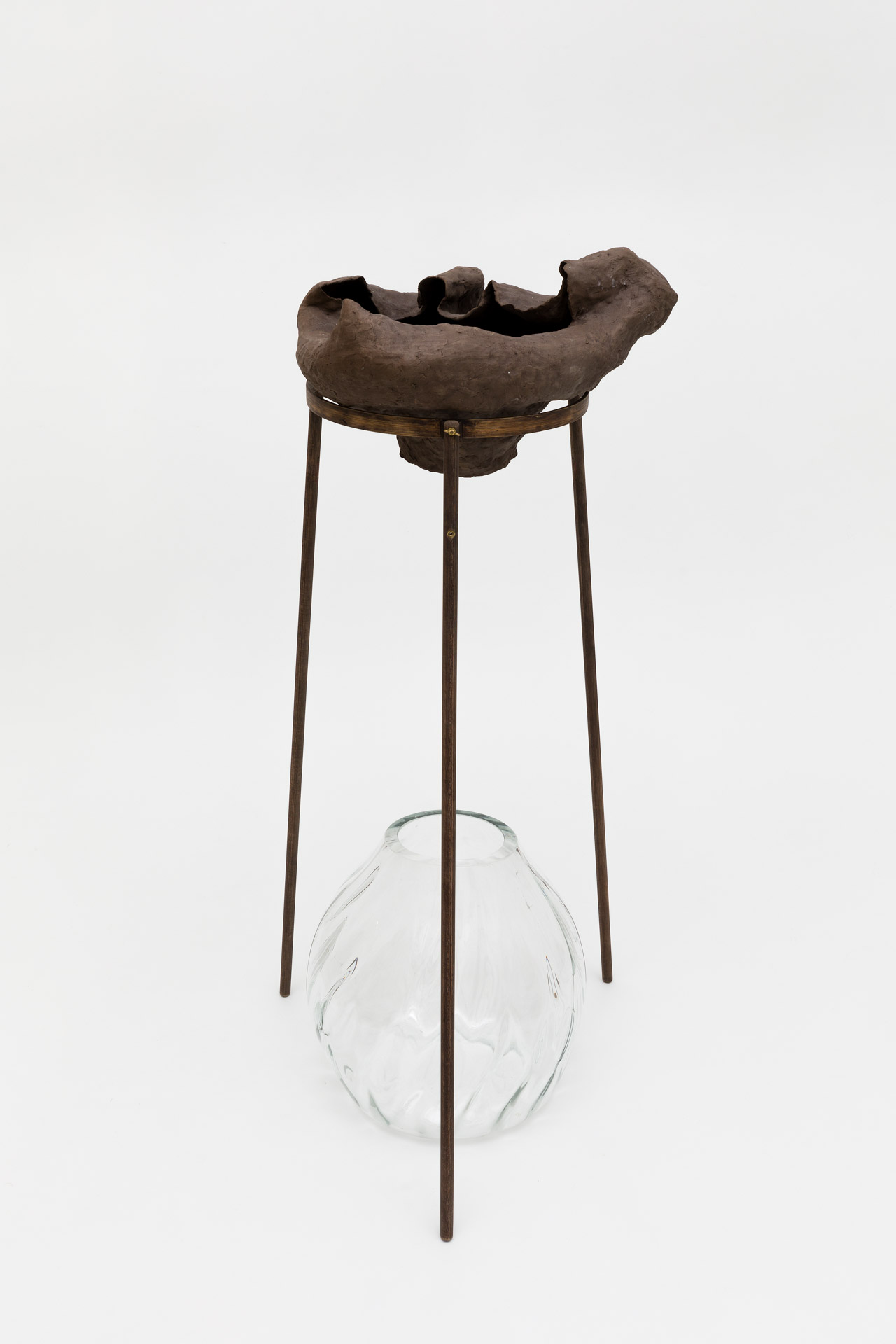
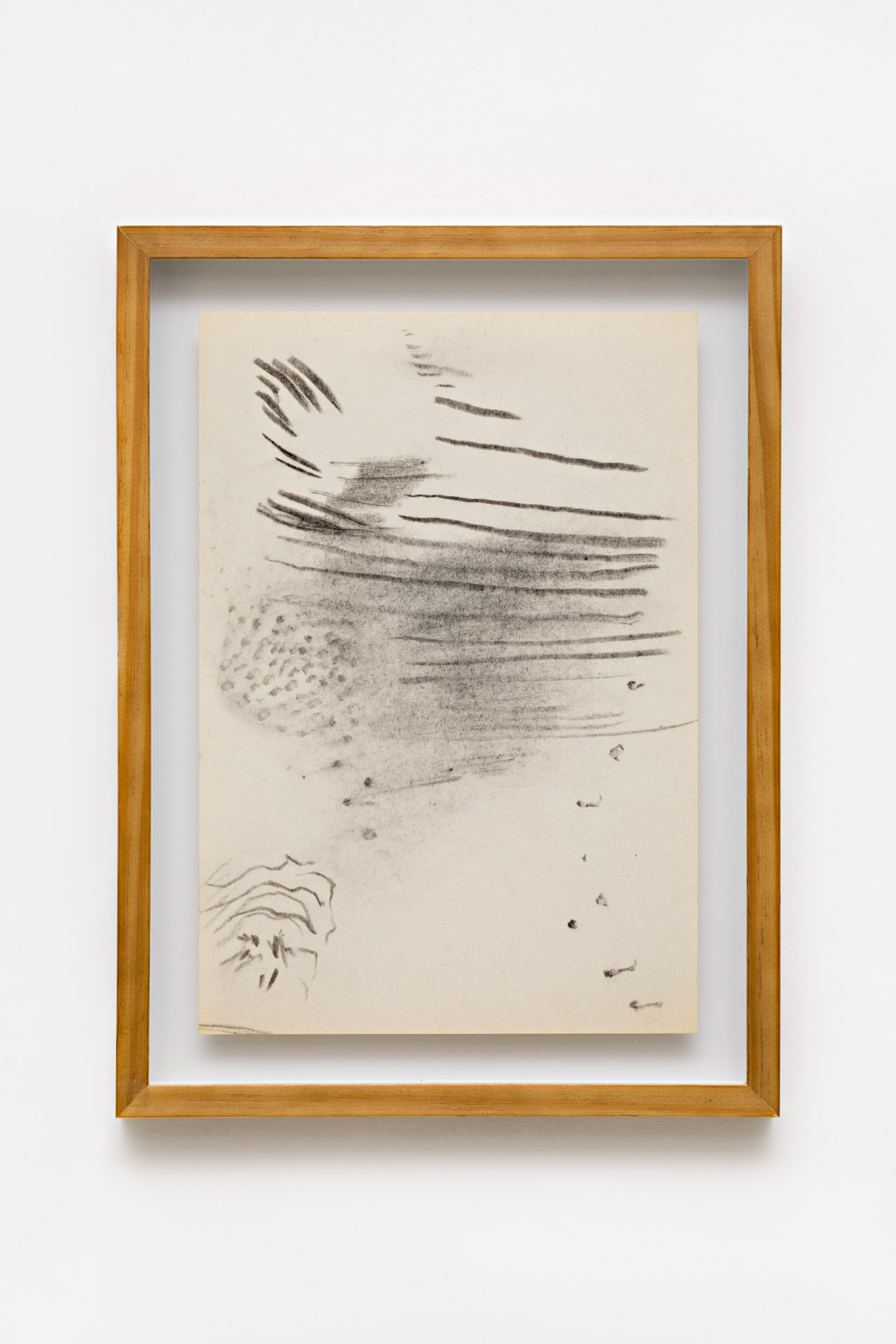
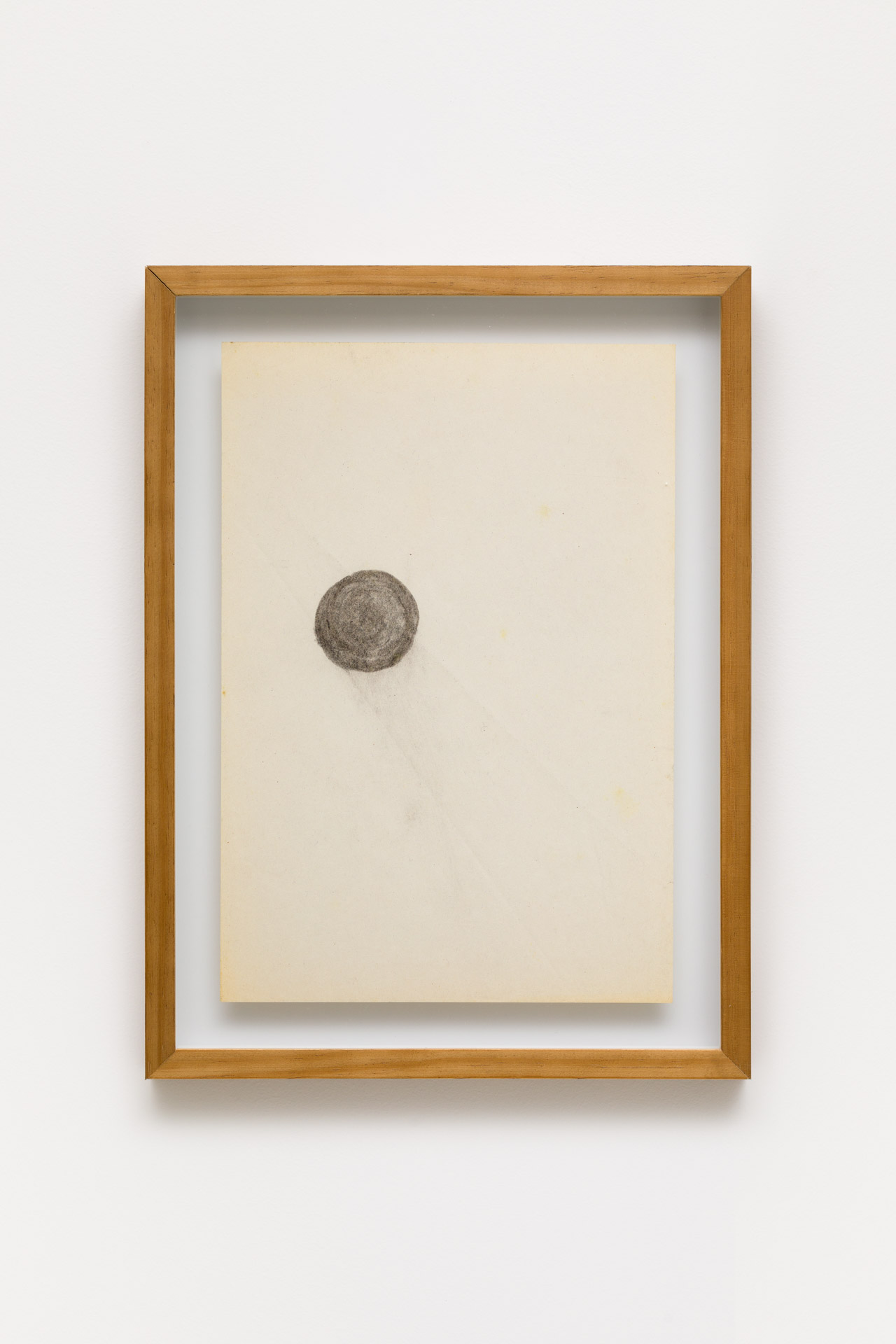
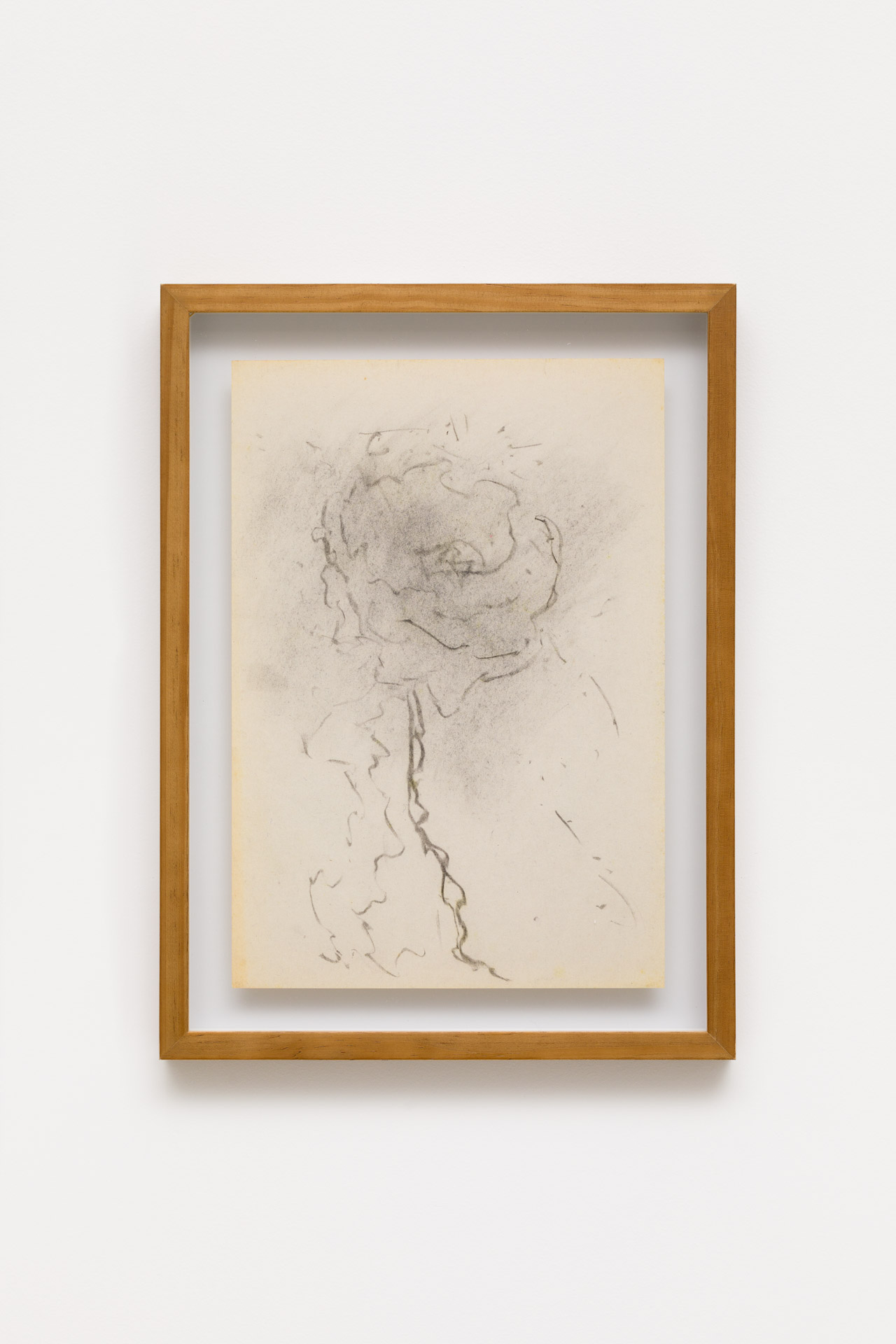
Ana Cláudia Almeida, Ana Matheus Abbade, Anna Maria Maiolino, Arorá, Carla Santana, Celeida Tostes, Cyshimi, Diambe, Flora Rebollo, Iagor Peres, Josi, Nise da Silveira and Leon Hirszman, Pablo Lobato, Pedro Victor Brandão and Tadáskía
curated by Victor Gorgulho
March 04 - April 29, 2023
São Paulo
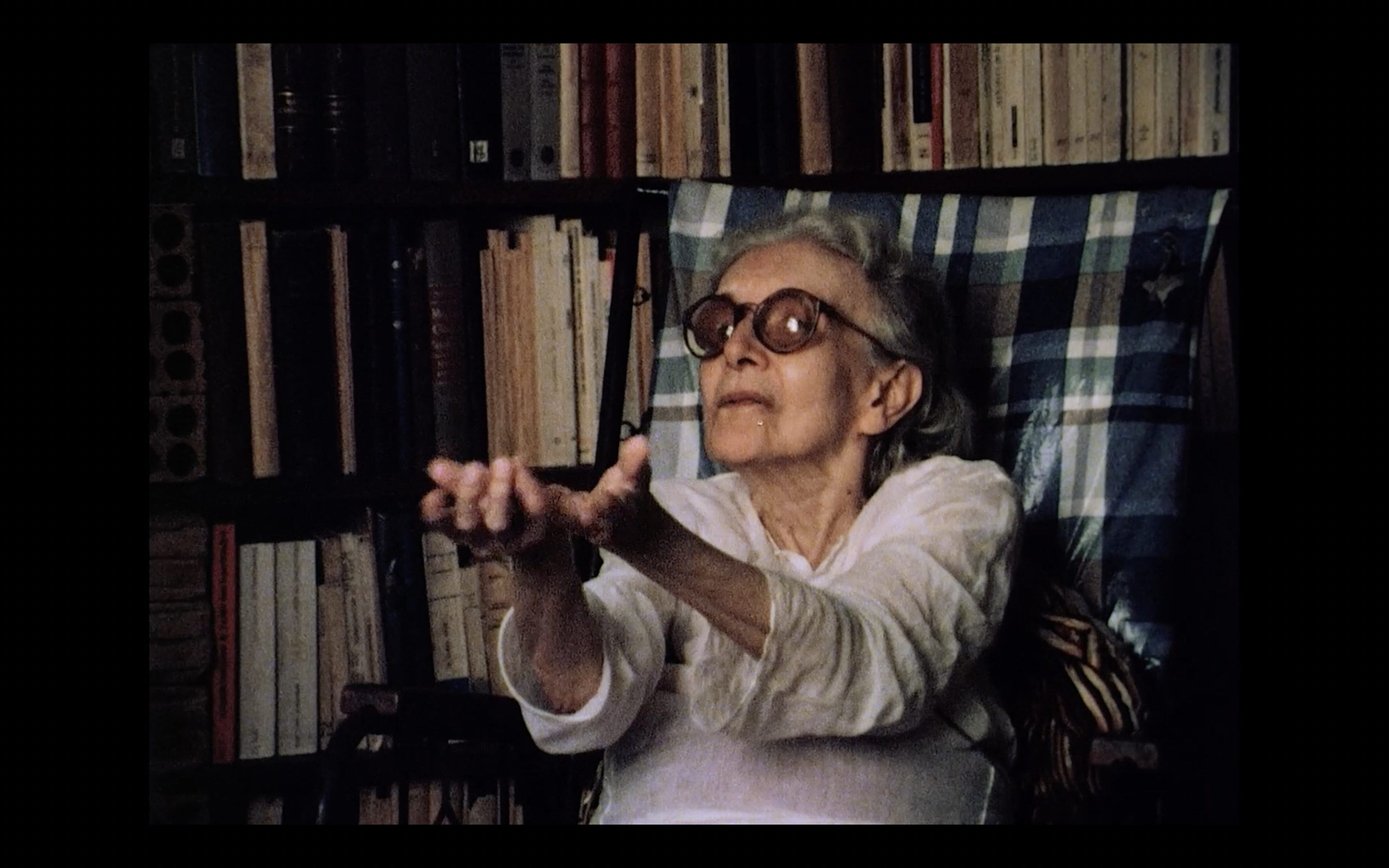
The revolutionary and self-declared “rebel” psychiatrist Nise da Silveira (1905-1999) recounts that Luis Carlos, one of her clients1, once asked to handle a piece of velvet. Maria Abdo, one of the monitors at the Casa das Palmeiras – a free and open therapeutic space opened by Nise in 1956 in Rio de Janeiro – was the person who witnessed the scene.
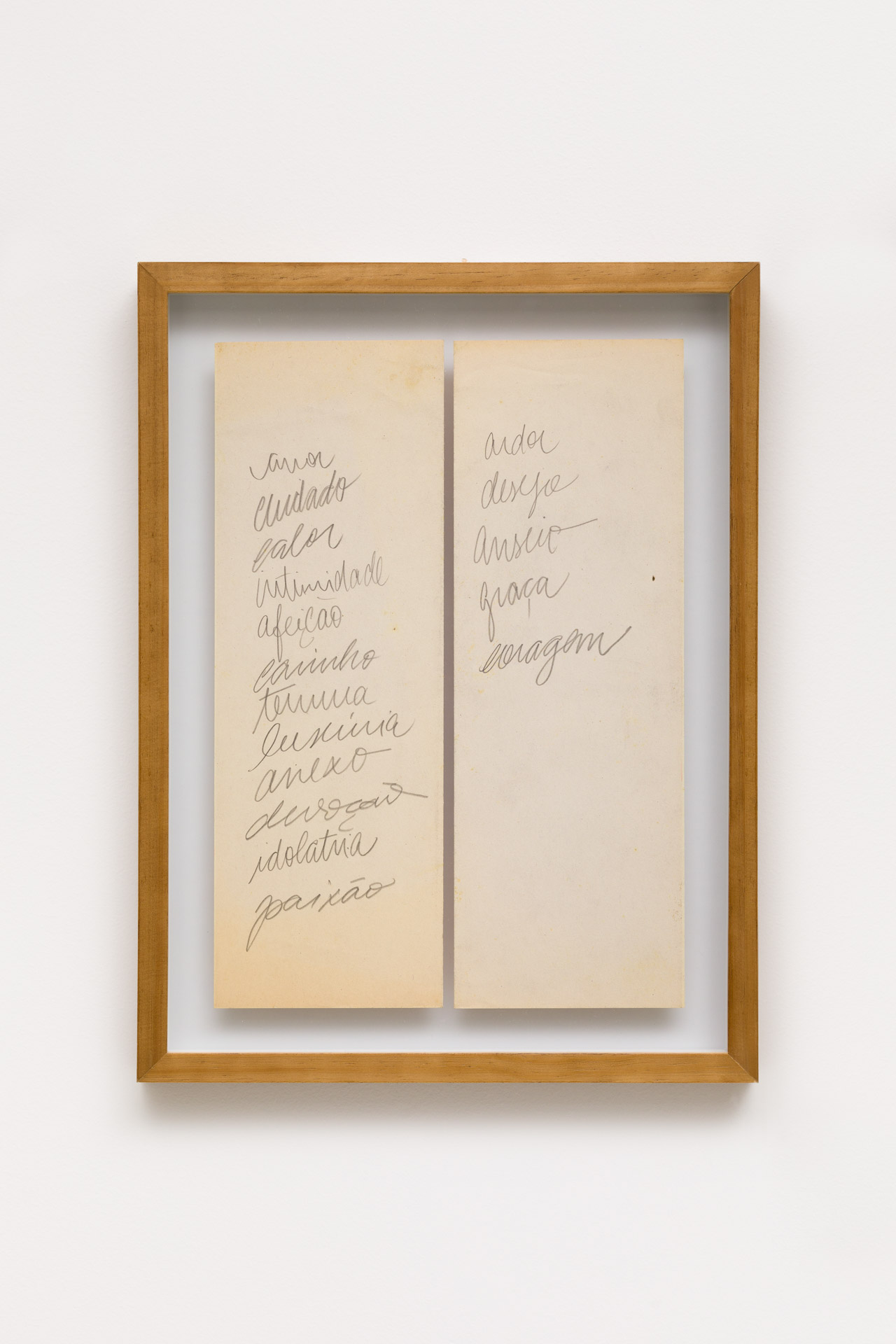
Maria said that, after folding the velvet in different directions, positioning it in such a way as to “give it the shape of a cat”, Luis Carlos took a pencil and wrote a poem:
“Cat, simply angora
do mato,
blue eyes gray nose
brown cat
brown ear male
now speed
Emotion of Dealing”
The final verse, “Emoção de Lidar”, summed up Carlos’ experience not only with the physical properties of velvet in its relationship with the hands and eyes, but also its ability to evoke imagery and the affective memory of its creator.
The ephemeral sculpture erected from the relationship between so many agencies was therefore a witness to the multiple character of the emotion of dealing experienced both by the artist’s body and by the velvet, by the voids and by gravity, by the vivid image or by the memory of touching a cat, among other forces intertwined in that exercise of formativity, of “giving shape to”.
The precision of the term “emotion of coping” became unavoidable for Nise da Silveira because, since 1946, when she set up the Occupational Therapy and Rehabilitation Sector (STOR) at the then Pedro II National Psychiatric Center (Rio de Janeiro) – popularly known as Engenho de Dentro Hospital and currently called the Nise da Silveira Municipal Institute – the psychiatrist was uncomfortable with the terms available to describe the therapeutic process of creation that, in her medical singularity, she proposed to her clients.
For Nise, concepts such as “labor therapy”, “praxis therapy” or “occupational therapy” were insufficient to account for the complexity of a creative process that did not aim to instrumentalize gestures or materials but, on the contrary, embraced the generous radicality of (dis)encounters between corporealities such as hands and fabrics, fingers and clay.
Unlike the occupational therapy practiced in the 1940s, which prioritized “keeping the patient active, without aiming at specific psychological actions”, from the foundation of STOR, Silveira dedicated himself to “using activities as a means of expressing the internal problems of patients, [offering] activities that could somehow act on these problems”.2
It was not a therapy that “occupied the time” of the clients with utilitarian work, but a full commitment to the therapeutic and self-healing nature of creation, expression and the work of the hands and body when they were allowed to move beyond the protocol gestures of hemming hospital sheets, embroidering initials on towels or painting dishcloths with pre-established designs: metrics then commonly applied to the bodies of hospitalized people under the pretext of occupational therapy.
That’s why, when Luis Carlos described his “emotion of dealing”, Nise realized that she had finally found a term that could give a name to the kind of work that, although not occupational, was what she had developed over many decades in collaboration with clients, monitors, artists, interlocutors, cats, dogs, birds, clay, wood, paints, among other agencies:
“The thrill of handling the work materials (…). The pleasure of handling, holding wool, wood… Accompanying the link between the design and the wood… It’s not “working in wood”. The less sensitive worked the wood without paying attention to it, just thinking about the object that would come out of it. But many had the sensitivity to follow the veins in the wood, the roughness or softness of the wood. So I tried to develop this sense in them: “Feel the objects you pick up. The emotion of handling and its consequences”3.
By nurturing the “emotion of dealing”, Nise da Silveira gradually showed the reciprocal dimension of the agencies involved in the creative process. It wasn’t just the clients who expressed themselves, but also the affections and materialities they were dealing with, something that Fernando Diniz – another of the artists who frequented STOR, better known as Ateliê do Engenho de Dentro – put into words: “Modeling has its little things, wood has others. (…) Each one touches in a different way.”4
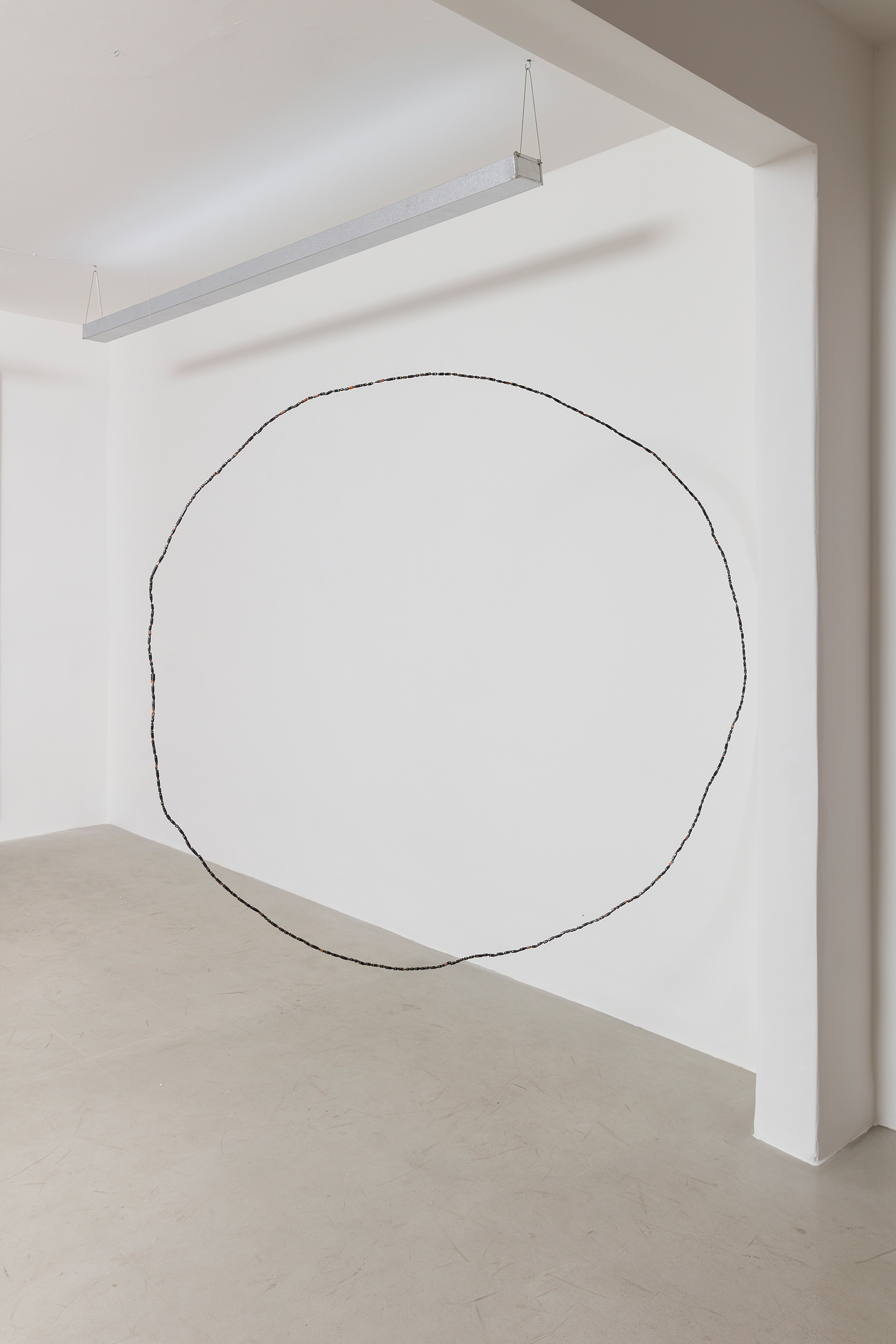
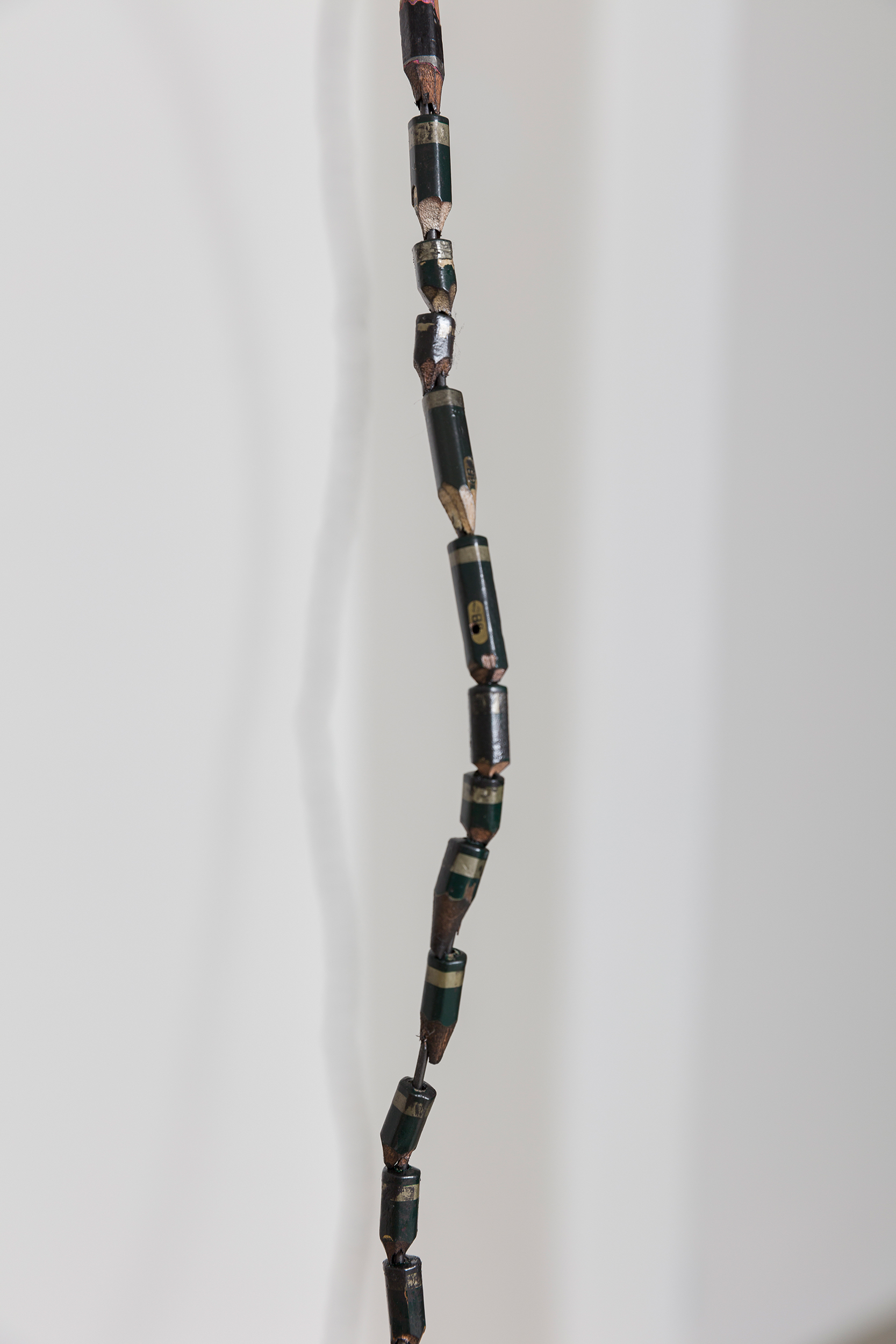
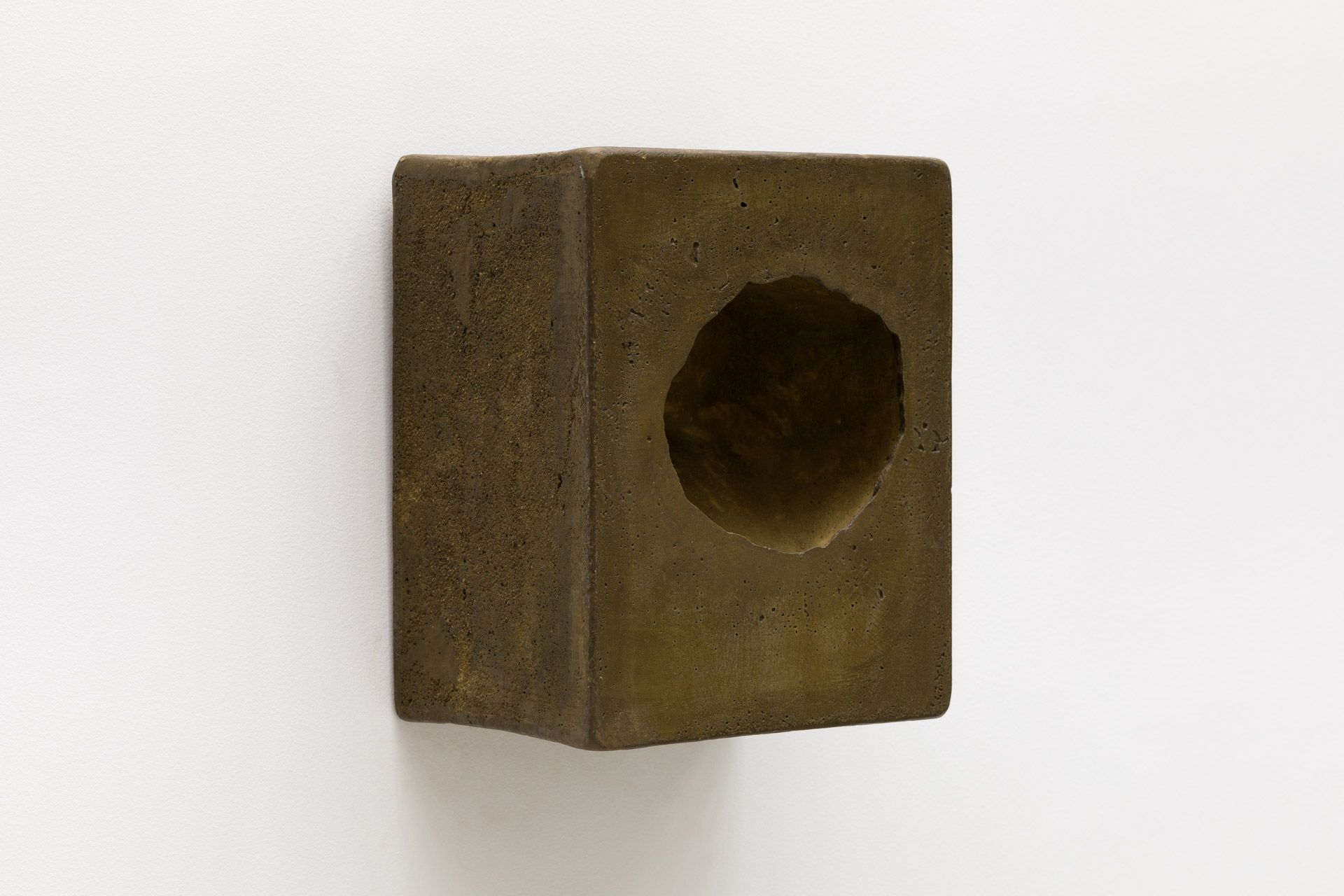
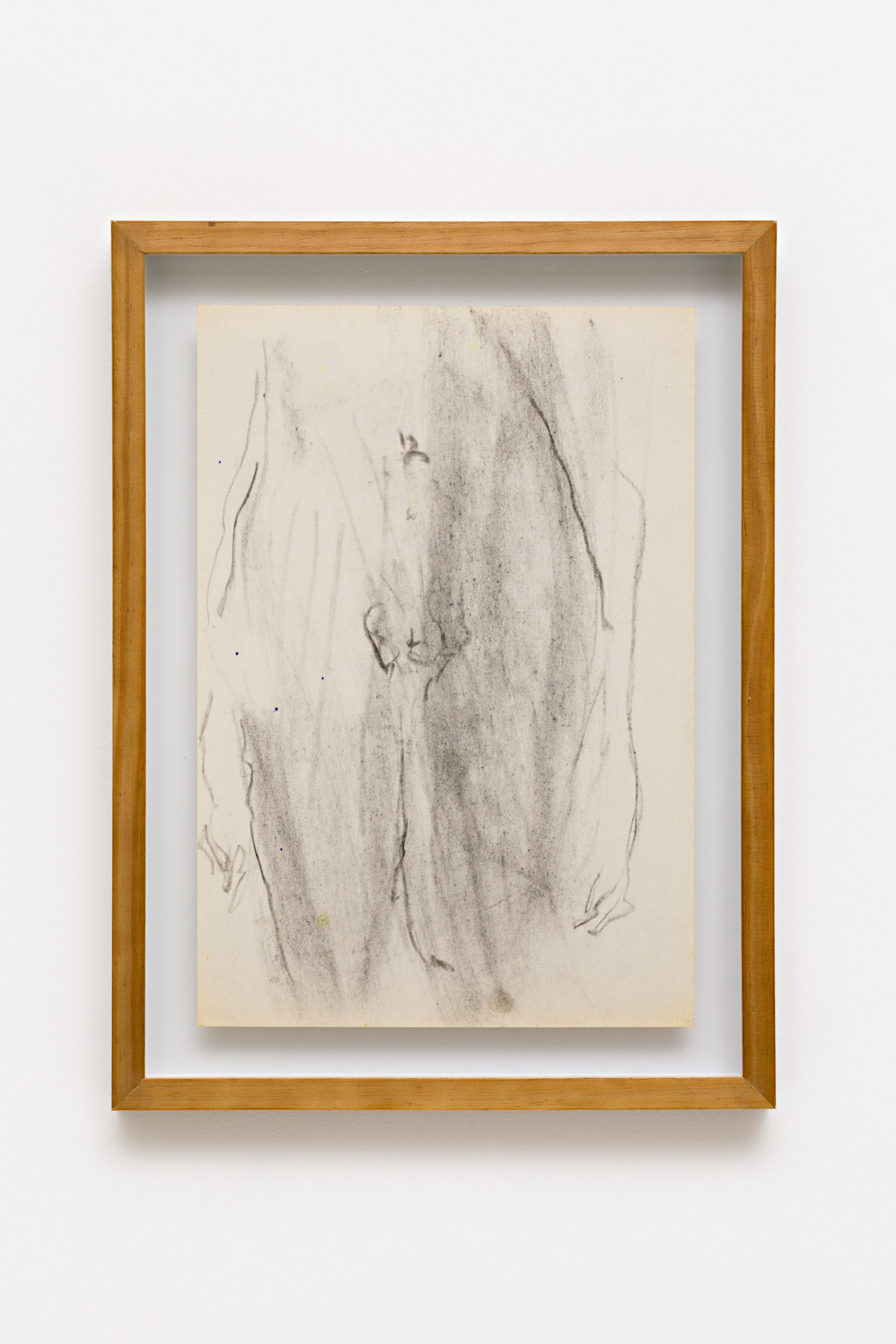
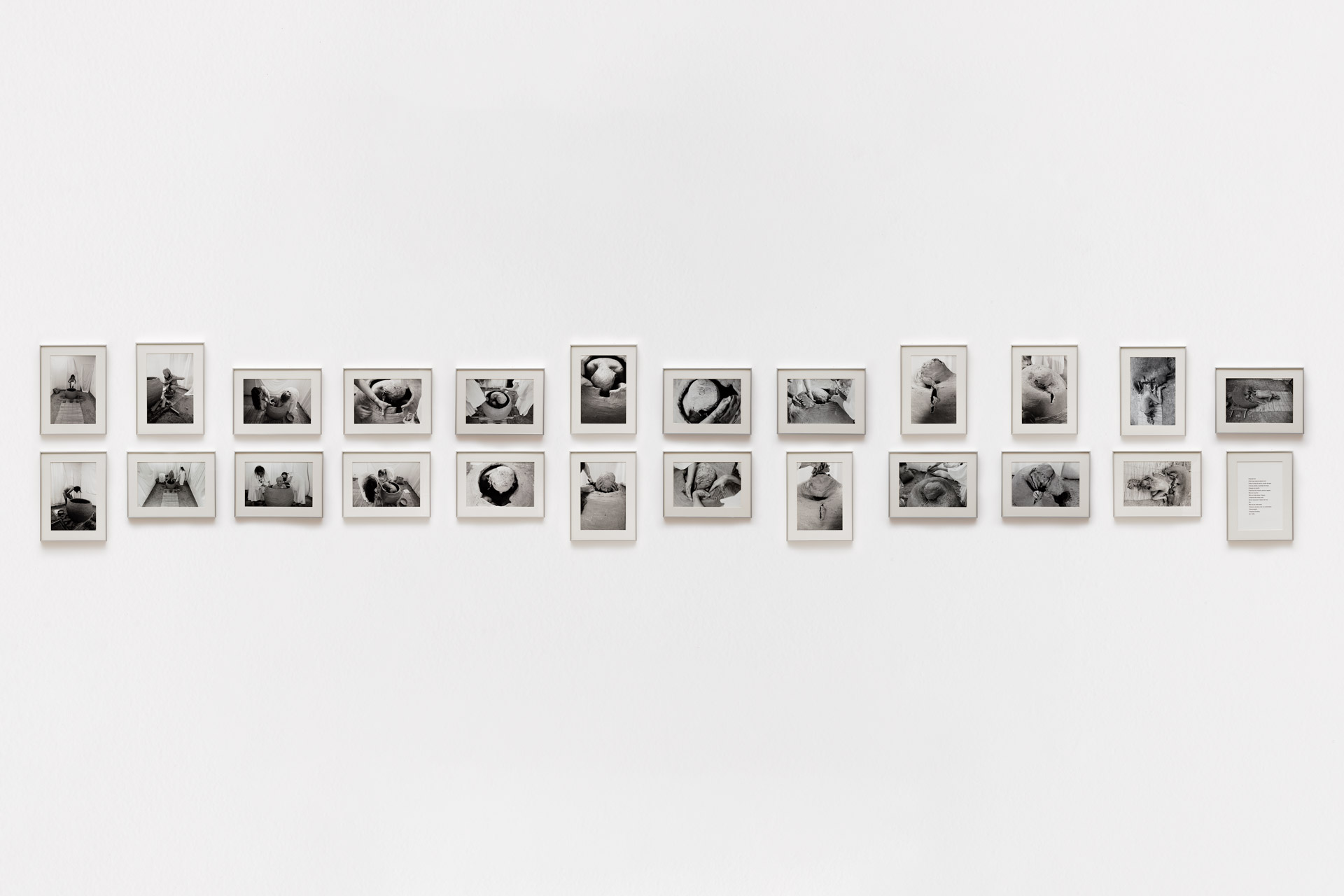
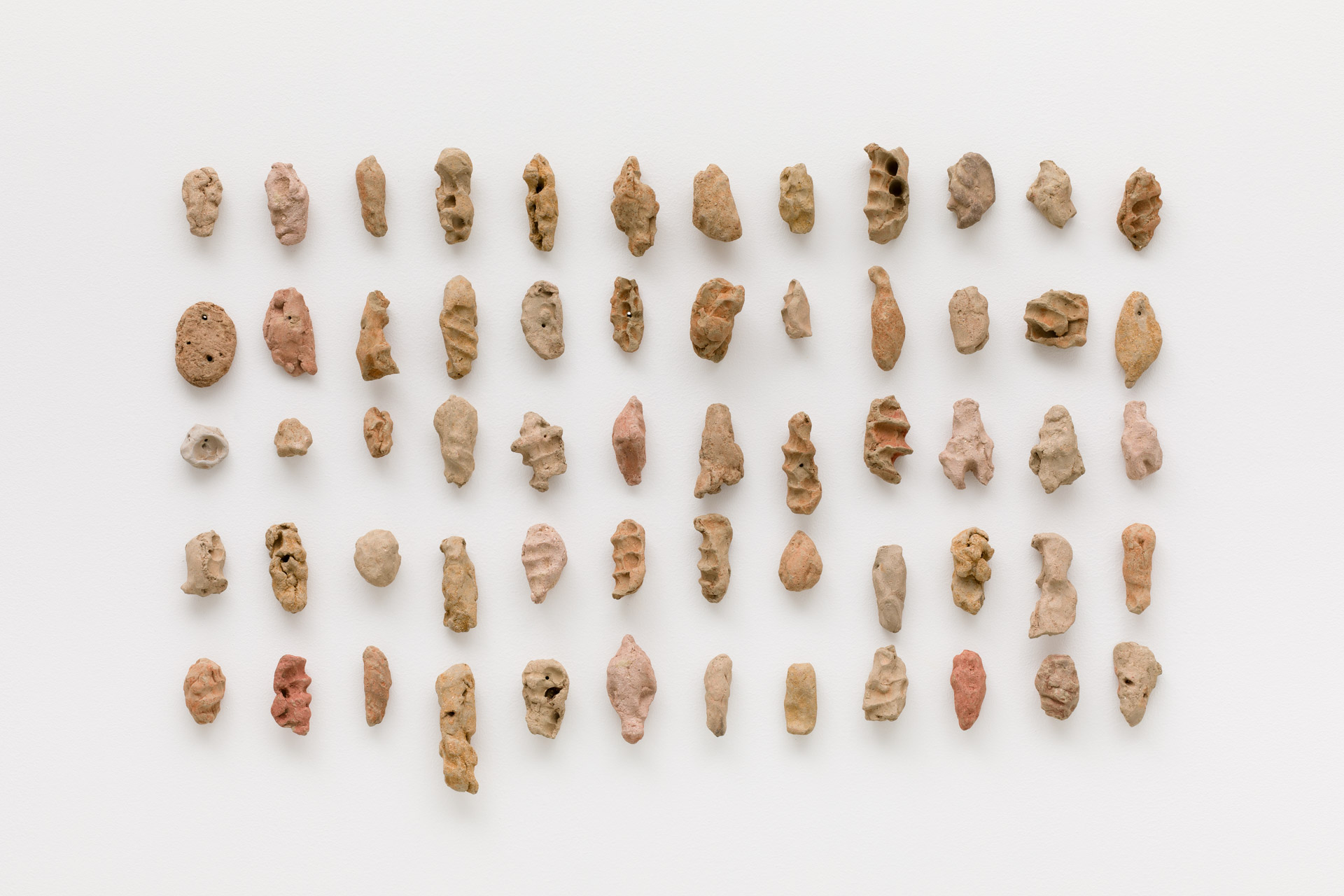
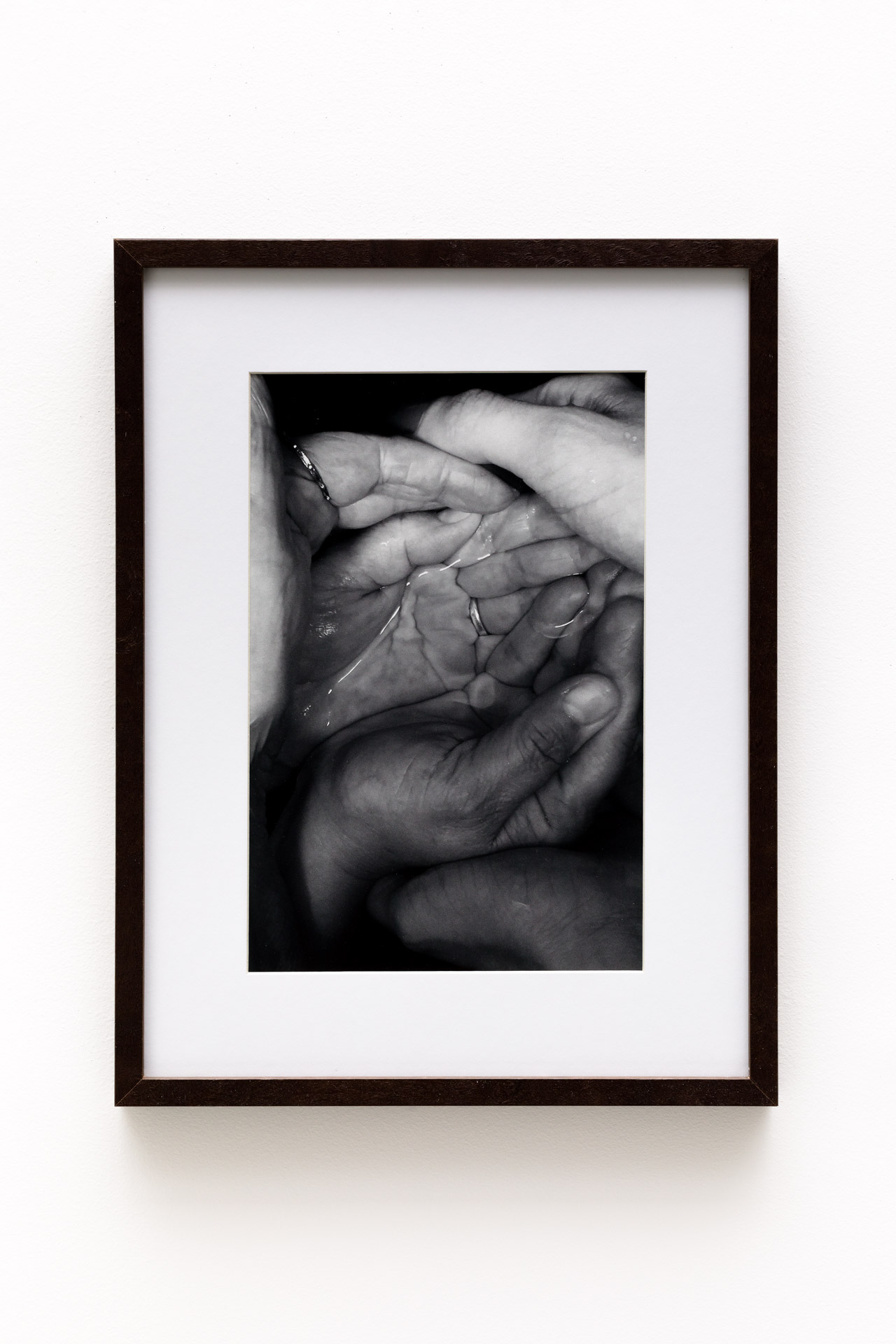
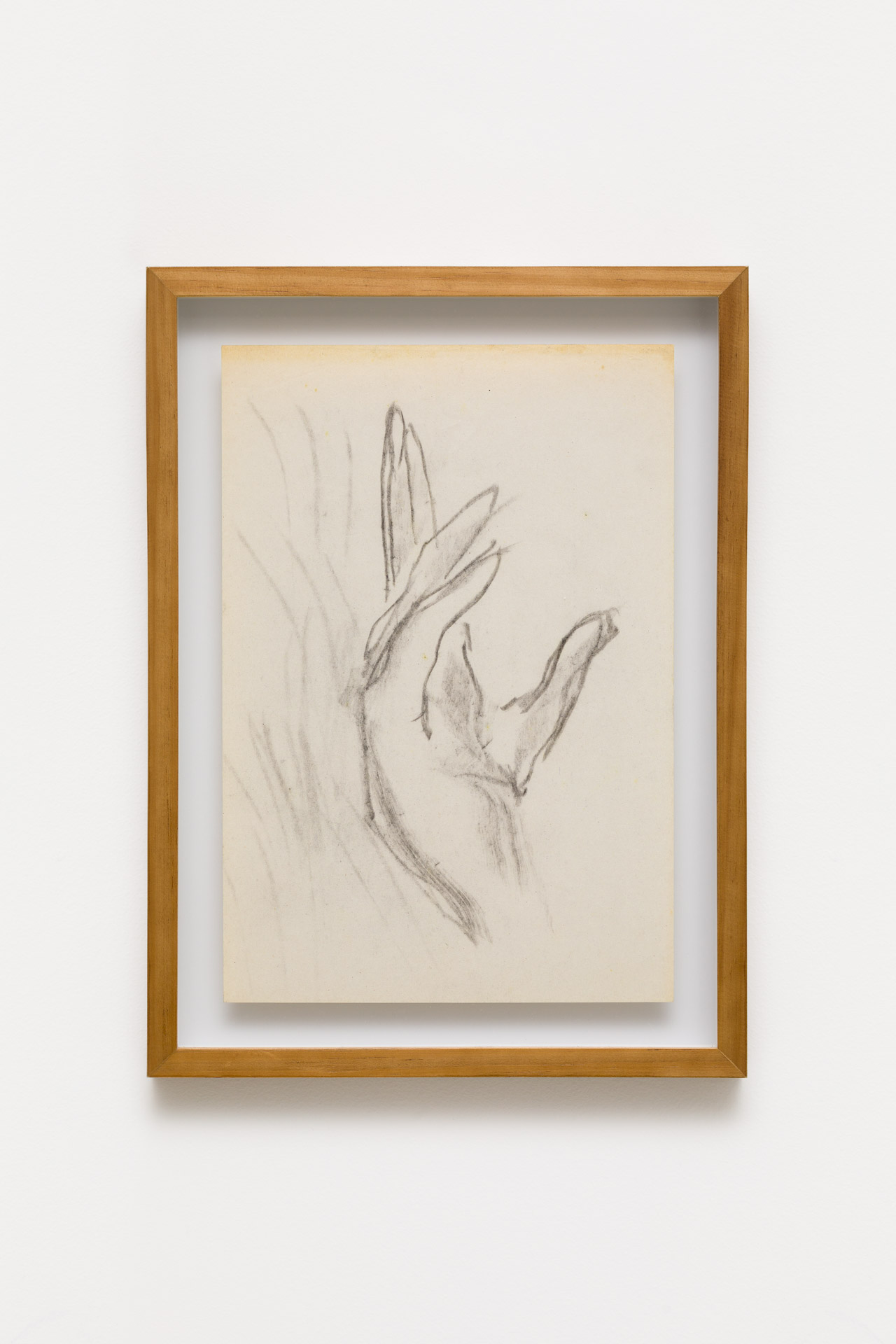
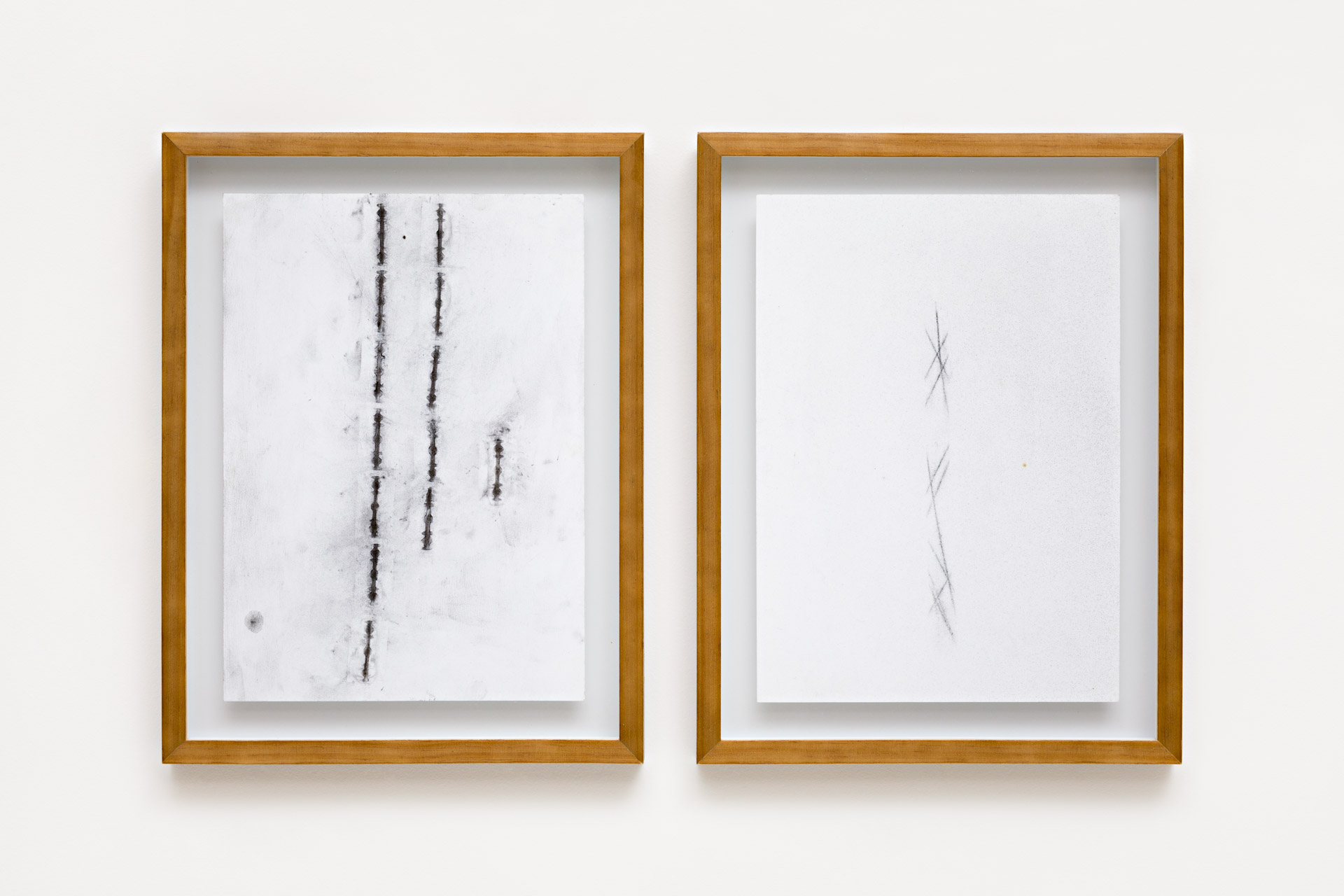
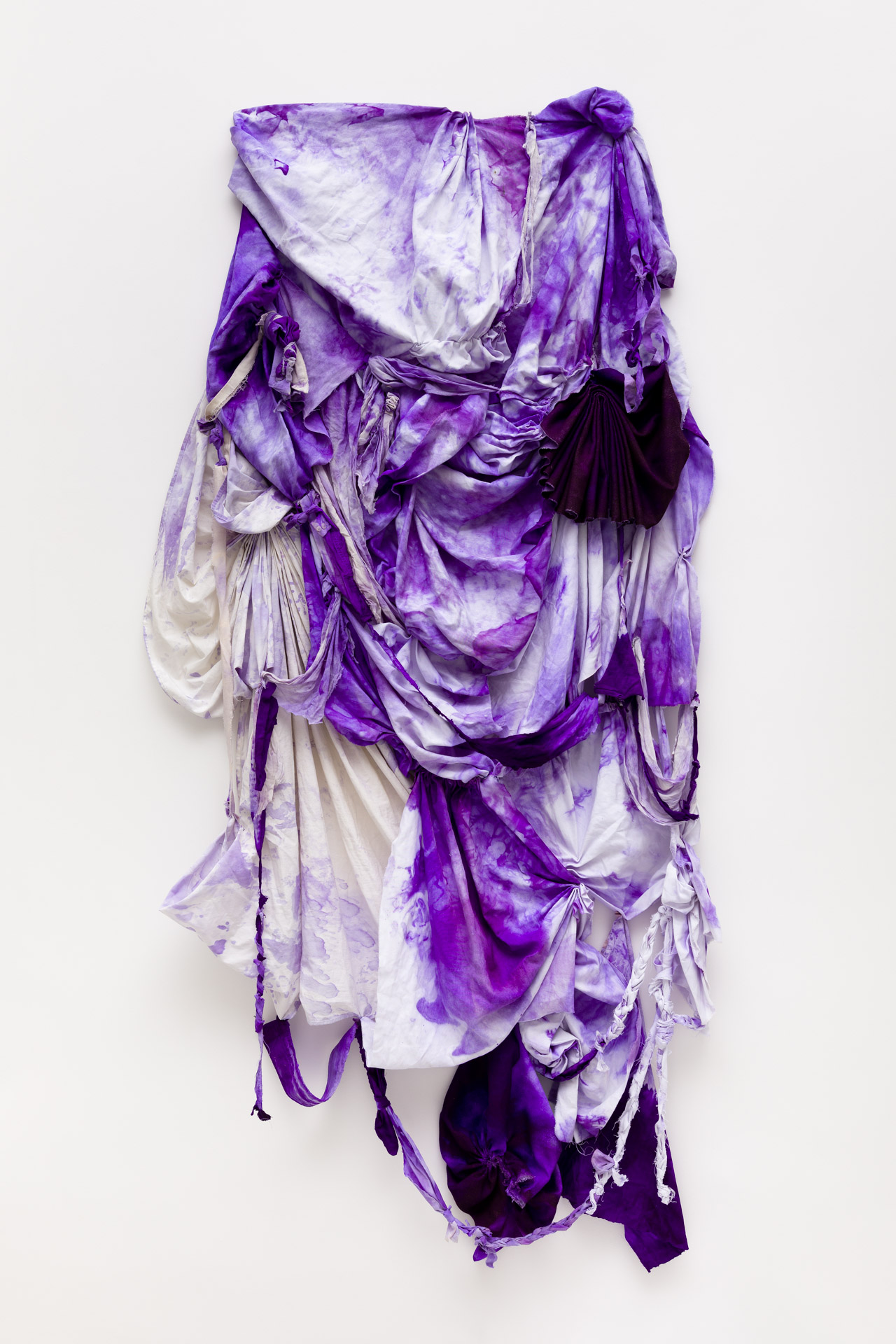
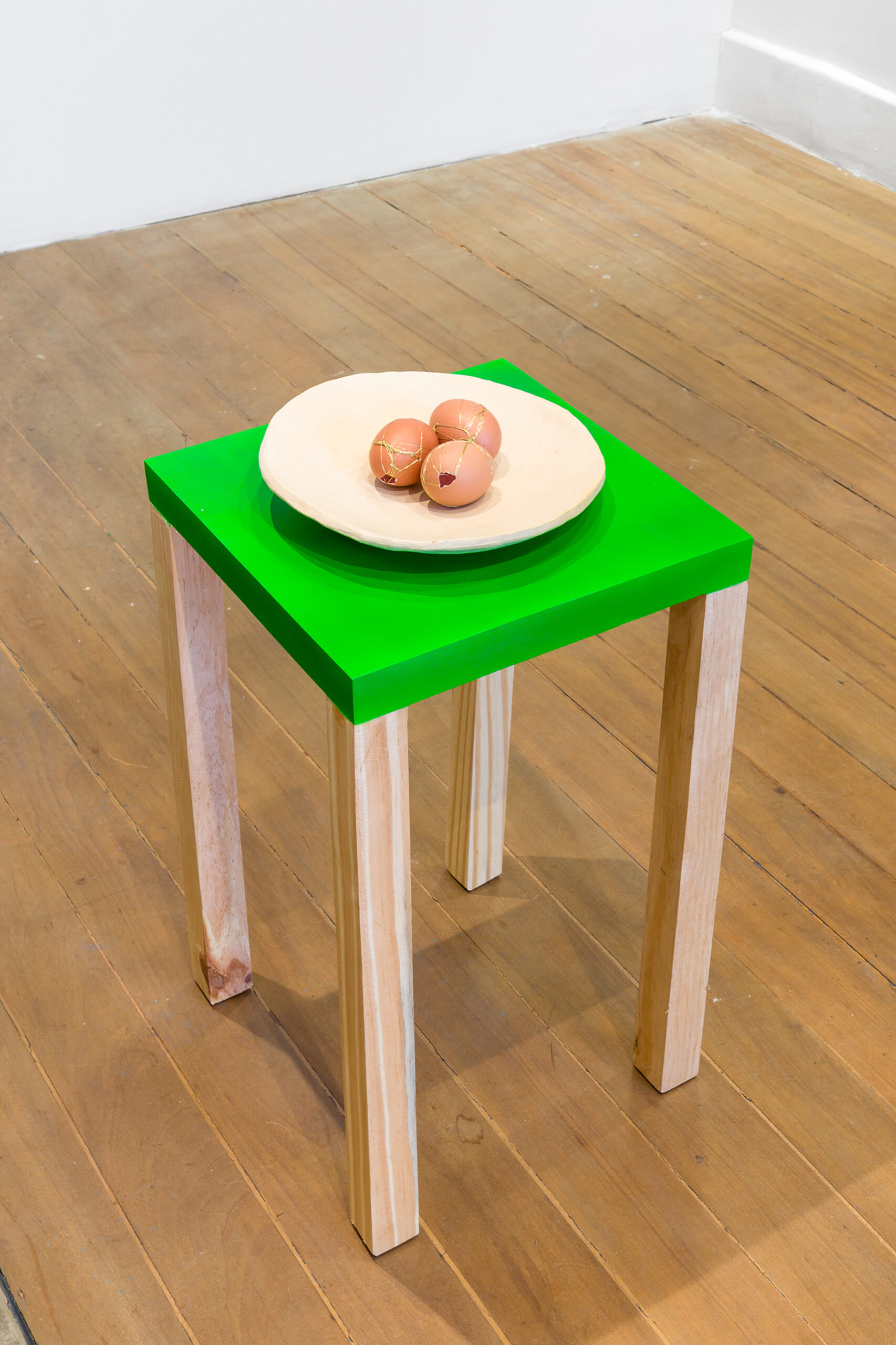
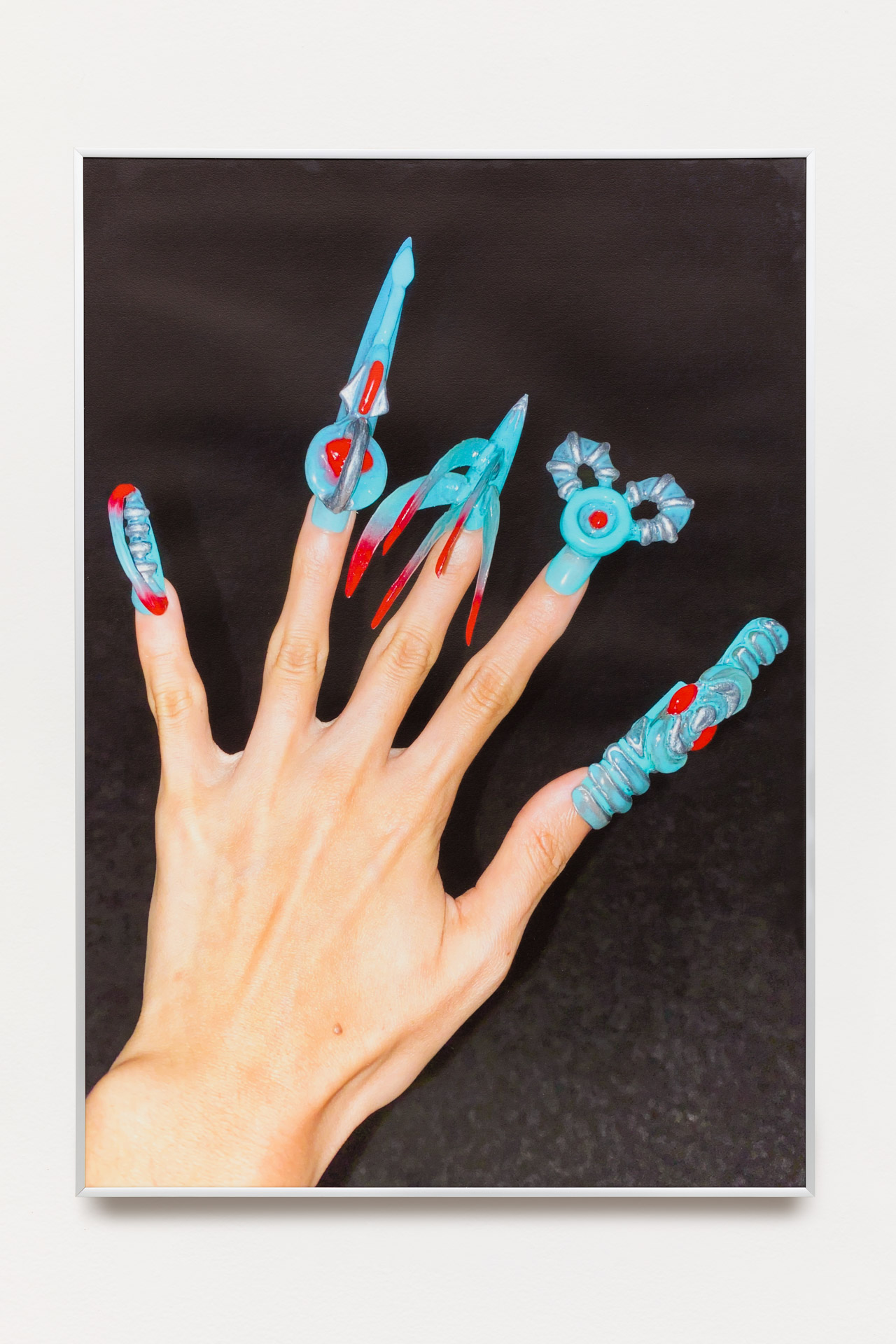
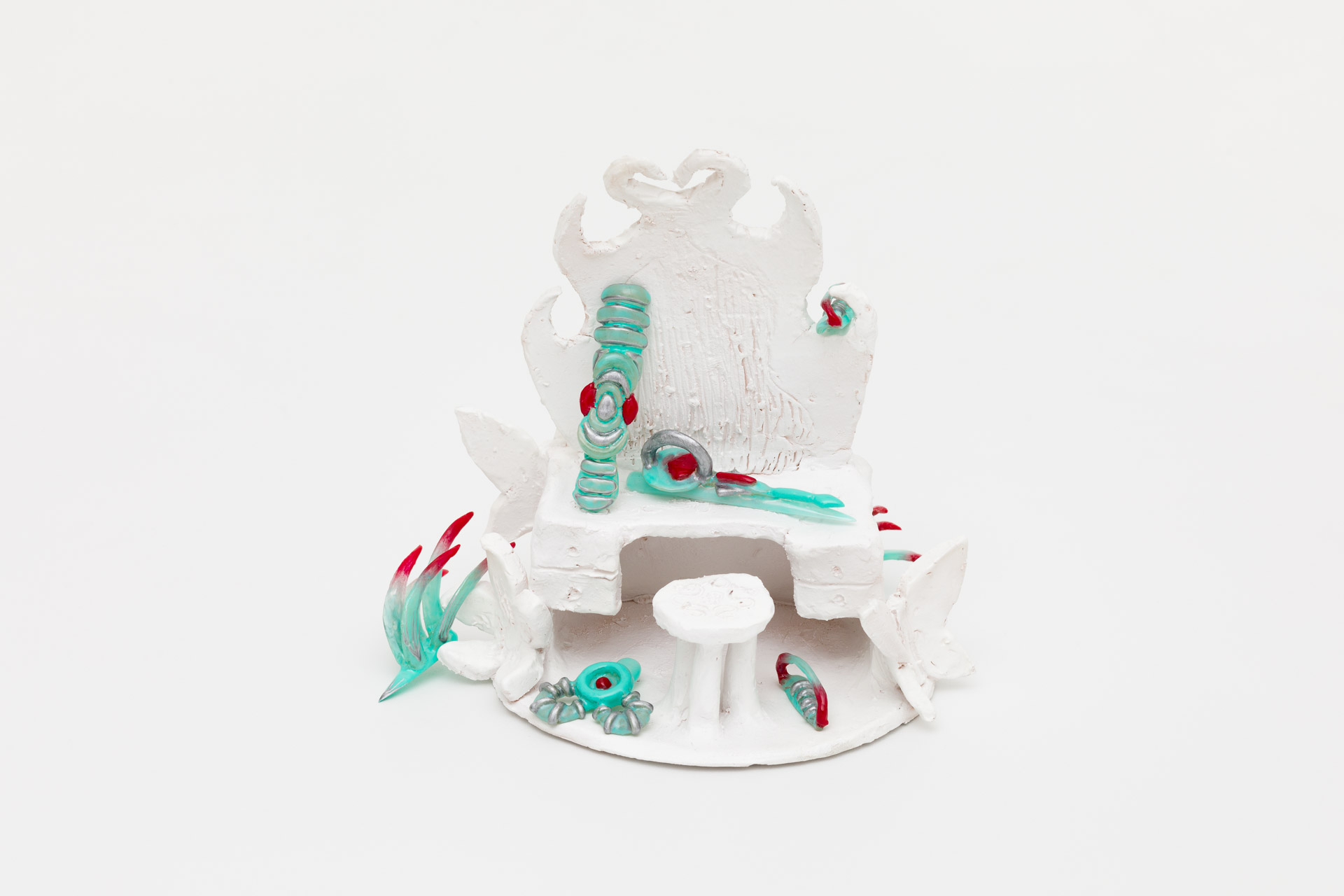
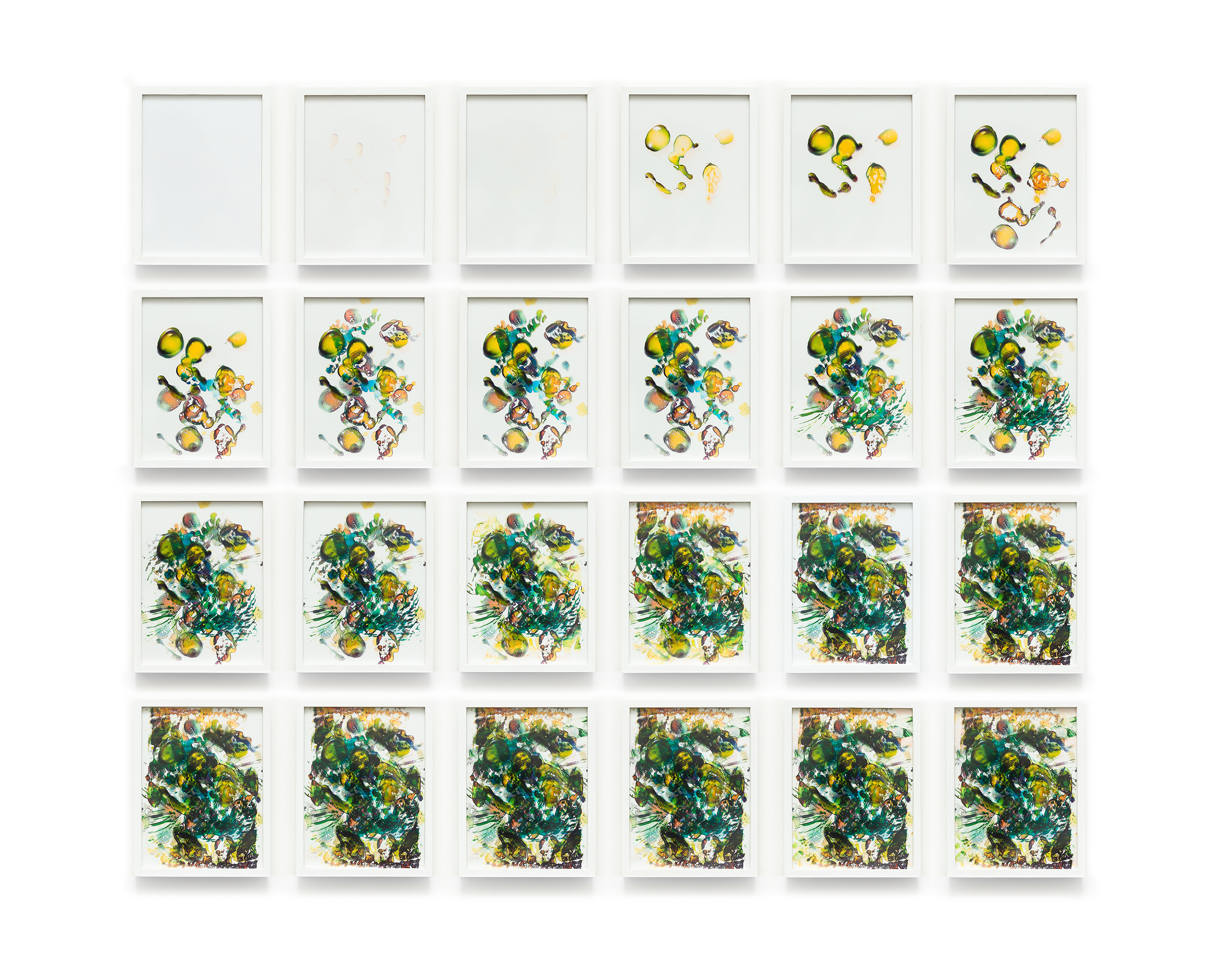
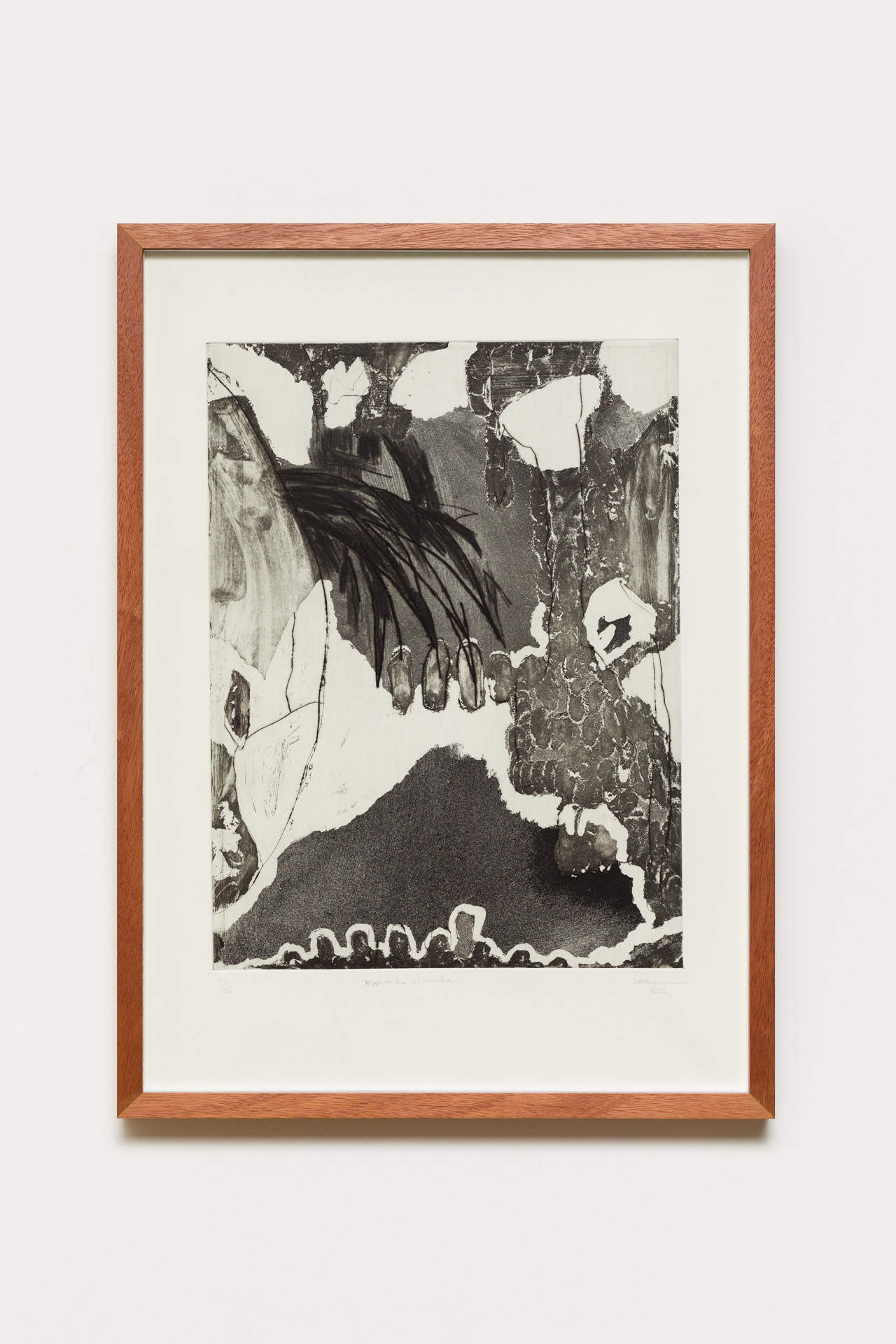
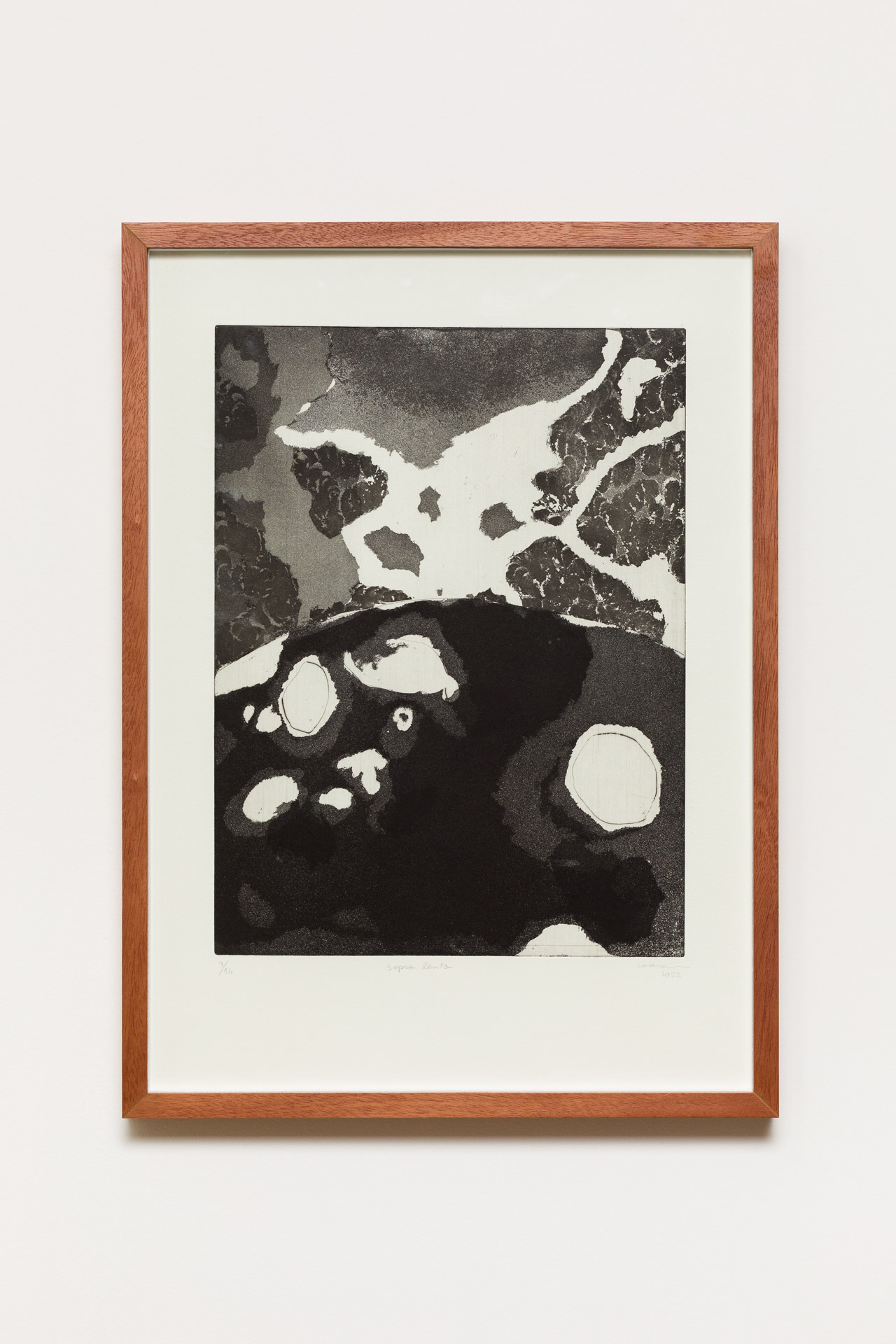
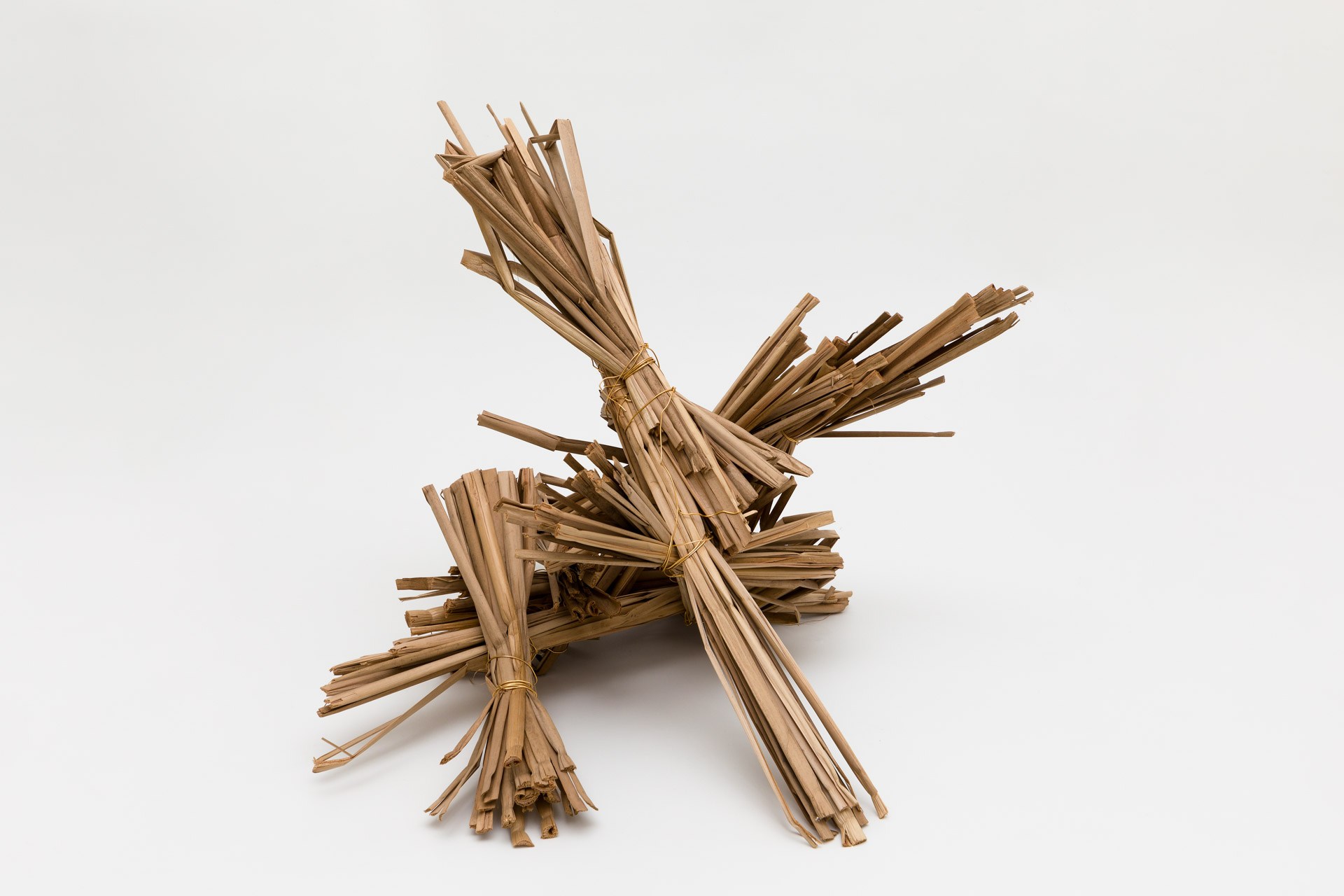
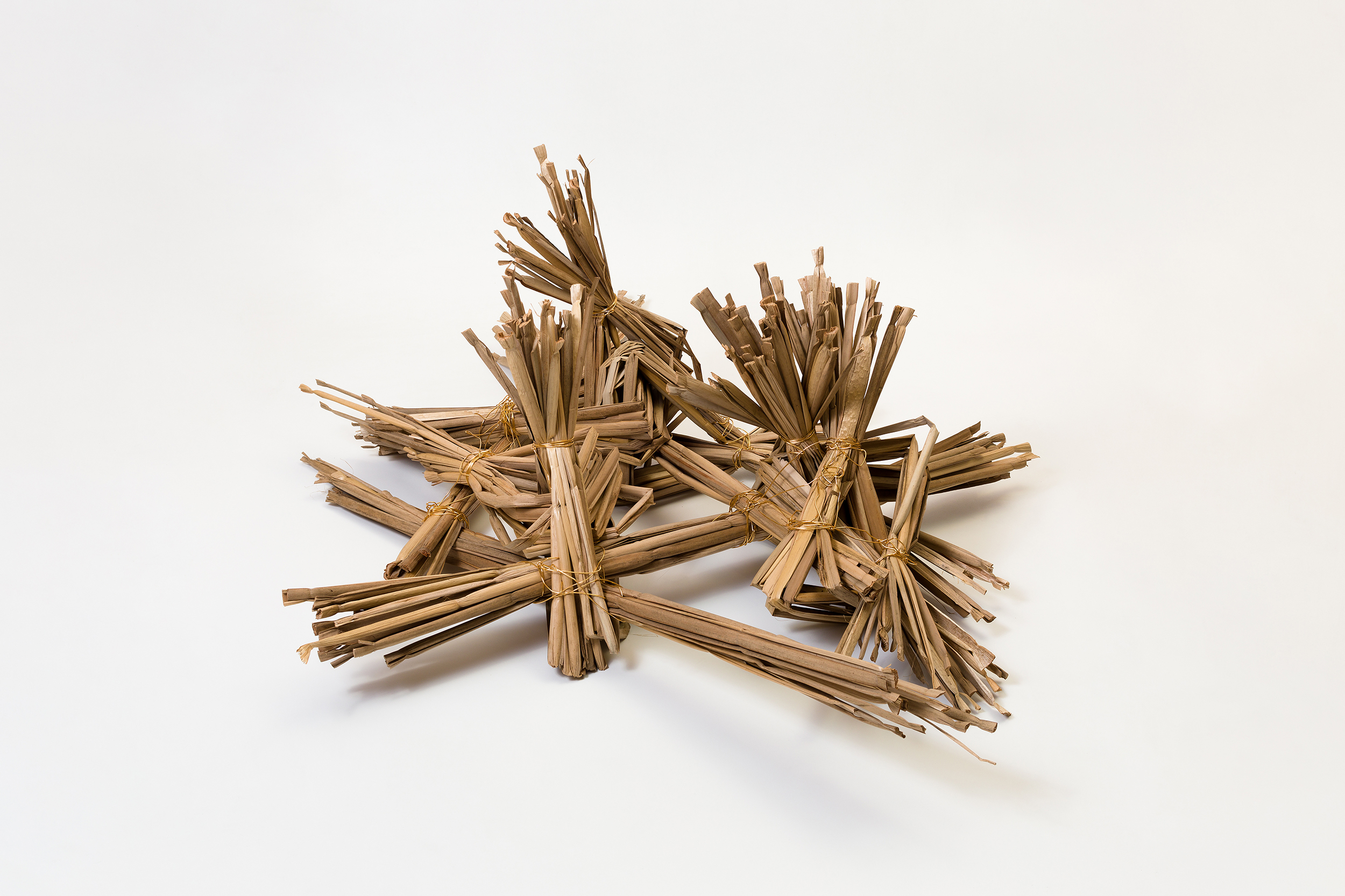
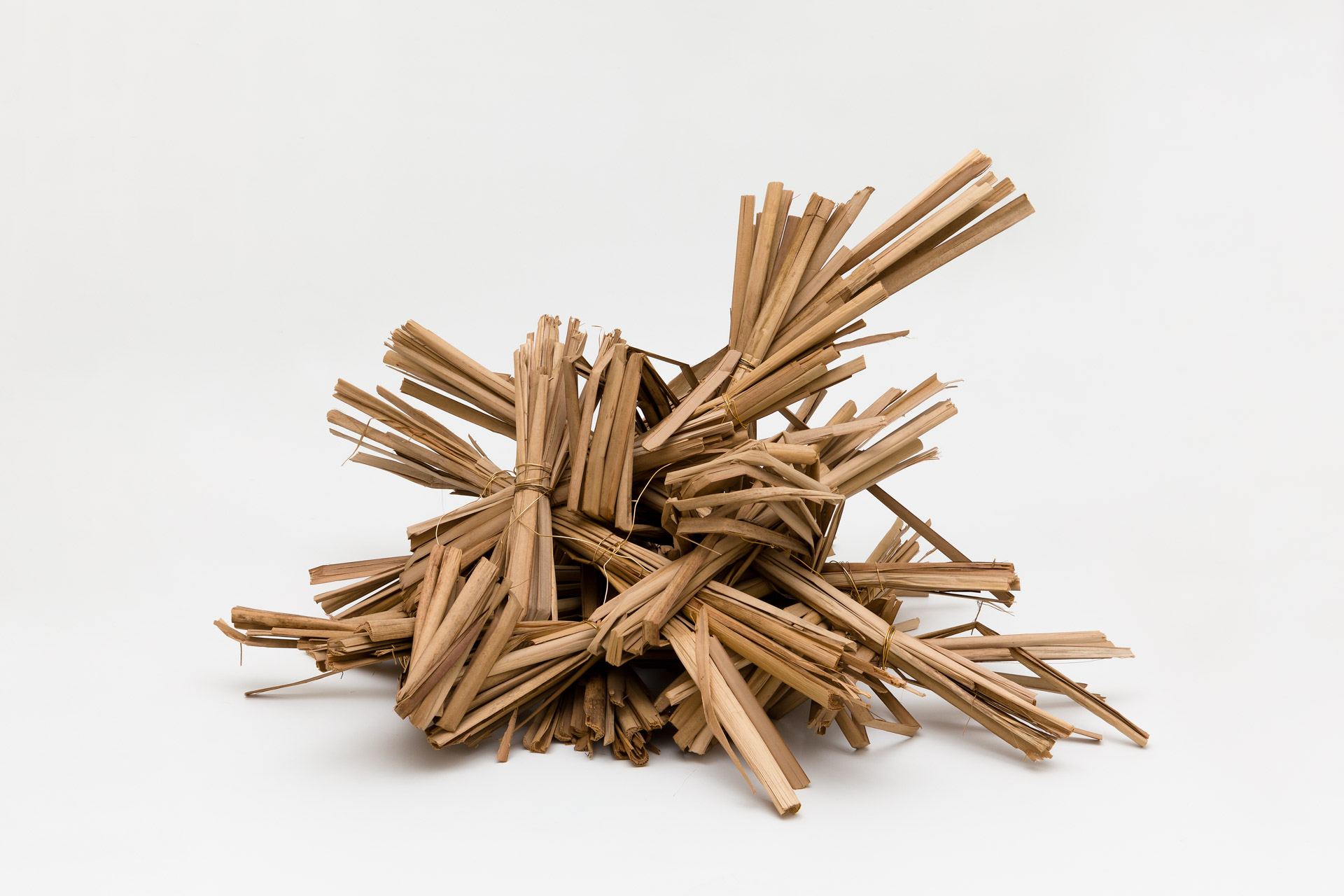
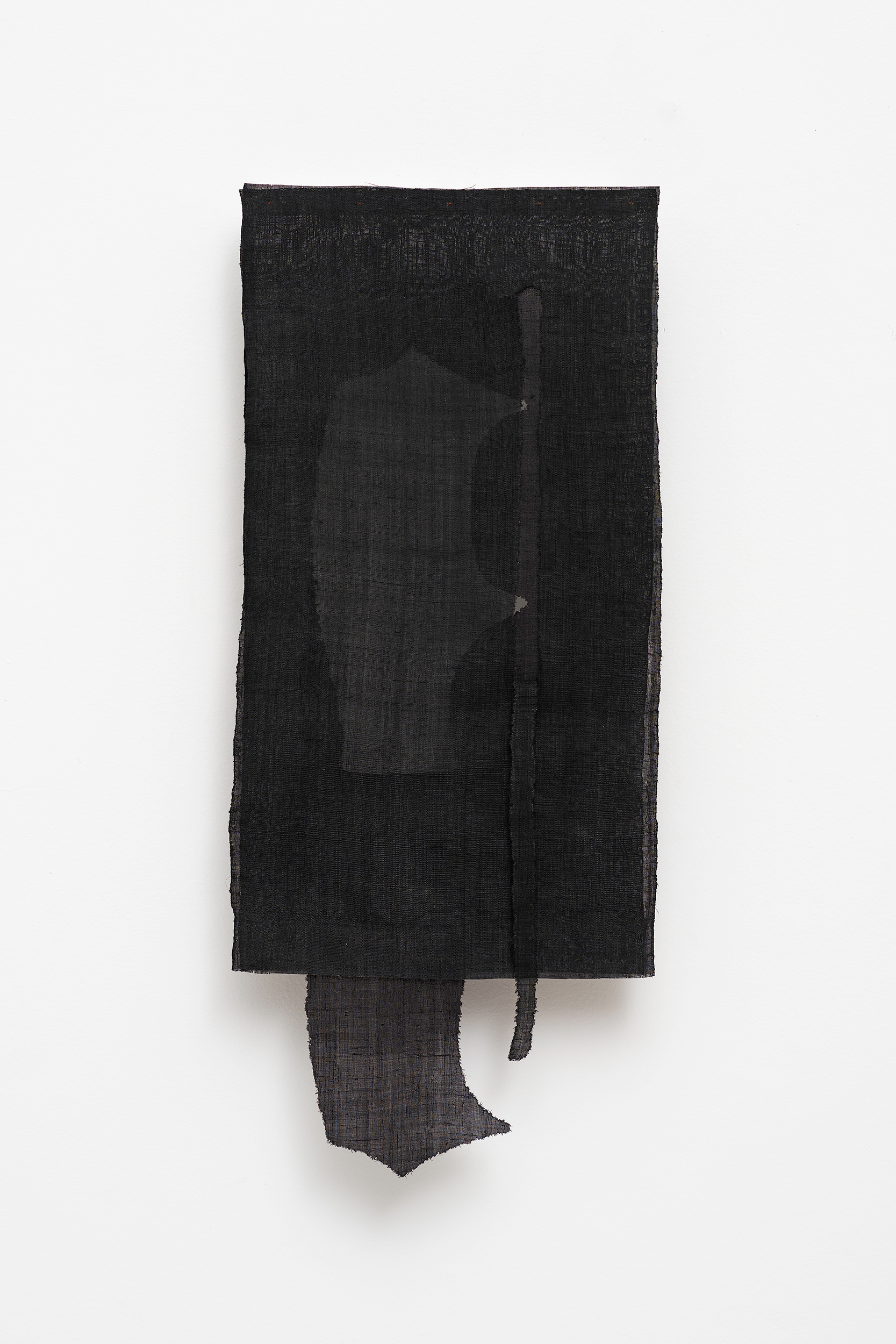
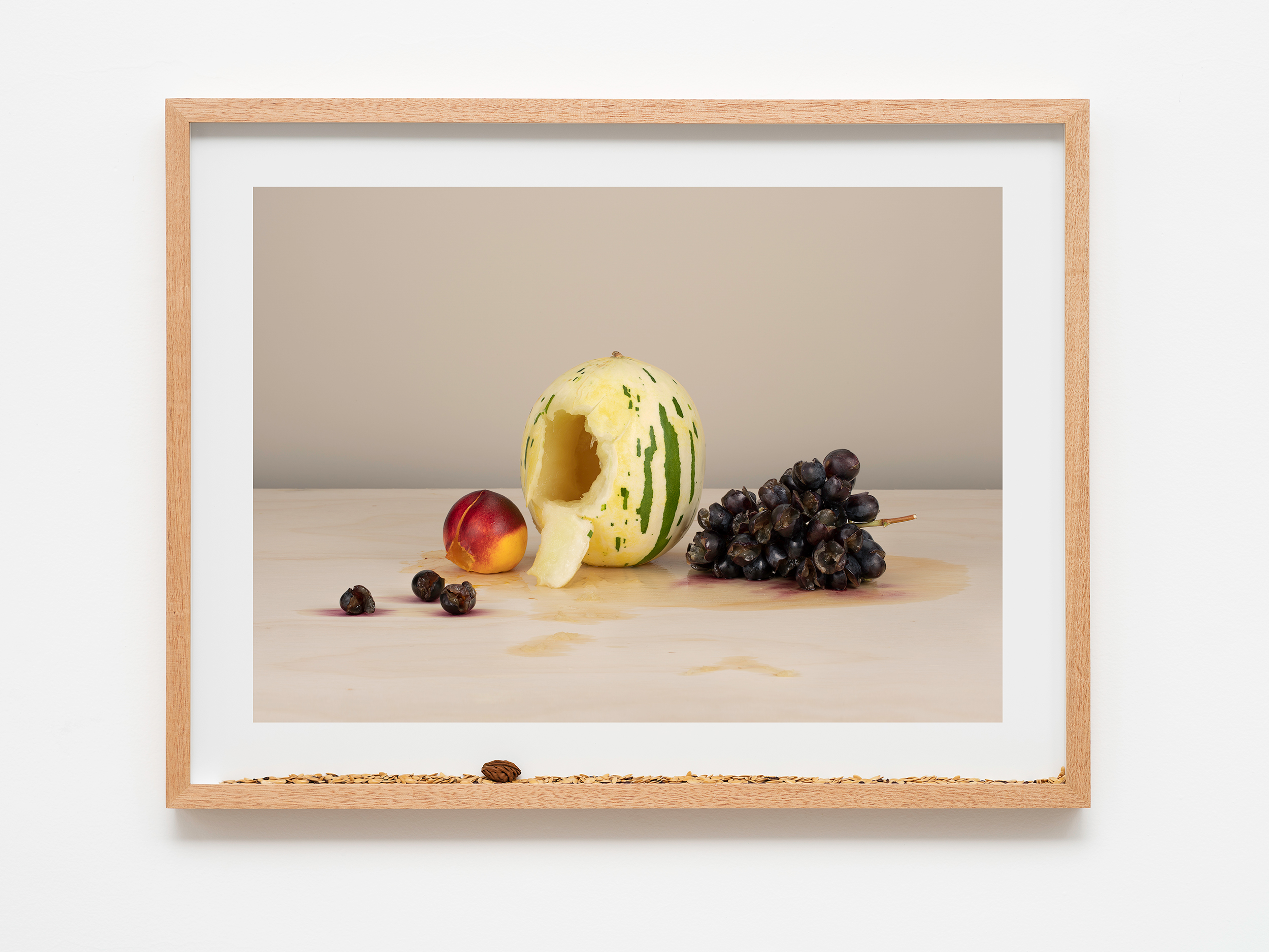
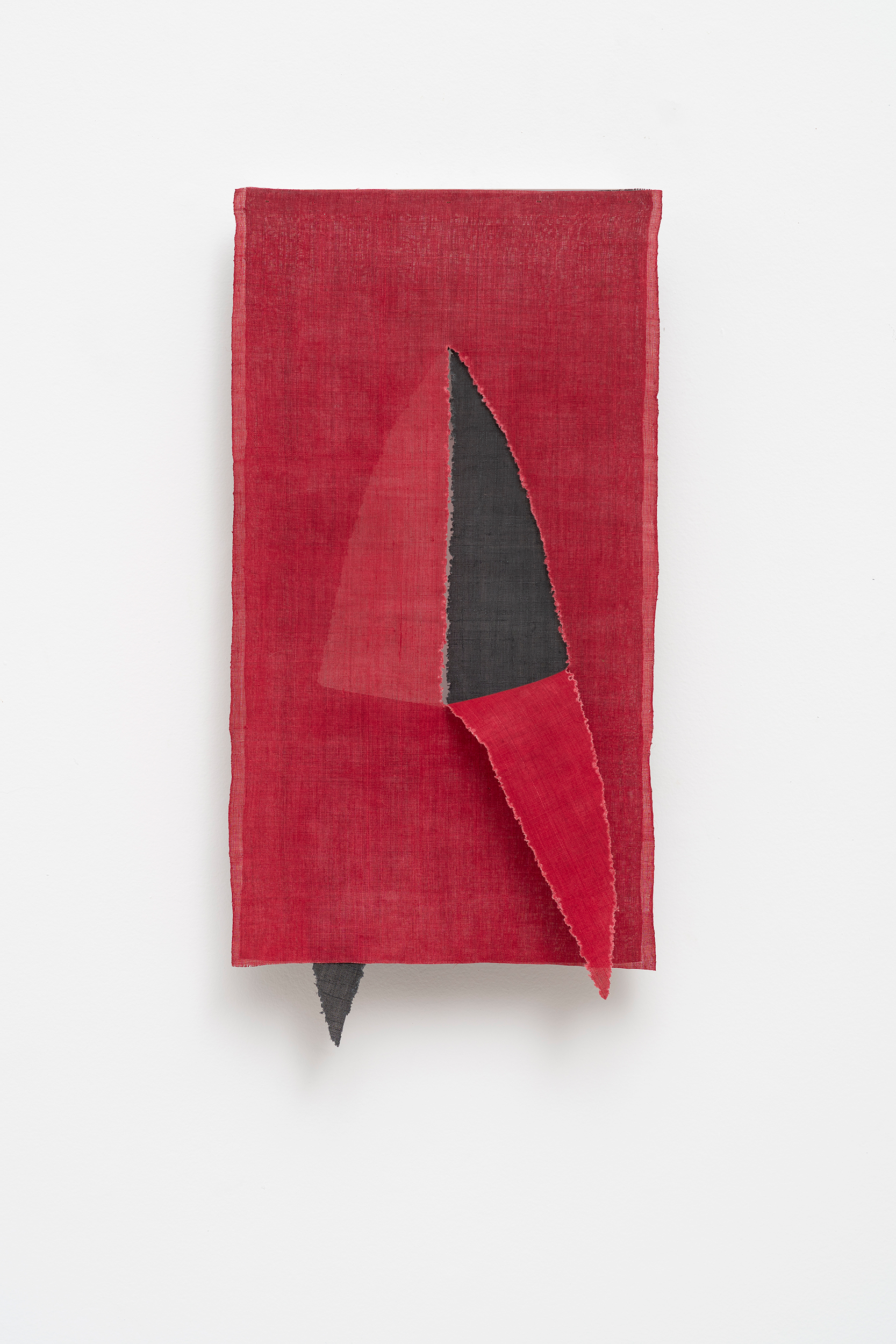
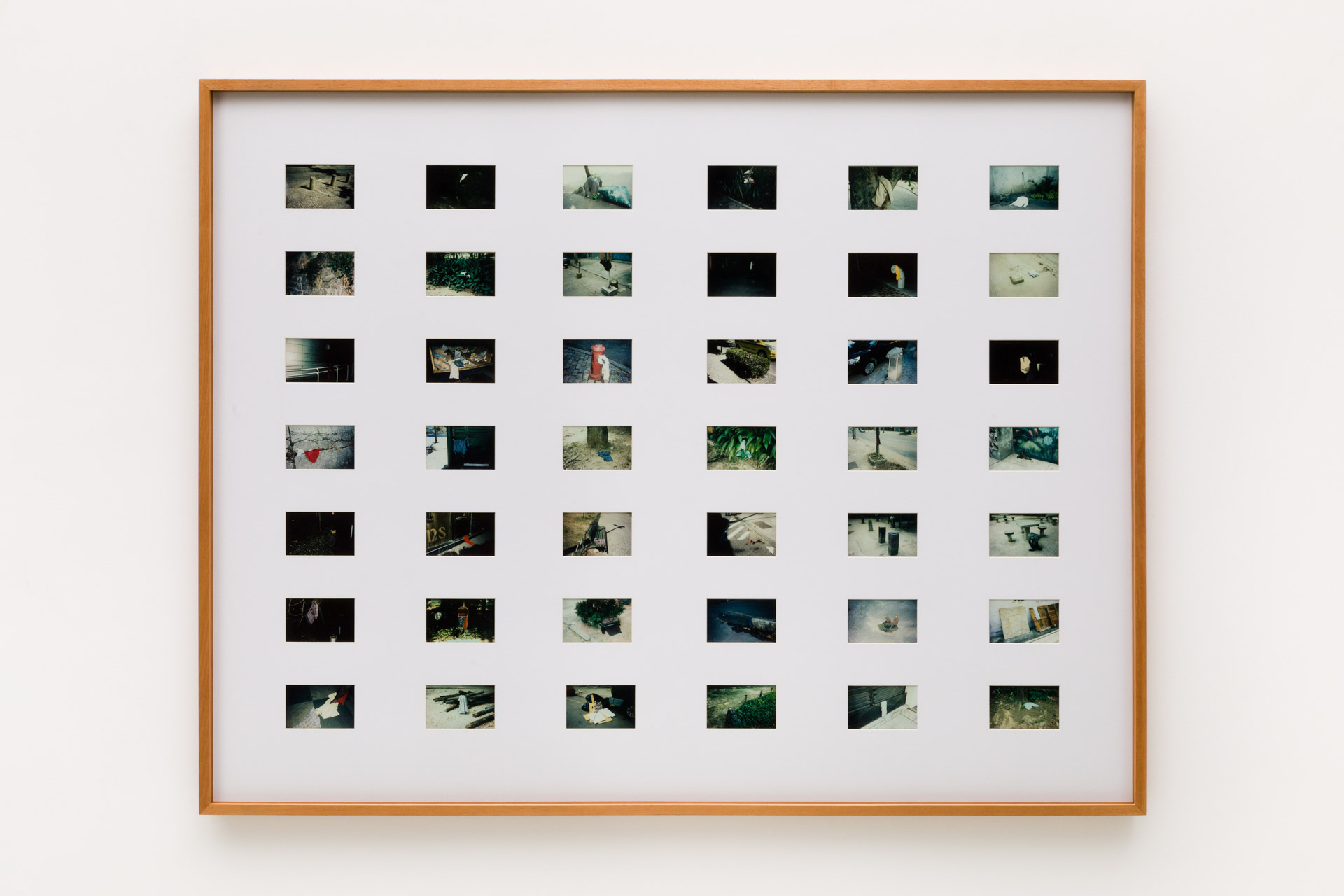
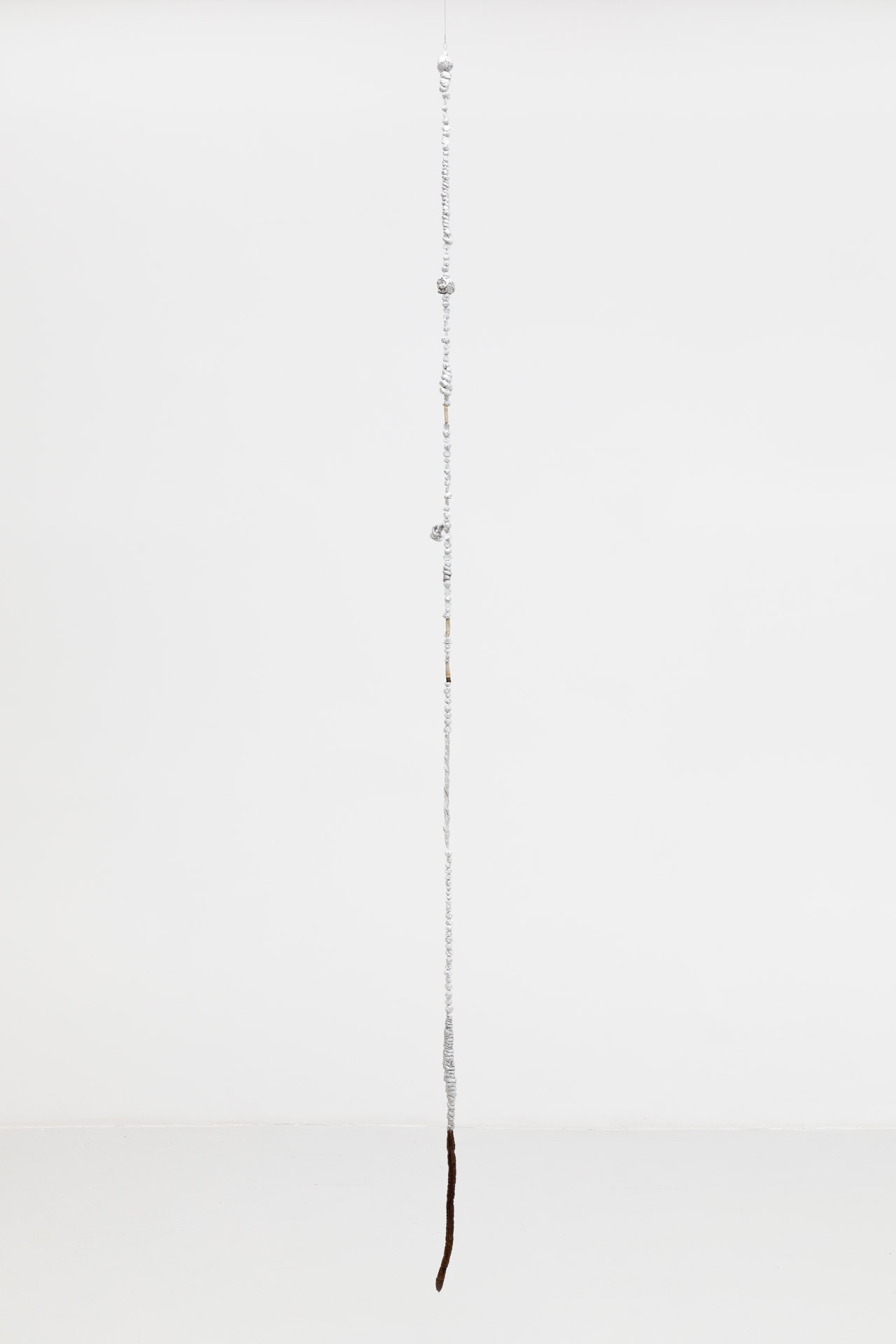
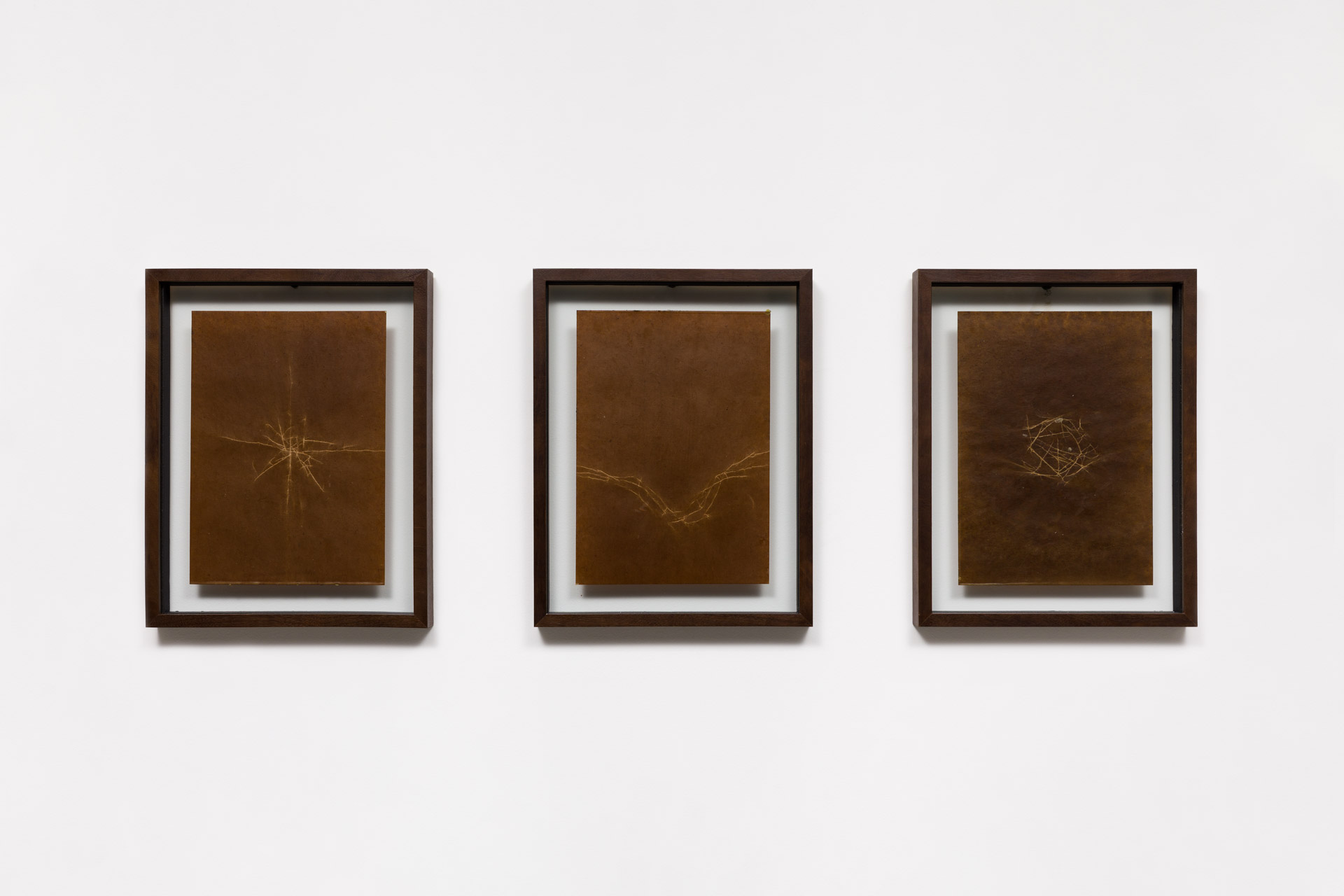
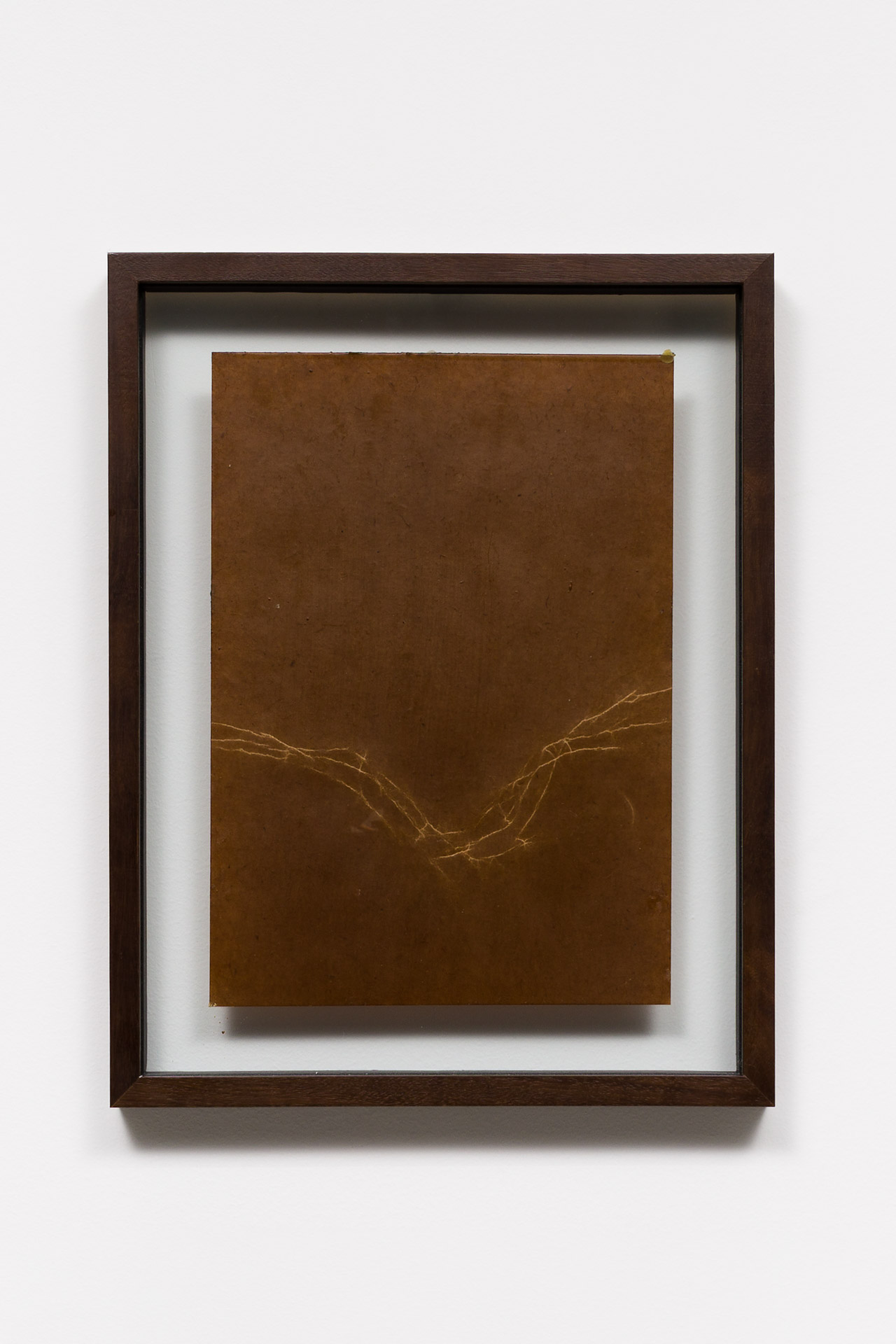
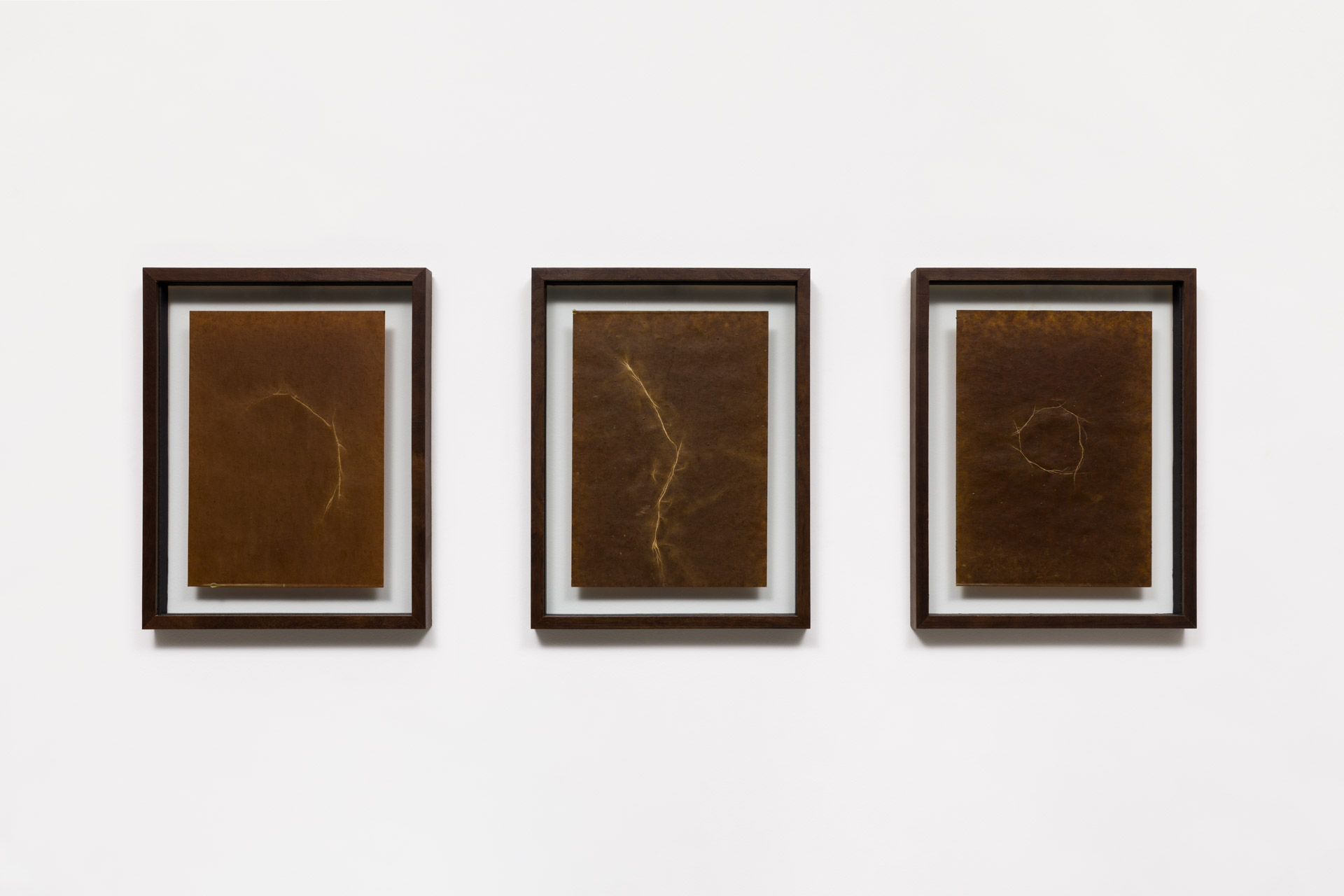
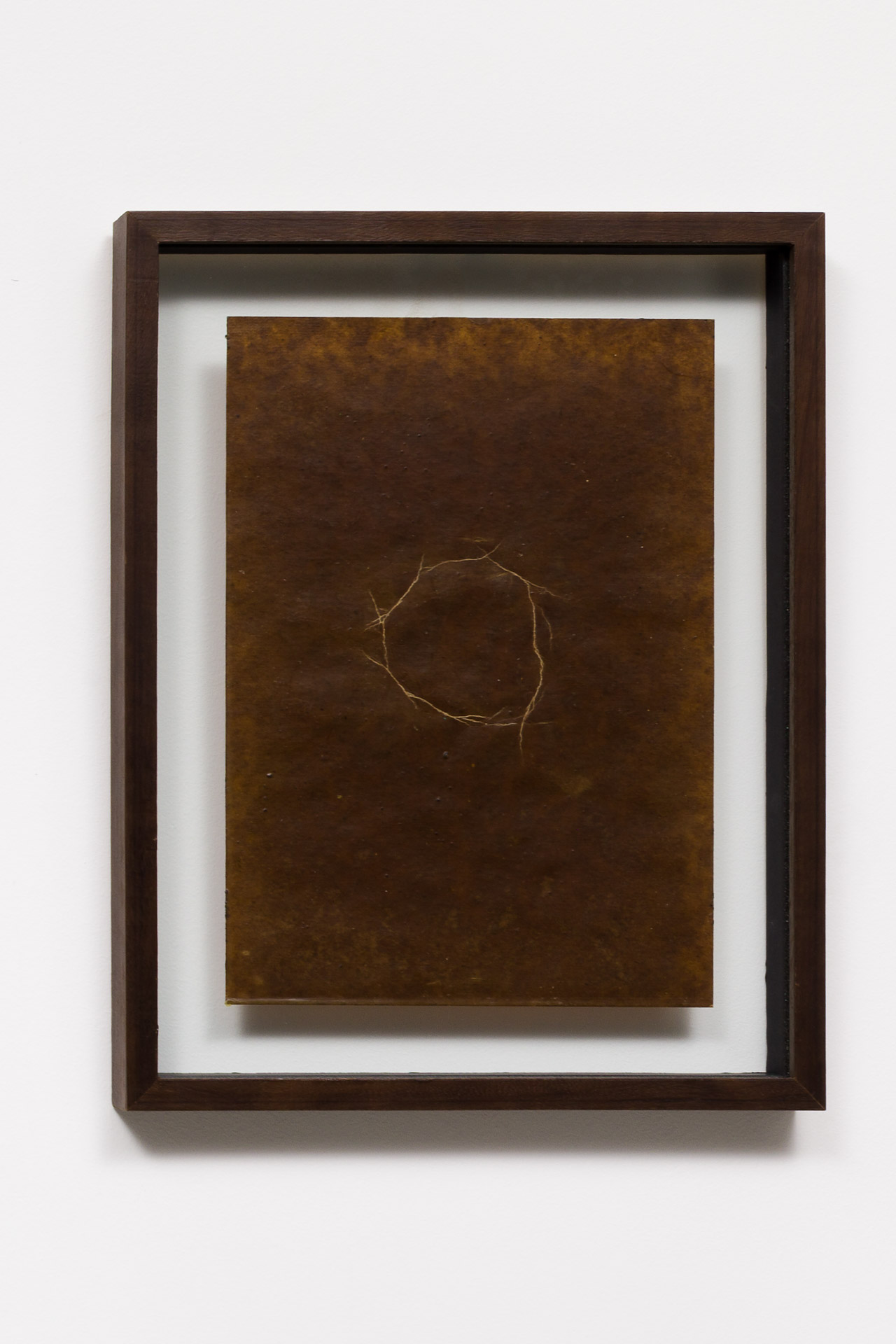
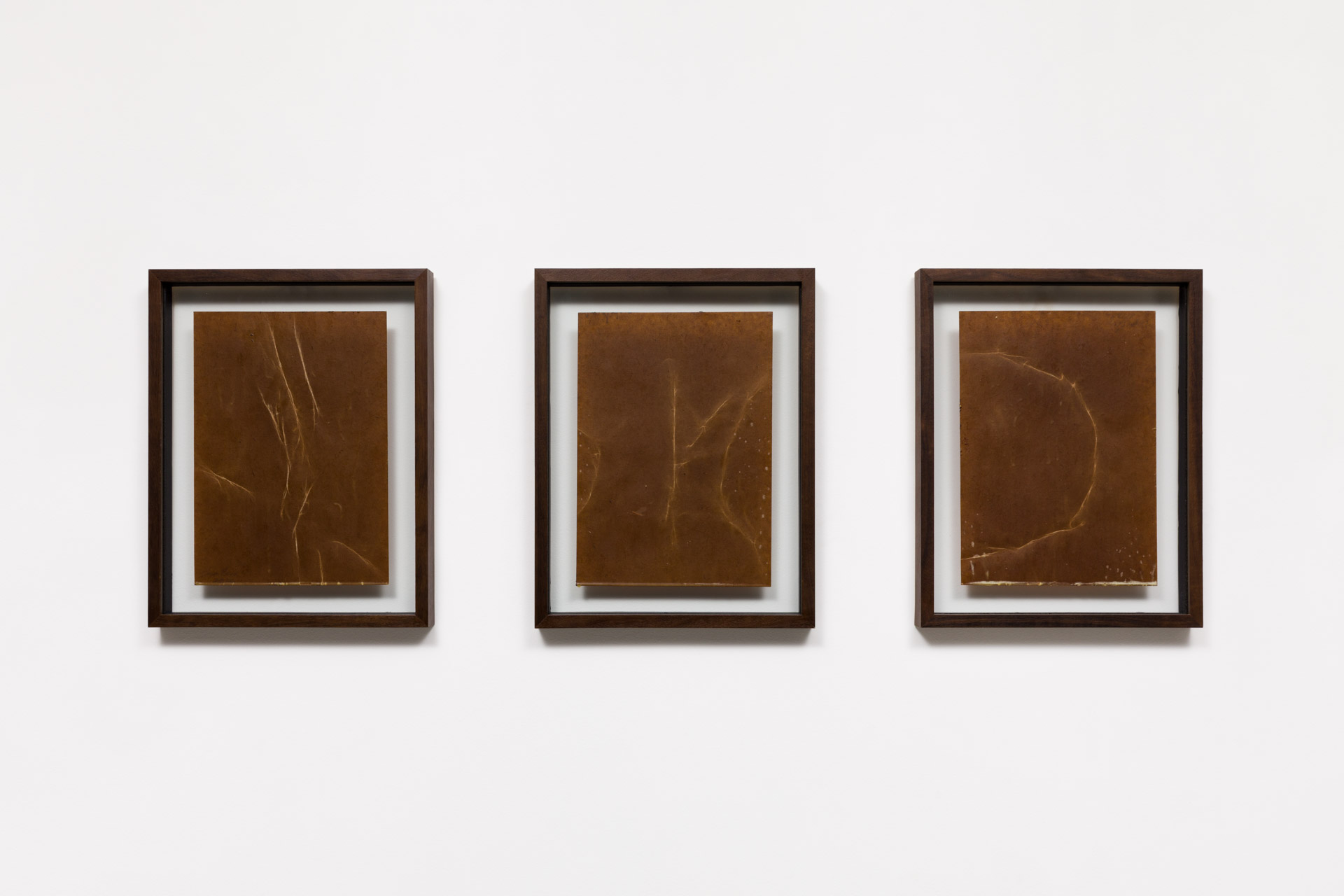
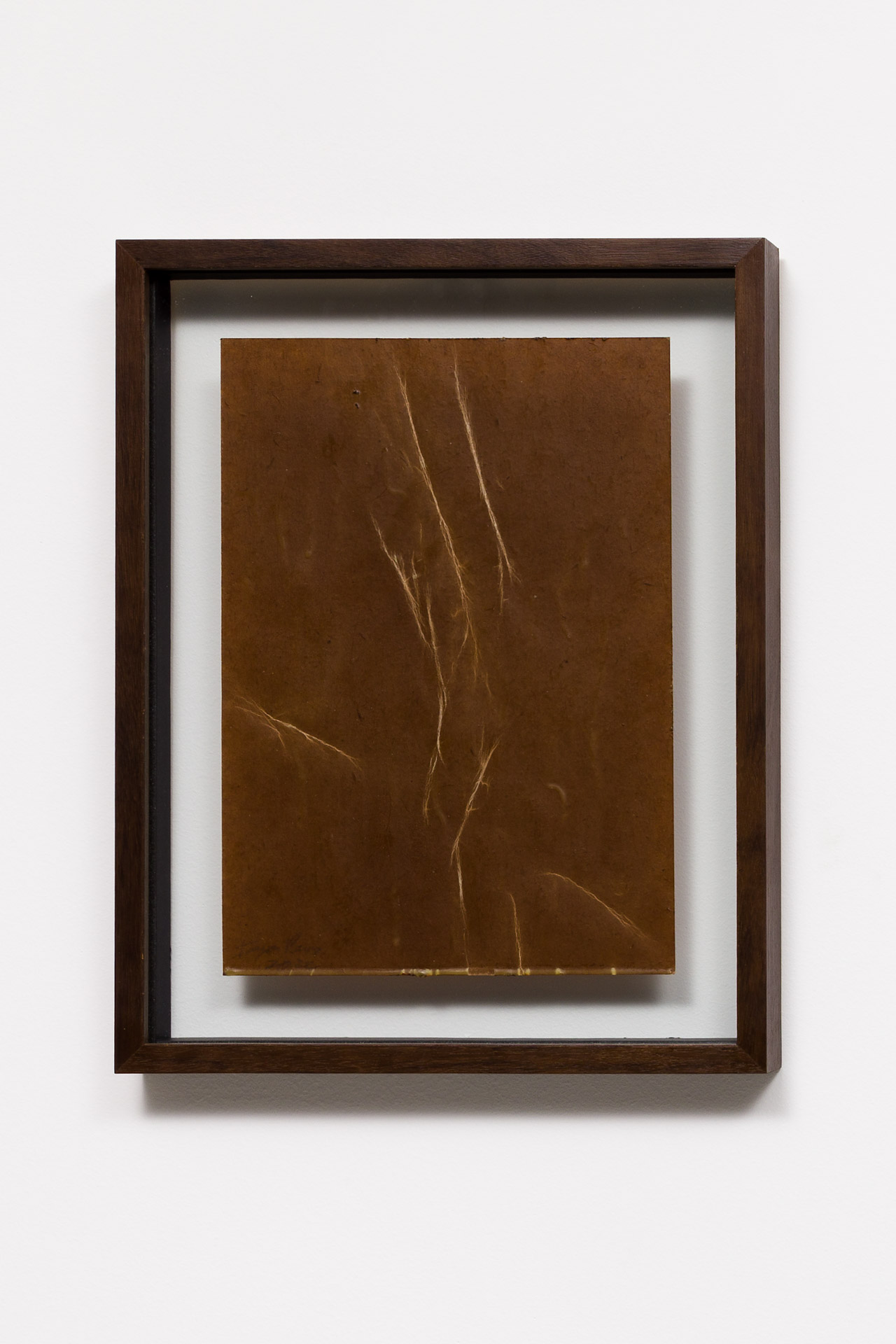
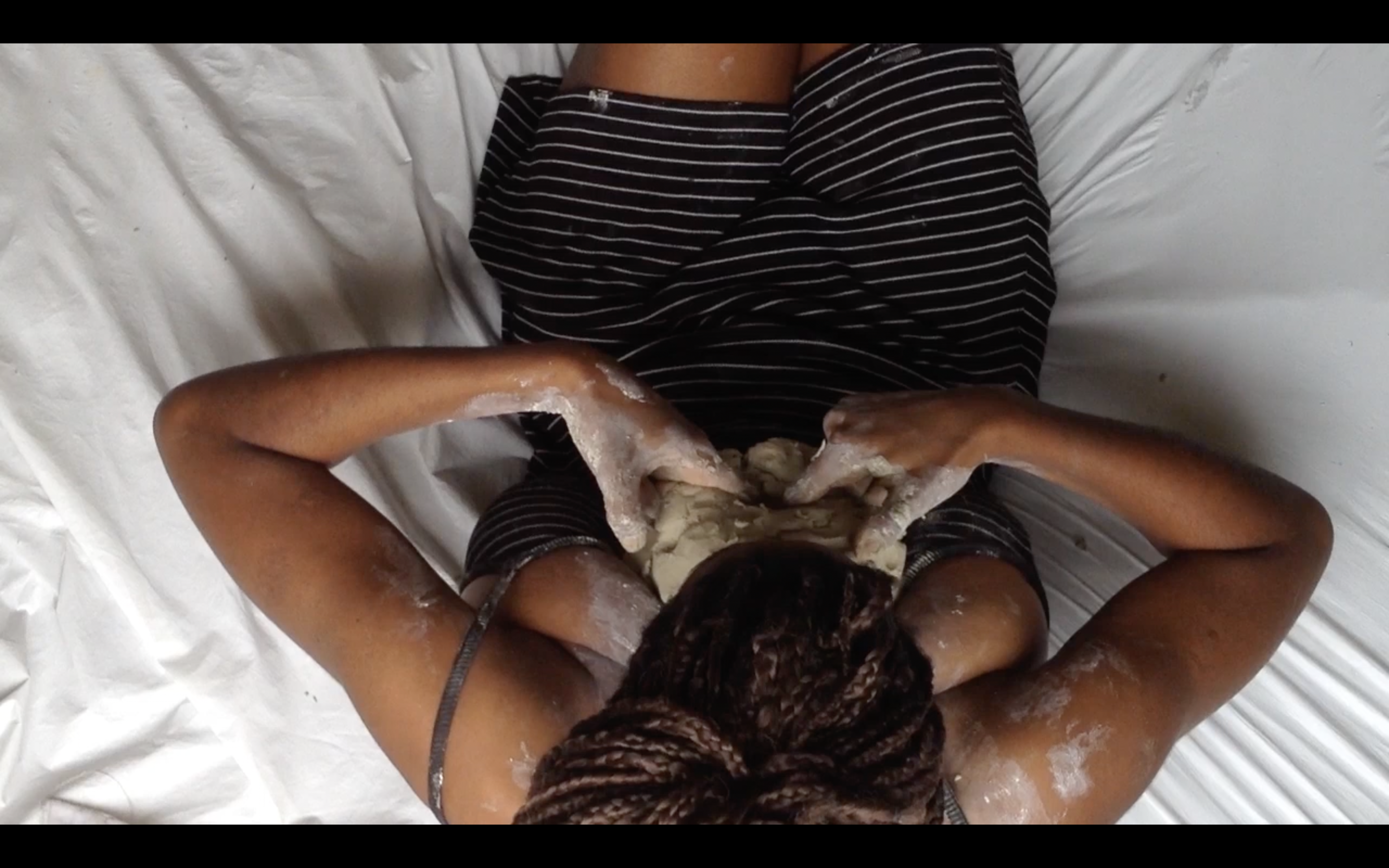
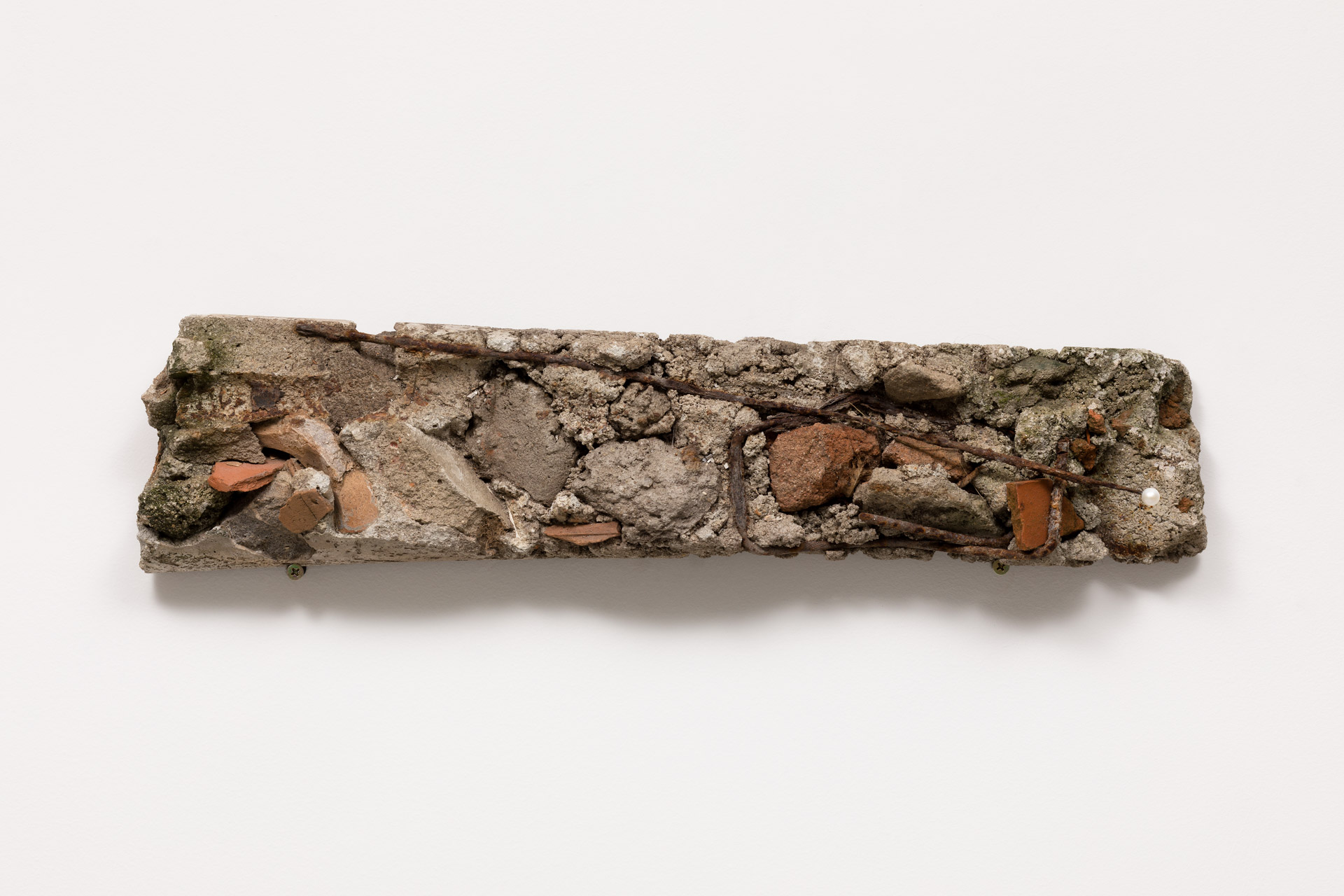
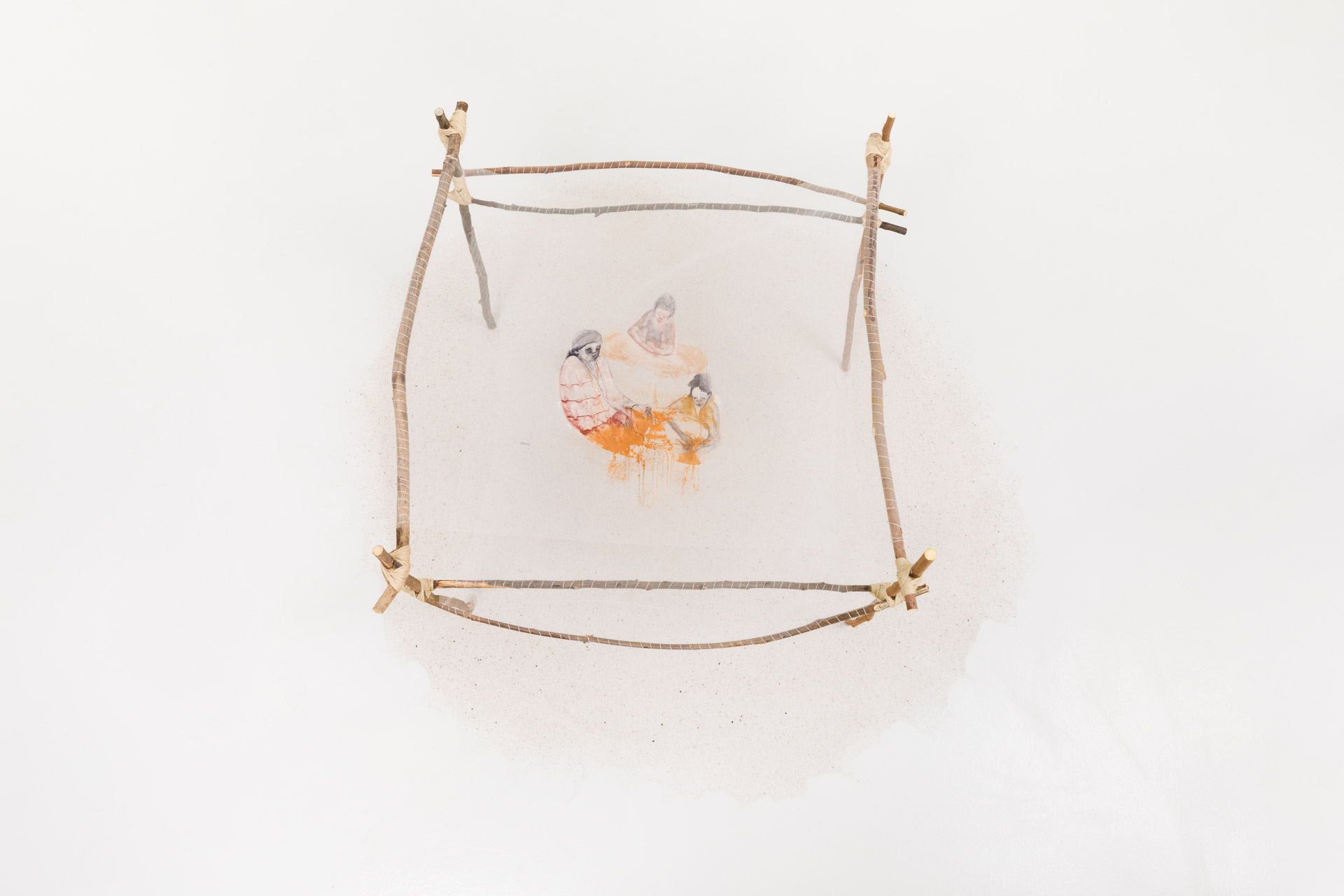
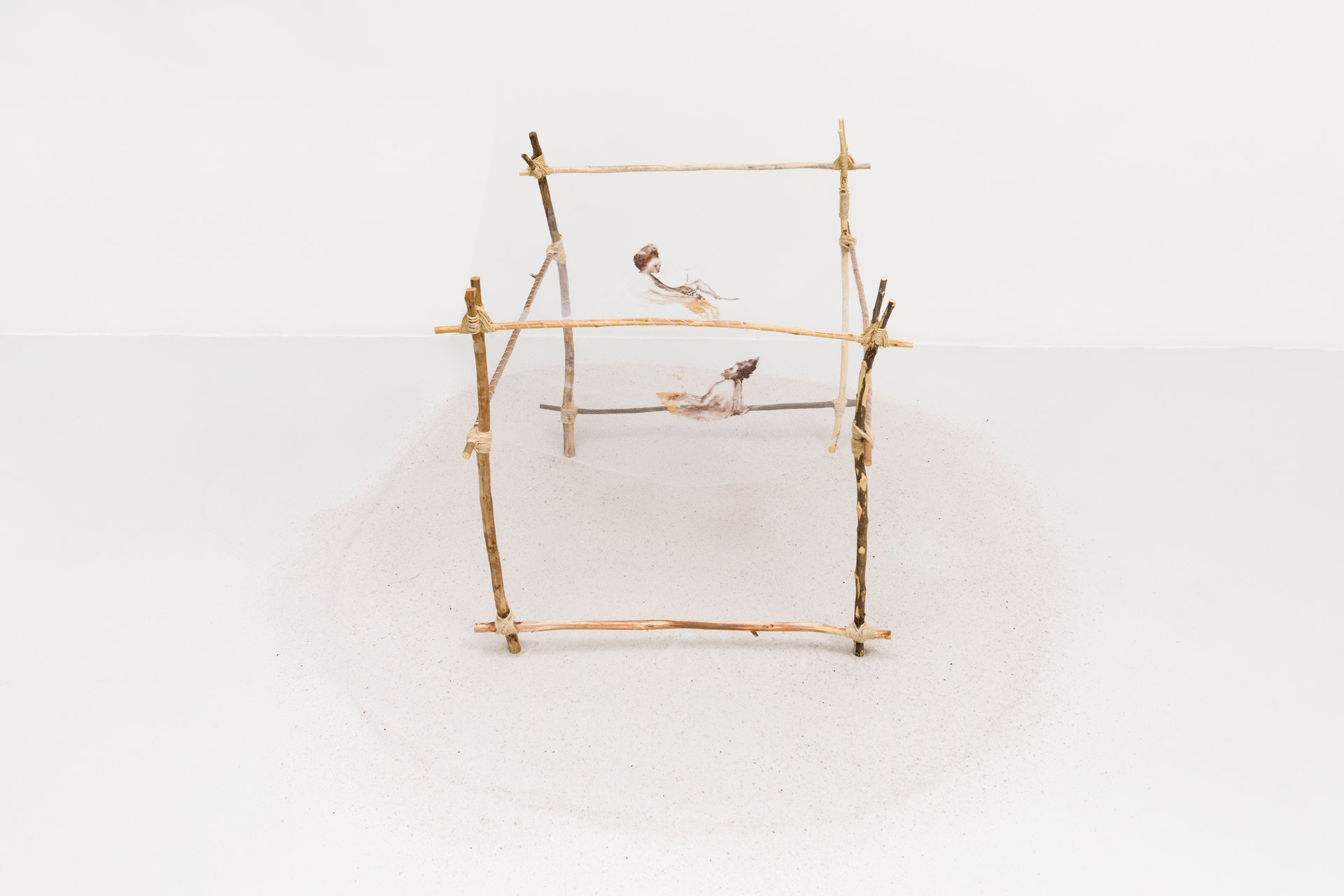
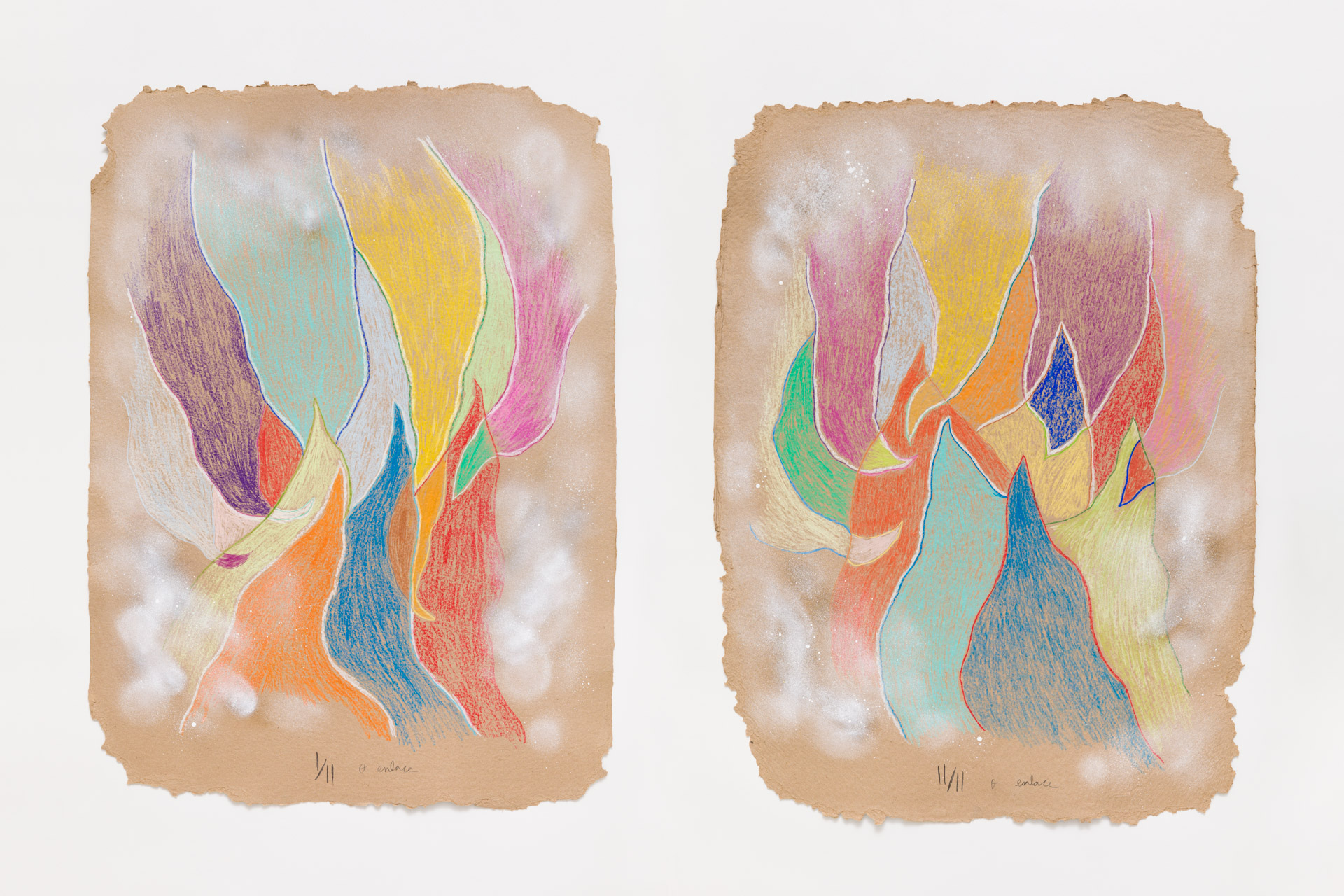
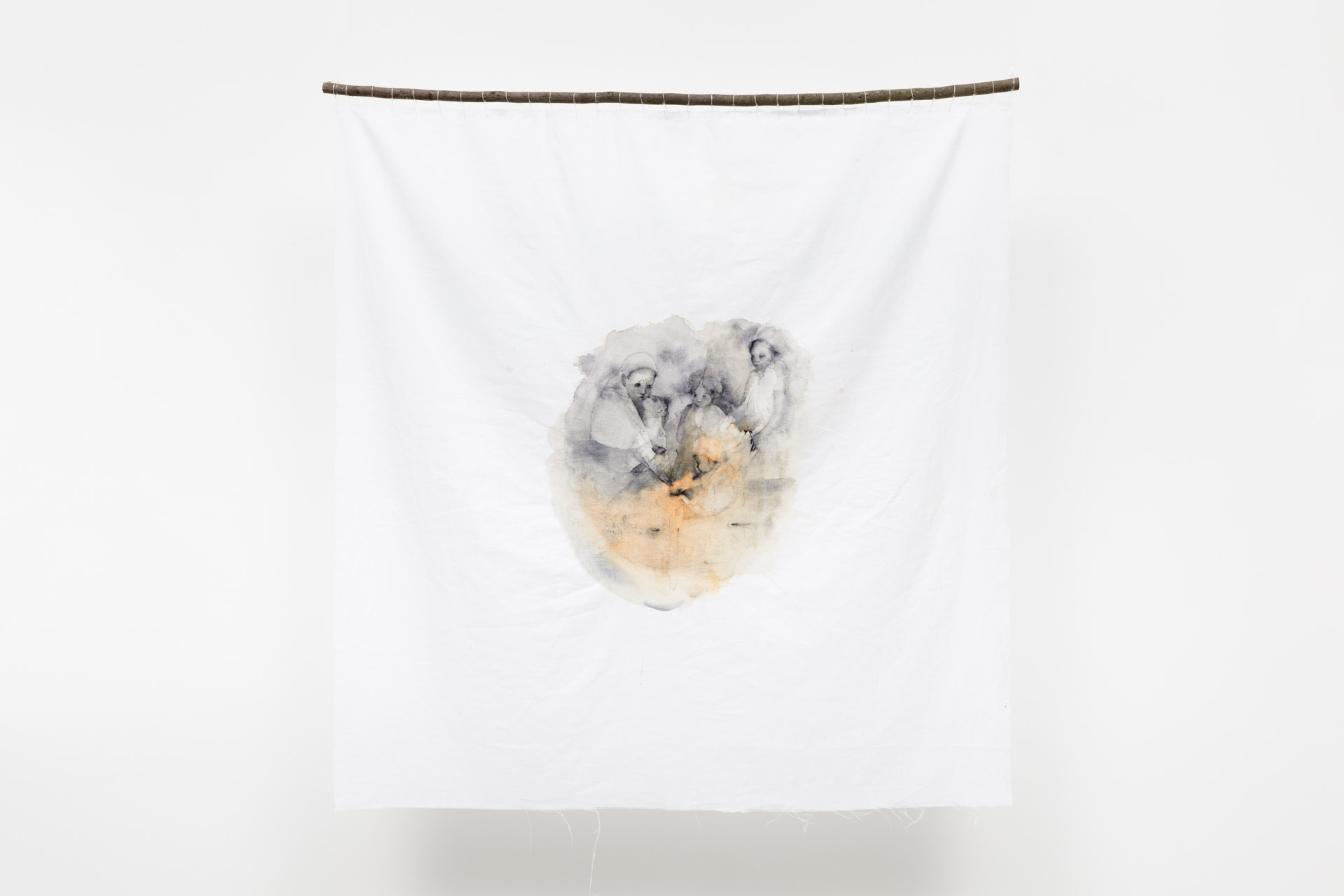
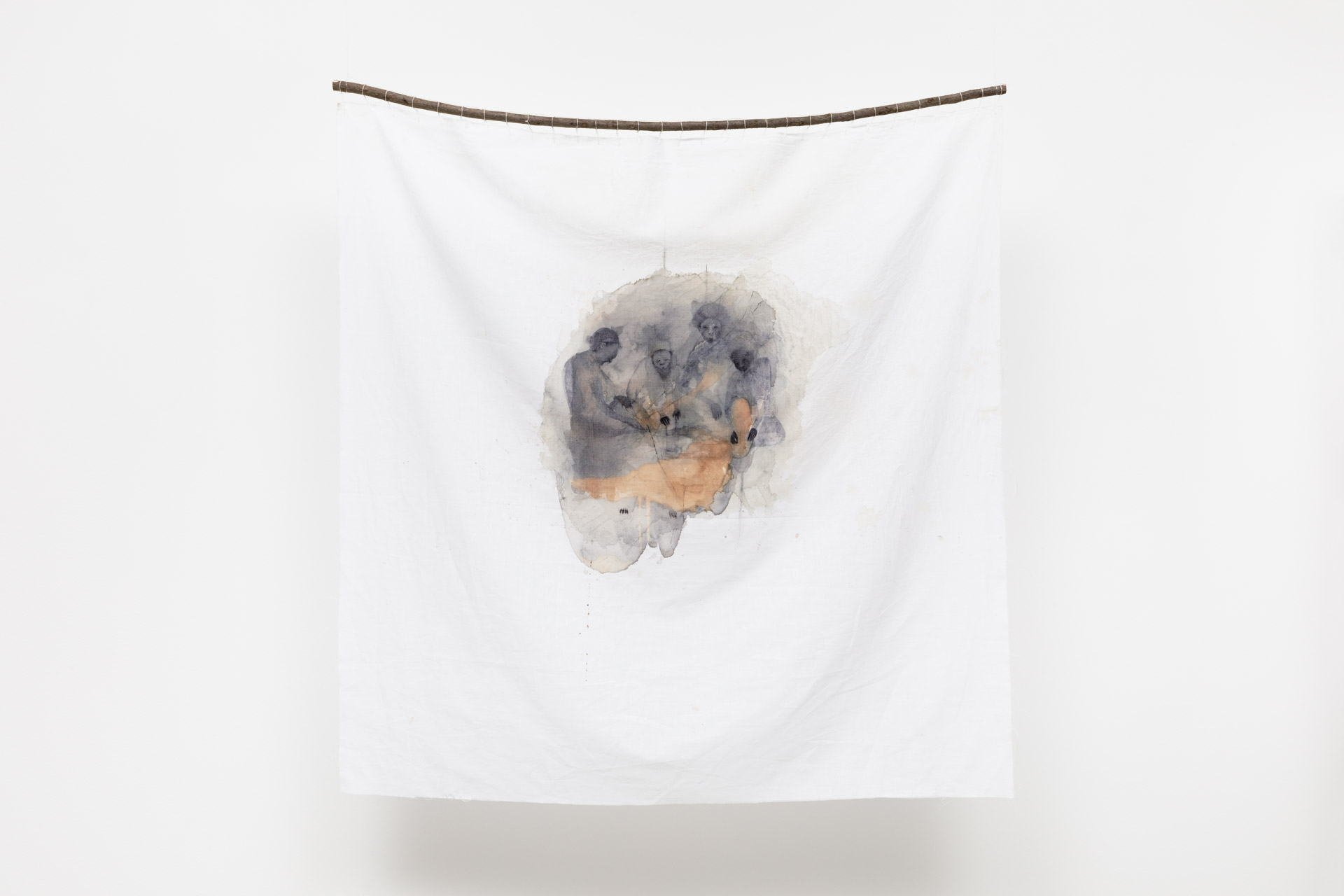
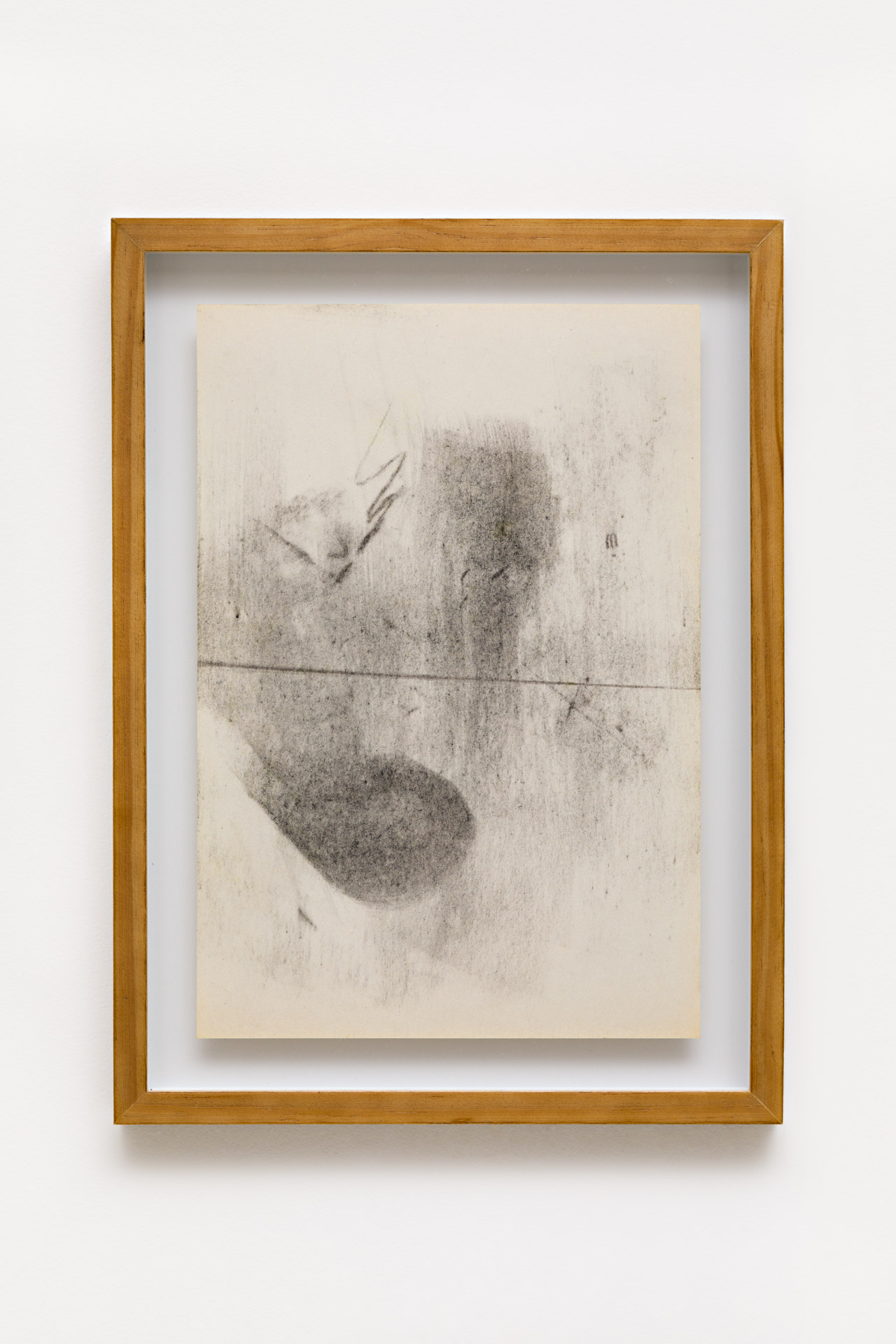
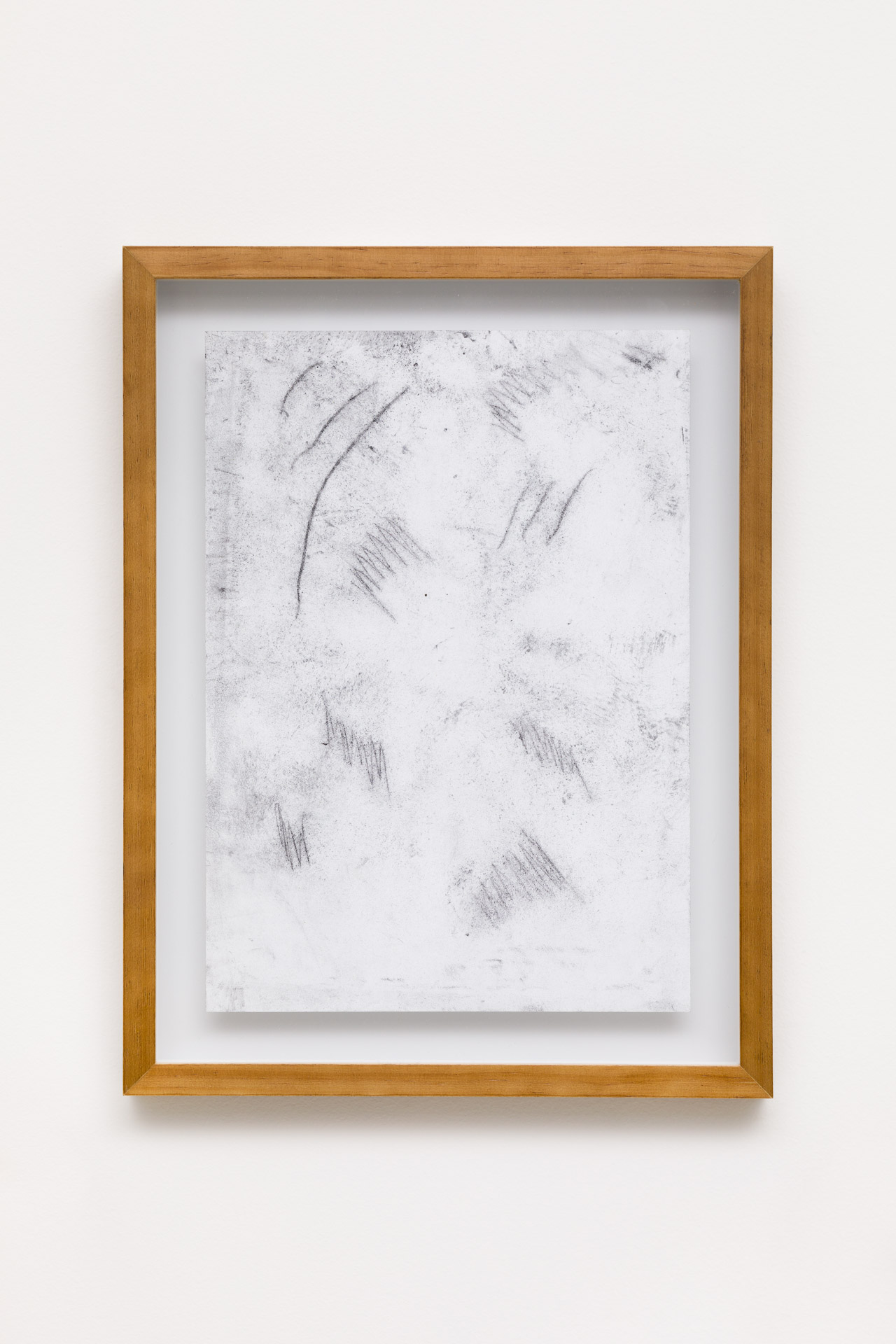
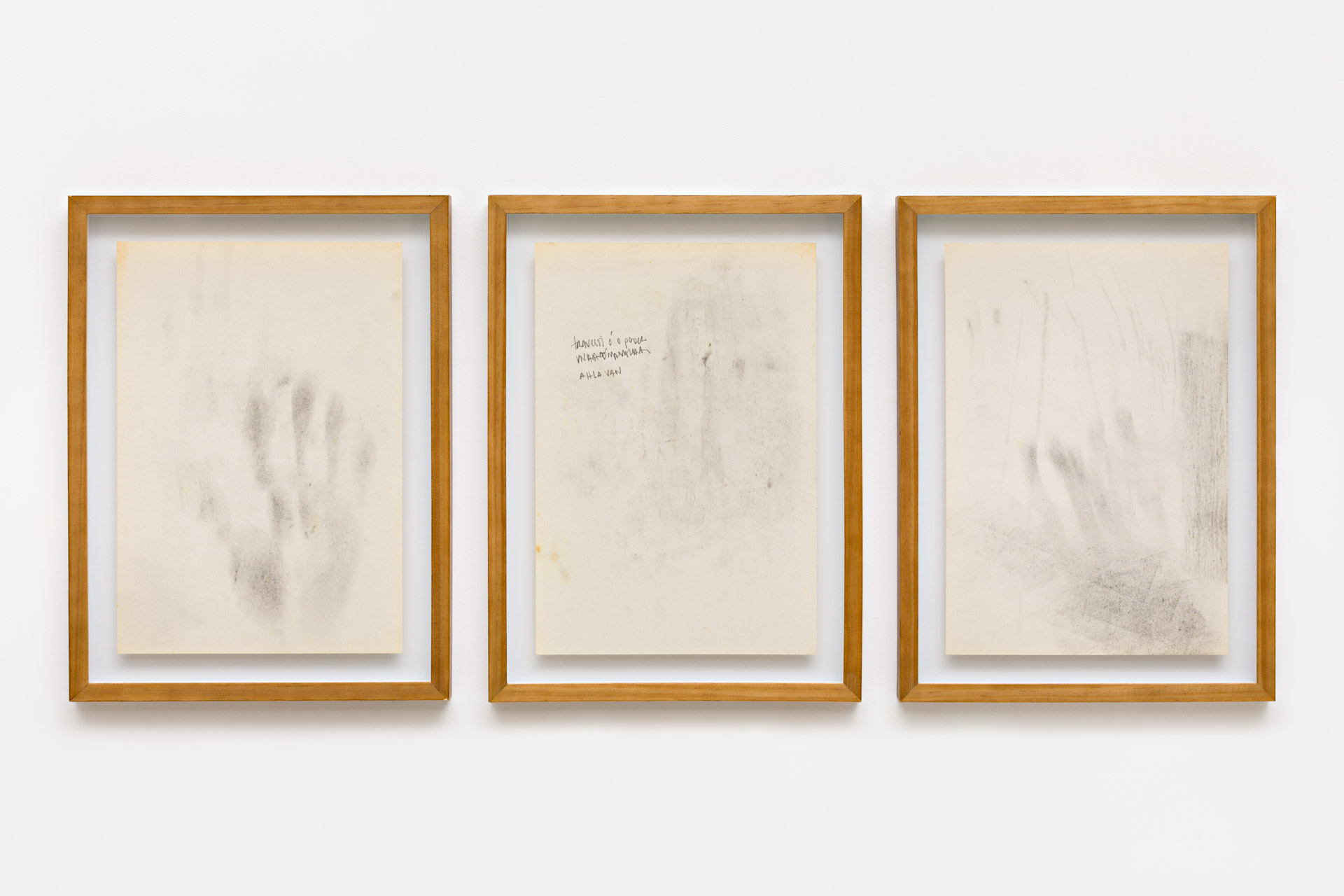
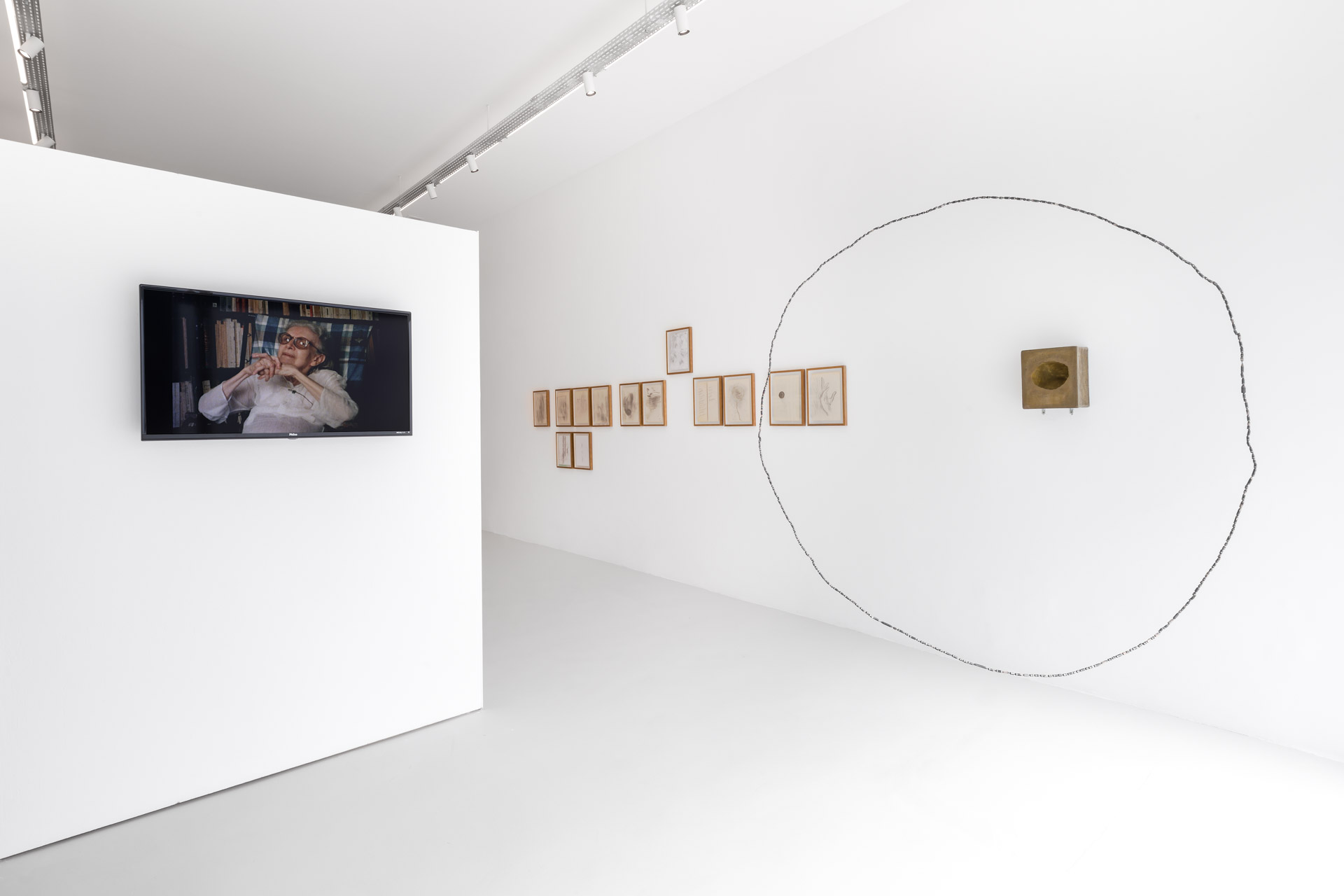
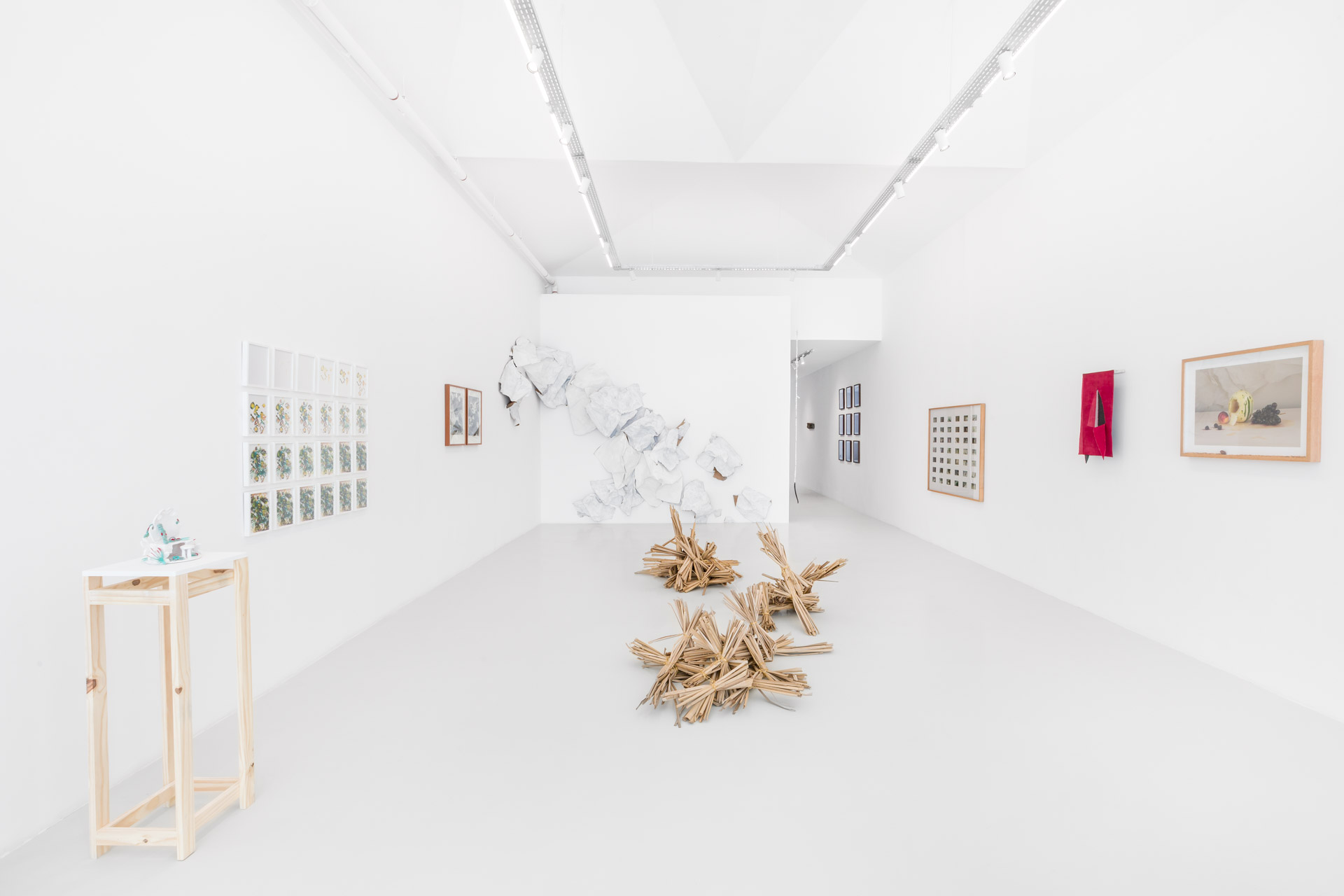
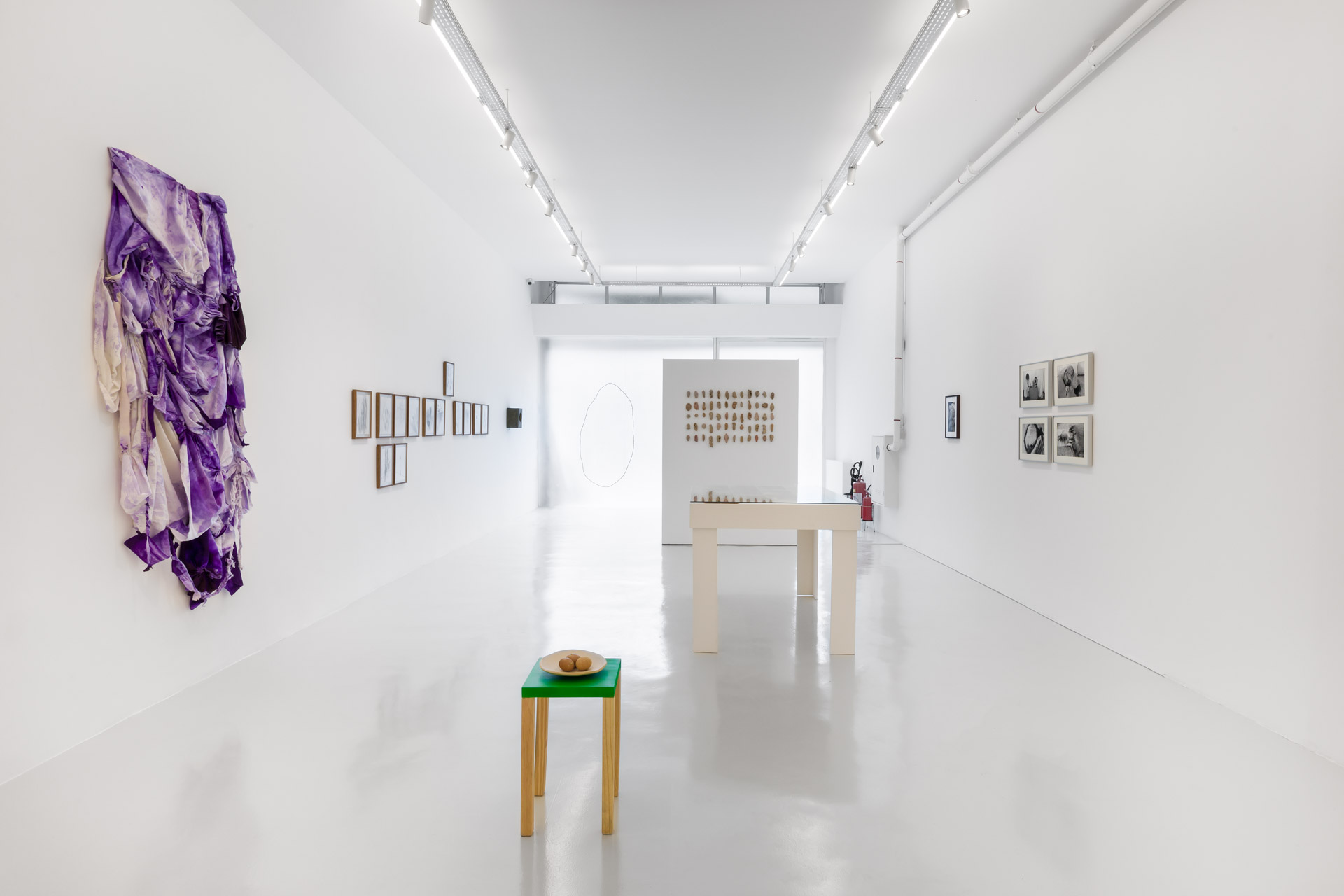
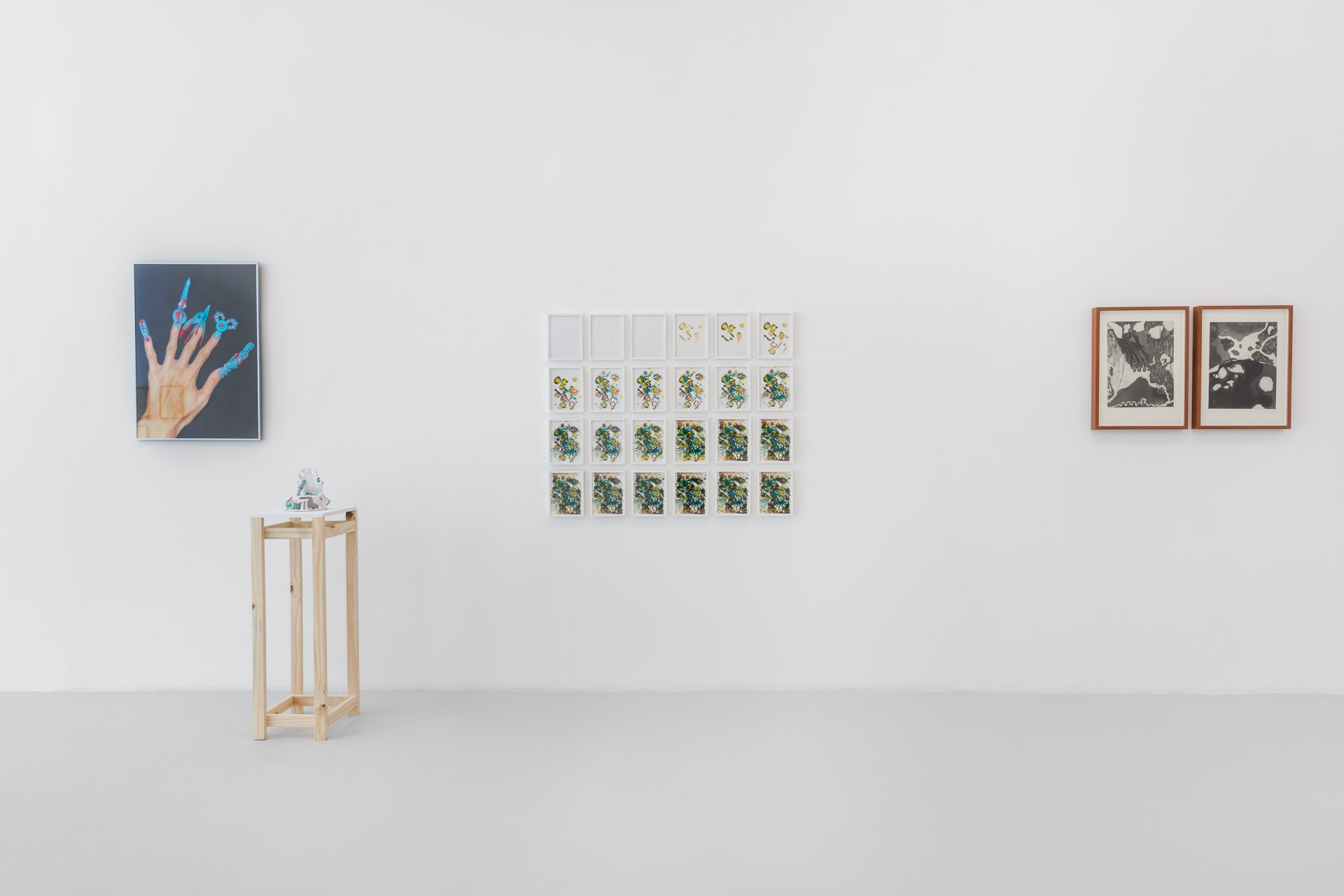
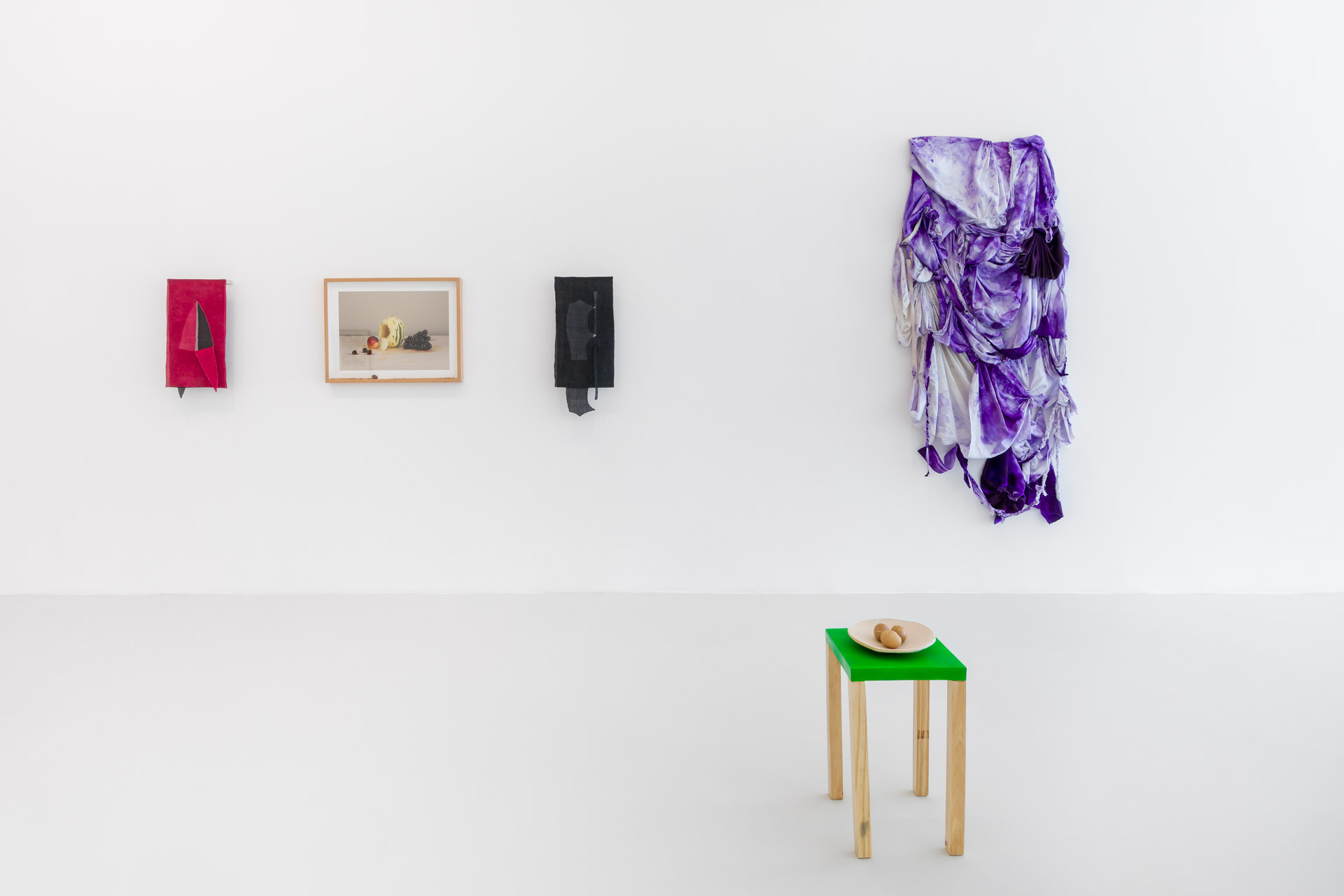
Touching the hands of those who touched them, materials such as clay or charcoal were part of the therapeutic process of the “emotion of dealing”. Now, decades later, it is this same expression that, in the title of an exhibition of the same name, is used as a key to approach the work of artists Anna Maria Maiolino, Ana Matheus Abbade, Ana Cláudia Almeida, Arorá, Carla Santana, Celeida Tostes, Cyshimi, Diambe, Flora Rebollo, Iagor Peres, Josi, Pablo Lobato, Pedro Victor Brandão and tadáskía.
The emotion of dealing brings together artists who, in their poetics, have shared the agency of creation with materialities, alterities, corporealities, spatialities or temporalities that call for a creative relationship.
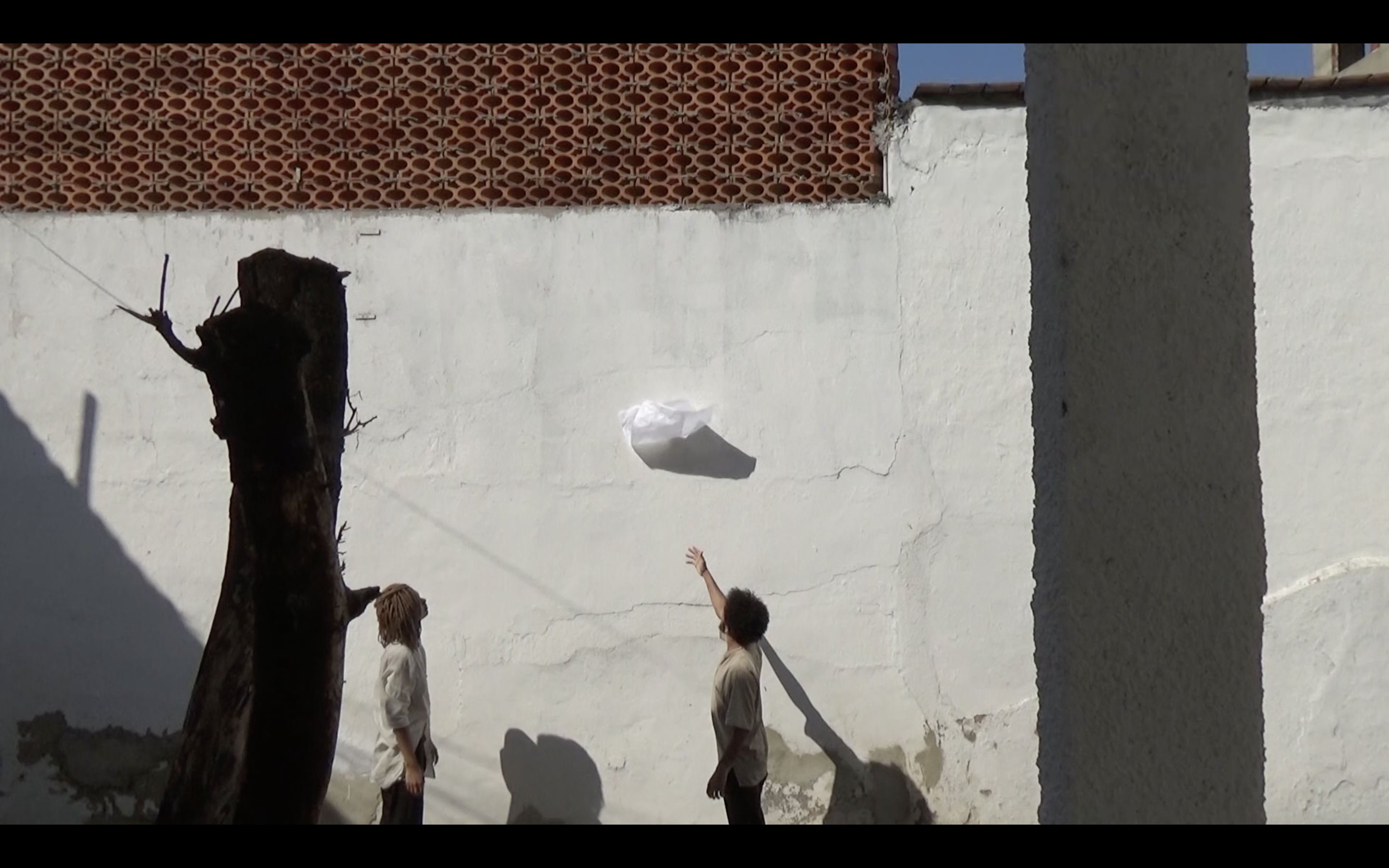
Far from the authoritarian gestures of some aesthetic traditions, these artists have embarked on formative processes and experiences that exist alongside other people’s hands, alongside the will of clay, bean water, wax or testosterone blockers, in the relationship with light or wind, alongside chance and the ephemeral.
Her works are in line with the protagonism that Nise da Silveira attributed to hands and gestures, while at the same time knowing that all gestures occur in relation to each other, so as to circumscribe her emotions of dealing also in contexts of gender, raciality or on political and social backdrops.
In doing so, the artists update Nise da Silveira’s powerful and ironic critique of rationalist intellectualism which, patriarchal in its historicity and sexist in its politics of existence and relationships, already in the 1940s doubted the creative, expressive, therapeutic and self-healing power of the emotion of dealing:
“So I was the naïve one, the goody-goody, back in 1946, 1947. (…) One of the things that amazed me was to see that [doctors] who were at the beginning of their analytical training were absolutely not interested in this kind of research, (…) out of curiosity. For me, it was a political thing [that put them off]. It was working with the hands. Occupational therapy works with the hands. Their “Excellencies” think they work with their heads, with this whirlpool that’s here in their heads. “They think…!”
Clarissa Diniz