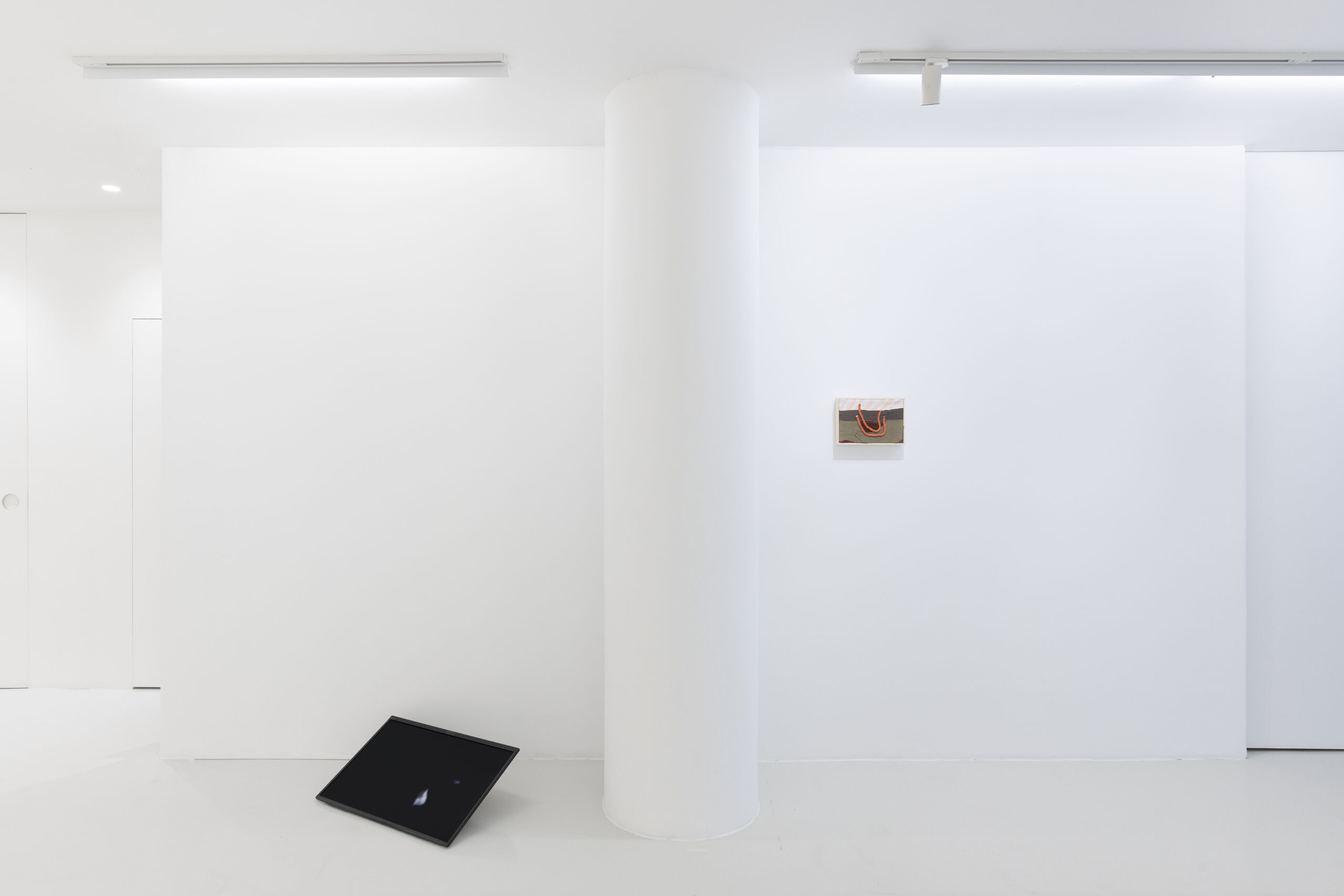
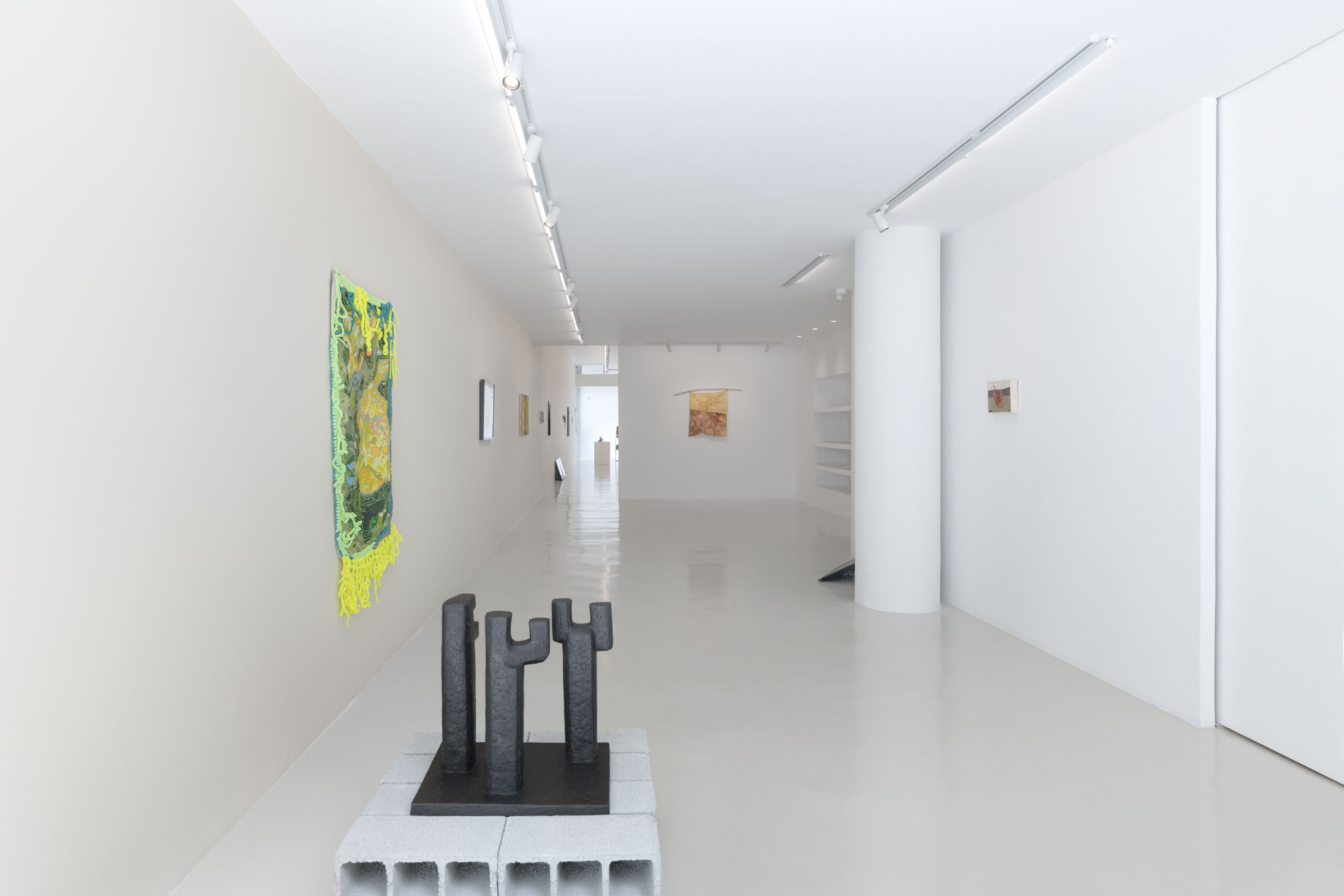
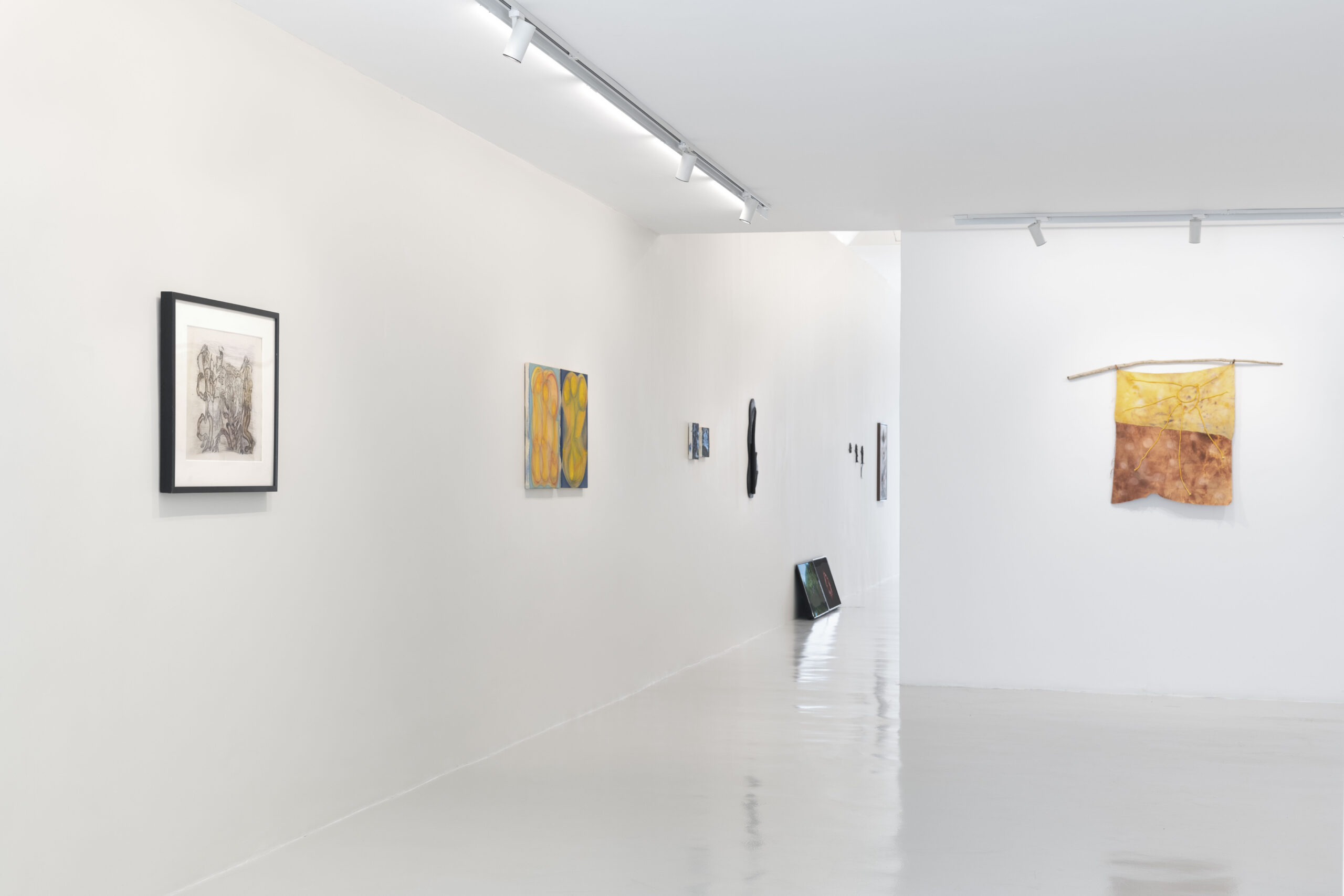
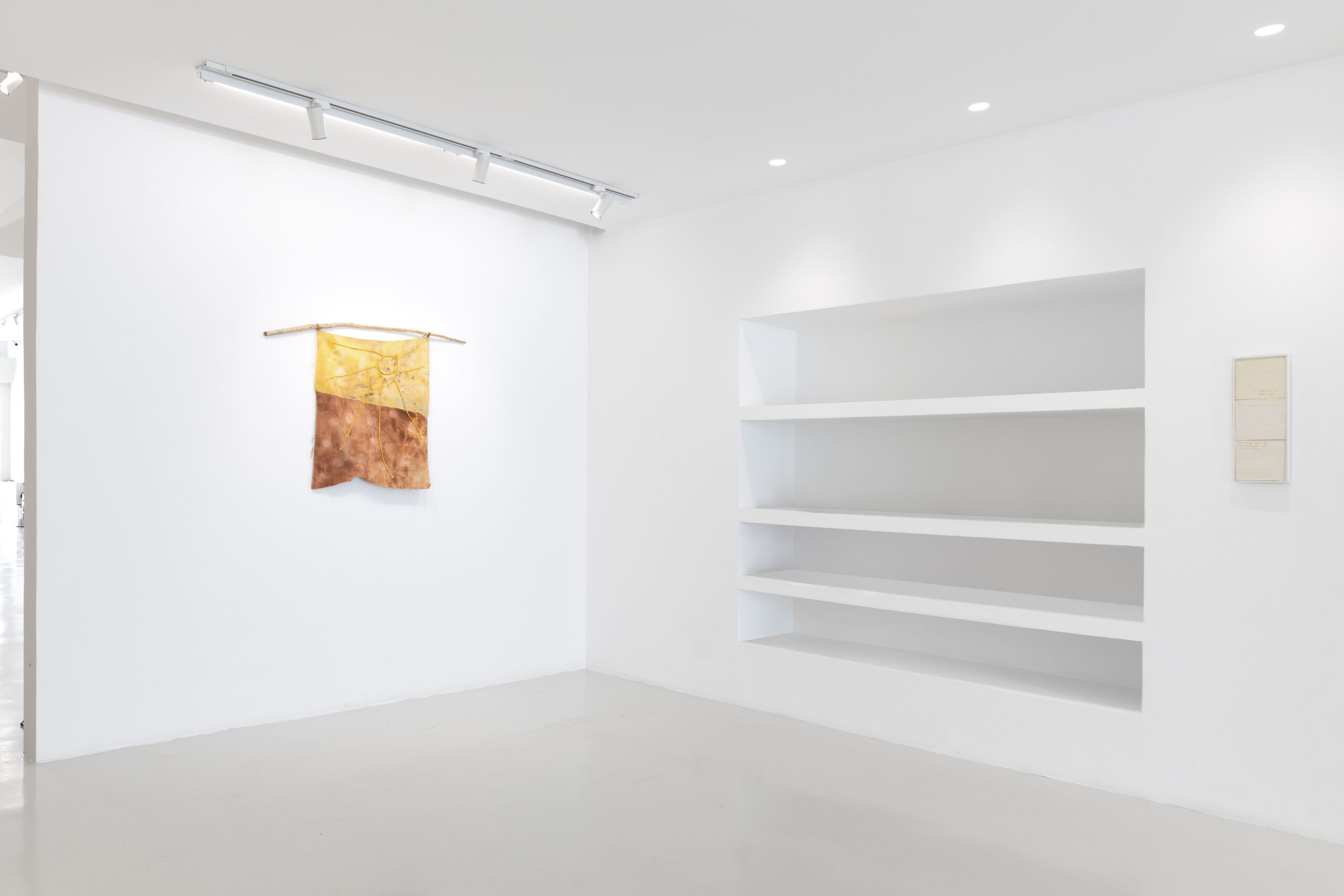
Weeds
Allan Gandhi, Darks Miranda, Hiram Latorre, Juliana Cerqueira Leite, Julien Saudubray, Karola Braga, LIUBA, Loren Minzú, Manuela Costa Lima, Manuella Silveira, Maria Martins, Marina Nacamuli, Martin Lanezan, Matheus Chiaratti, Niobe Xandó, Sheyla Ayo, Tiago Mestre, Tiago Tebet and Yan Copelli
curated by Julie Dumont
February 24, 2024 - April 06, 2024
São Paulo
(The politics of the body on fire of the body on fire
of the body on fire) extinguishing darkness devours
your body on fire your mouth open your suicide
of pleasure in the grass your hands picking at my face
of leaves axed in the darkness your moan in the shade
of blooming panties your hair is solidly black
Open your eyes and say ah!
[Roberto Piva 1975]
A carnival night: sweaty bodies, fallen masks. Beauty and ugliness, attraction and repulsion cling together in a feverish embrace. In the streets of February, smells mix, beauty is found in strangeness, difference and daring. There are worlds beyond Apollo: enchanted and intoxicating, seductive and dizzying.
A carnival night: sweaty bodies, fallen masks. Beauty and ugliness, attraction and repulsion cling together in a feverish embrace. In the streets of February, smells mix, beauty is found in strangeness, difference and daring. There are worlds beyond Apollo: enchanted and intoxicating, seductive and dizzying.
A pagan and spiritual celebration in its essence, art offers a moment above and outside of time, a Saturnalia, a reverie. An escape from the boredom of lukewarm lives, without relief, smell or taste. Even if temporary, the effect of a single work of art can revolutionize a life, becoming permanent, establishing itself as a watershed – for the artist and the viewer – piercing the smooth surface of society, artists navigate the murky rivers of what exists out there, seeking to test and surpass the limits, following a single imposition coming from the bowels: the intuition that awakens in the darkness of dawn, that leaves the heart racing and gives no room for rest.
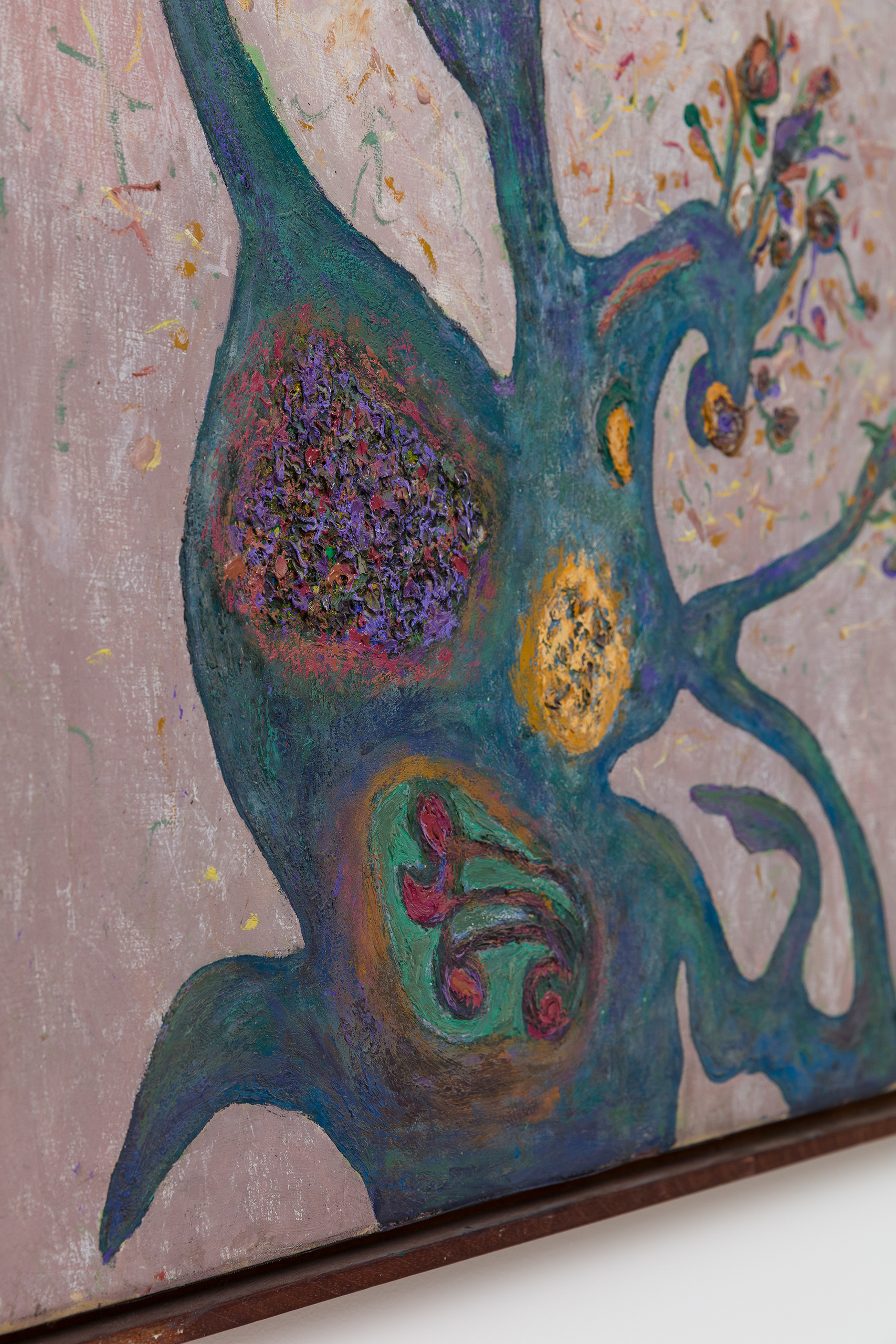
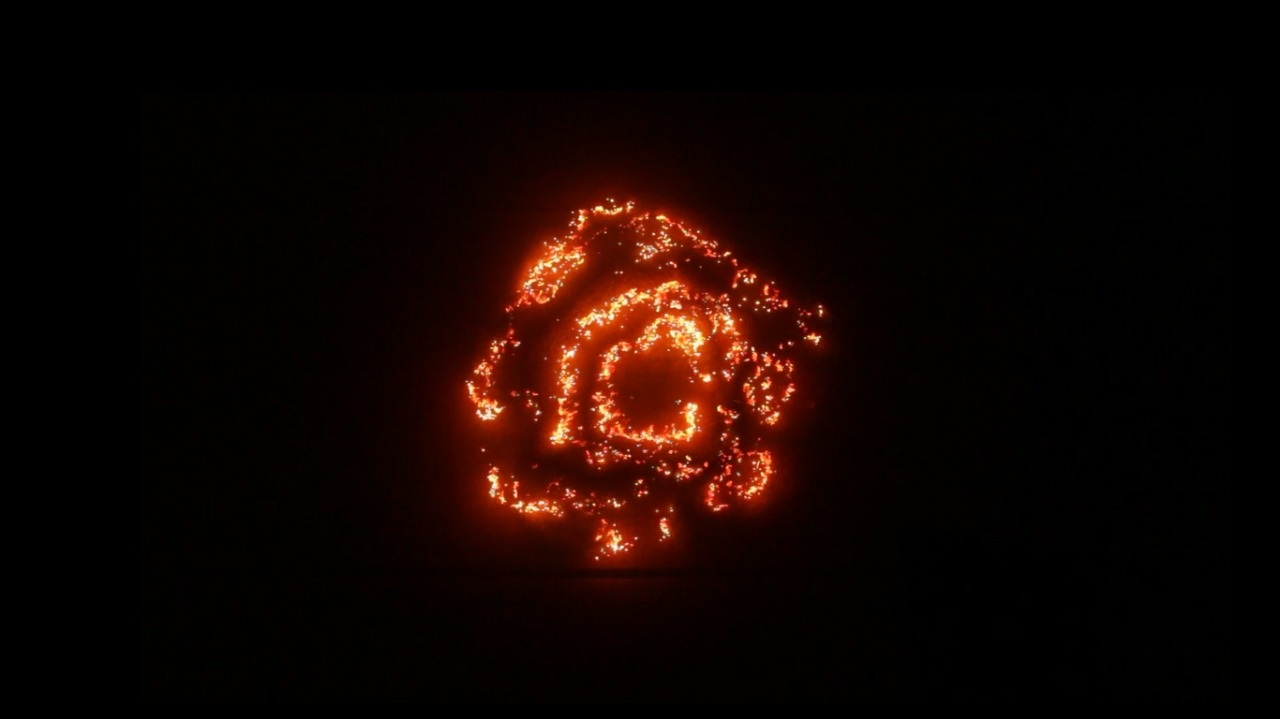
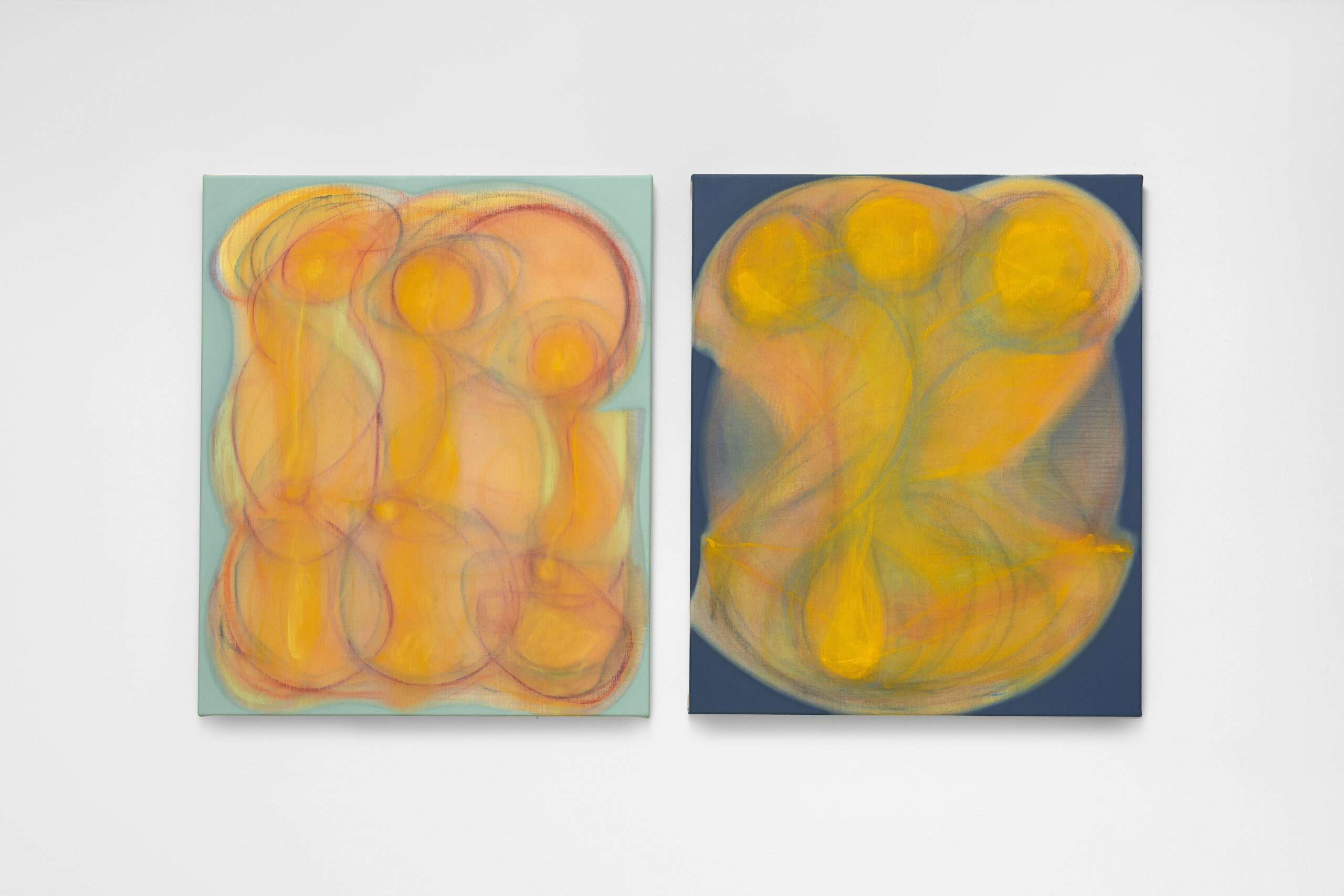
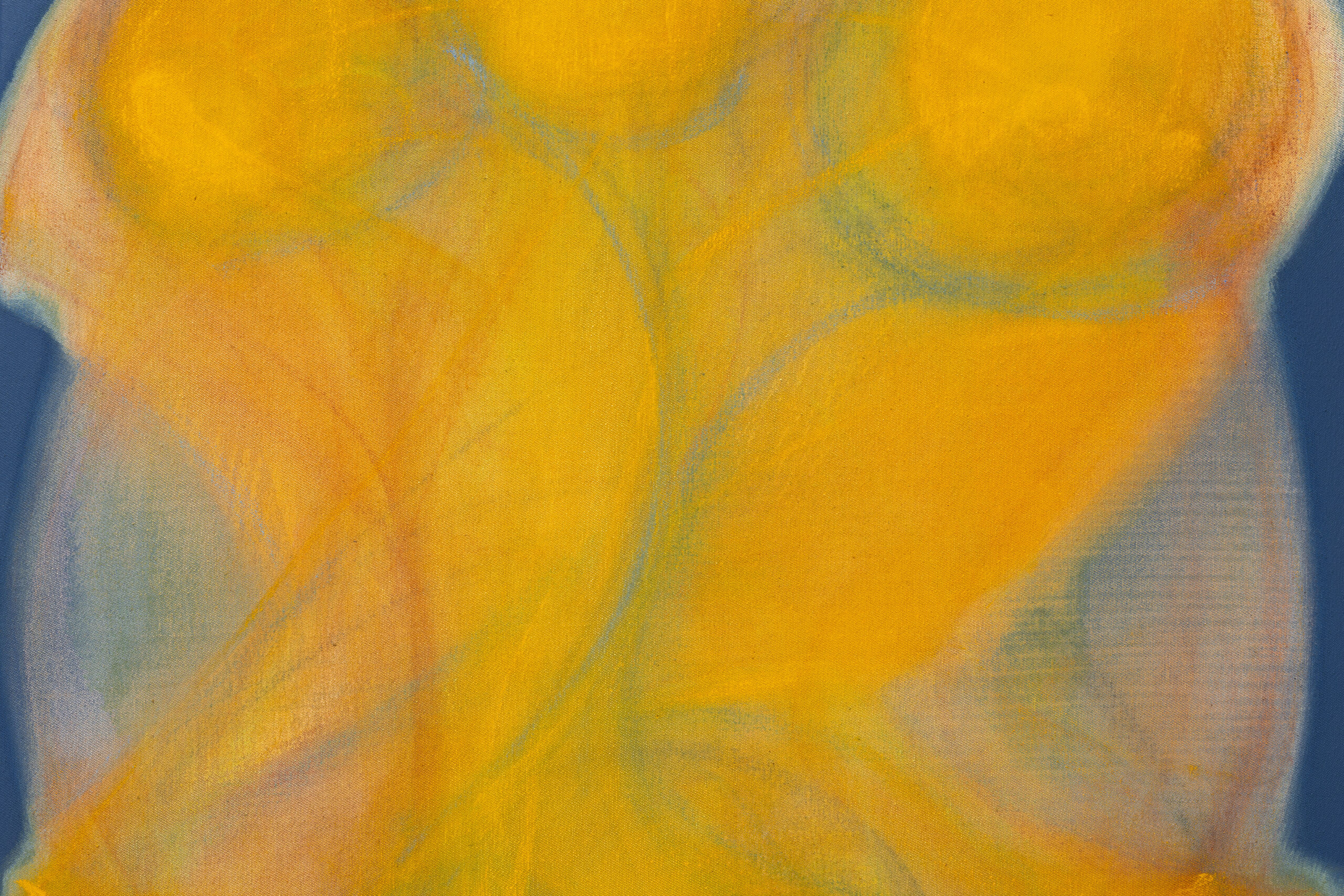
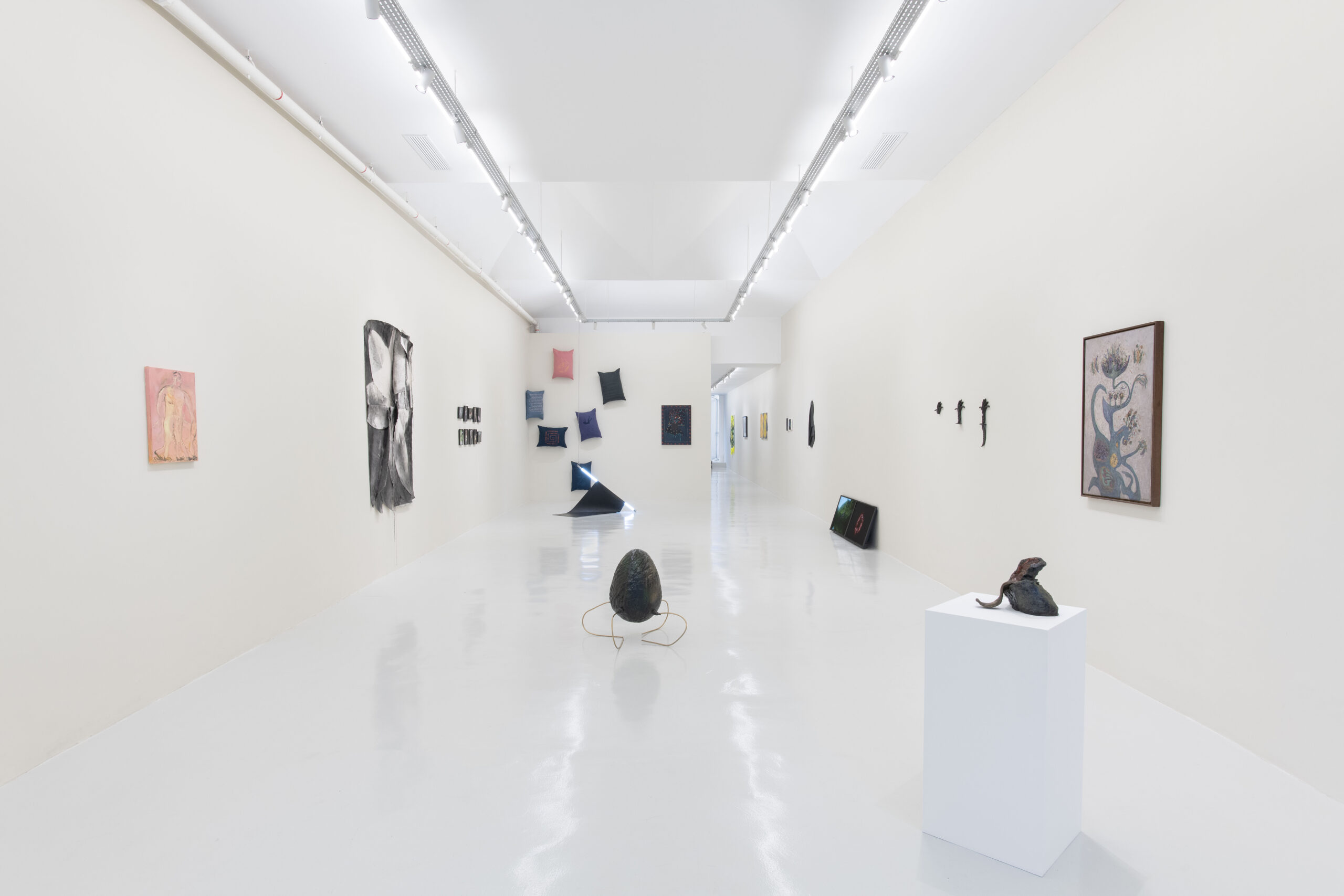
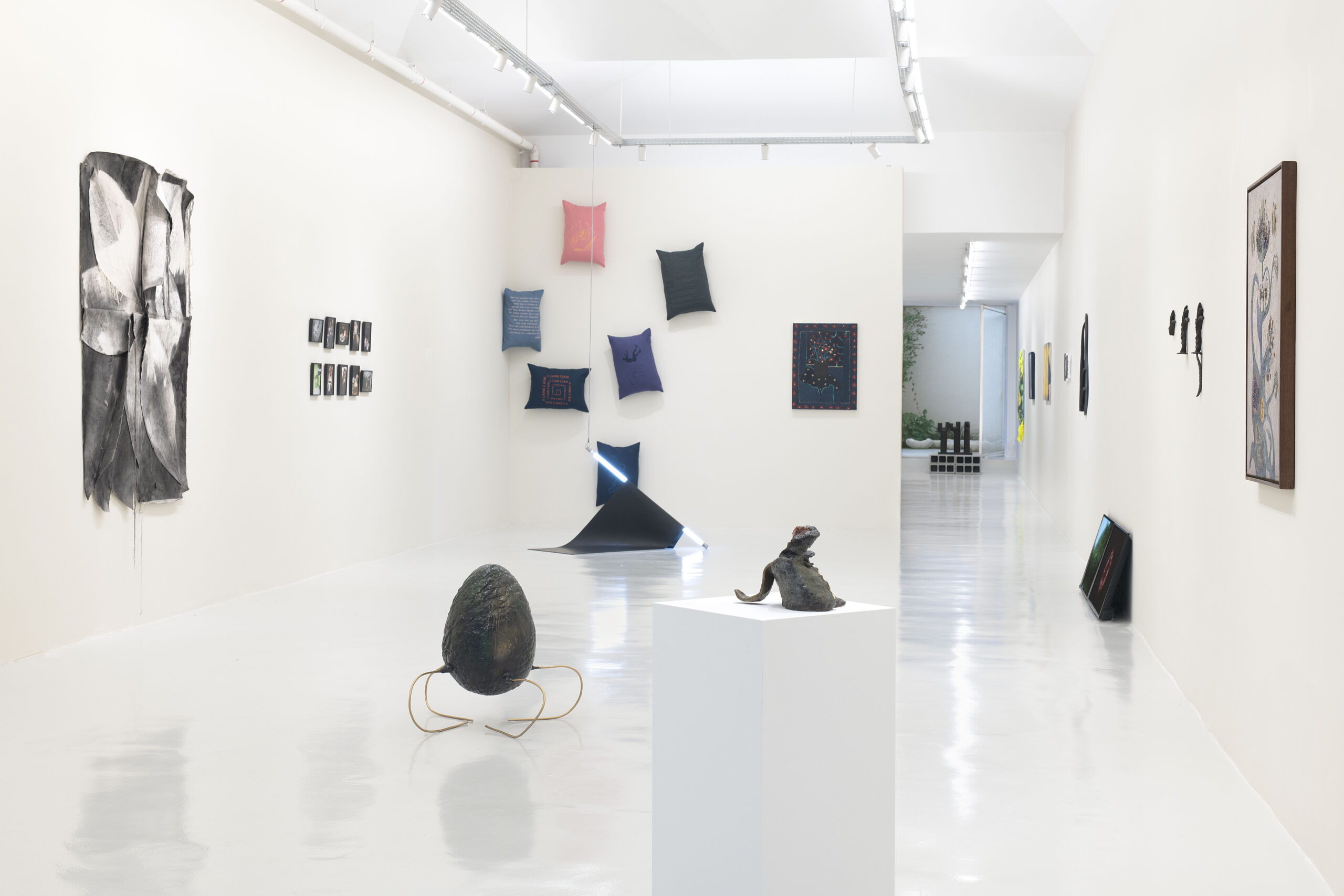
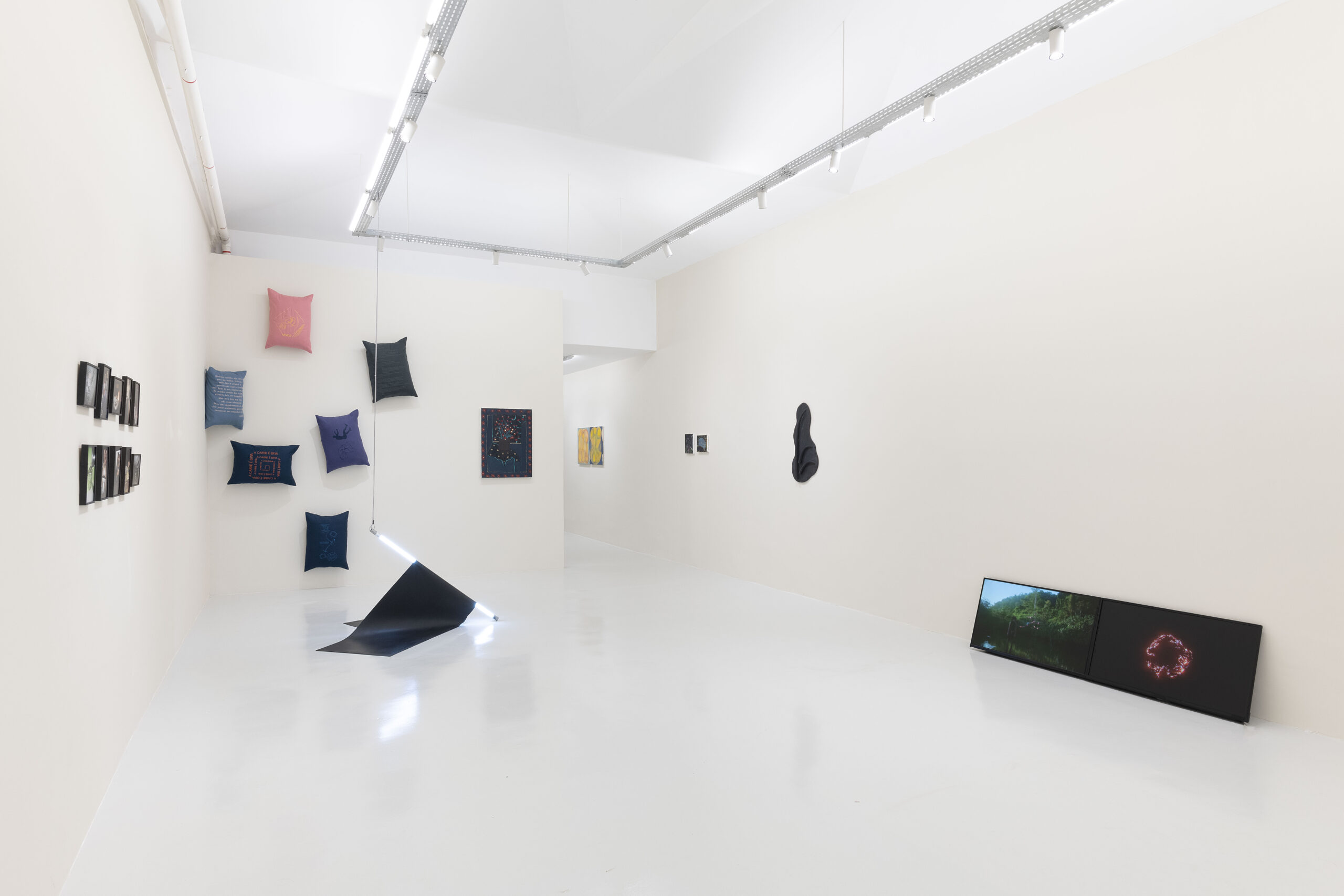
To be an artist is to daily affirm a desire, a freedom, to question and proceed to formally destroy limiting or oppressive contexts. This deliberate exercise in annihilation is thus the genesis of Tiago Mestre’s video The Journey. In it, the artist crumpled up, one by one, the business cards of a life he no longer wanted, and threw them at the screen of his cell phone like so many screams, creating a galaxy of possible worlds. An existential search that is also echoed in Julien Saudubray’s paintings, which reveal fleeting images without trying to capture them definitively, letting color and form vibrate in the dilution and repetition of layers of paint.
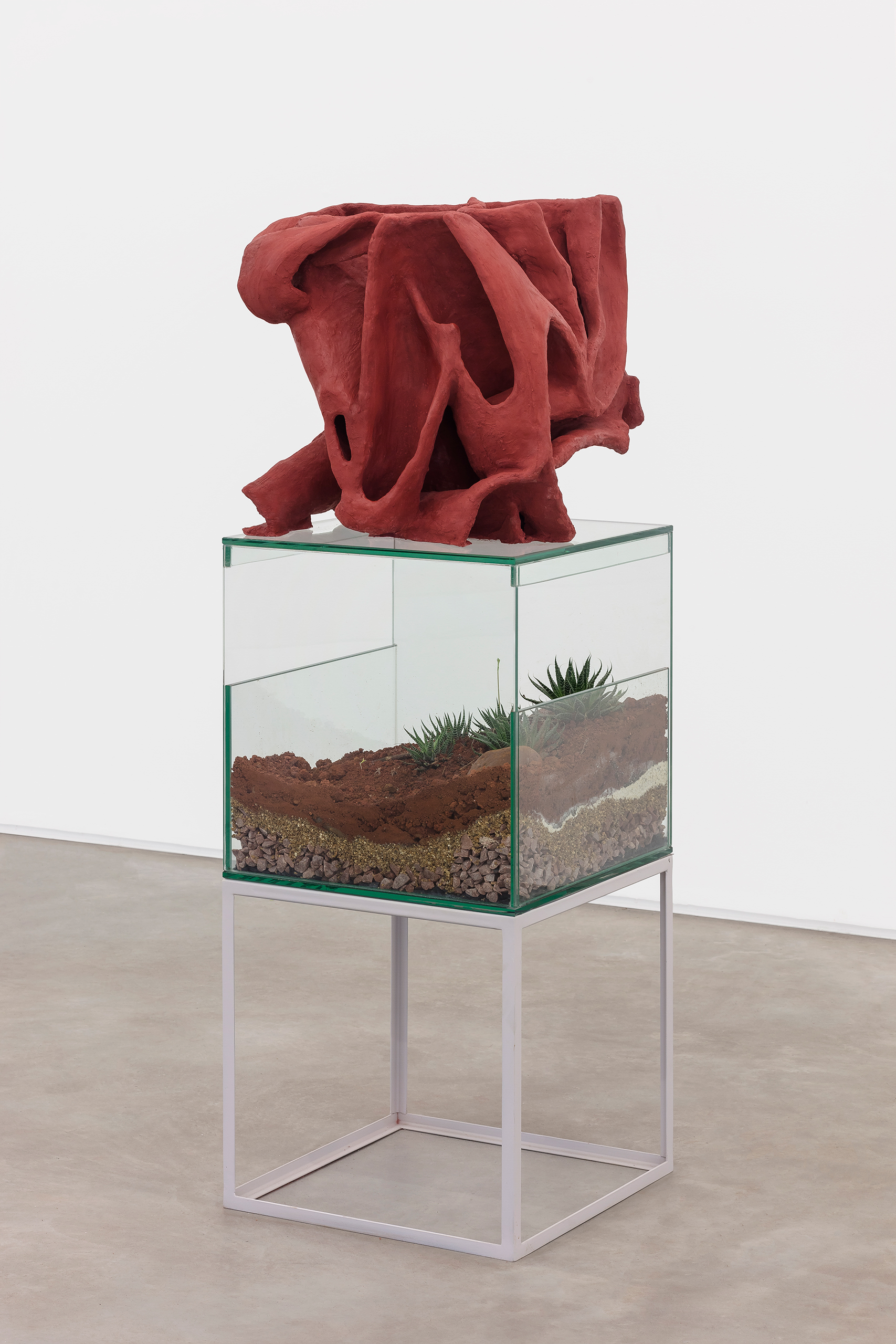
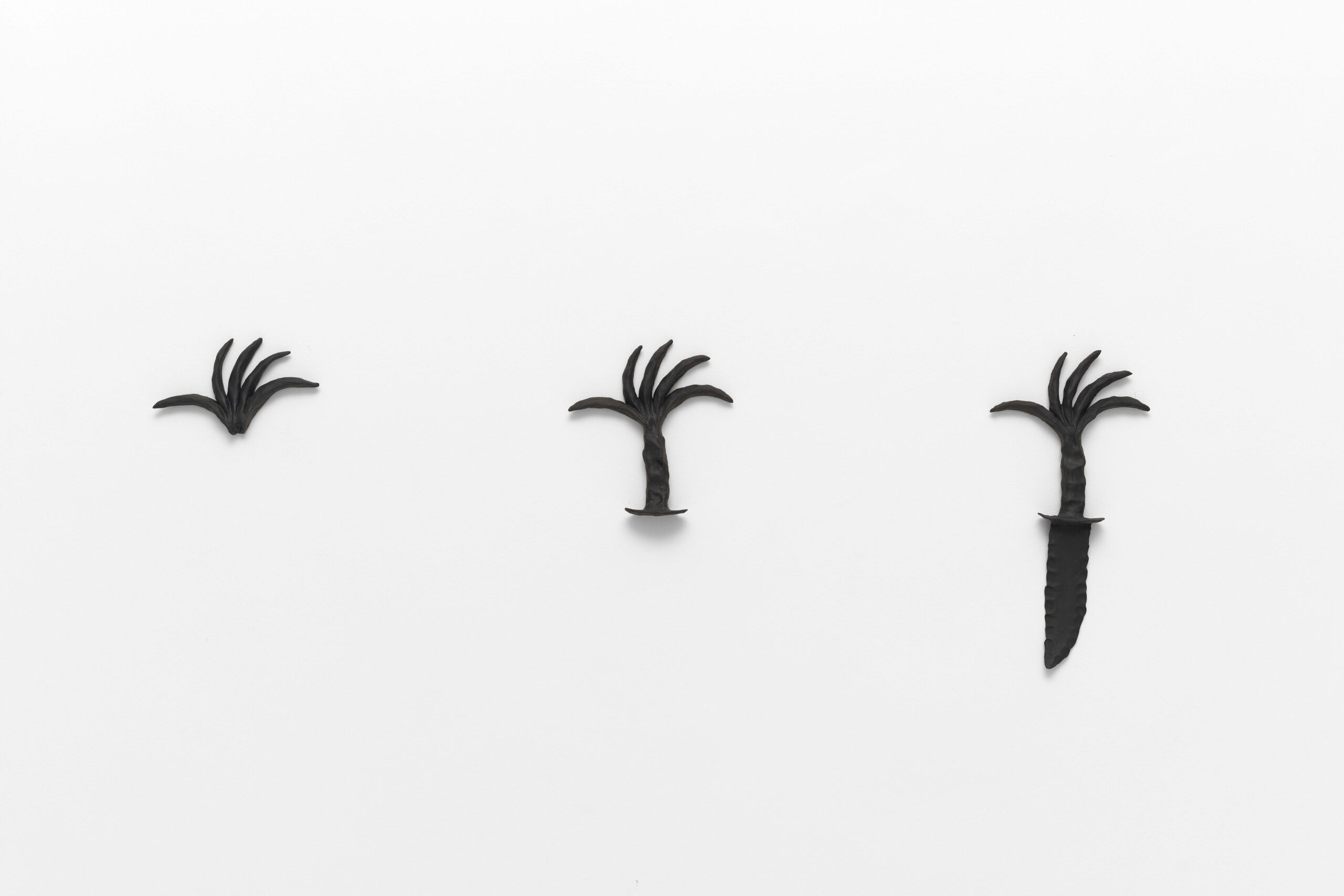
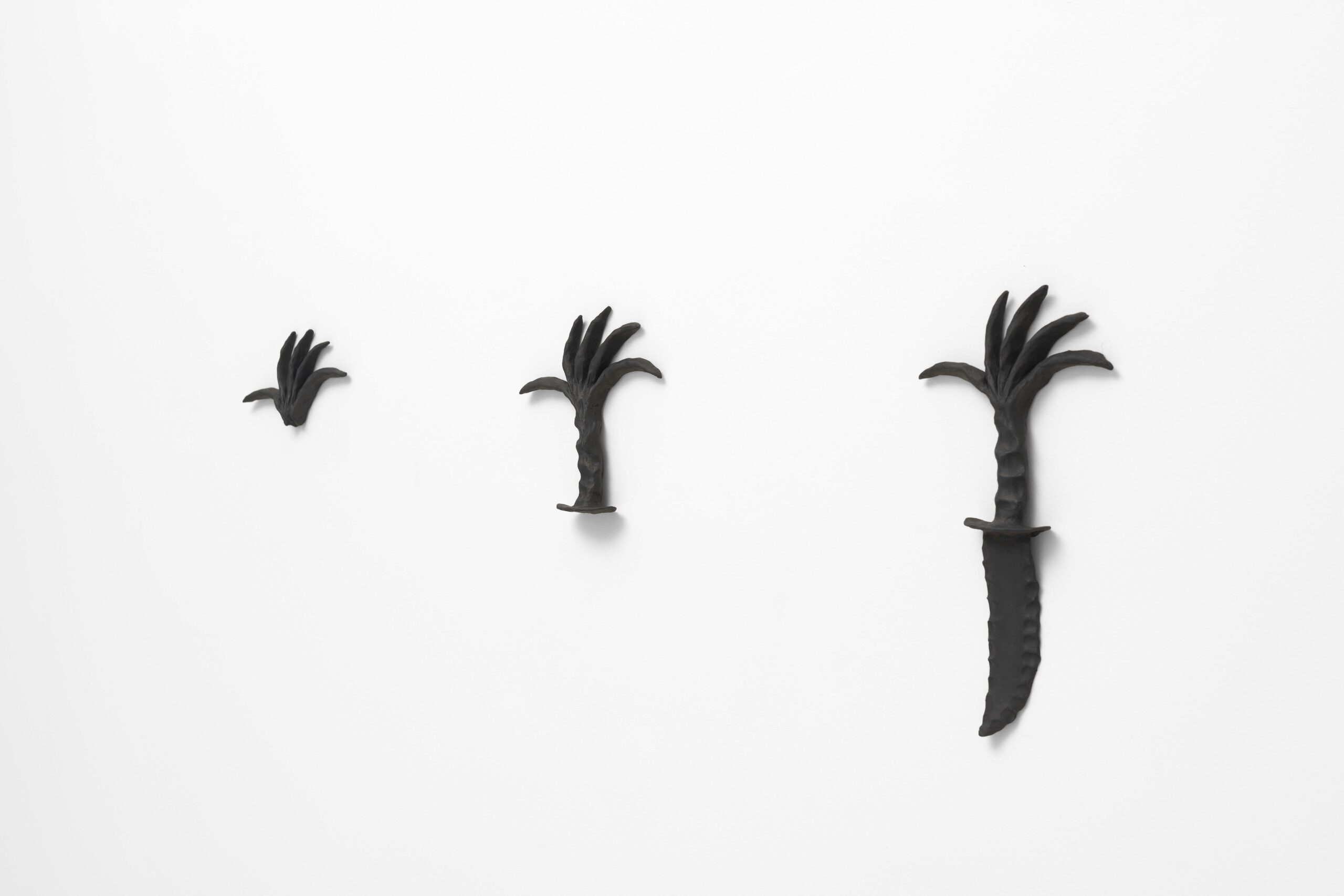
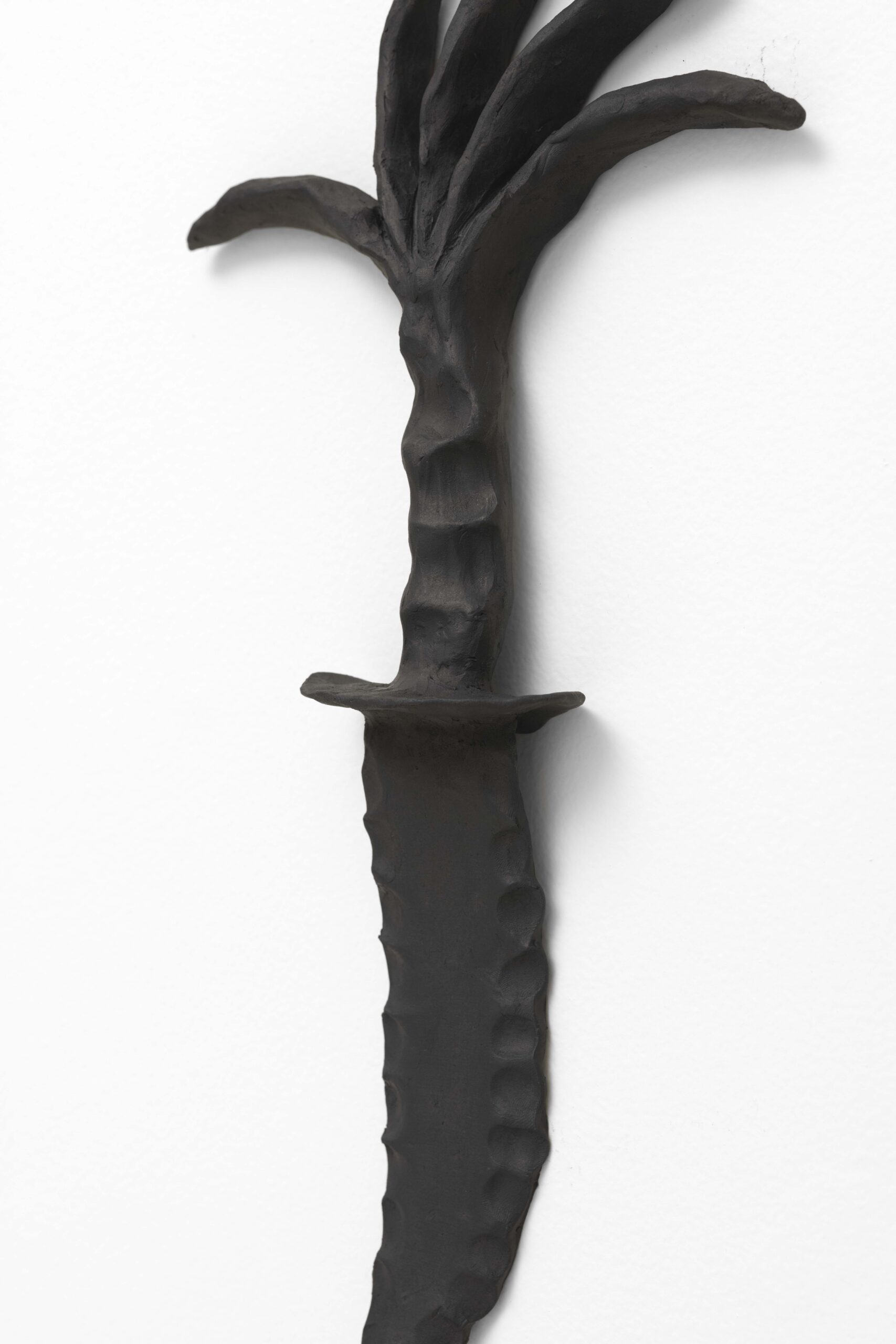
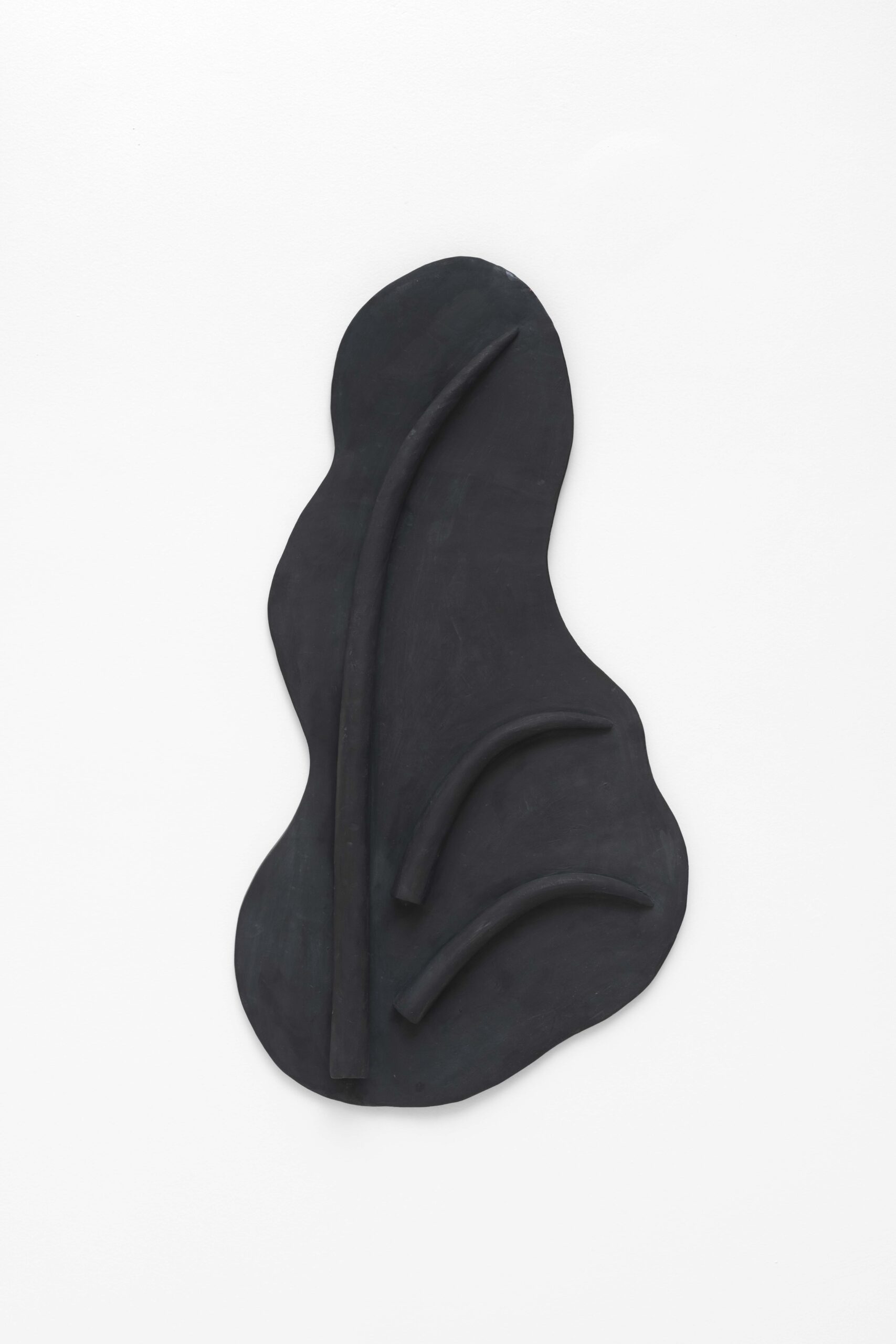
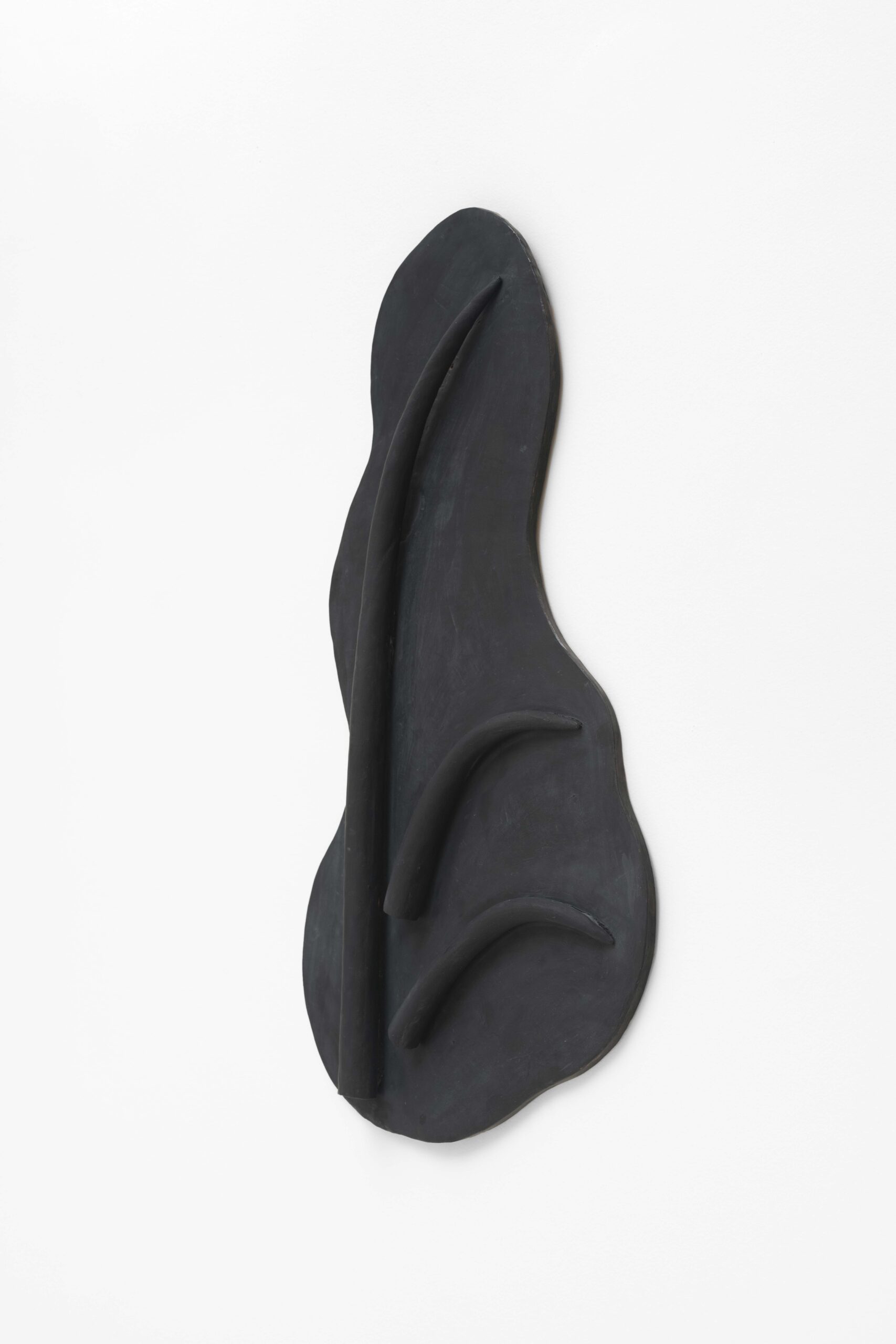
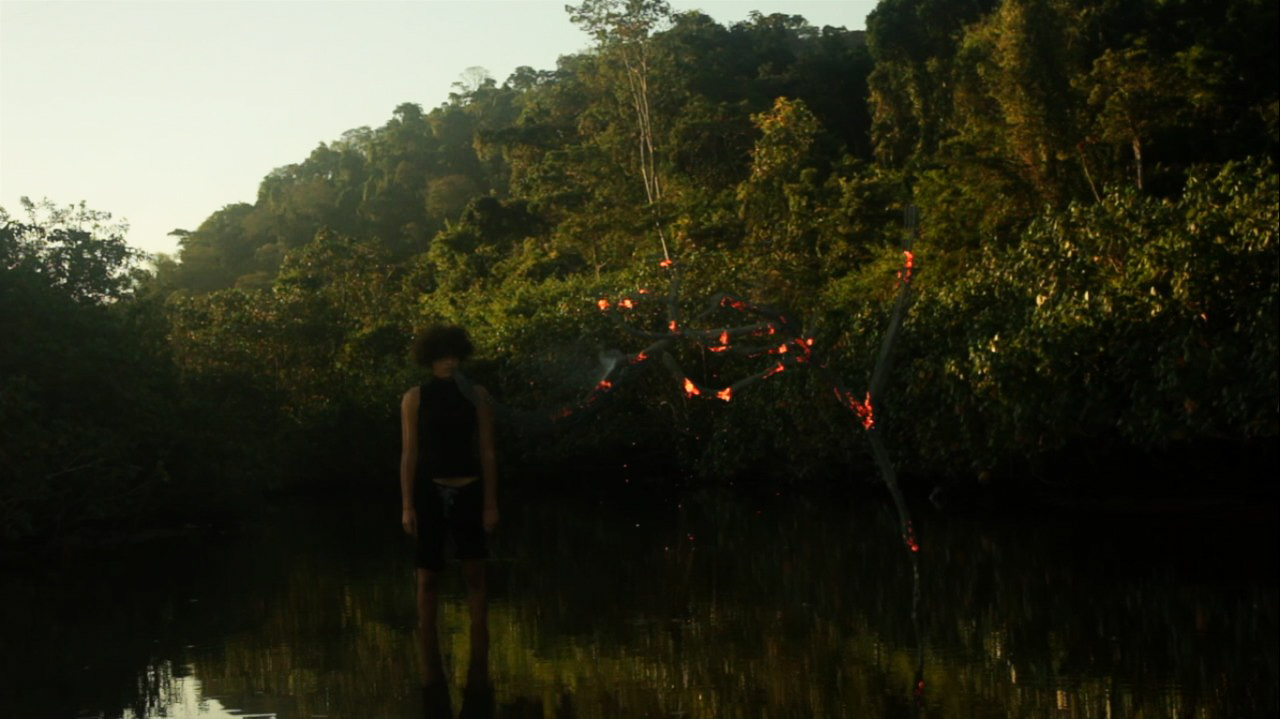
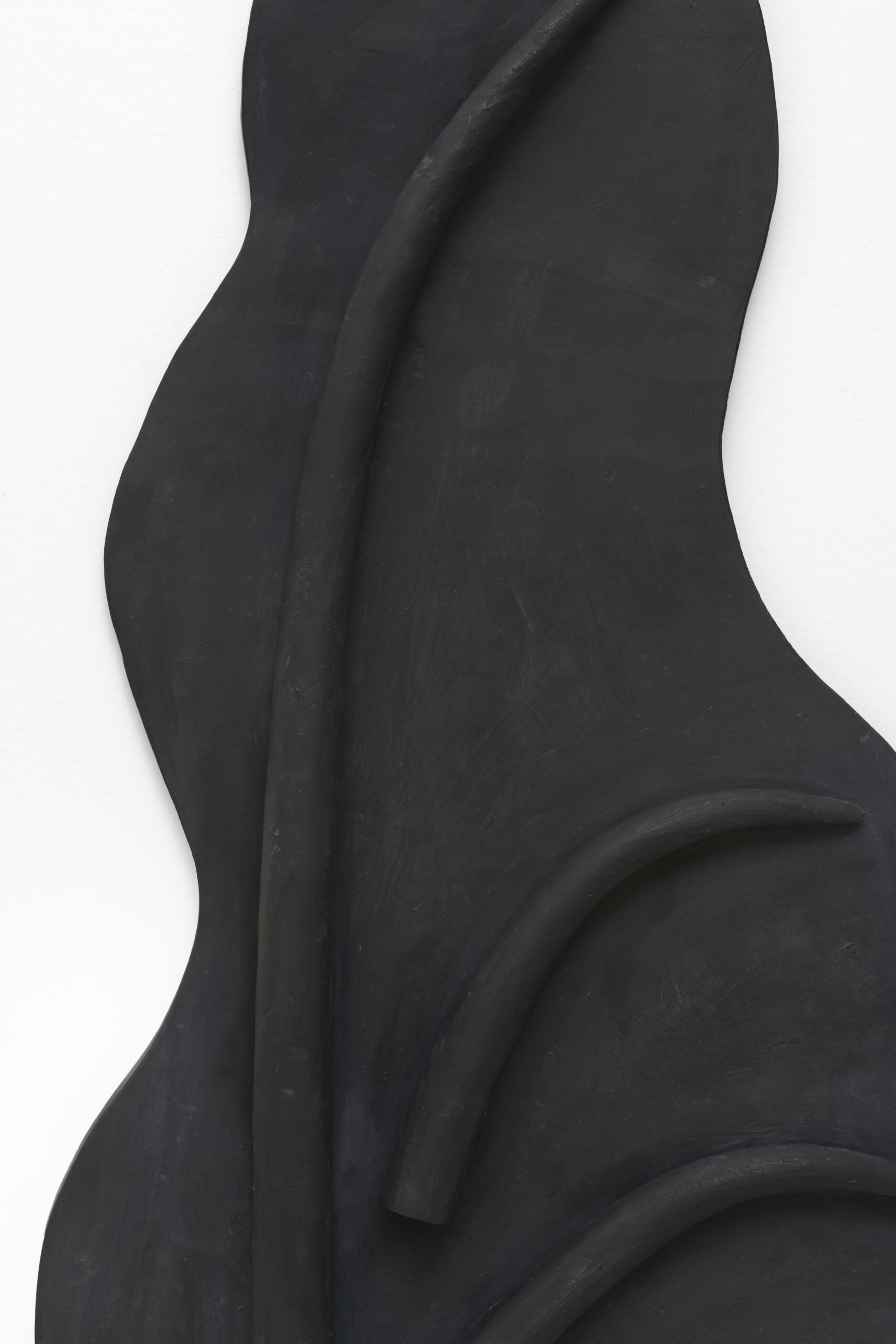
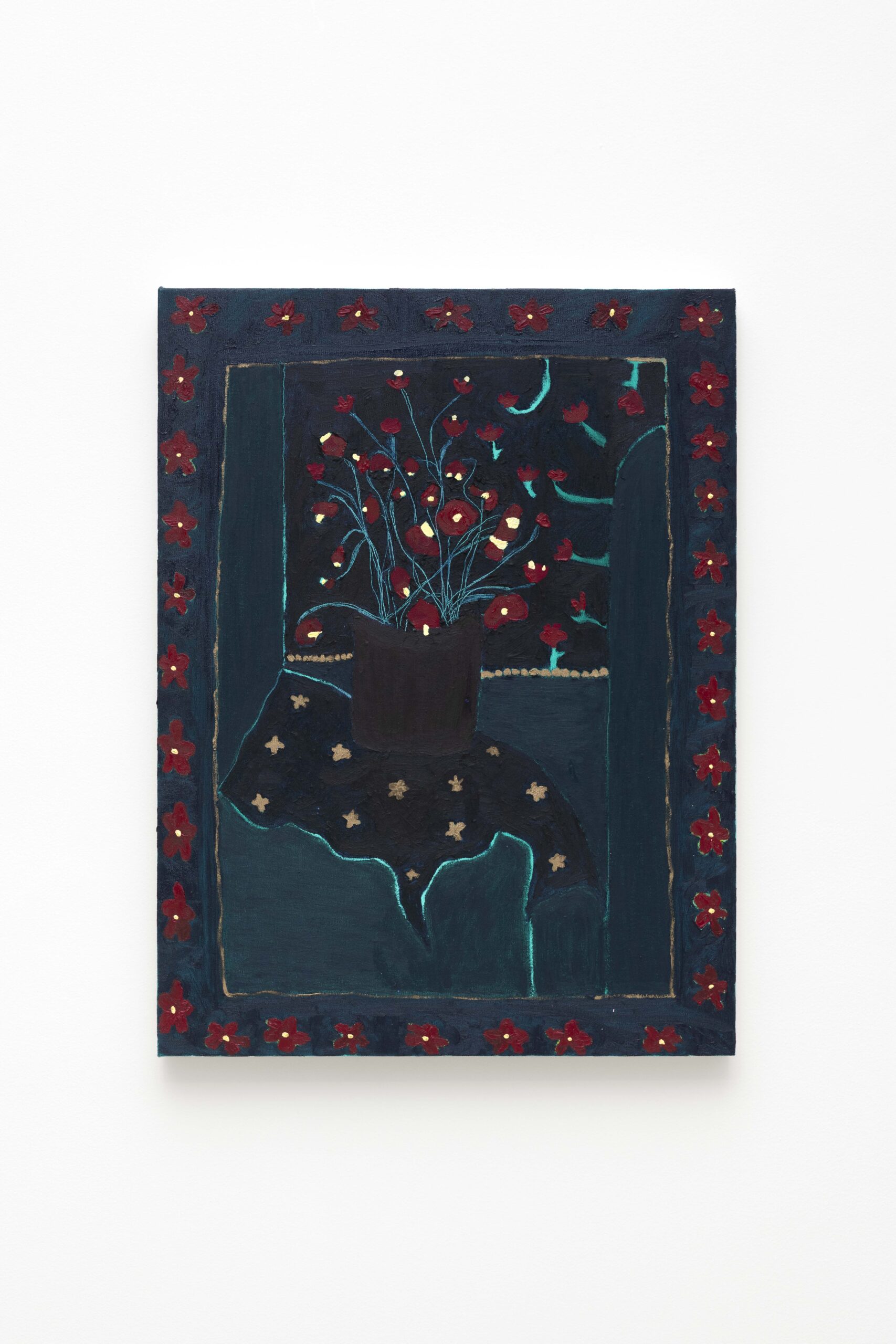
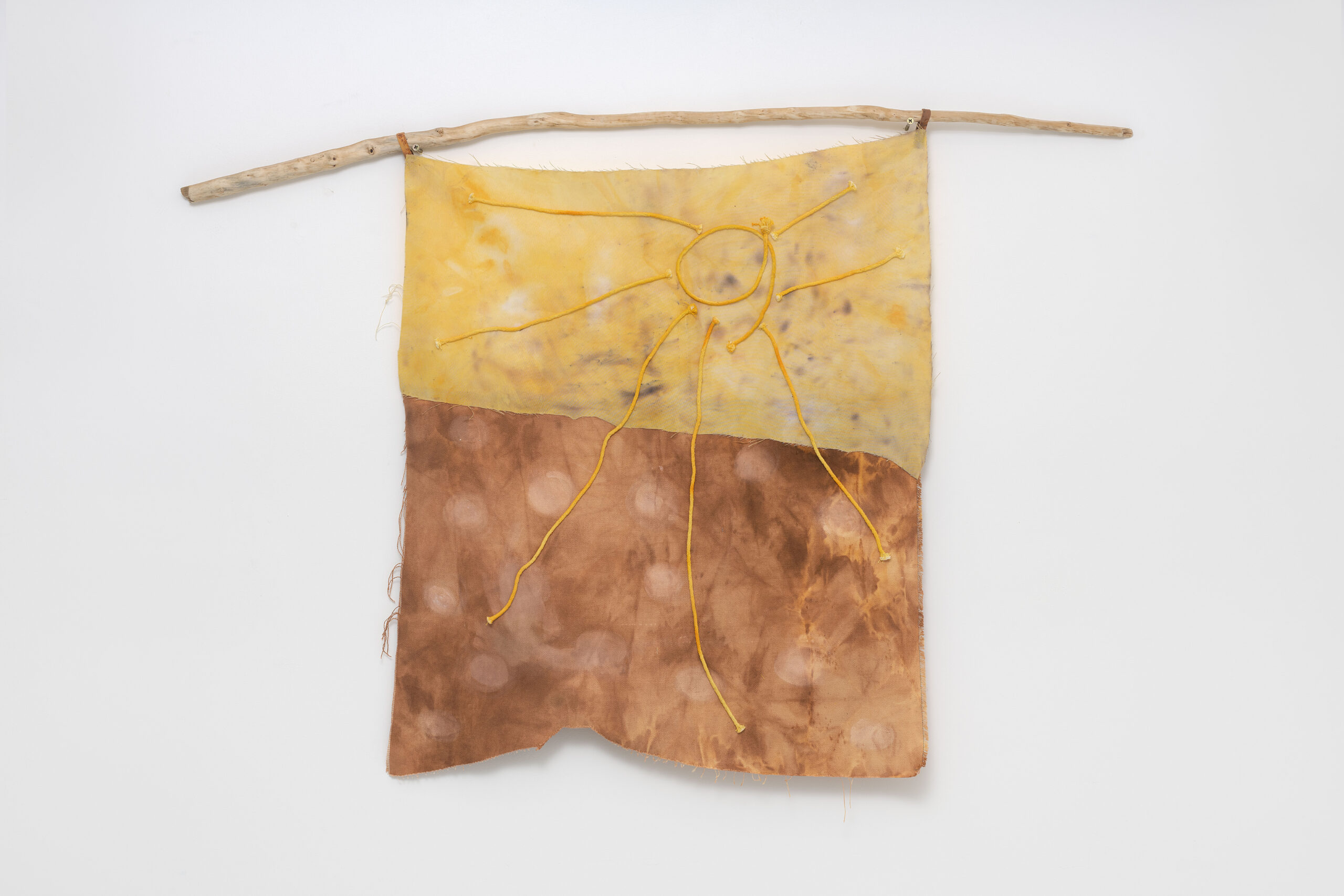
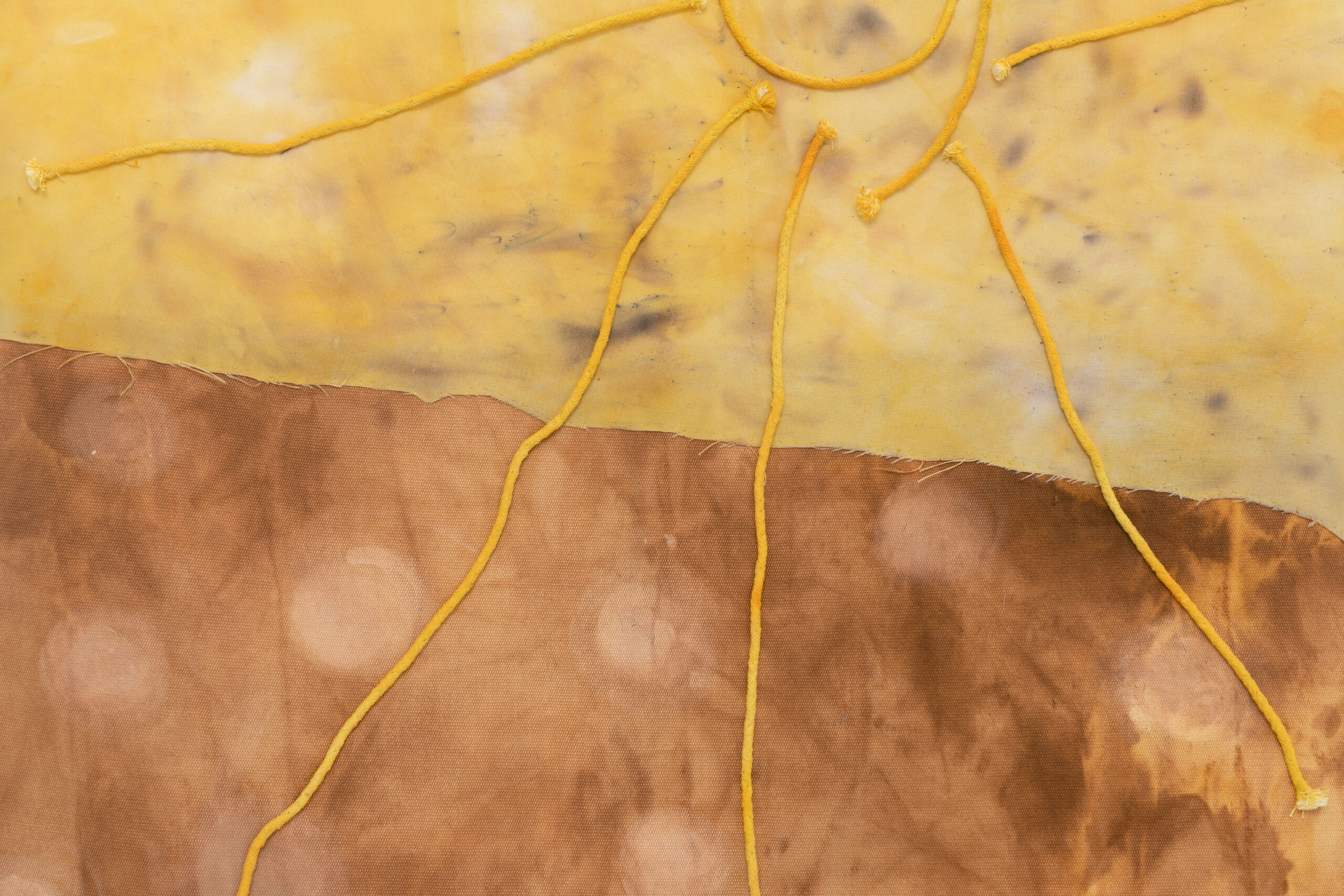
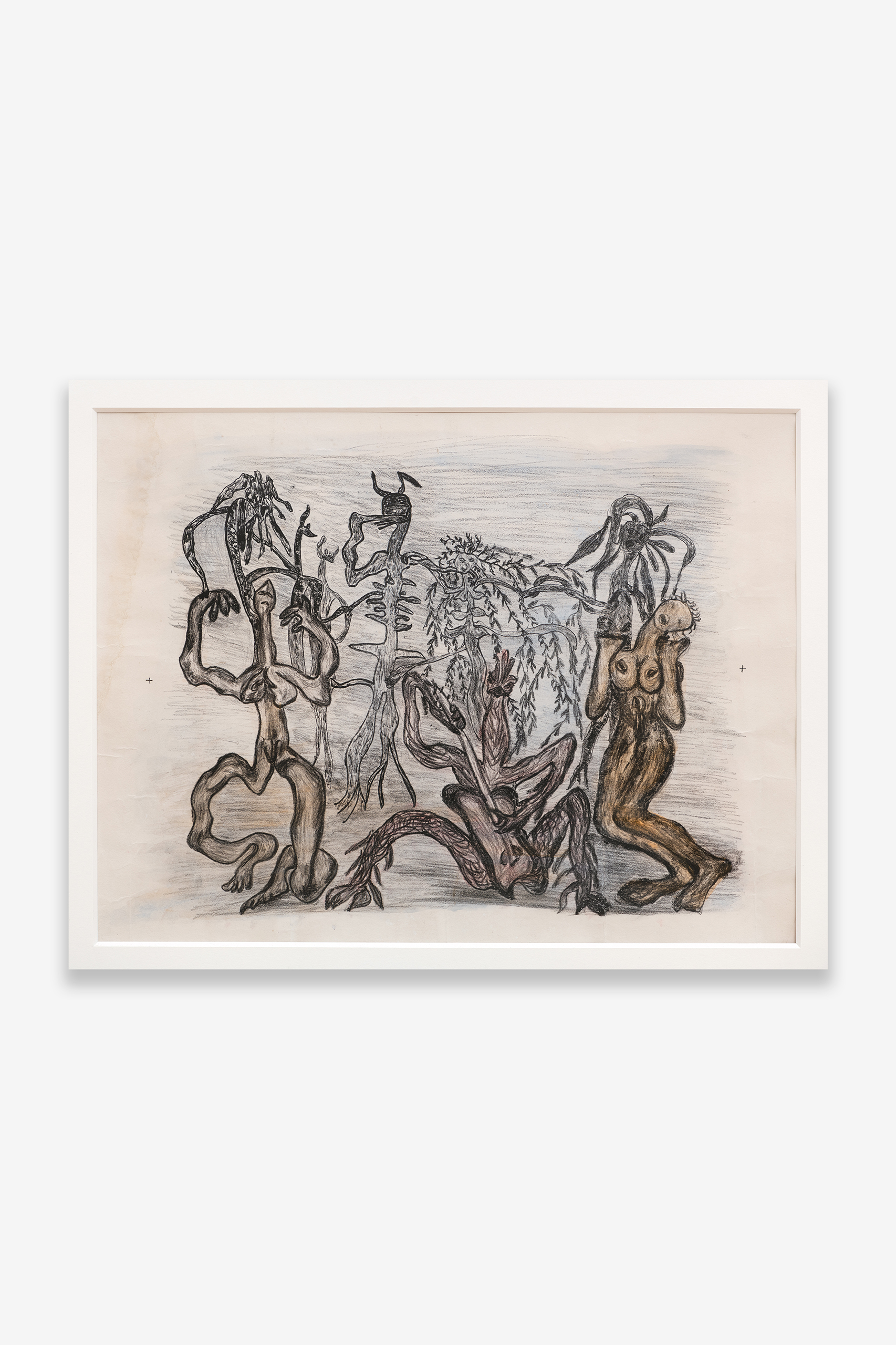
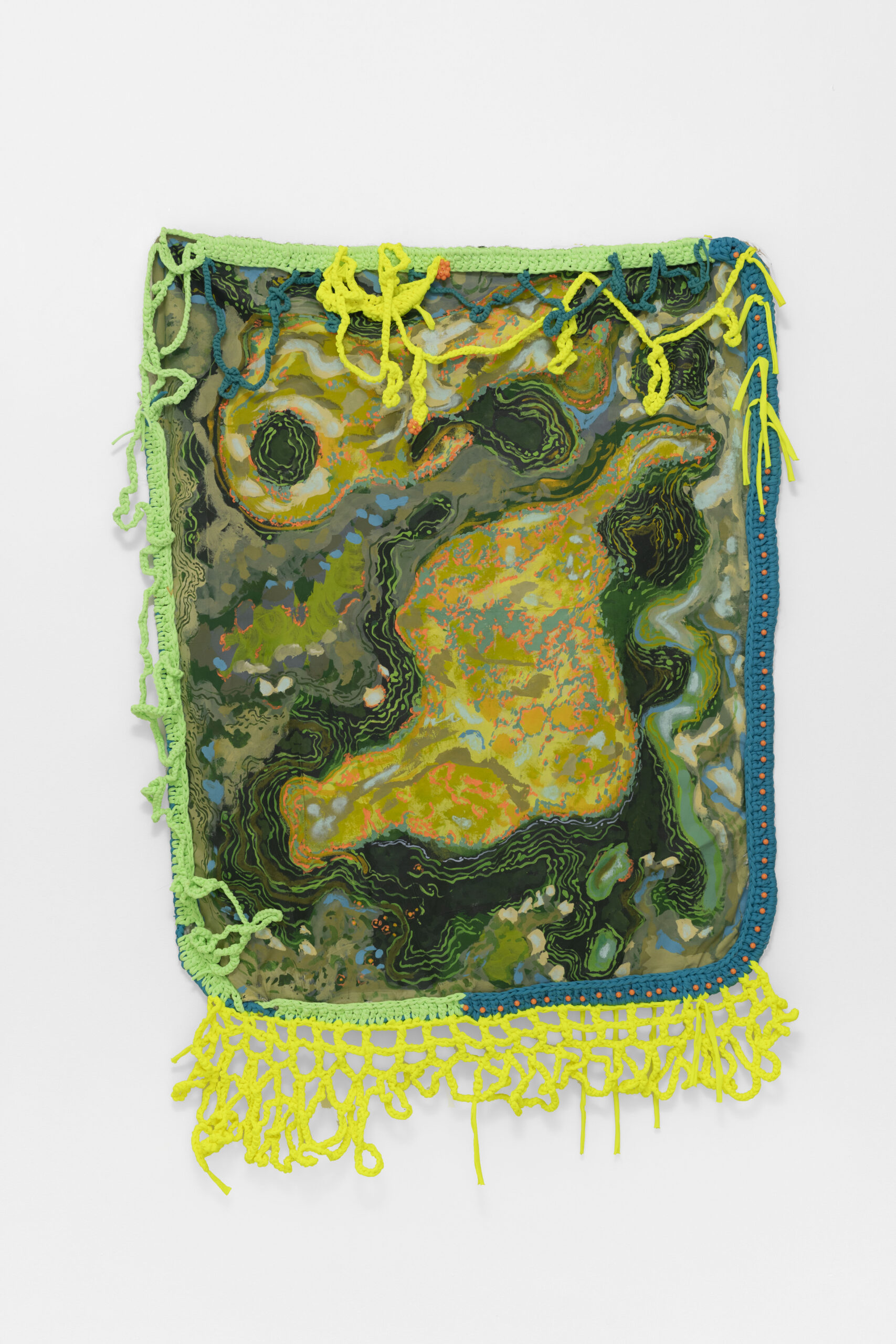
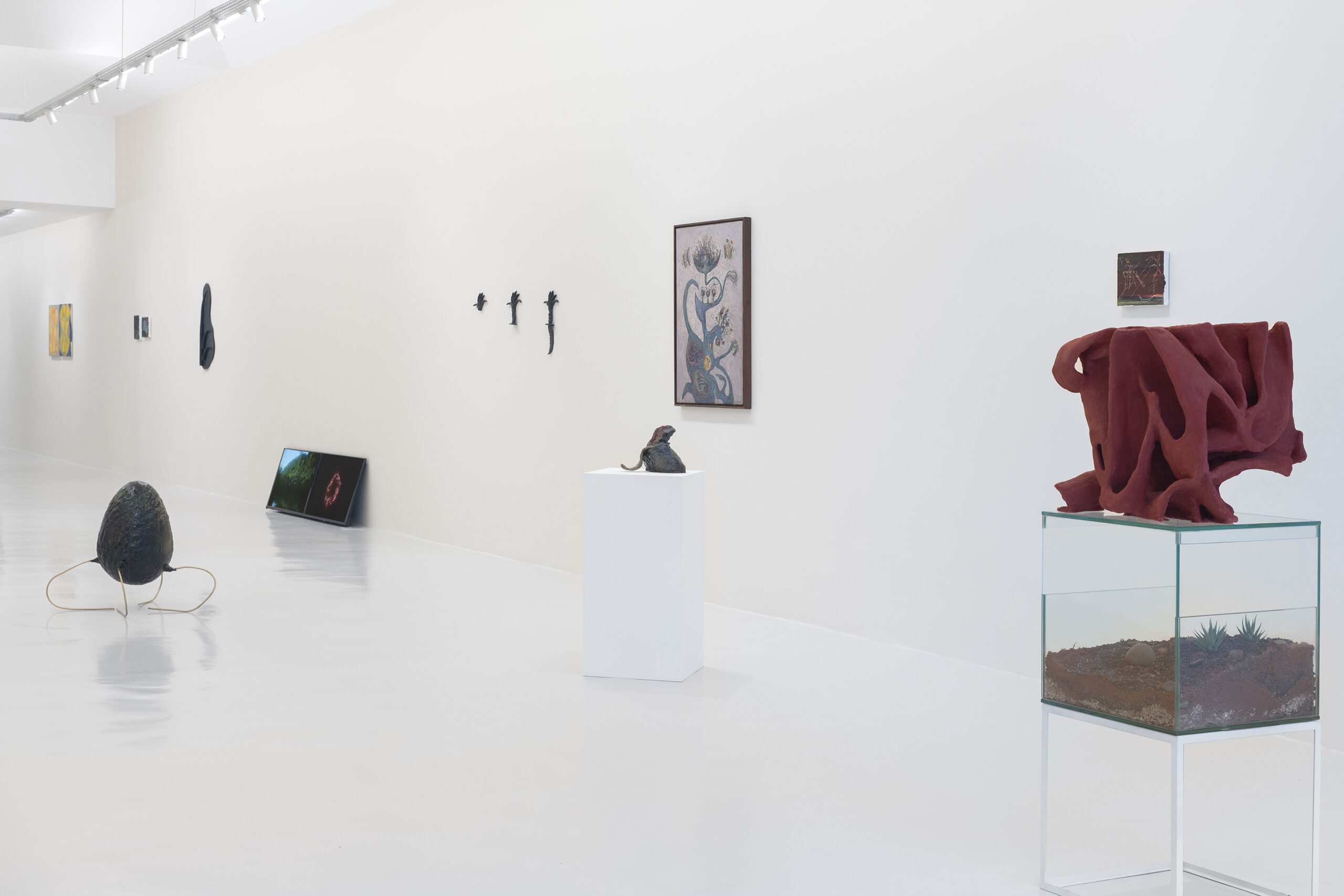
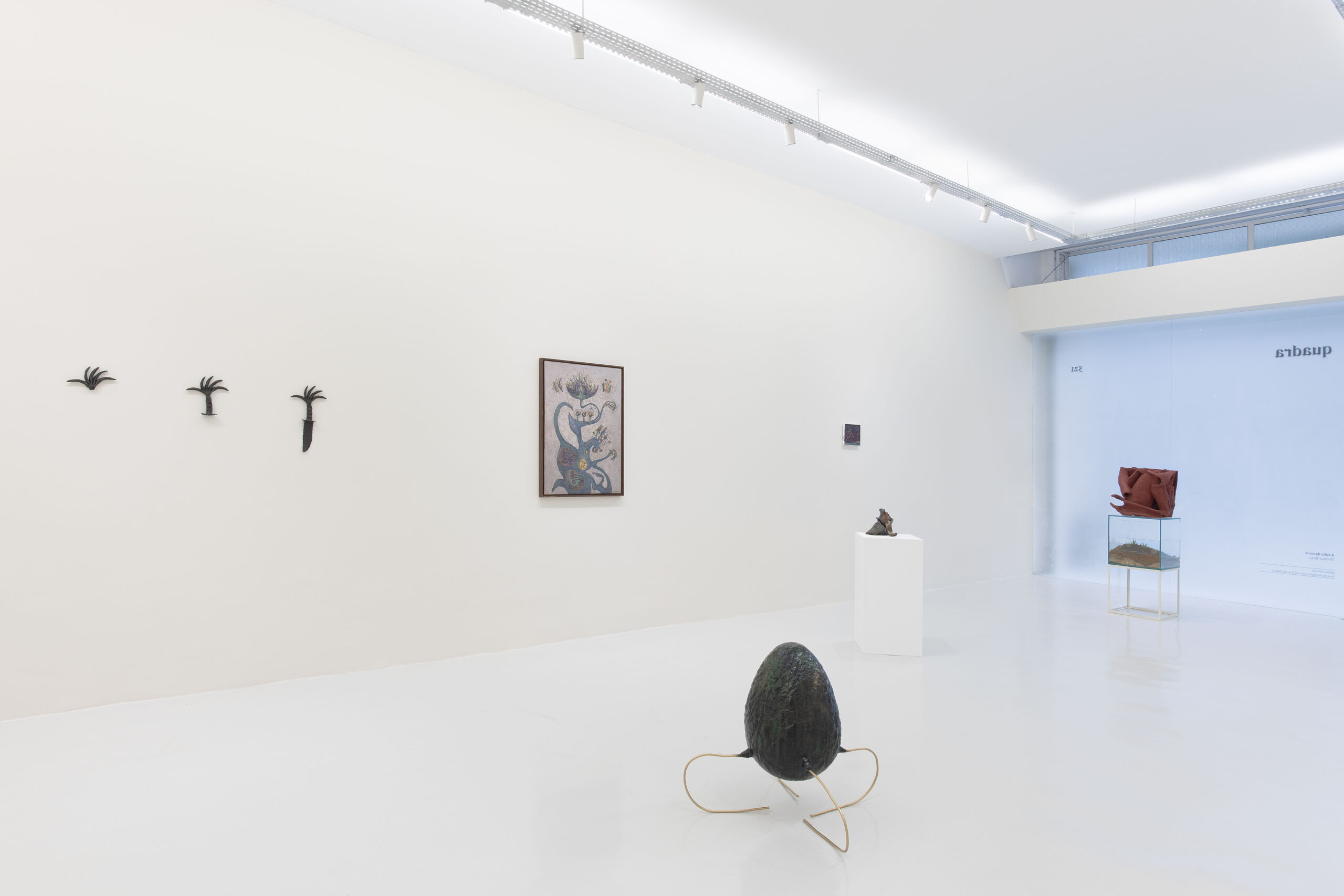
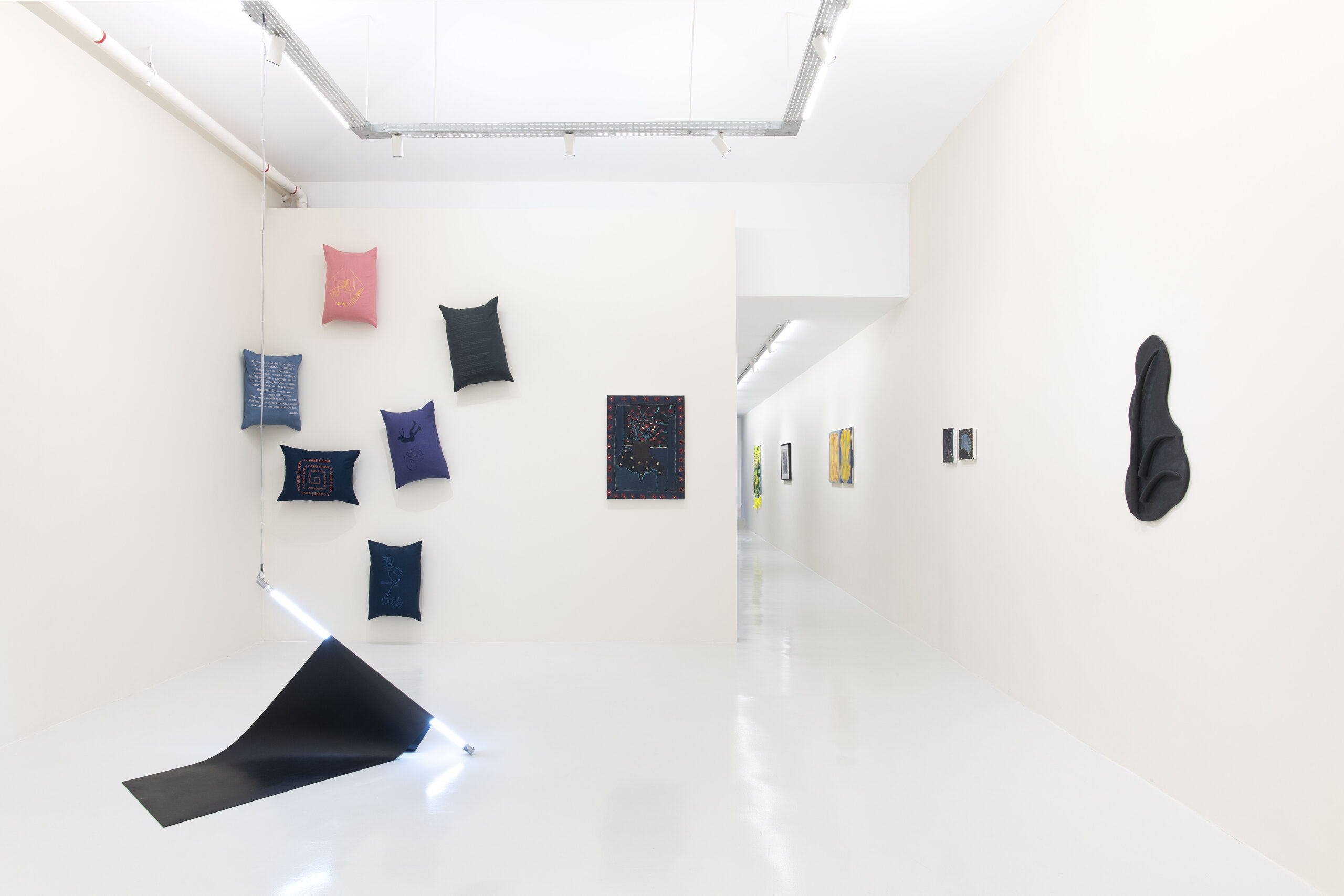
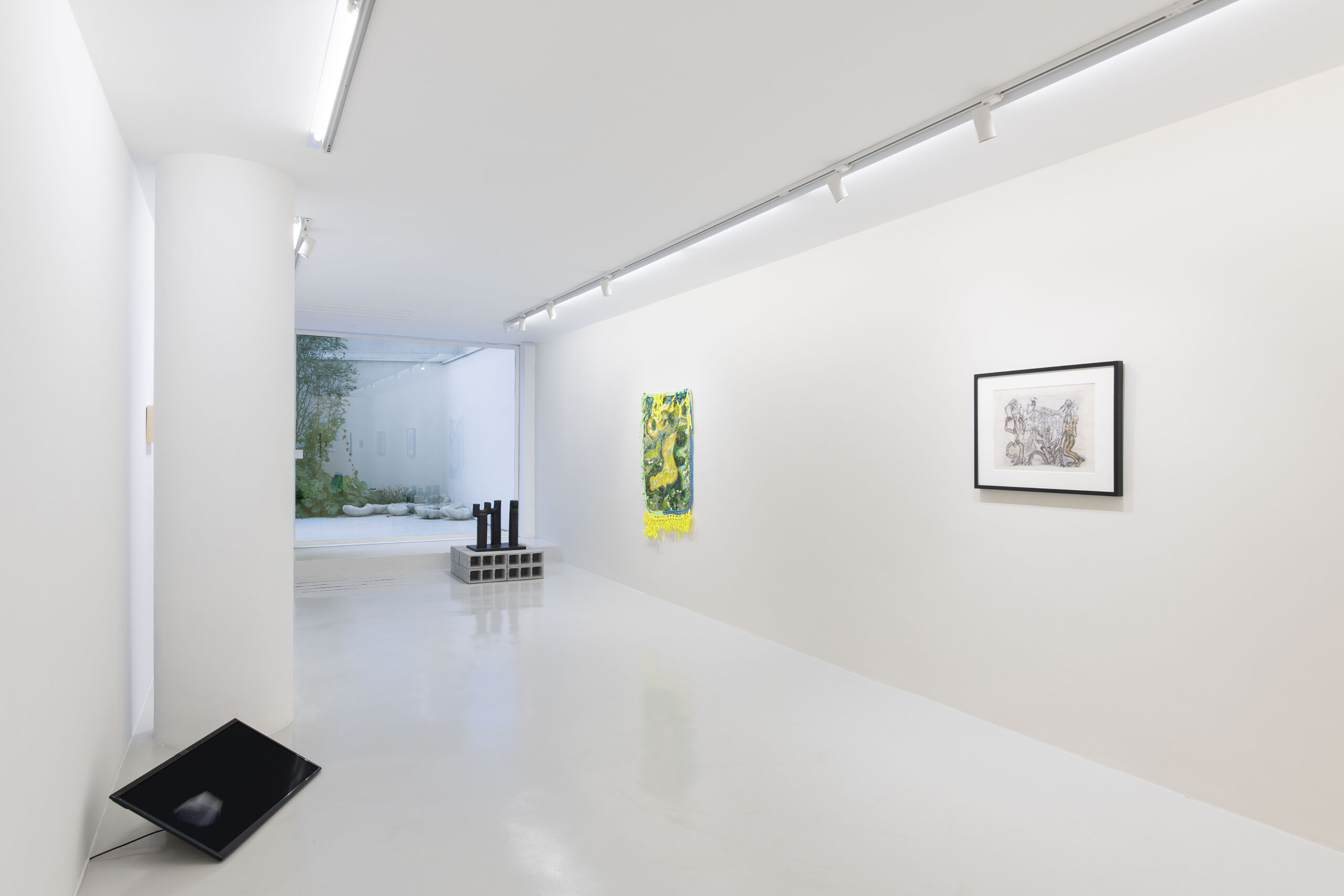
Creators of free enclaves in which poetic fantasy gushes forth, artists are also the world’s clinicians, measuring its pulse, delivering society’s prognosis and prescribing generous doses of wildness, barefoot walks on forest trails, herbal baths and parties around the campfire. This wildness – nature’s and ours – can be found in Martin Lanezan’s Sun ; in Loren Minzú’s fire, logs and water, in Tiago Mestre’s sculptures or even in Juliana Cerqueira Leite’s earth-body-night, the bearer of its own metamorphic environment. The barbaric sensuality of Maria Martins’ vine silhouettes, Liúba Wolf’s raised forest and the microcosm of healing and poison portrayed by Sheyla Ayo evoke the same fertile ground, ancestral places from which life sprouts generously, heals and destroys.
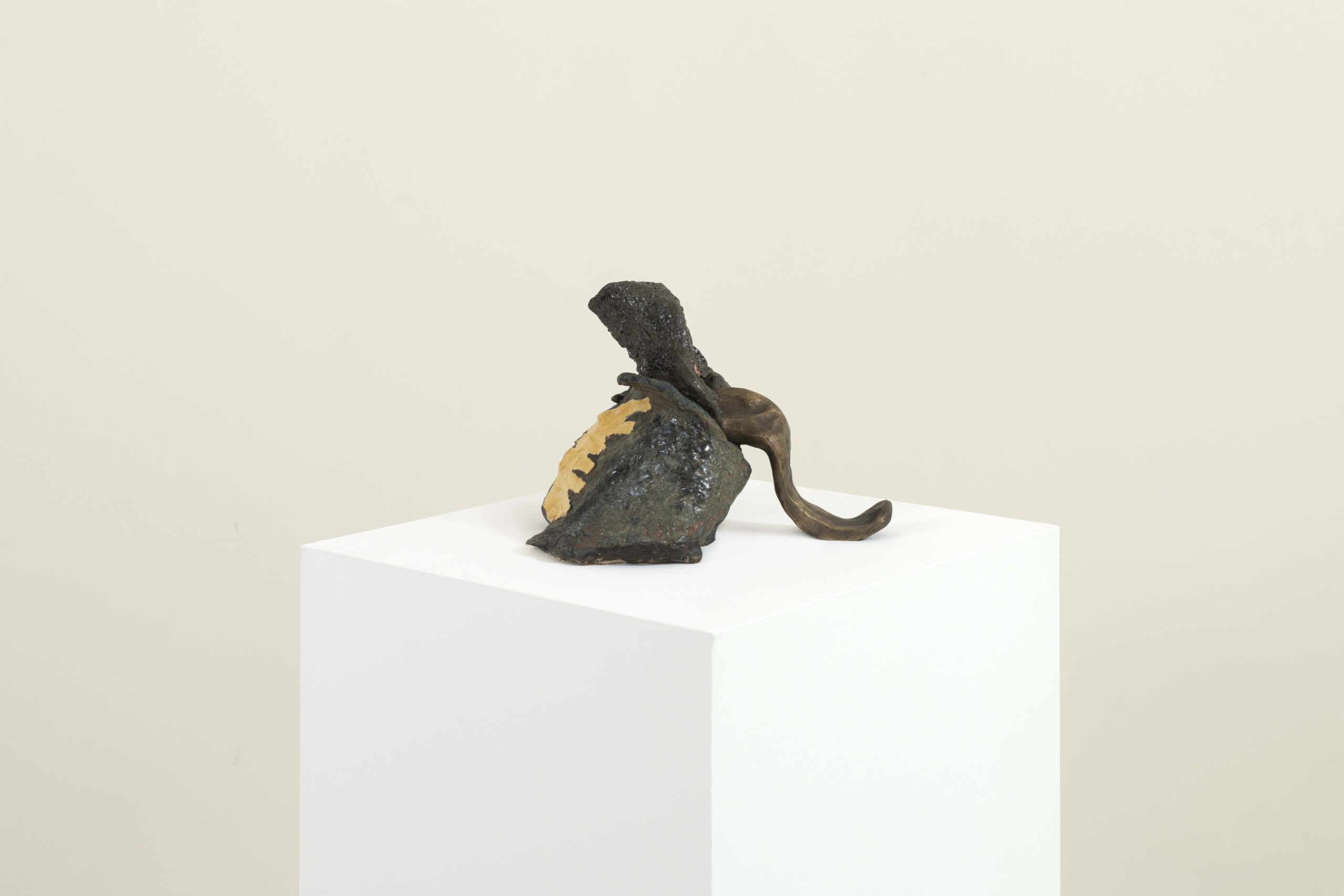
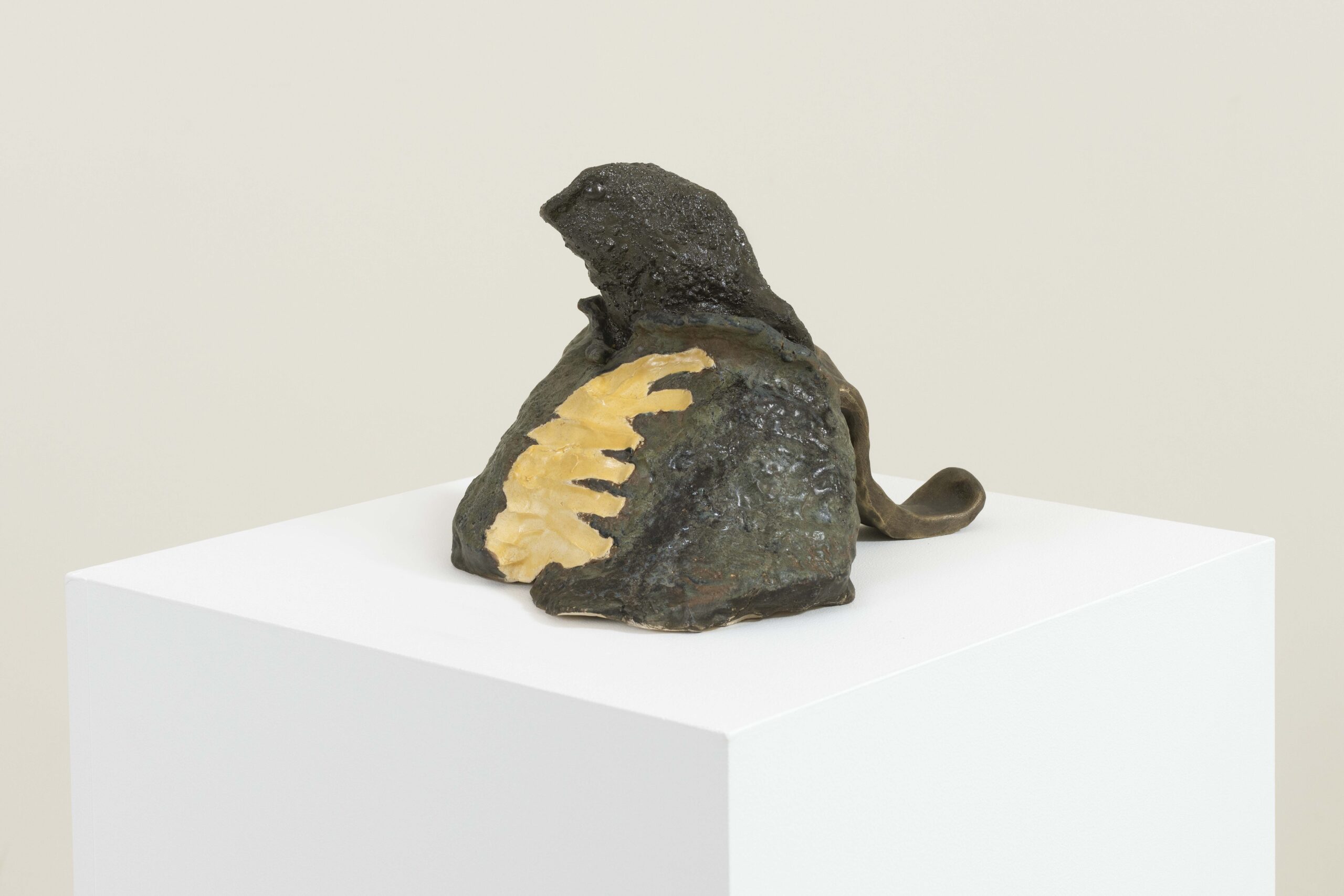
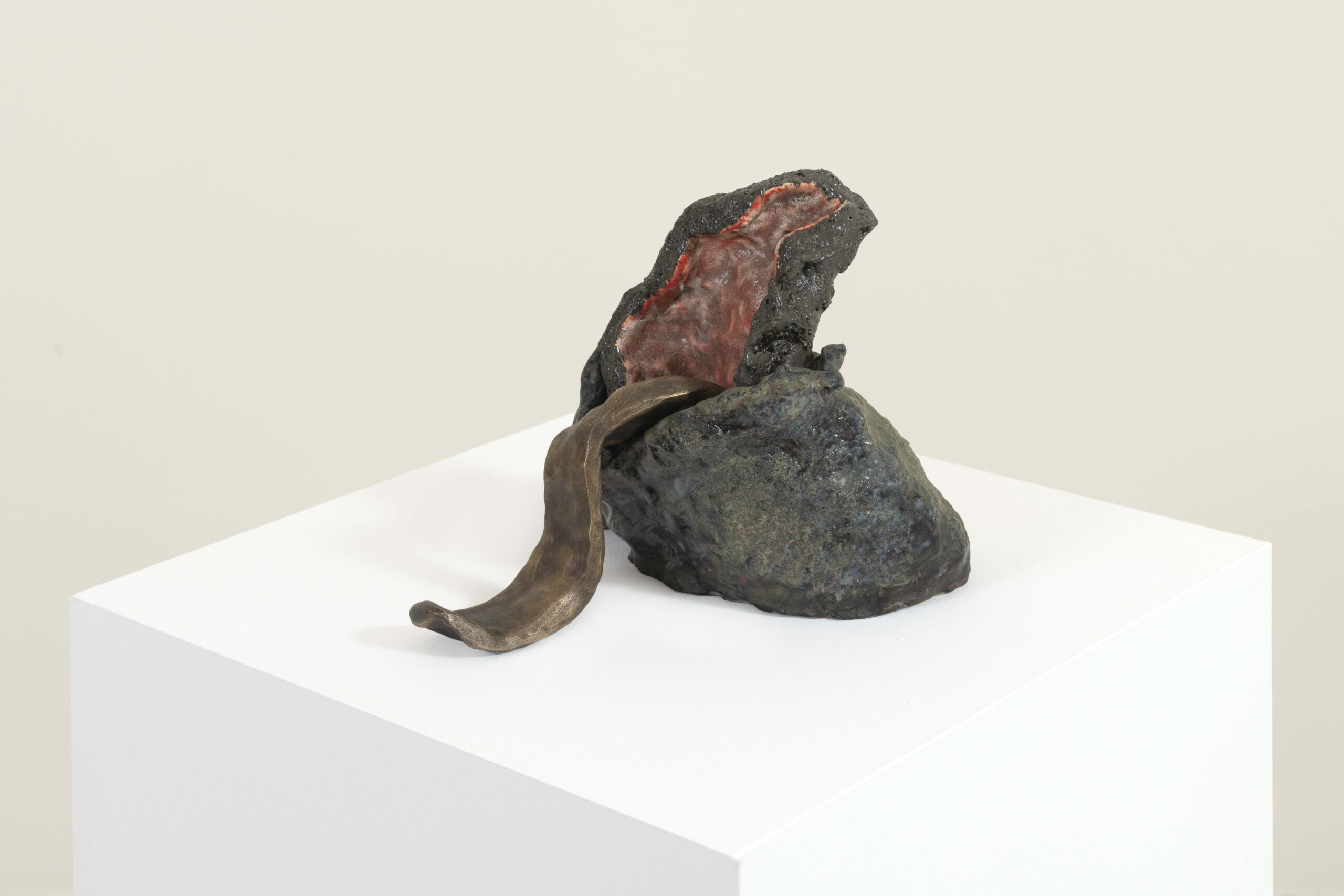
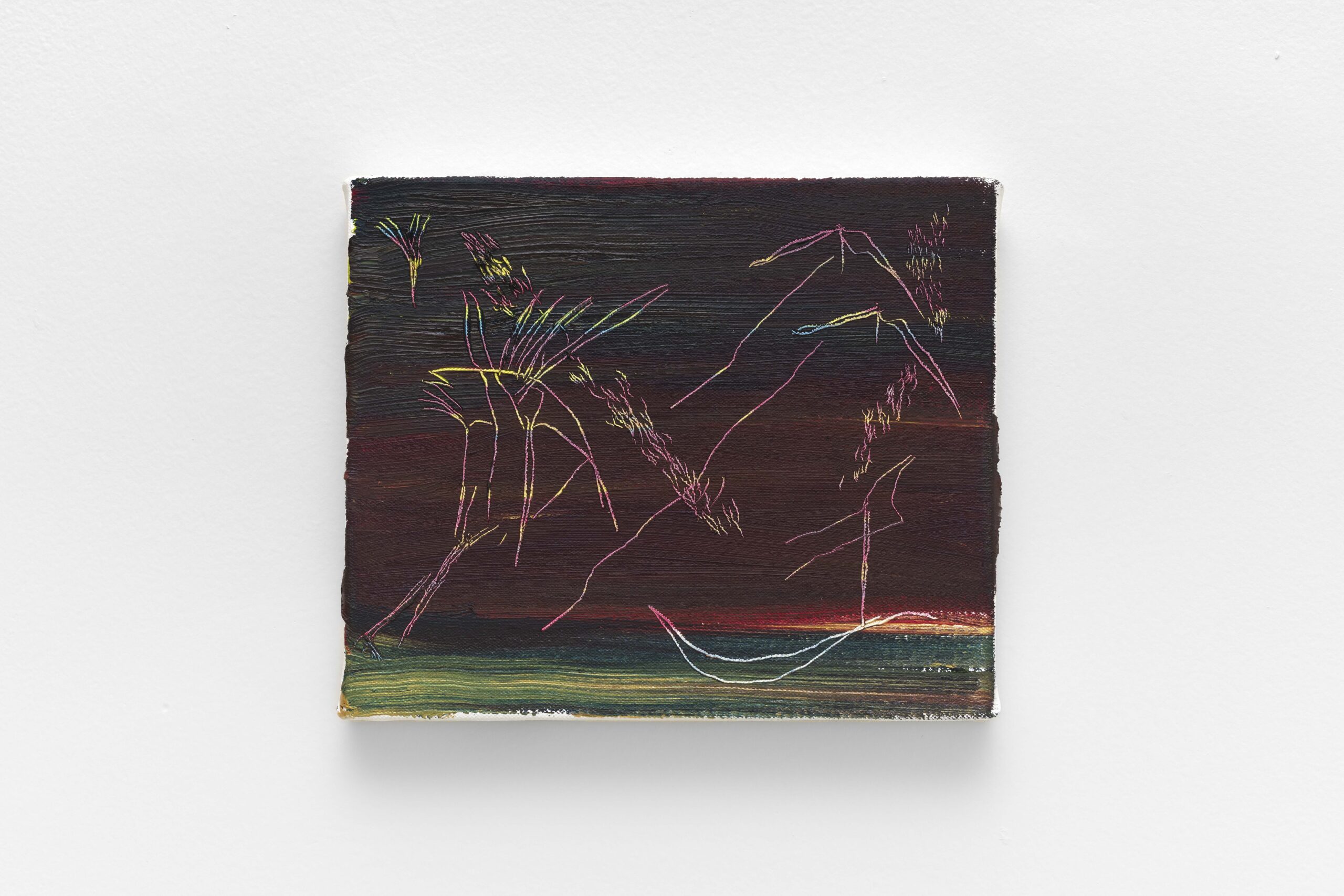
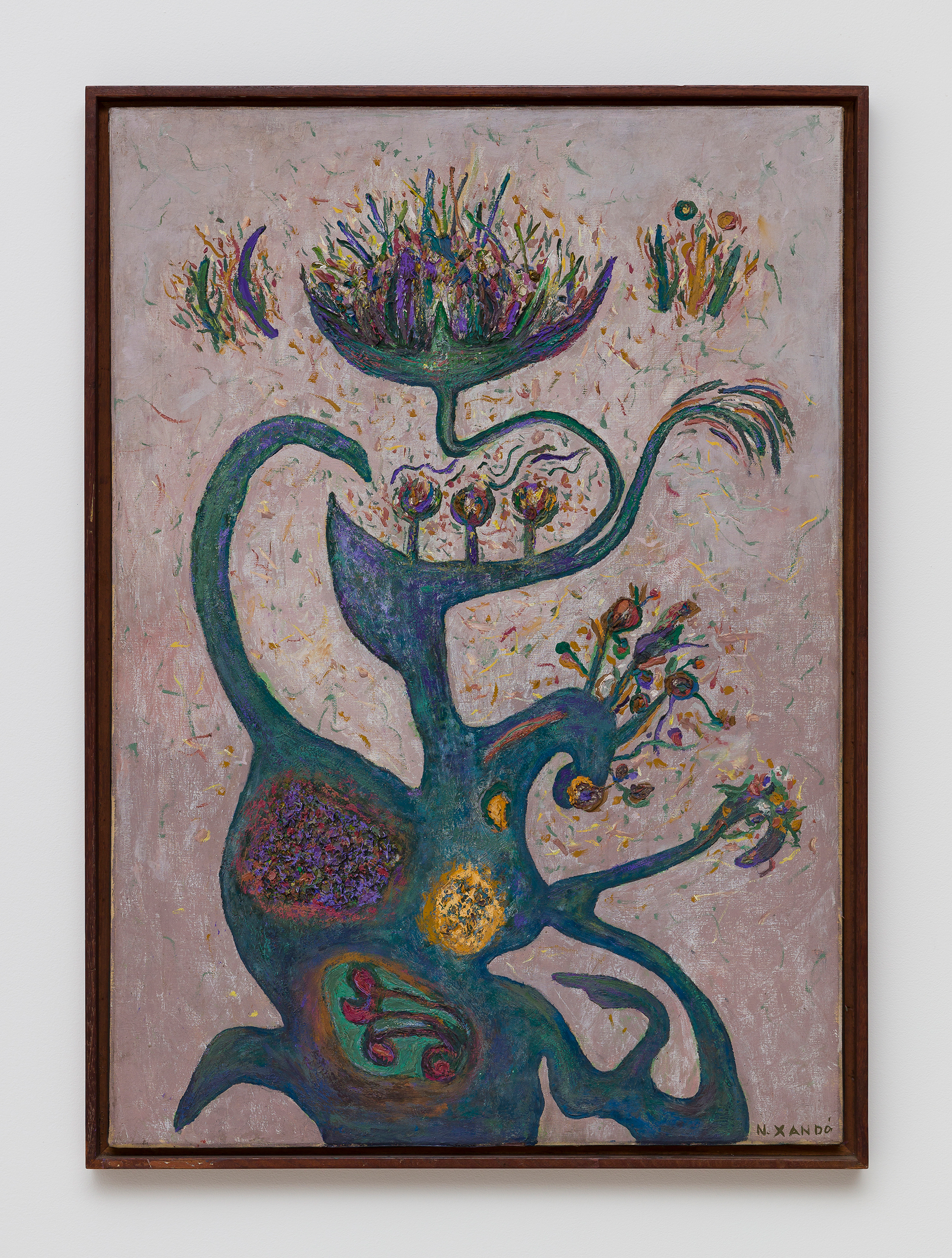
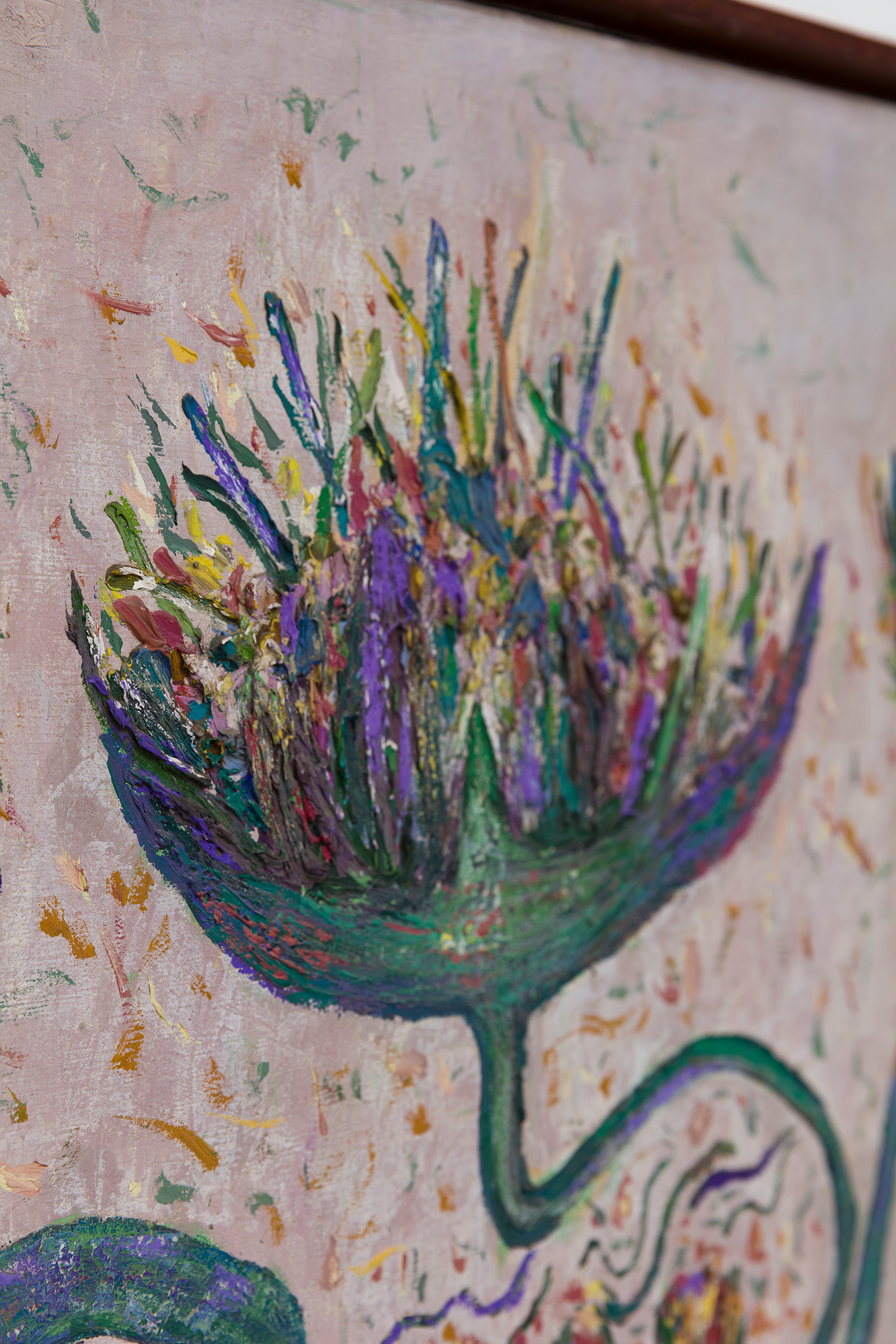
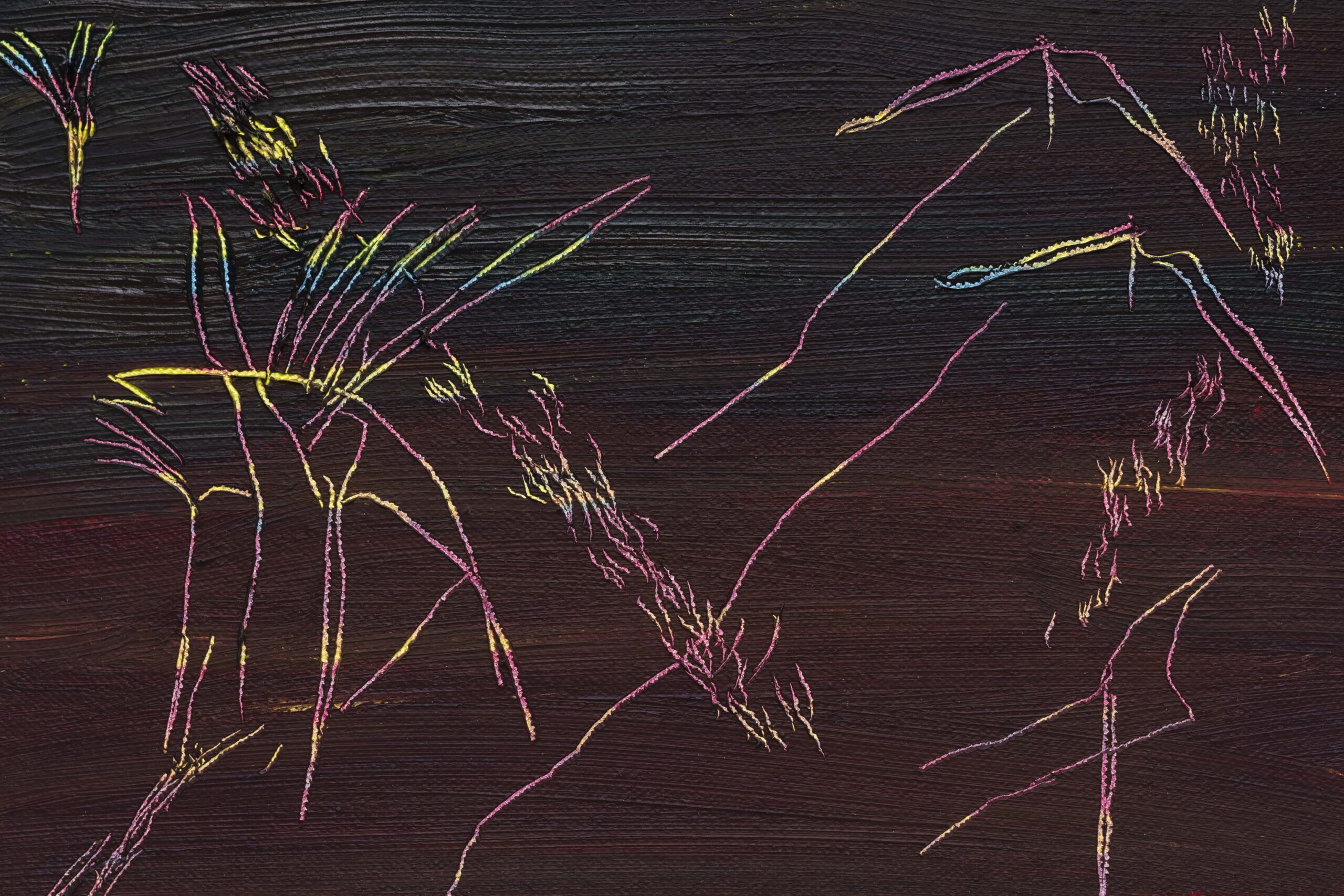
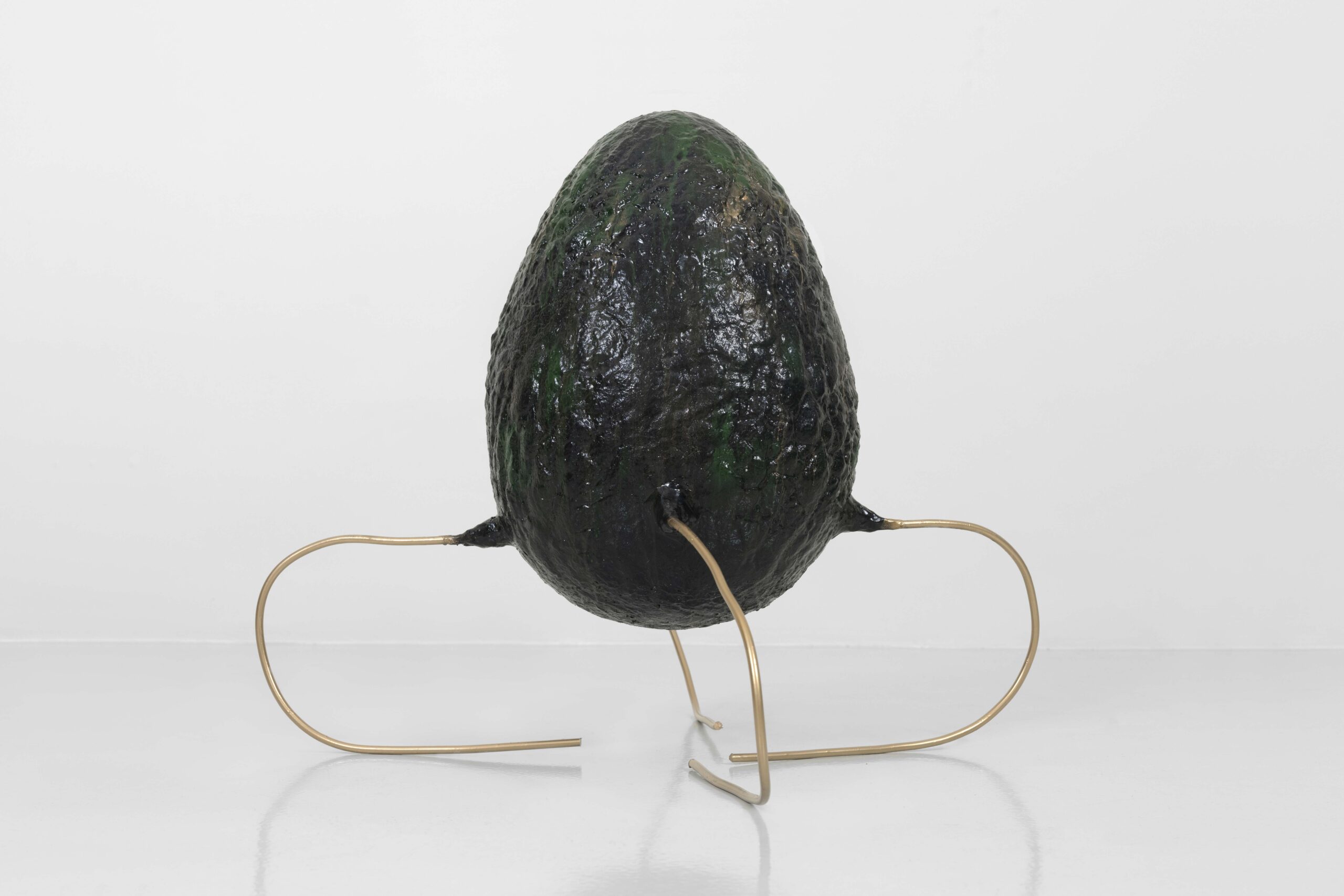
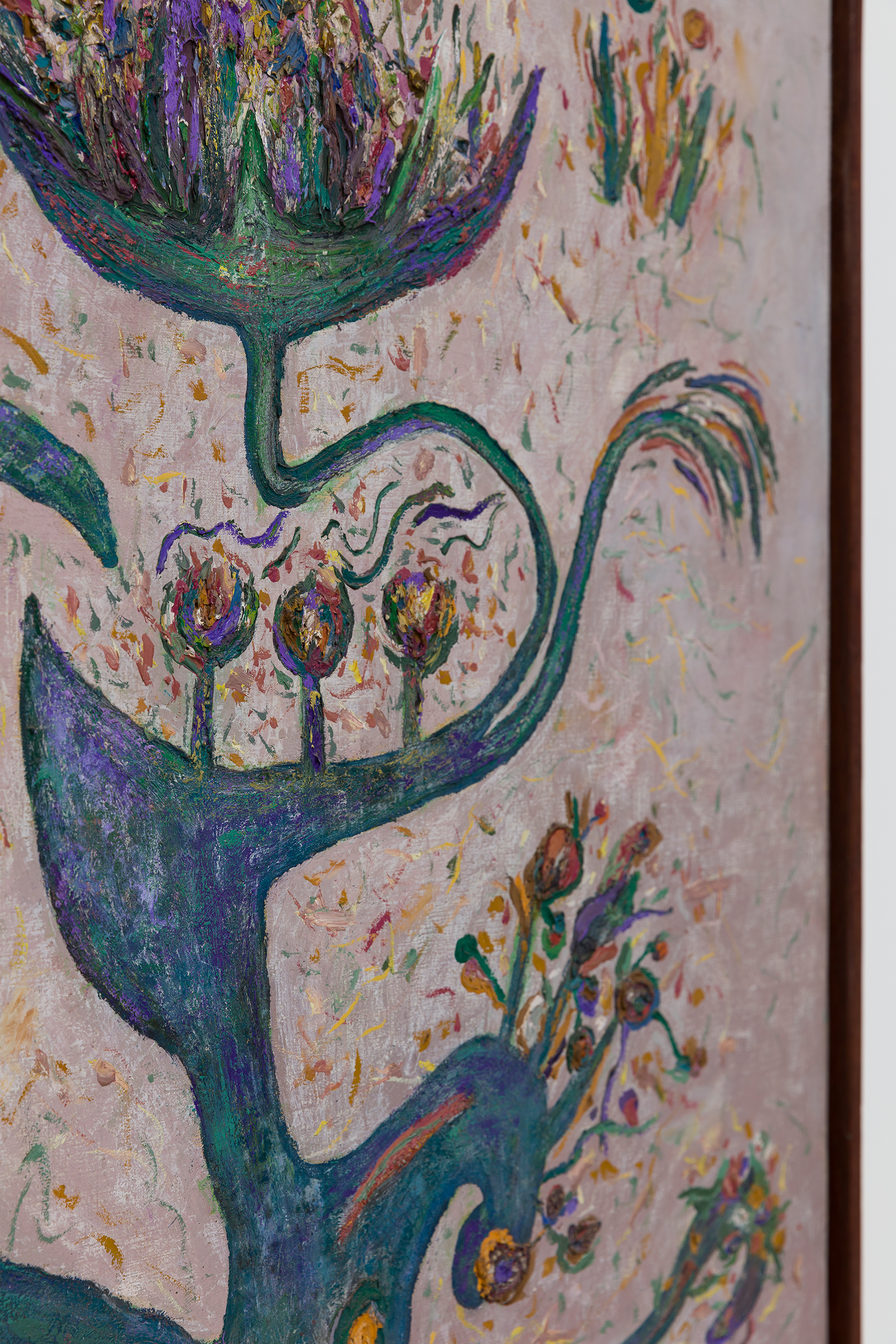
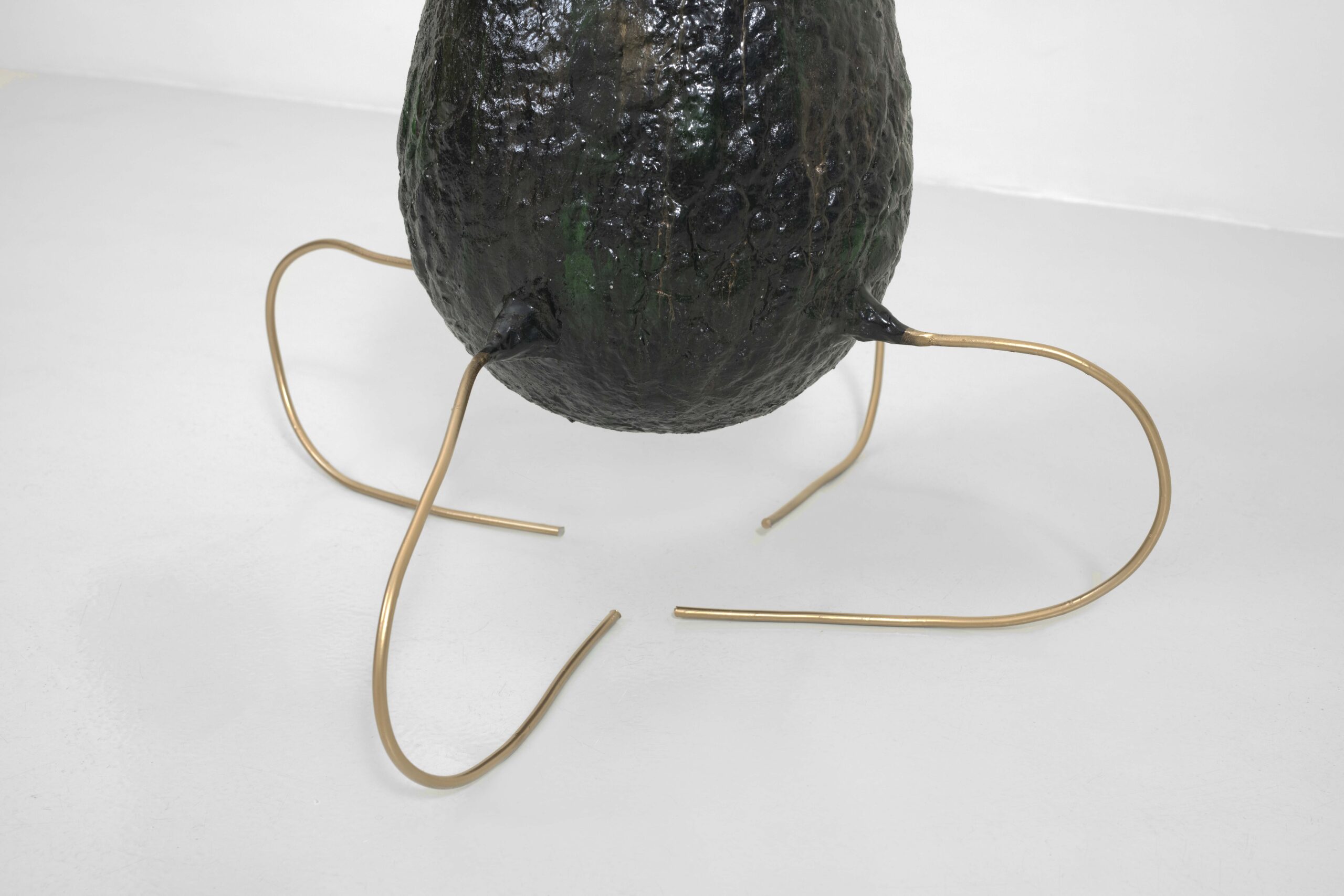
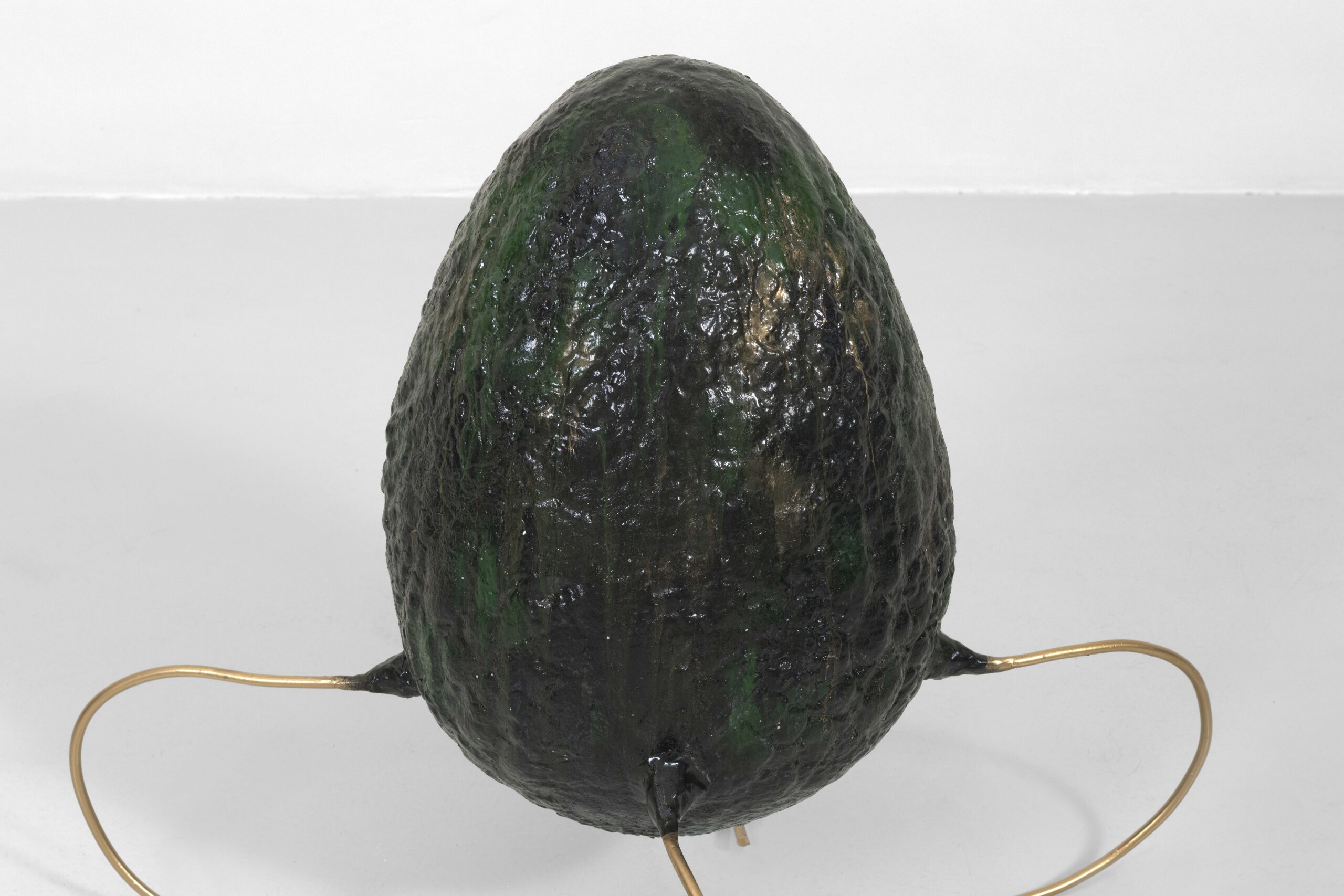
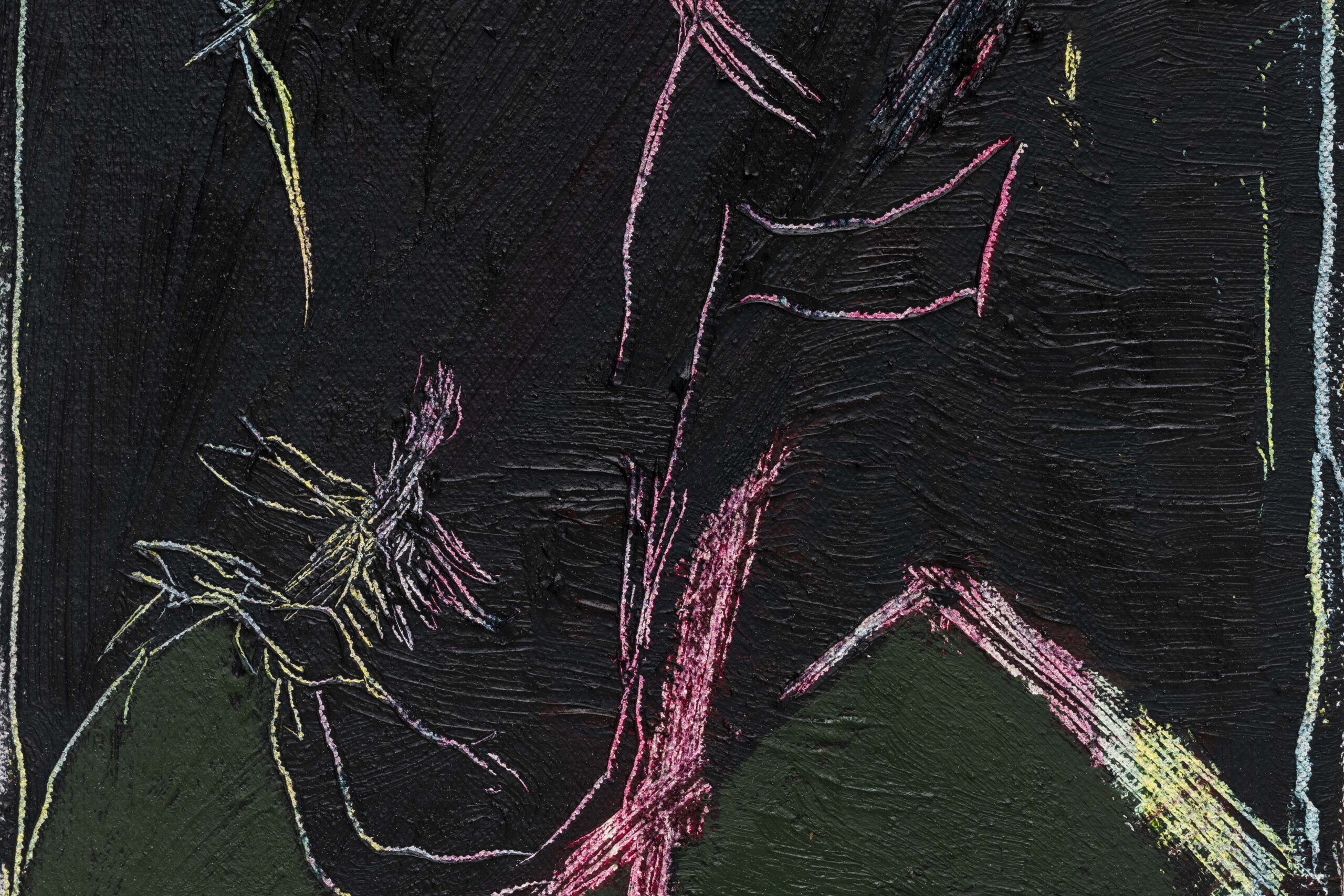
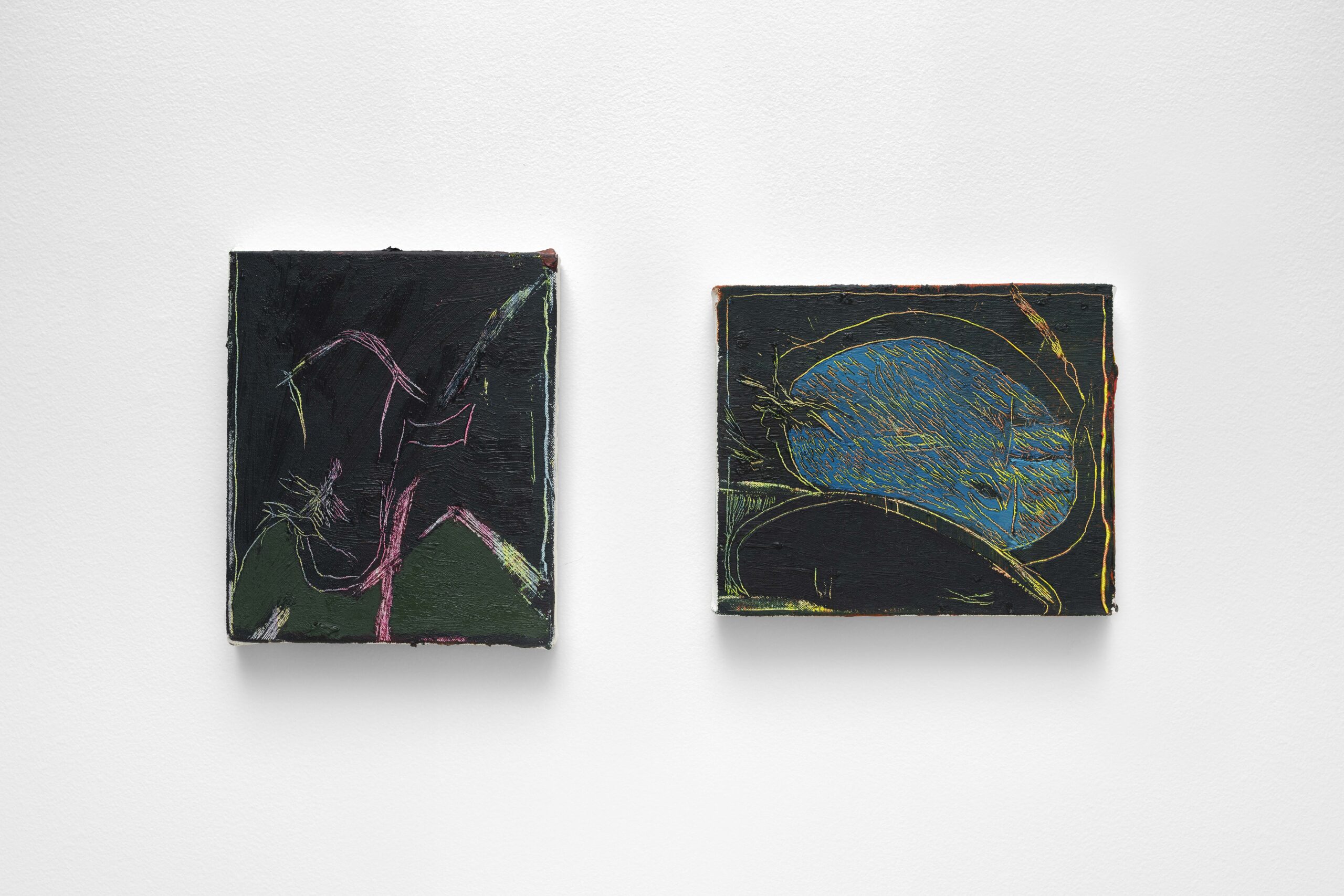
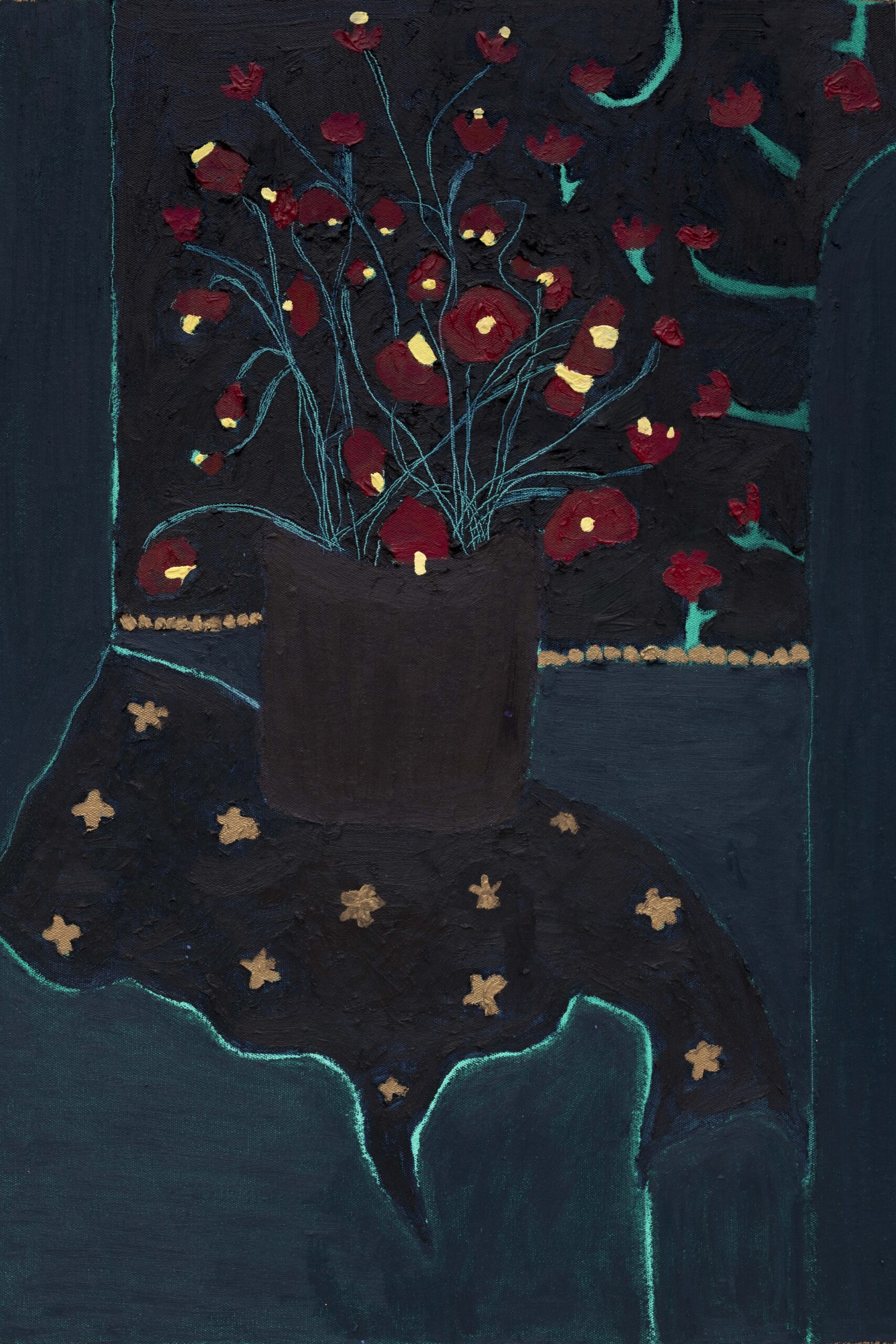
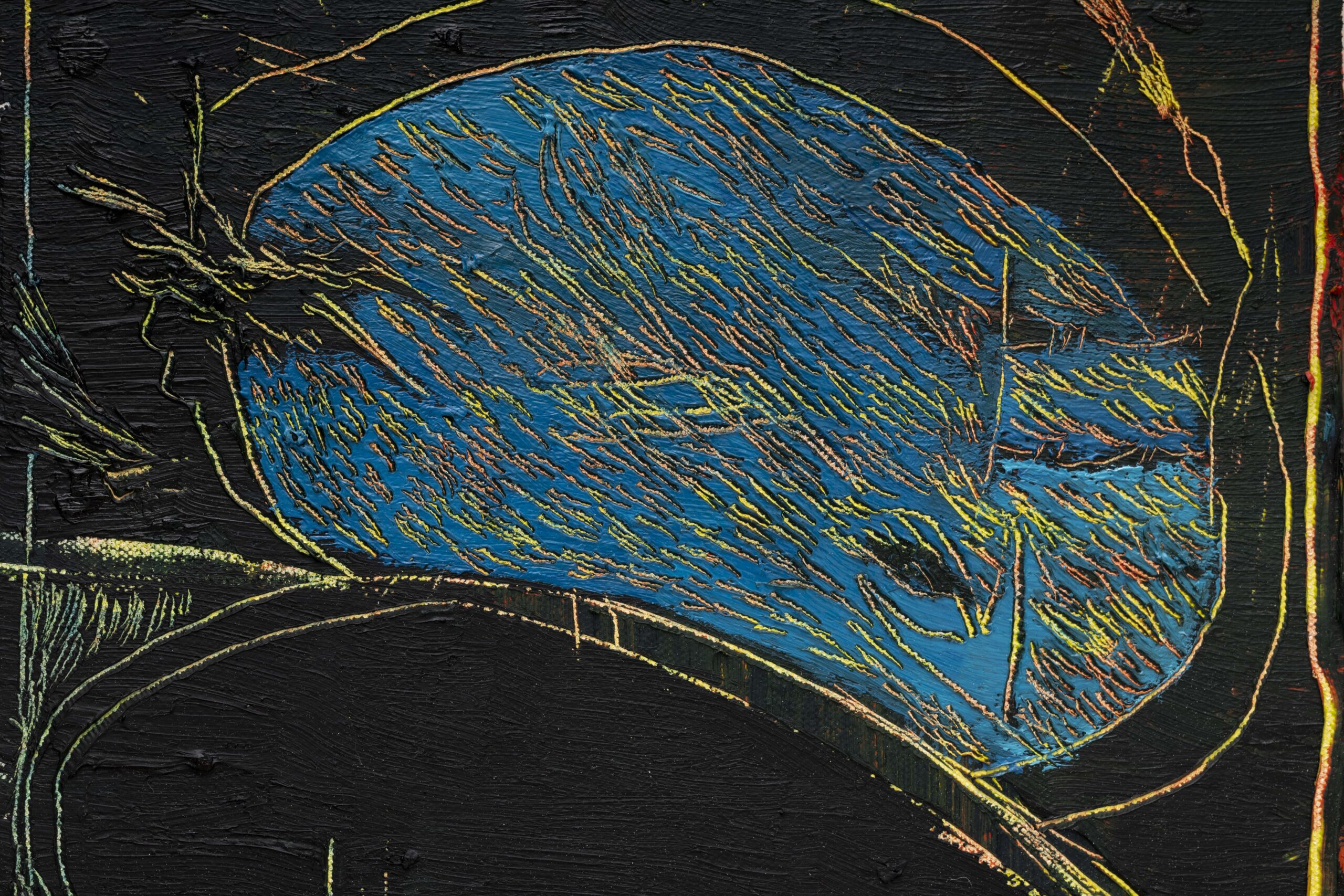
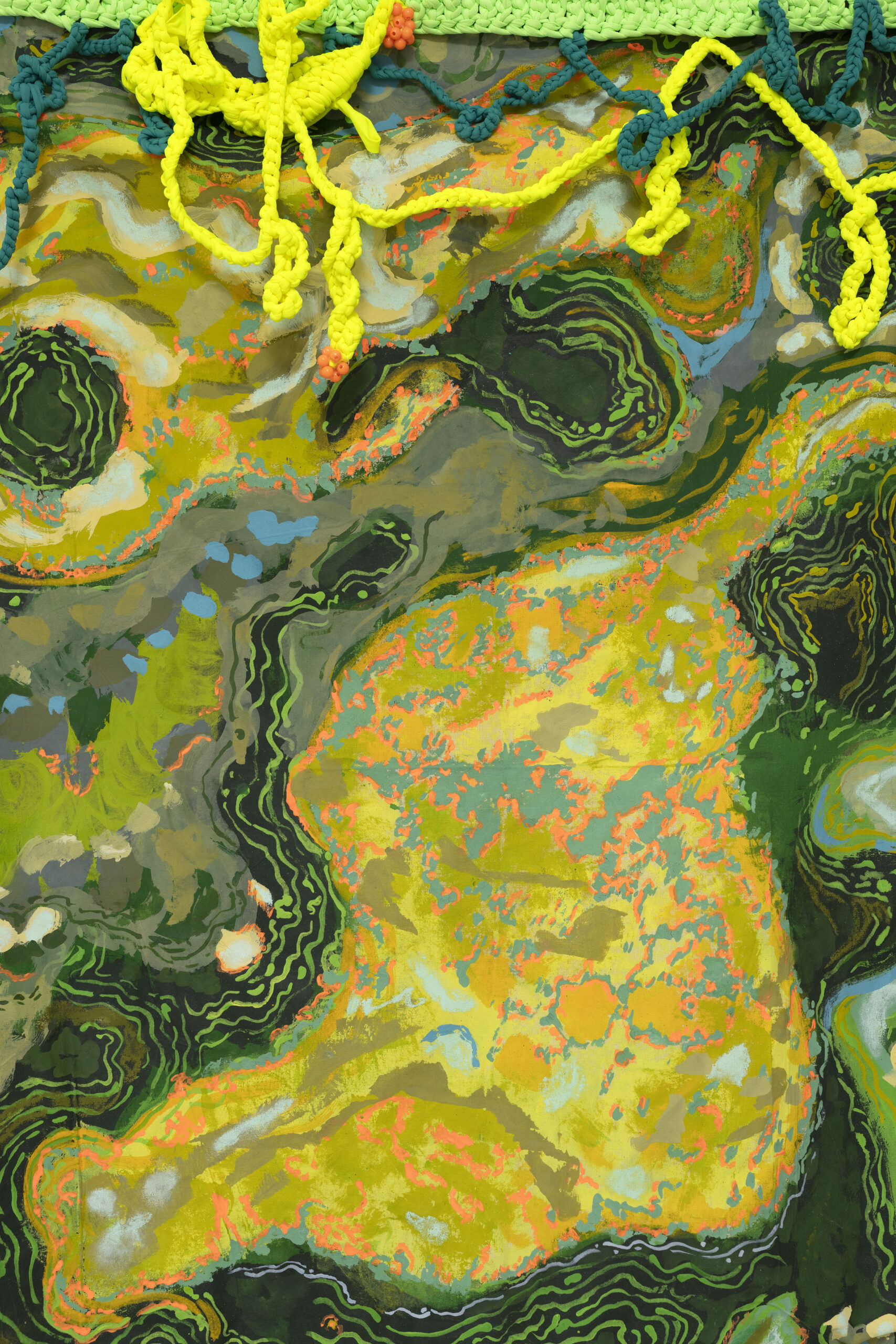
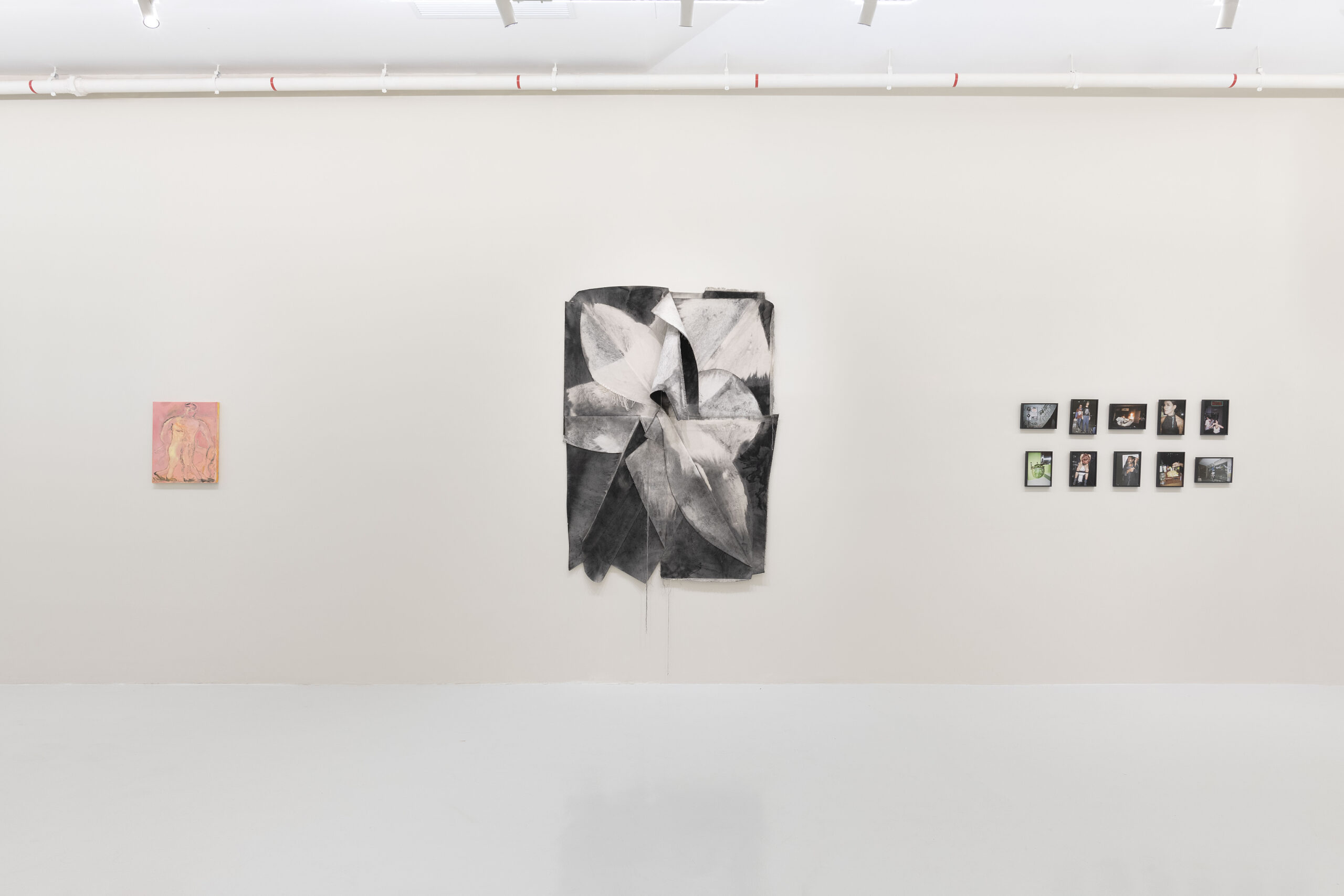
The force of this drive breaks through the bars of the colonization of bodies, their vehicles for expression, rest and venting. Plants grow in the white cube and limbs shake freely, like on a carnival day. These microworlds are reflected in Niobe Xandó’s fantastic green flower, which oscillates between popular allegory and botanical bacchanalia. Her sinuous, cannibalistic plants thus engage in a dialog with the haptic seduction of Tiago Tebet’s velvety flower, or with the furrows left by Manuella Silveira in the layers of paint, sketching, as she applies or scrapes, the outlines of ghostly creatures and landscapes, free of definitions. The hybrid beings that emerge from the hands of Darks Miranda and Yan Copelli also seem to escape any categorization and evoke a kind of metamorphosis from one state to another, possibly a liberation. Miranda’s spider-egg seems about to open and let out an alien being, while a bronze tongue gushes like a river from its ceramic cradle – perhaps transmuting repulsion into guiltless pleasure – in Copelli’s Big Mouth.
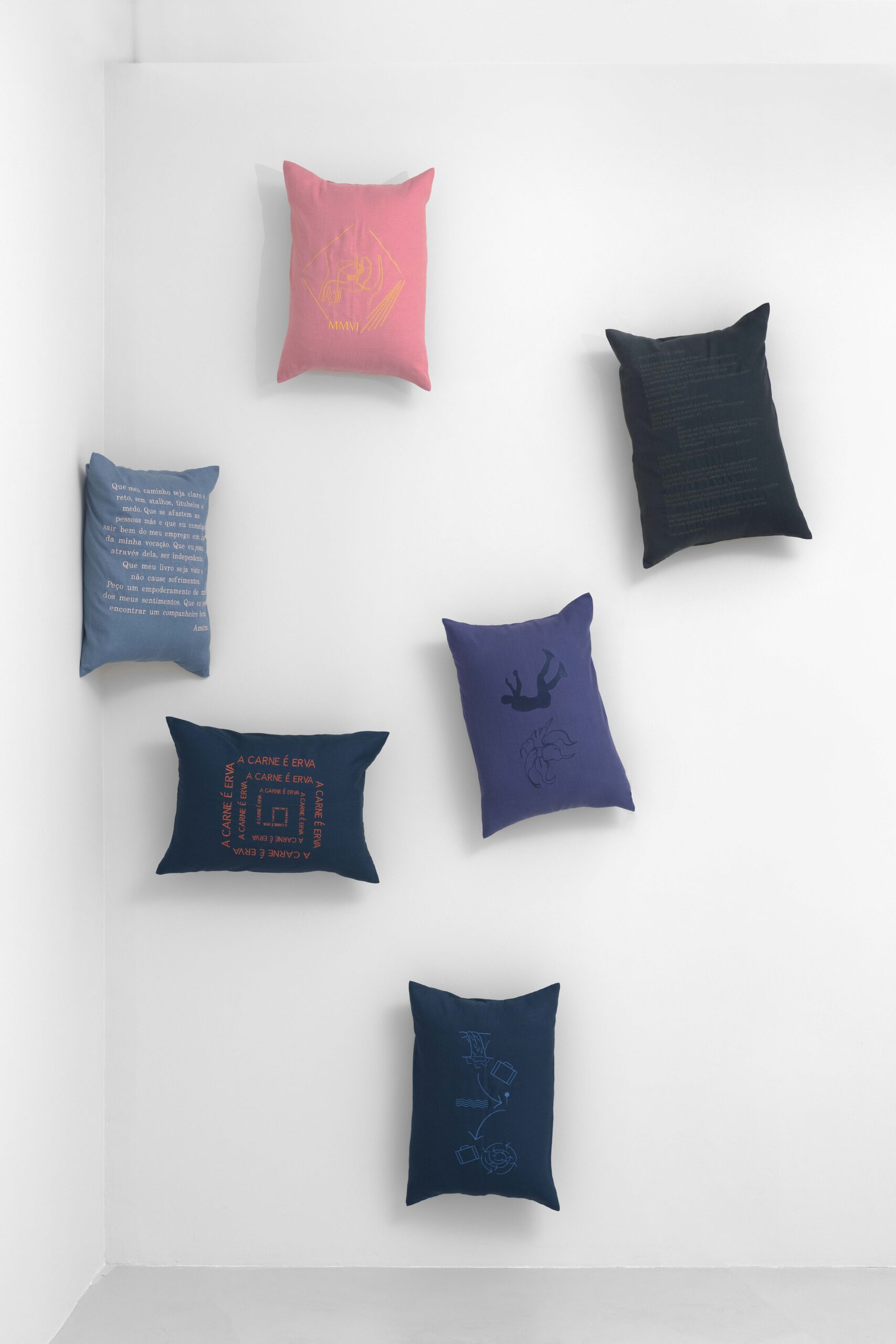
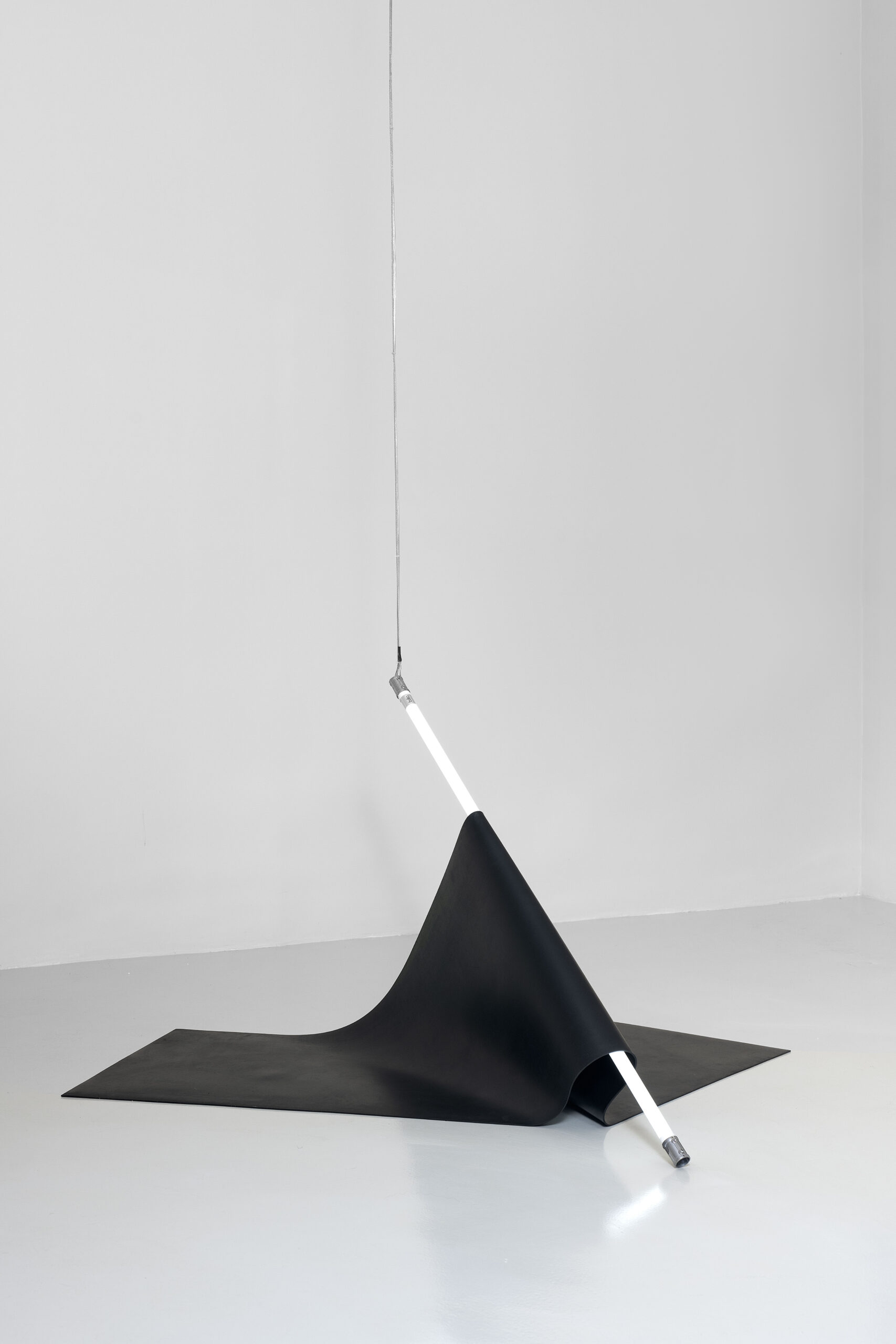
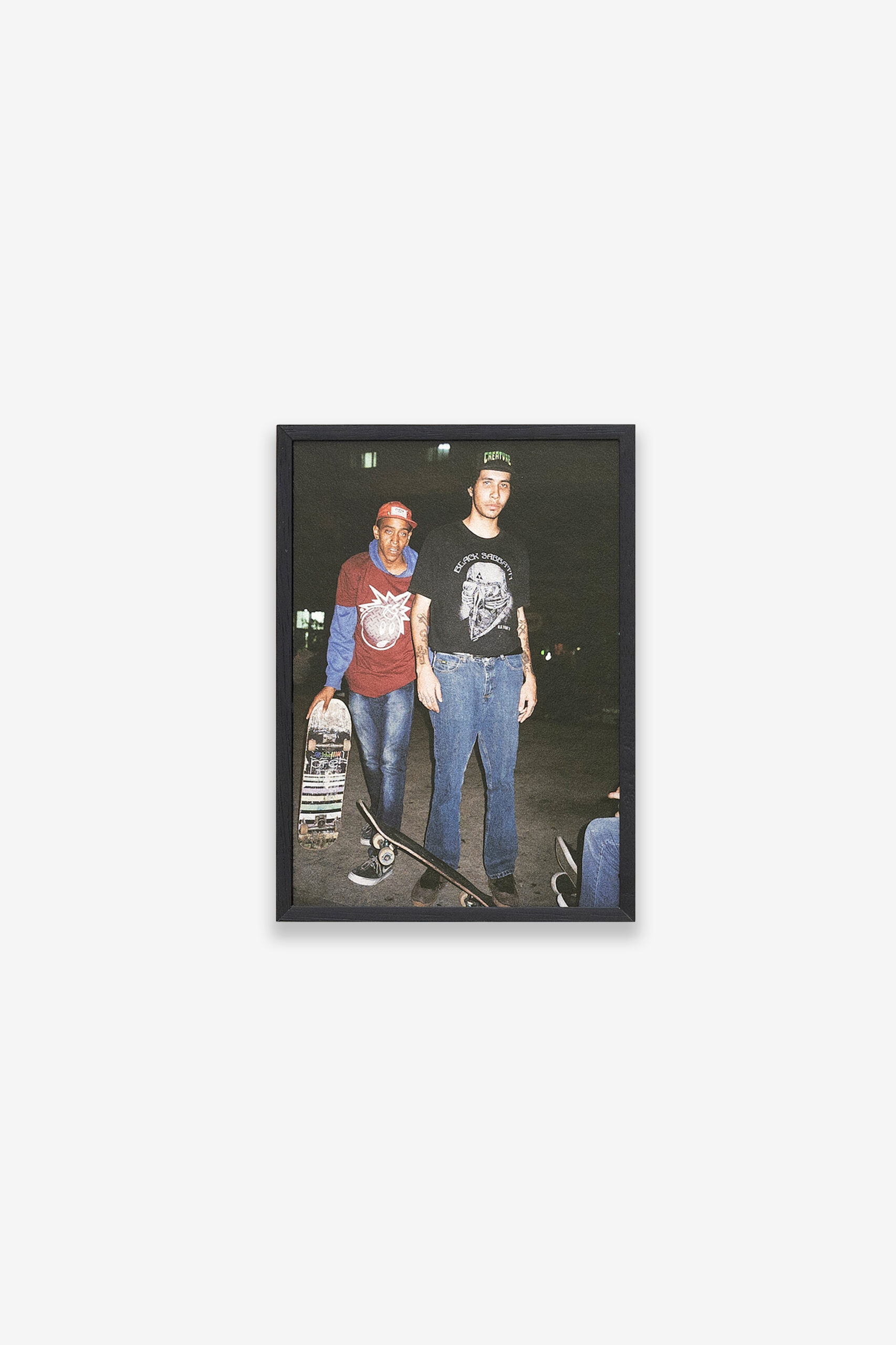
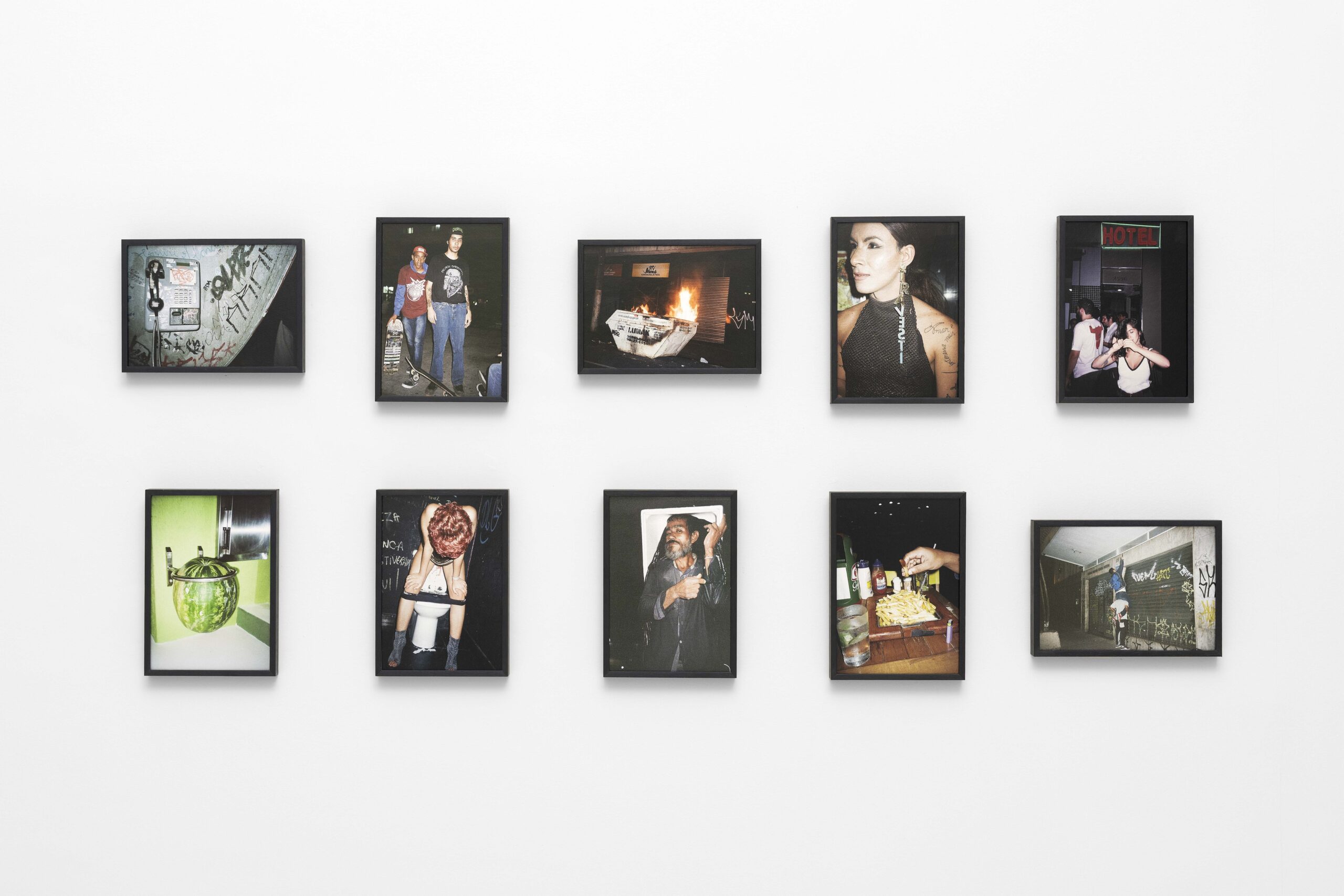
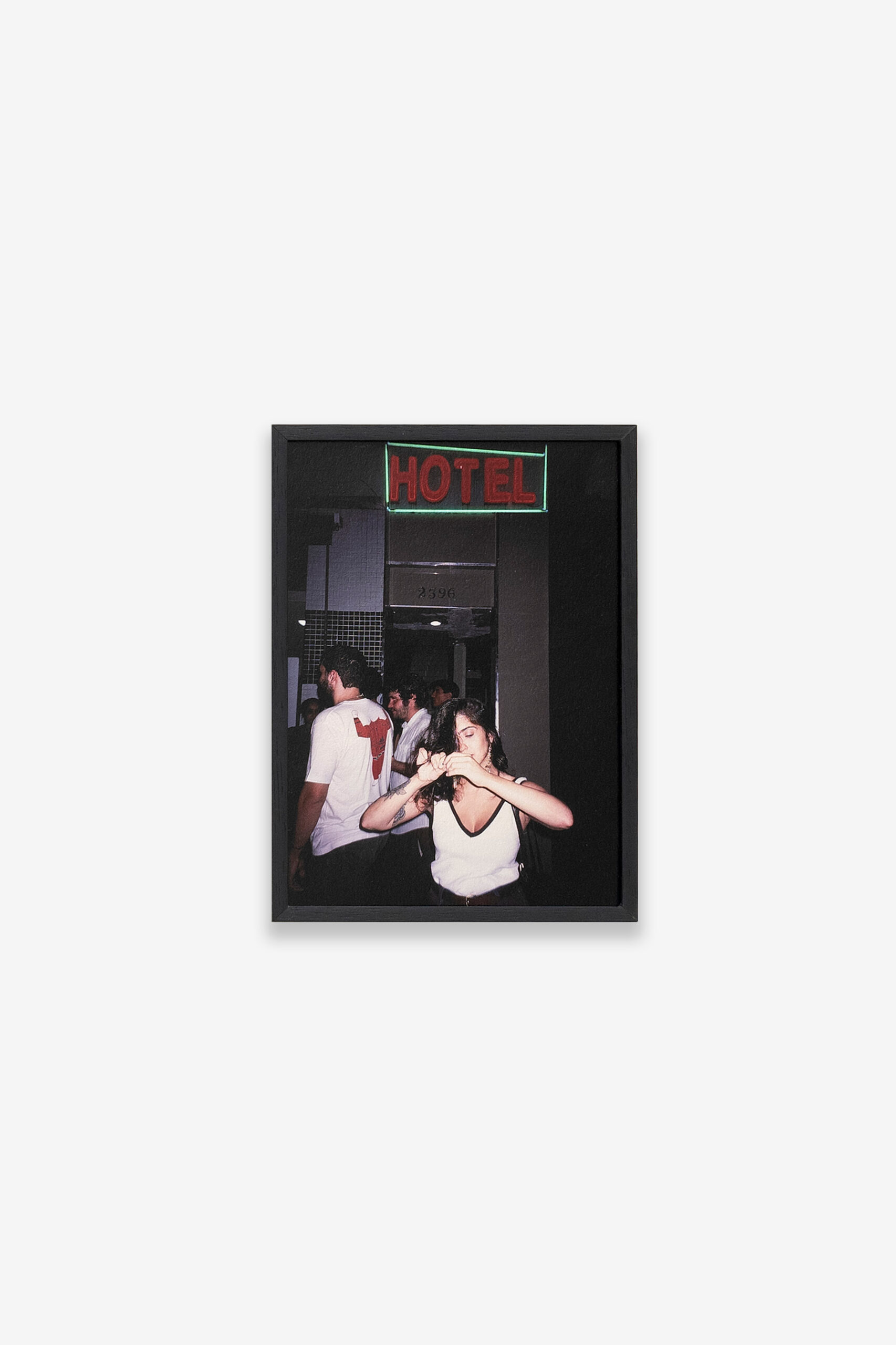
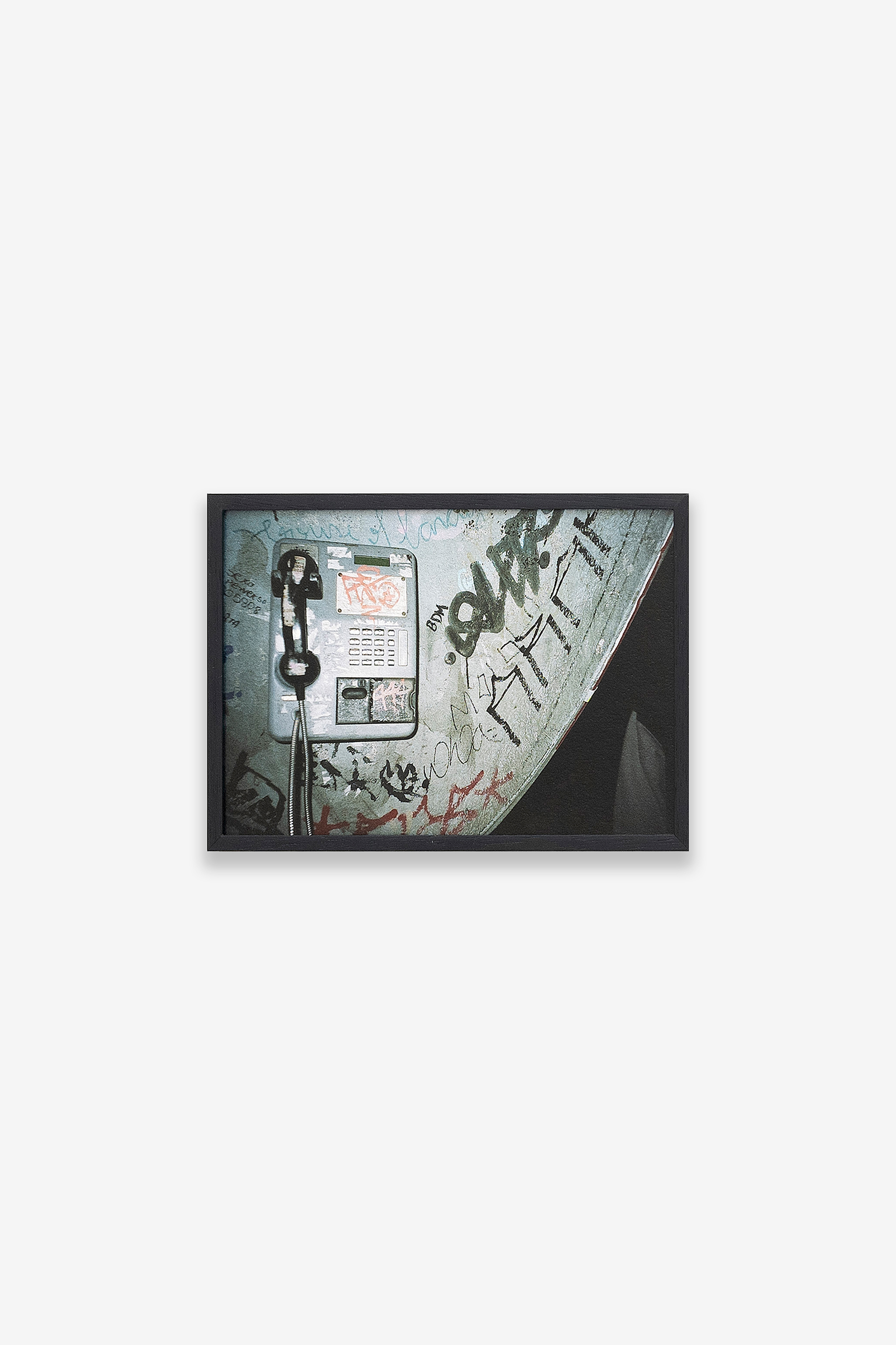
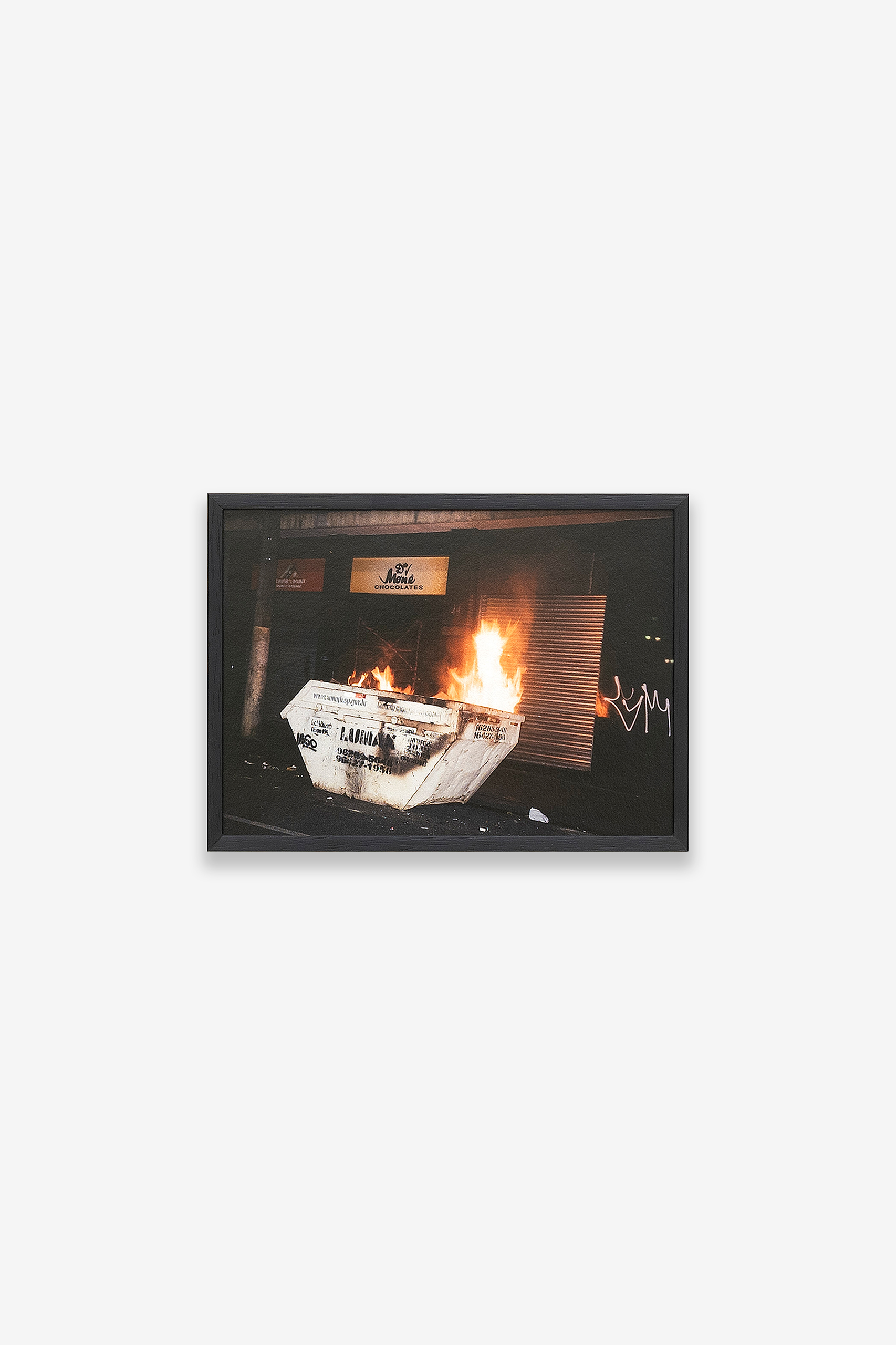
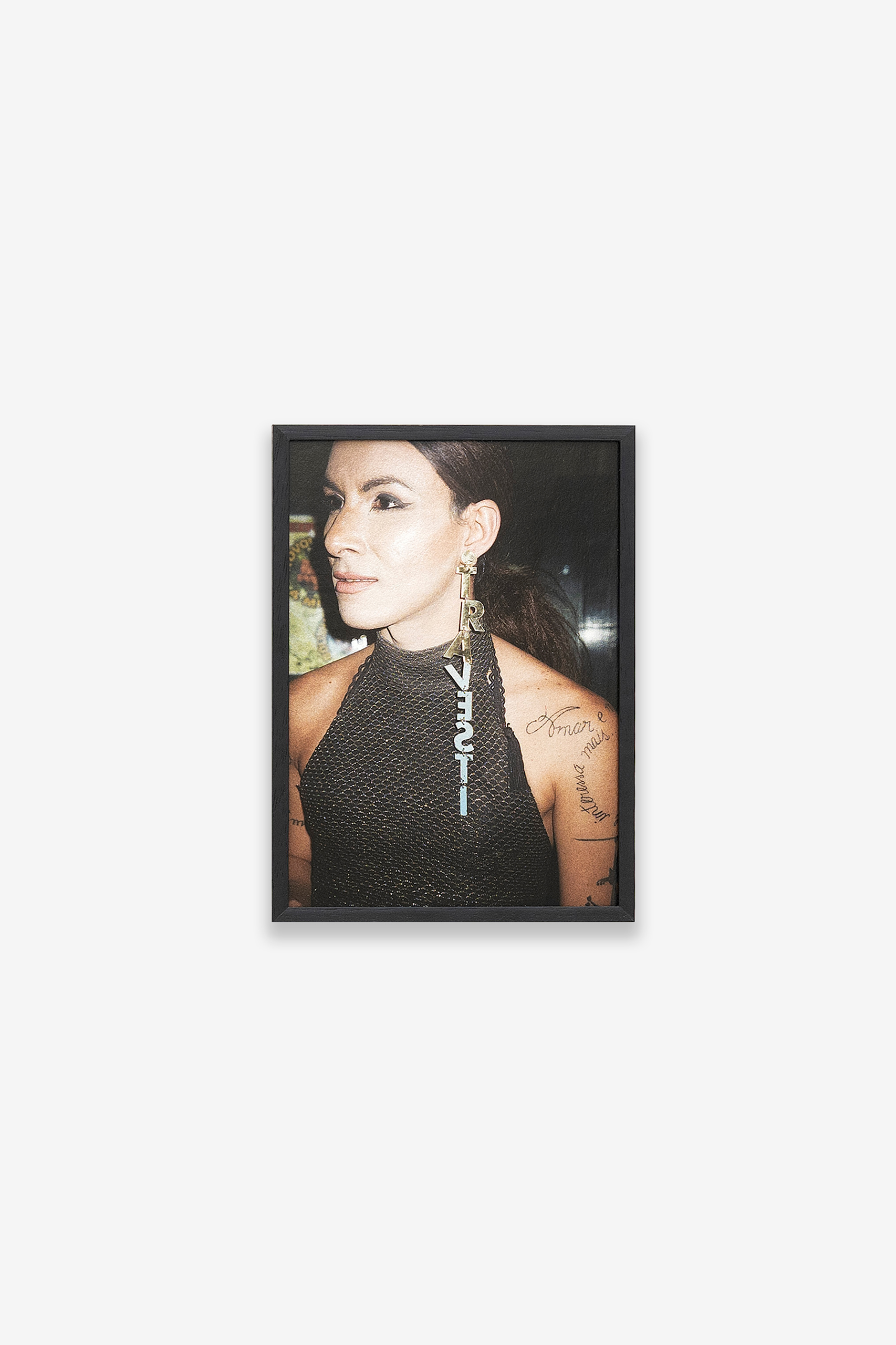
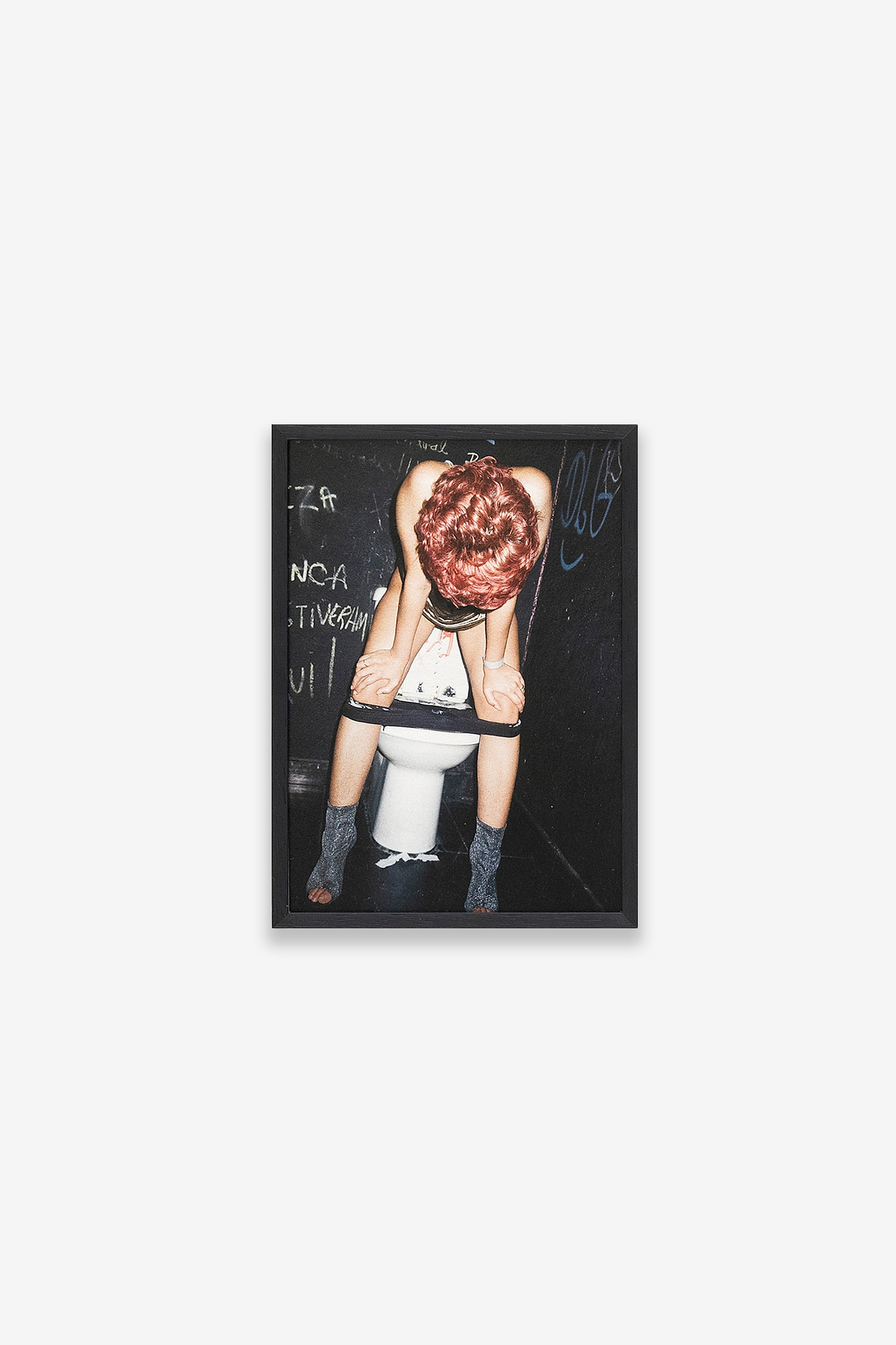
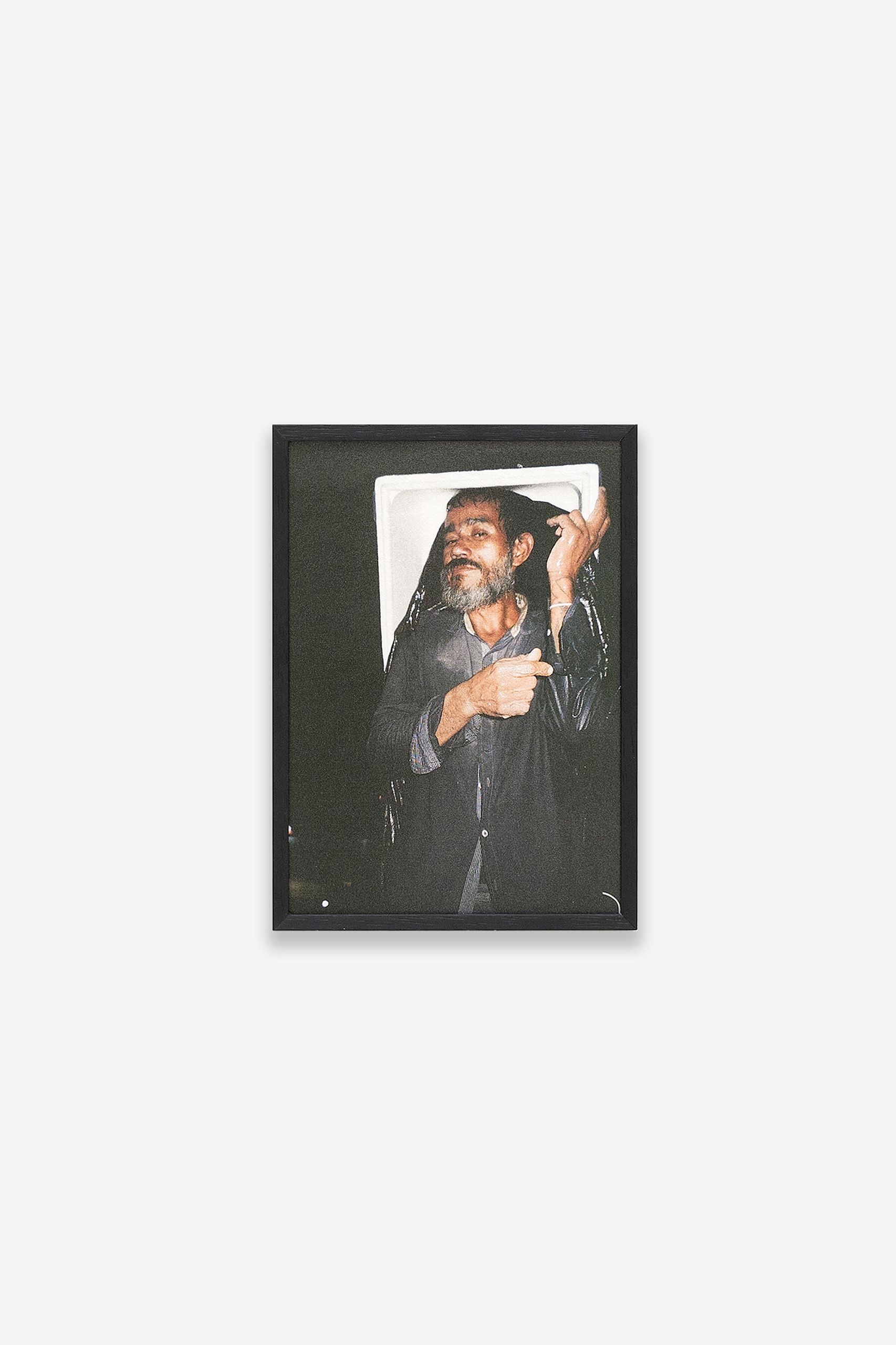
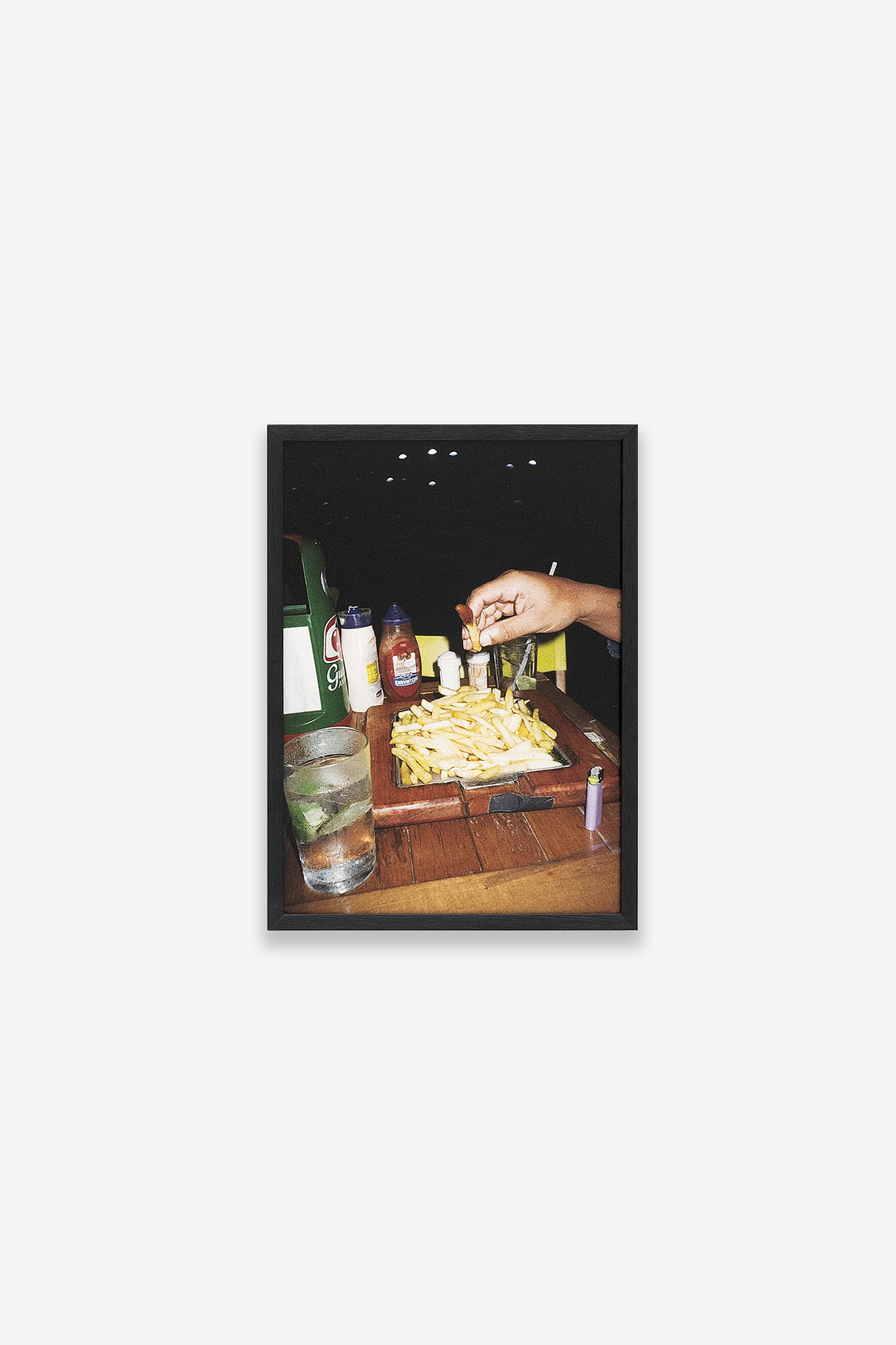
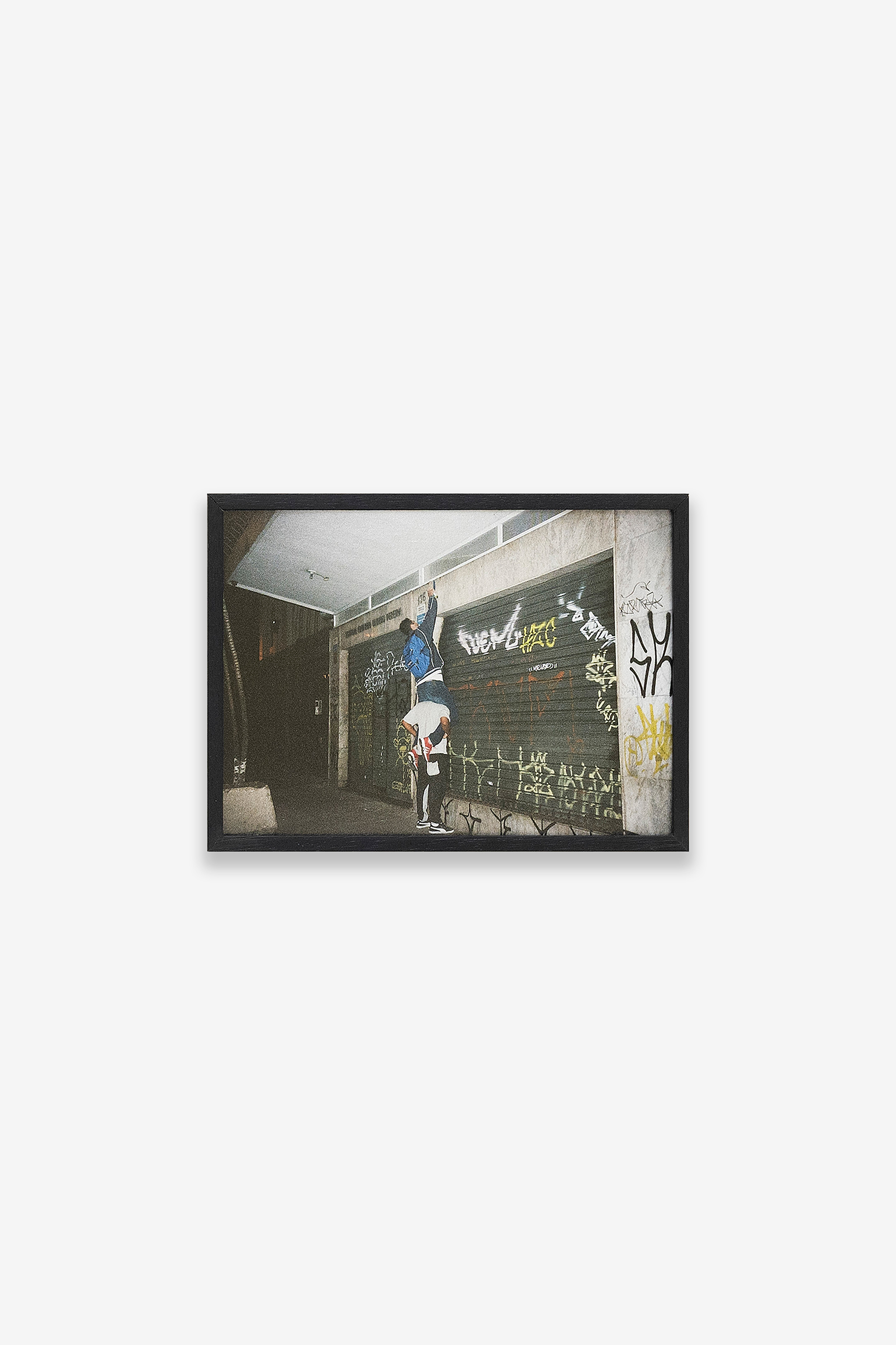
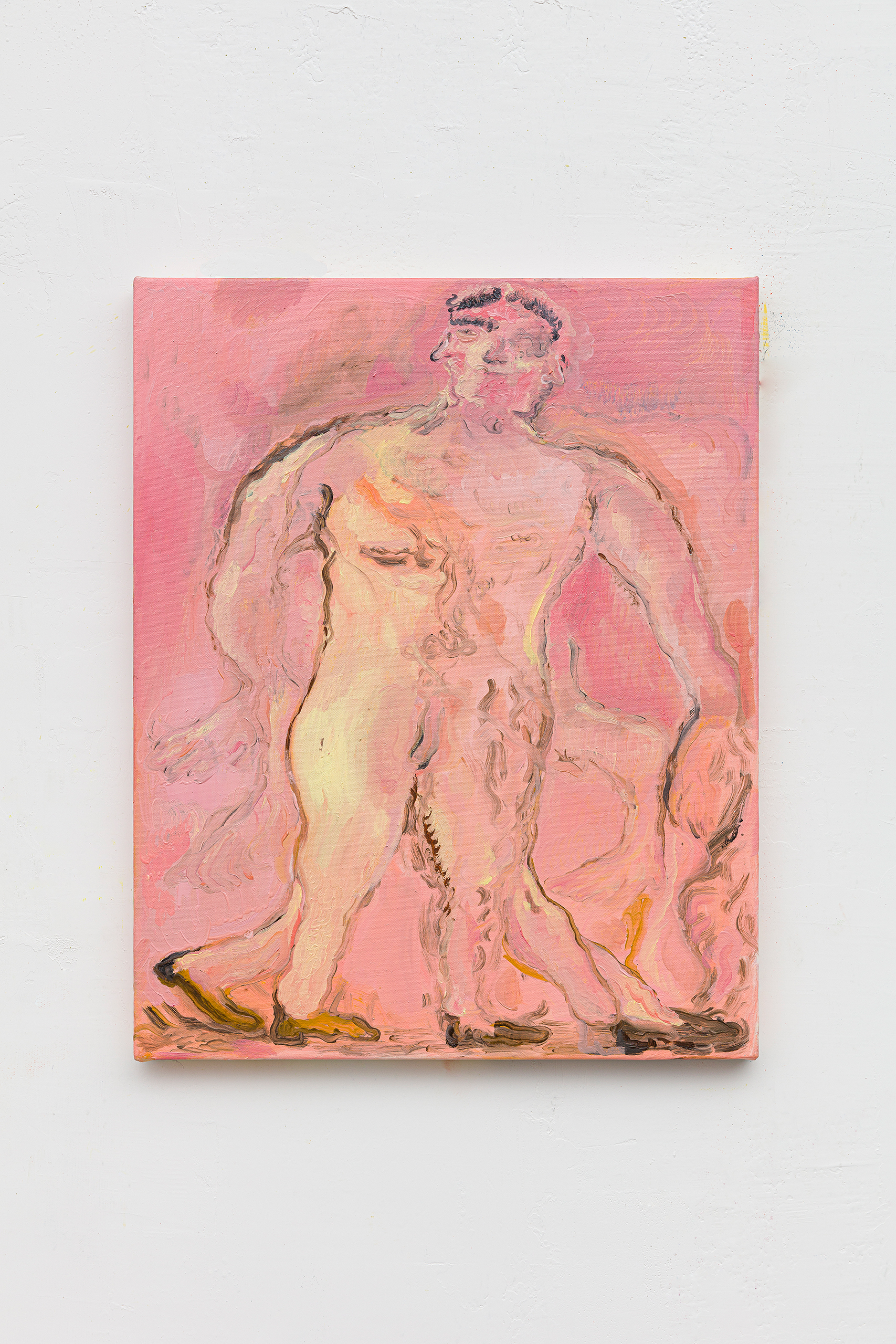
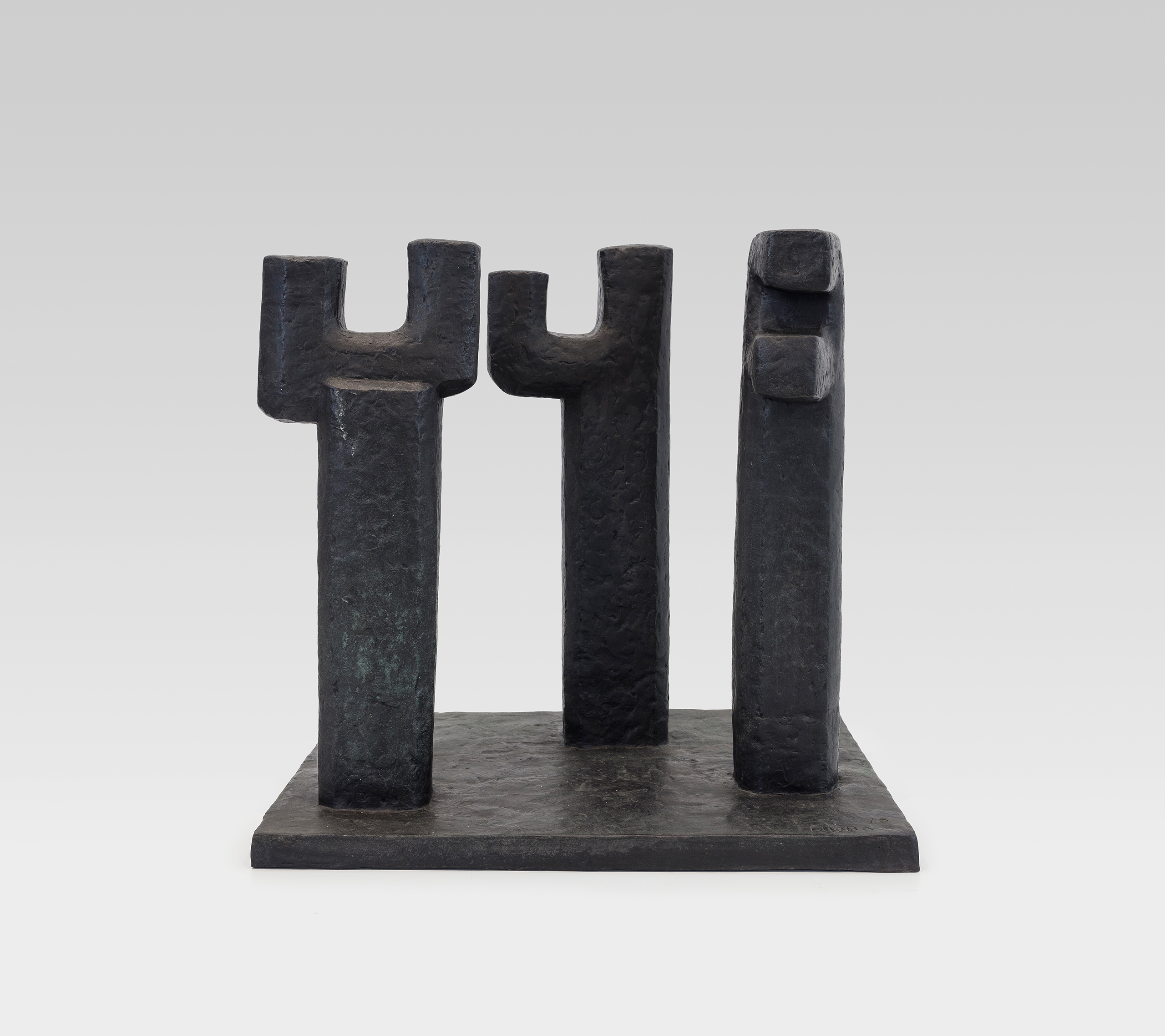
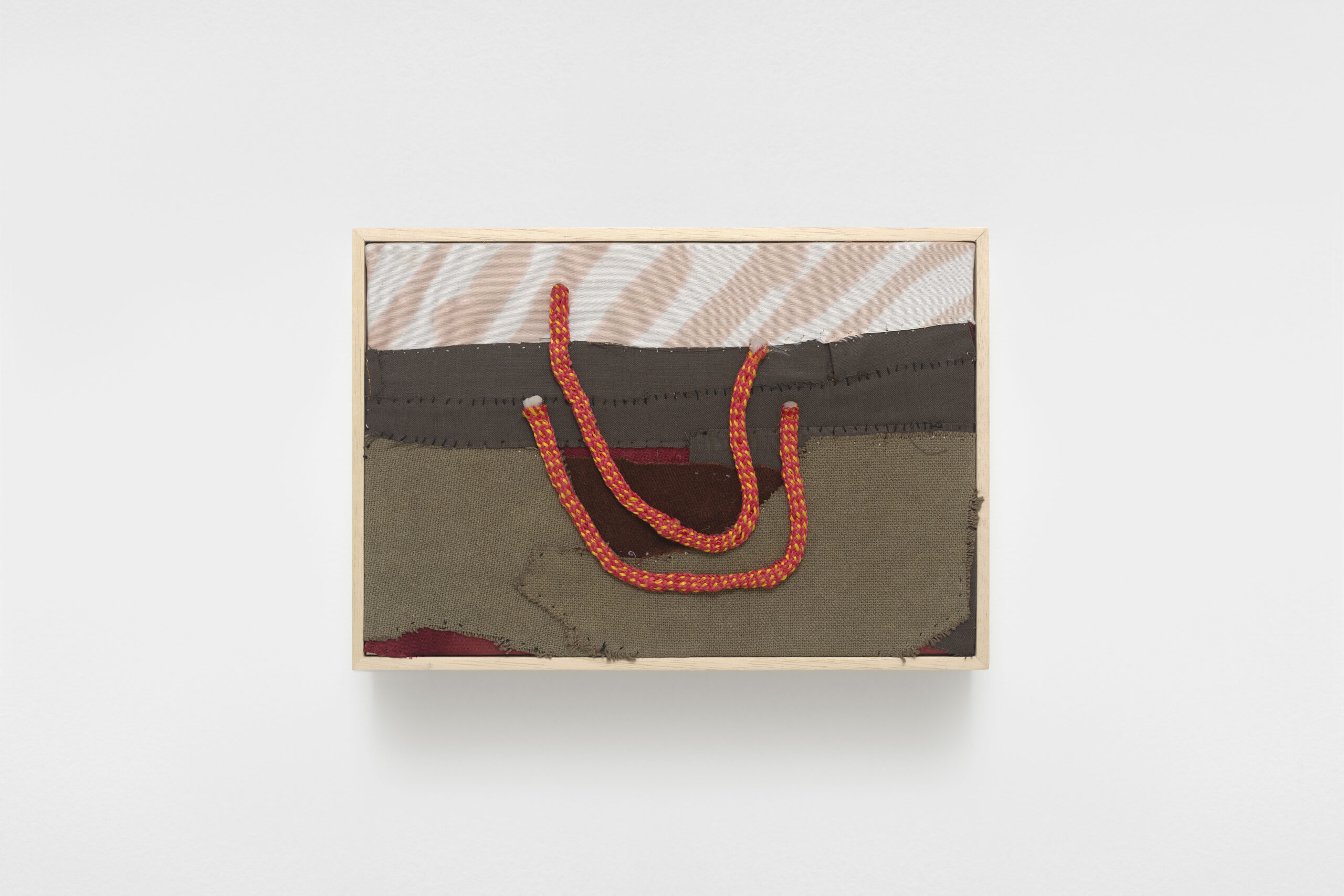
Like the sap in plants, the energy that pulses through the veins of passers-by winds its way through the city’s streets, between its carrion skyscrapers and its viaducts. Between flânerie and exploratory rays, it vibrates in the verses of its poets, lurks in the bottom of empty glasses, in the crumpled sheets of lovers and in the smells captured there. Thus, Karola Braga crystallizes the olfactory essence of a passion, while Hiram Latorre paints its staging in An Idea of Love. Worlds on fire can also be found in Marina Nacamuli’s photographs. Creatures of the street, of the night, of the party, trajectories and crossed gazes, fleeting encounters and eternal exchanges. There is beauty in chaos, in the fires of bodies, in their curves and potential links, as Allan Gandhi also seems to suggest in his intuitive and expressive painting, and Matheus Chiaratti with his Ricardo-Lázaro installation. In it, the artist invokes the ghost of gay magazine model Ricardo Villani, who died suddenly from his rise to his fall. Between Eros and Thanatos, sacred and profane, Chiaratti also dialogues with Manuela Costa Lima’s sculpture Livre arbítrio, which tensions the concepts of light and darkness, discarded and resignified objects, transcending and filling the void that exists between bodies and the city that surrounds them.
Between underworlds and jouissance; games, parties and masquerades, madness, nature and freedom, the artists featured in Weeds talk about pulsating blood, the erotic, emotions and dance. They foment insurrections and guide us through the dark alleys of Babylon, the avenues covered in glitter, confetti and empty bottles, or the muddy trails of the forest.
They exalt the Dionysian, the disorder of reality, the disruptive and transgressive power of art without which we suffocate; the freedom from which it springs and provides new air. Like vines and weeds that grow, sinuous and infiltrating the smooth surface of conventions, setting in motion the still waters of bourgeois life, piercing and breaking up the sidewalk of our sidewalks.
Julie Dumont