New Mucosa Garden
Diambe
curated by Catarina Duncan
August 13, 2022 - October 15, 2022
São Paulo
“living things,
which belong to no one
because they belong to everyone,
are insubordinate“
[Diambe]
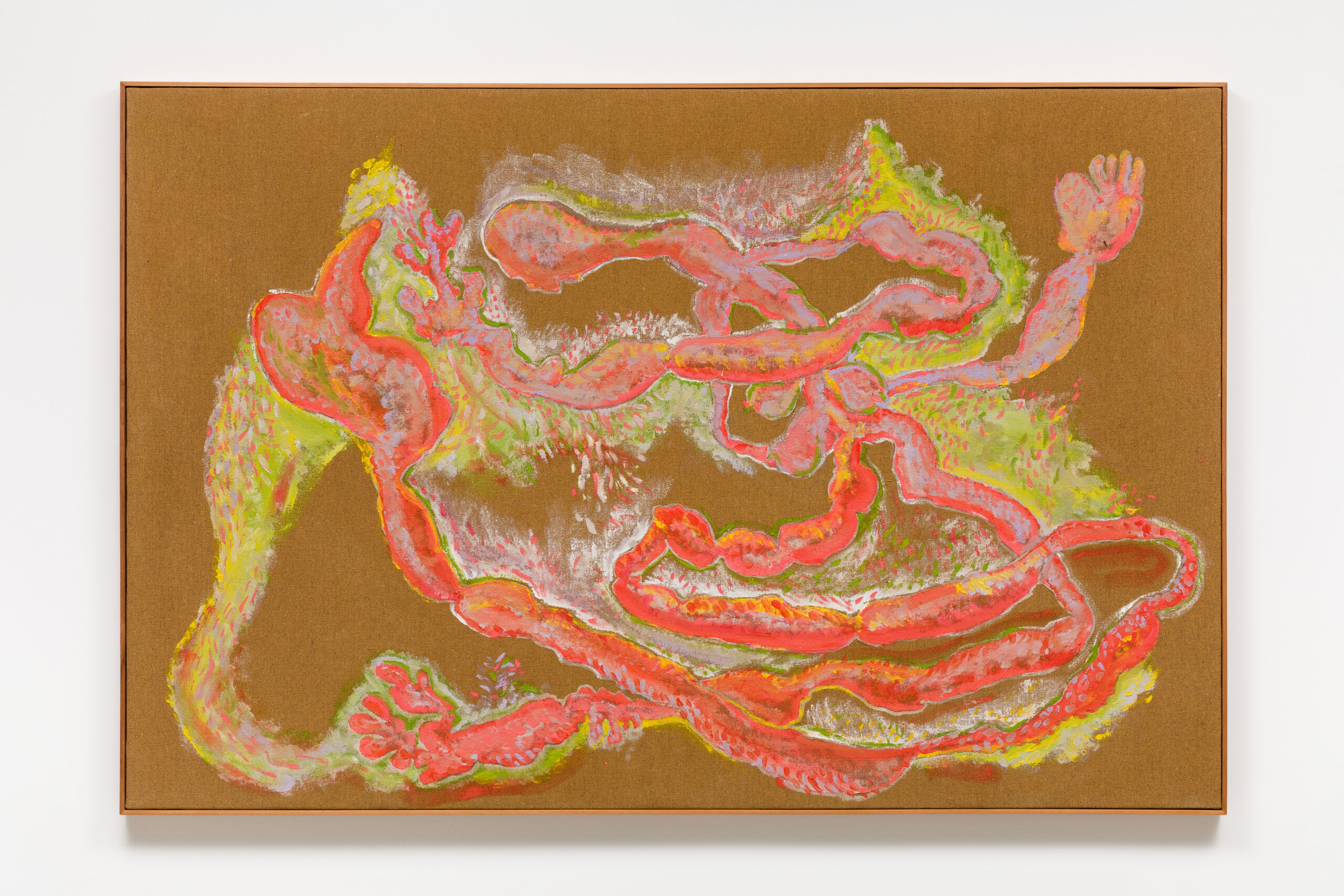
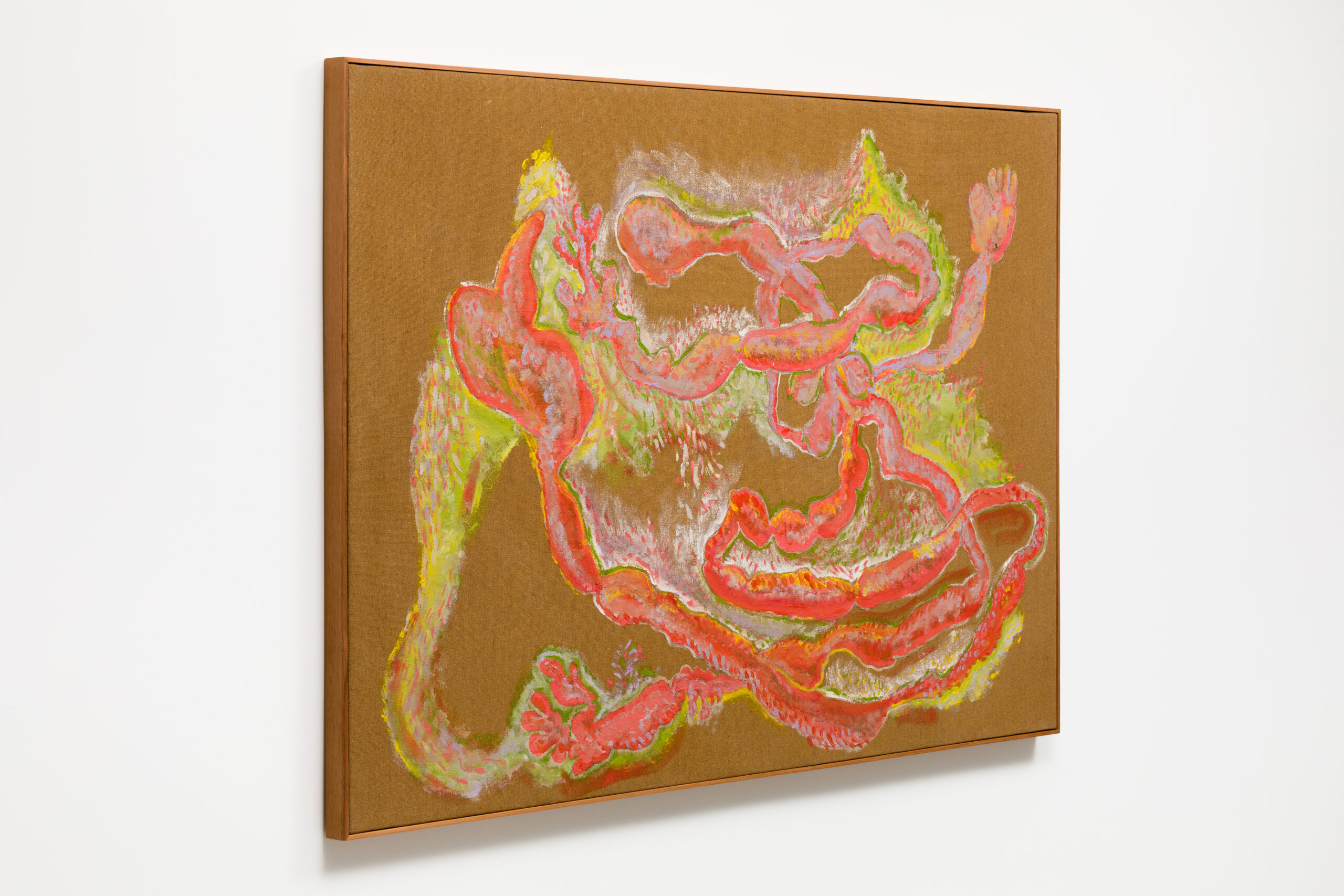
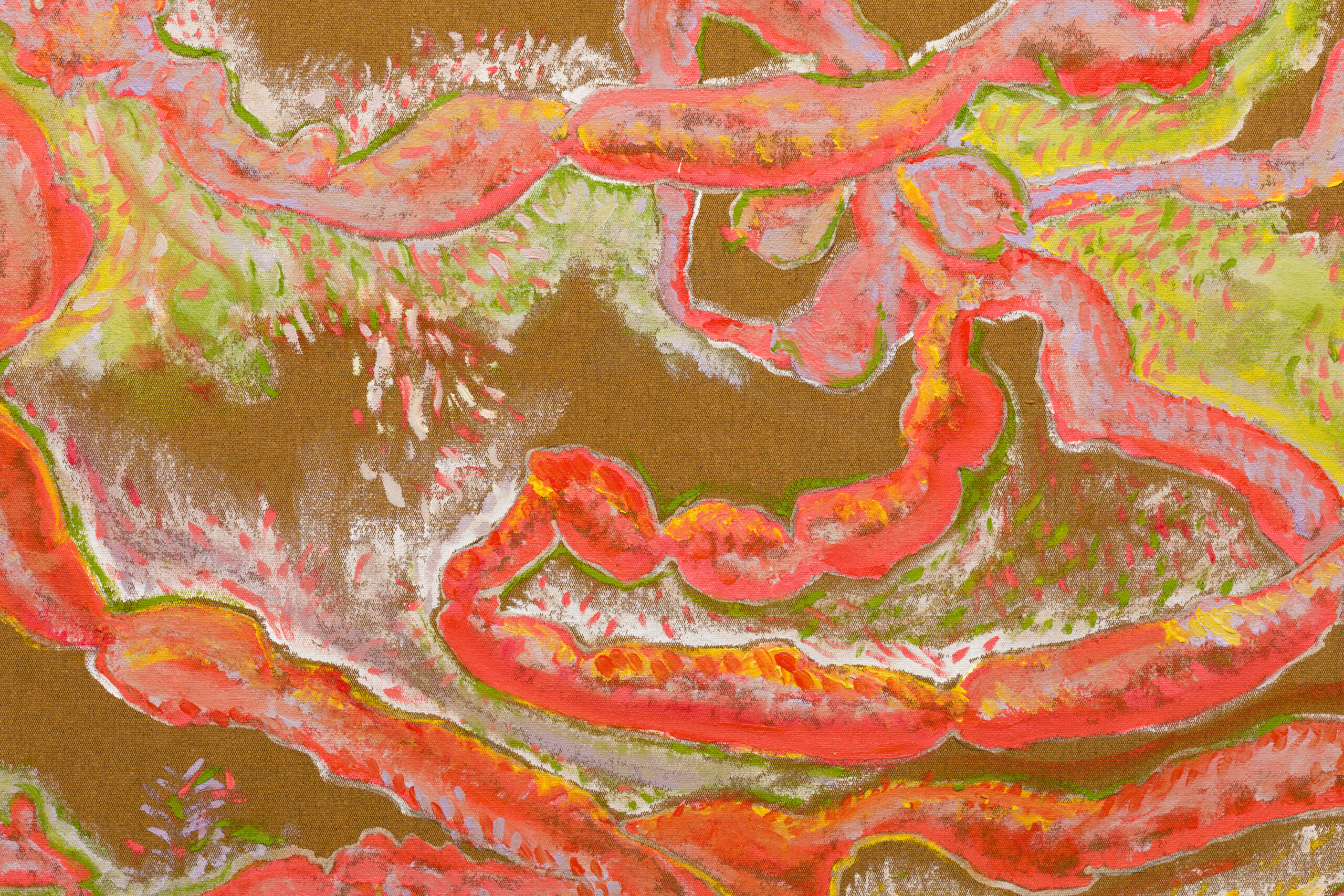
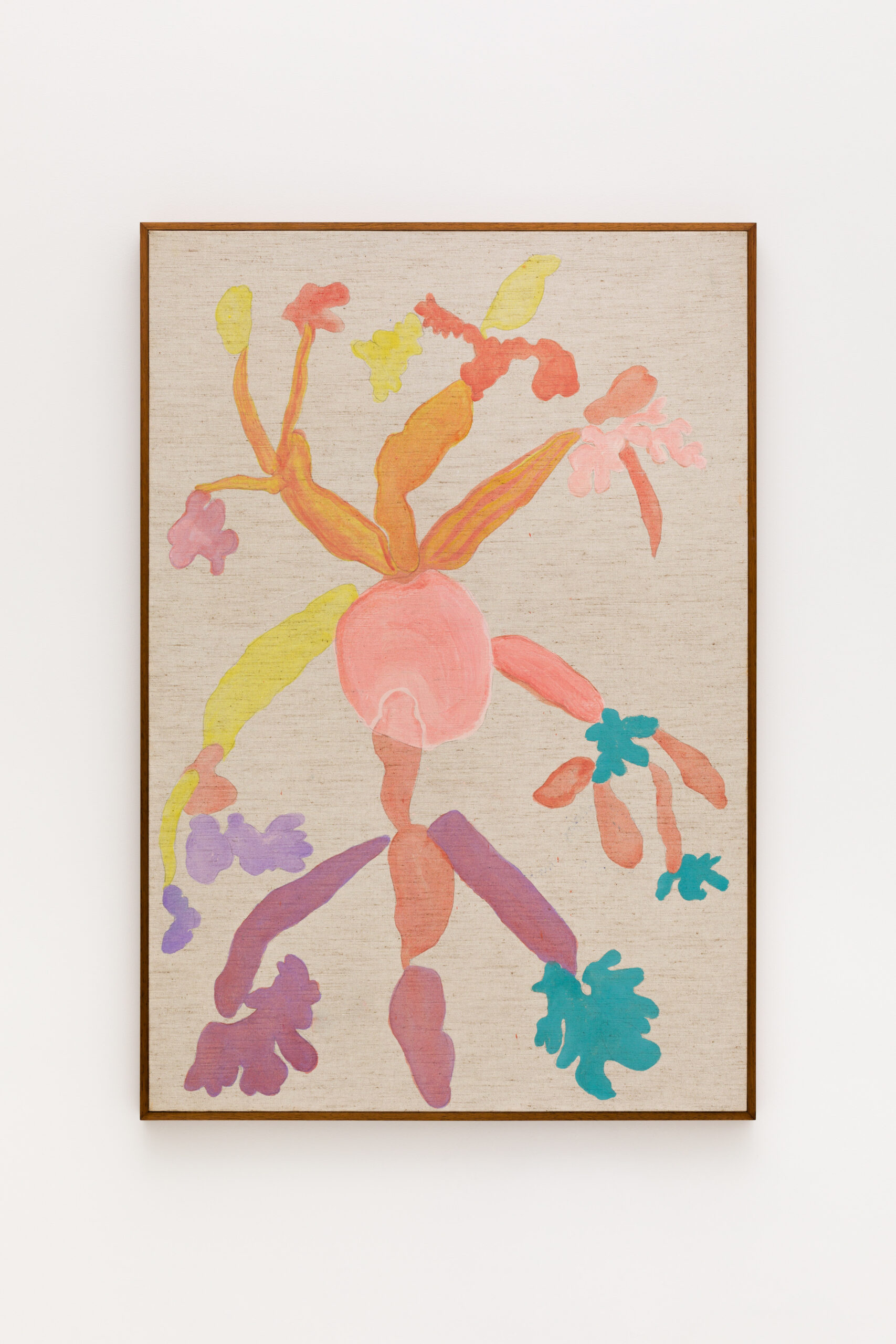
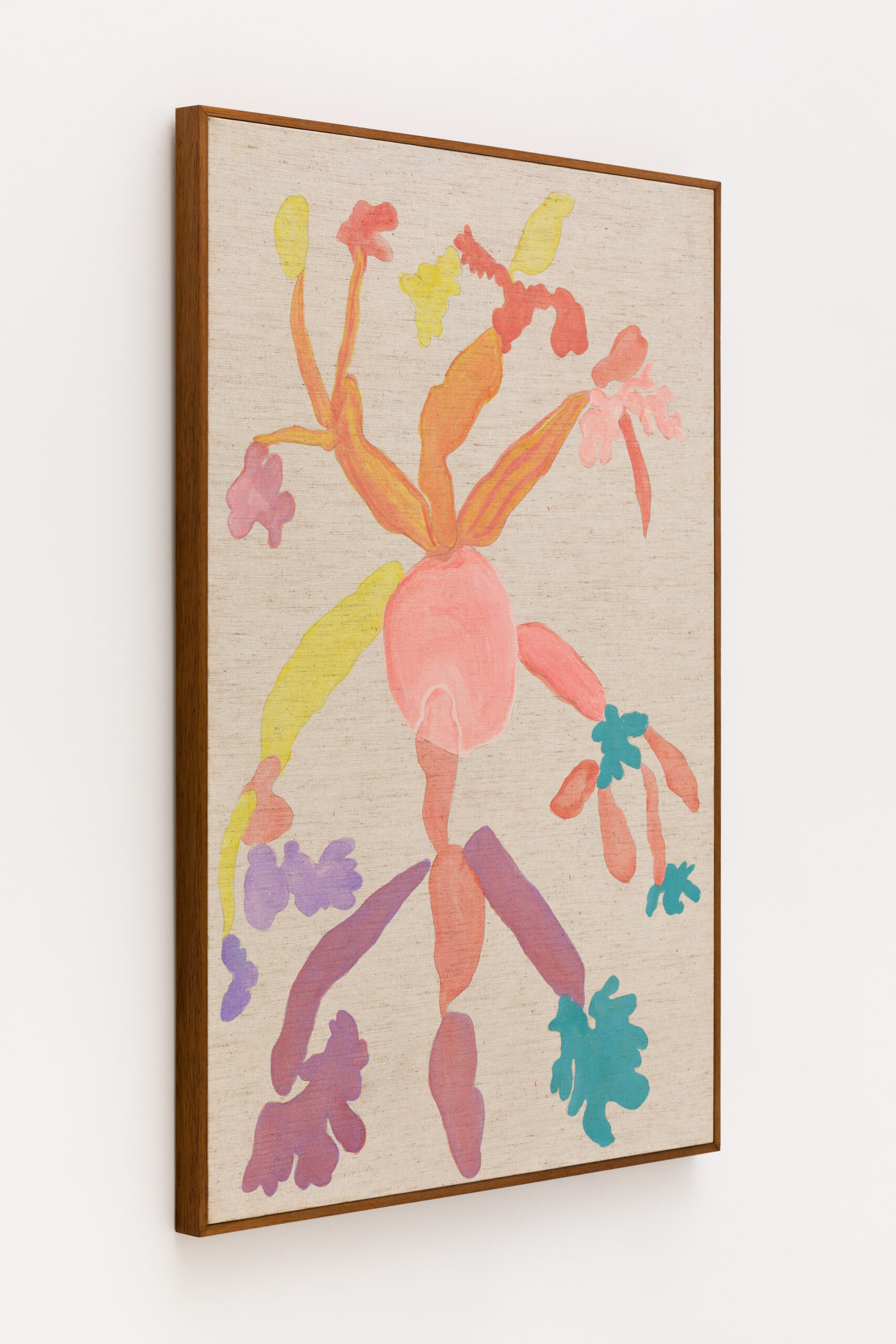
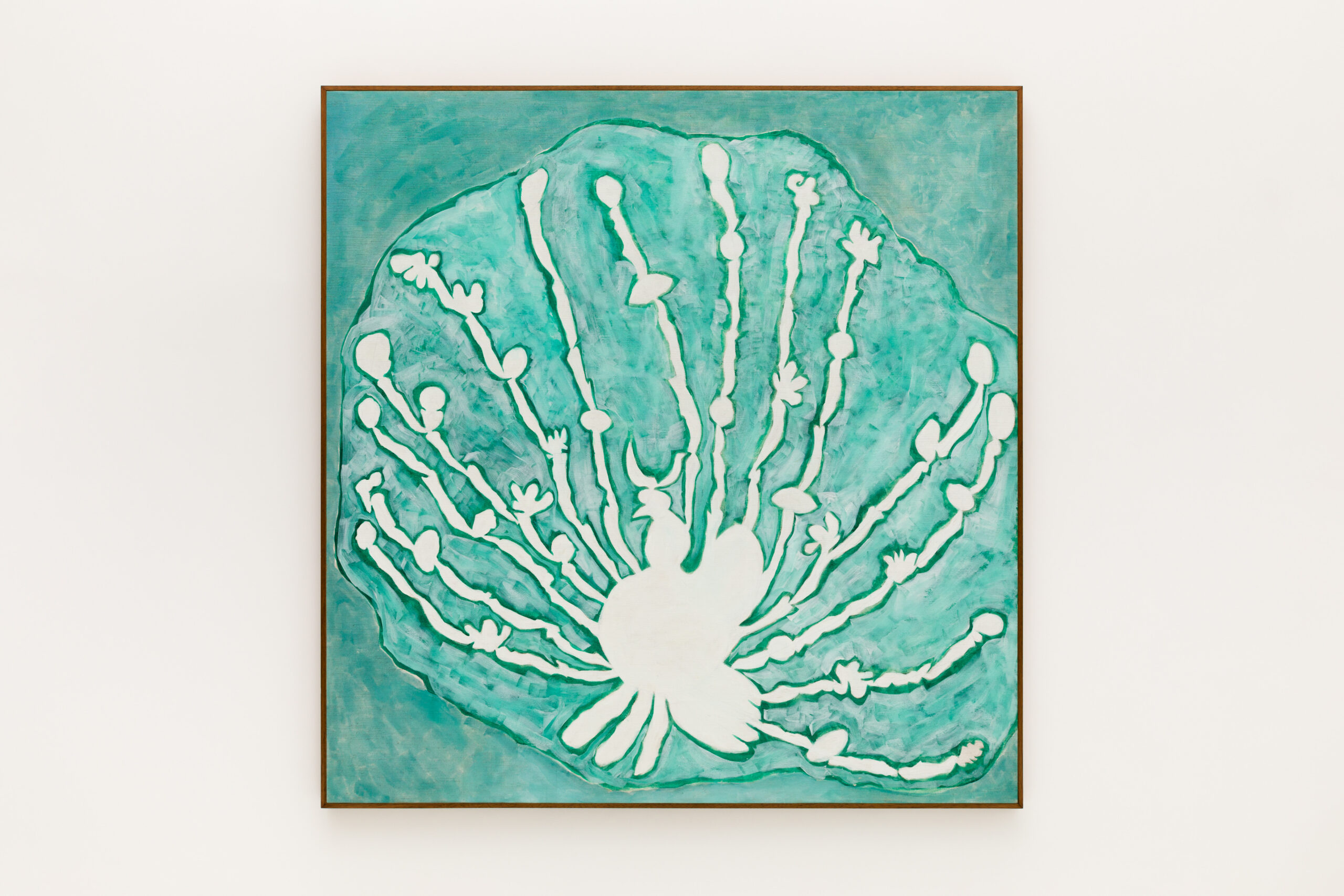
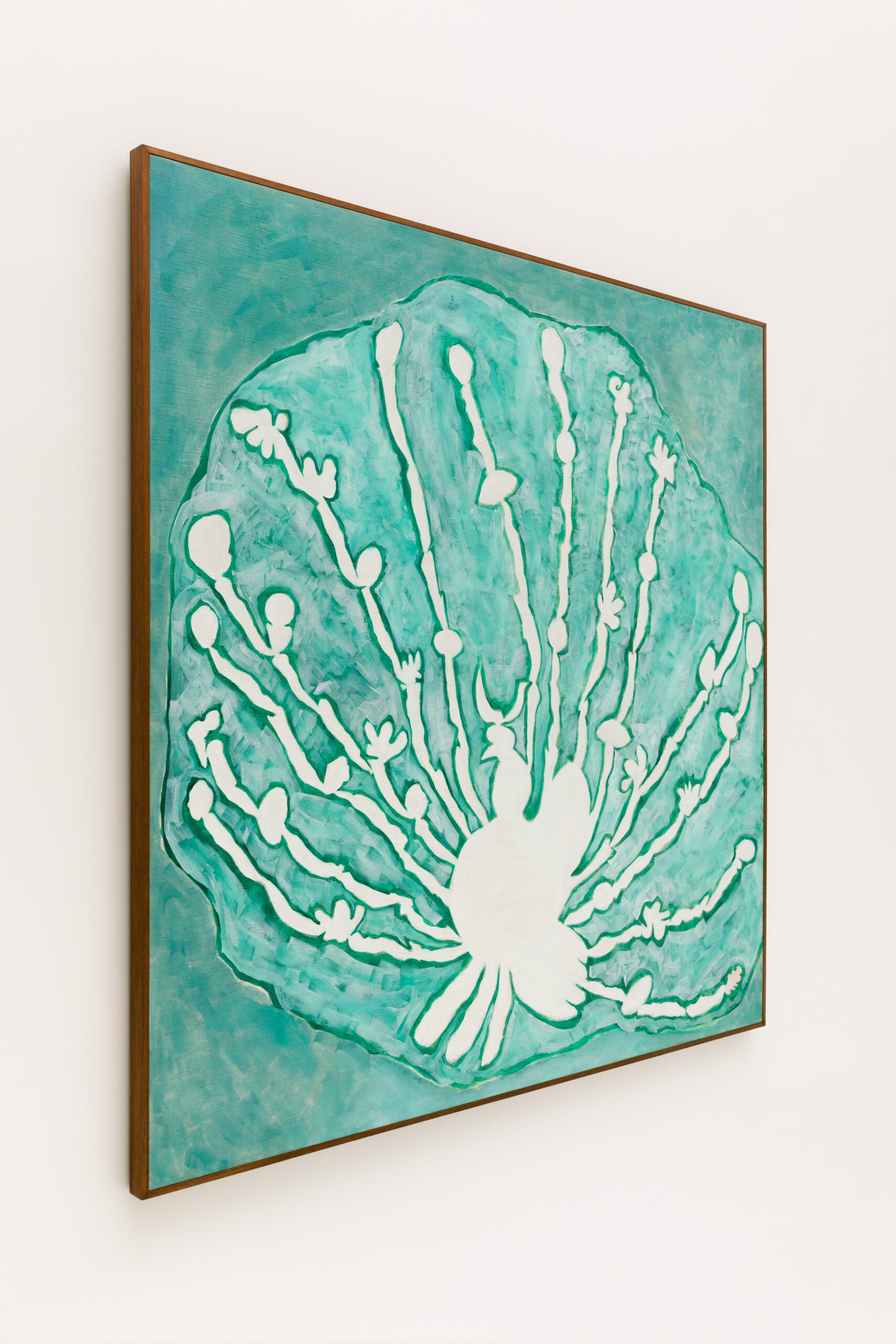
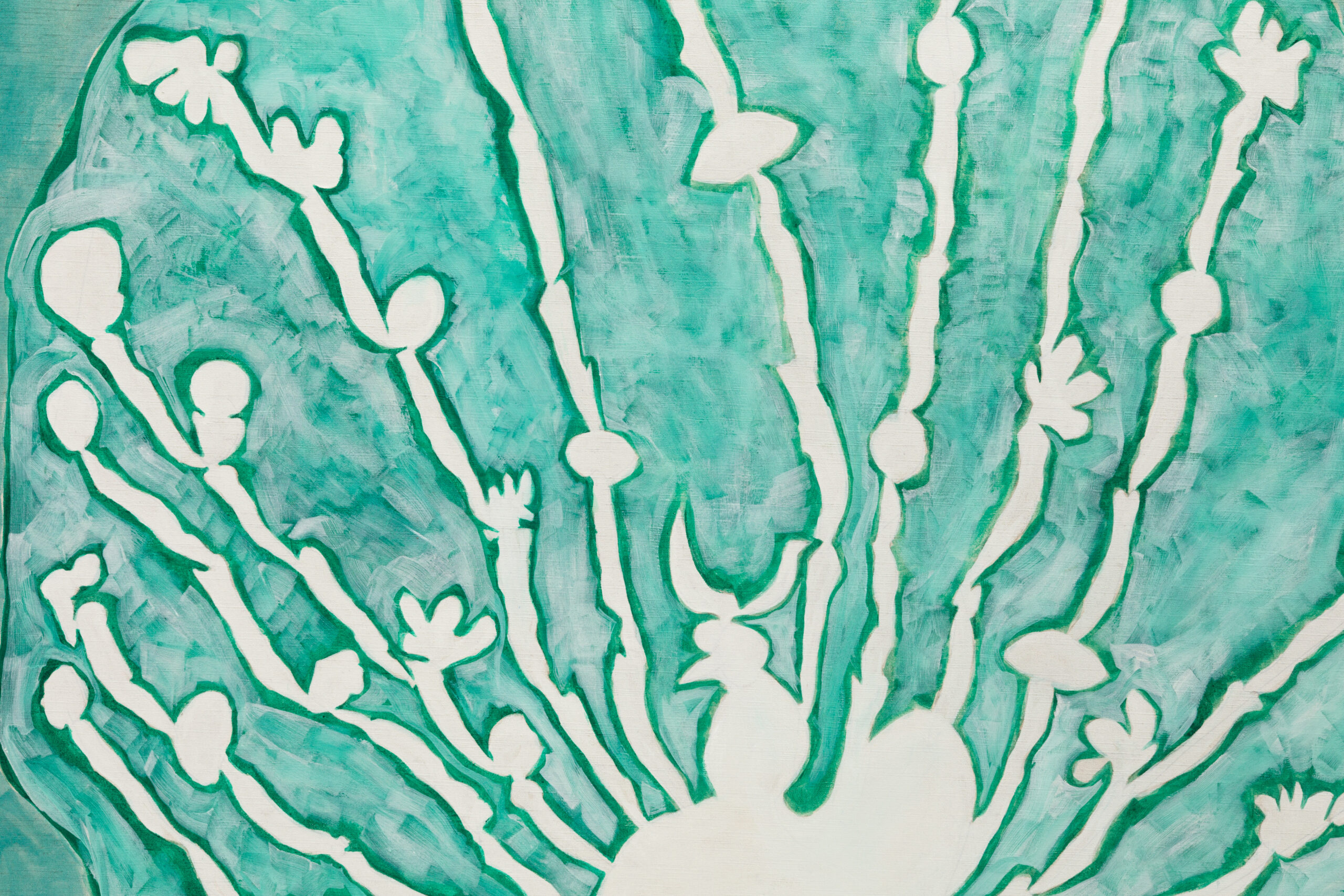
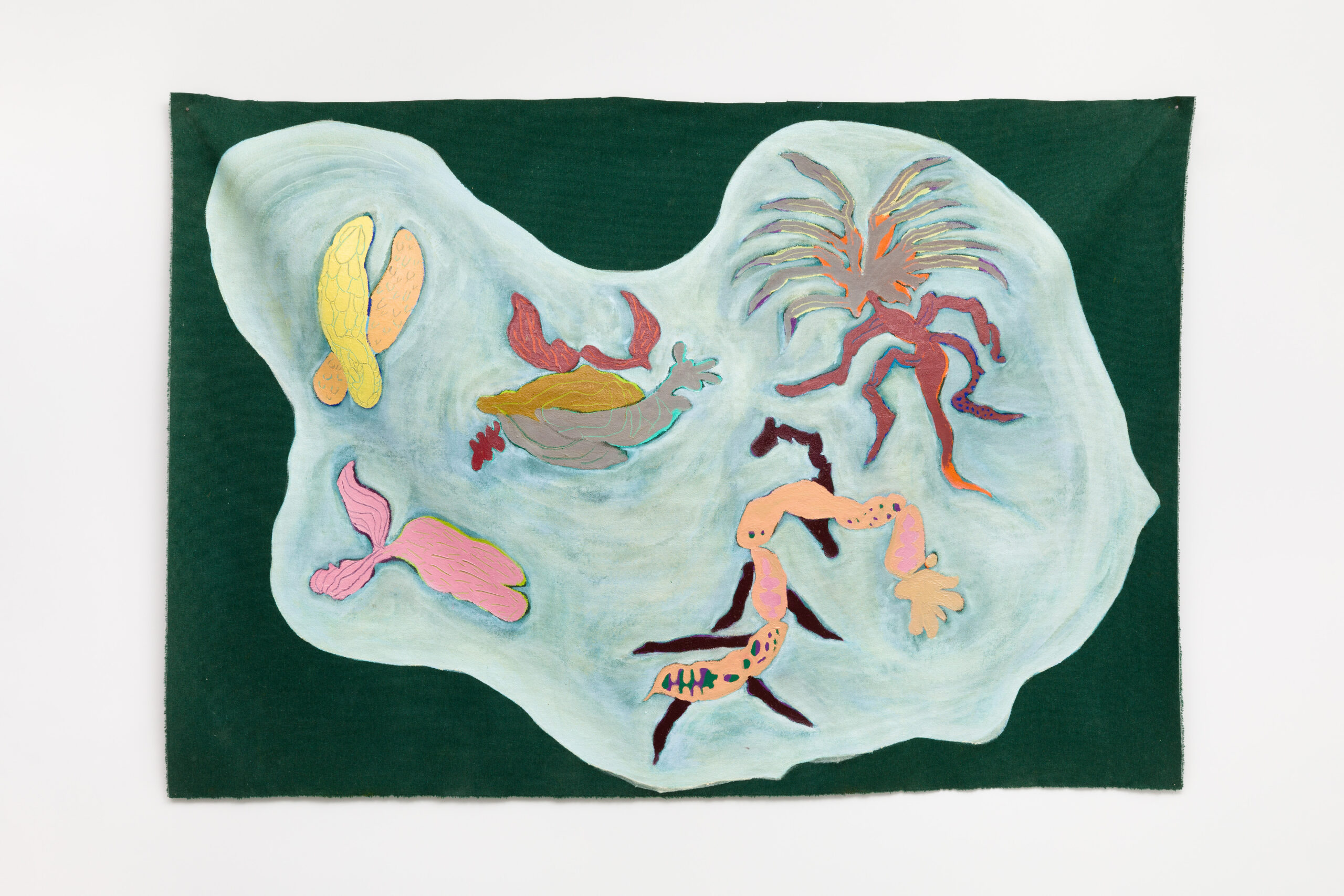
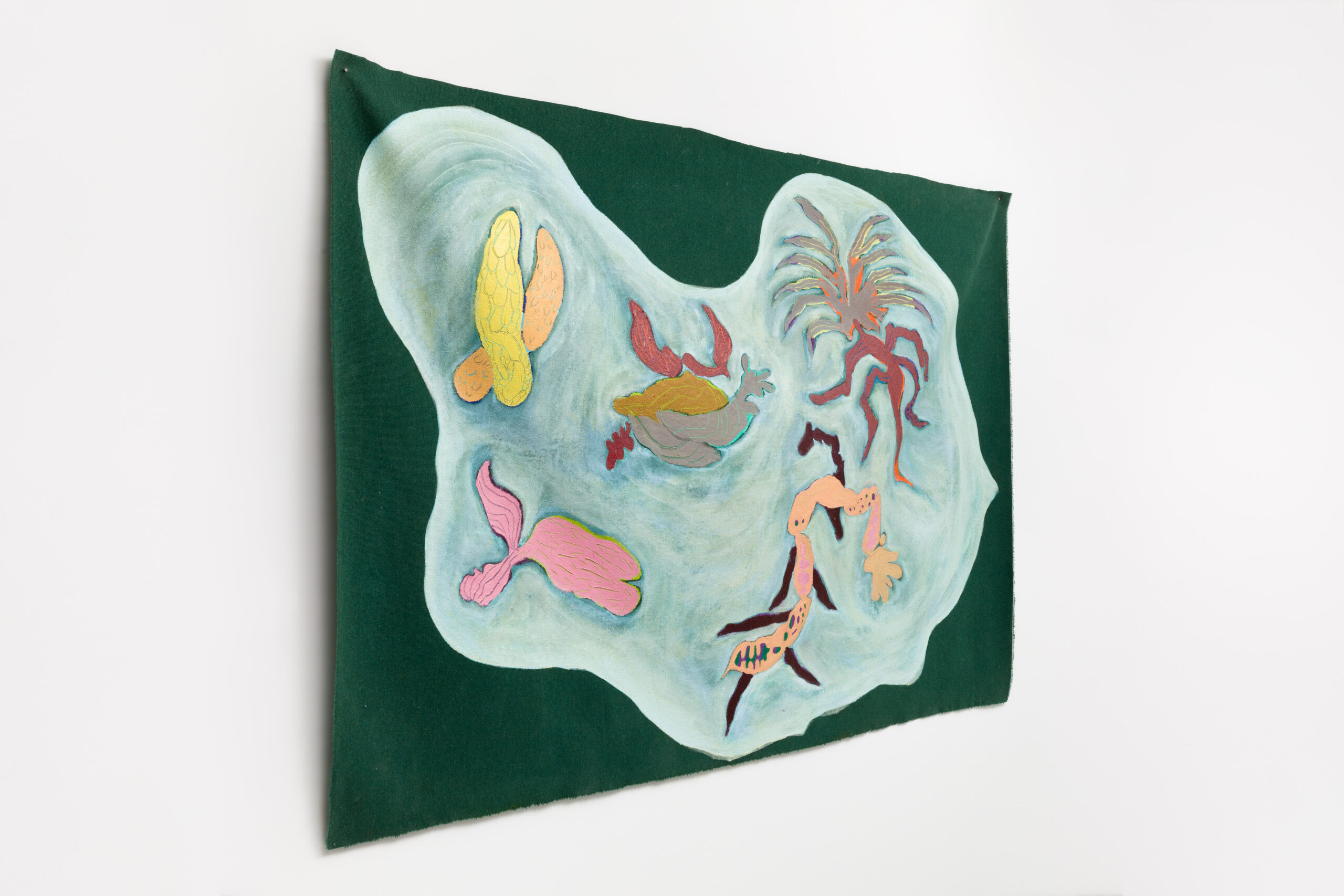
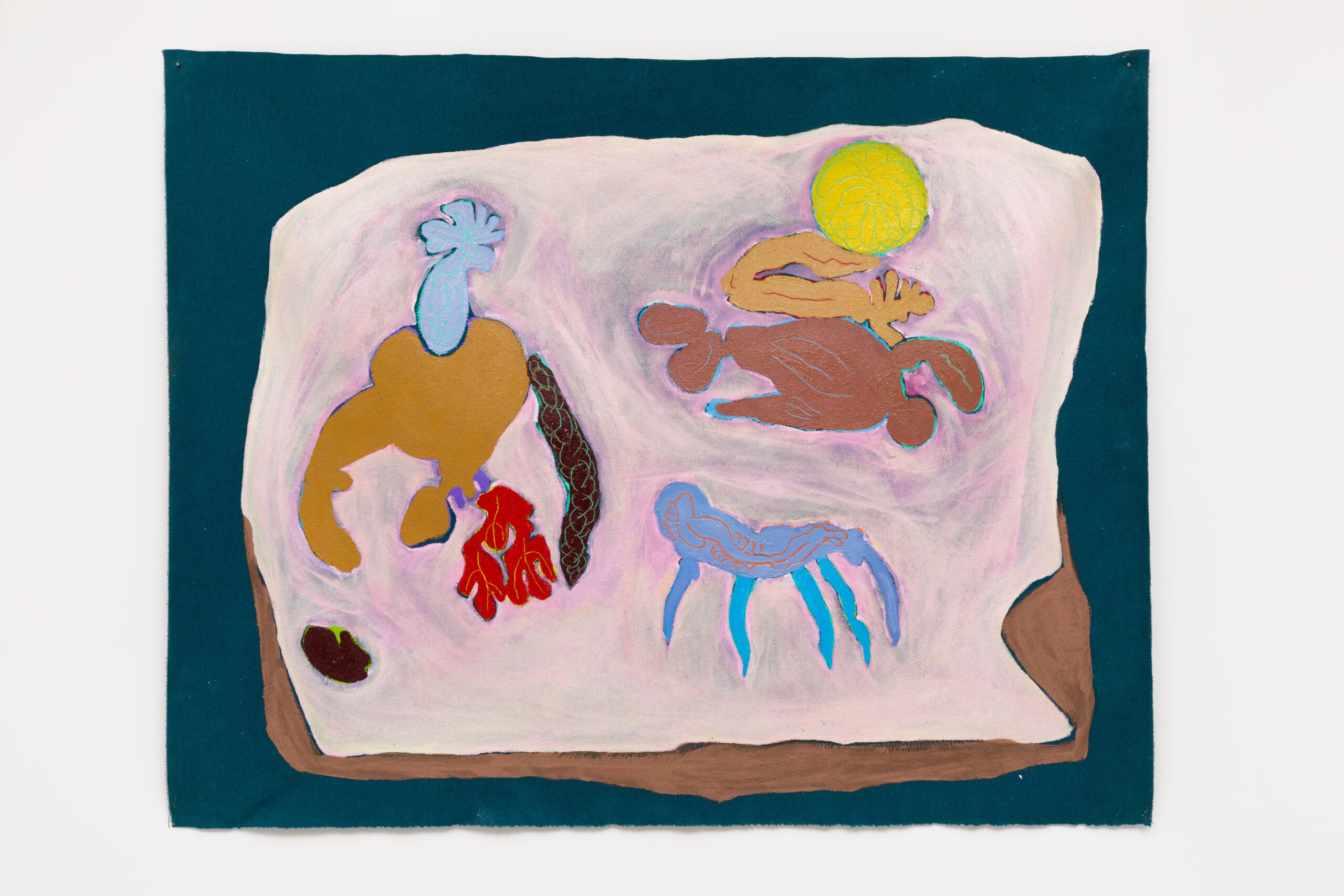
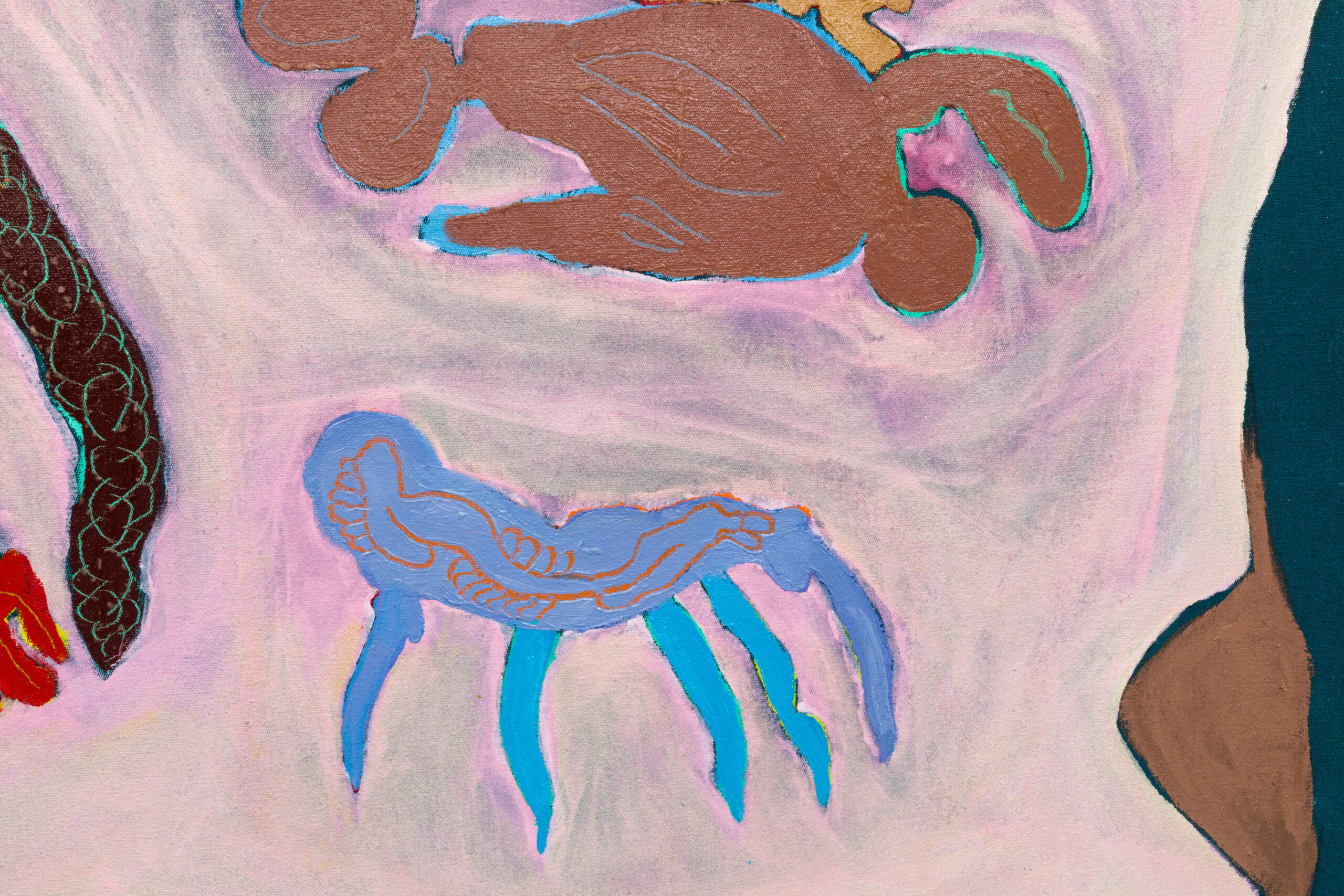
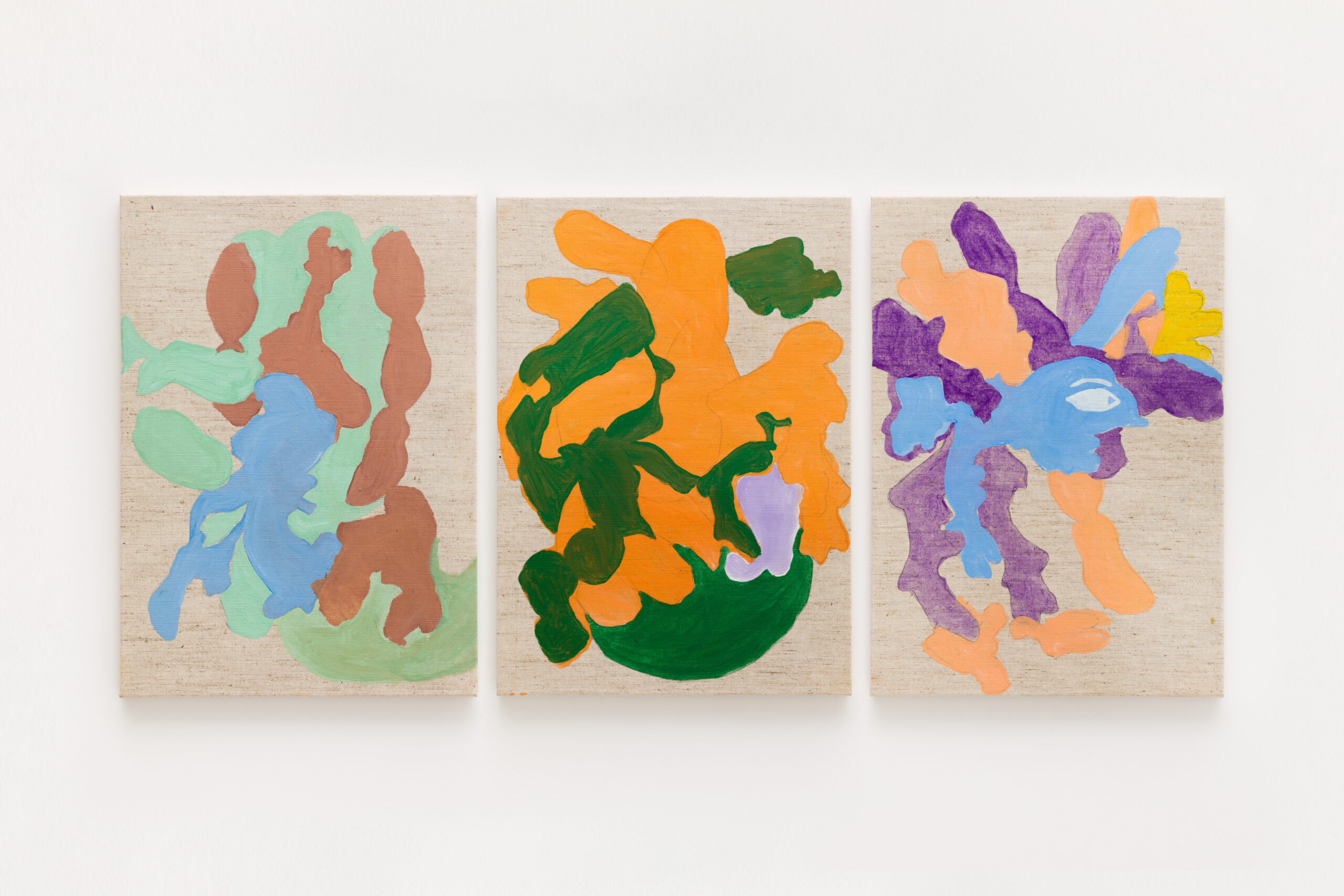
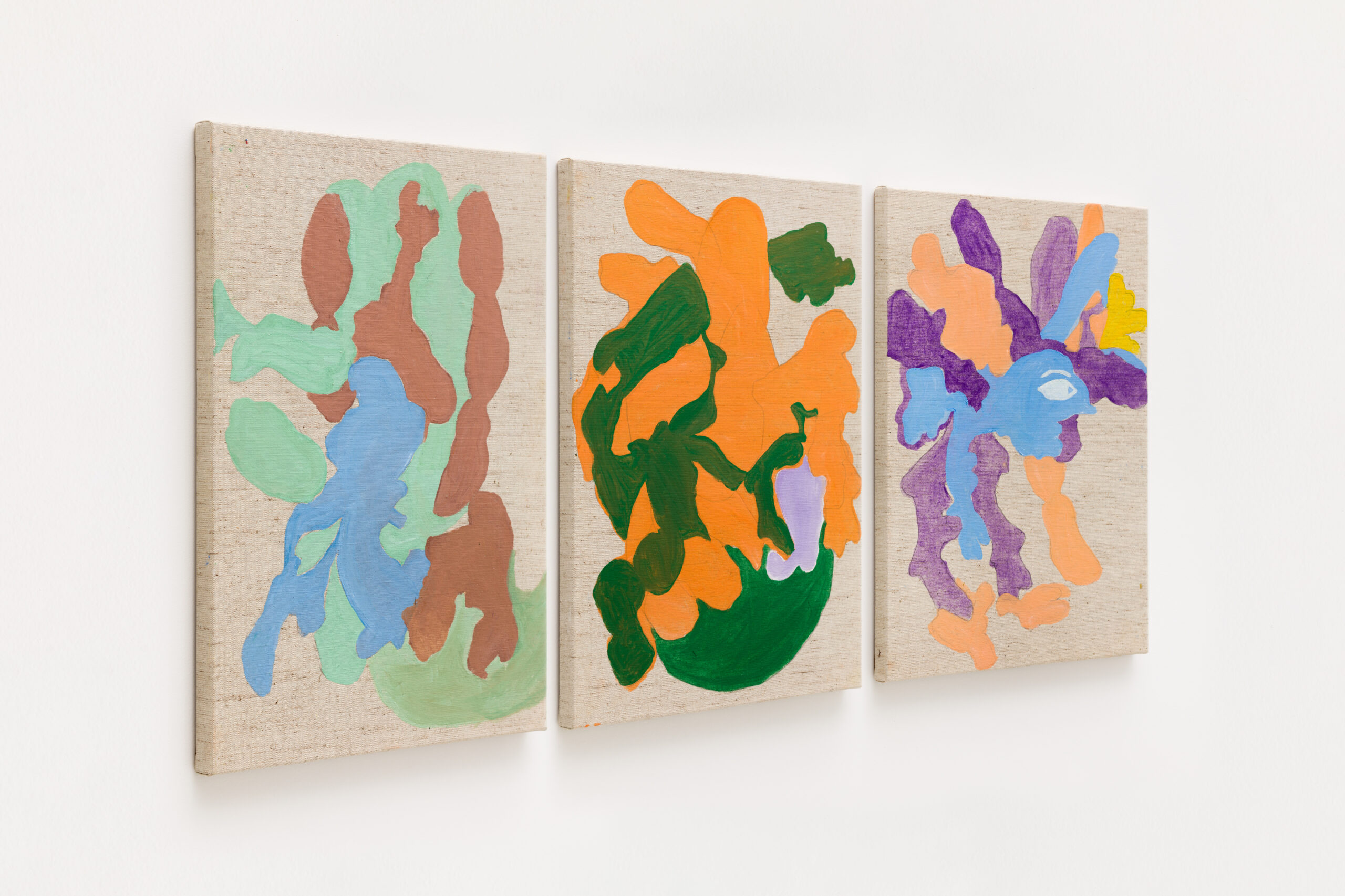
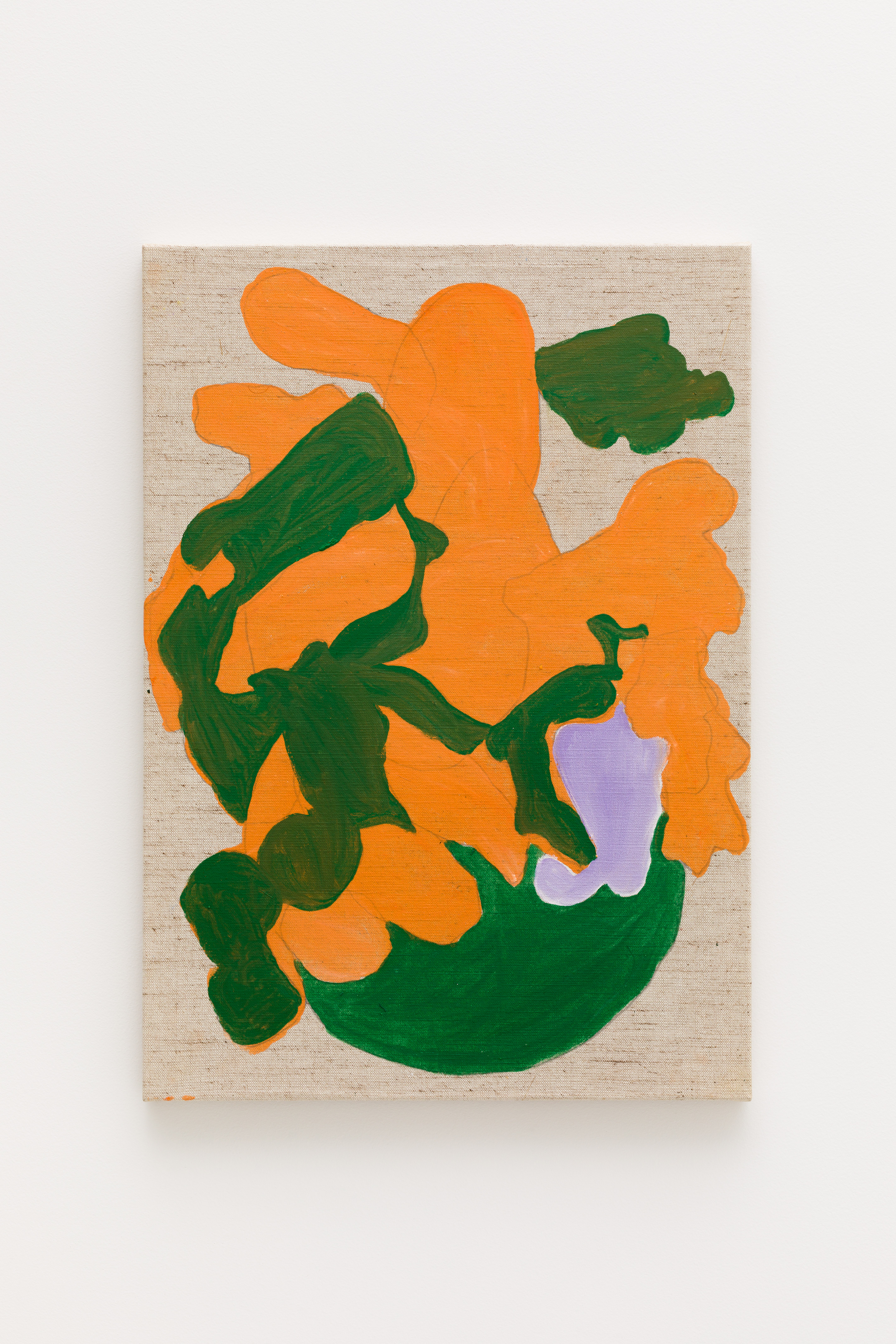
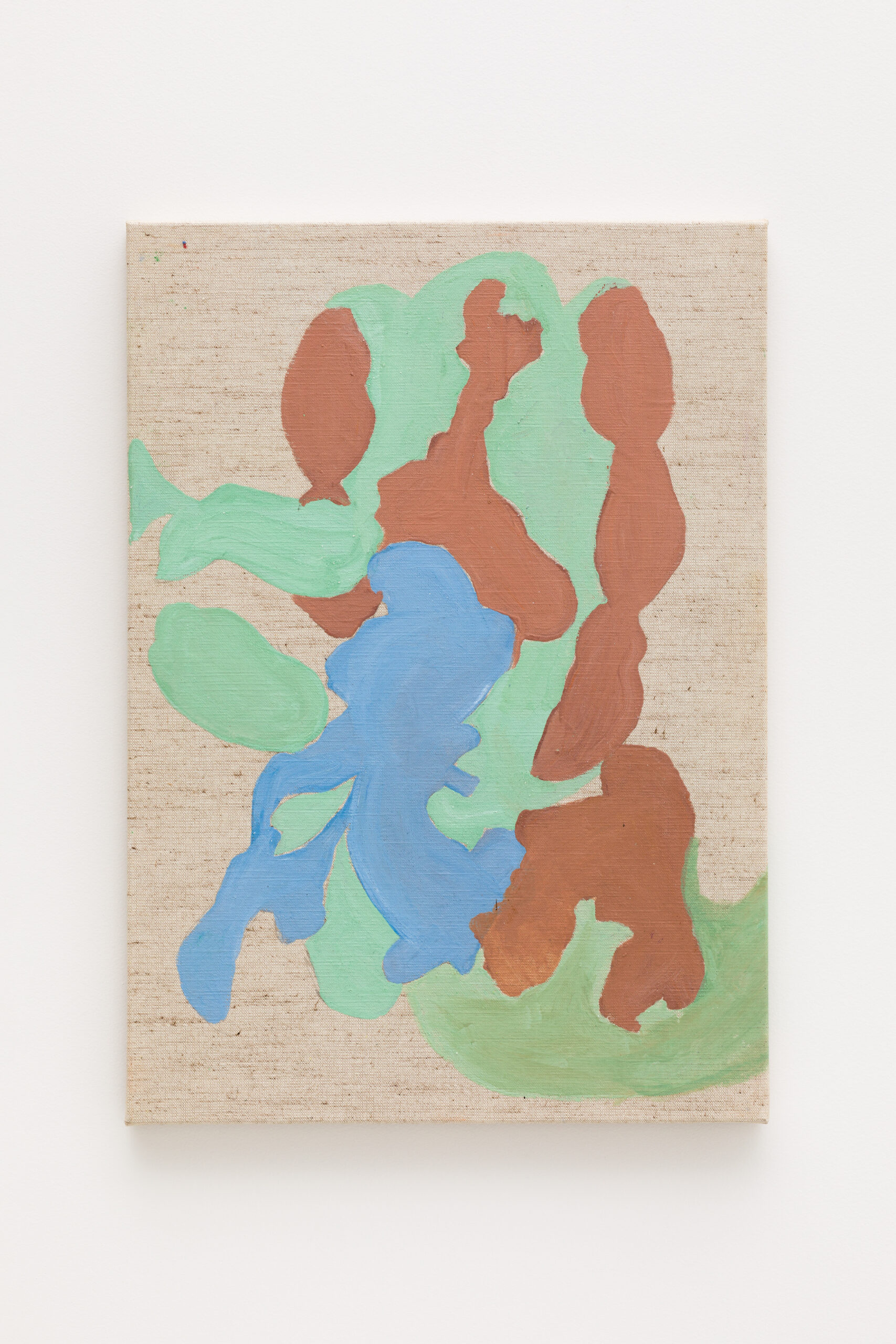
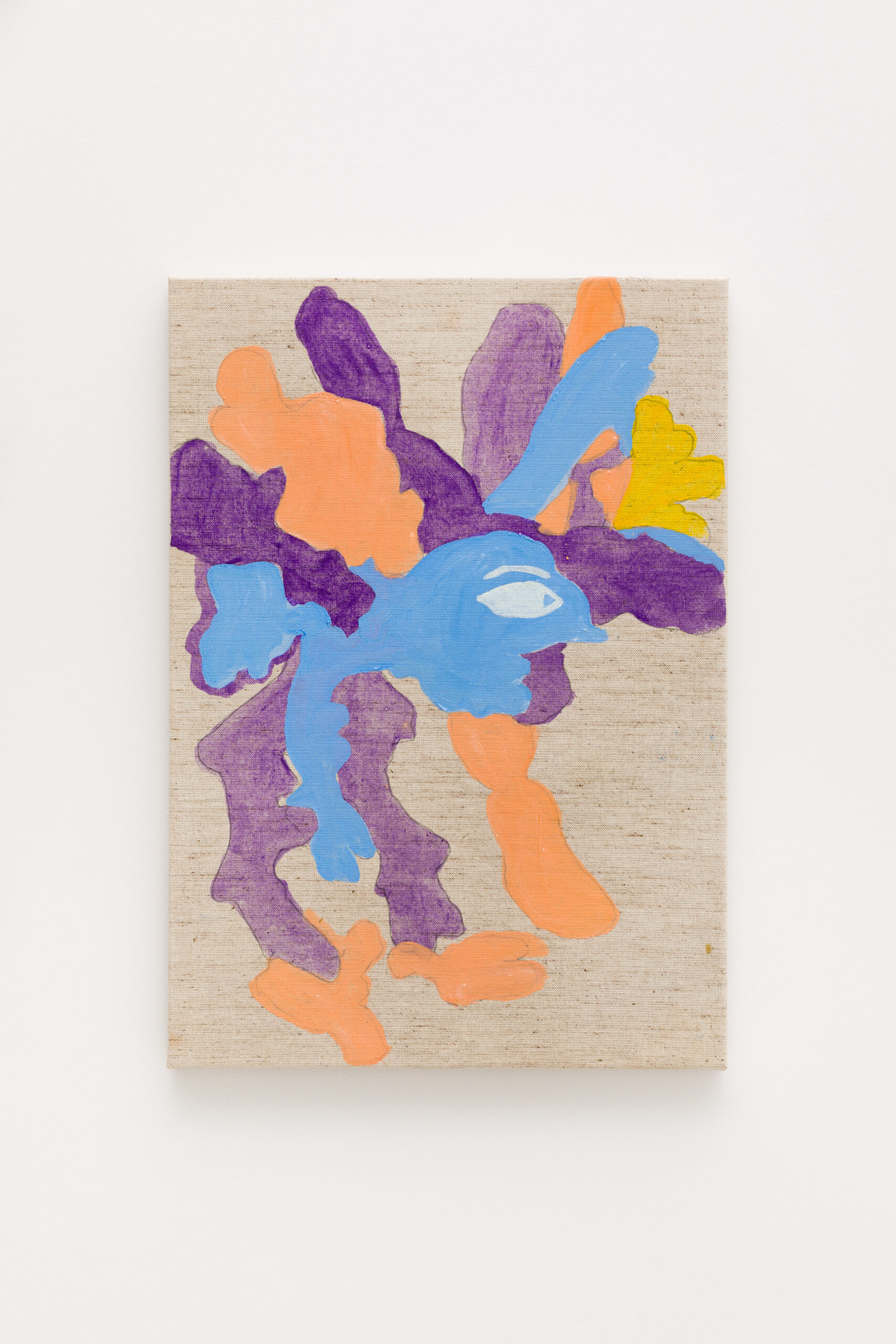
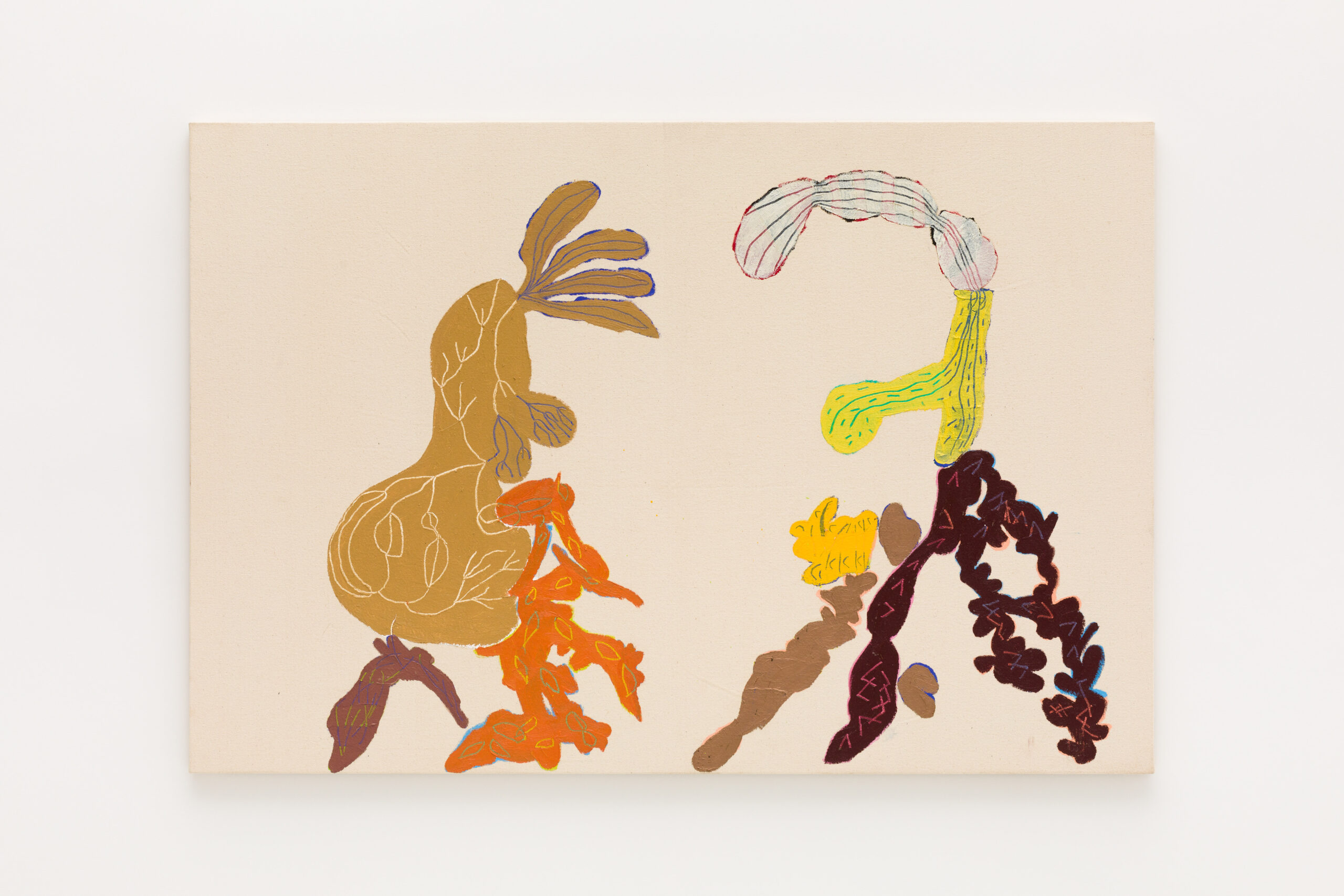
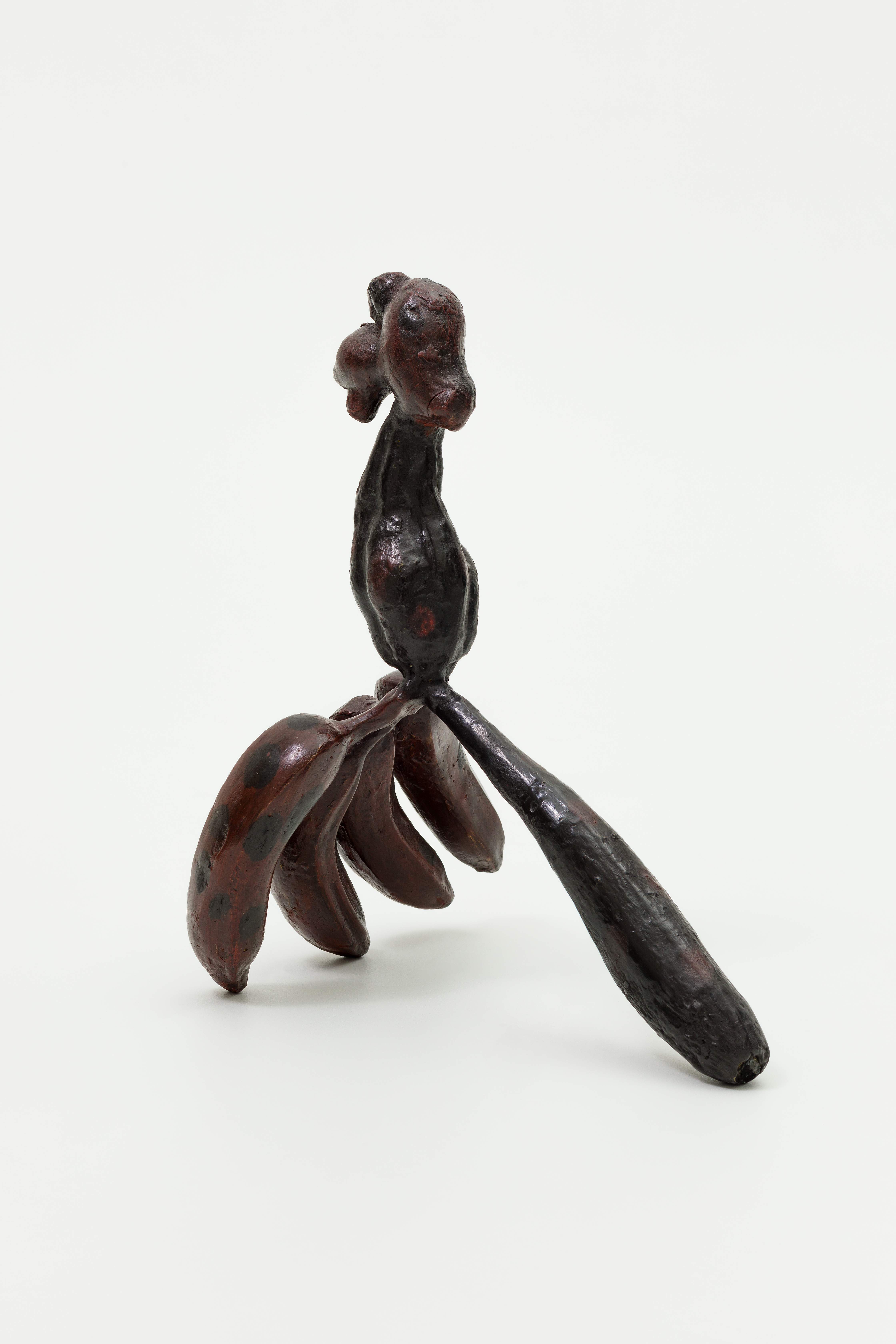
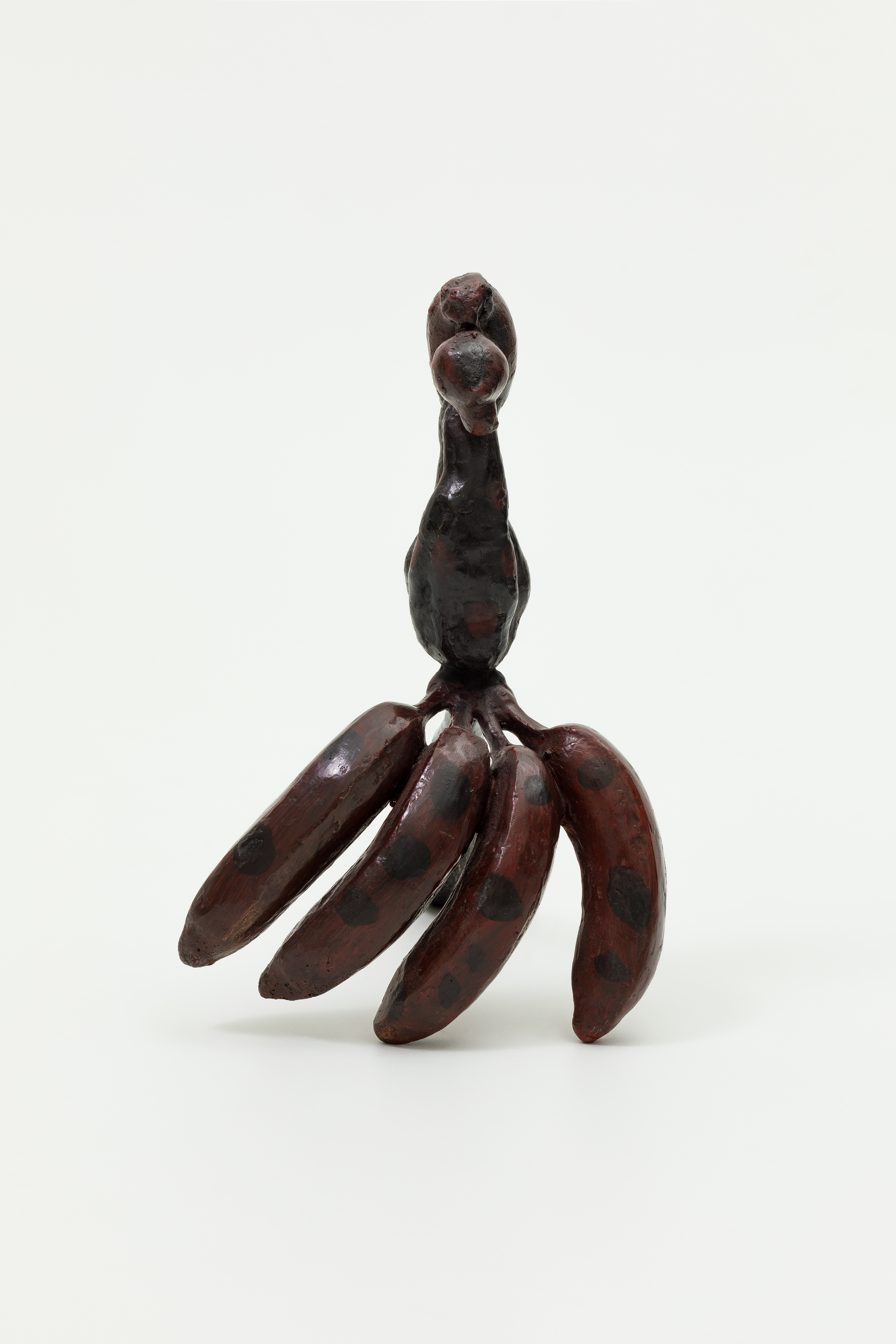
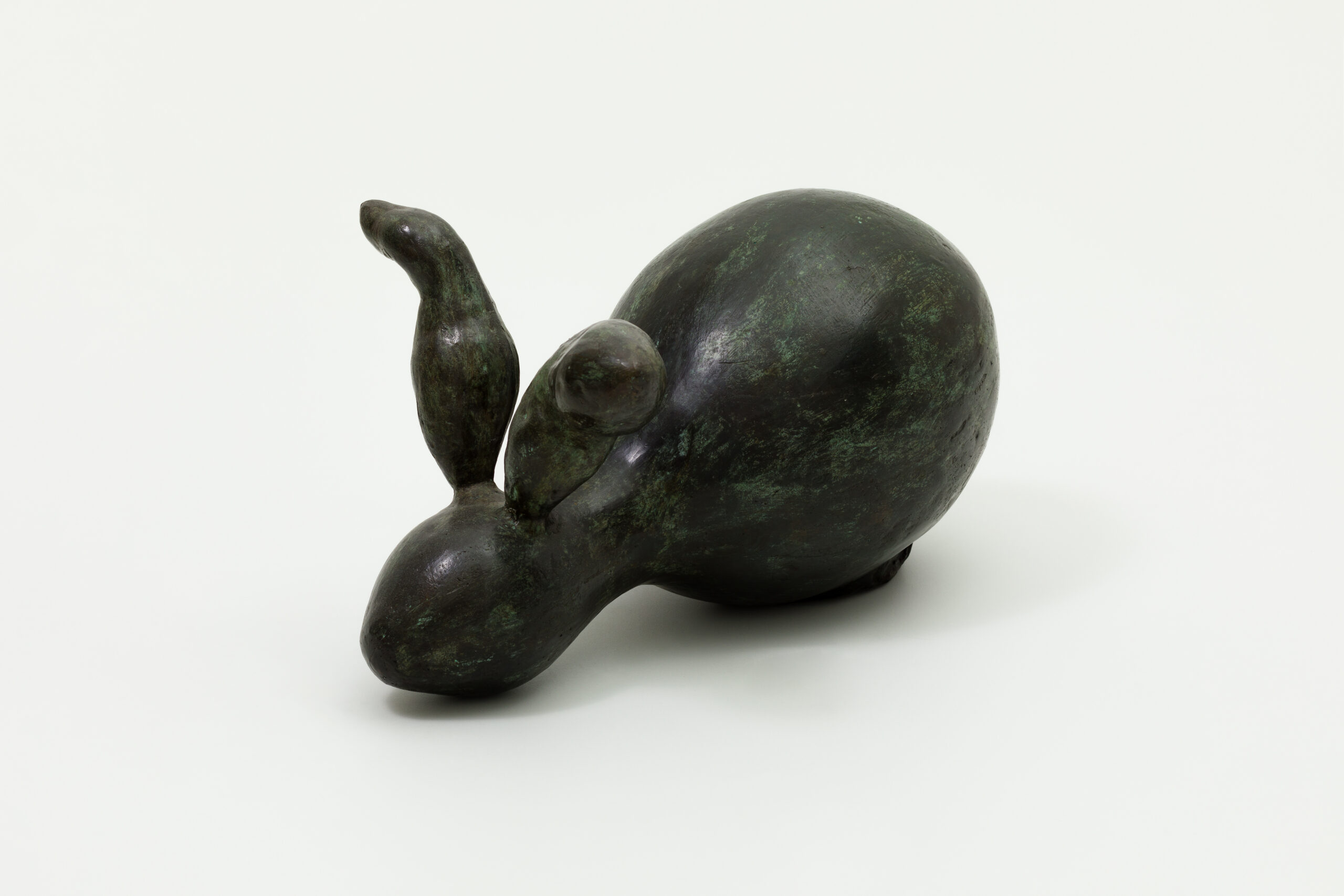
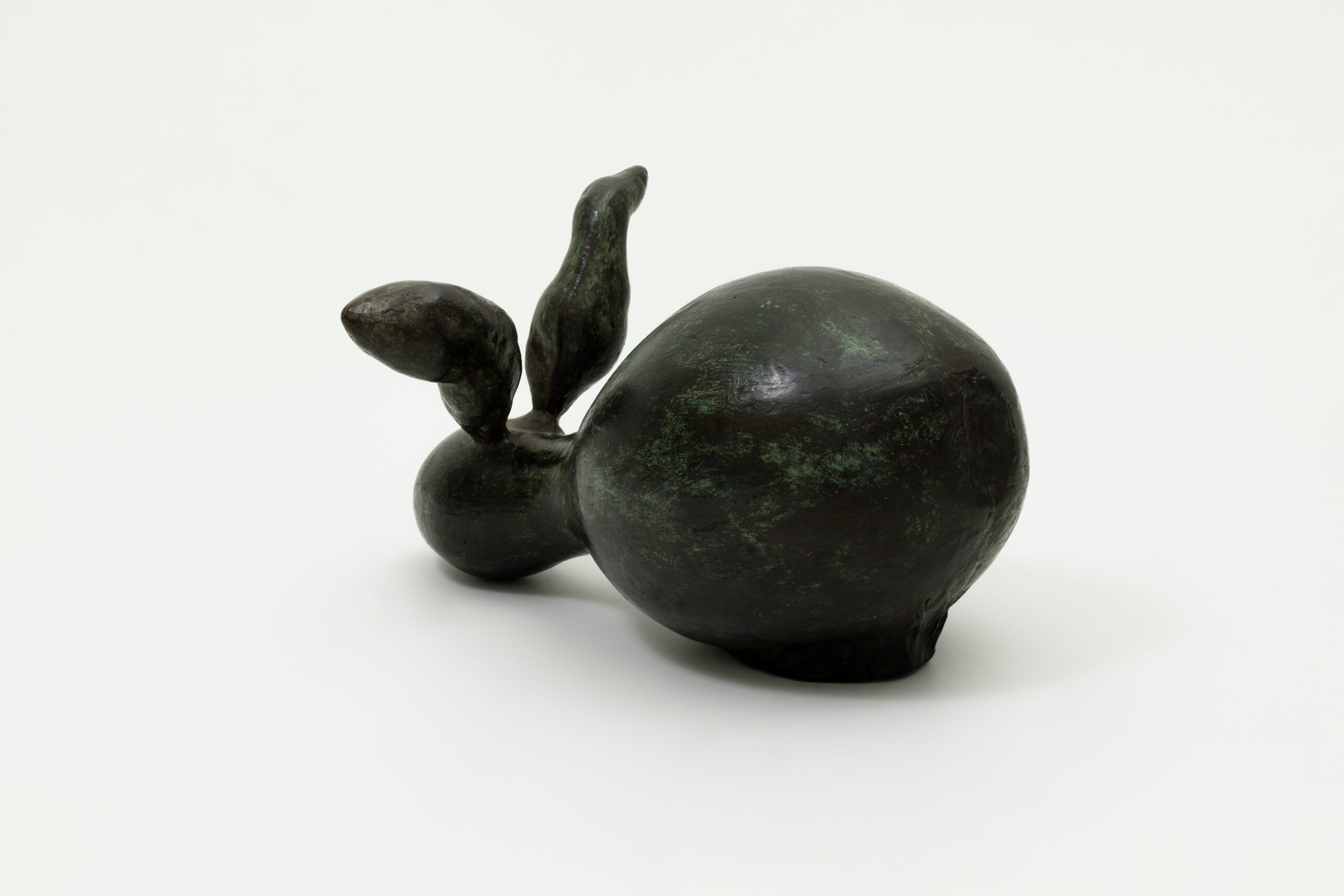
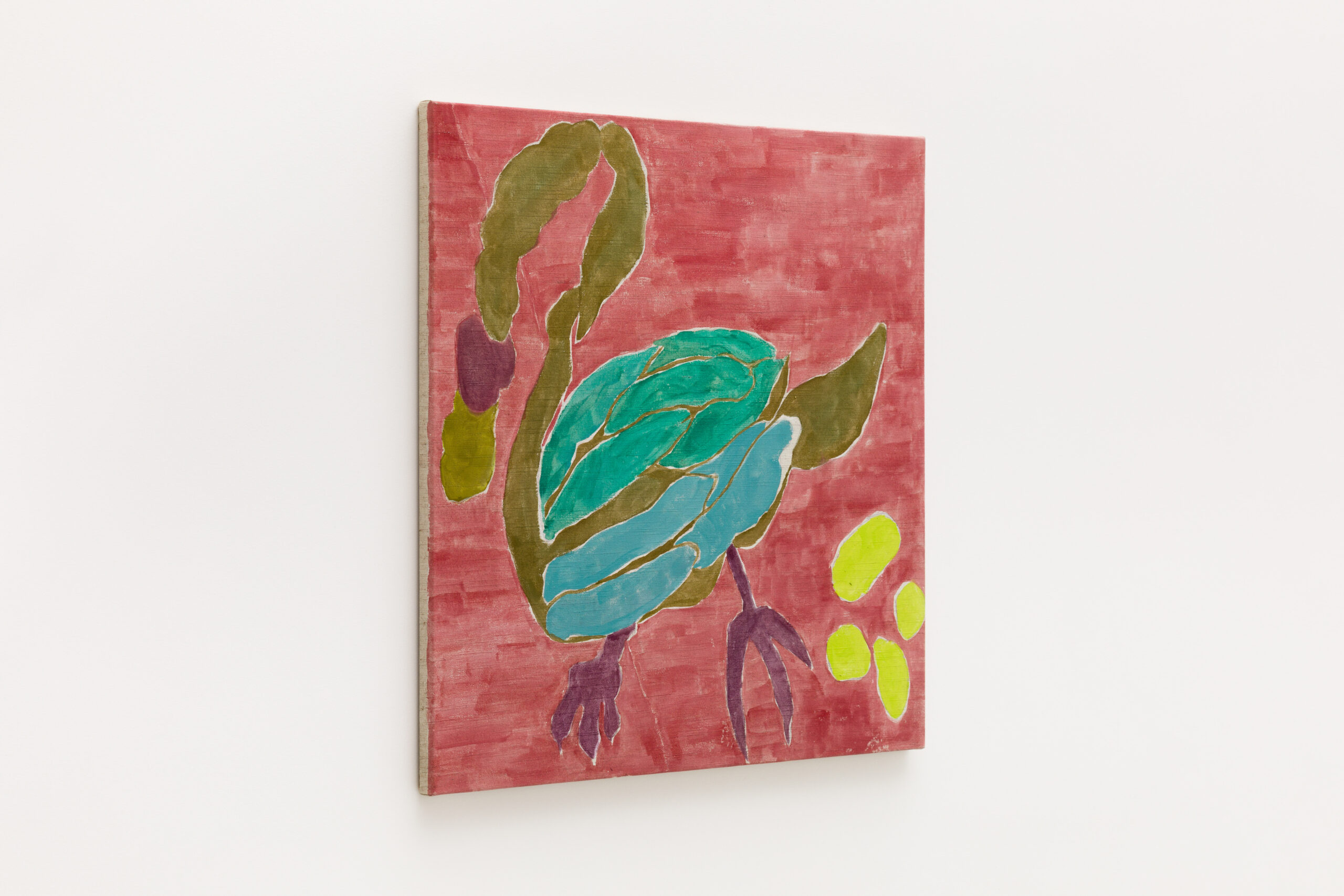
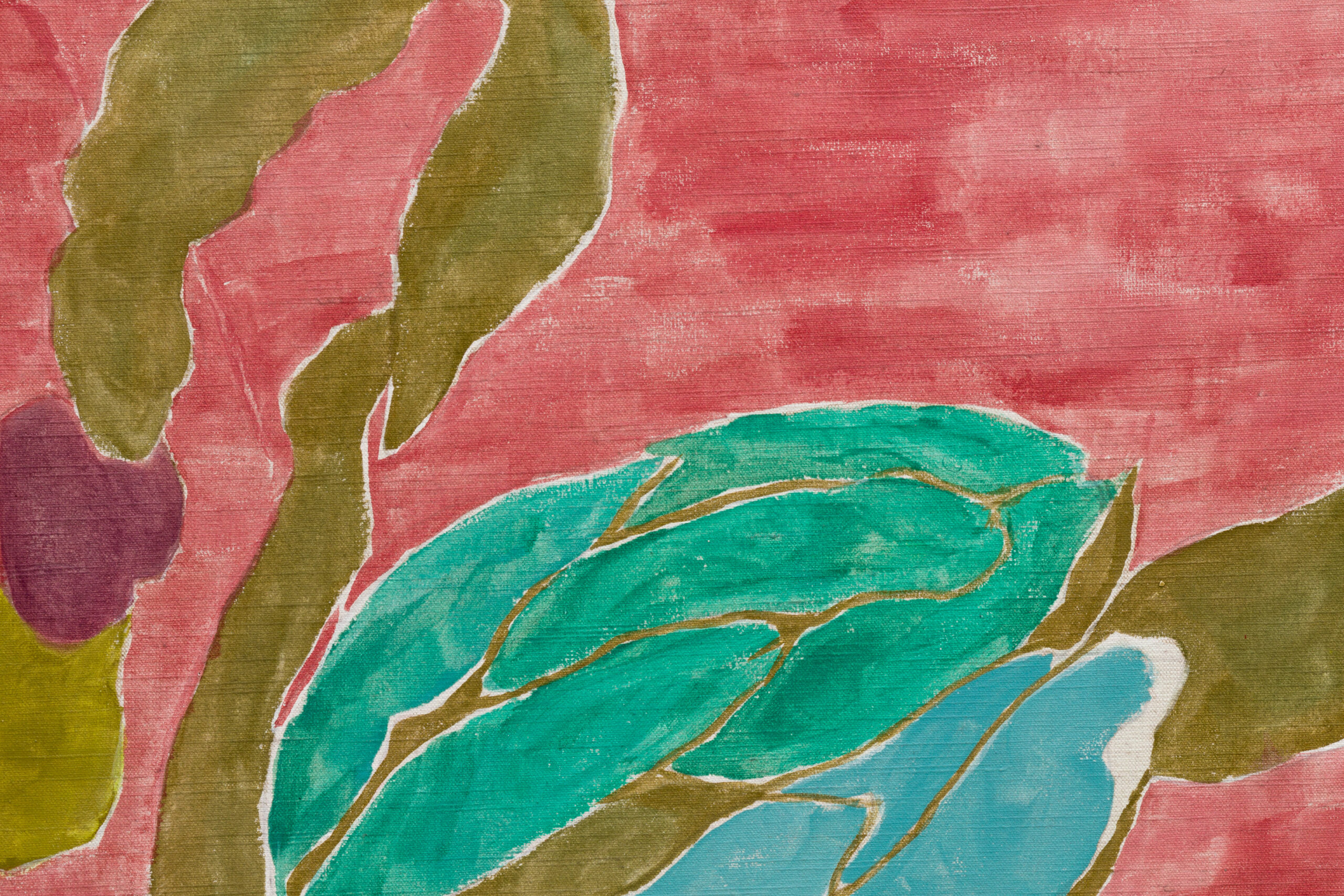
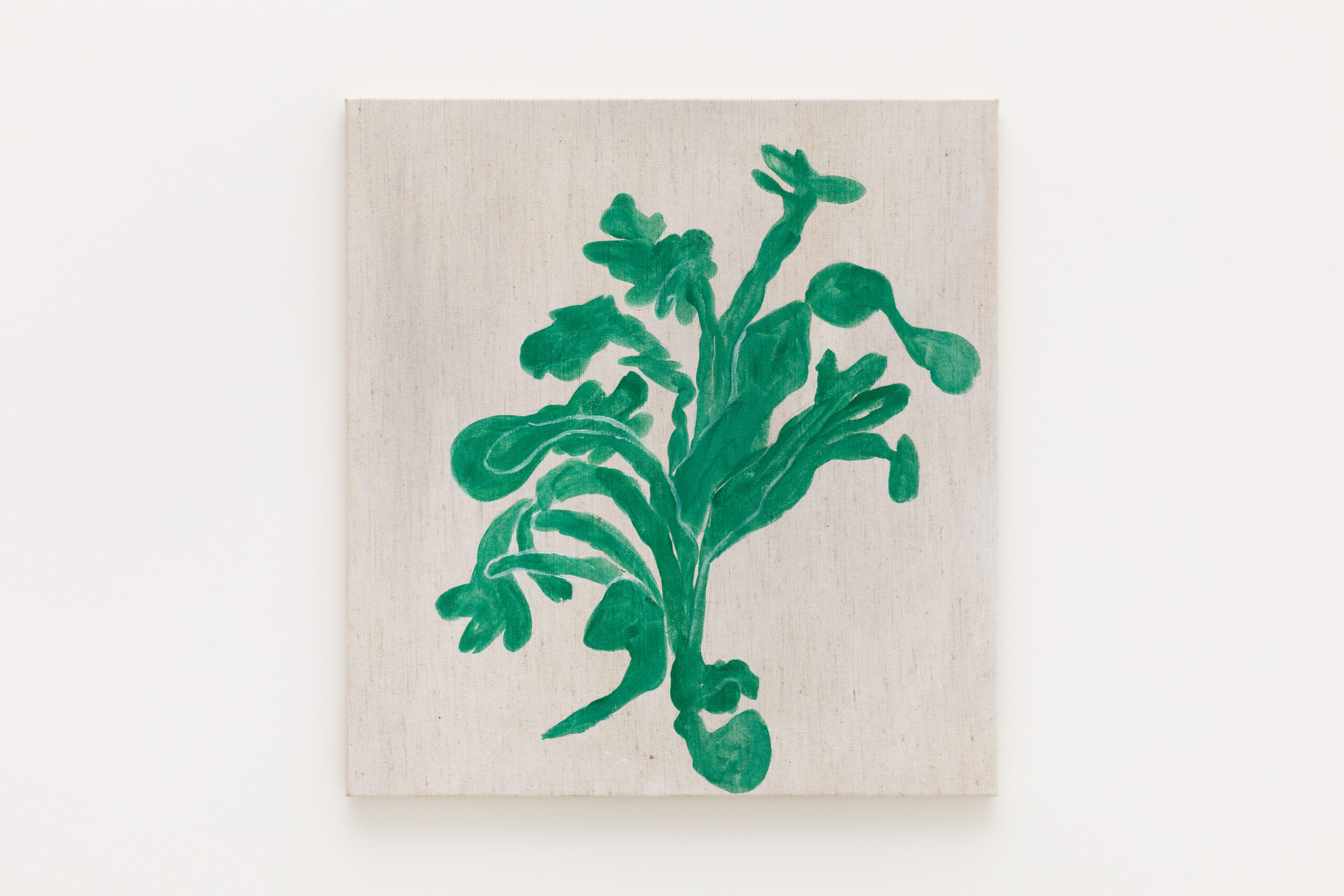
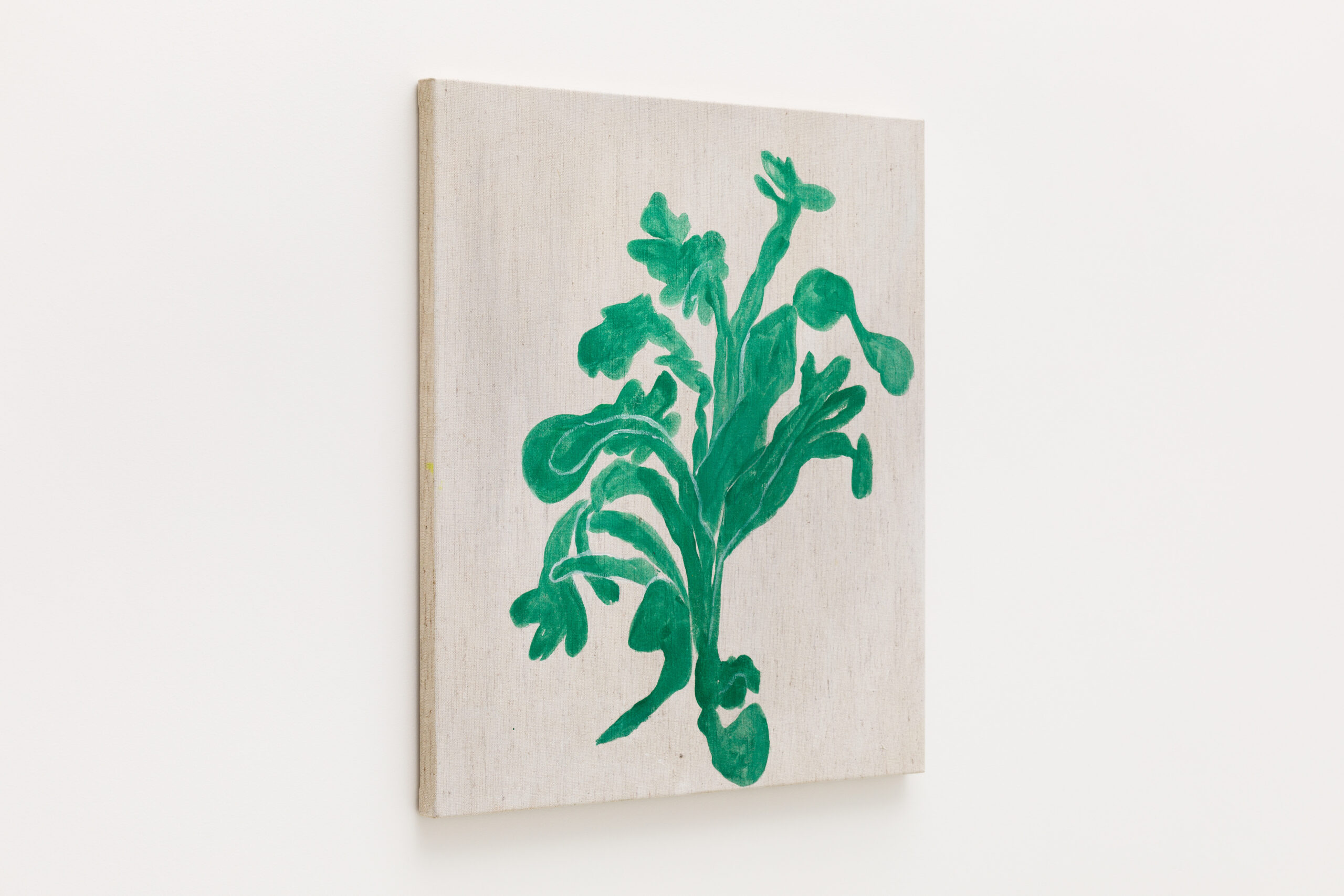
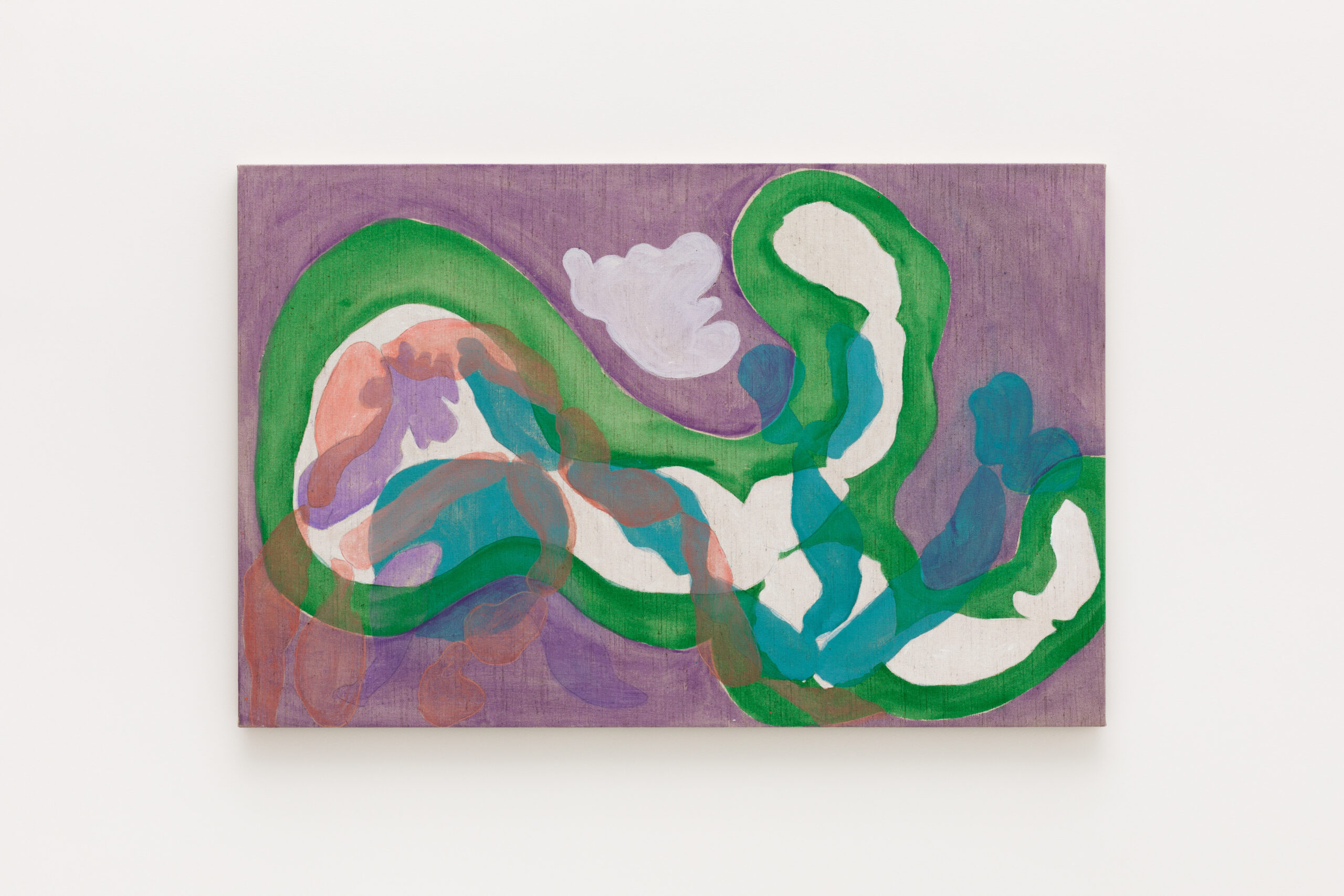
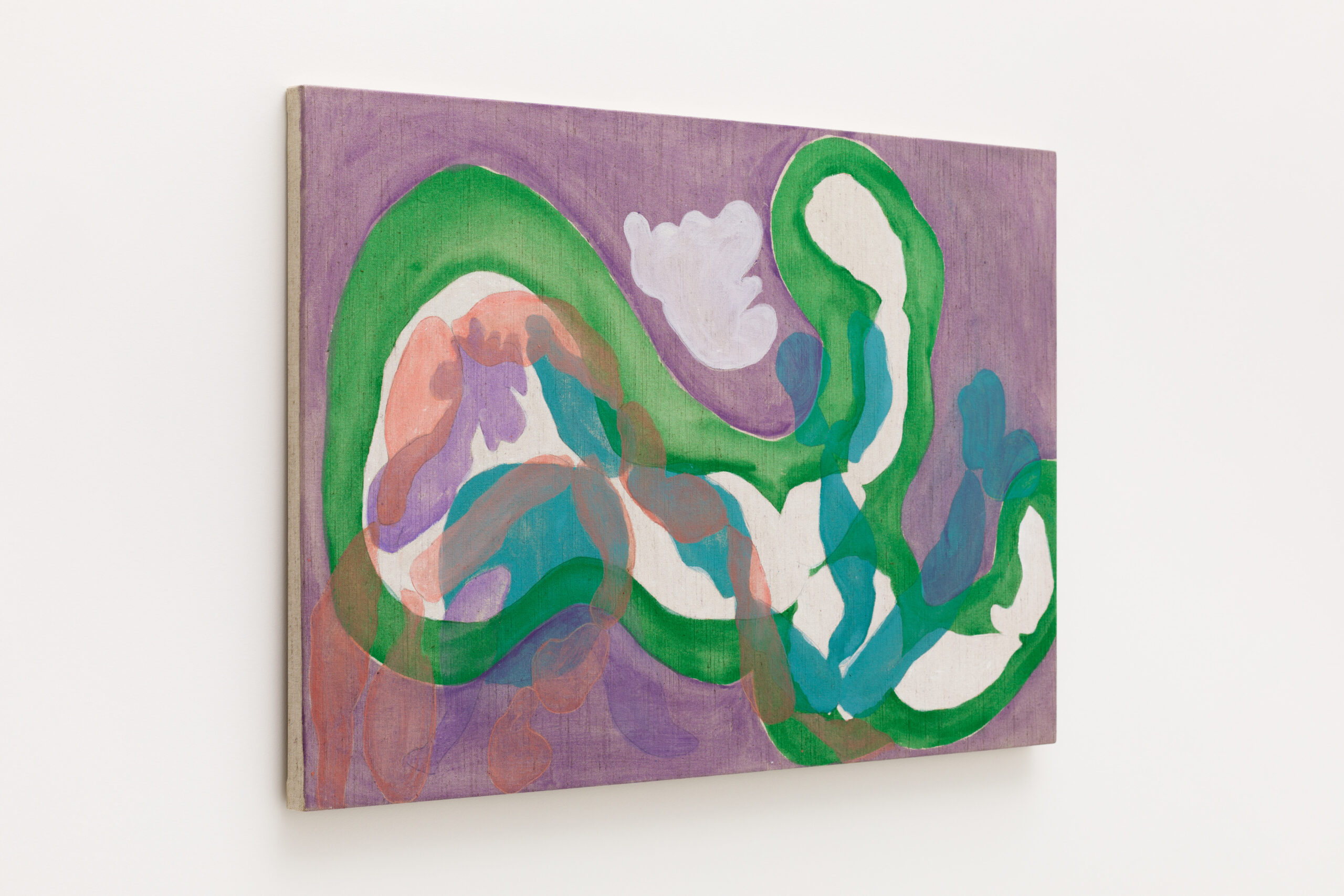
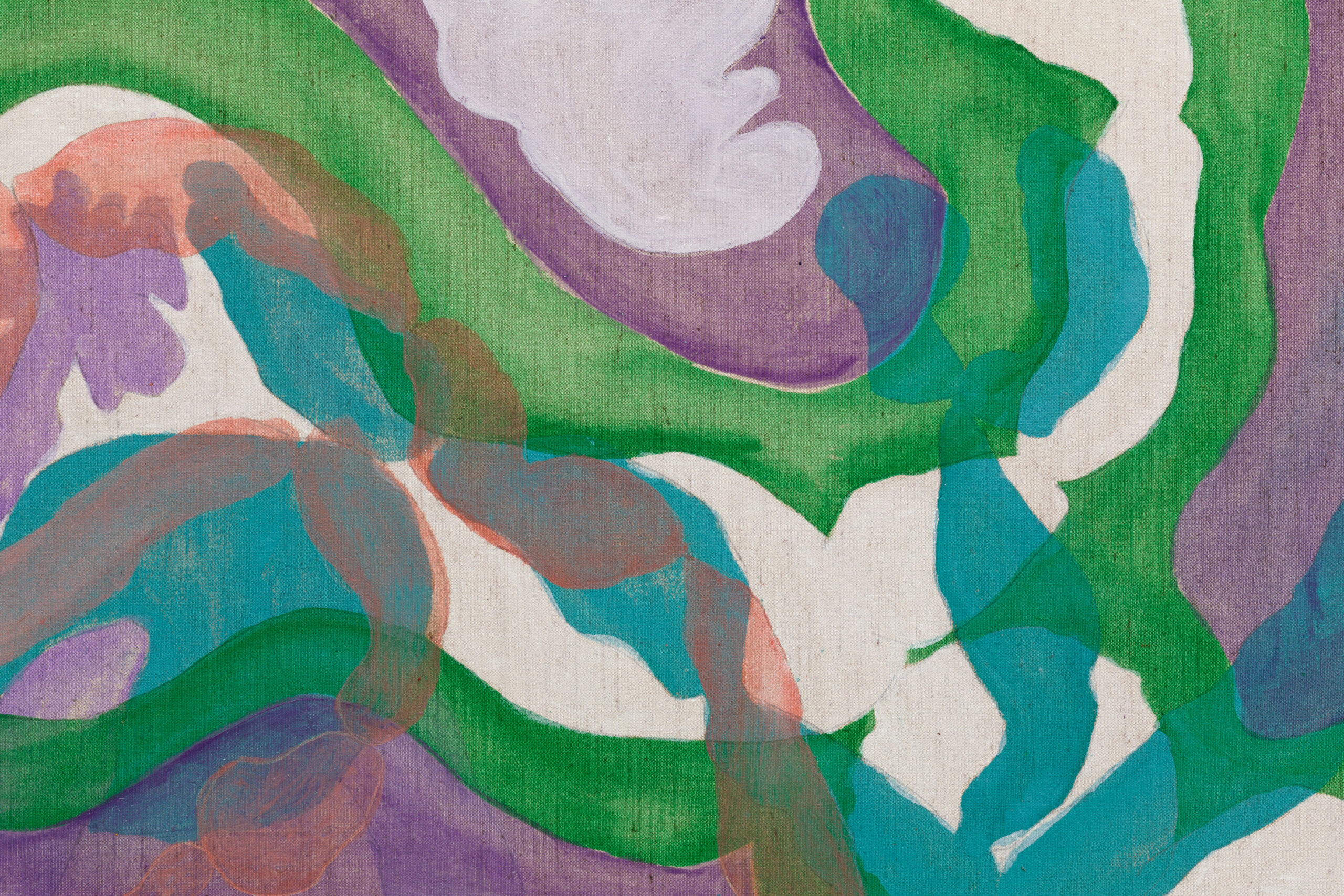
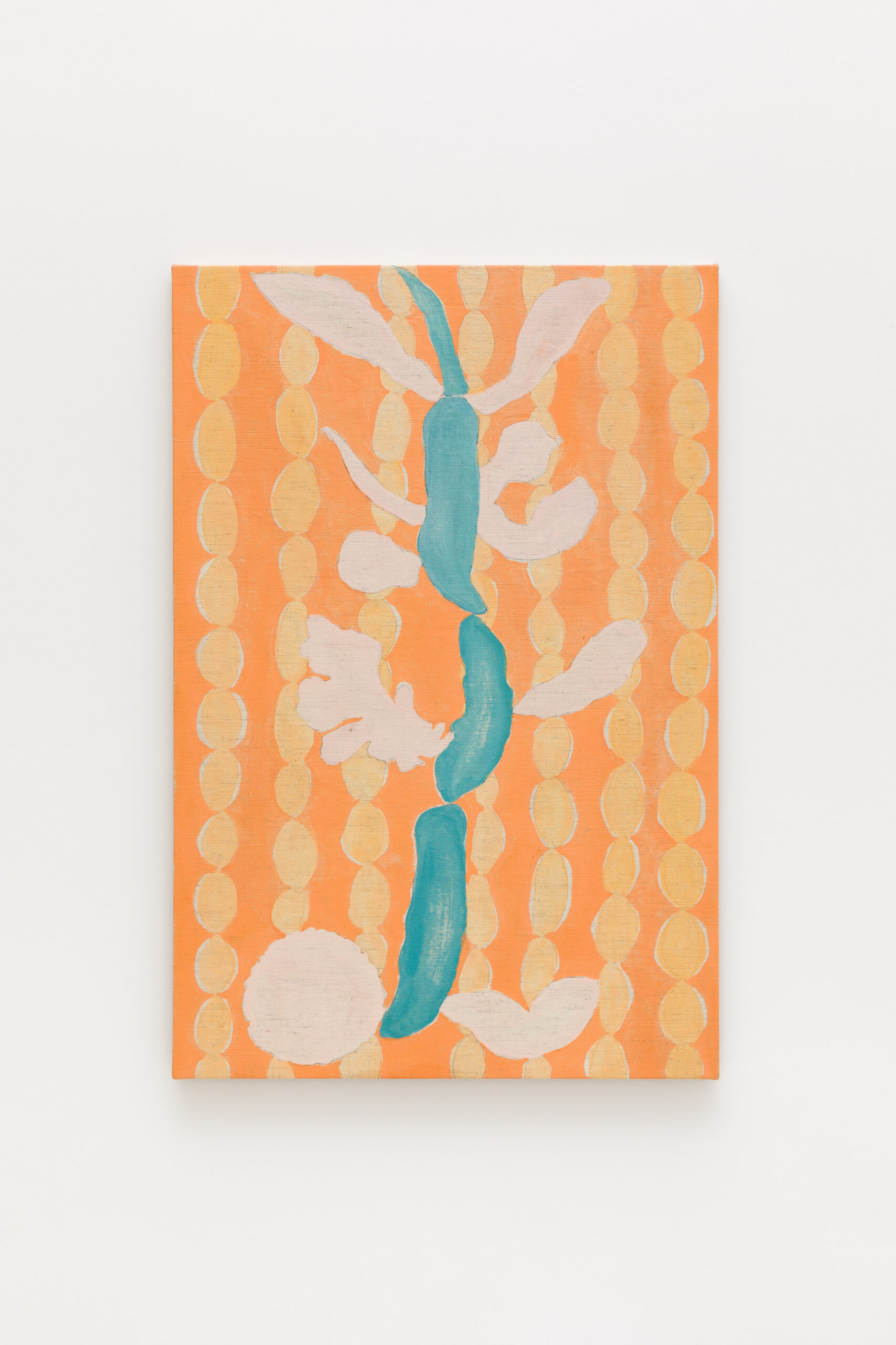
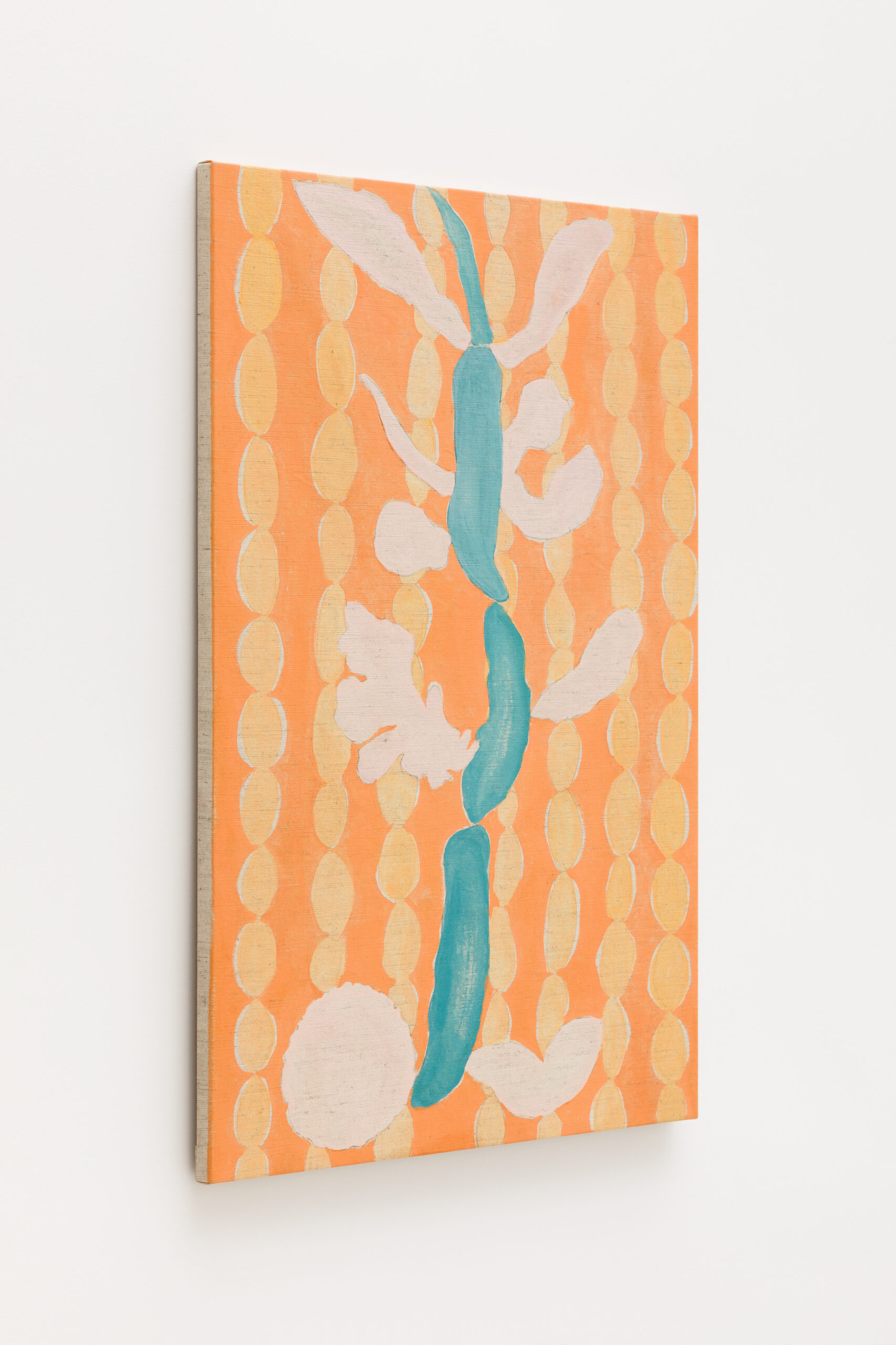
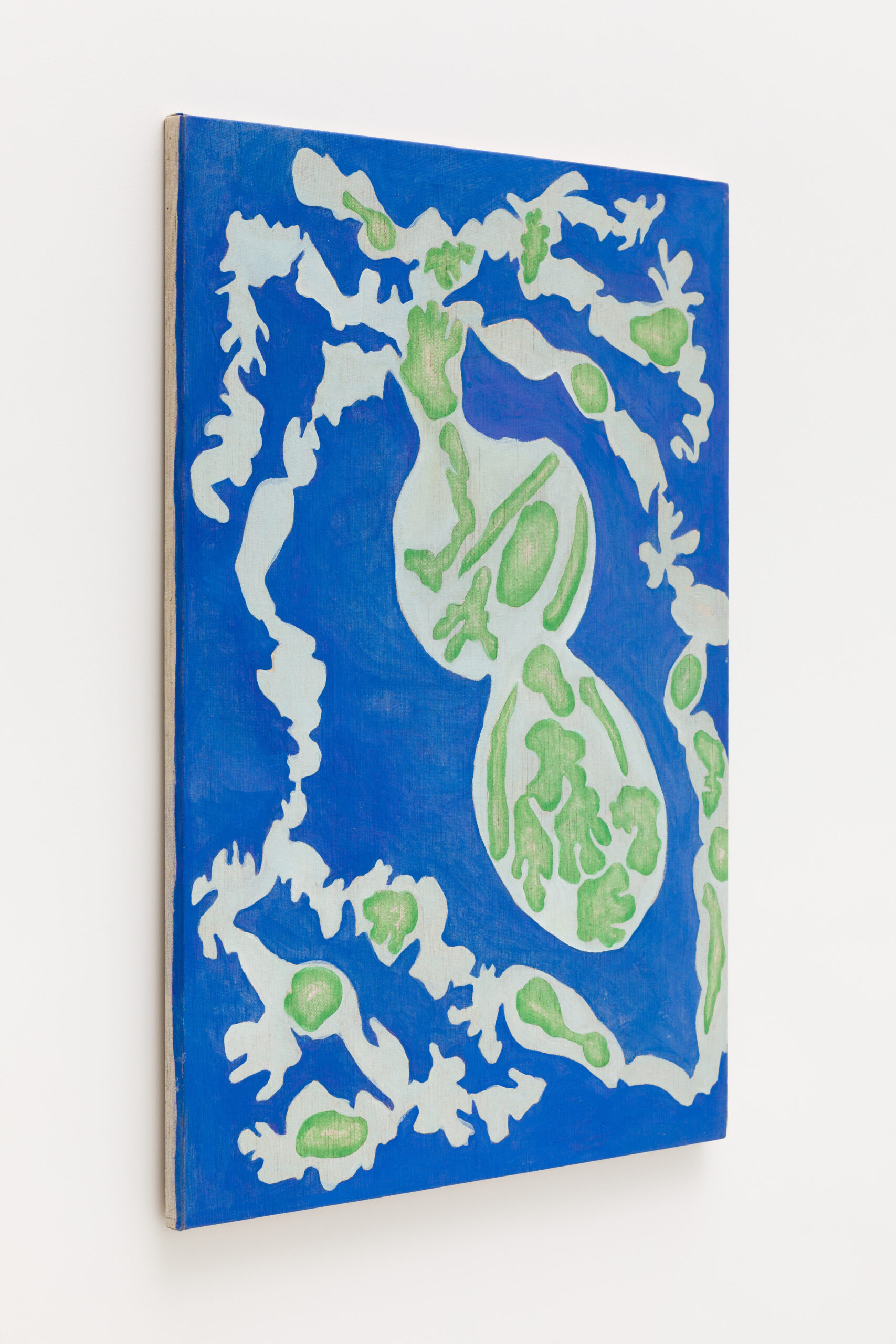
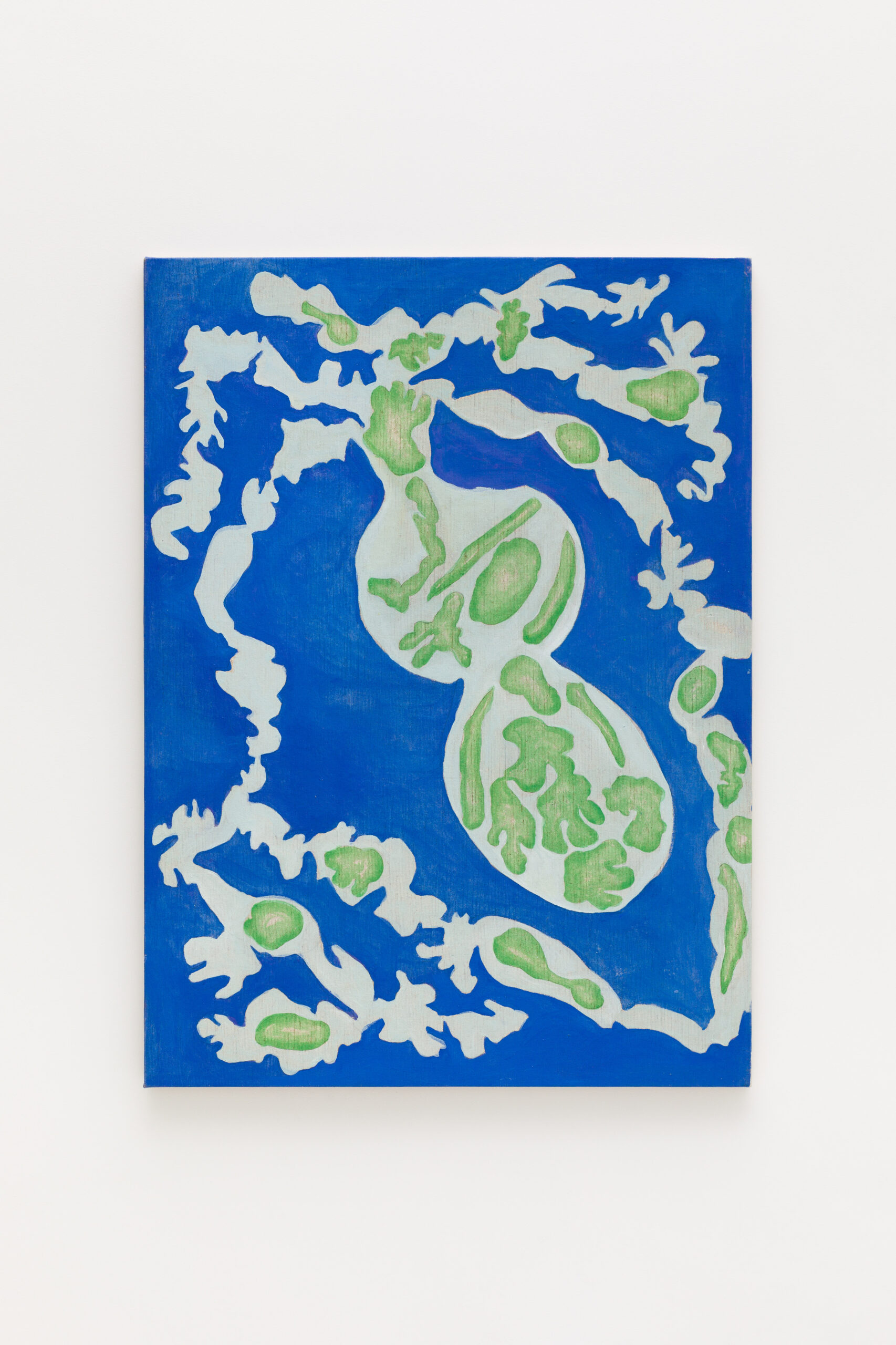
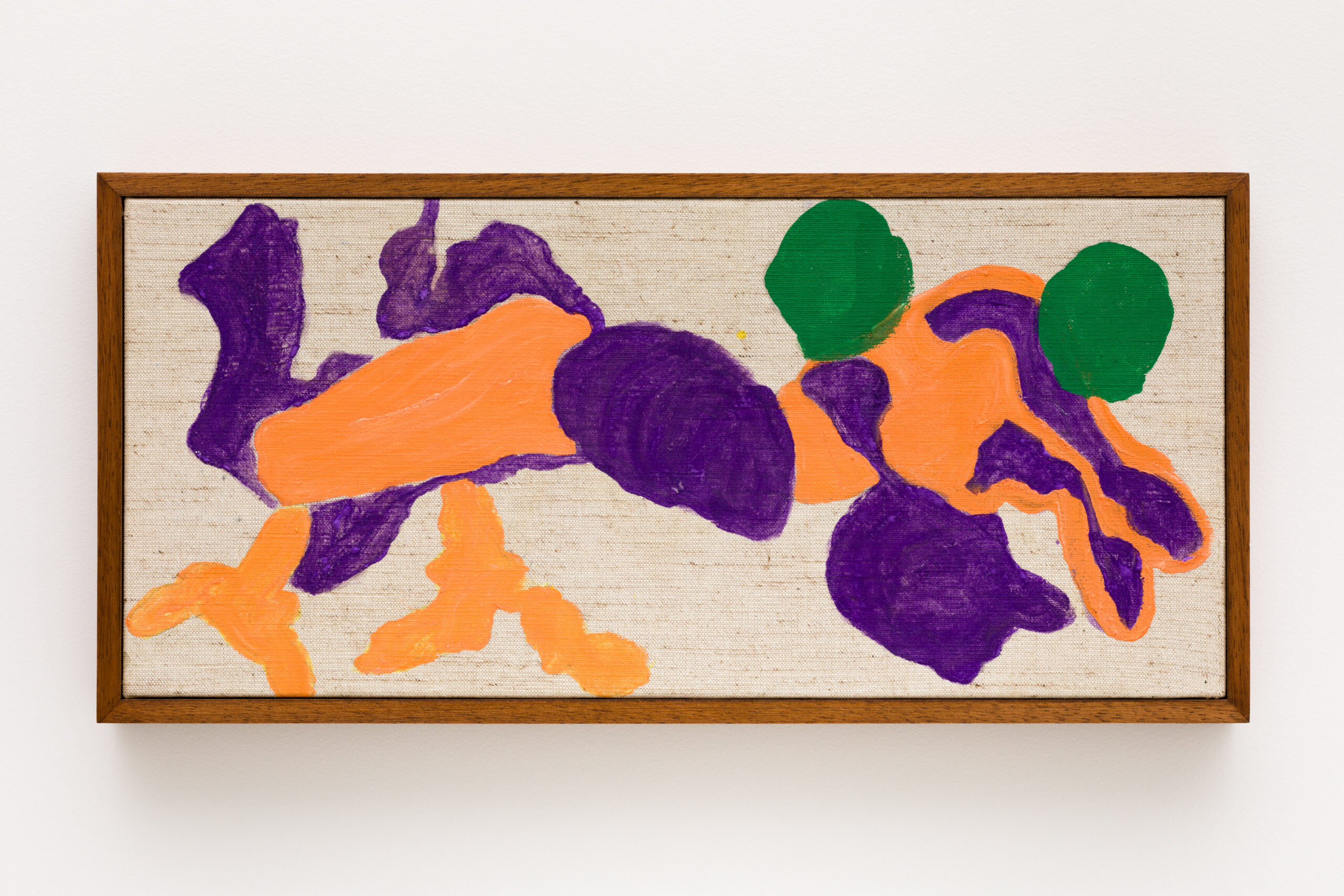
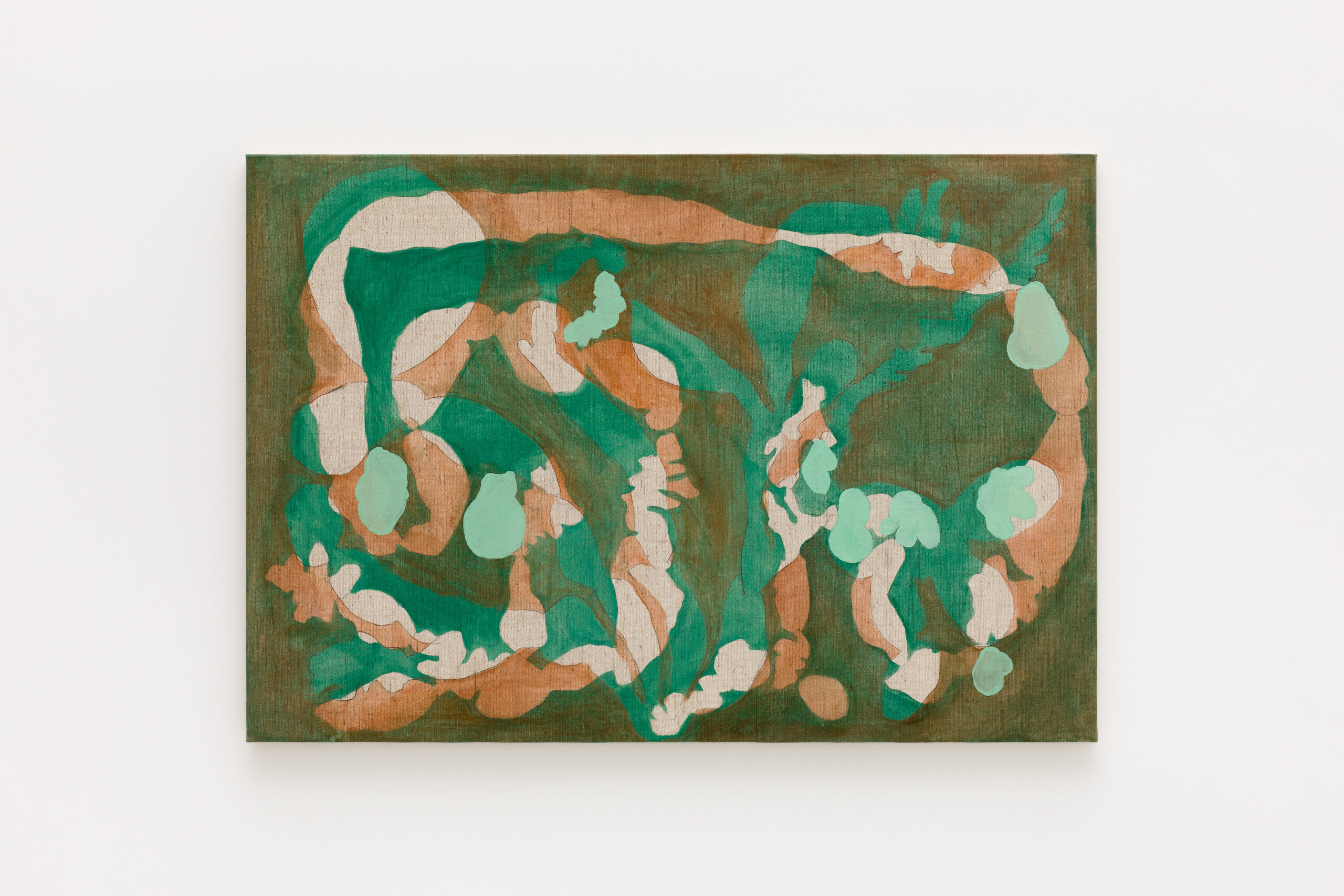
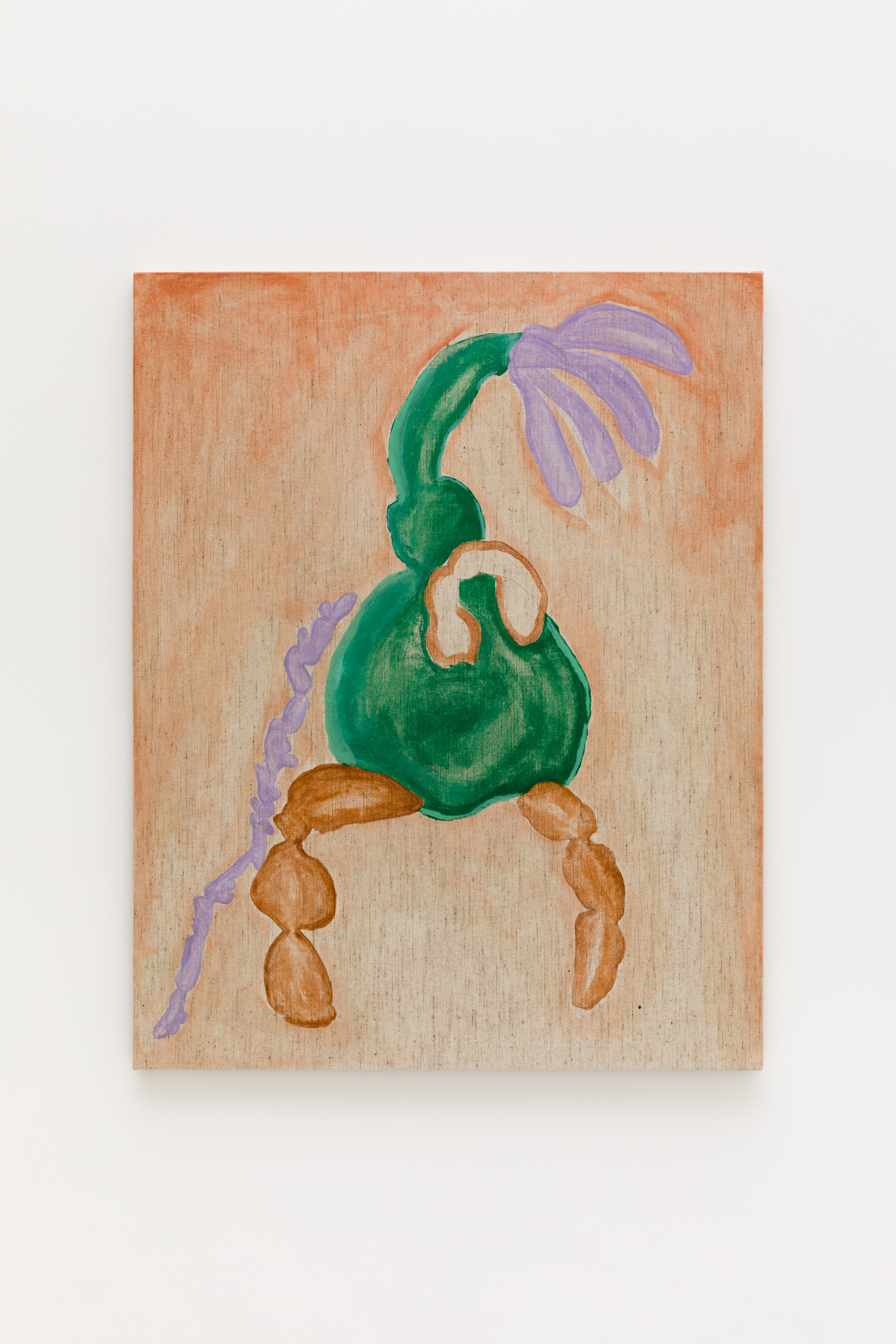
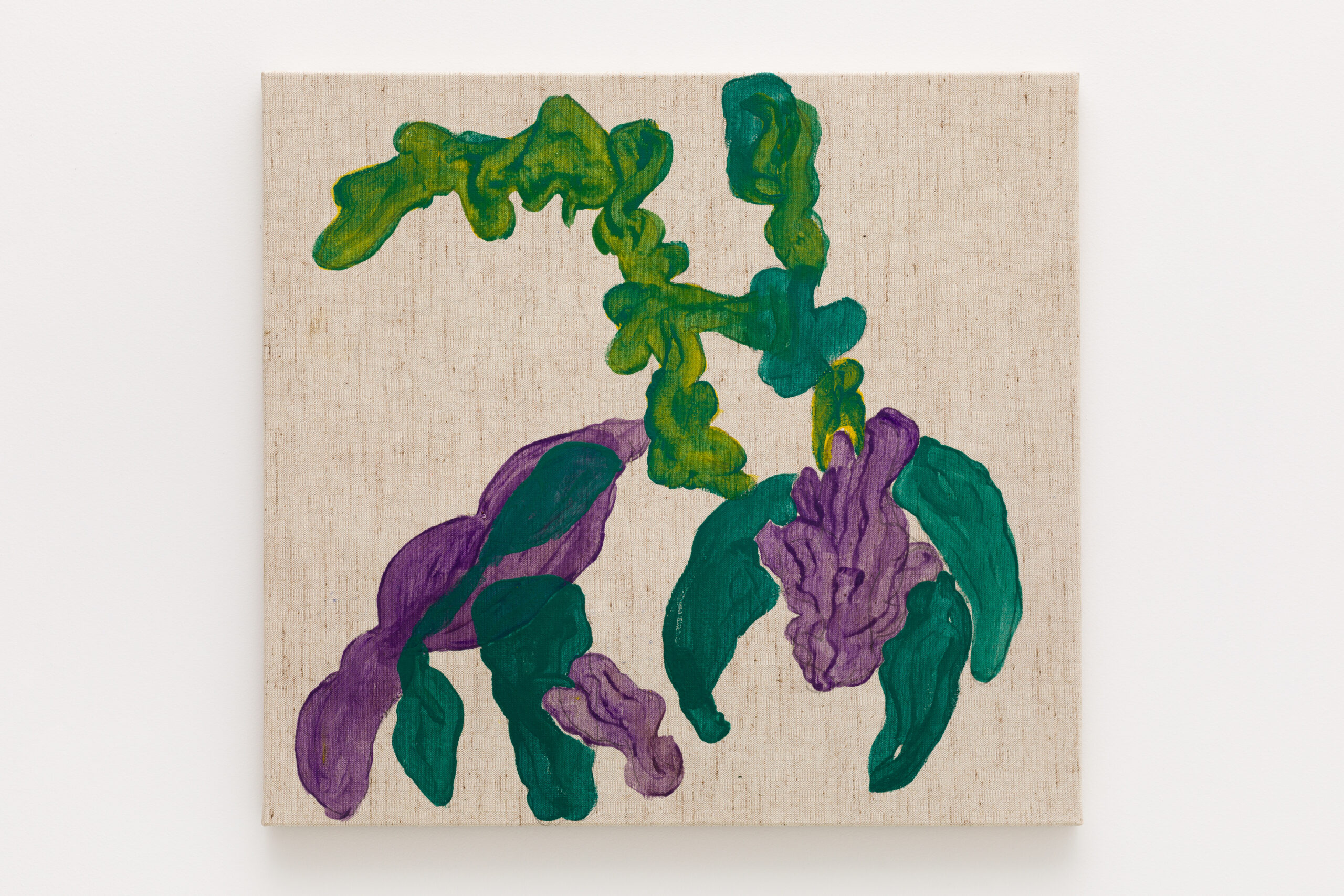
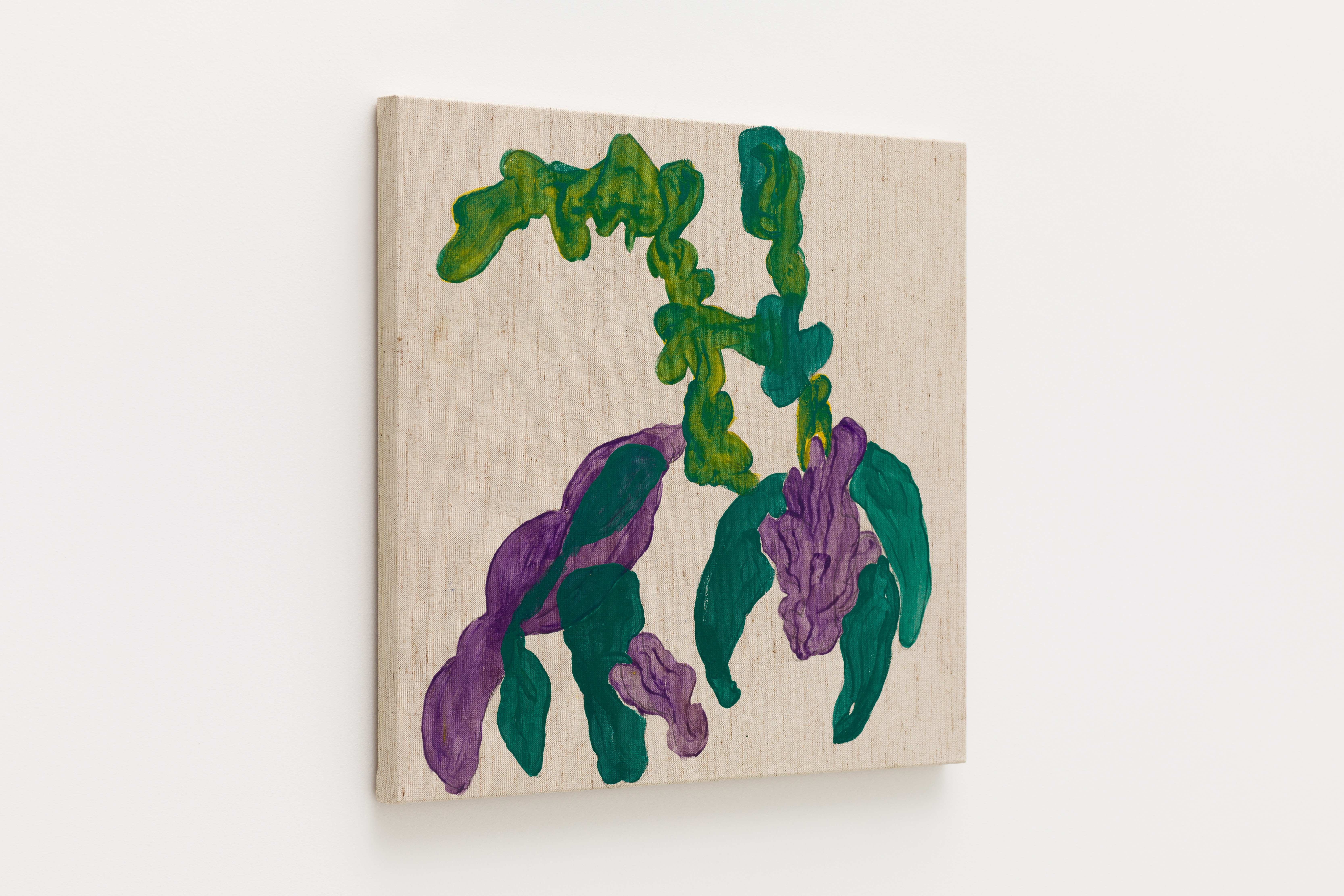
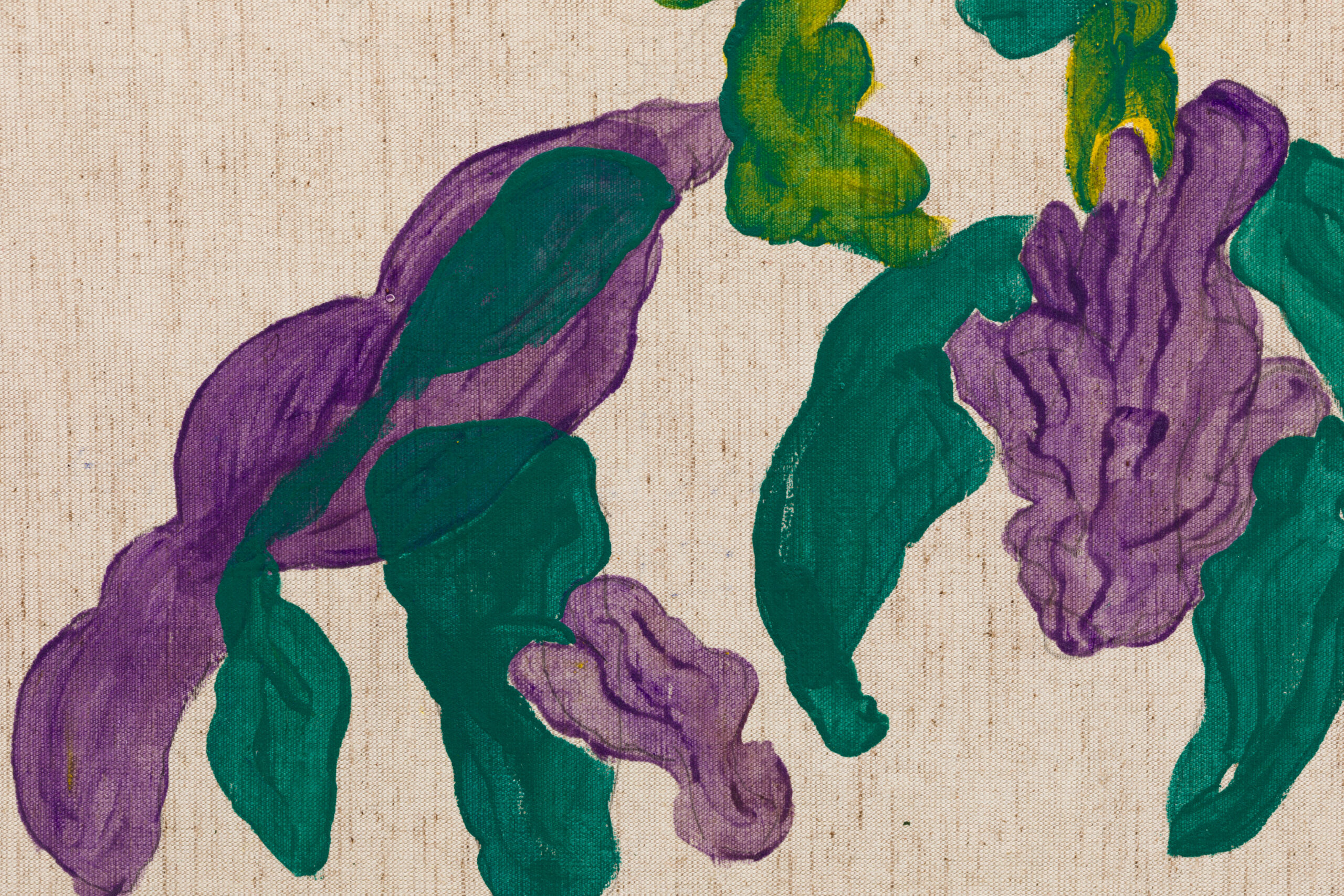
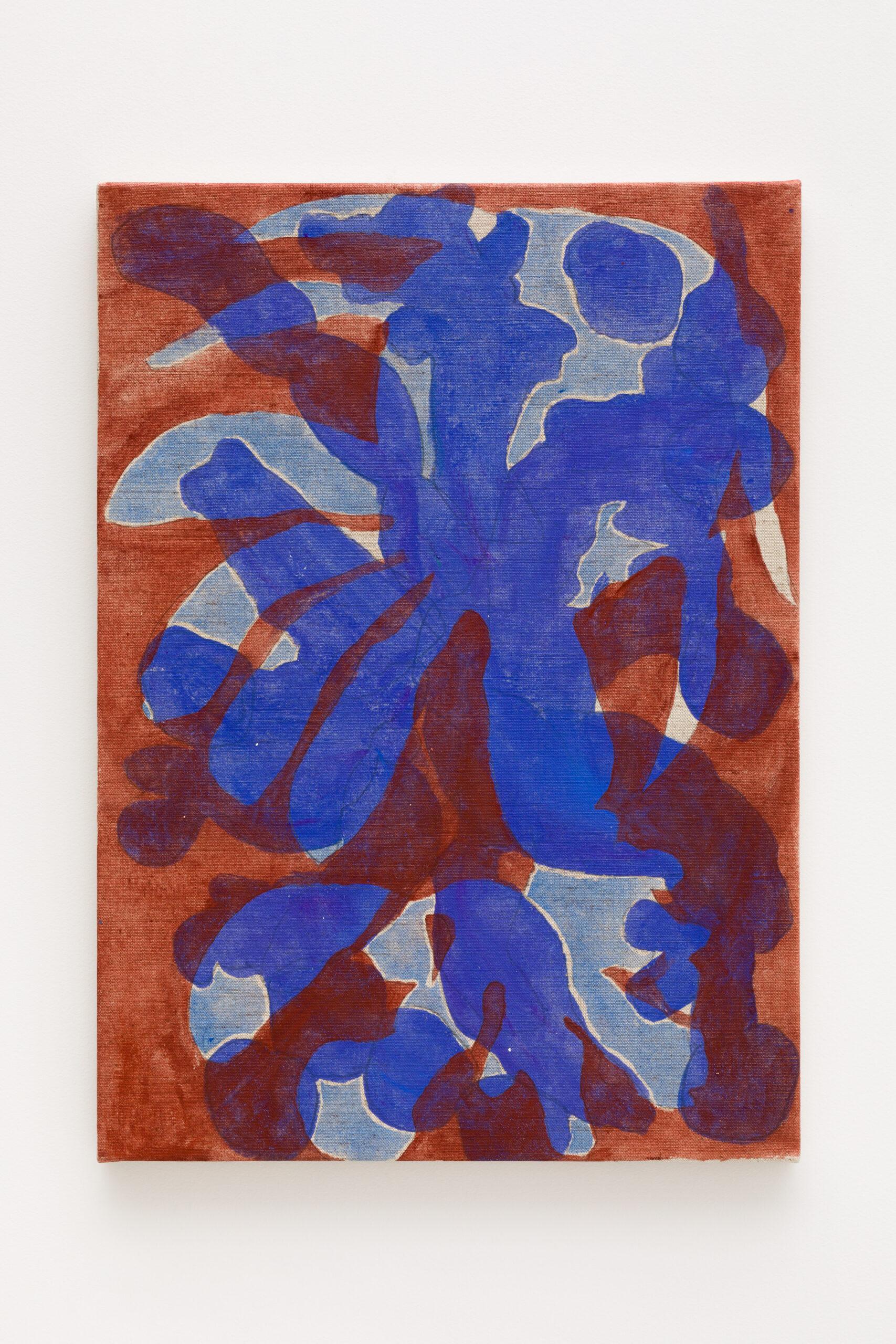
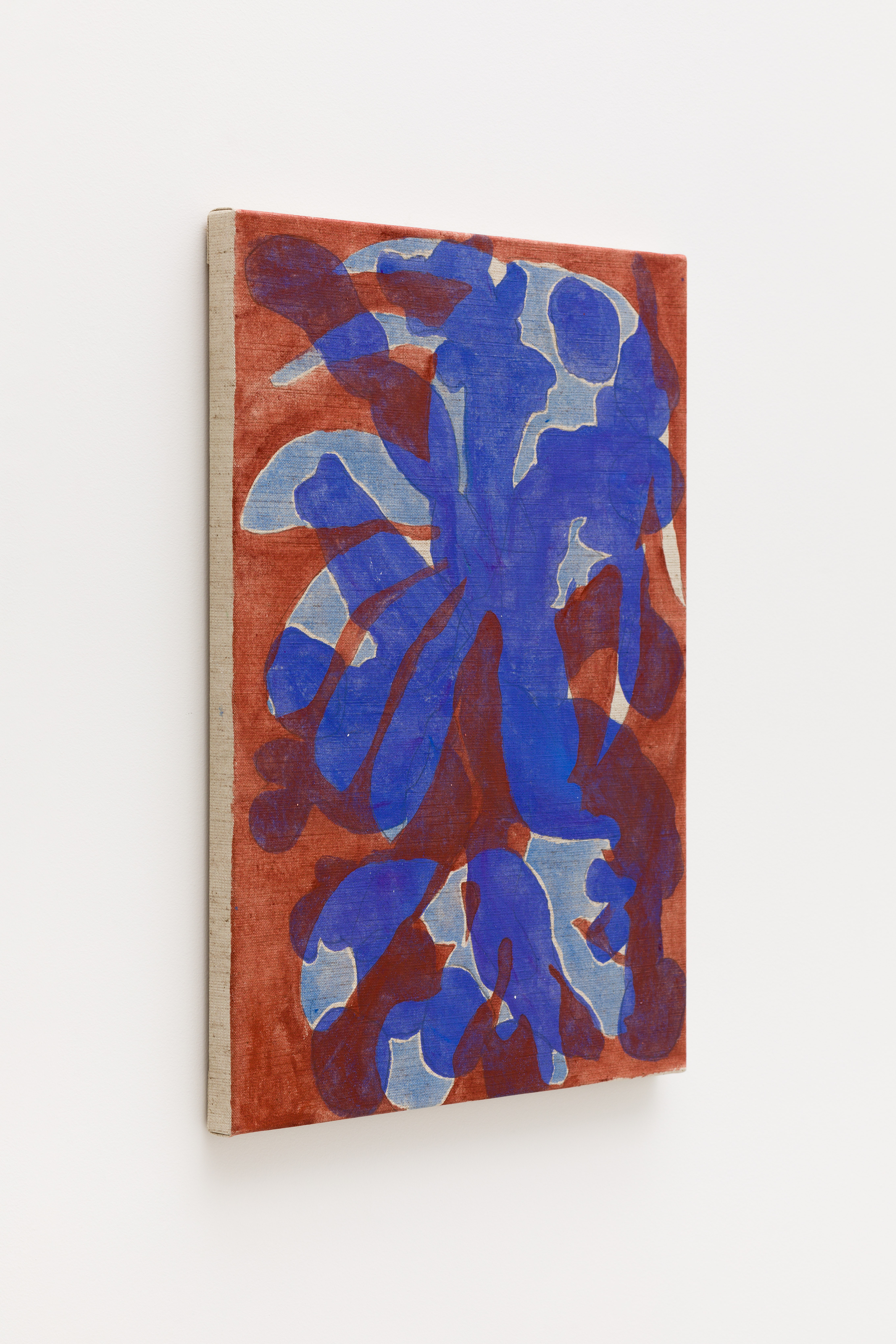
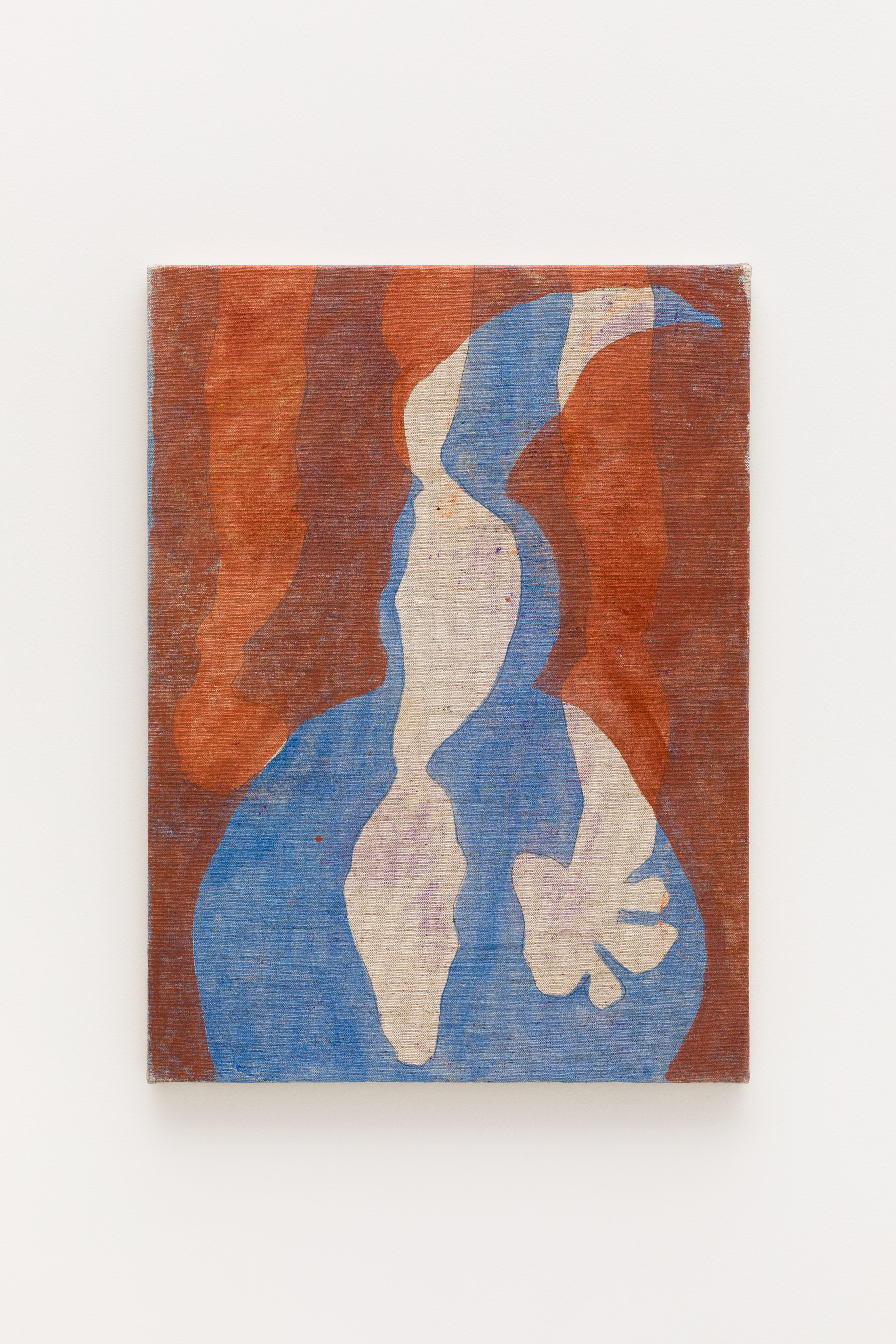
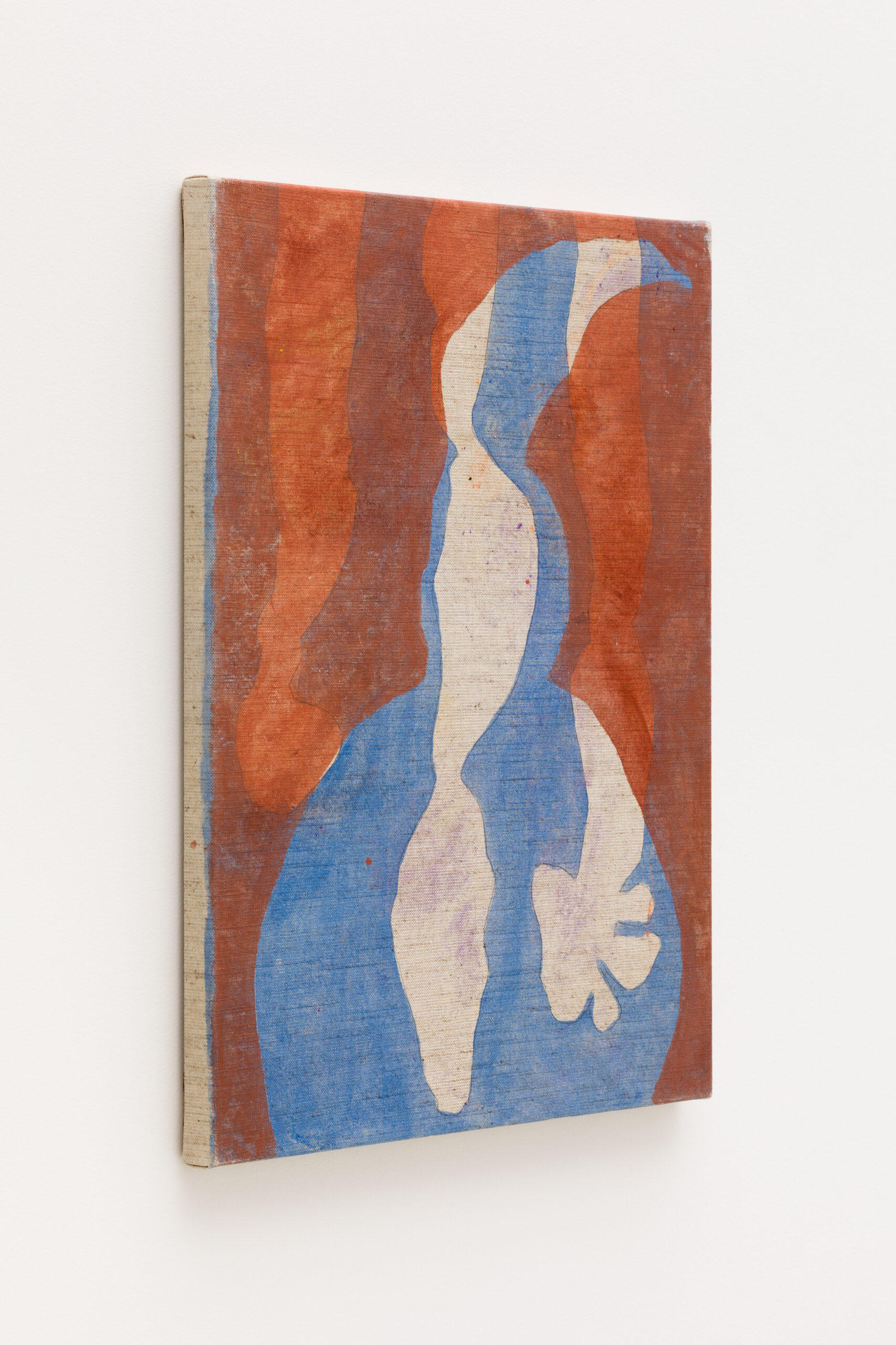
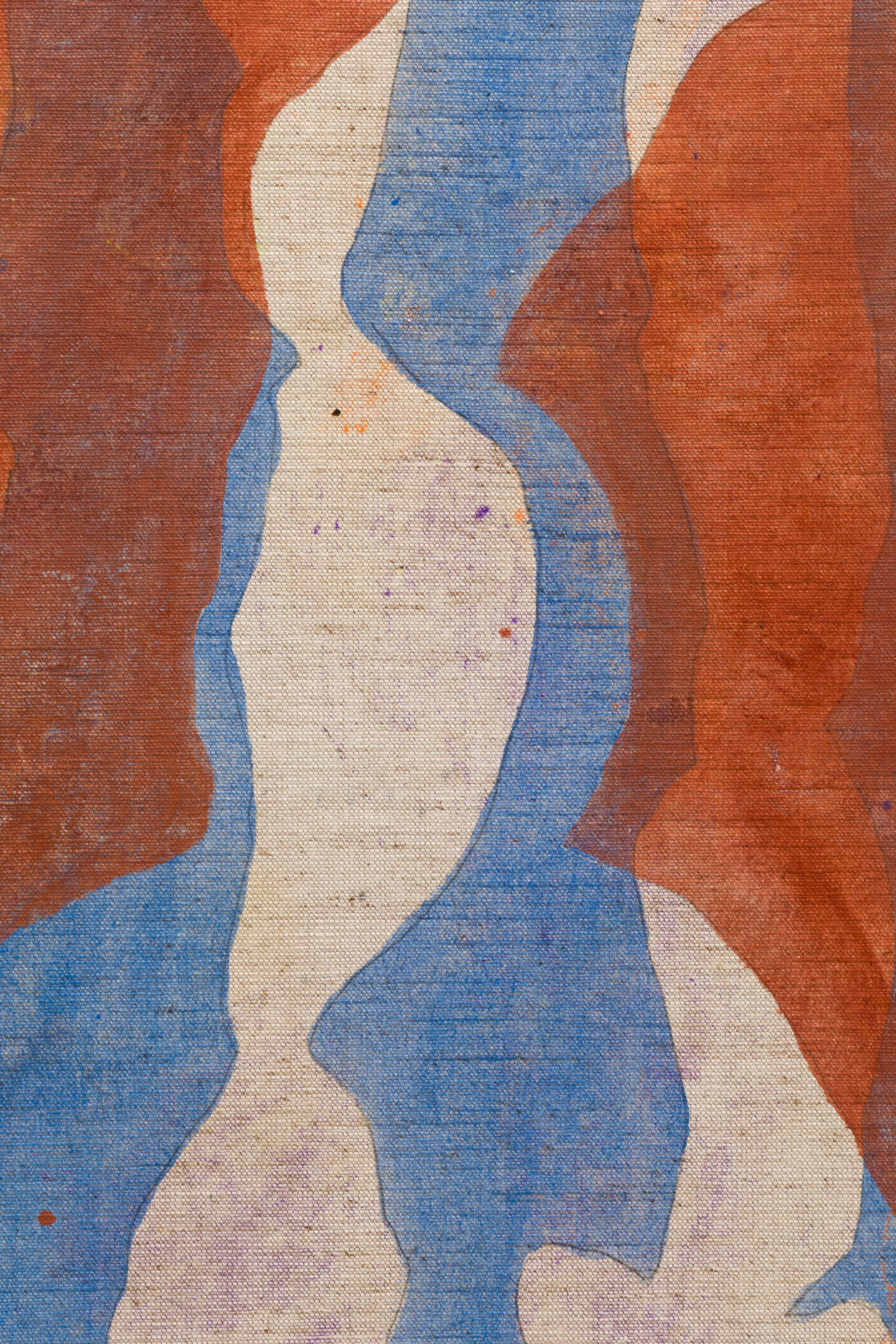
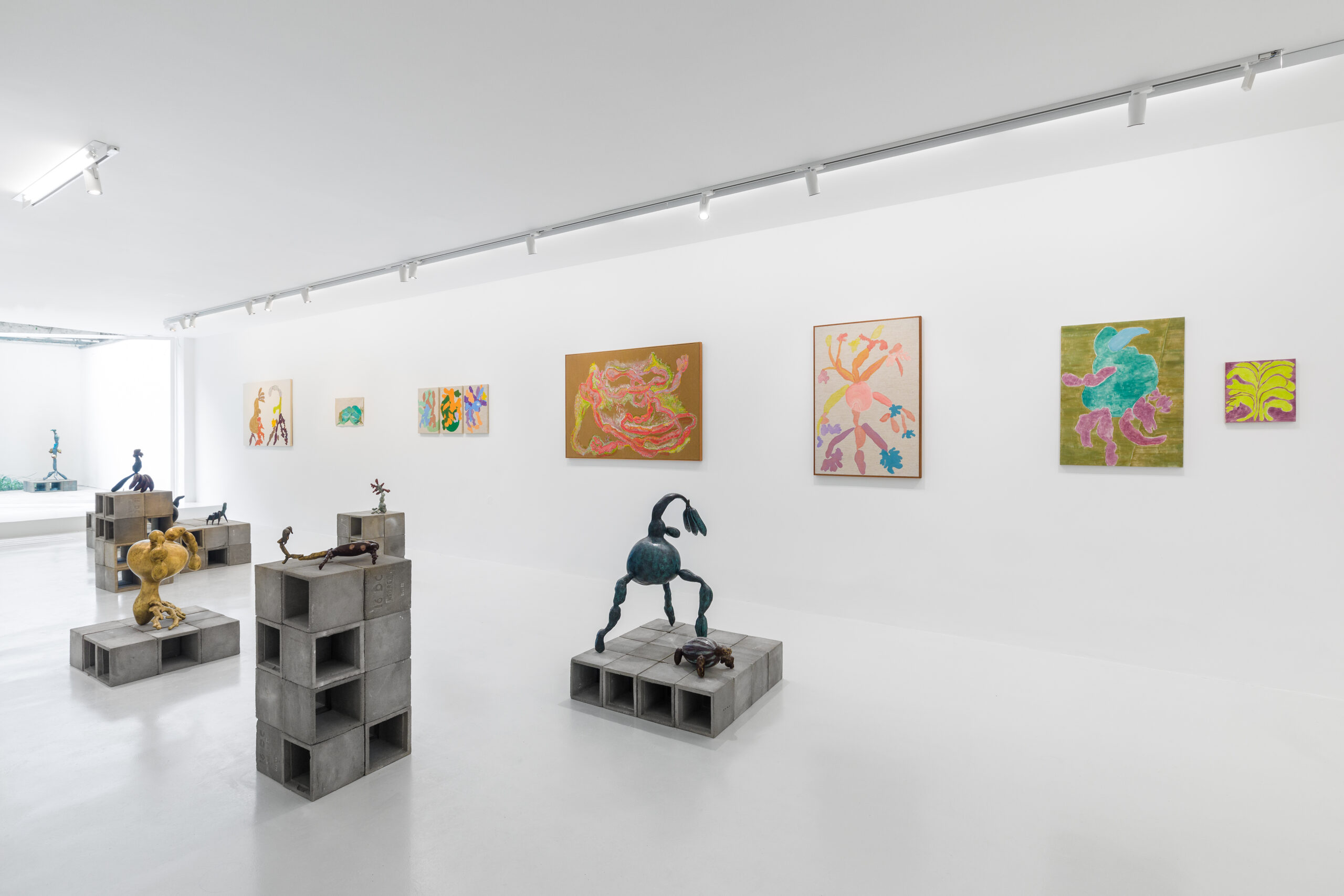
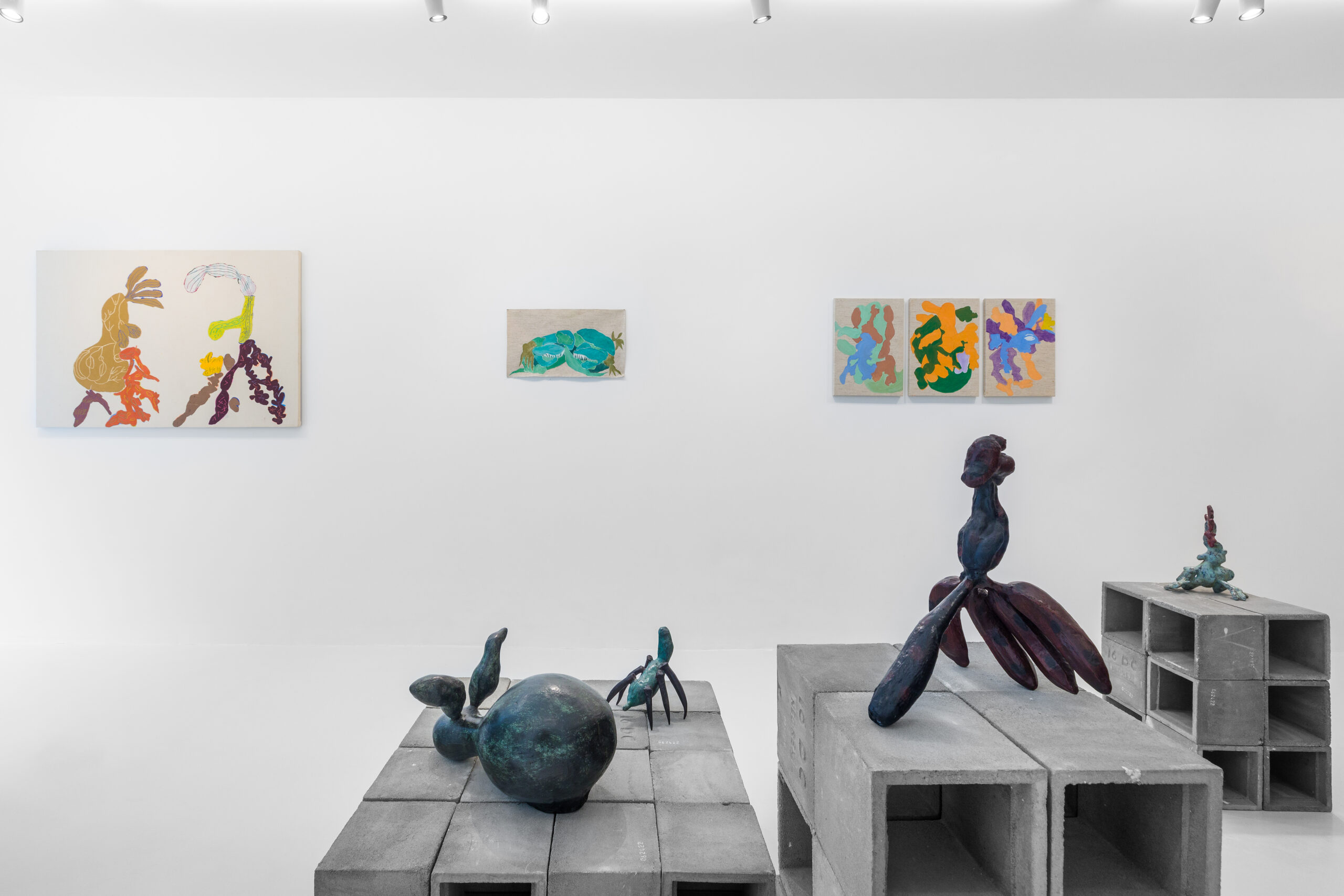
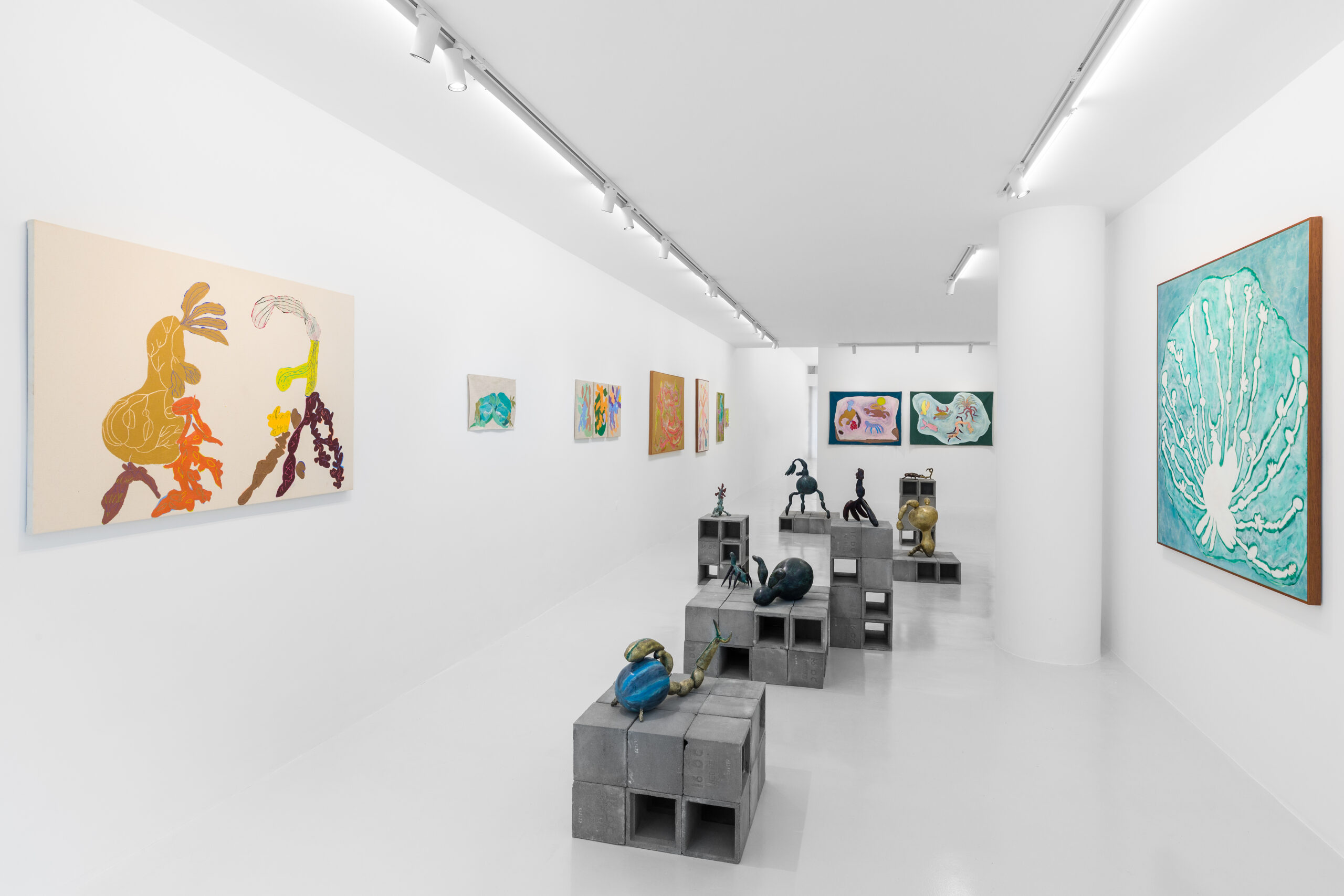
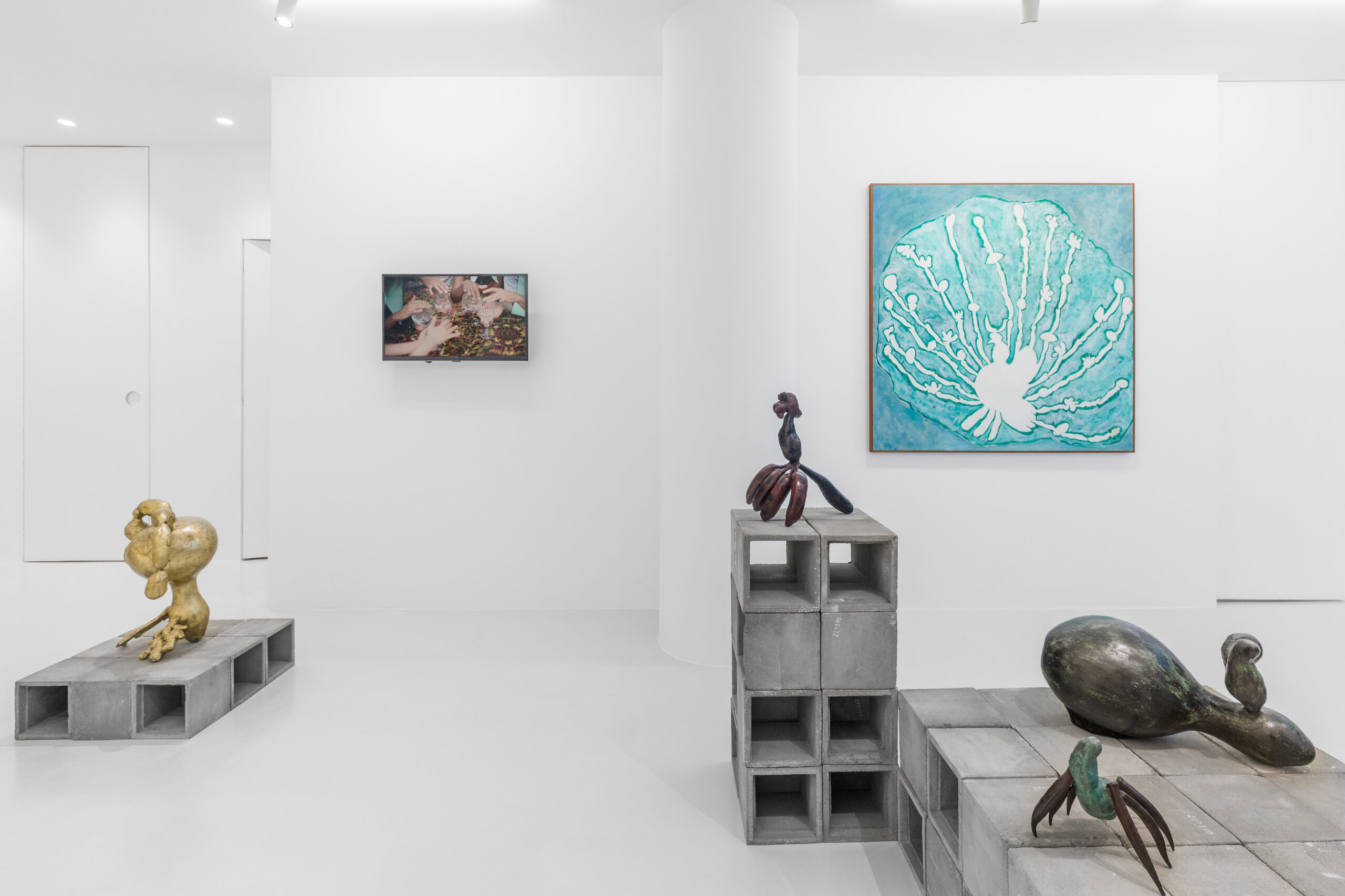
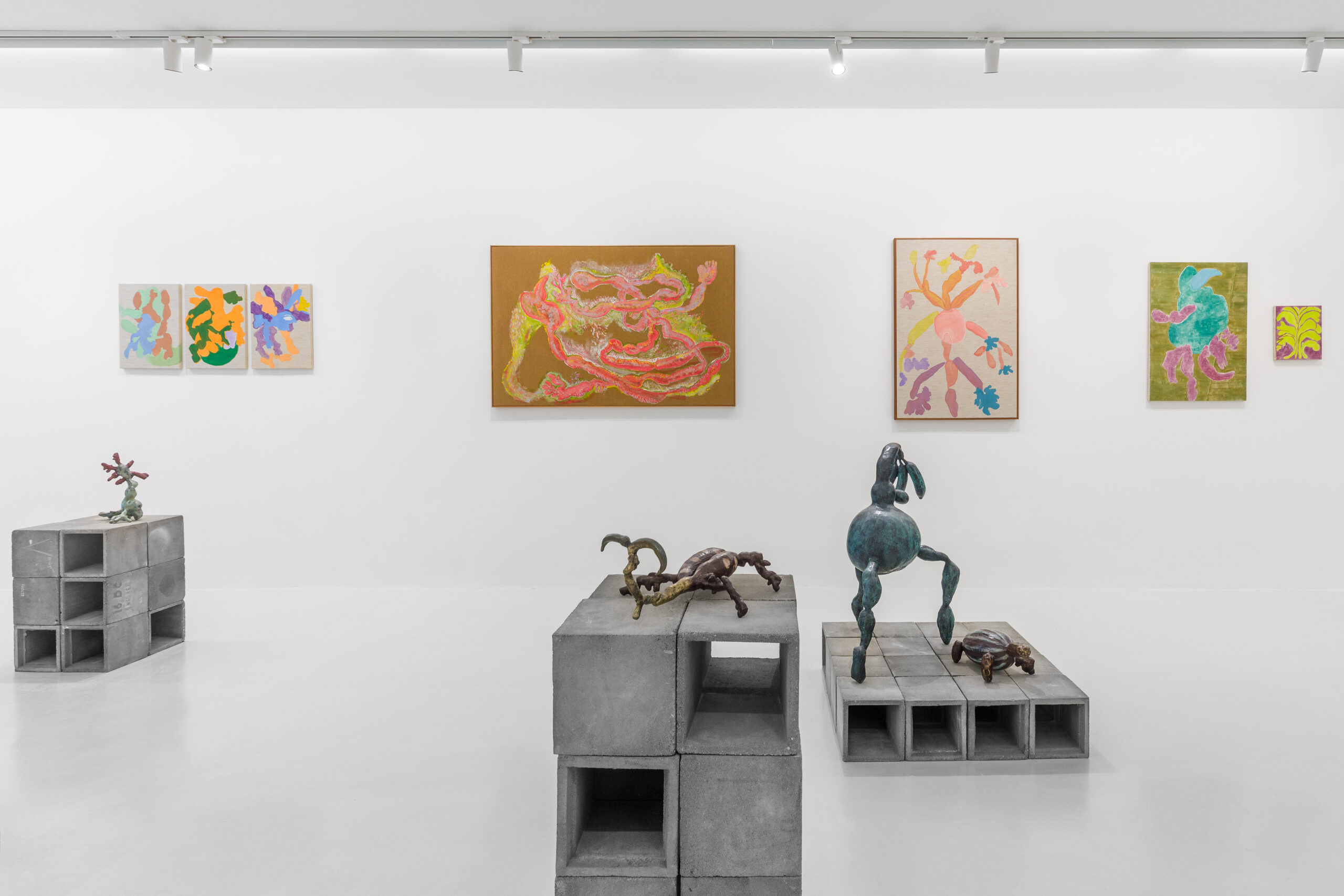
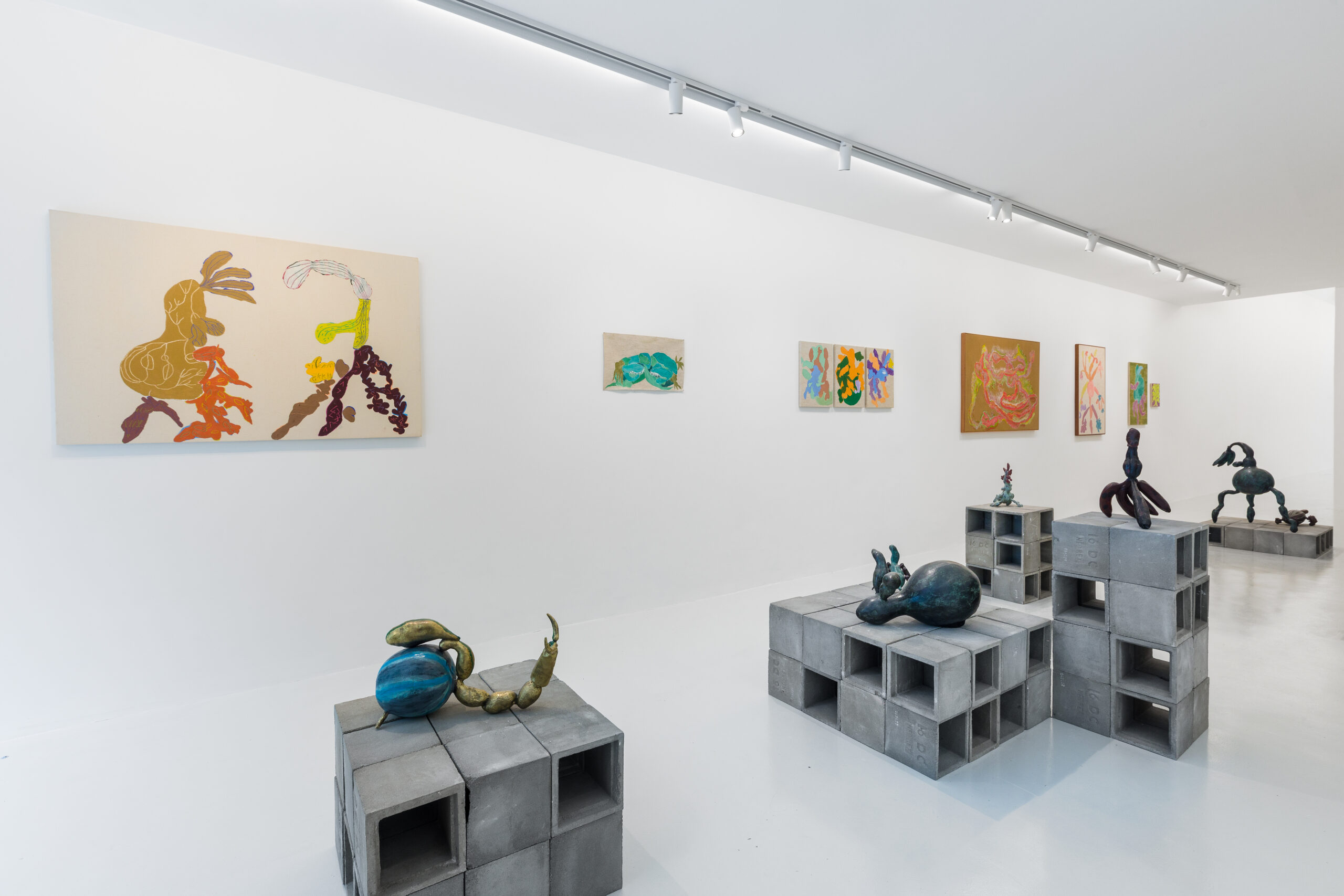
The exhibition Jardim Novas Mucosas presents Diambe’s ongoing research into everyday experiences. Whether it’s household games to turn food into small sculptures, walks in parks in the center of Rio de Janeiro or reverence for guiding entities, artistic practice presents itself as a way of perceiving the world. How do we translate what we see? What affects us? What are the stories behind each being, each object, each choice?
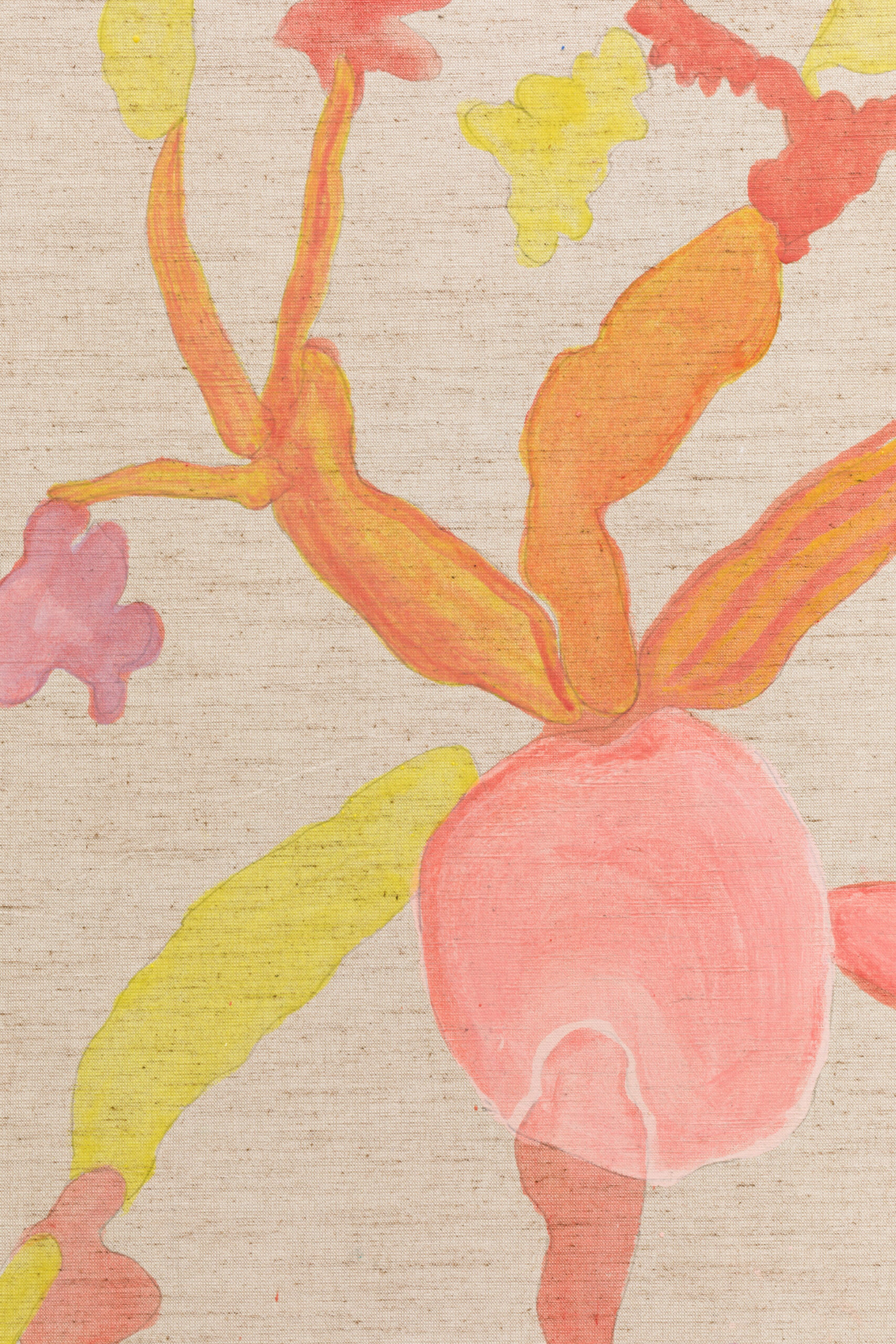
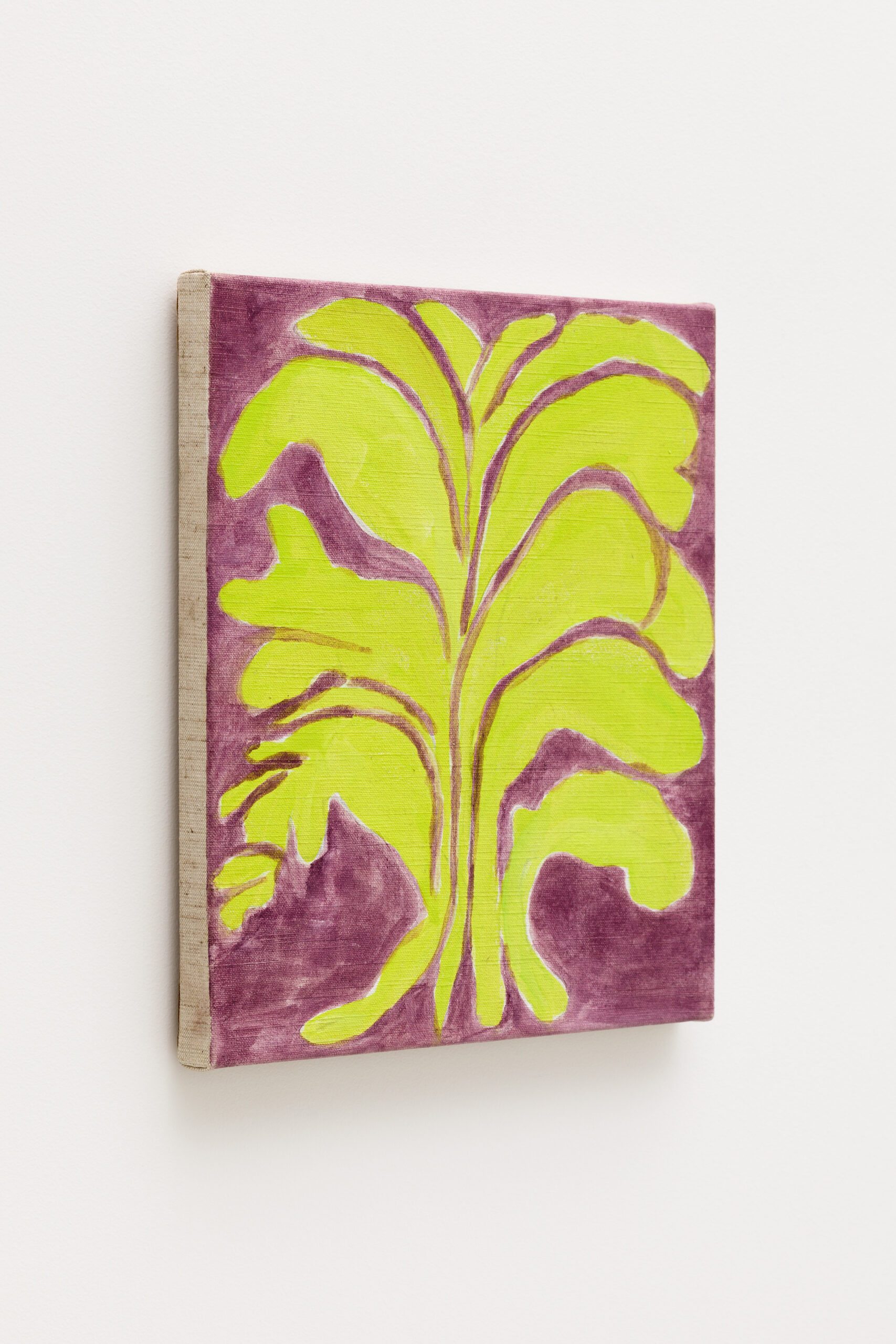
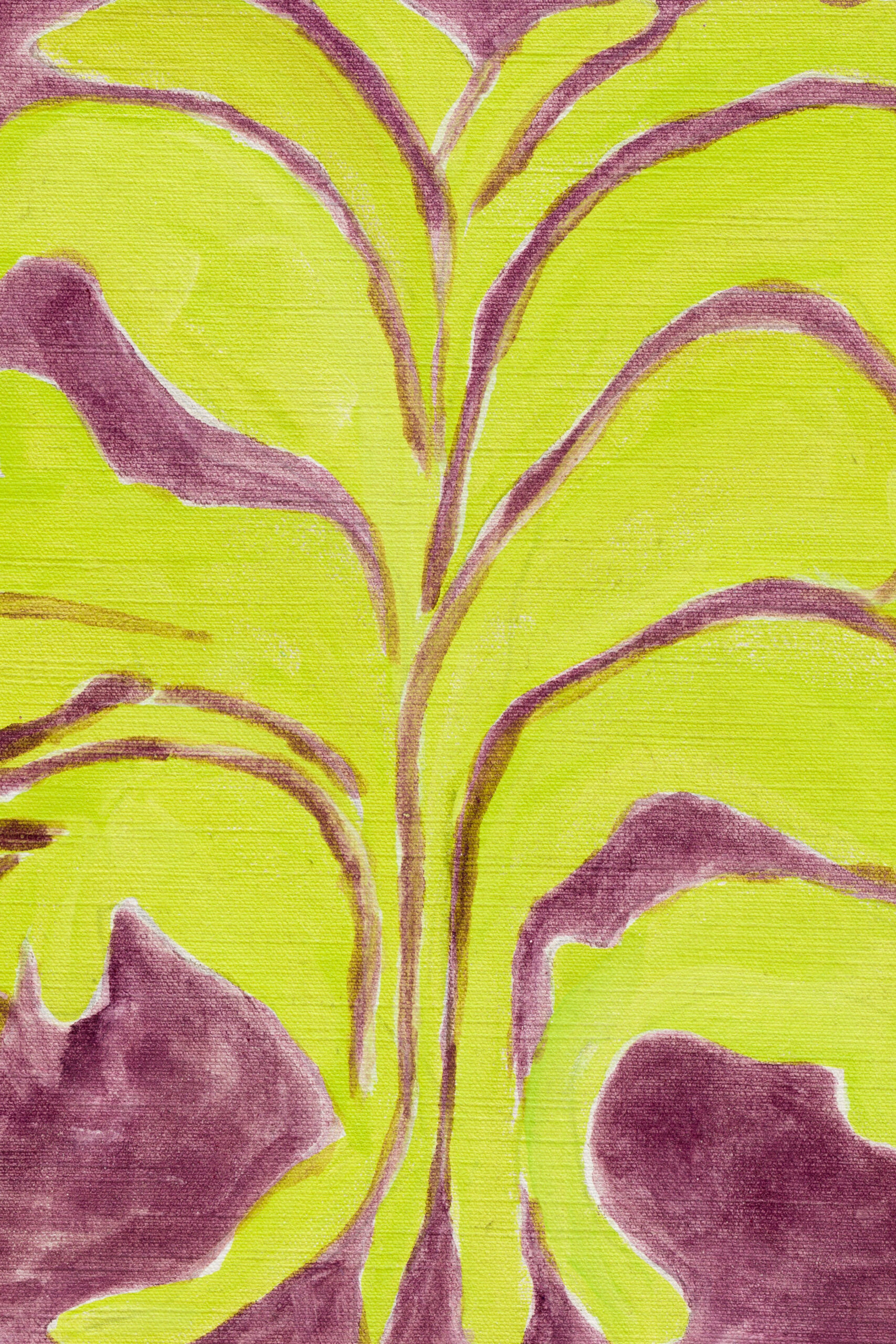
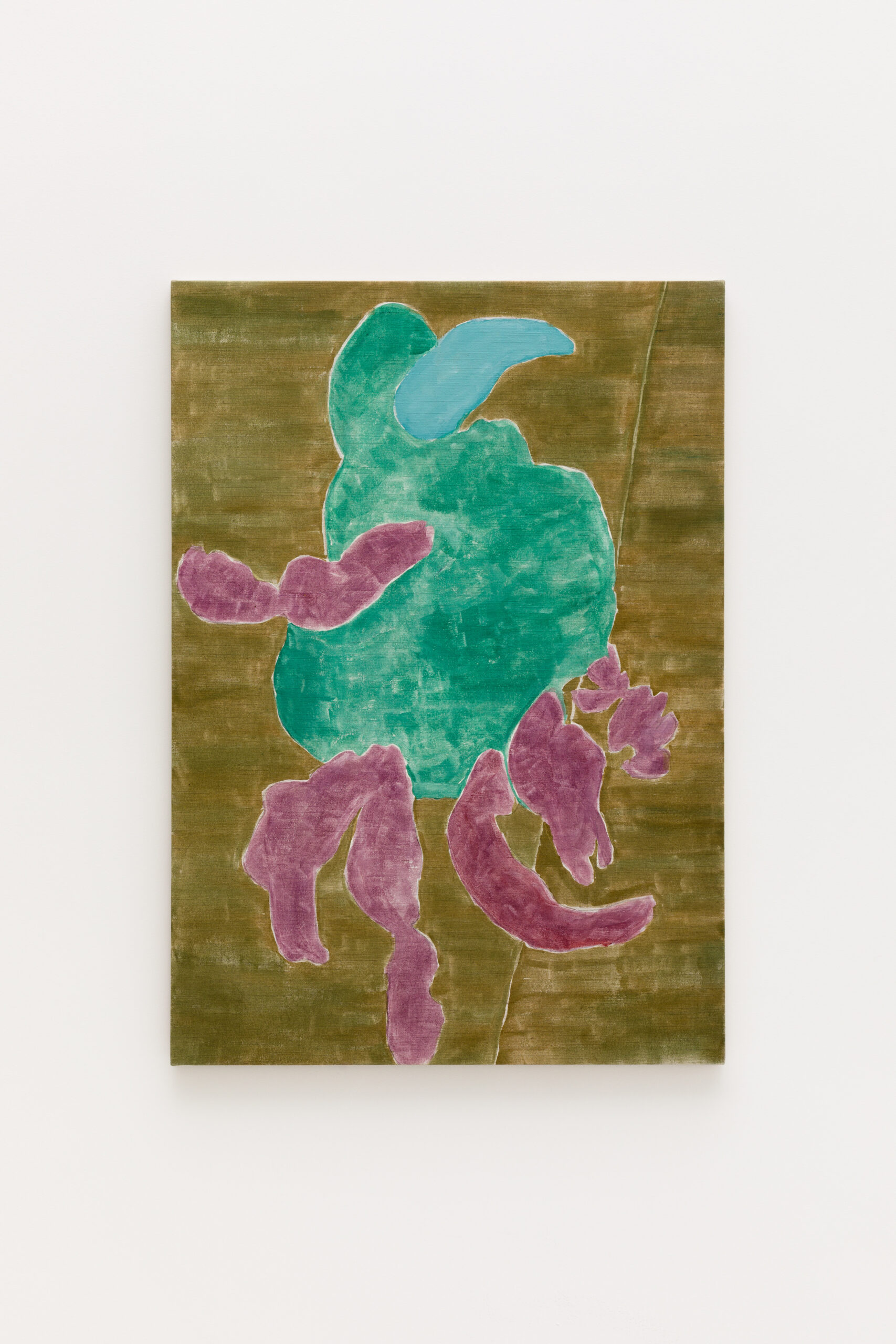
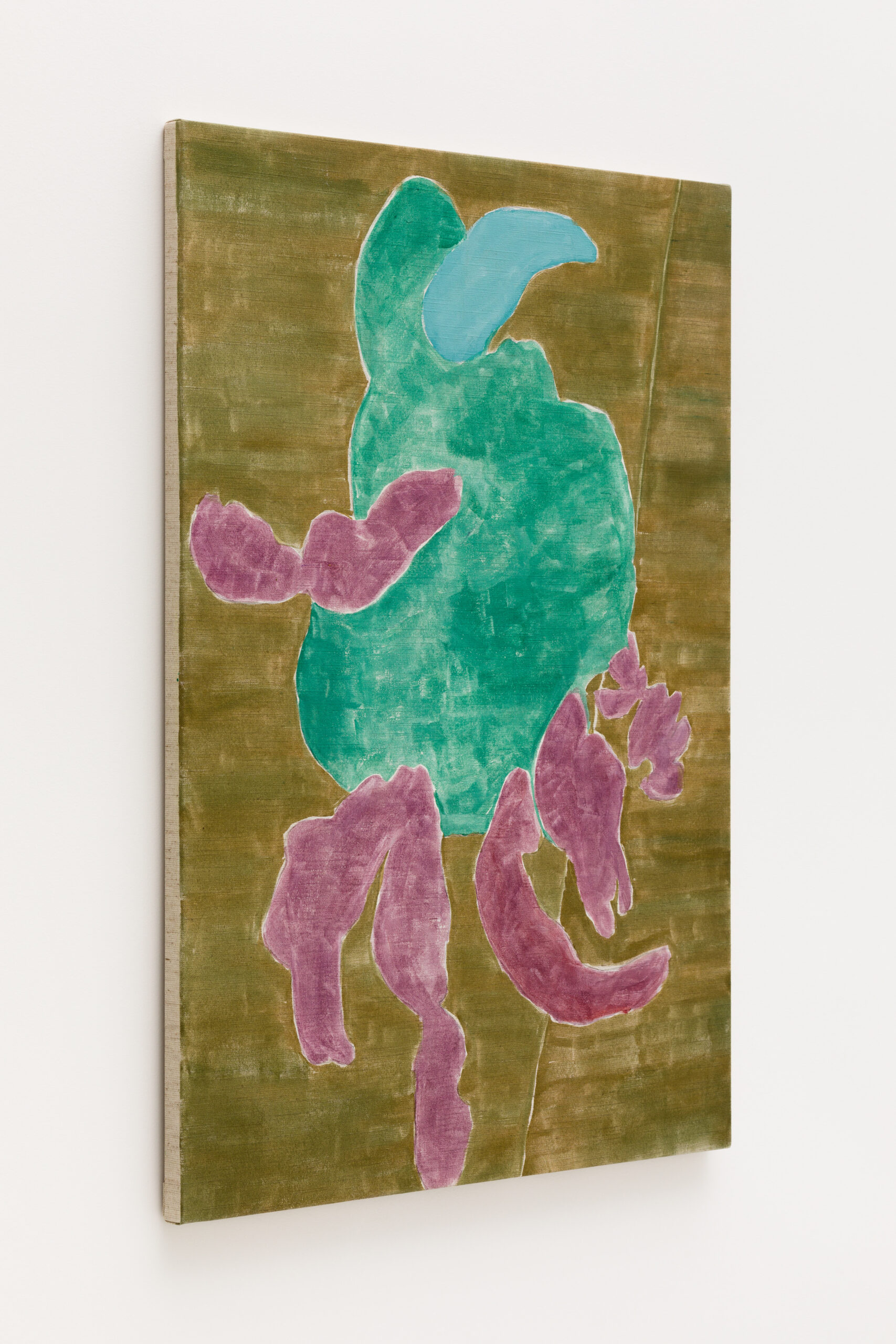
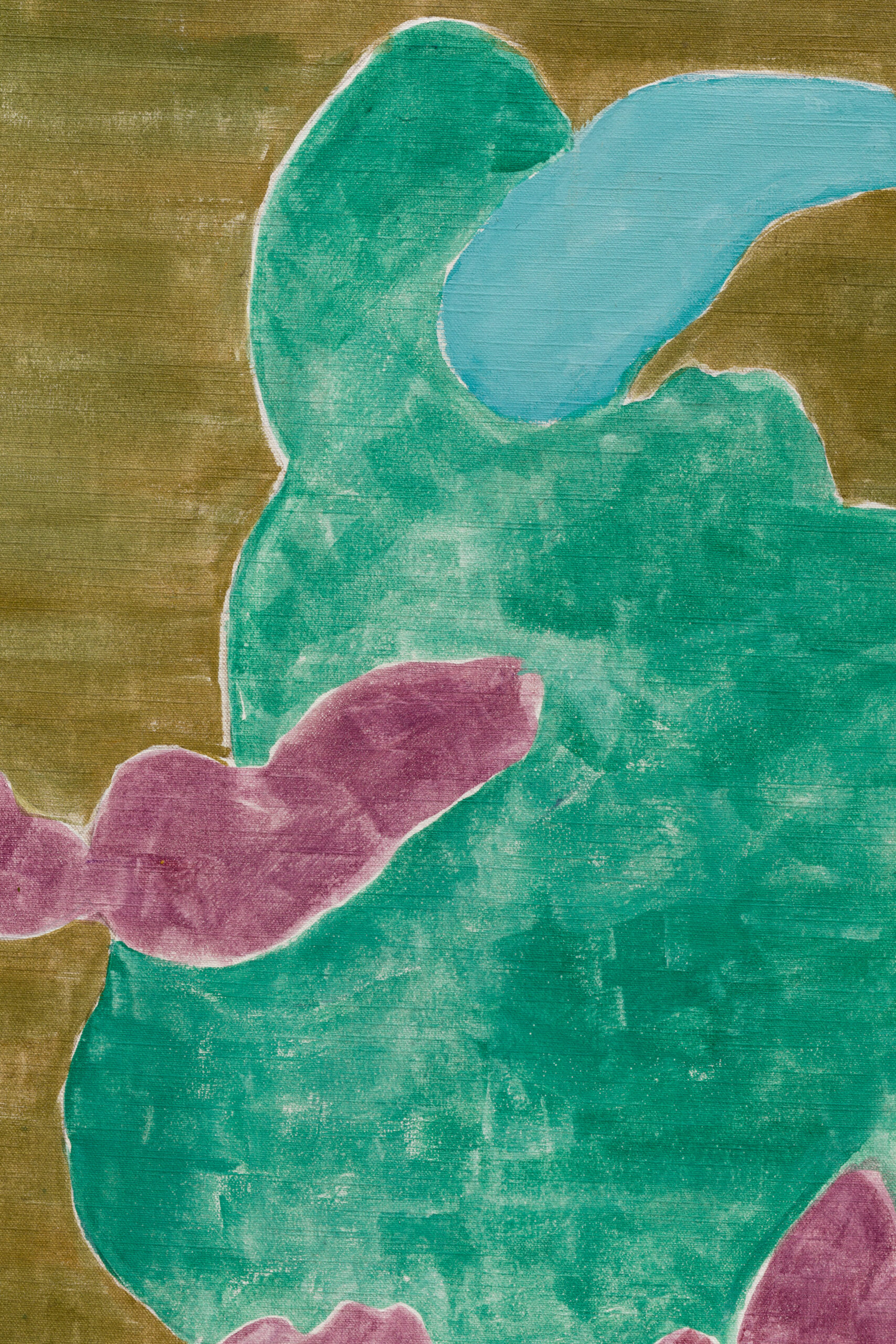
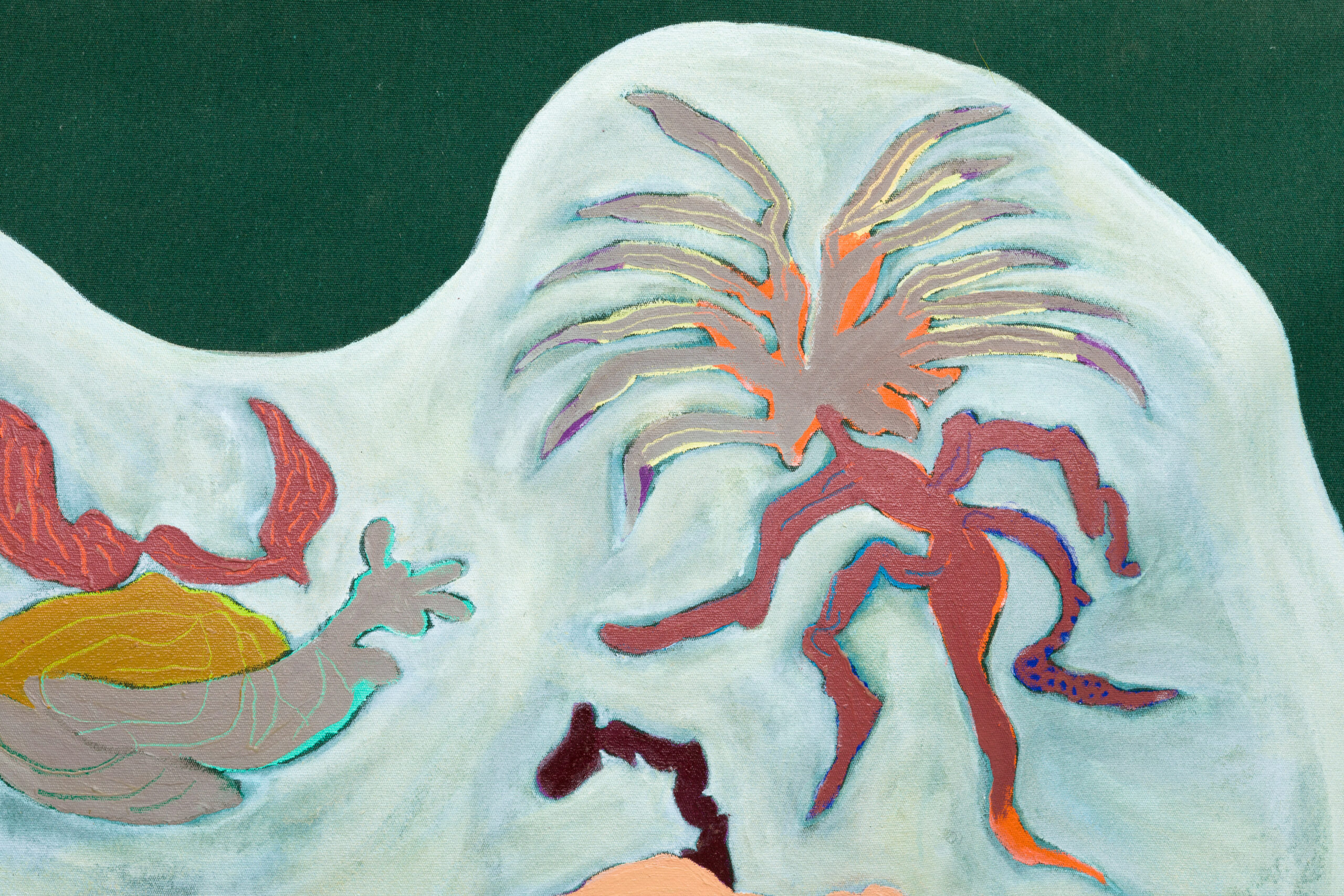
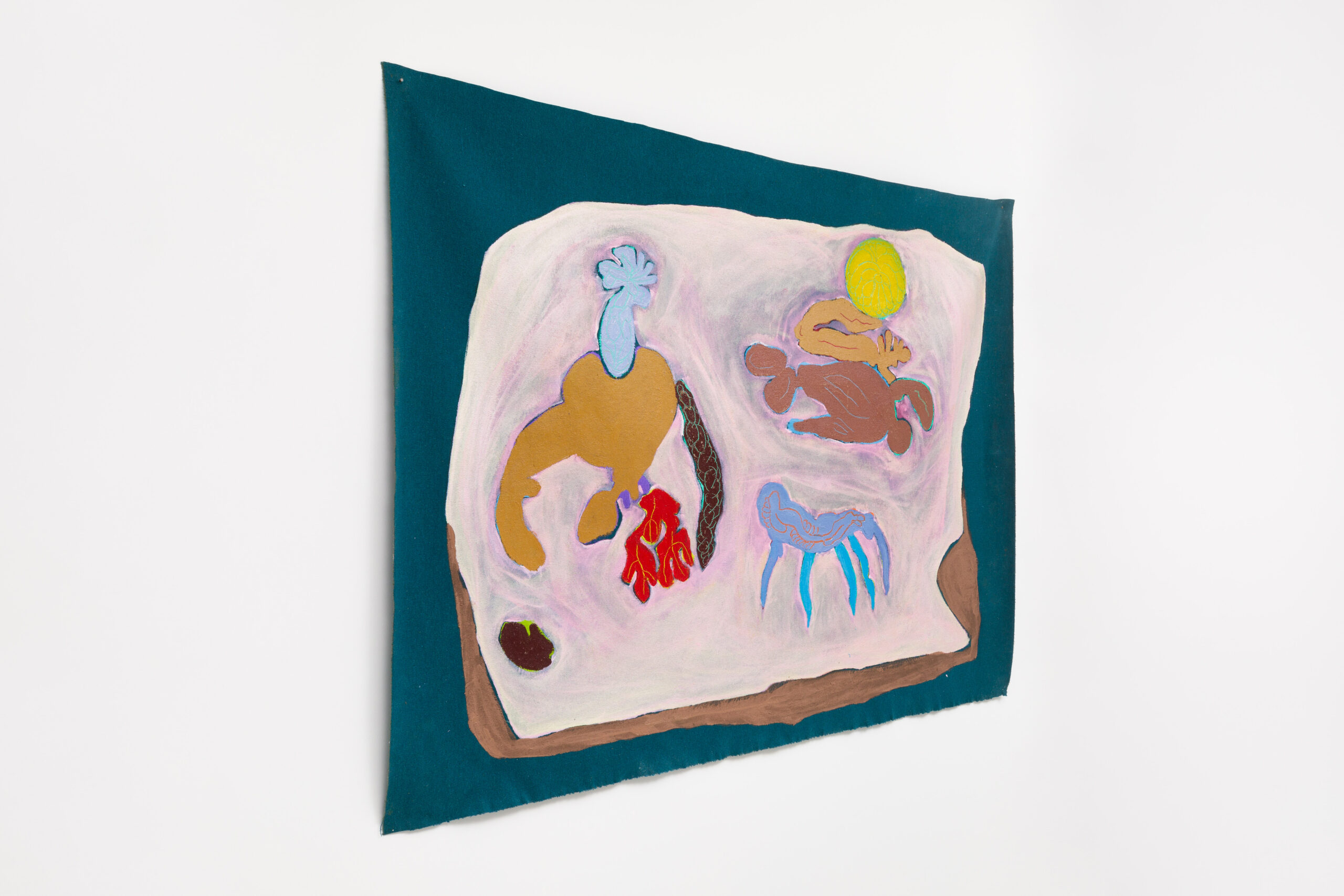
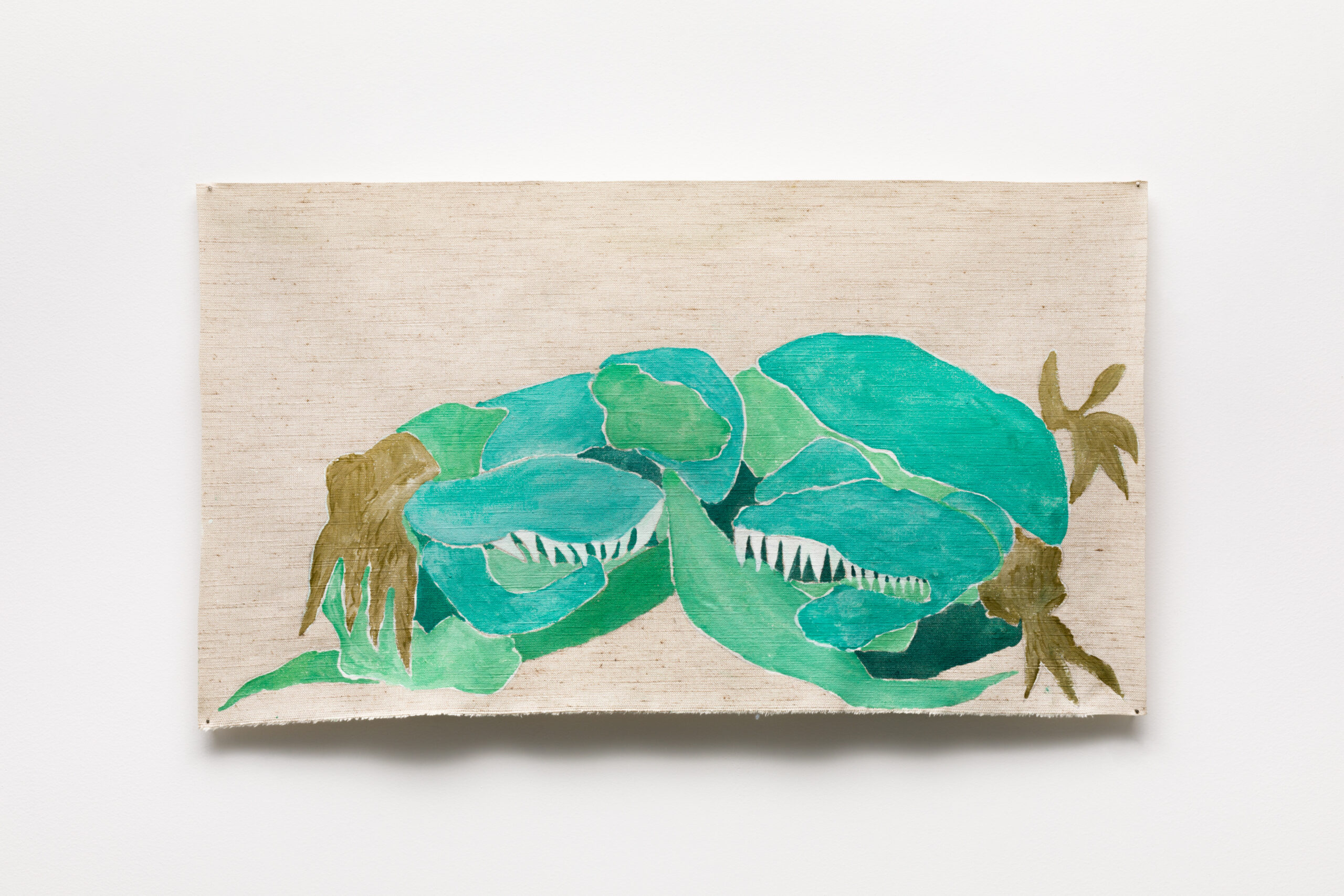
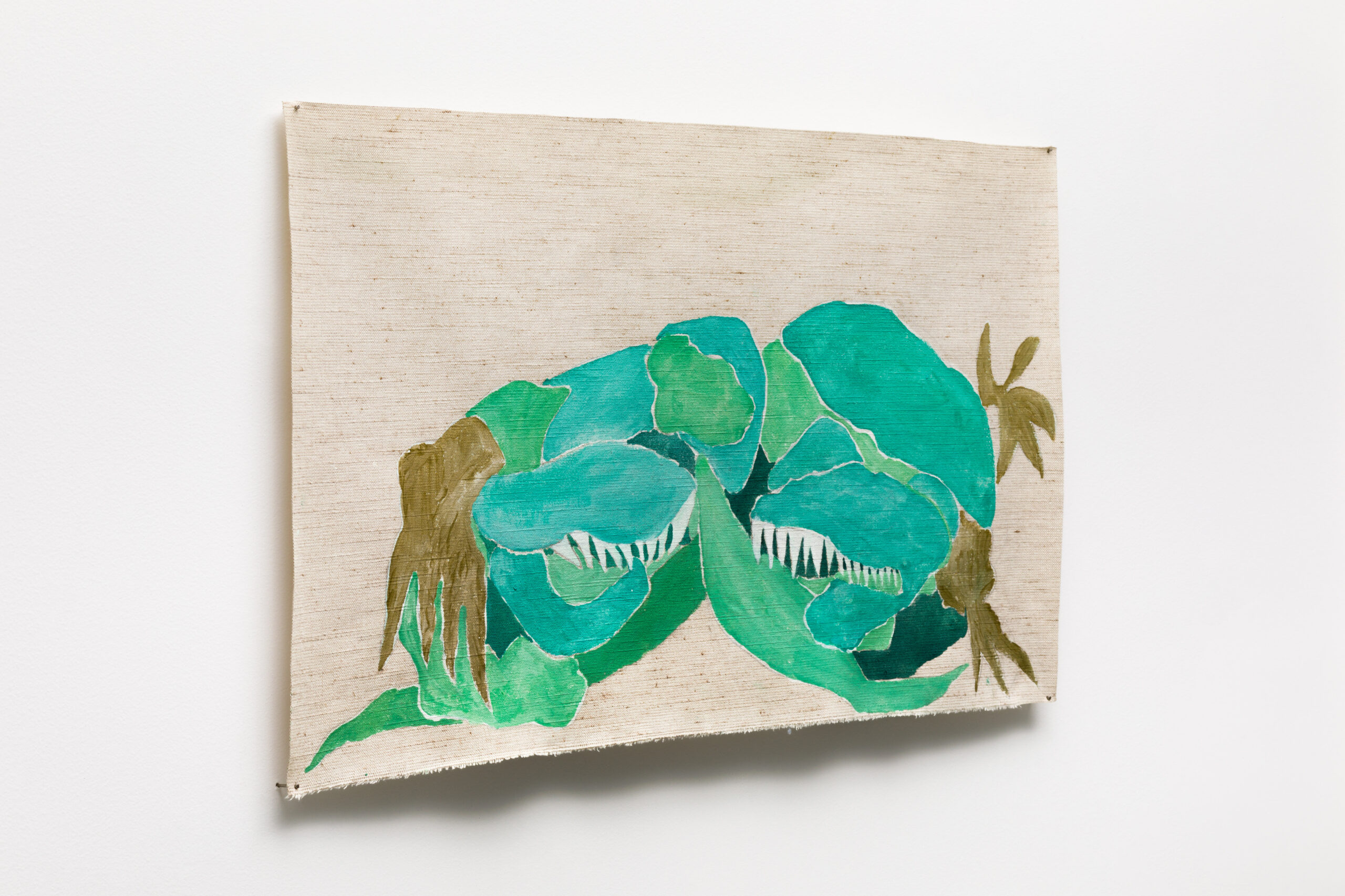
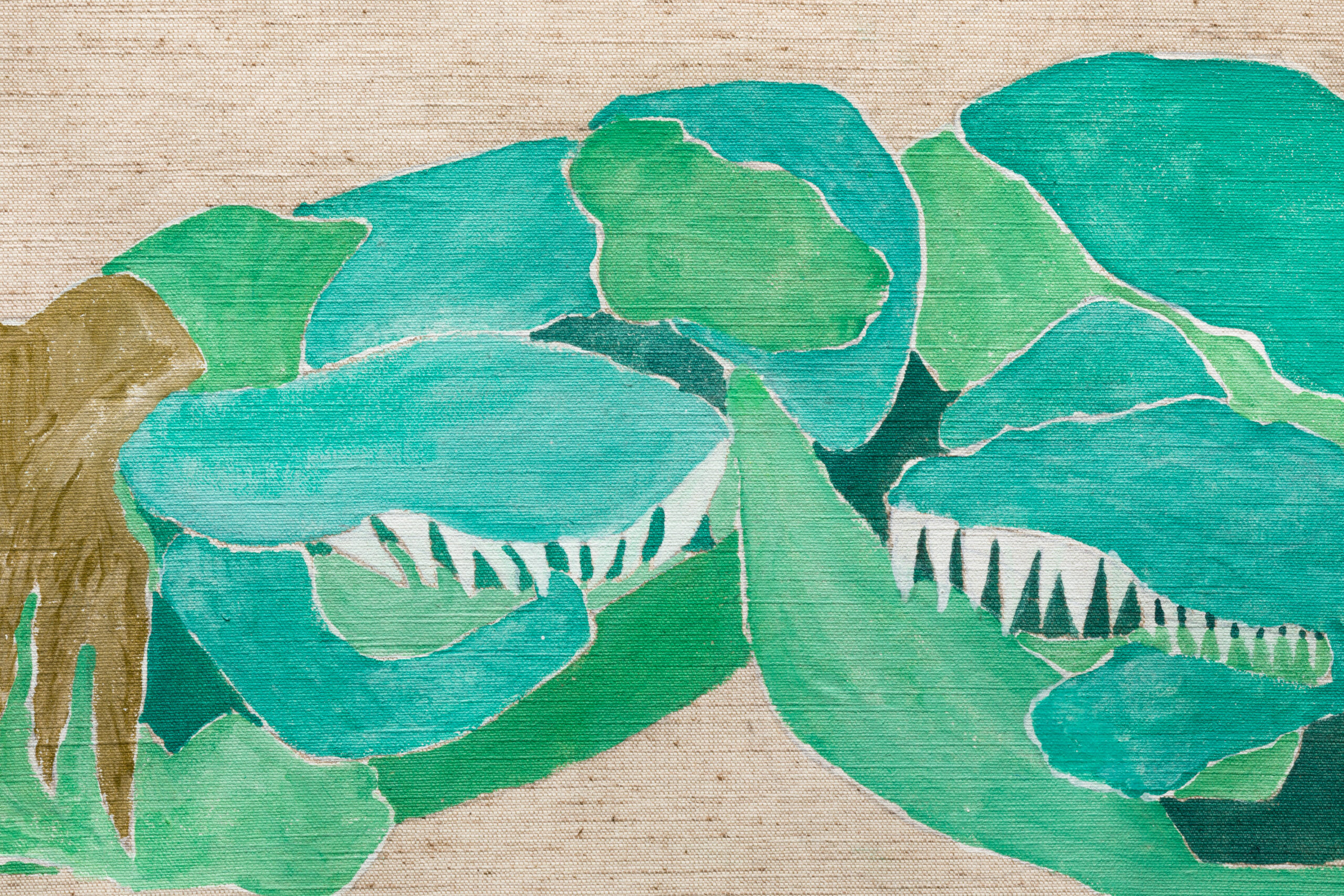
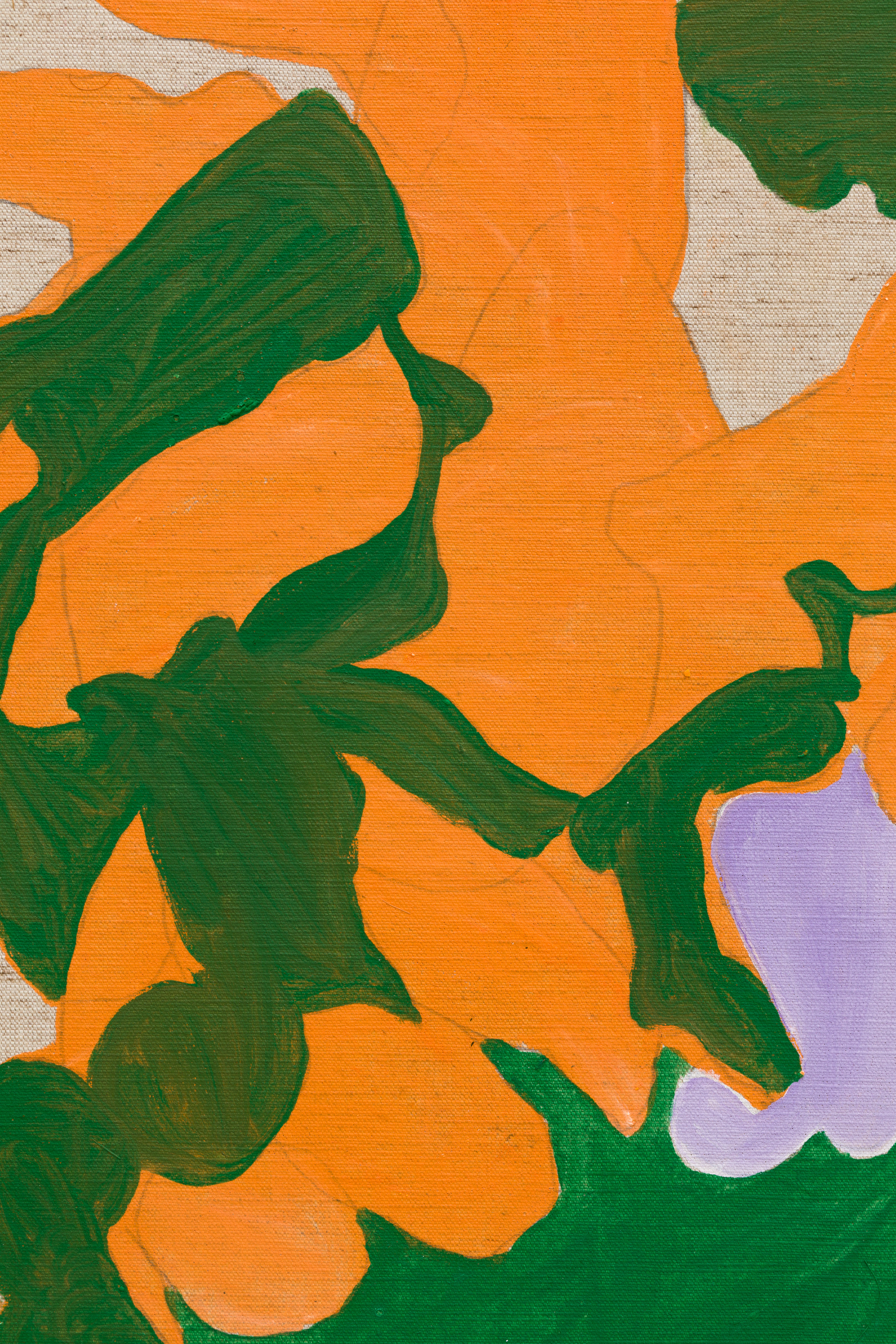
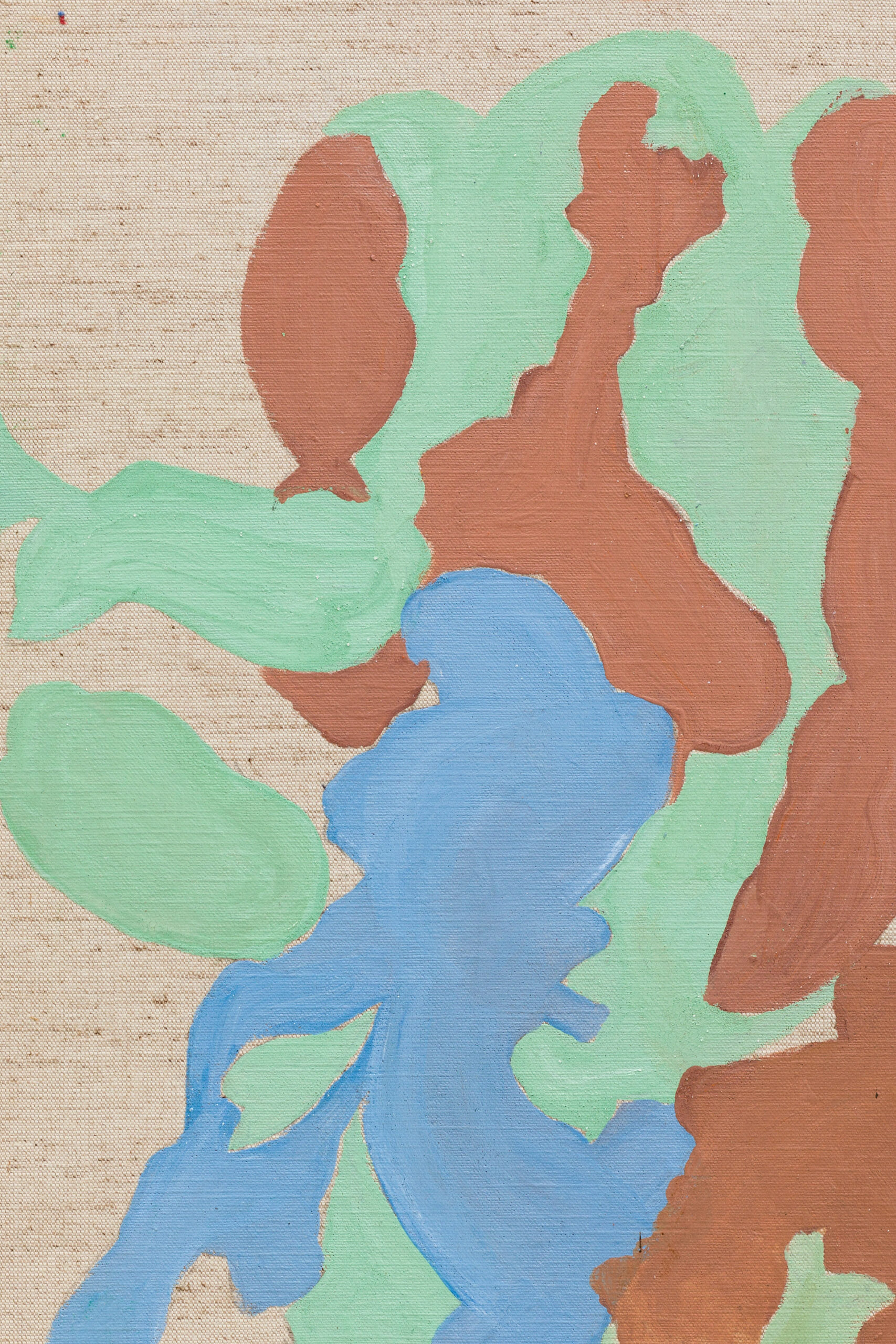
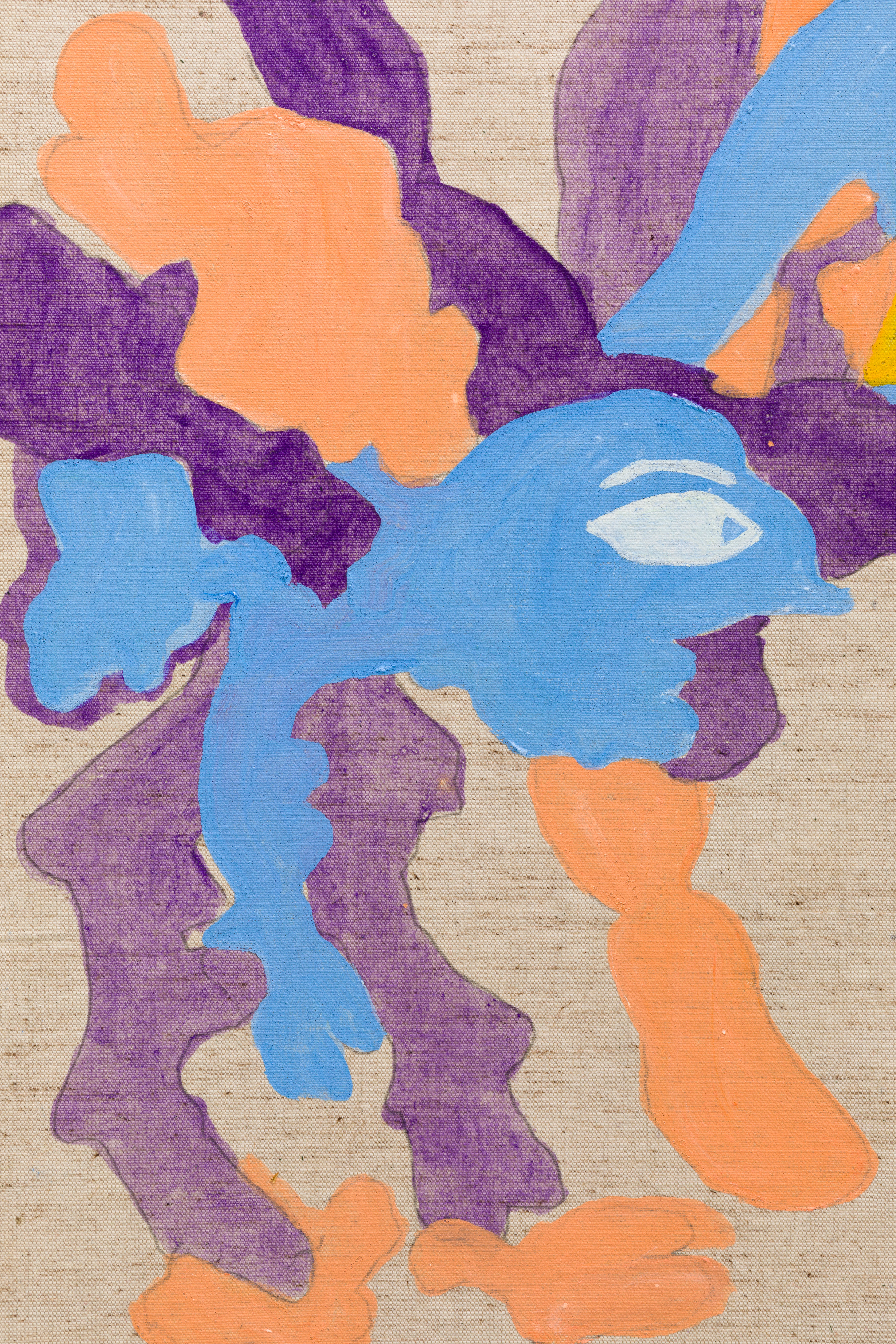
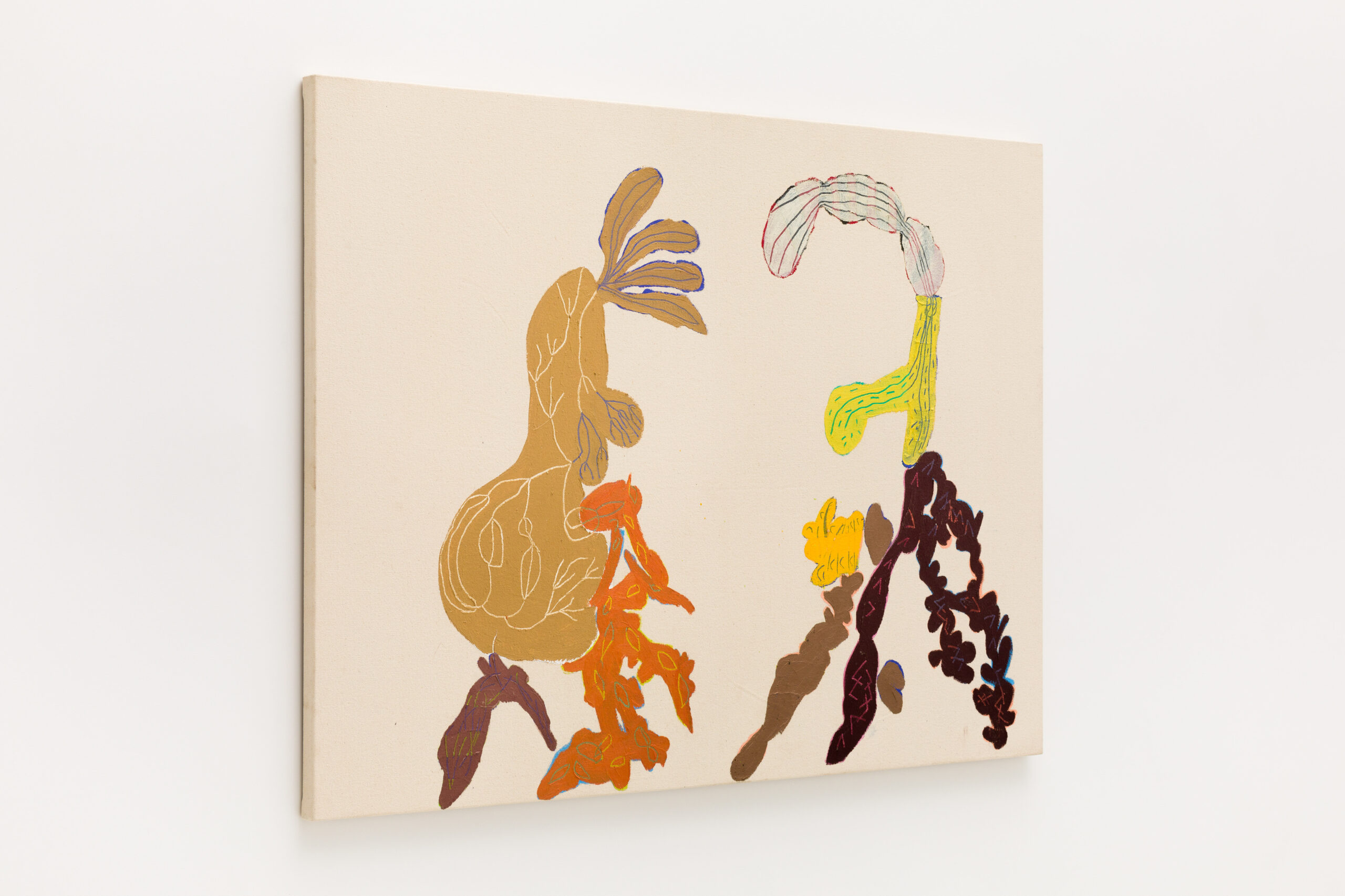
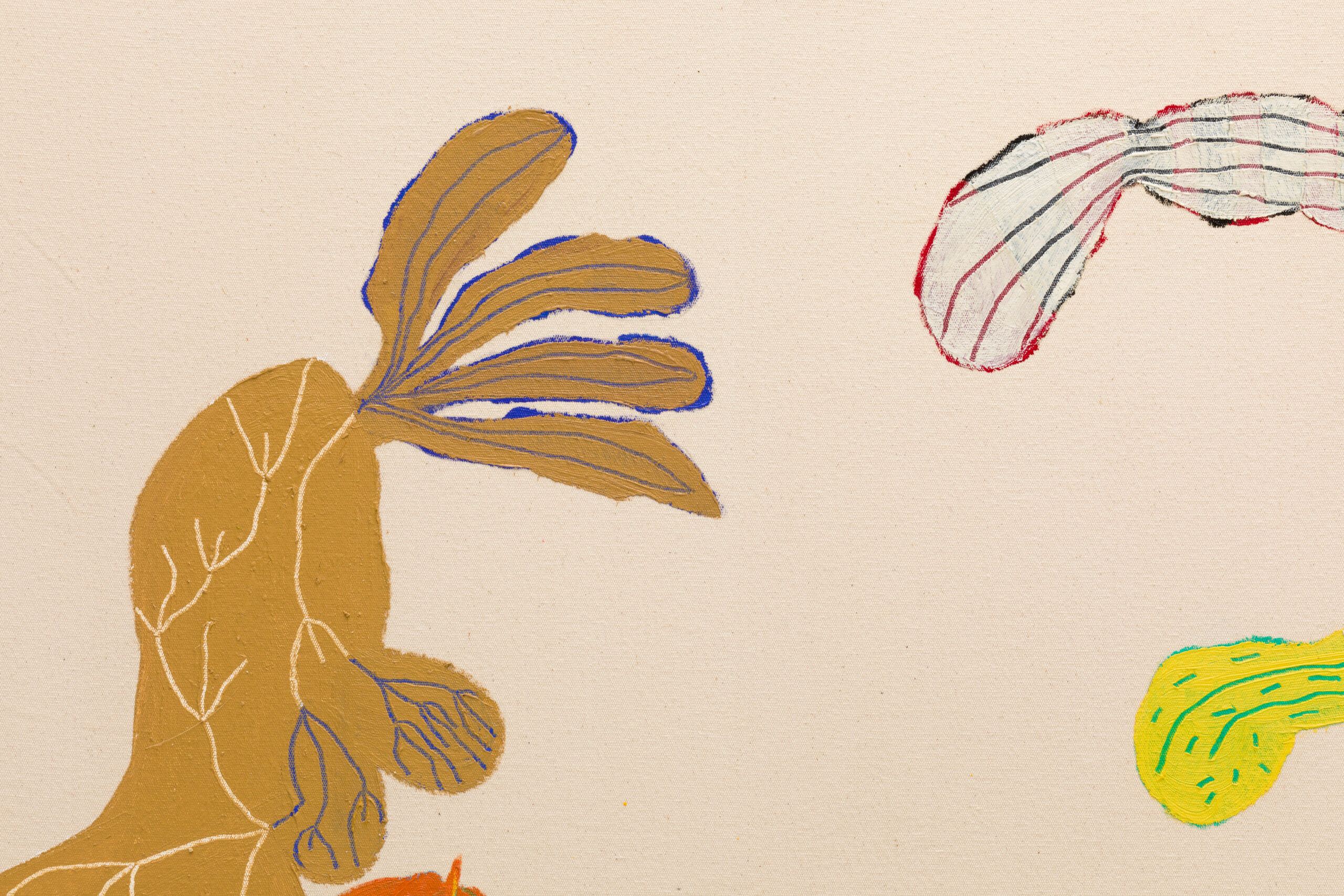
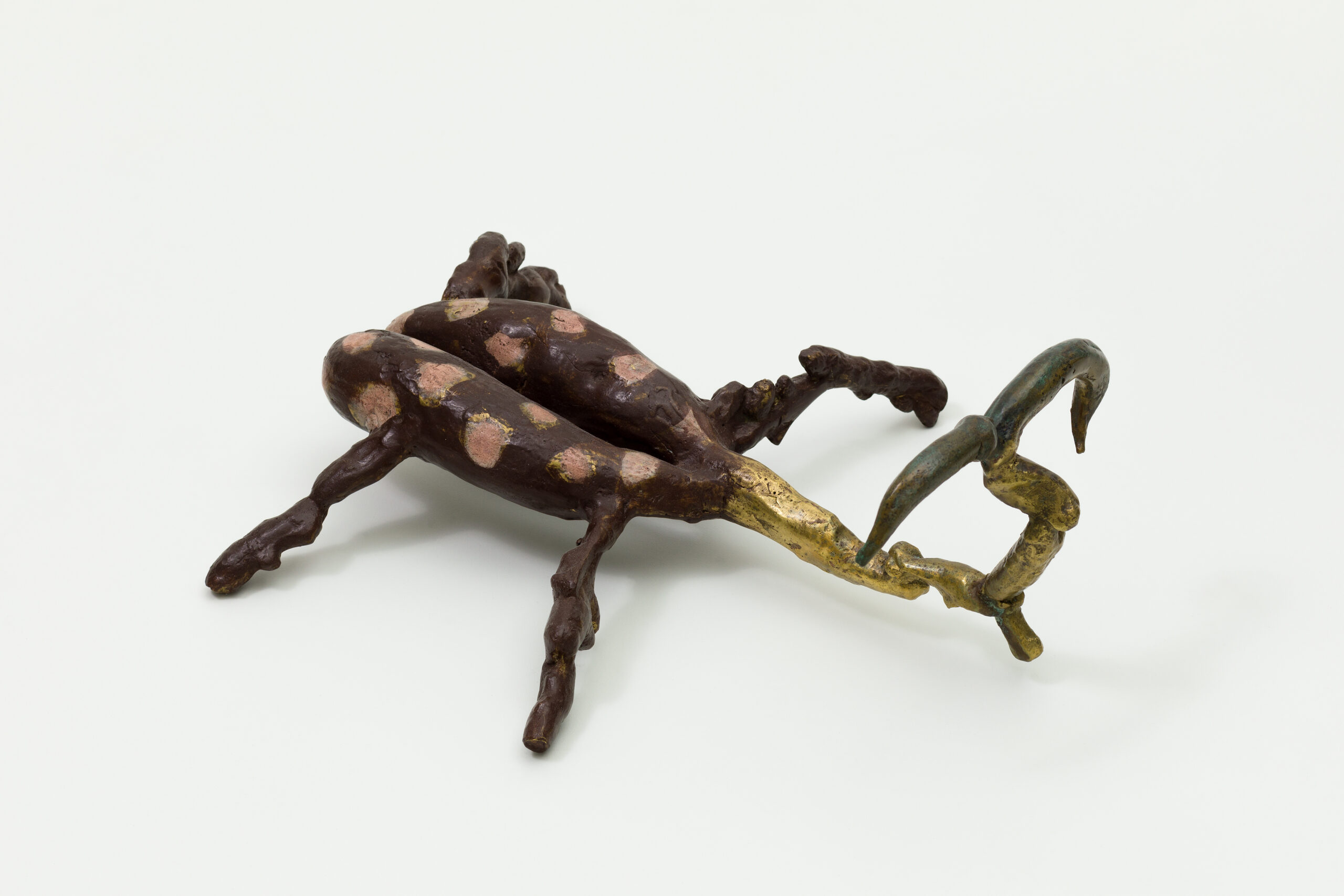
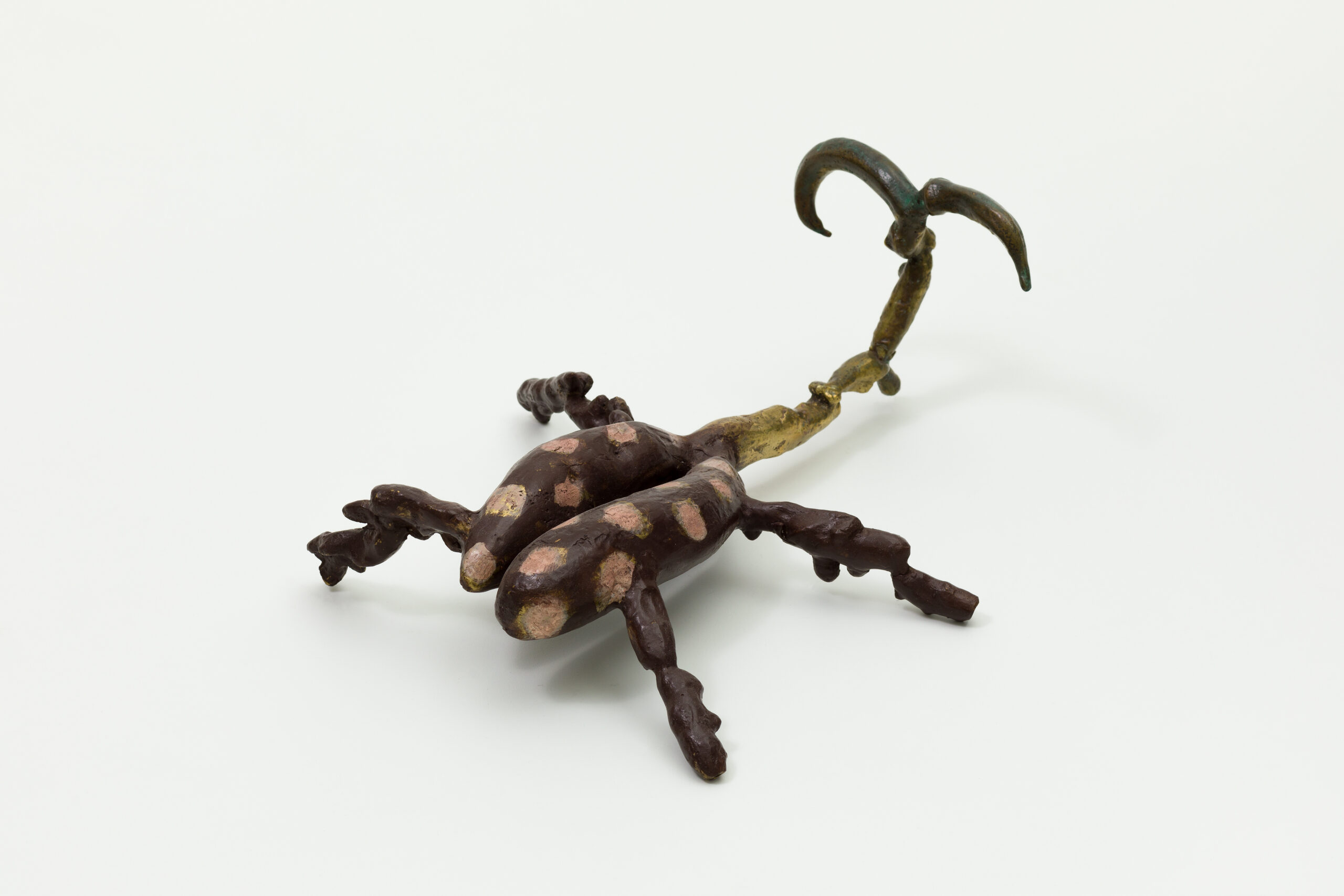
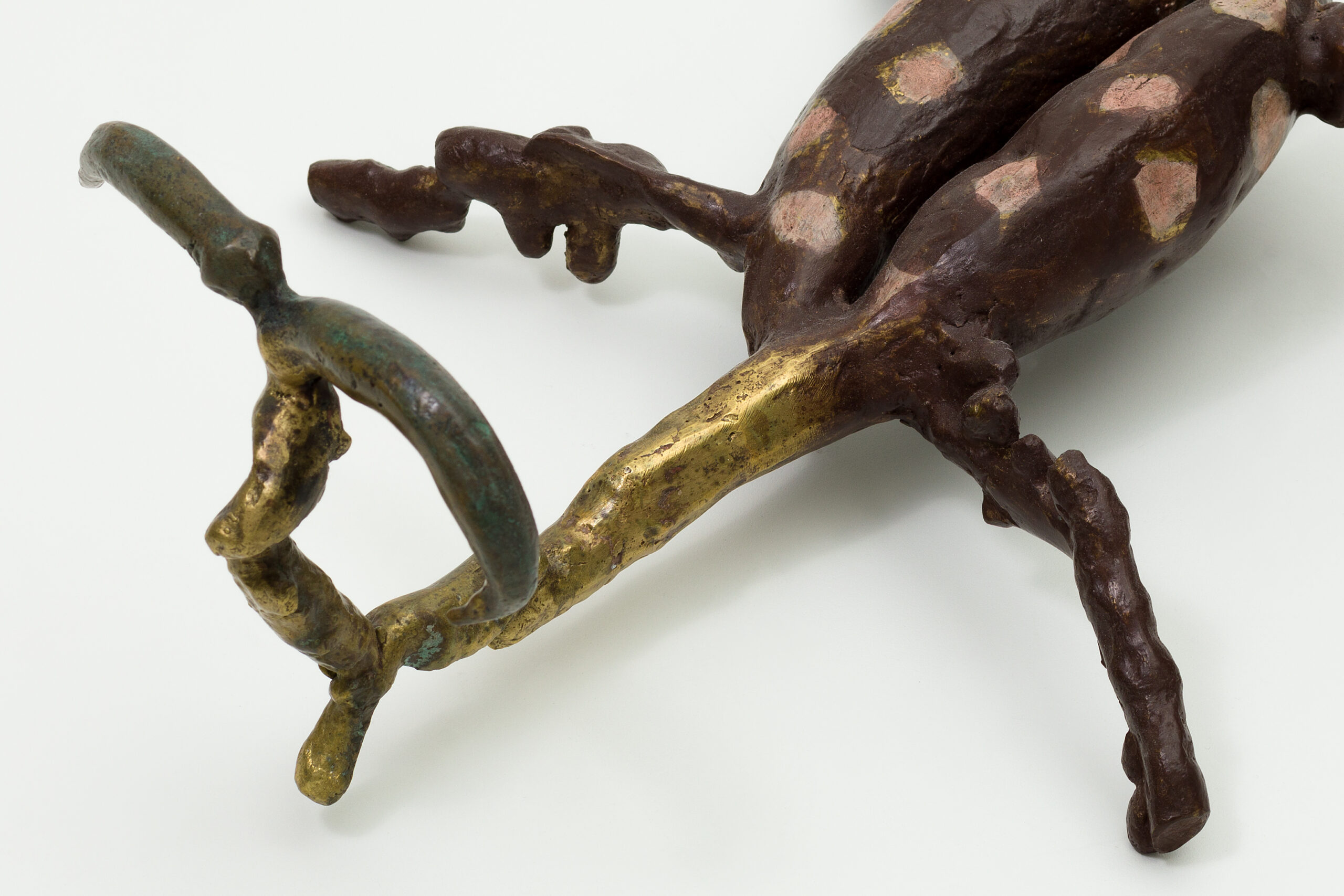
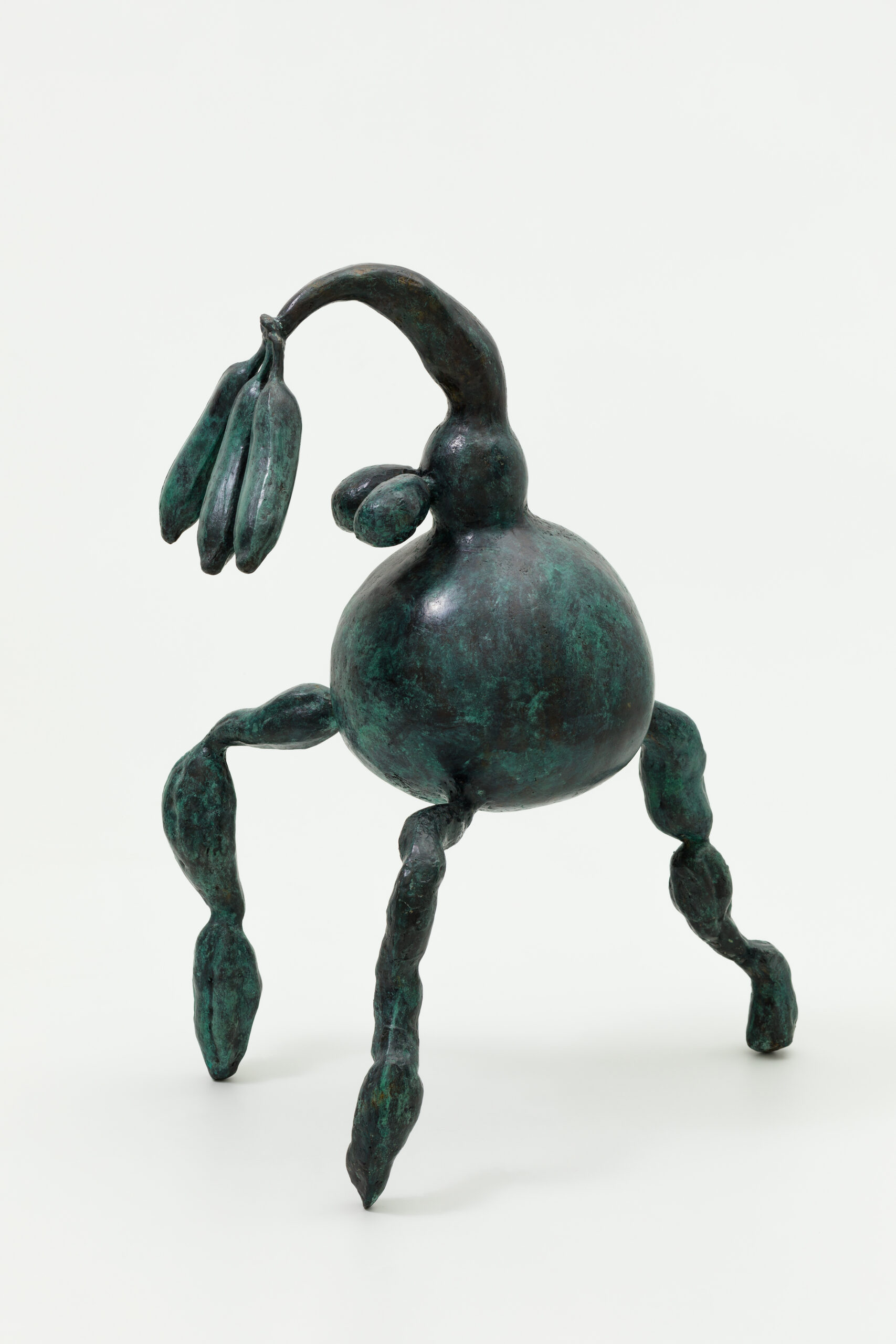
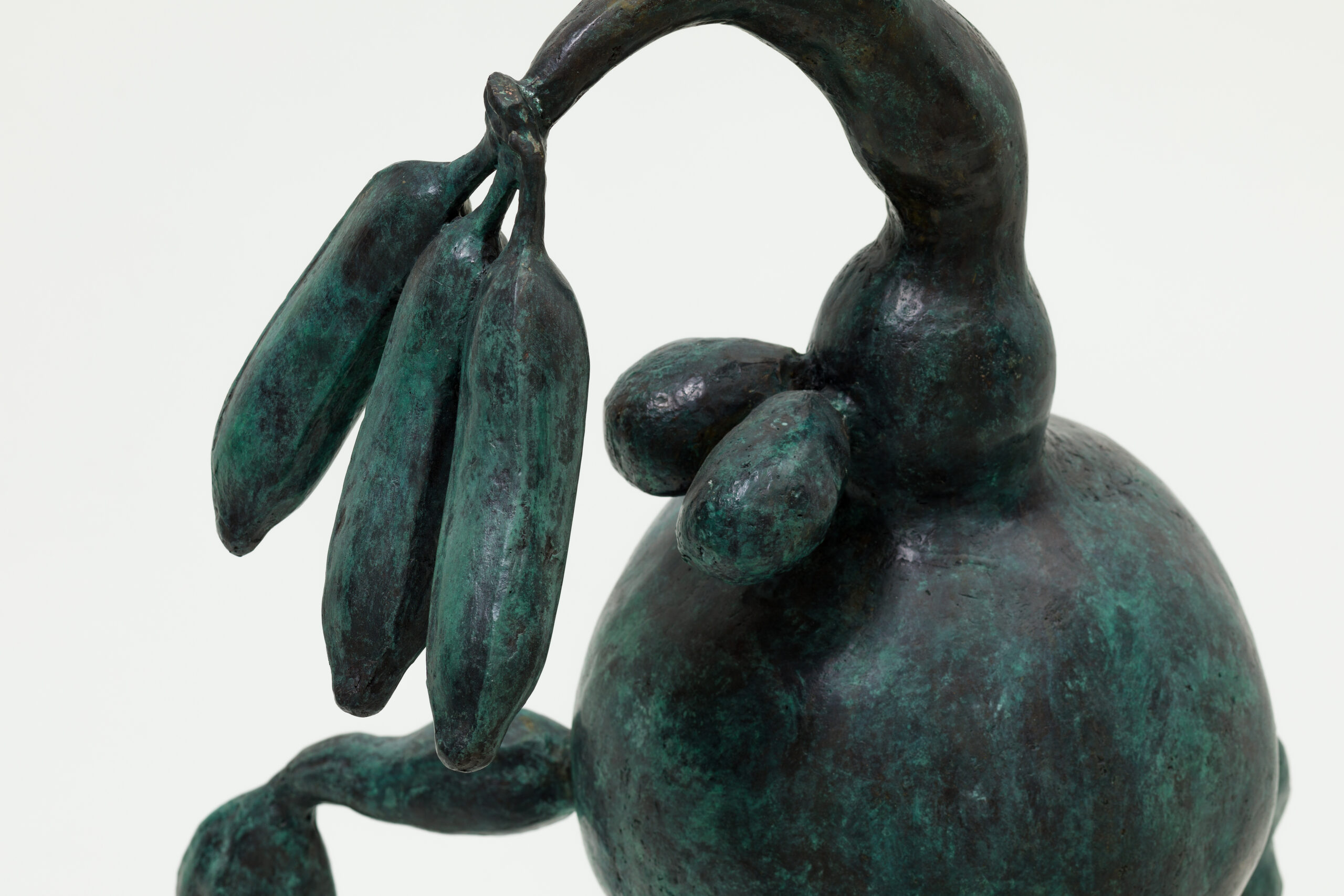
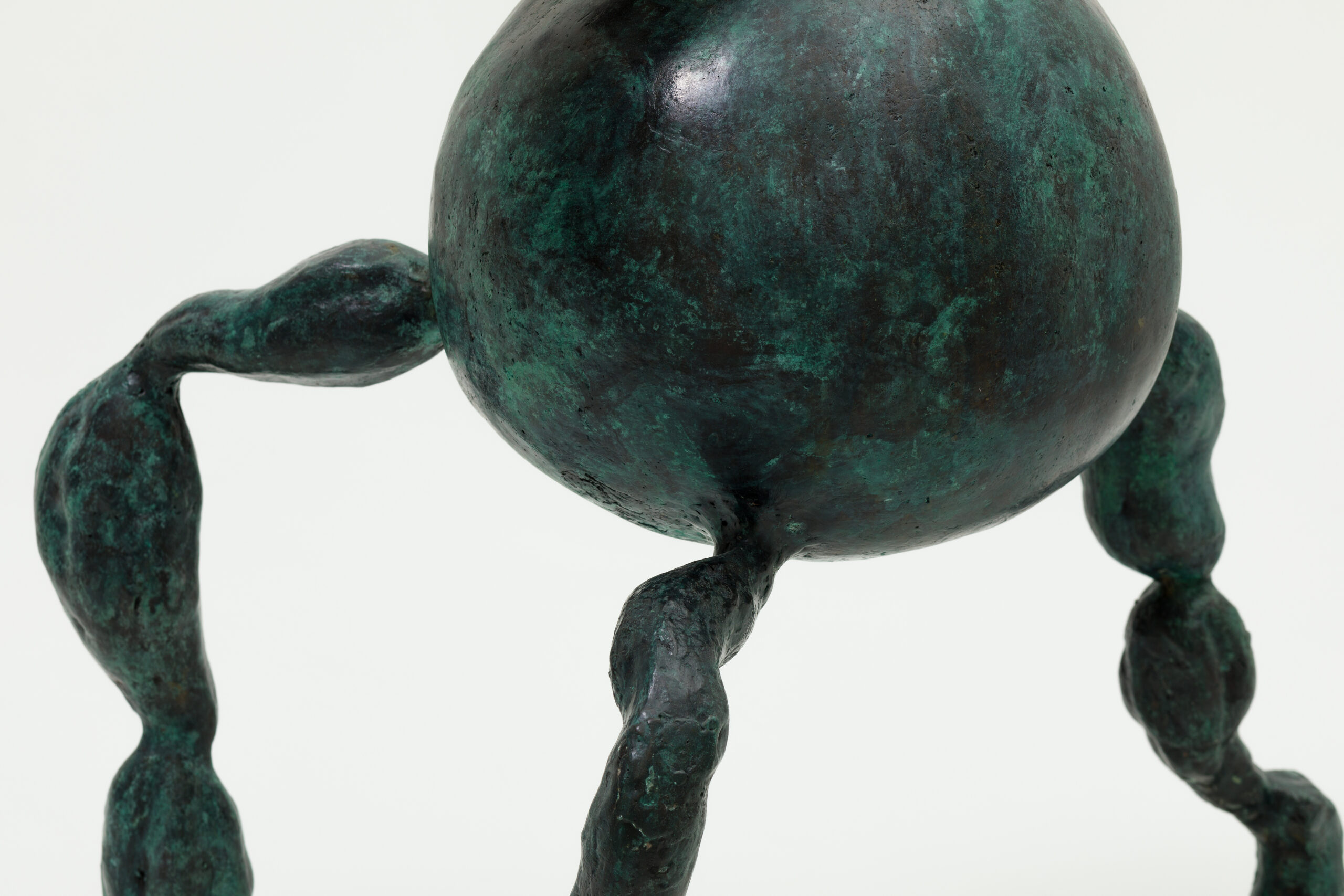
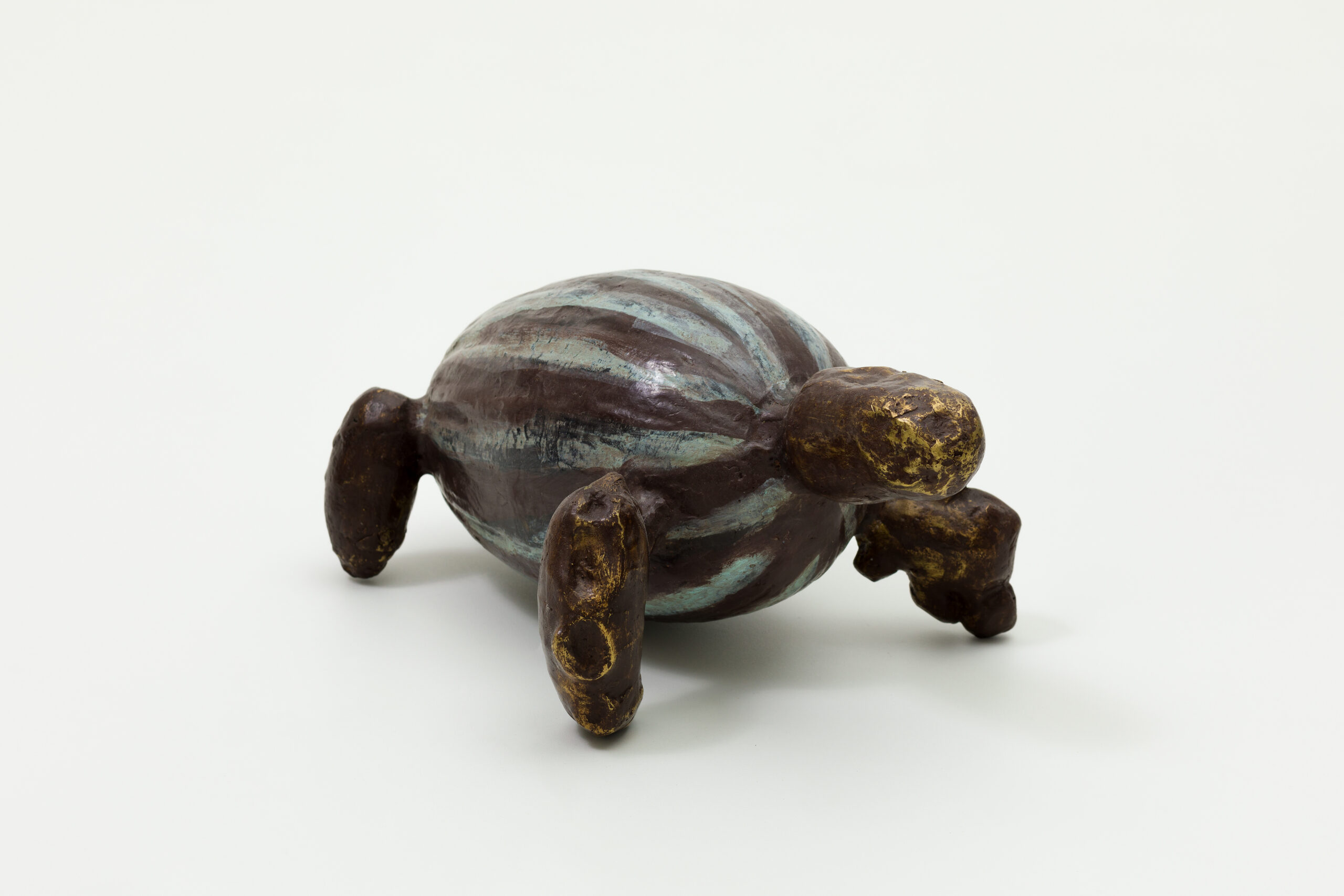
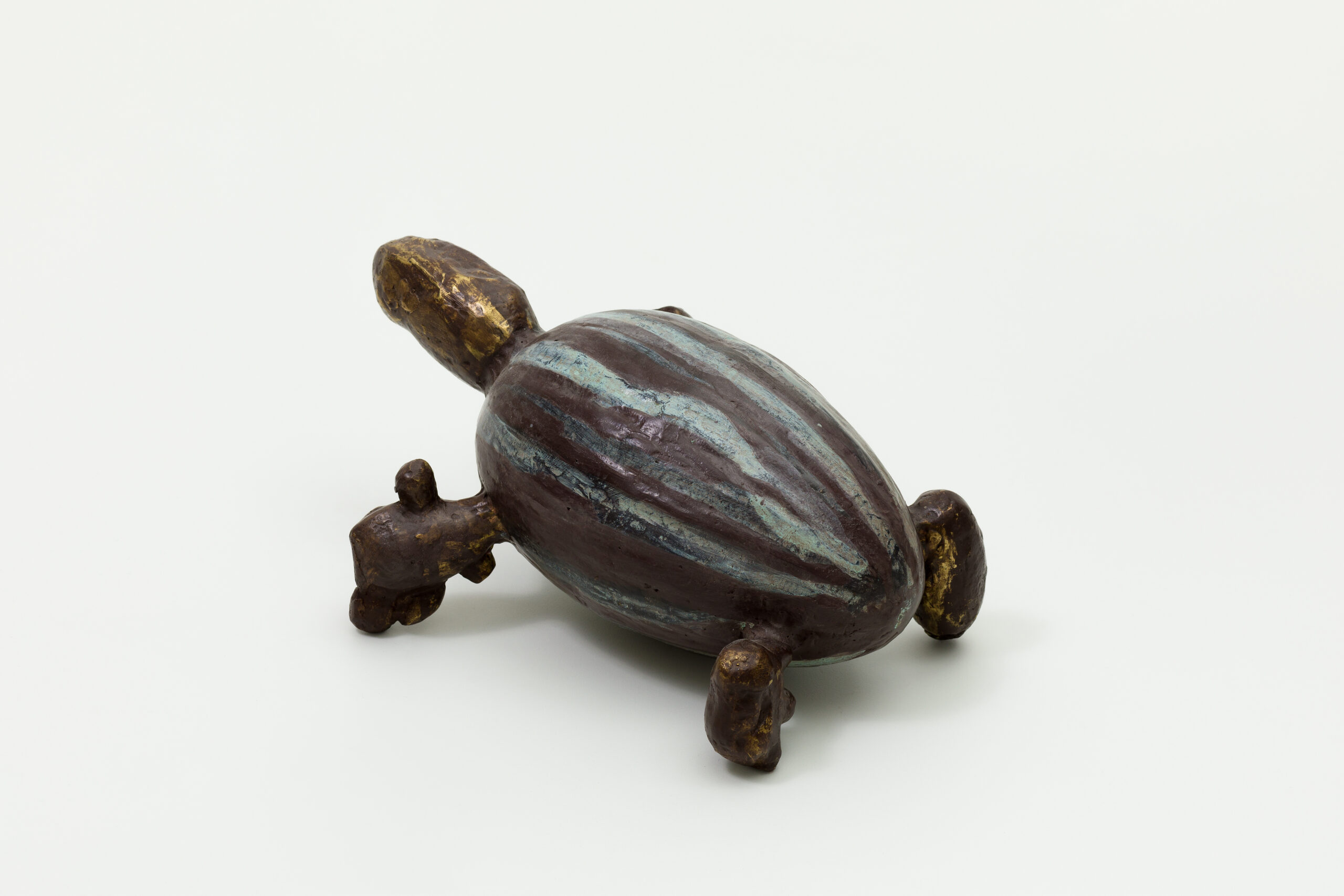
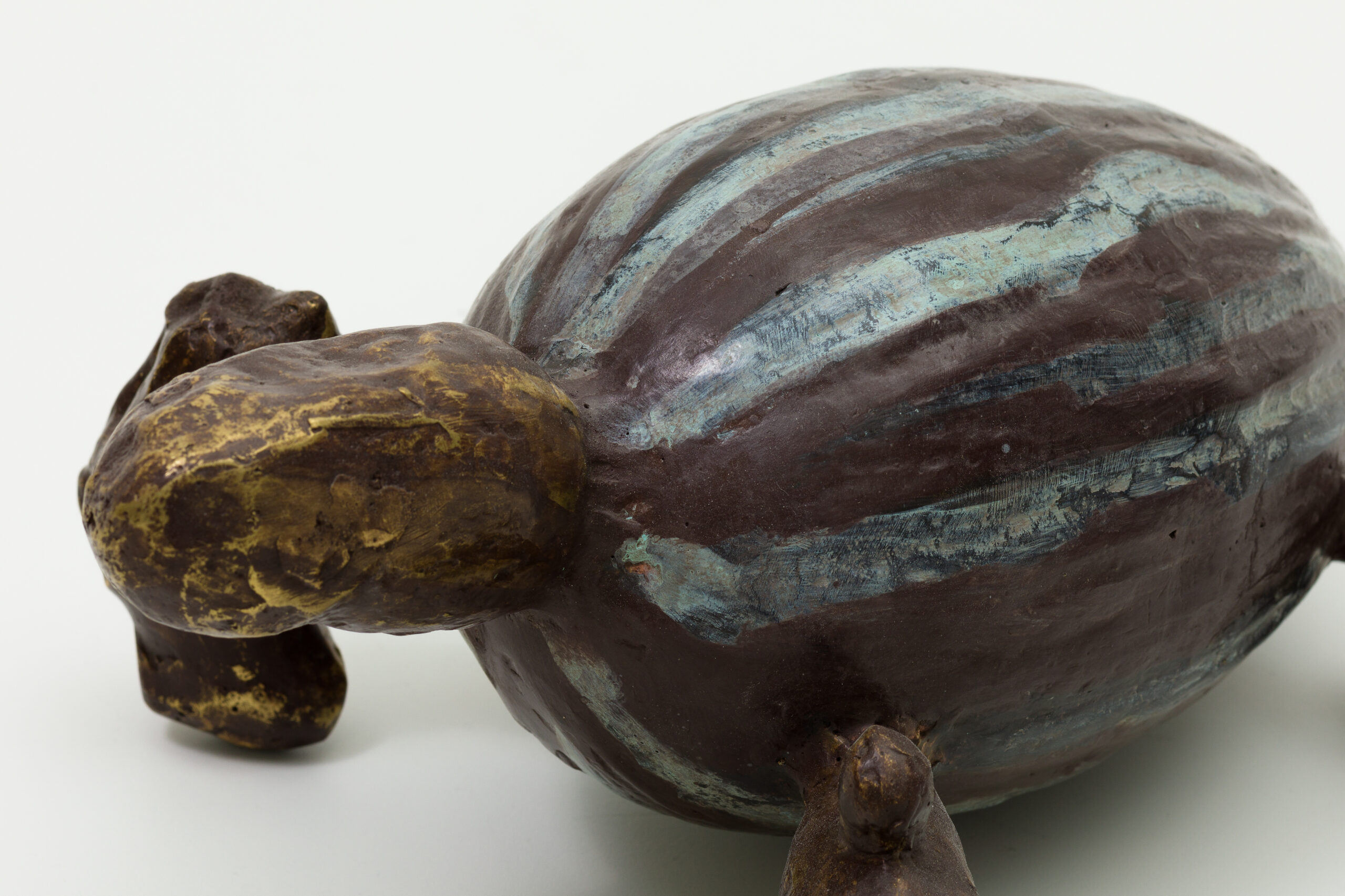
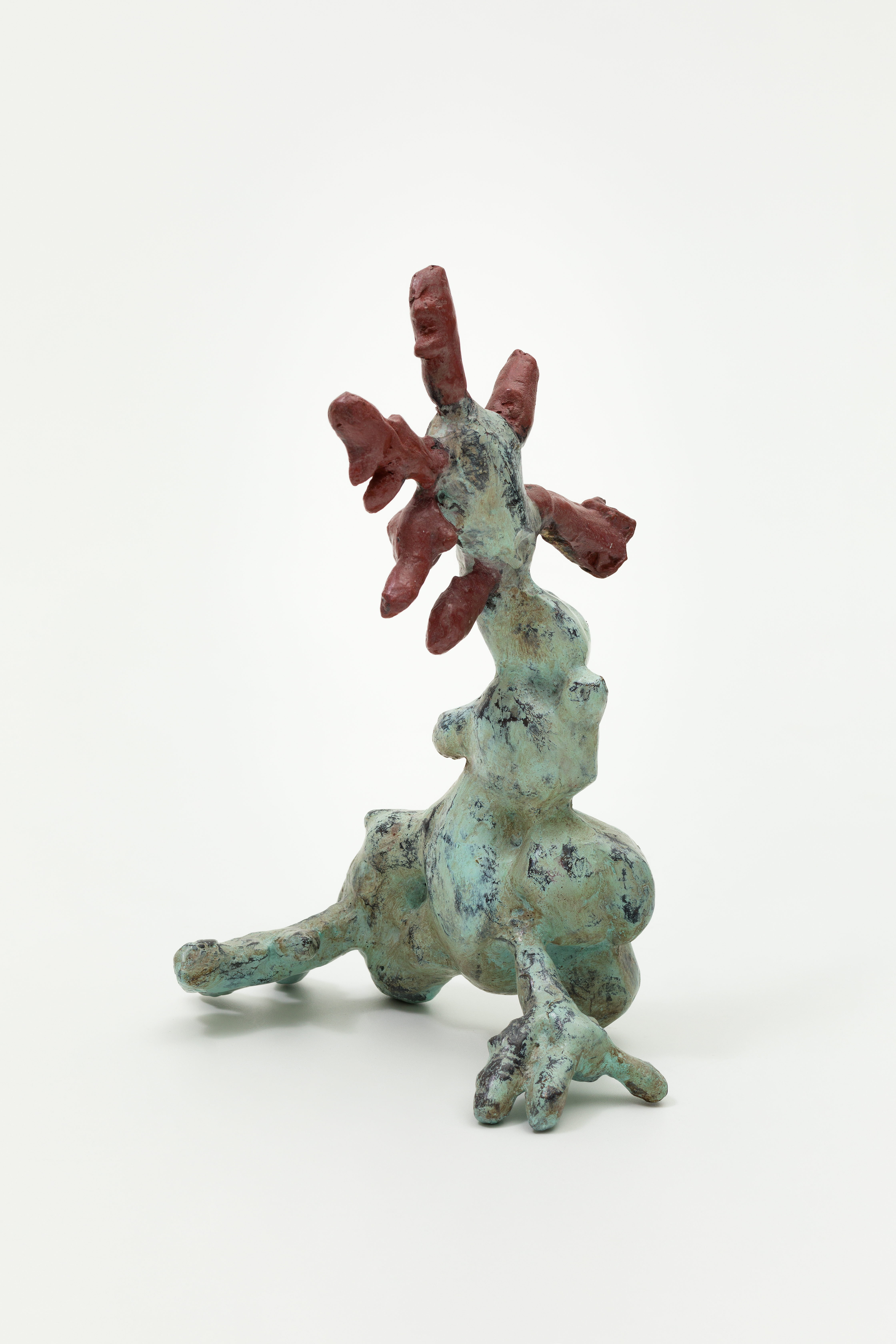
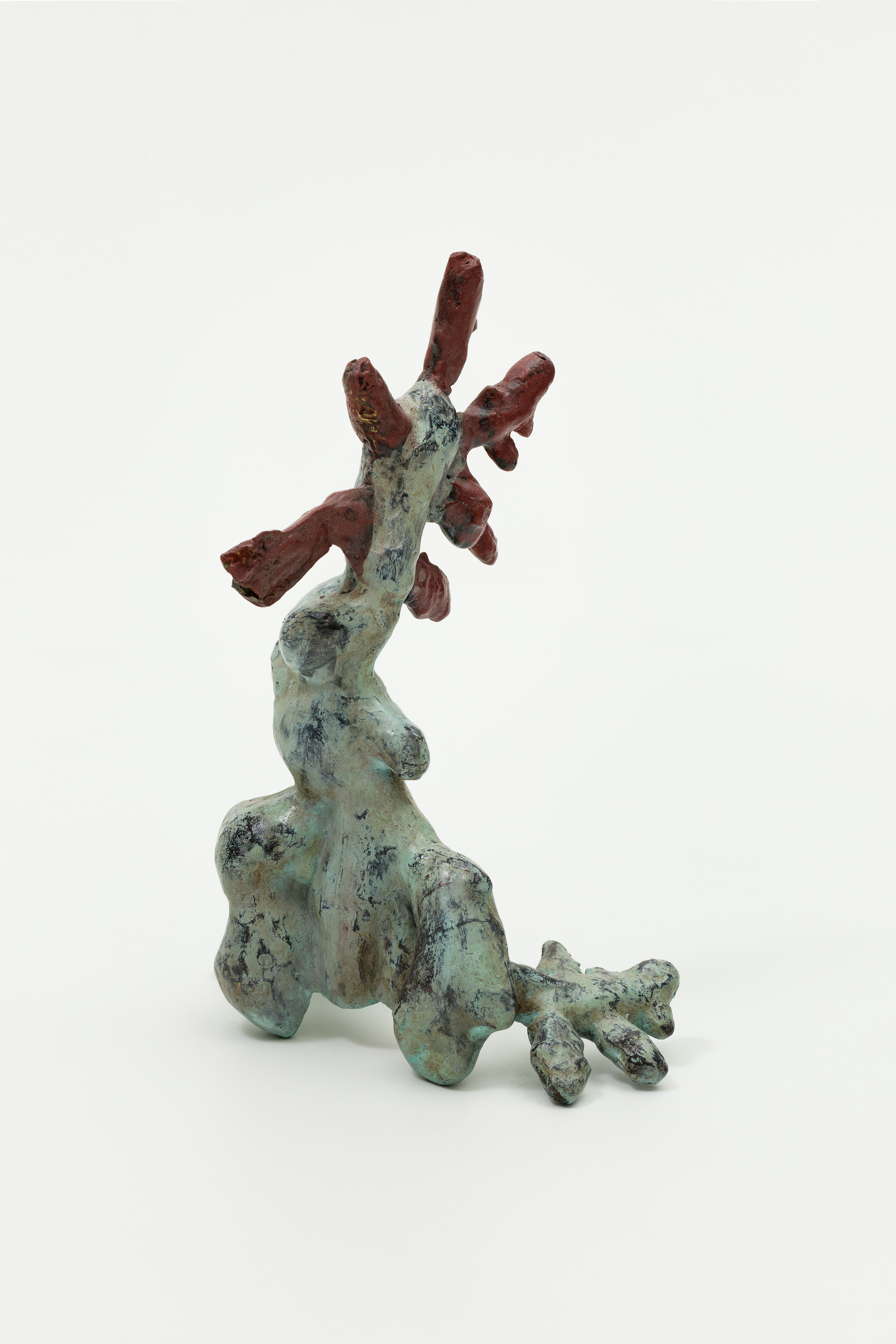
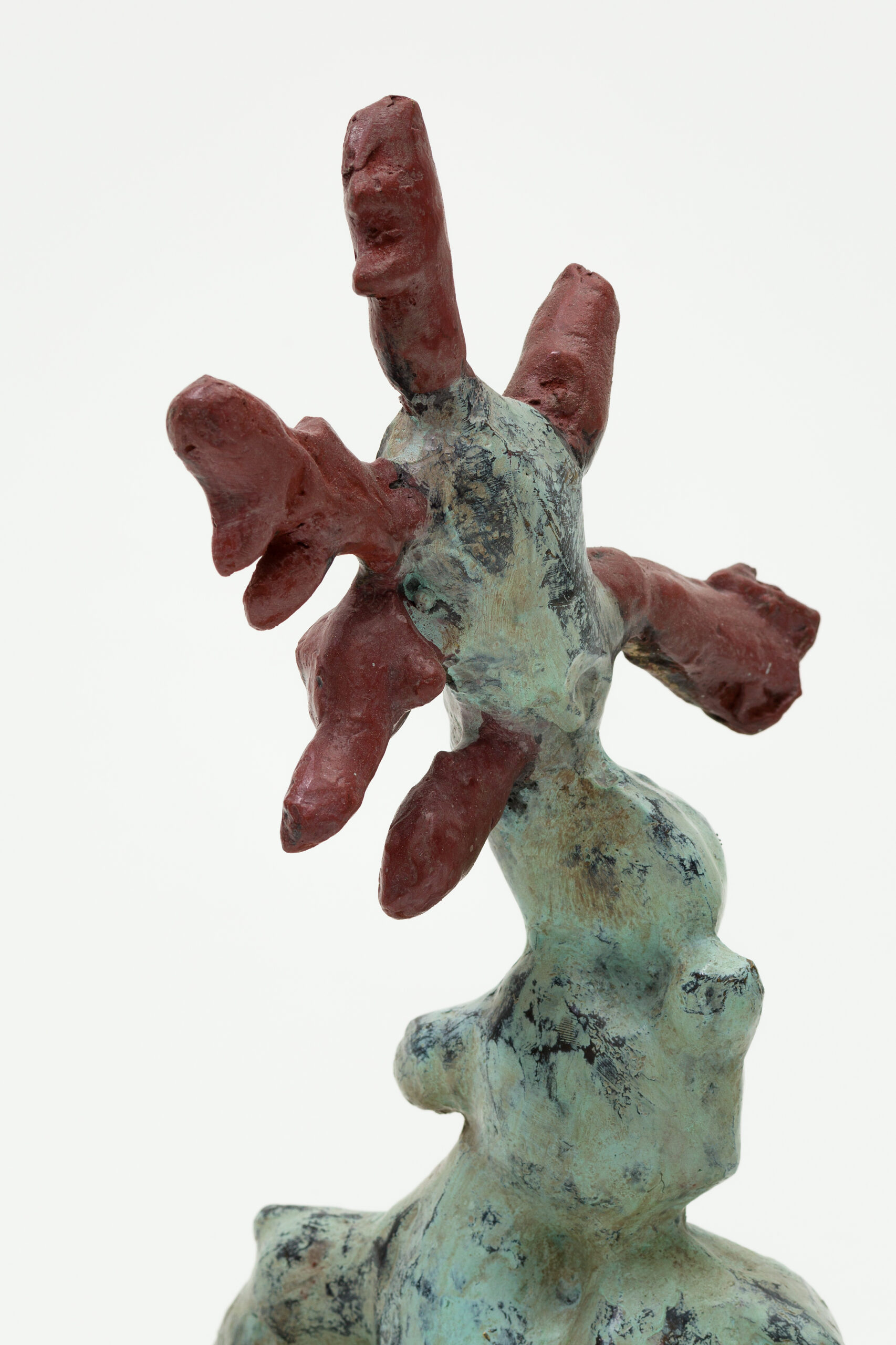
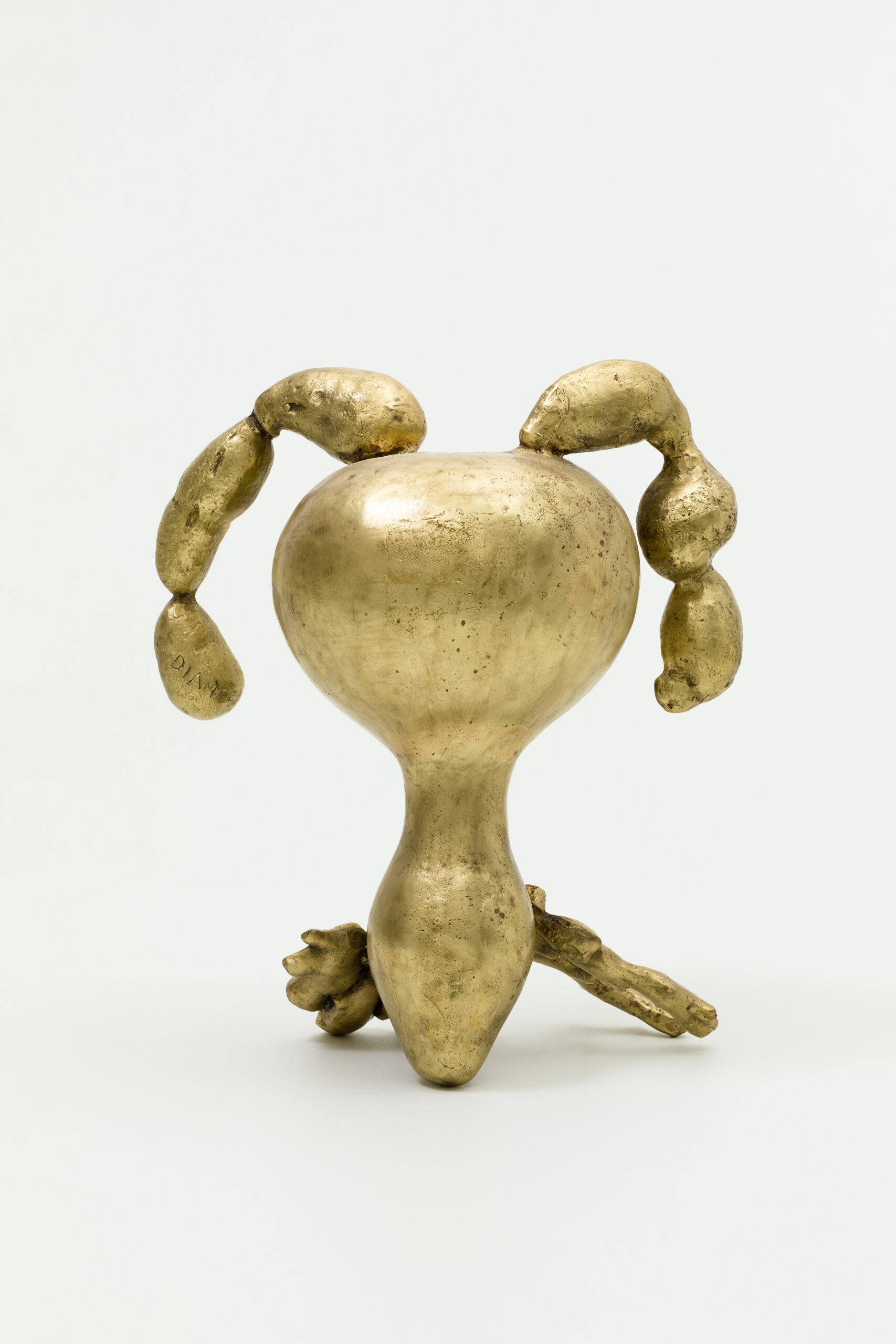
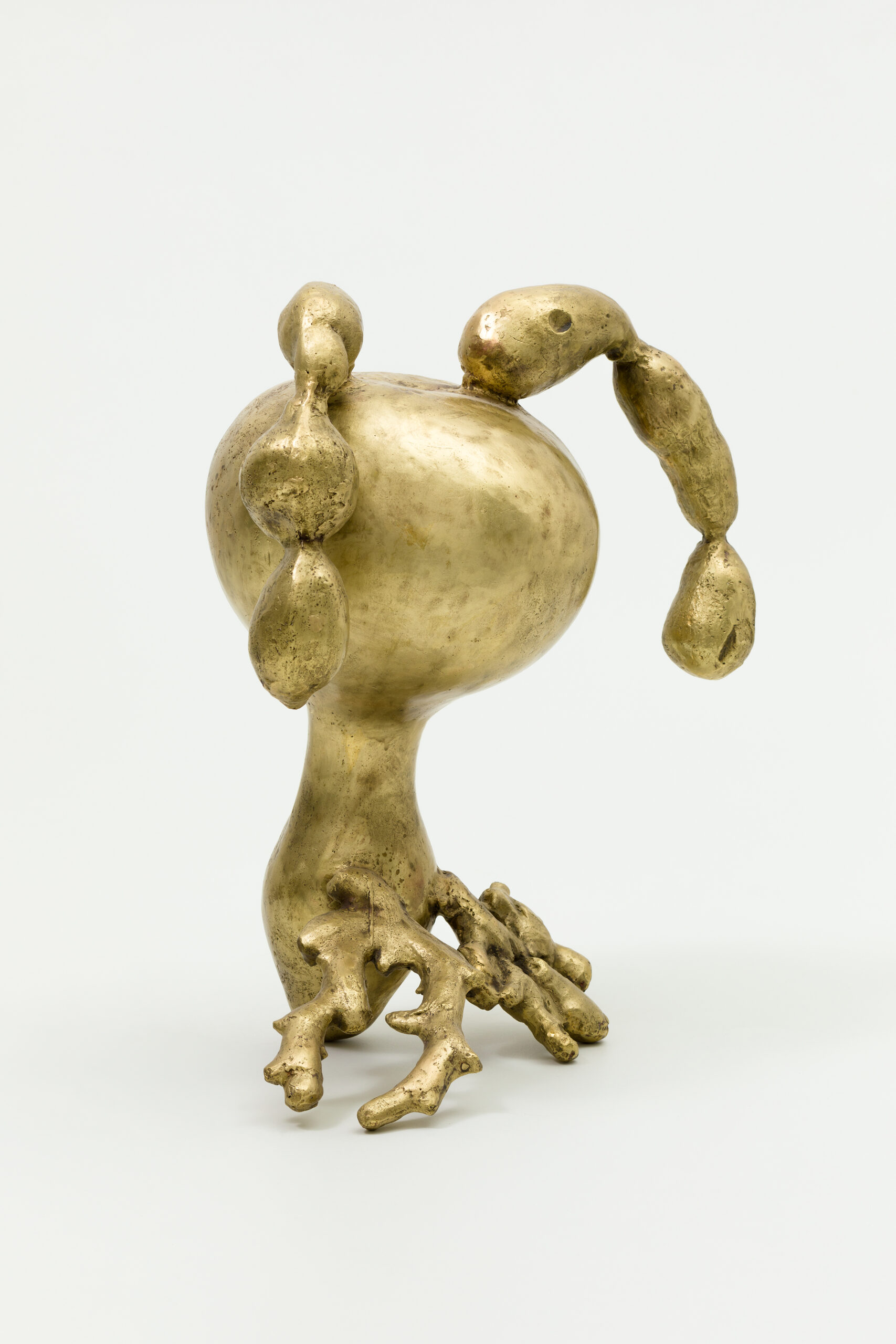
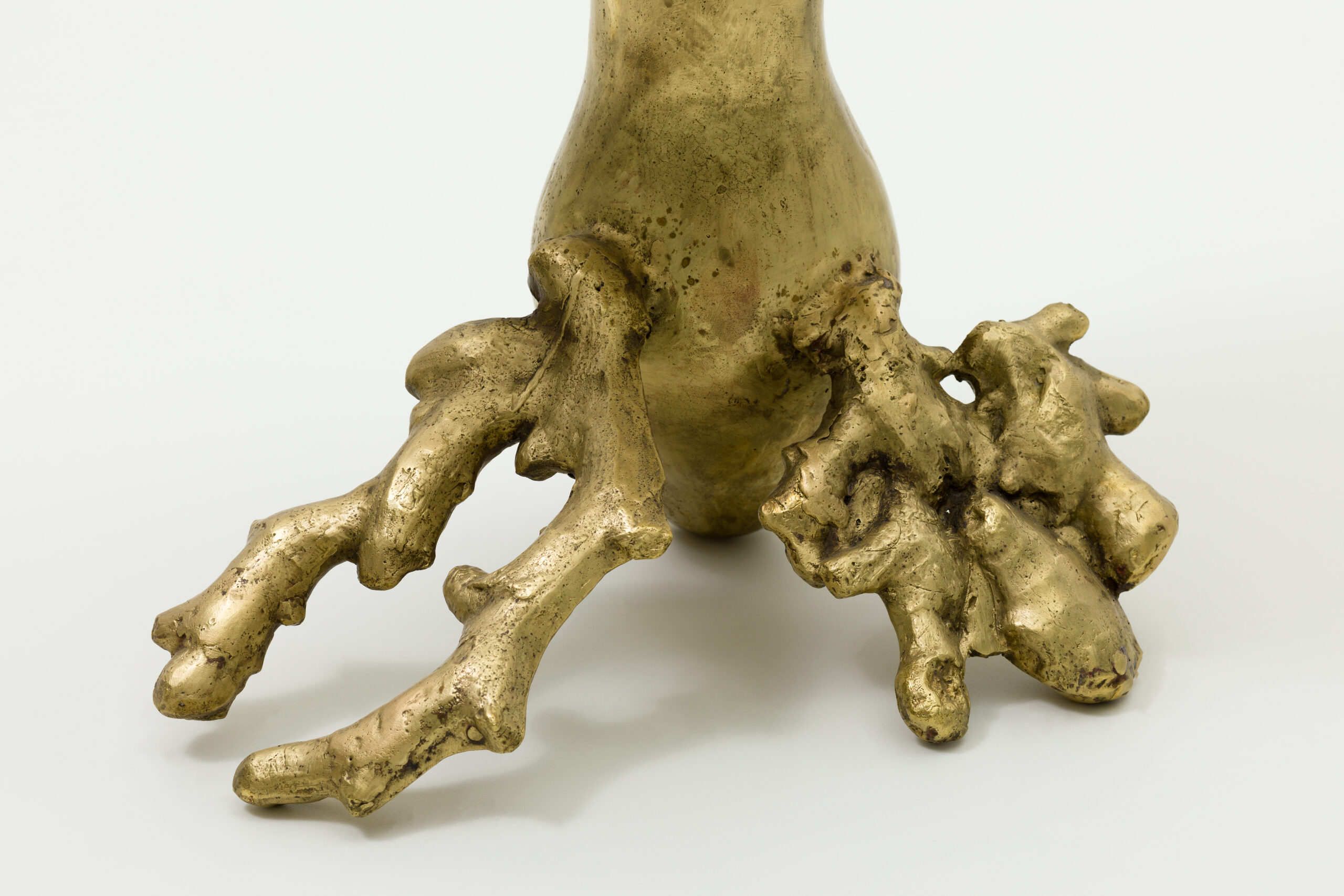
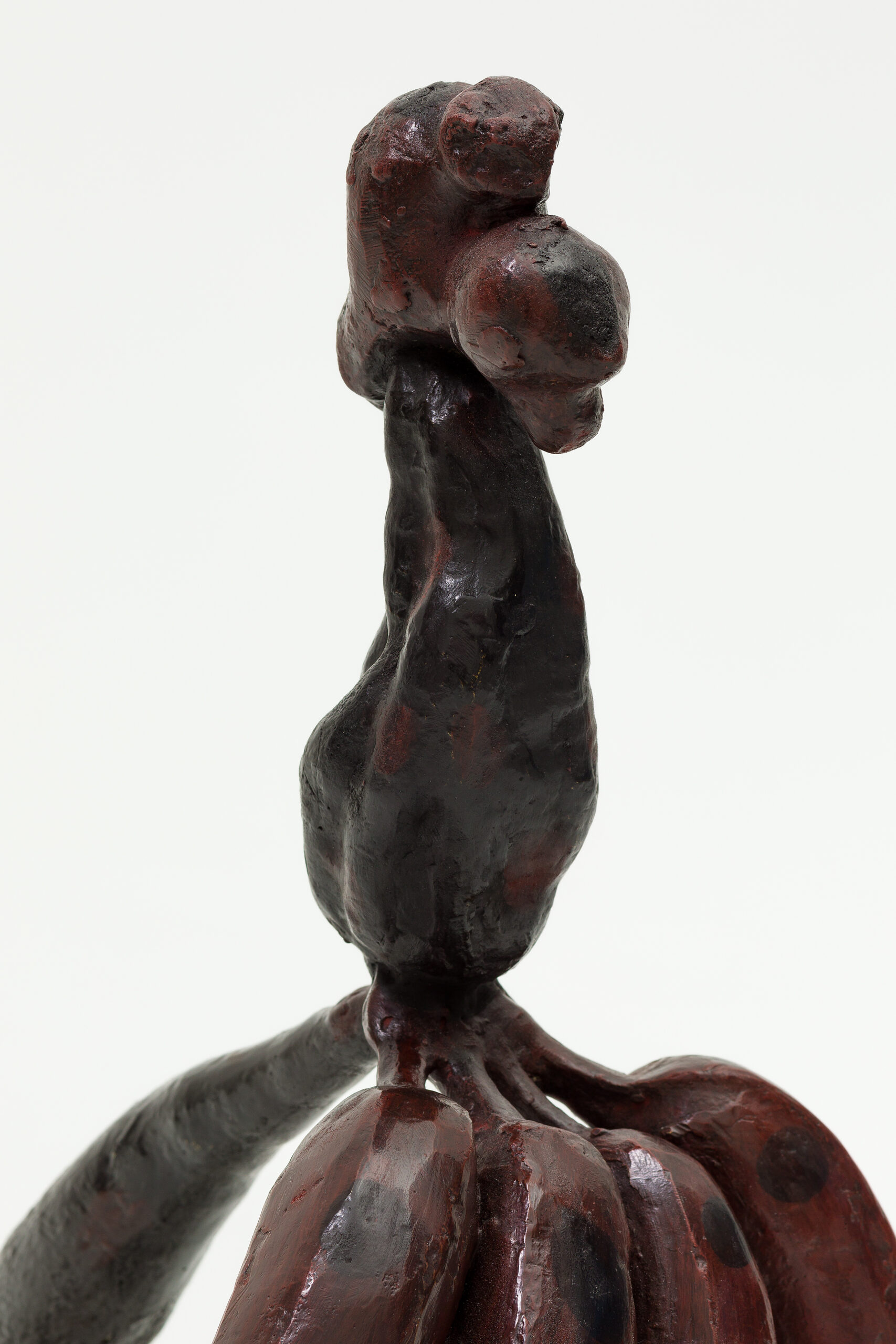
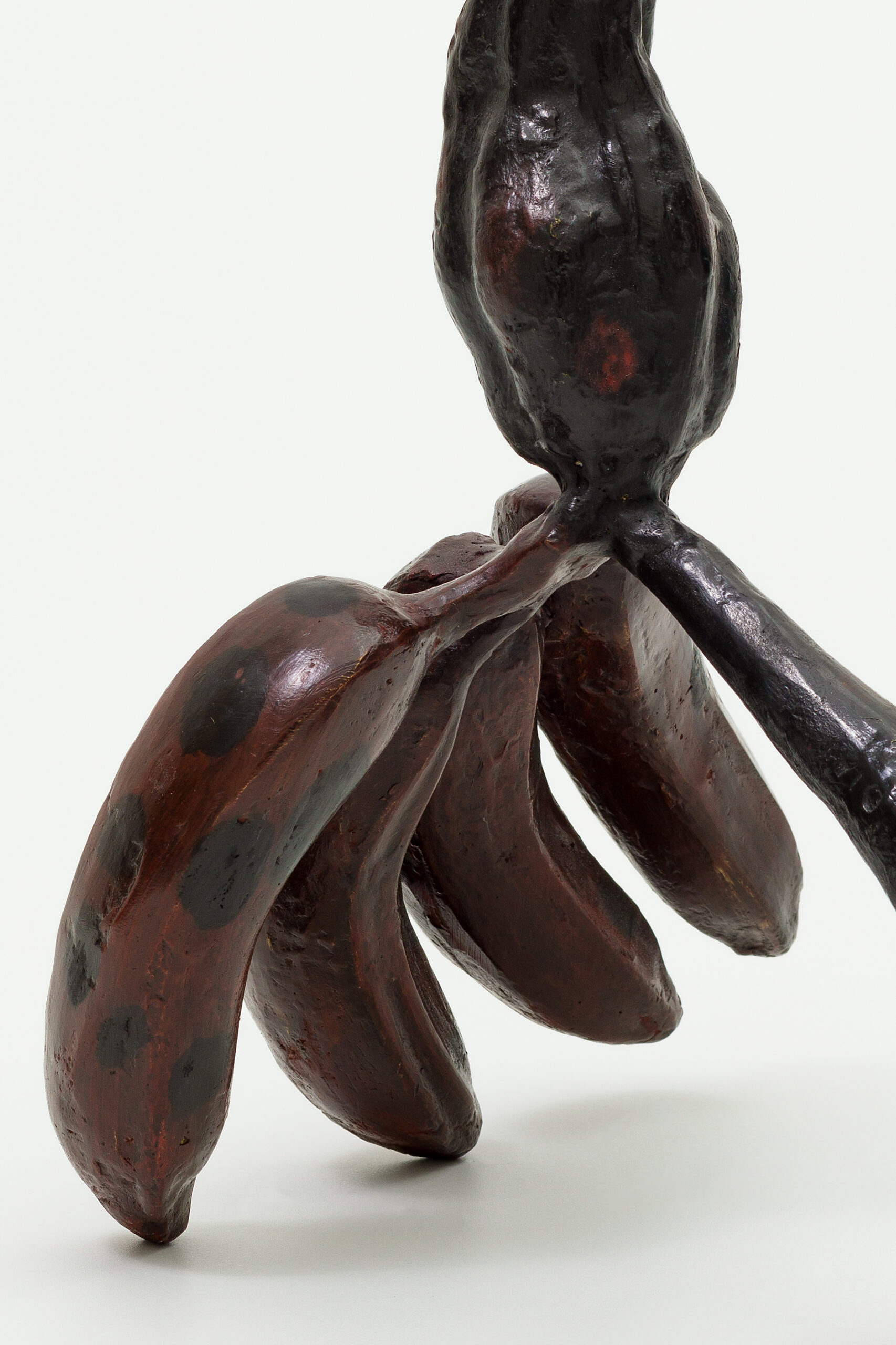
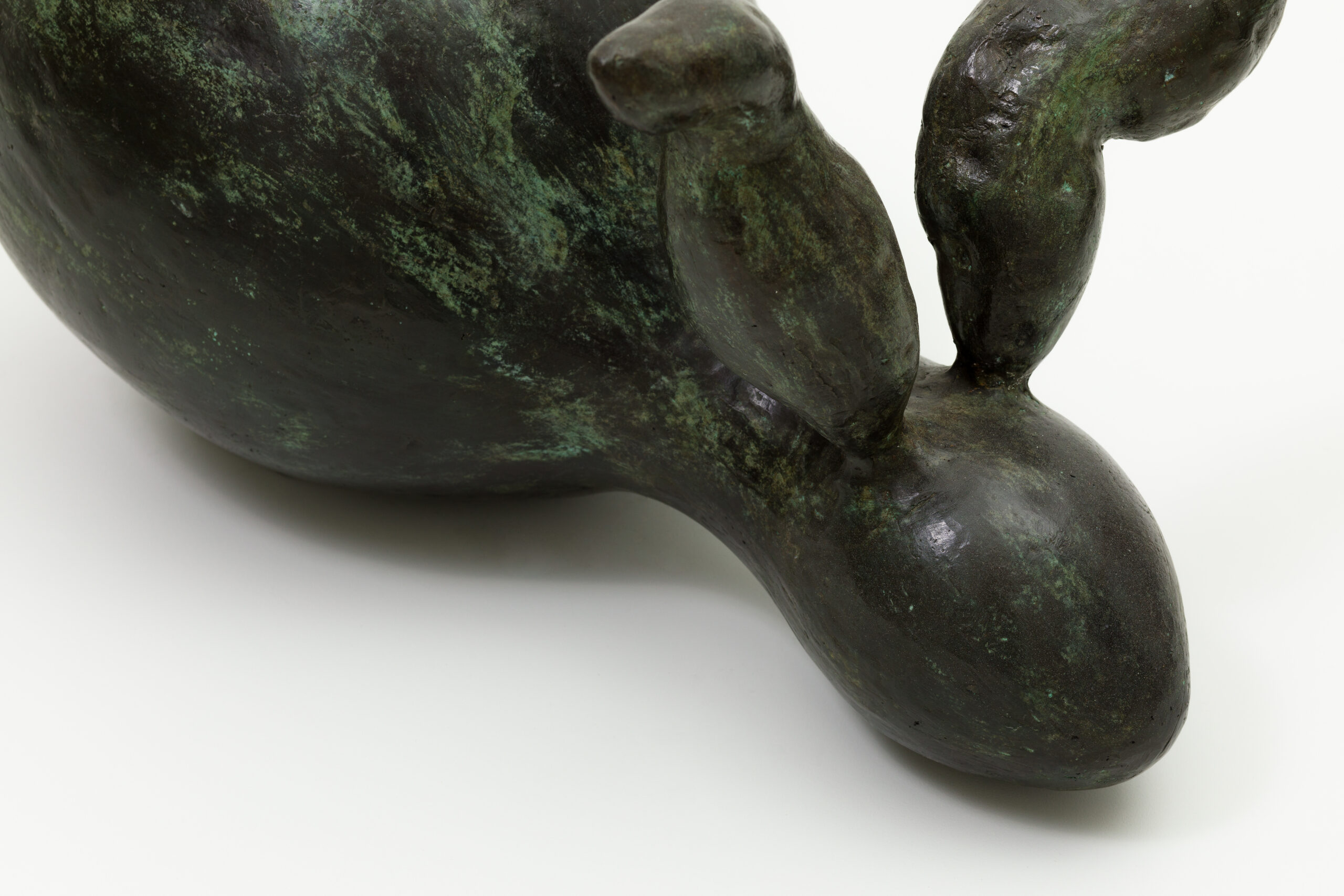
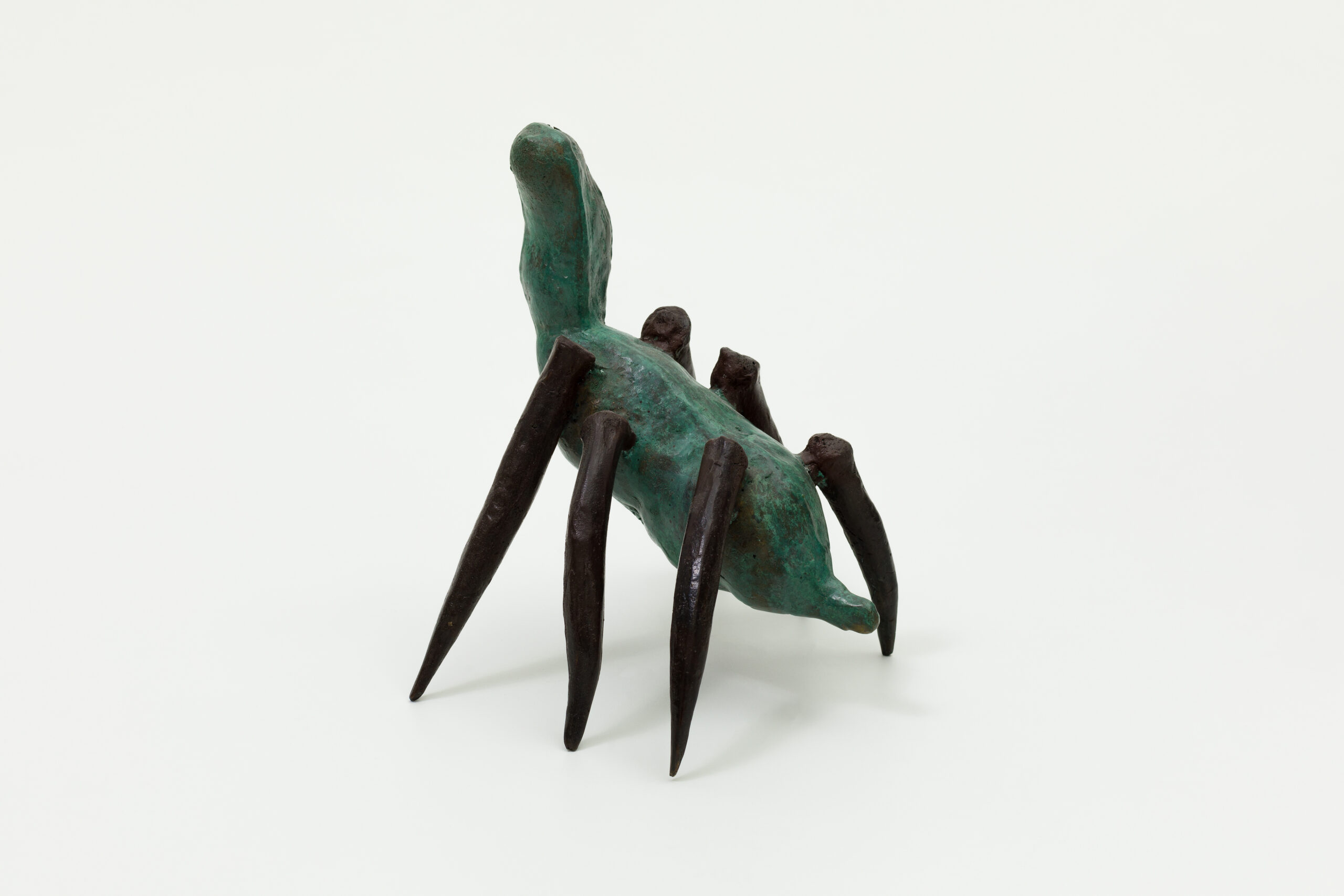
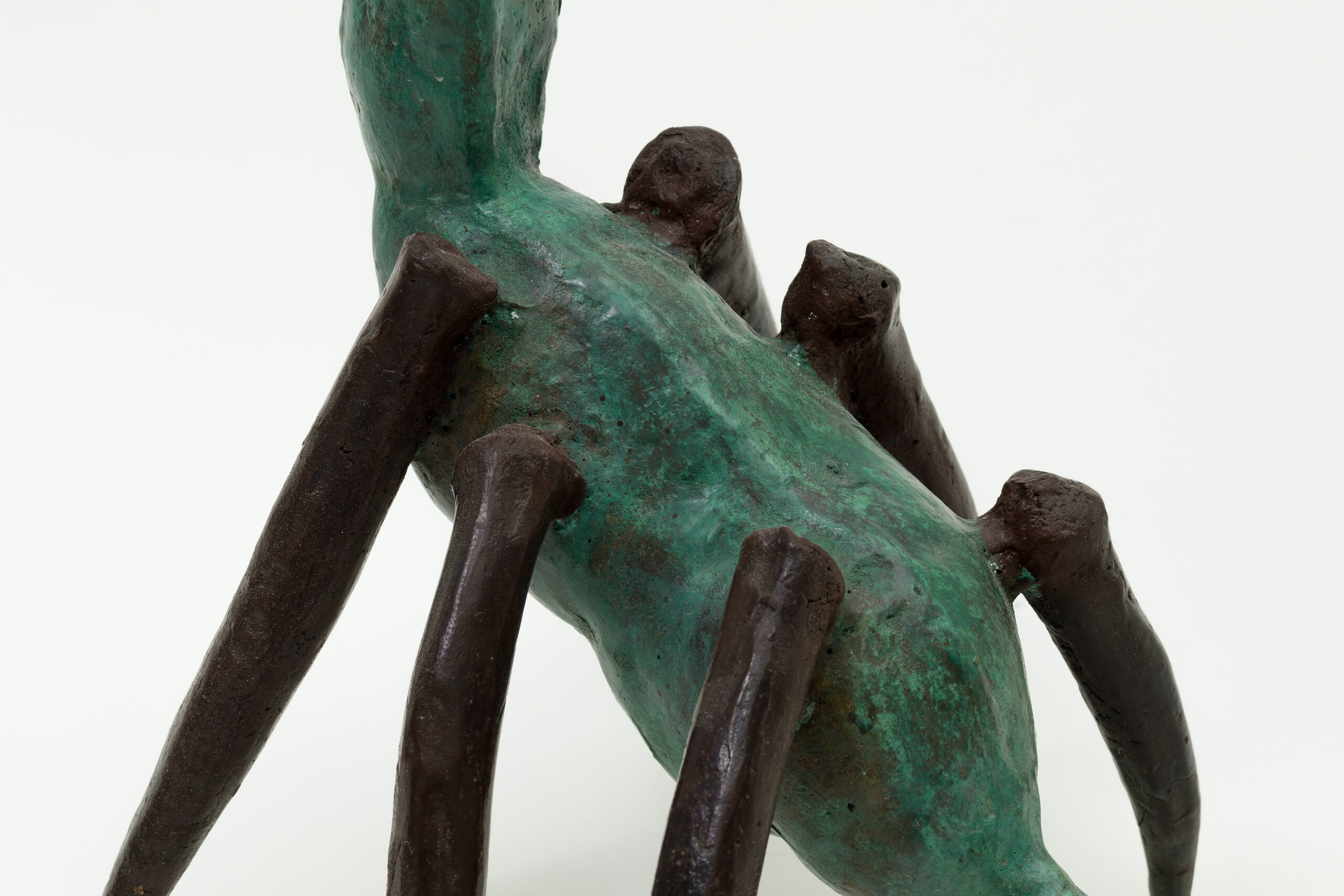
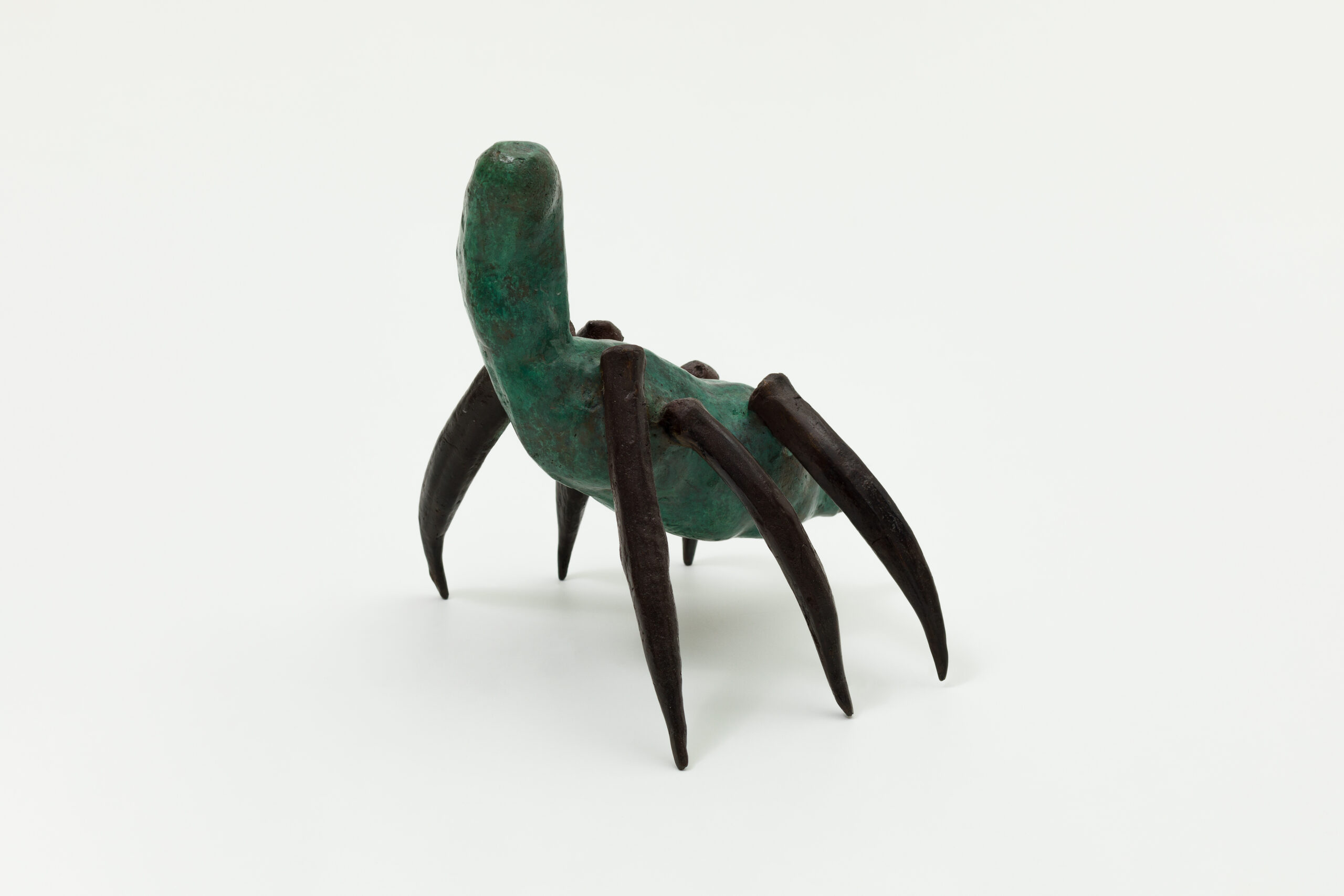
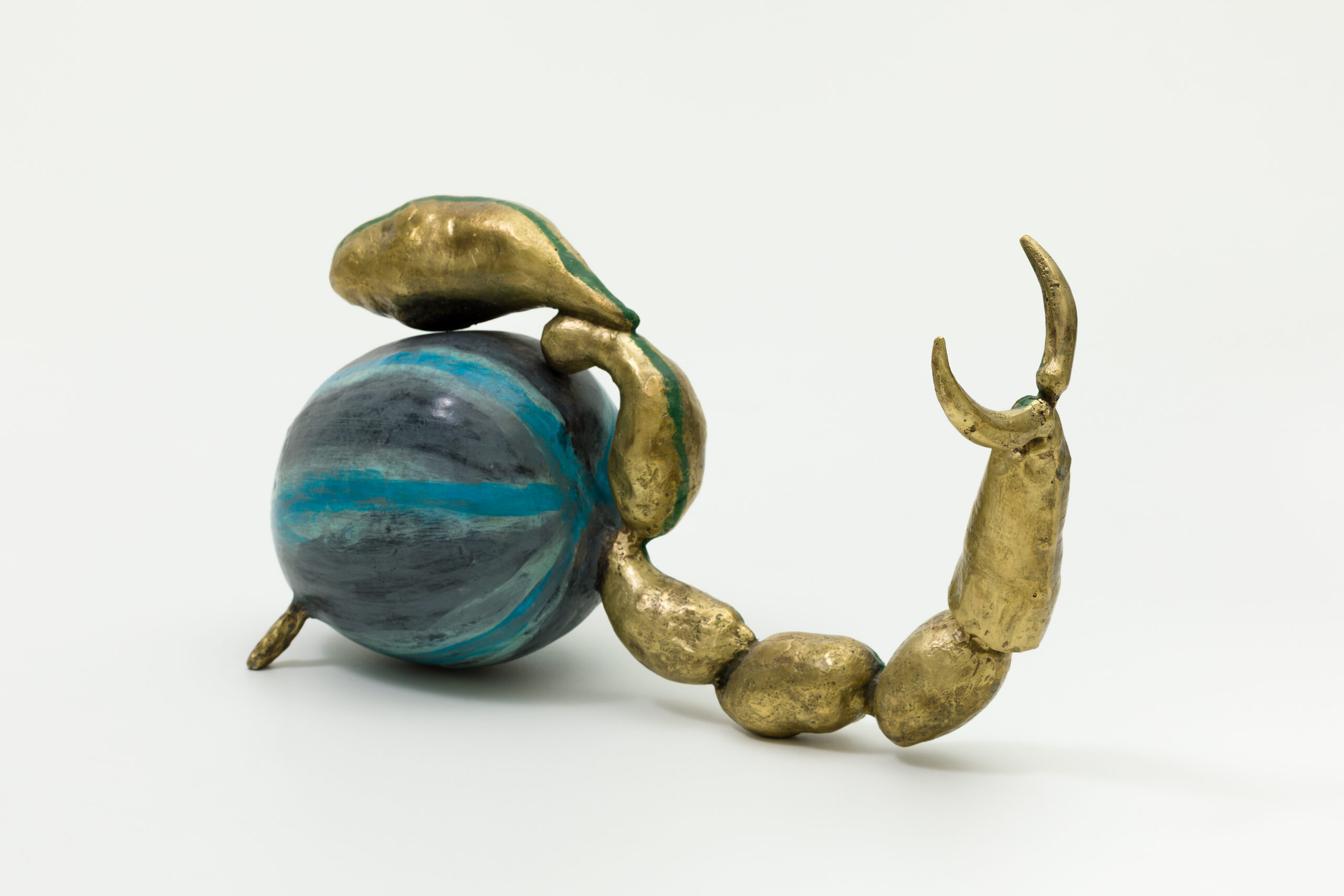
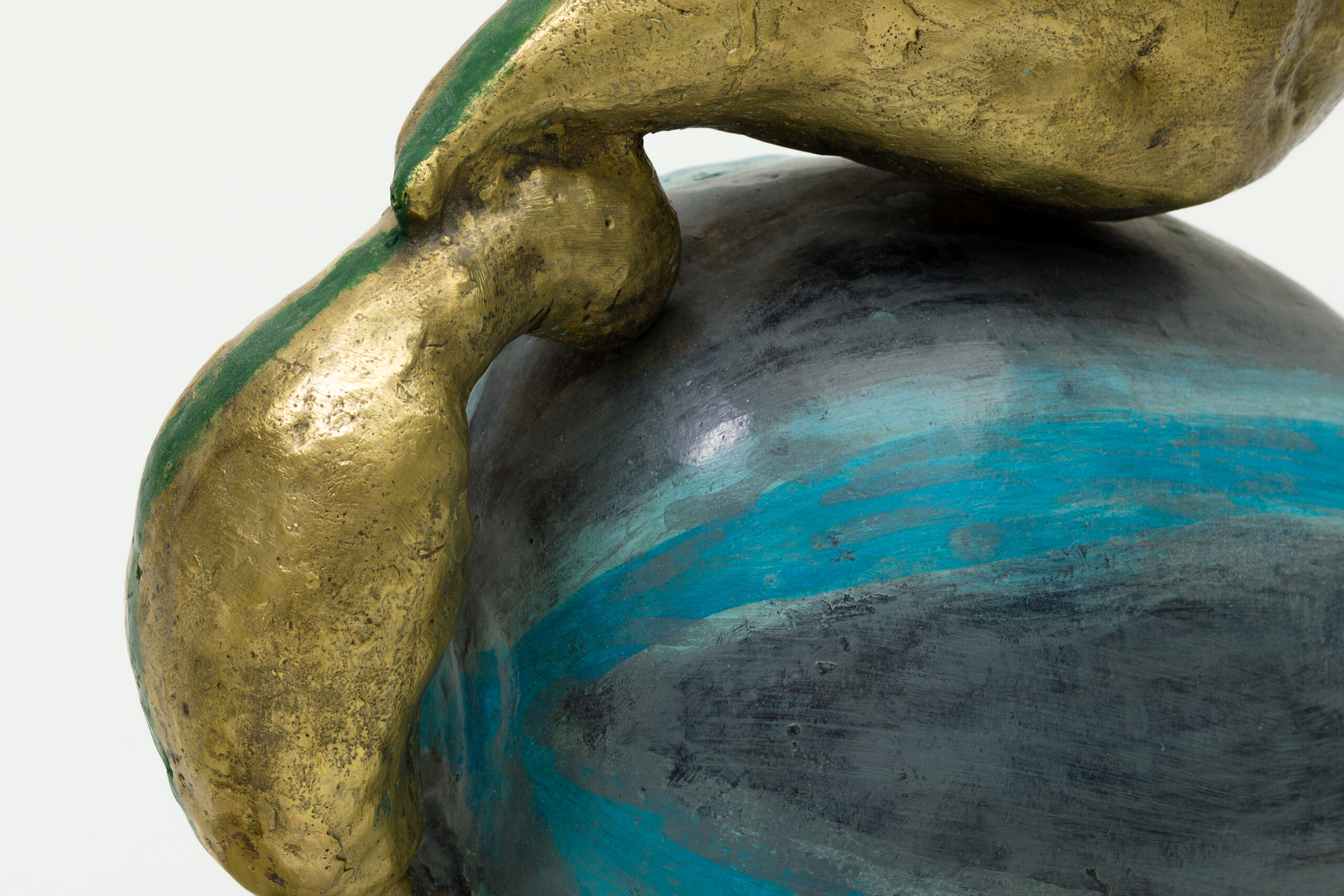
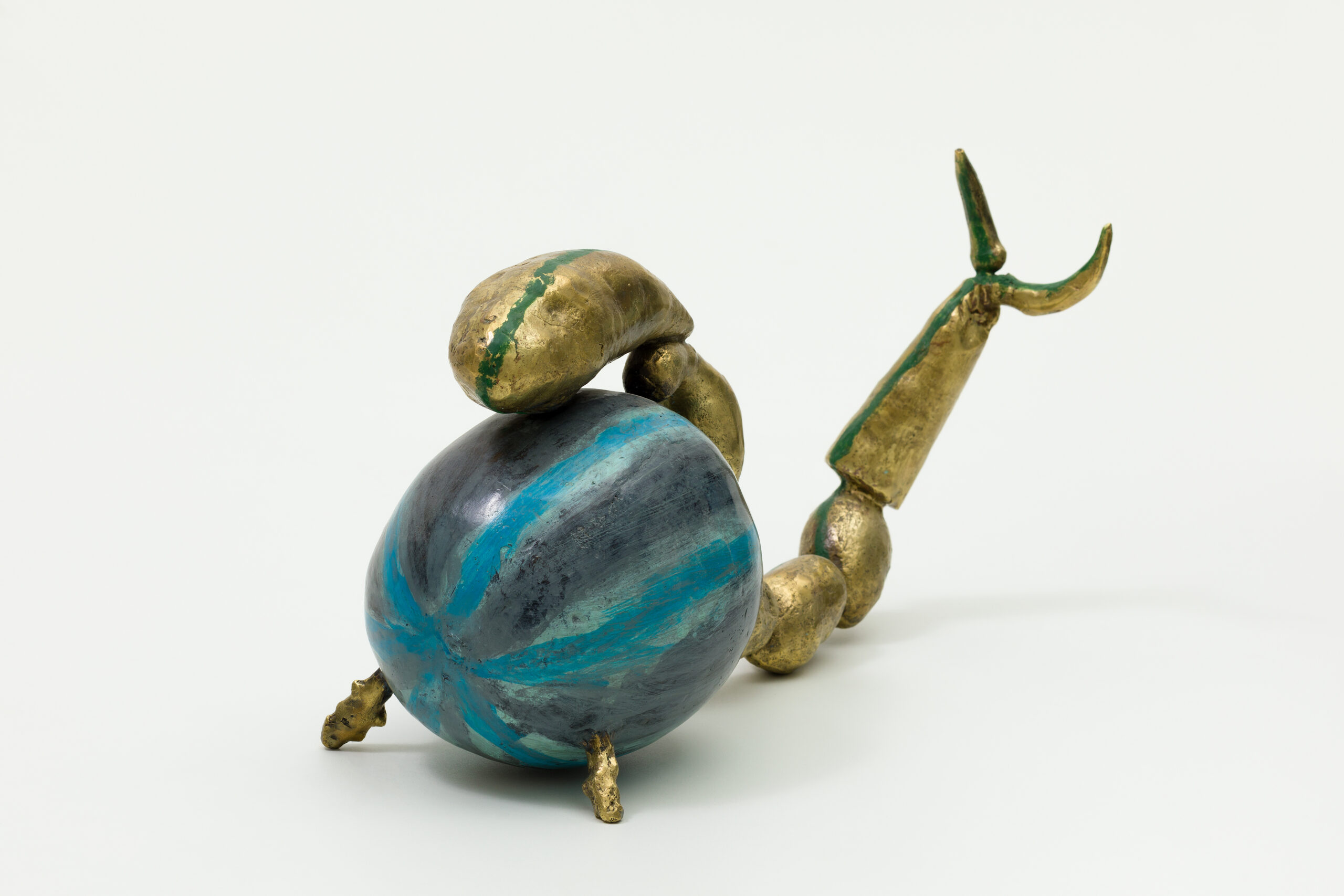
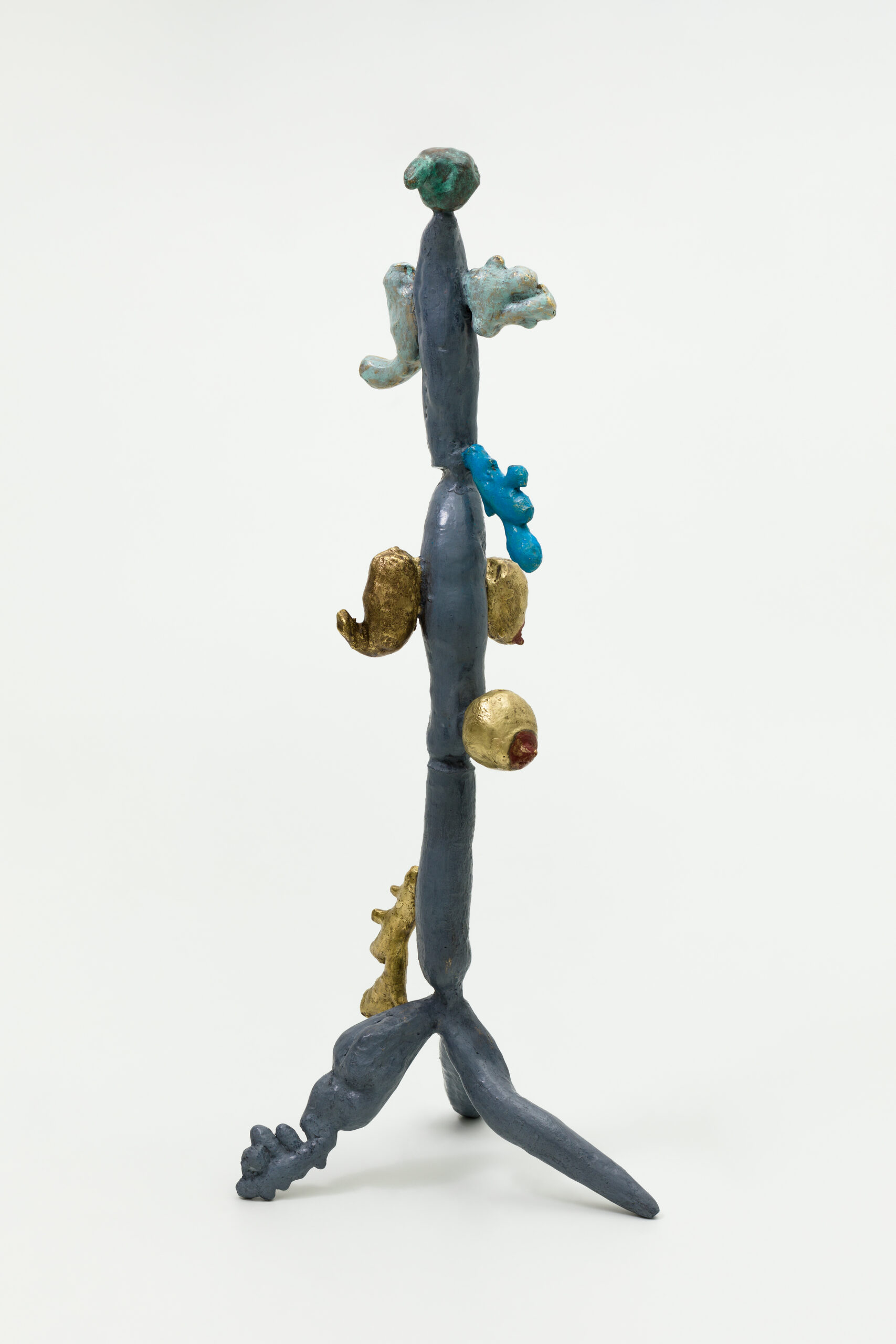
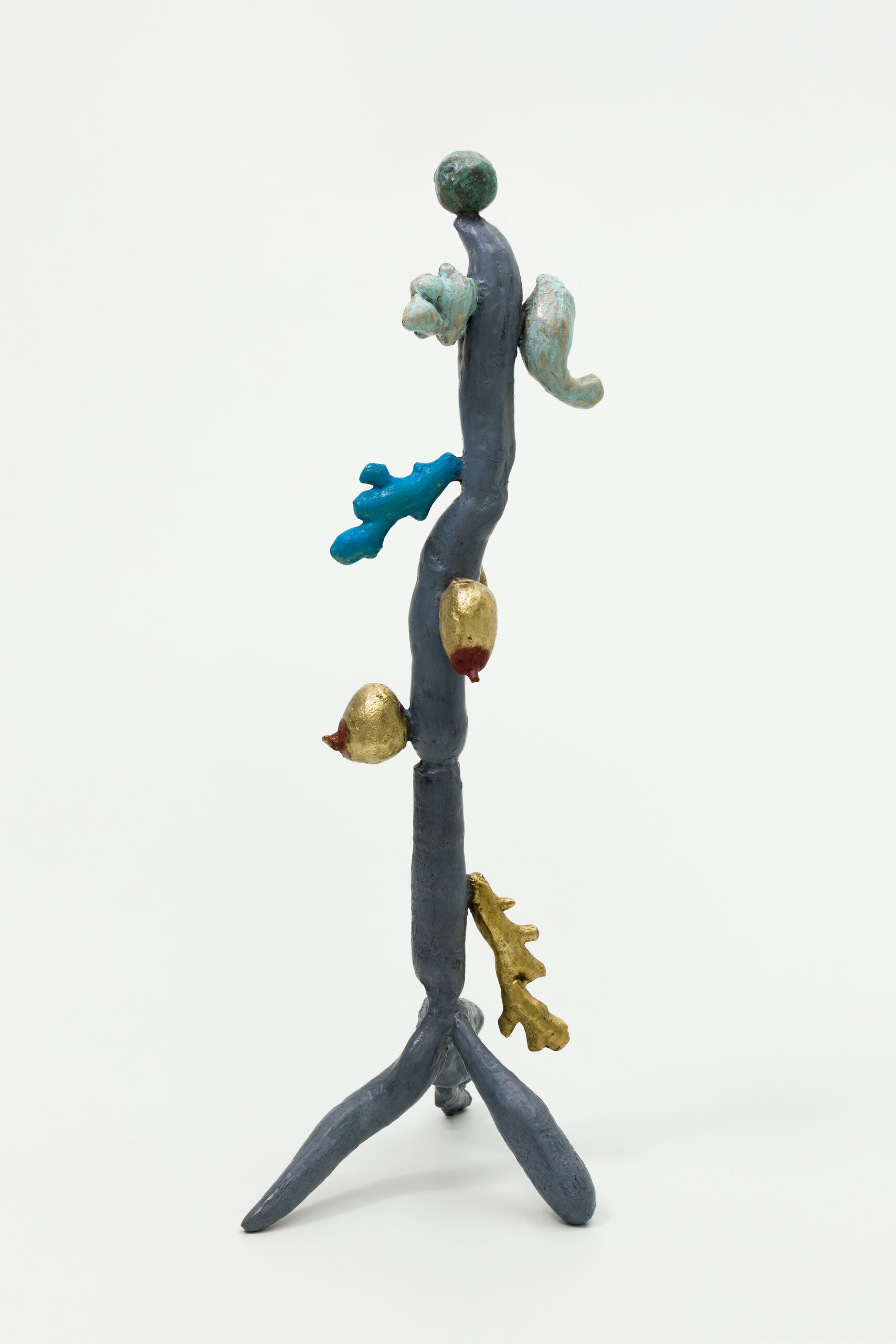
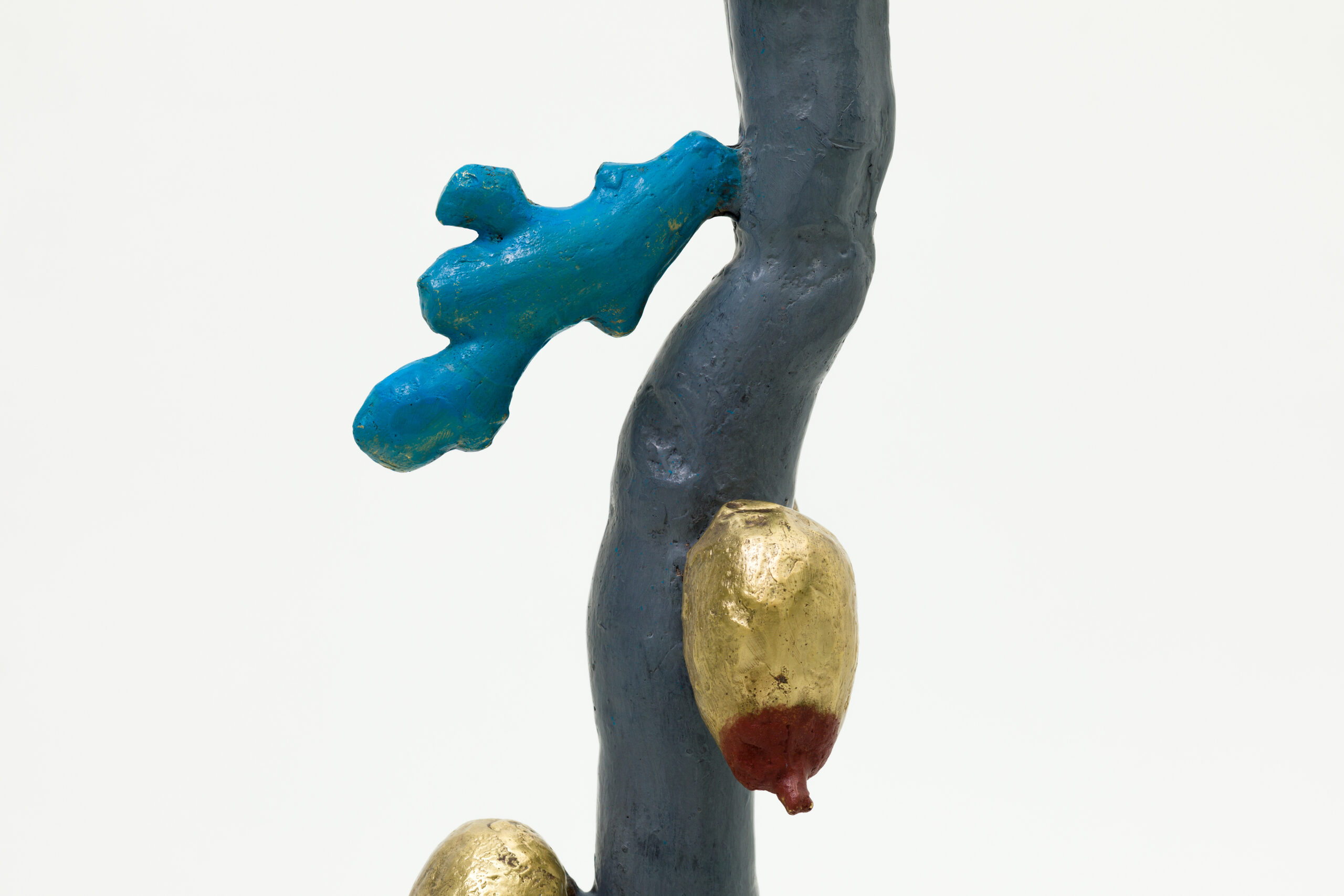
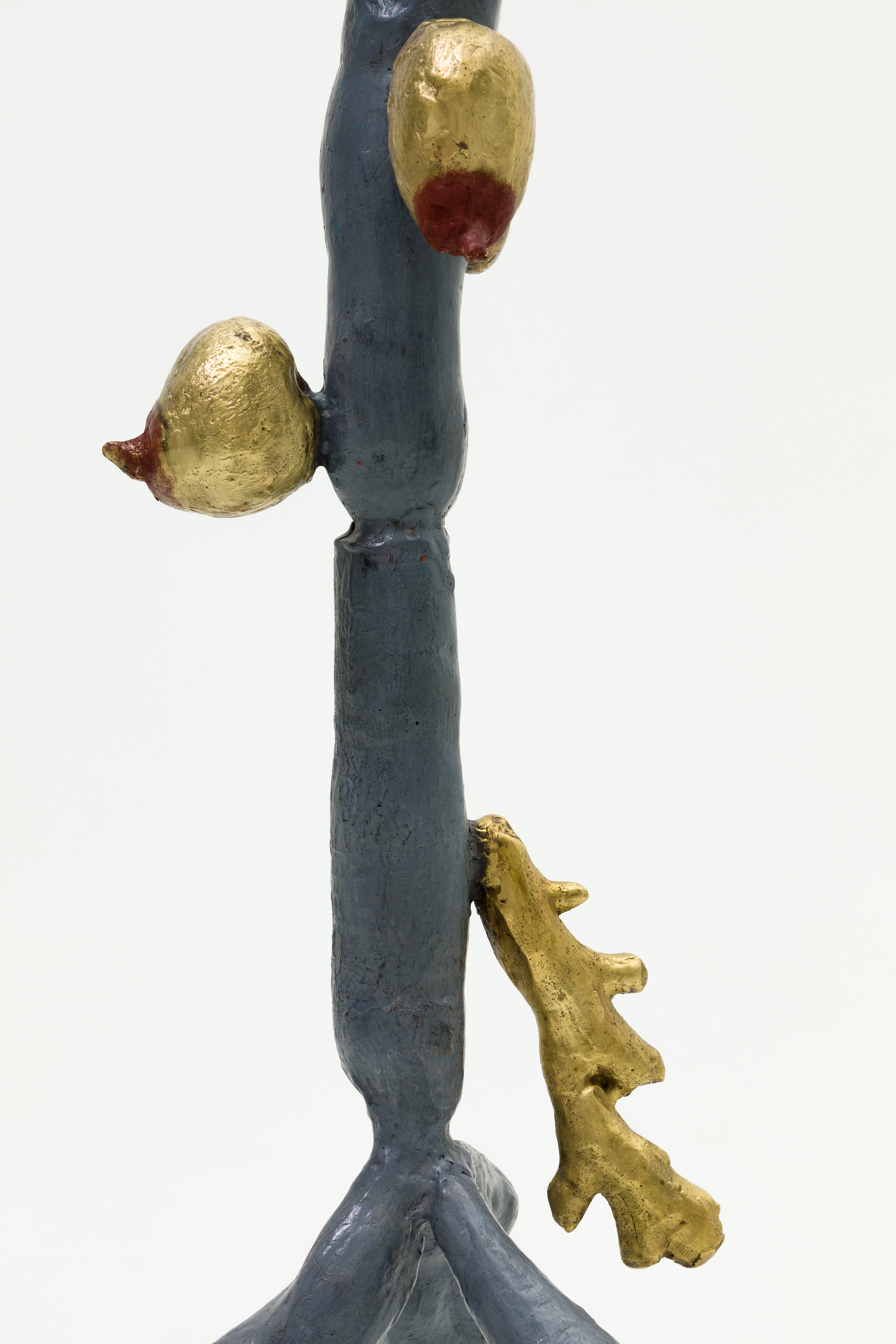
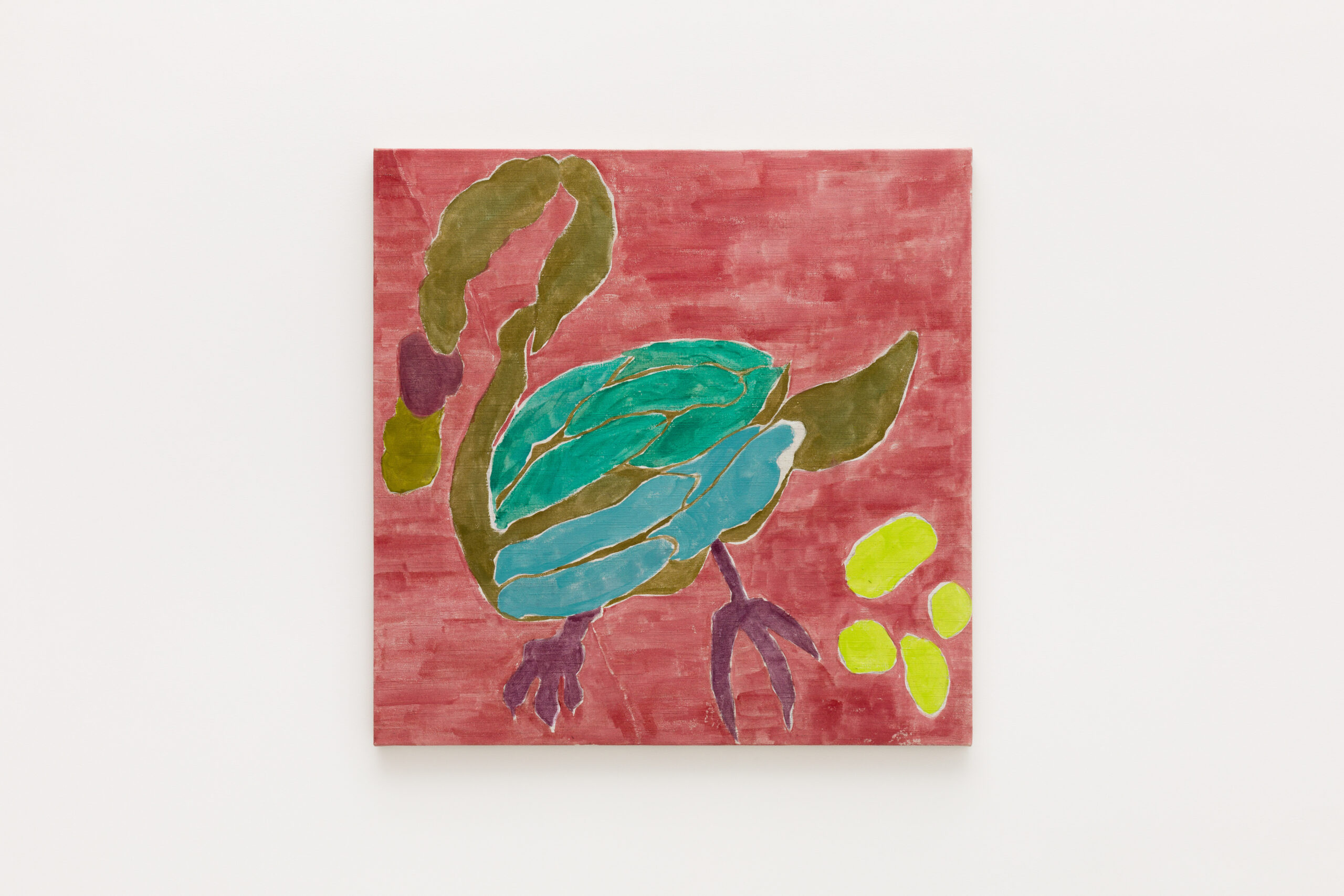
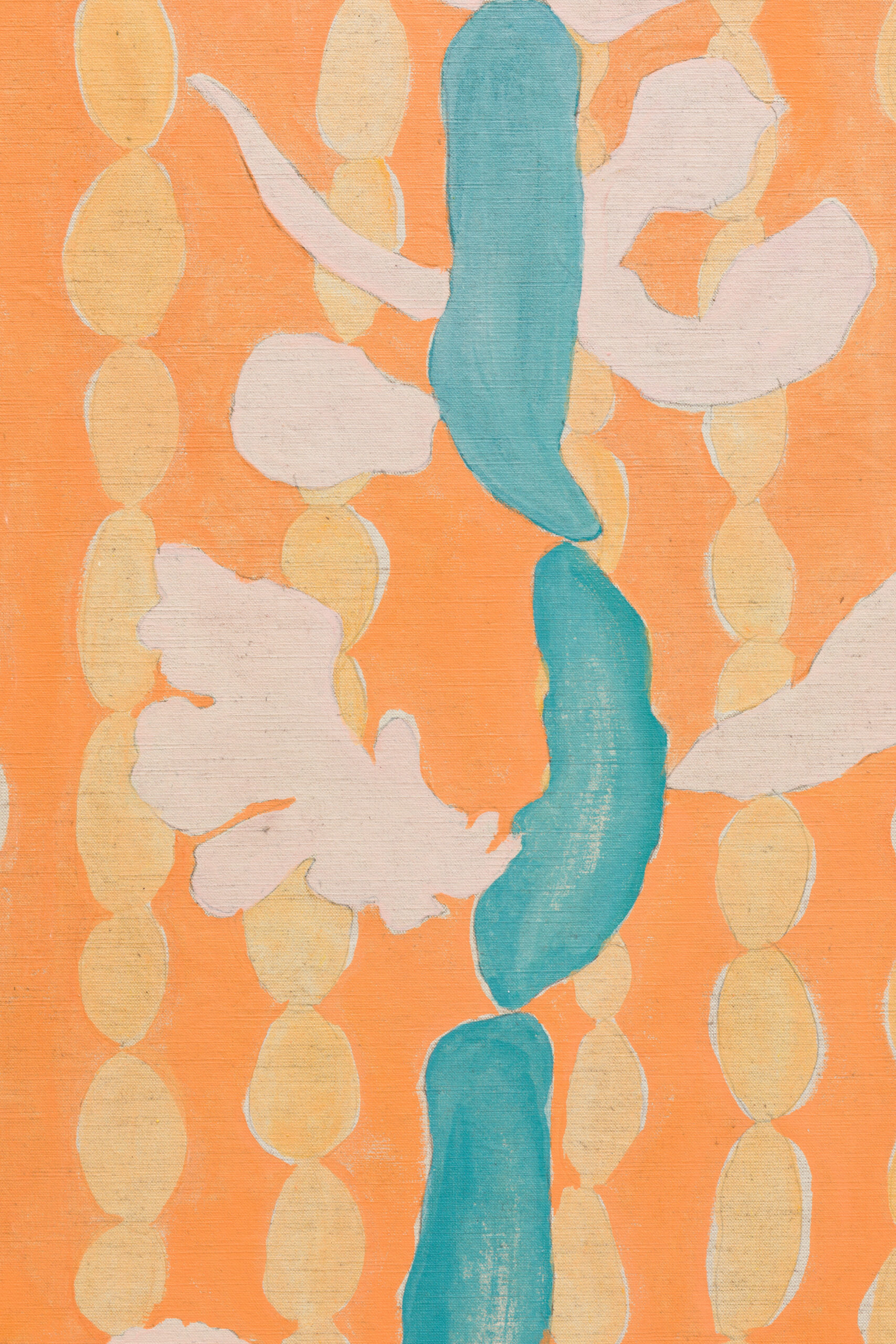
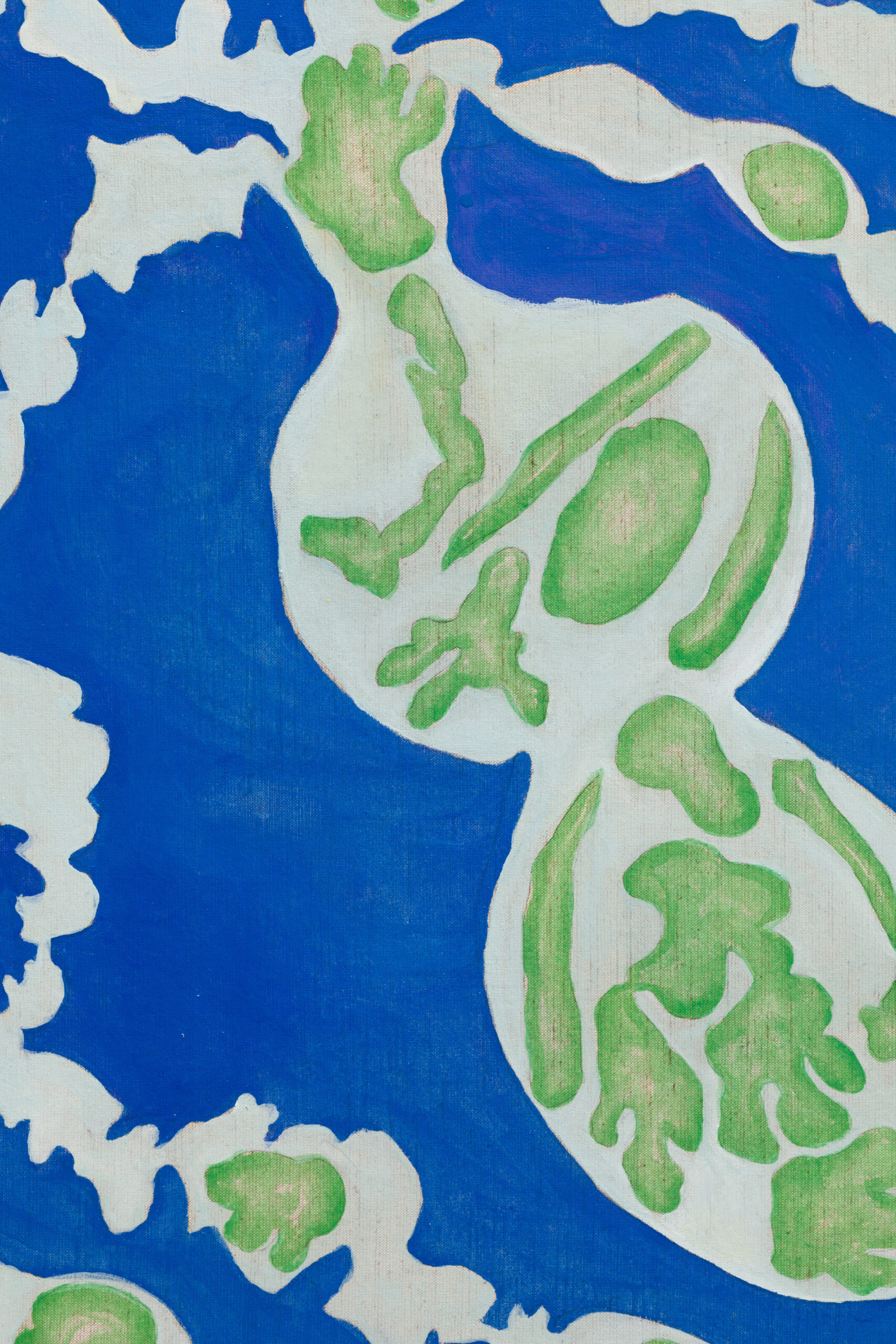
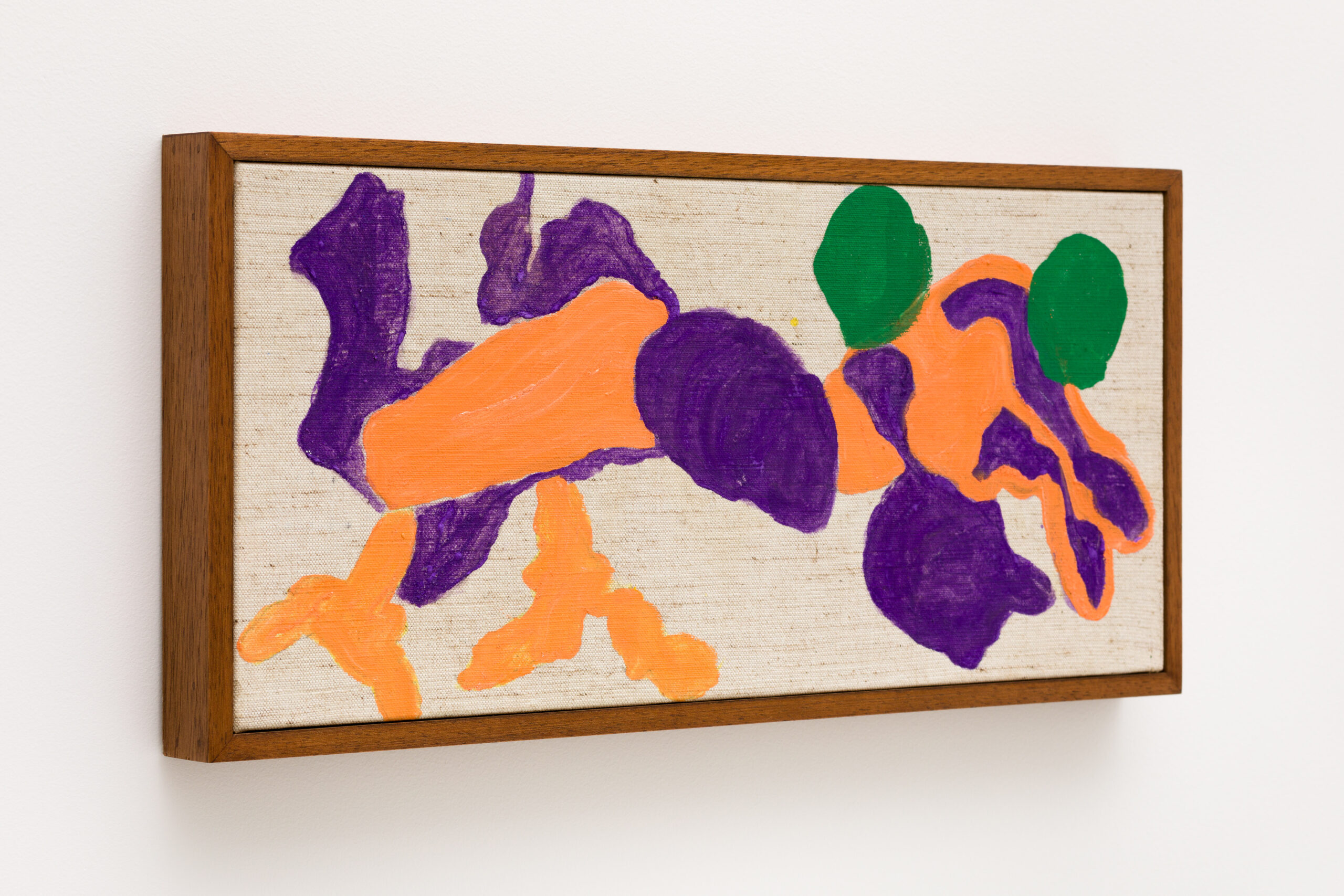
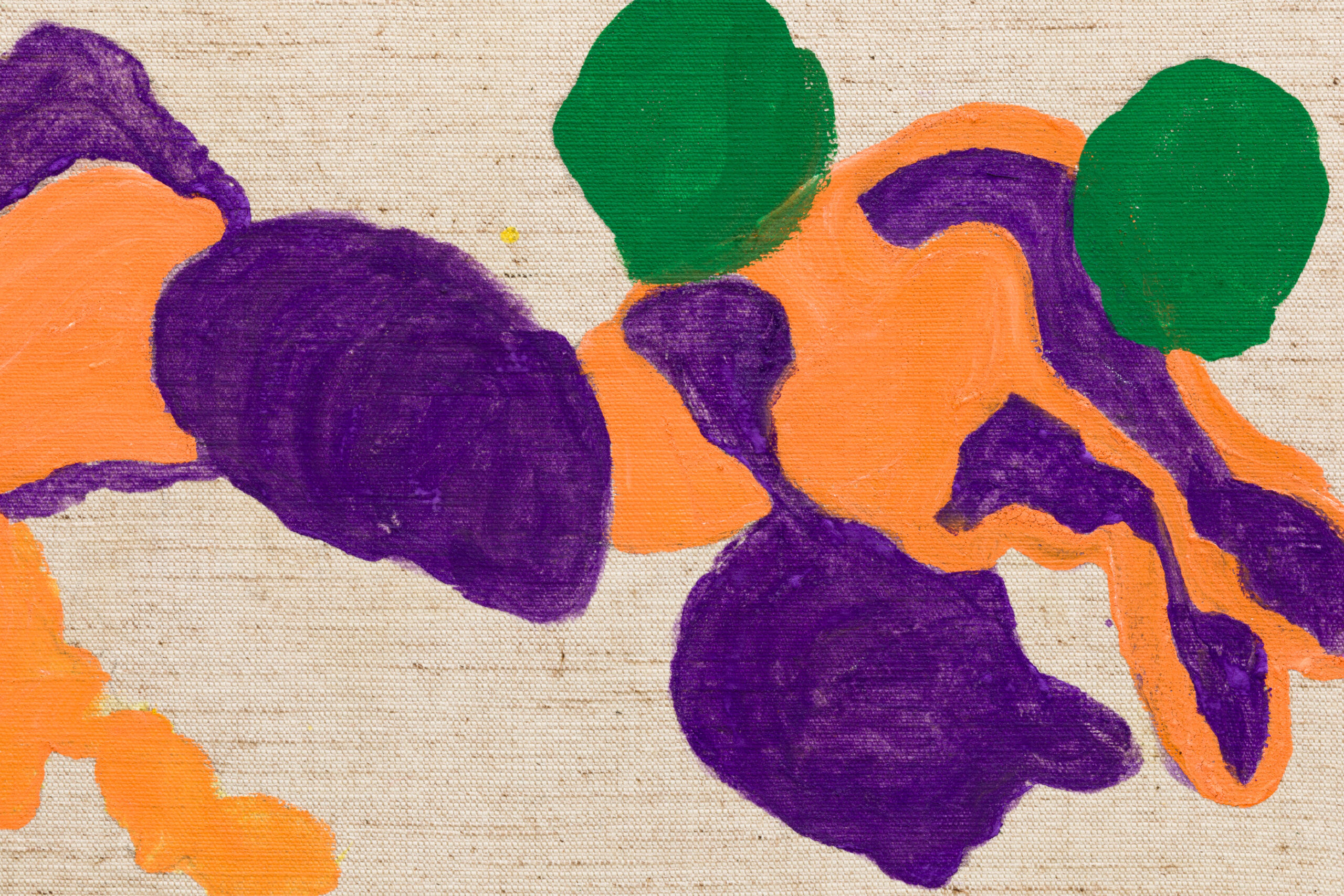
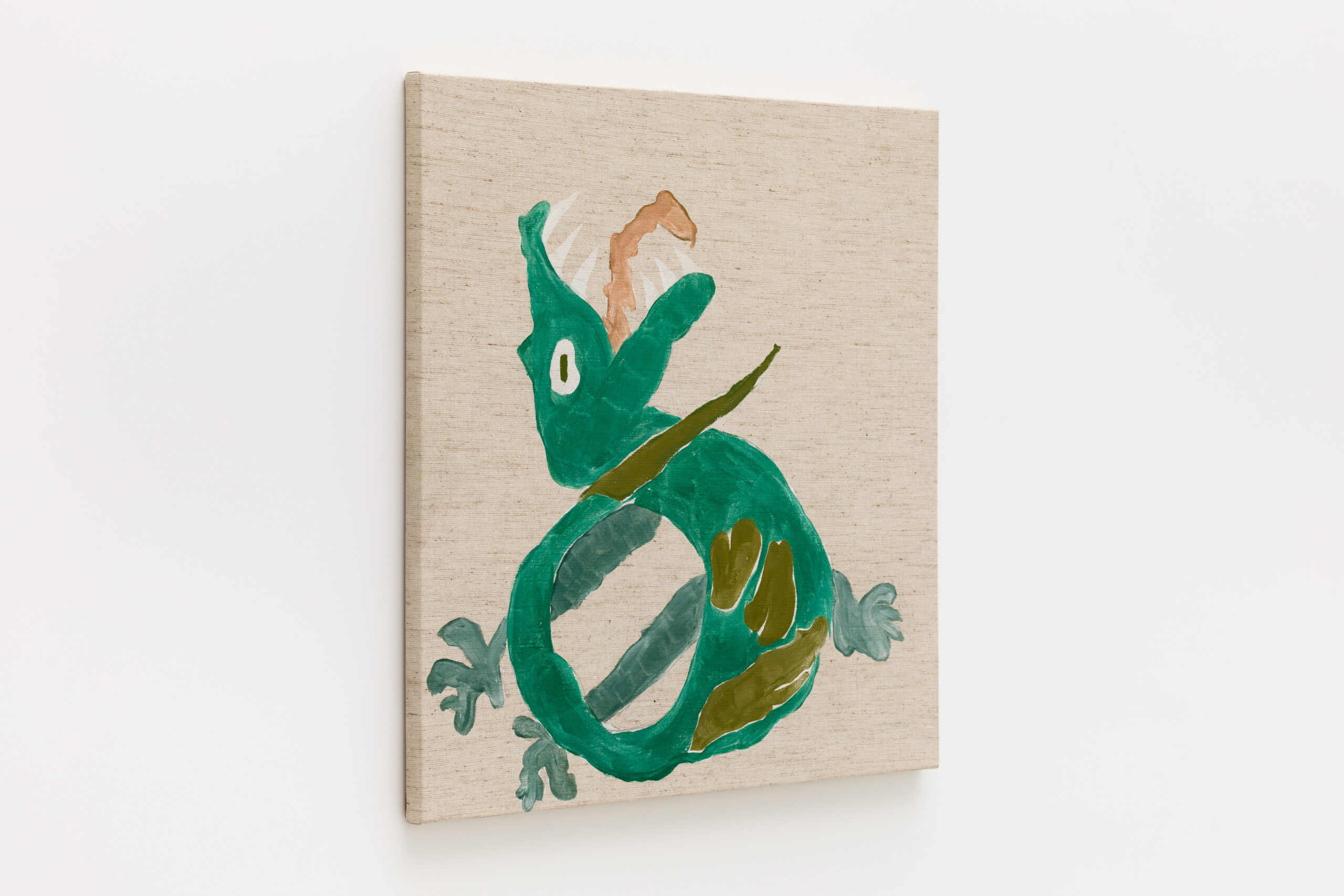
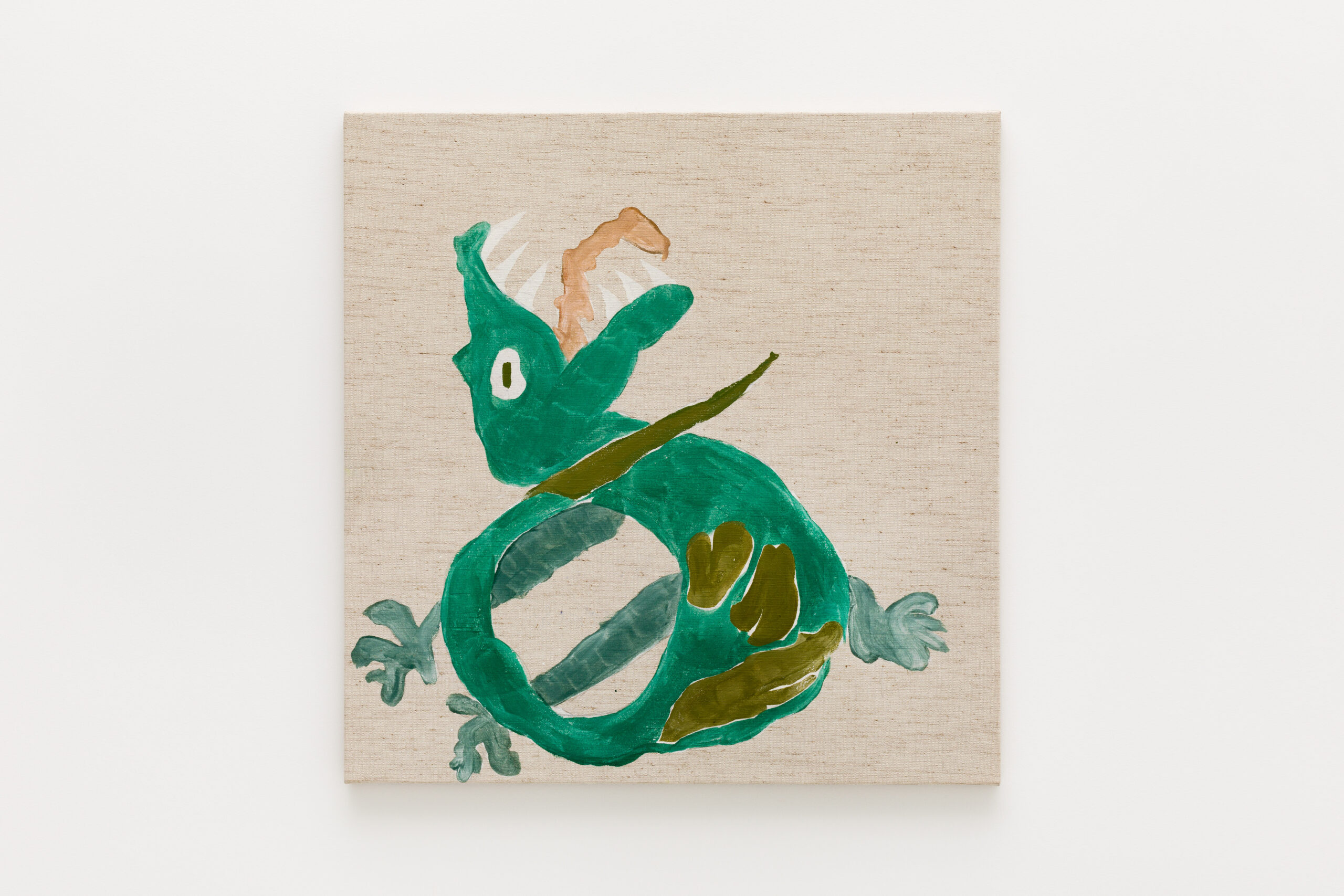
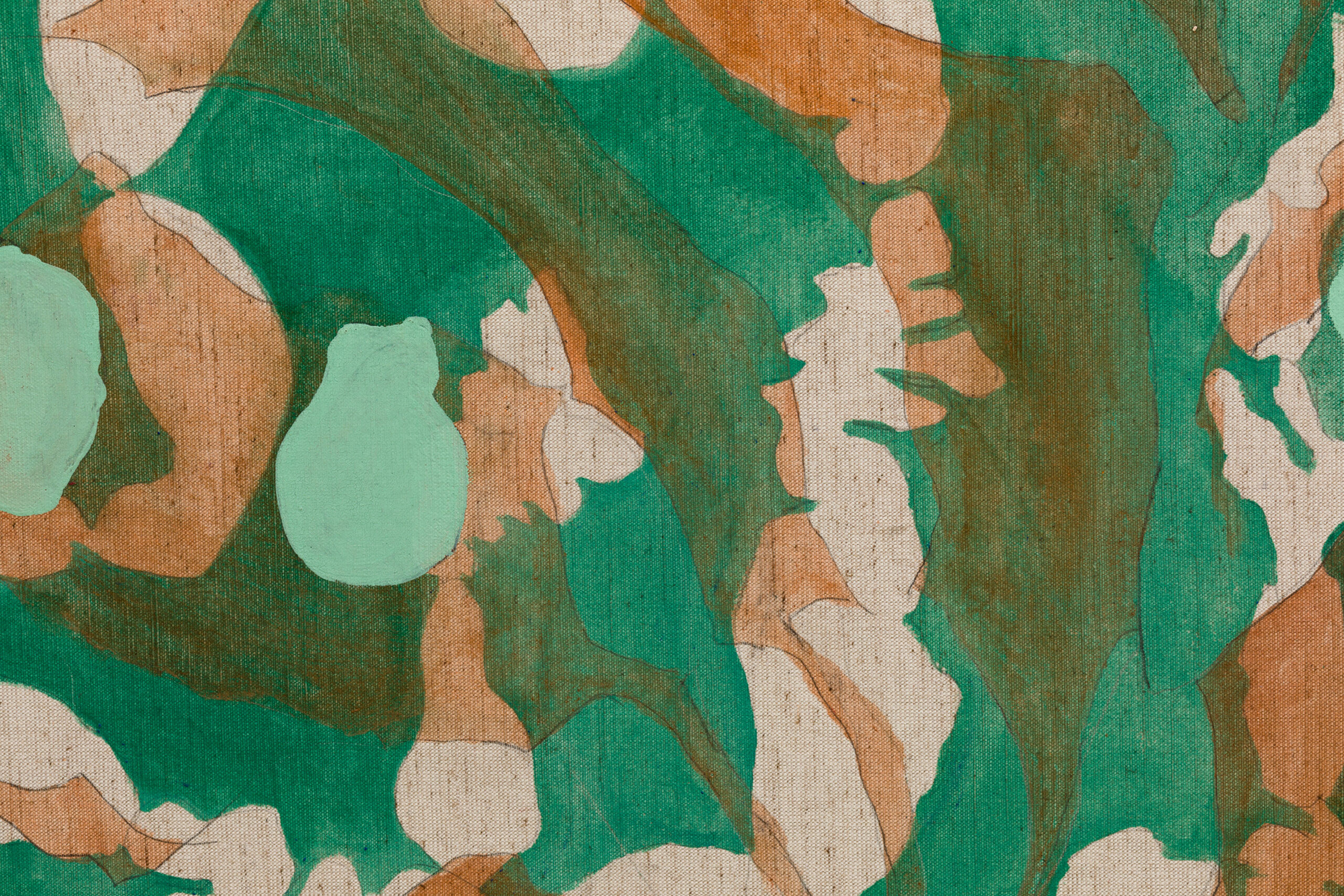
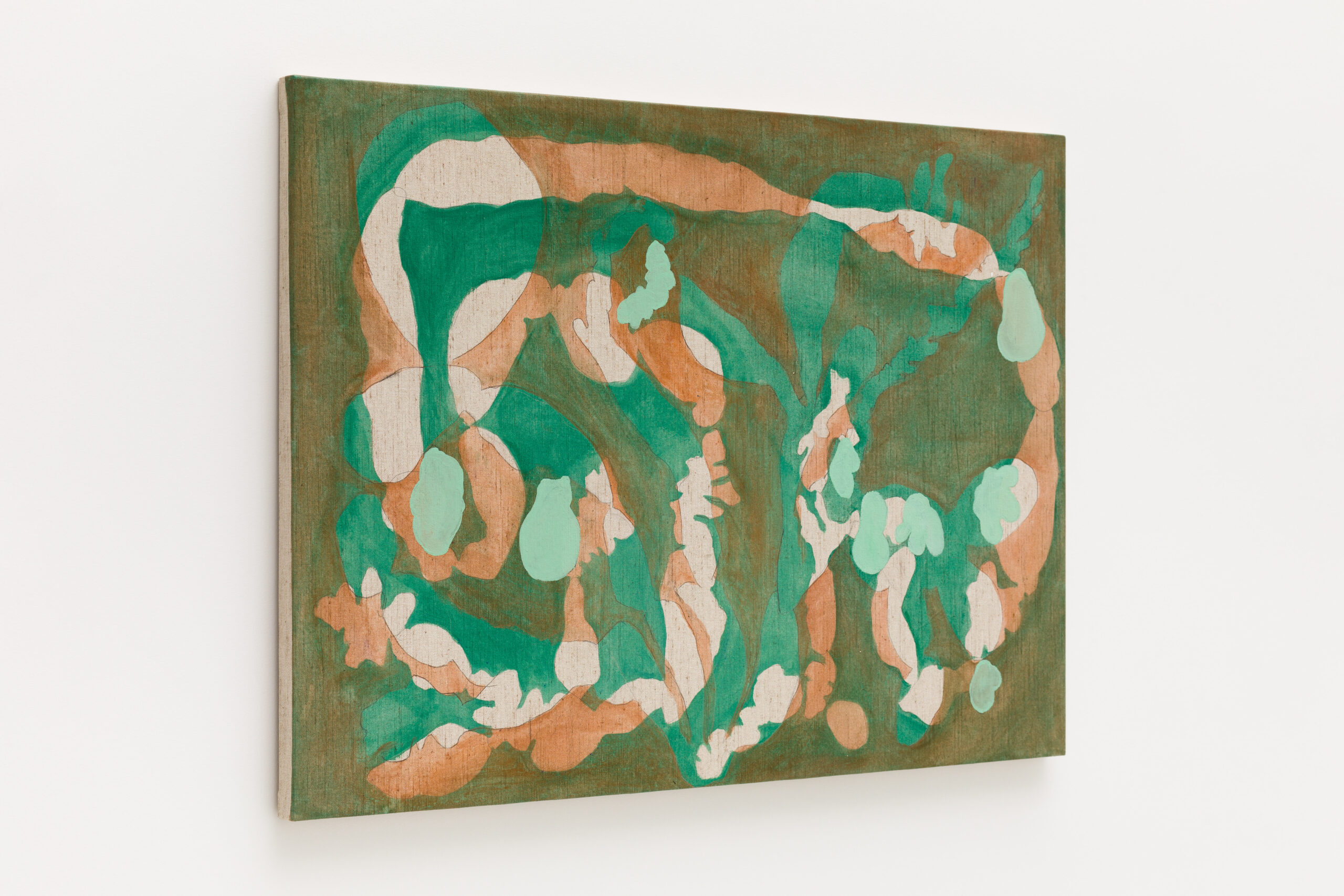
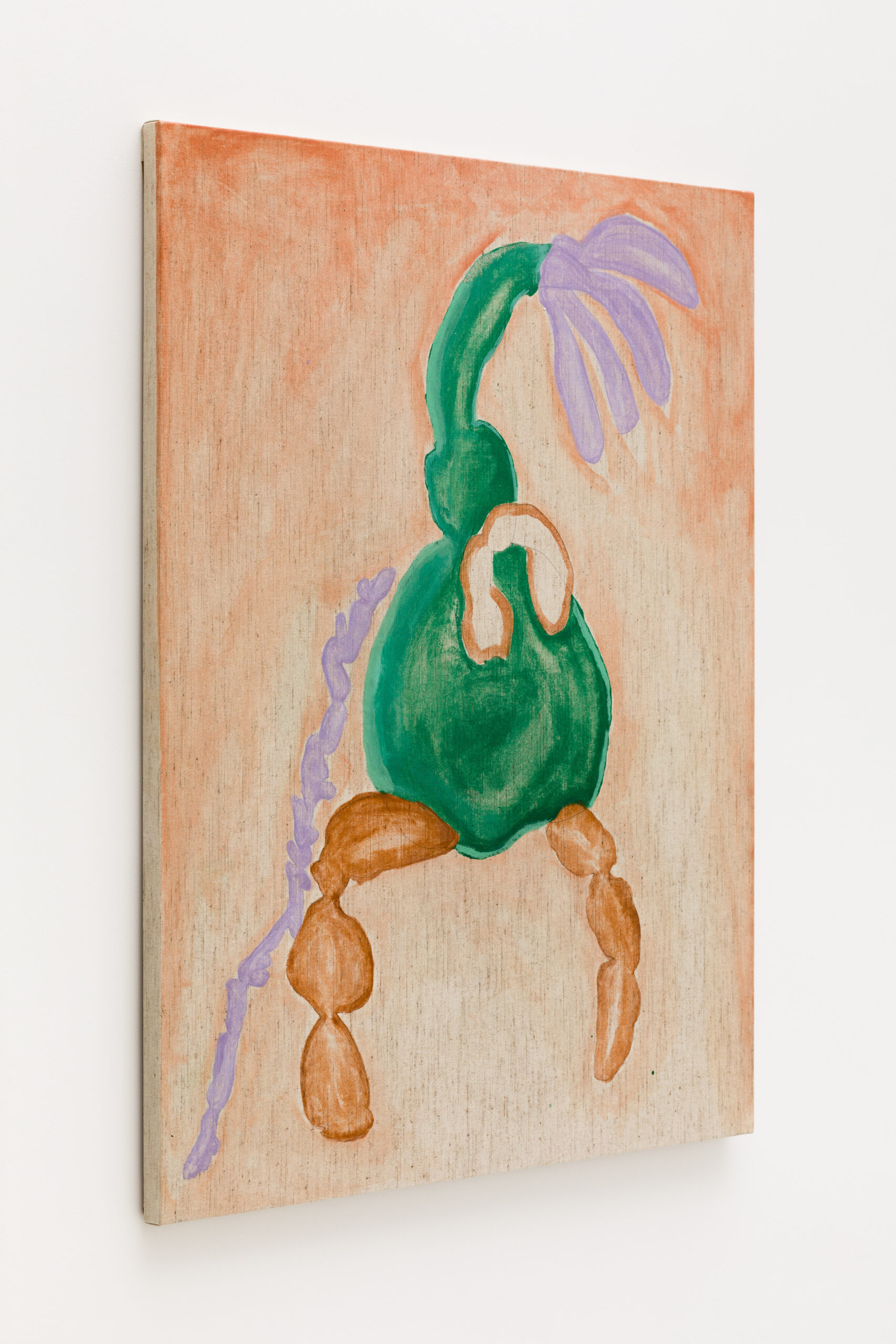
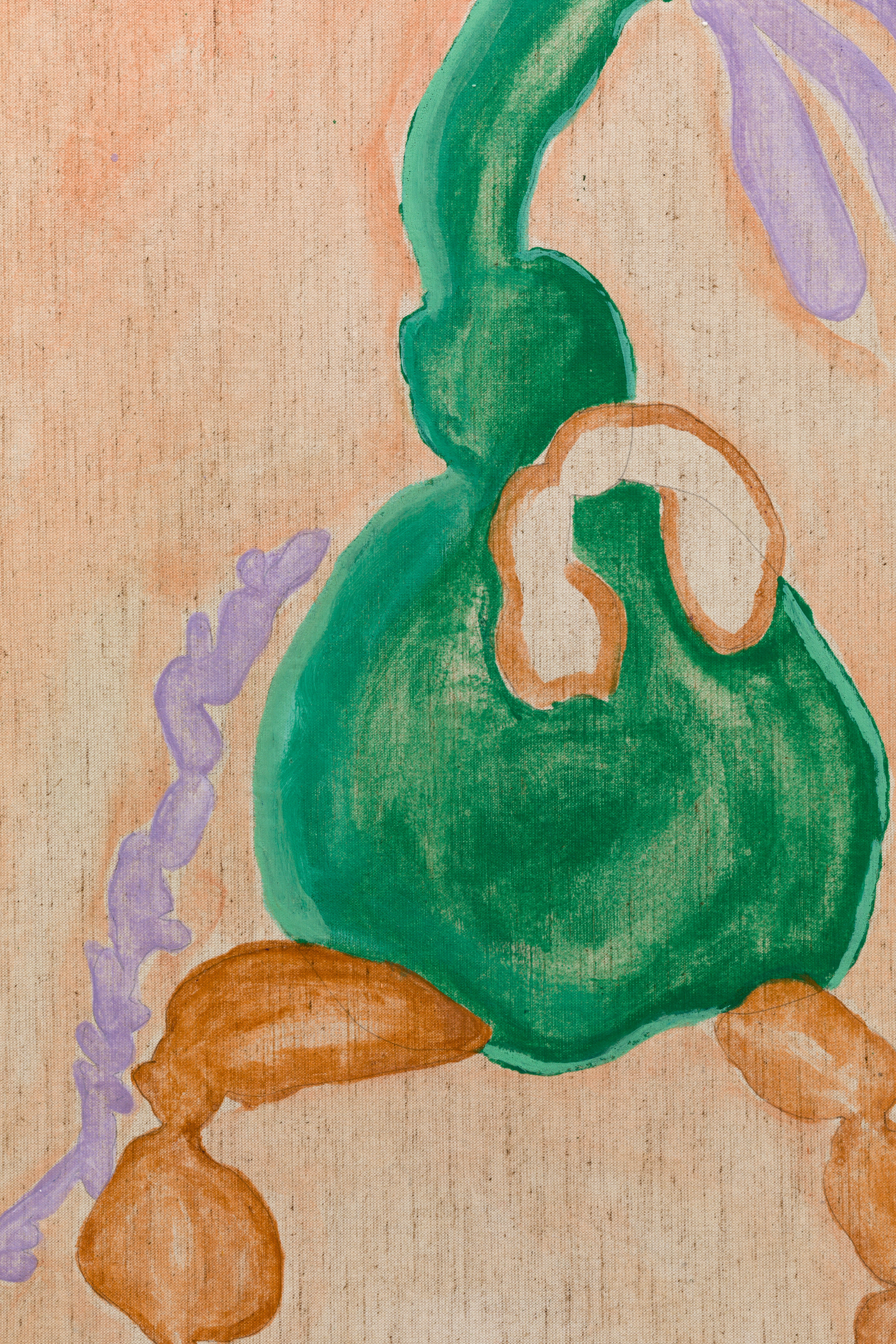
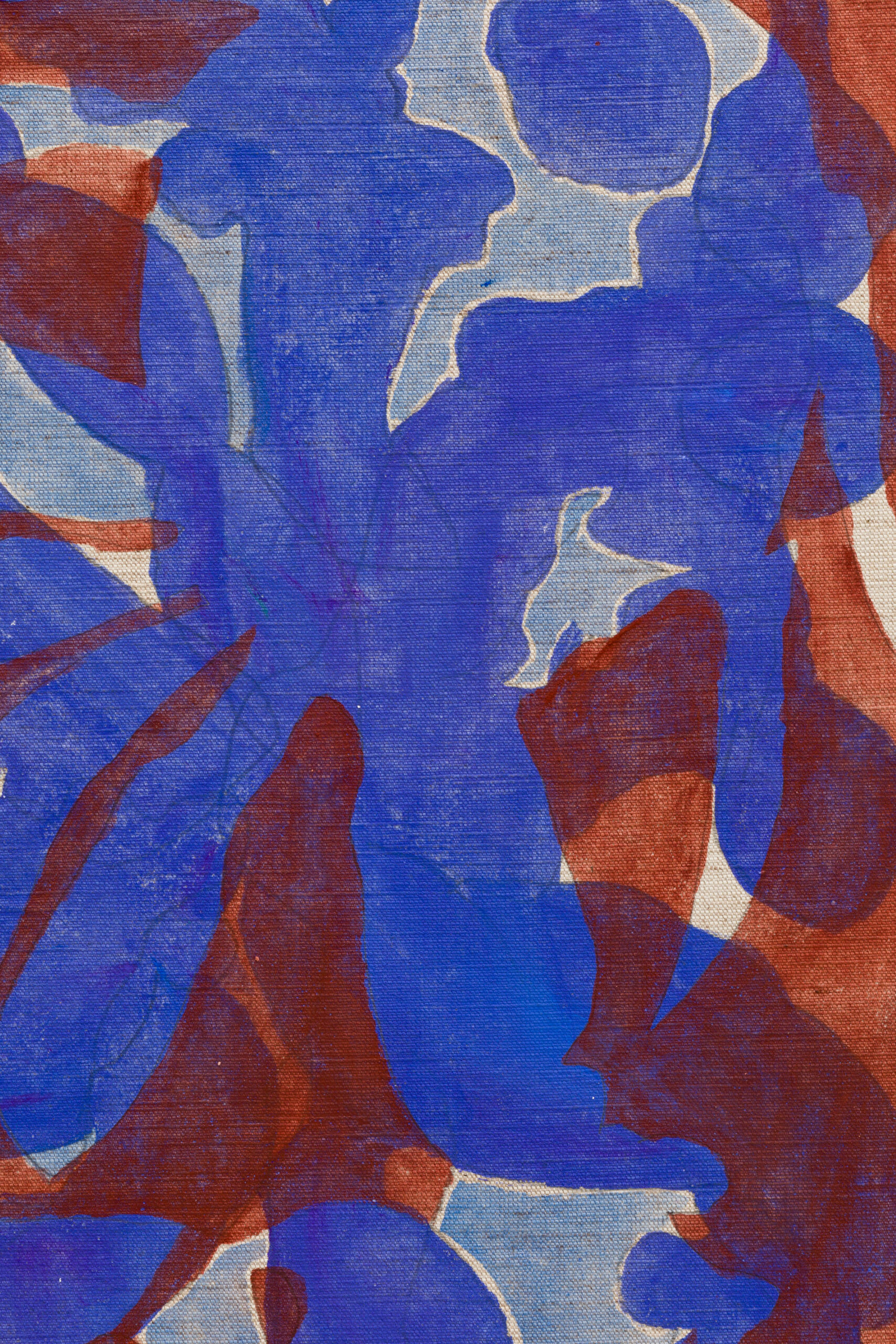
From an experiment with roots and tubers, begun during the most intense period of isolation due to the Covid-19 pandemic in 2020, Mucosas was born. Works that embody unbelievable beings and mysterious creatures that are represented here in the form of tempera paintings, oil paintings and bronze sculptures. These daily experiments turned tubers into companions who had various functions: from rooting, to broadening our perception of what feeds us, to strengthening our immunity and, above all, to teaching us about time. To realize the broad dimensions of the temporality that crosses us and to learn about plant time, metamorphosis and mutation. Humanity is a small thing.
Diambe’s relationship with tubers was crossed by the artist’s rapprochement with the science fiction characters of writer Octavia Butler, in the Xenogenesis series. The sculptures have titles such as Nikanj, Tehjaht and Ahajas, characters from the Ooloi, which means “foreign loved one”. These are non-human beings who, throughout the narrative, share mutual learning processes in a journey of exchange between extraterrestrial beings and terrestrial beings. Here, the sweet potatoes, watermelons, gourds, okra, bananas and ginger that could have been food, rotted or sprouted, become bronze beings, and are in a way eternalized in this act. Diambe becomes an agent of transformation and relates to each being in an affective creation, as if she were really looking after a garden.
In the ecology of knowledge, knowledge and ignorance intersect. It invites us to learn other knowledge without forgetting our own, so that we can dream of inter-knowledge. In the Western world, there is a pretension to understand a garden as something totally controlled by humans, ignoring the fact that minerals, insects and fungi are also garden agents. In the text ‘Vegetating thought: manifesto and hesitation’, the organizers relate this experience of co-authoring the world from a less anthropocentric perspective: “Plants are the path and dwelling place of other beings. Humans harvest and birds mess with fruit. Bees feast on flowers. Branches communicate with the wind, roots with hyphae, seeds hitch a ride on flows and wings. To vegetate is to grow in contiguity with the world, to cohabit places, to join and make spaces, to engage with what surrounds us – or, rather, crosses us… Pollinating, crossing, mixing, generating the unpredictable. Sprout in the earth, grow, blossom, bear fruit and rot, then return to the earth. Transformation is the name of the game. Vegetating is a strategy.” 1
Jardim Novas Mucosas is also built from a Diambe encounter with sculptures by Valentim da Fonseca e Silva, known as Mestre Valentim. Born in Minas Gerais, he moved to Rio de Janeiro in 1770 where he was the most prominent Baroque artist. He is responsible for many of the works and sculptures scattered around the city. On a walk, before going to the studio, Diambe passed by the Passeio Público, where he found the pyramids demarcating the limit at which the sea reached, the alligator sculptures in the Lago dos Amores and even a white peacock walking through the square as if it owned or originated there. All these elements appear in the garden, either in the titles of the works or in pictorial inspirations.
The title of the exhibition also gives its name to a new video made by the artist in partnership with Despina and other collaborators. The work mixes archive footage of the artist in collections of European museums that historically looted pieces from the so-called colonies, the process of making Mucosas and collective choreographies filmed in the garden of Quinta da Boa Vista, which houses the ruins of the National Museum. The contrast between images of an intact museum, unpunished for its crimes, and images of bodies that desire, create, pulsate and live despite the destruction, reaffirm the power of the phrase that opens the film: “we can be more than we imagine ourselves to be”.
This meeting of times, with an artist who worked in bronze two hundred and fifty years earlier, with other people who inspire creation, moves us and gives us back once again the feeling of temporal multiplicity, of finitude and transformation. Temporality is spiral, ruled by Exú in the middle of the crossroads, breaking any linear and consecutive way of conceiving time. We find in the works of this collective garden a dreamlike, fantastic, magical universe that is nonetheless extremely alive, earthy and grounded in reality. Here I understand the agency of everything that moves, as writer Emanuelle Coccia says: “The world, from this point of view, is first and foremost a plant reality: it is a garden before it is a zoo, and it is only because it is a garden that we can live there”2.
Catherine Duncan