Ana Cláudia Almeida & Tadáskía
Ana Cláudia Almeida and Tadáskía
curated by Victor Gorgulho
November 30, 2024 - January 24, 2025
São Paulo
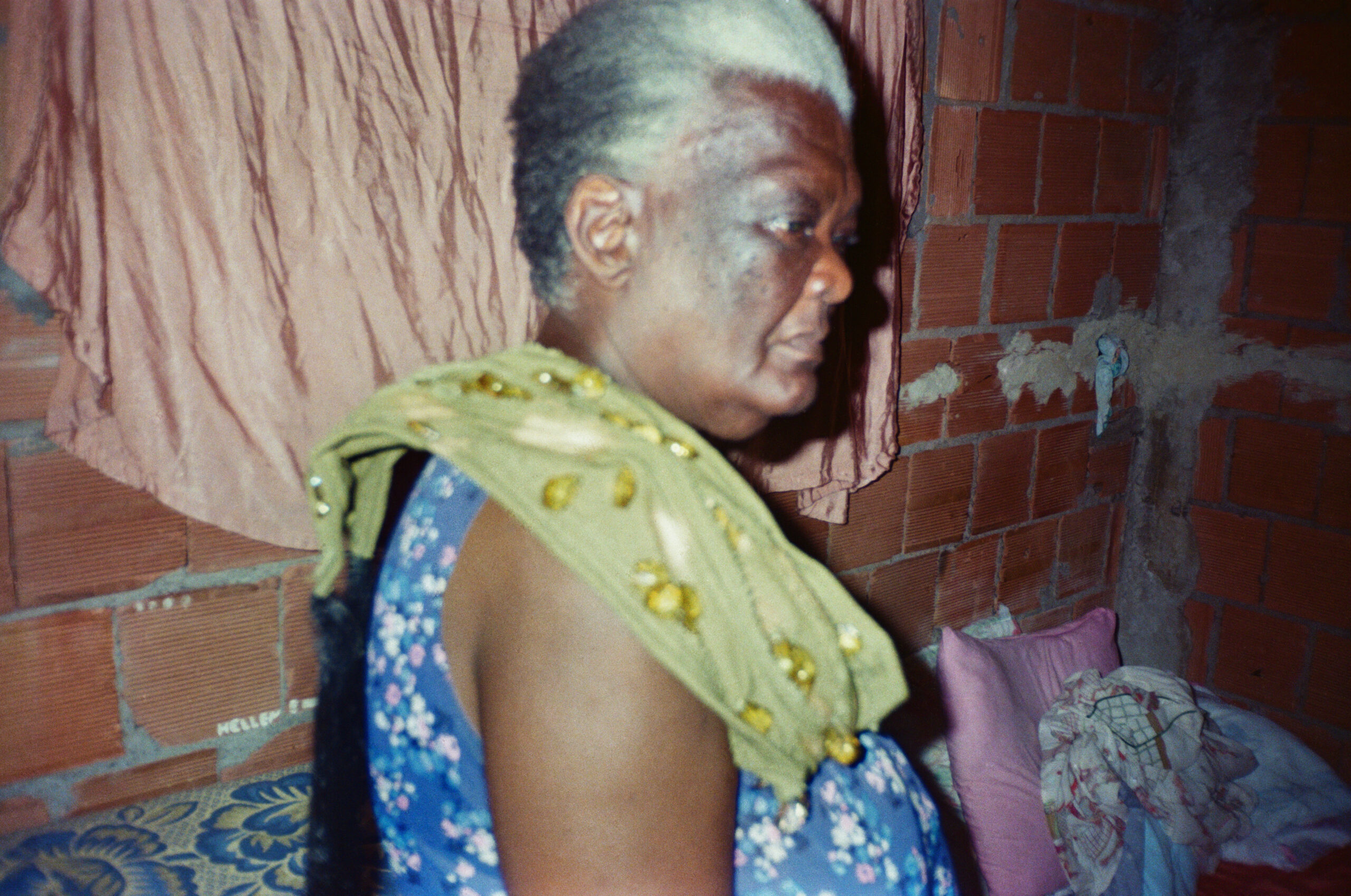
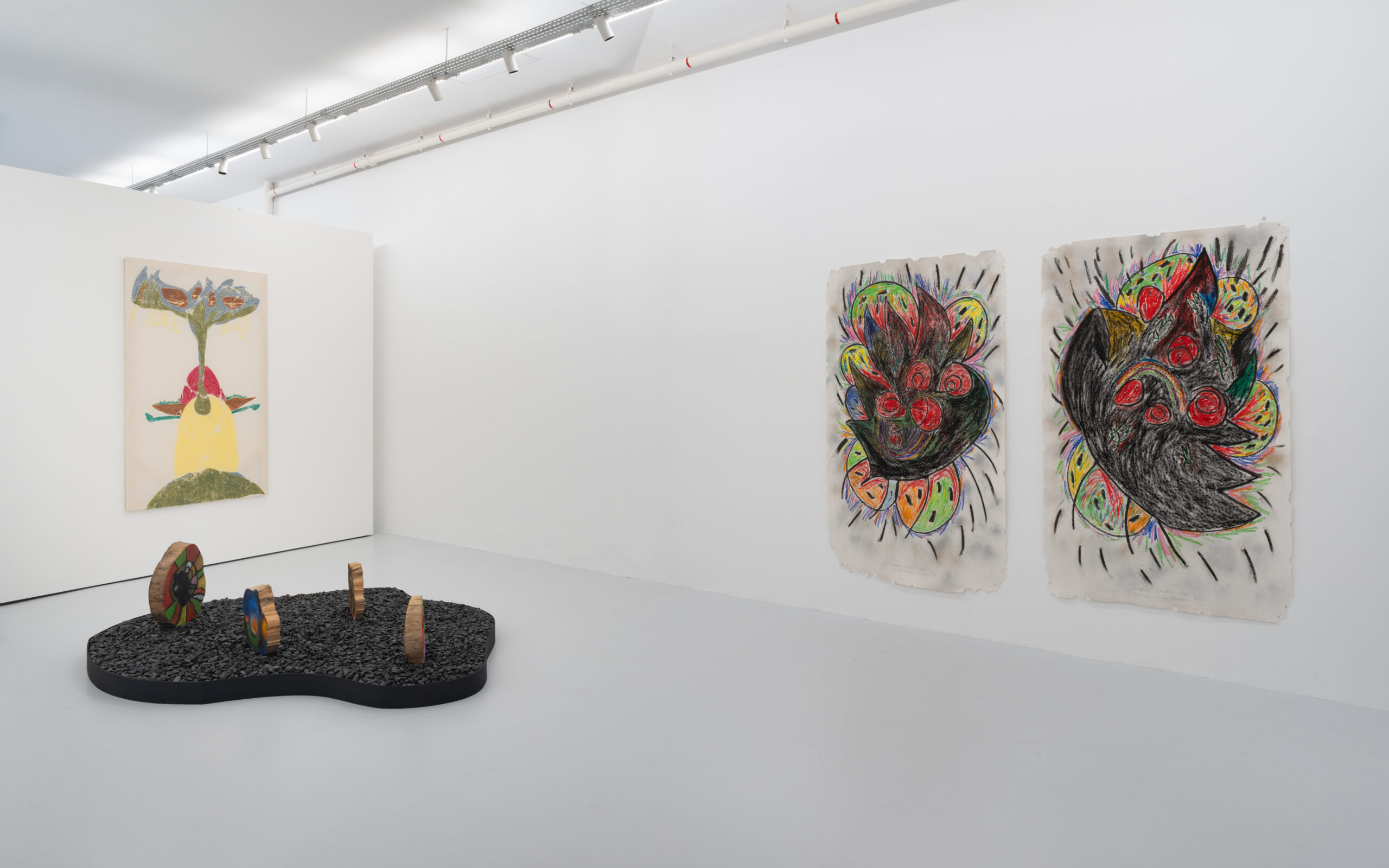
In this exhibition, Ana Cláudia Almeida and Tadáskía share some of their most recent works with each other and with us, produced at a time when the artists – raised in Realengo and Santíssimo respectively, neighborhoods in the West Zone of Rio de Janeiro – are living in, or coming and going from, the United States of America. It was there that they were recently able to live together in a proximity they had never experienced before, sharing a house, studio and meals during a brief period of artistic residency in the state of Nevada.
Despite bringing them together, this exhibition resists likening or comparing them. It is not a play of light in which one reflects the other. We prefer to walk around the edge of the mirrors to enjoy the shadows that their reflections don’t reach: “For me, this exhibition is an invitation to realize not the familiarity, friendship and interest in getting closer, but also what in our history sets us apart: the distances and the gap between us. The magic of the mismatch in the encounter,” confessed Tadáskía.
We therefore warn that the disparities between the works of Ana Cláudia Almeida and Tadáskía are not complementary. Their differences are not equivalent. The singularities of their works underline precisely the unknown that resists the presumption of familiarity that surrounds them today – because they are artists, because they are black, because they grew up in the suburbs of Rio de Janeiro, because they paint, because they draw.
It is not in spite of, but because of, their individualities that the dialog between their works takes place.
*
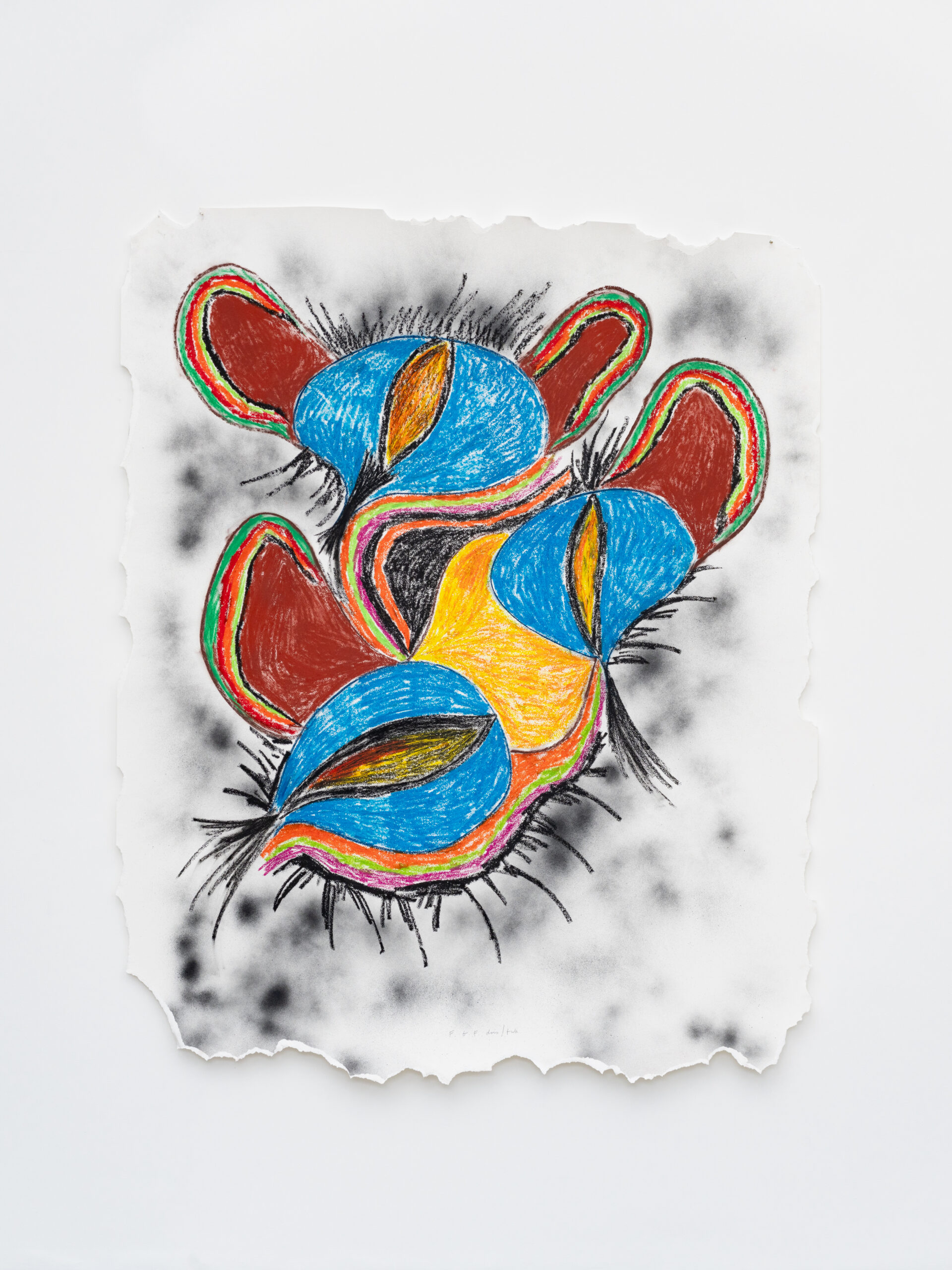
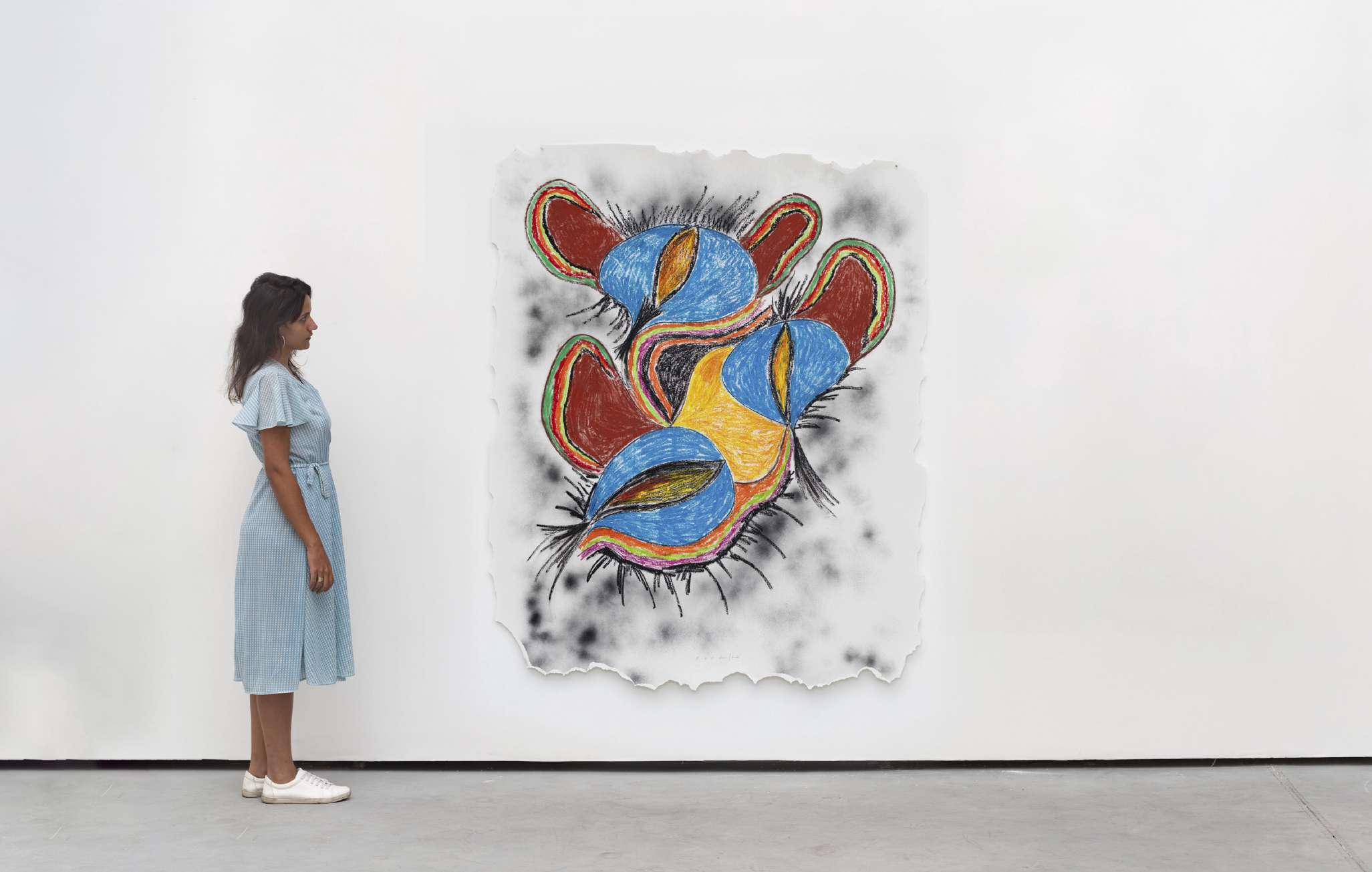
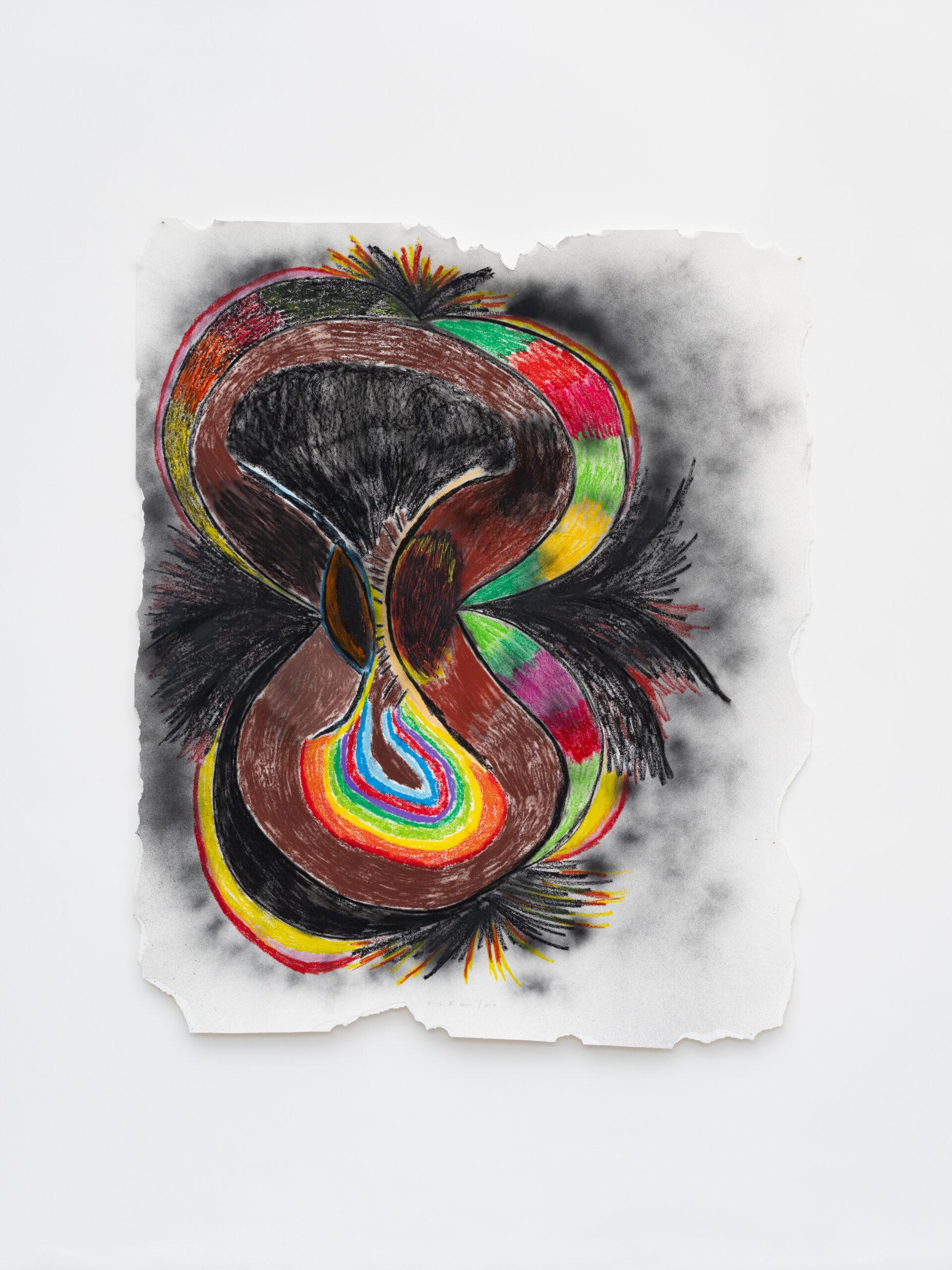
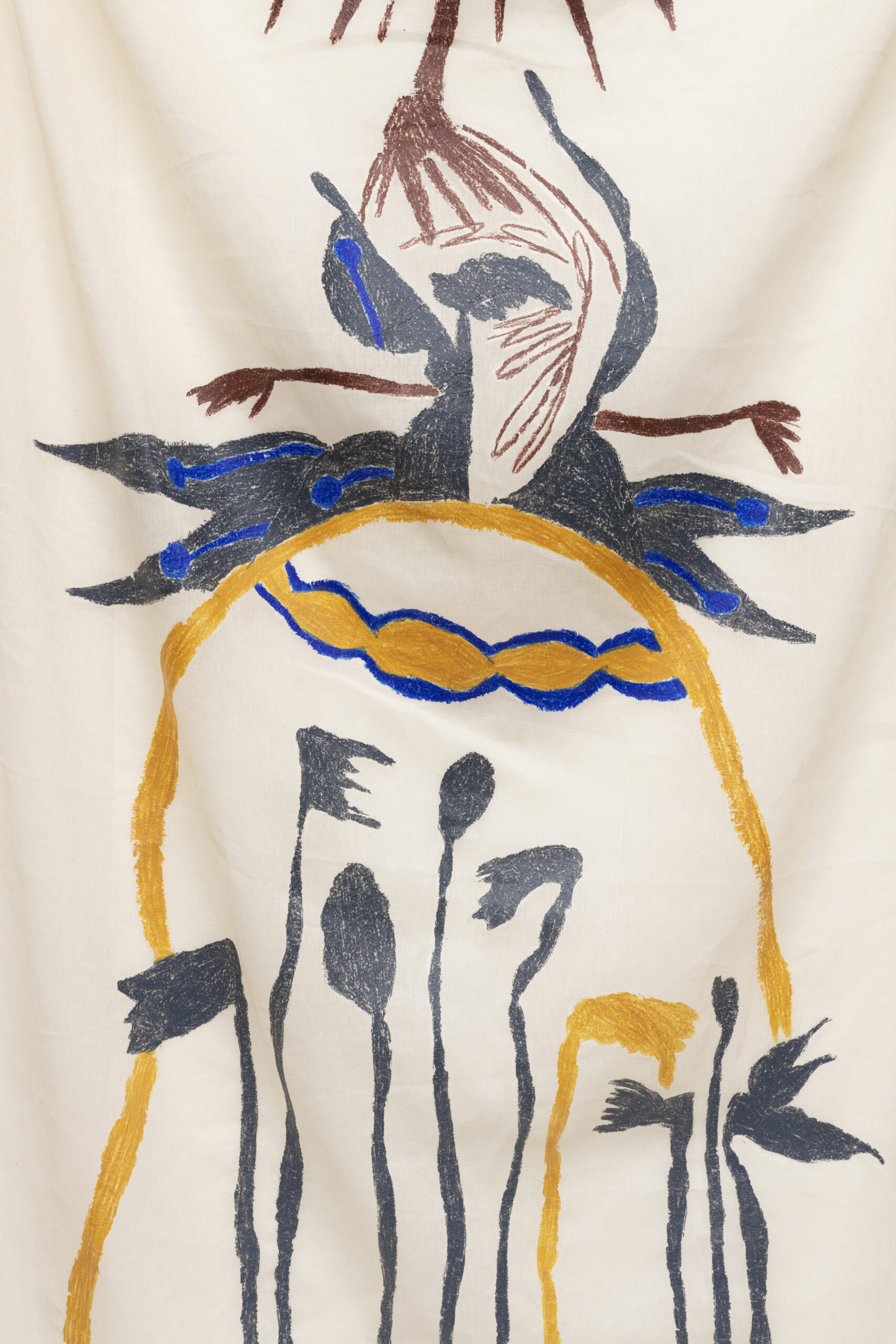
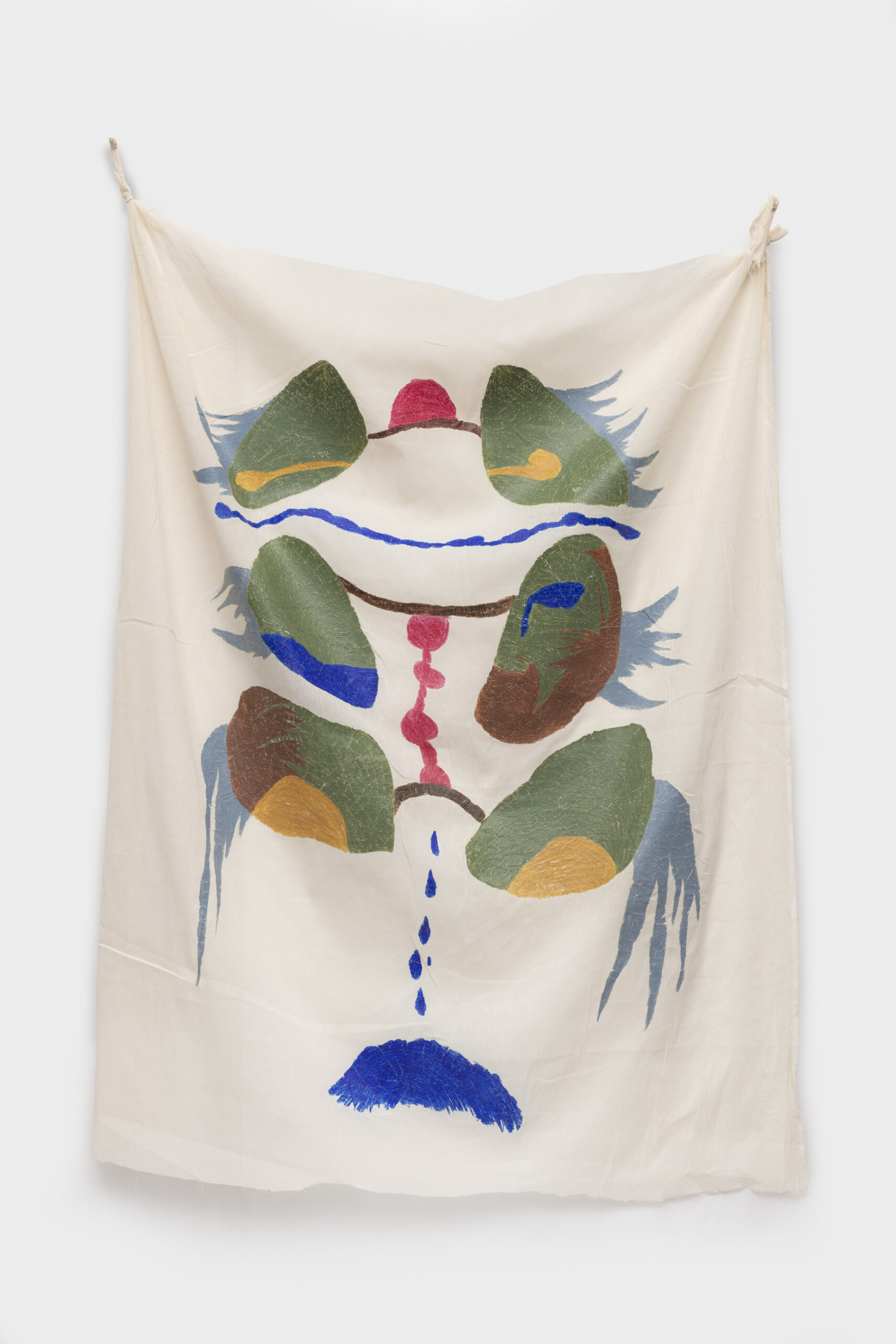
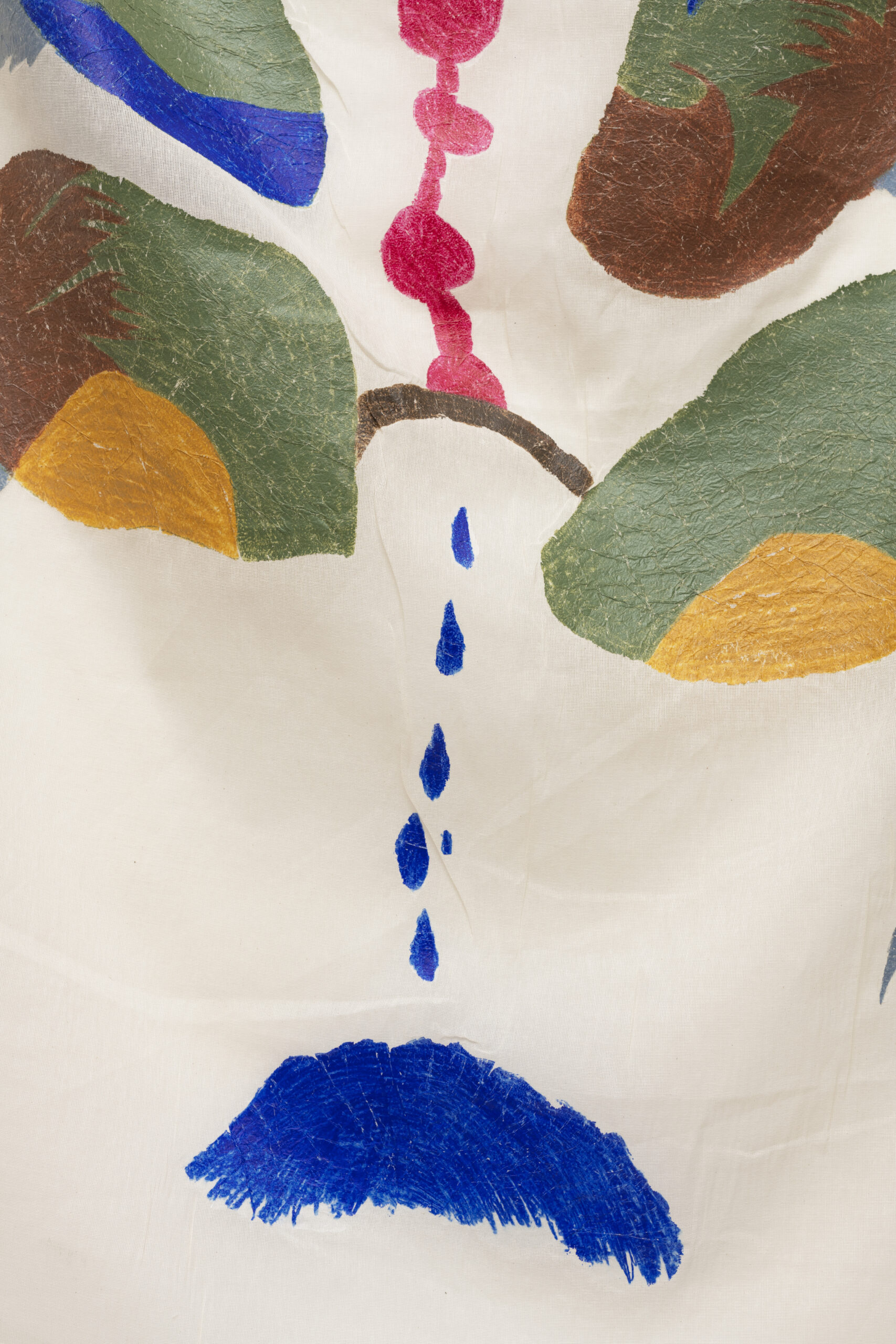
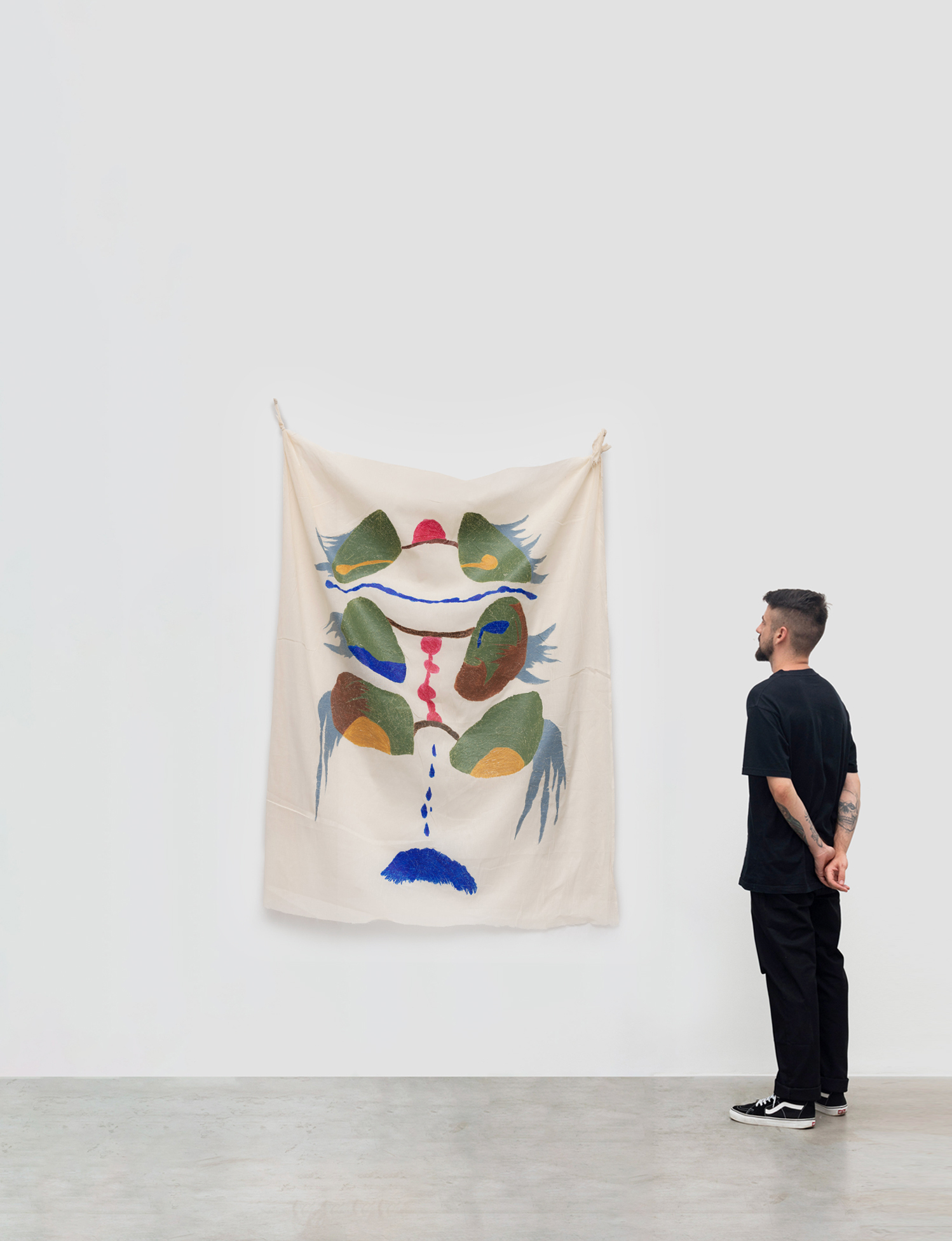
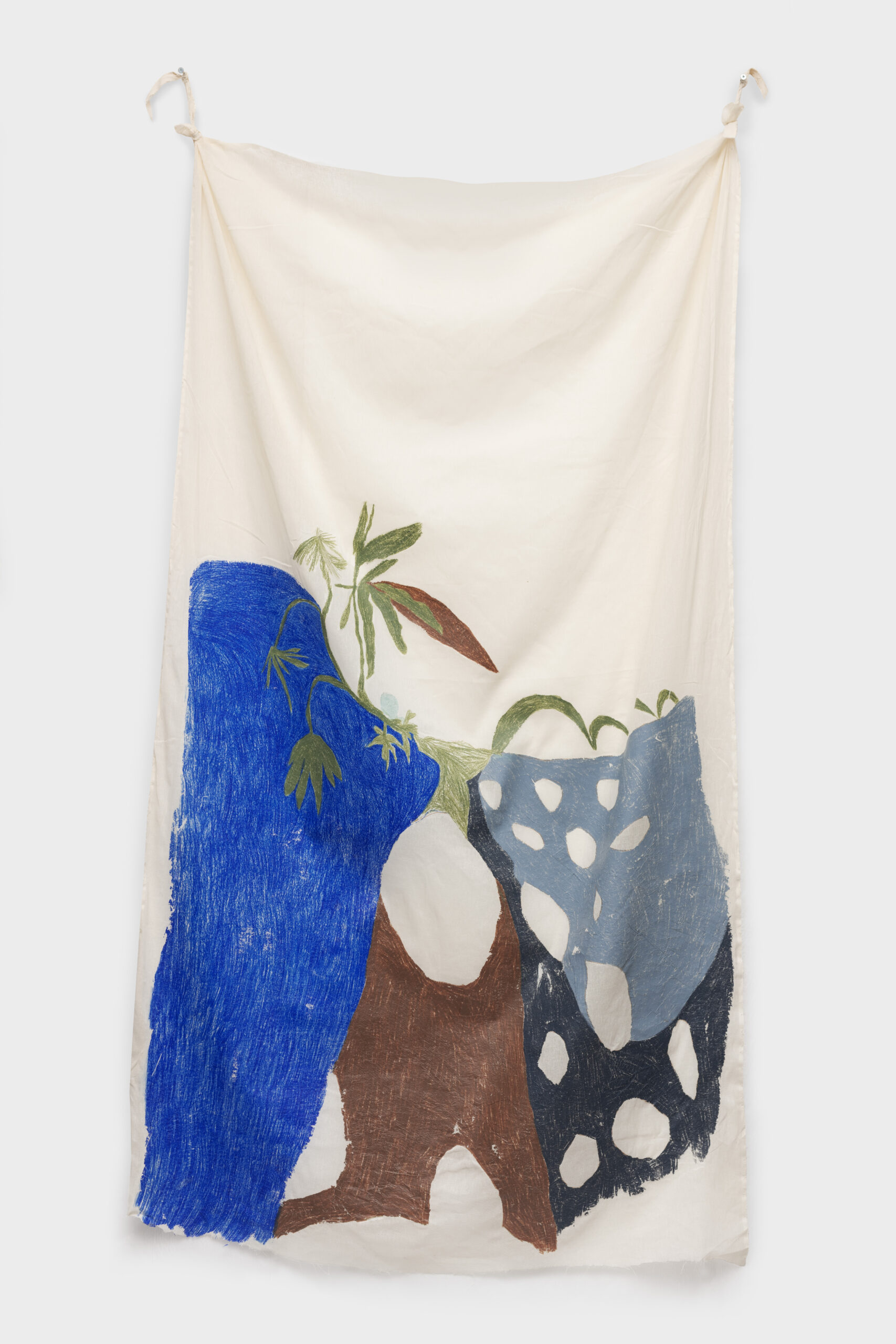
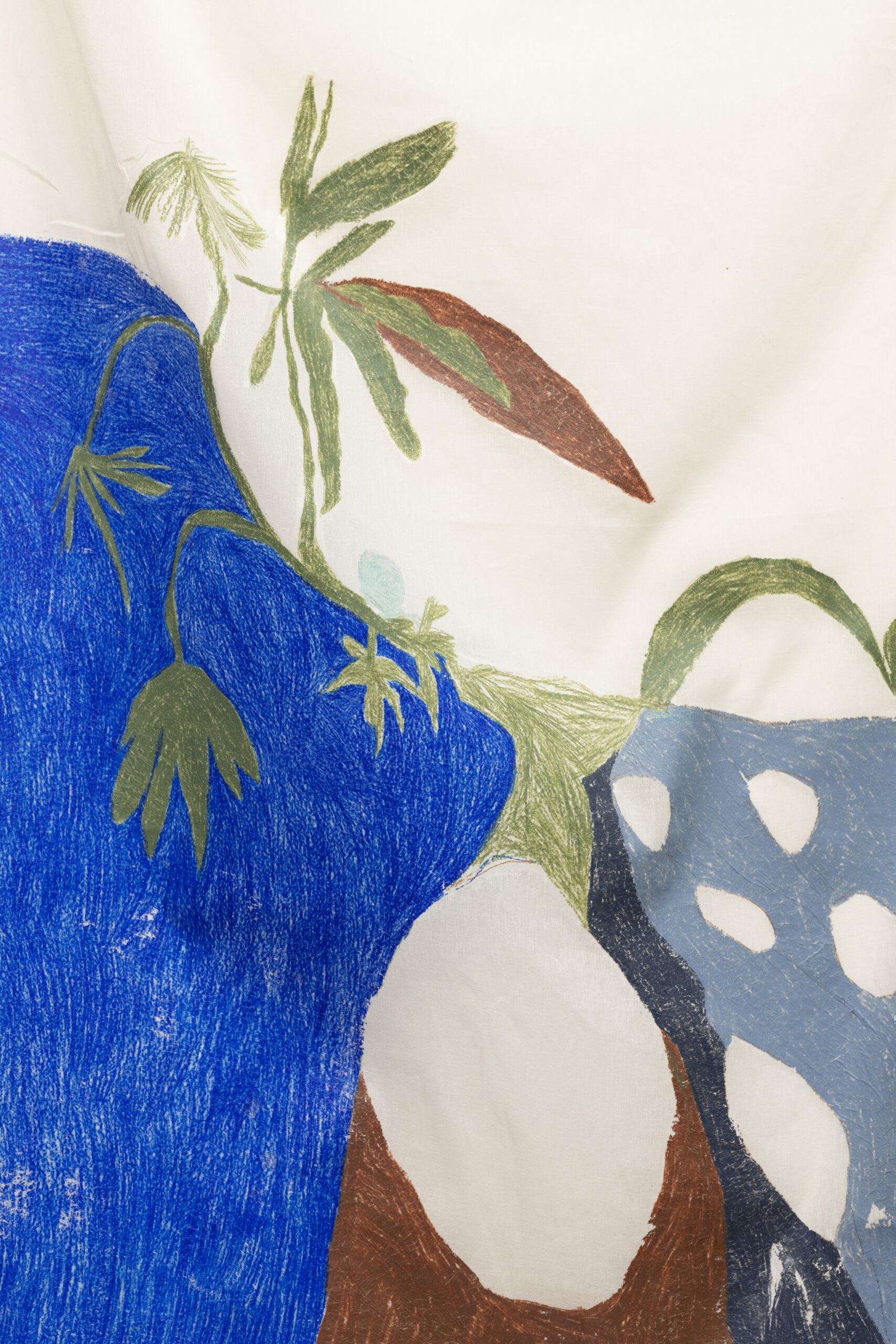
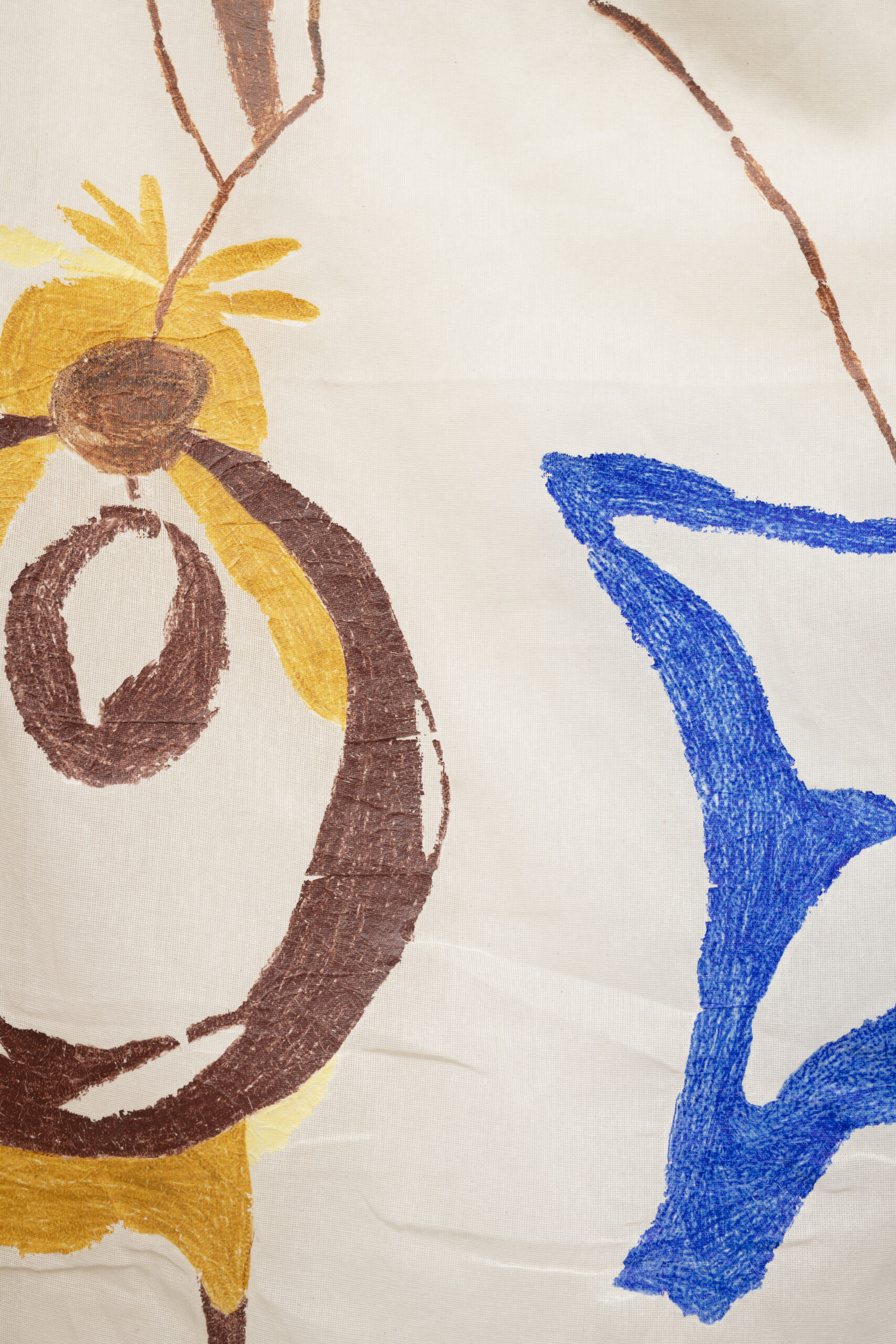
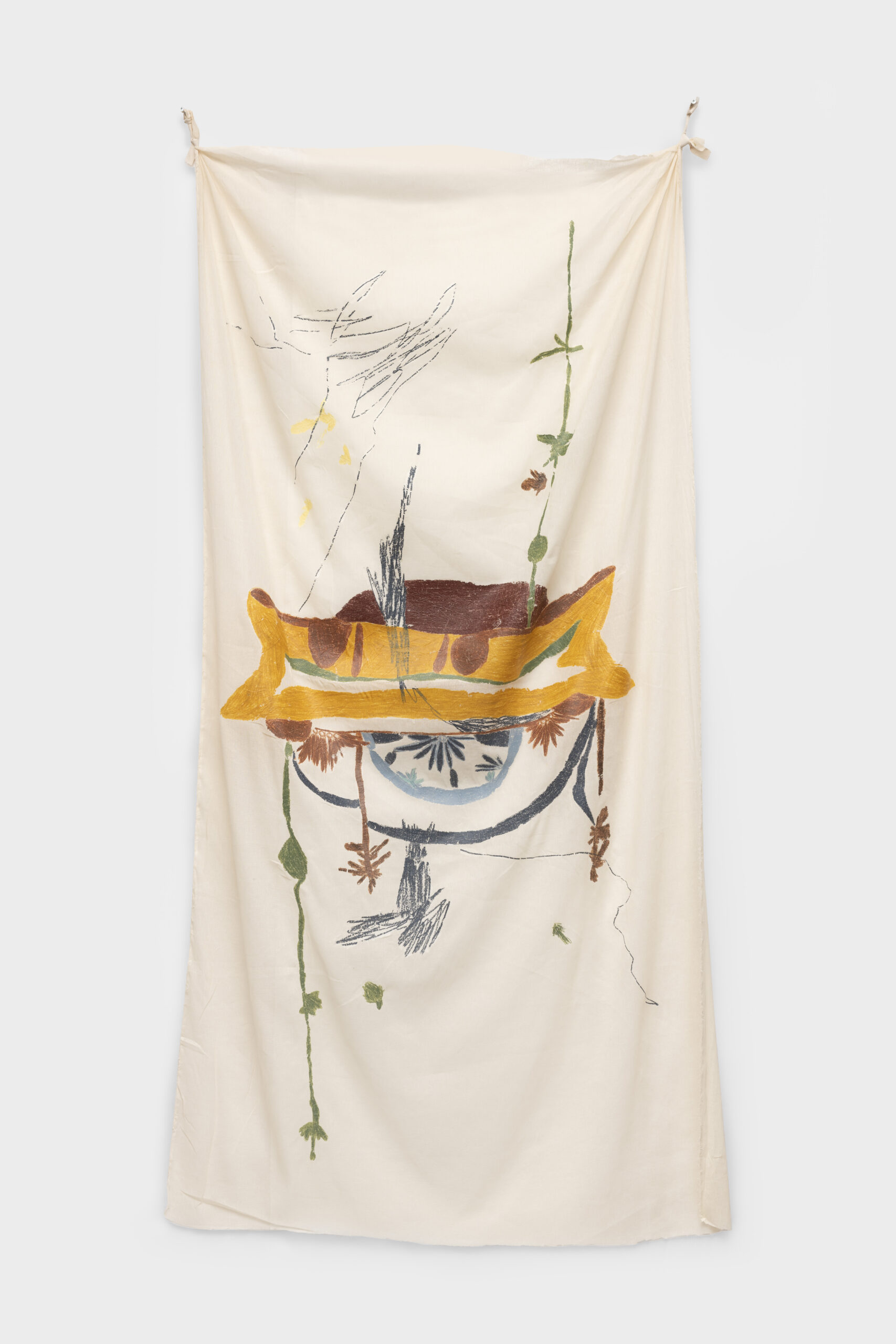
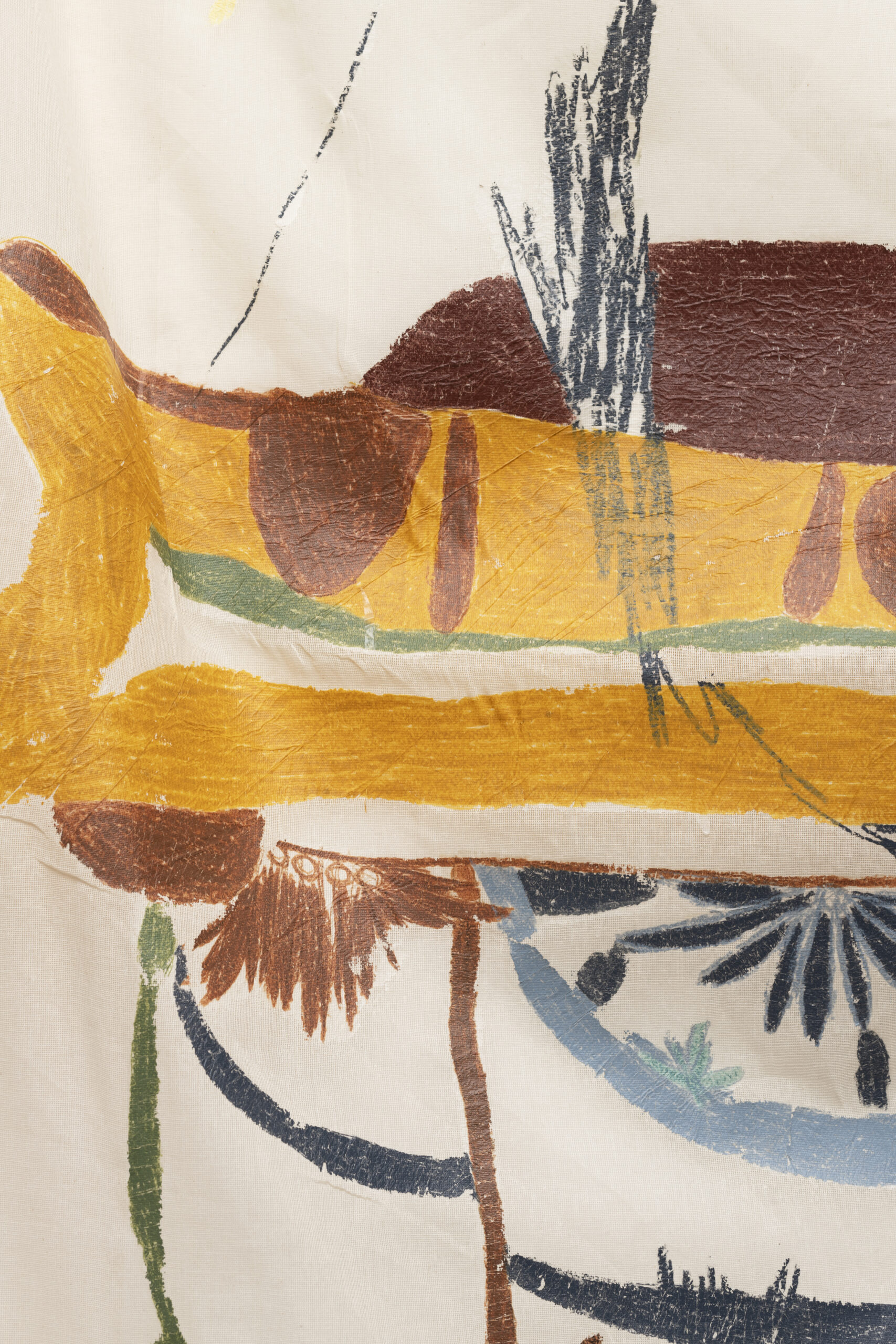
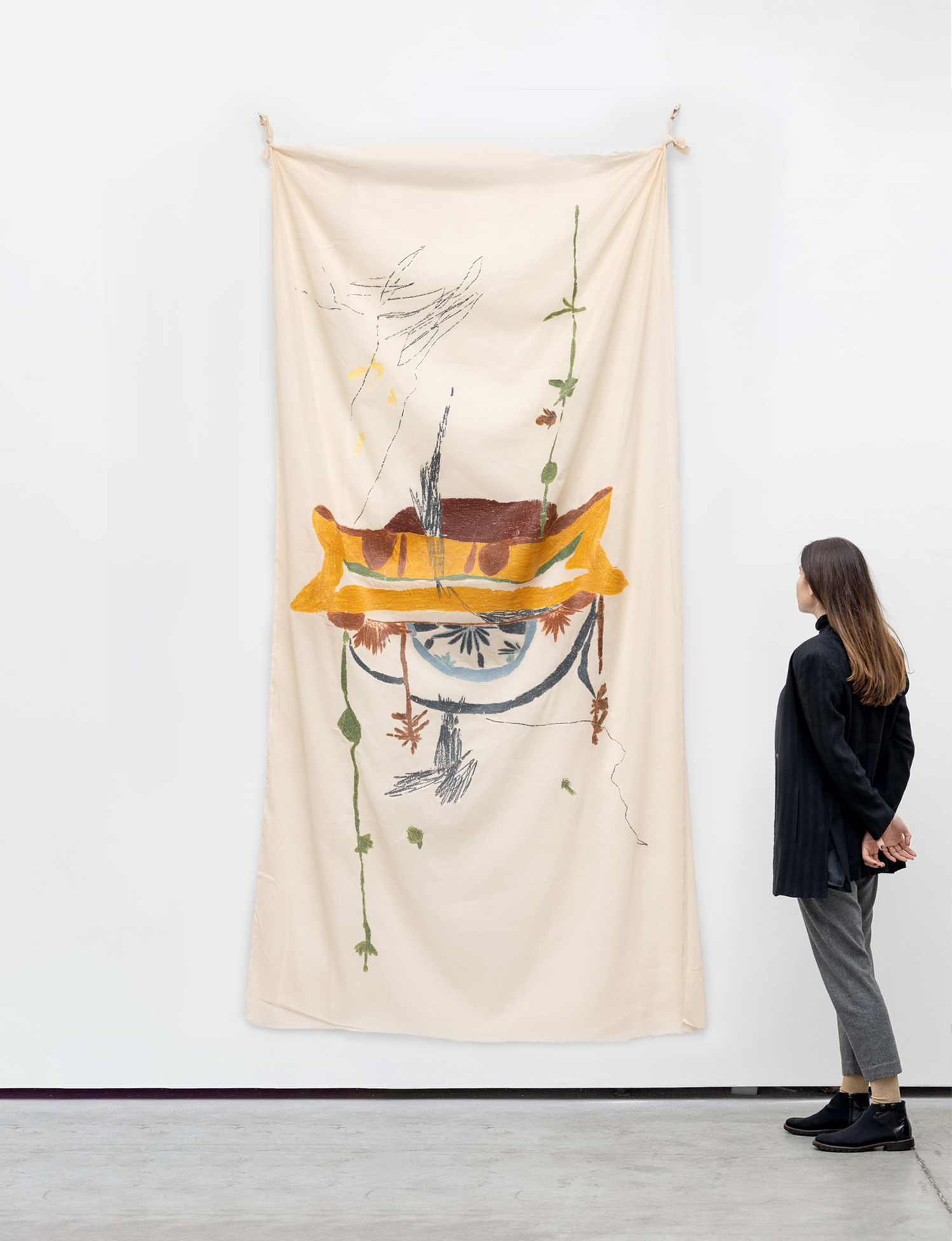
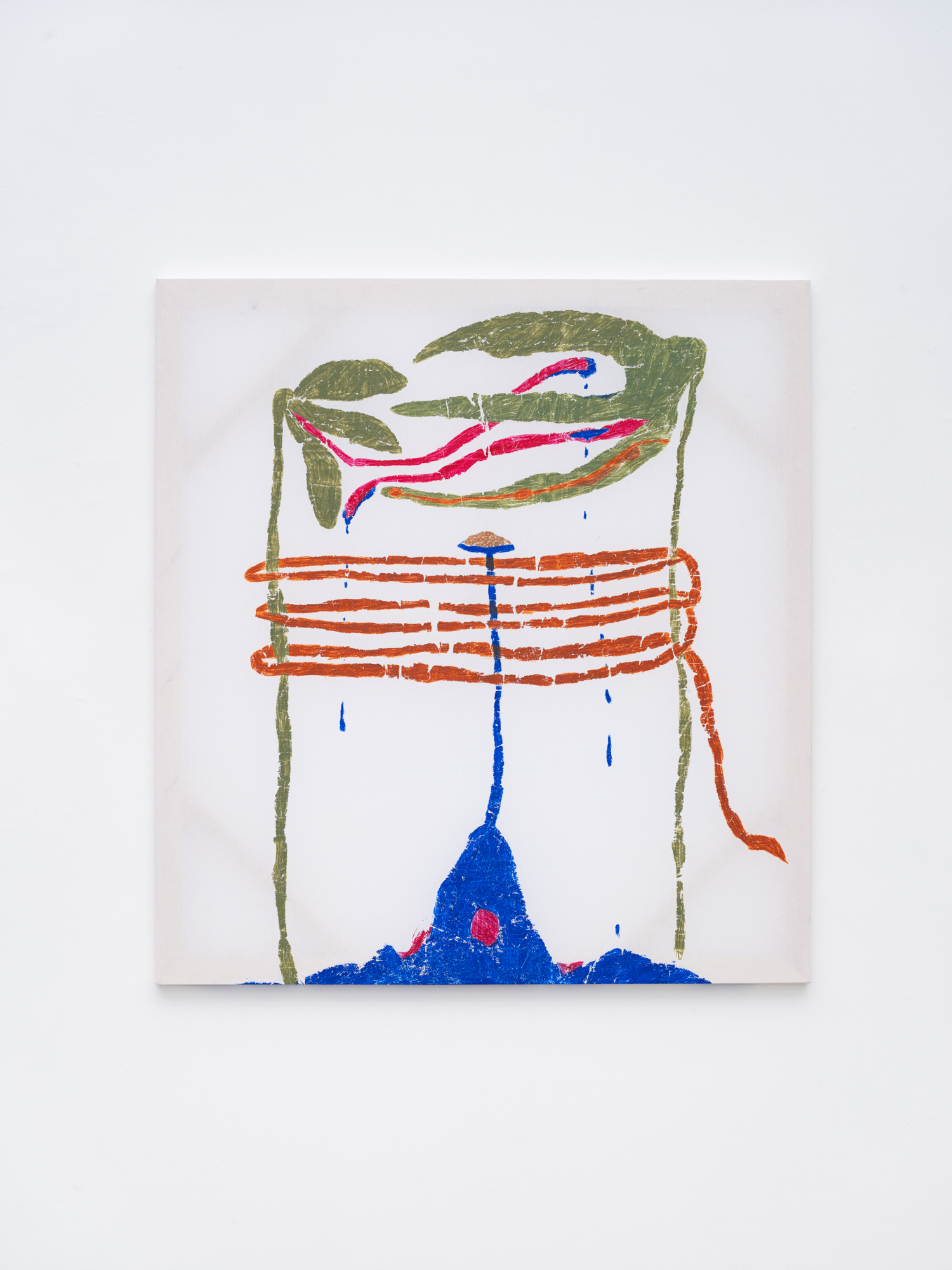
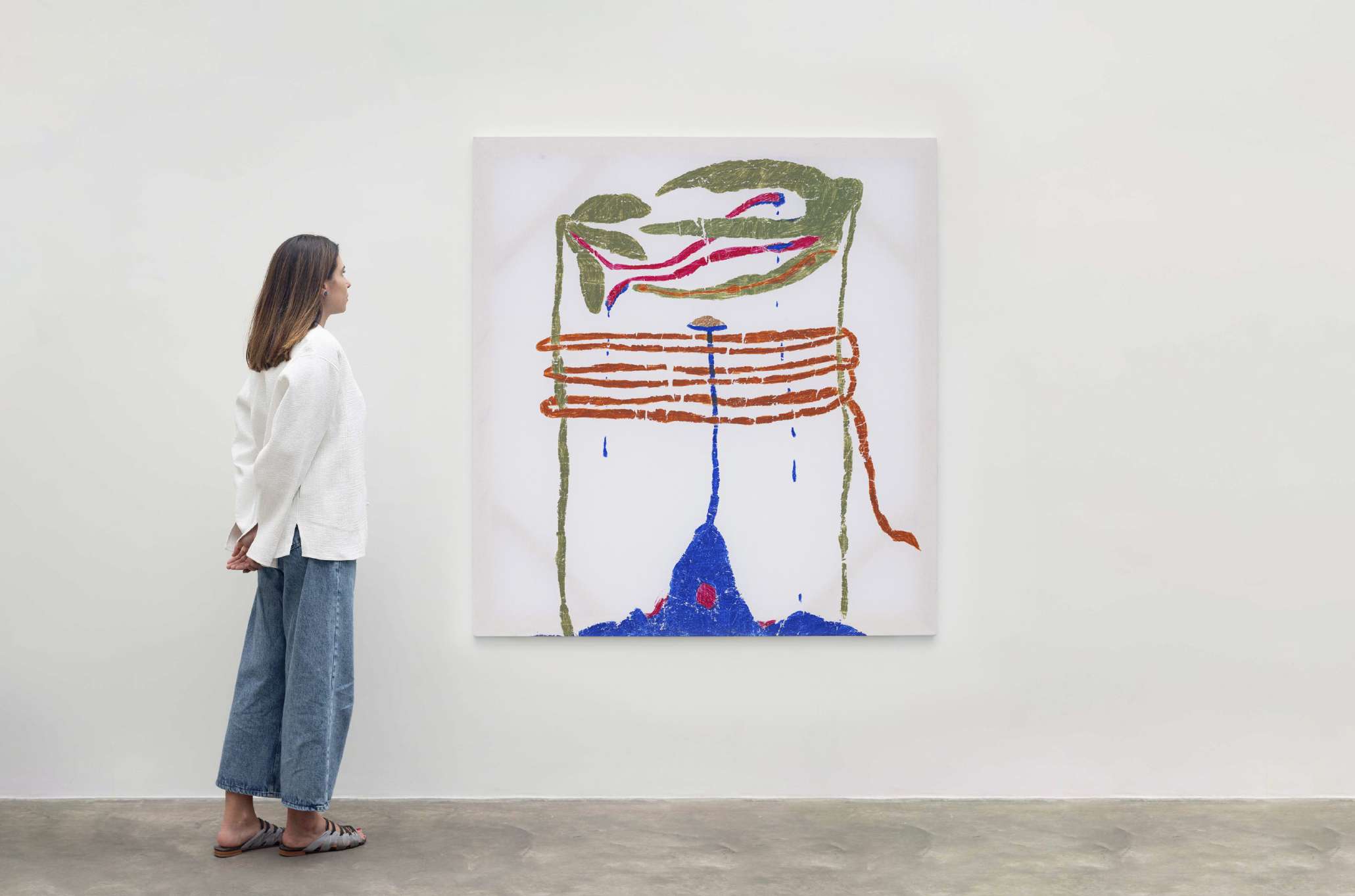
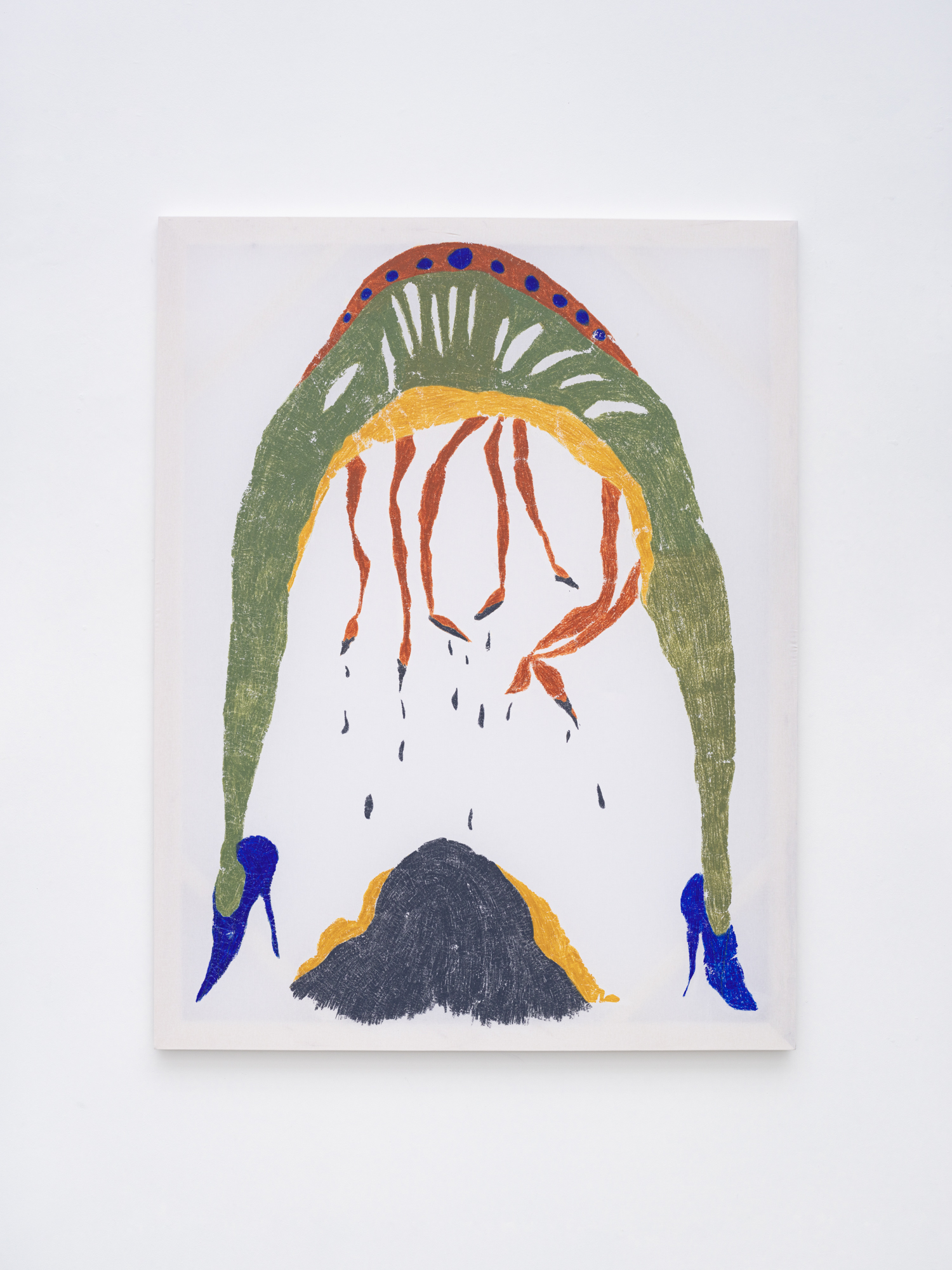
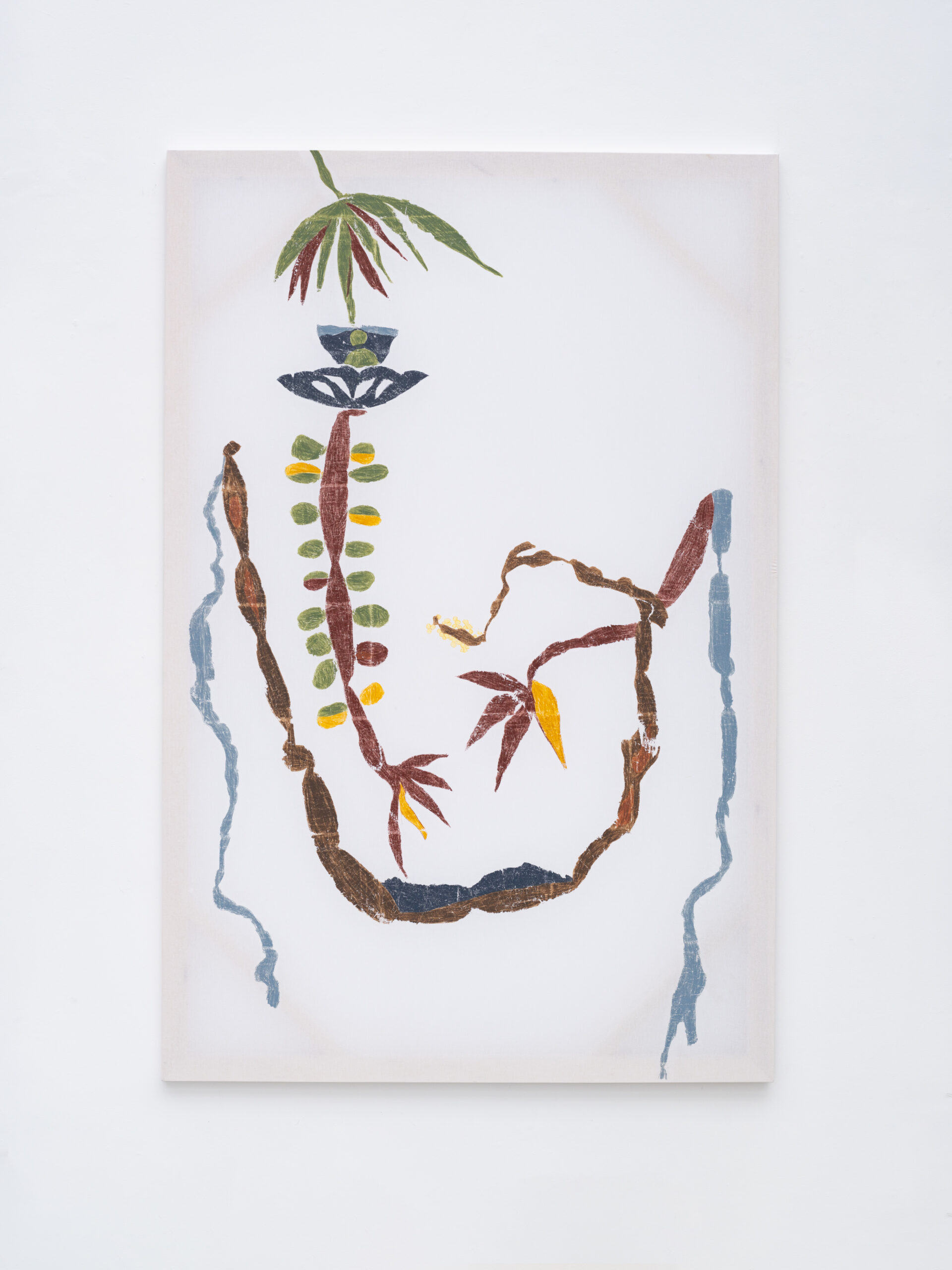
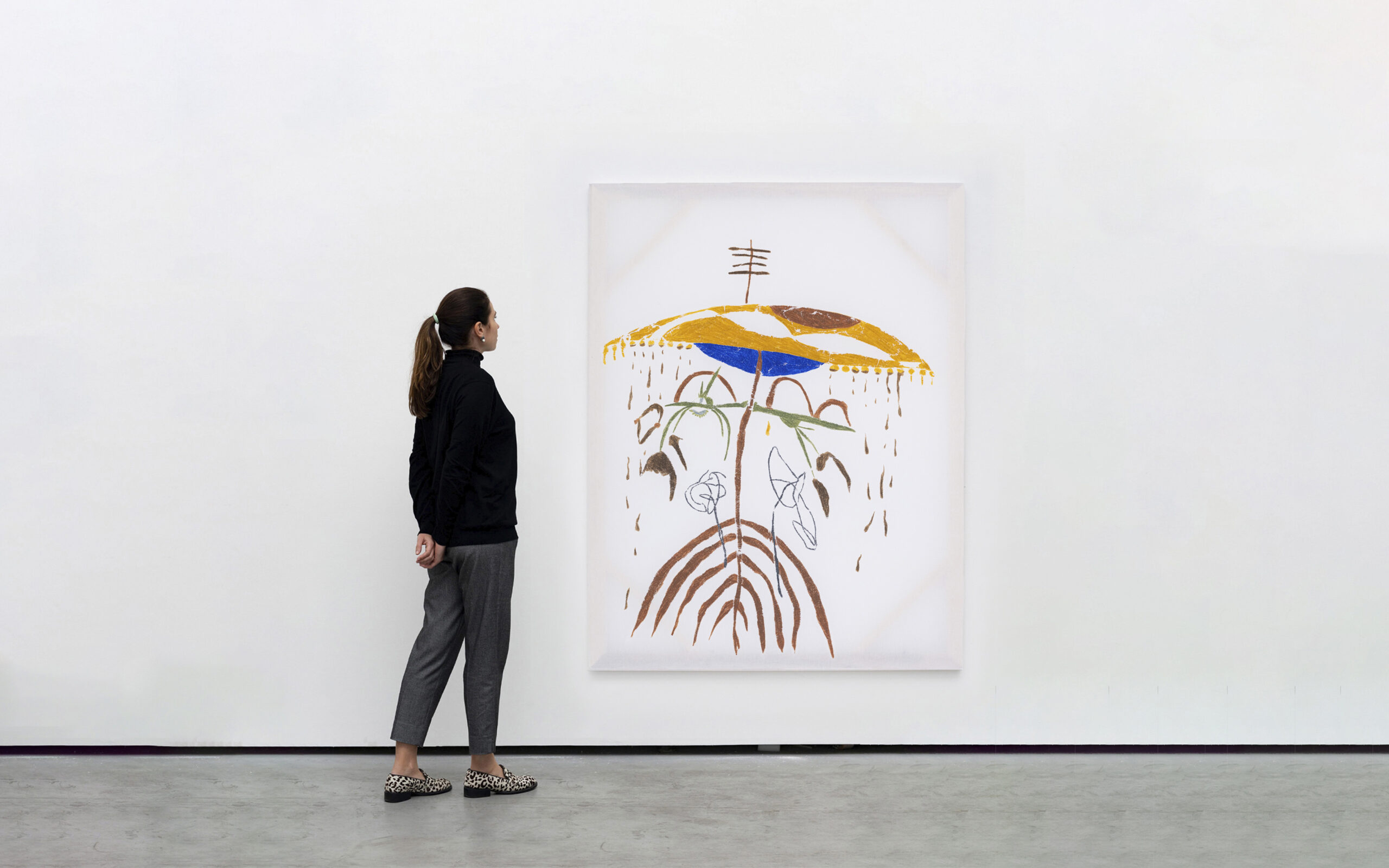
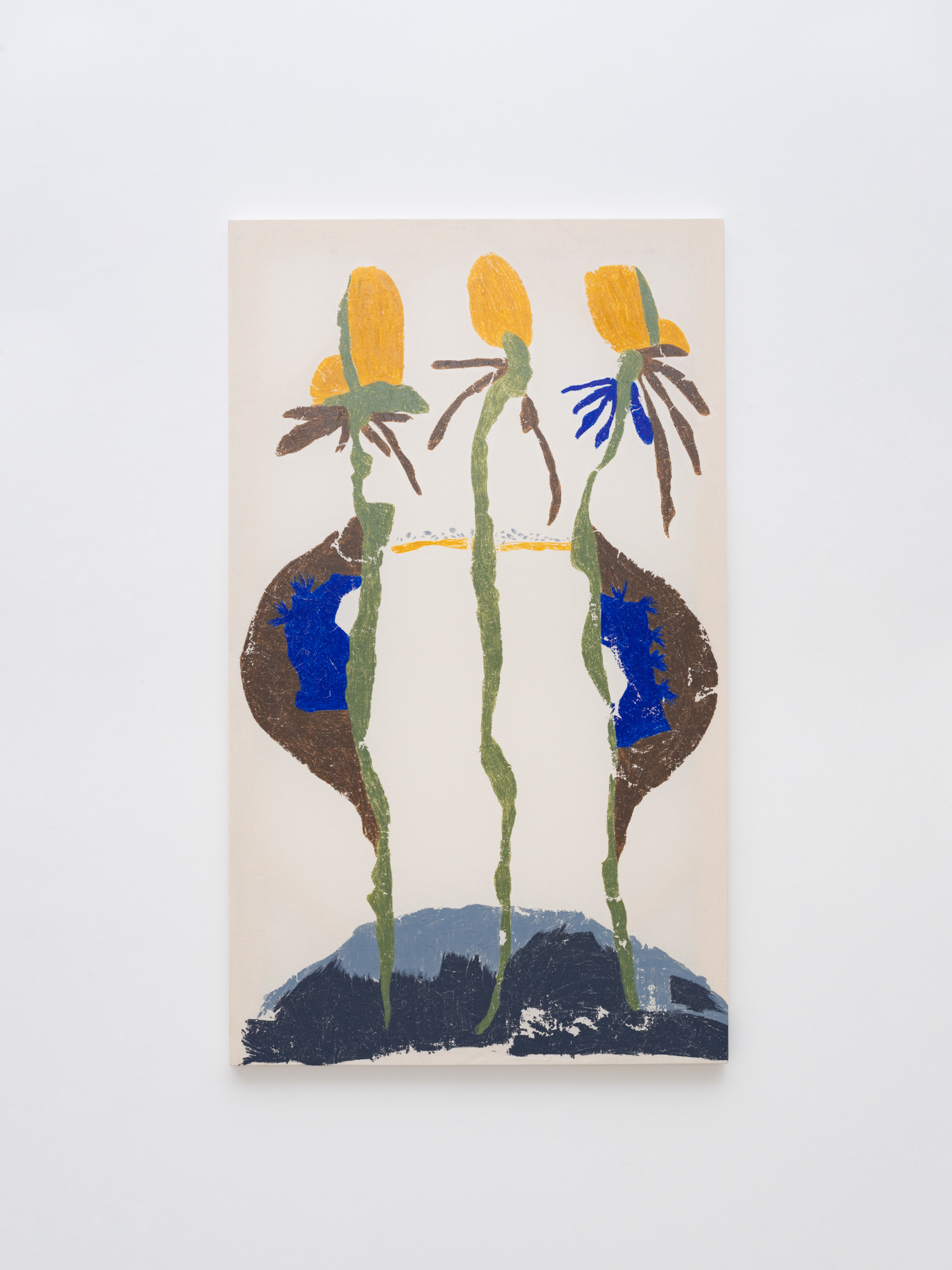
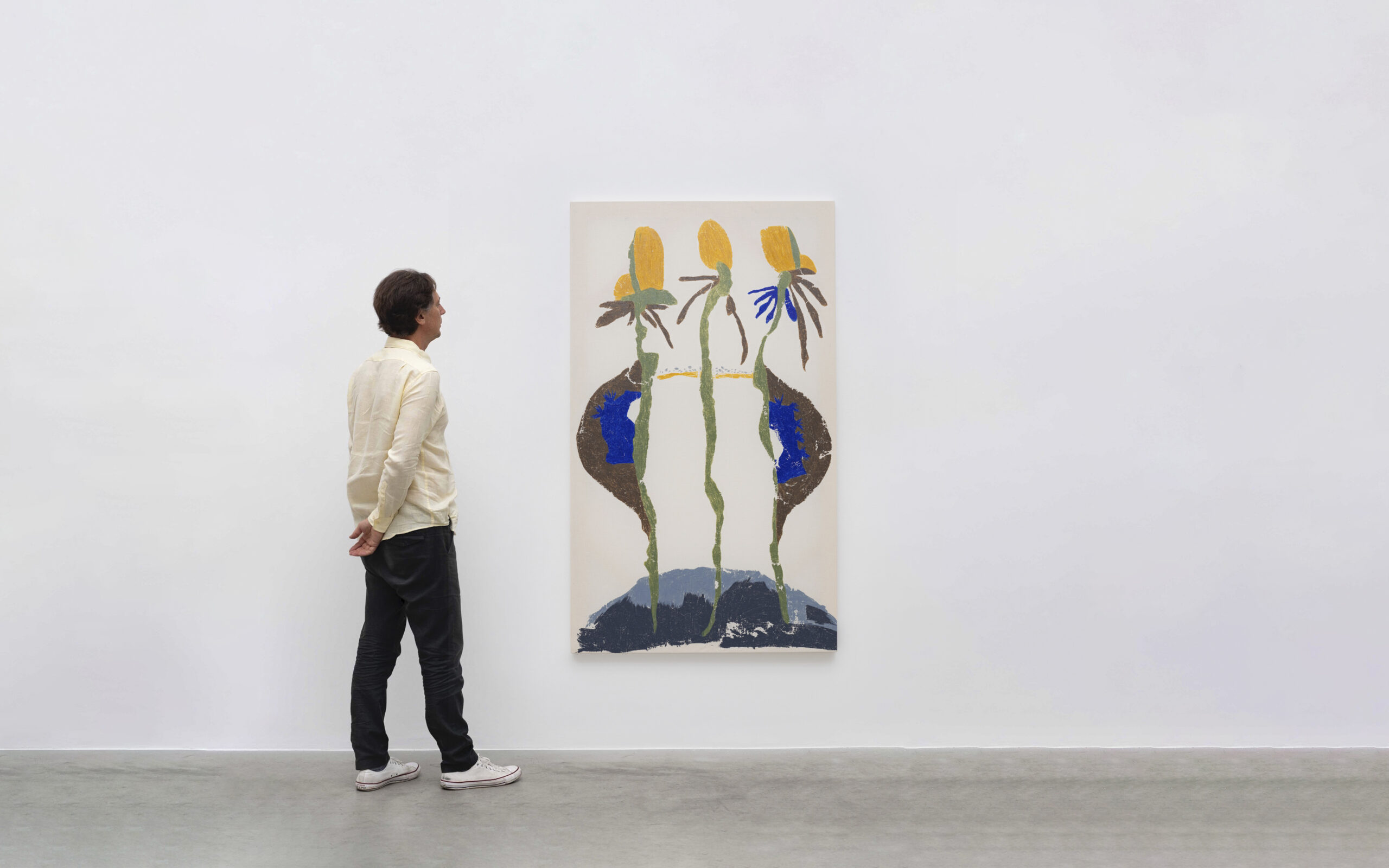
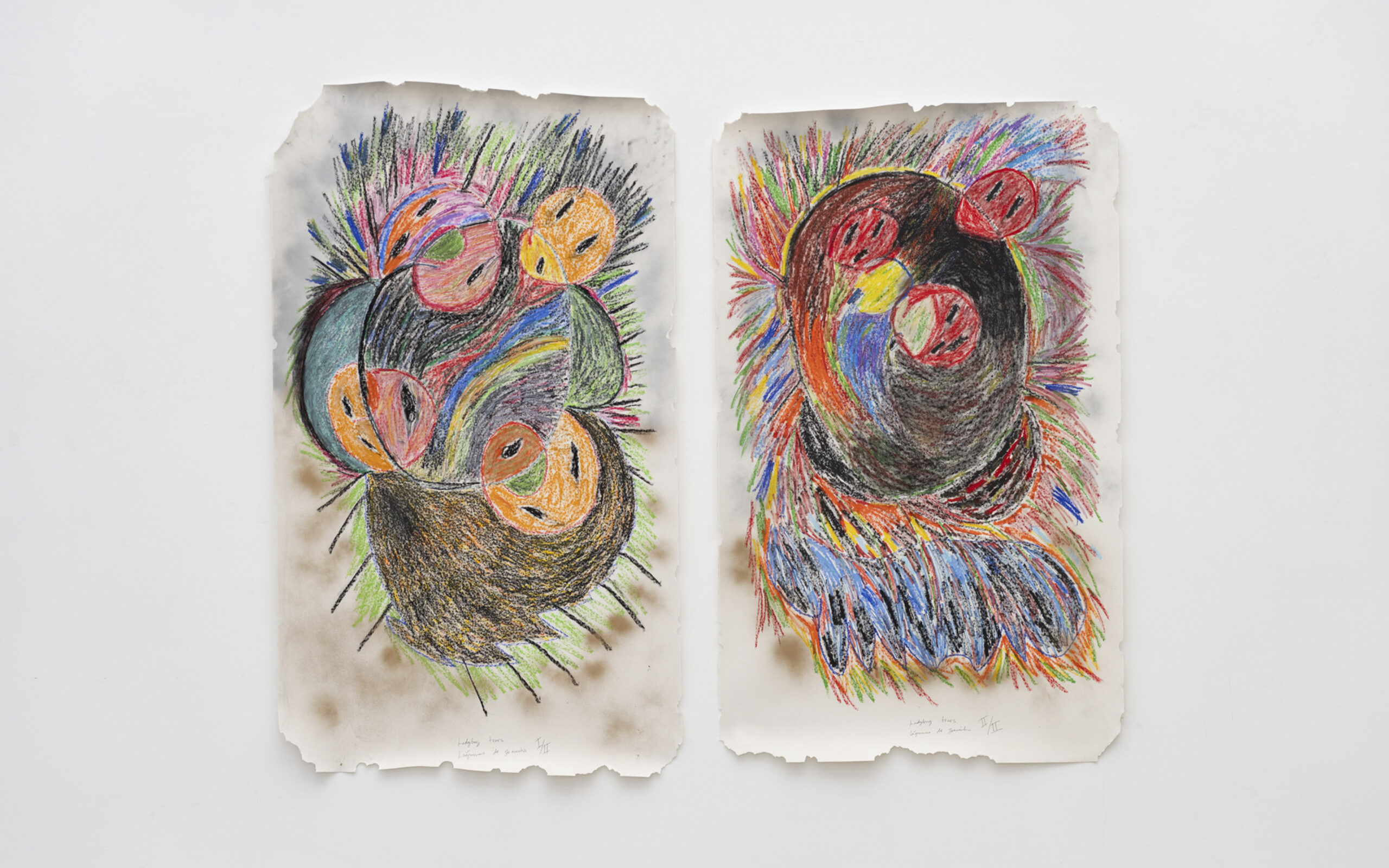
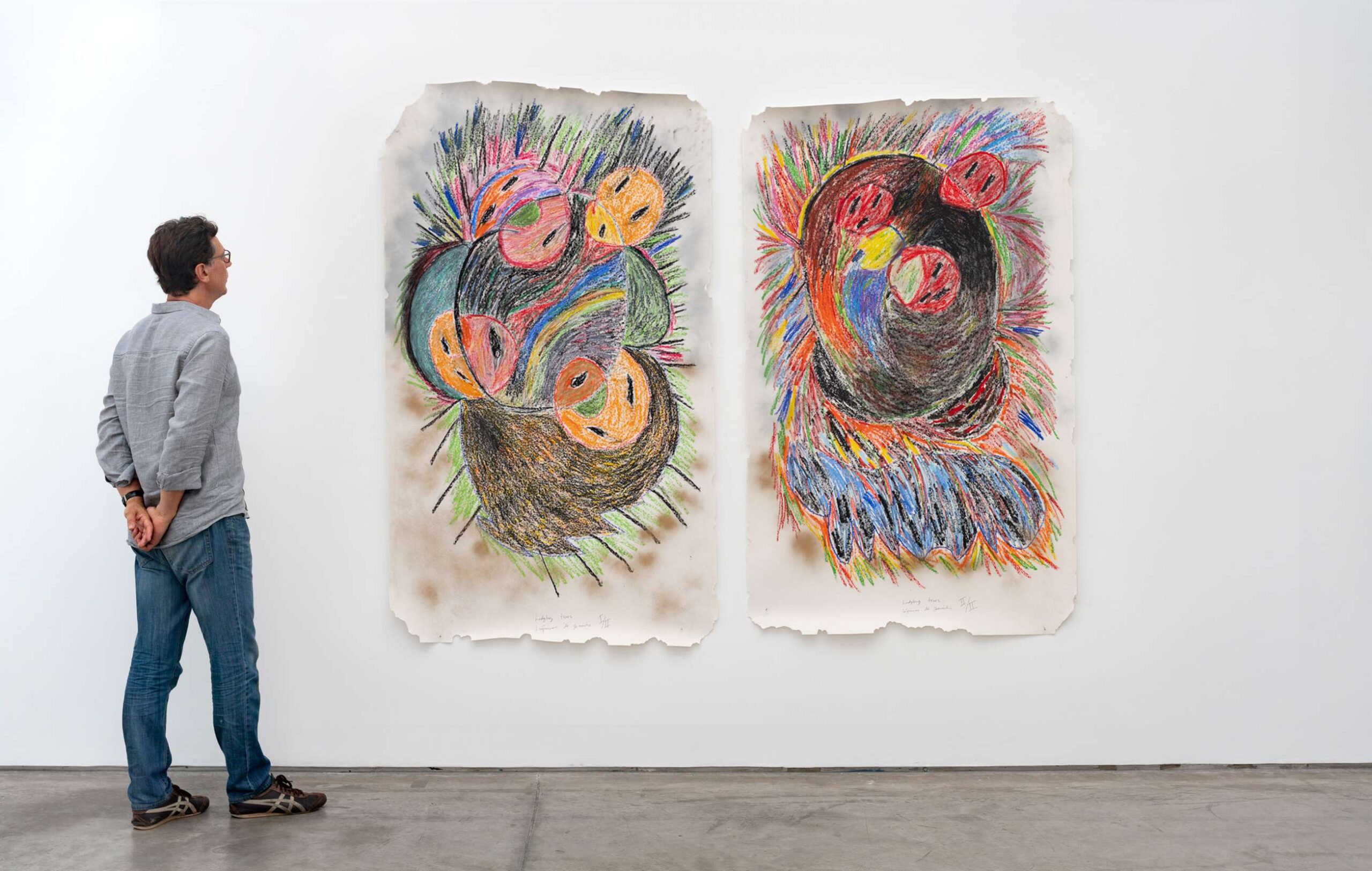
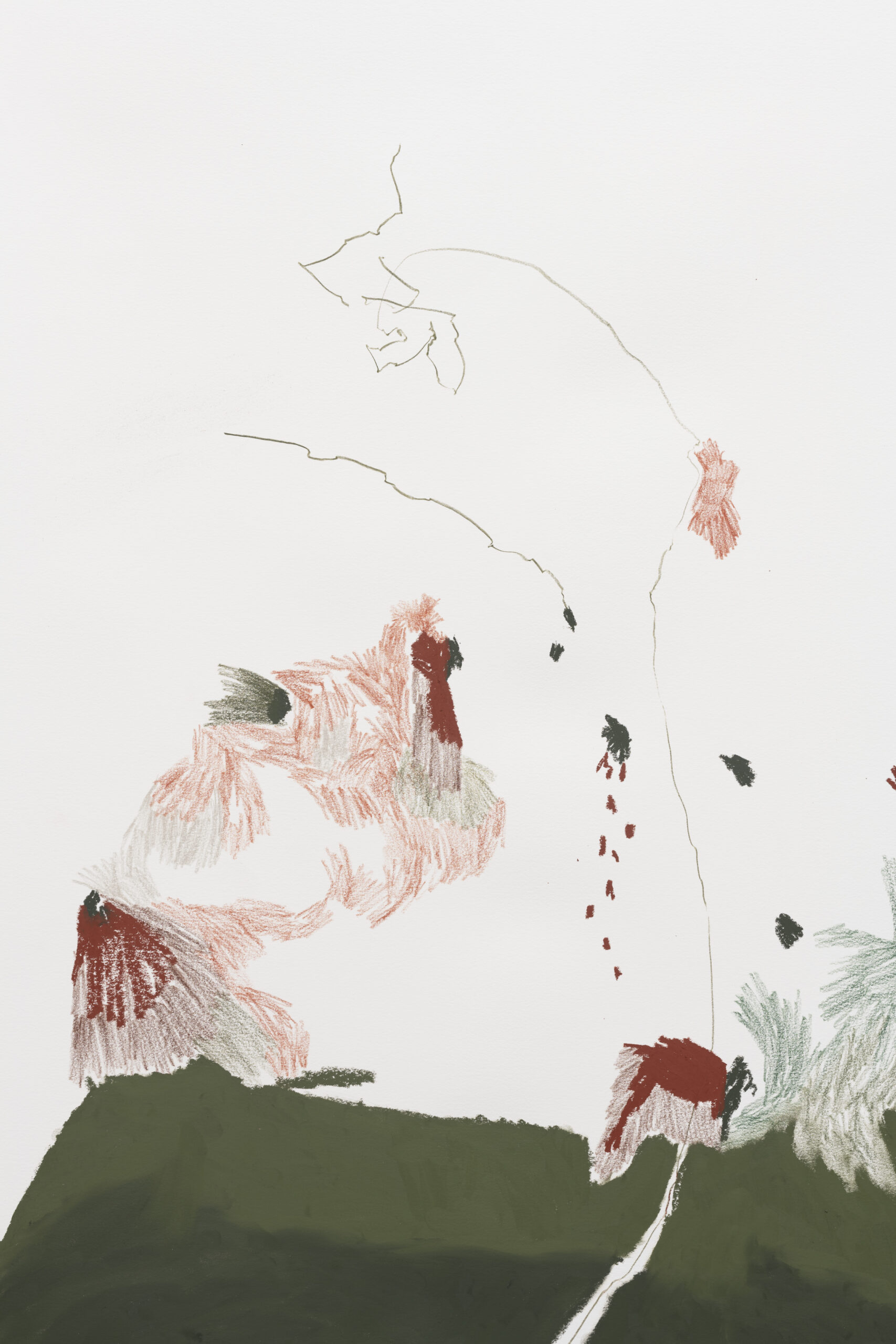
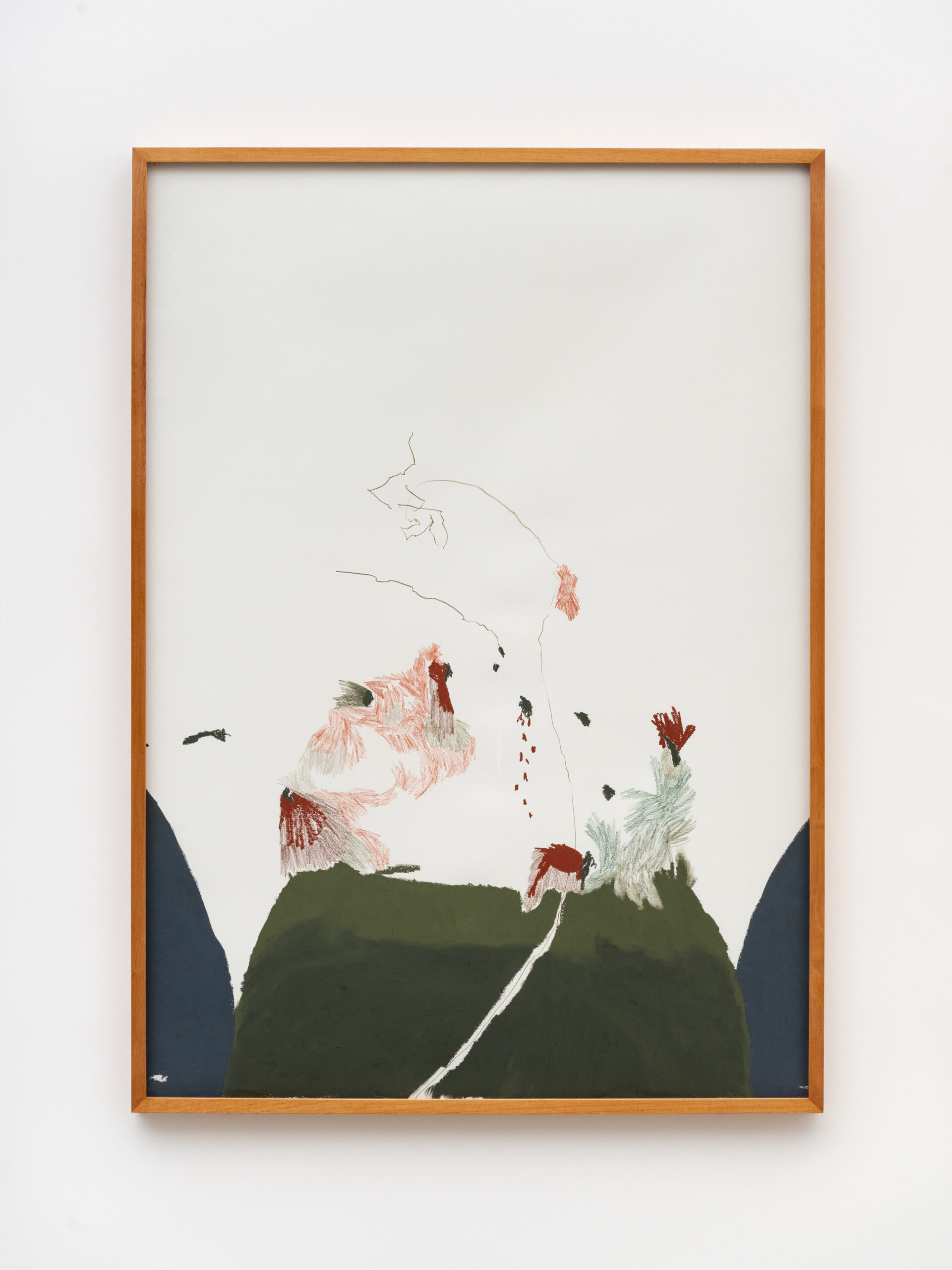
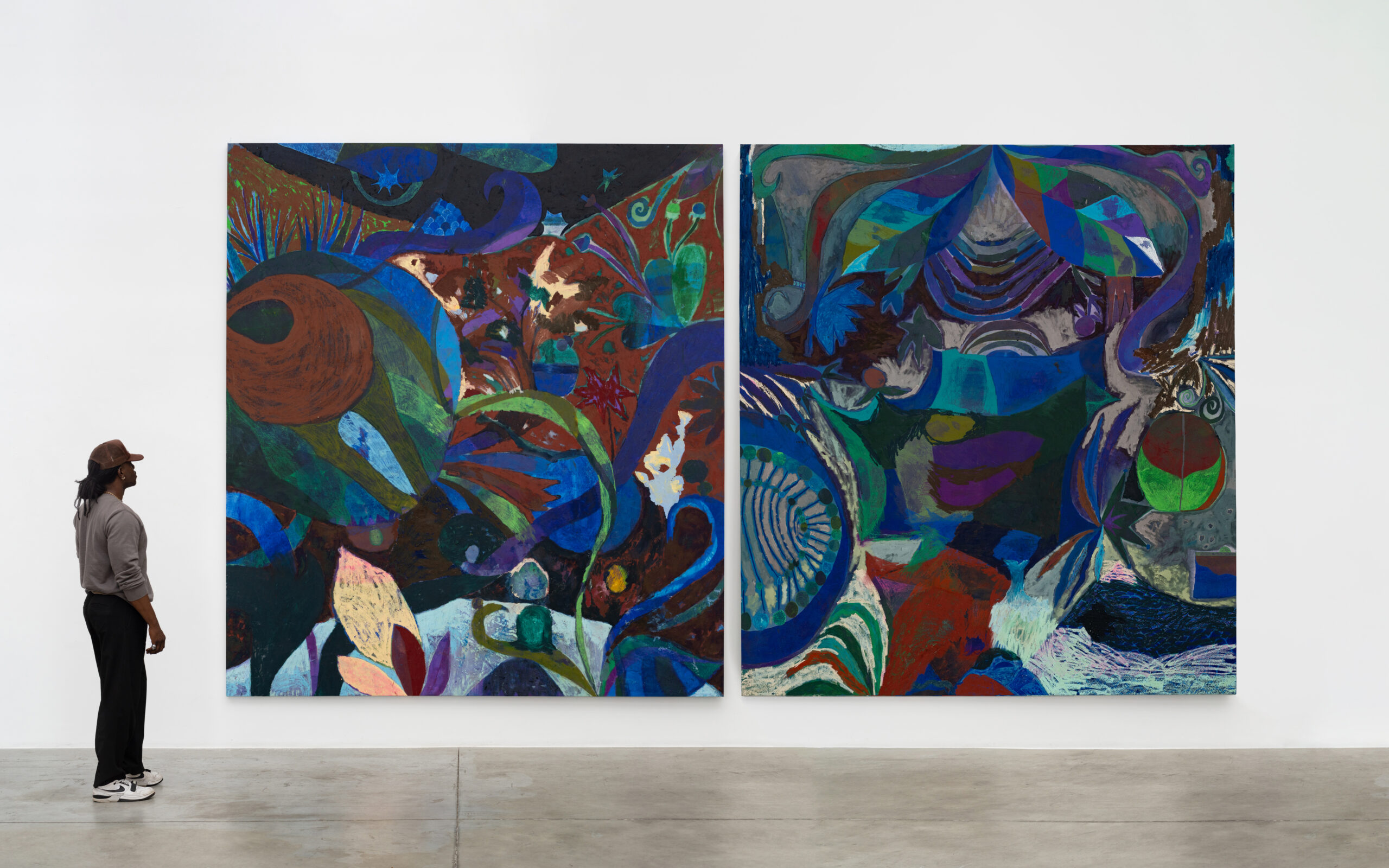
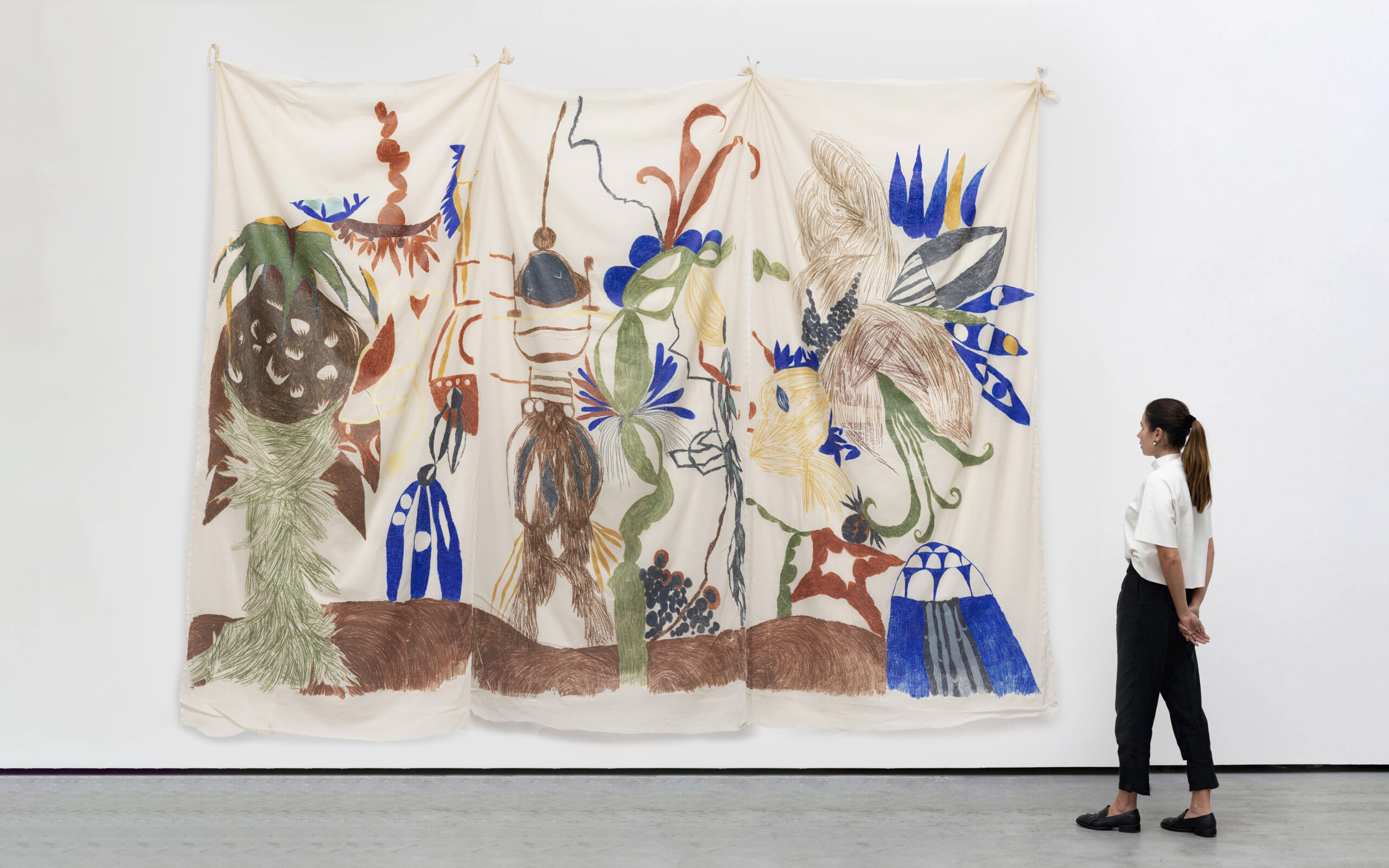
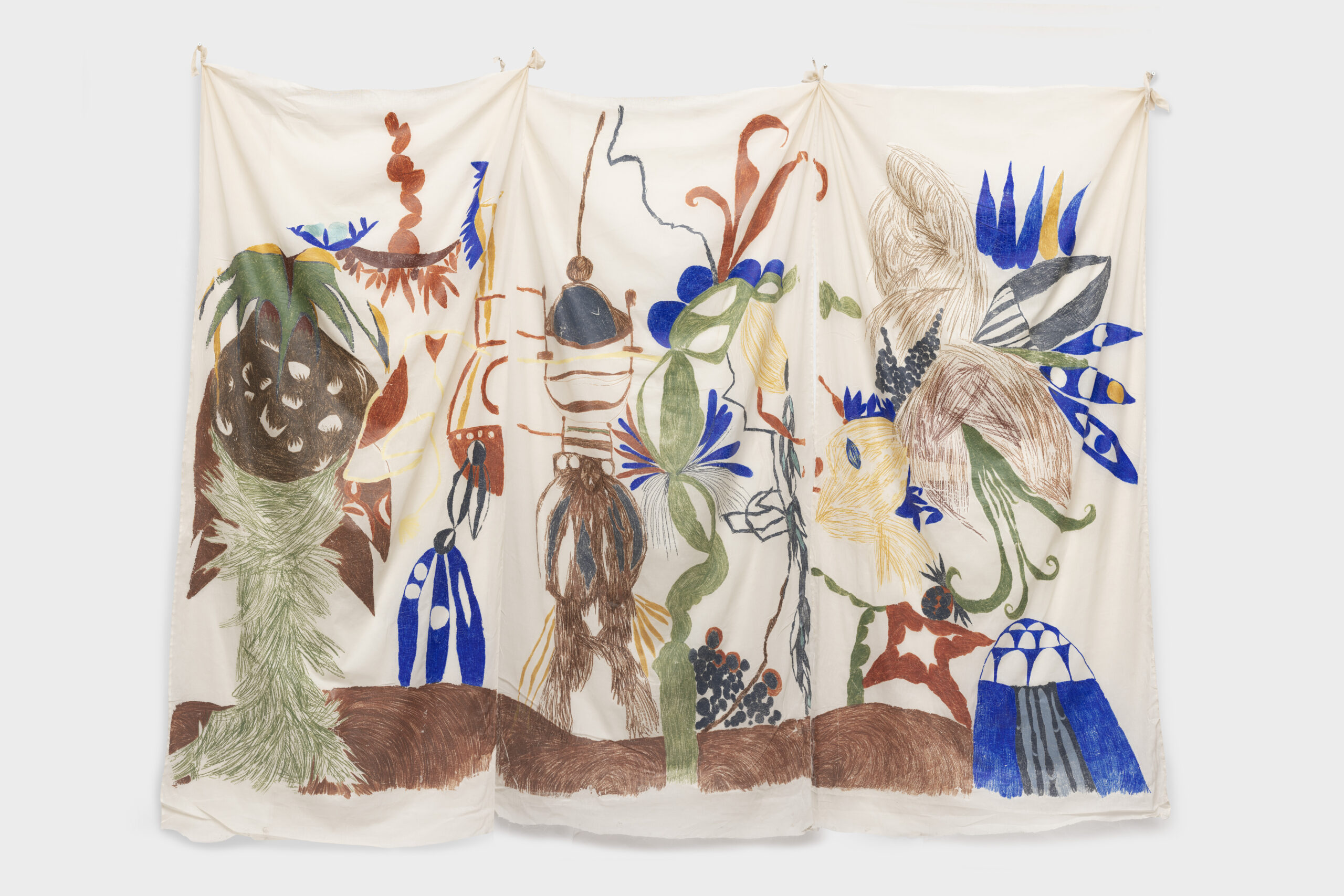
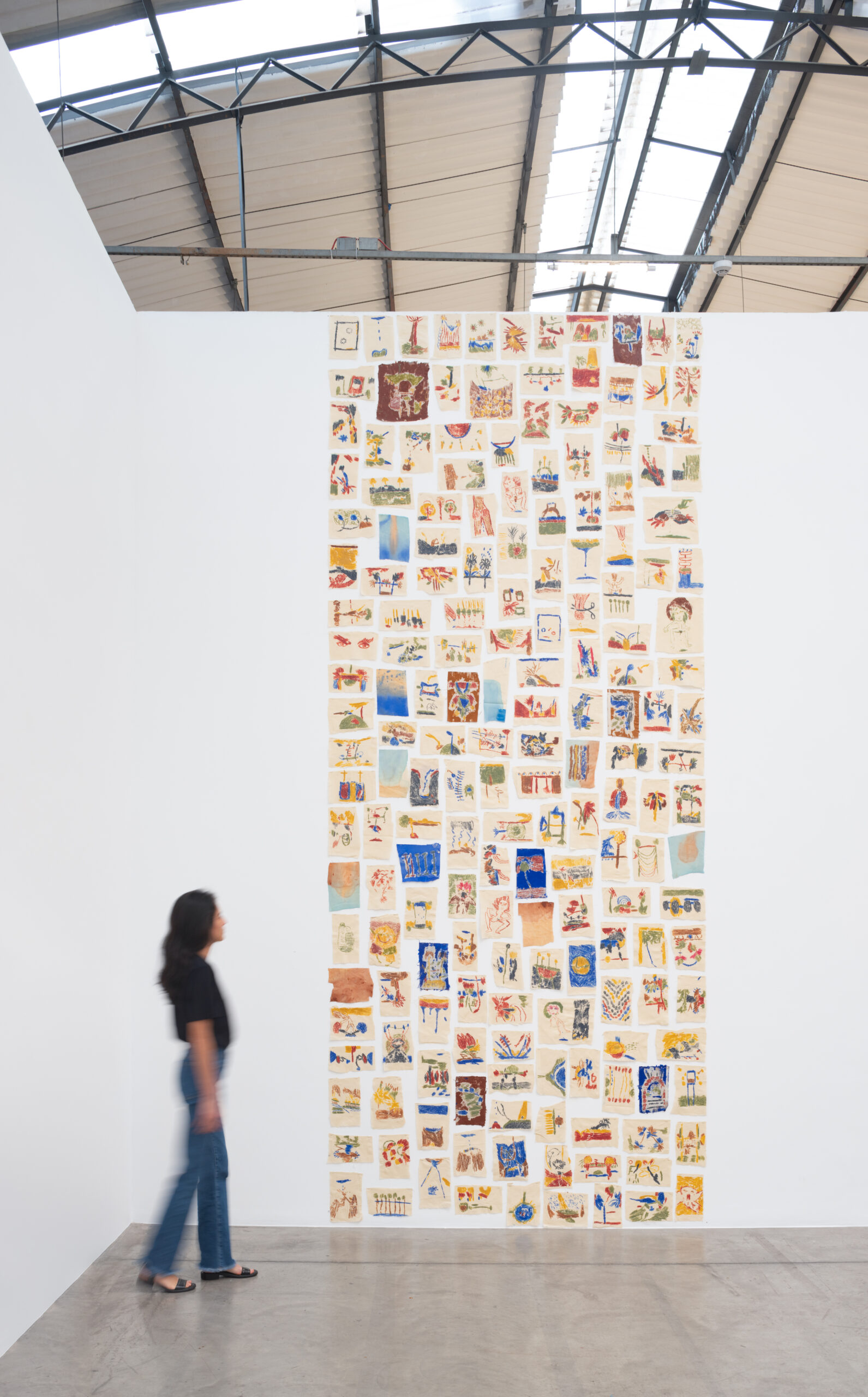
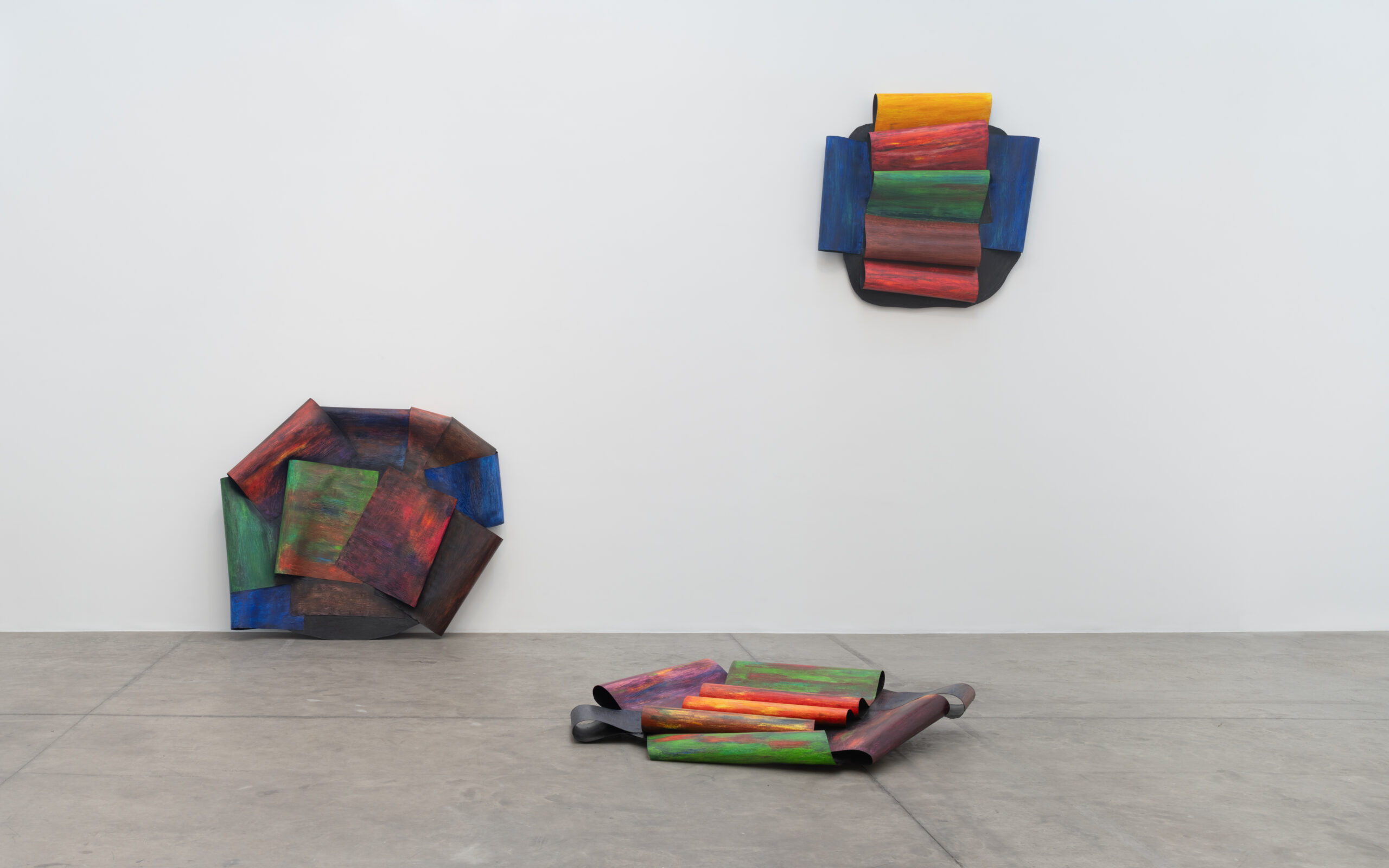
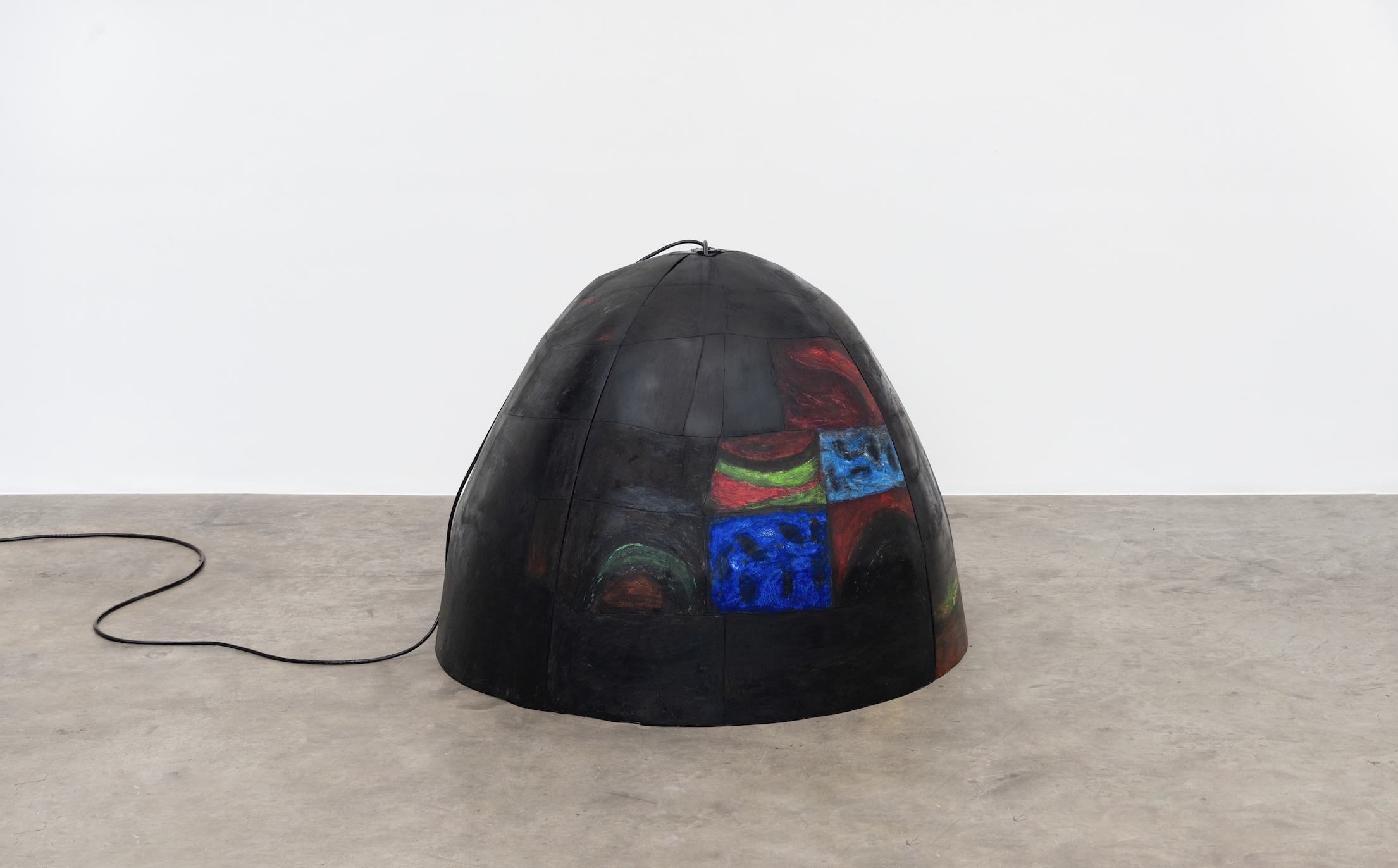
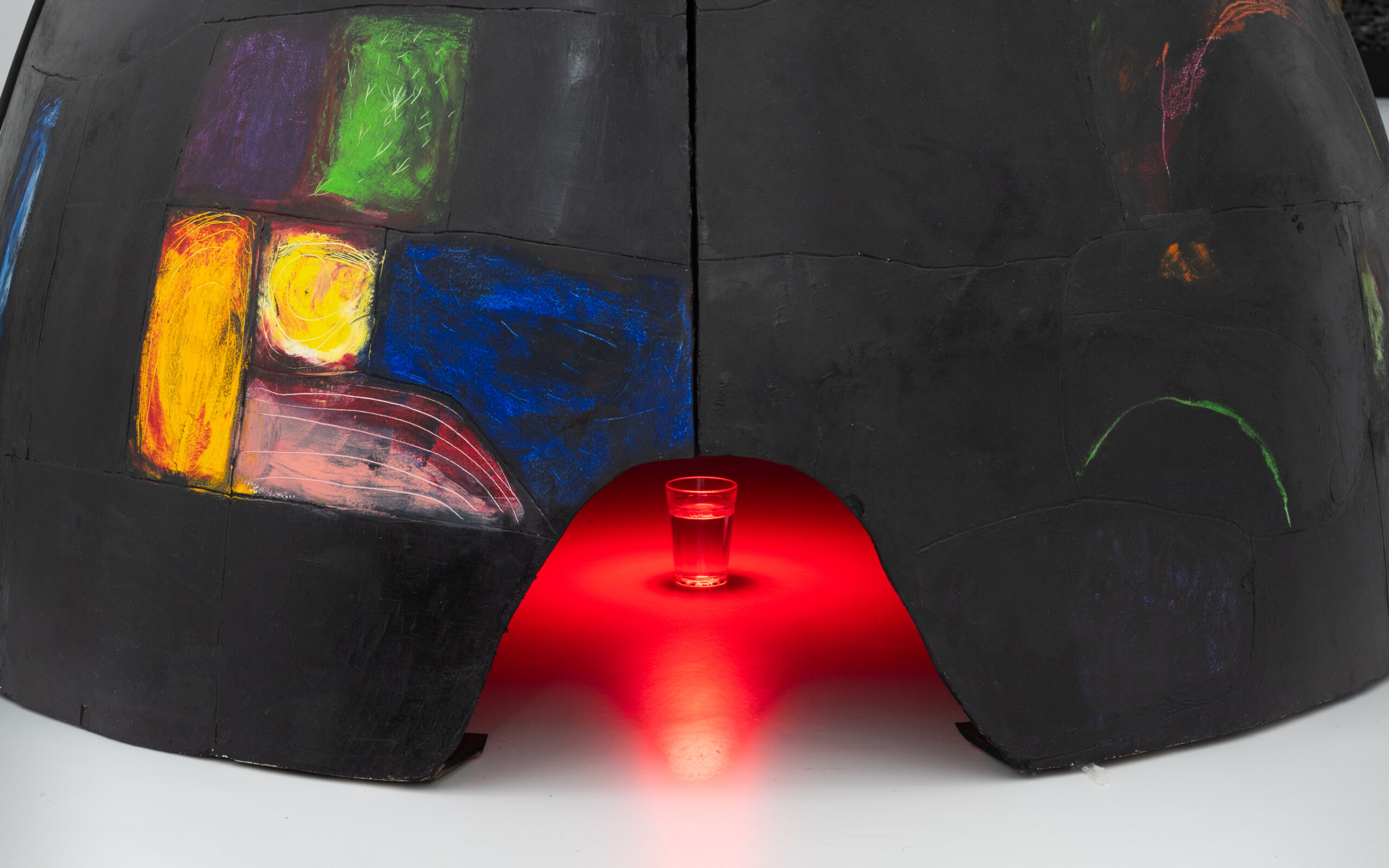
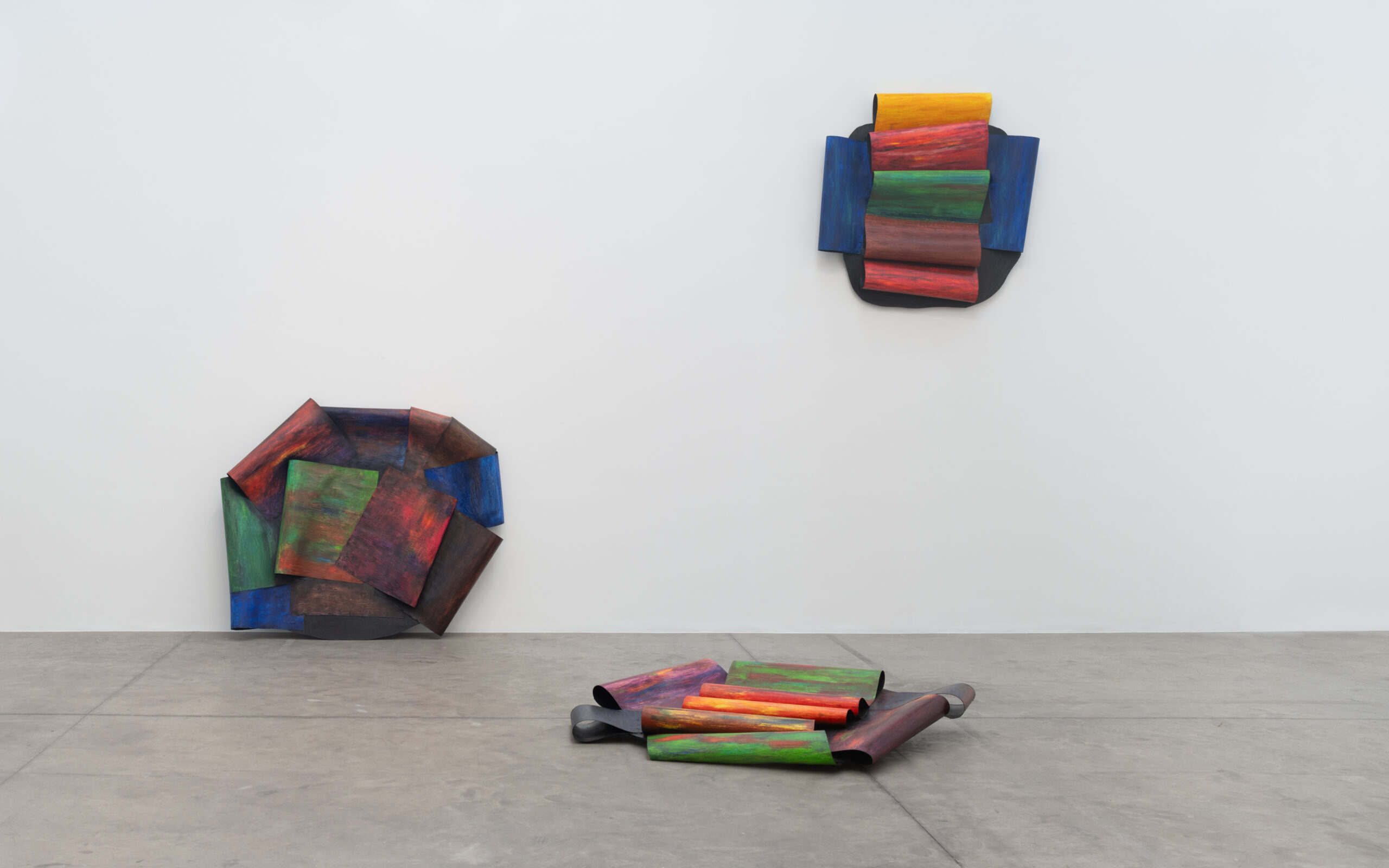
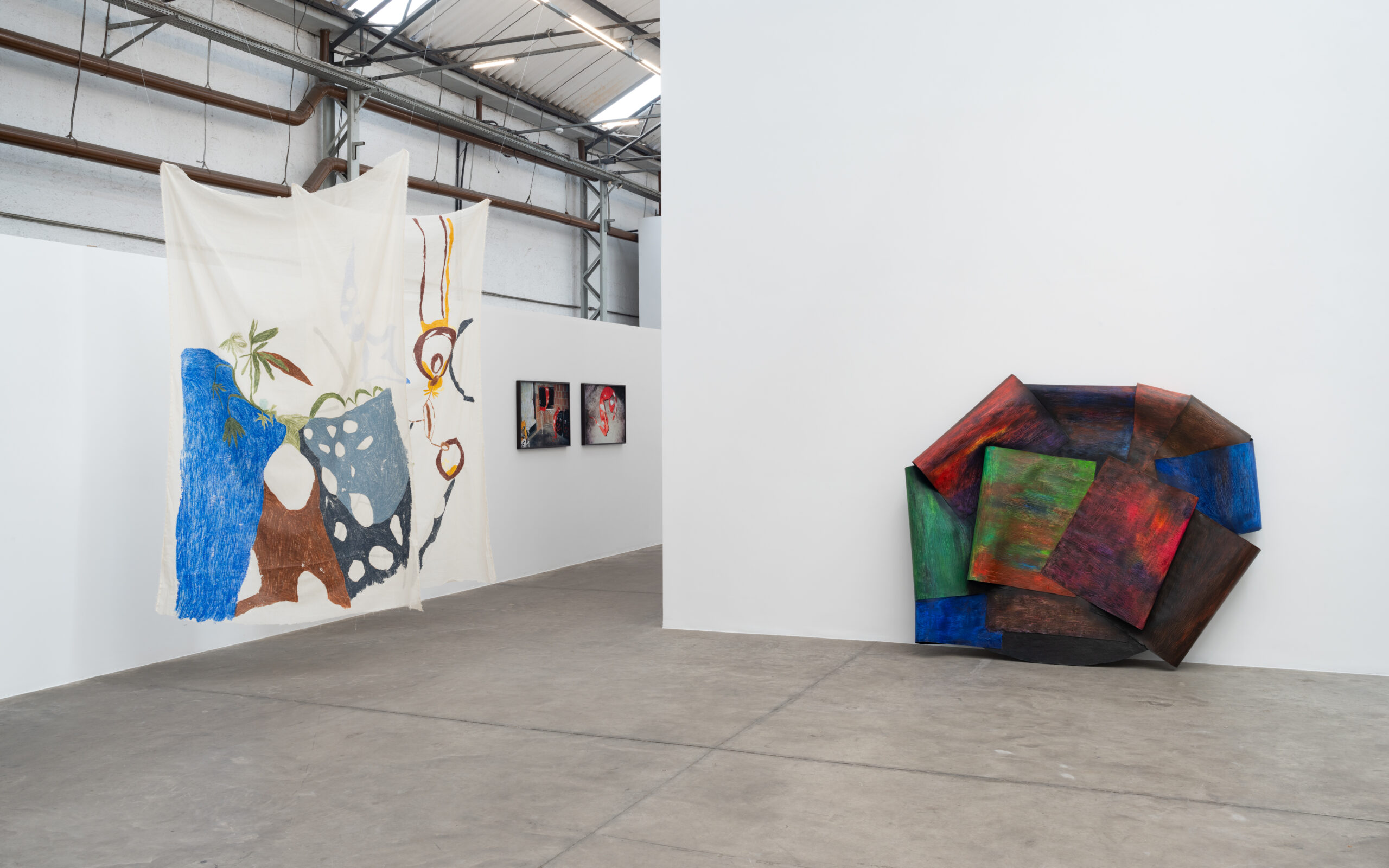
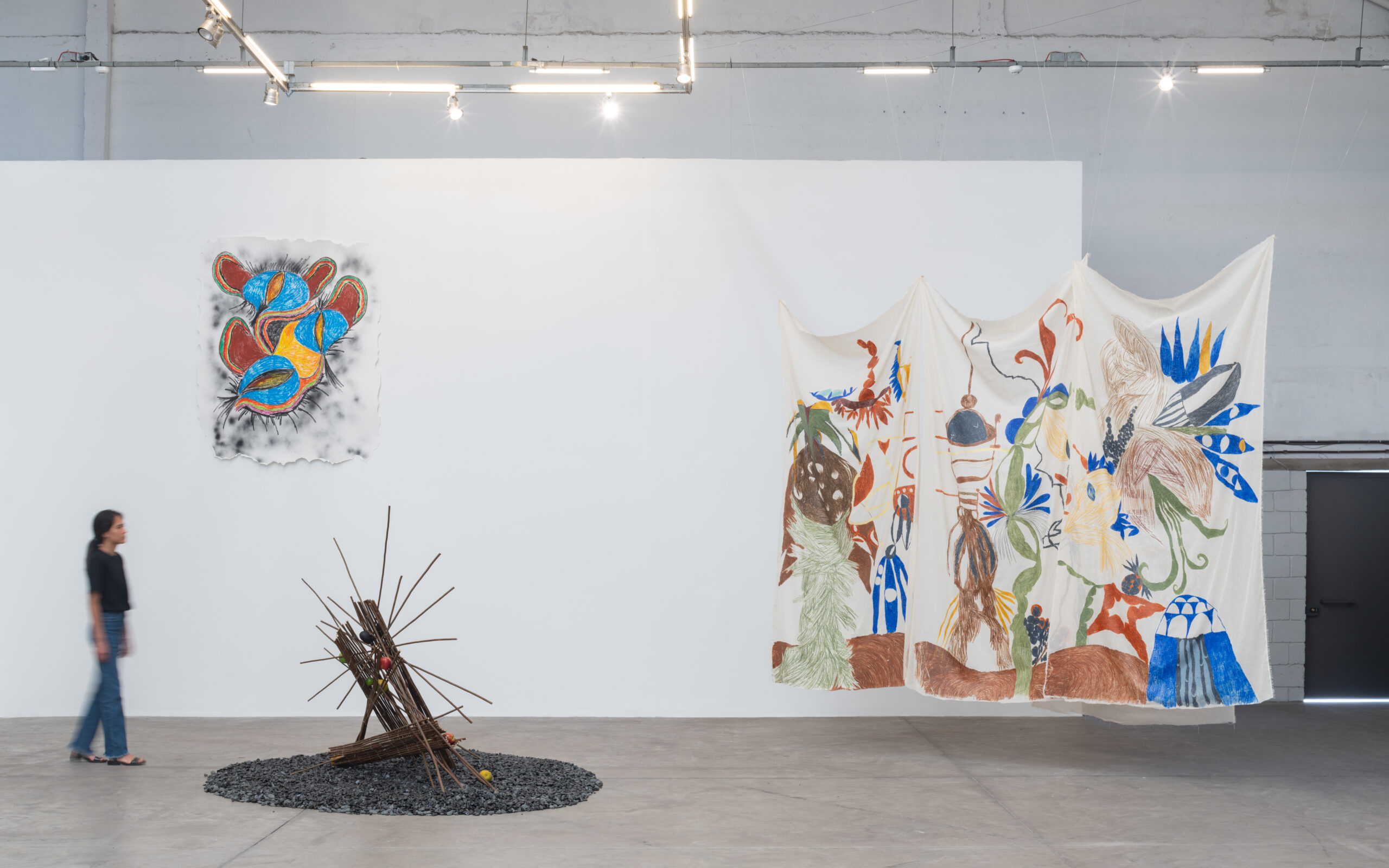
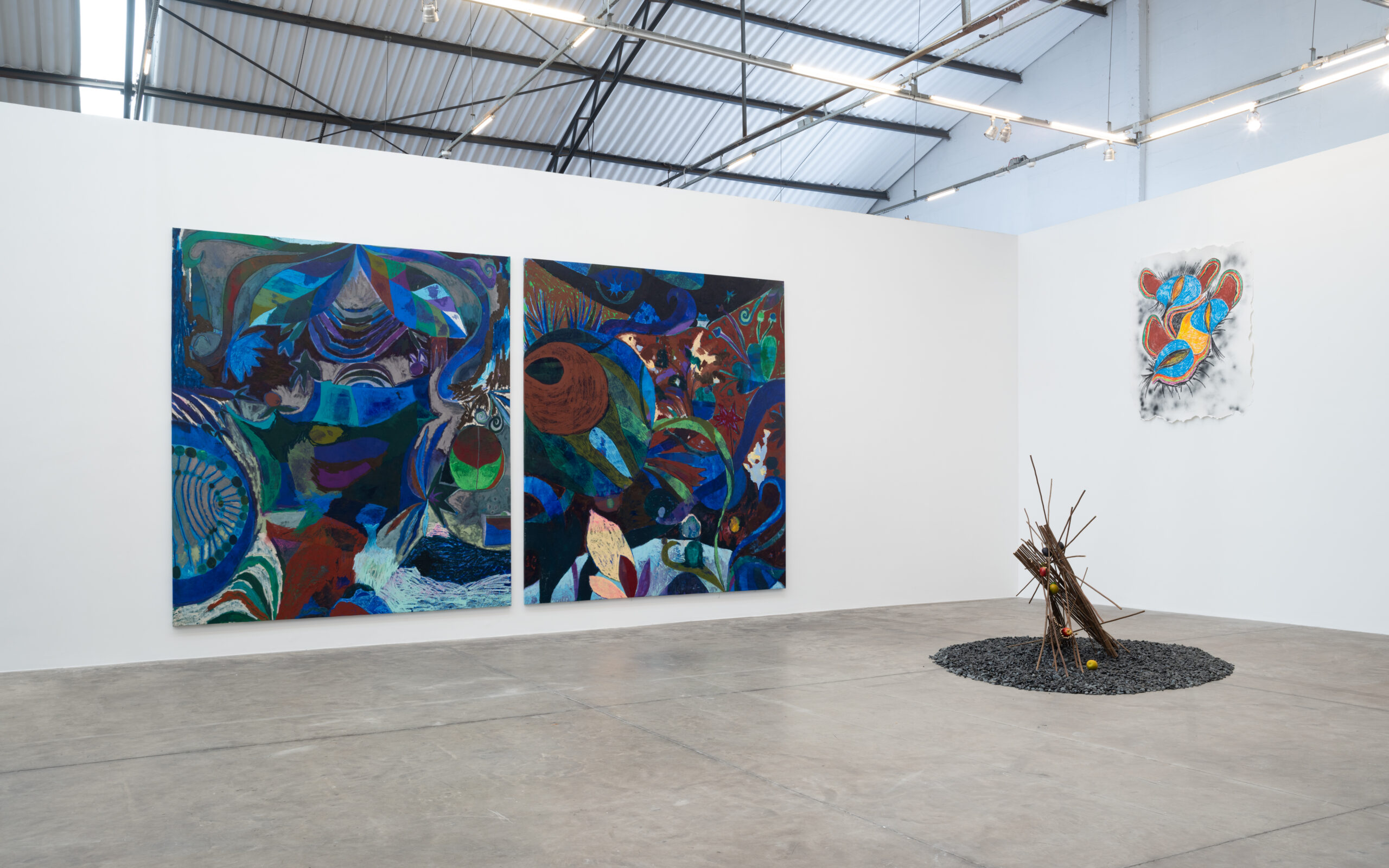
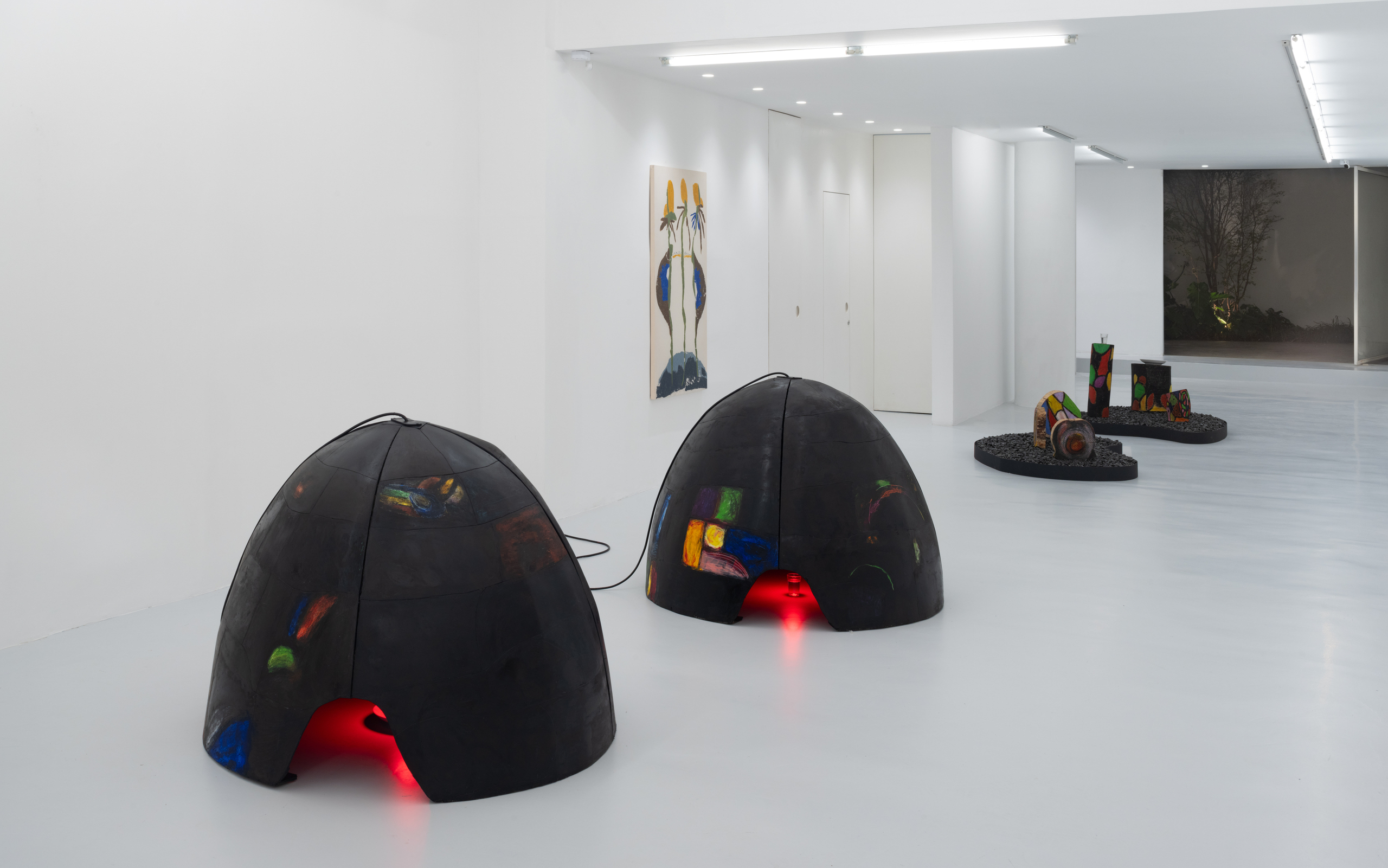
For Ana Cláudia Almeida, painting is essentially transformation. Far removed from the messianism that advocates that “art transforms the world”, for the artist, the primordial metamorphosis is that inherent in the work of creation. Deeply attracted to the physical chemistry of materials and time – and, just as intensely, taking care not to discipline them – Ana manipulates and composes with paints, plastics, oil sticks, fabrics and images based on her clear commitment to the memory of what they have experienced together.
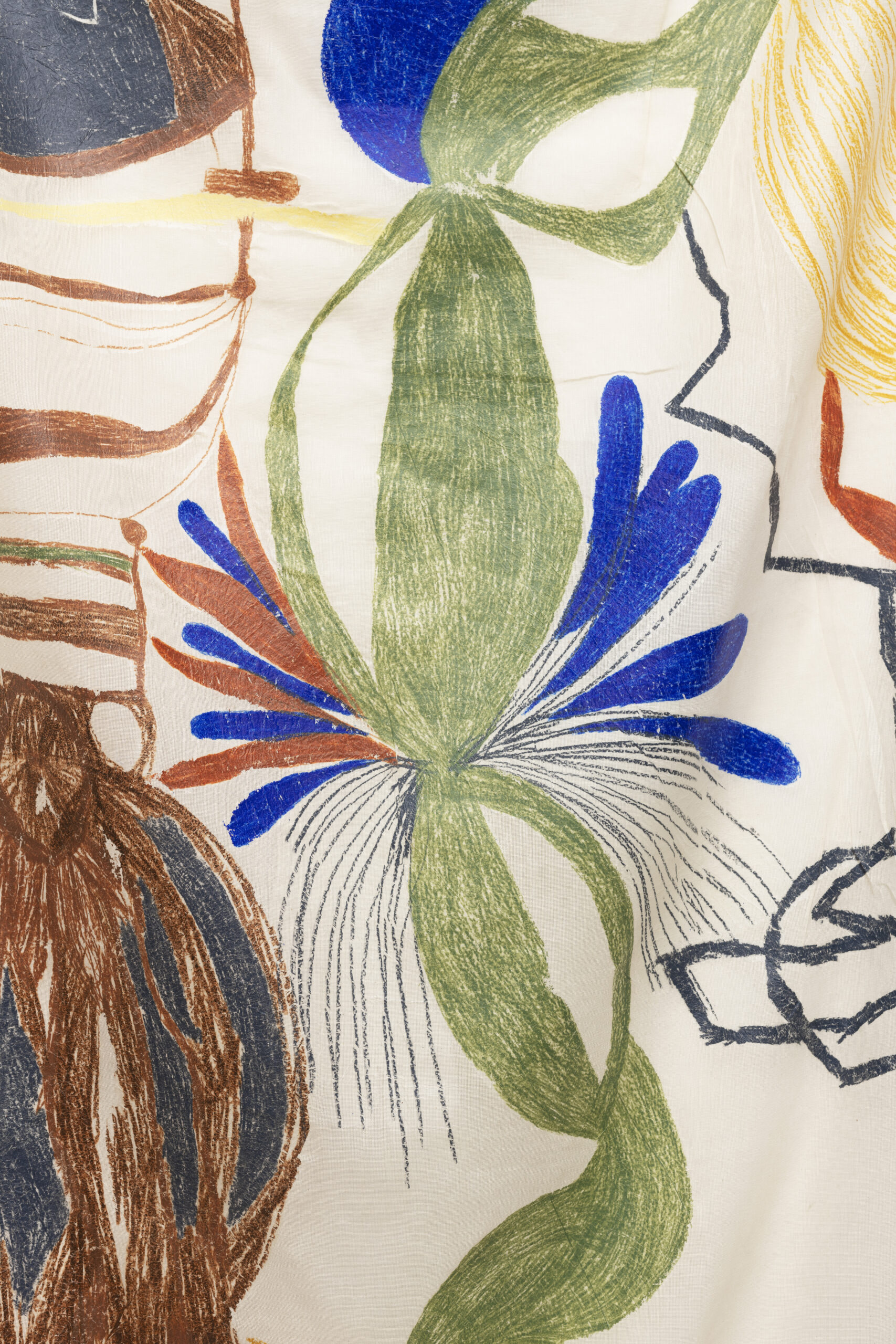
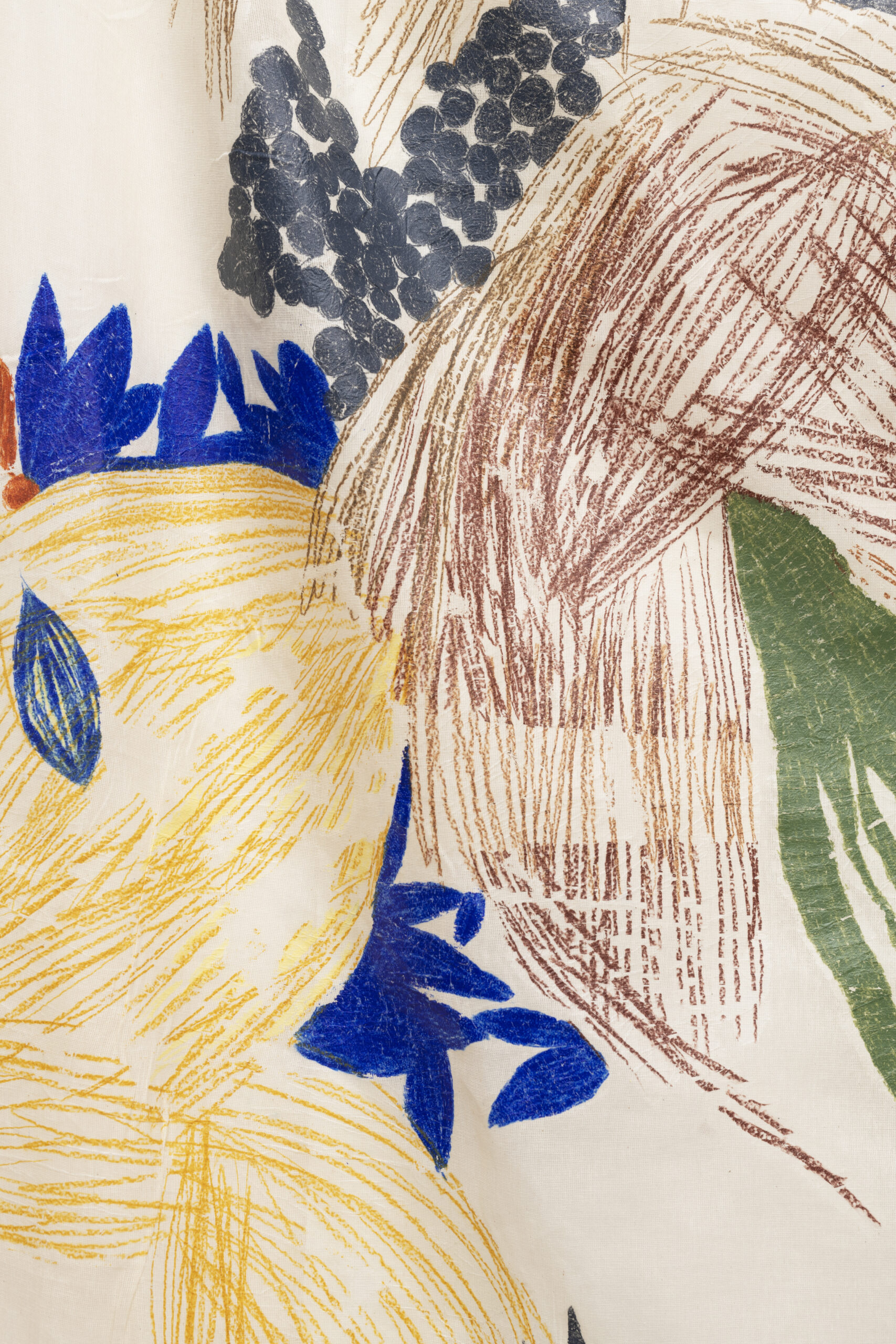
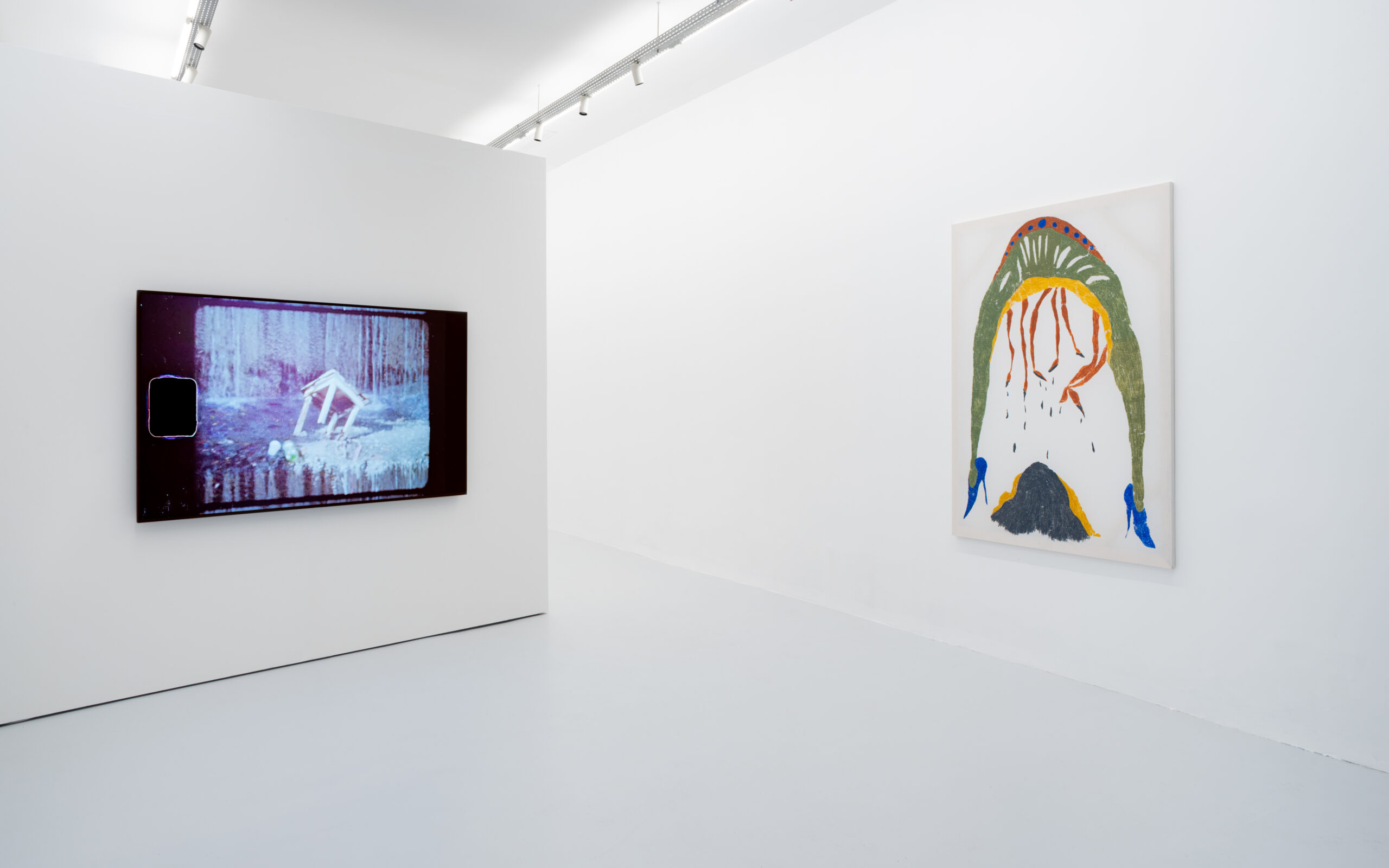
Although in the video “Piraquara” (recorded from the stories of her grandmother, Maria de Lourdes Santos) or in the recent work “Diário” – a kind of visually annotated daily life – the artist relates directly to the theme of memory, it is mainly in her paintings that we see this interest engender a politics of forms. It is in the way she superimposes, mixes, subtracts, transfers, folds or expands (among other actions) the colors, materials and times with which she works that Ana Cláudia Almeida has developed a way of doing things that is ethically and aesthetically against erasure.
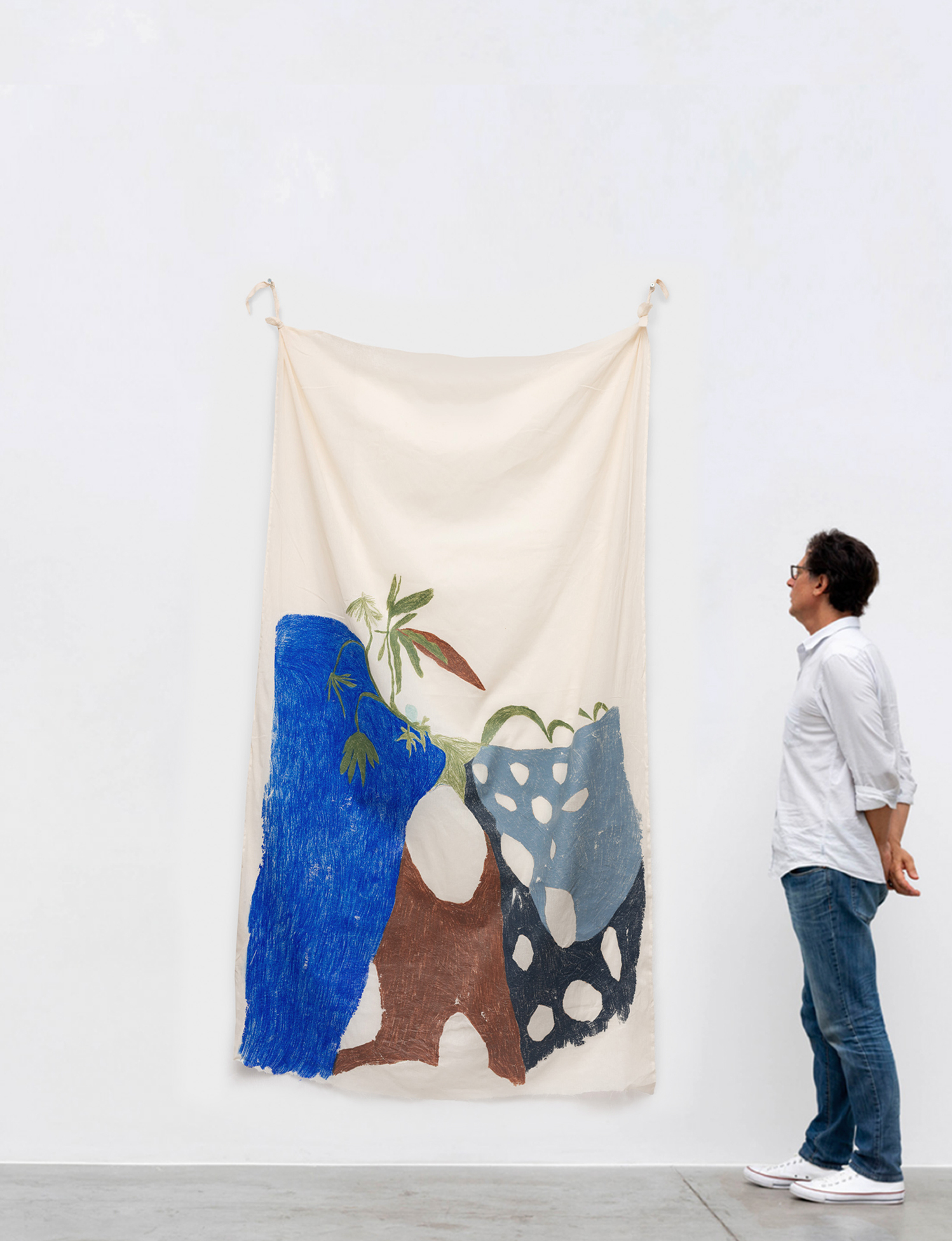
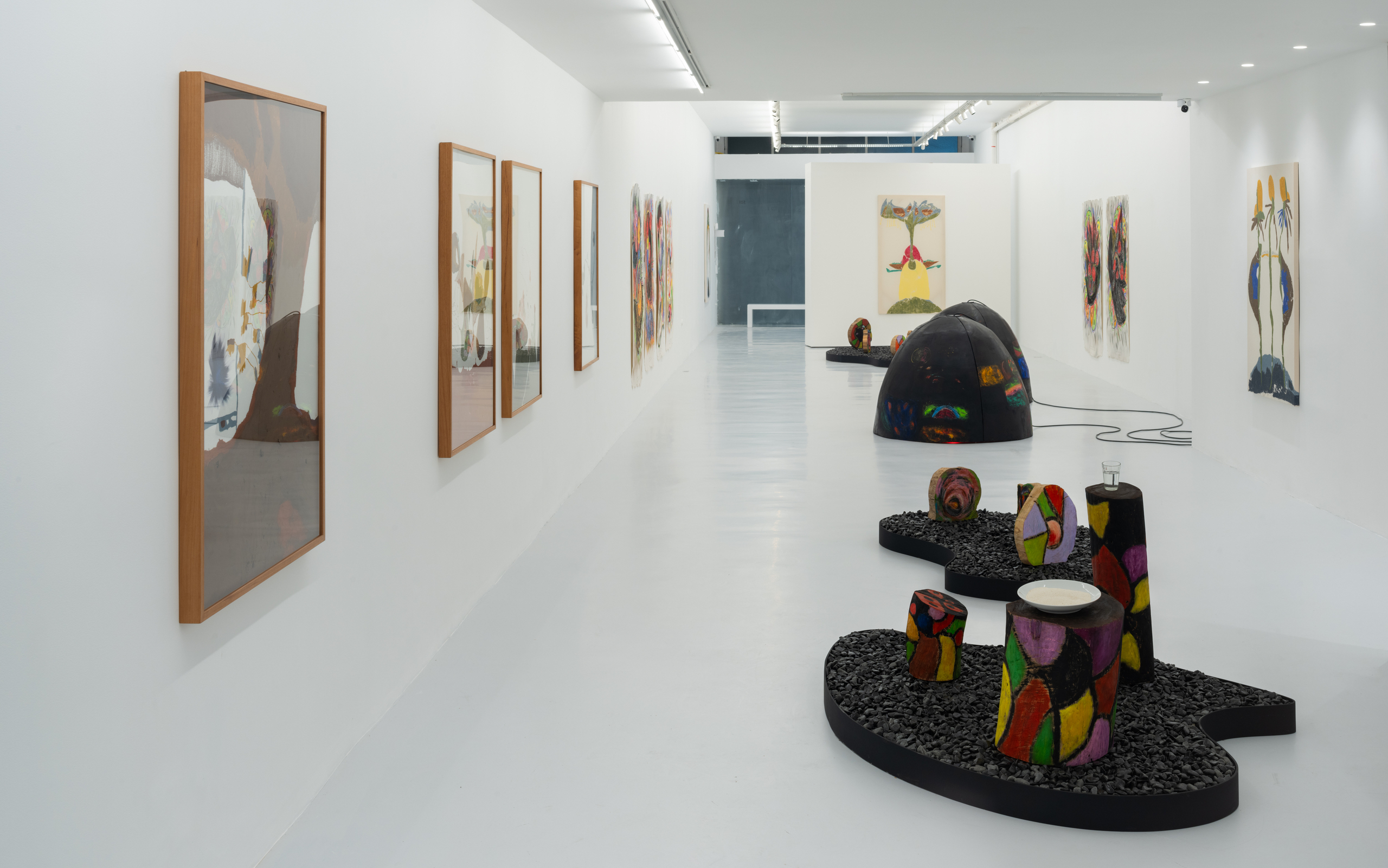
The artist makes sure that her last gestures don’t annihilate the traces, impregnation or density of those that came before. She takes advantage of what came before as a generous principle for what will follow, as evidenced by her fascination with the monotype technique, which is displayed in the large paintings in the exhibition. In the formal sphere, Ana Cláudia Almeida articulates the ontocosmological experience of ancestry: “The ancestor is not the one who dies. The ancestor is what remains”, teaches Leda Maria Martins.
*
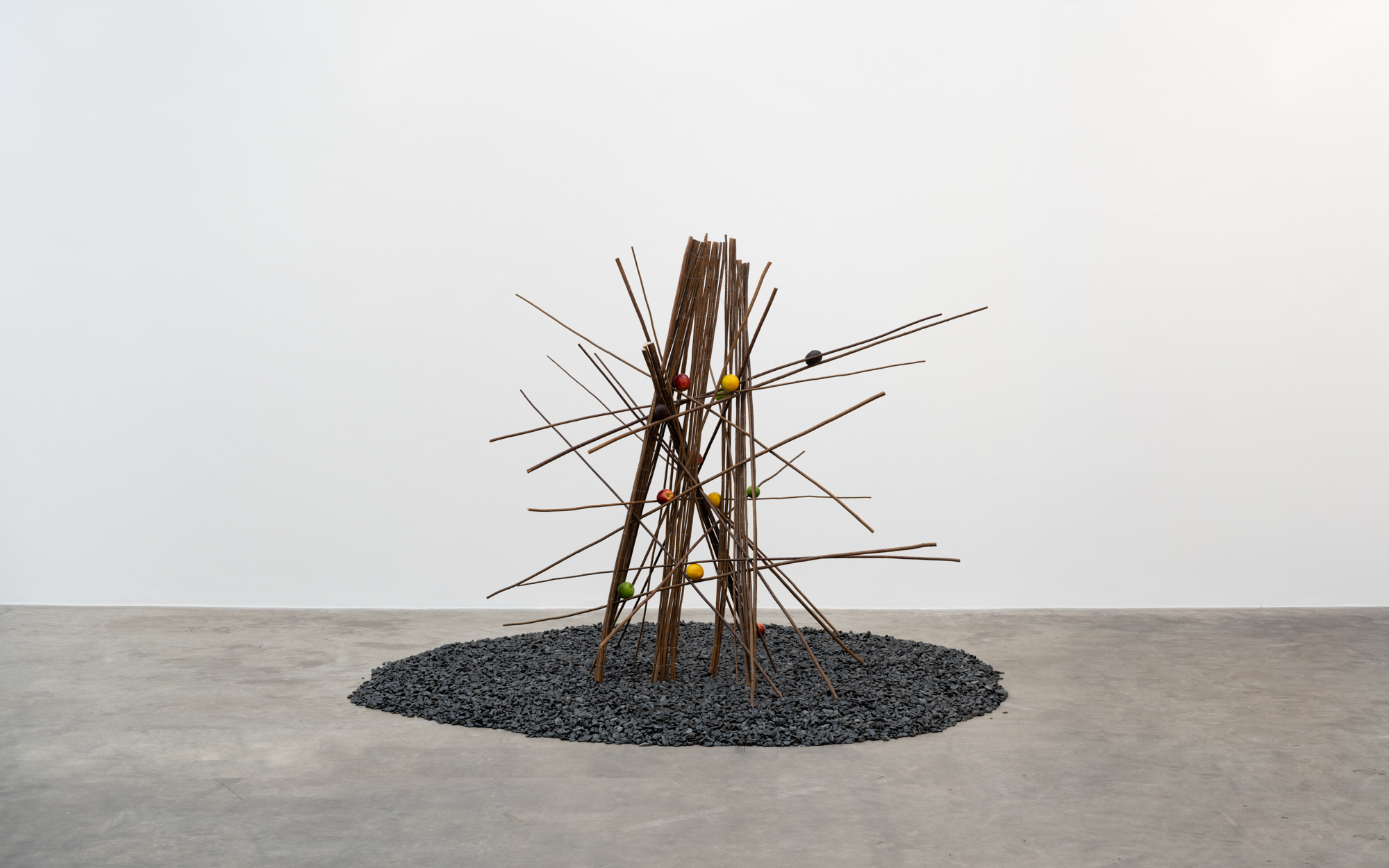
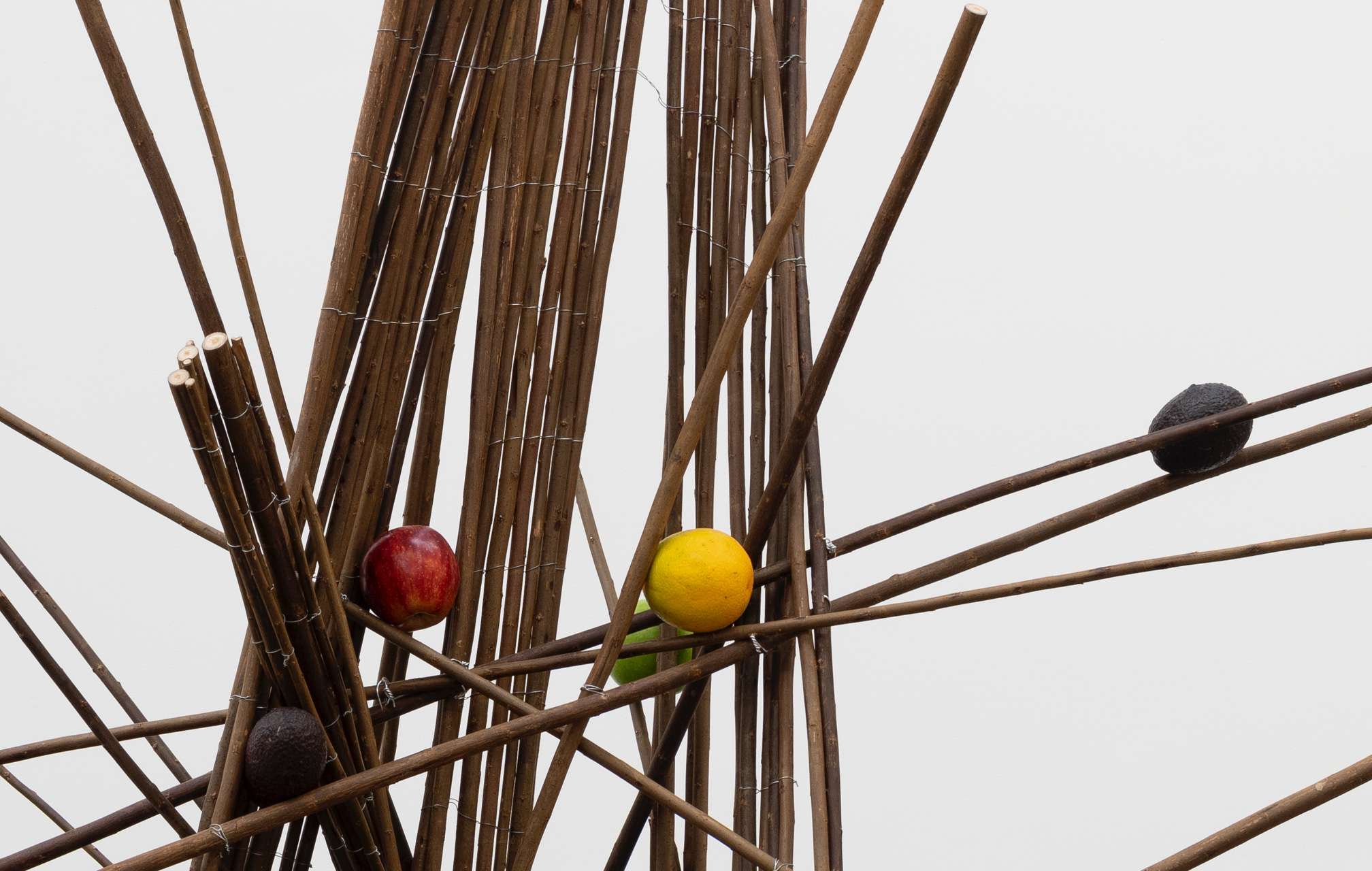
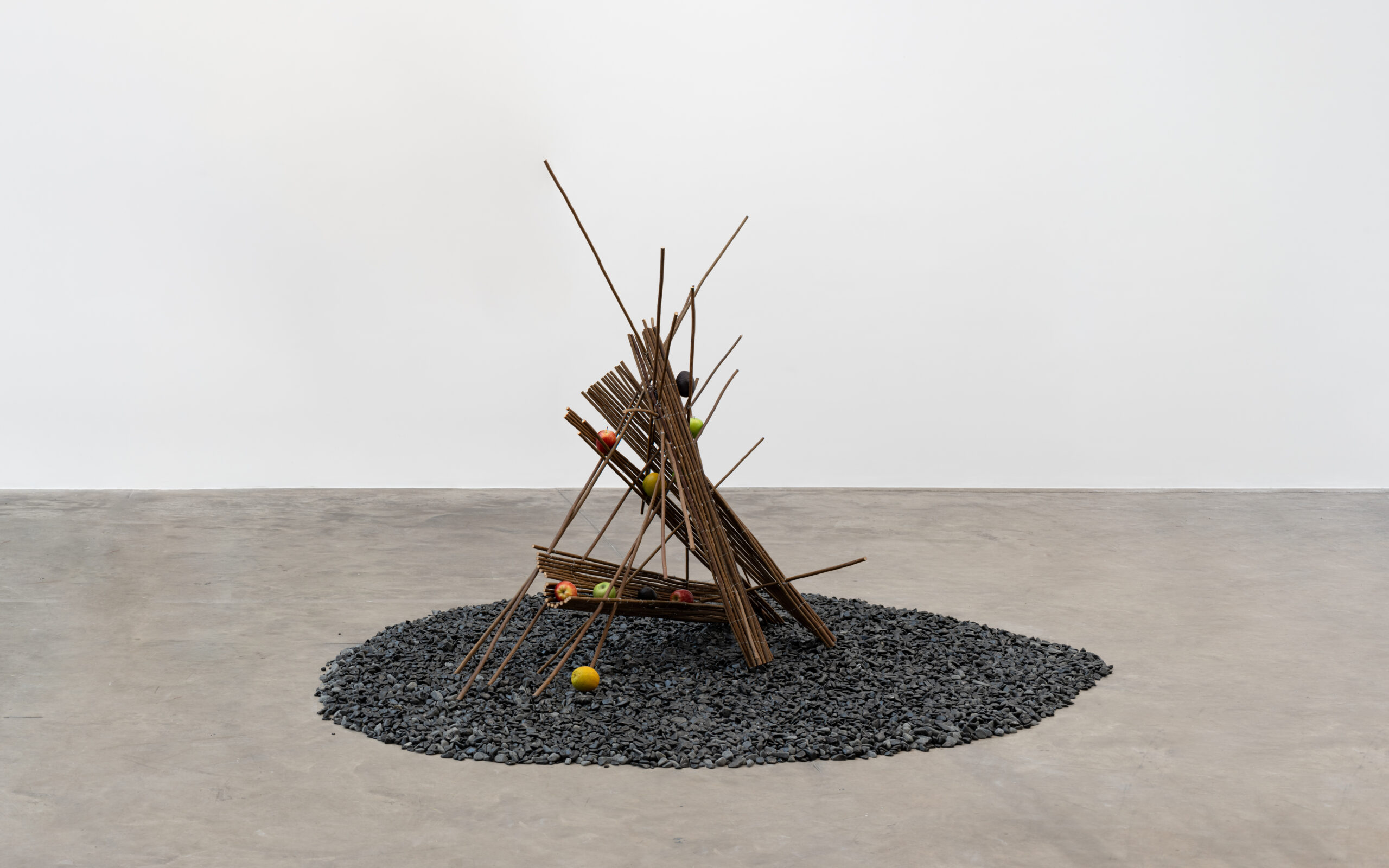
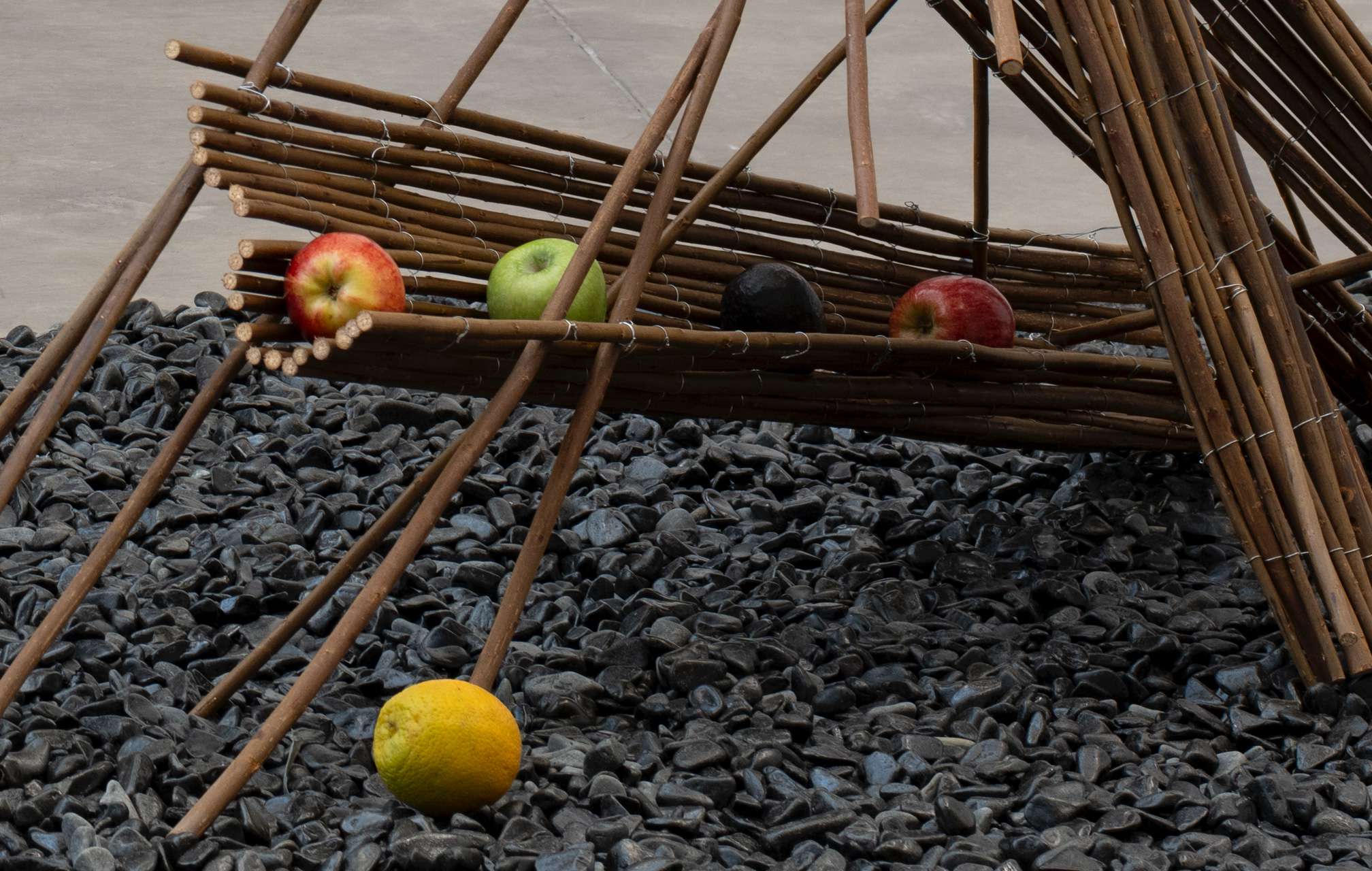
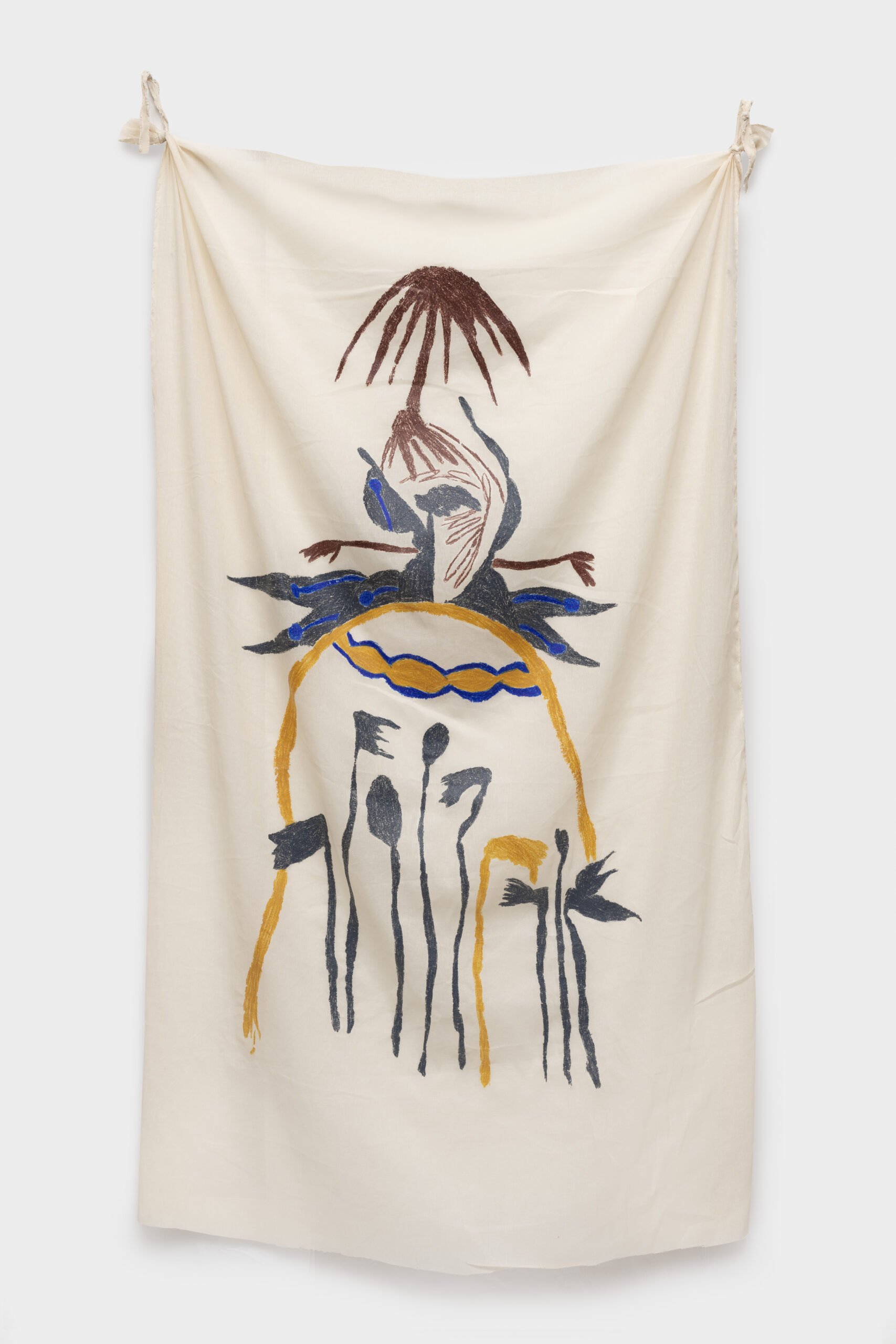
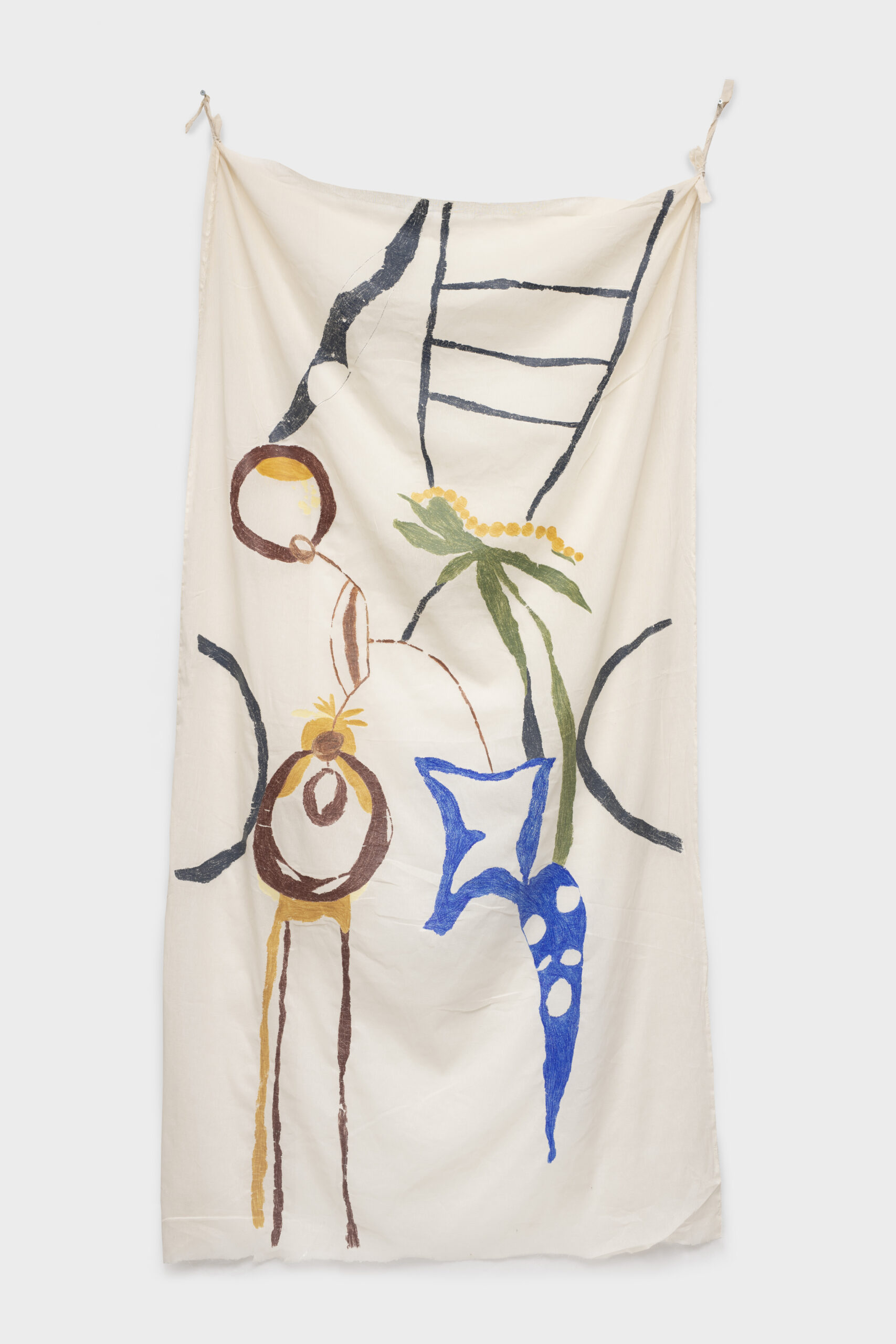
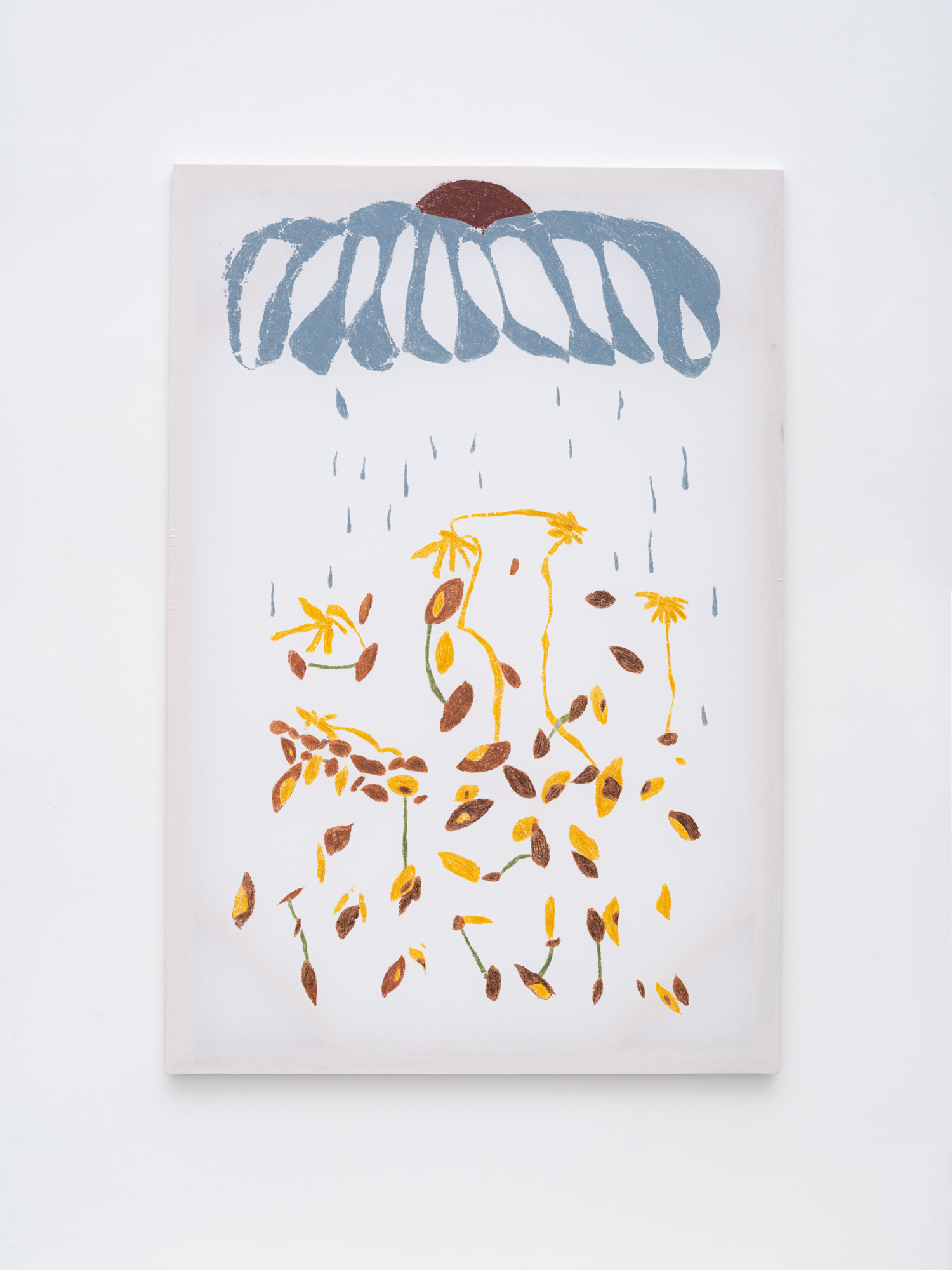
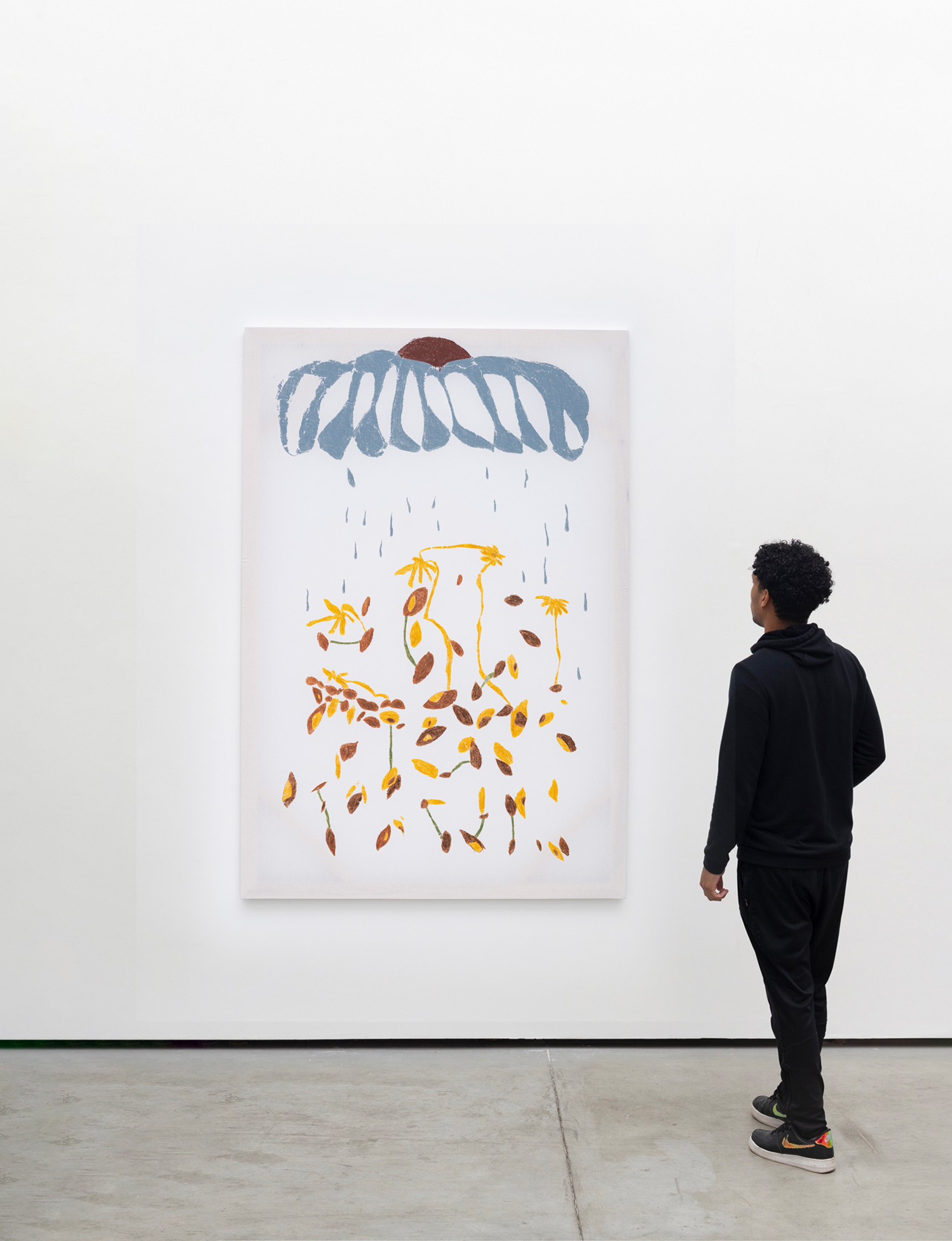
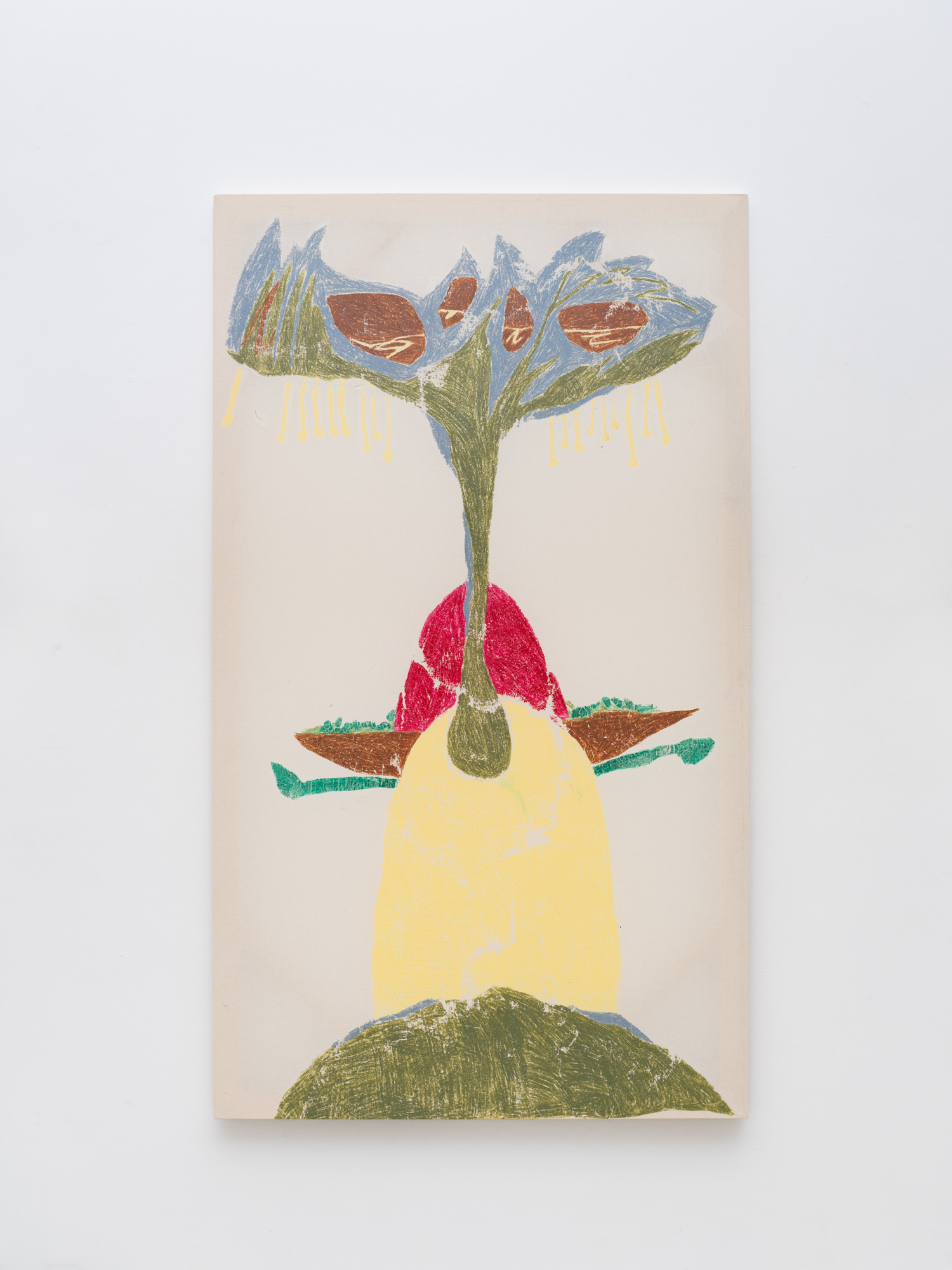
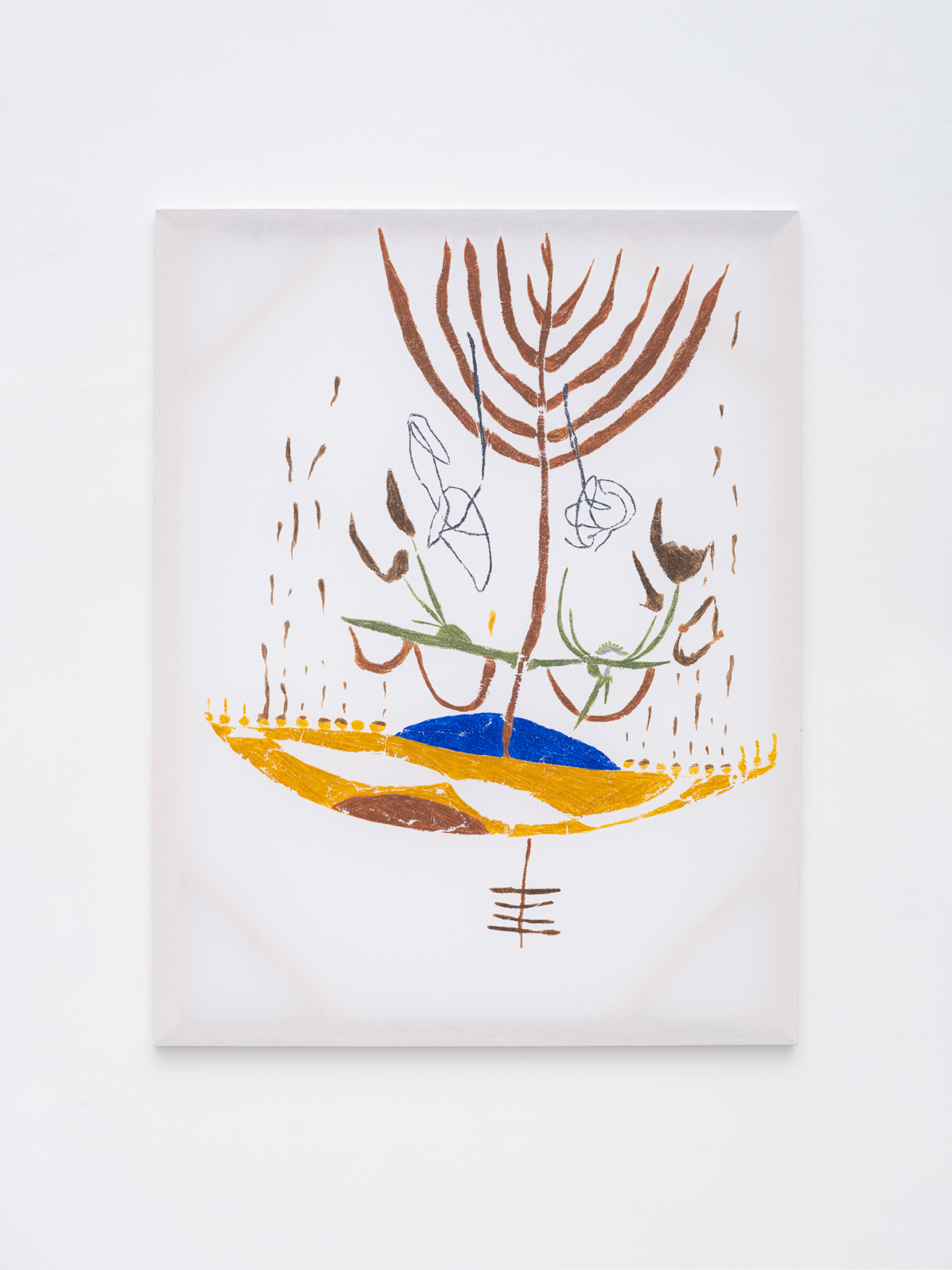
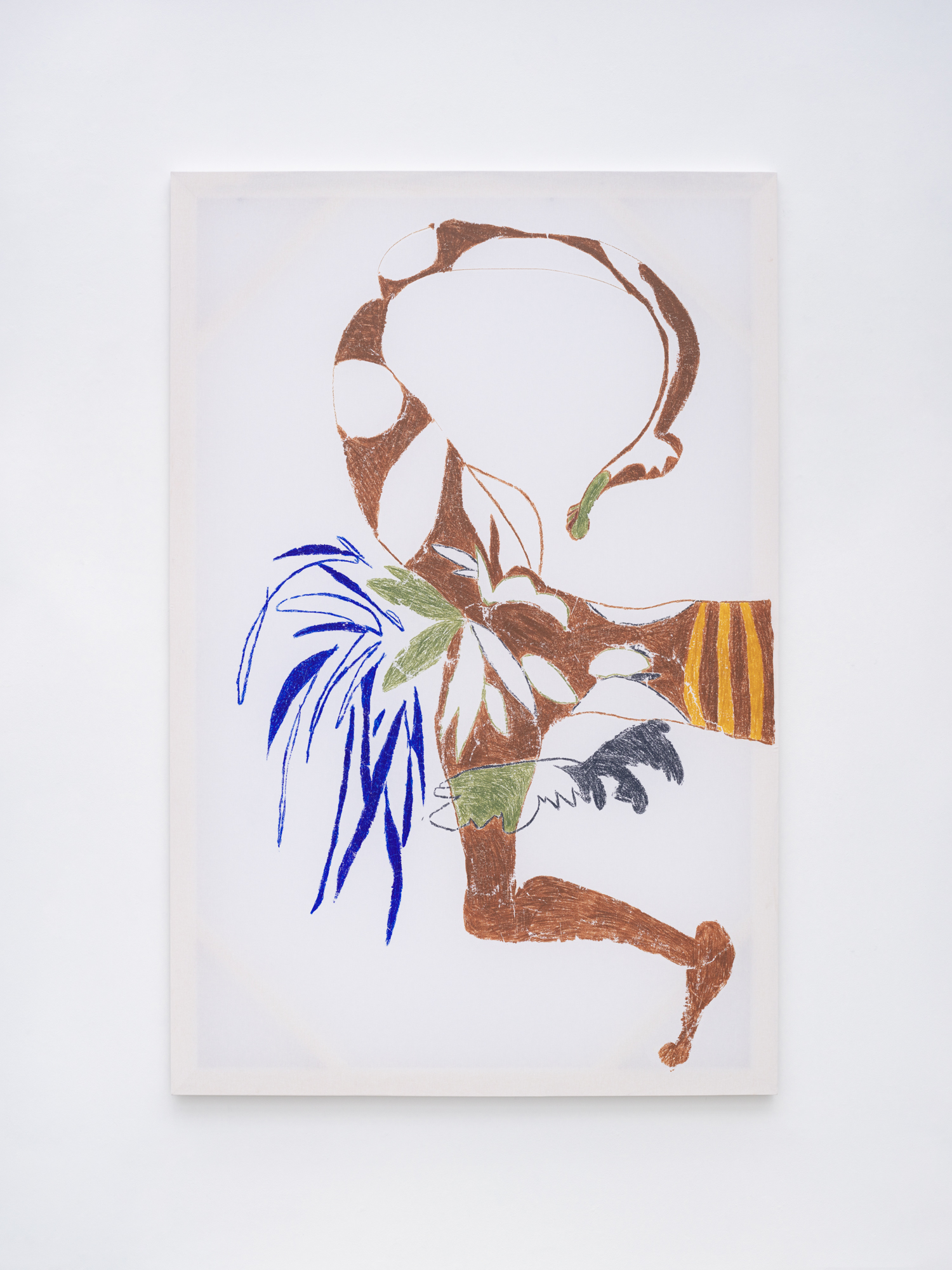
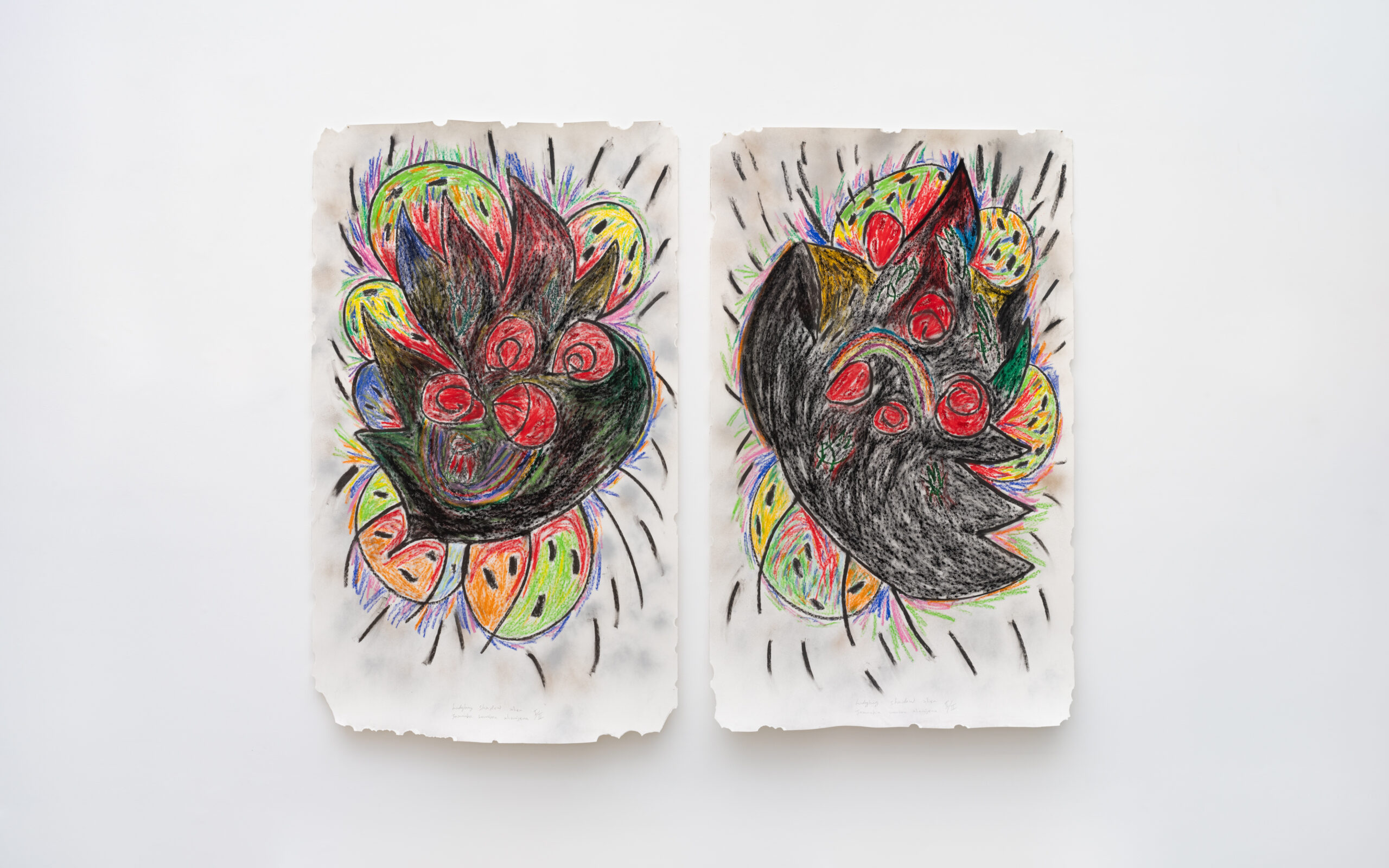
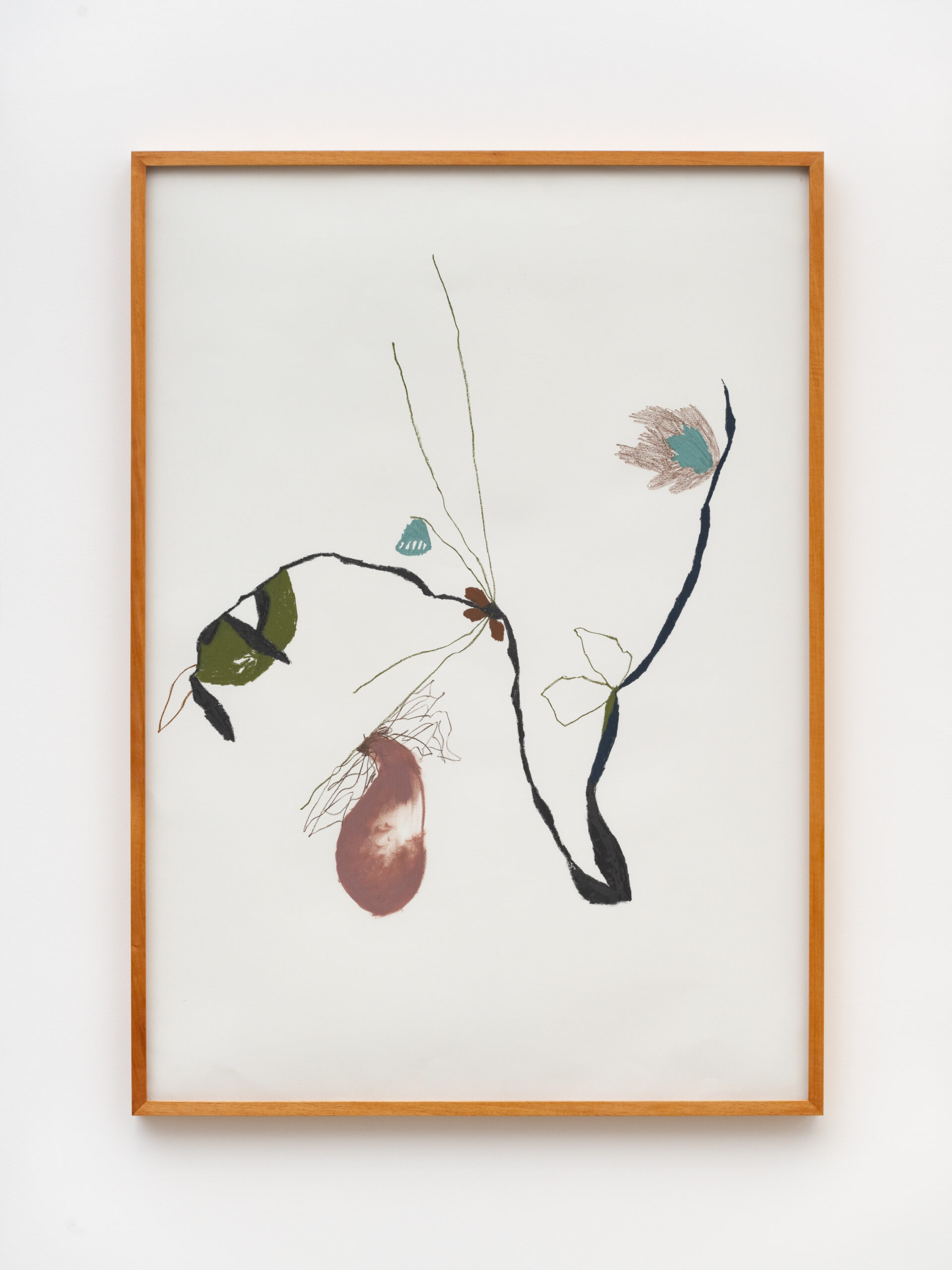
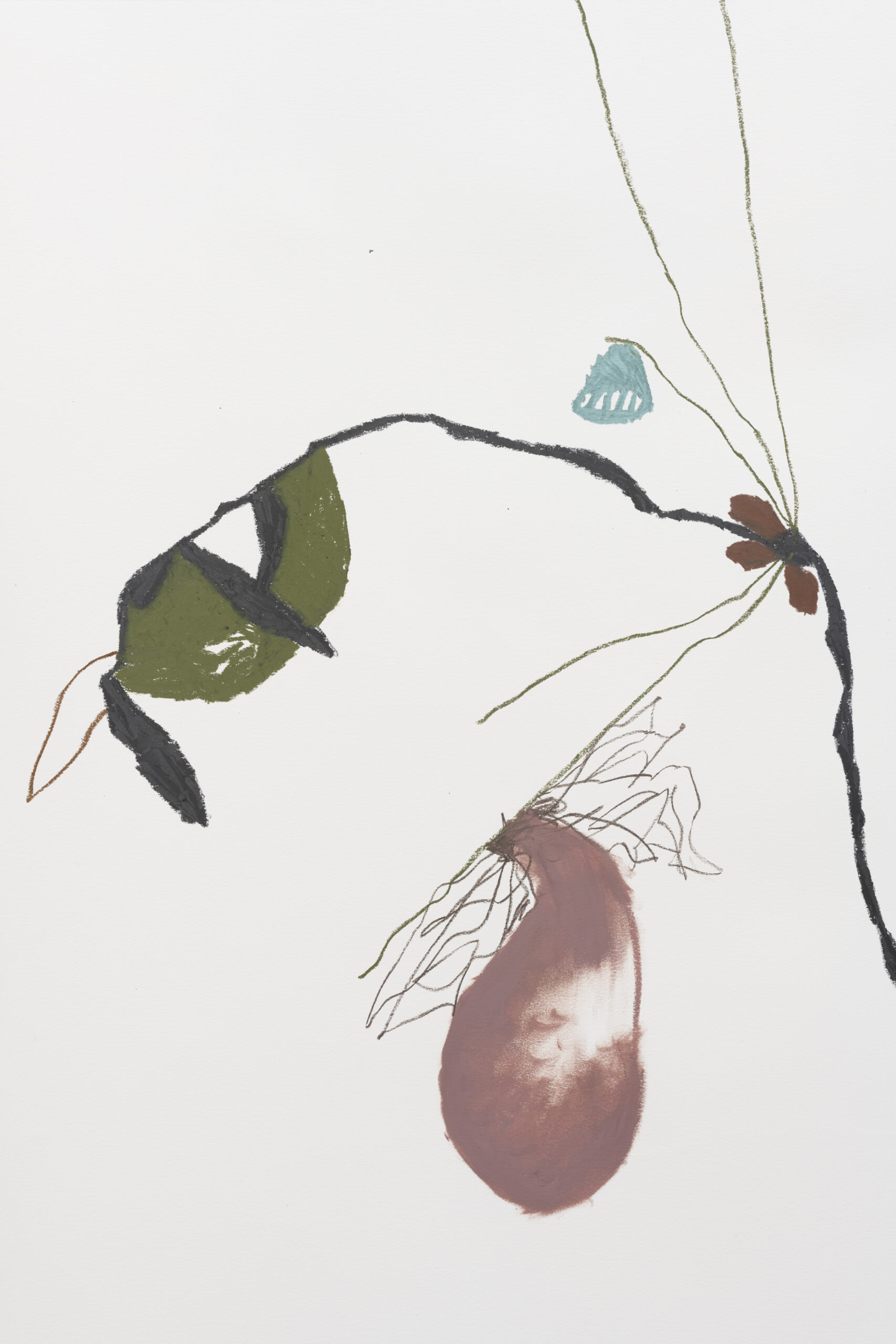
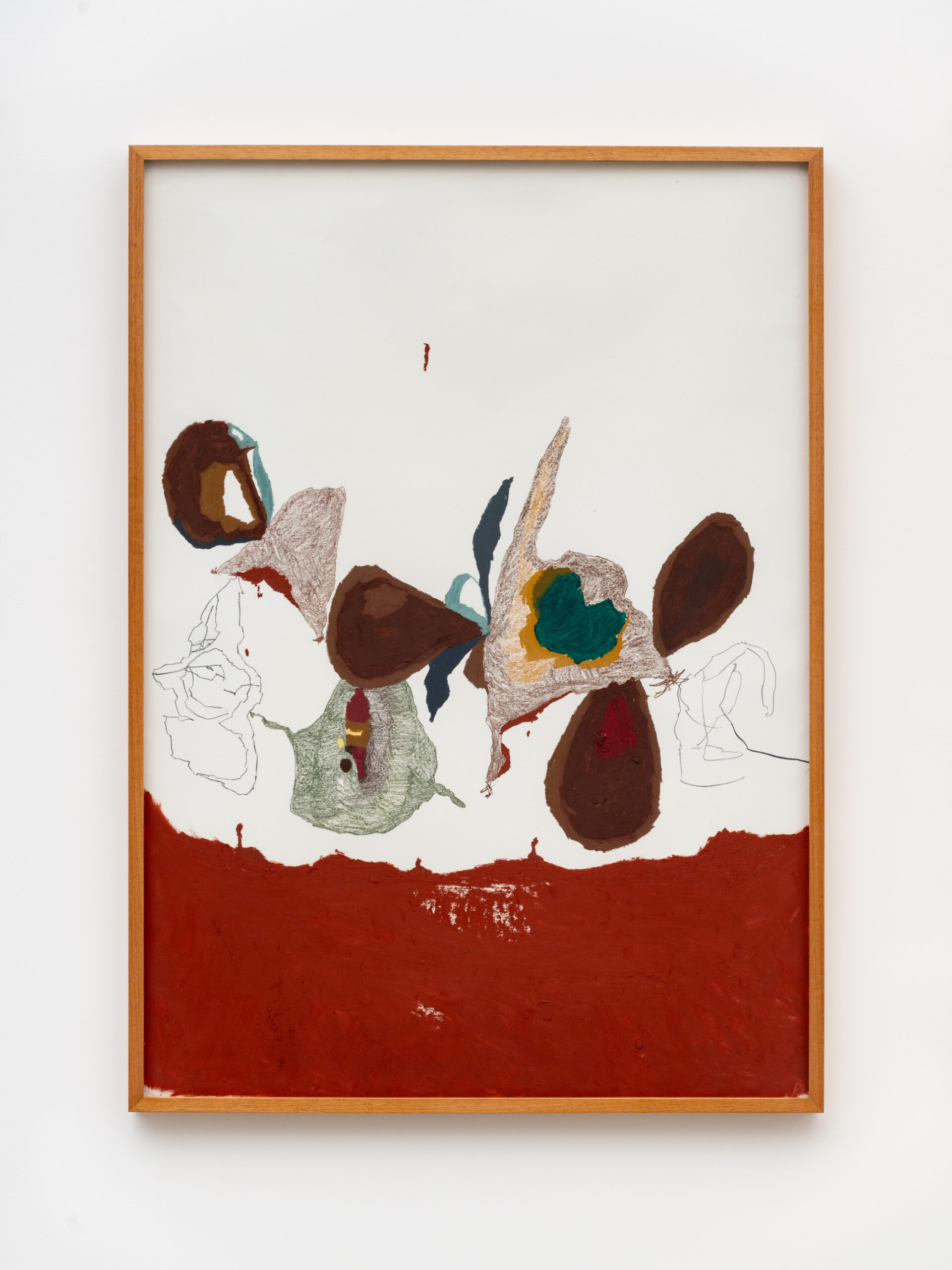
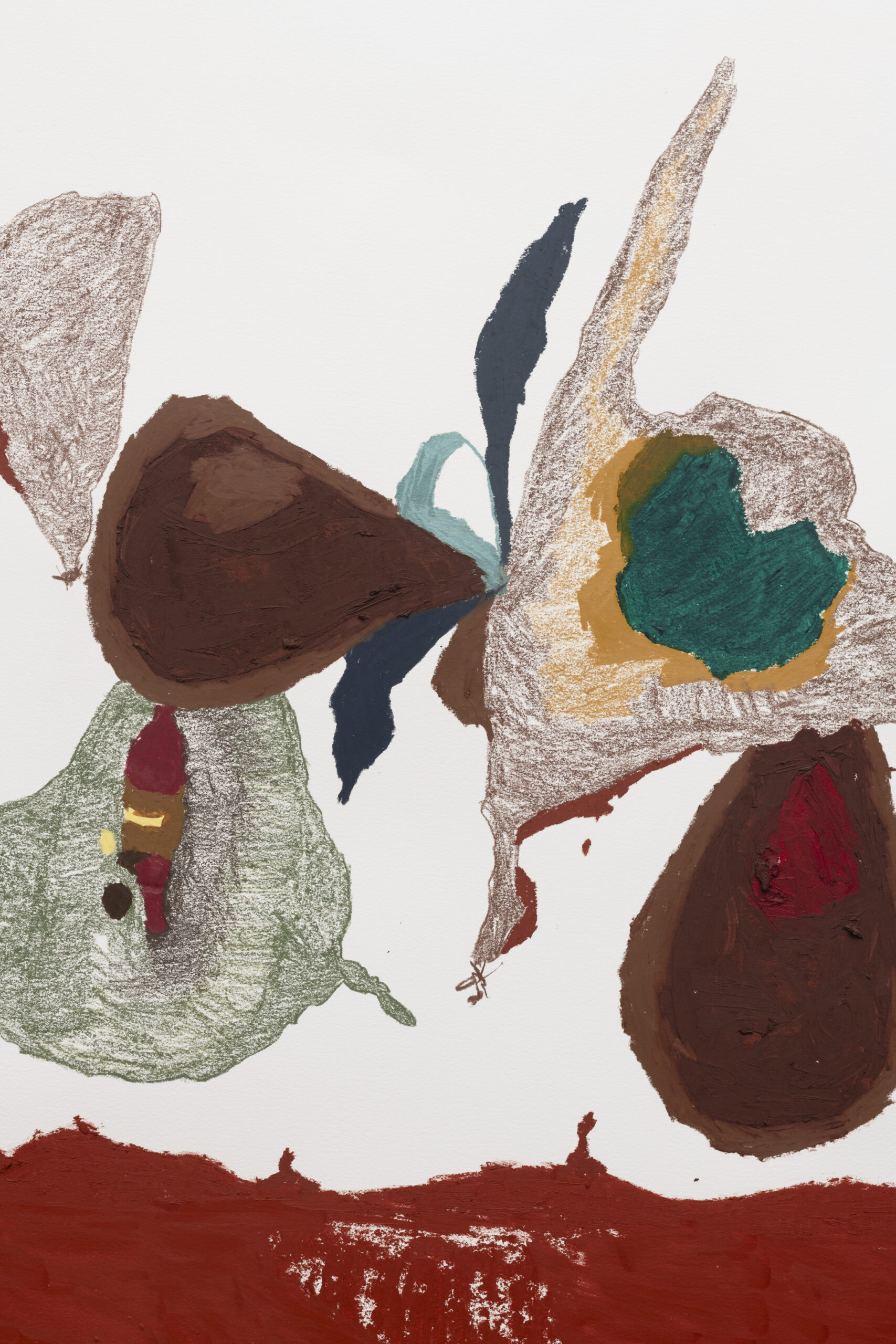
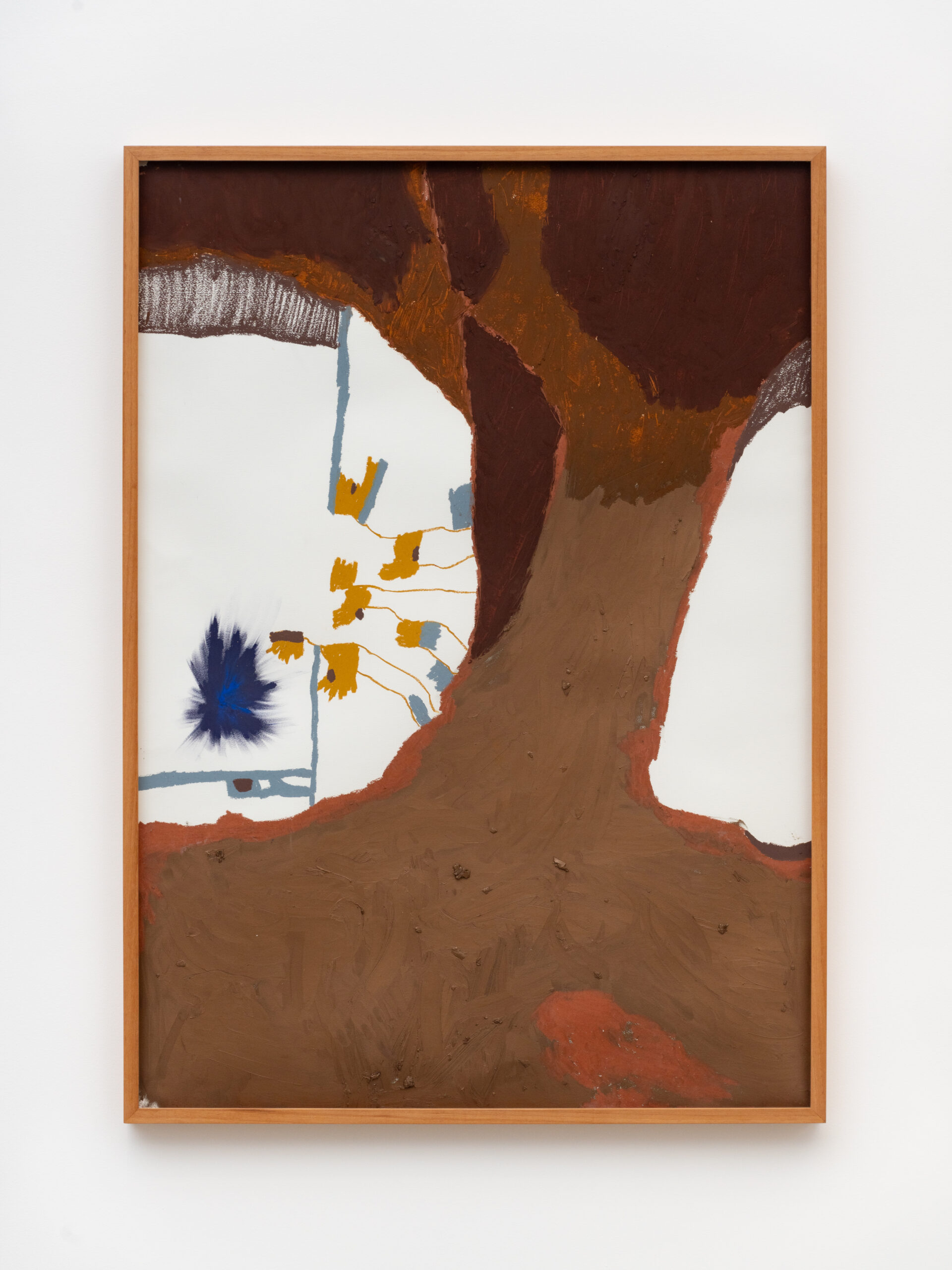
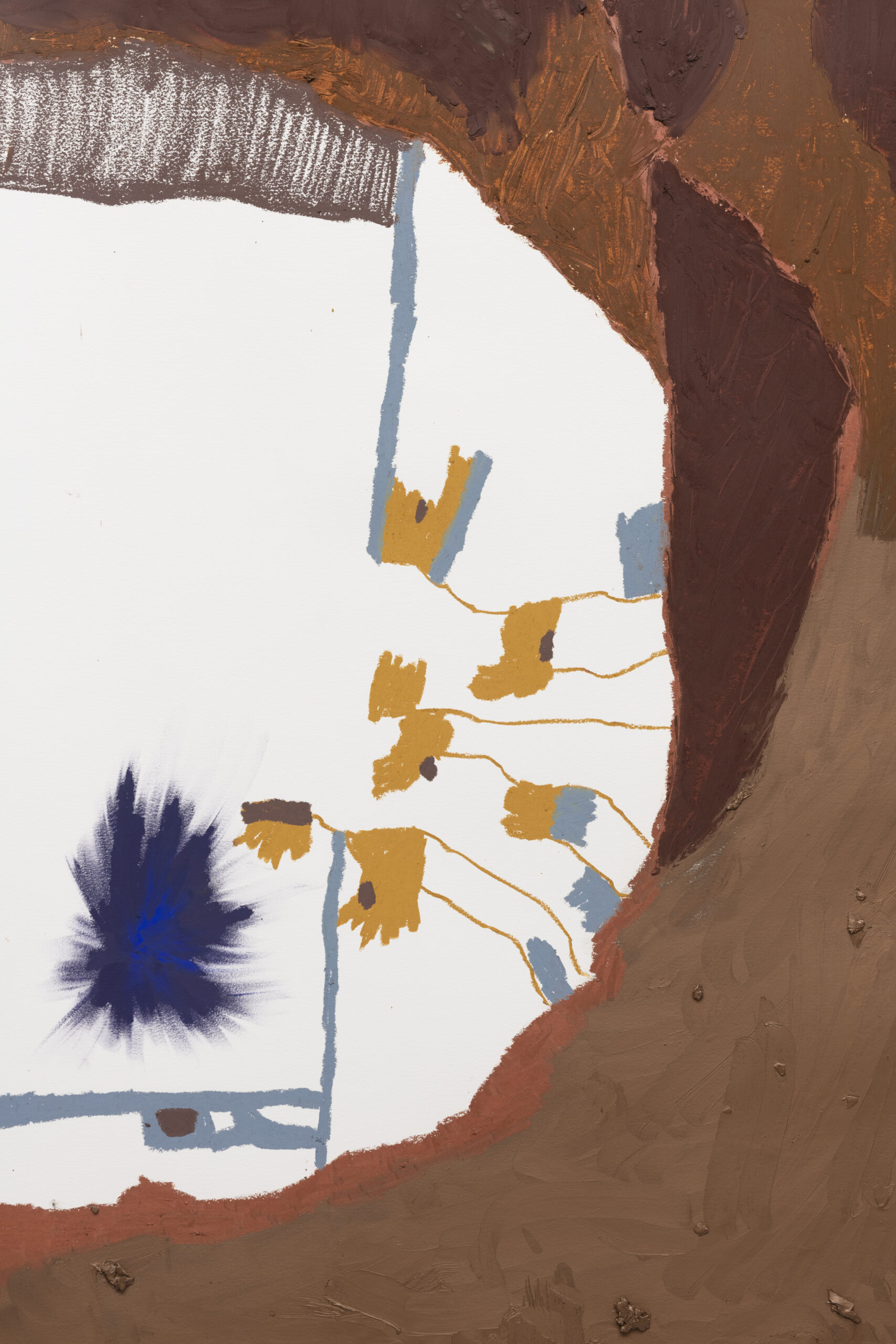
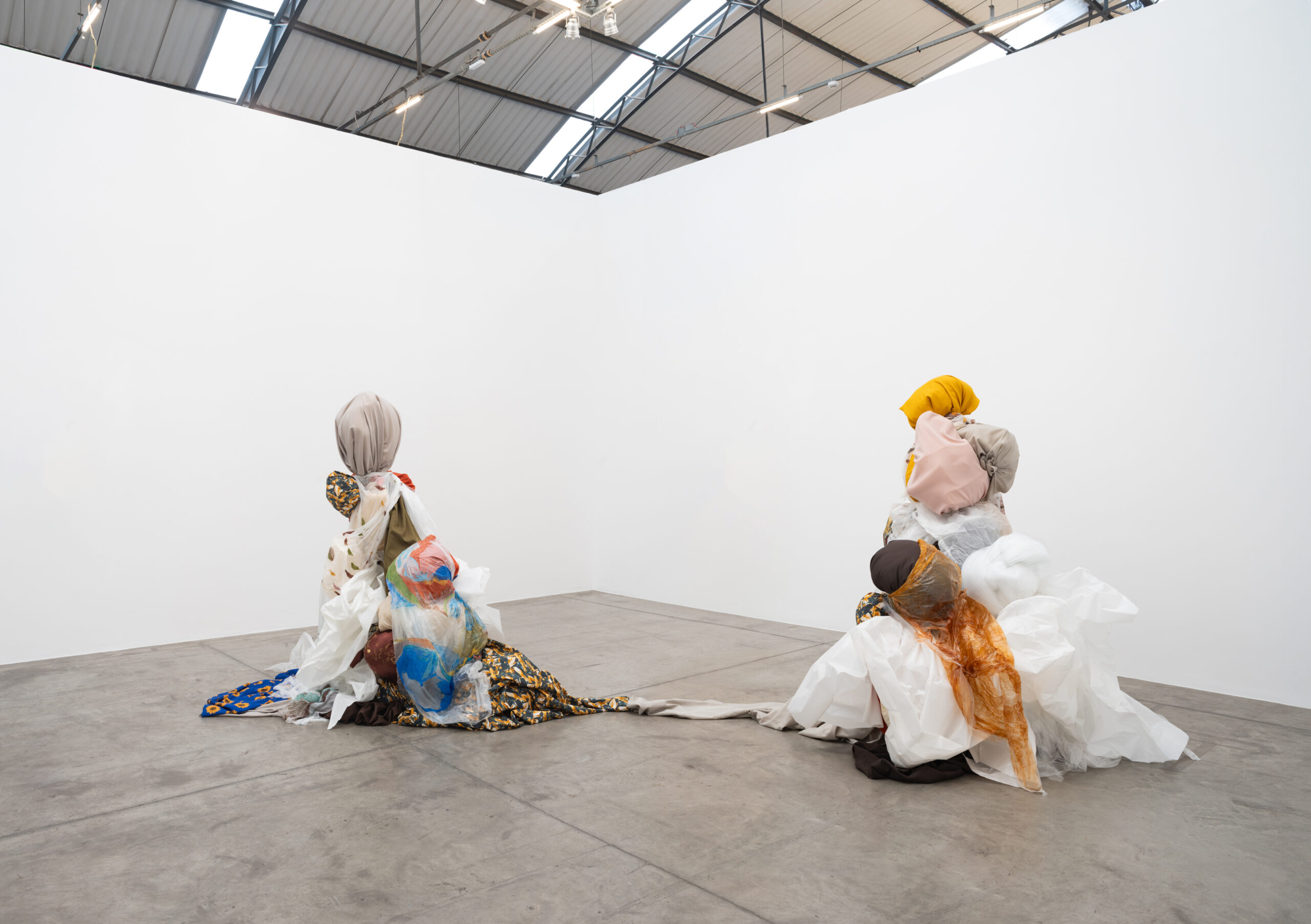
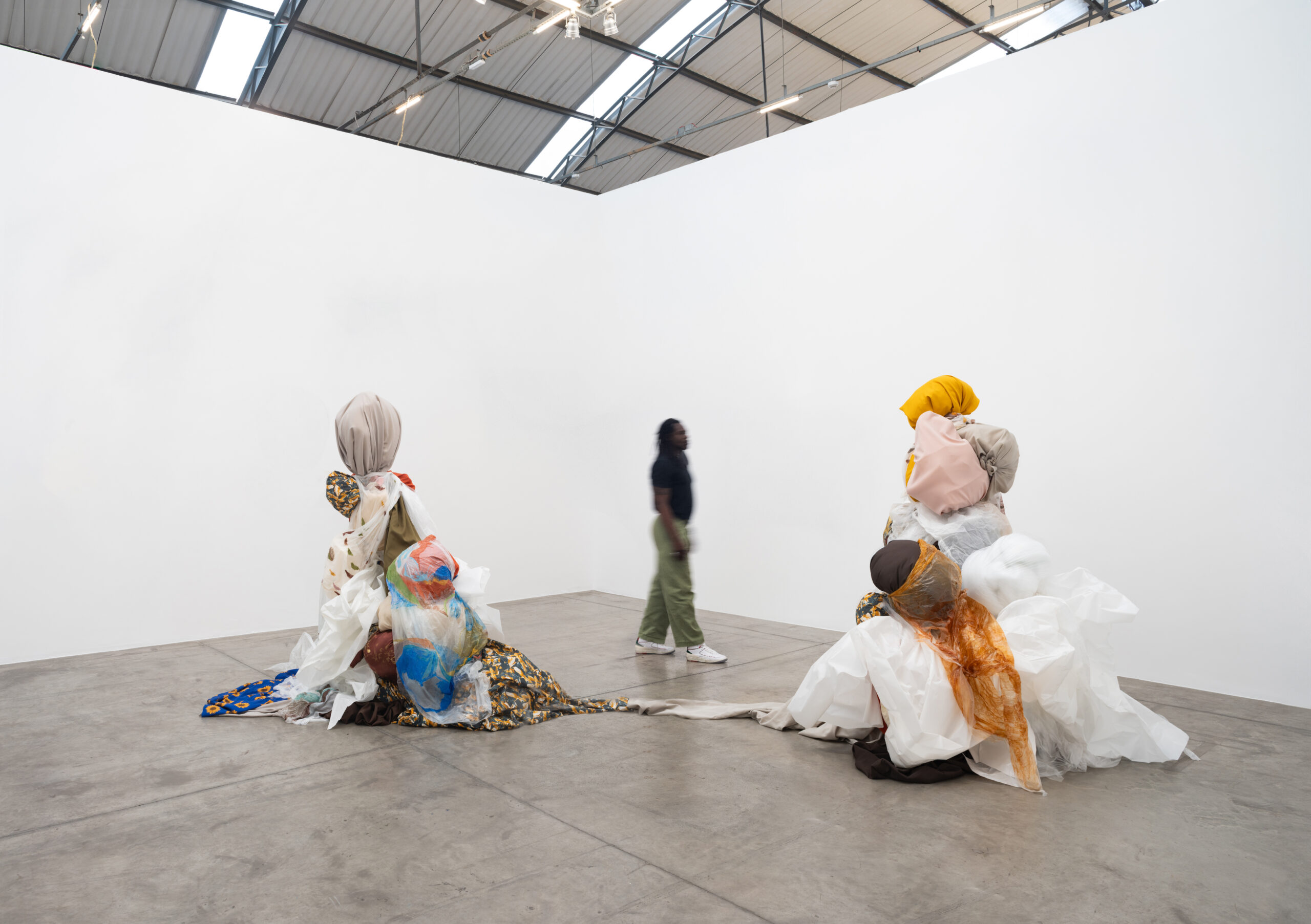
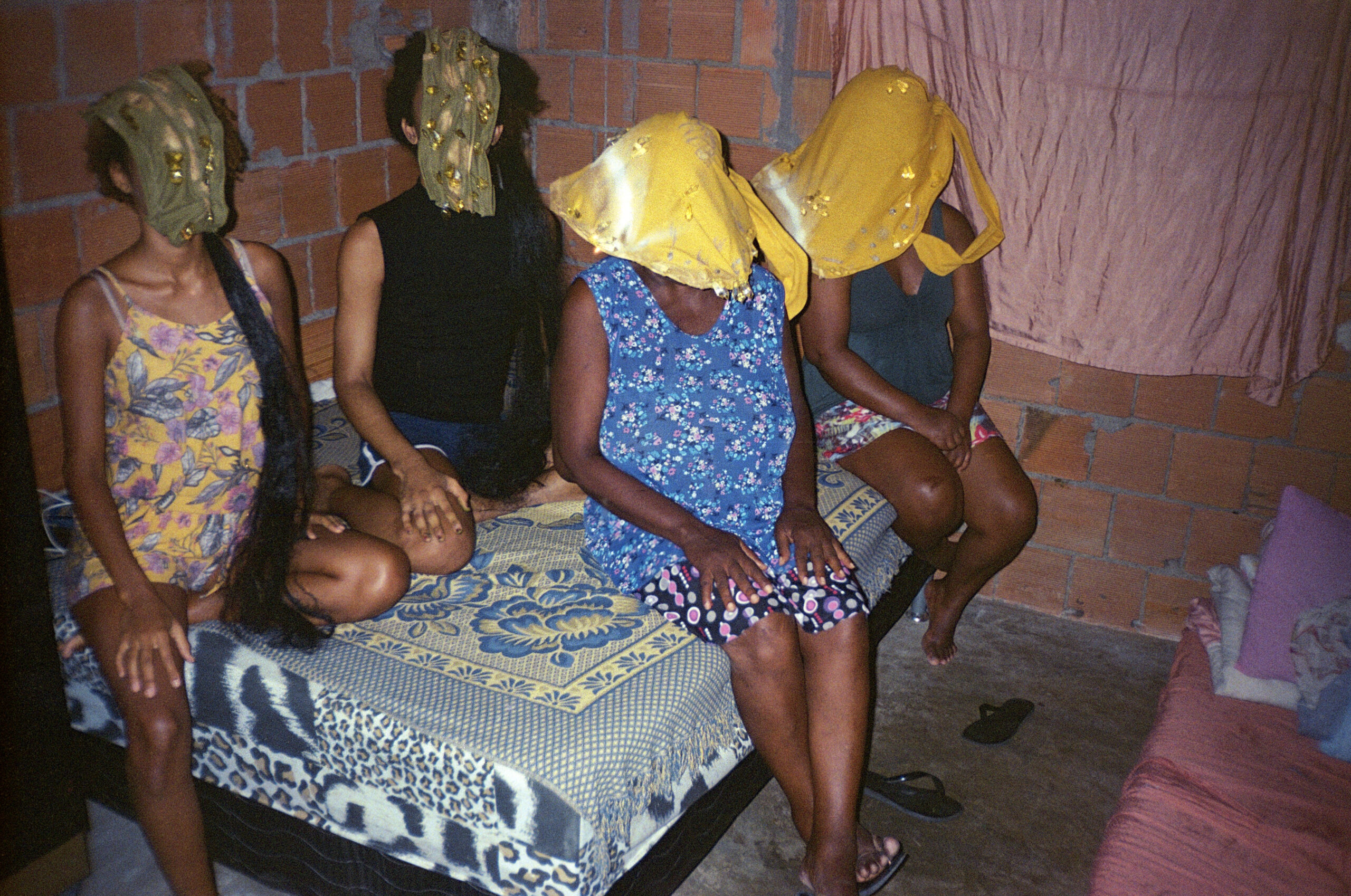
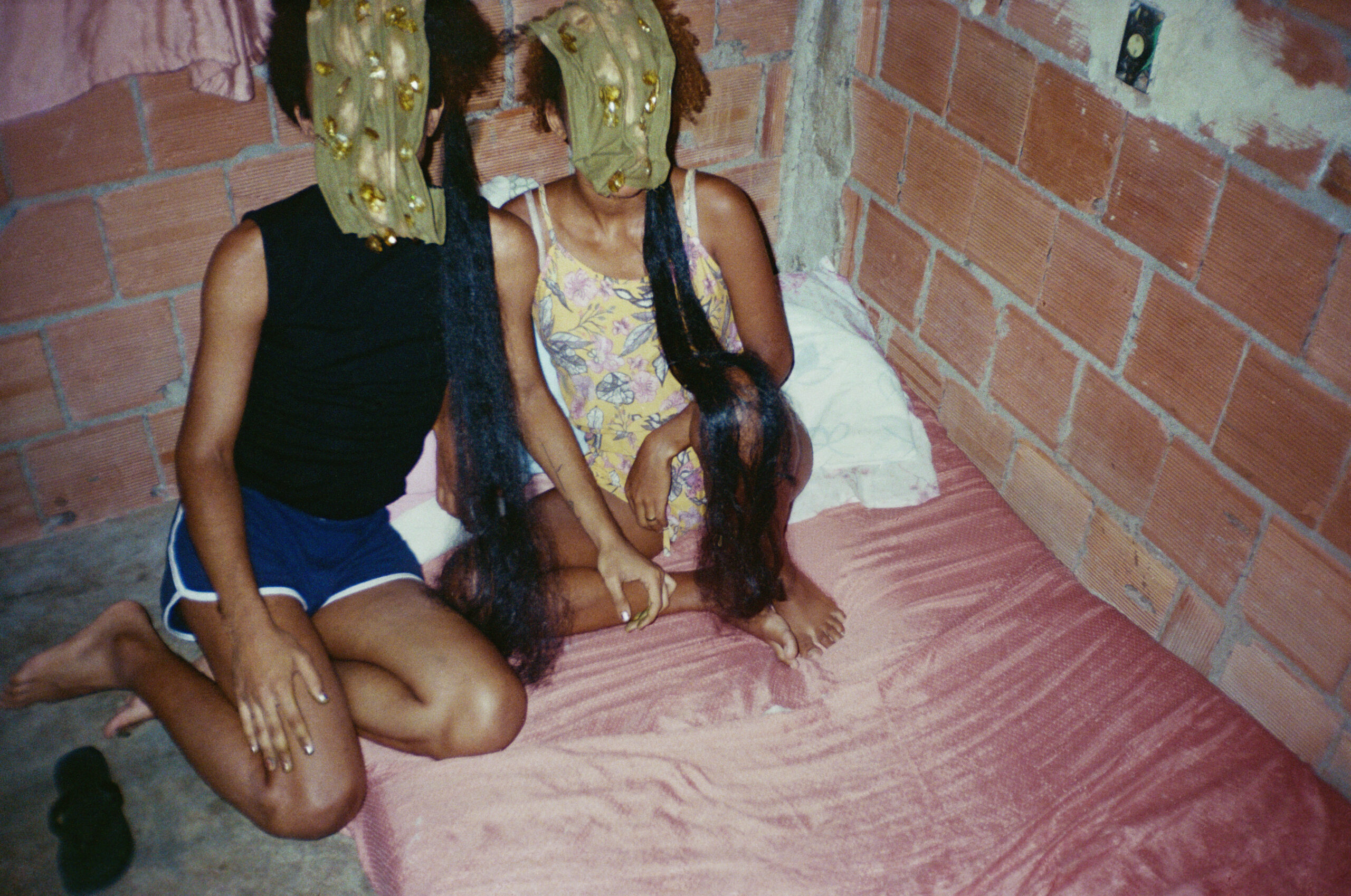
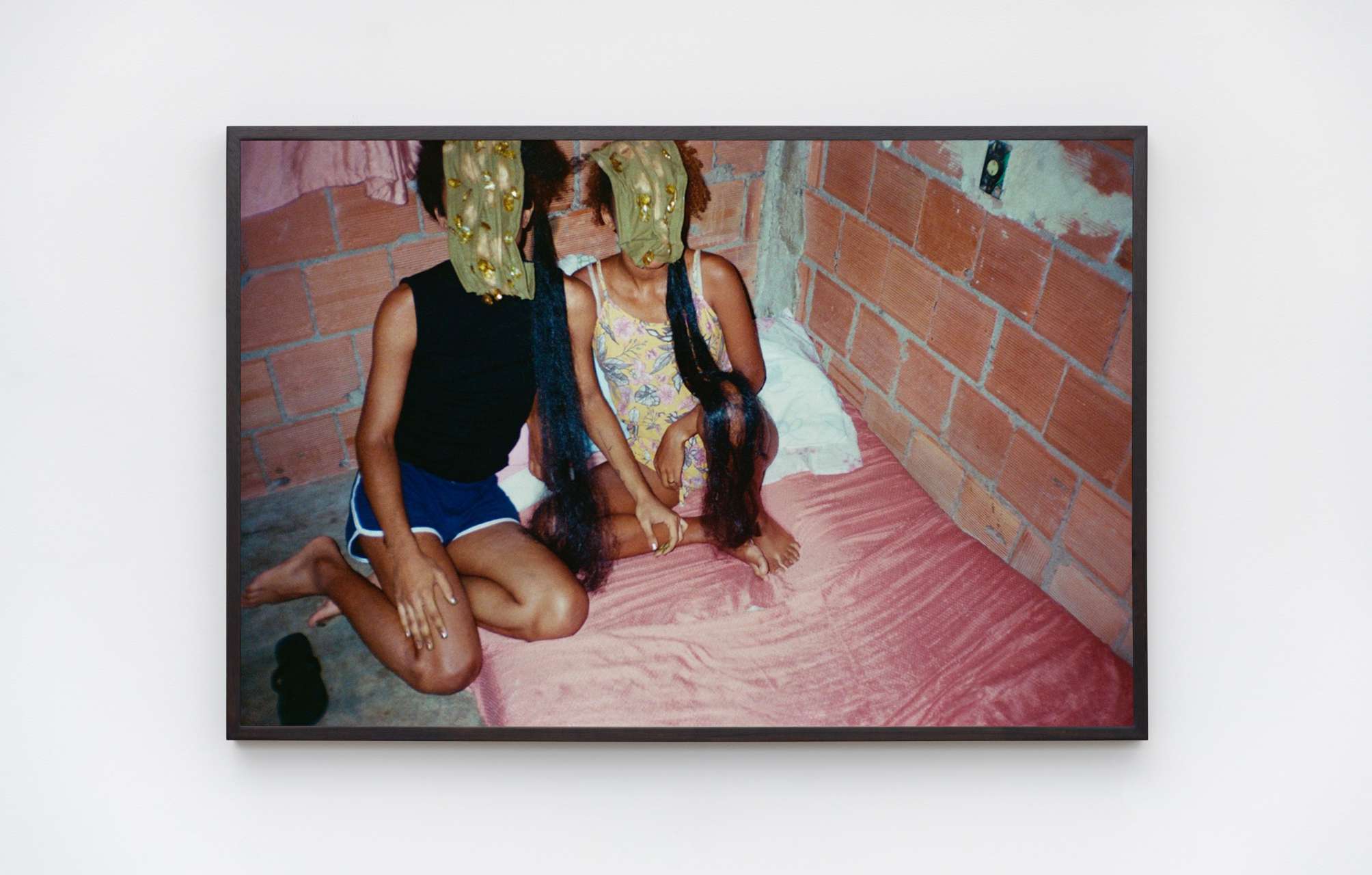
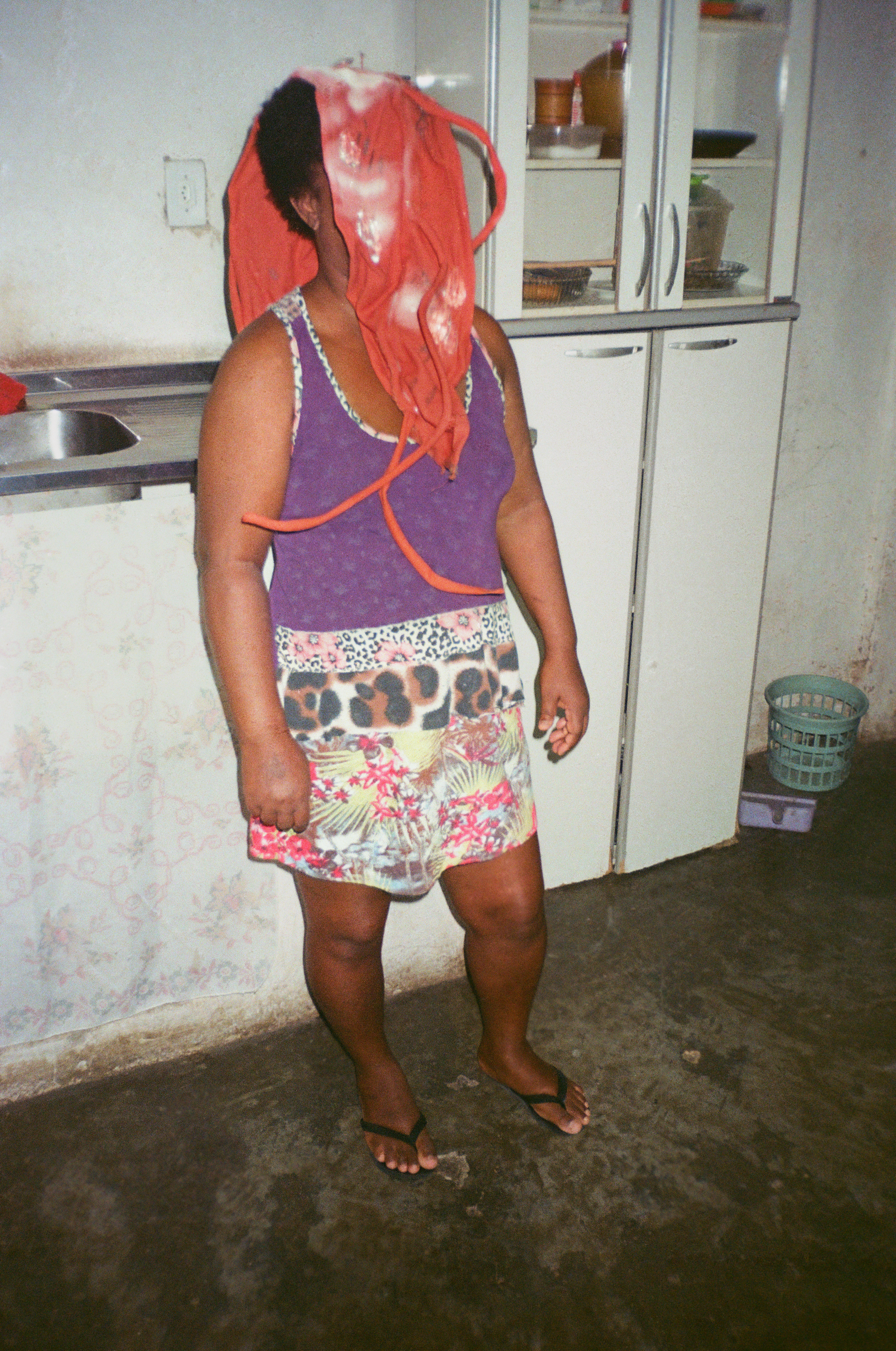
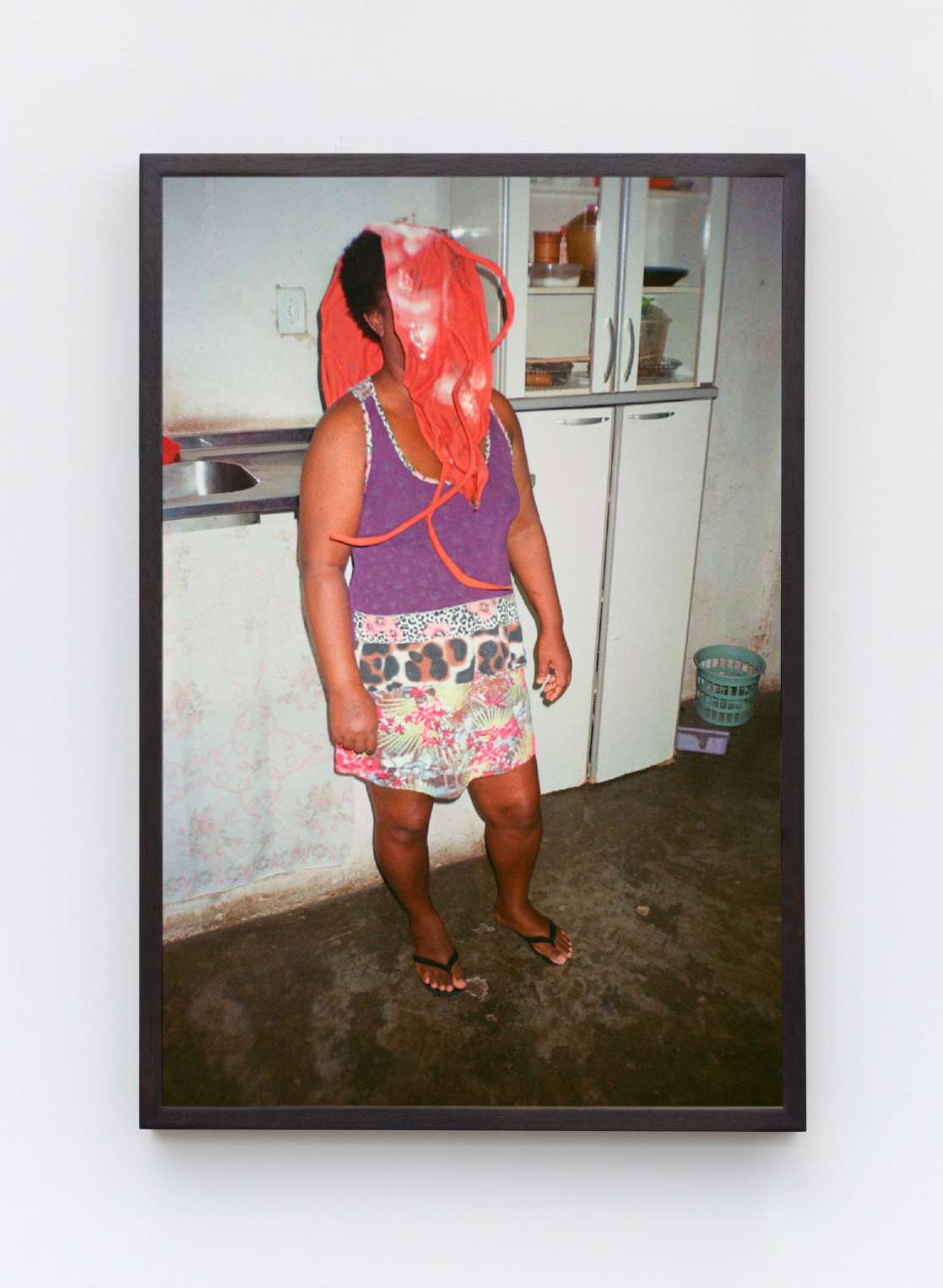
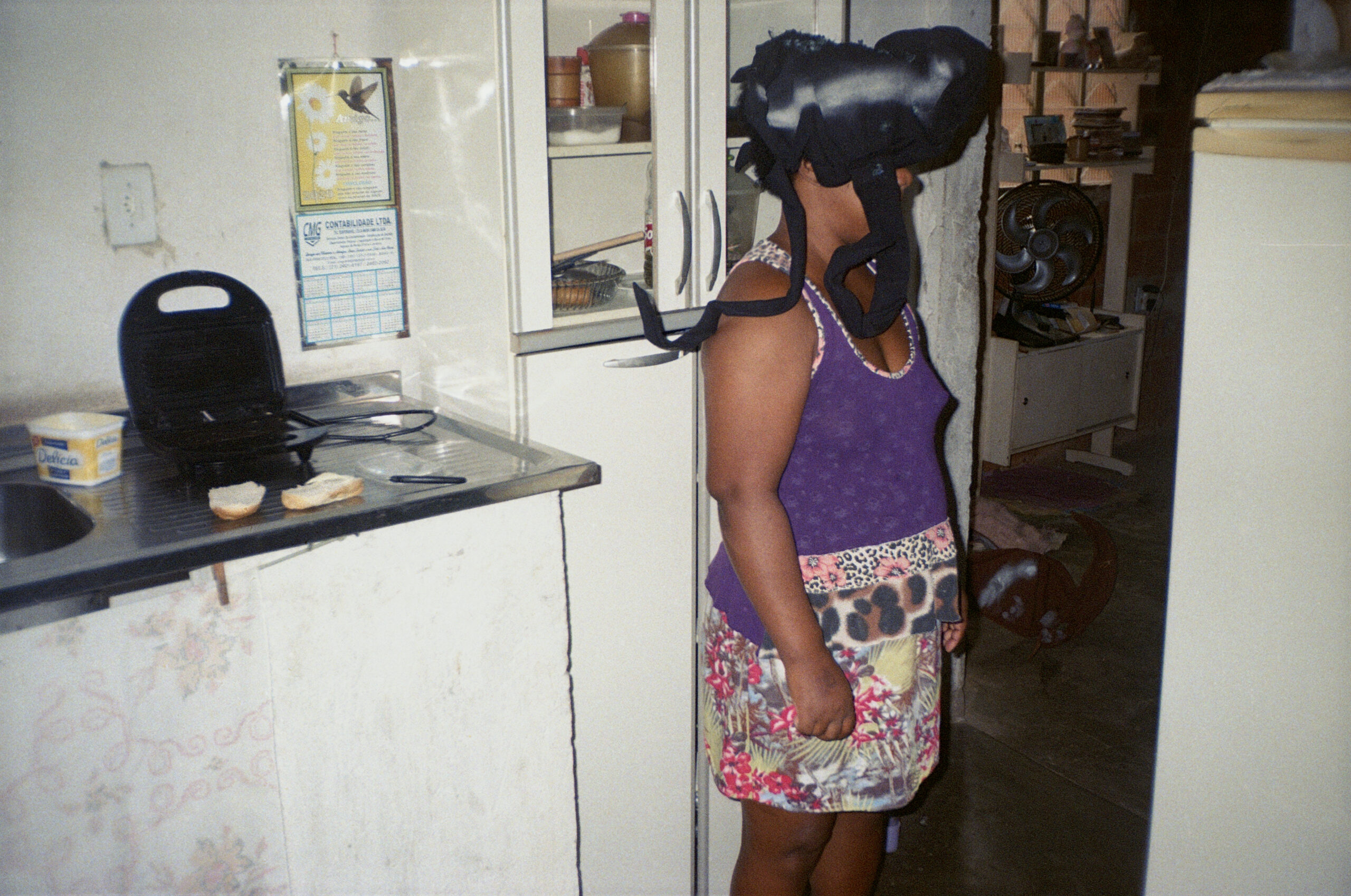
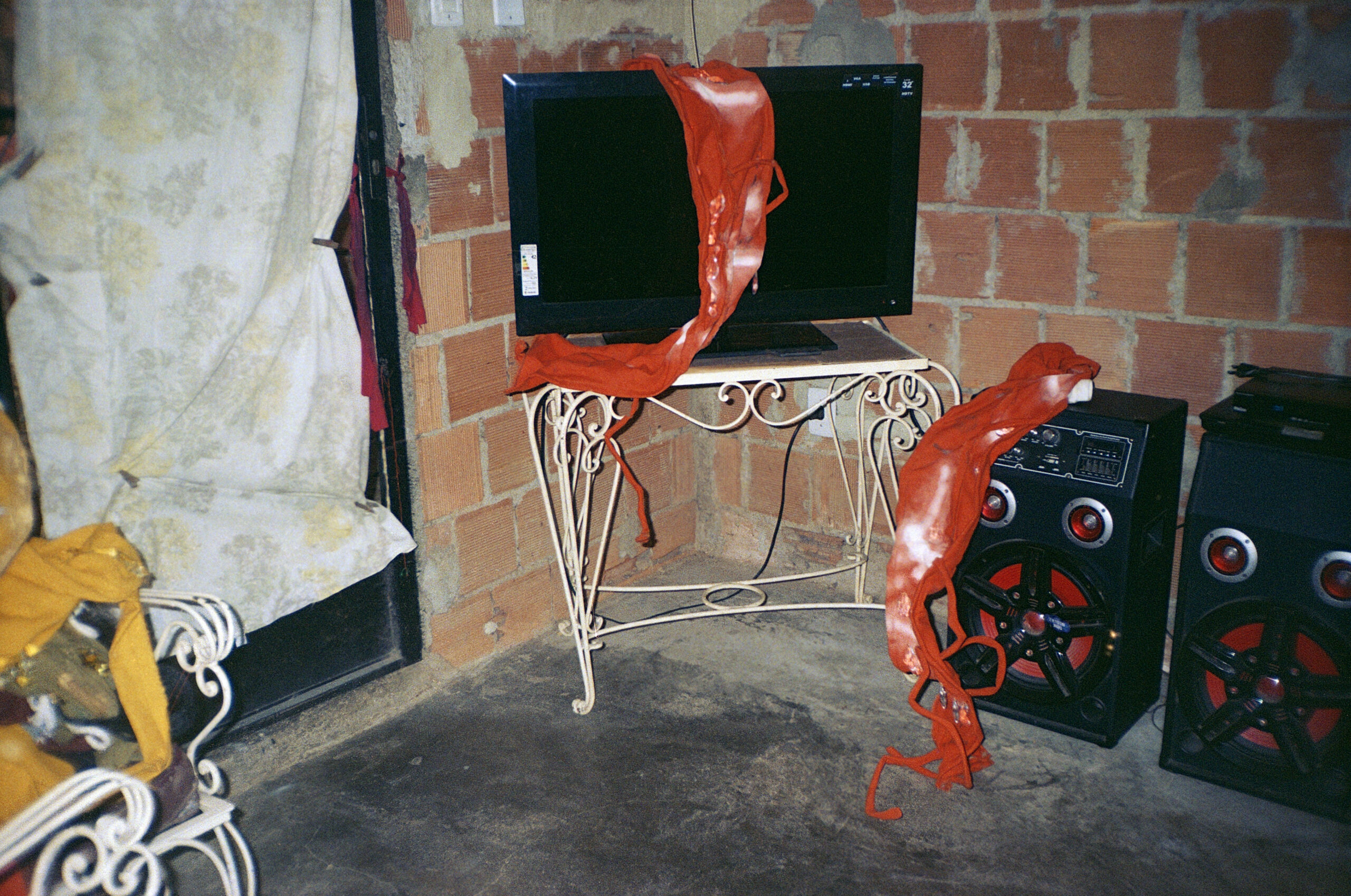
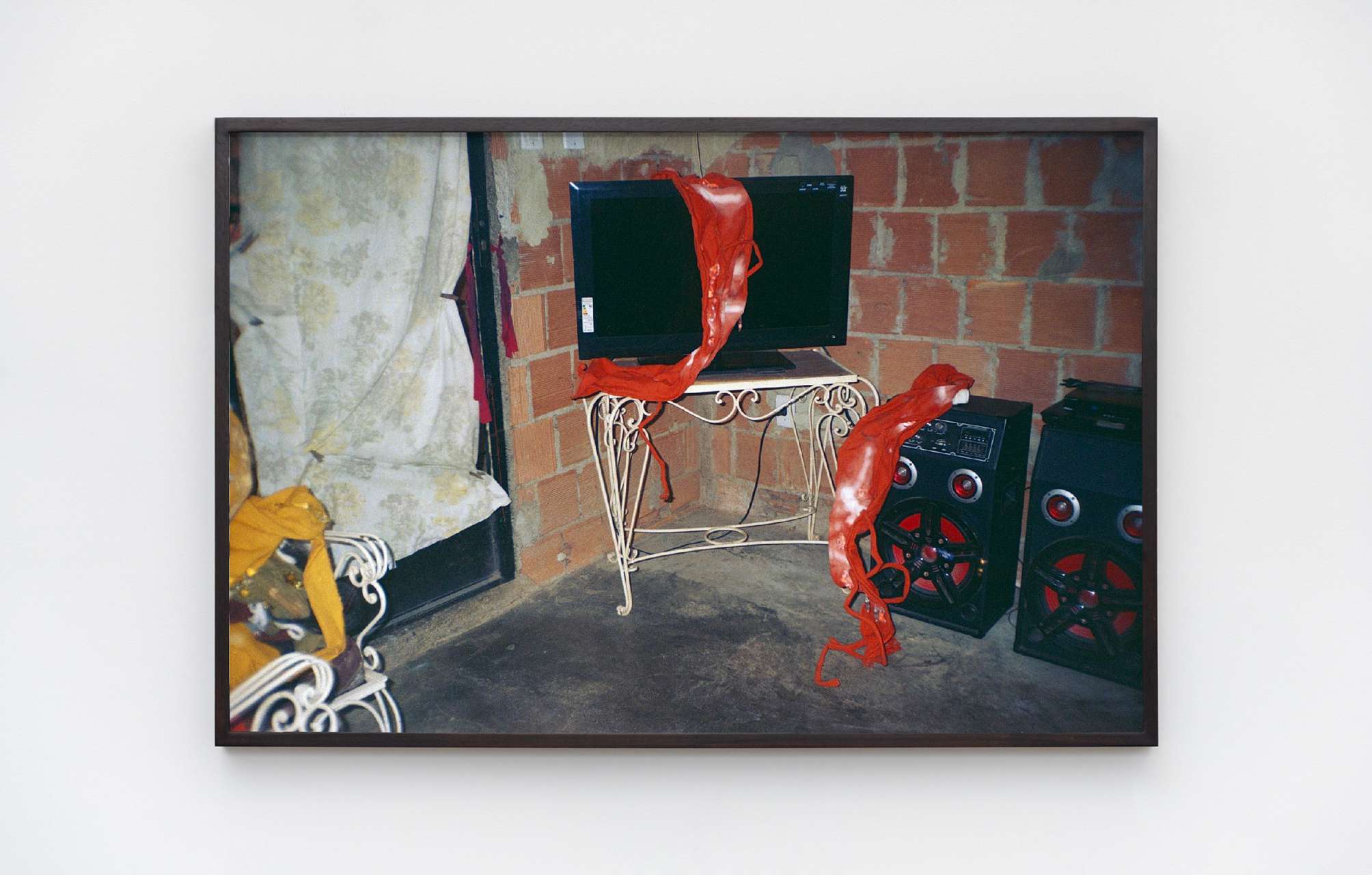
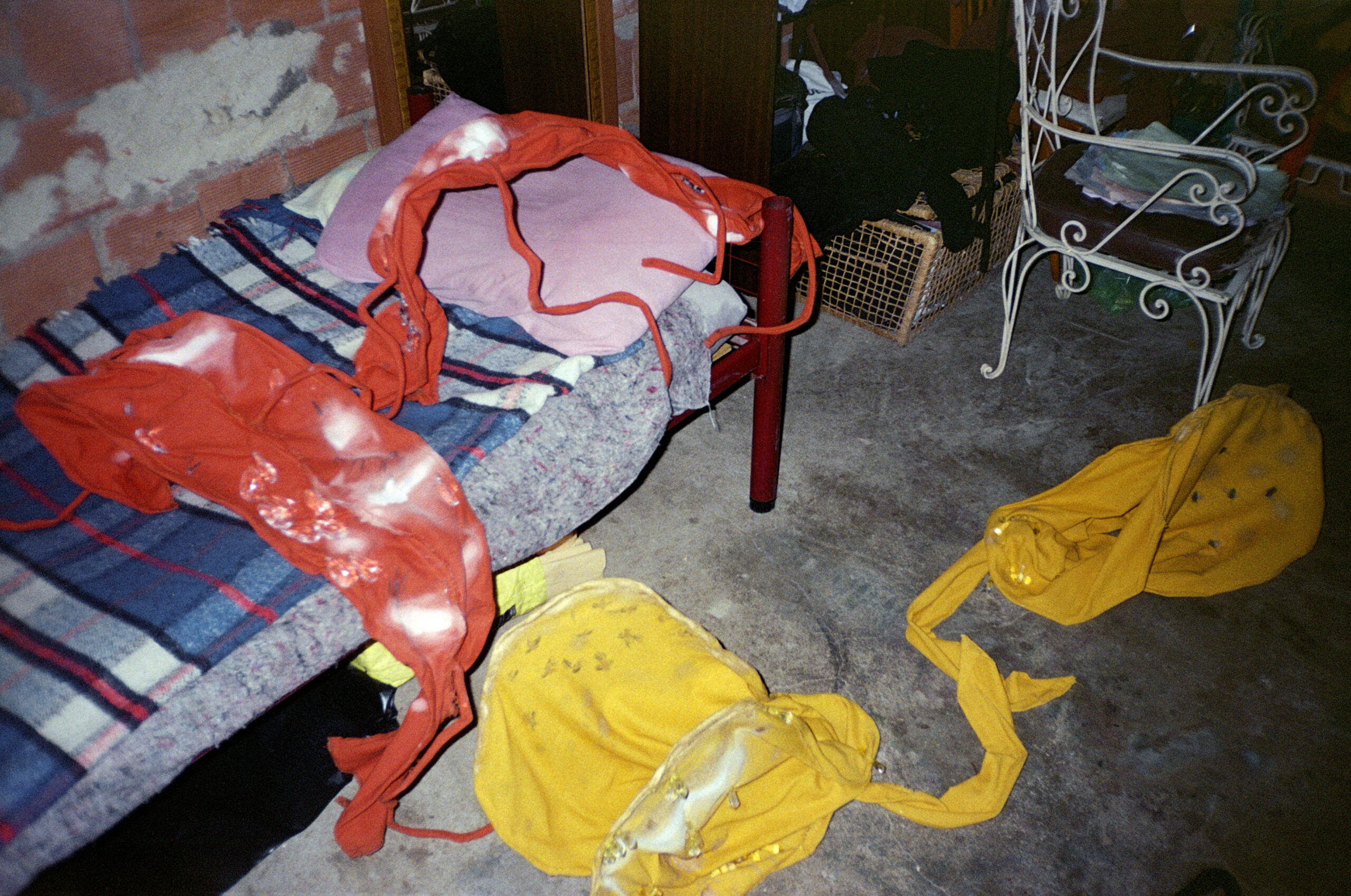
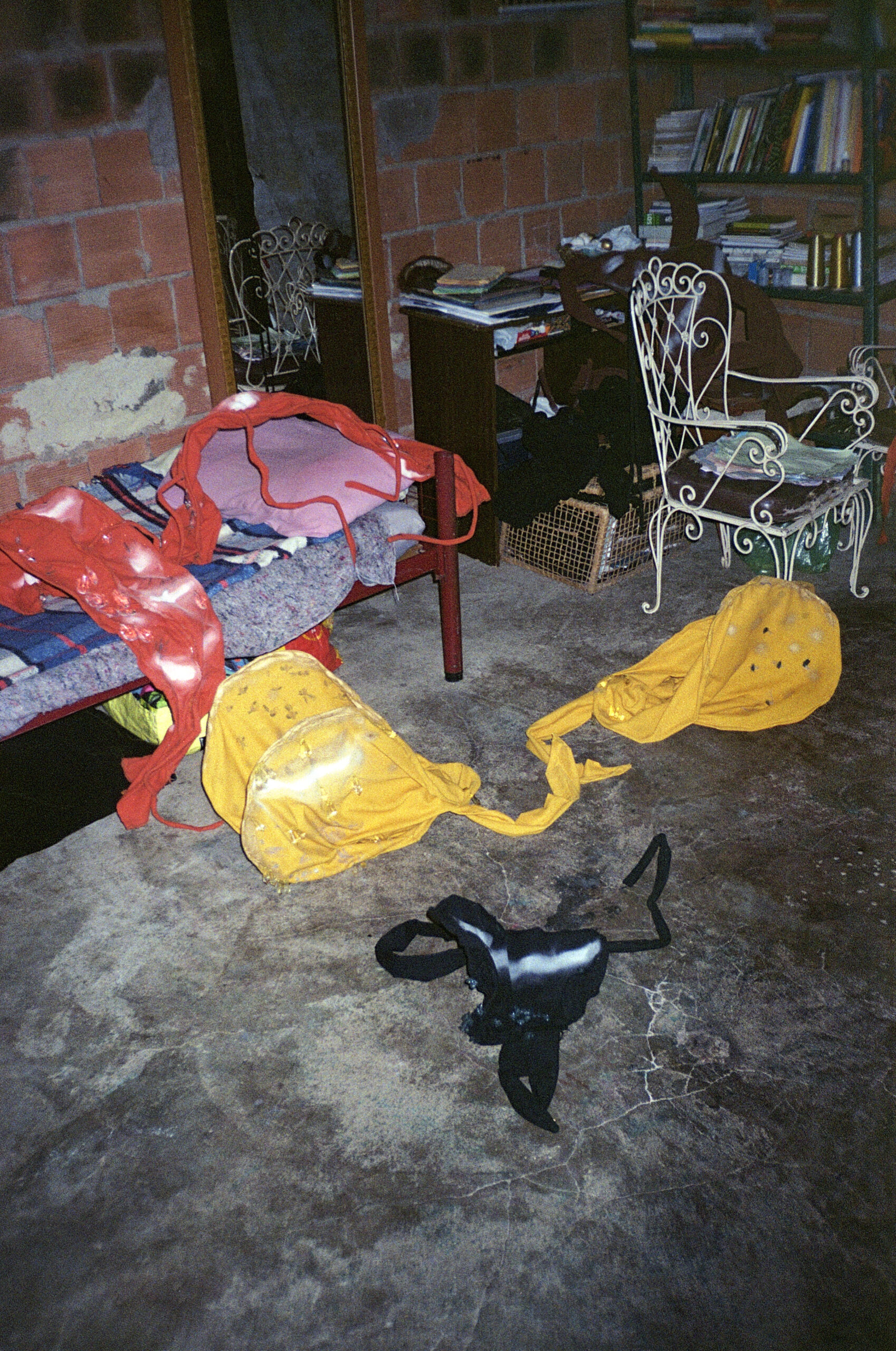
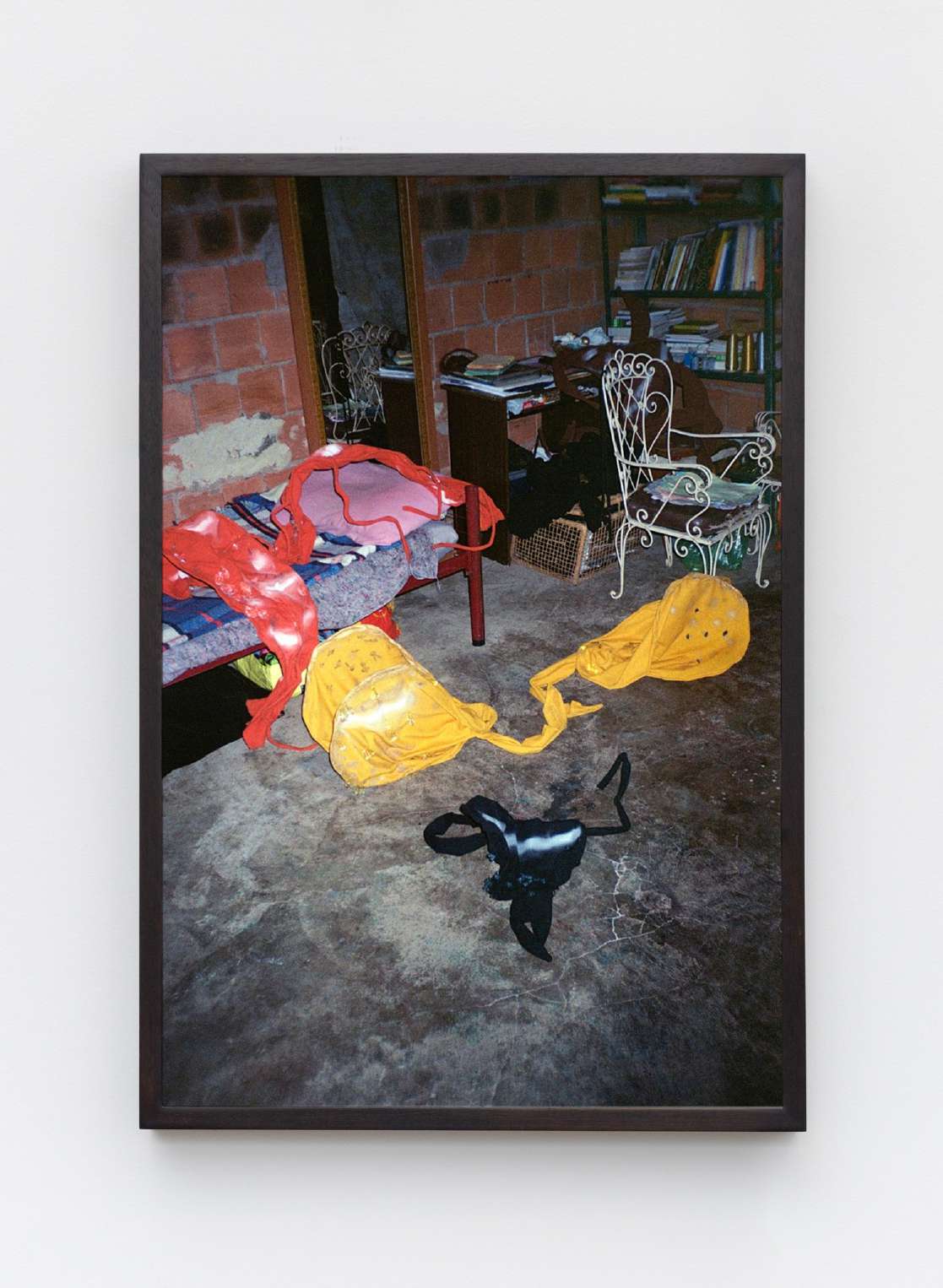
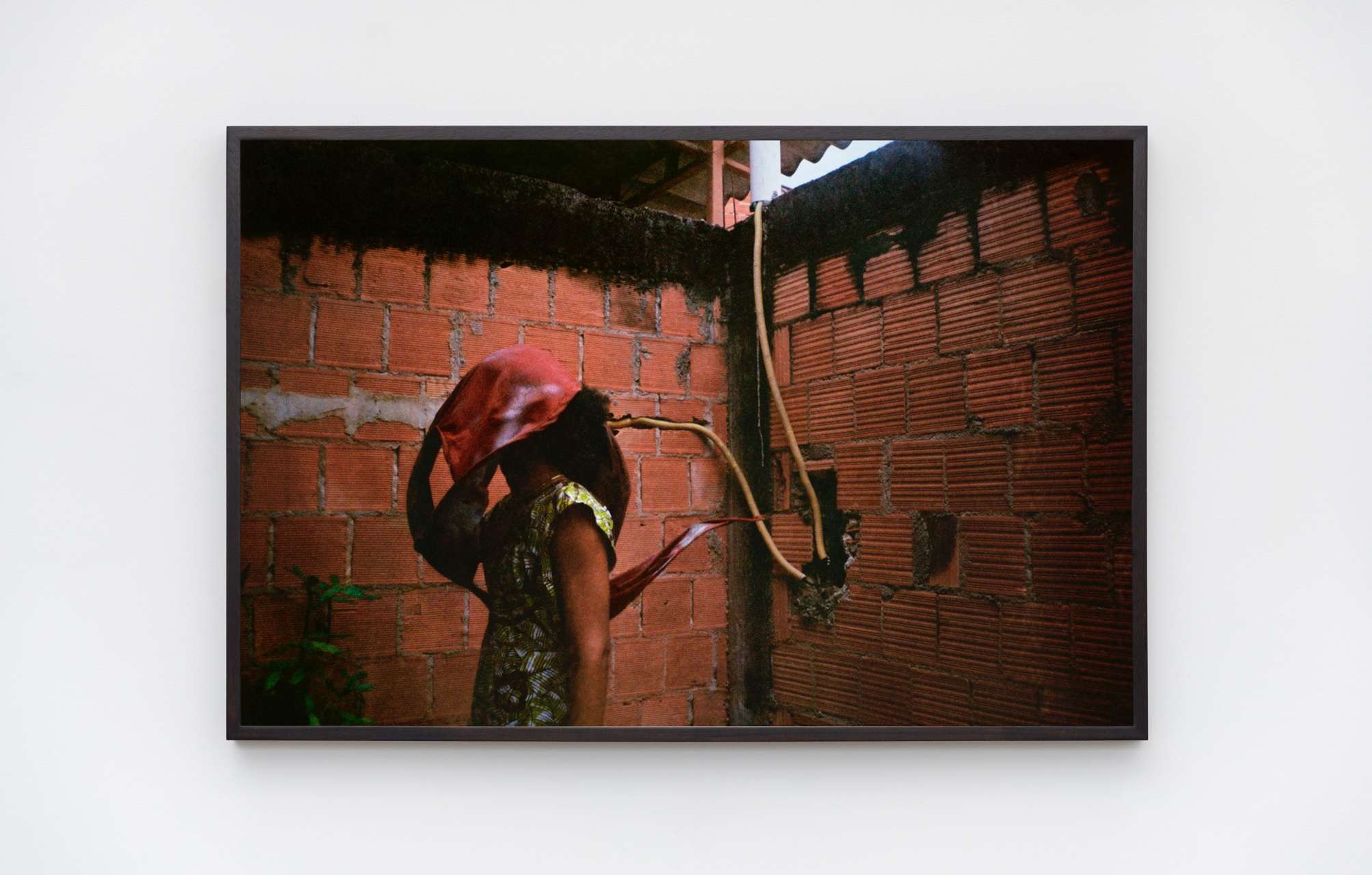
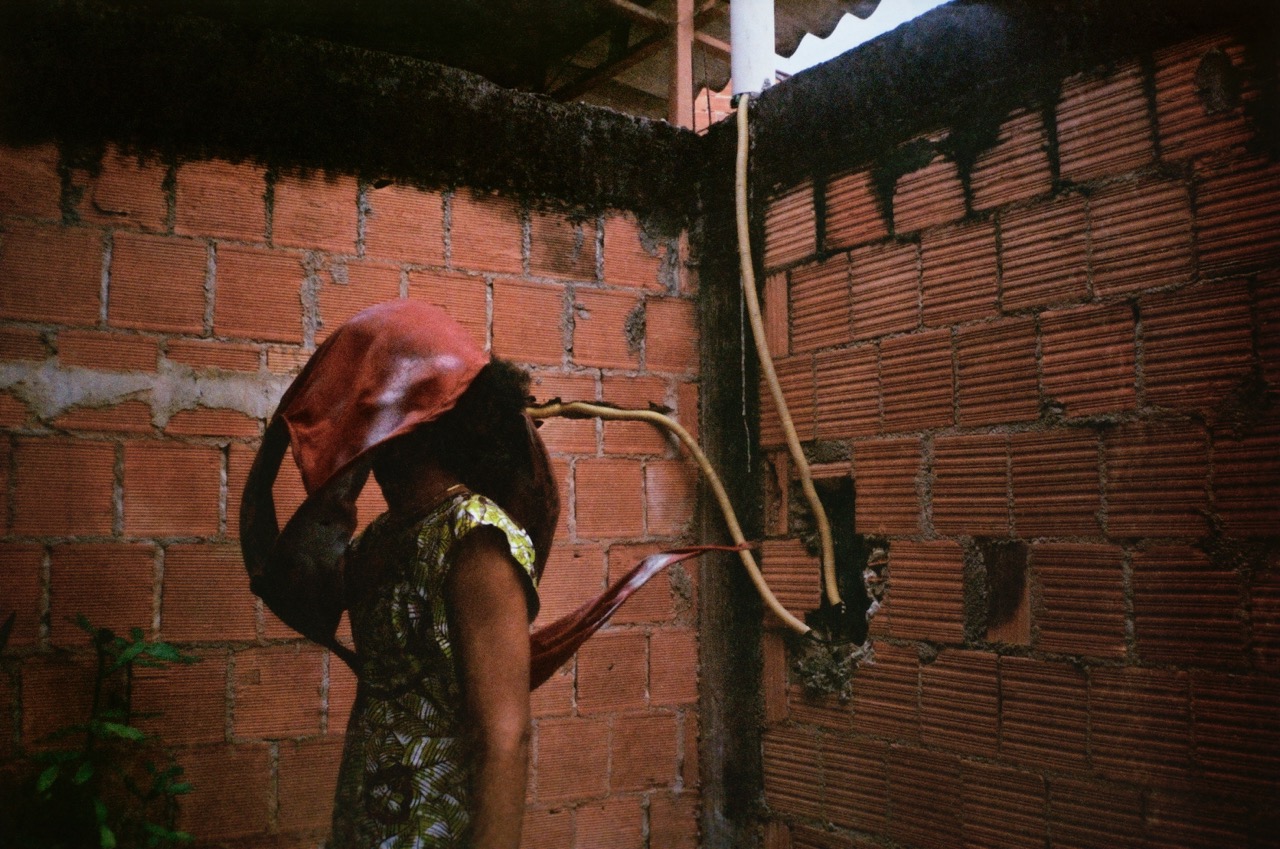
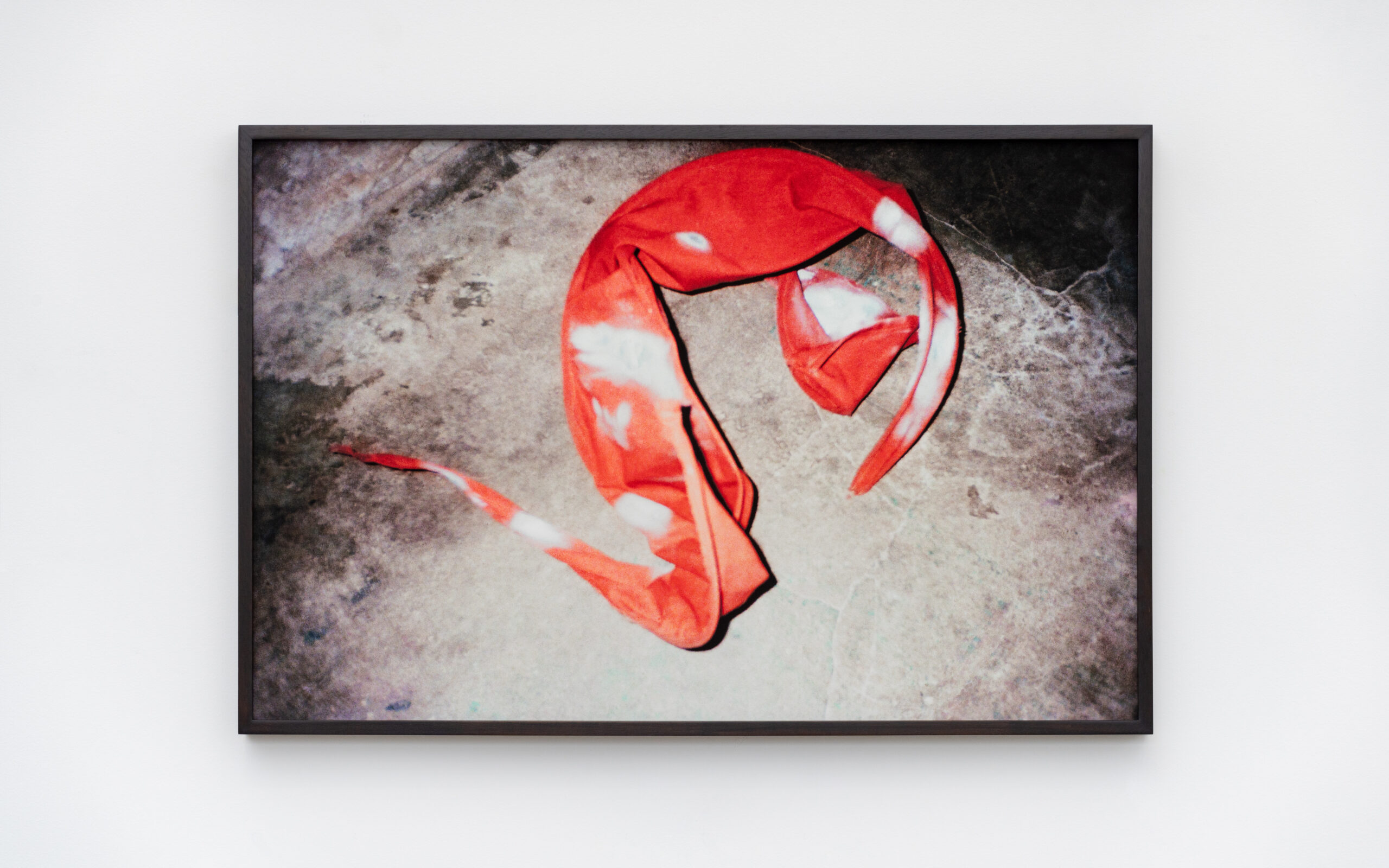
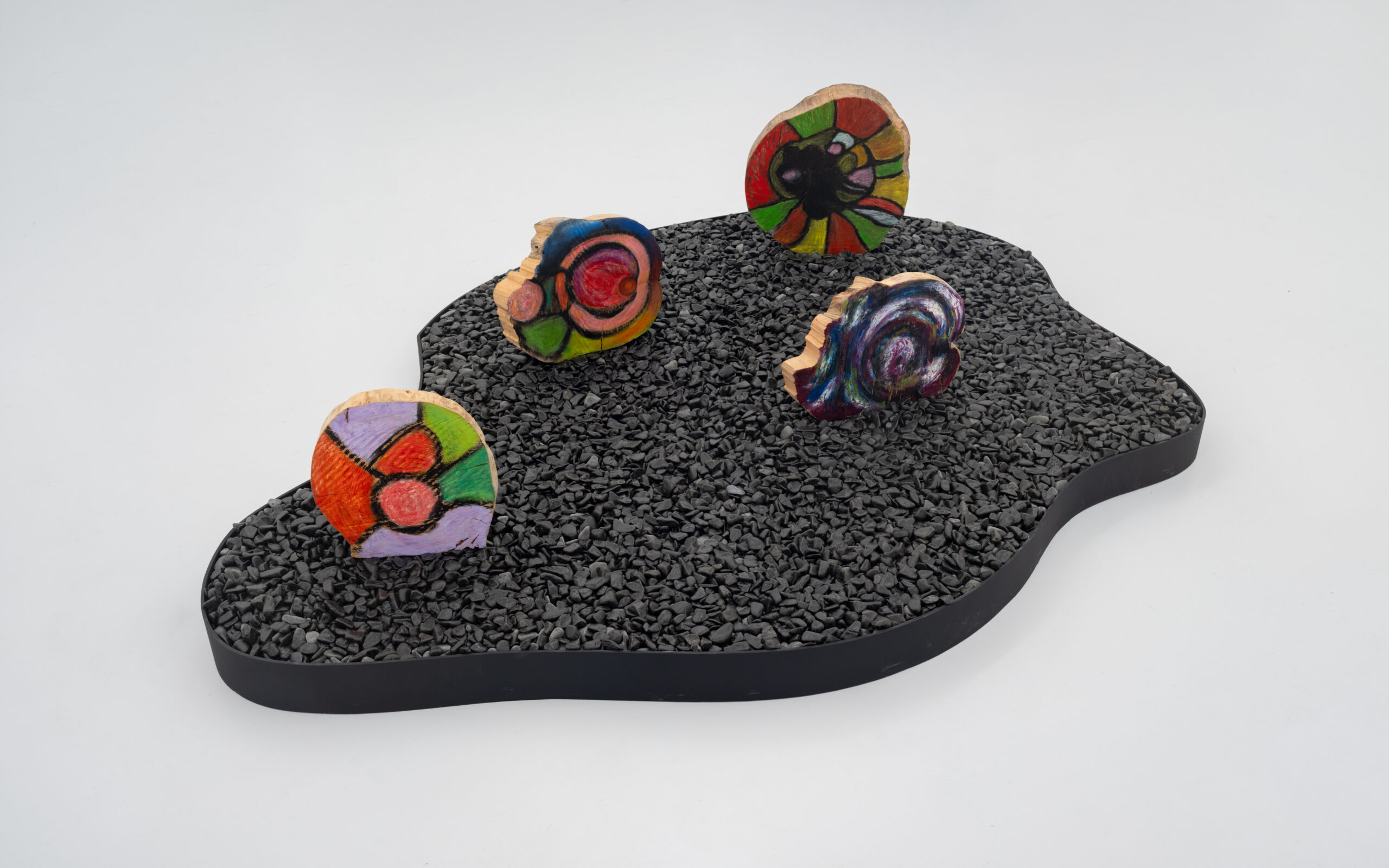
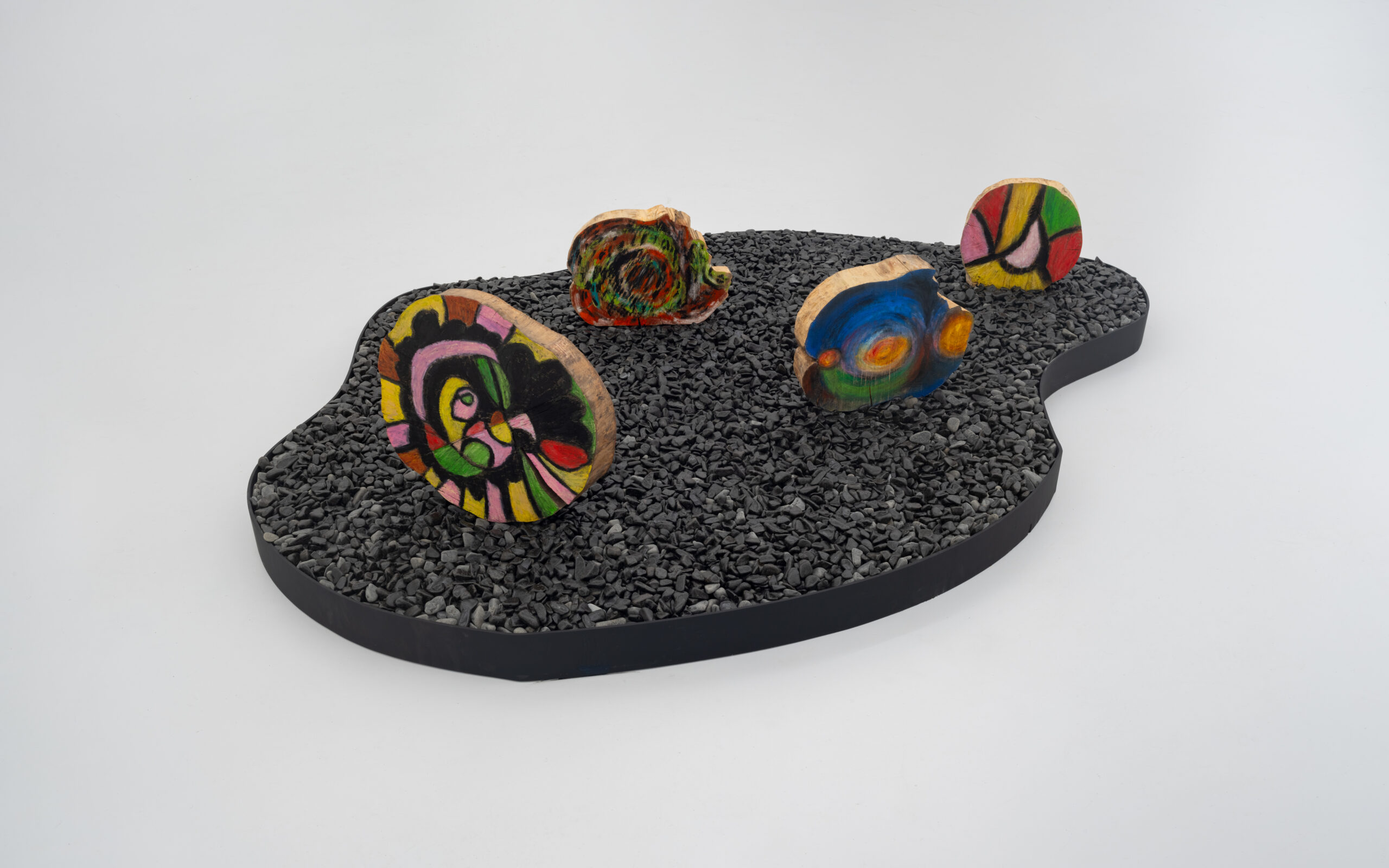
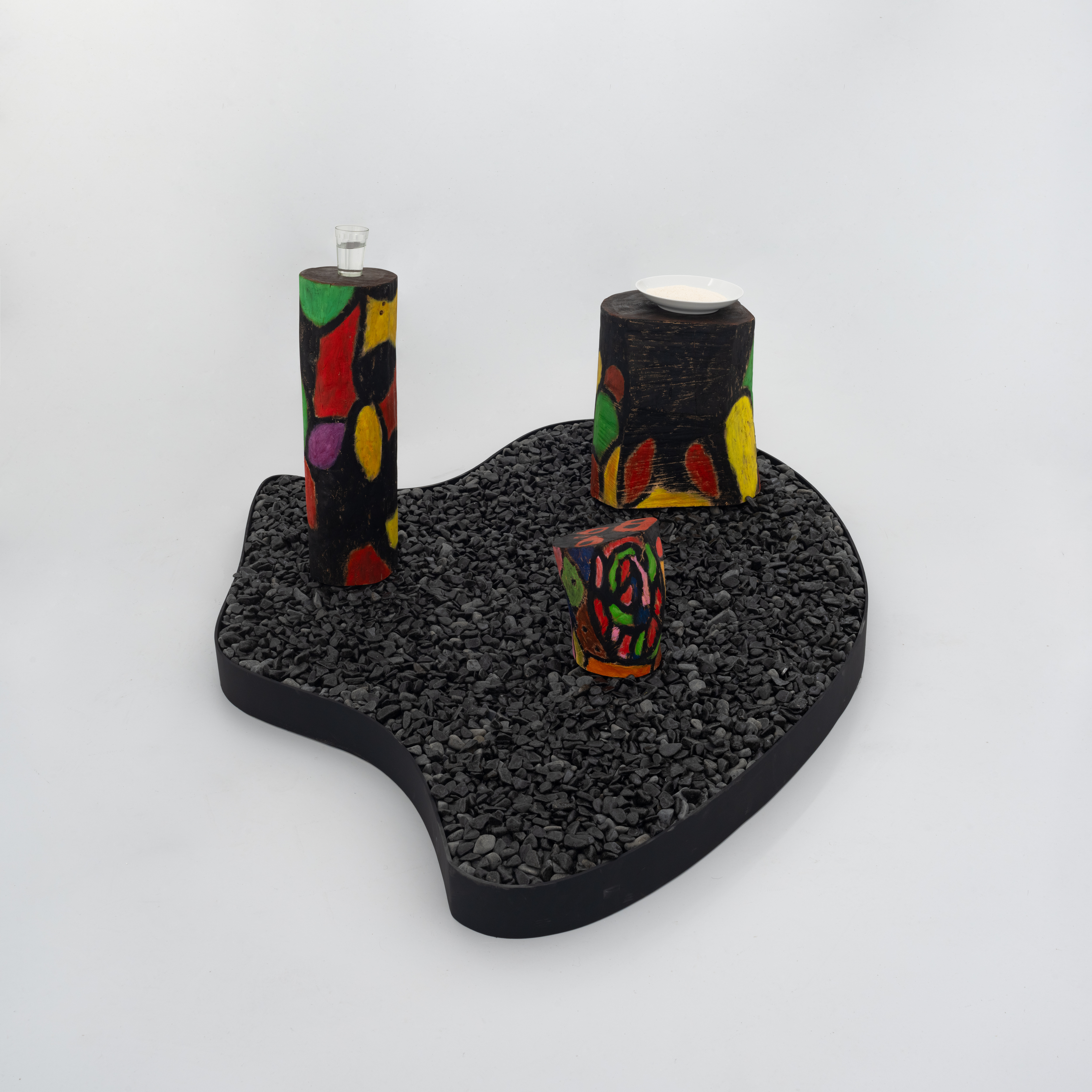
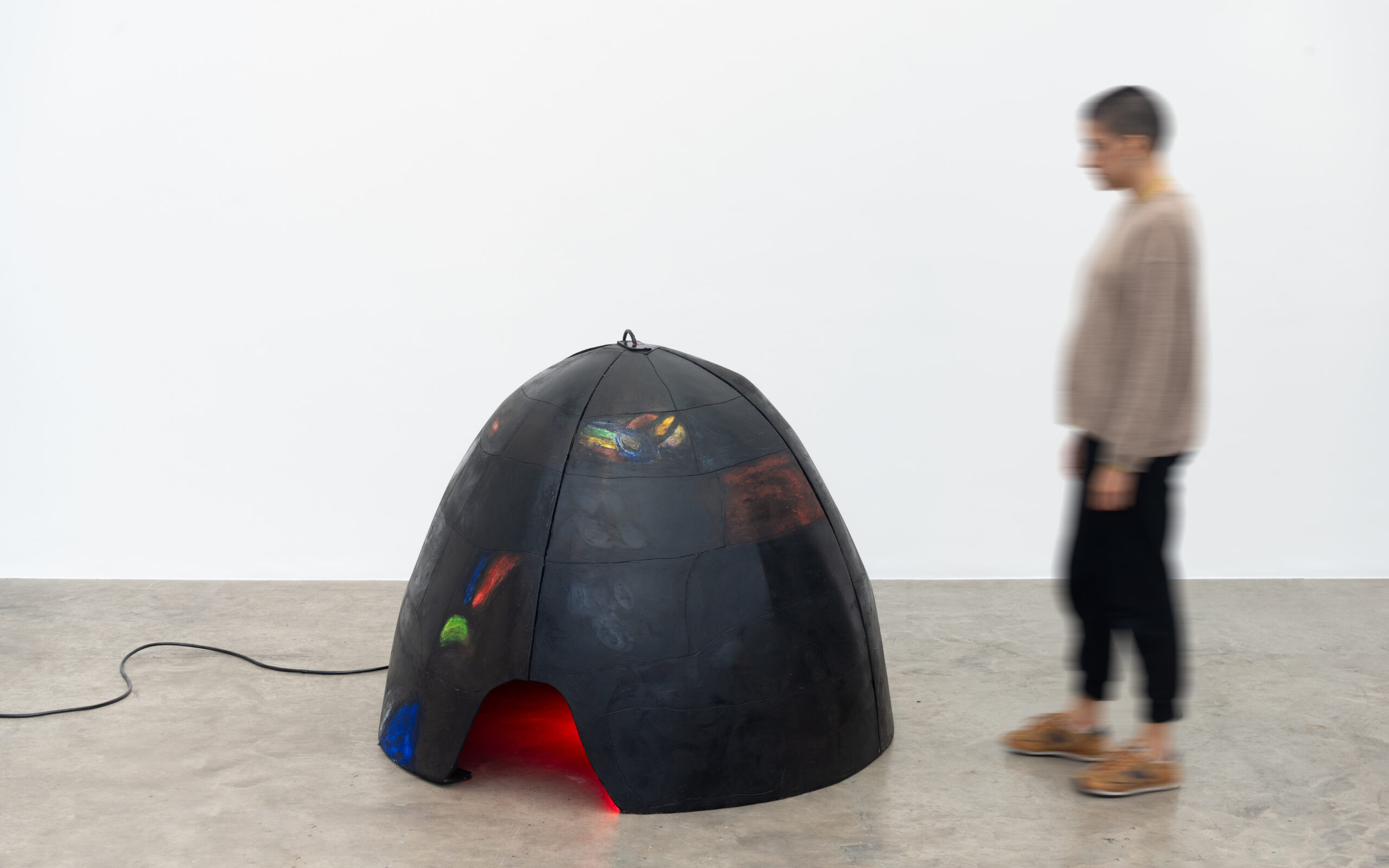
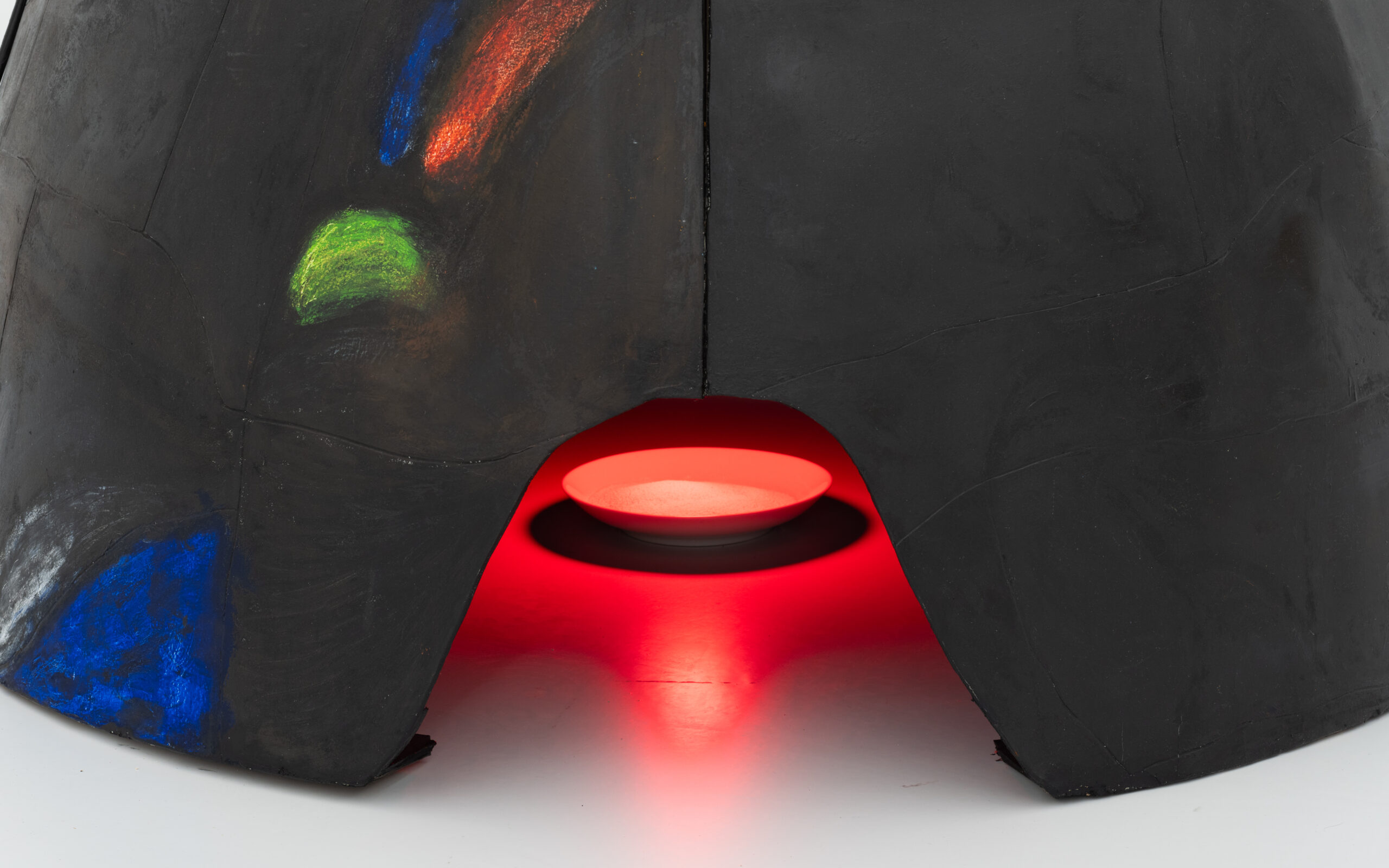
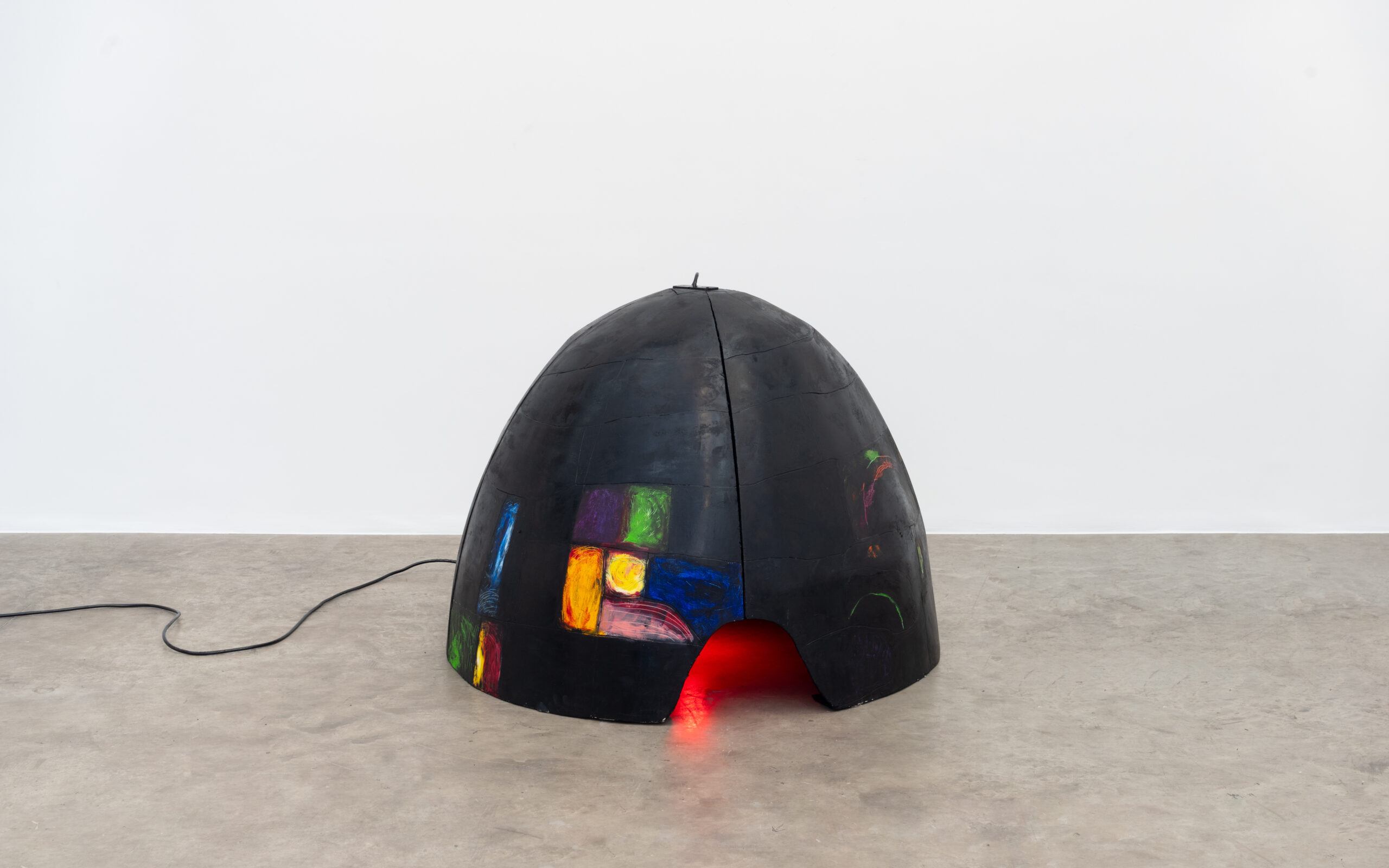
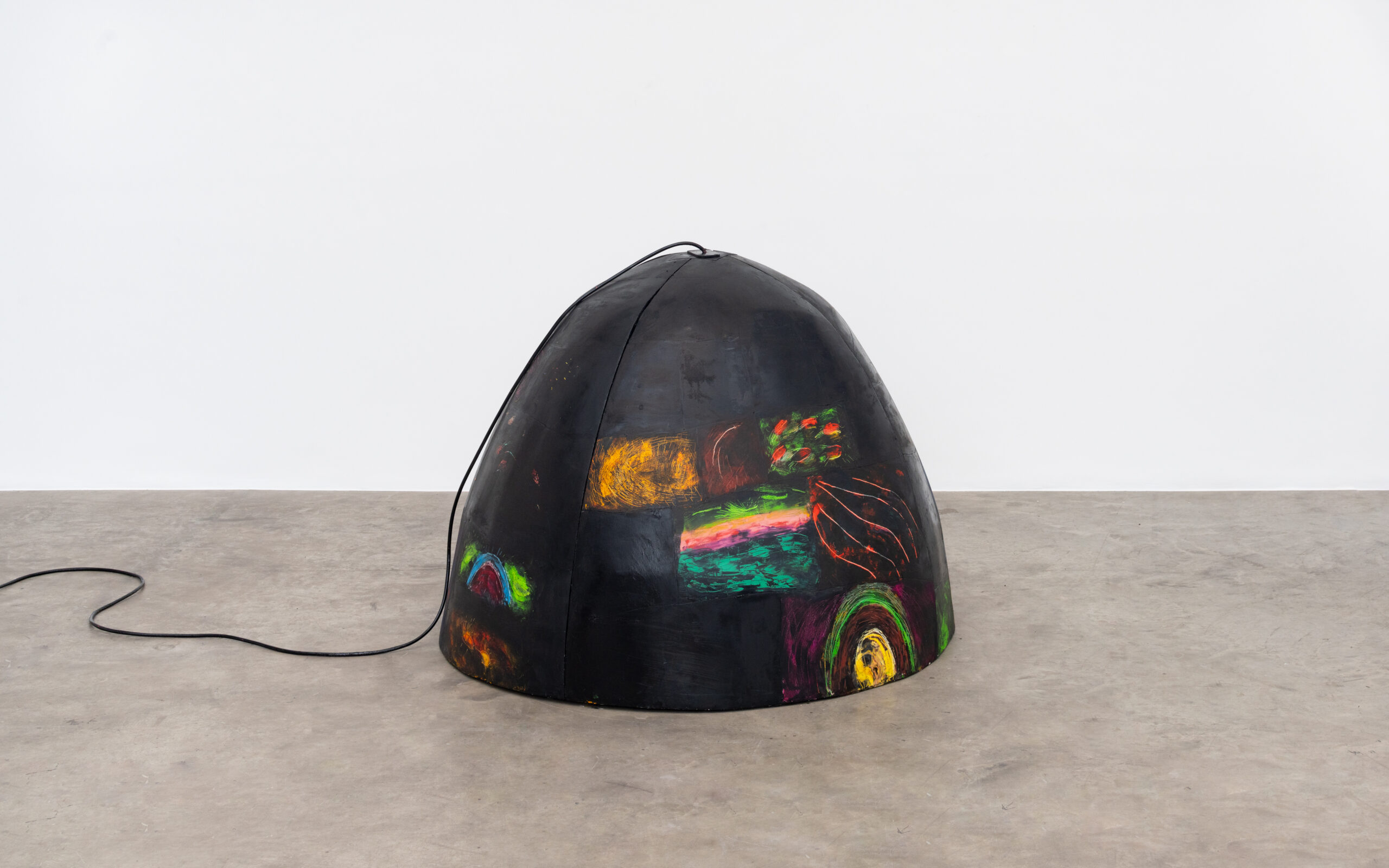
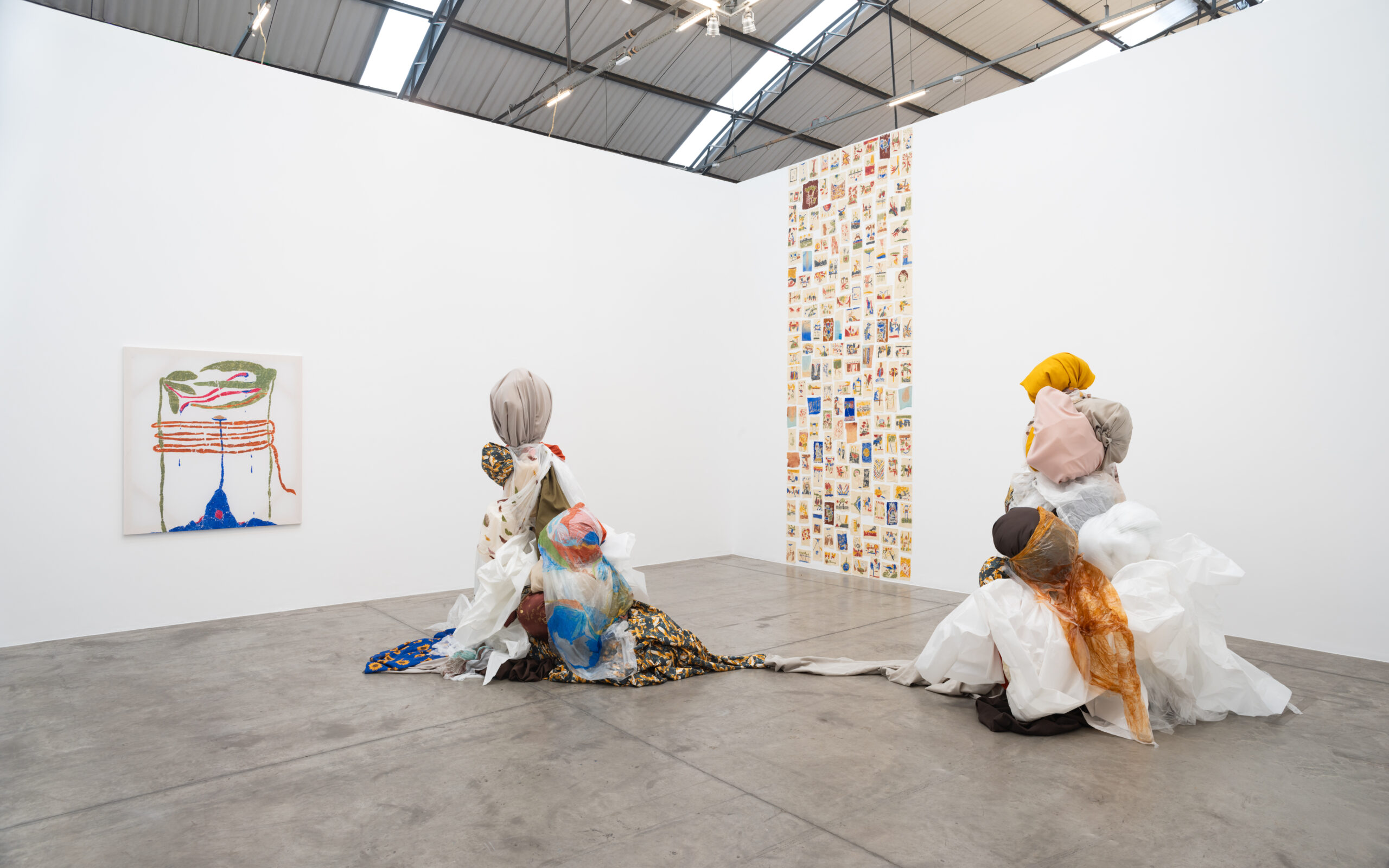
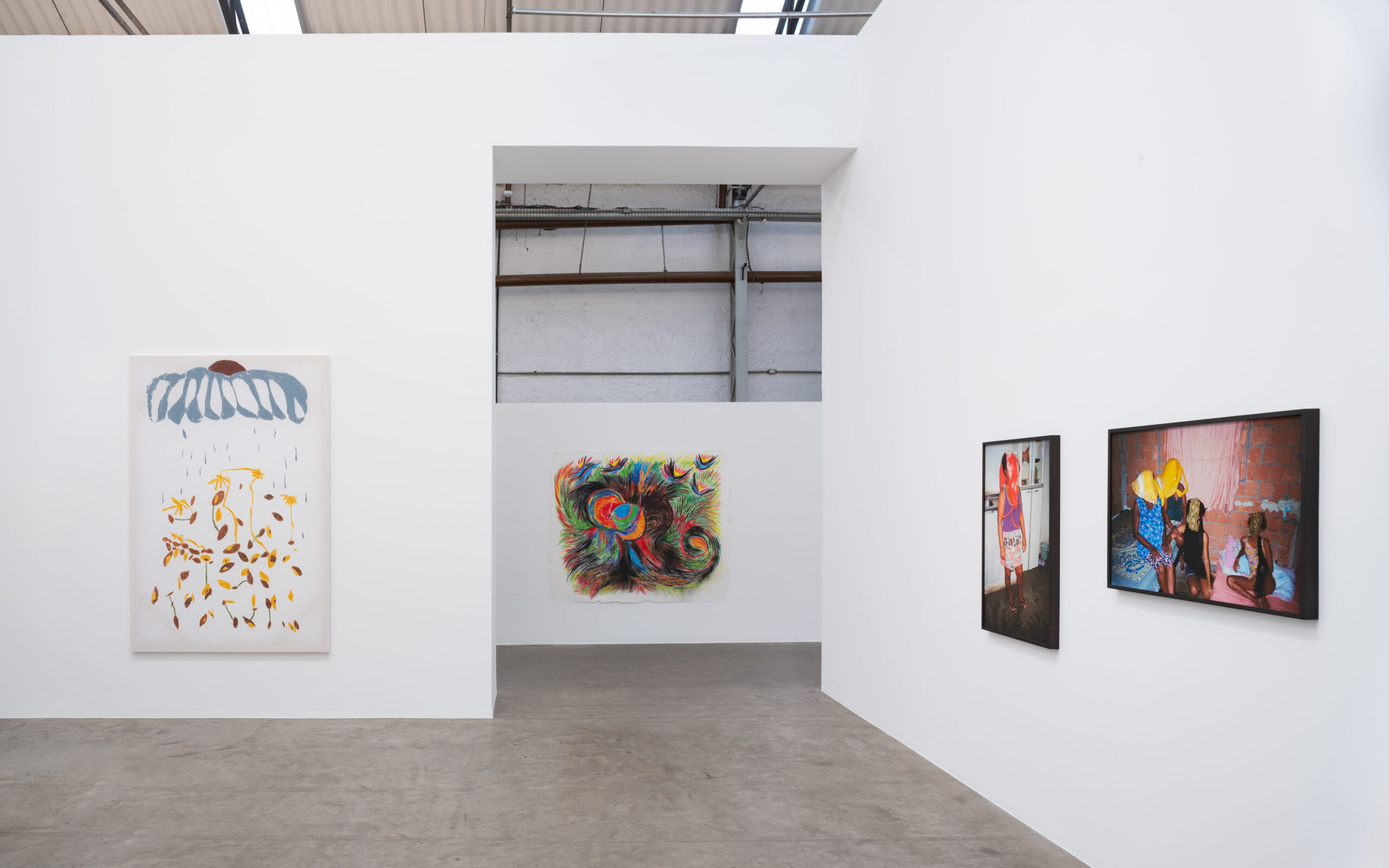
Tadáskía is interested in transformability as an existential premise. In her drawings, sculptures, books, photographs and installations, the transfiguration of colors, lines, shapes and stains produces the sensation of a latent state of impermanence, in which the most varied possibilities of transmutation are, at all times, on the verge of happening, of being repeated, of being renewed.
The fluidity and lightness with which transformability announces itself in the artist’s imagination challenges causality, the economy of needs and urgencies, or even the legal-moral rhetoric that establishes duties and claims rights. Unlike the transformative work that exudes from Ana Cláudia Almeida’s works, in Tadáskía transformation seems to be of the order of appearance, of things that simply happen, or not. If Almeida’s work is impregnated with memory, perhaps Tadáskía’s is filled with magic.
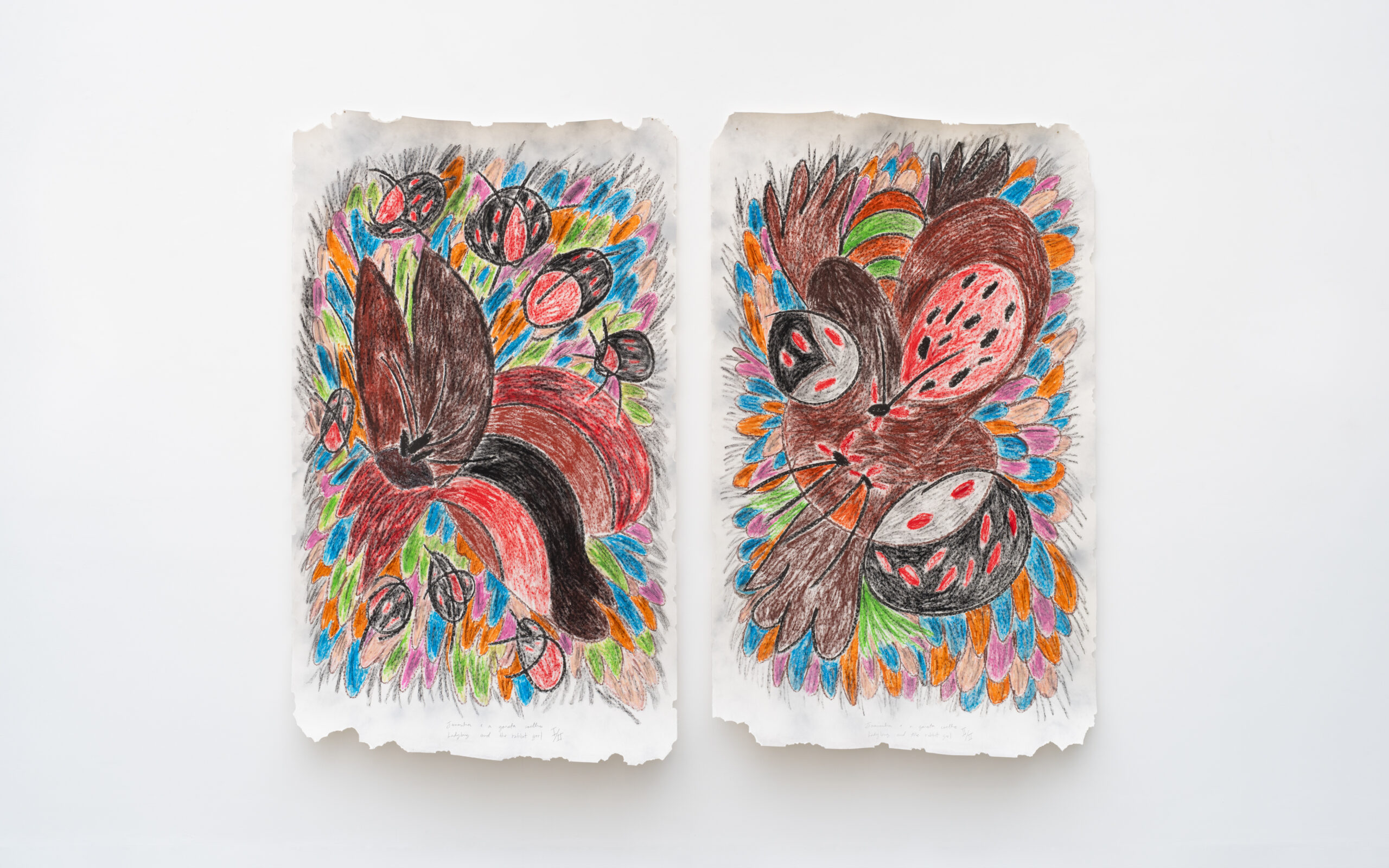
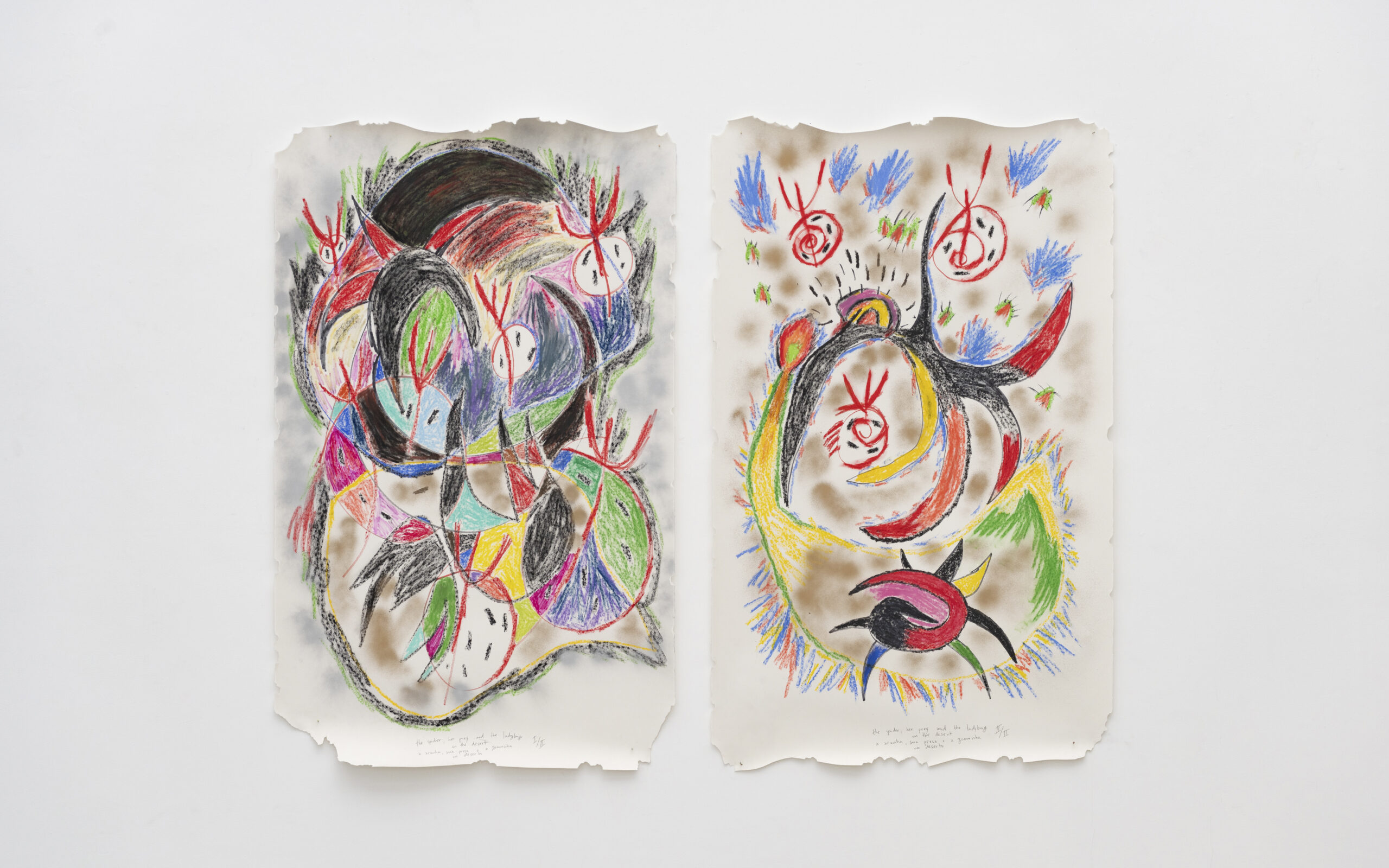
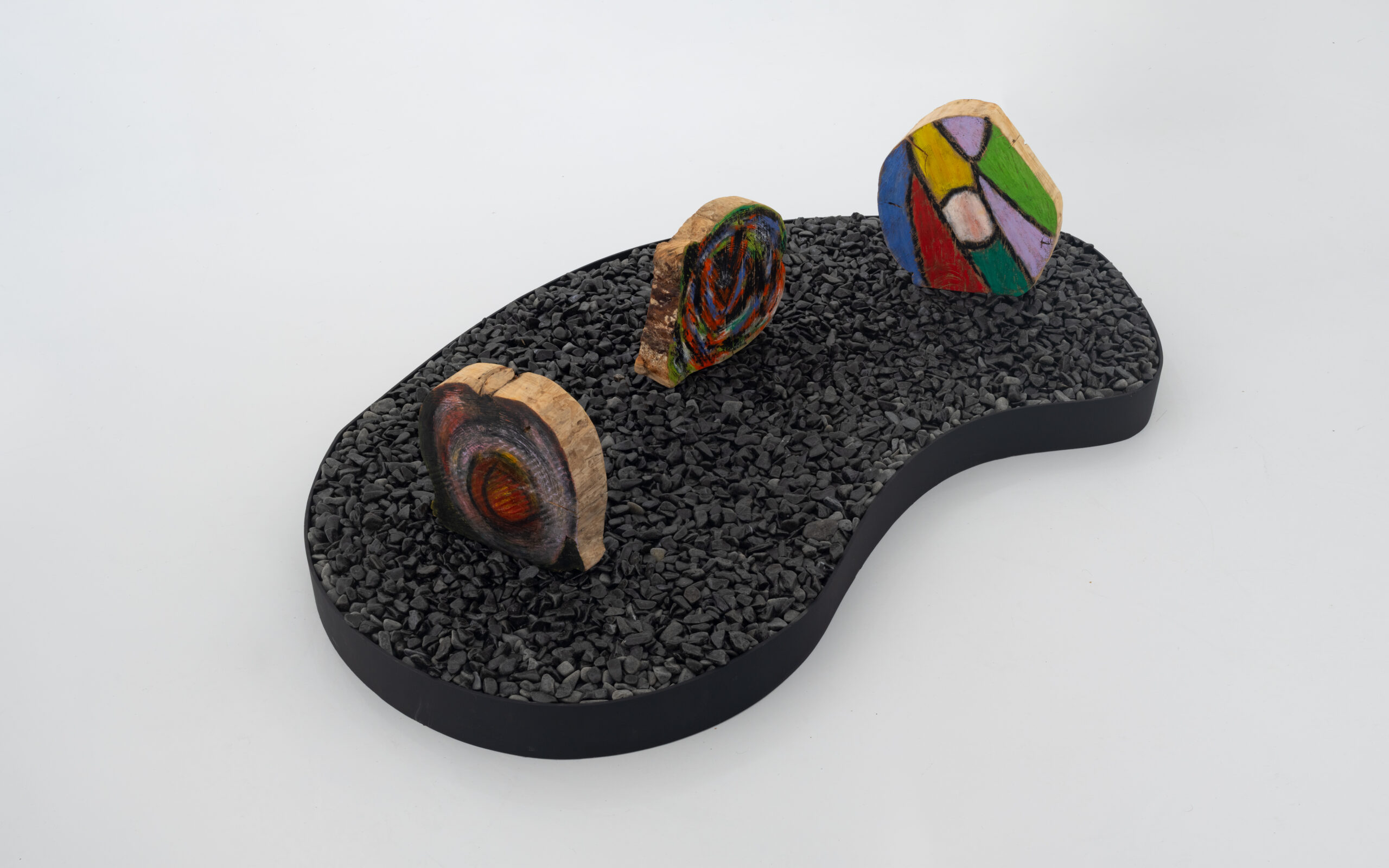
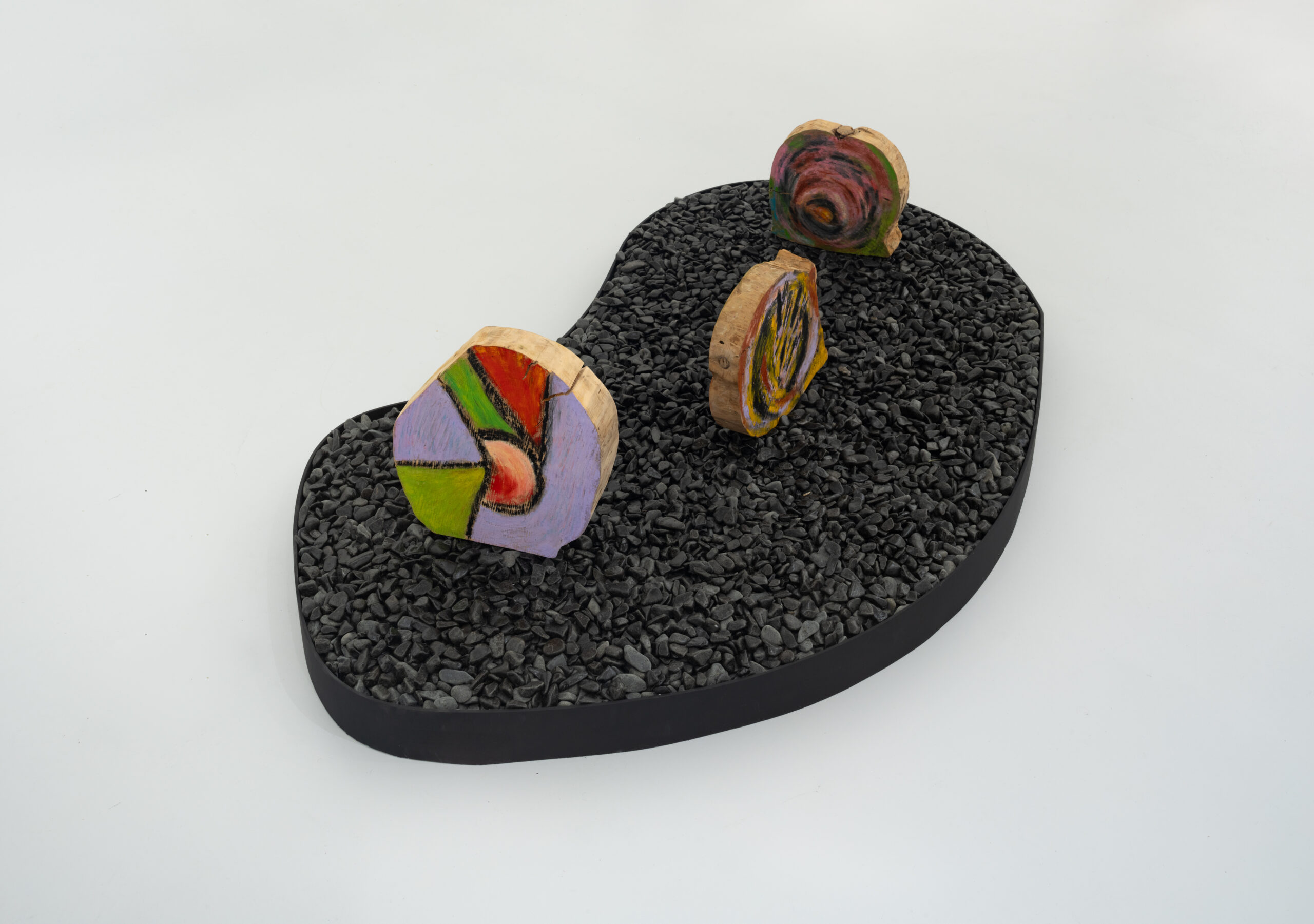
In addition to the bewitching behavior of the visuality of her work, the fabular character of her writings and stories becomes an antidote to the subjection of representation to the realist episteme. In works that behave like loose-page books, by playing at producing leaps and turns in the flows of the senses, it is the very linearity of narrative reason and its supposed coherences that Tadáskía provokes. It is in this territory of intentions that the exhibition features the drawings and sculptures that playfully bear witness to the ladybug saga.
As an artist who produces meaning, movement and transformation from the differences and incongruities between “being” and “seeming”, Tadáskía reimagines socially imposed rationalities and (im)possibilities. Her work does not lie beyond the “Real”, but below it. Her eminently oneiric lexicon makes the exercise of dreaming about changing forms her politics.
*
In the sets of works that now occupy Fortes D’Aloia & Gabriel and Quadra, in São Paulo, we witness one artist find her own color strange in the face of the other’s chromaticism, or marvel at the transformation of the dimensions of her work when seen from the scale of another’s work. Even fleetingly, the intentionality of one artist’s gestures can become disoriented when they touch another’s space-time. After all, to come close – and there’s the curatorship to prove it – is to produce misunderstandings.
But the opposite of equivocation is not truth. Its conformation is more geometric than moral: it’s not about making mistakes, but about dismantling the supposed unity of reality. Equivocation does not emerge from the different ways of “seeing the world”, but is situated between the “different worlds that are seen”, as Viveiros de Castro puts it. Its inverse is not reality, but the univocal.
Equivocation is therefore neither an insufficiency of understanding nor an imprecision of the order of perception, but is the very condition of interpretation. It is through equivocation that we instill variations in univocity, transforming unity into an endlessly interpretable multiplicity.
*
A society that dreams of being less exclusionary calls on us to experiment with conceptions of formativity that welcome the – sometimes magical – freedom of transmutation, as well as transformation as a policy for manufacturing memory and permanence. A formativity that doesn’t force subjectivities, bodies and senses to stop their continuous metamorphosis so that they fit into the imperial shutter and, fossilized by the patrimonialist imaginary, can ‘conquer the privilege’ of not being forgotten – both forever and now.
It is from this transformative vocation that in this exhibition we desecrate the mirror as an archetypal form of representation and relationality. With Ana Cláudia Almeida & Tadáskía, we want to unlearn the comparative grammar that has converted proximities into similarities and naturalized translation as an exercise in adapting the meanings of others to the terms of our own metrics.
Clarissa Diniz