bias
Claudio Cretti, Marcelo Pacheco and Thomaz Rosa
curated by Daniela Avellar
September 12, 2024 - October 18, 2024
São Paulo
An attentive look during the walk offers clues – gifts, objects, images, matter, pieces. It’s up to the hands, movement and thought to give shape to the forms once imagined, albeit unconsciously.
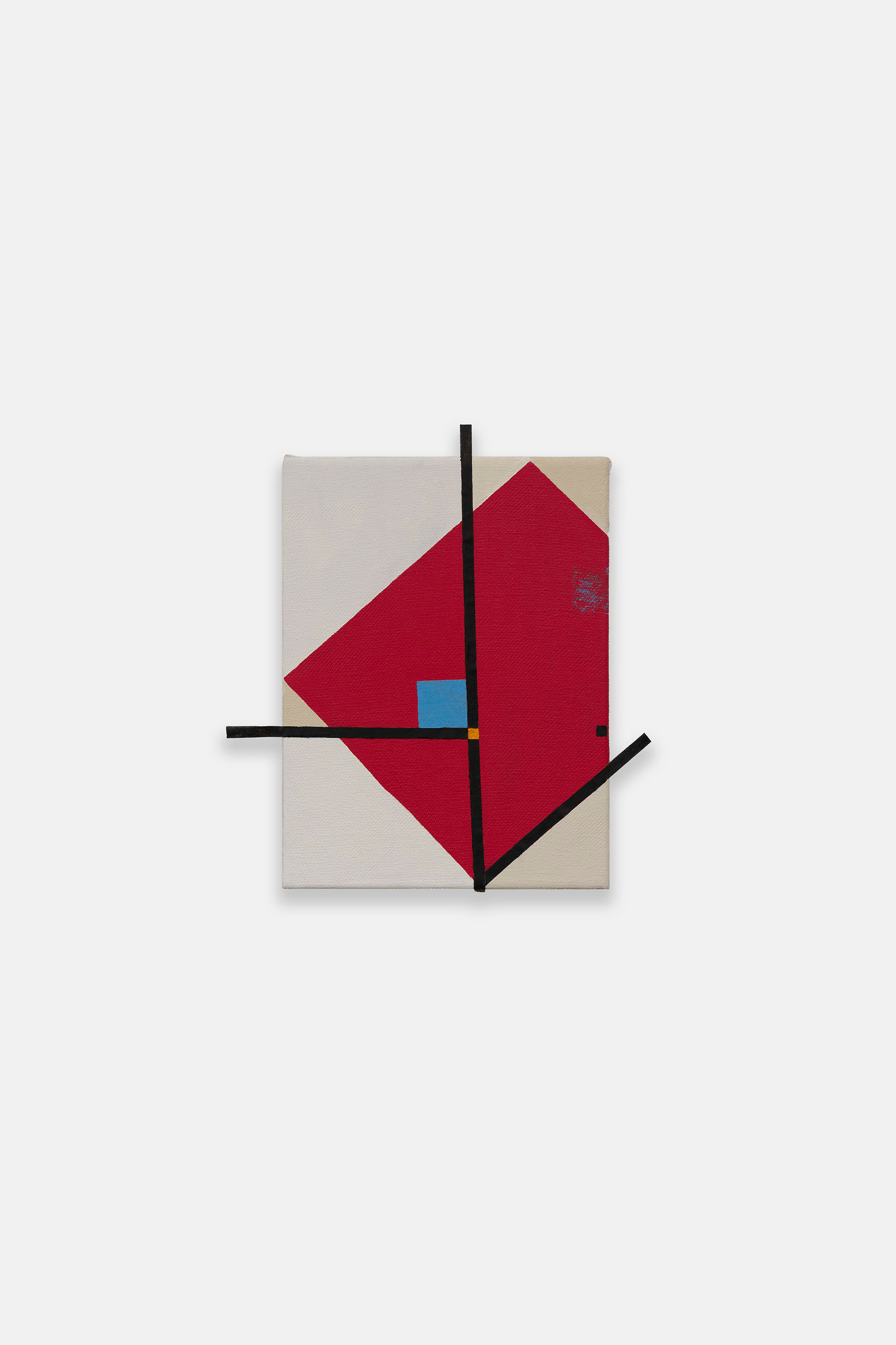
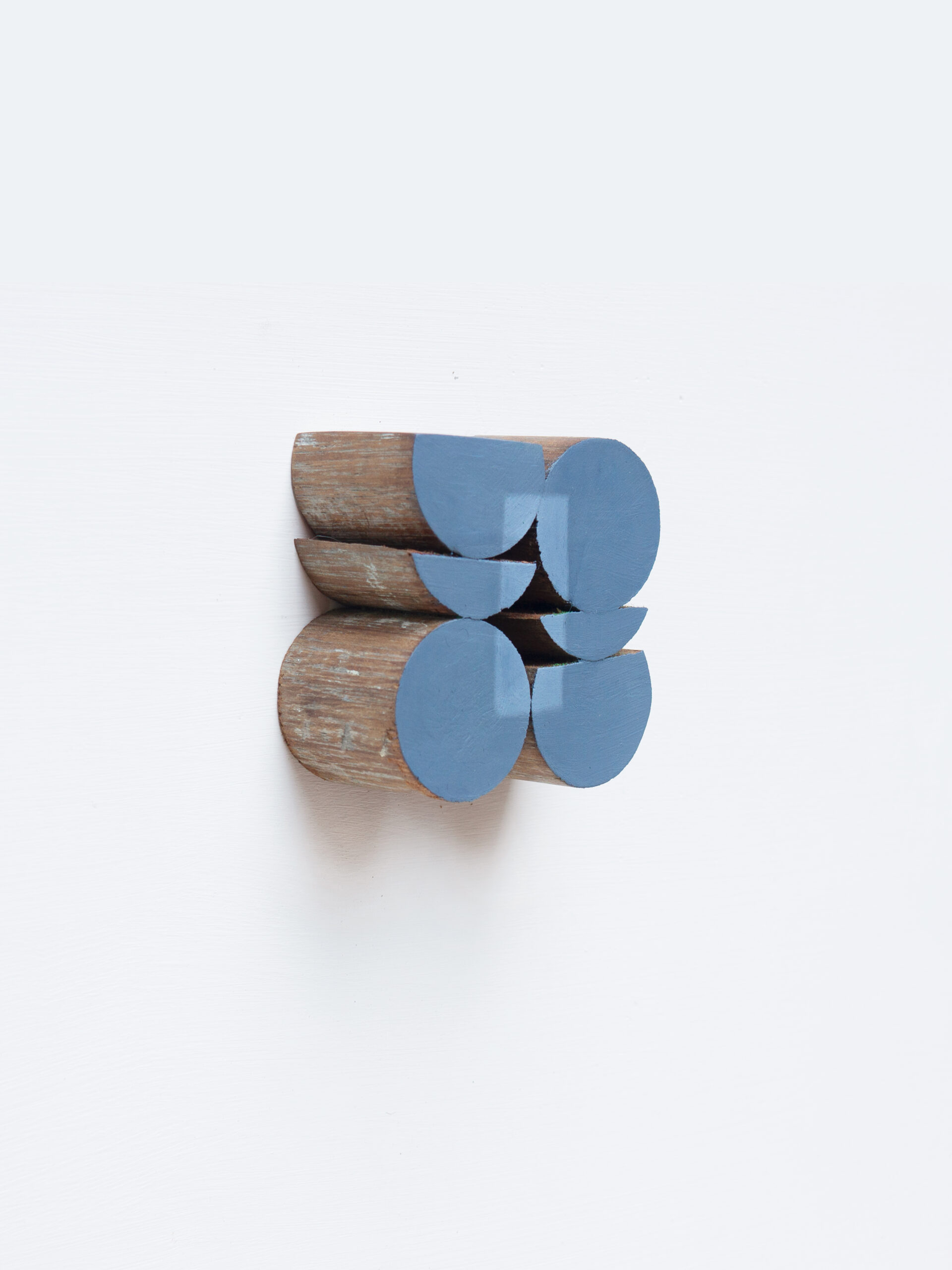
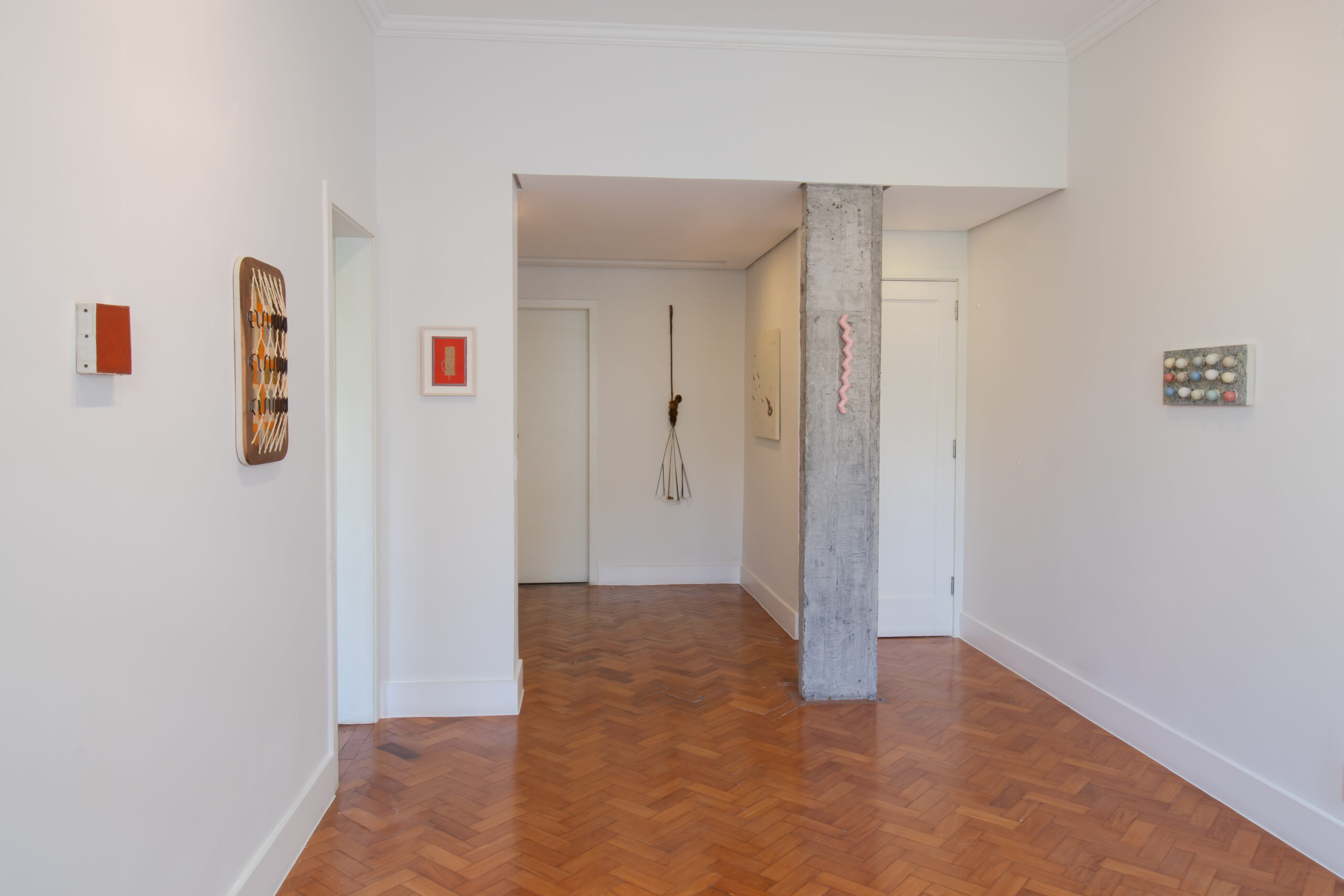
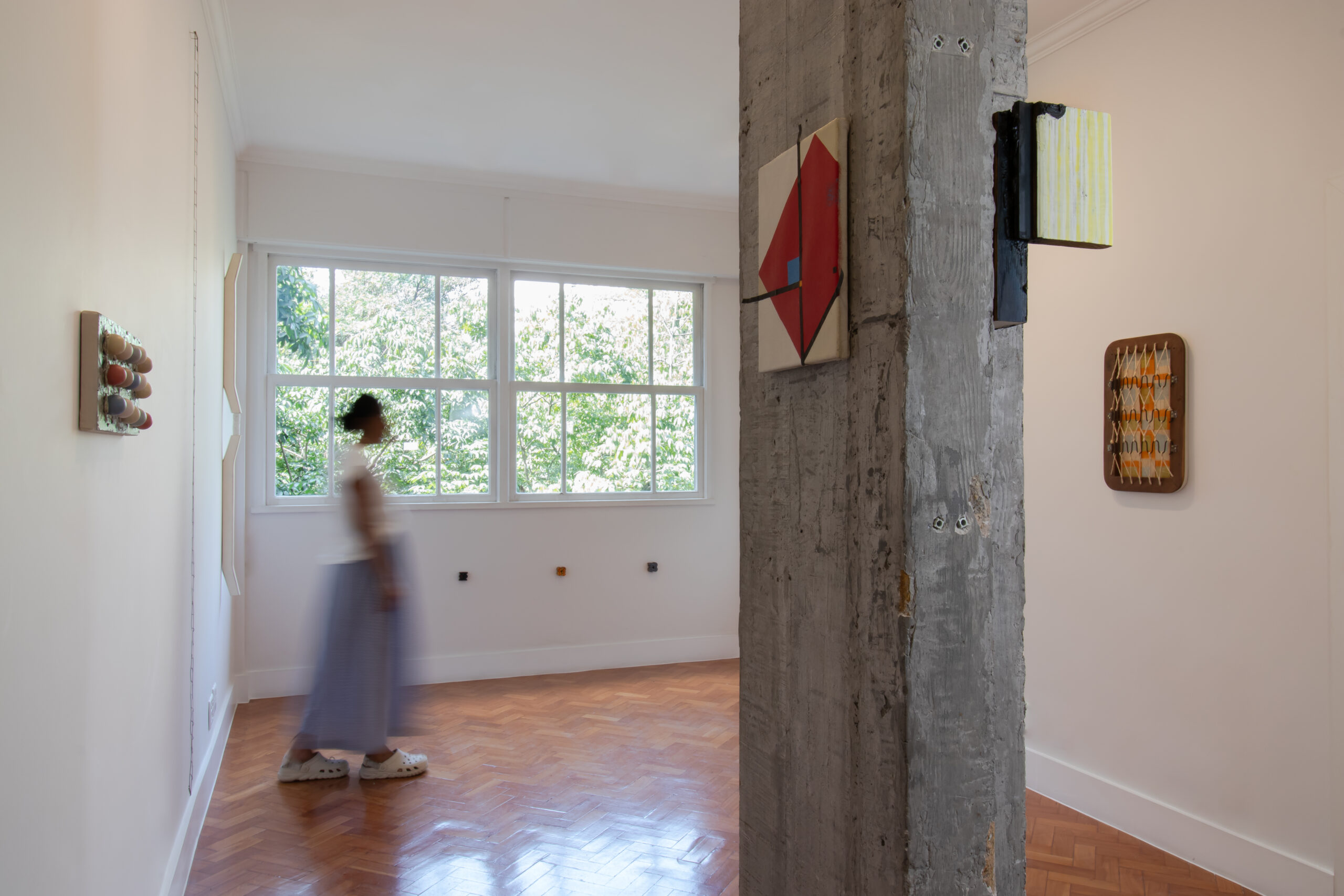
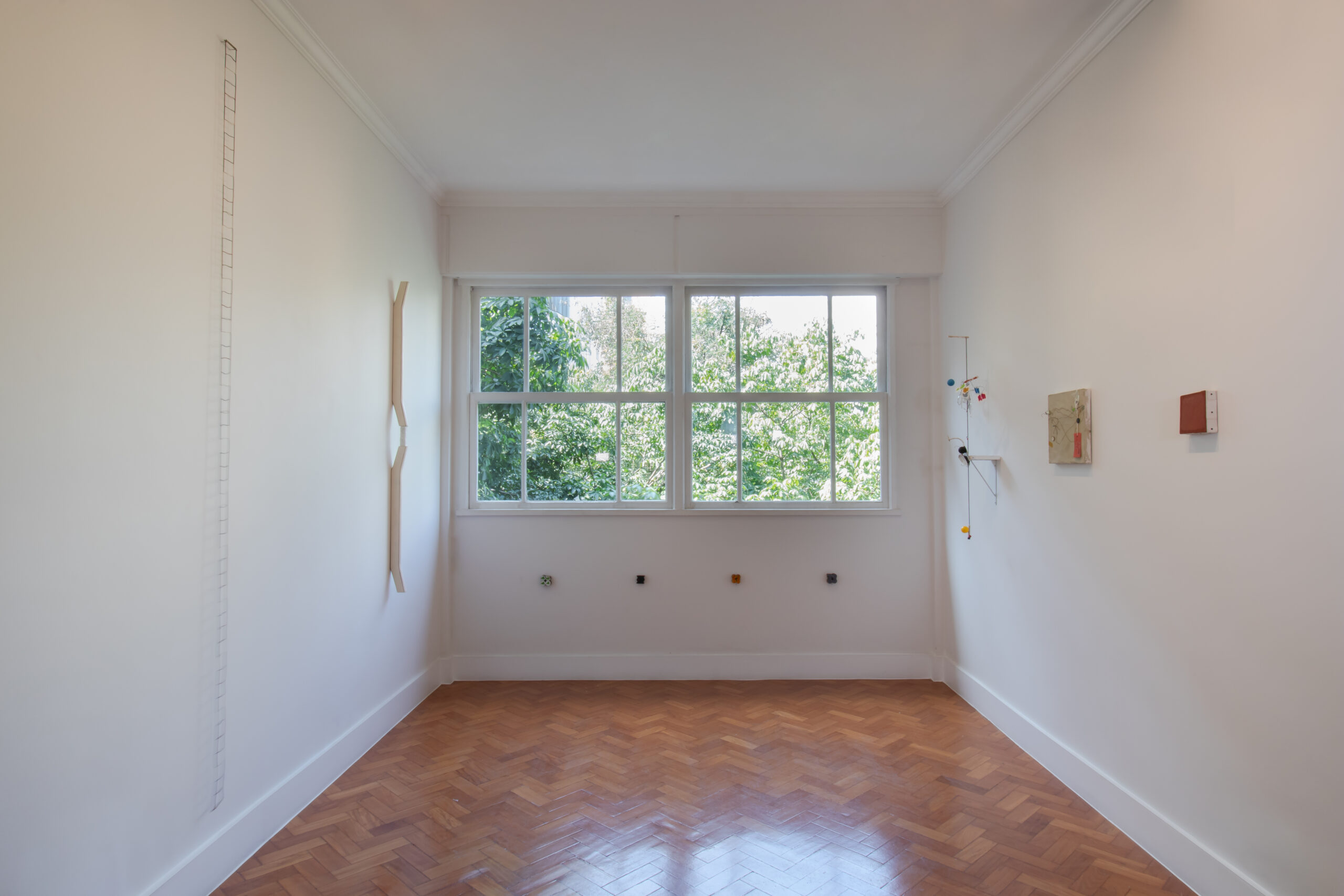
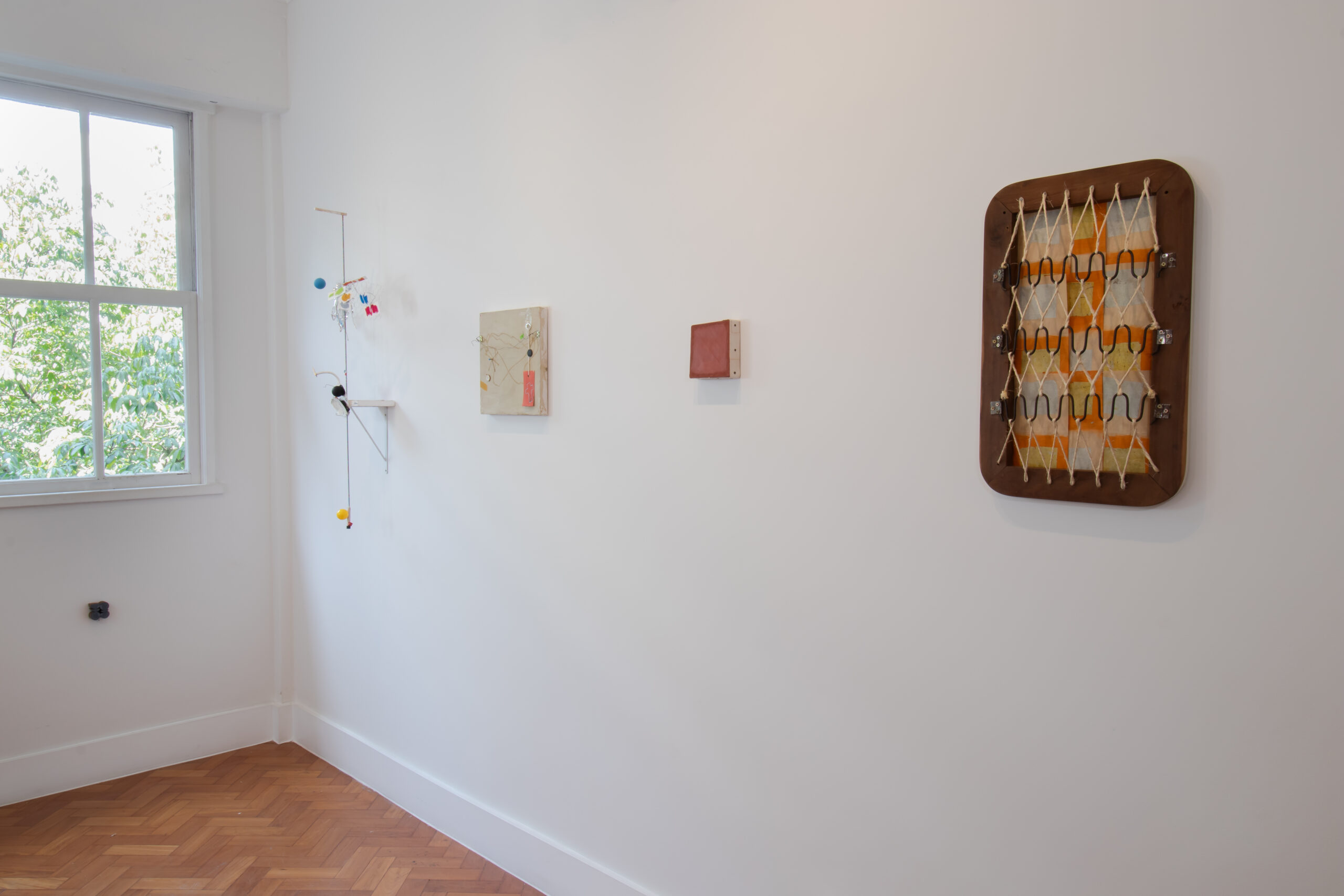
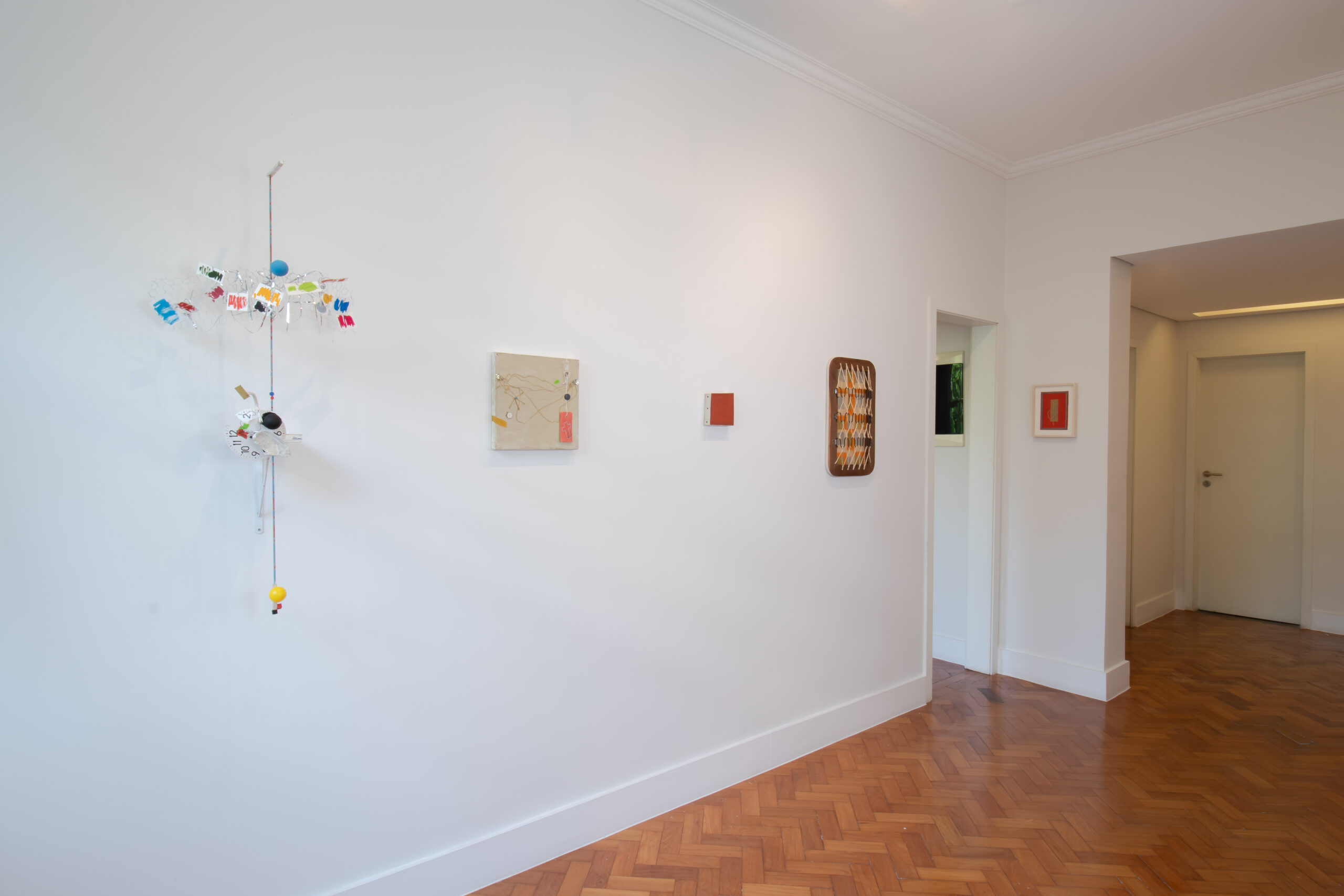
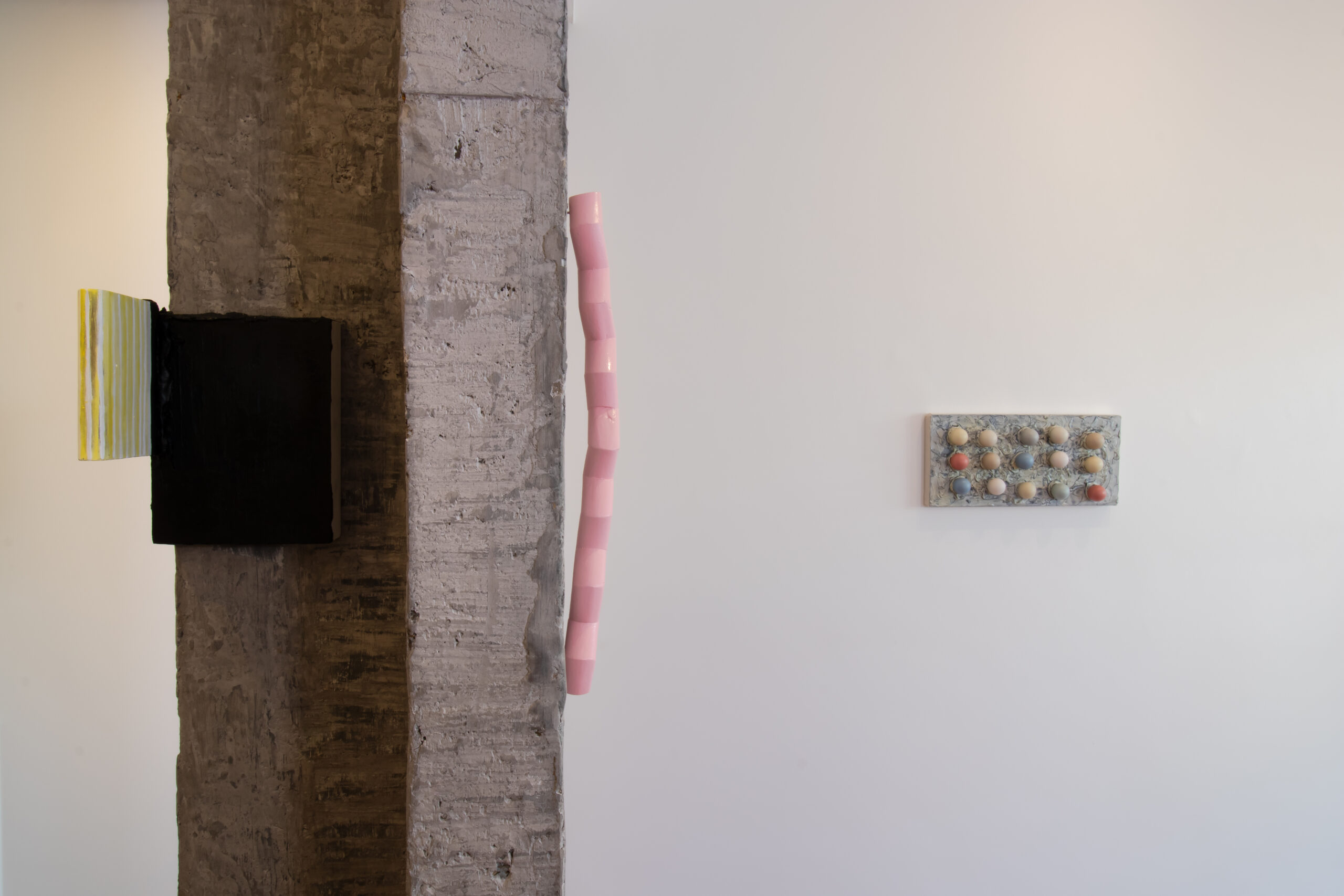
“de viés” is a more than collective exhibition, in that it is a triad – a junction of three entities, or a chord of three sounds. The second meaning doesn’t seem unusual, since for this dialog to exist, and for its design in space to take place, some rhythmic precision is required, which the exhibition design should not escape. The dialog between the works of Claudio Cretti, Marcelo Pacheco and Thomaz Rosa generates transversal lines, they meet and move apart, tracing vectors that permeate notions of procedure, gesture, memory and everyday life.
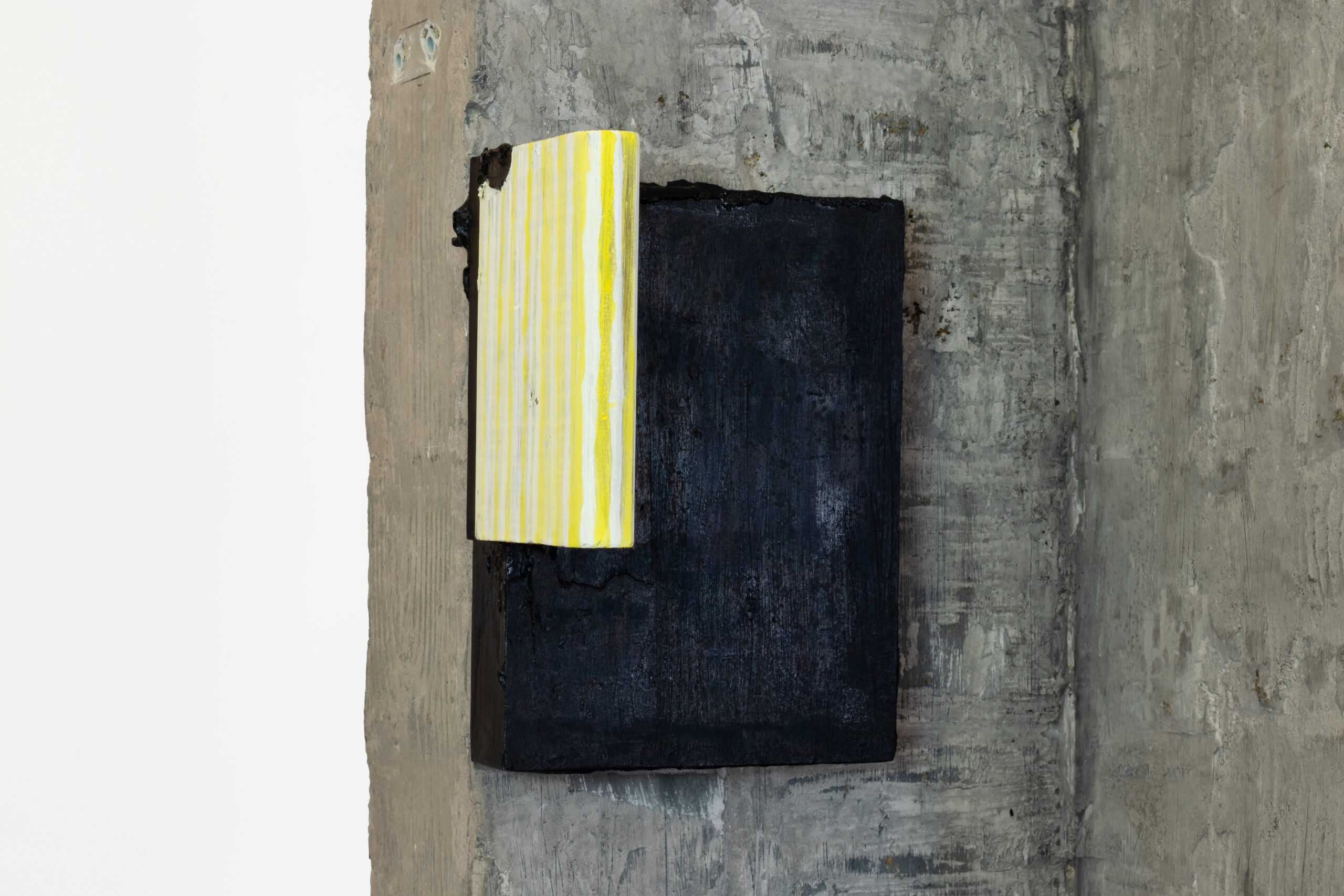
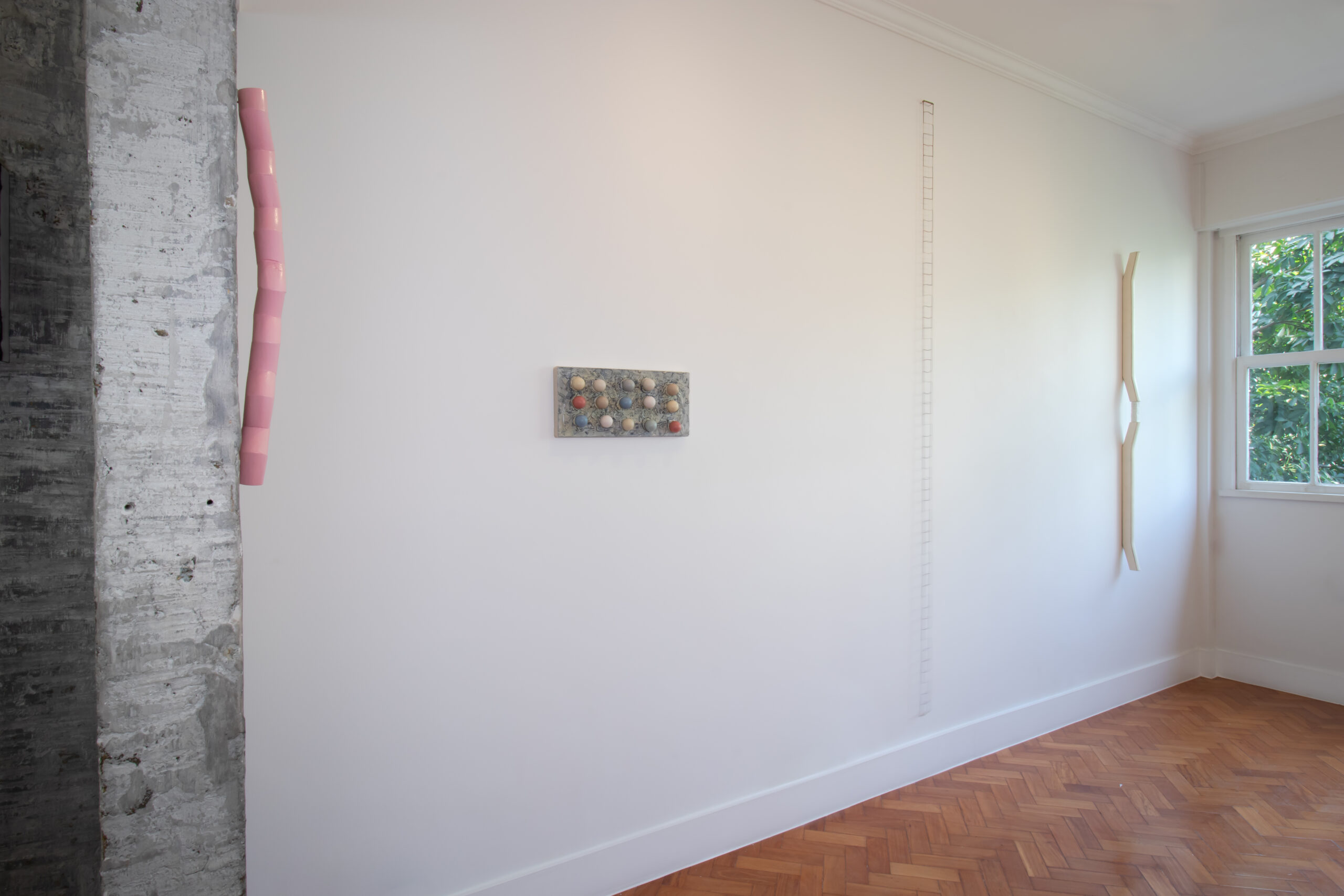
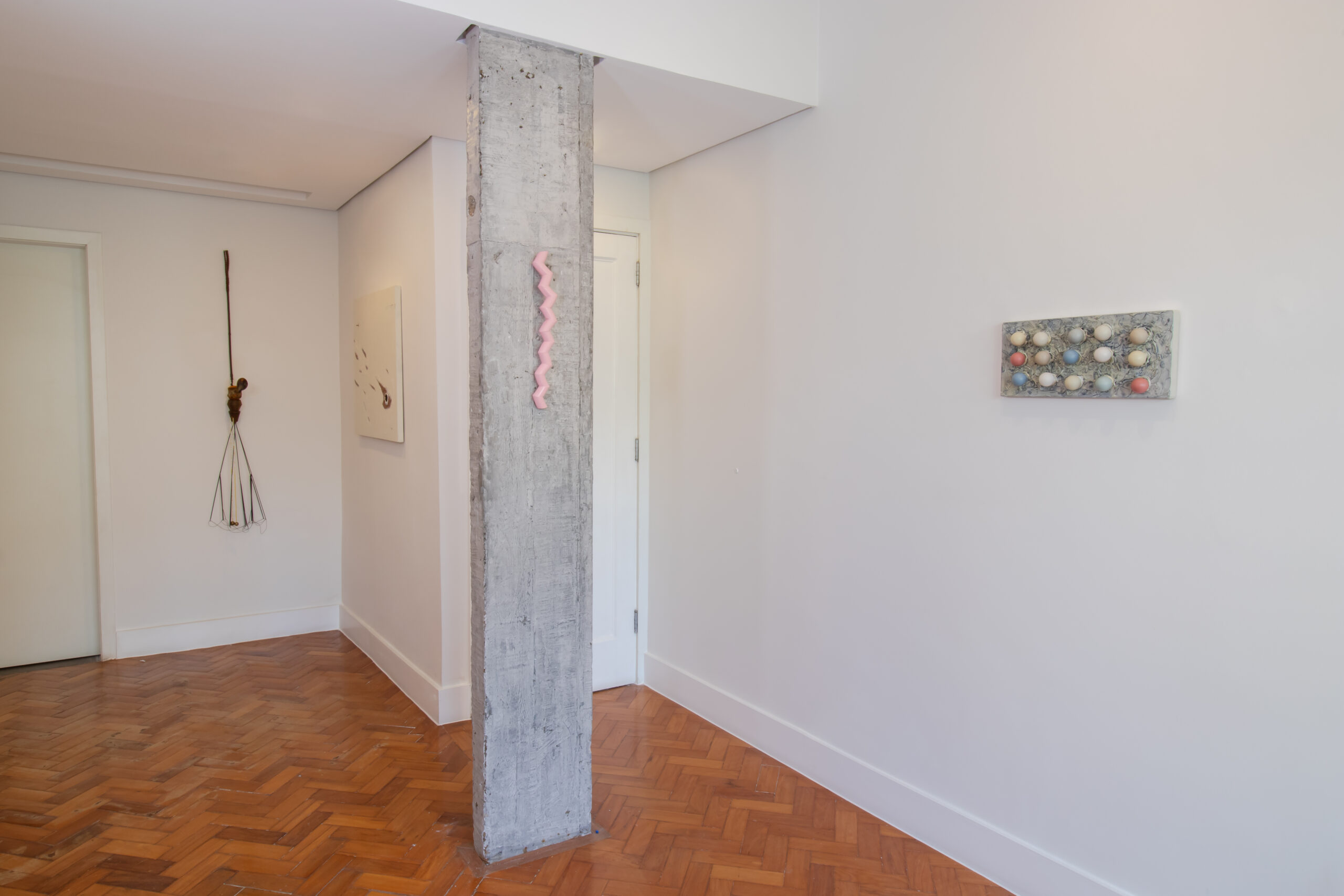
However, every conversation takes a circuitous route. Any dialog presupposes noises, stumbles and attempts, so that language does not appear, never appears, in a straight and unidirectional way. Oblique are the arrows and lines that are pulverized, but it is precisely these that shine and make the encounter a possibility to shine. A column supports part of the structure of this space, right at the entrance. It is where possibilities are condensed from the grouping of the three artists. The irregularities in the shapes and compositions are explicit, as if from the start the works already indicated a desire to break a certain orthogonality.
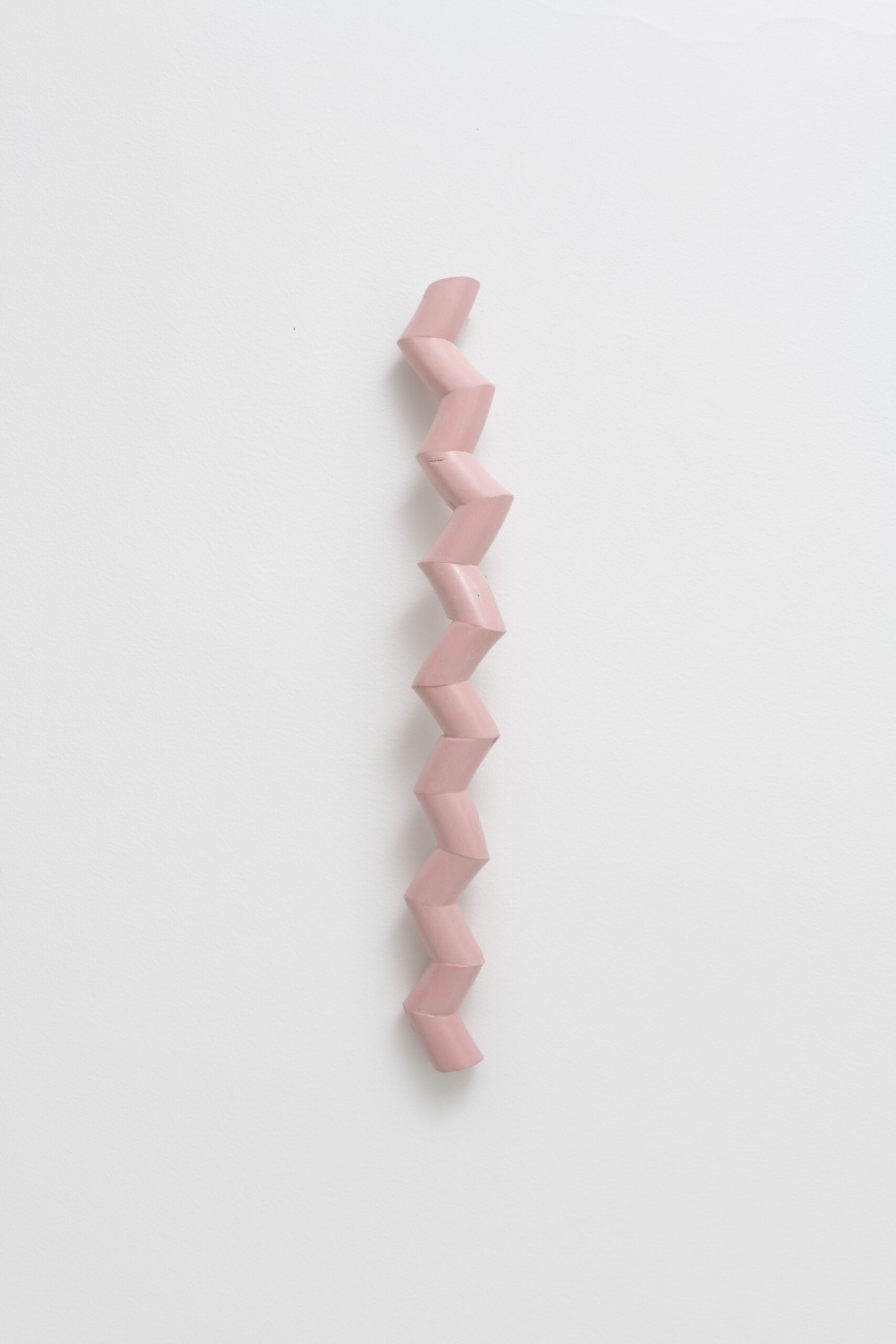
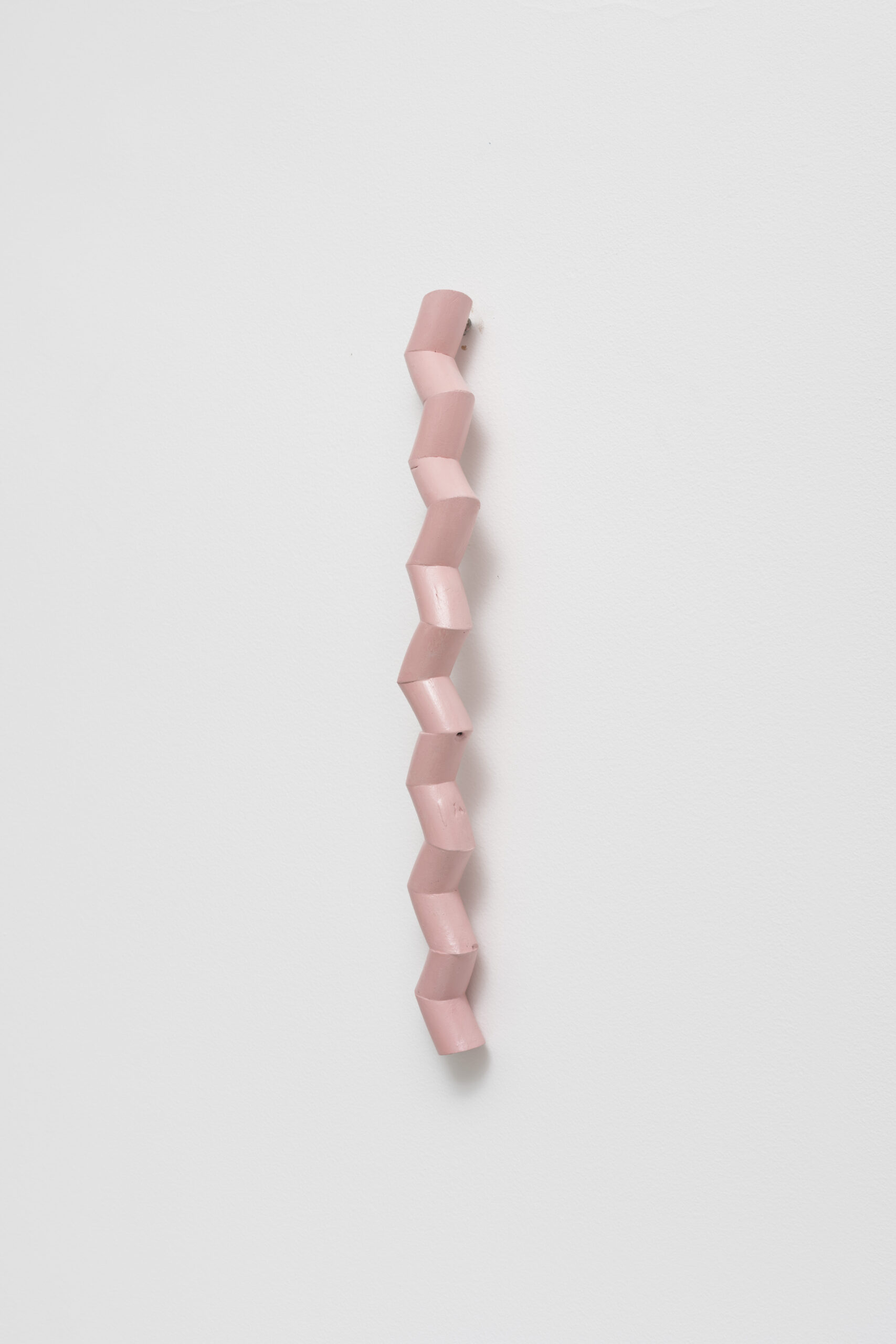
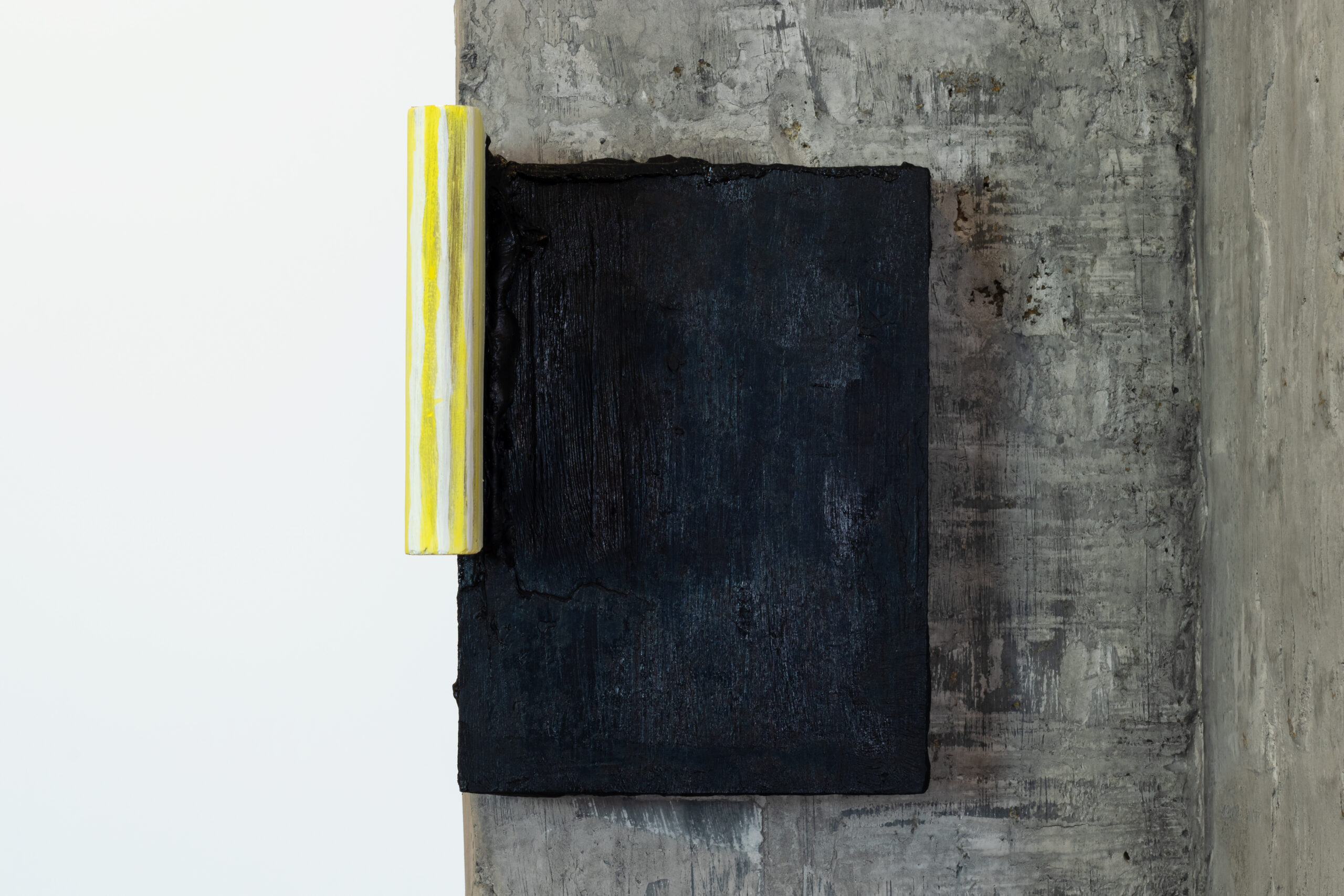
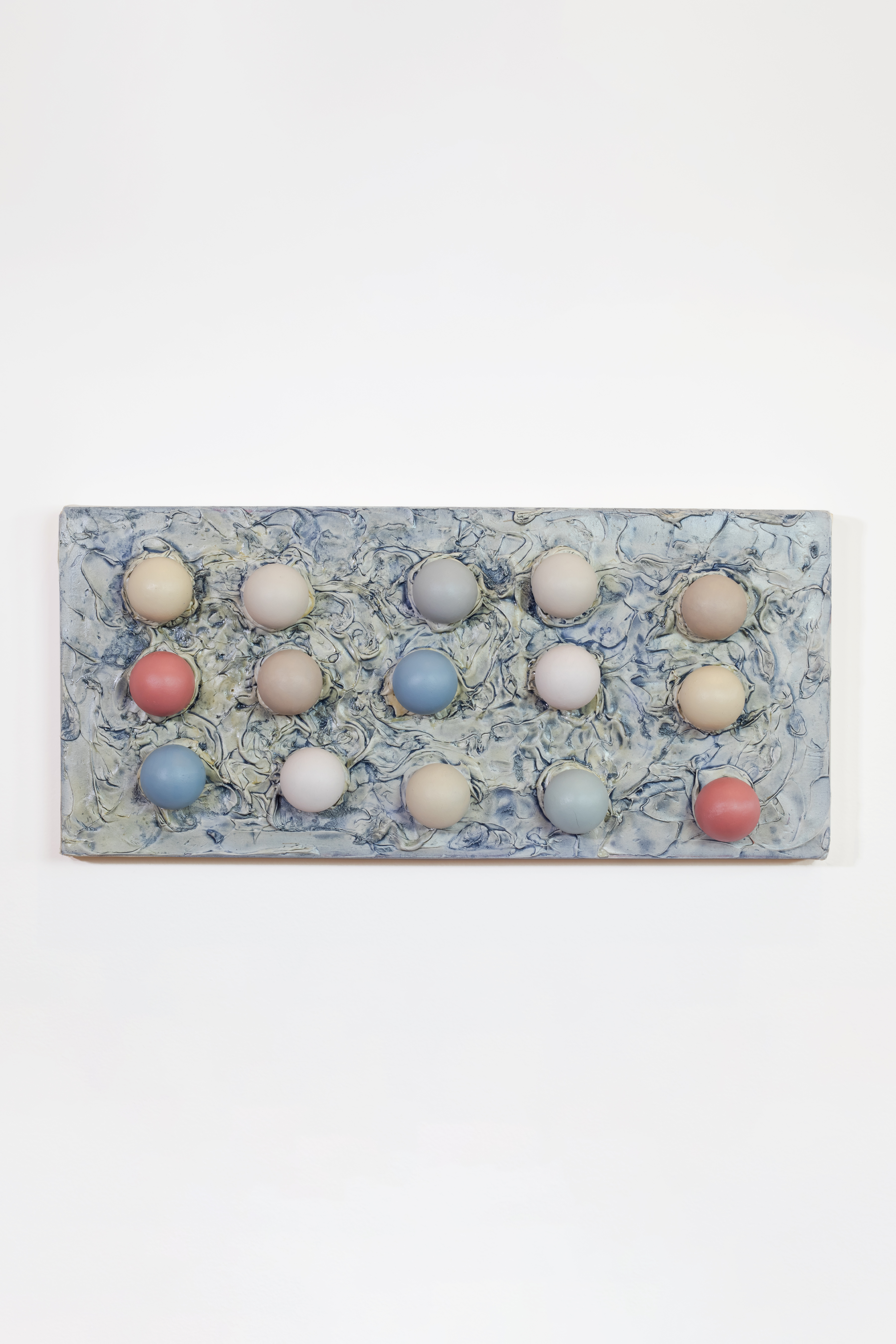
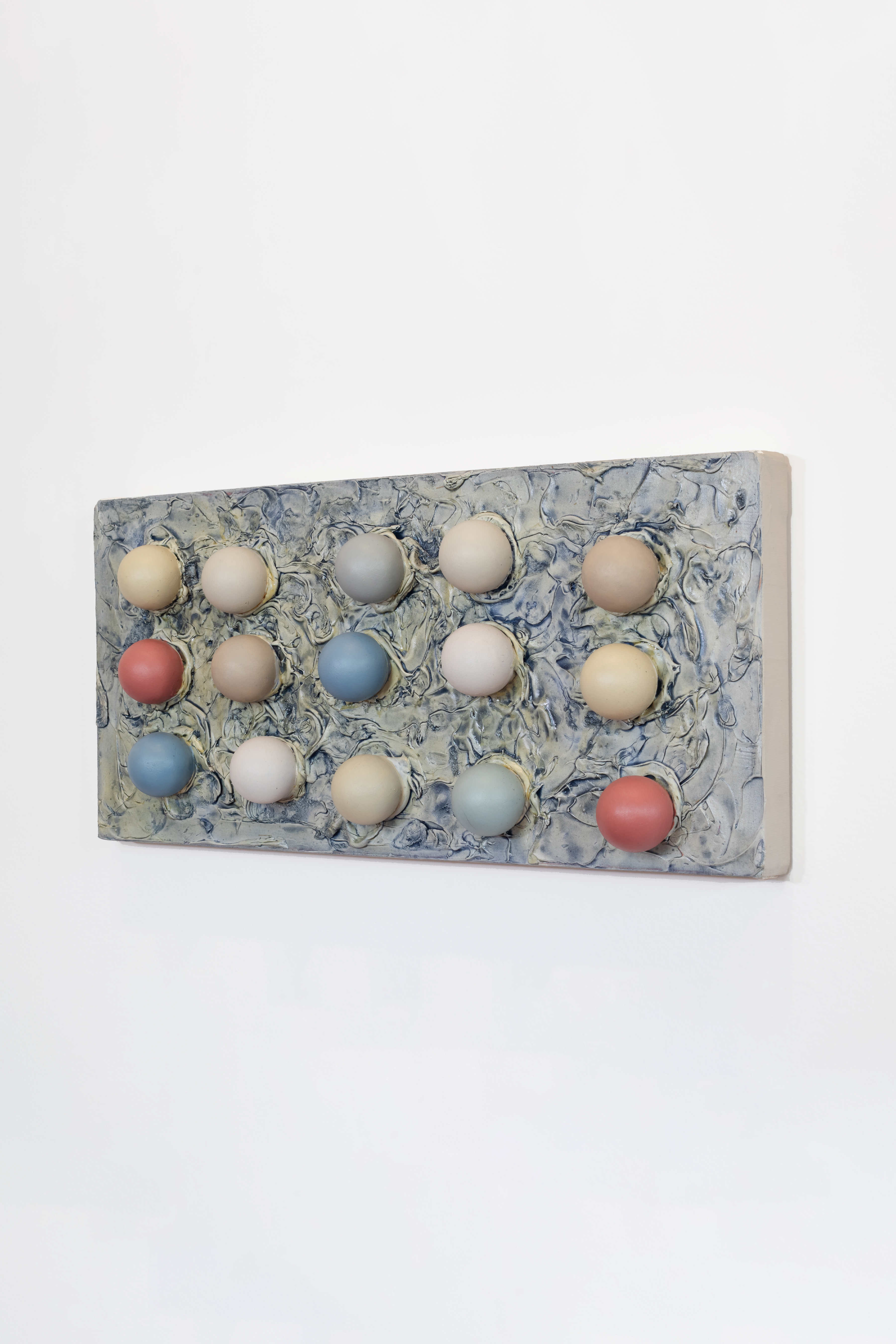
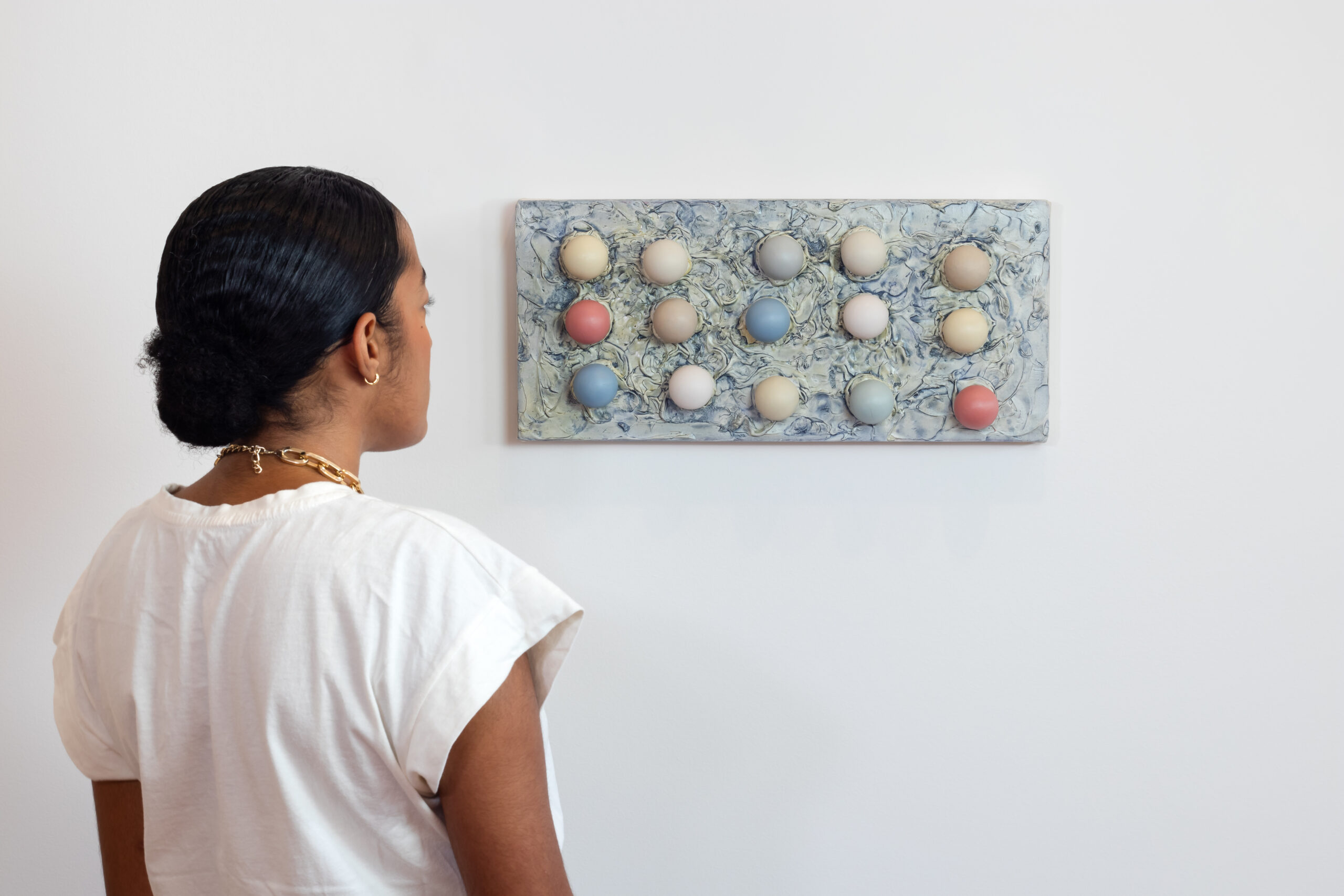
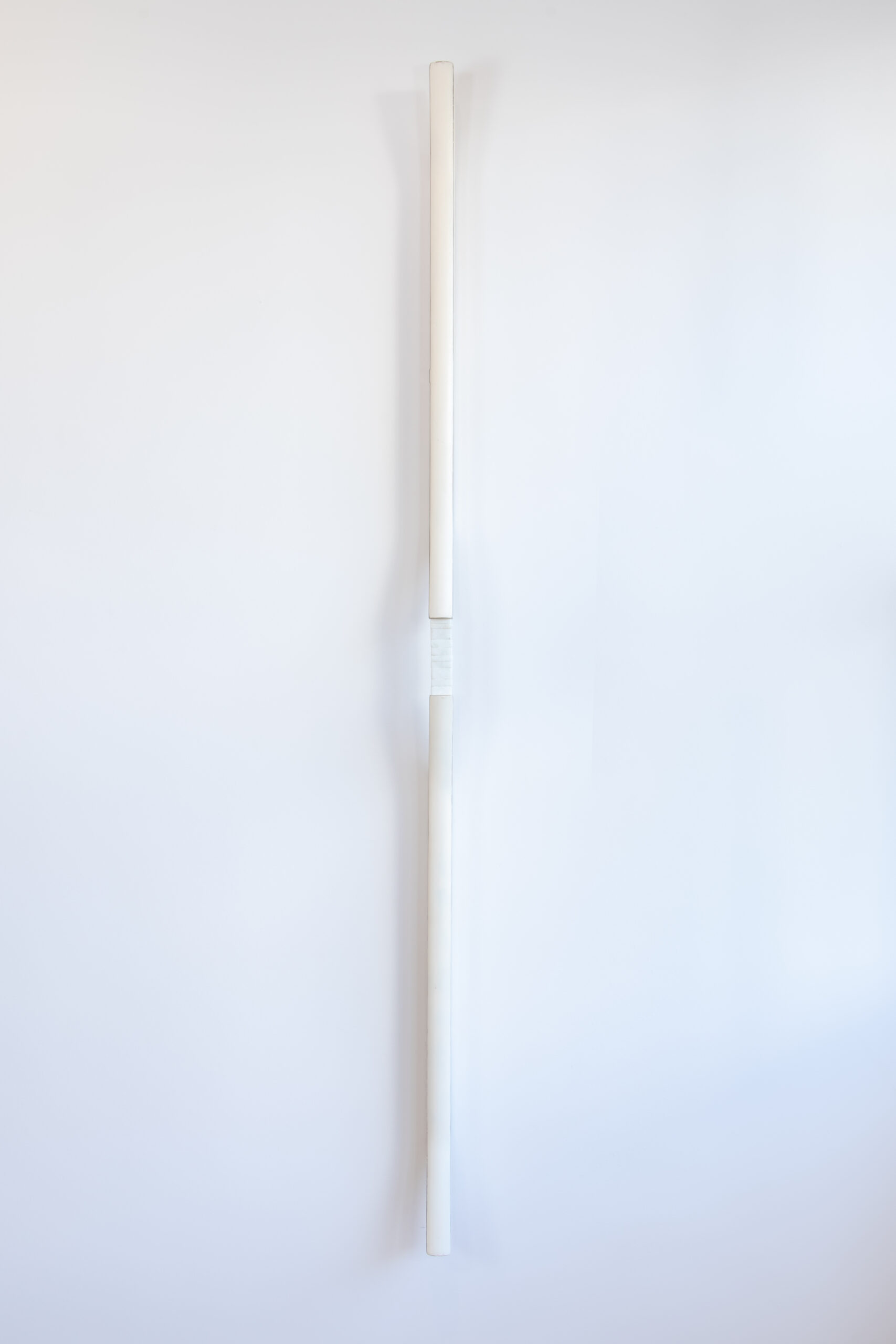
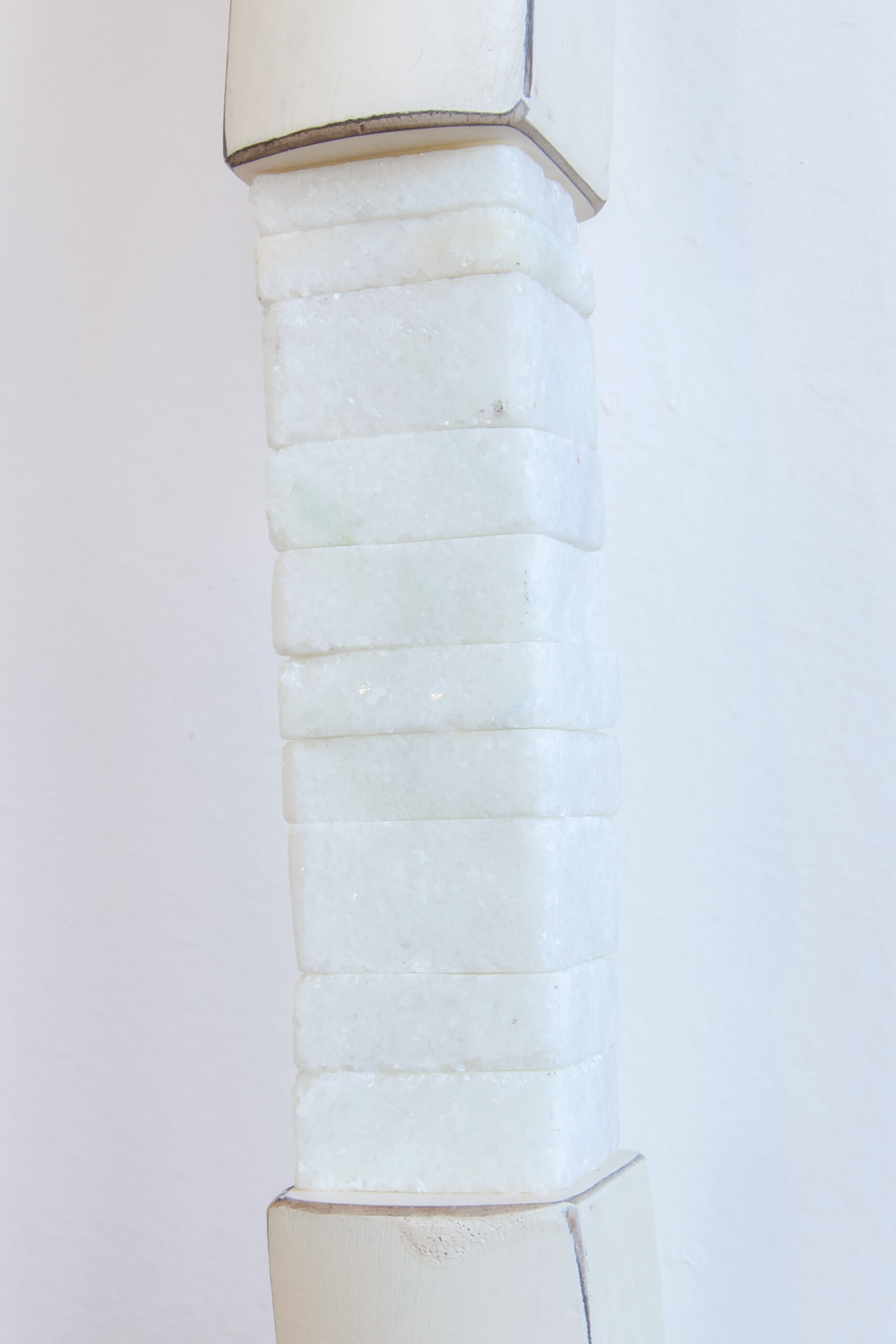
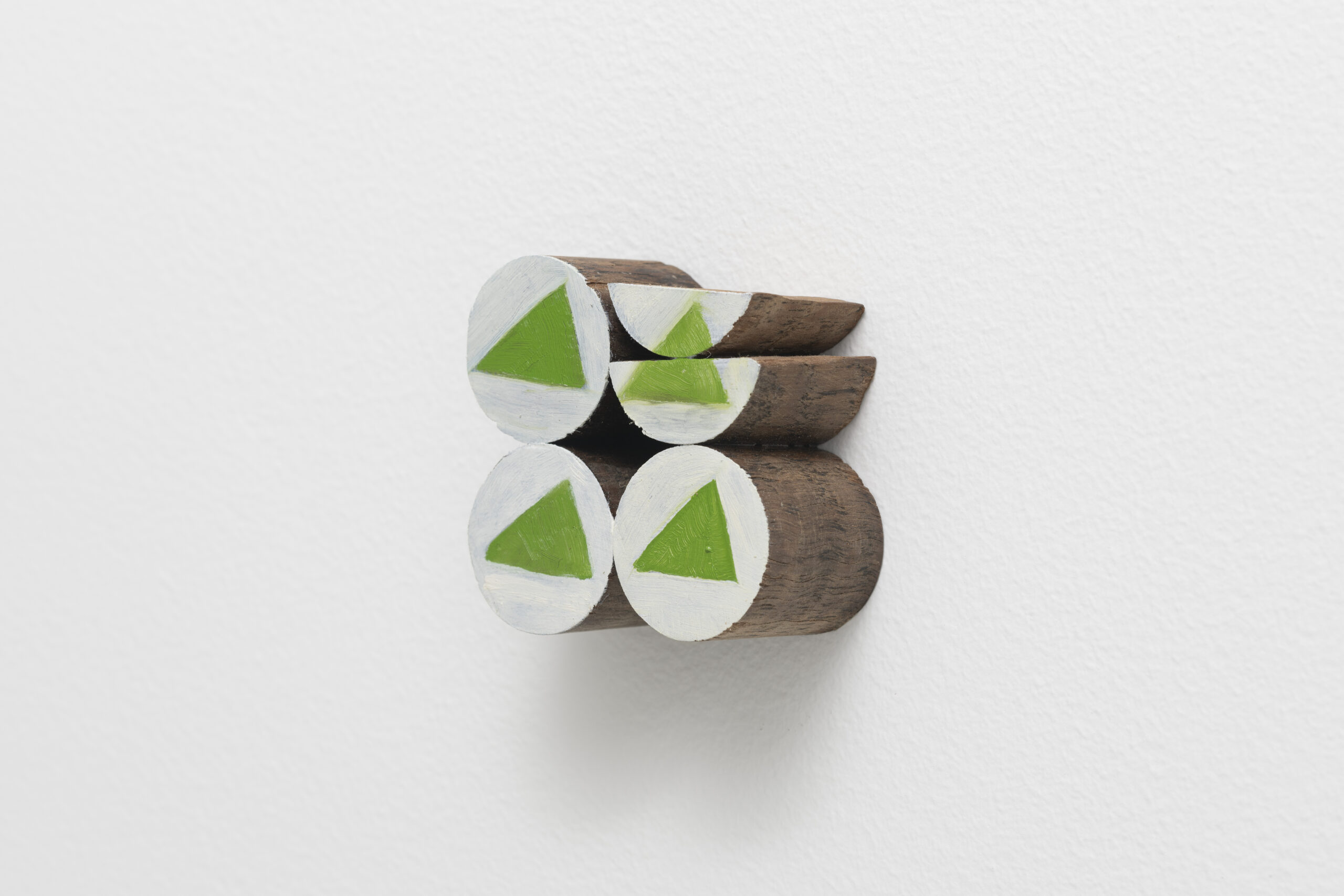
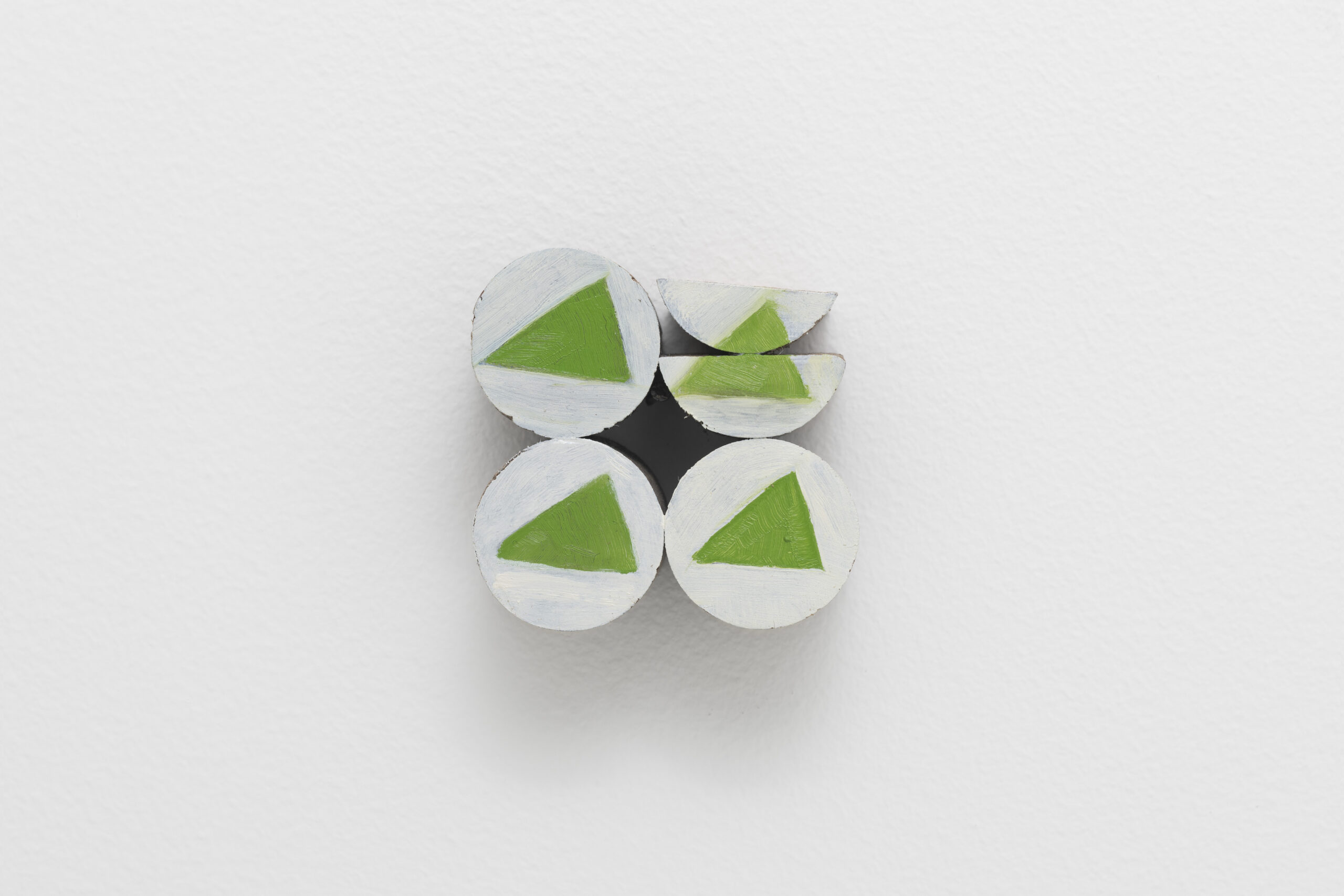
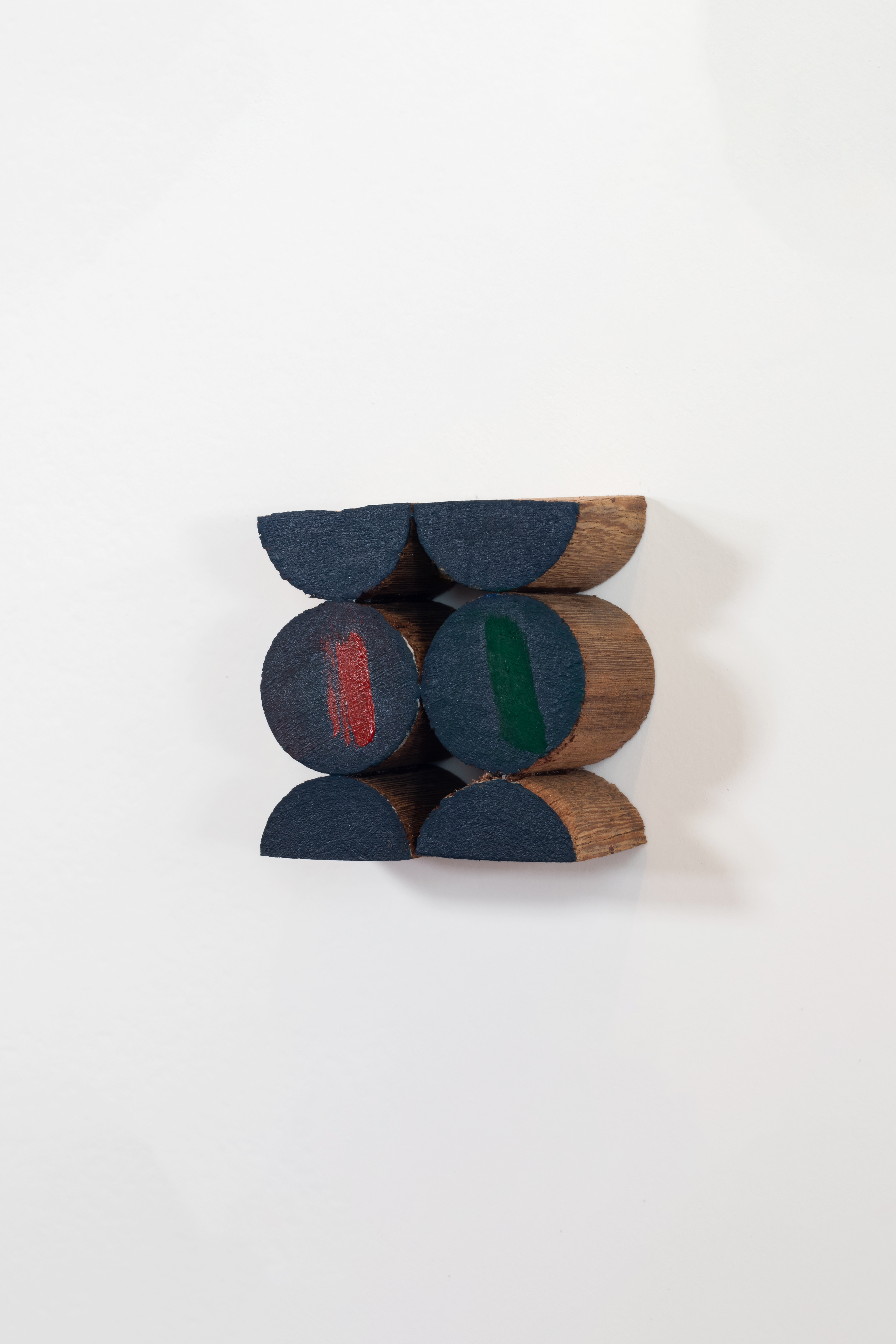
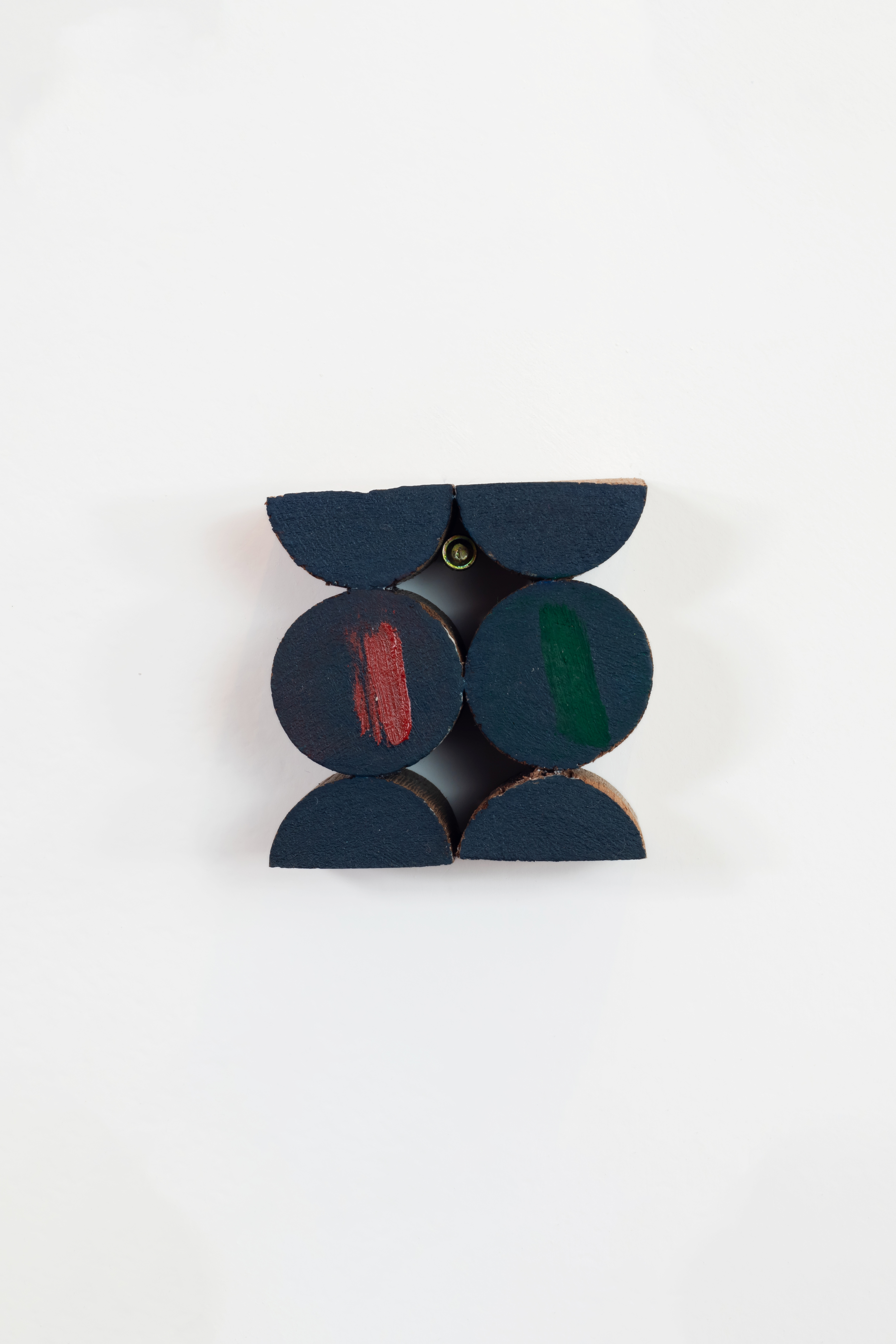
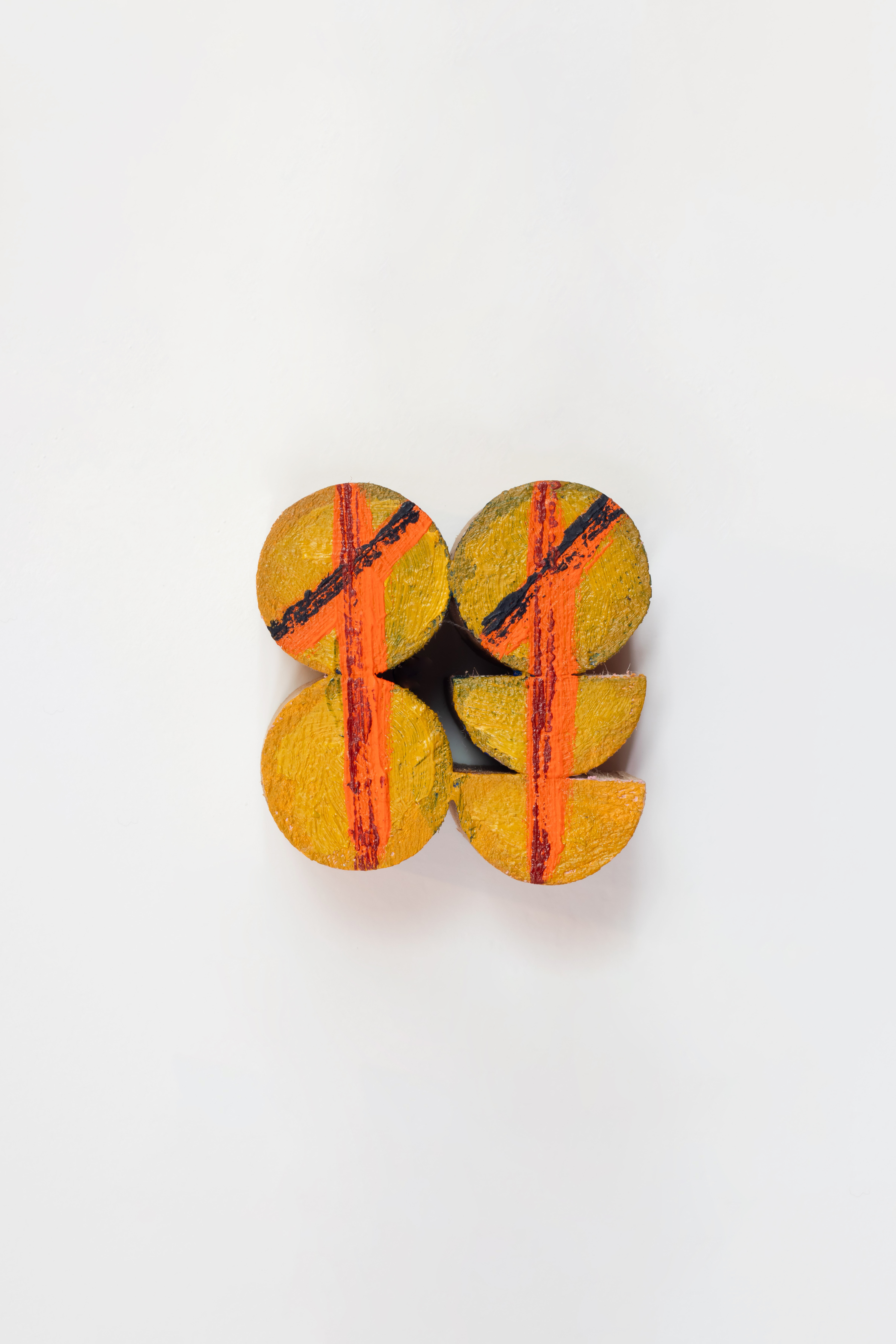

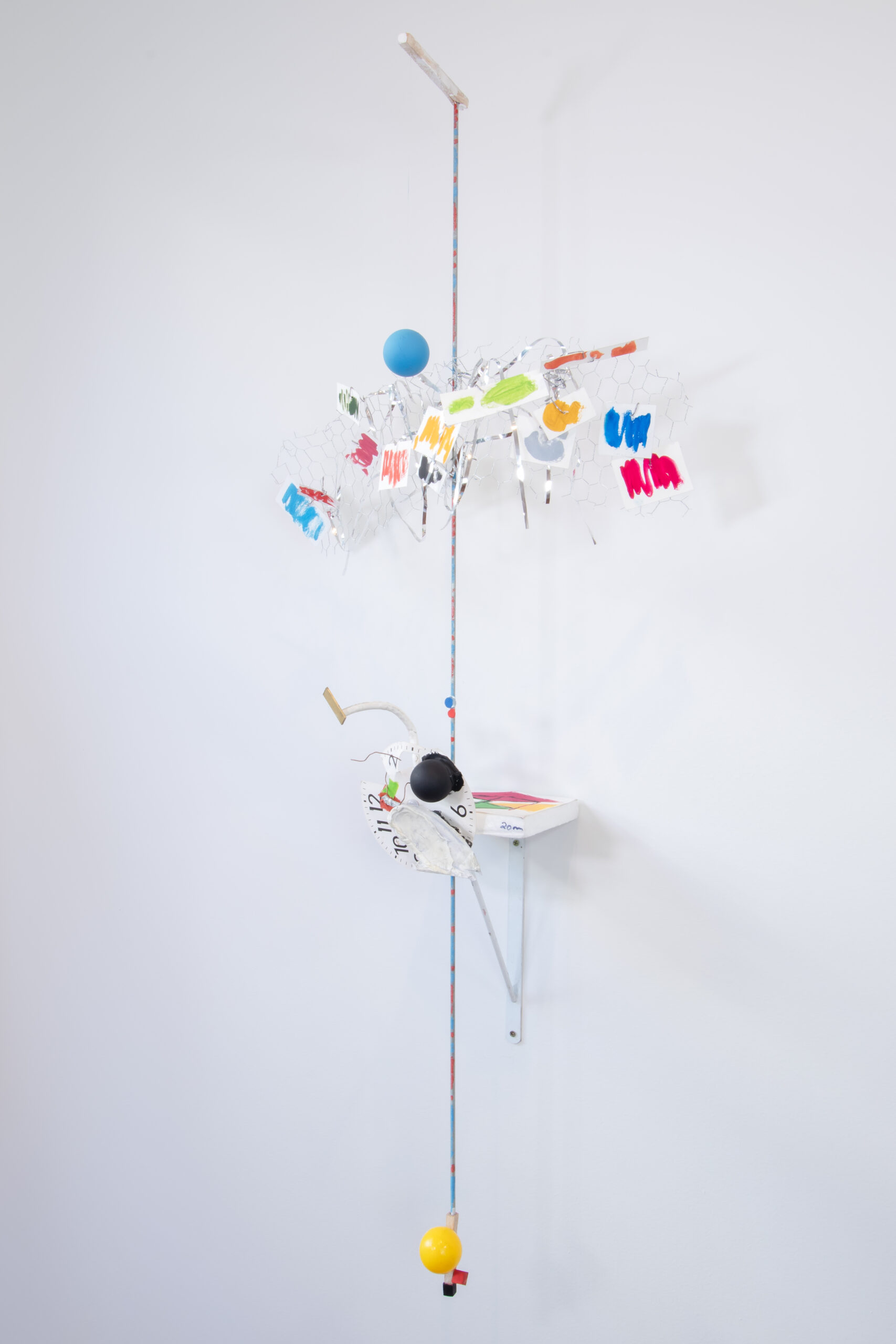
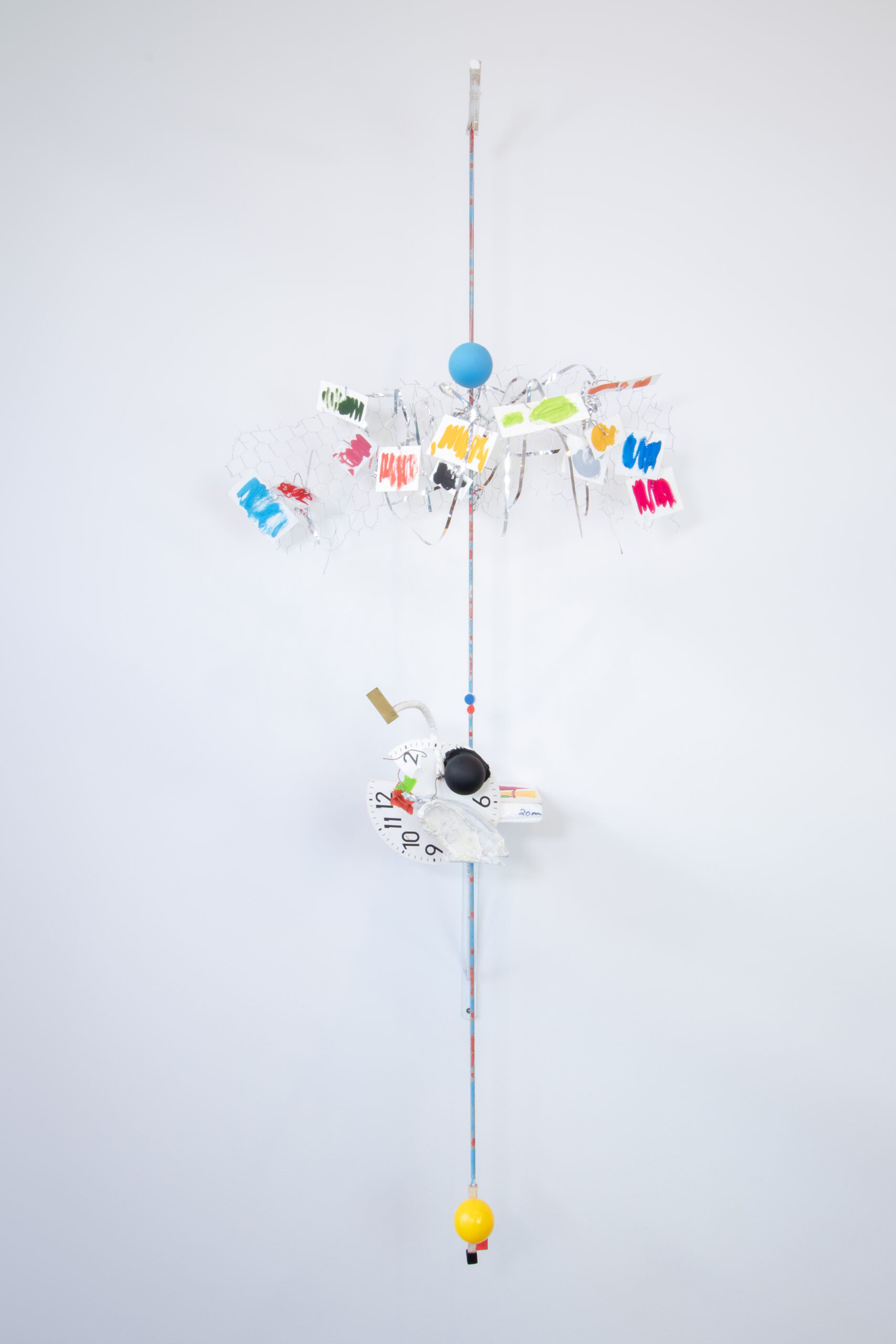
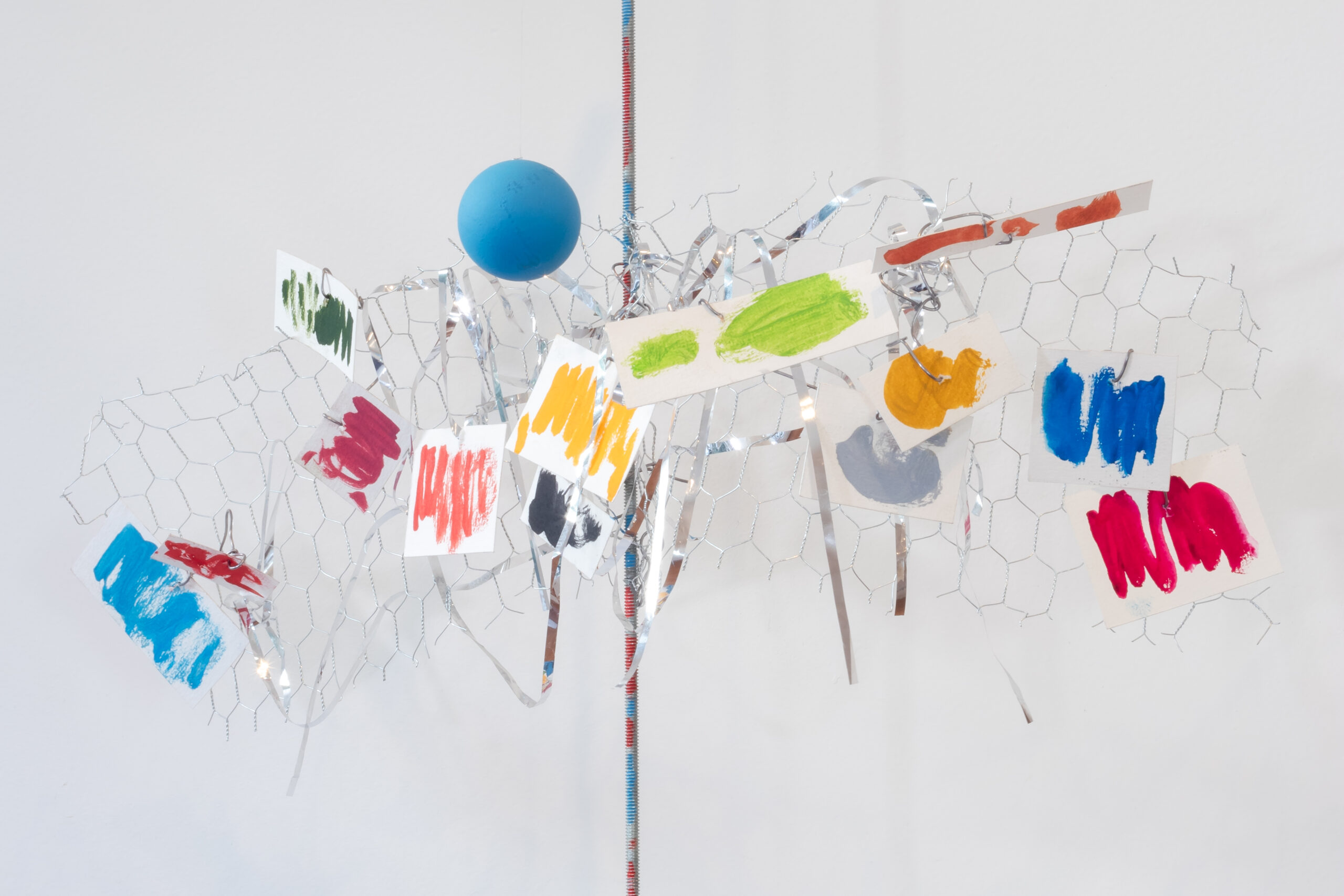
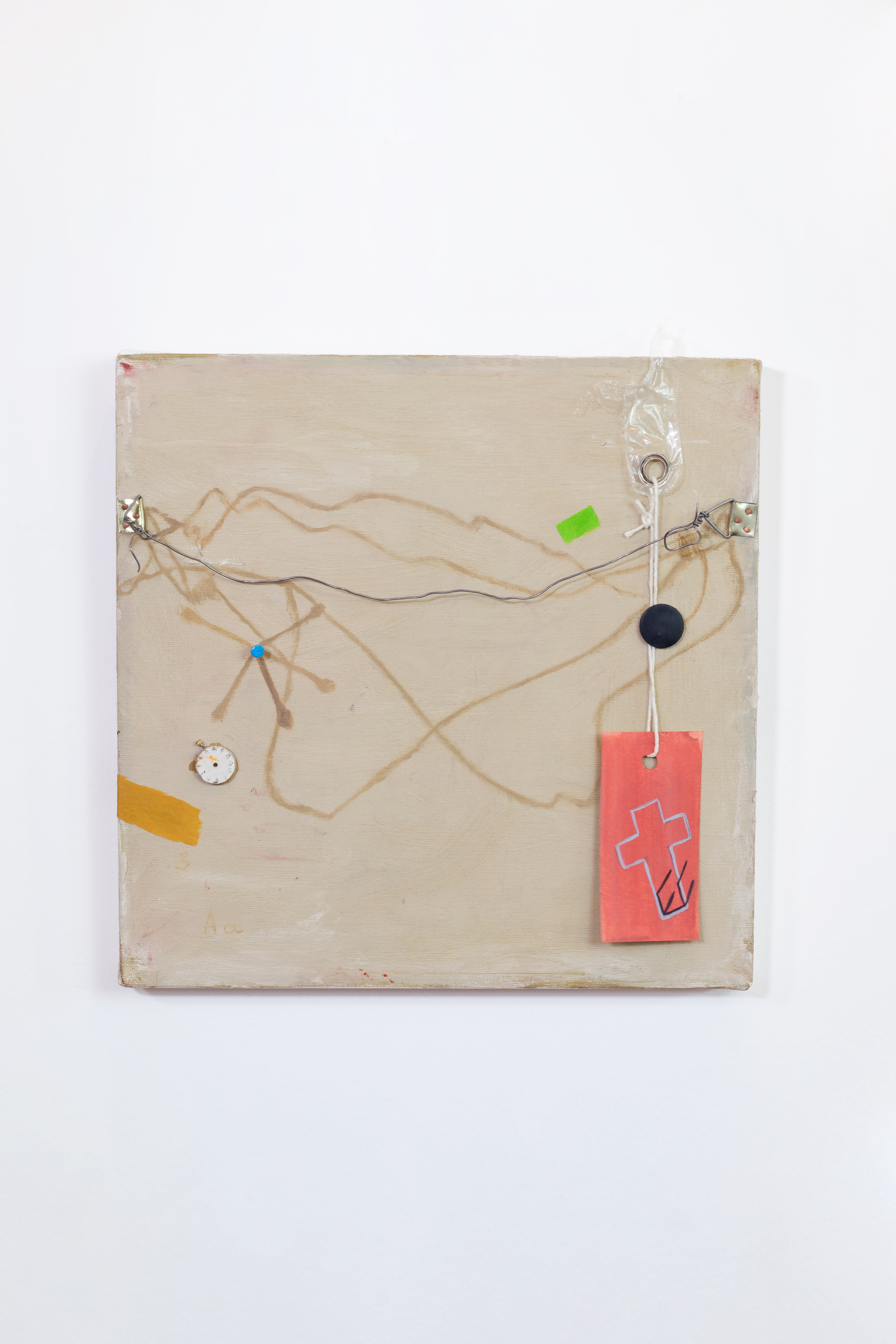
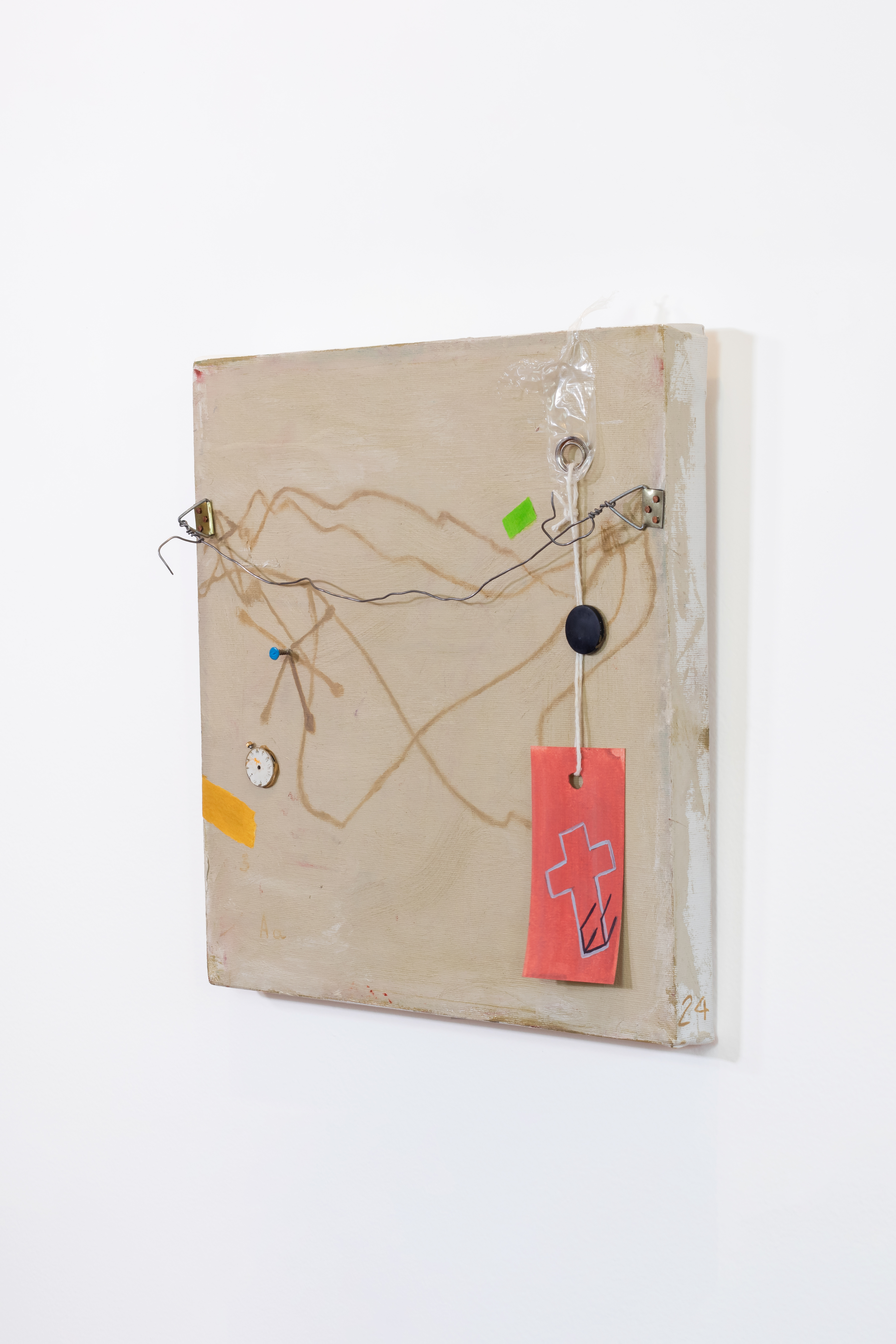
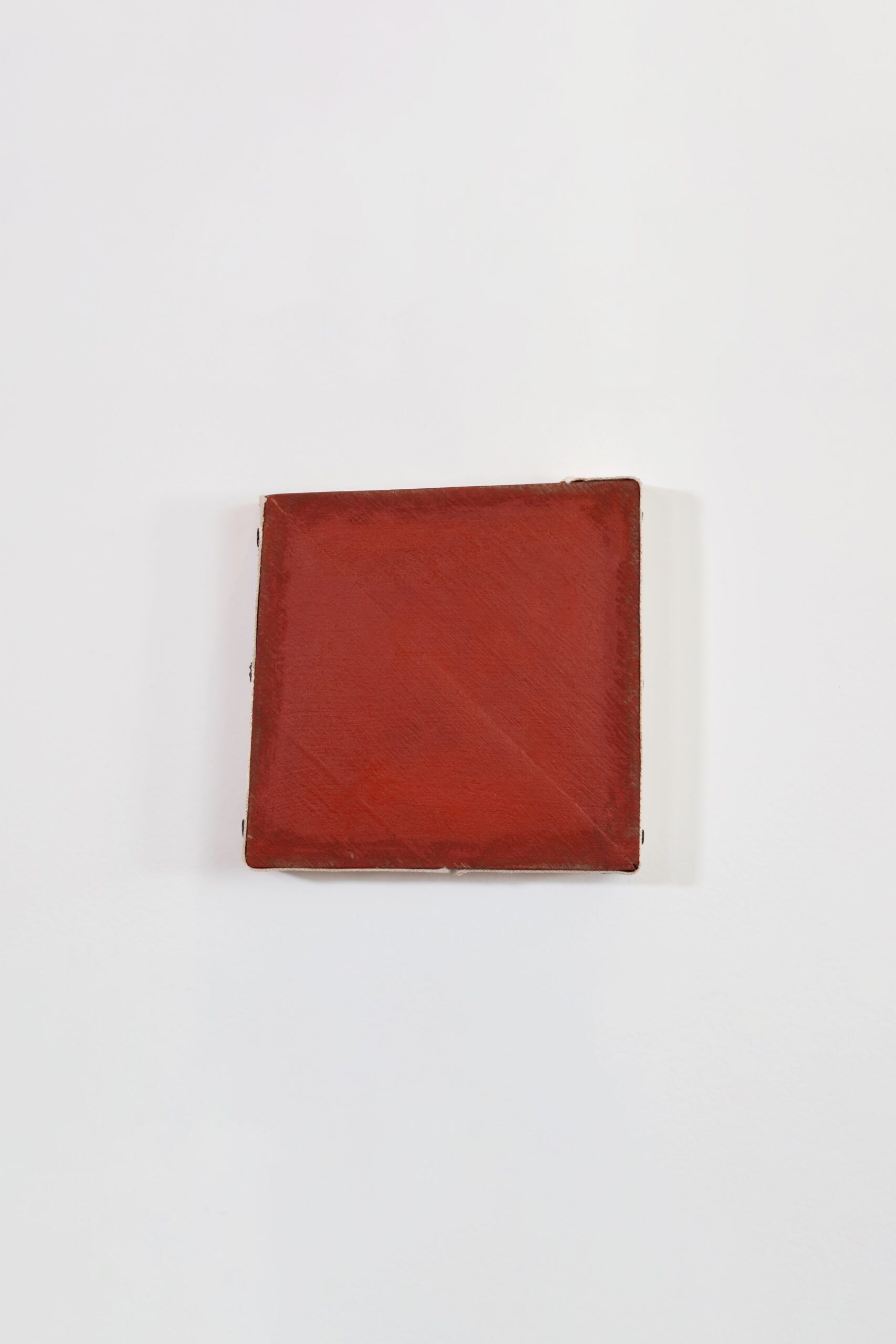
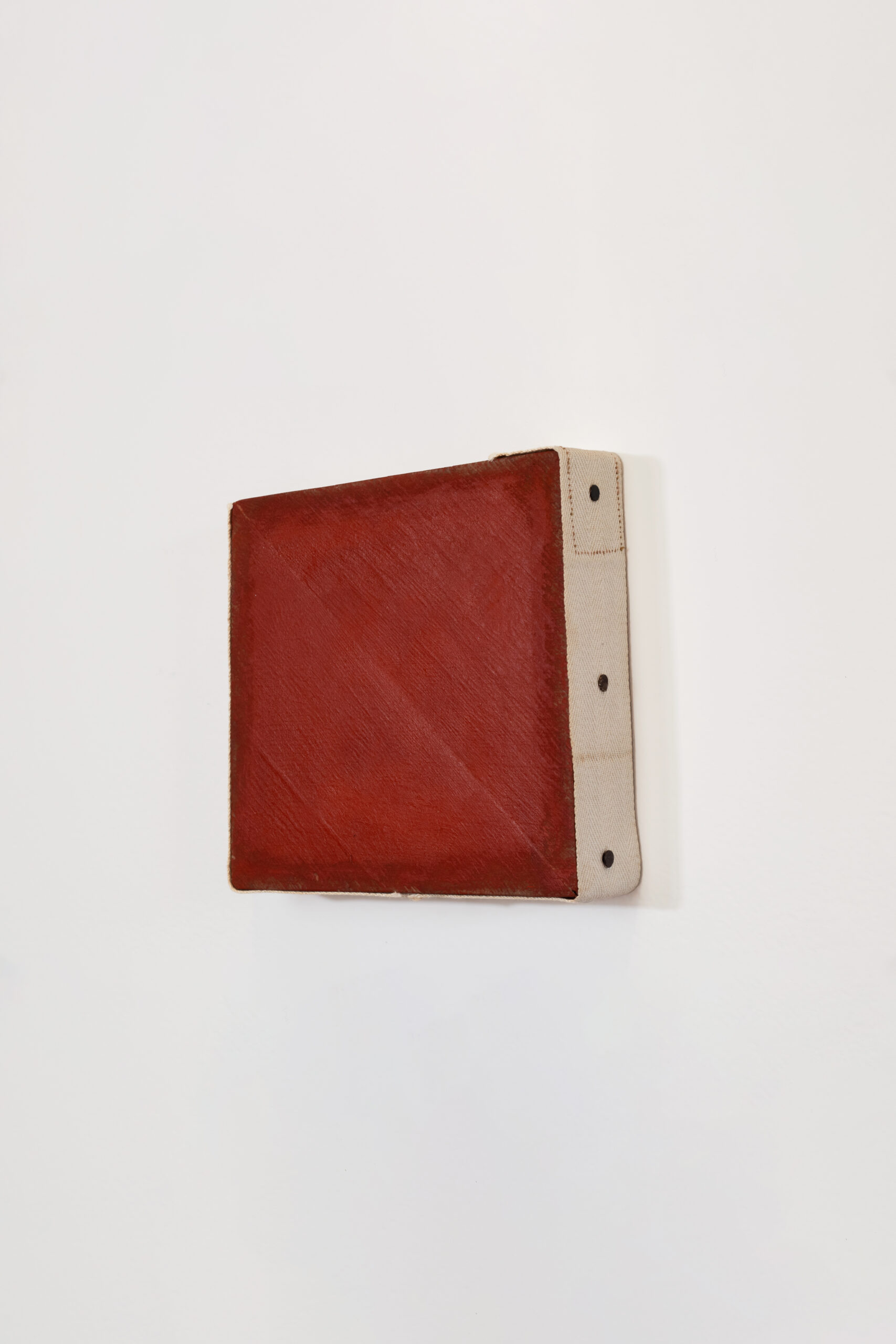
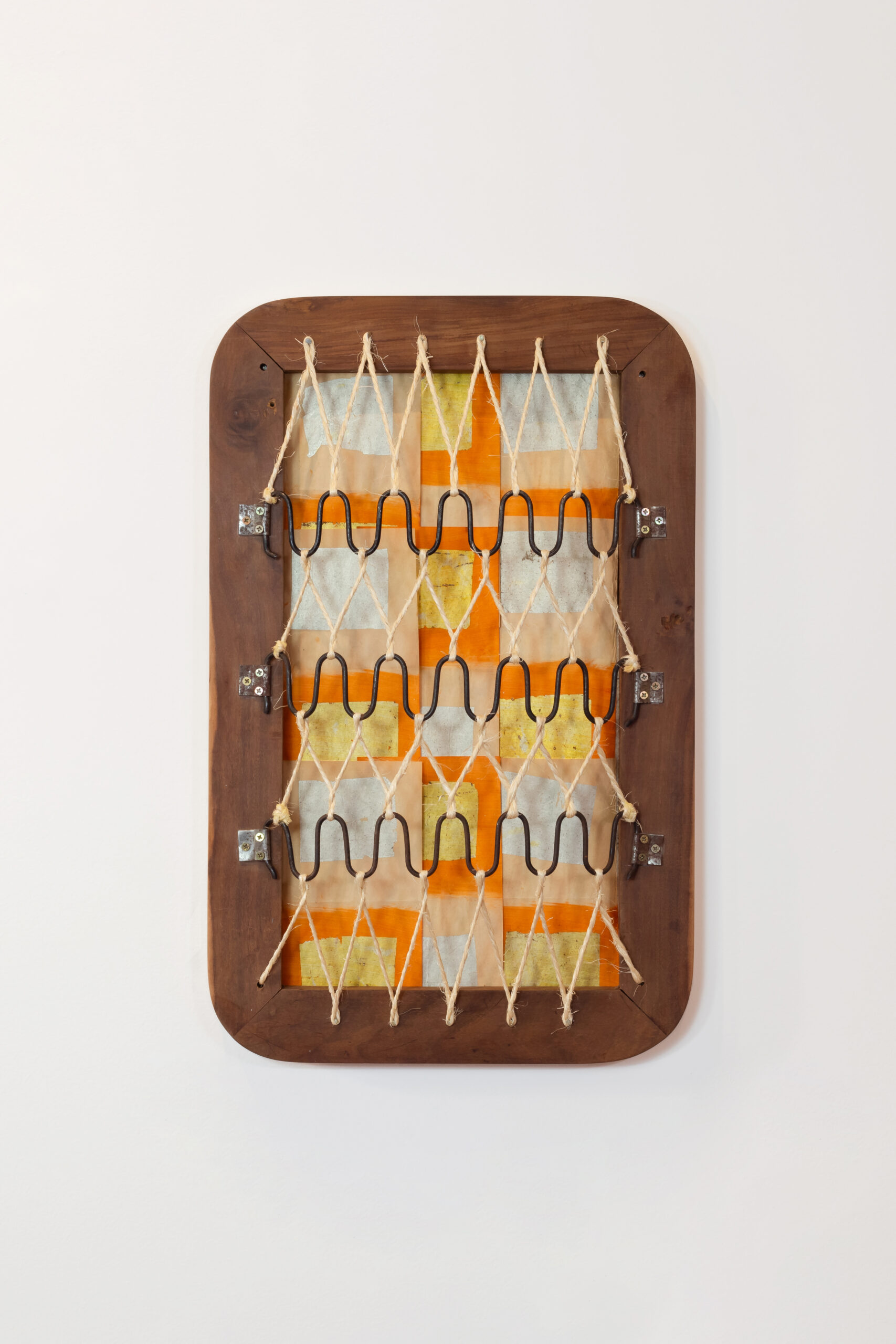
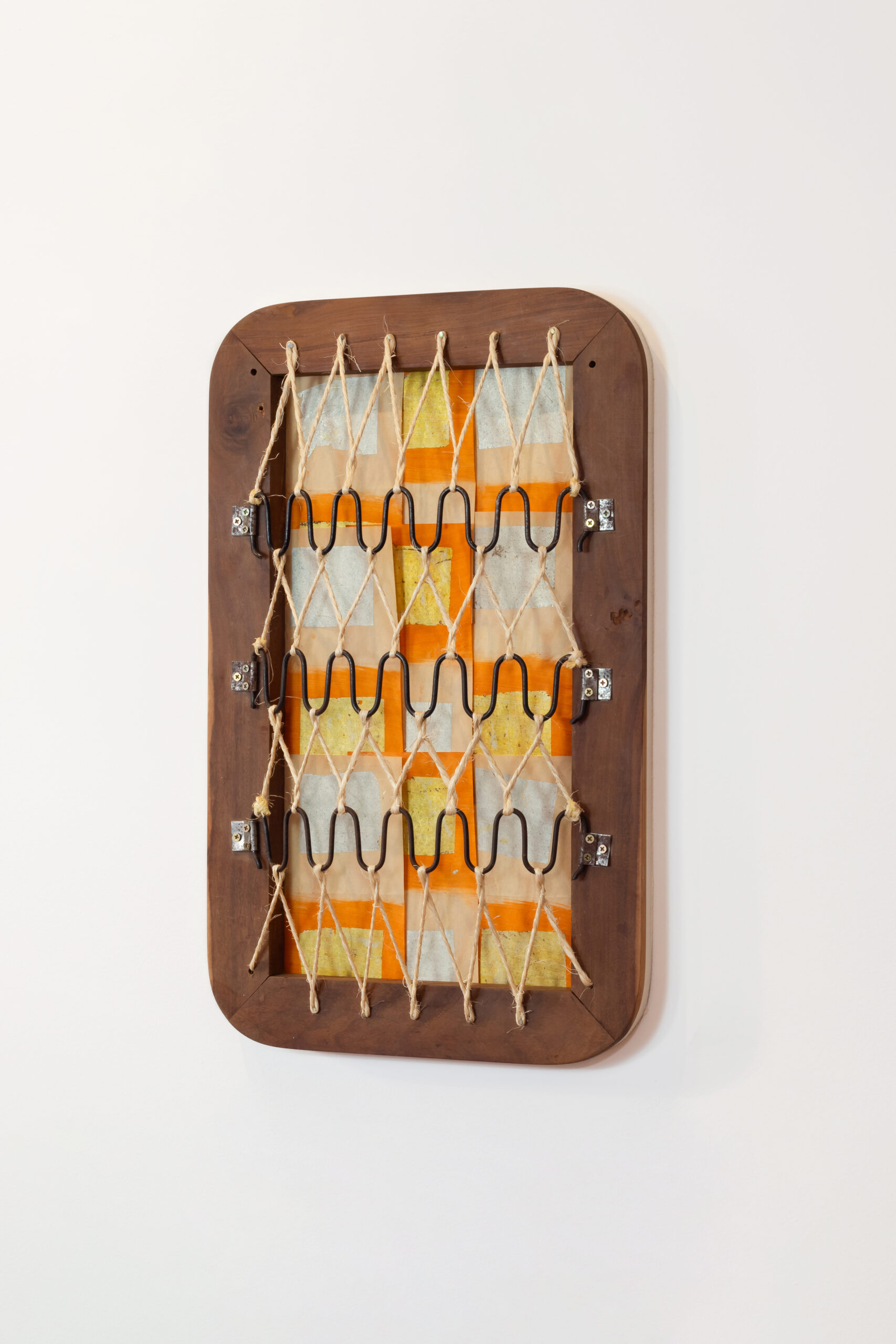
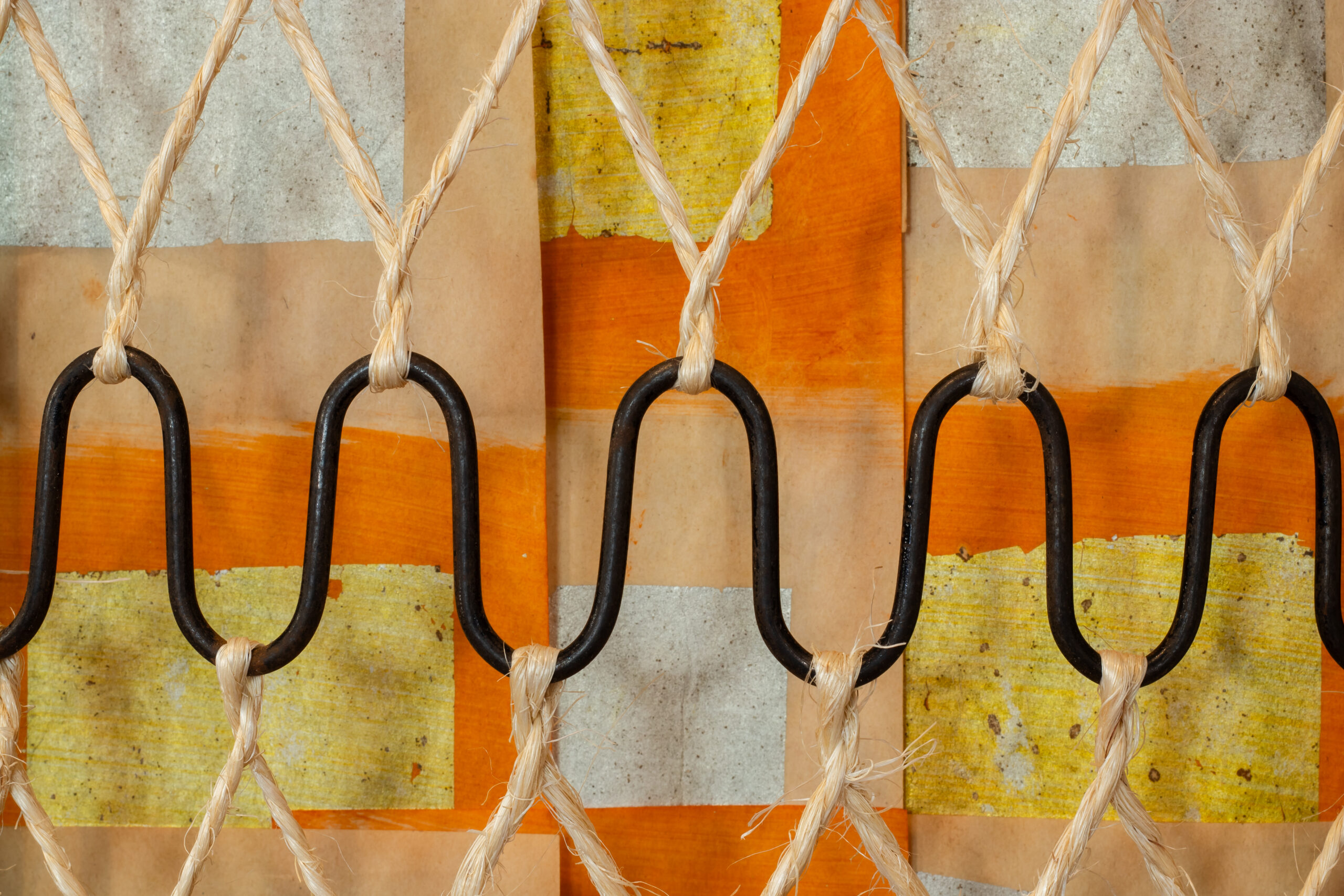
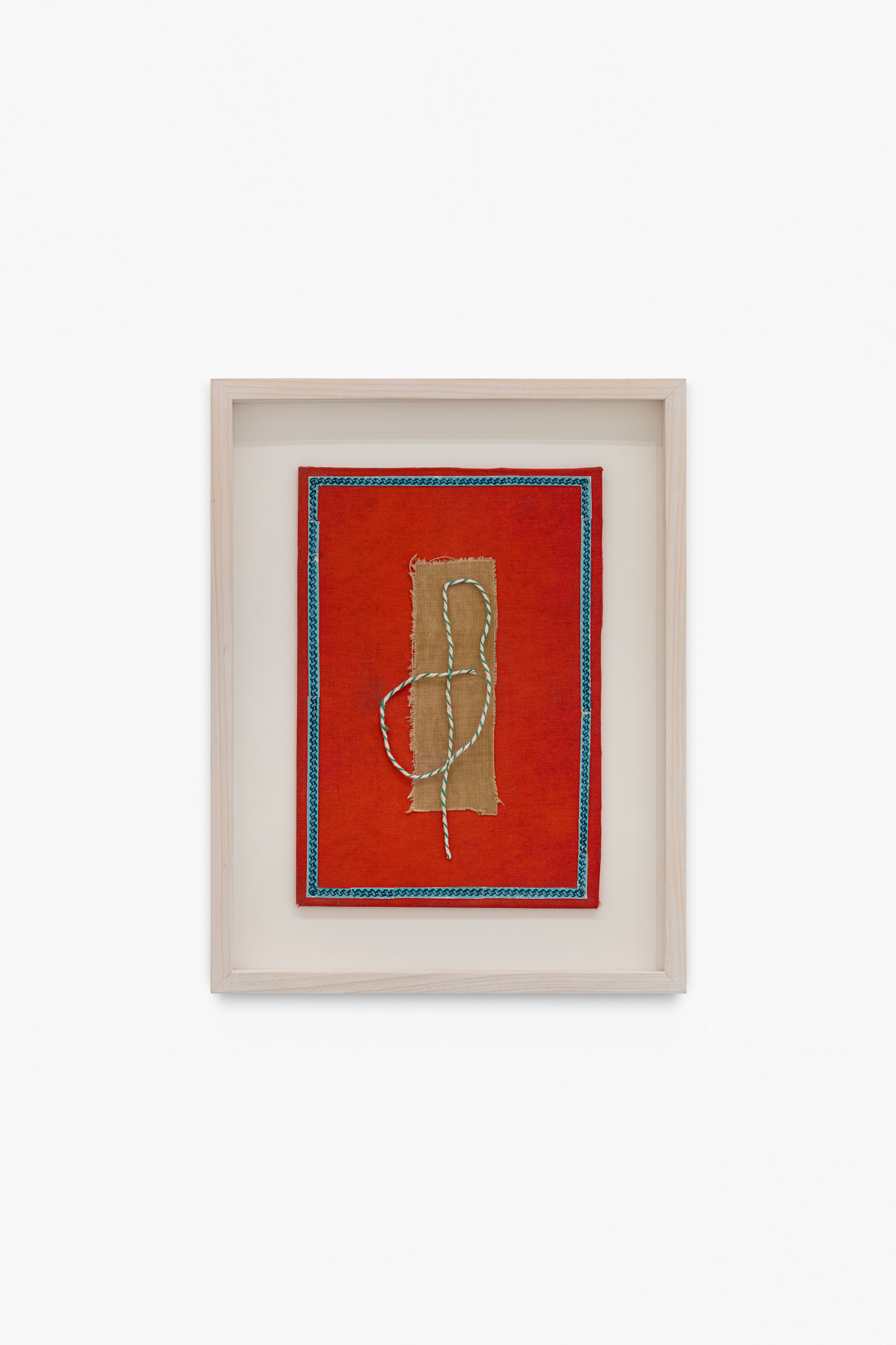
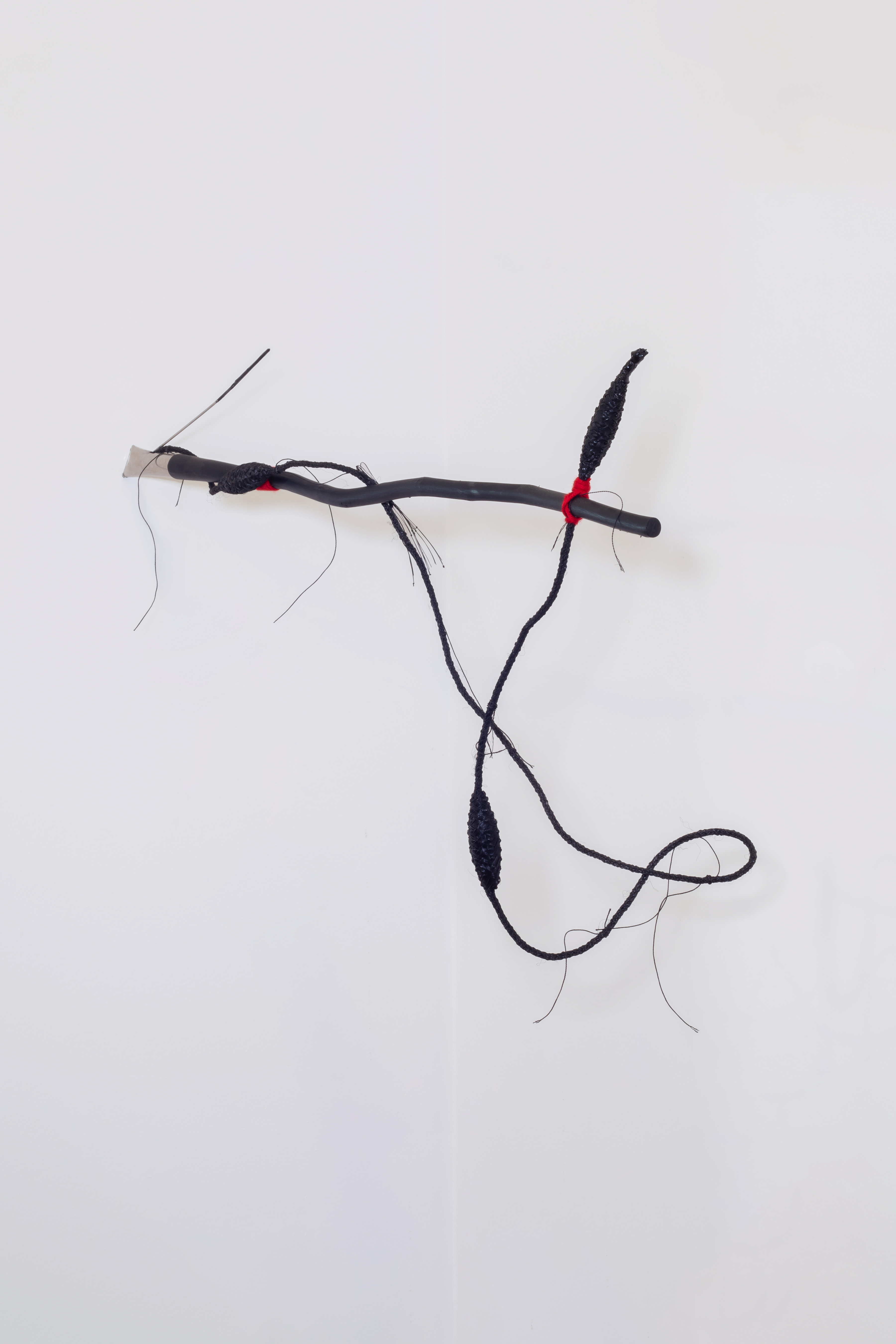
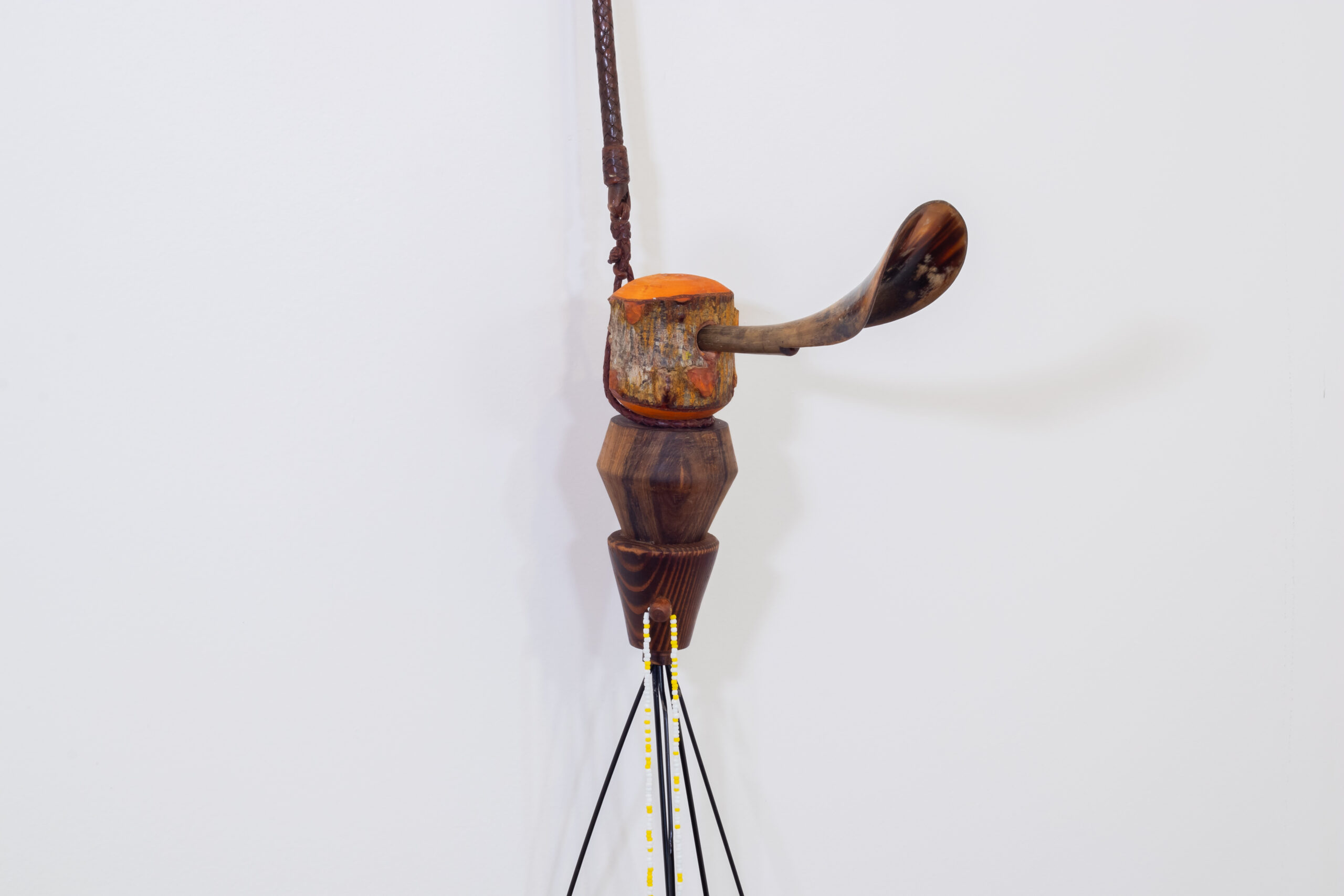
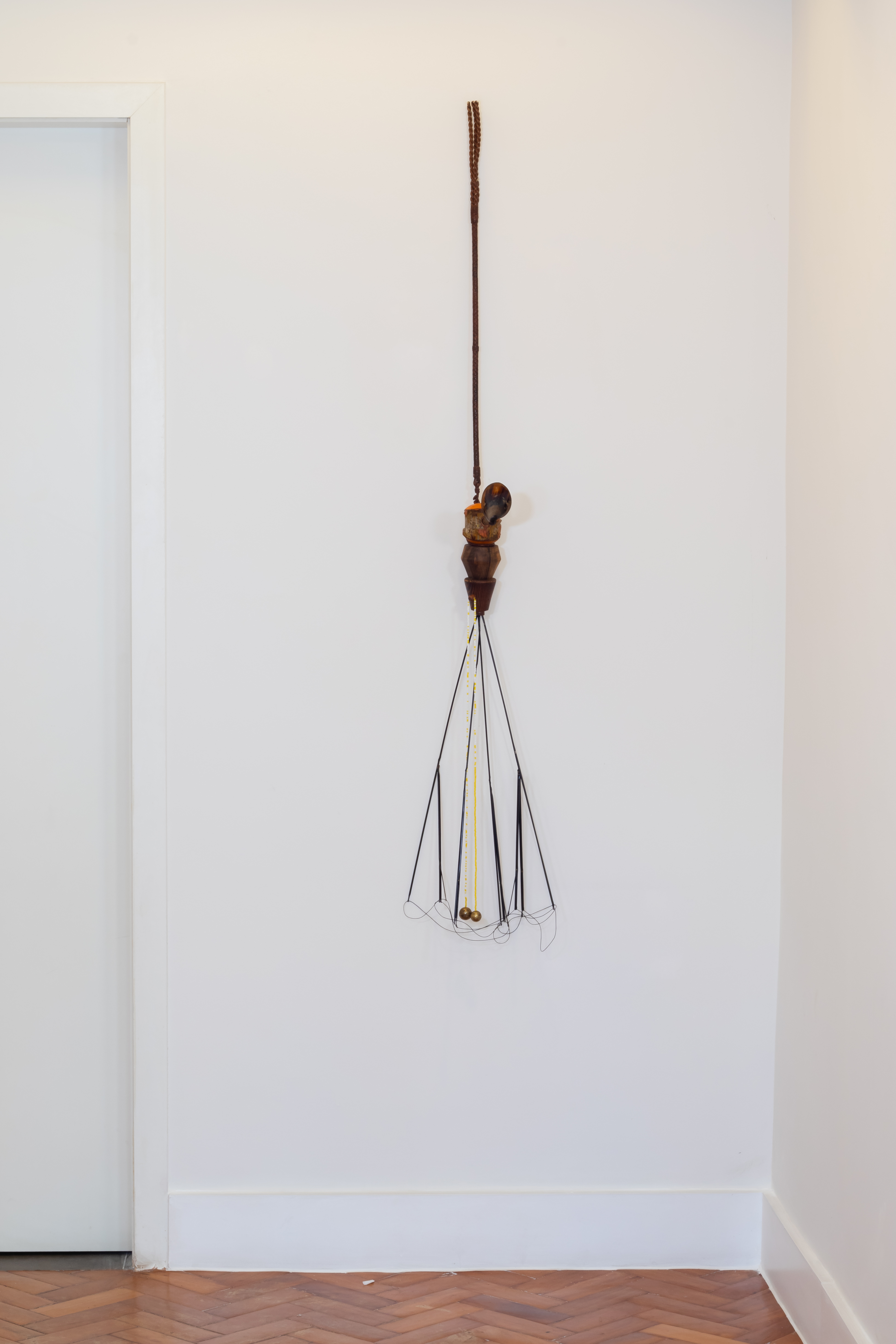
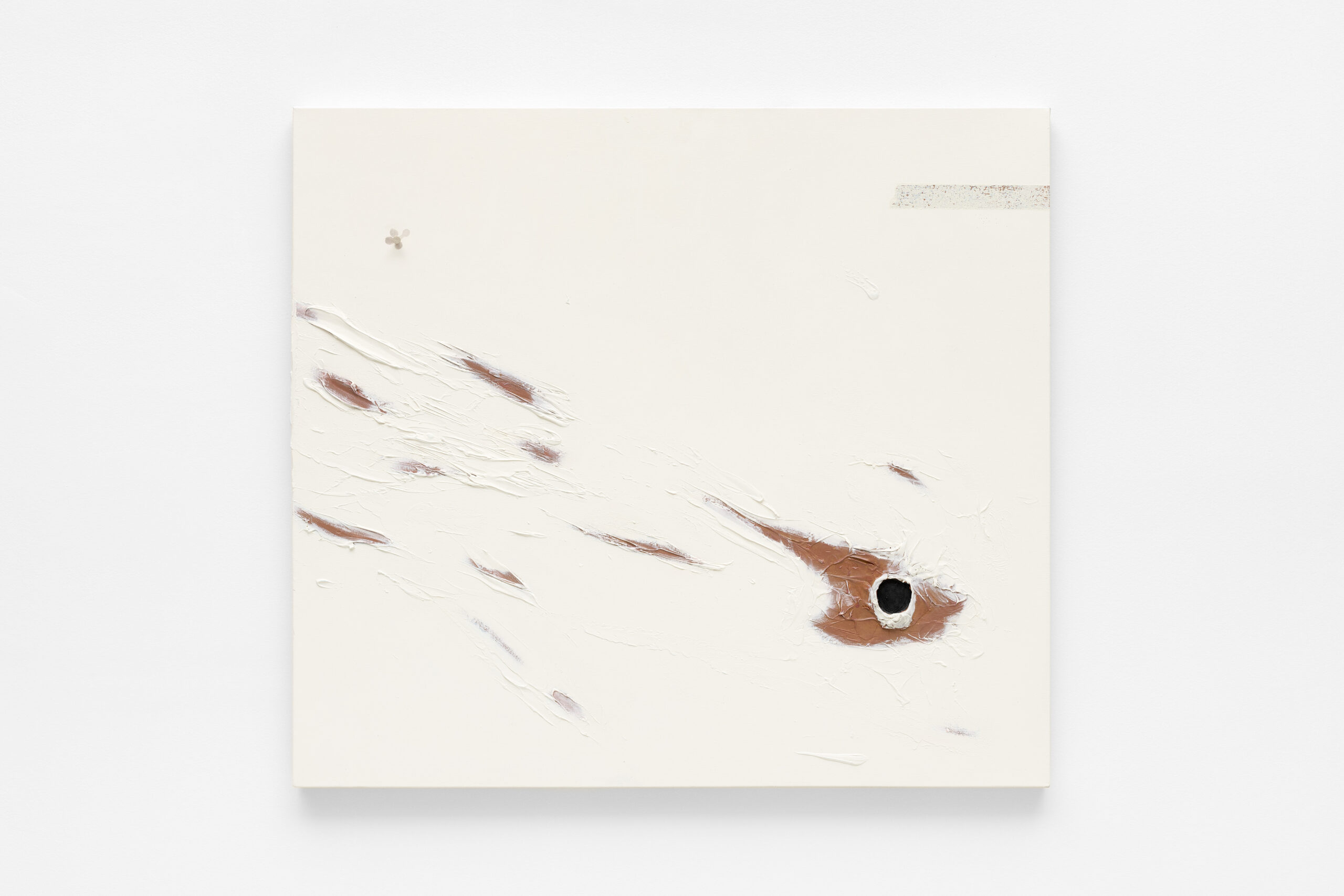
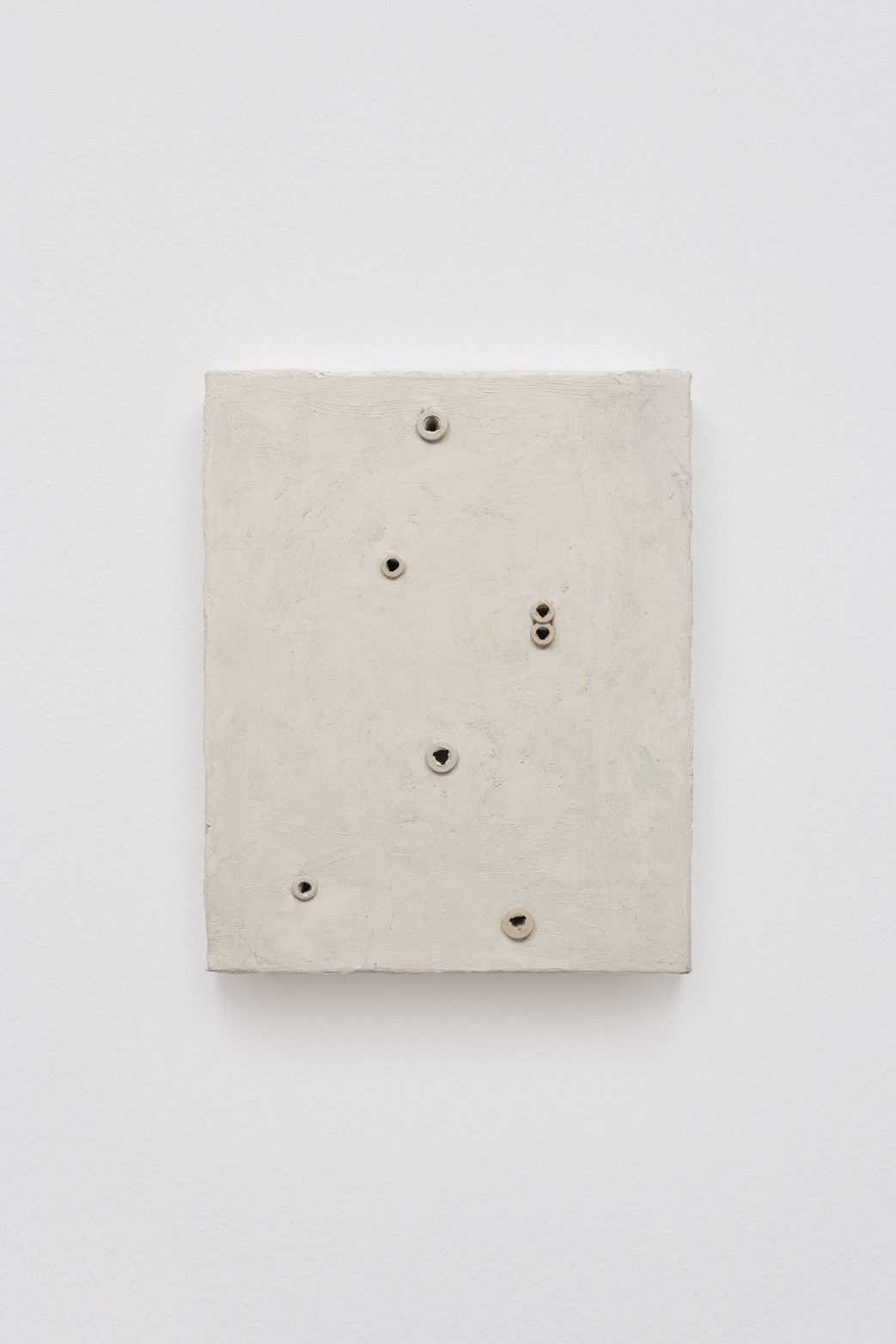
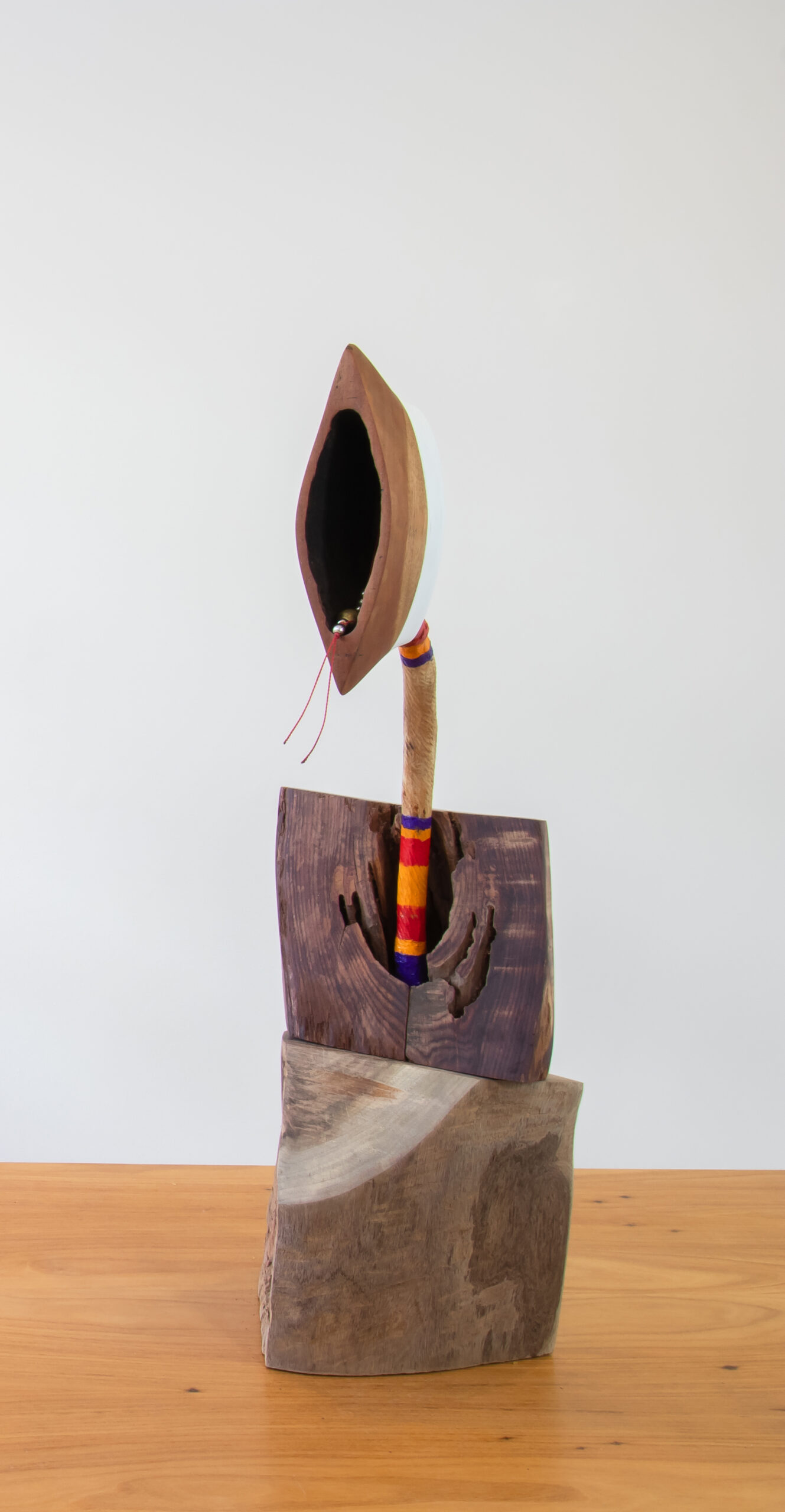
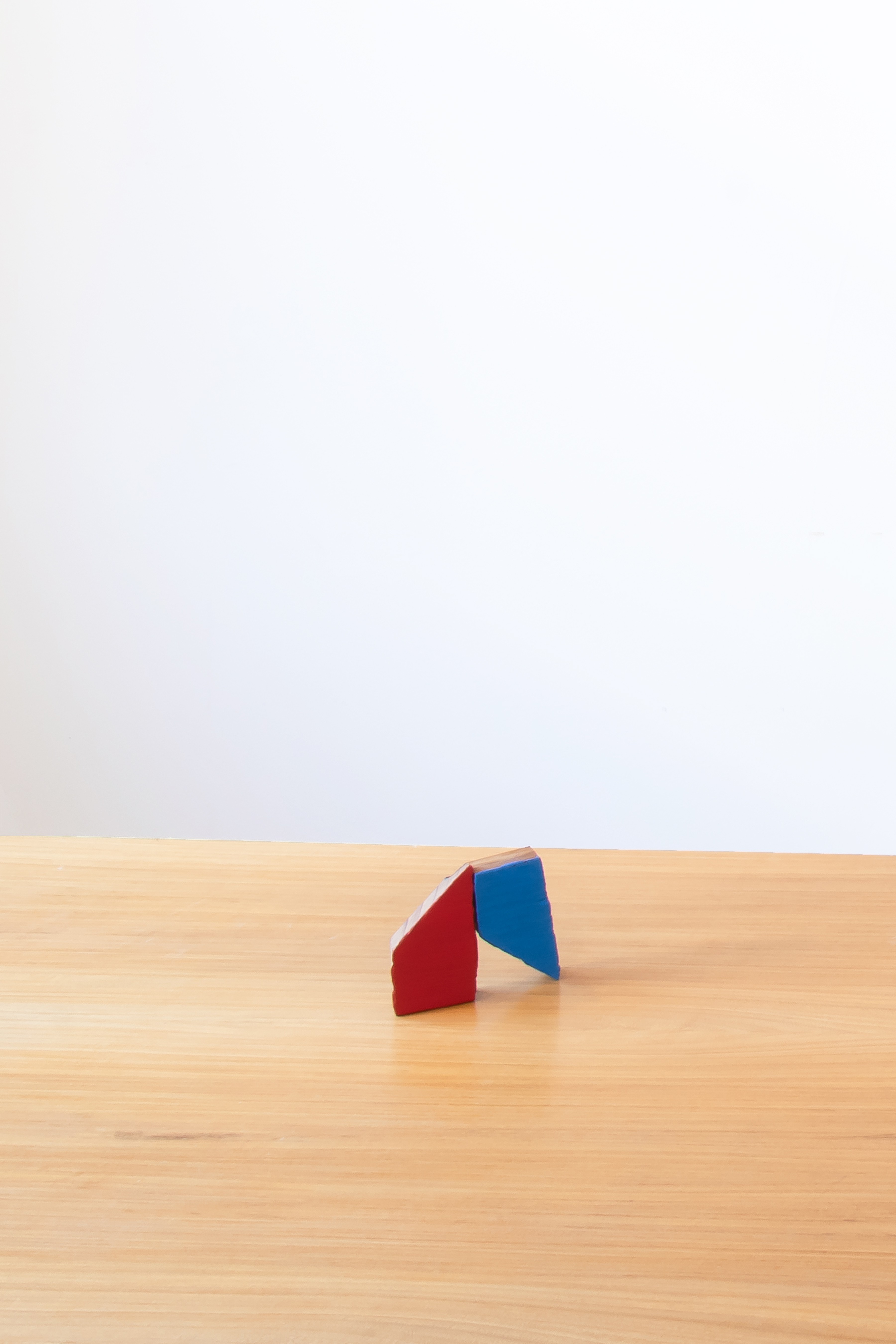
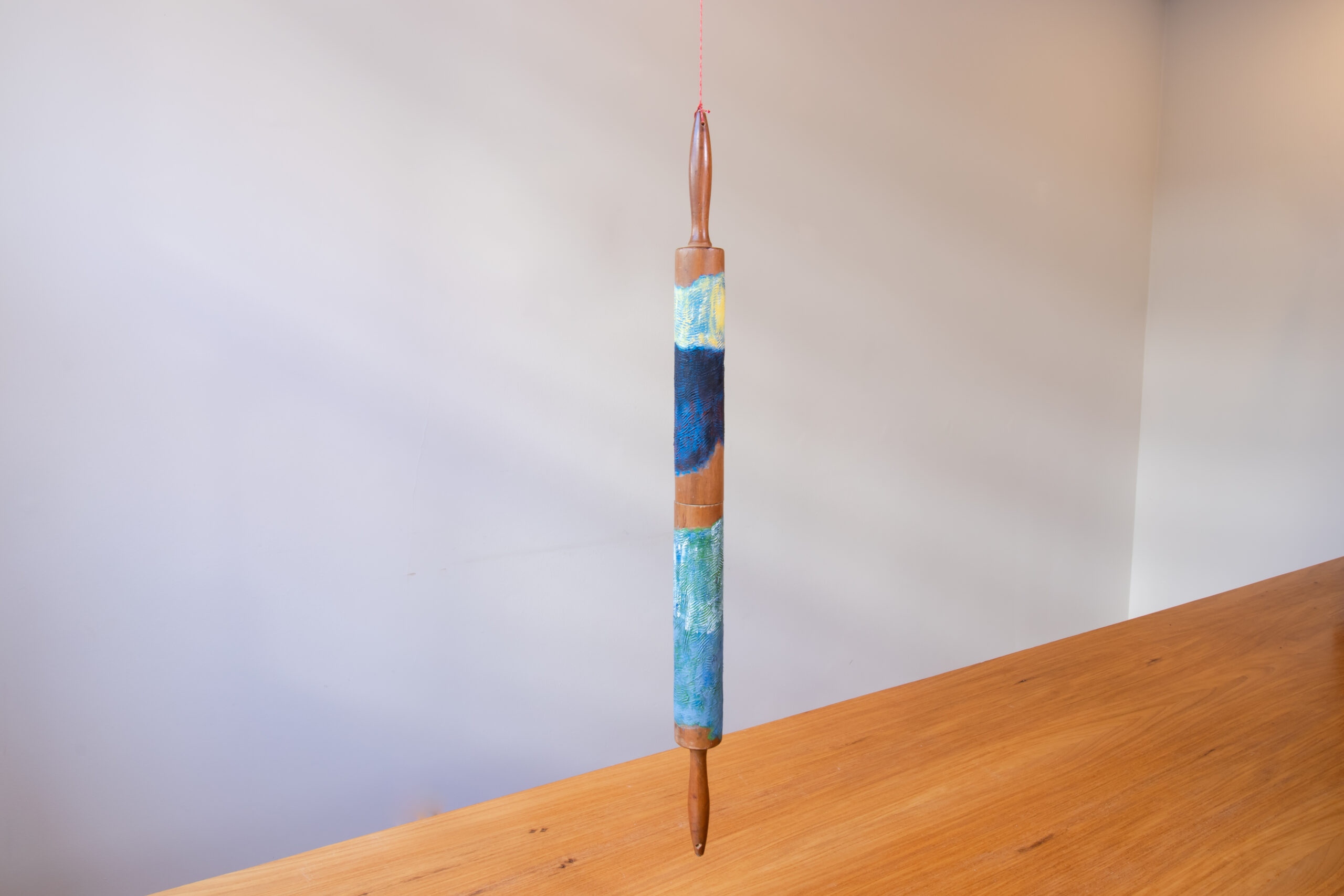
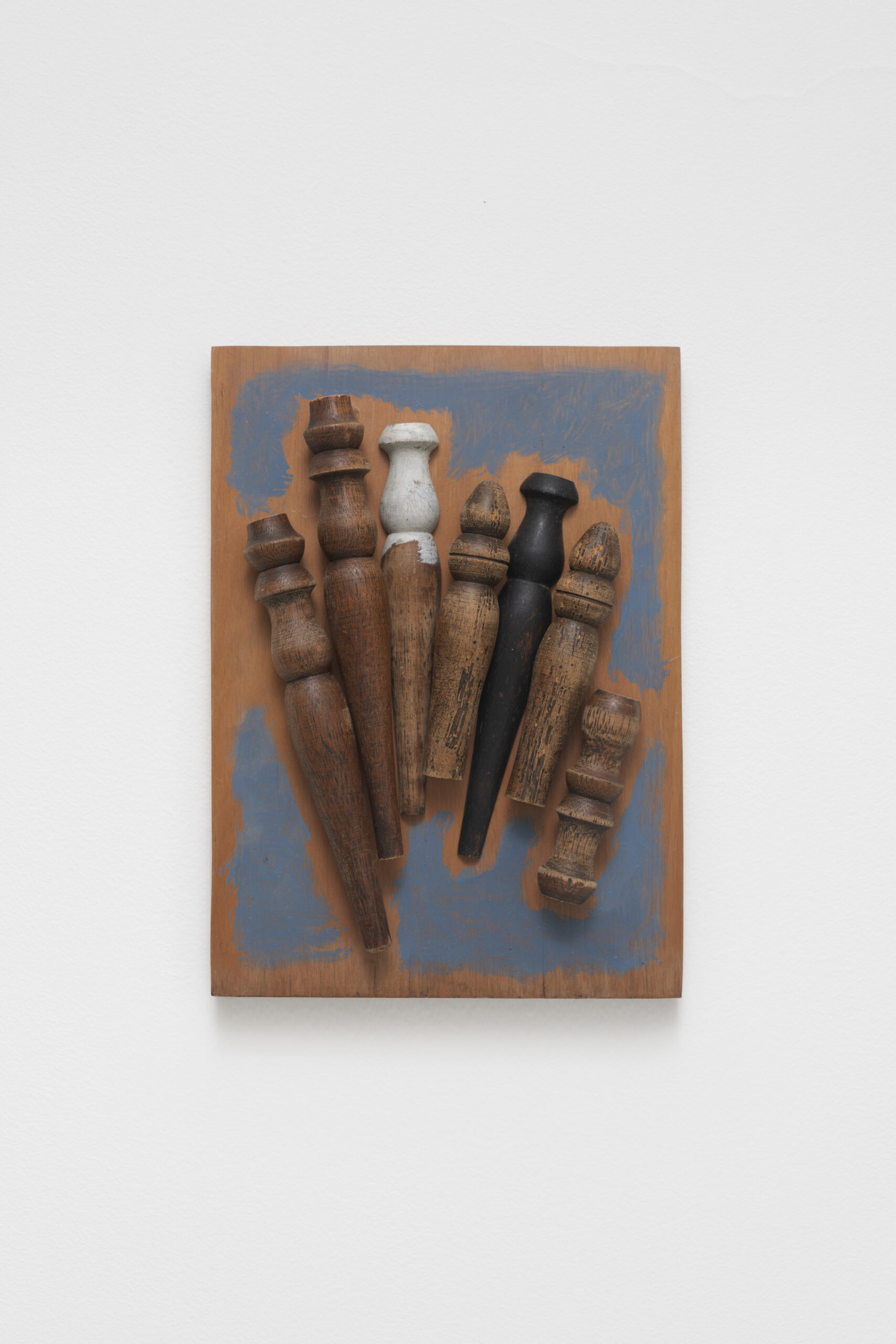
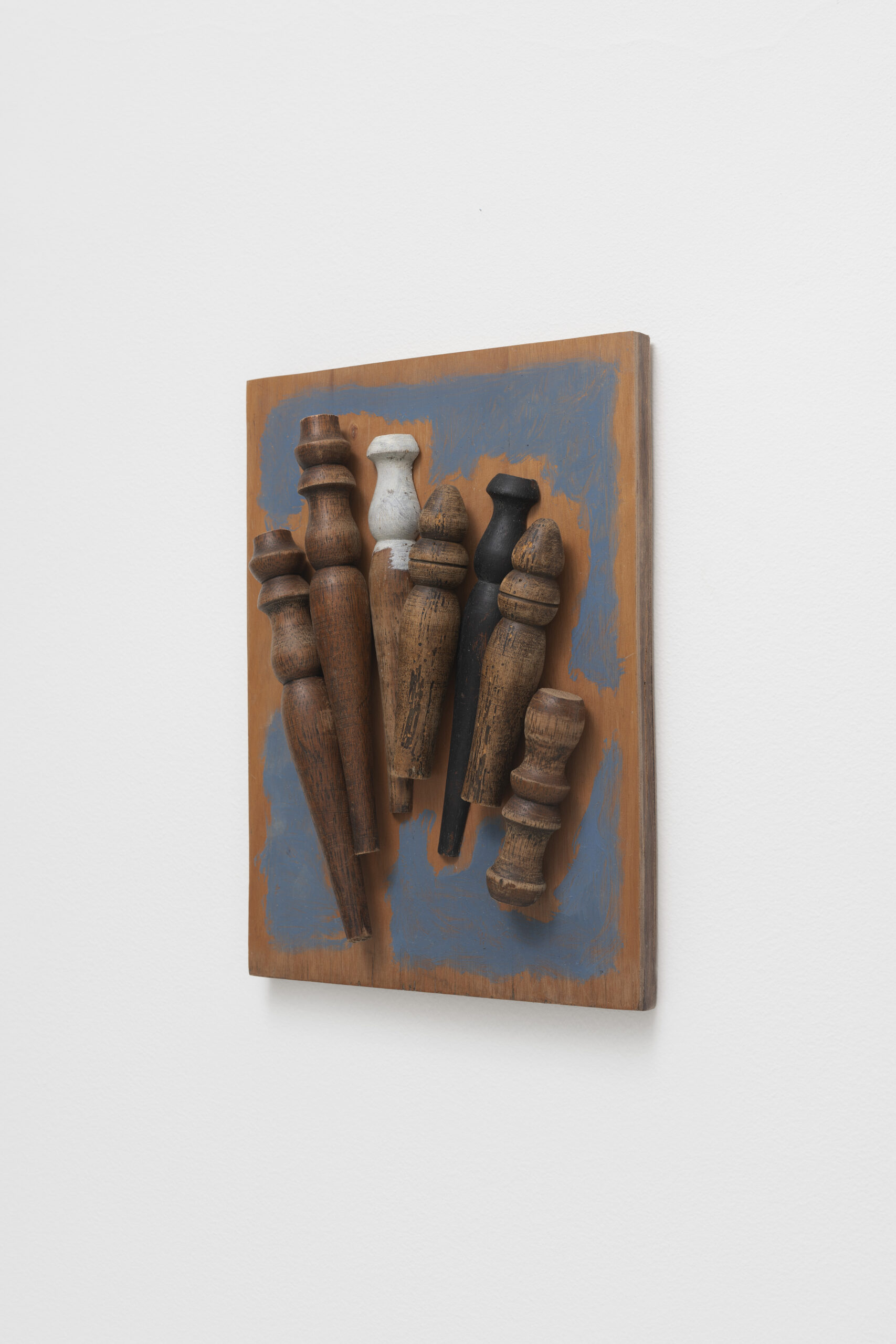
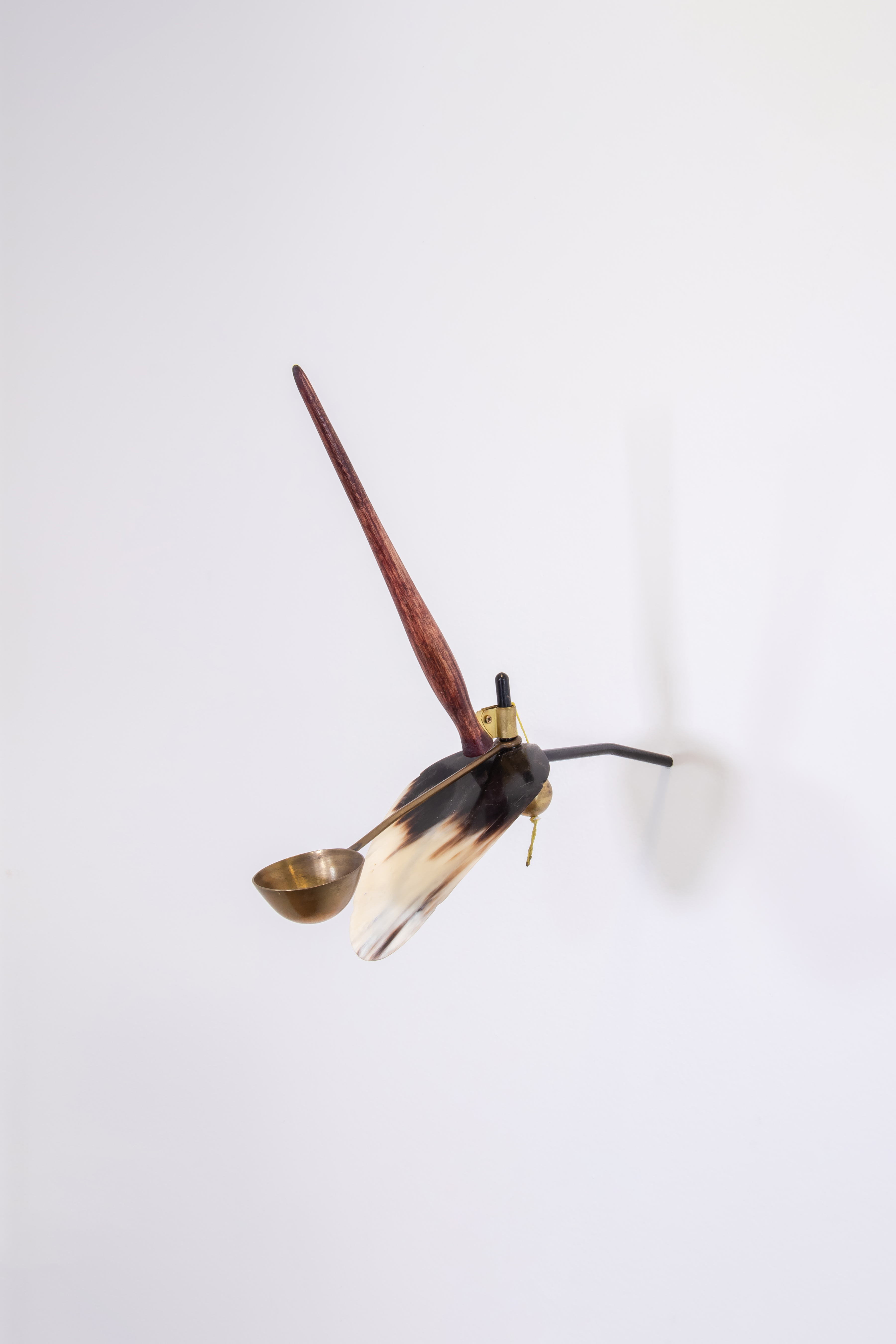
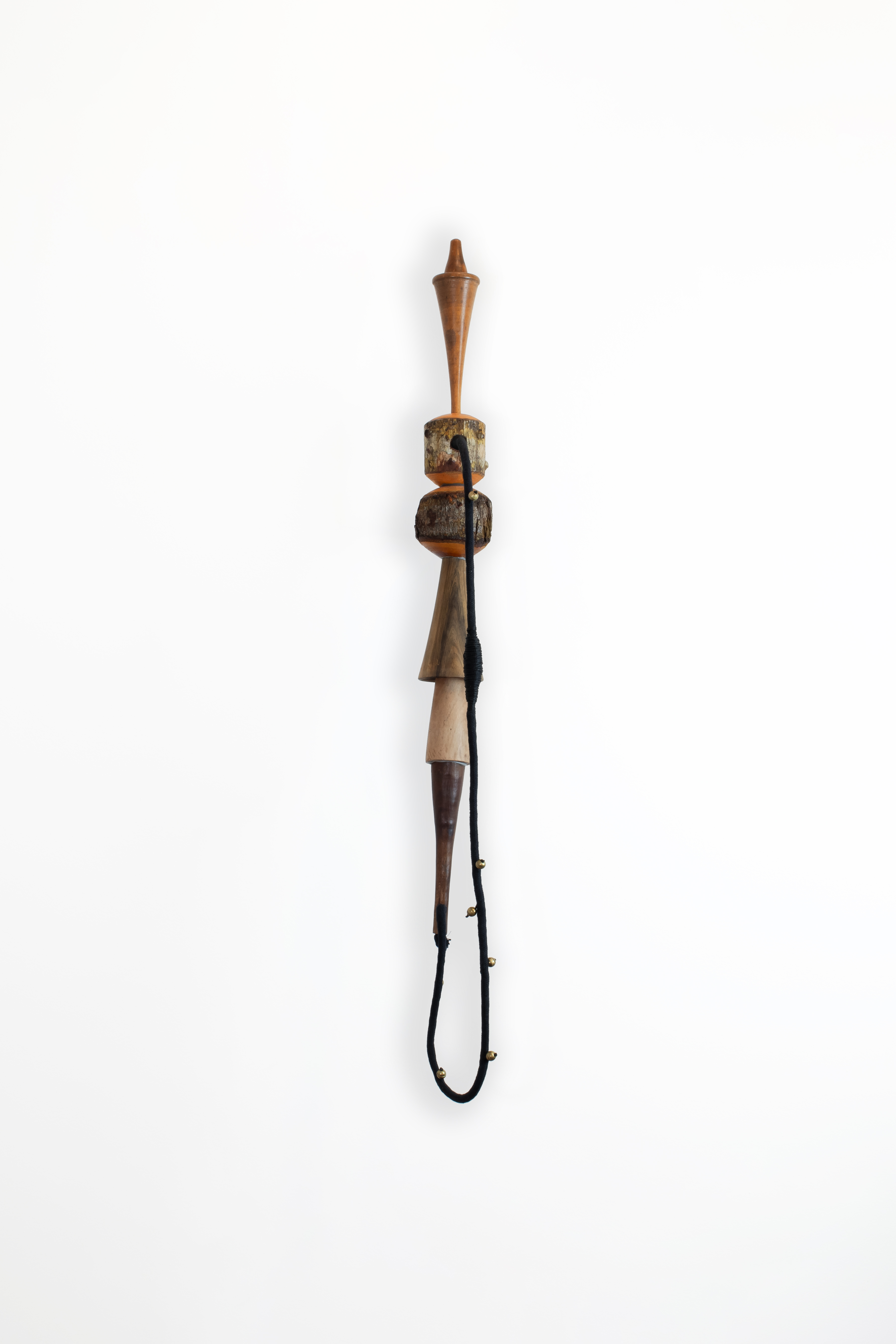
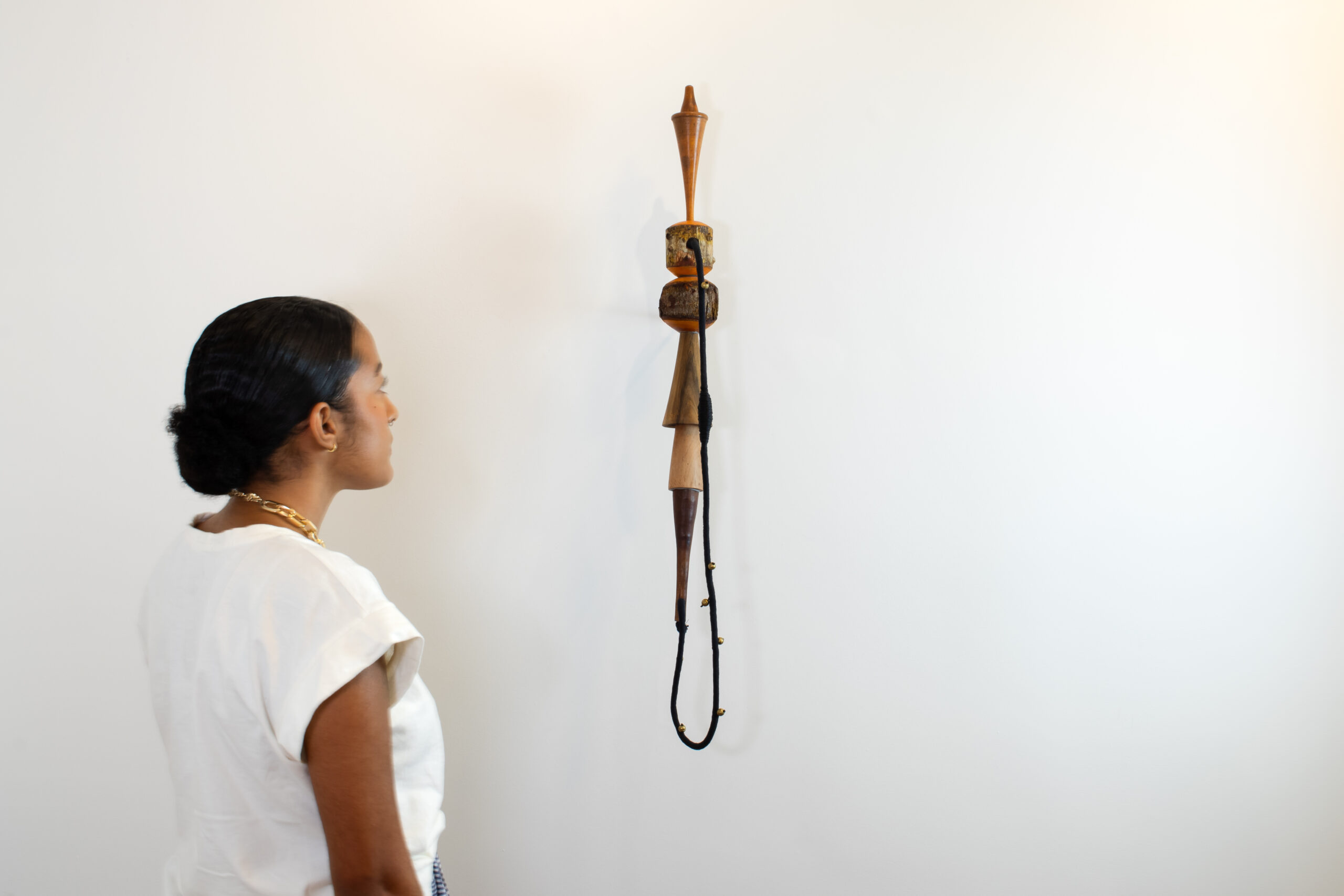
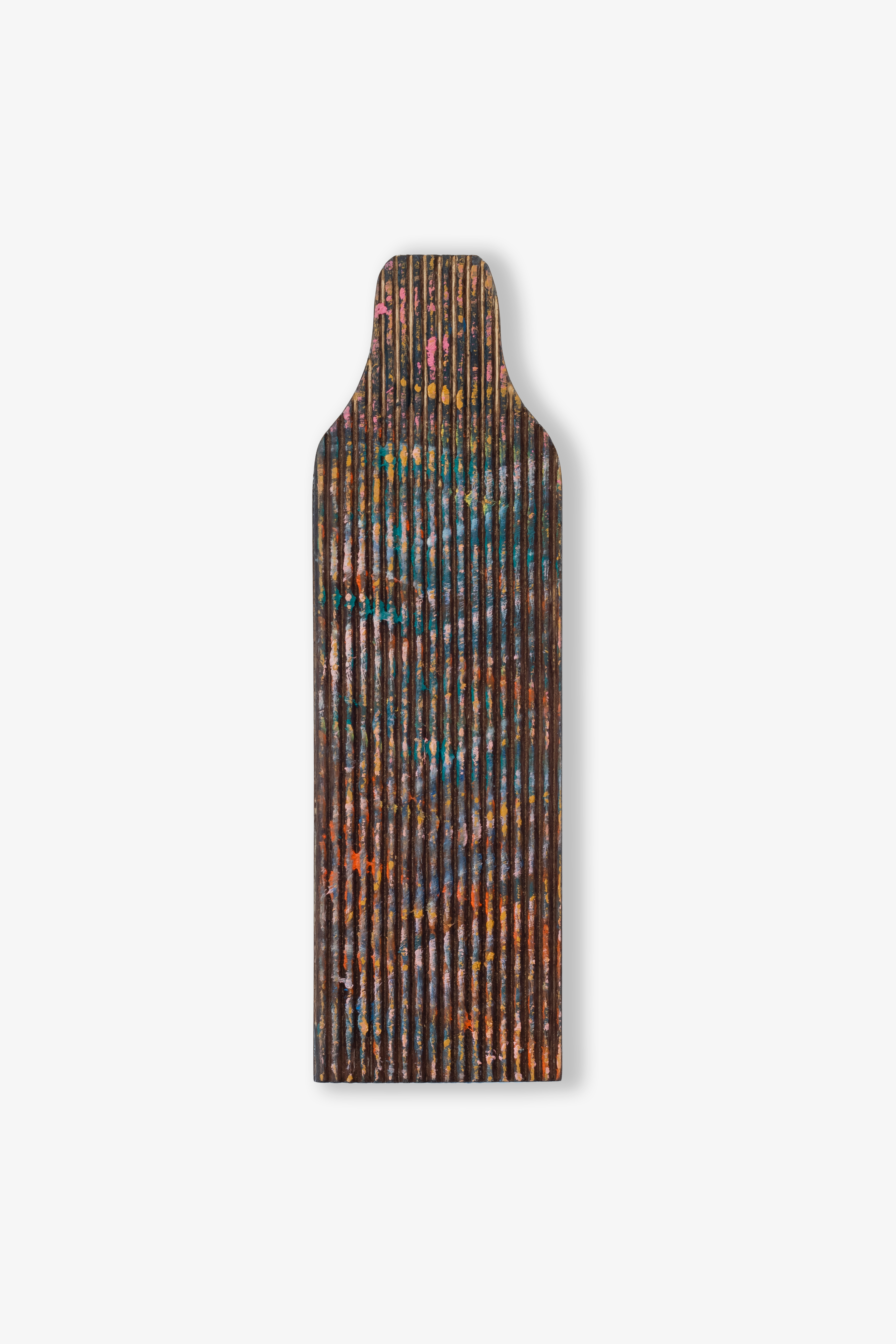
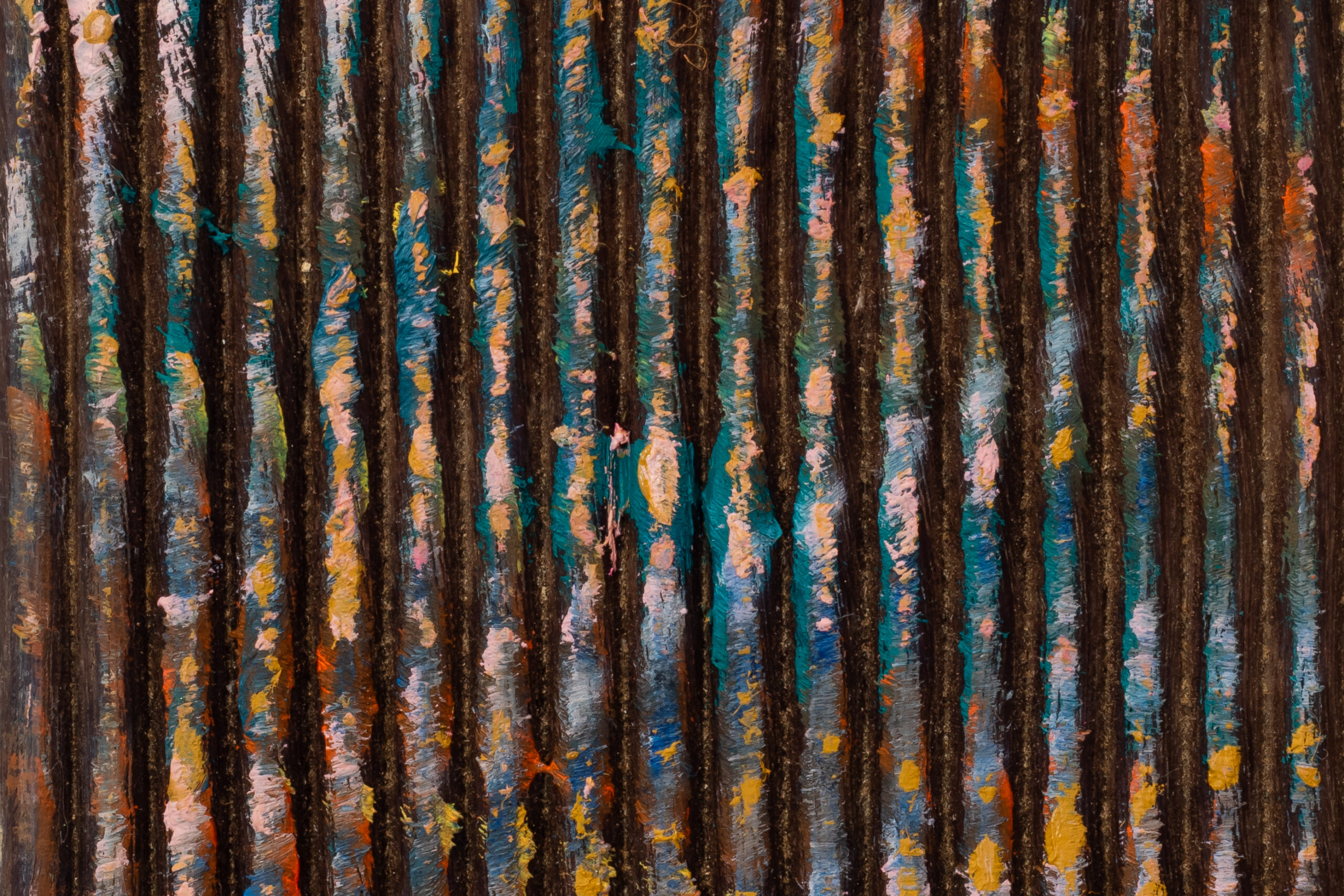
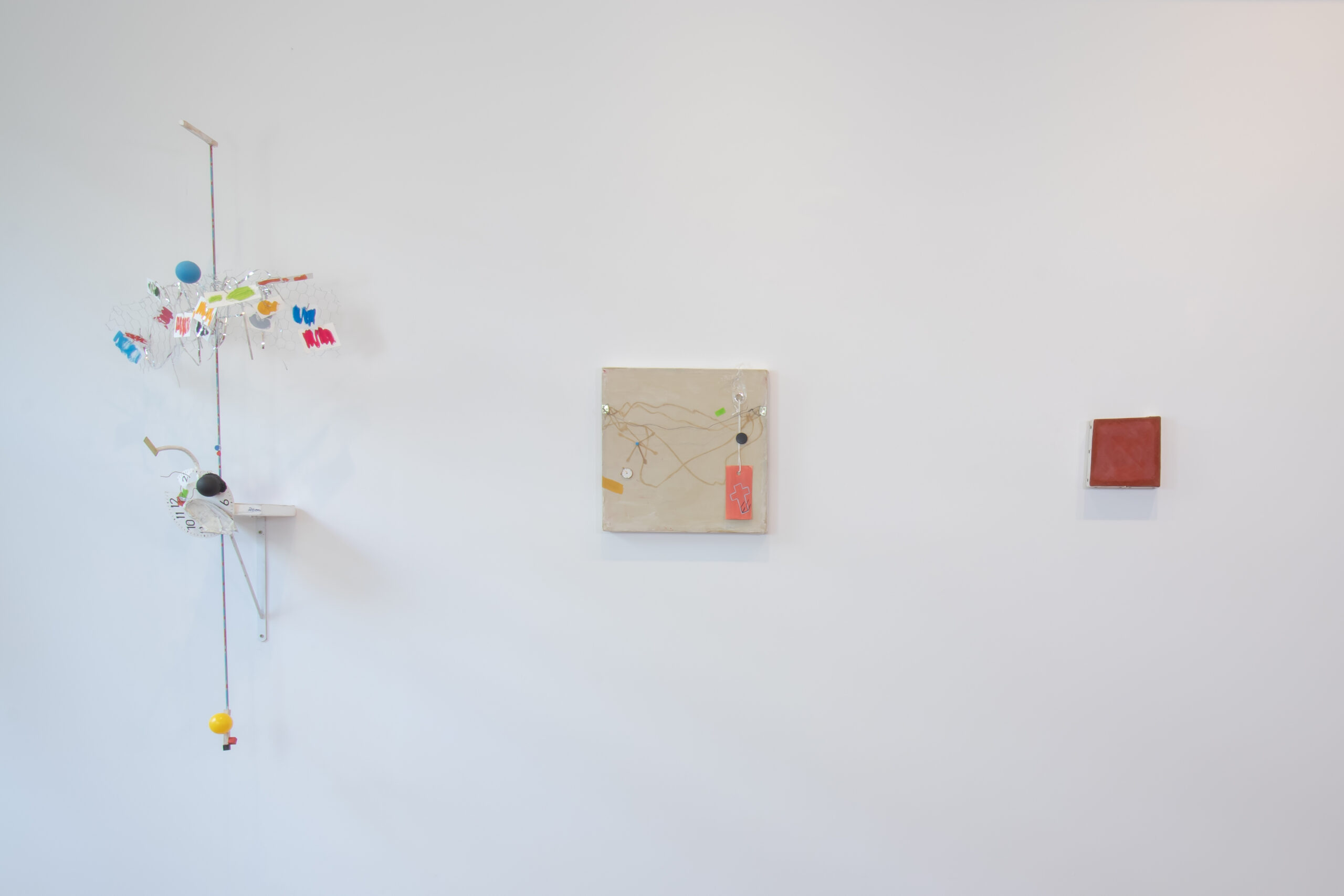
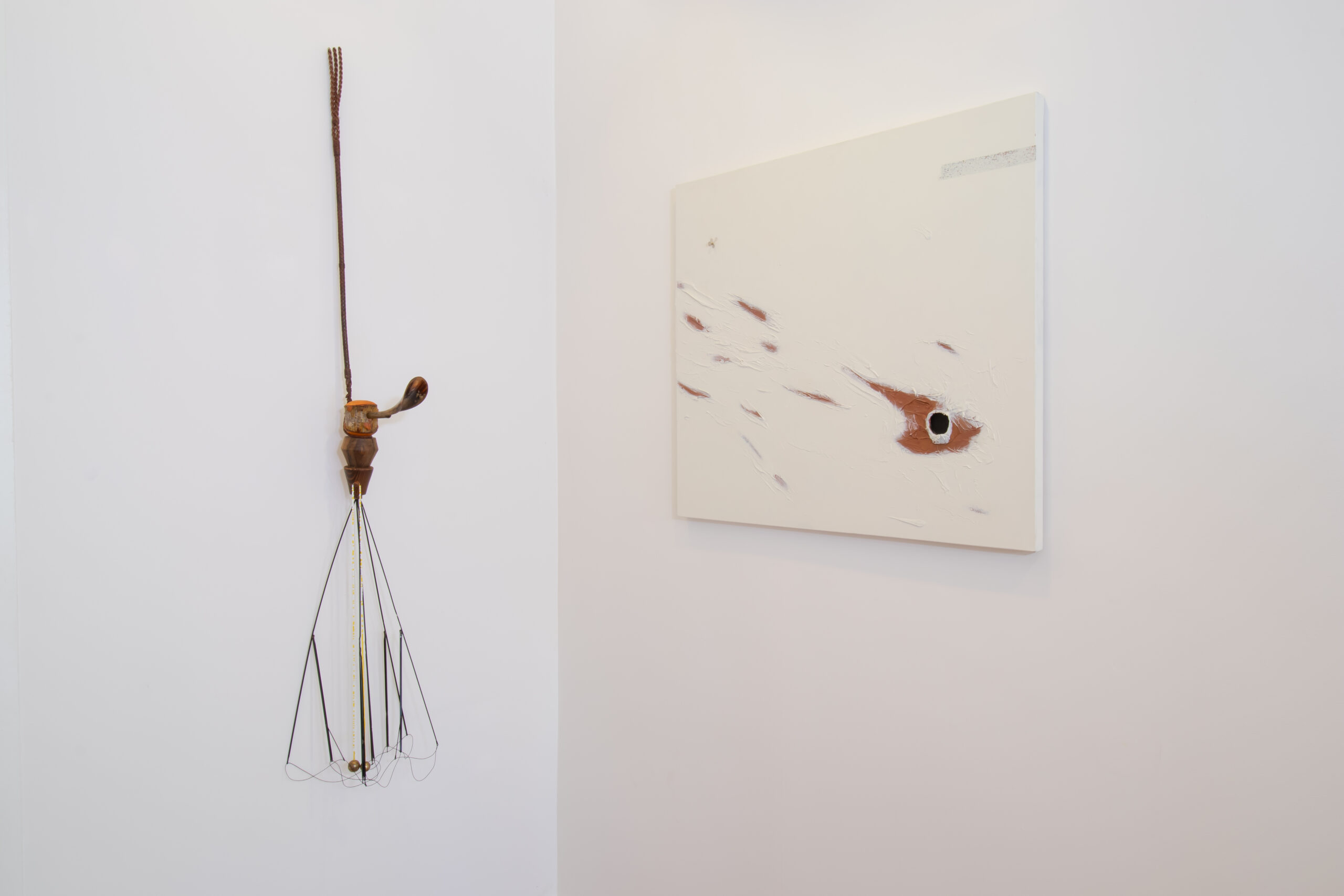
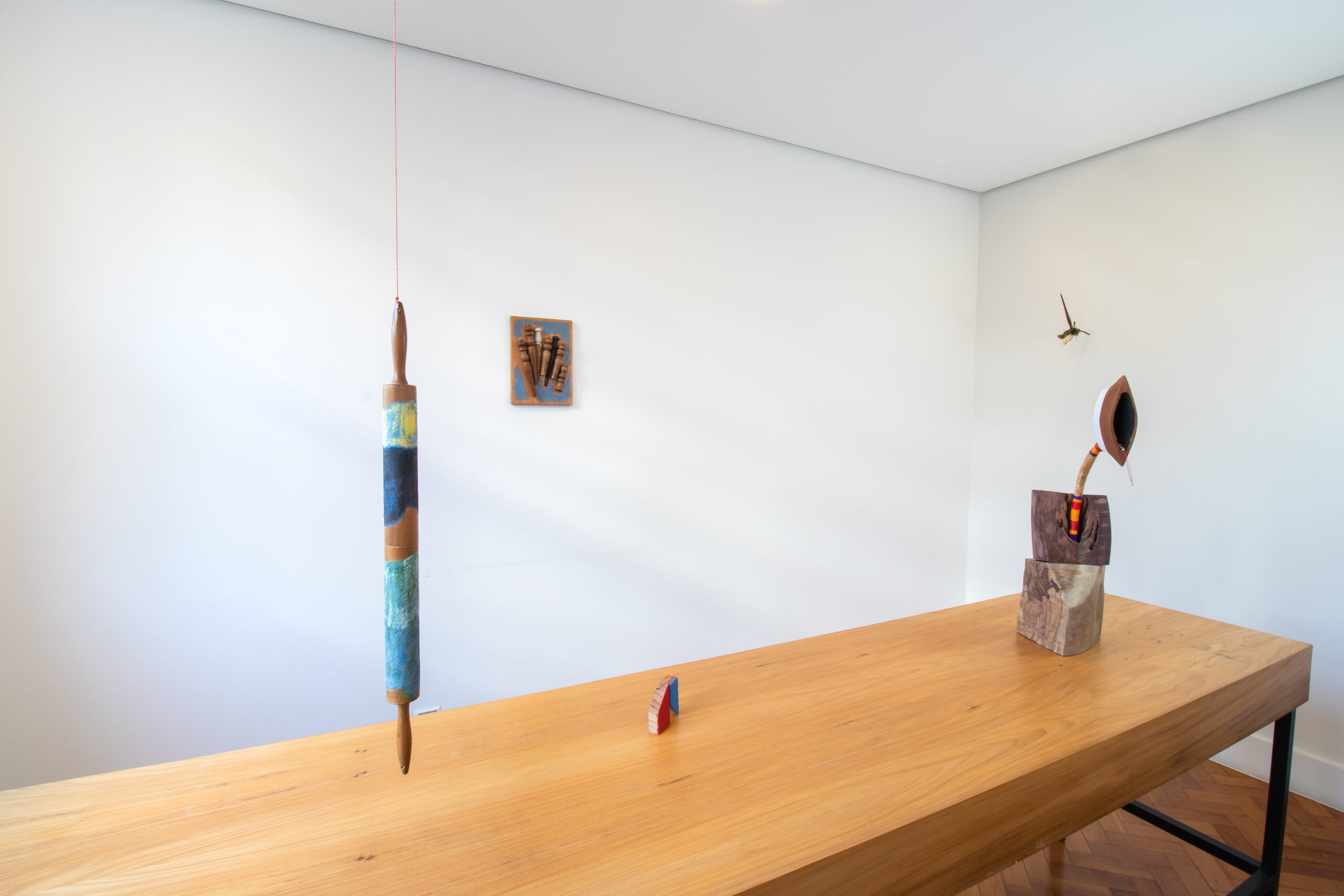
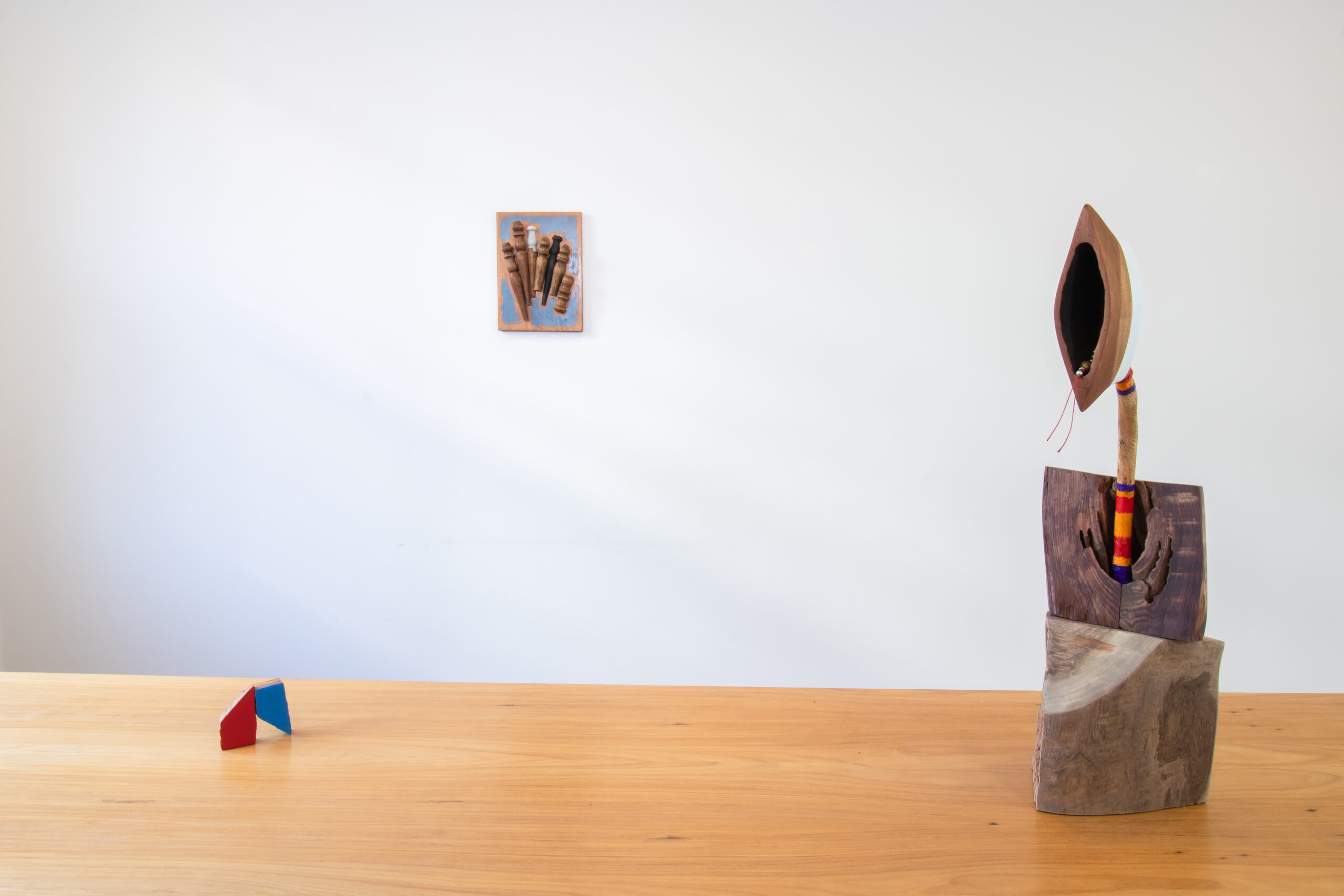
The expression that gives this exhibition its title immediately opens up the cartography of the vectors mentioned. However, “bias” is also a strip of cloth cut from fabric. The oblique lines can be fragmentary, just like the raw materials found here. There is a certain presence of everyday note-taking in this selection of works, although it appears in different forms. Claudio Cretti starts with an intensive search for materials, which can be more general or more vernacular, creating new compositions with them that give life to improbable objects bordering on figuration and abstraction. Marcelo Pacheco generates reconfigurations from elements found in their ordinary habitats, using painting procedures and identifying possible patterns. In Thomaz Rosa’s work we find a series of things that seem to embed themselves in the painting or in formal compositions, exposing a certain desire for the work to be self-referential, to expose its own procedure, as well as to leak its limits.
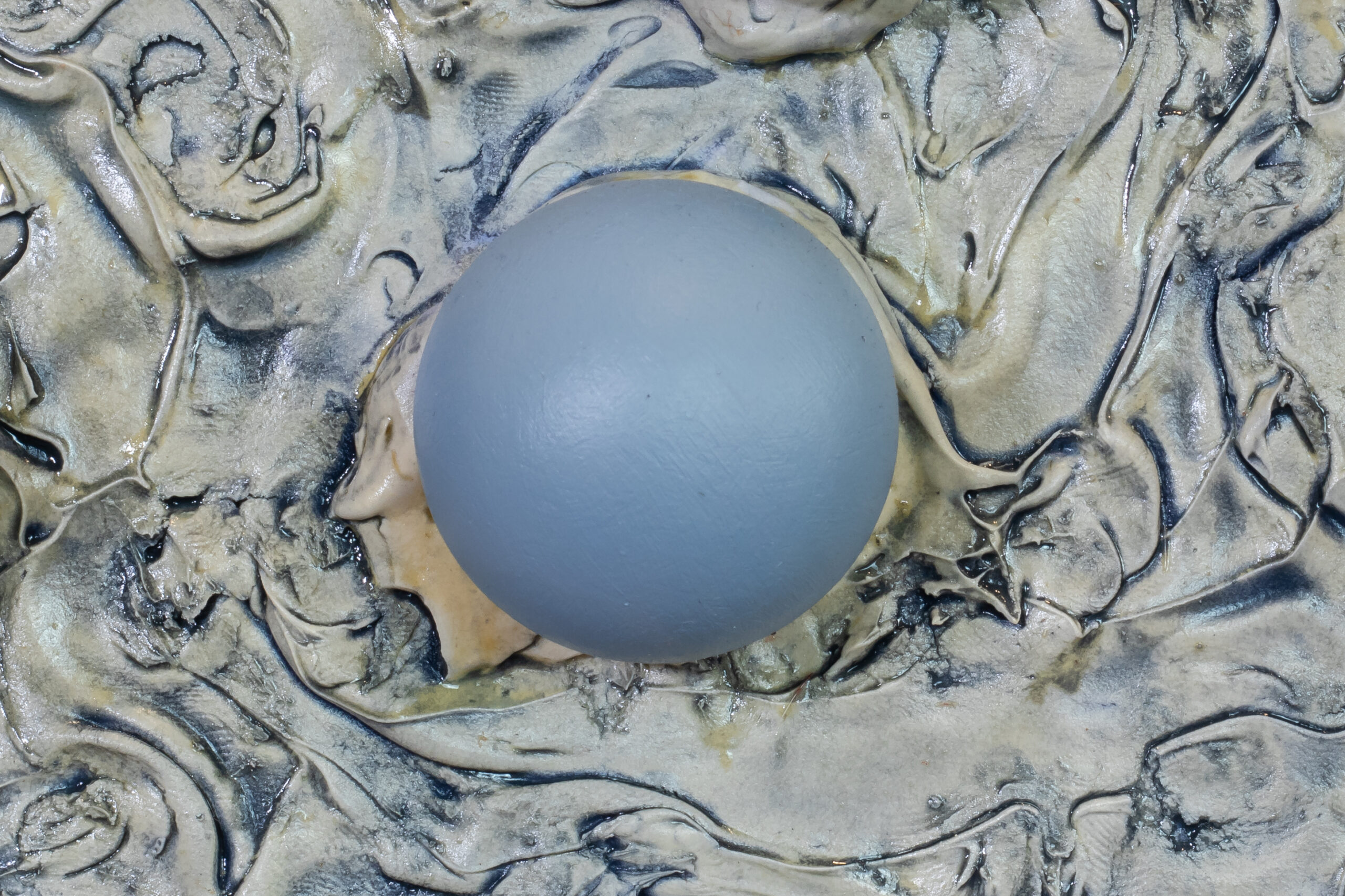
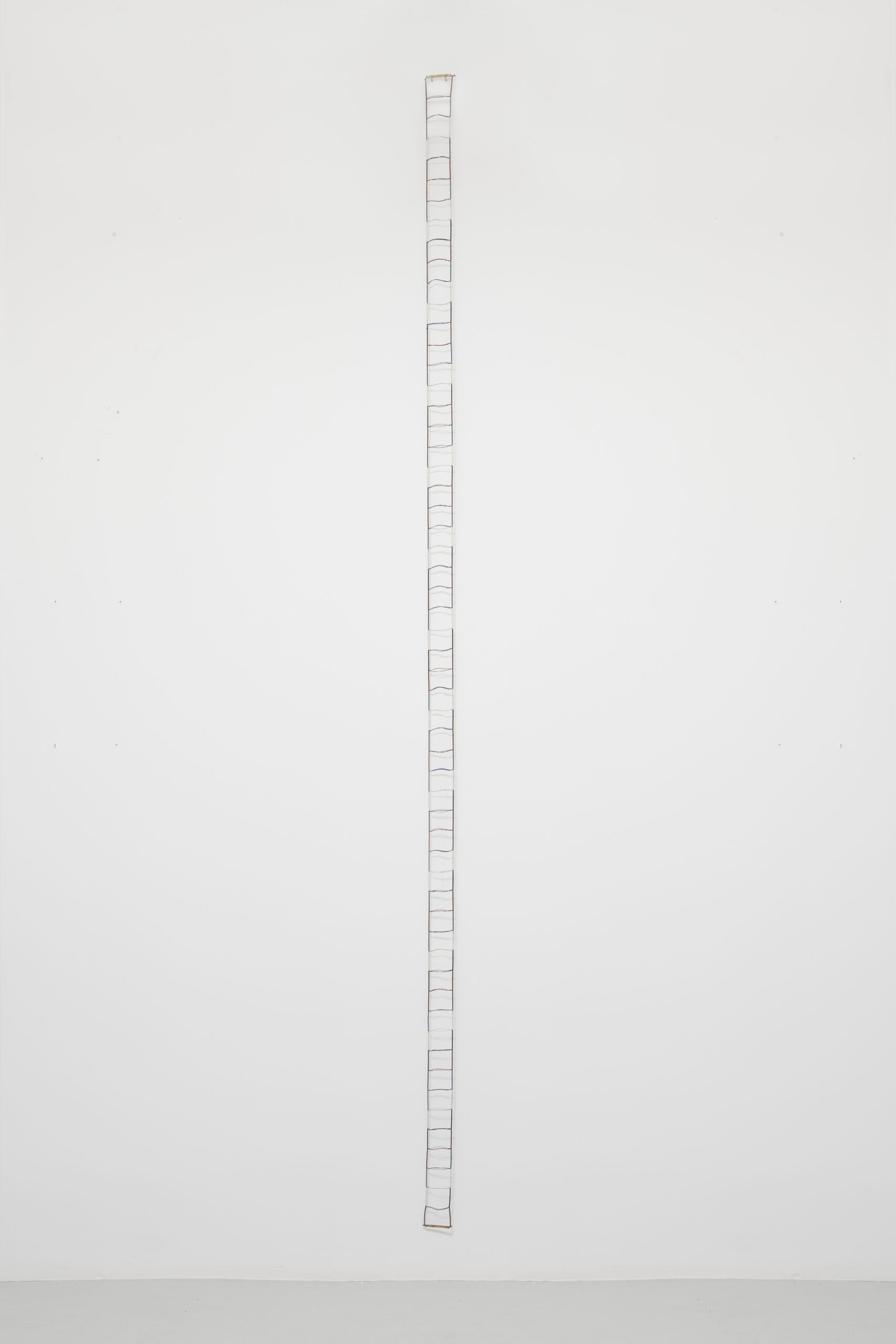
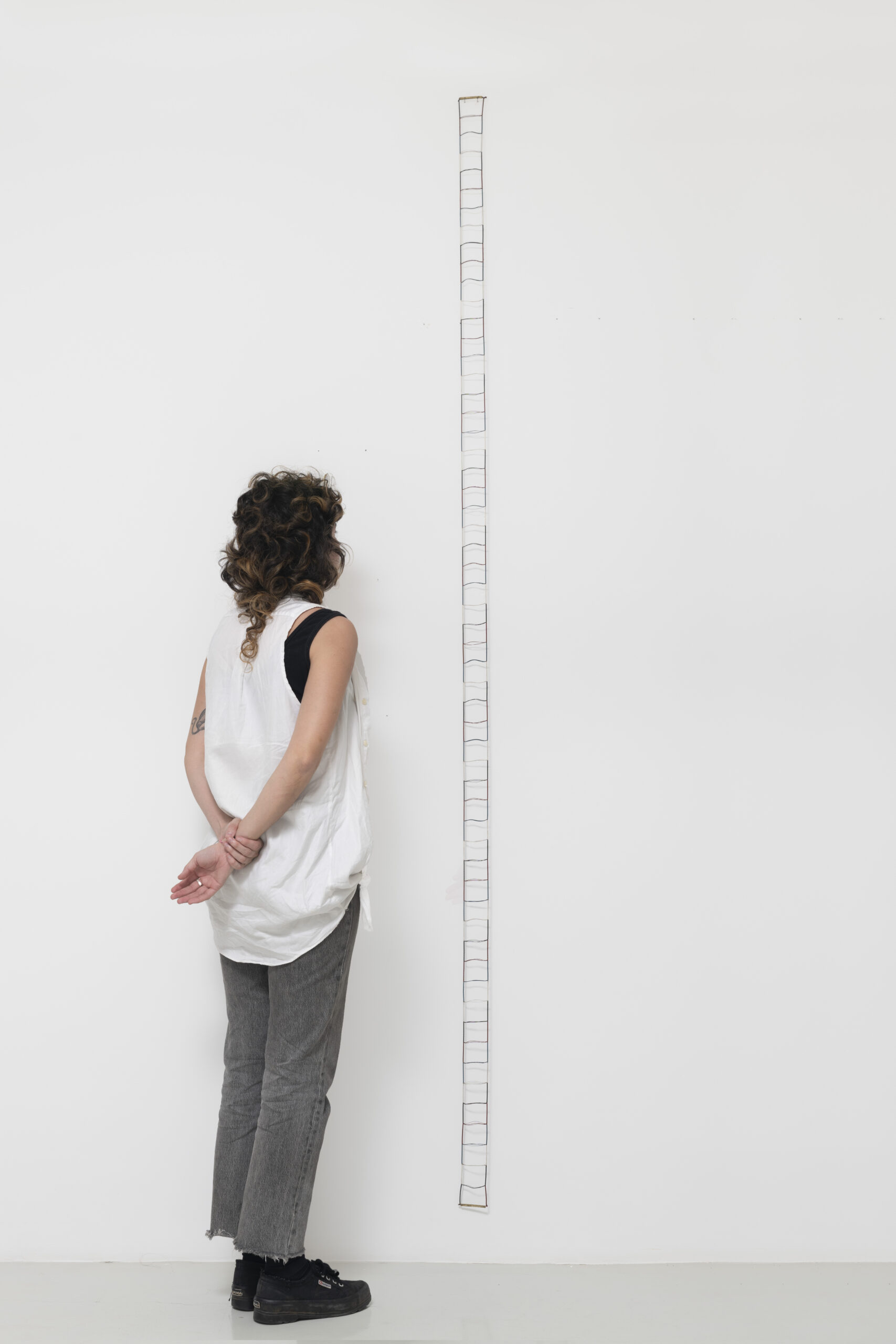
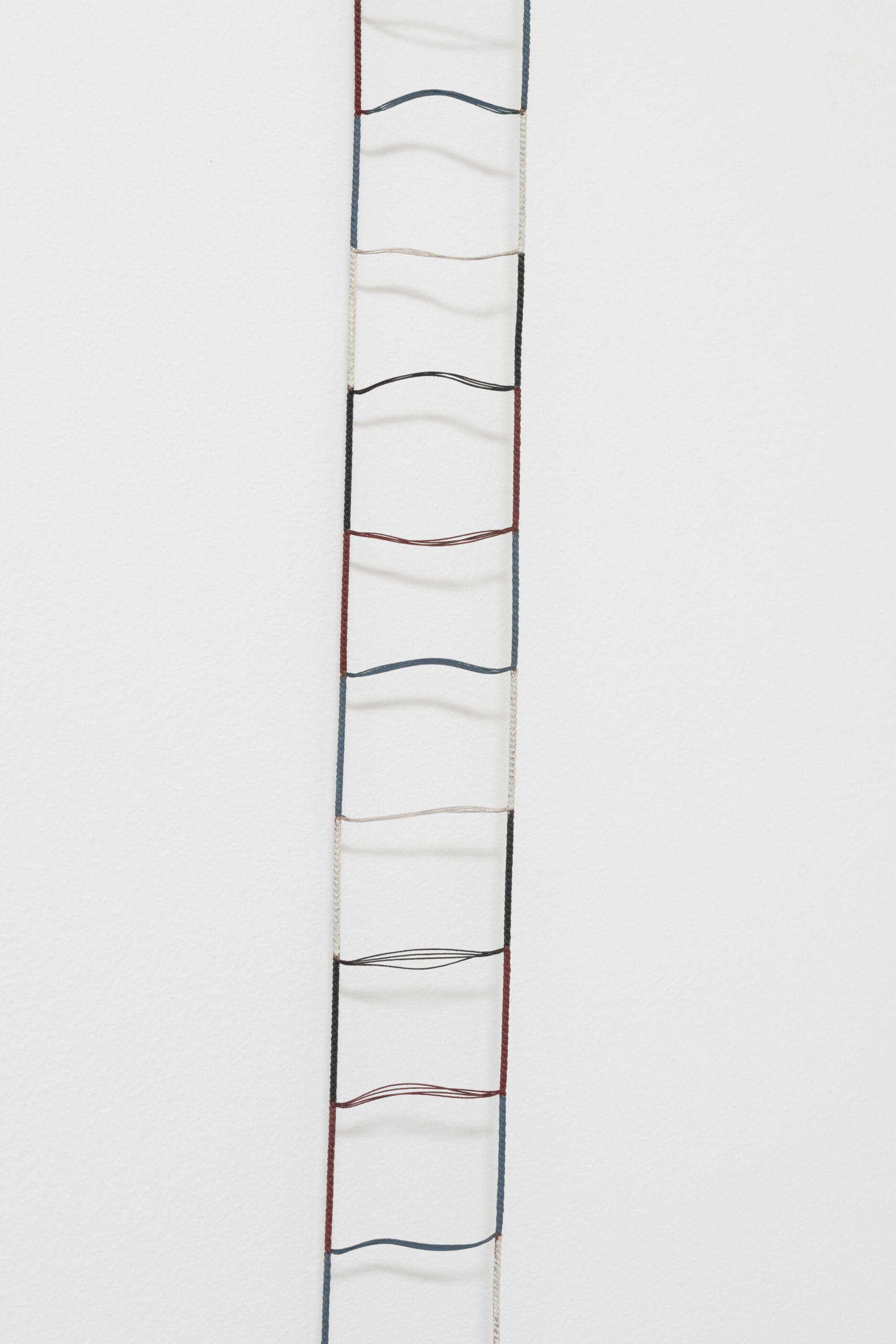
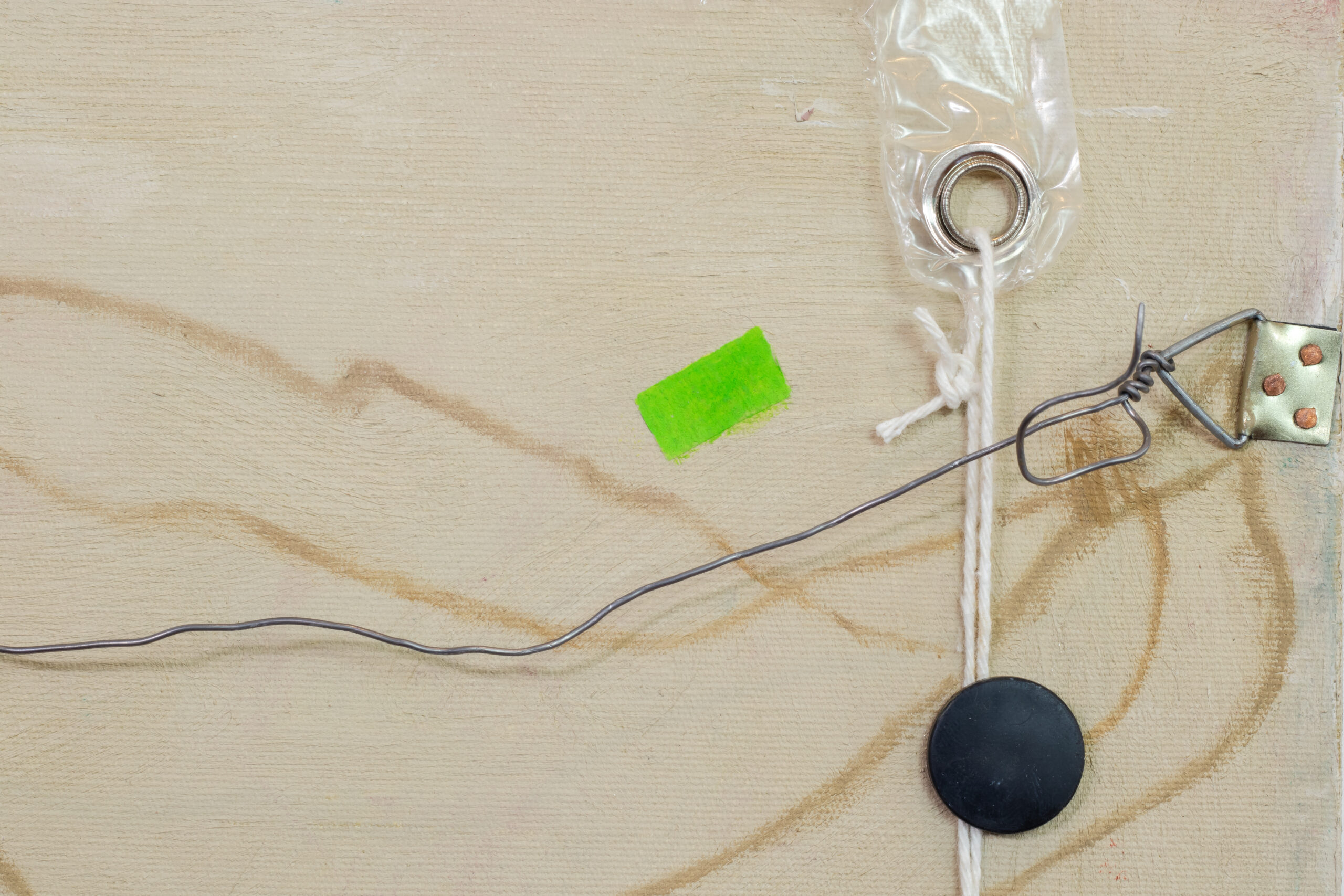
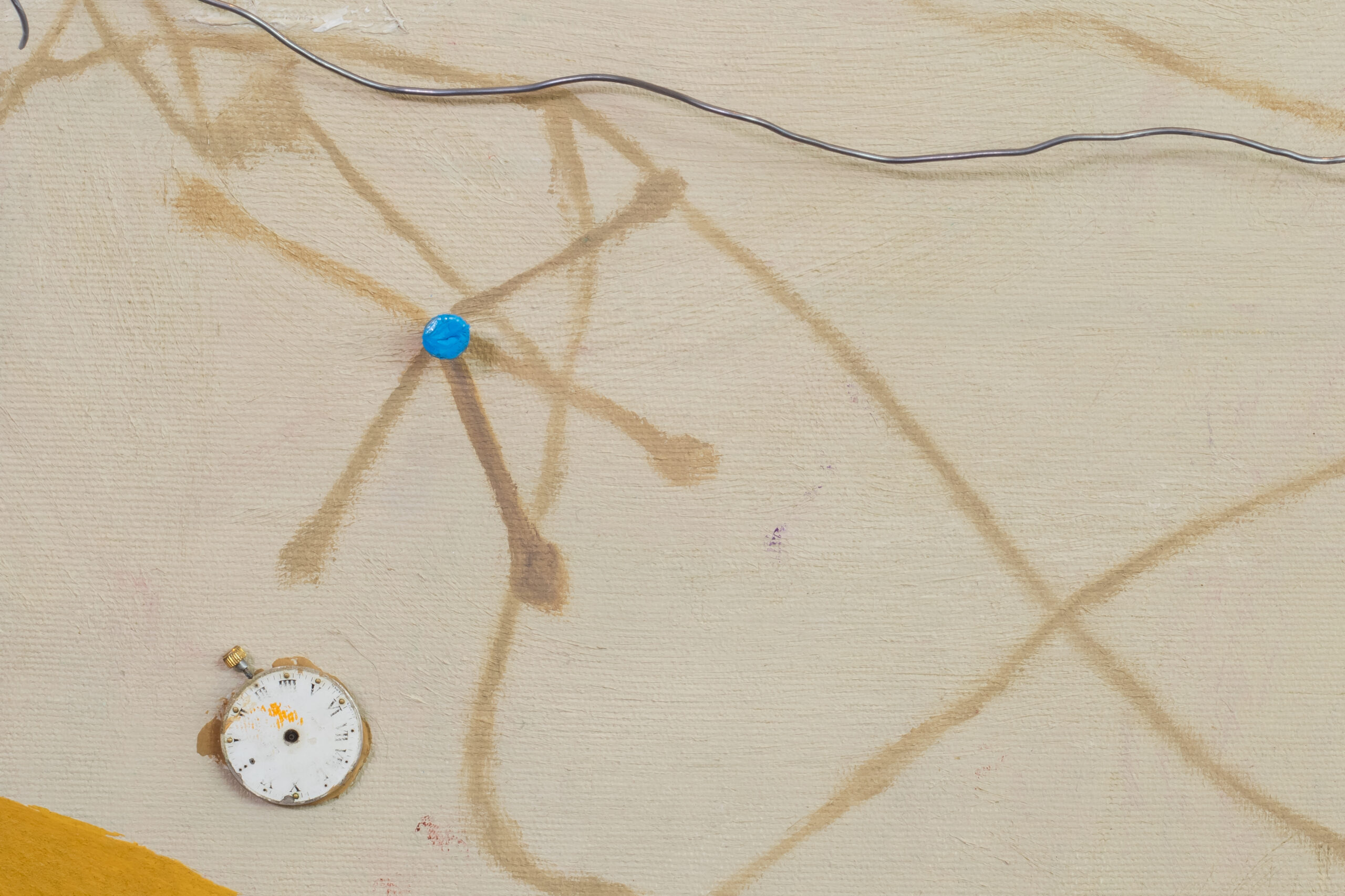
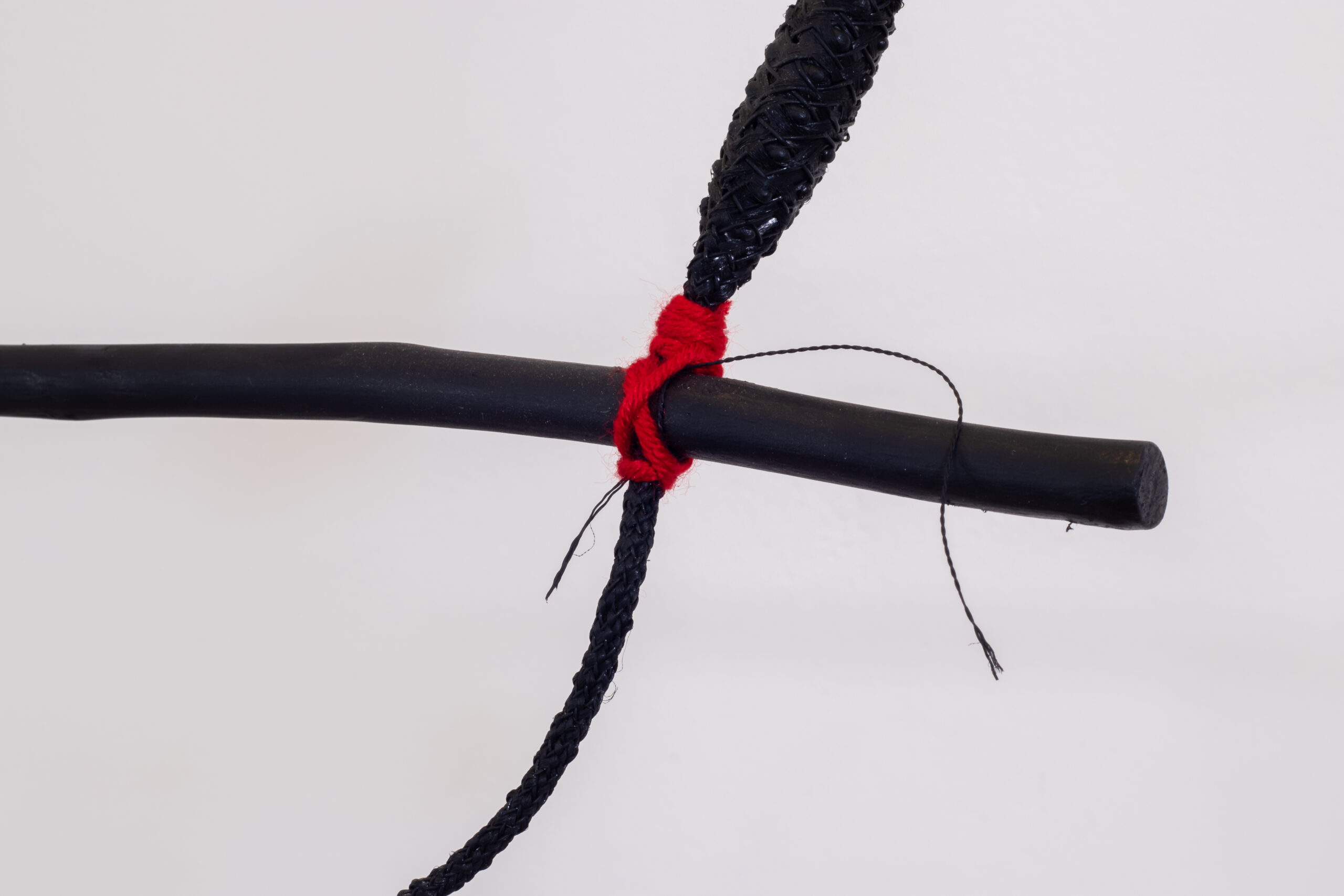
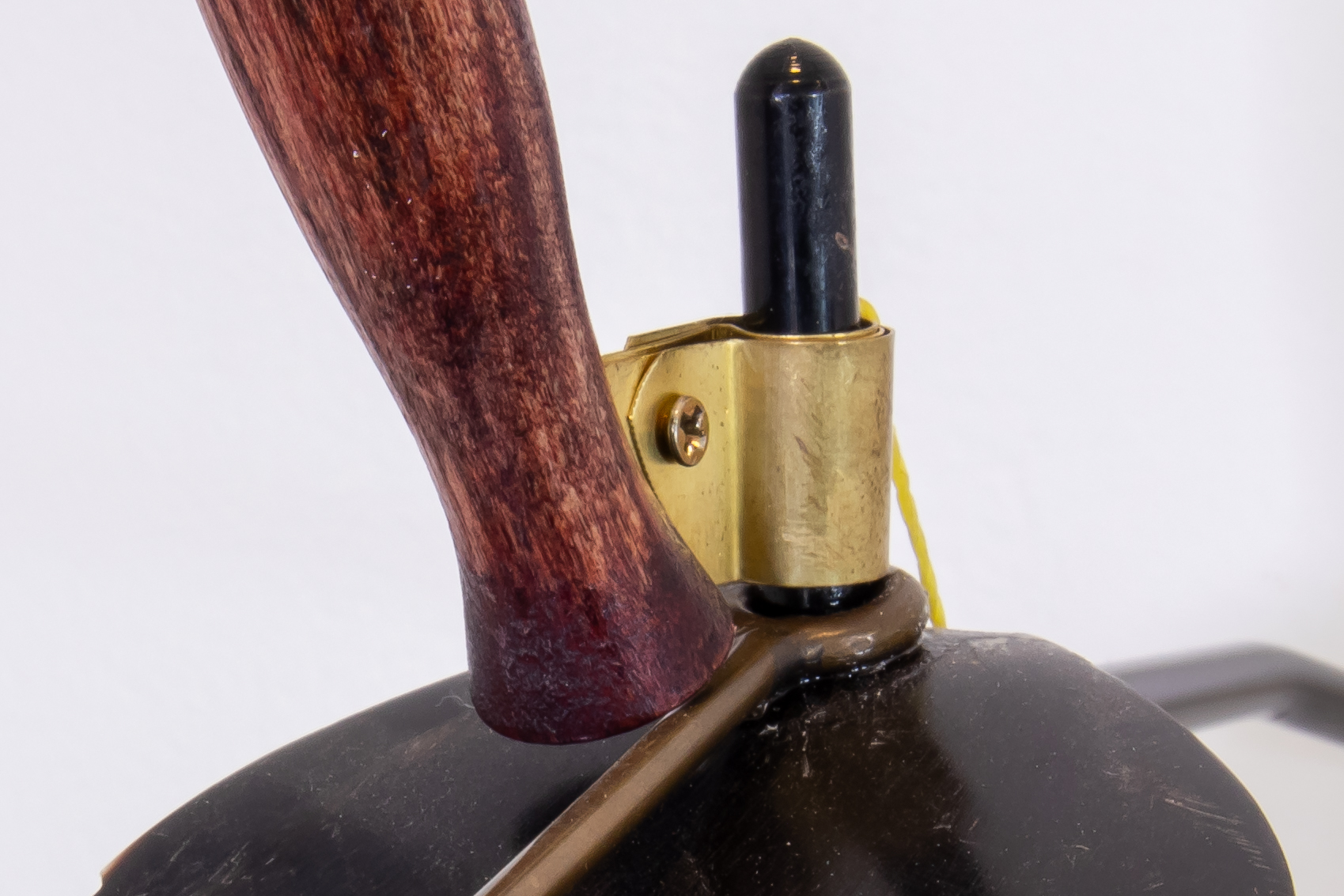
In this exhibition we find elements ranging from wood, paint, metal and string to beads, ping-pong balls, nails and rings, to name but a few. These are abstract media that are informing us of something unheard of among the ordinary. There is an absence of a demarcated figure, perhaps because the things of the everyday world exist in spite of us, but all the time we are composing with them, not in order to tame them, but to organize paths and destinations with matter. Everyday material is, after all, the very fabric of memory, which is never merely volatile or fully deliberate. It’s as if the works want, to some extent, the geometric, the hard, but something is allowed to waver, to become shapeless. The surface of all these things that are inscribed in banality, that are found on the paths, are too flexible, too porous, soft and sensorial.
Walking offers clues all the time, we know. And during this journey it is necessary to imagine. Above all, it is necessary to dissolve a certain entanglement between imagination and understanding. Walking has its pitfalls. In the case of the exhibition, we see works in space. We observe, in the face of some disorganization, the formation of patterns through the procedures that are found. In this case, they are more like tendencies that come together in an improvisation that, although provisional, is forceful.
When everything tends towards comprehension, when every form is projected as inscribed in a certain narrative, it’s important to let the imagination navigate the coming and going of the tides, to follow a direction of thought that doesn’t end in elucidation, in order to recover a sensibility that allows itself to be affected by presents, objects, images, matter, pieces – that which, from a bias, gives shape to this exhibition.
Daniela Avellar