After the lost star
Arora
curated by Keyna Eleison
September 12, 2023 - November 16, 2023
Rio de Janeiro
The cave and the sun can be the same place
The cave and the sun can be the same place. These were some of the words I heard from Arorá as we talked about his process and his work for the exhibition. And that sentence echoes in my ears sweetly and definitively.
And I let myself be seduced by his words and his hands and what they did. I let myself be carried away by the sun.
And about the sun: Oxalá created all beings, with the exception of Logunedé, the sun, creation and life. Ra, the sun deity in Egyptian culture, is the most important deity, considered to be the creator of the world, the universe and humanity. Suria or Aditia, in Hindu culture, is the deity of the sun. Creator of the universe, source of all life, the soul that brings warmth and light to the world. He travels the sky in a golden chariot pulled by seven horses, driven by the red Aruna, the personification of dawn. Coraci or Guaraci is the representation of the sun in Tupi culture.
The Sun, brighter than 85% of the other stars in the Milky Way, the central star in our planetary system. Composed primarily of hydrogen (74% of its mass and 92% of its volume) and helium (24% of its mass and 7% of its volume). It has the spectral class G2V, G2 meaning that the star has a surface temperature of approximately 5785 K (kelvin), which gives it a white color. Its appearance in yellow, orange or reddish colors in the sky of planet Earth, especially near the horizon, is due to rays from the atmosphere.
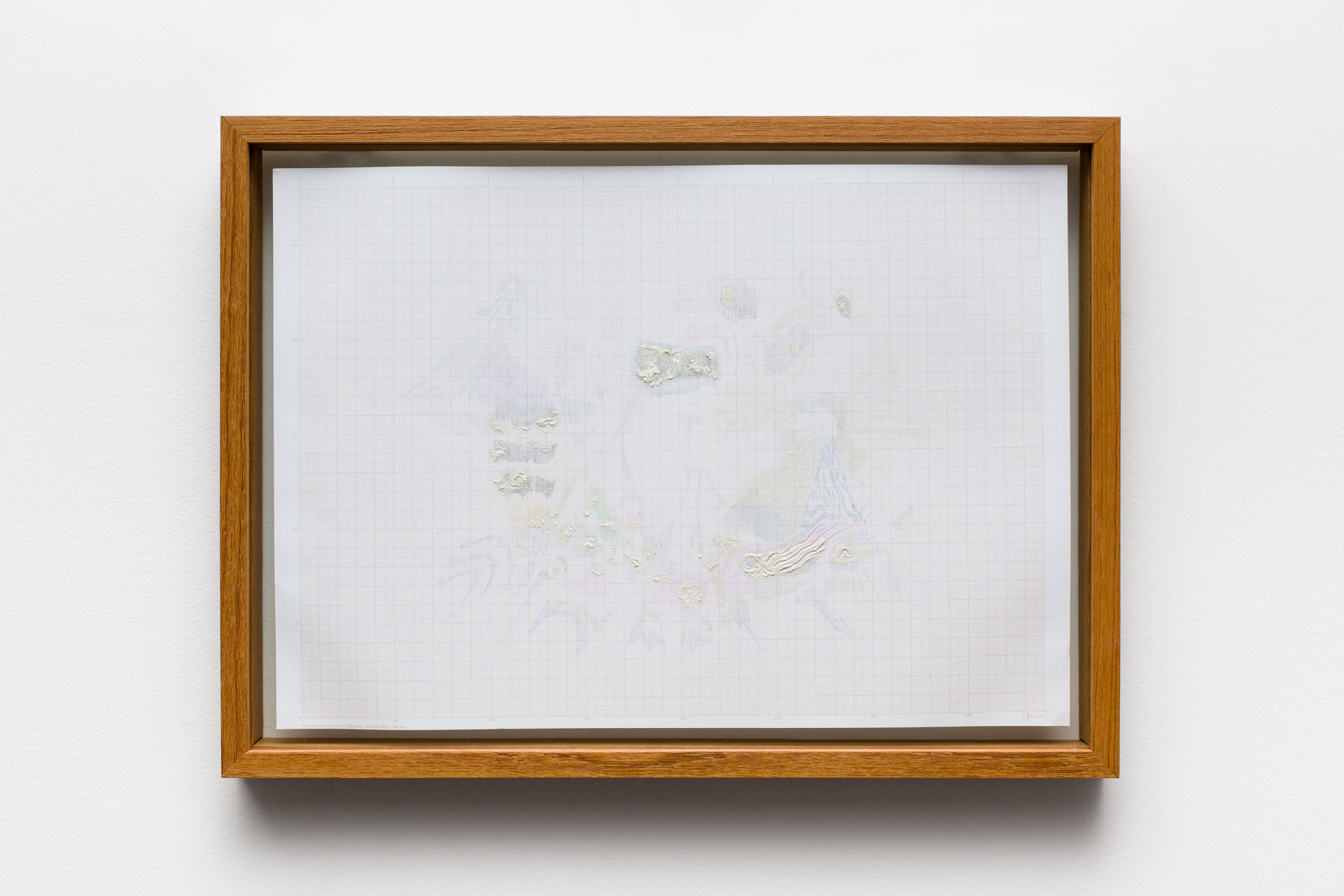
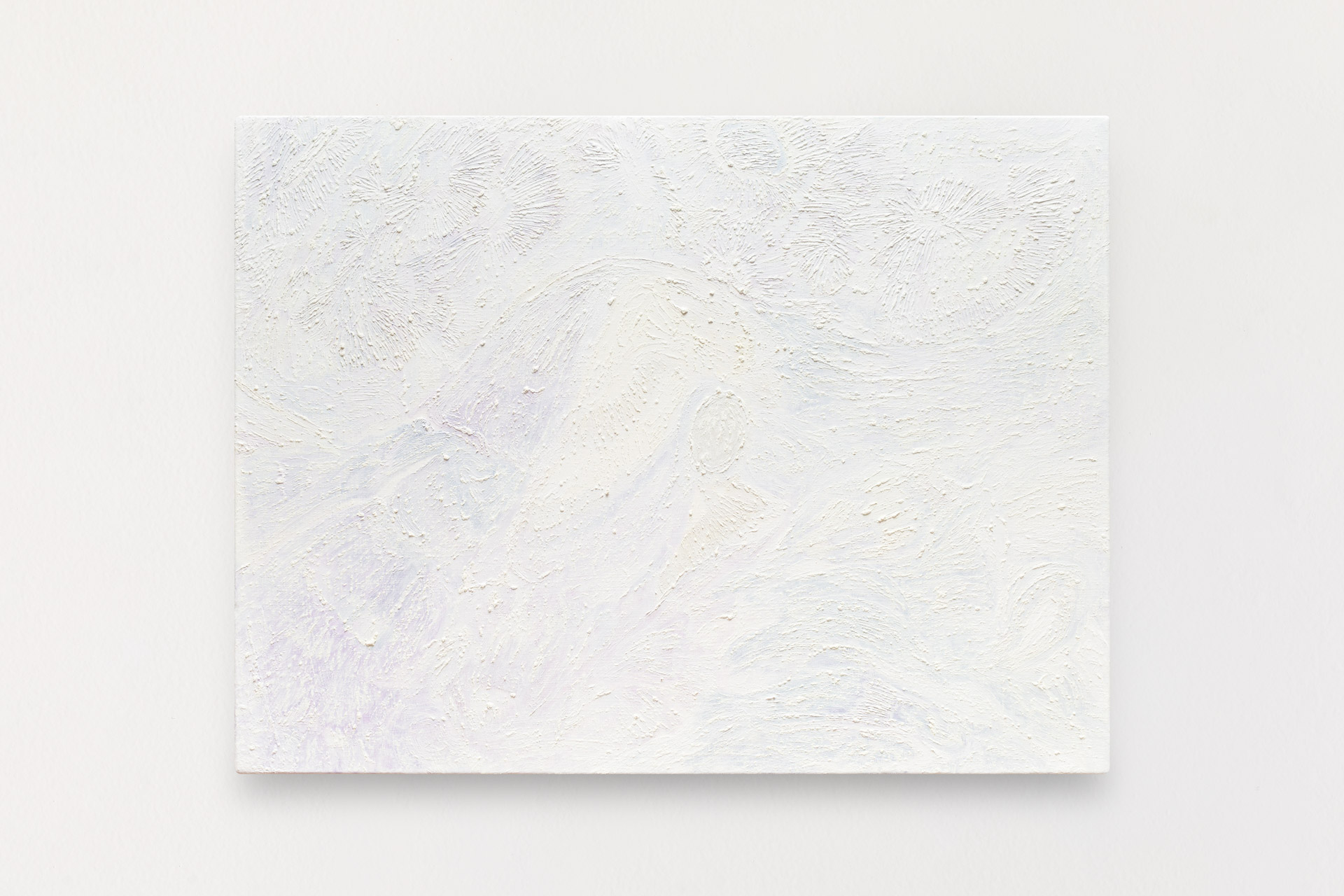
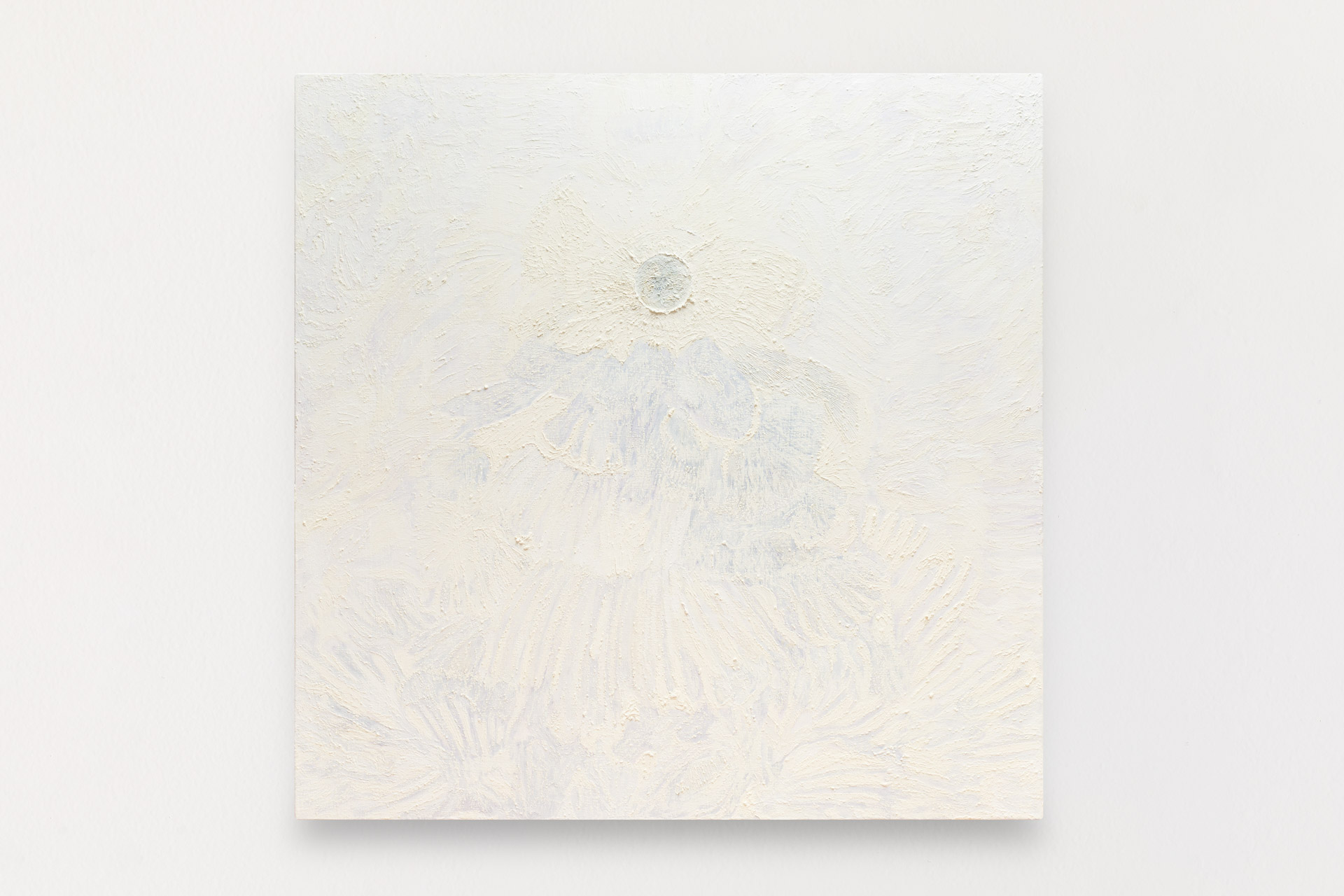
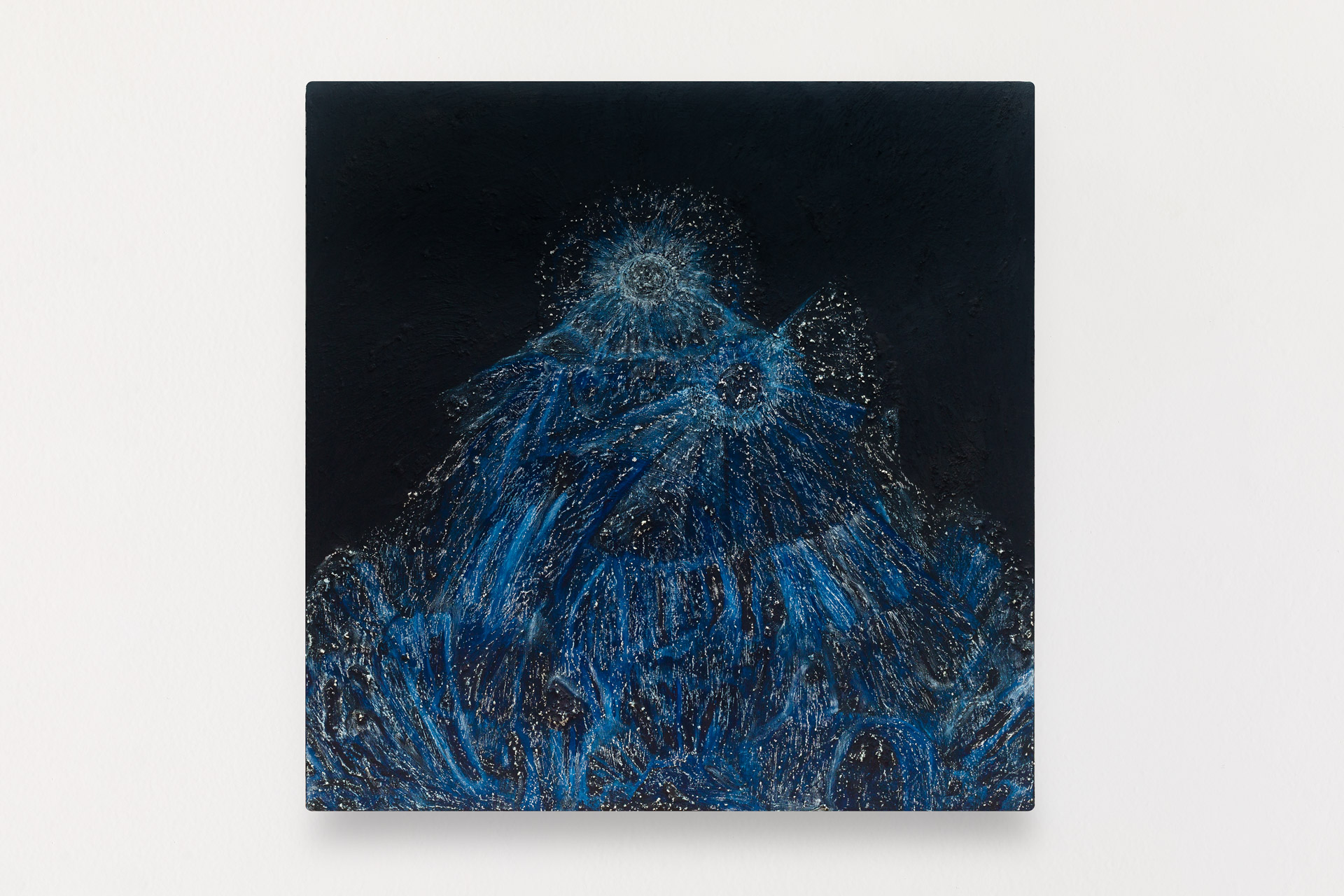
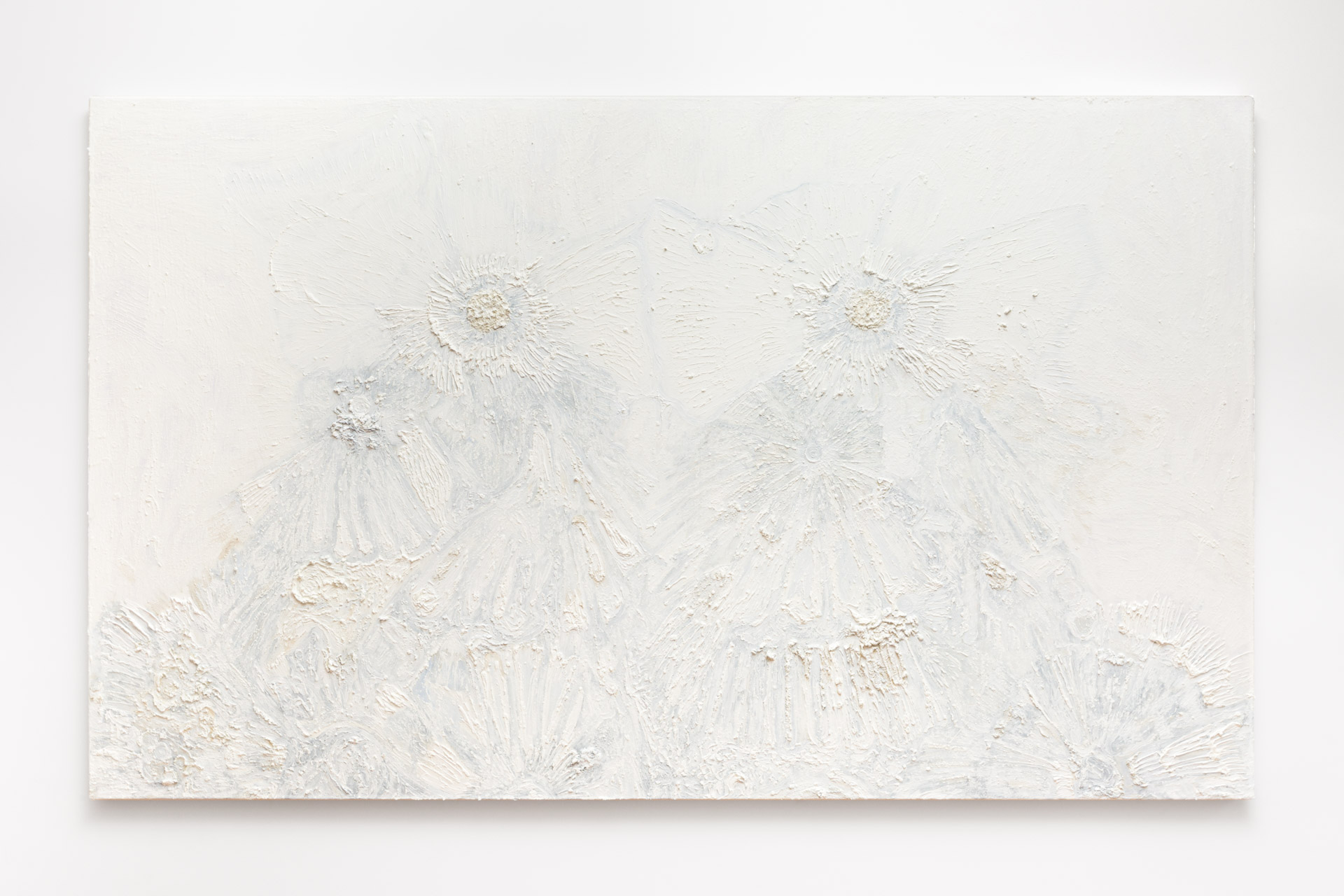
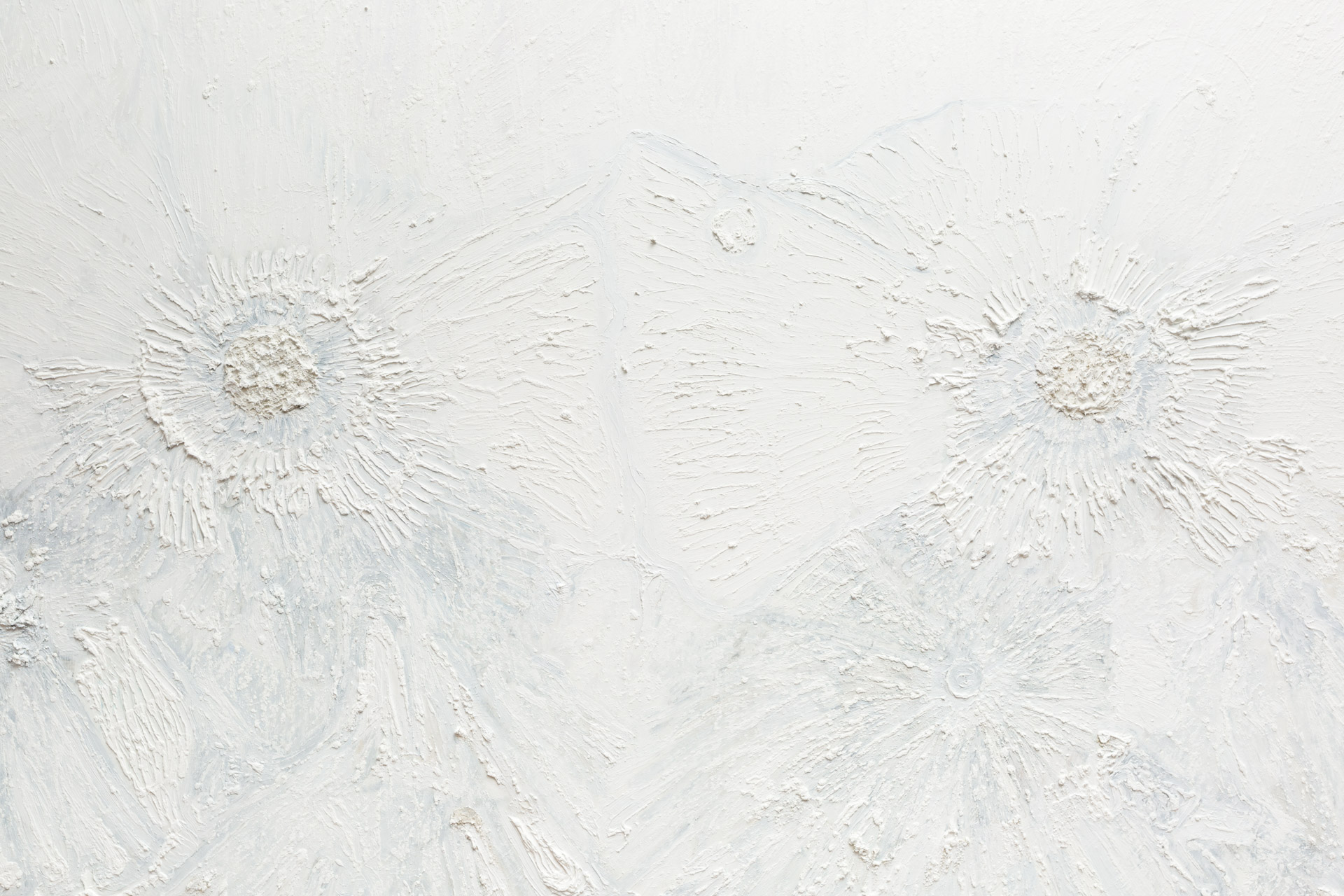
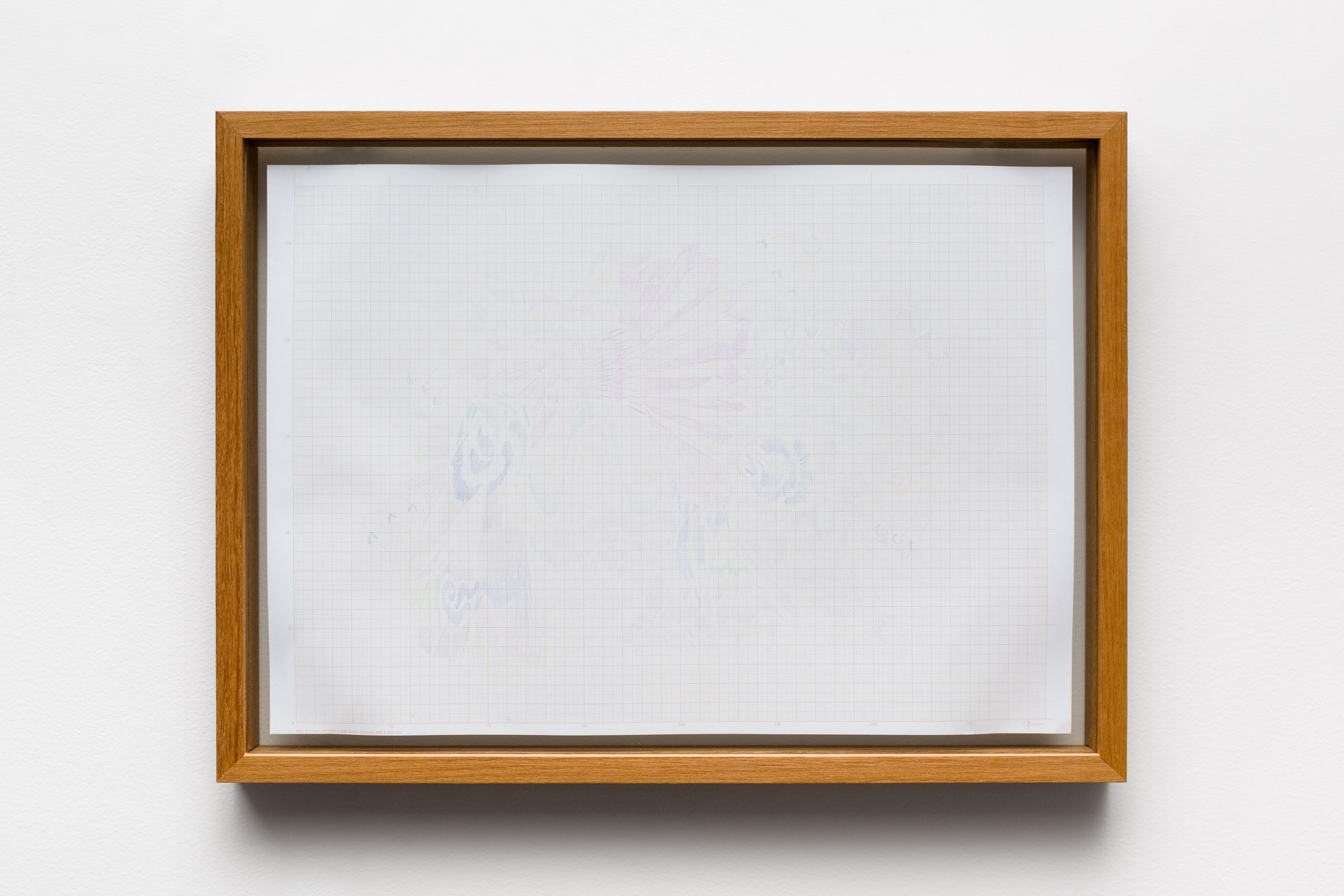
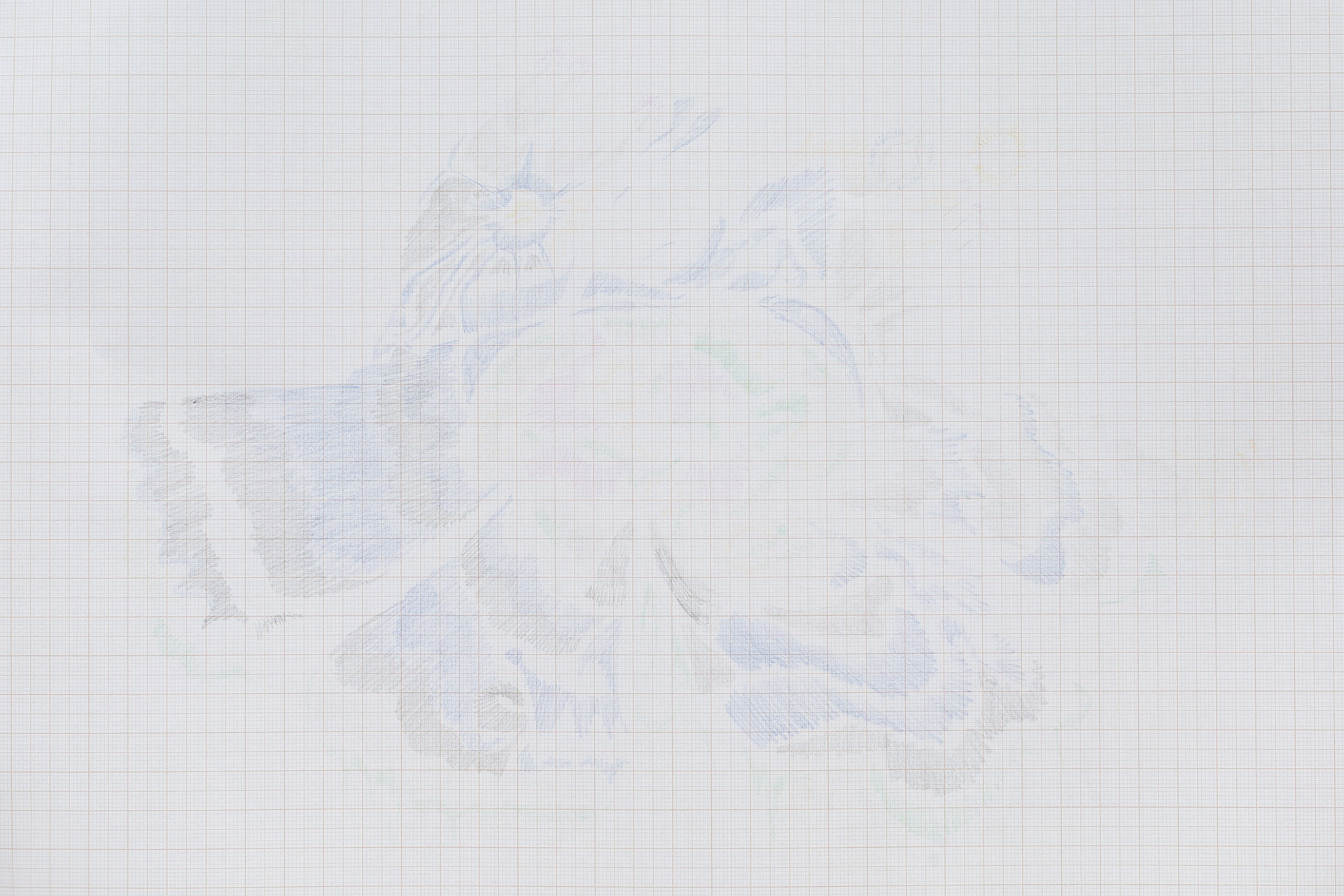
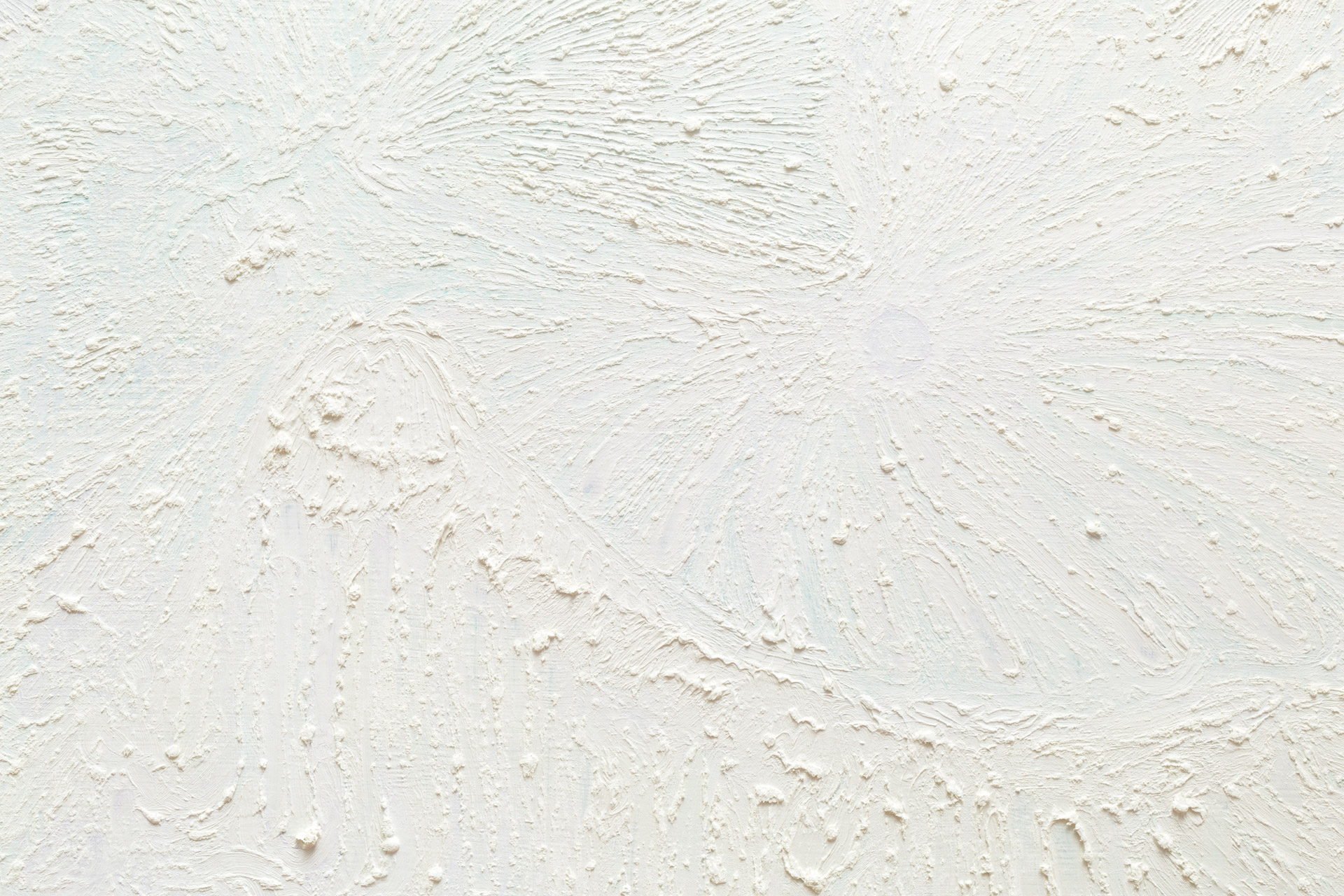
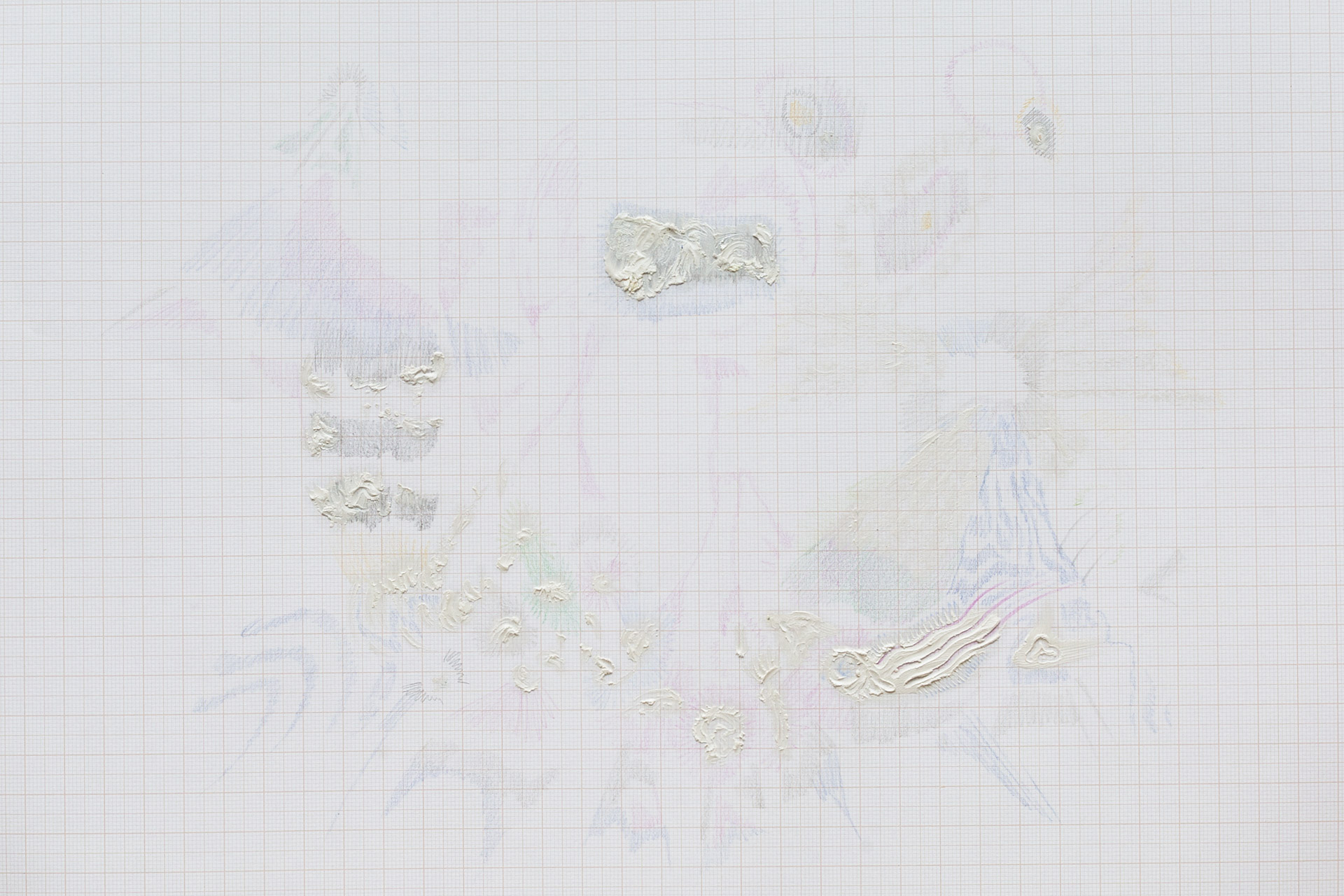
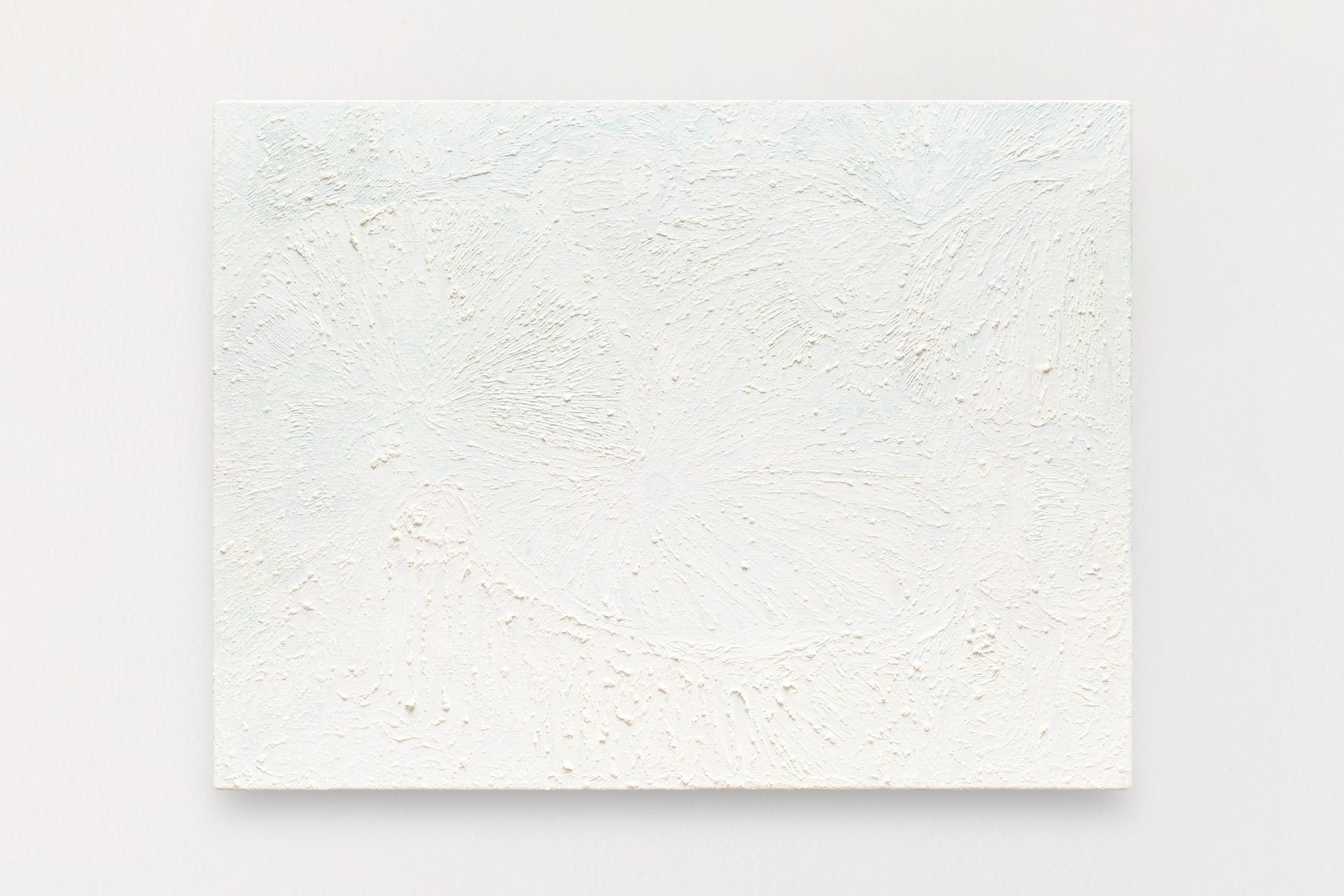
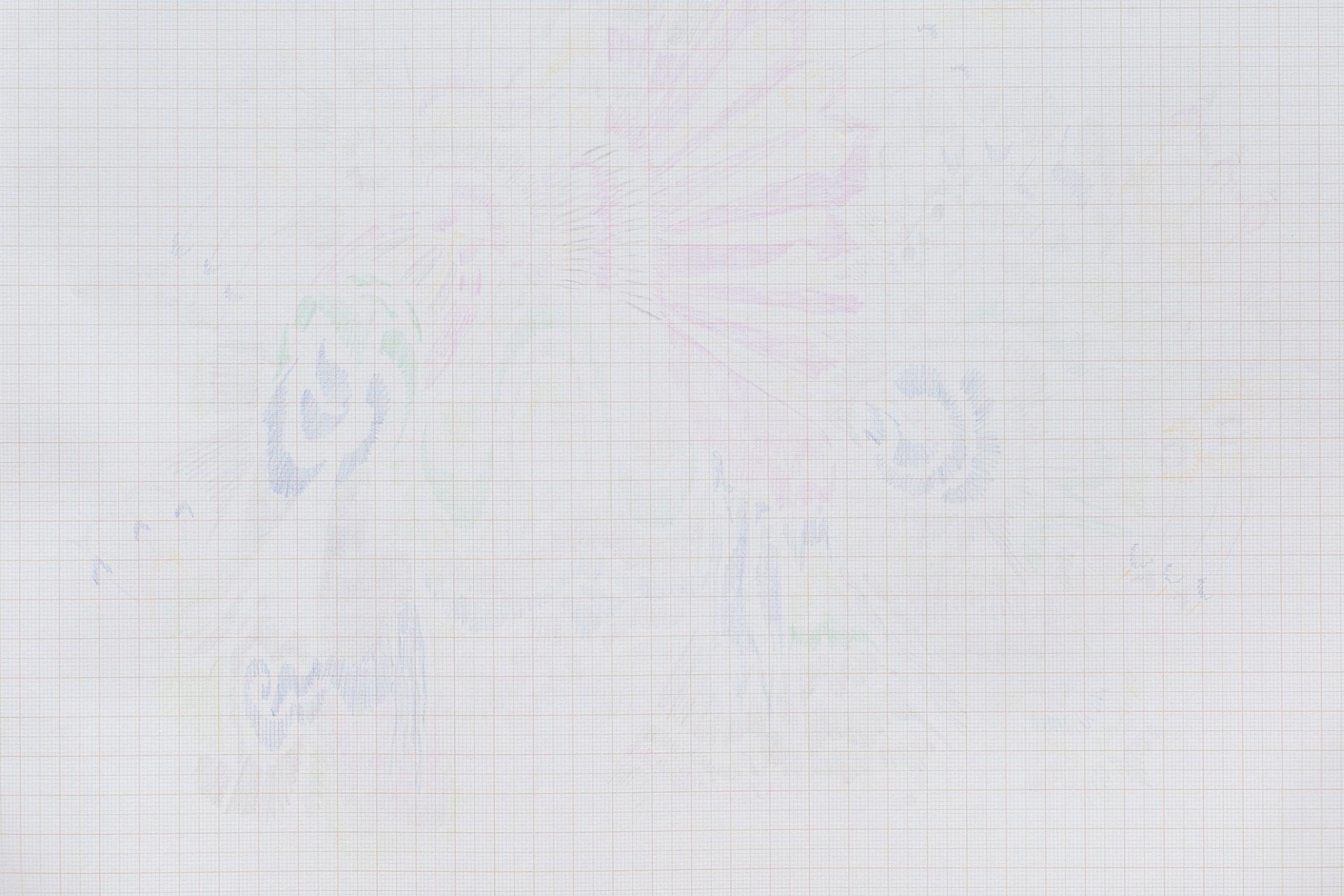
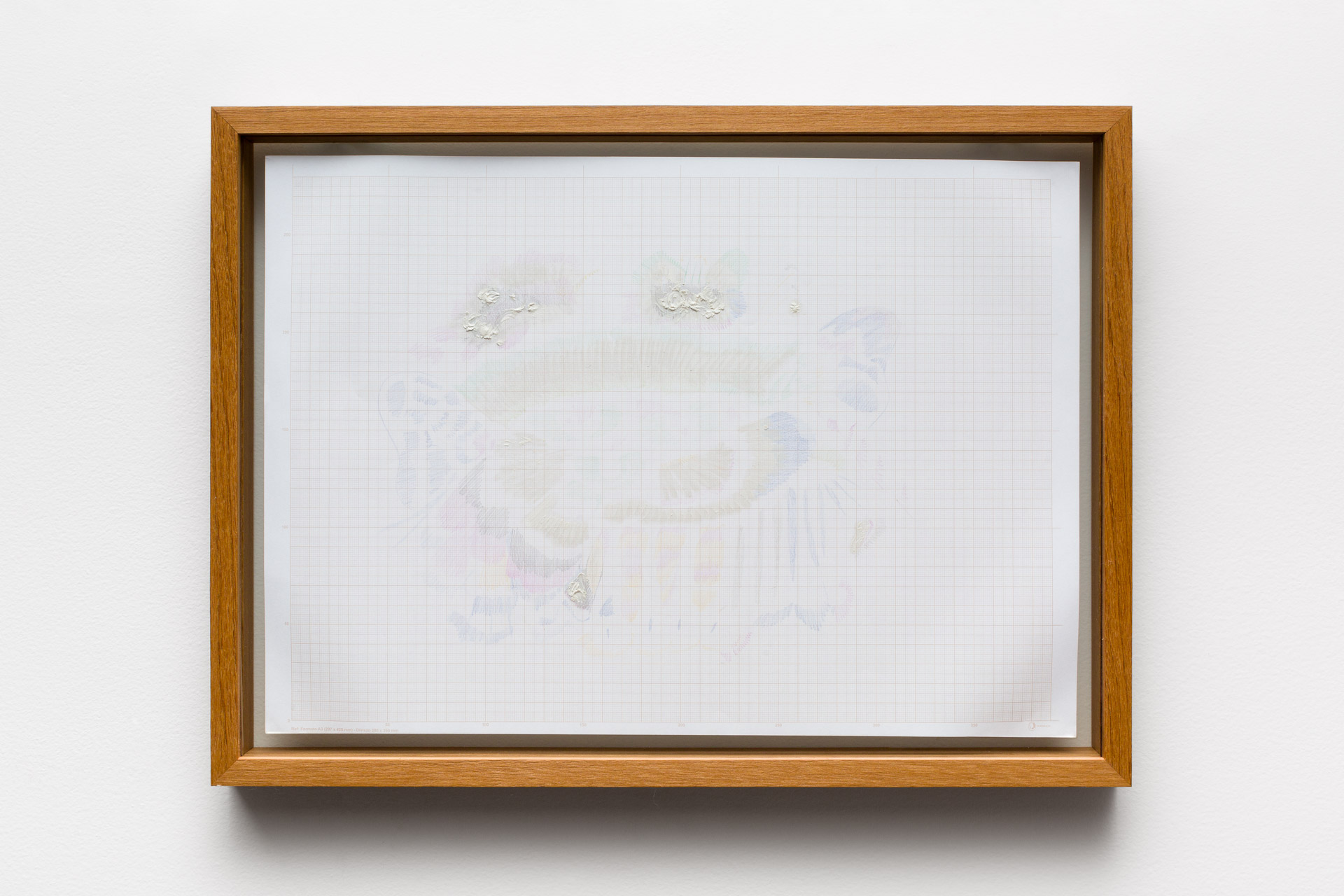
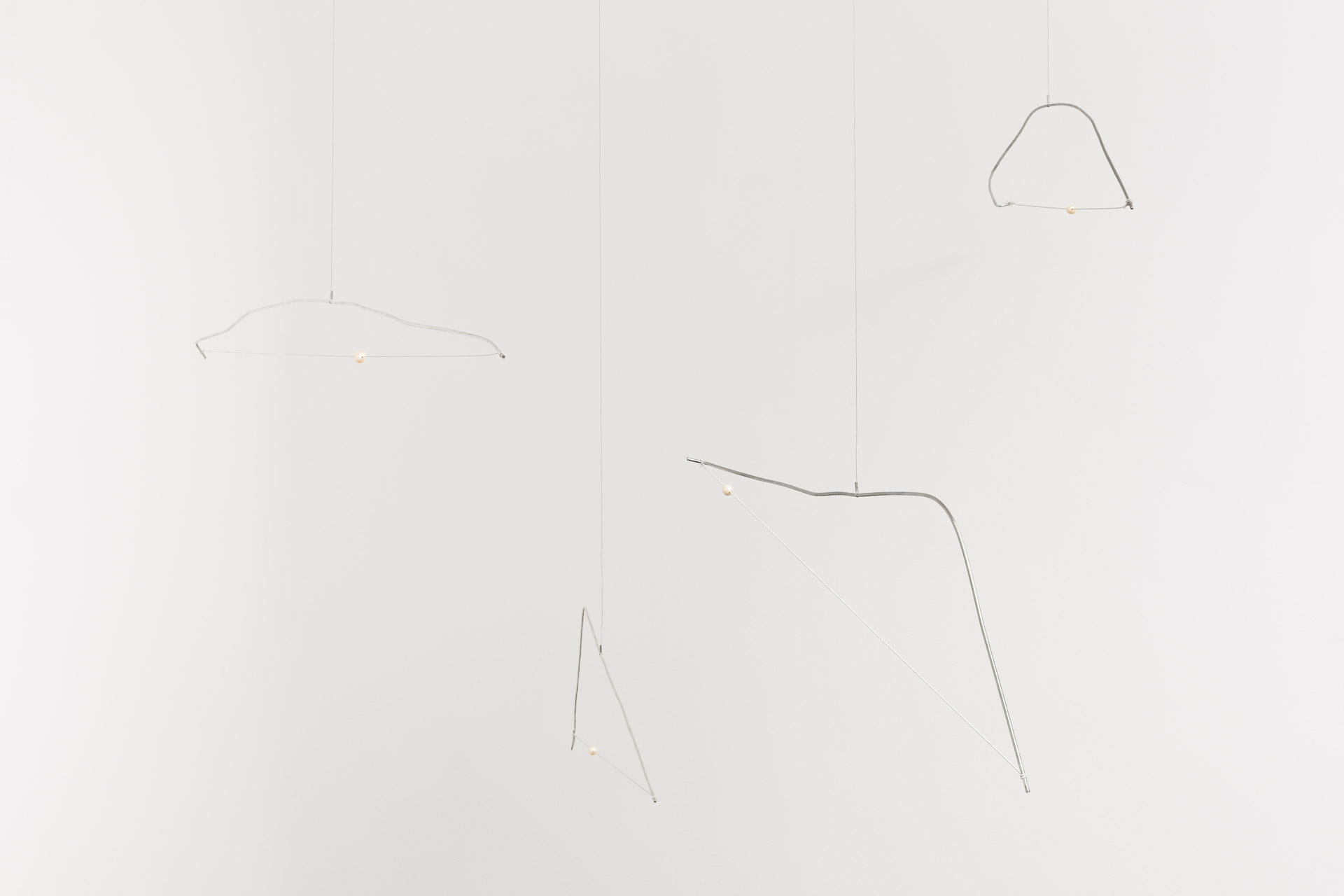
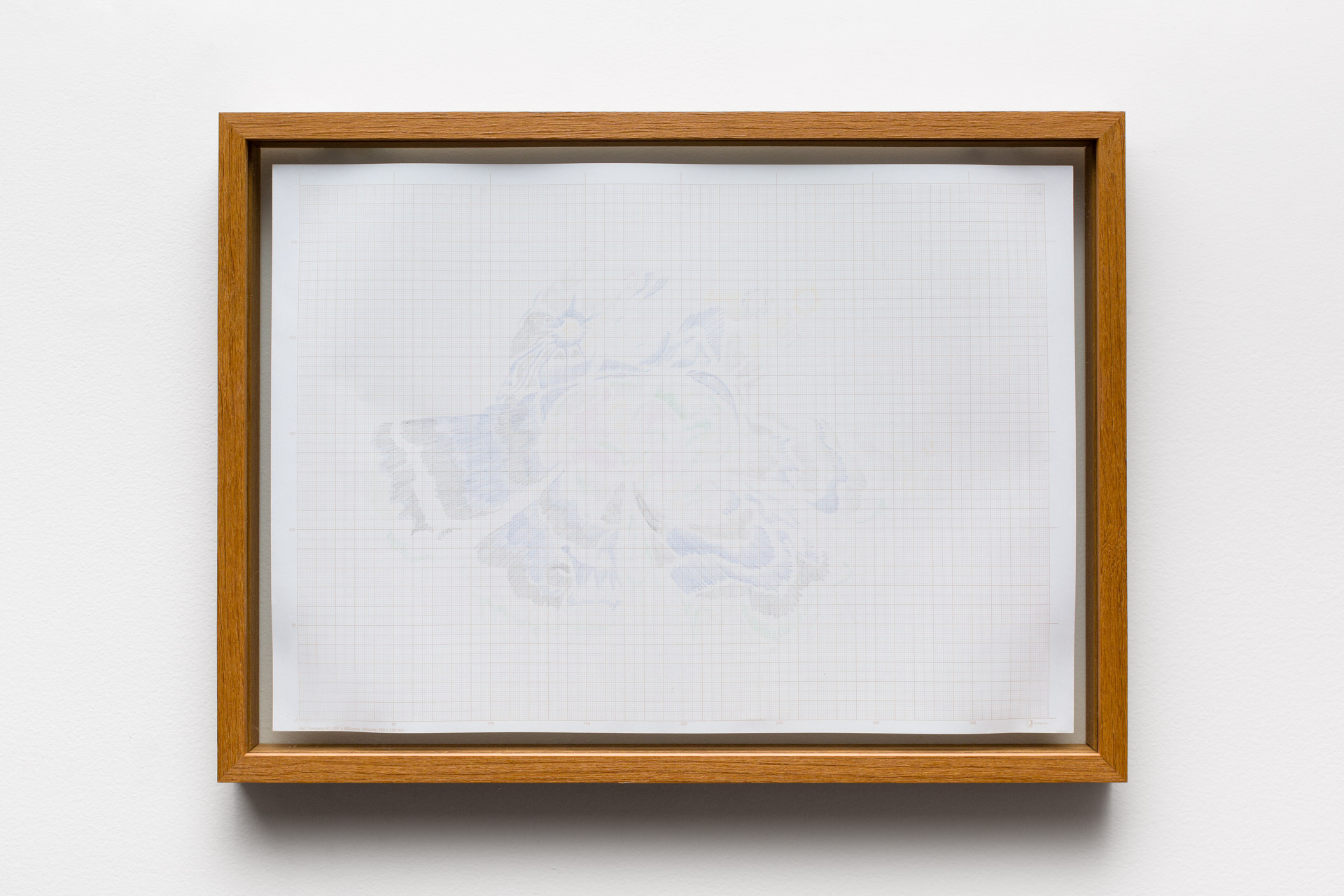
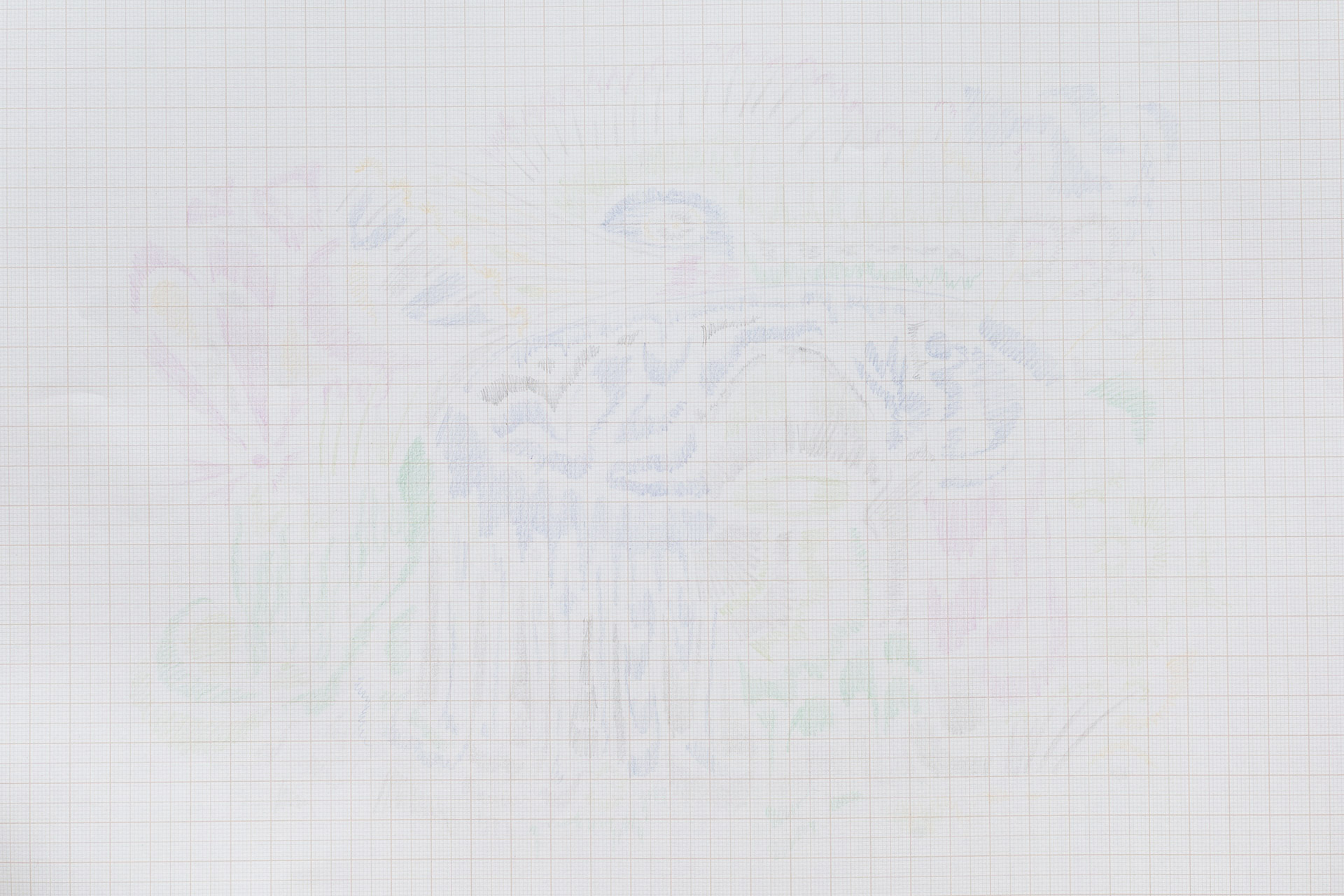
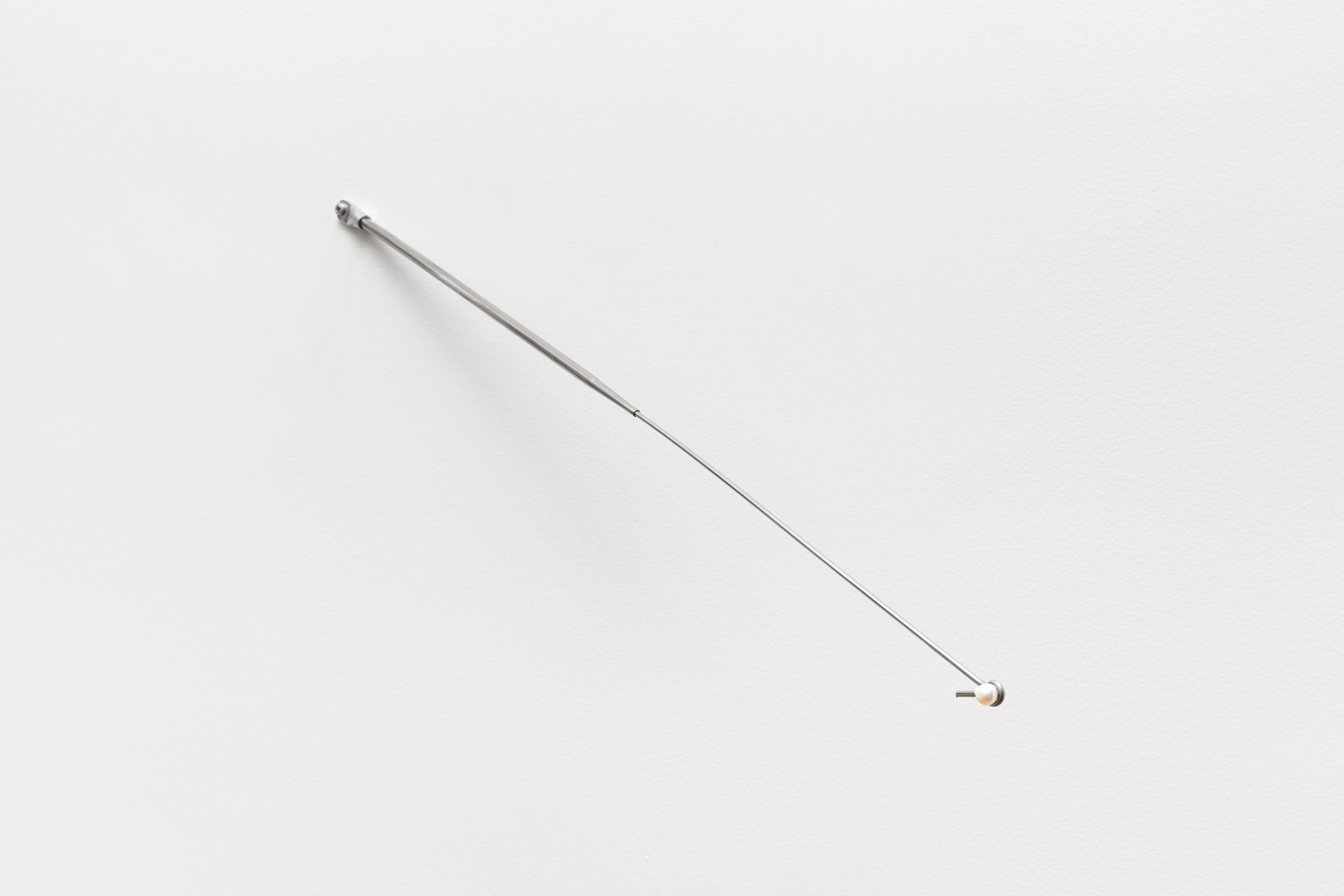
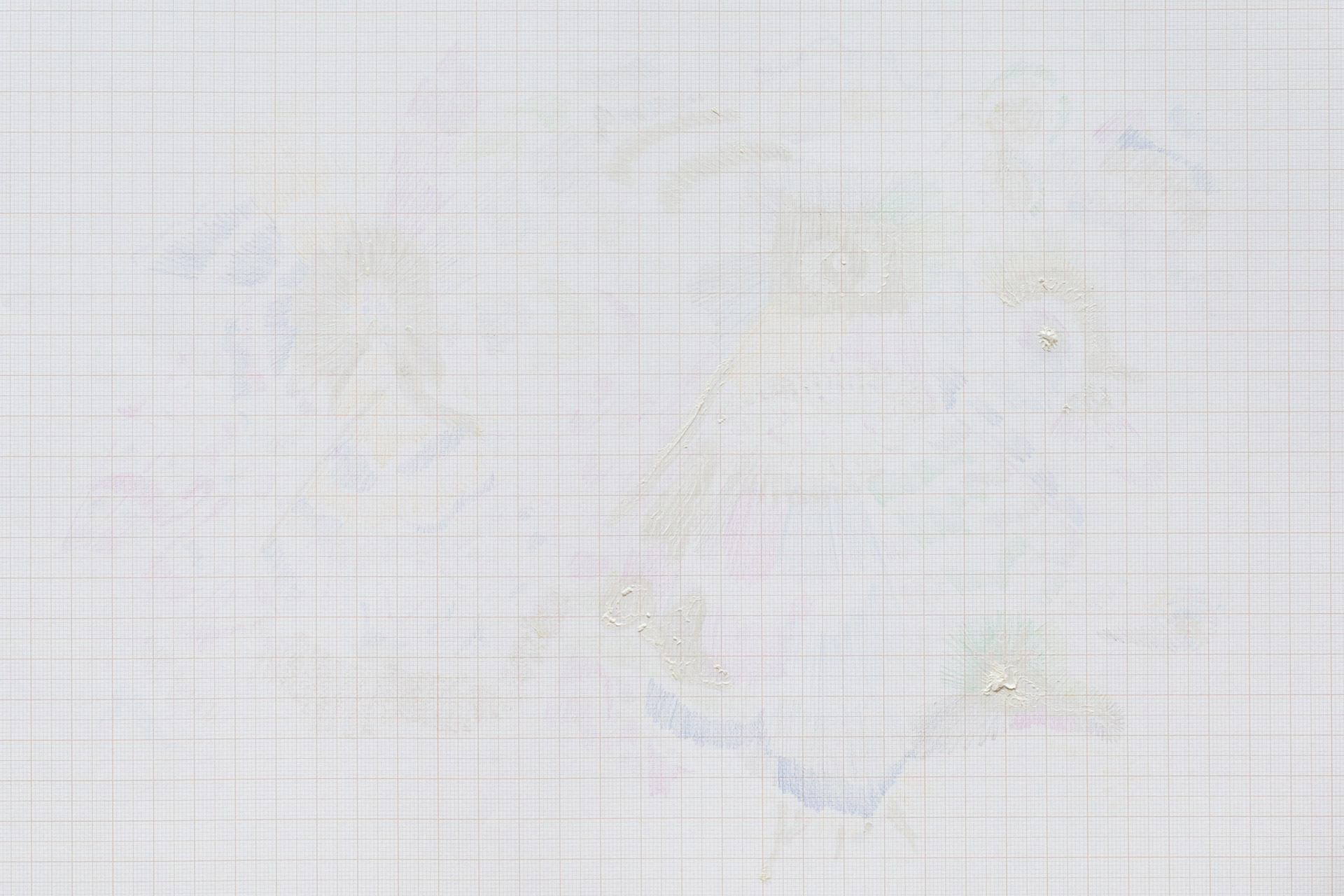
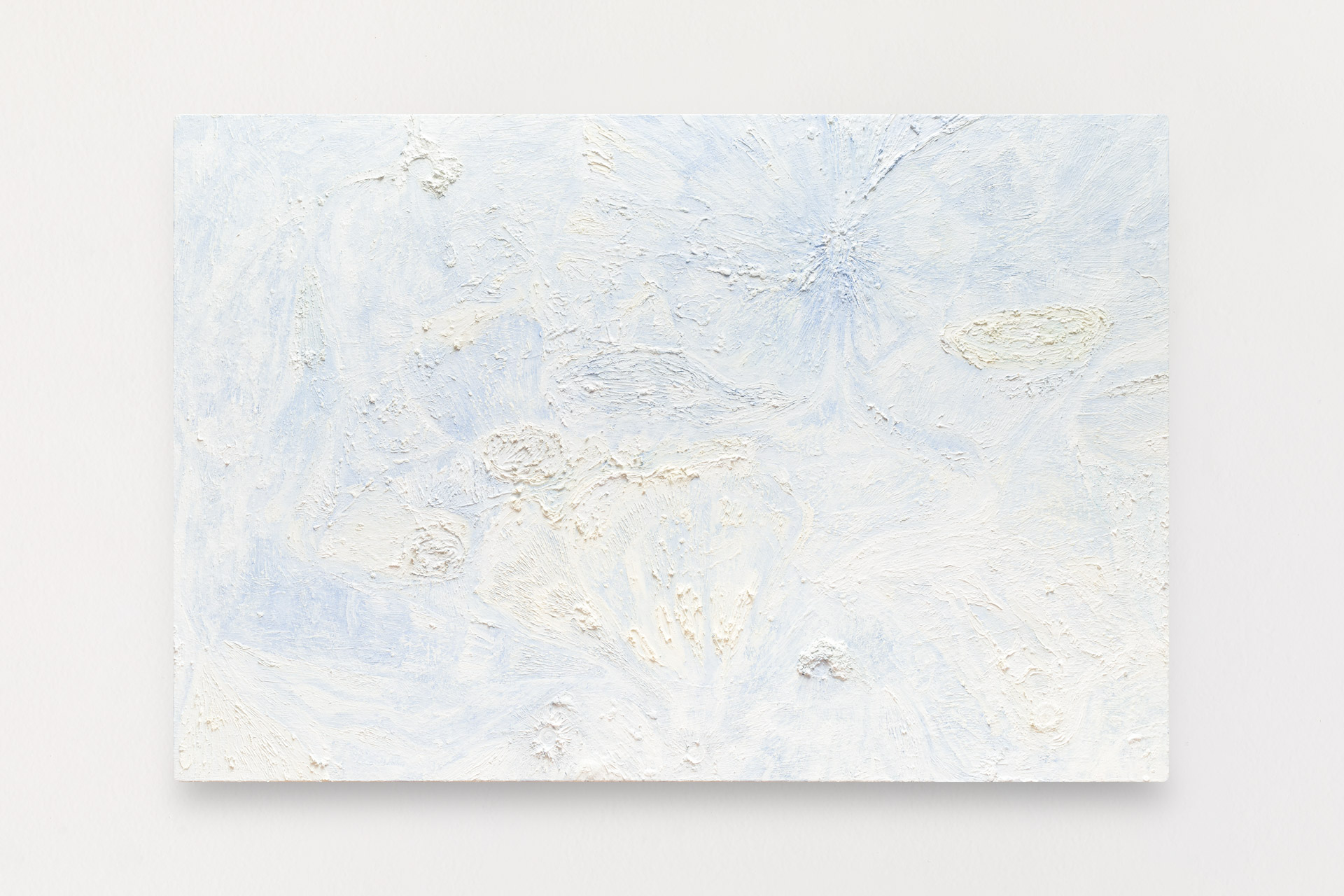
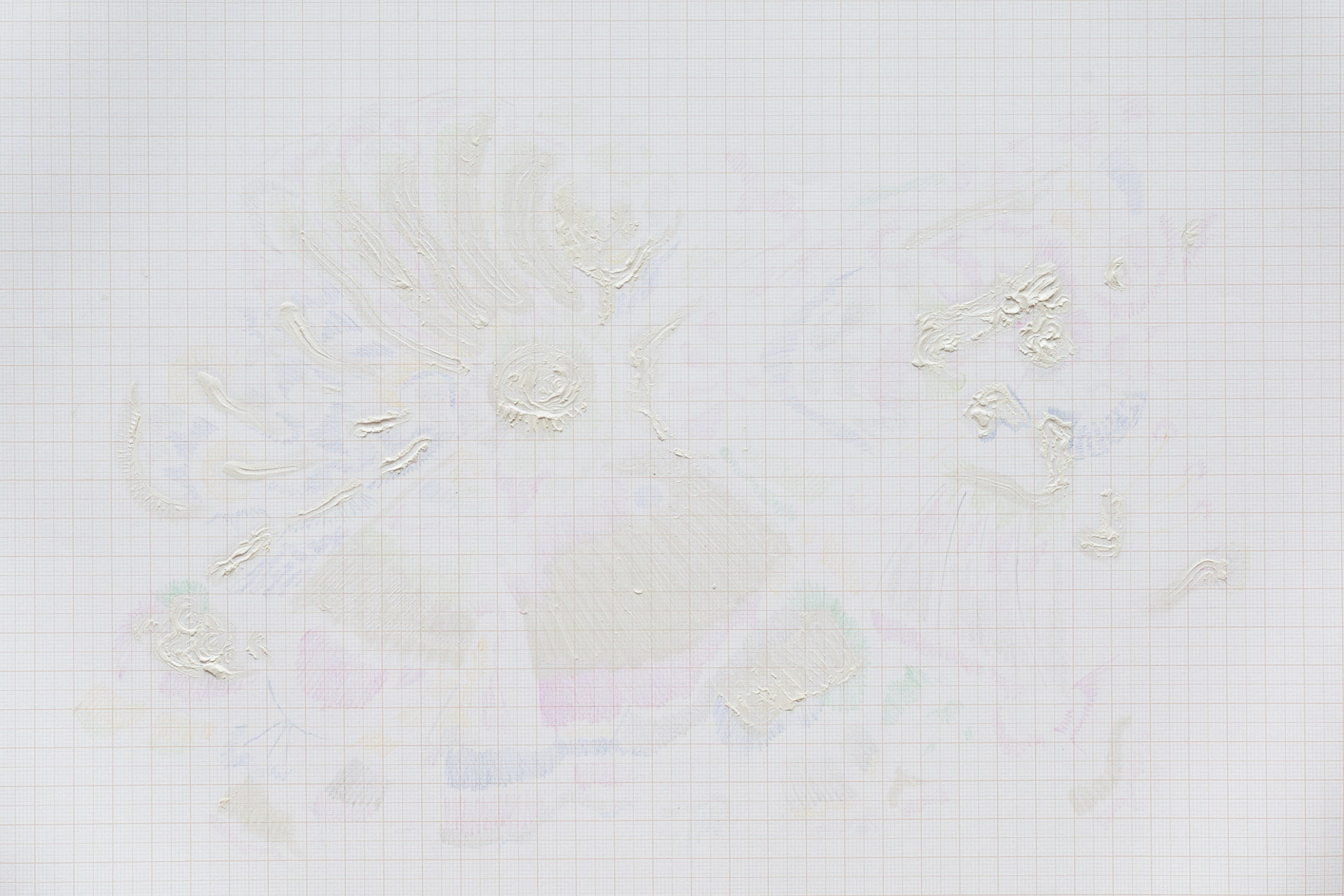
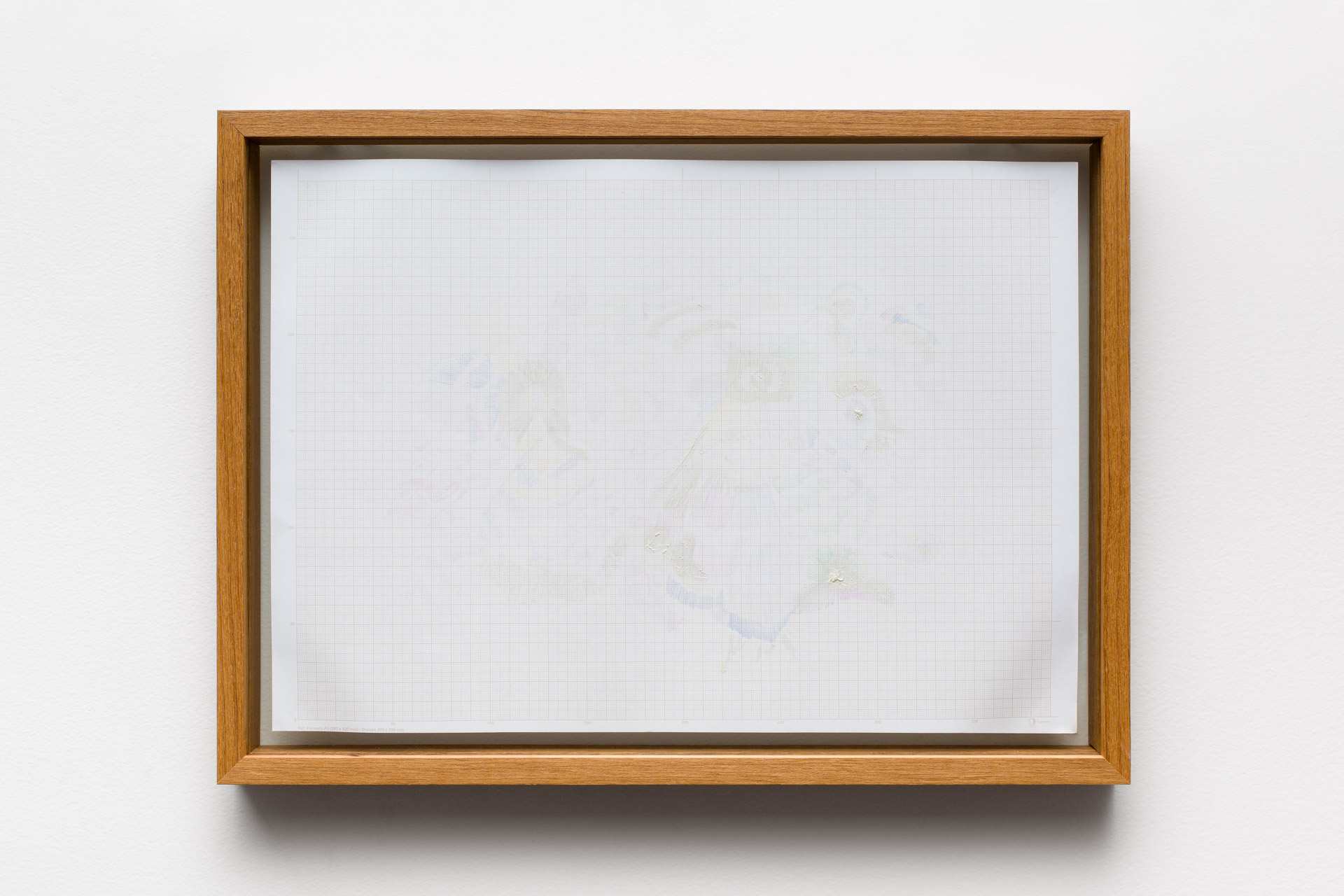
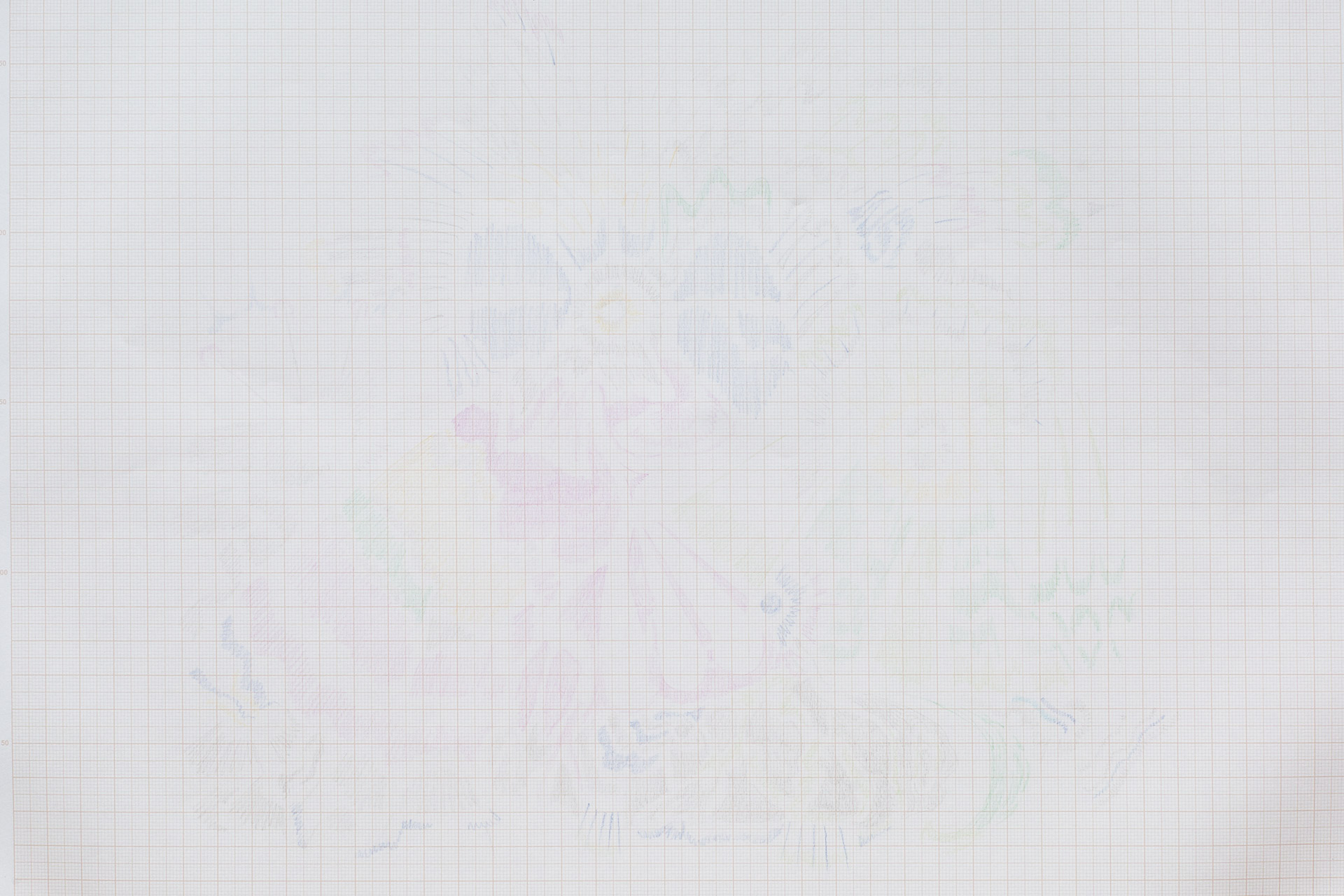
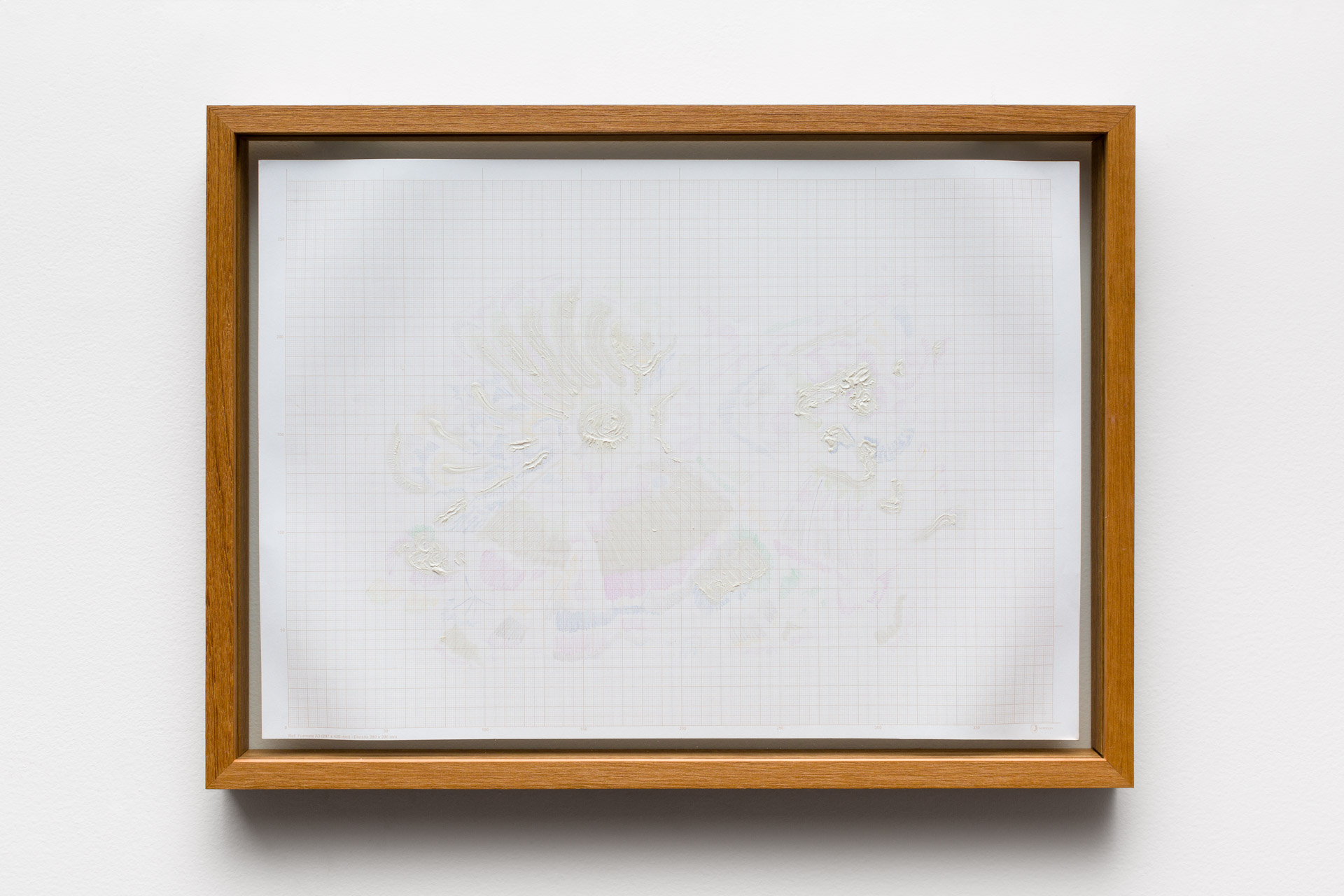
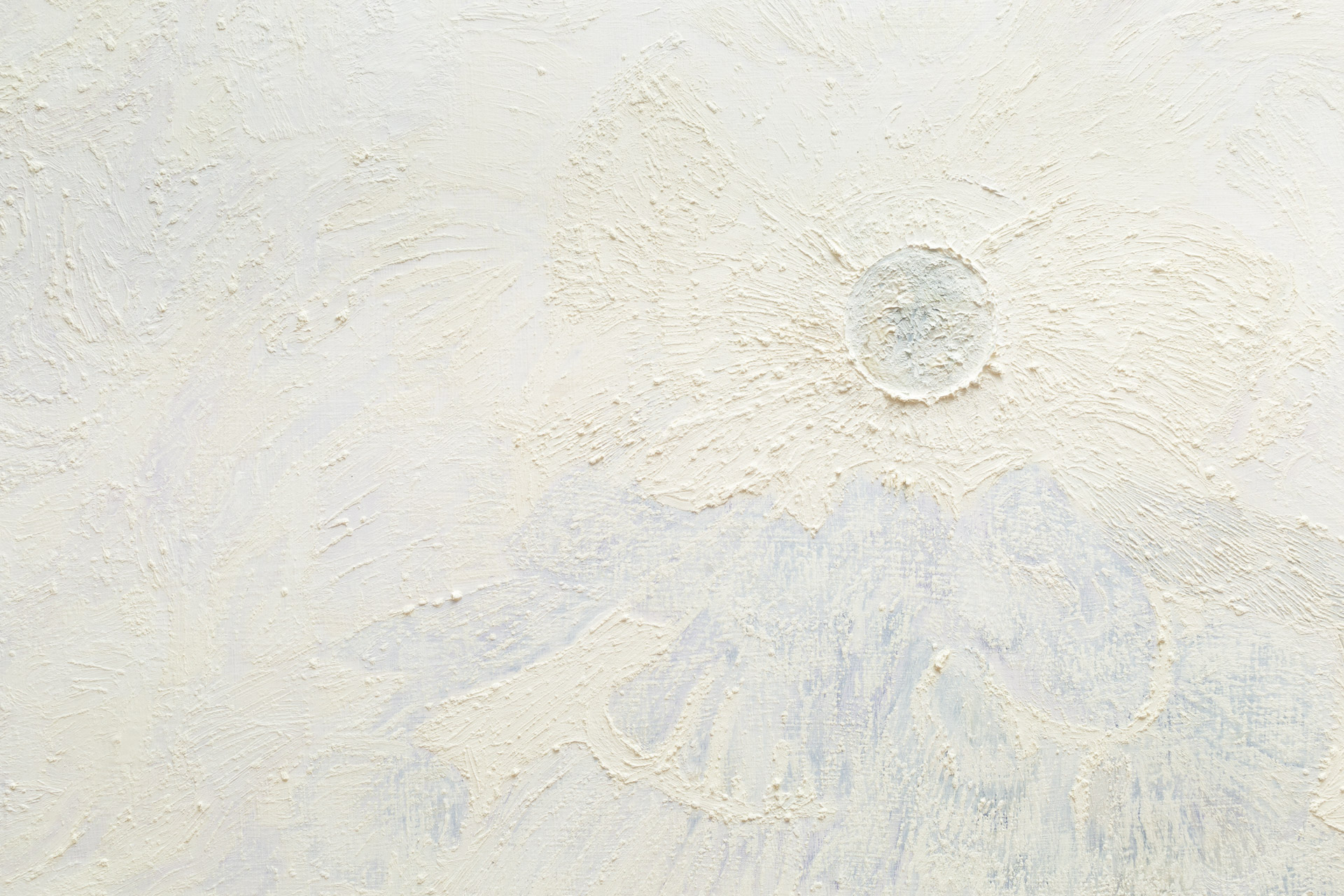
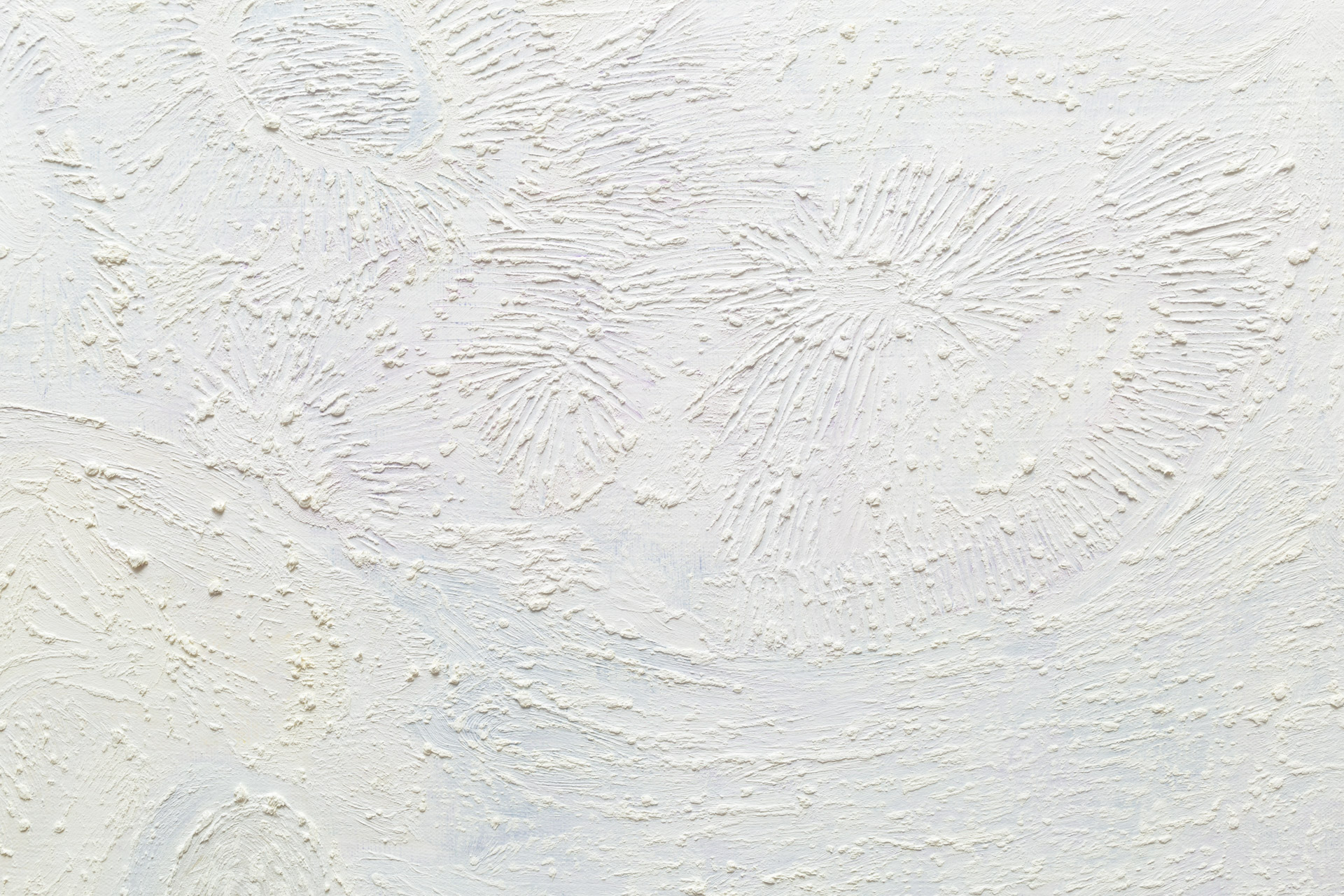
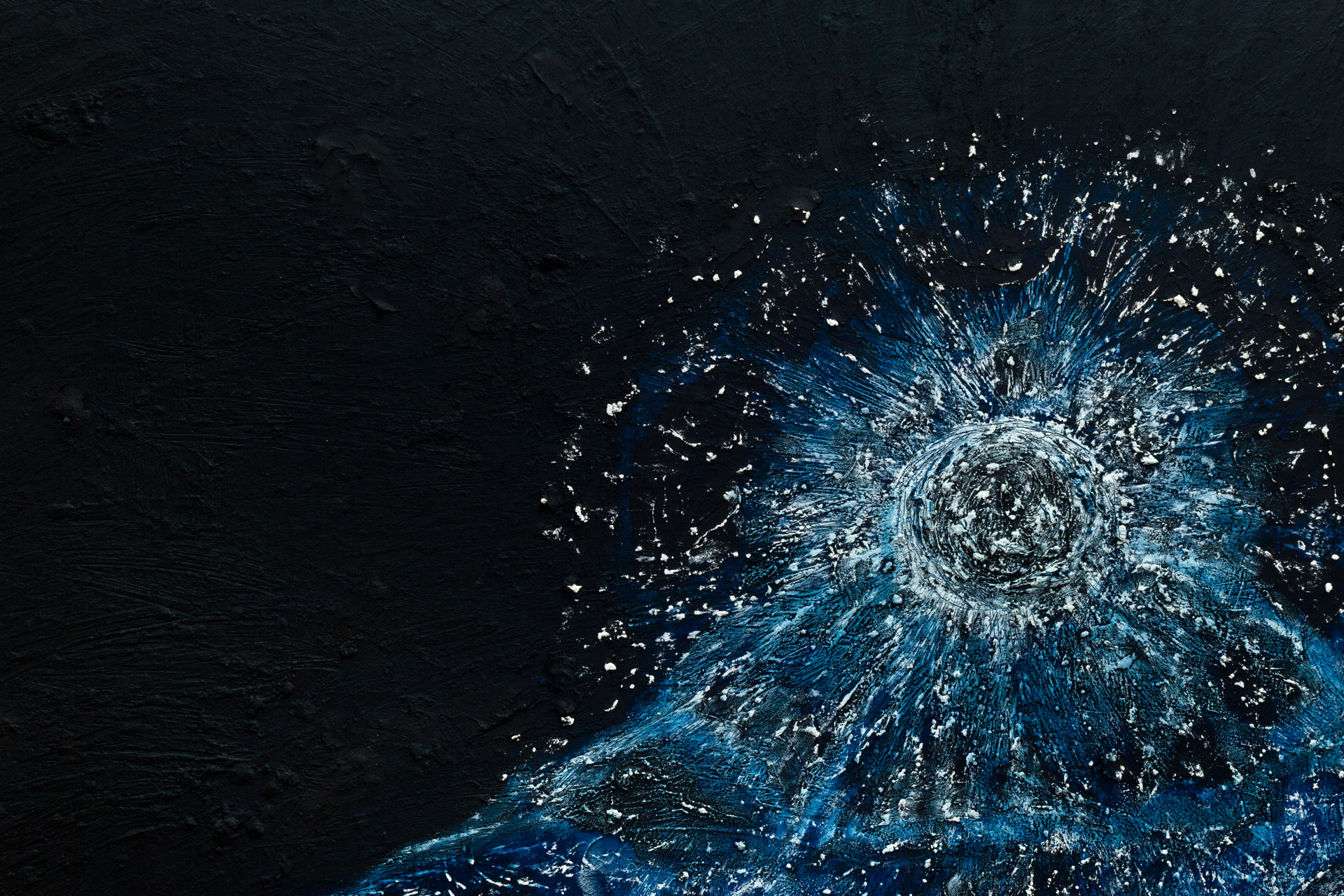
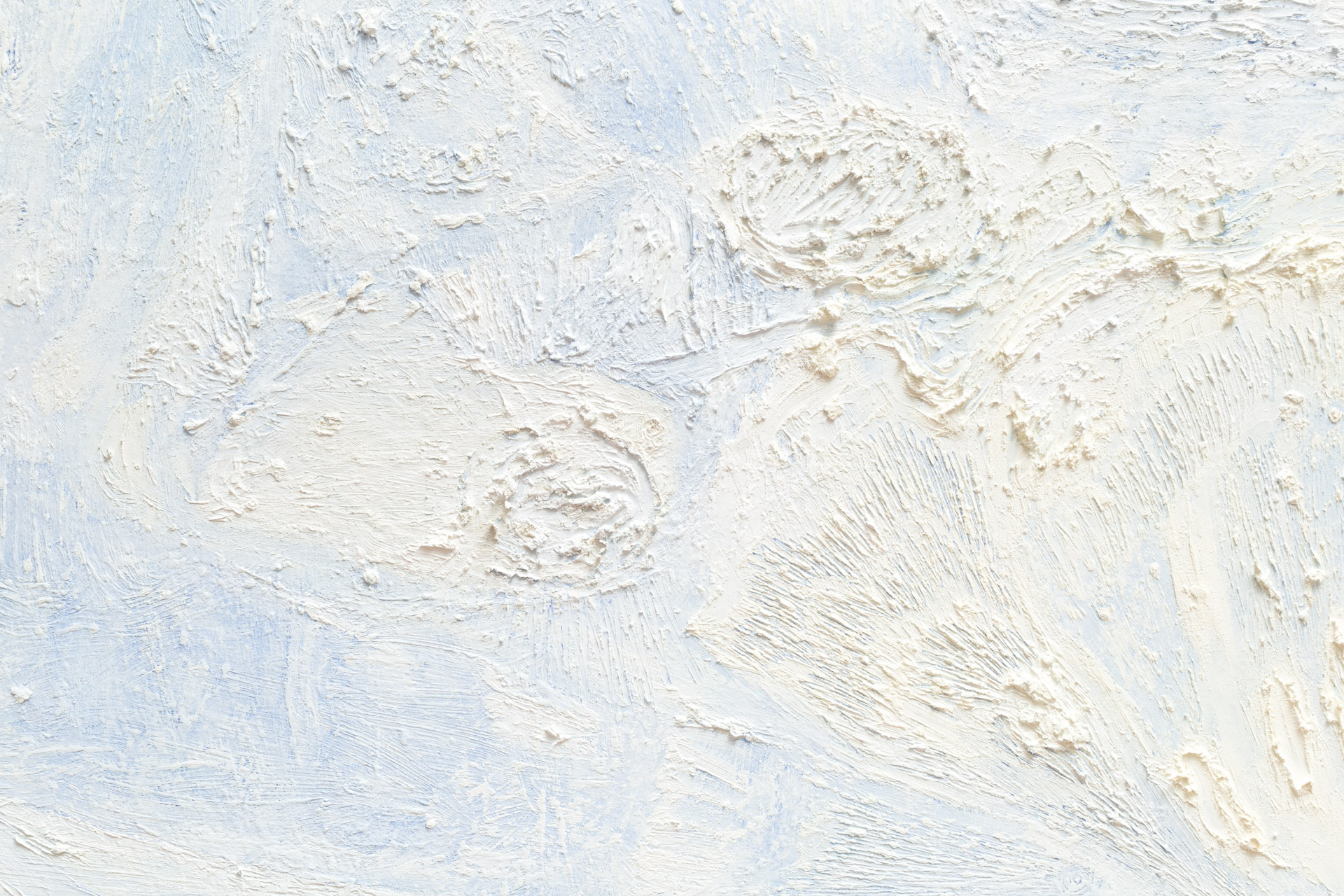
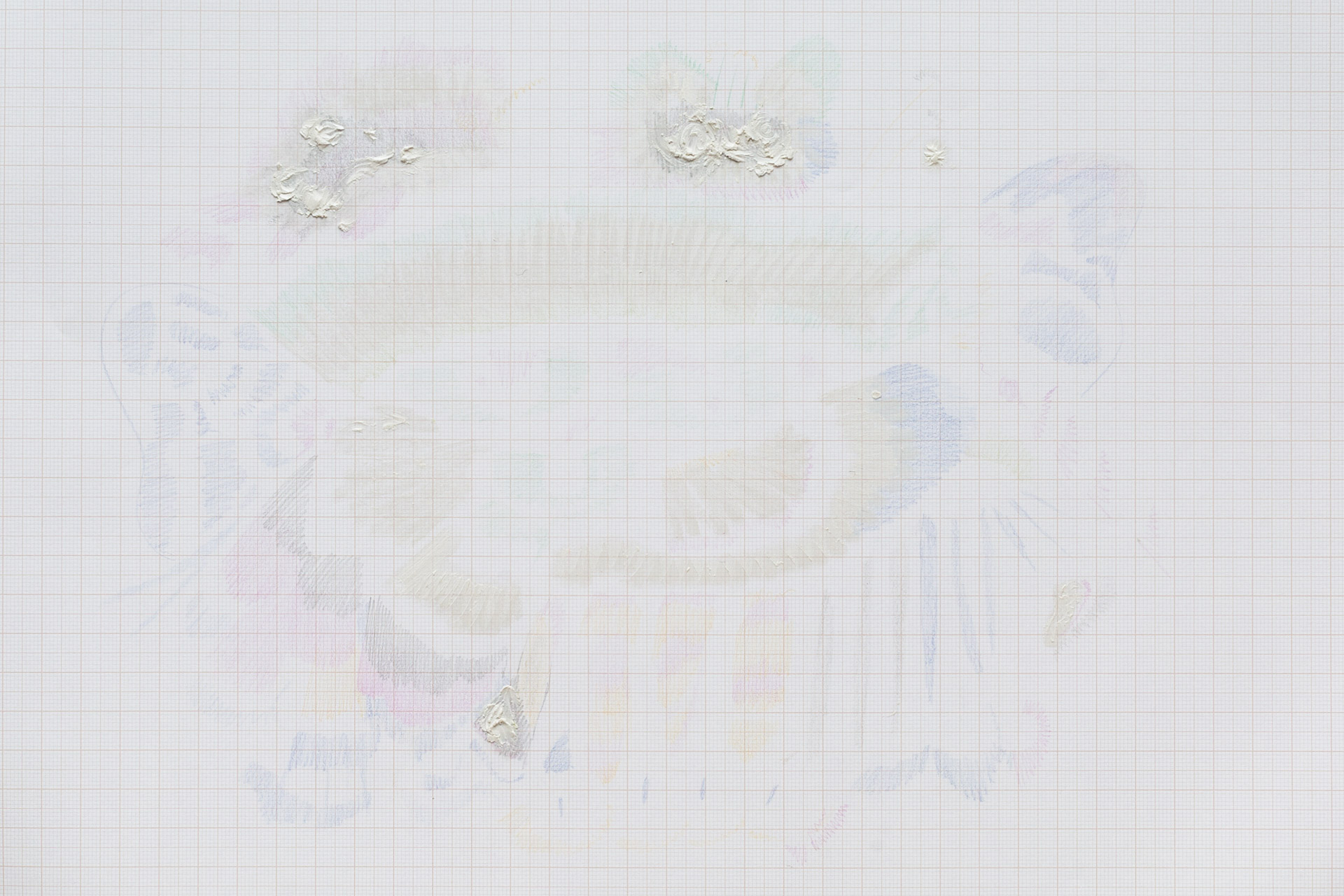
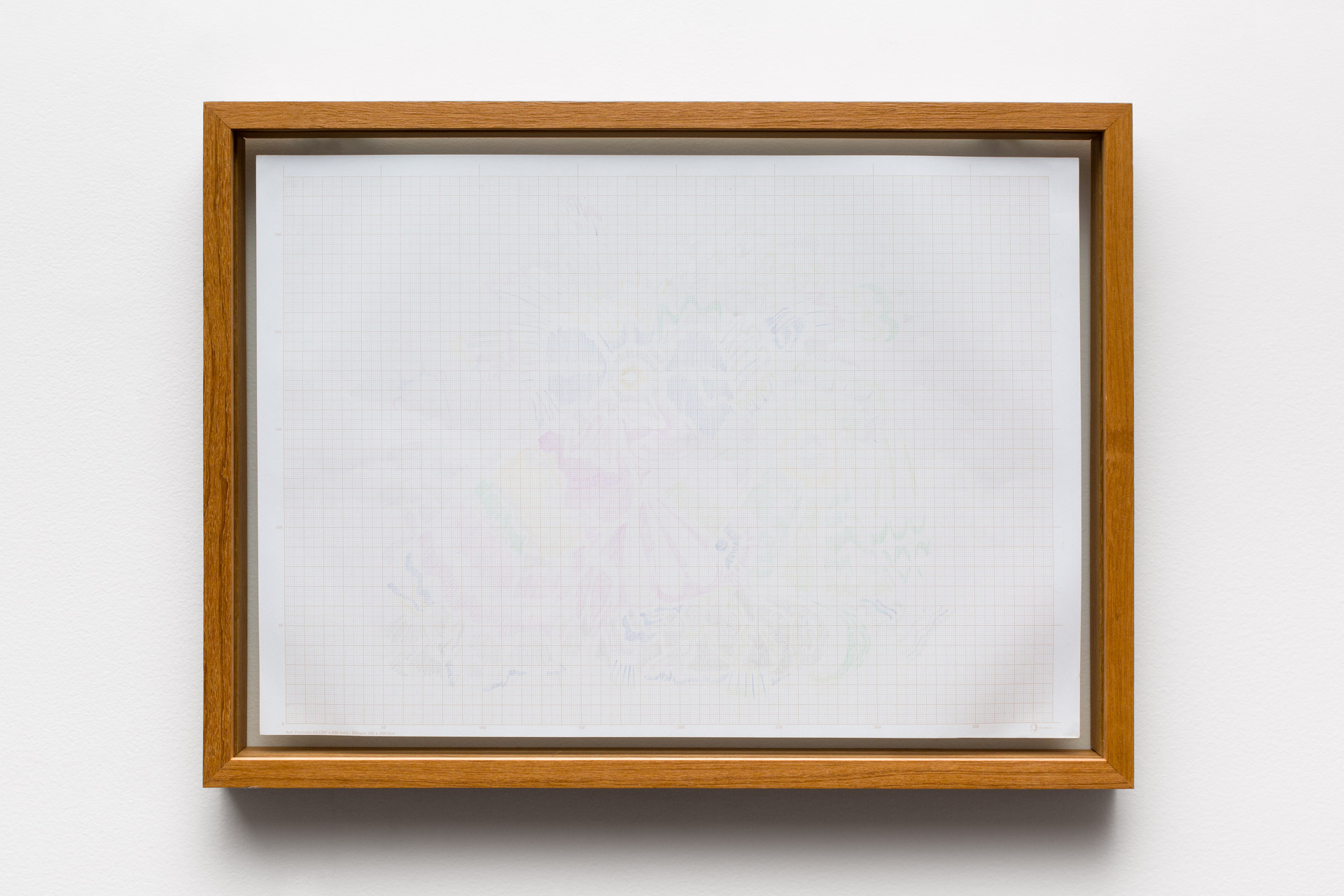
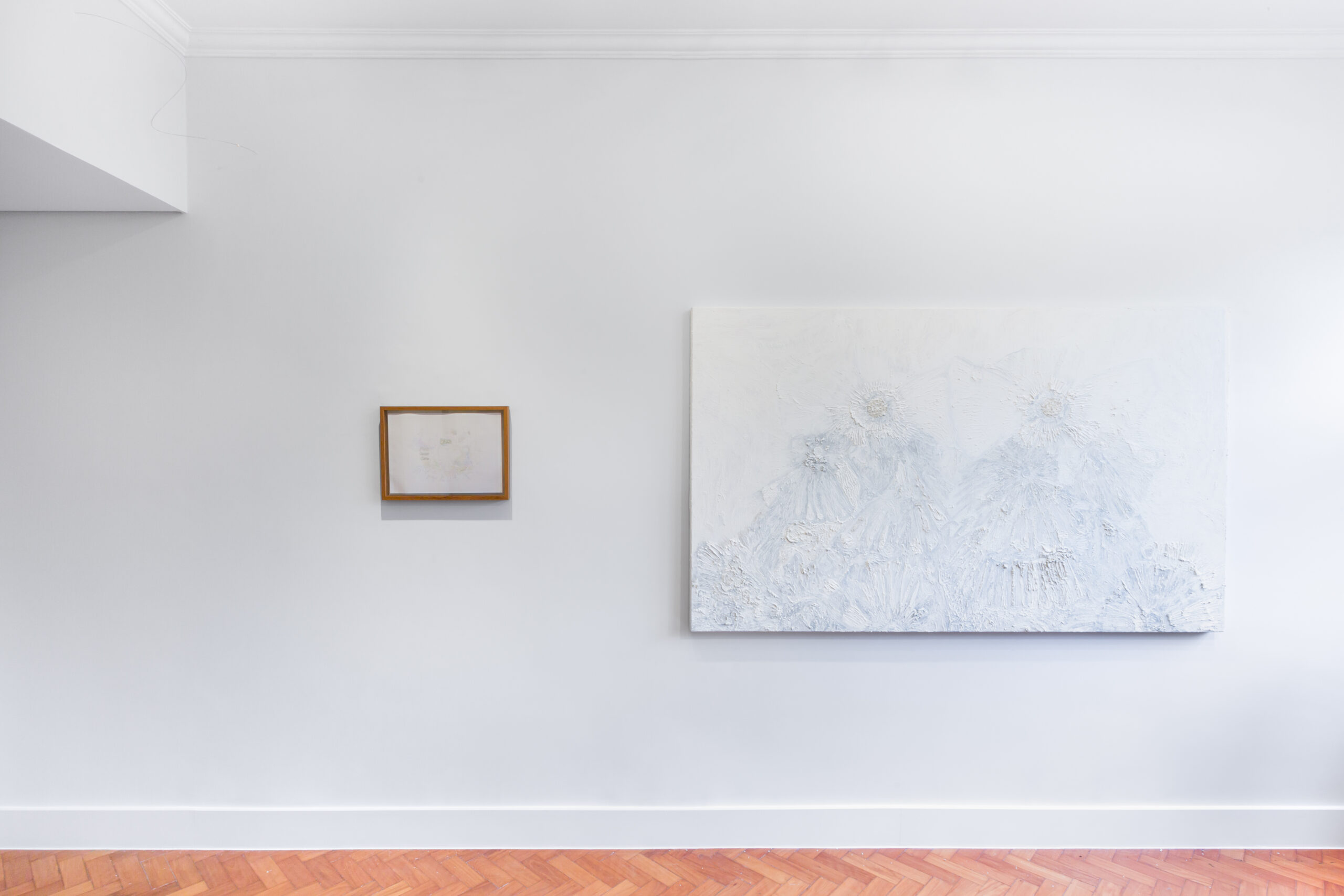
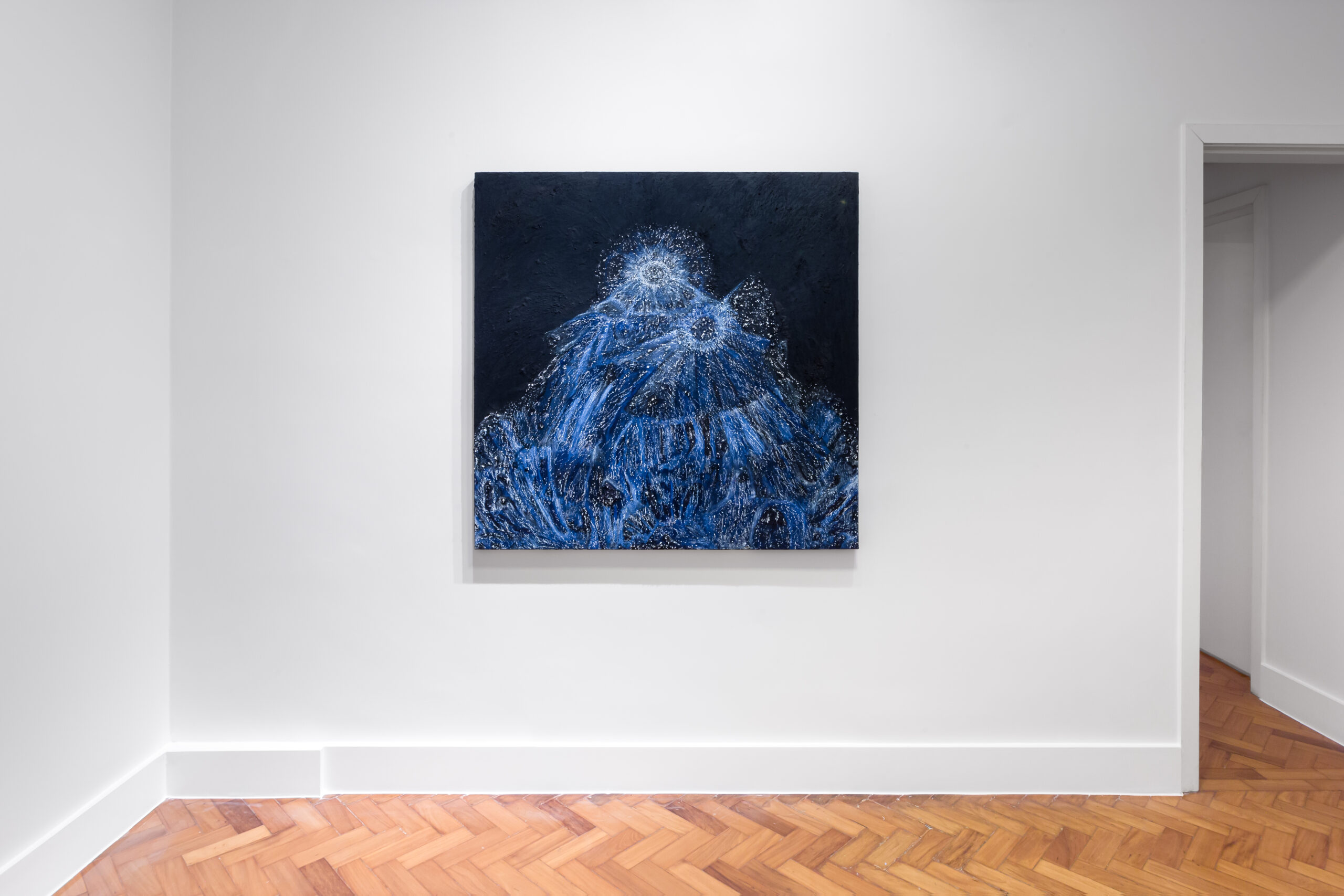
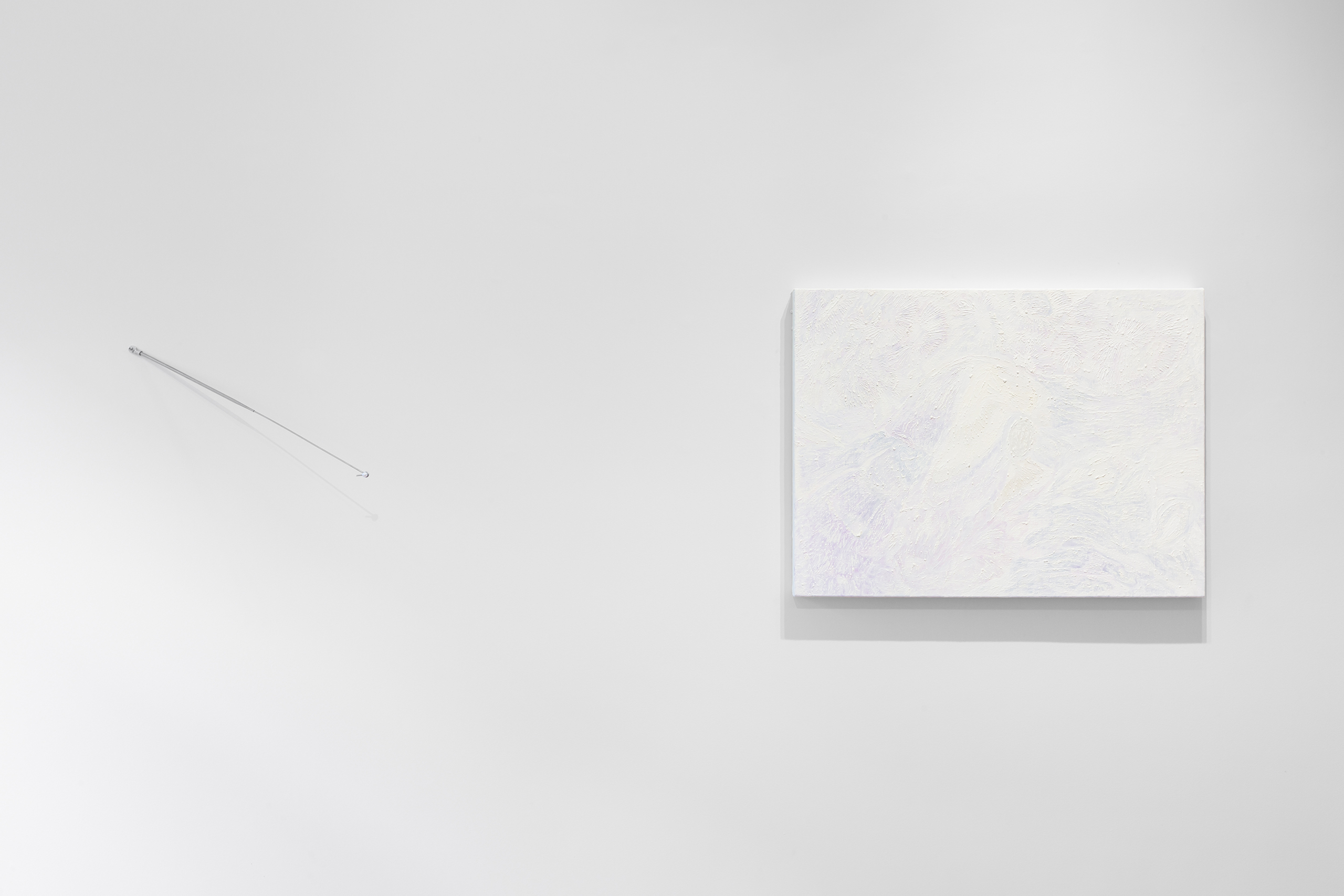
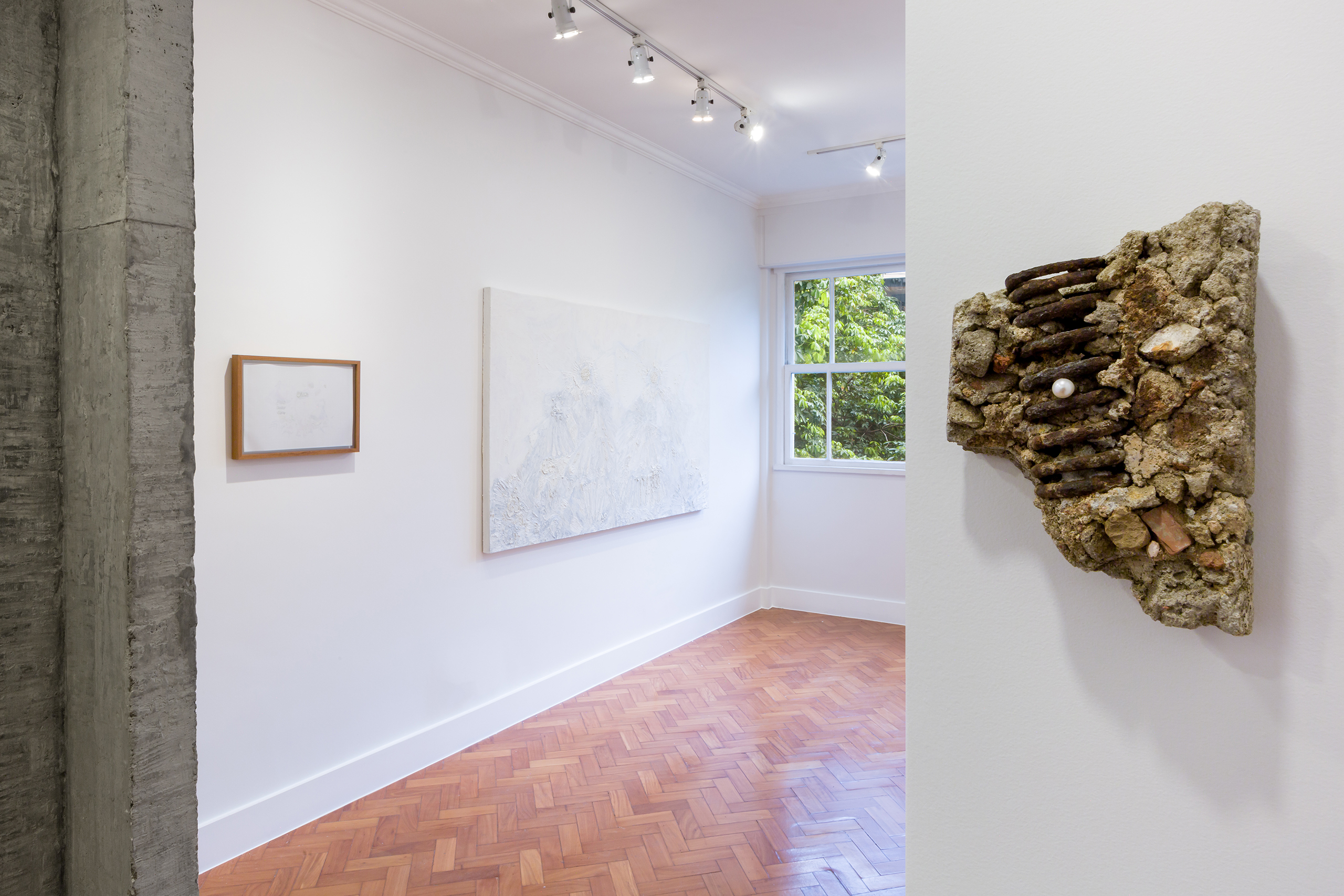
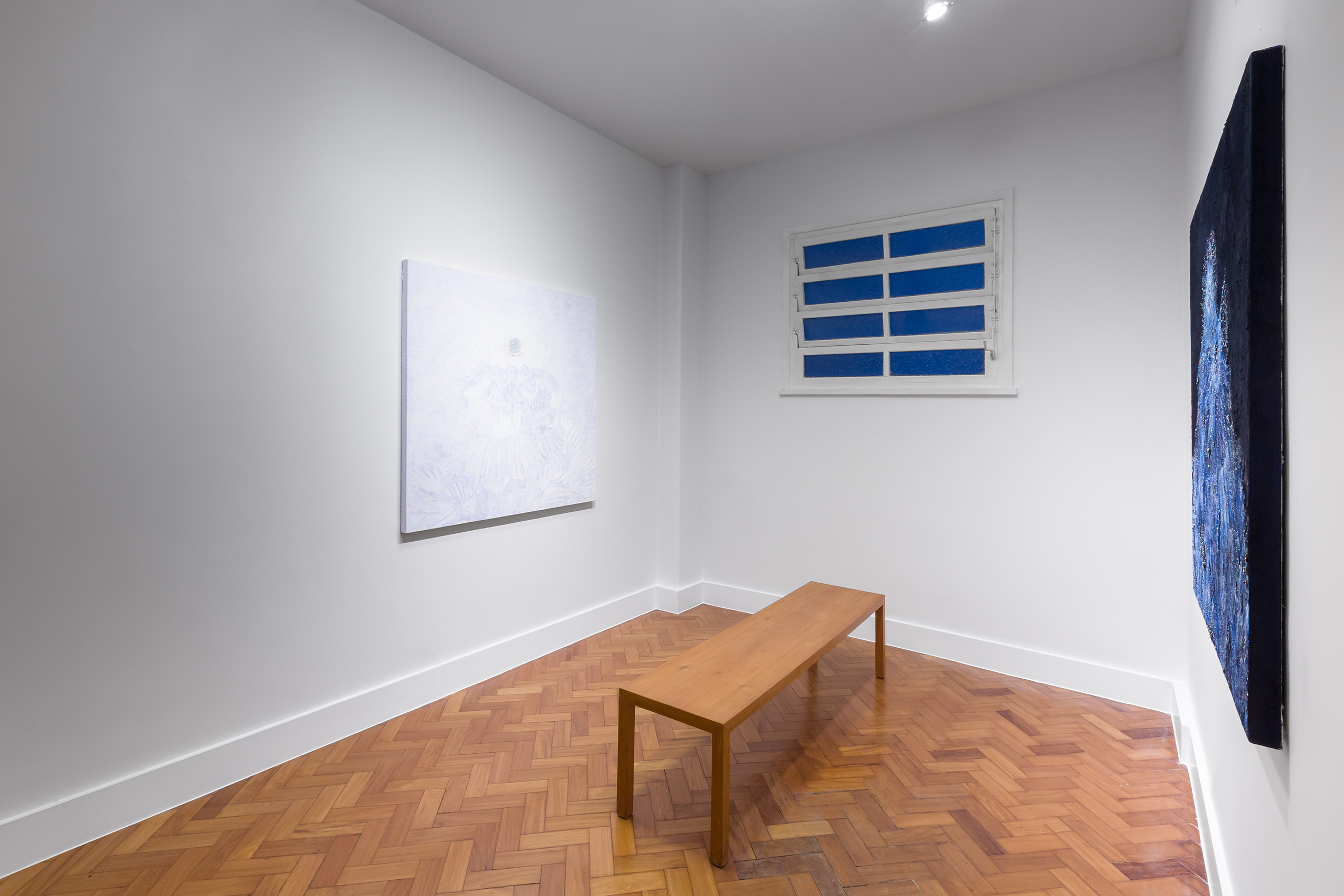
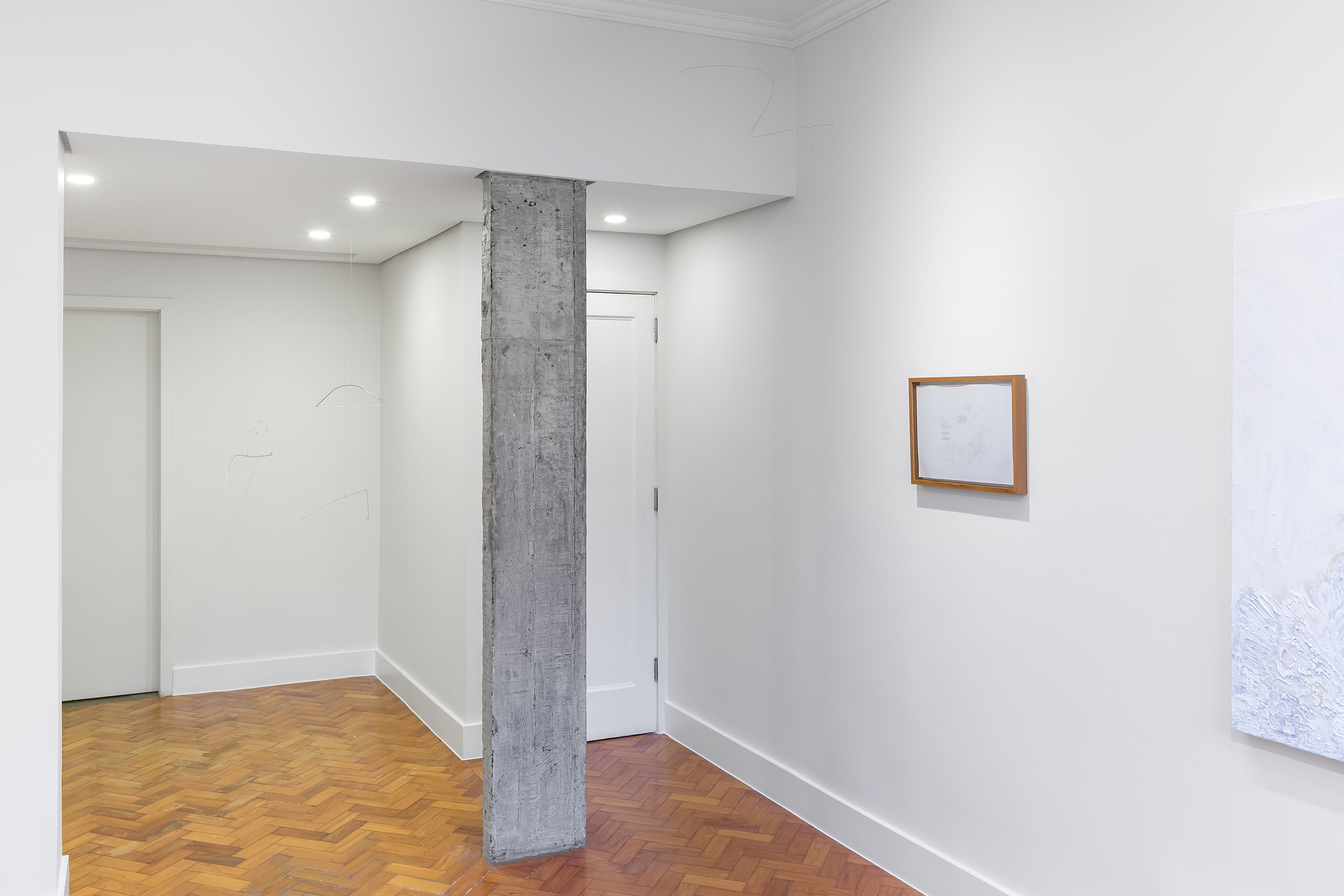
And it is the atmosphere developed by Arorá that is present. The physical mass for the development of her work is intense and gives us a white color that amalgamates into brightness and more intensities and colors due to the bursts of color that the artist throws in. Anyone who imagines that her work is delivered in everything we see is mistaken. It takes time and you still can’t get close to everything that makes them up. When Arorá says that “the cave and the sun can be the same place”, she invites us to transcend the apparent boundaries between inside and outside, between dark and light. Her art takes us on a journey of discovery, where the shadows of the cave are transformed into rays of sunshine that illuminate our relationship.
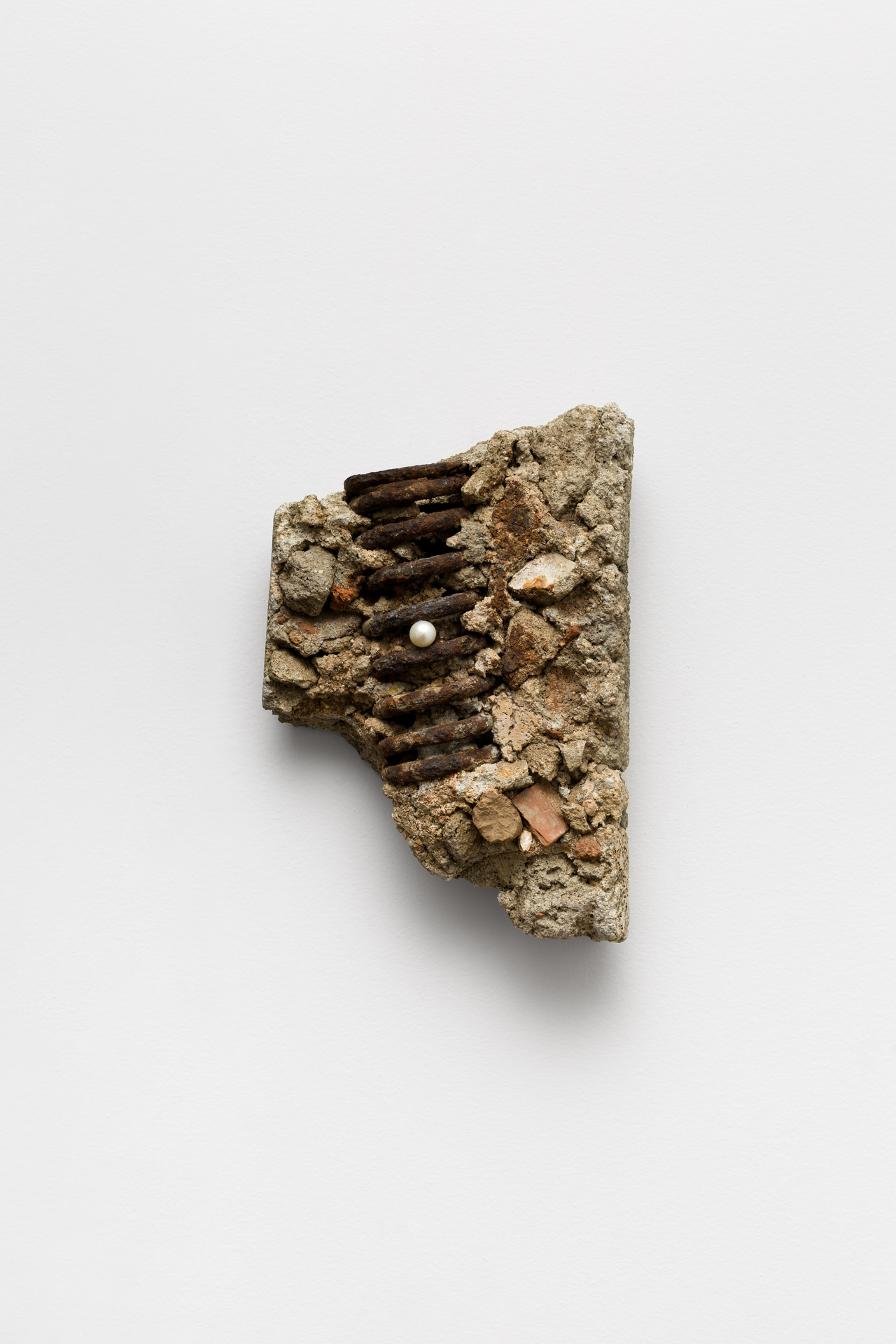
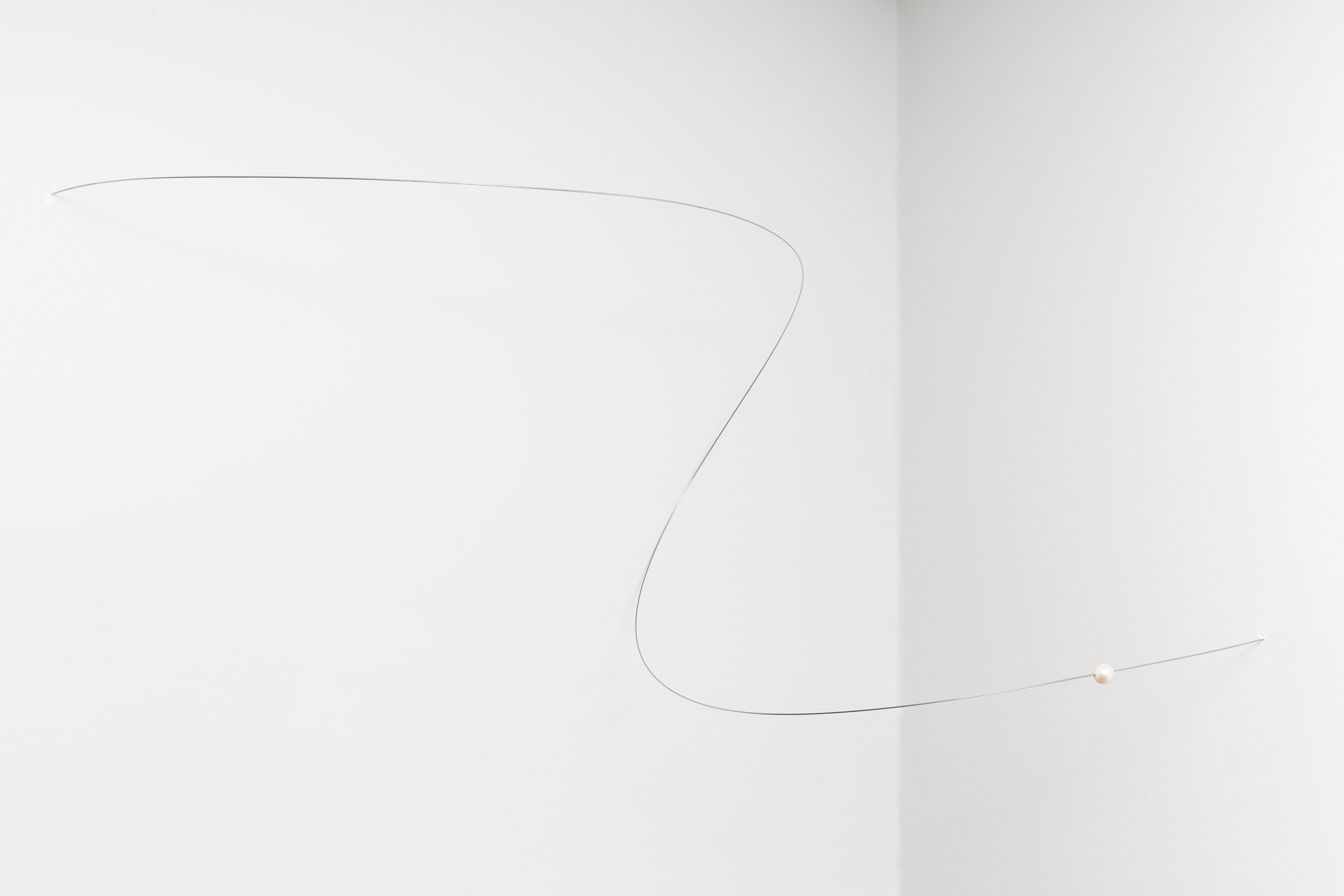
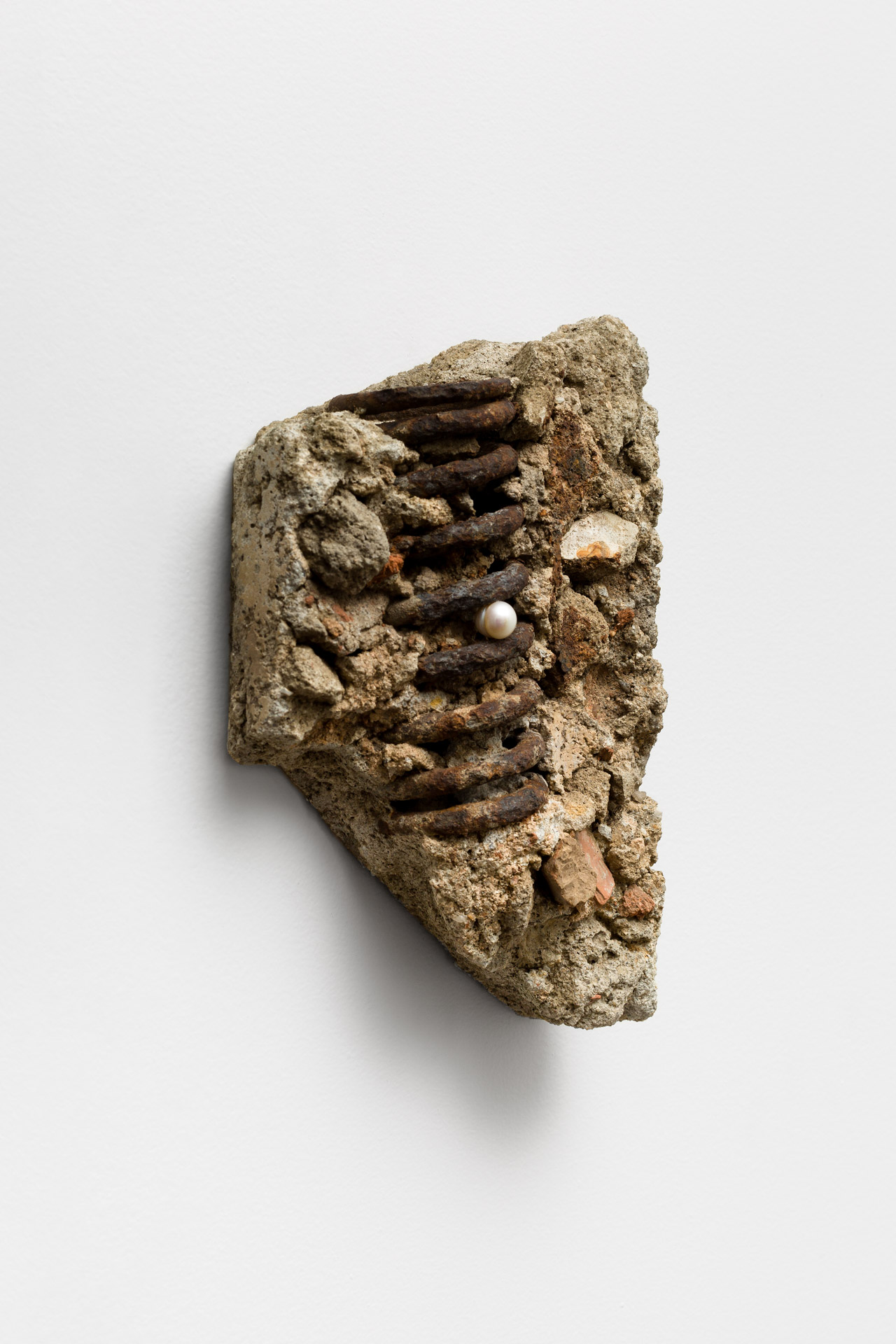
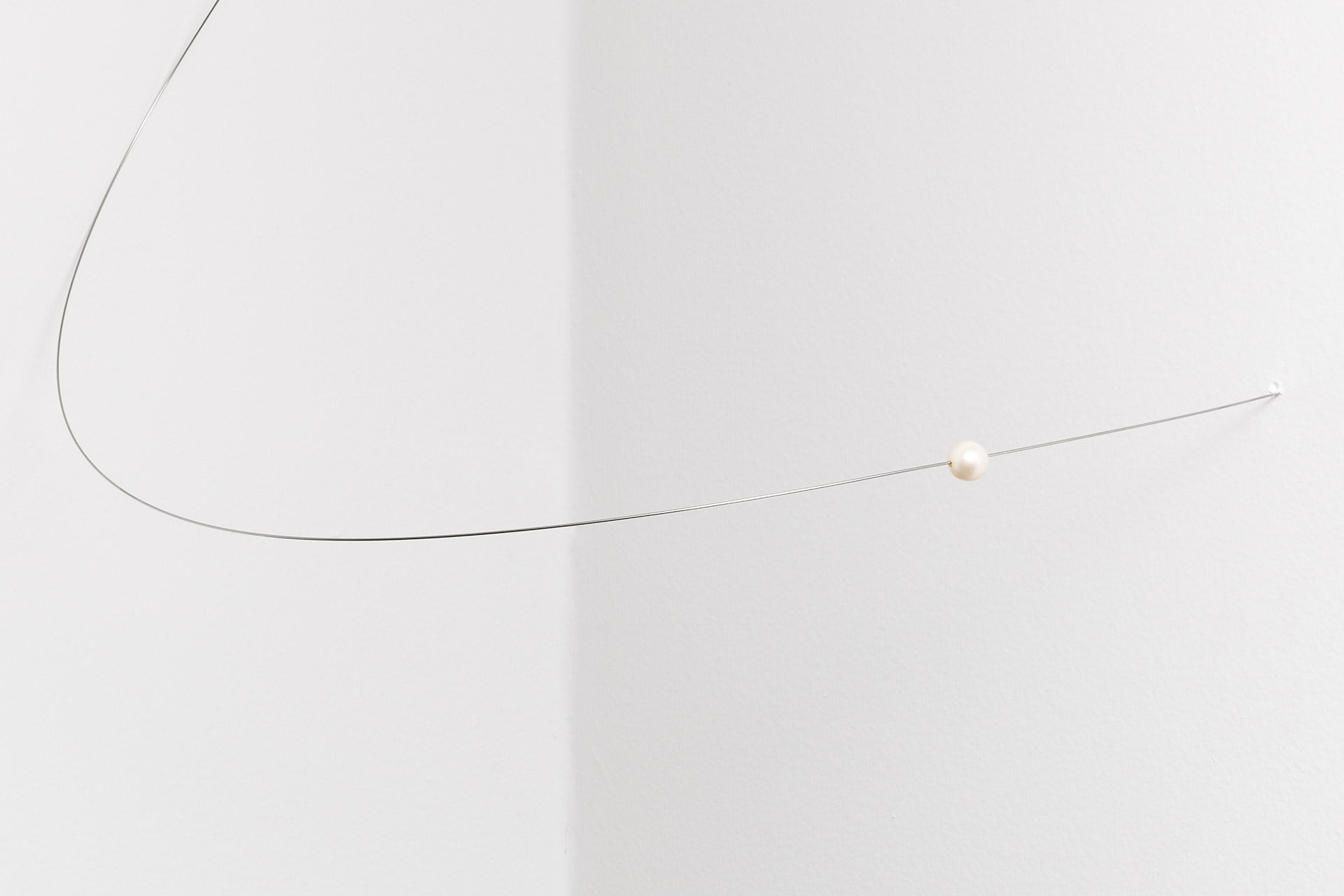
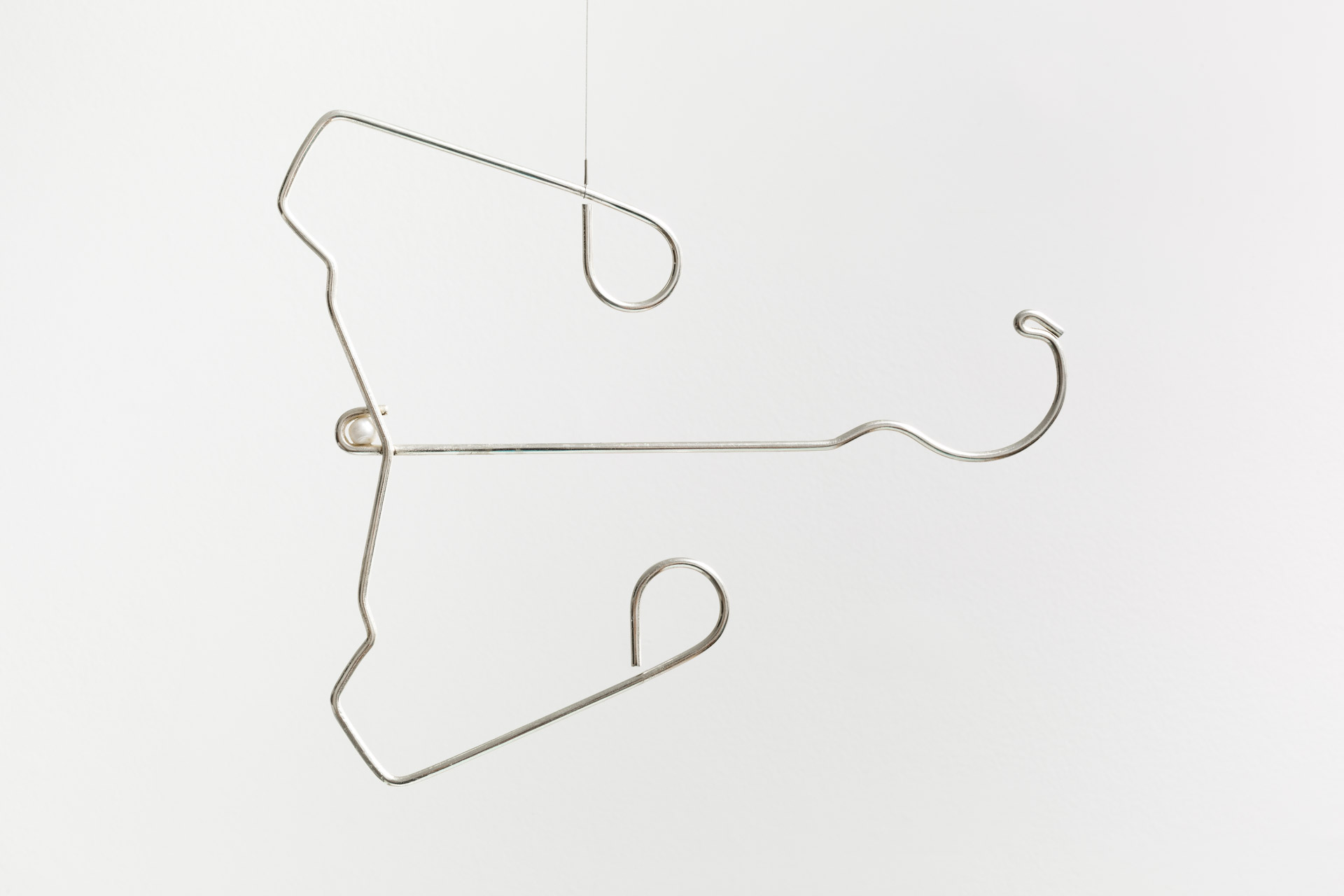
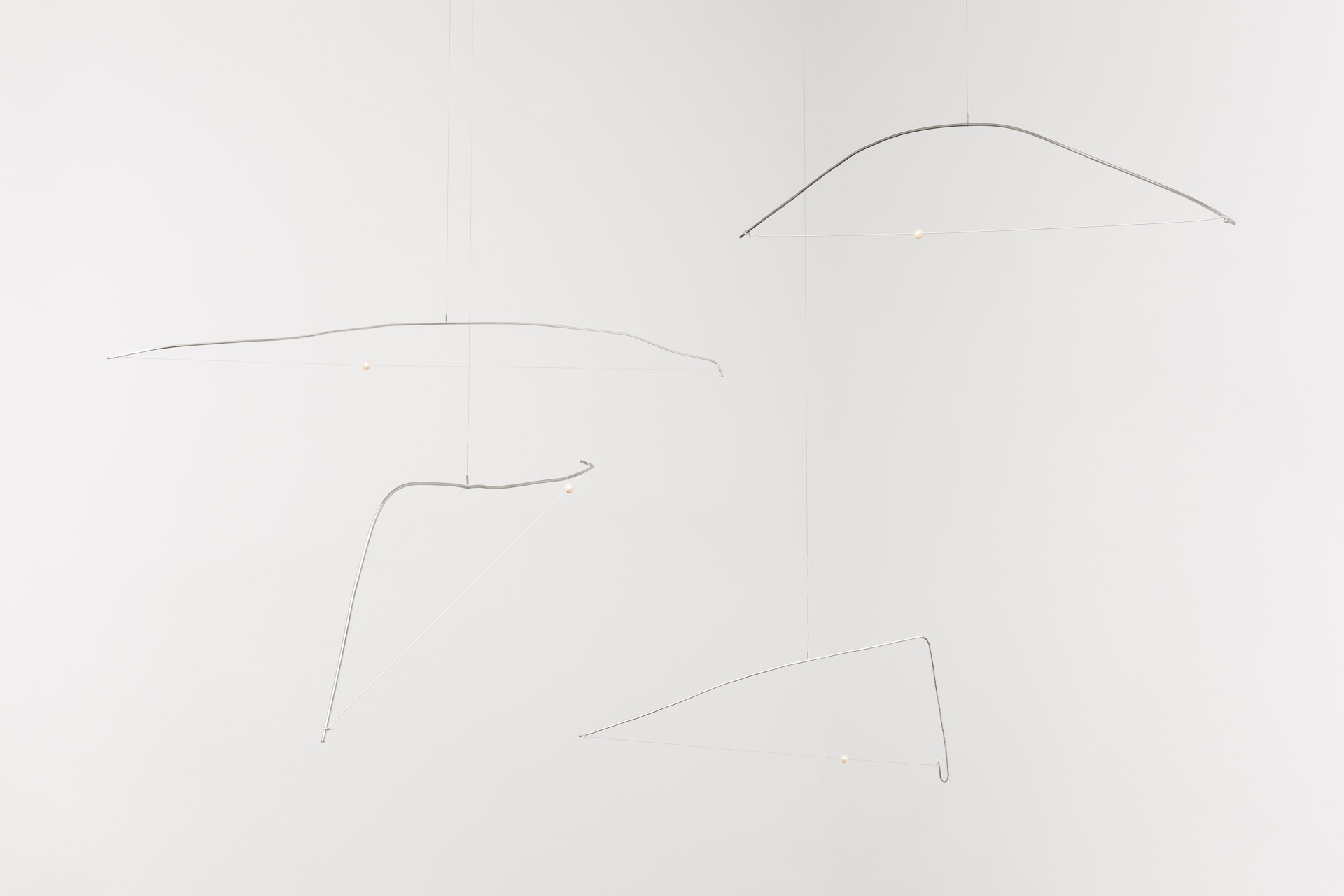
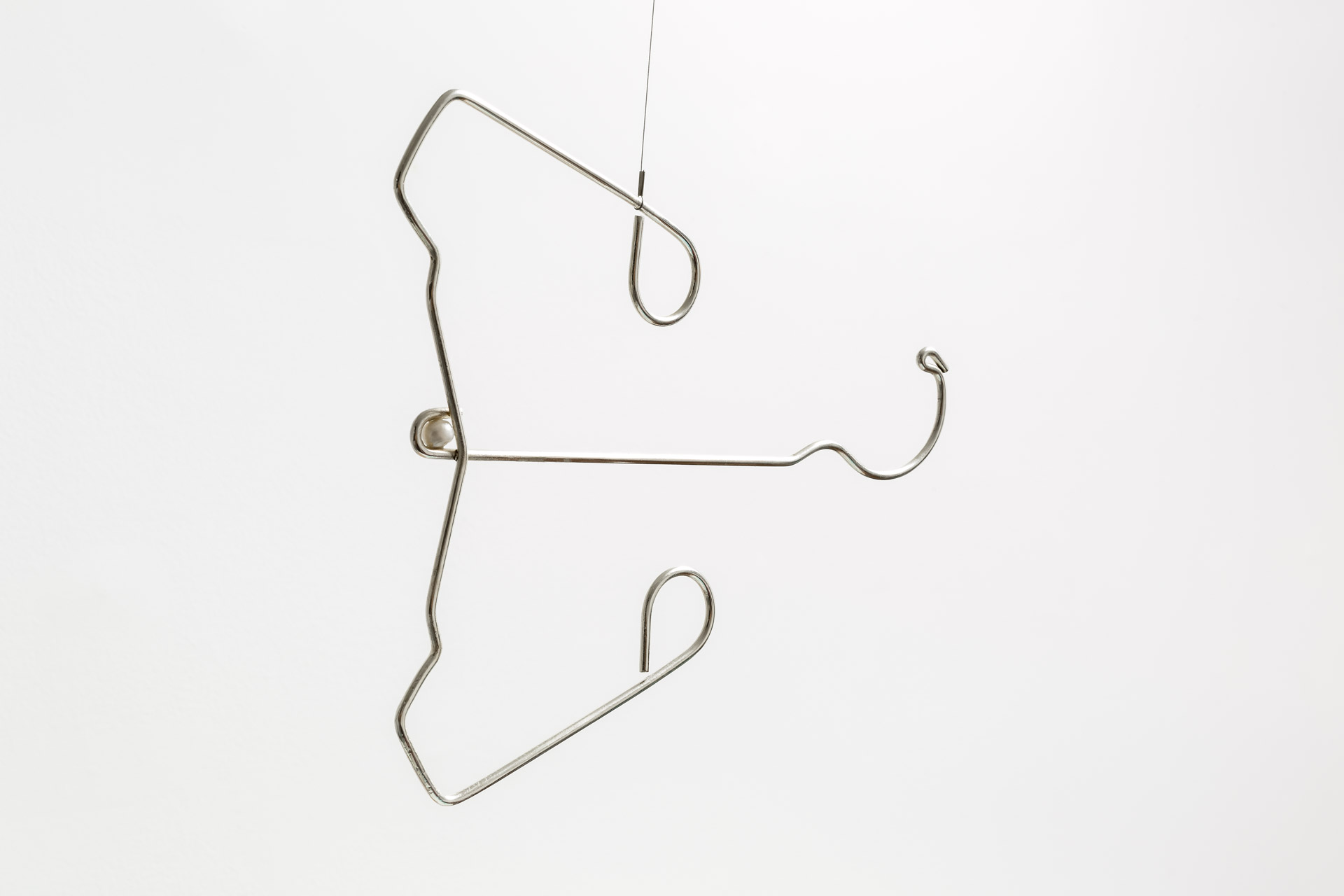
However, Arorá goes beyond mythology and stellar physics. She creates her own atmosphere, an atmosphere of meaning and reflection. Each of her works is an invitation to dive into the depths of thought and emotion, to dance through the cracks and silhouettes of her journey. His creations are not merely objects, but portals, and at the same time simple things in themselves, they are there existing in their integrity. The cave and the sun become metaphors for perceptions, where the dark and the bright intertwine. As we continue to perceive what Arorá develops, we find his works like pieces of a cosmic puzzle, and each piece brings us a little closer to the cave and the sun, which may in fact be the same place.
“We die. That may be the meaning of life. But we make language. That may be the measure of our lives.” – Toni Morrison, in her speech on receiving the Nobel Prize for Literature (1993) And, with Arorá, we understand the impulse behind this measuring. Beyond the purpose of the measure.
Keyna Eleison