Breeze
Ana Cláudia Almeida, Elvis Almeida, Flora Rebollo, Guilherme Ginane, Marcelo Pacheco, Matheus Chiaratti, Thomaz Rosa and Yasmin Guimarães
curated by Julie Dumont
June 5, 2021 - July 2, 2021
São Paulo
Winds from the north, south, east and west, cold and violent winds that create storms, gentle winds or hot and humid winds that form clouds. Storms, gusts, squalls, gales or breezes; winds of countless names and intensities; constant or periodic winds, polar easterly winds, westerly winds or tropical trade winds. Winds that cross the body, winds that caress the skin, winds that climb the hills, descend the valleys, erode the rocks and kiss the foam of the waves. Winds that carry the dust of deserts and the seeds of gardens; winds that spread flames, burn and destroy. Winds that run along the corners of city streets and swirl under their bridges, making pieces of our shattered lives dance.
From the winds I keep the memory of a breeze cooling and chilling my salty skin in the hot summer sun: a shiver as a sensory manifesto of a connection with the subtle world, which concretizes in the epidermis the inexplicable, the frisson of the journey that nature and art provide, the intoxication of a certain savagery, the cheapness of life.
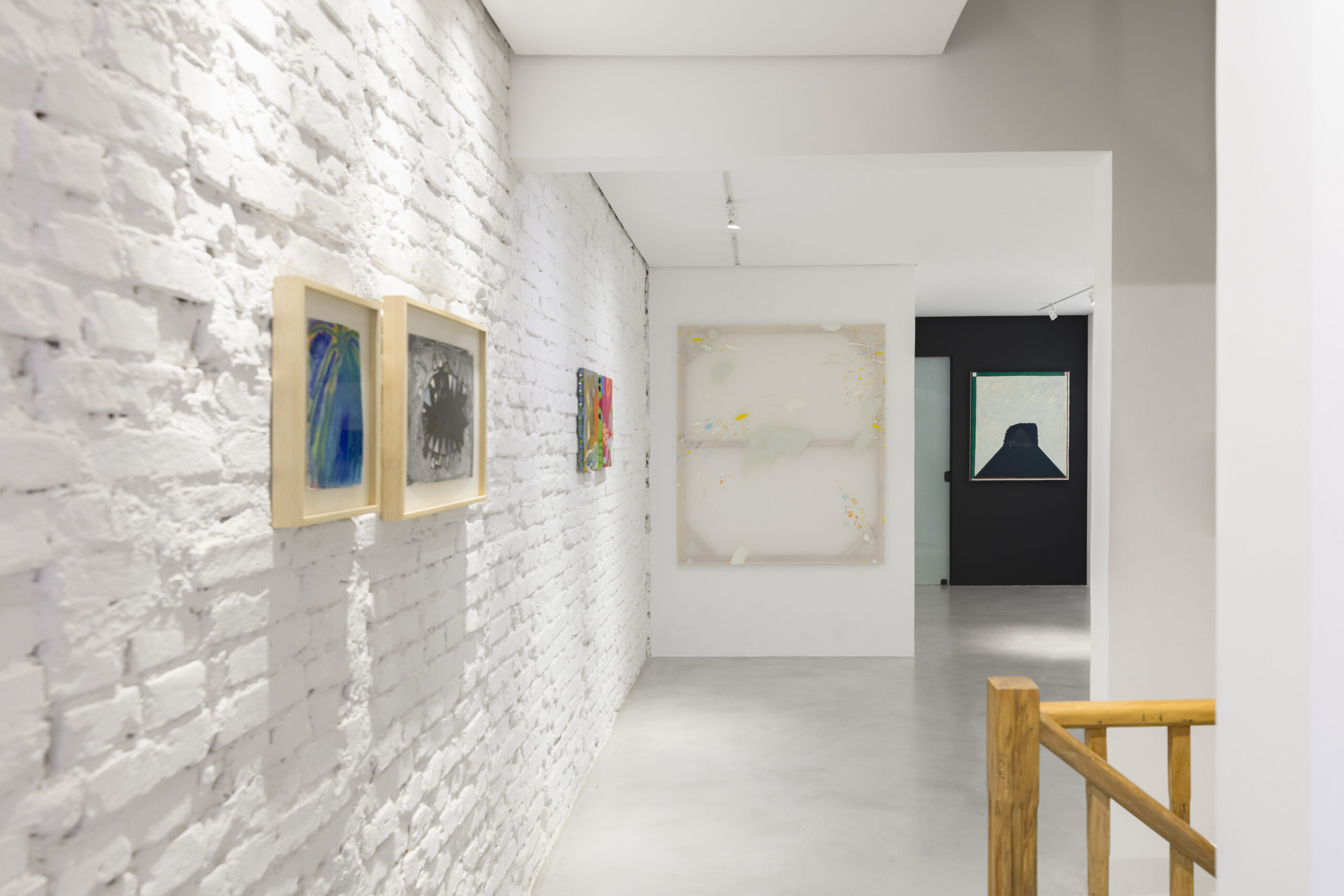
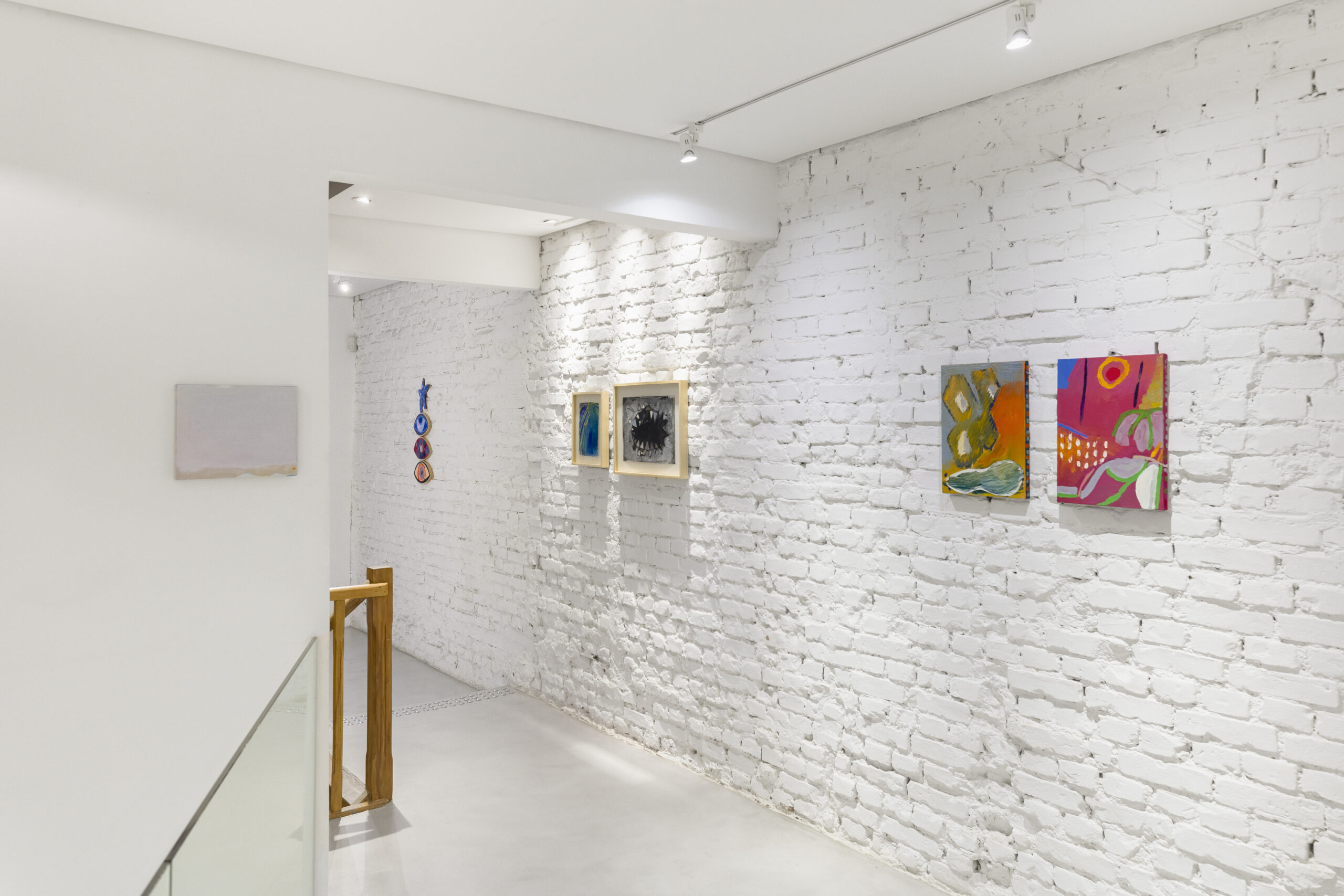

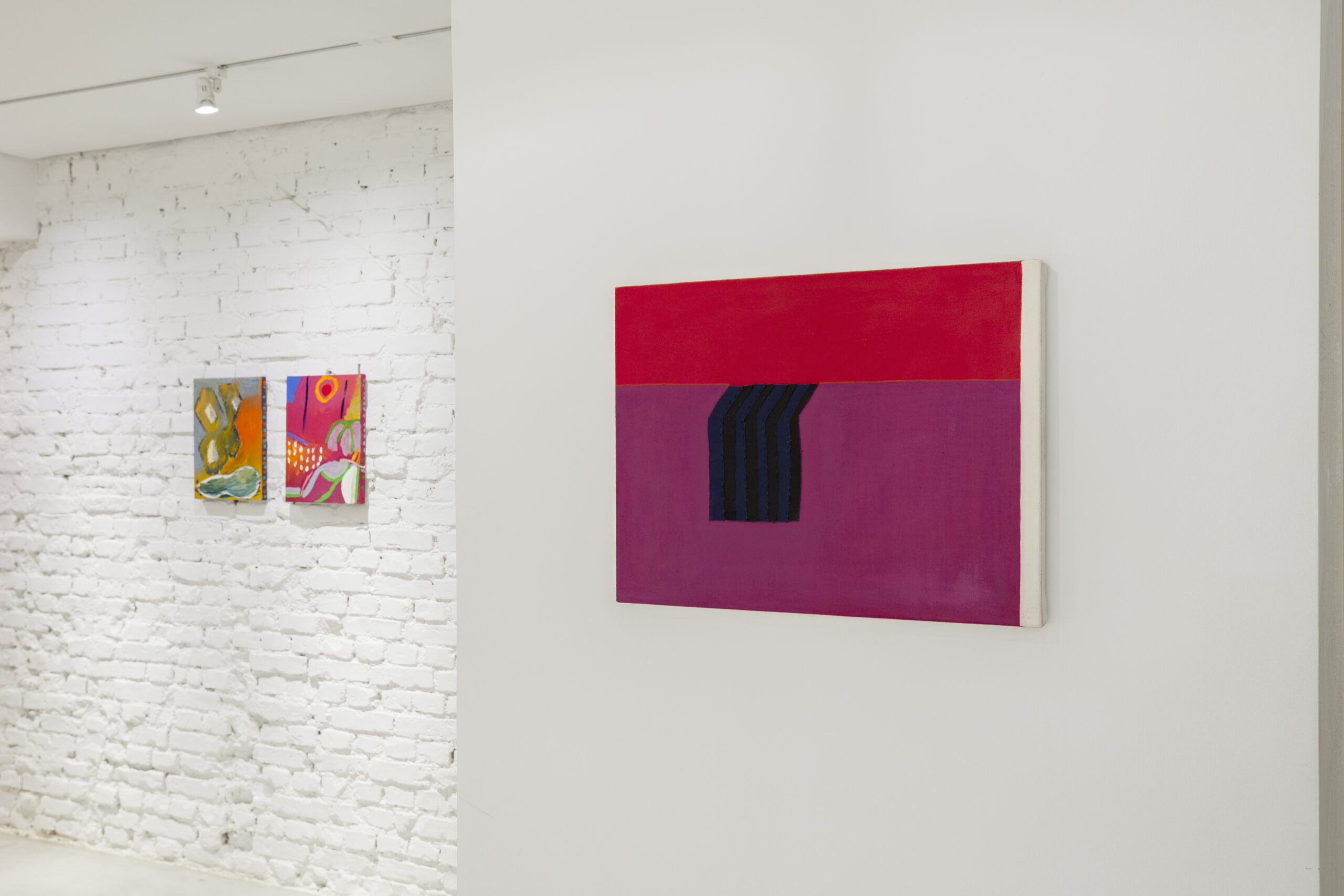
This is the Brisa group show, a proposal by Rio gallery Quadra for its first exhibition in São Paulo. A breath of the winds of Rio, a subjective displacement, a pictorial escape in the form of an unpretentious and intuitive flap, an affection for raw everyday life, oxygen.
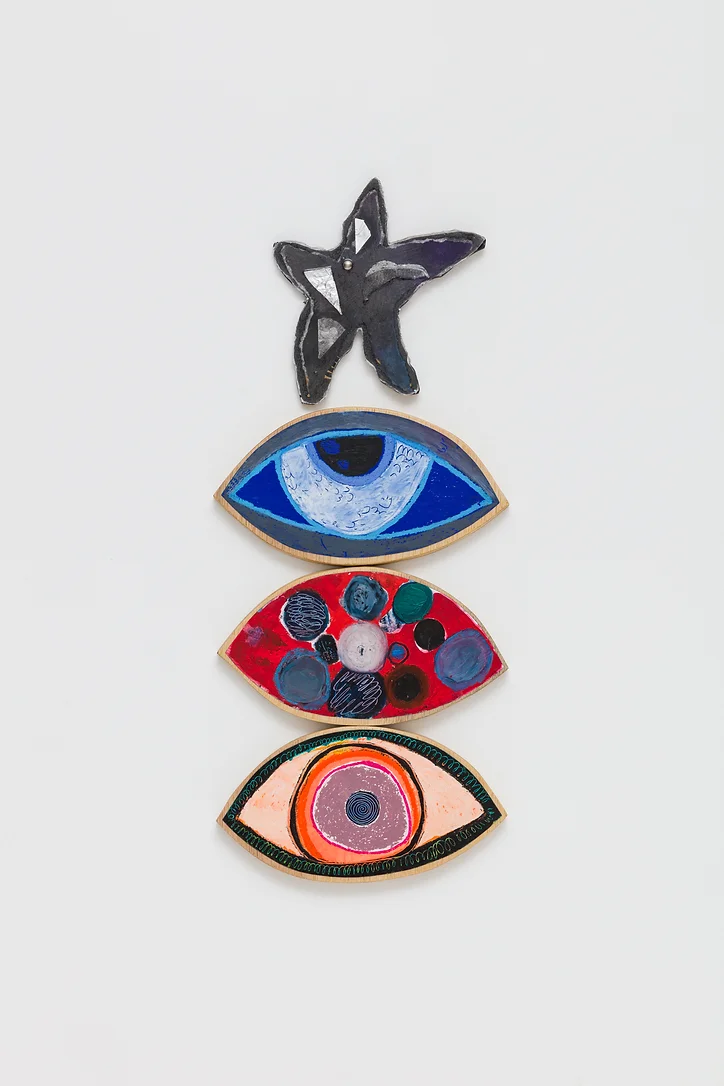
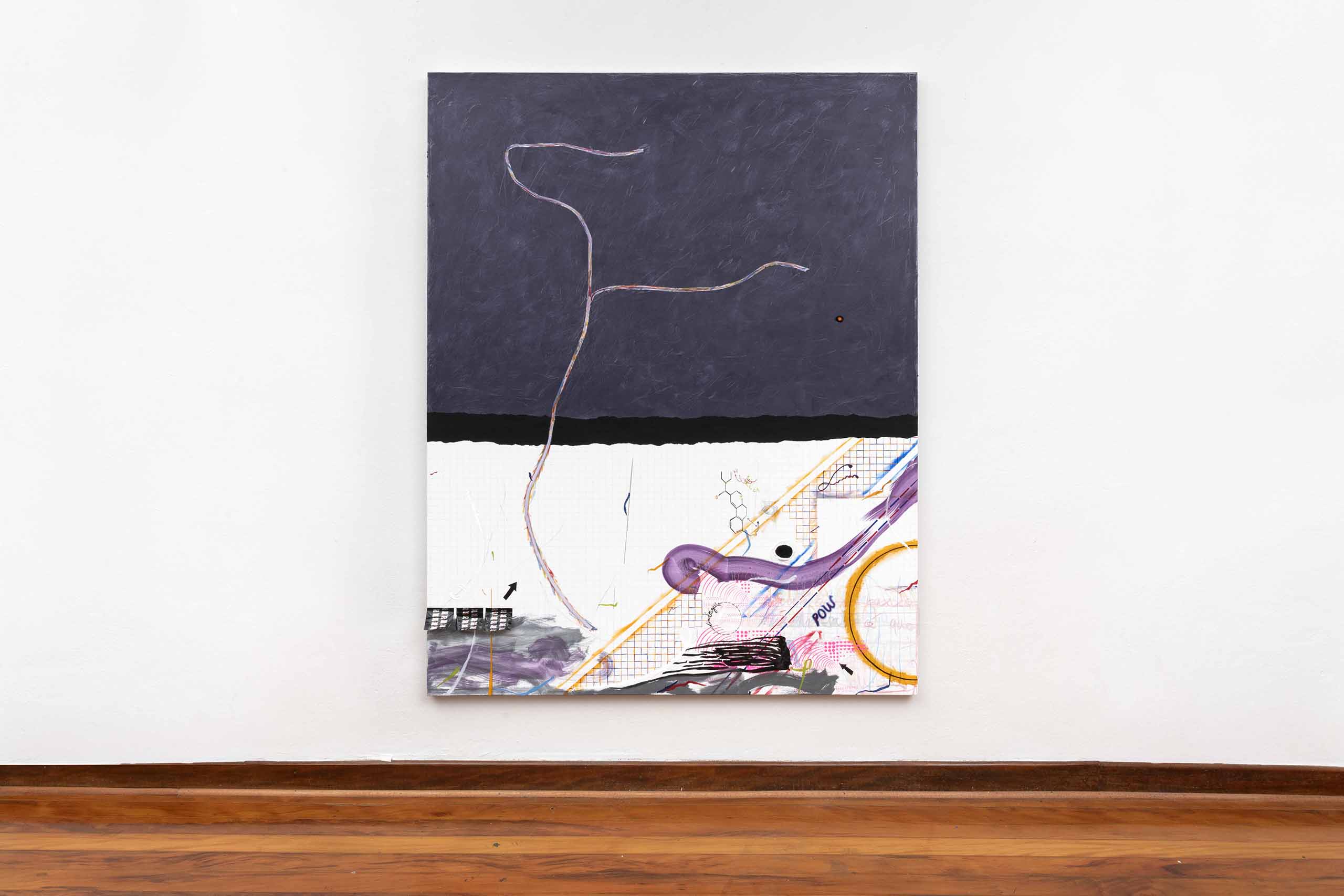
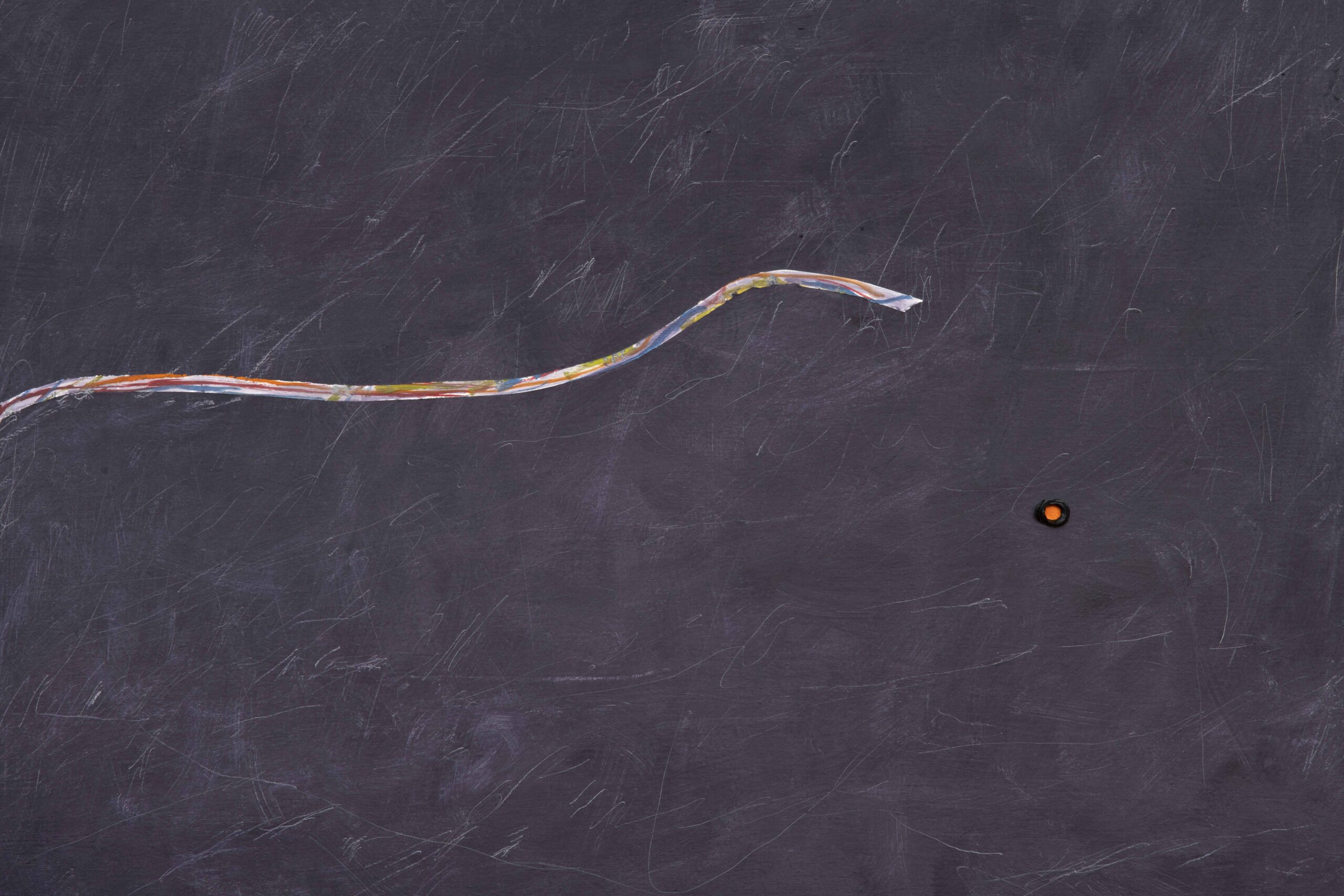
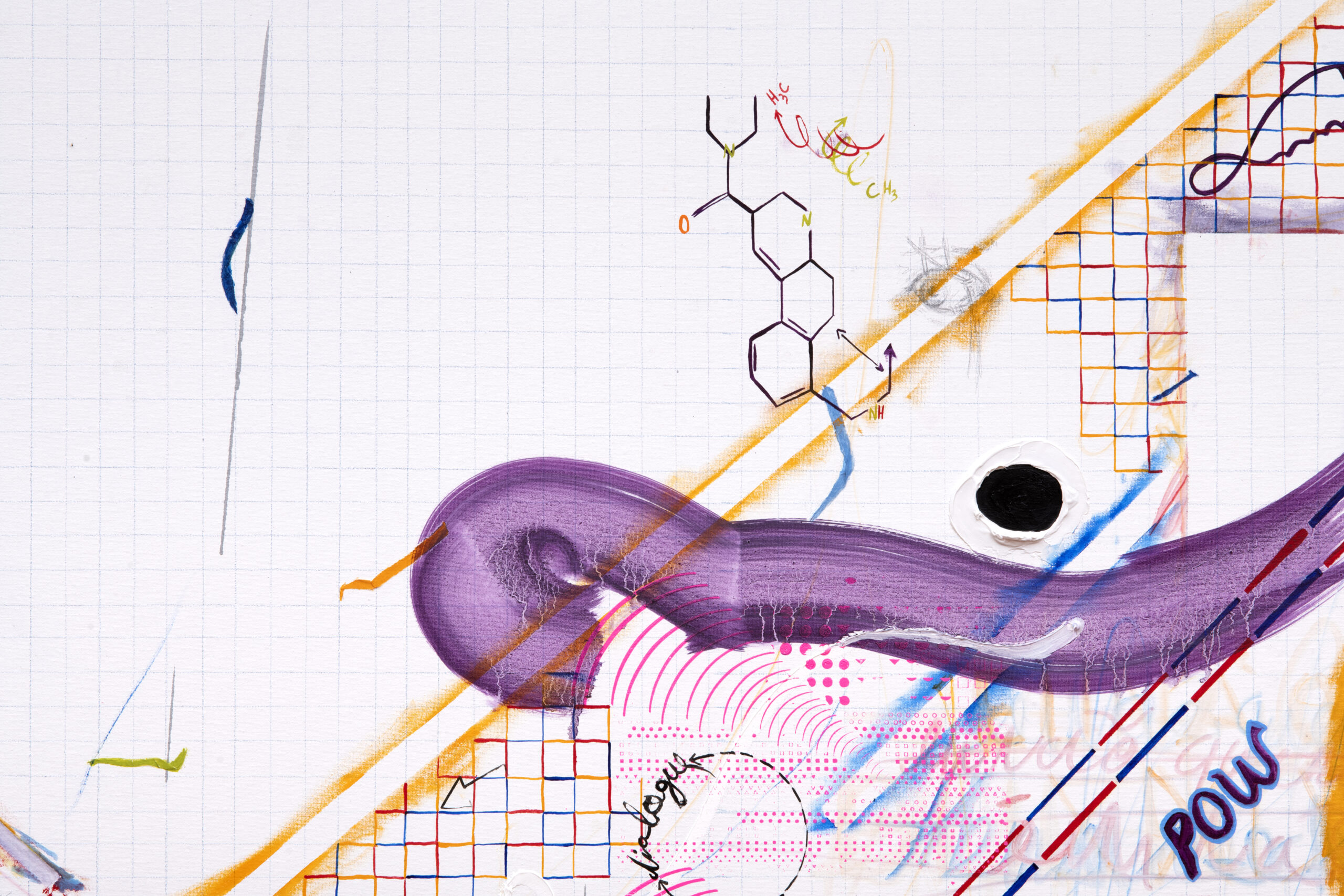
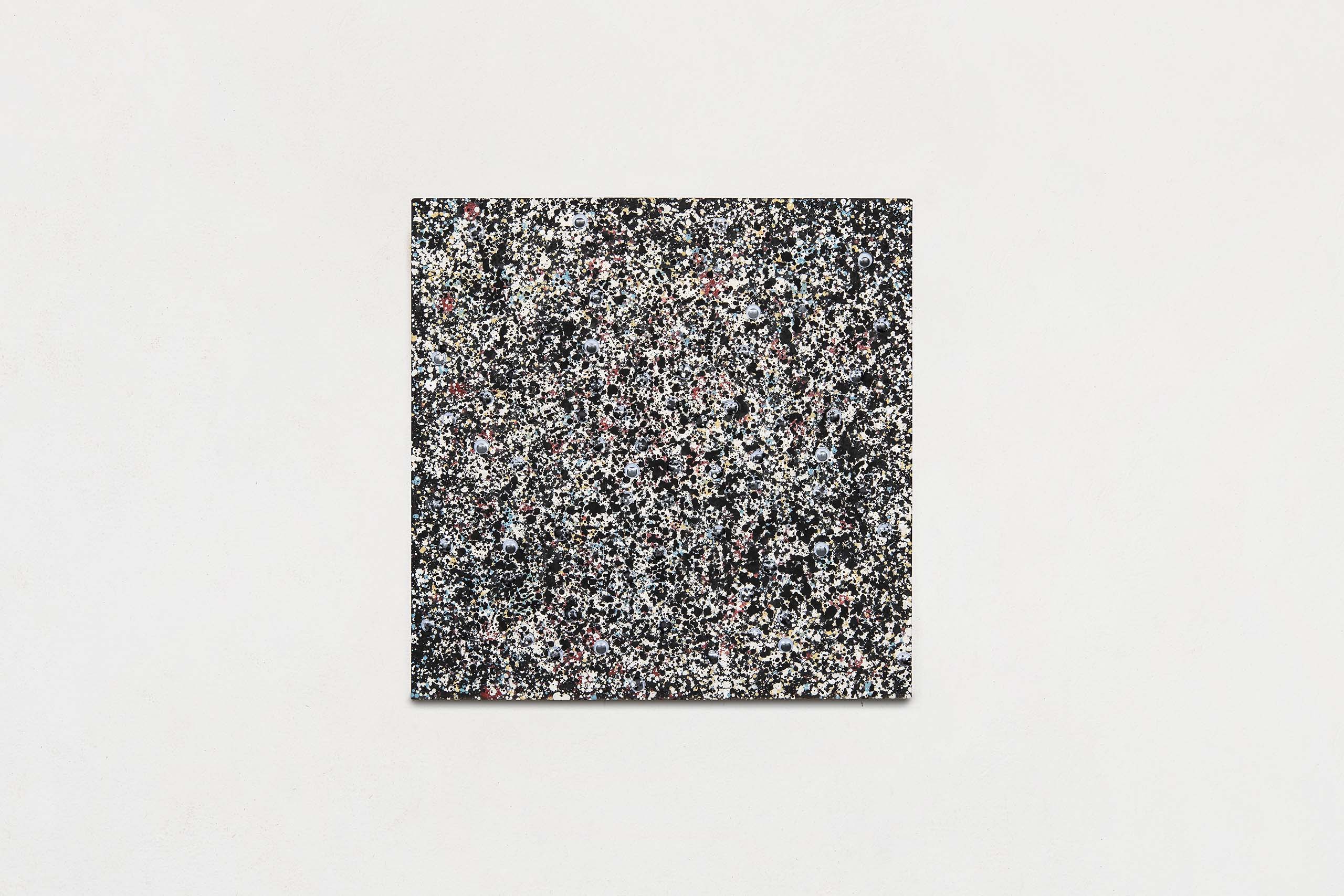
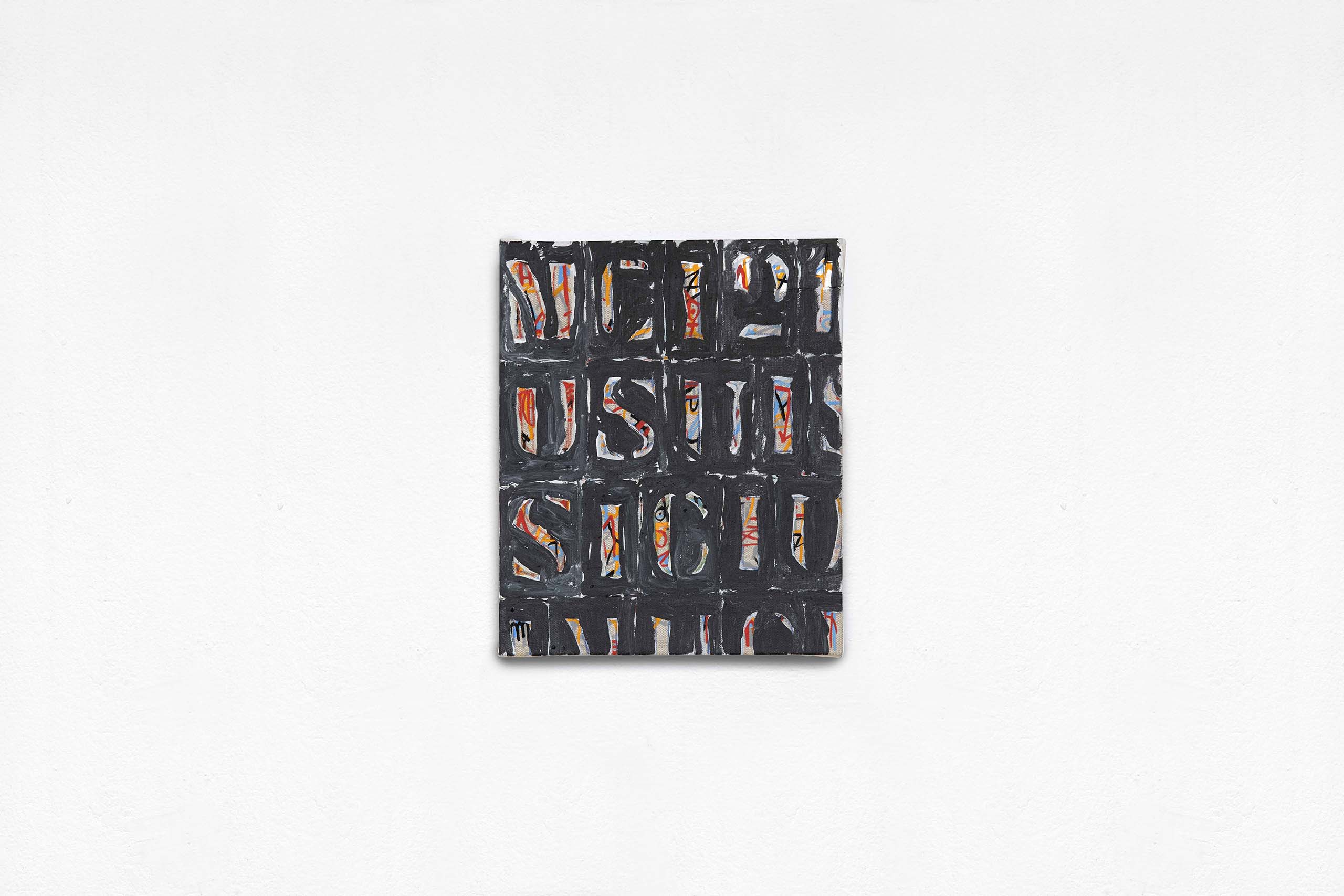
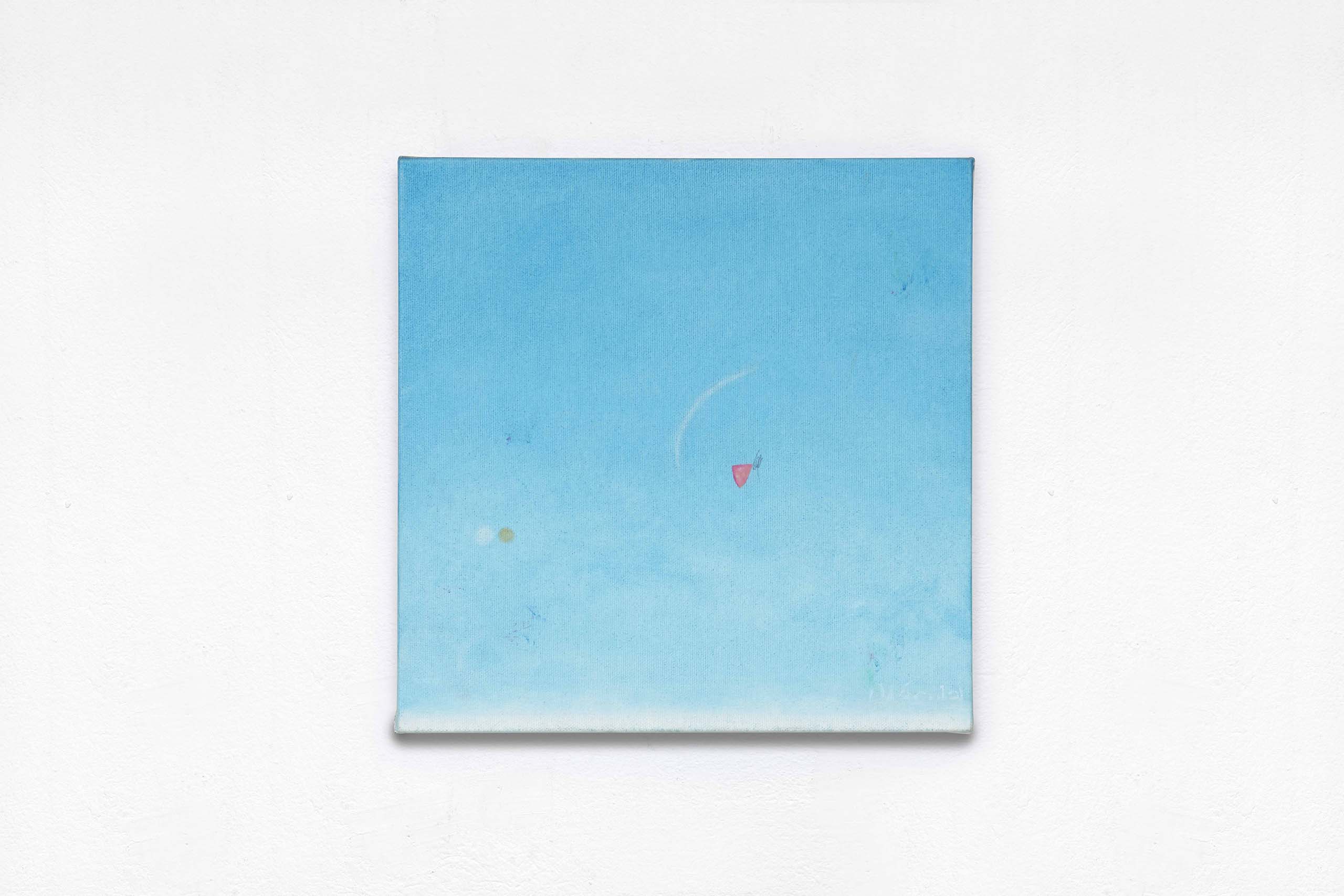
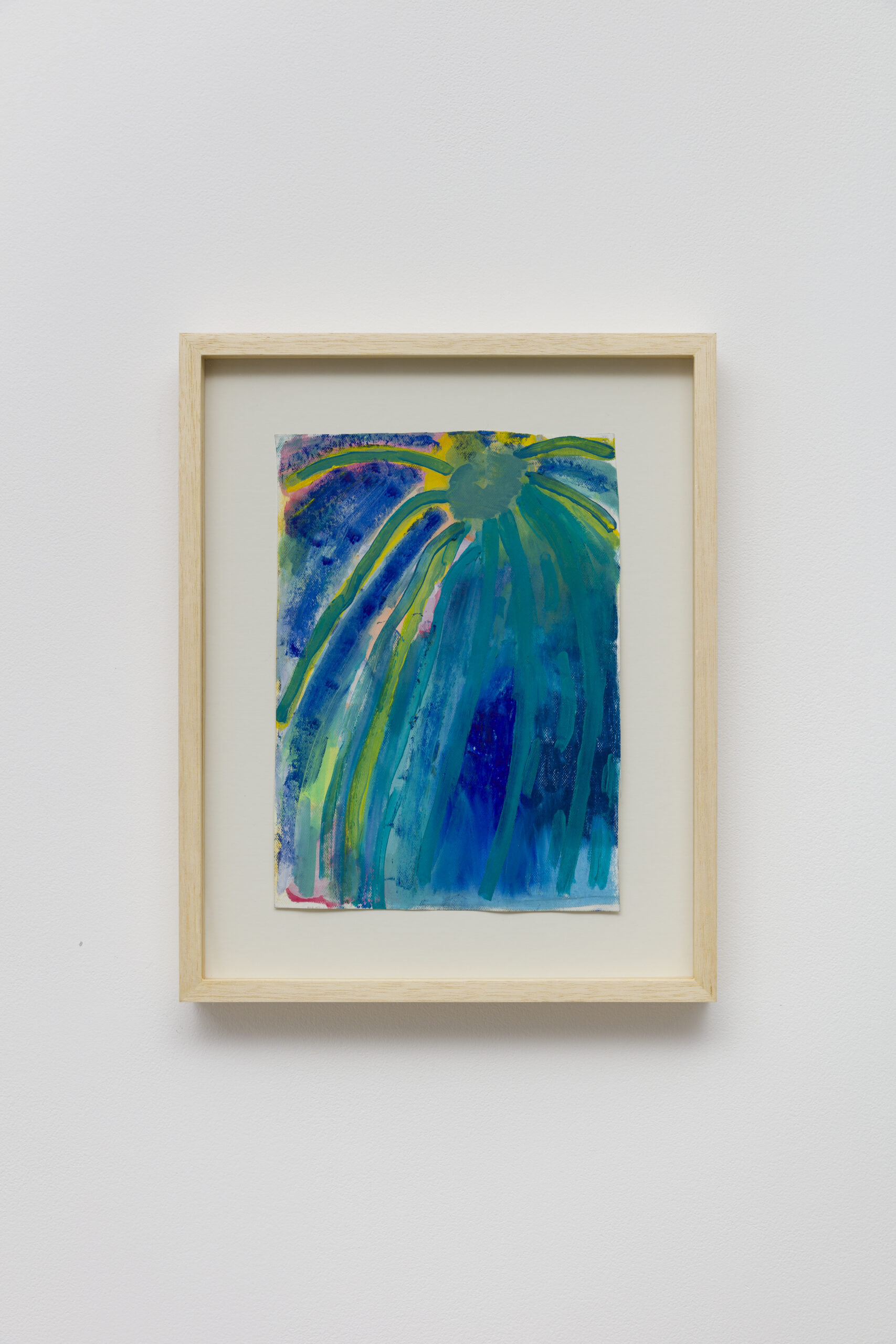
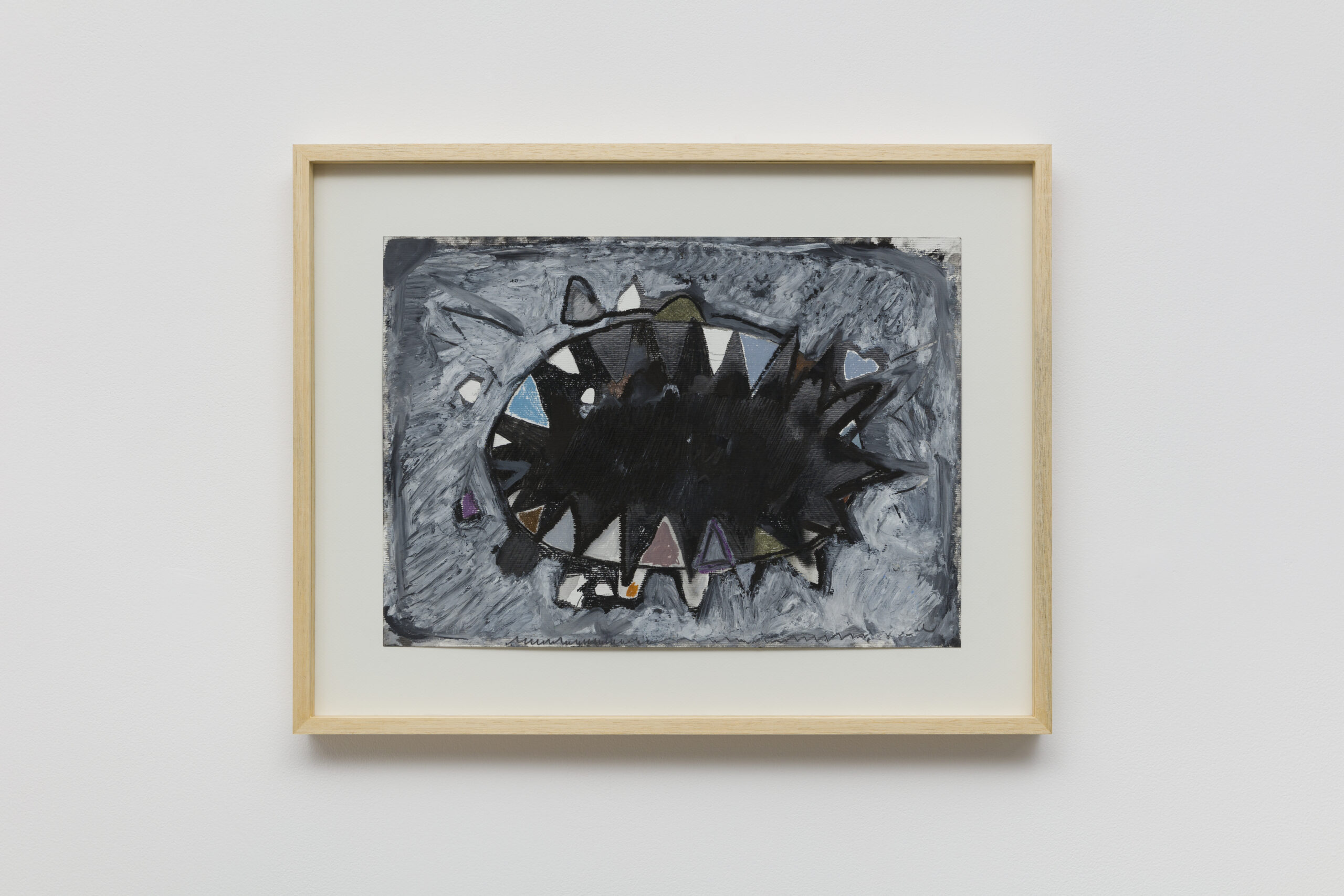
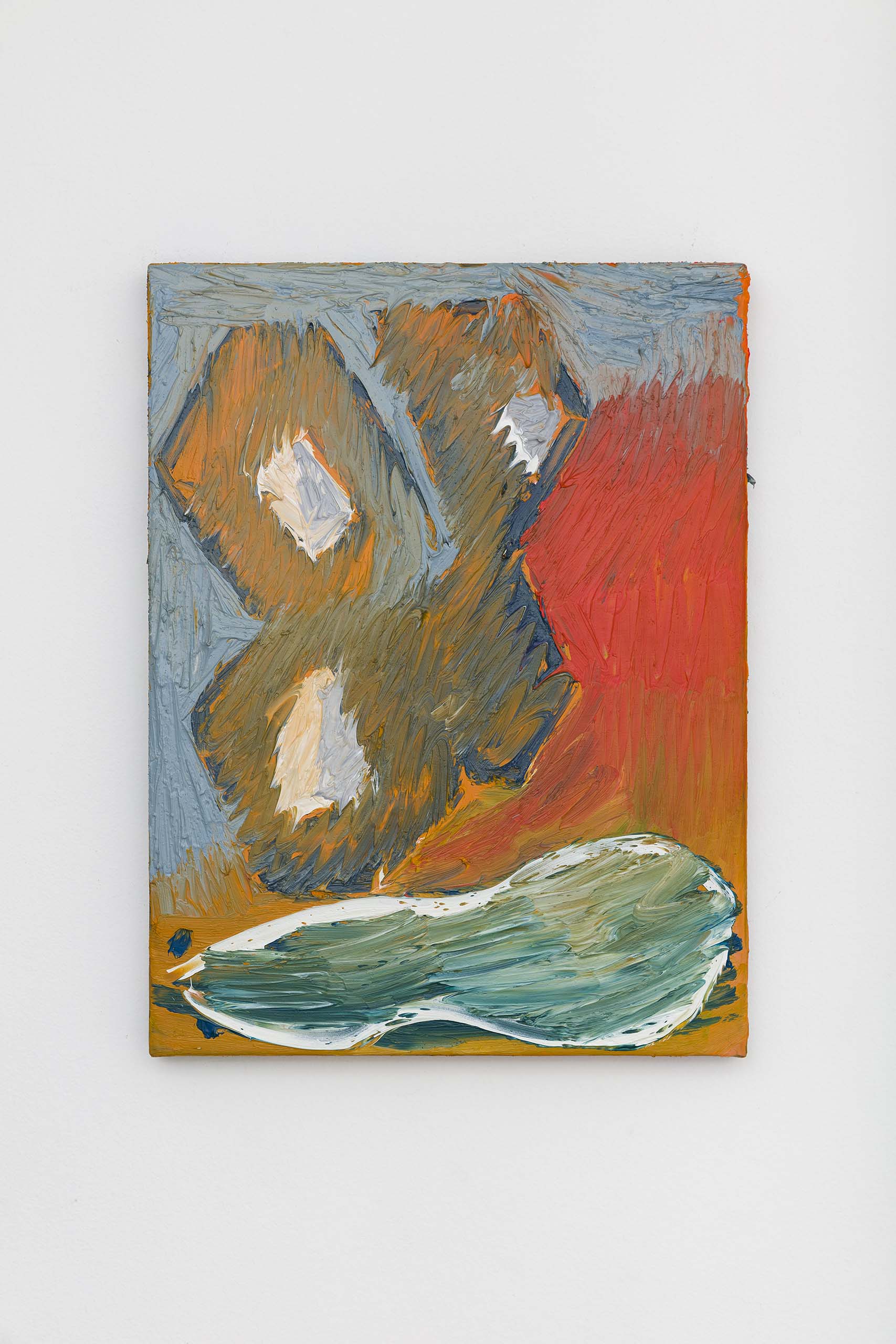
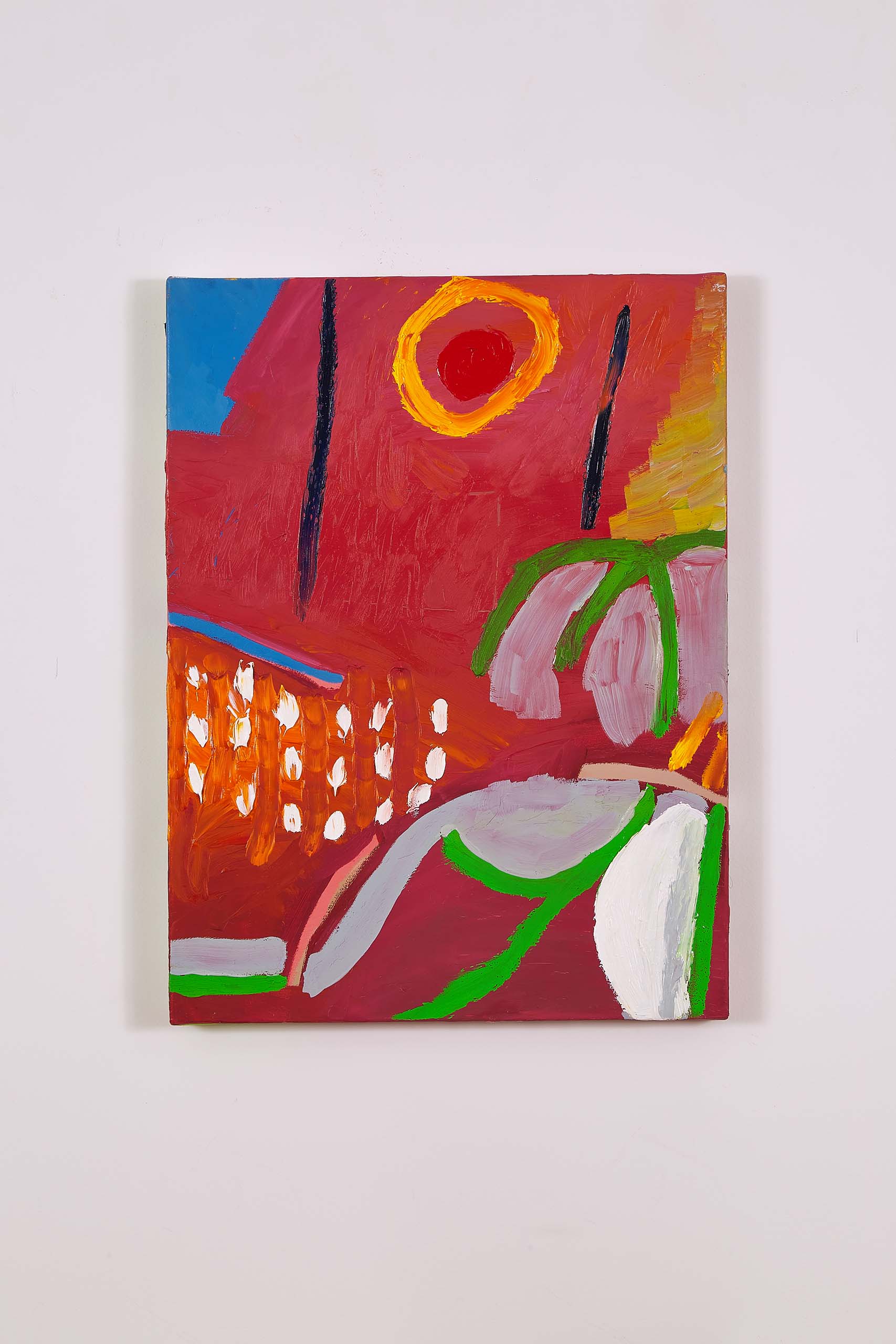
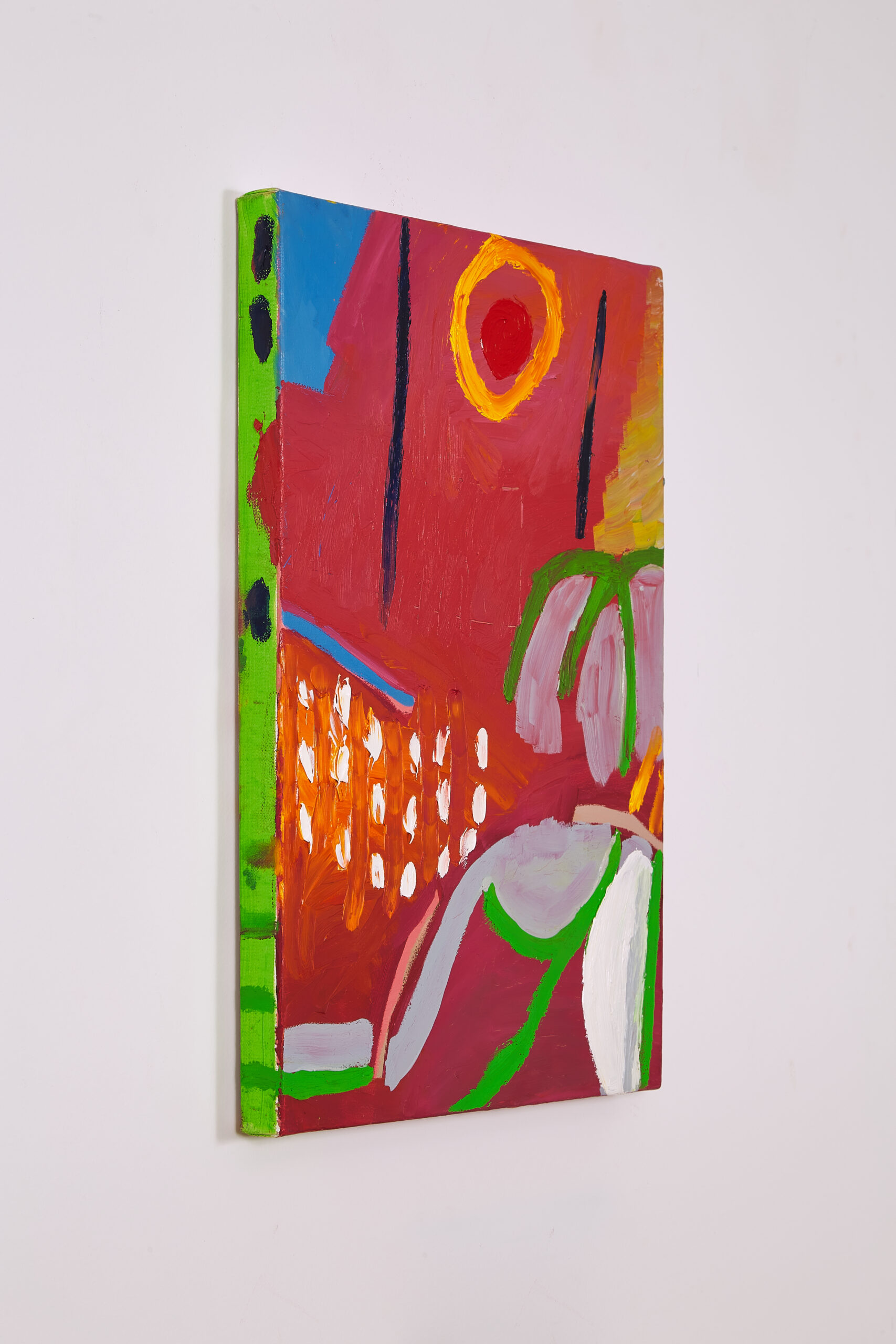
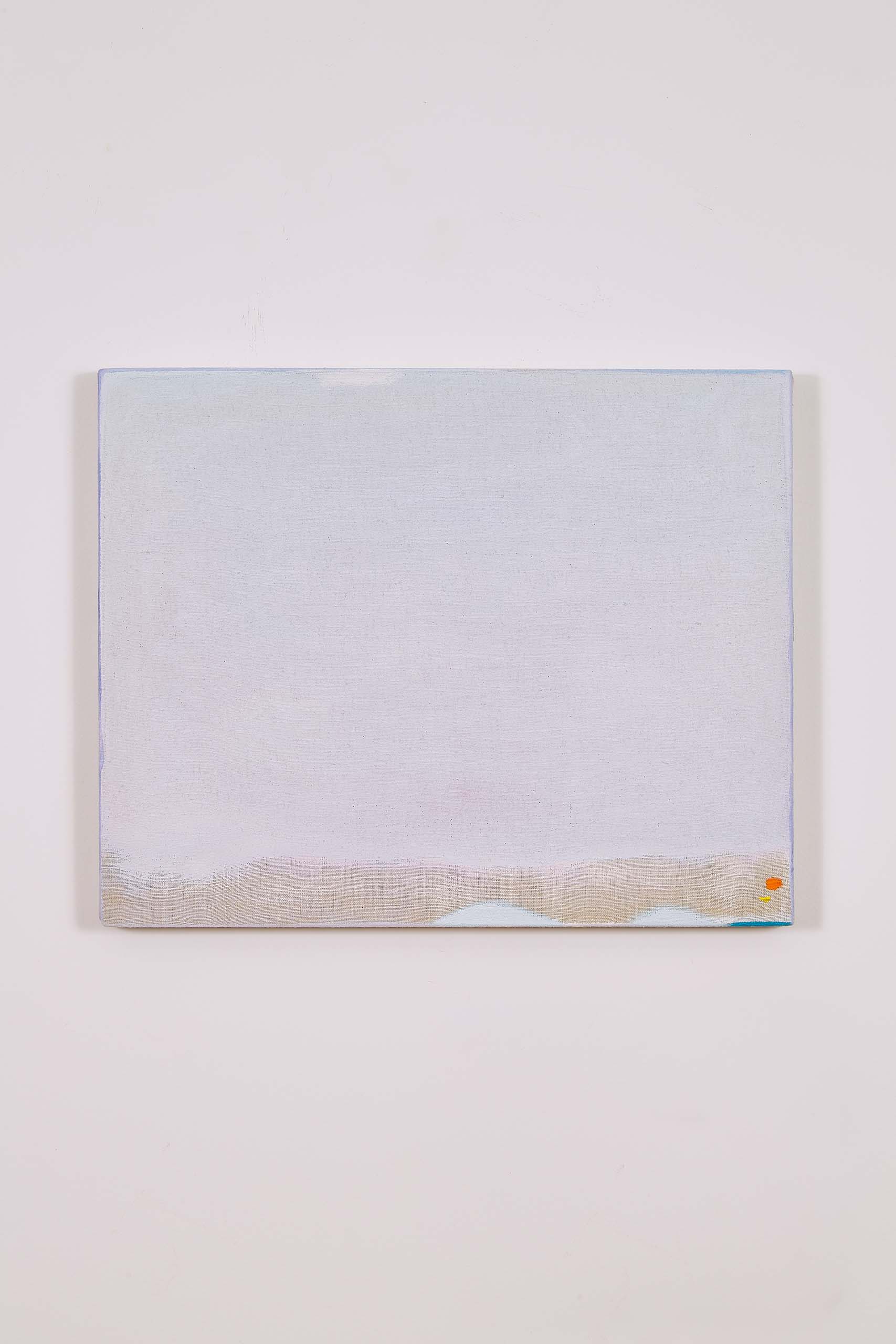
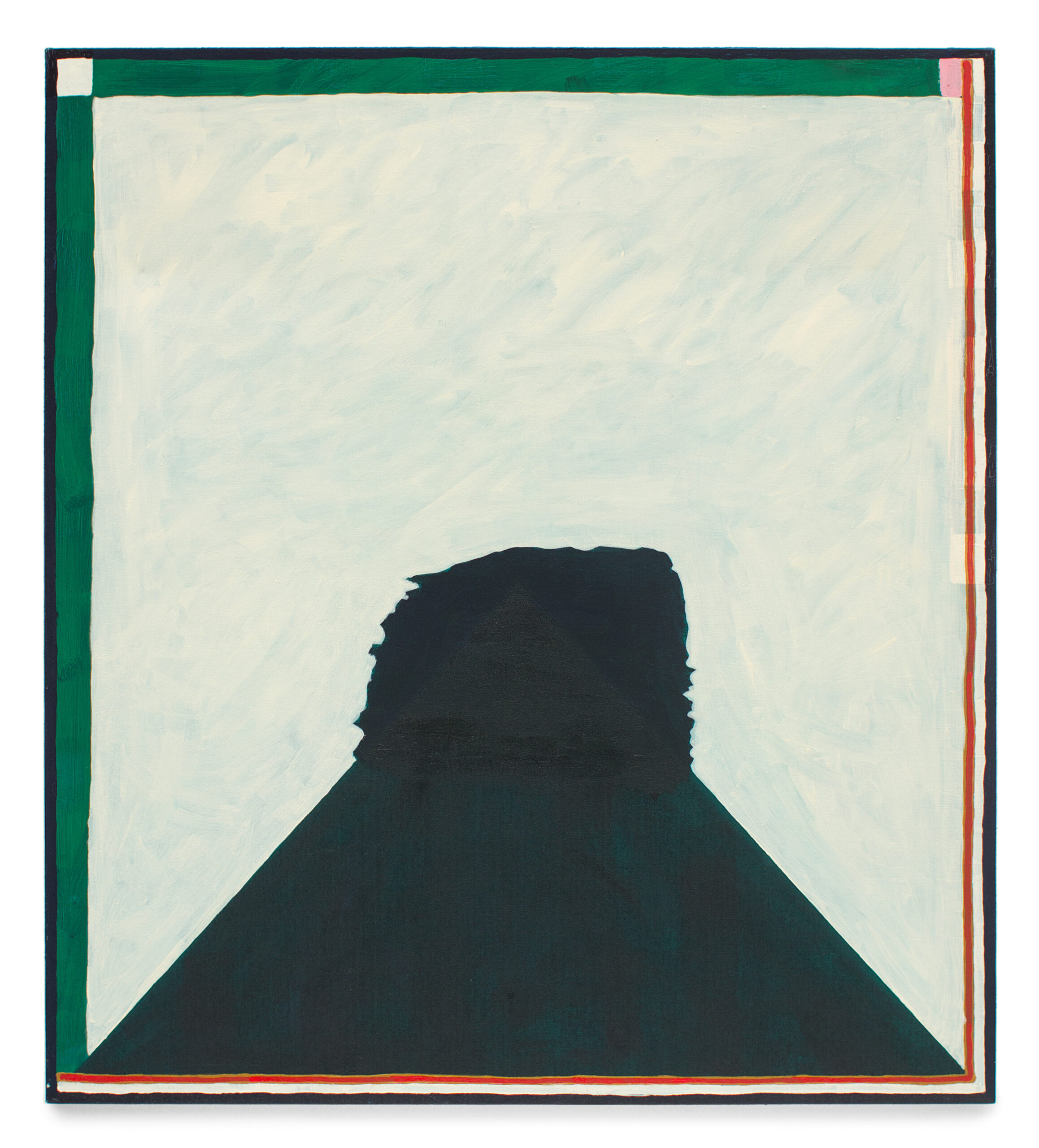
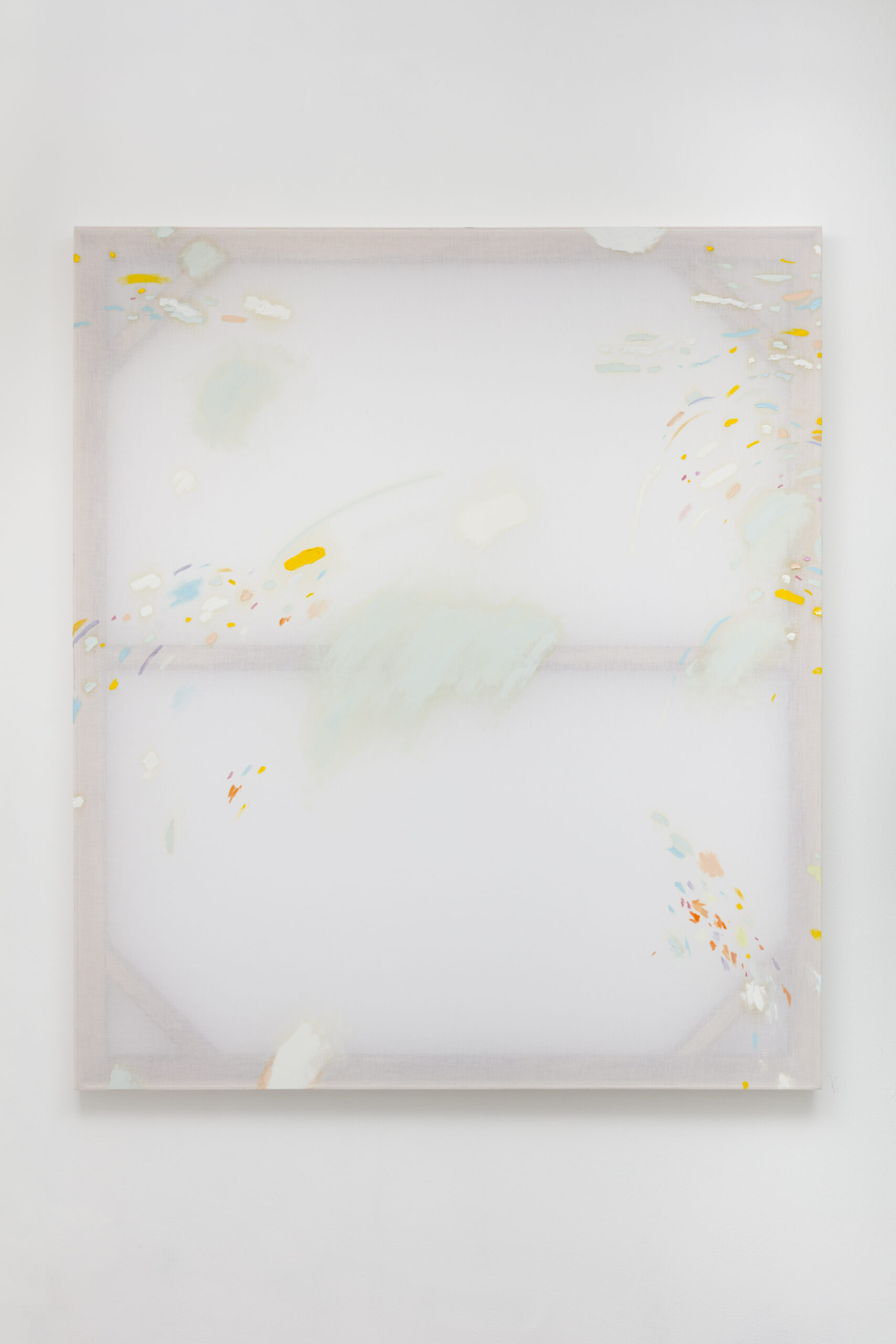
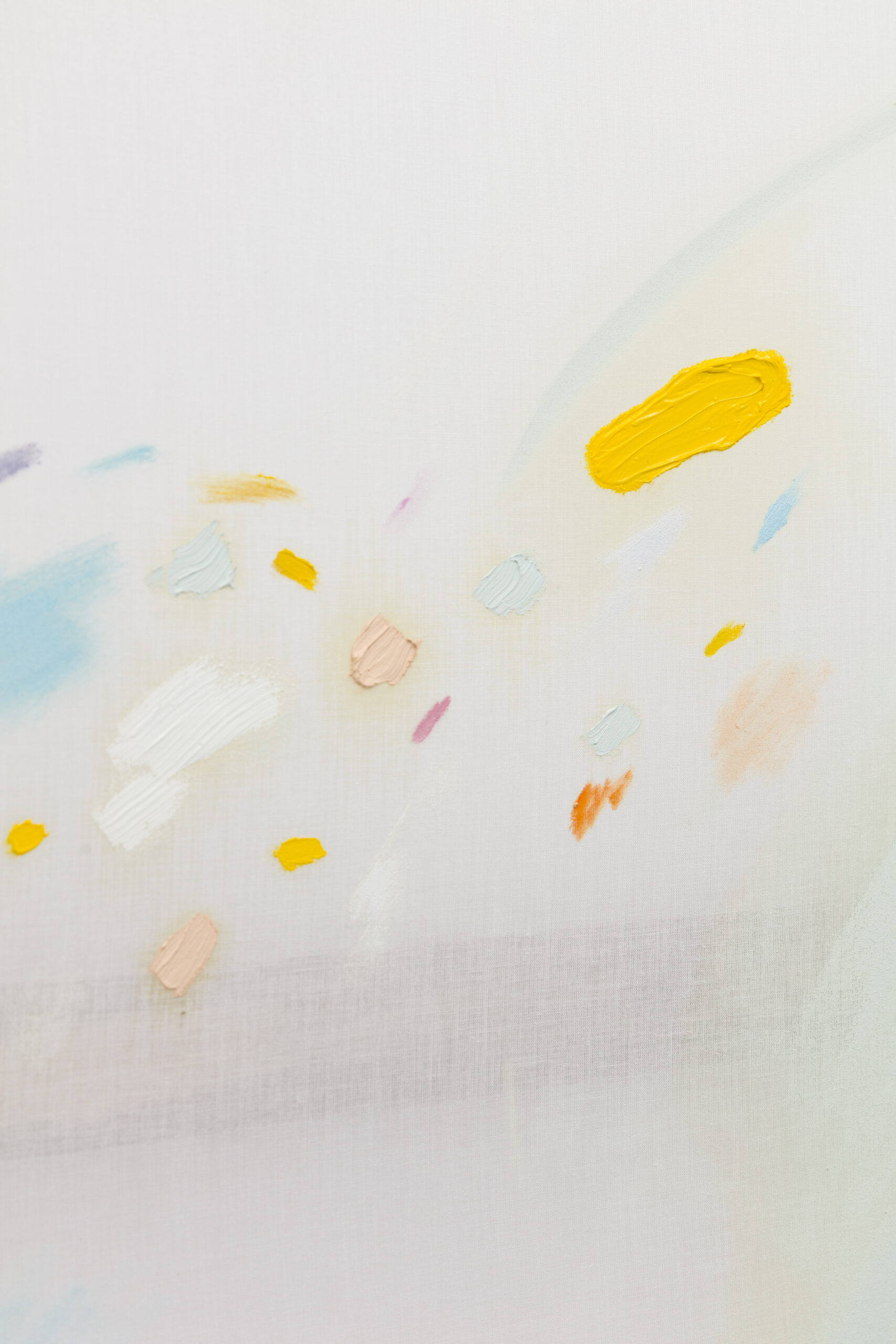
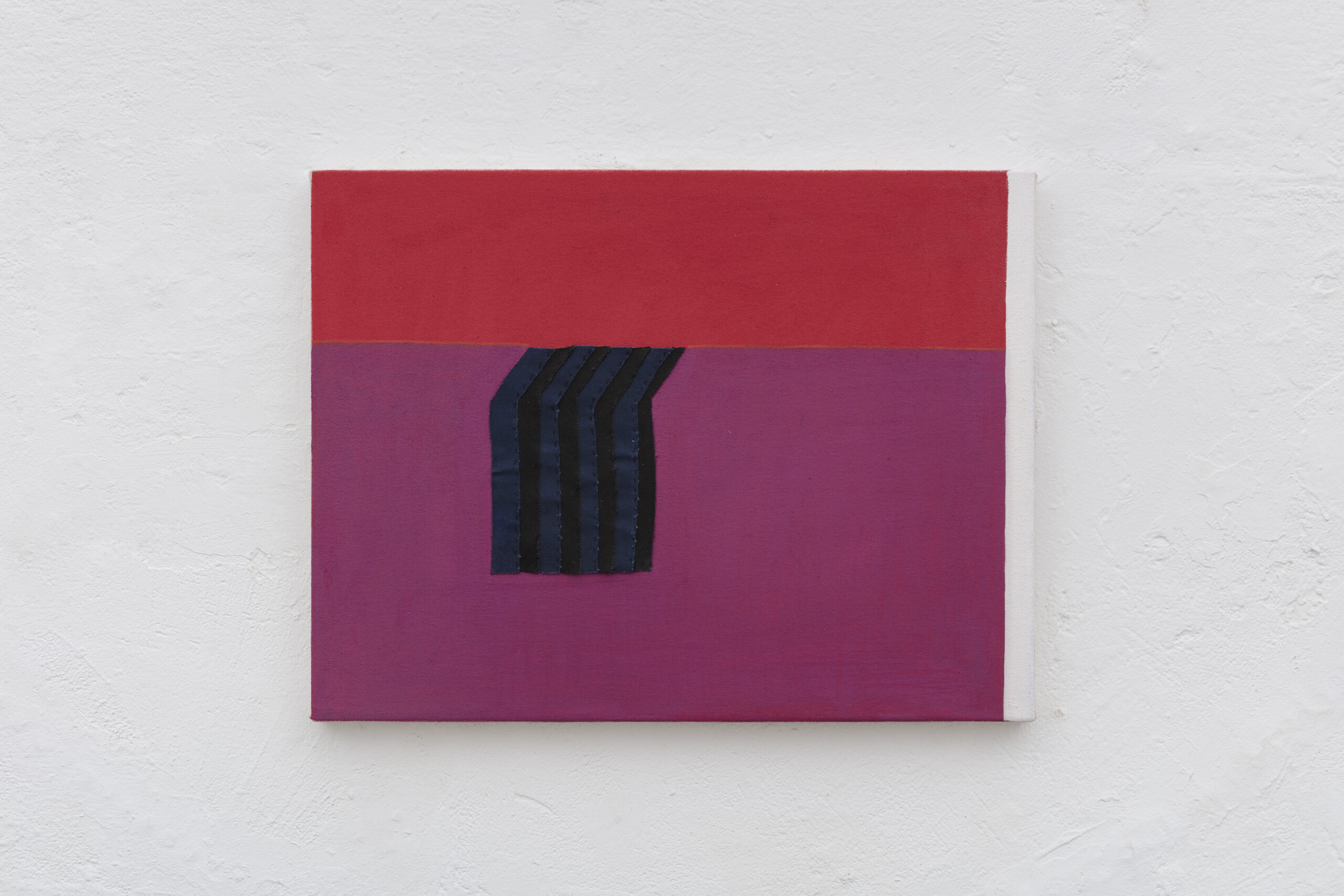
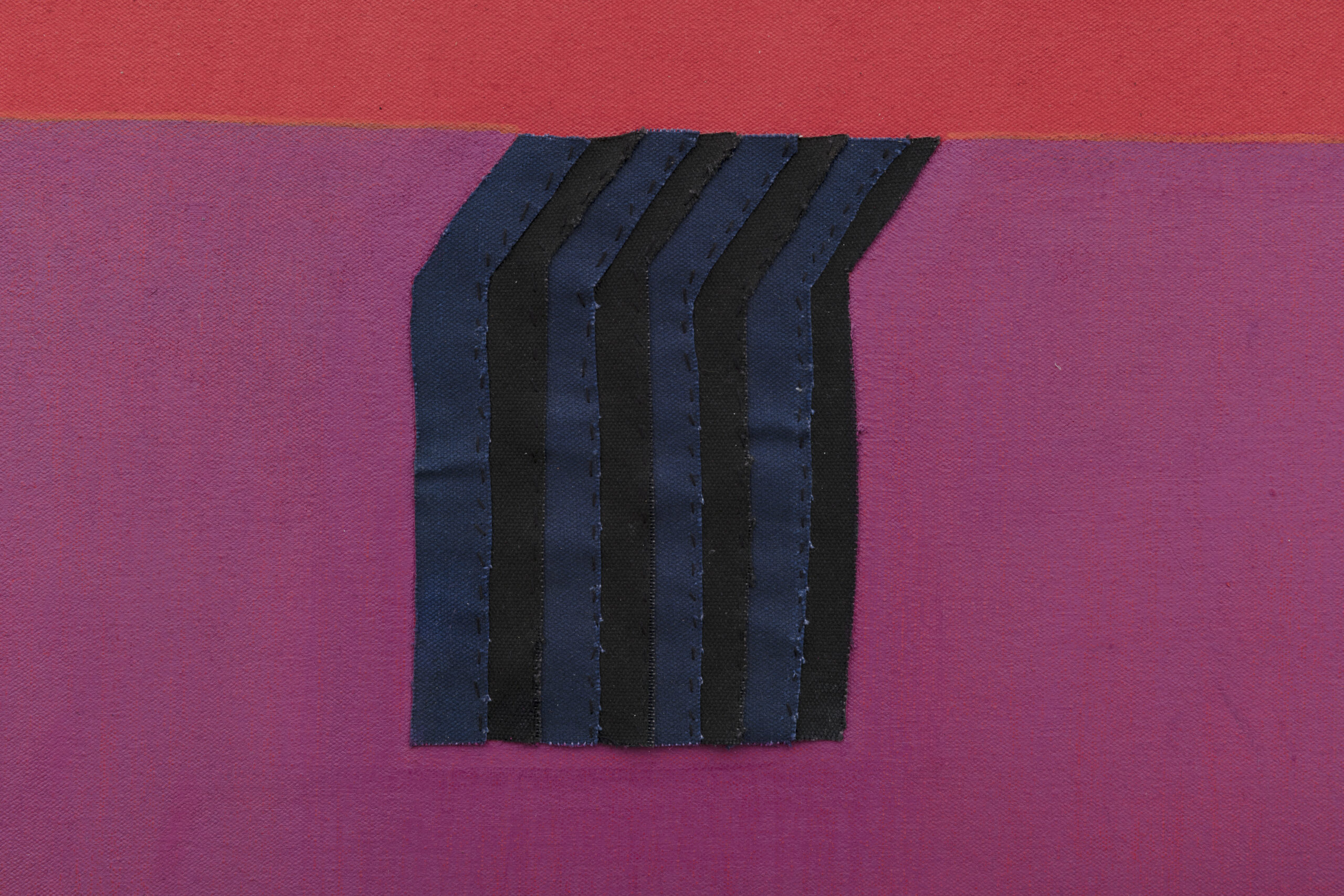
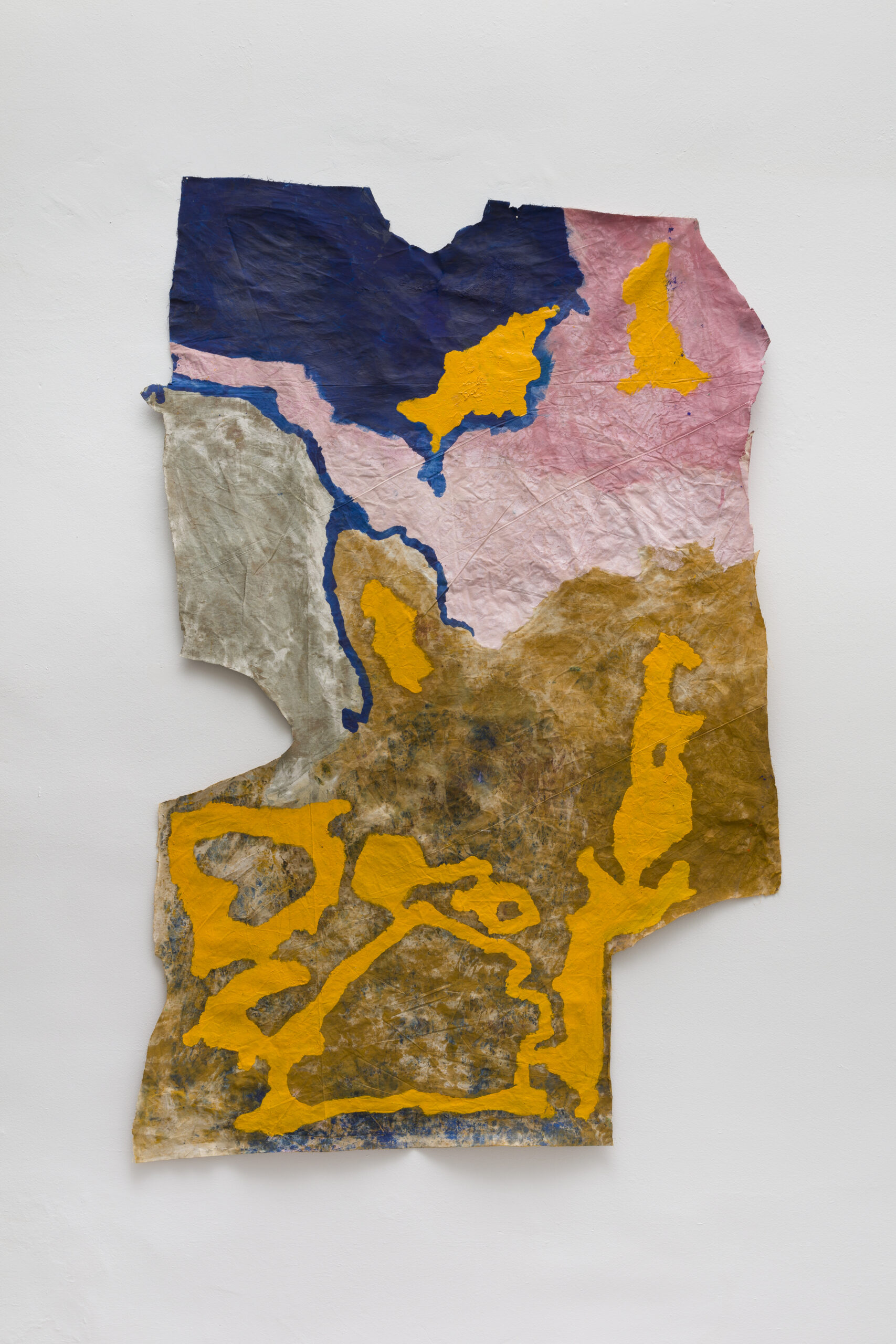
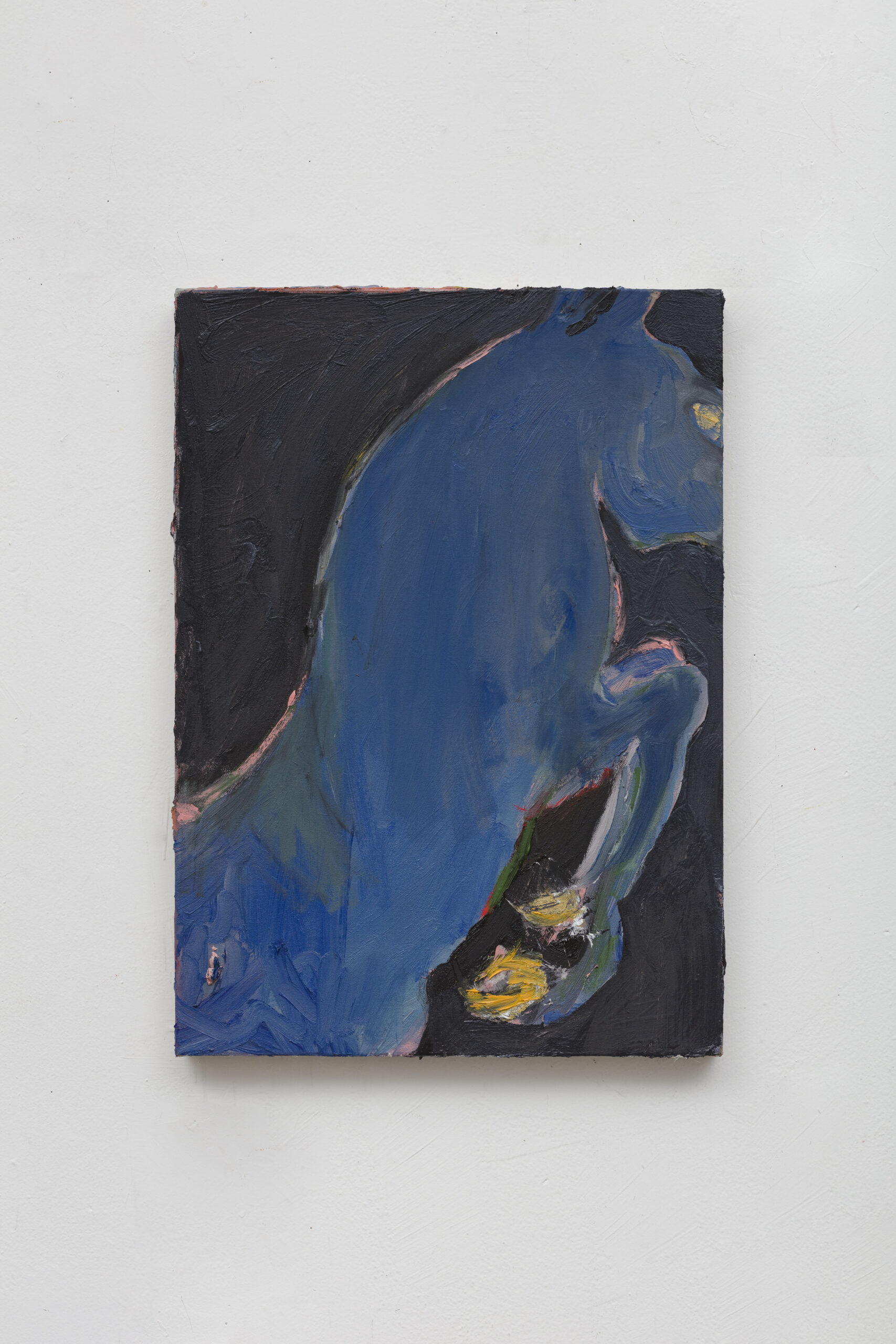
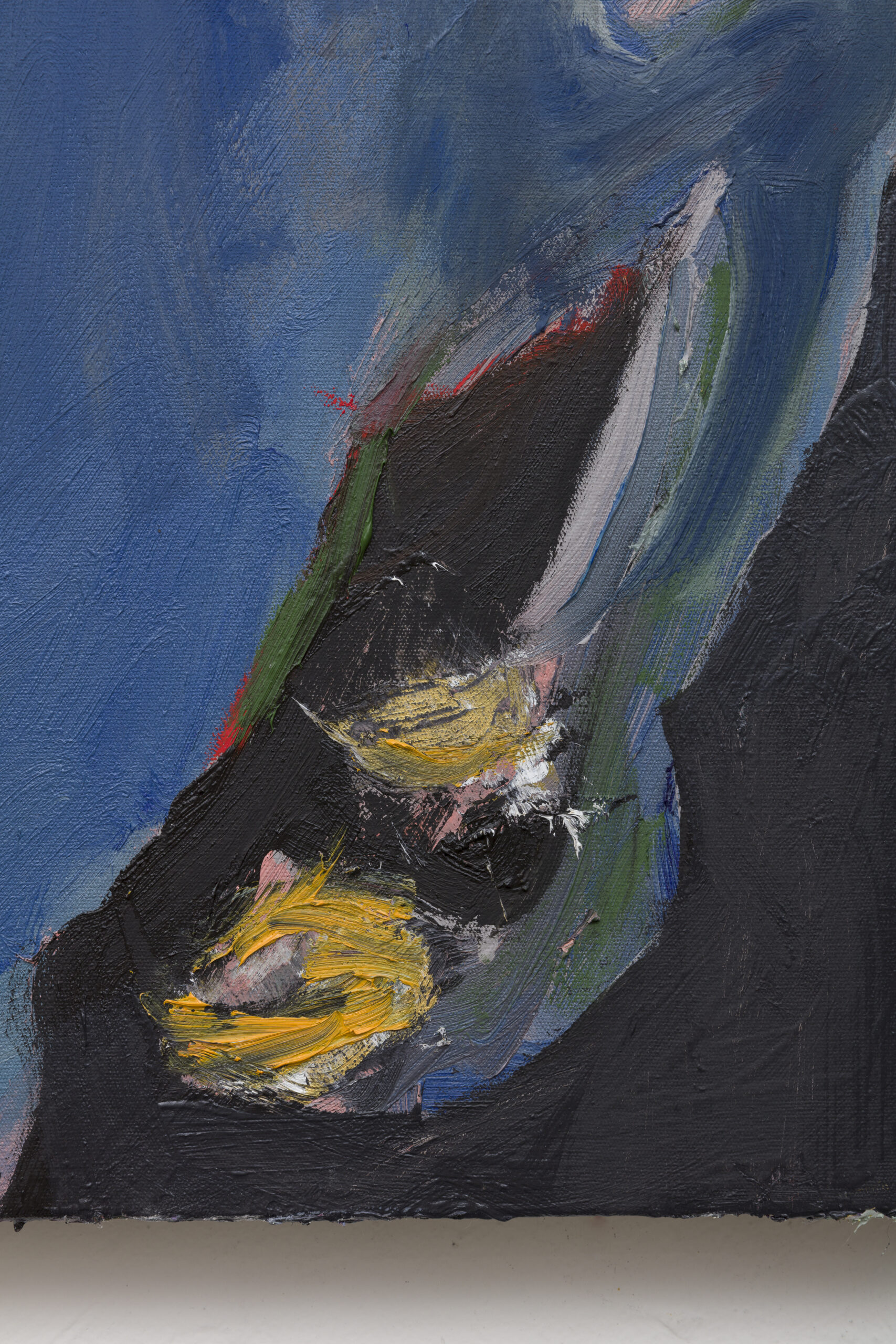
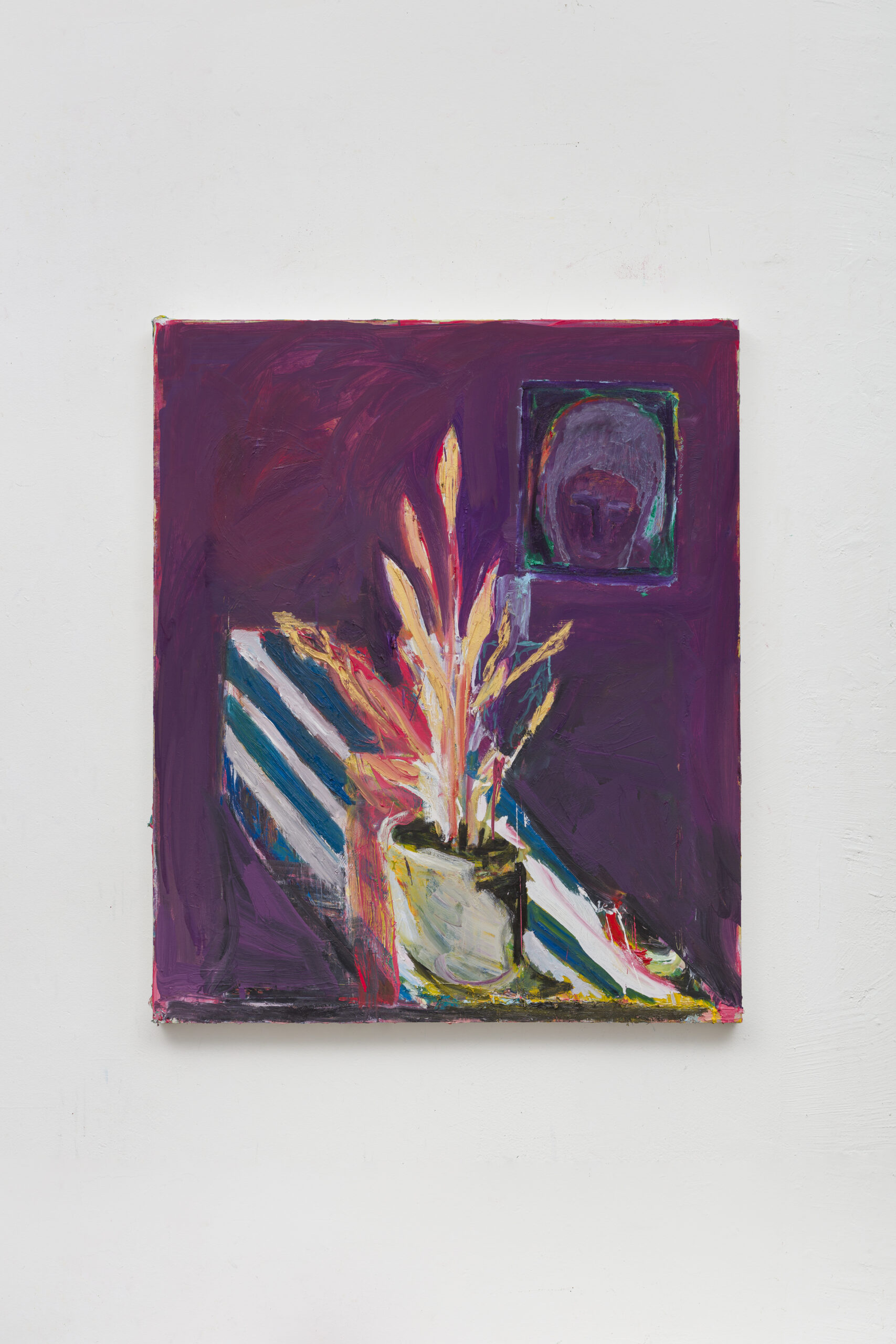
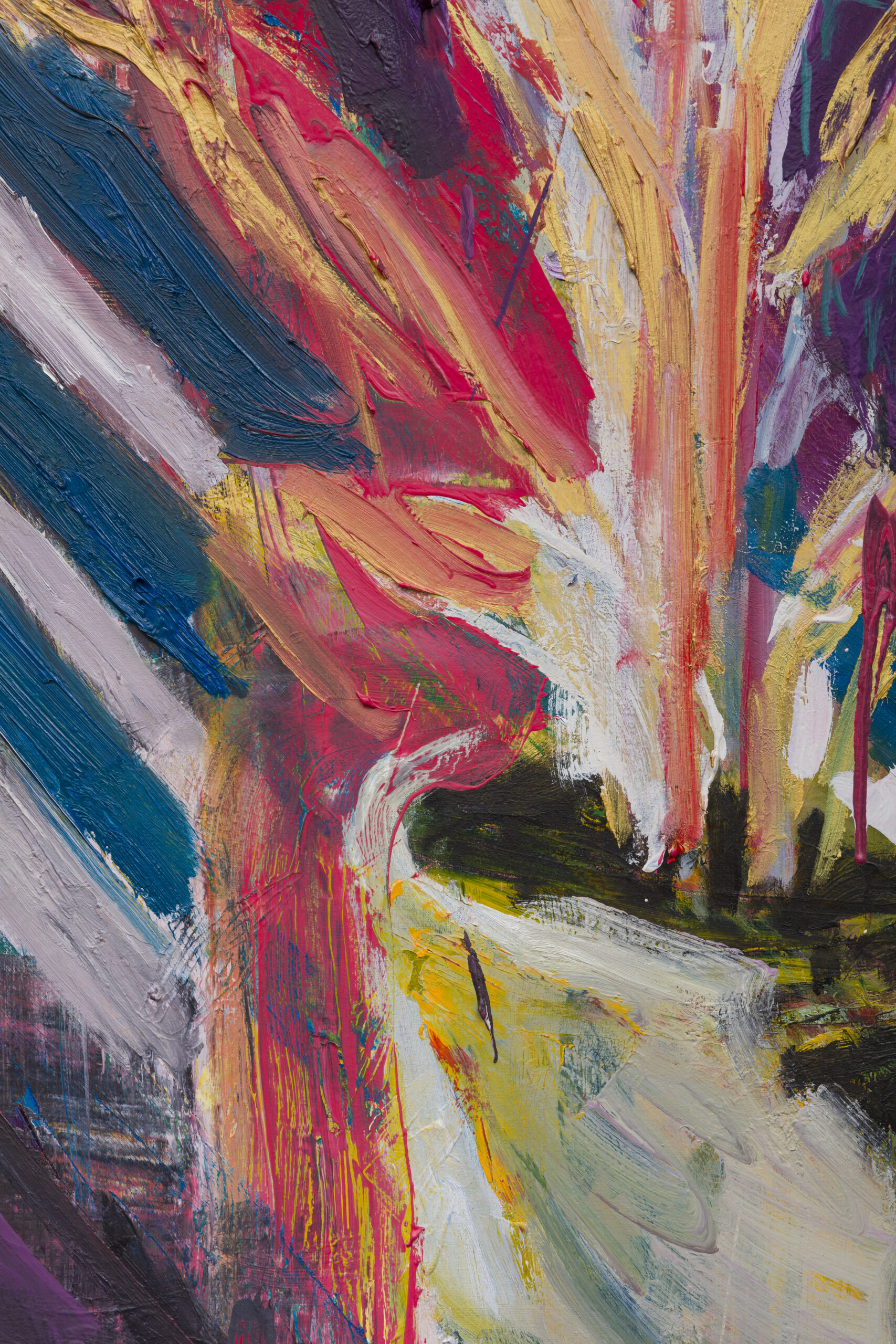
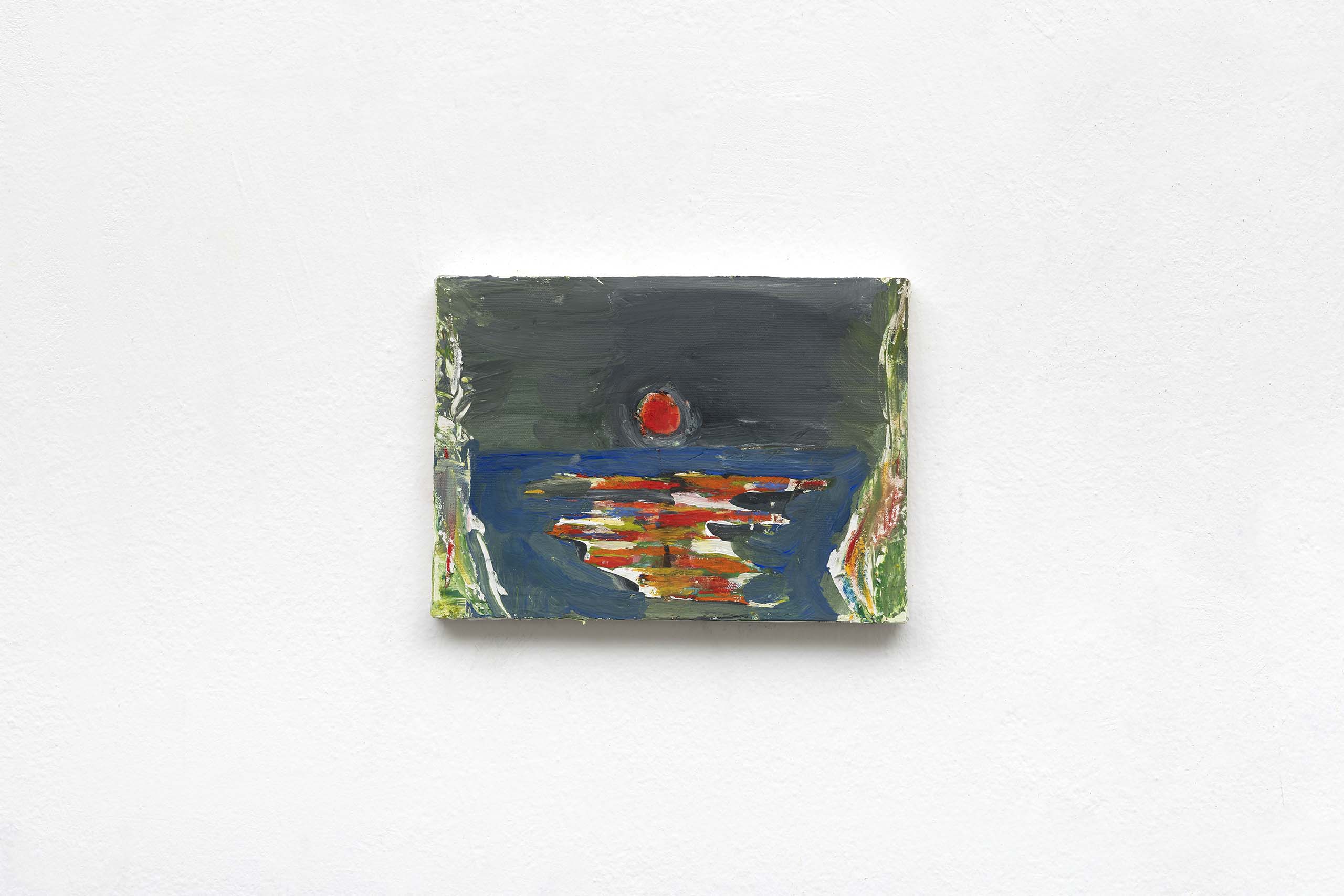
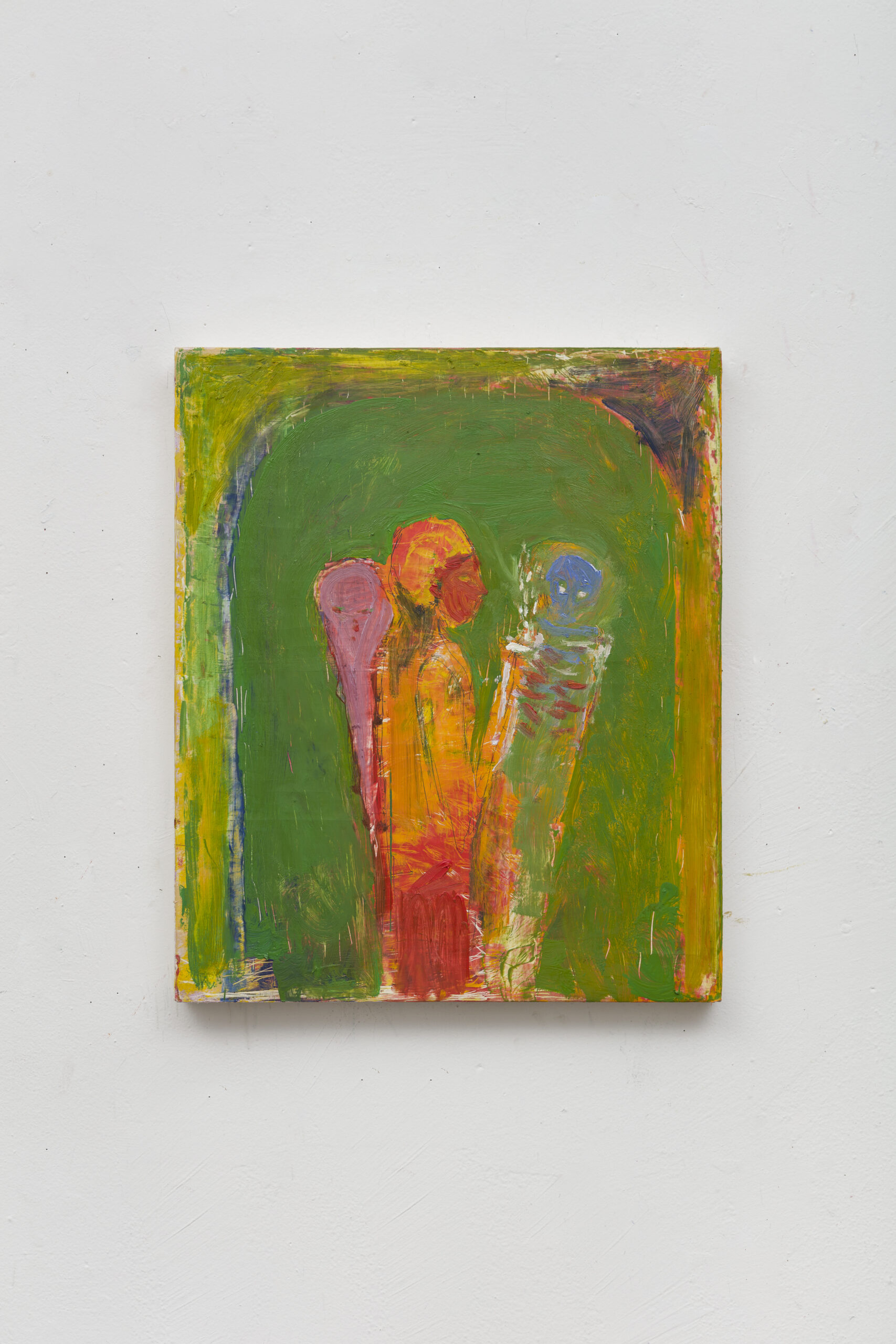
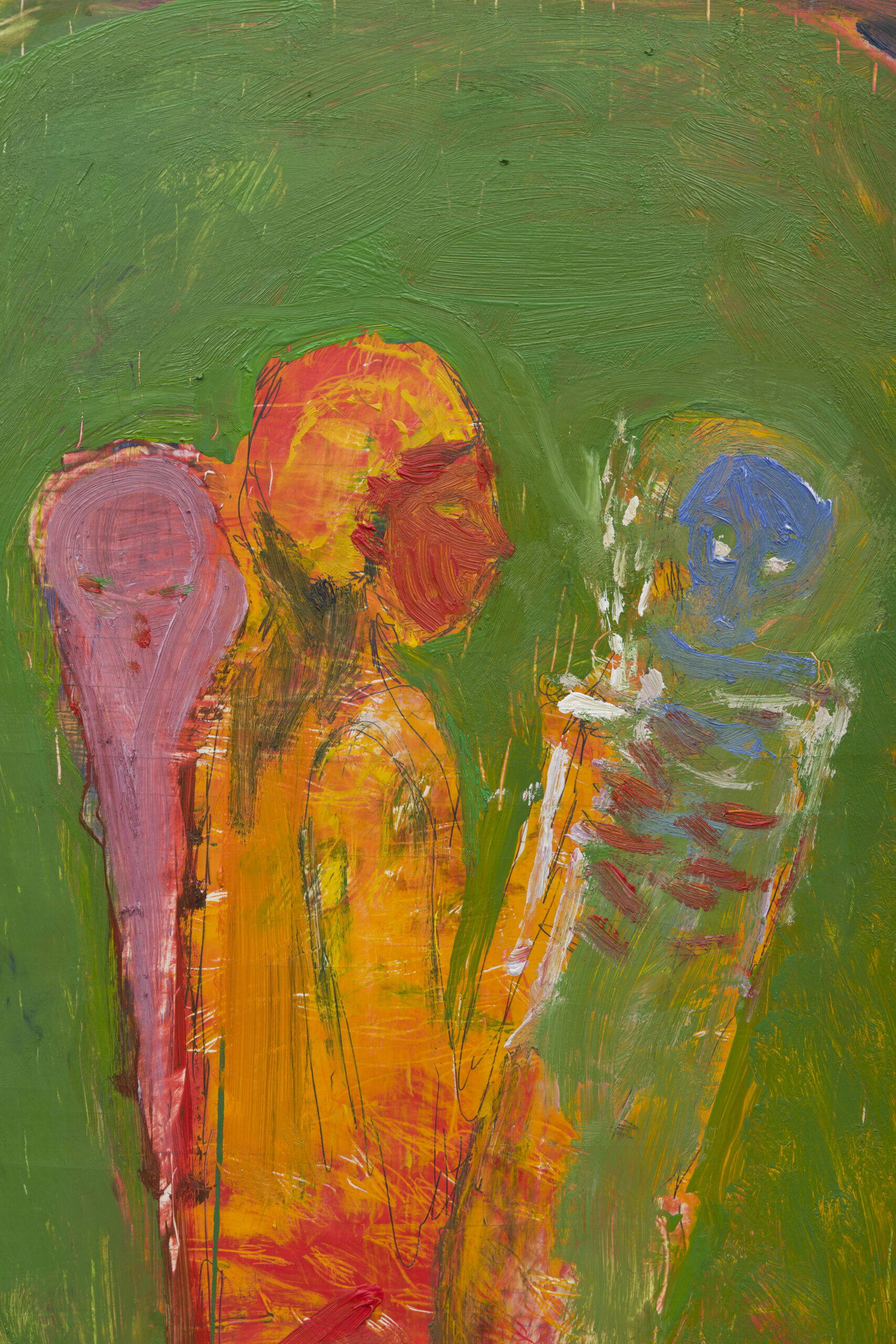
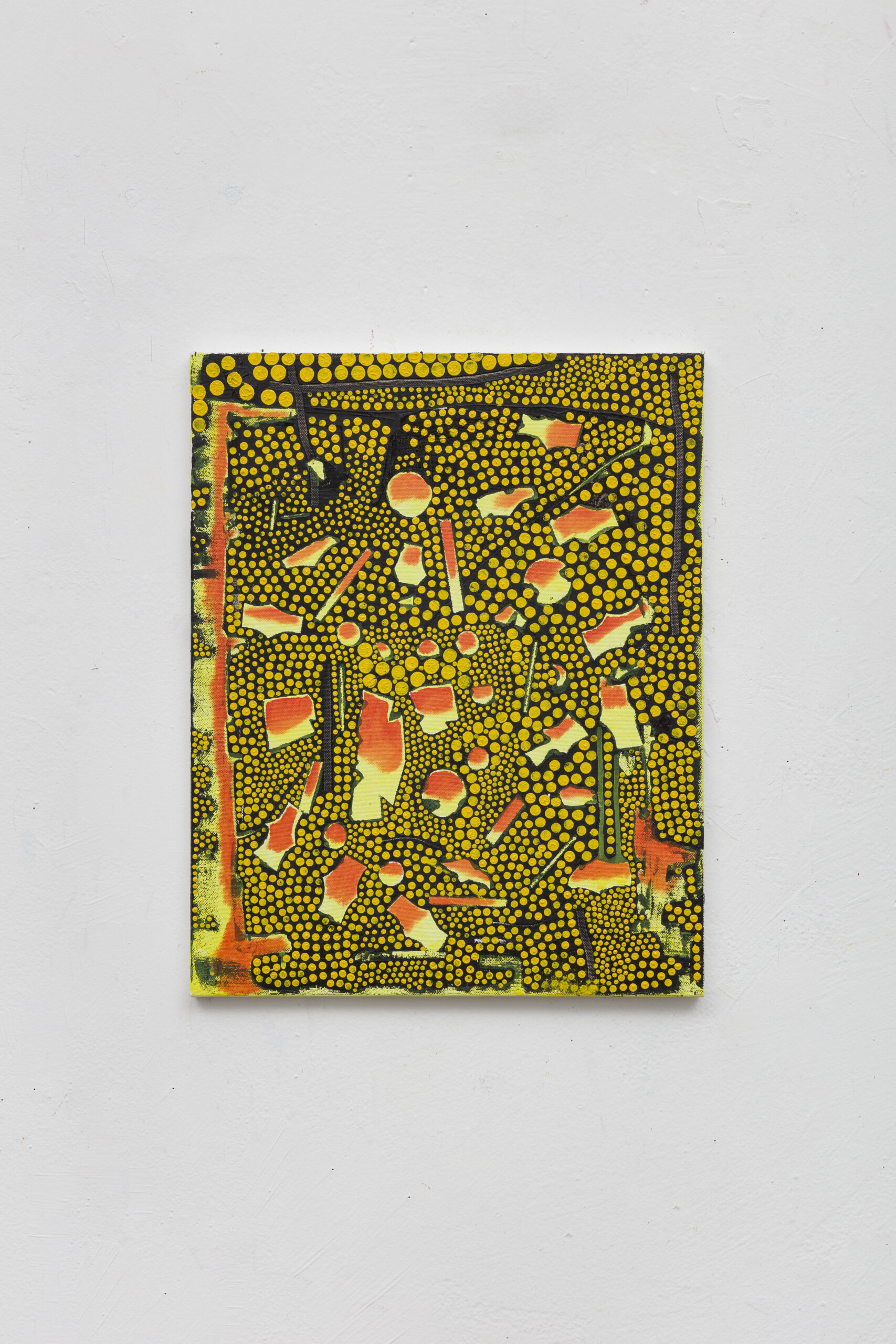
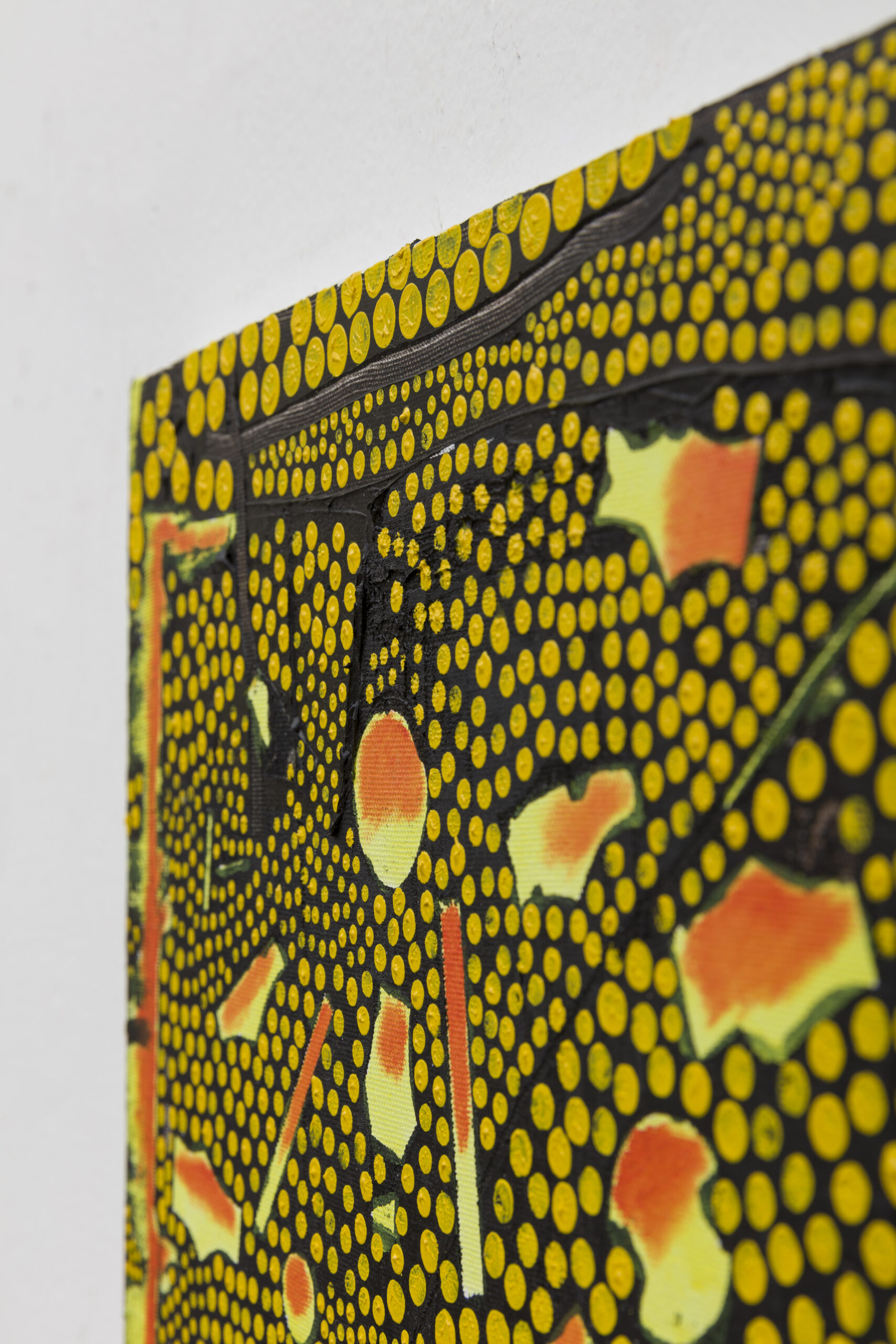
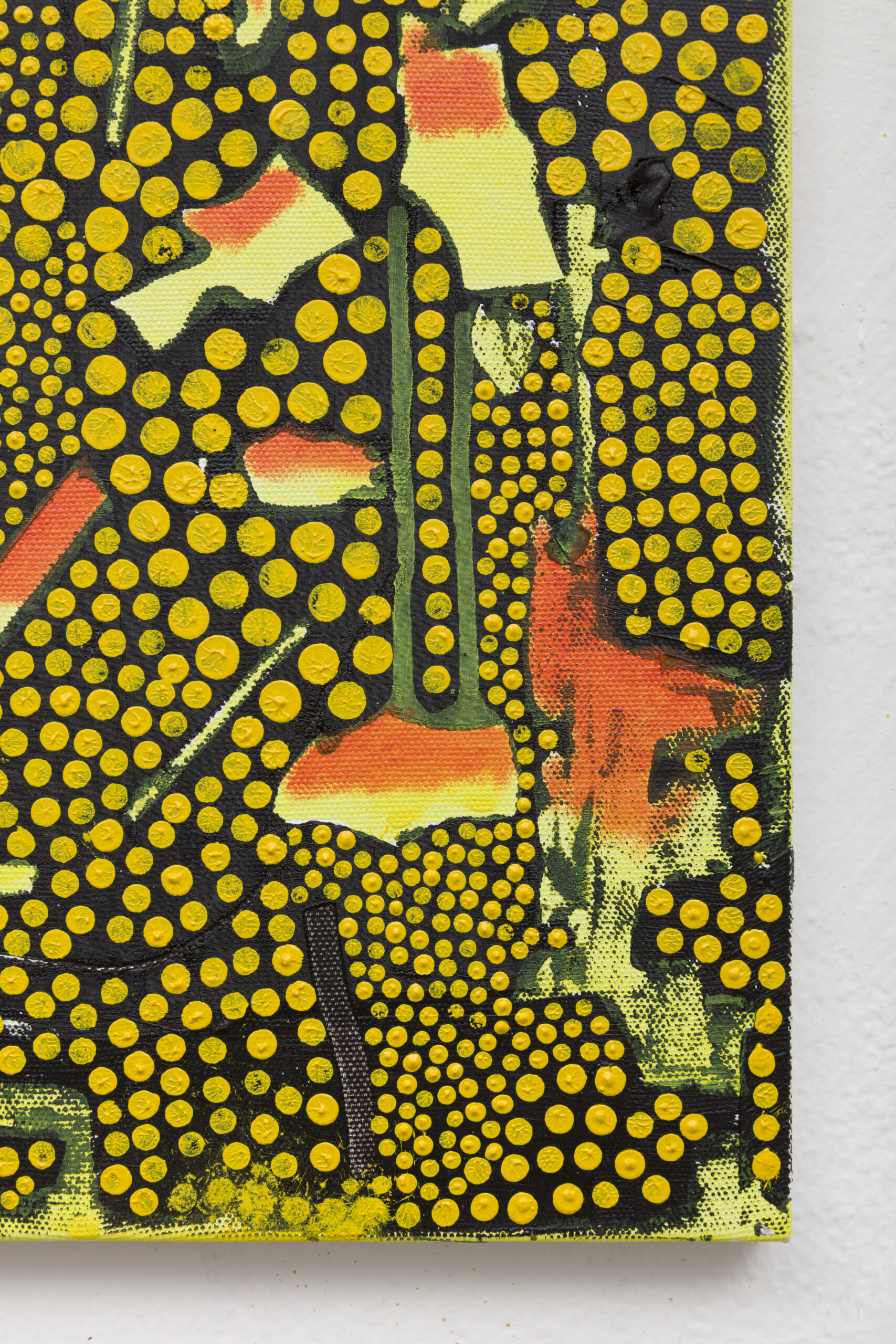
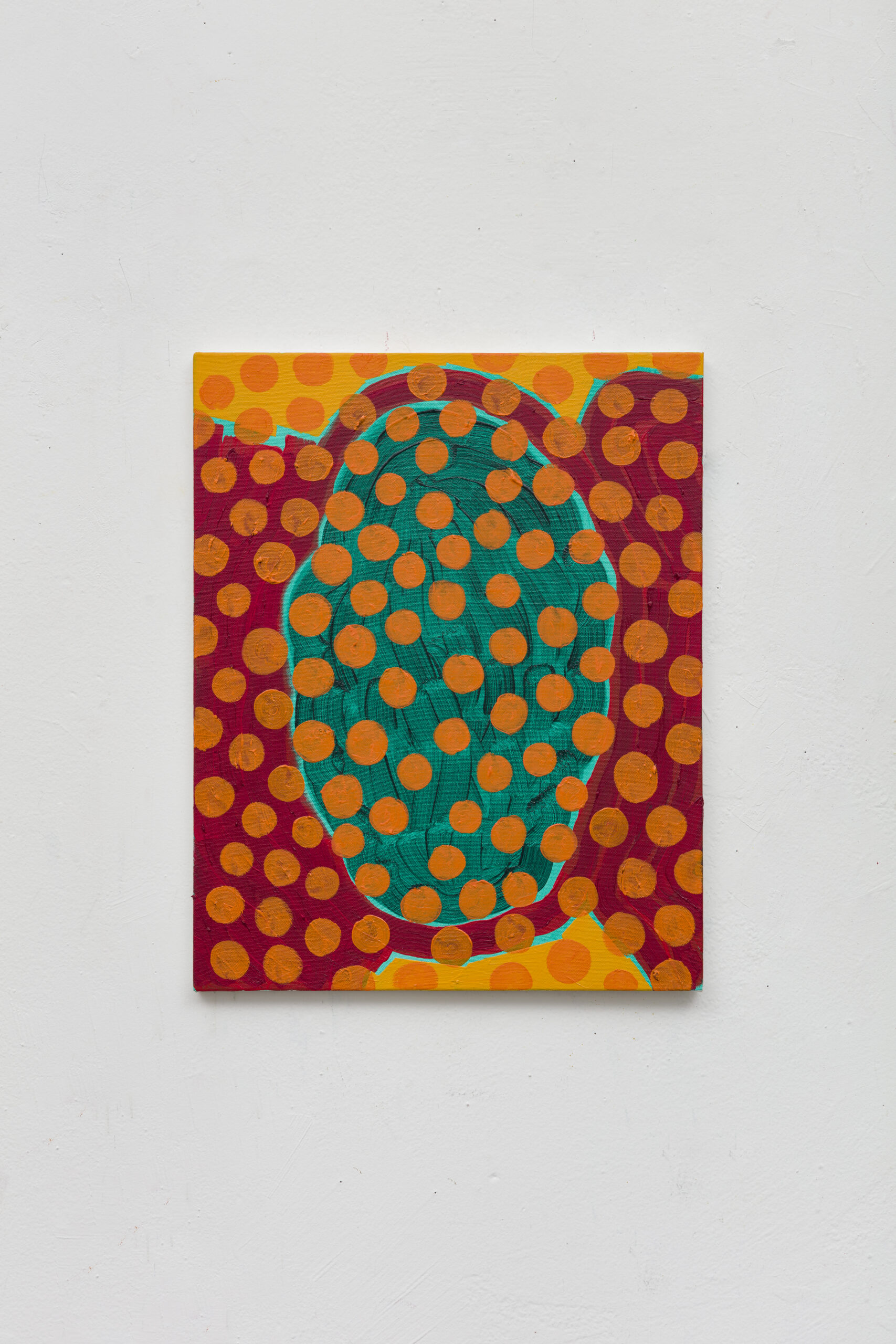
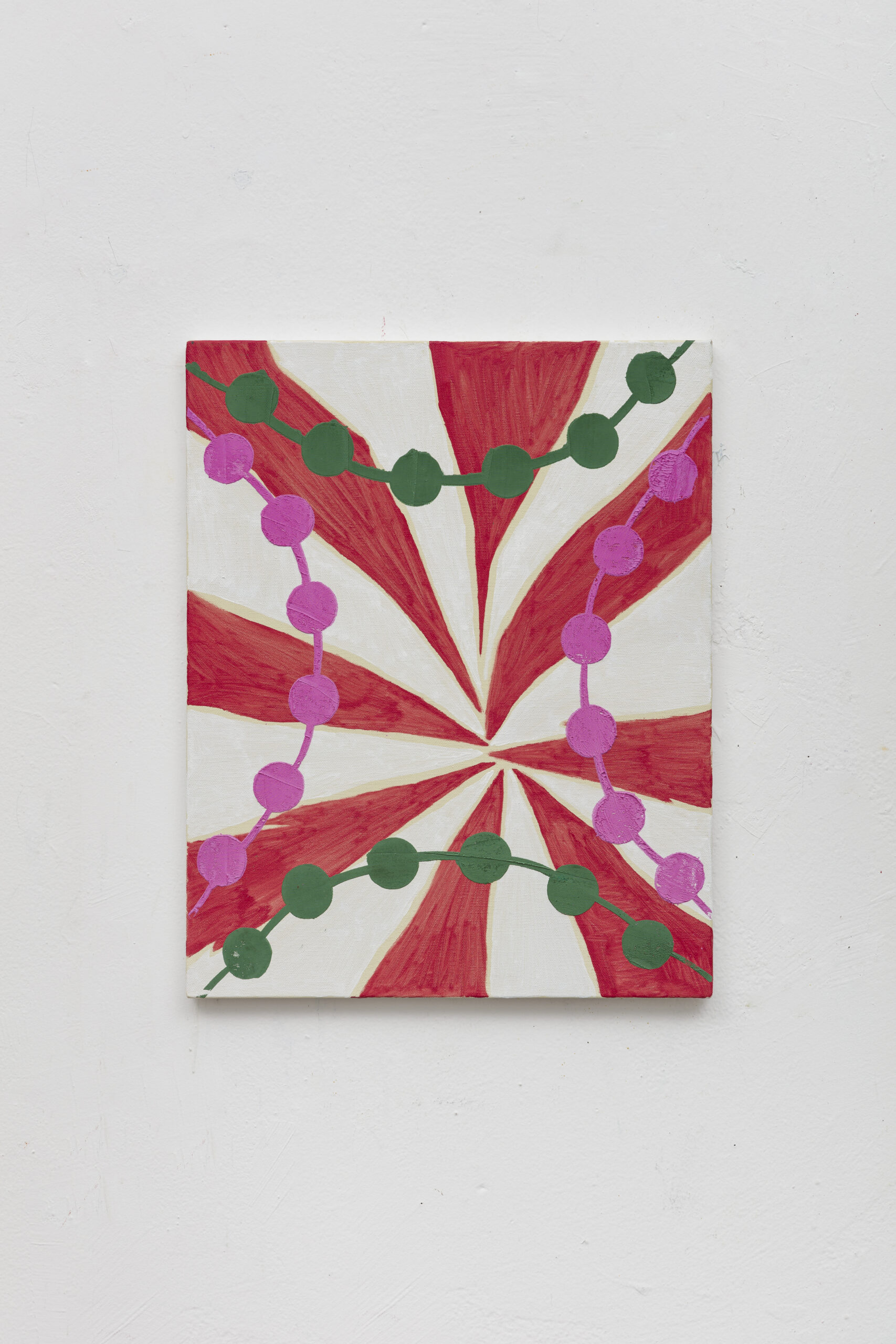
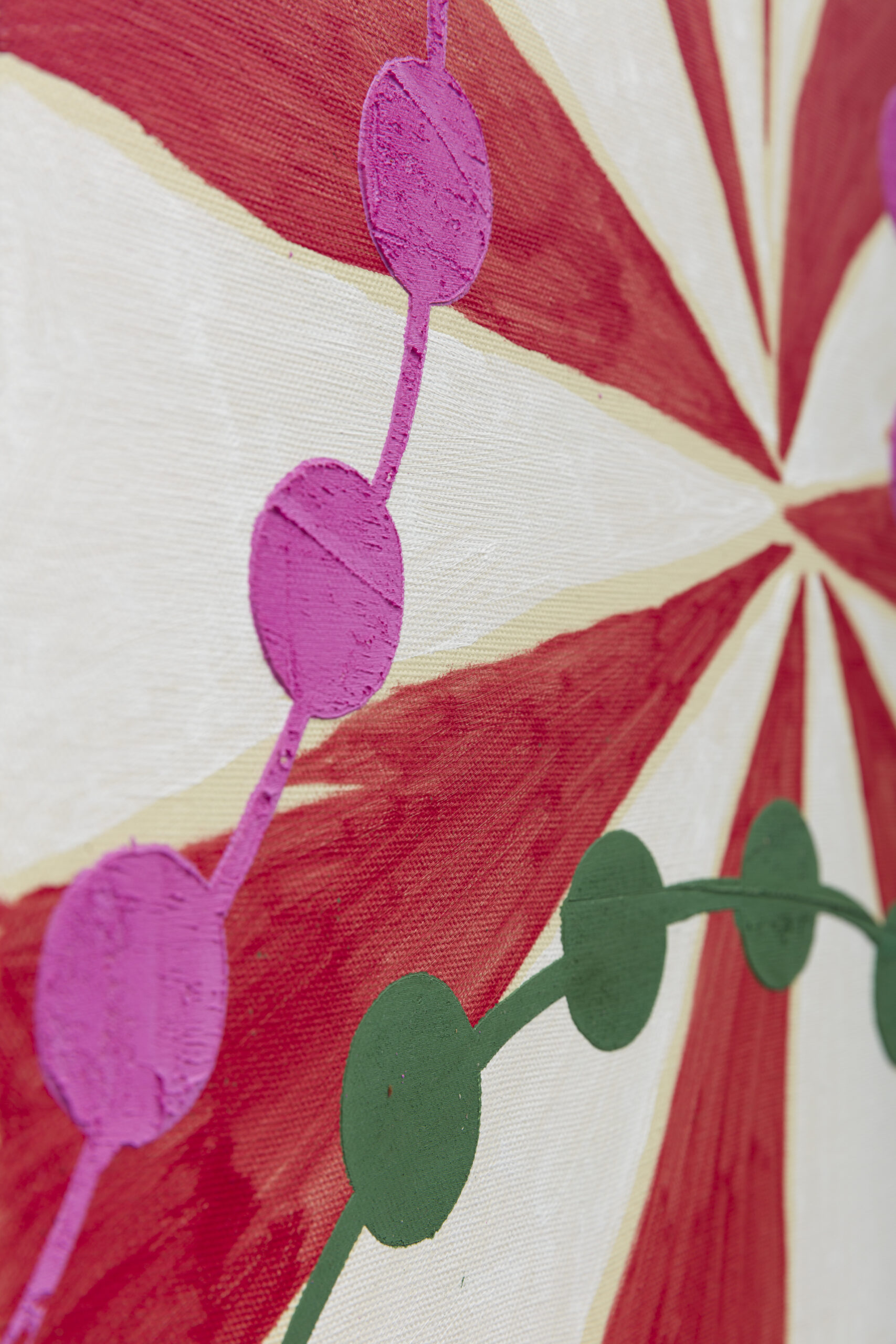
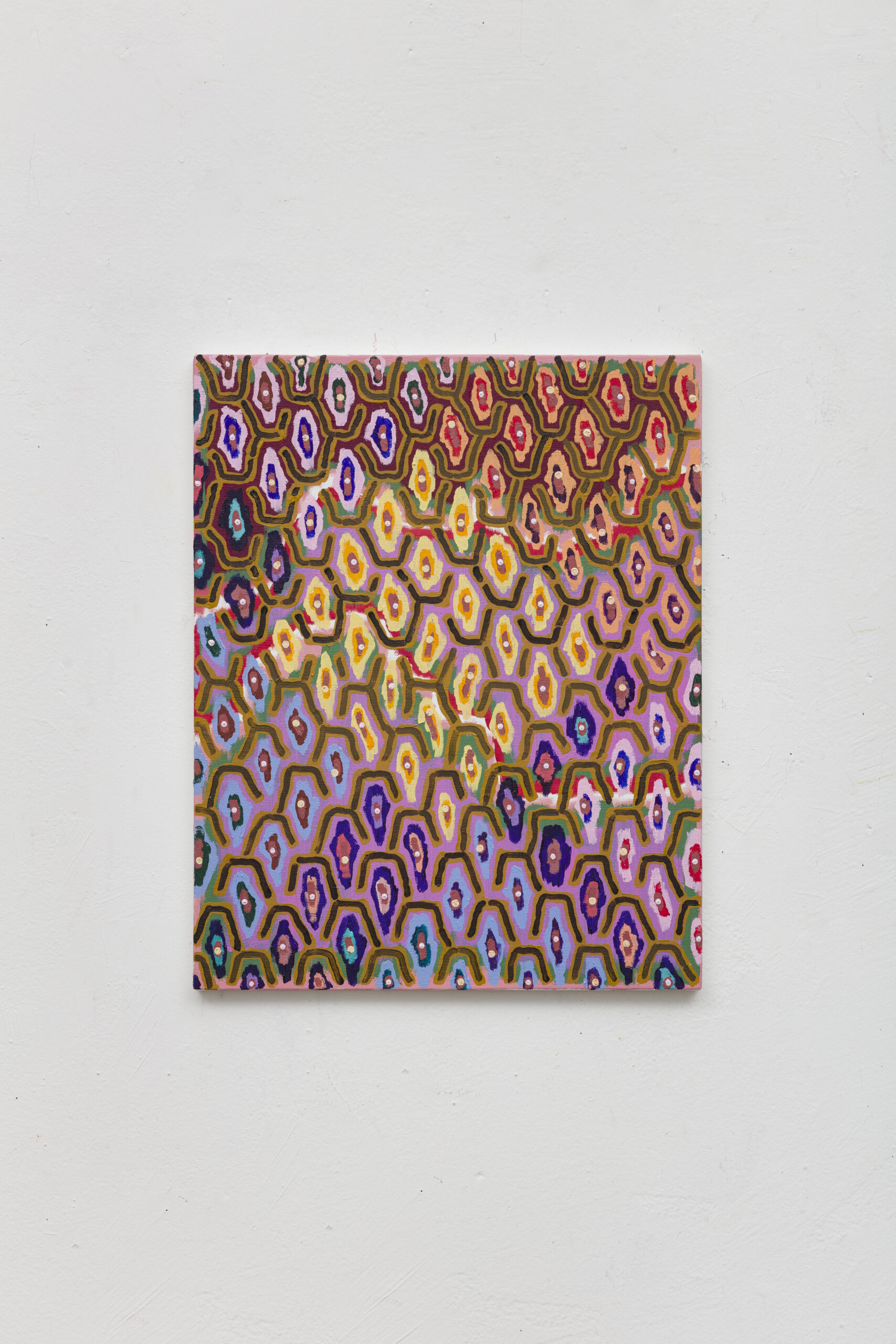
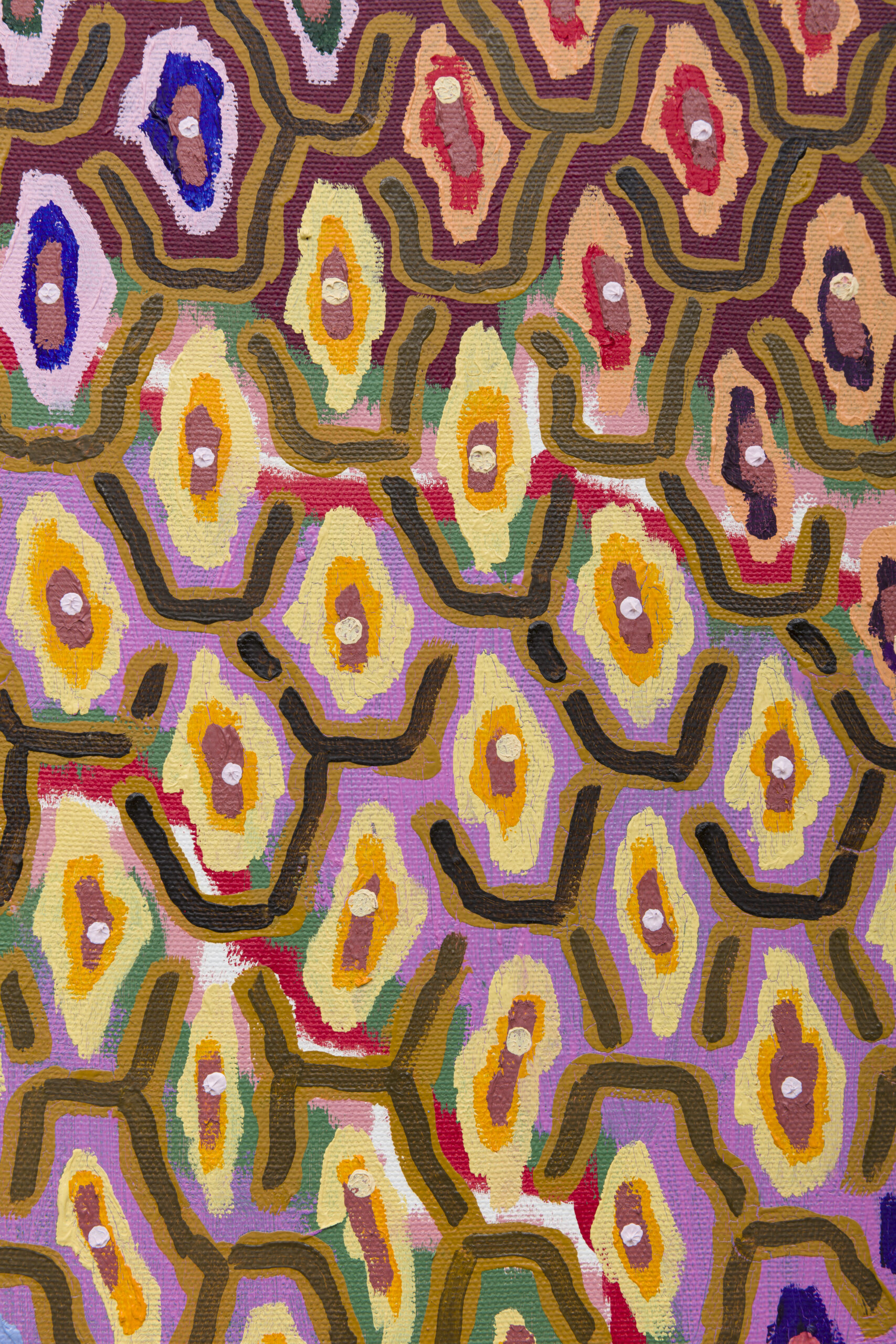

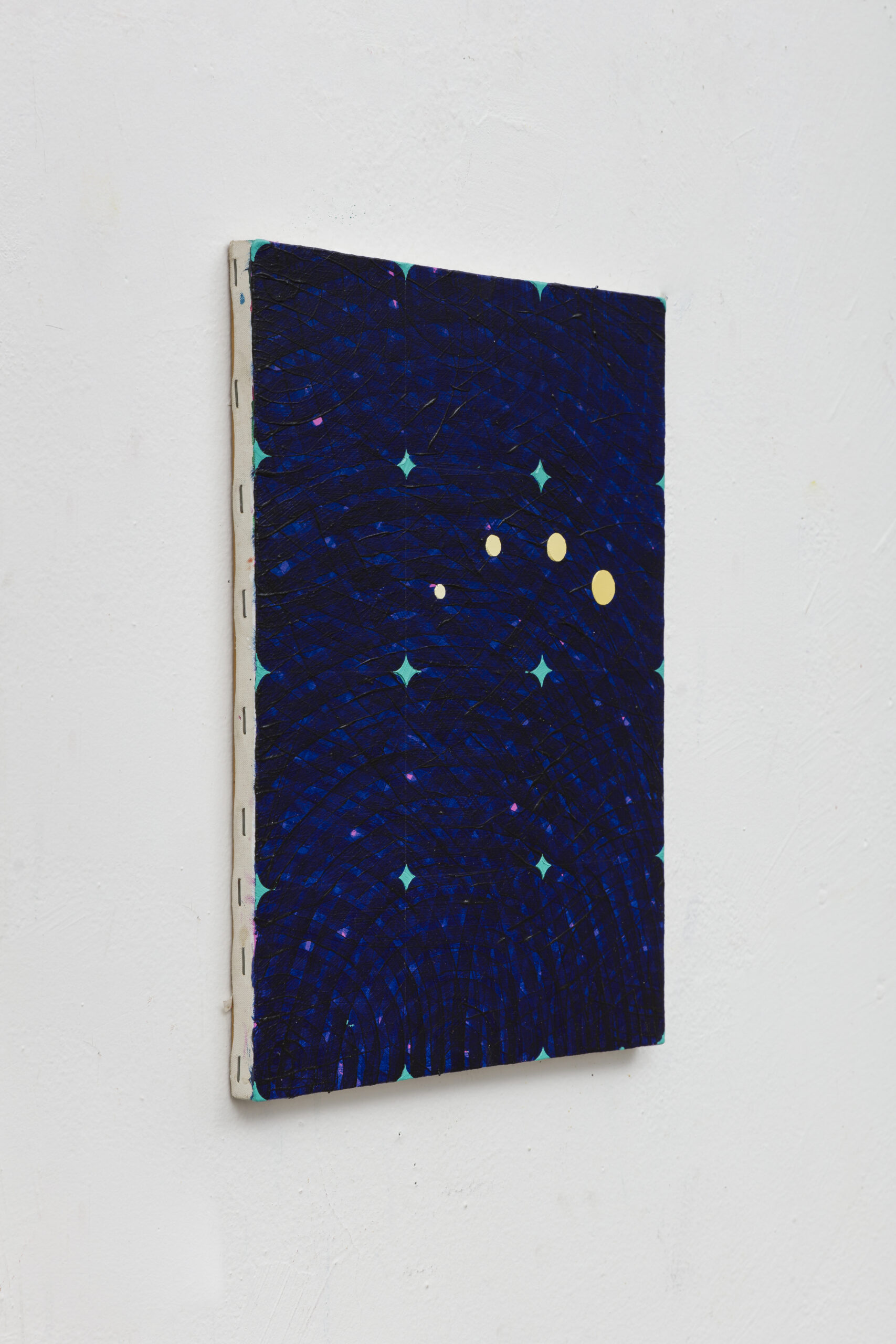
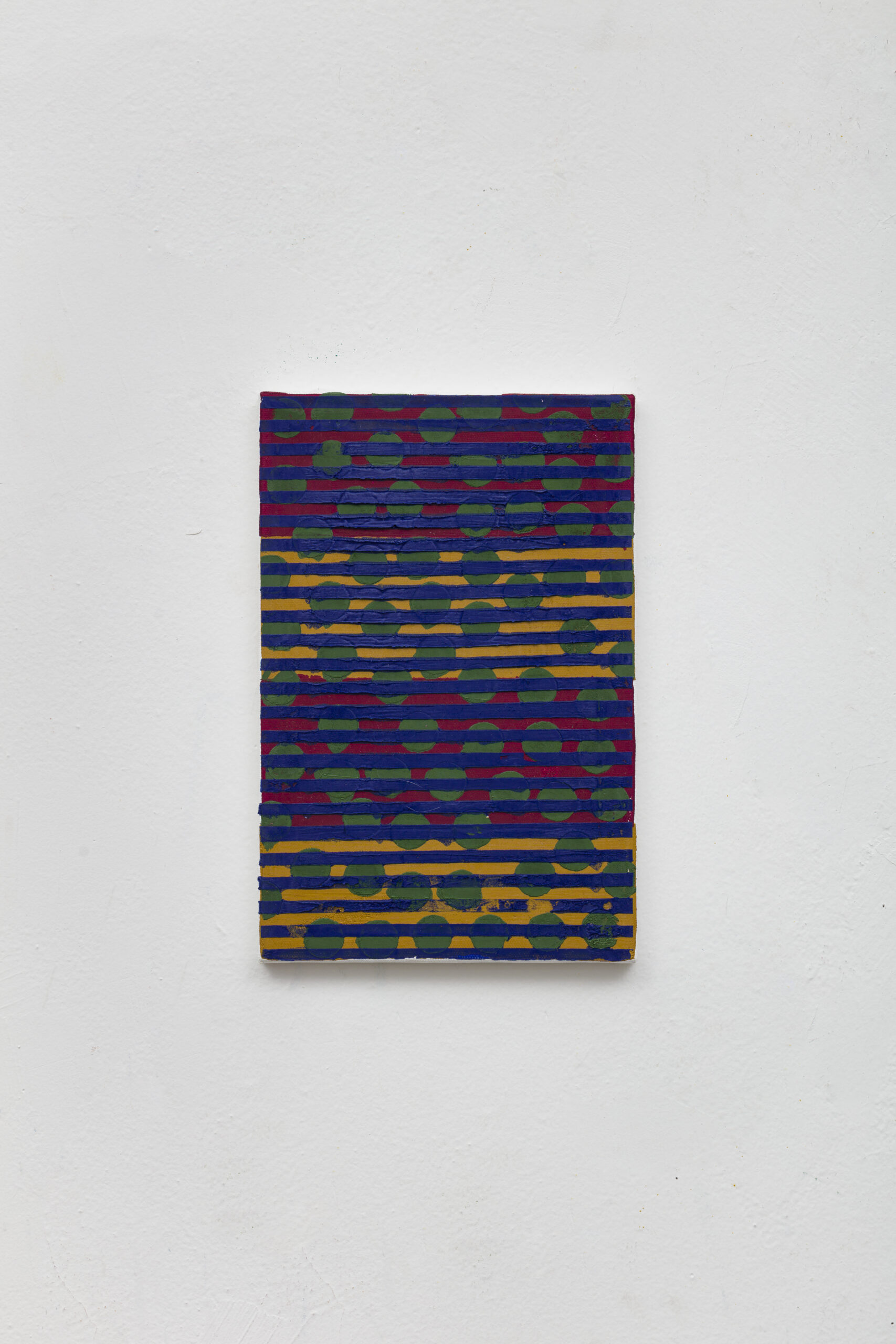
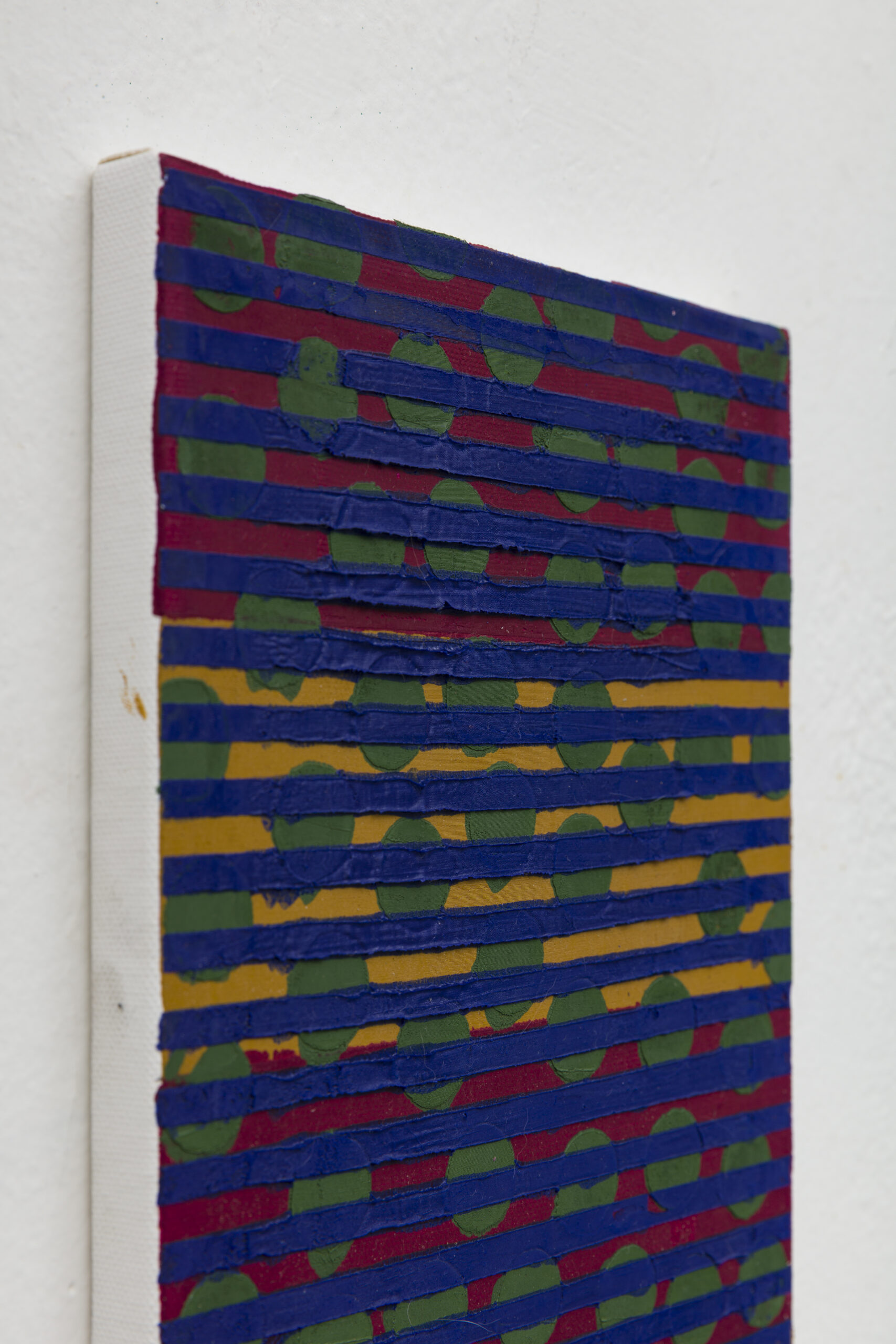

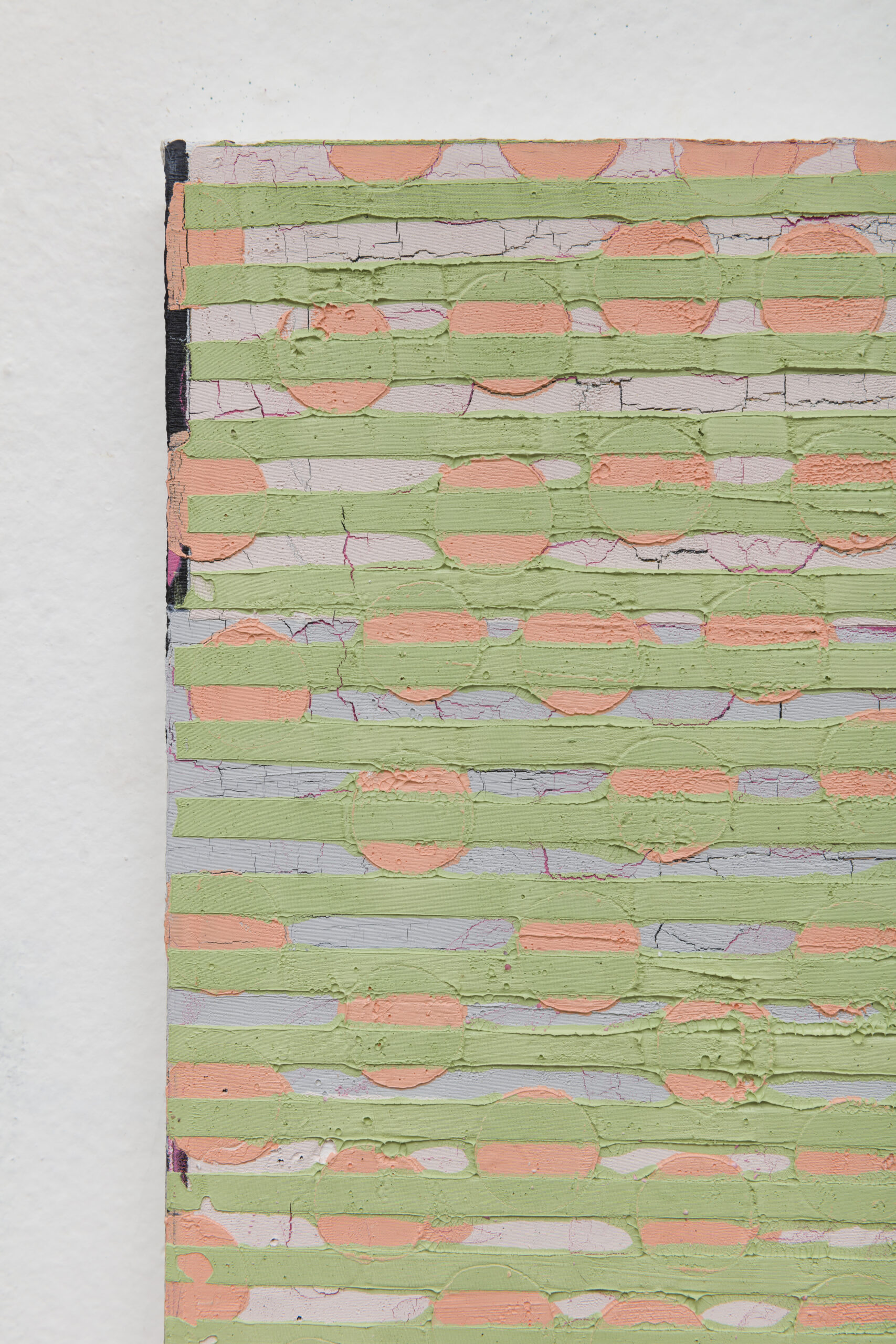
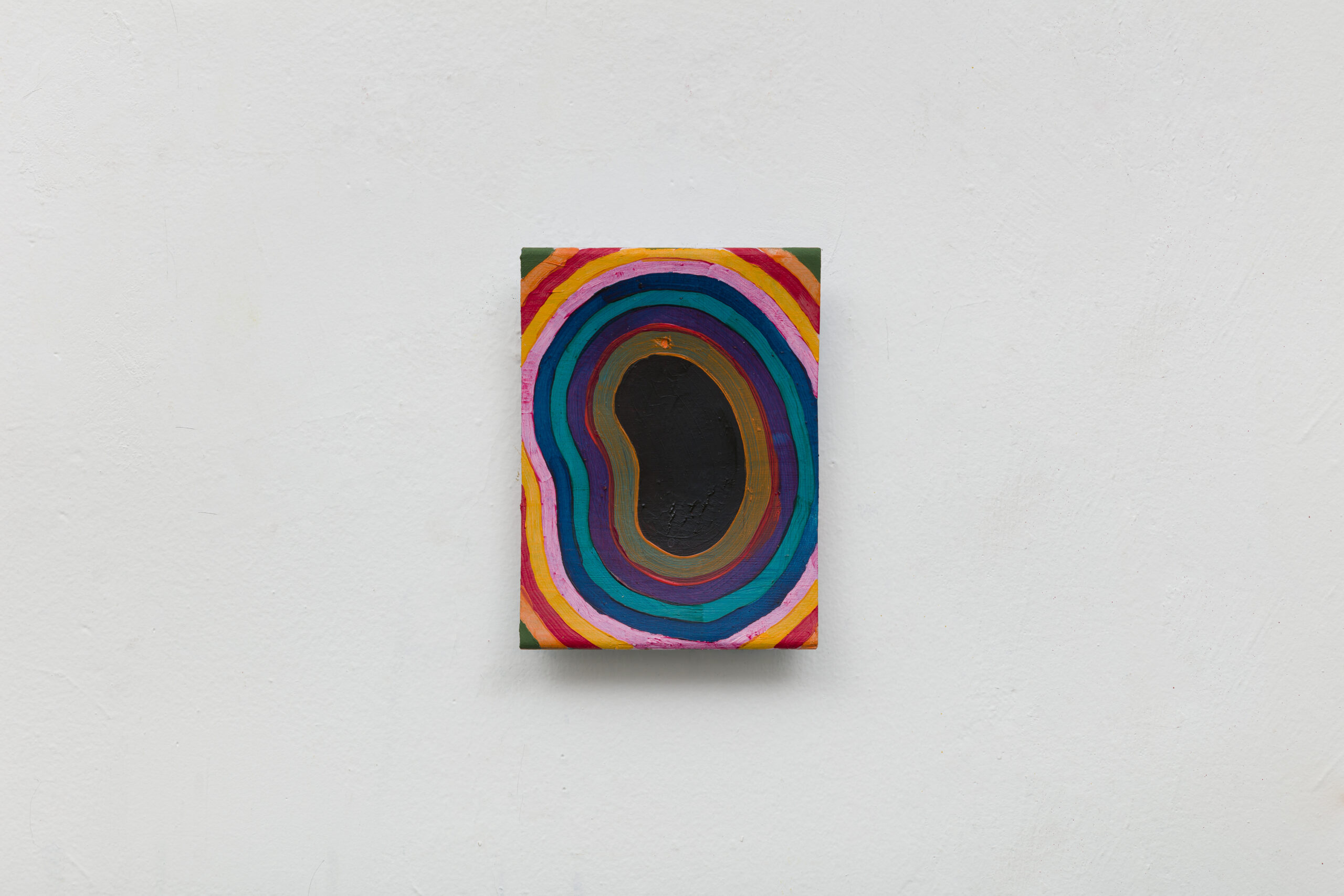
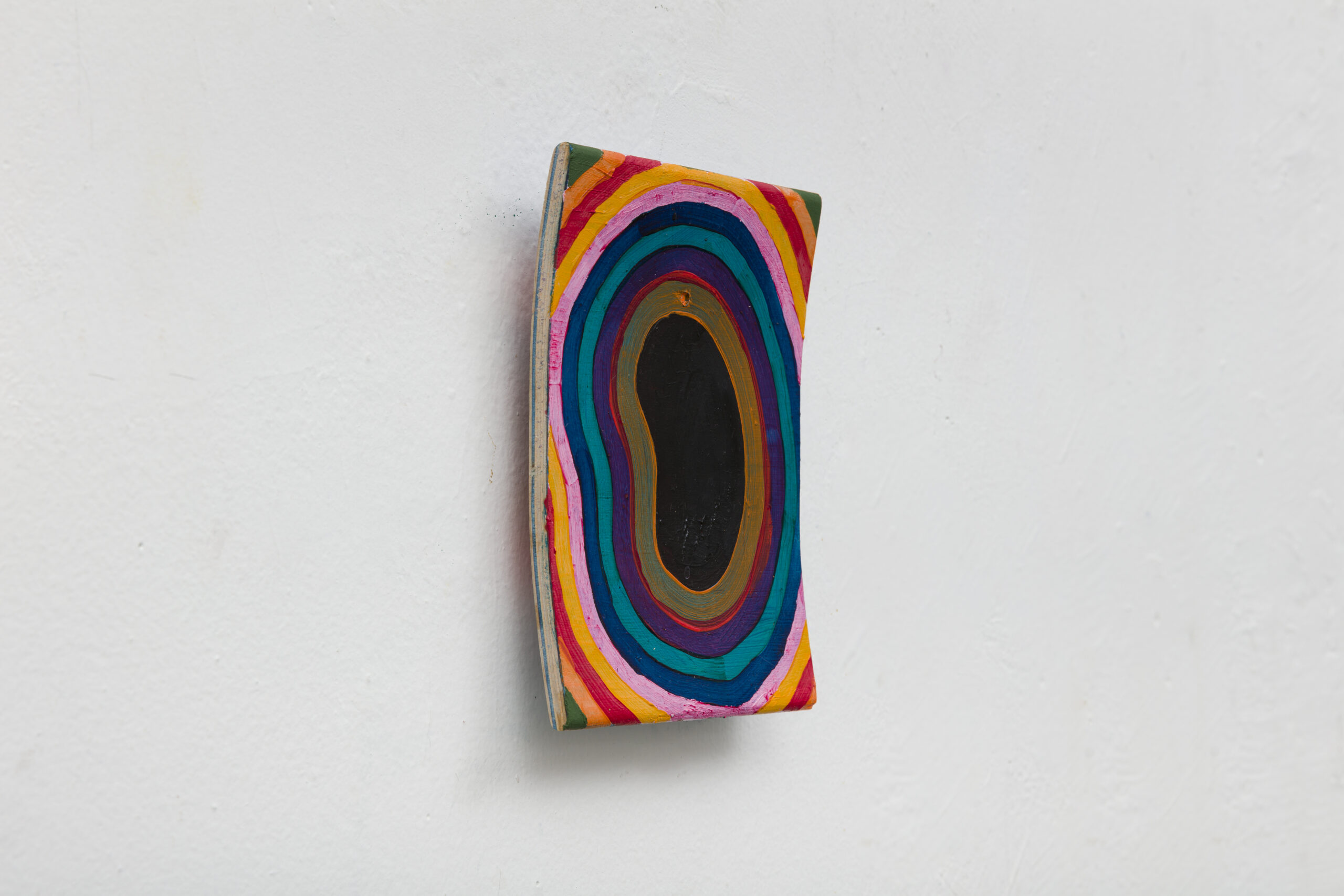
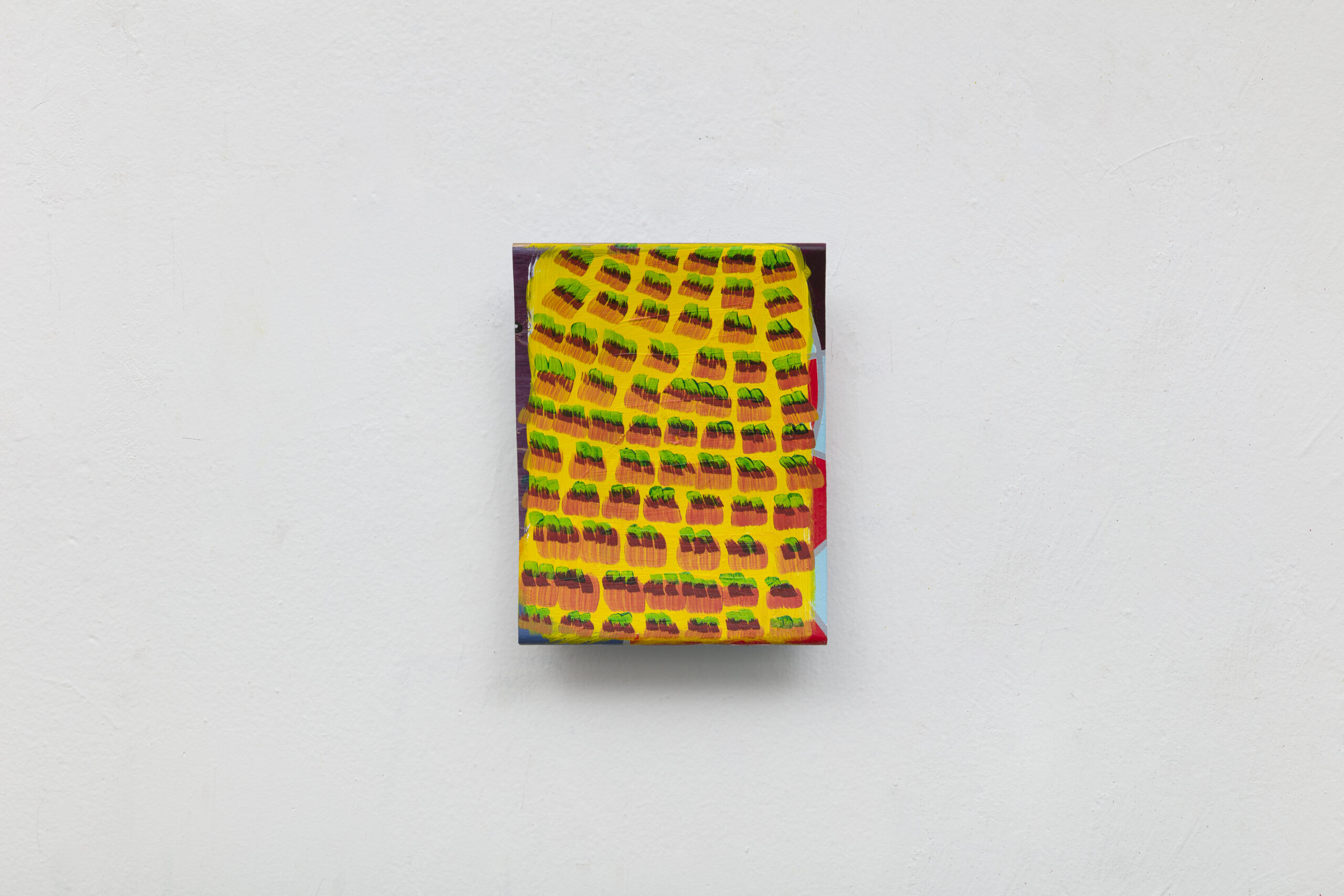
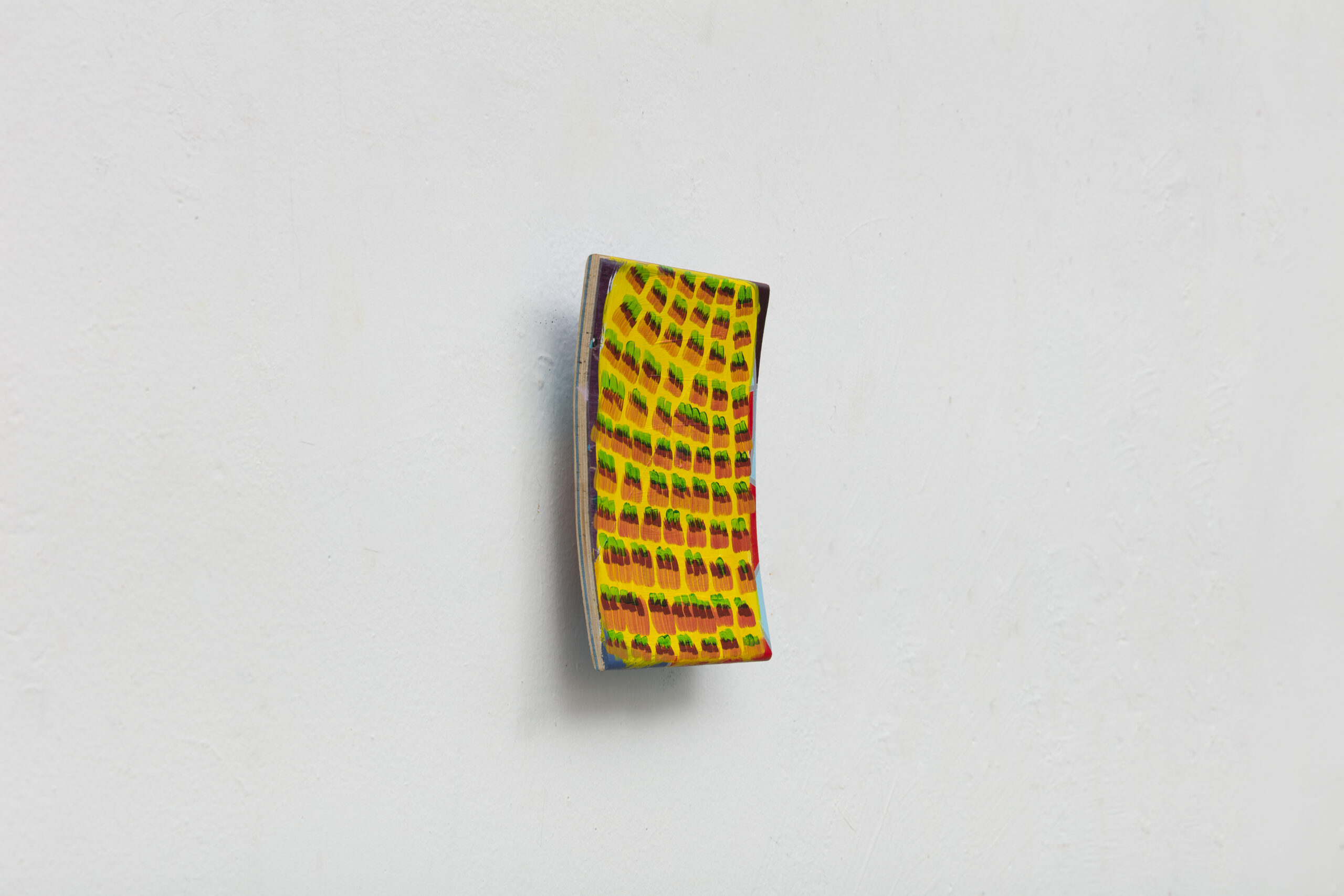

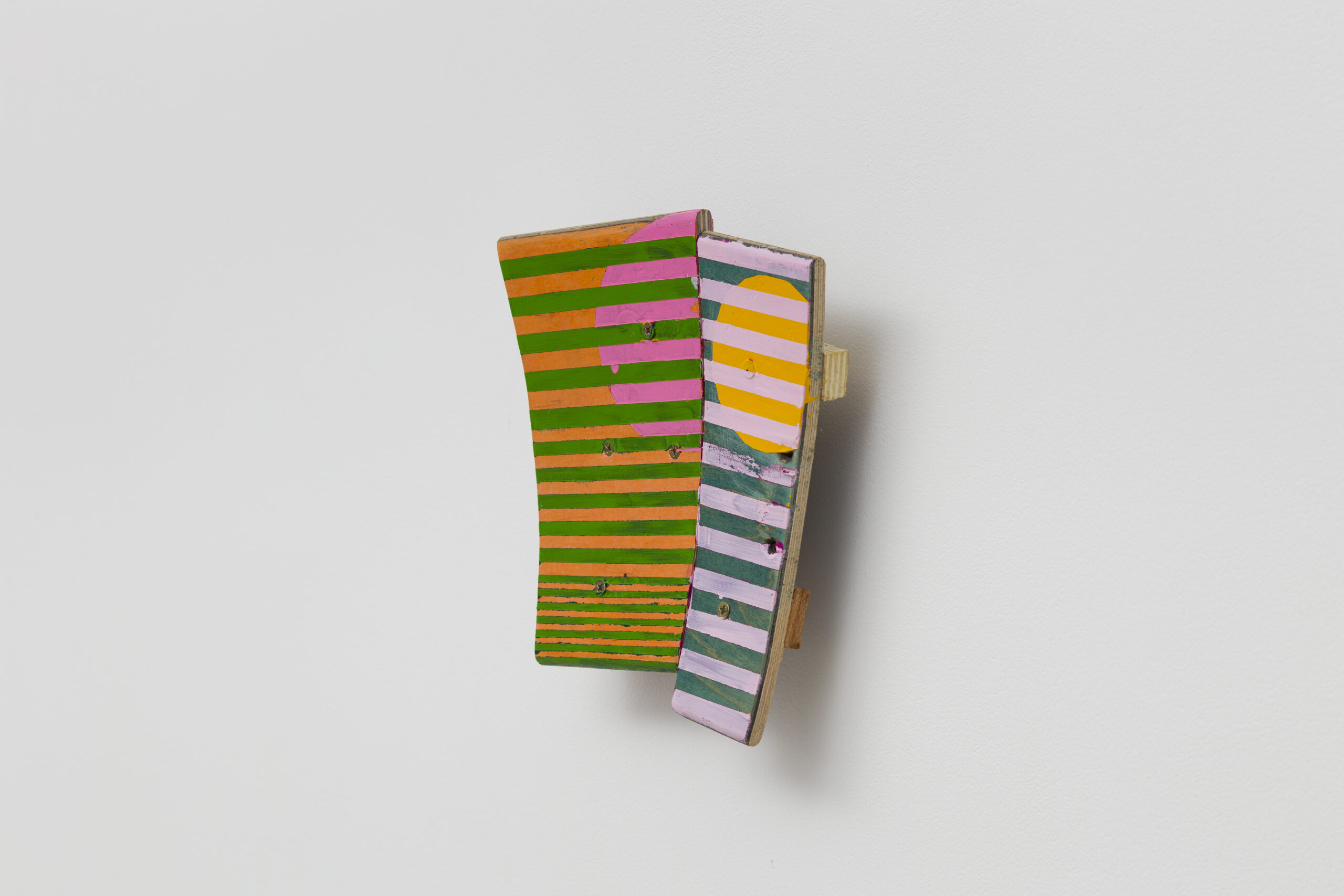
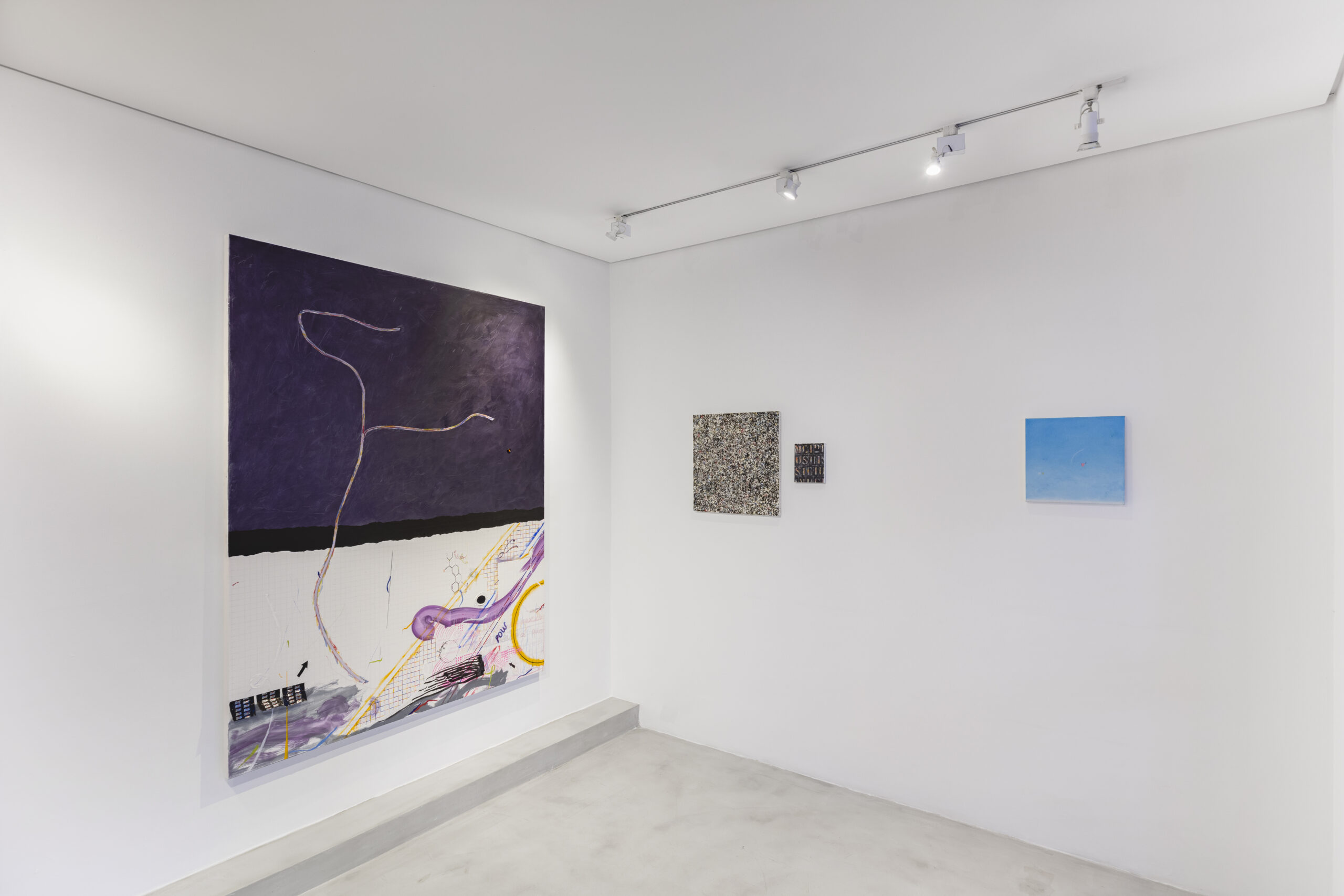
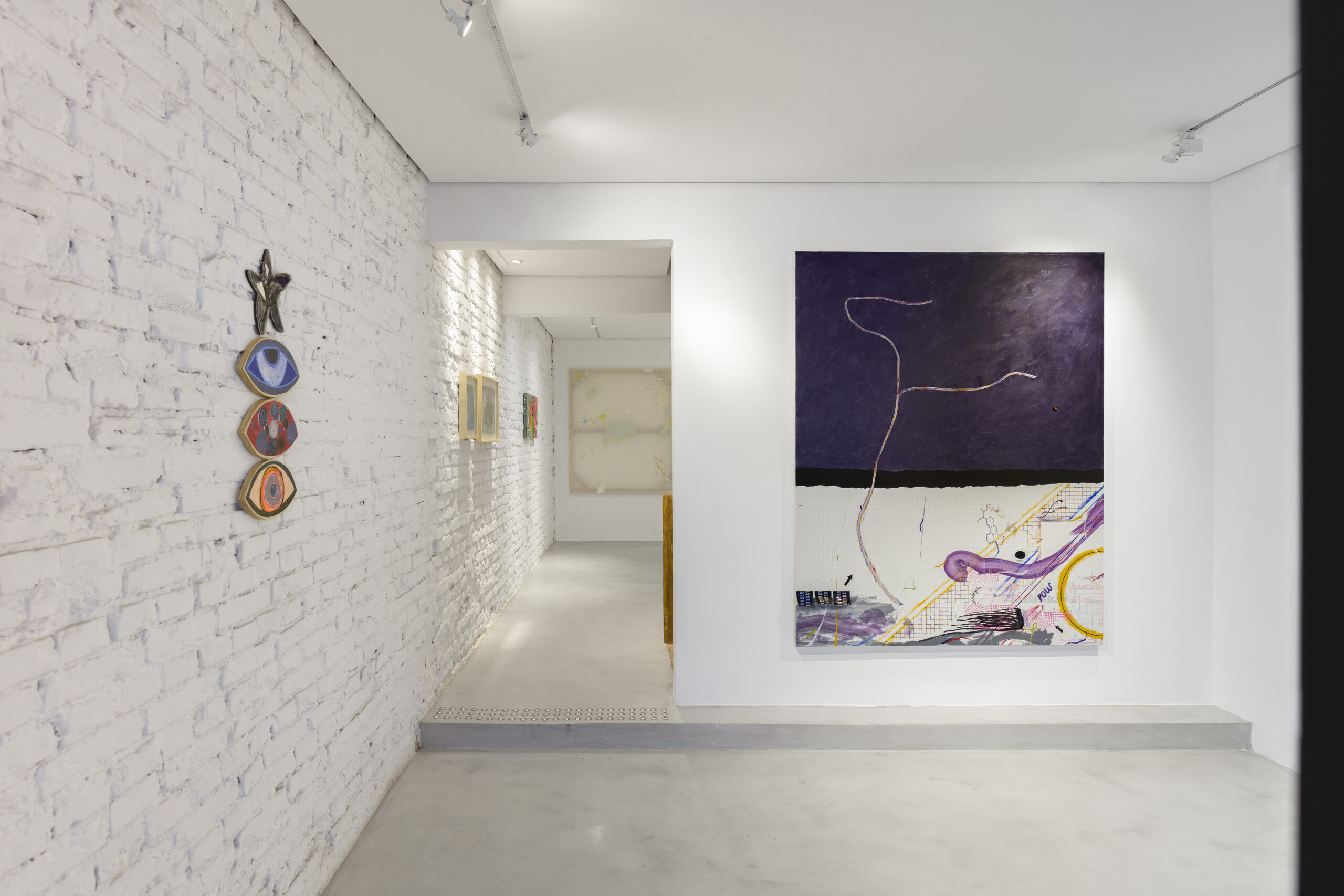
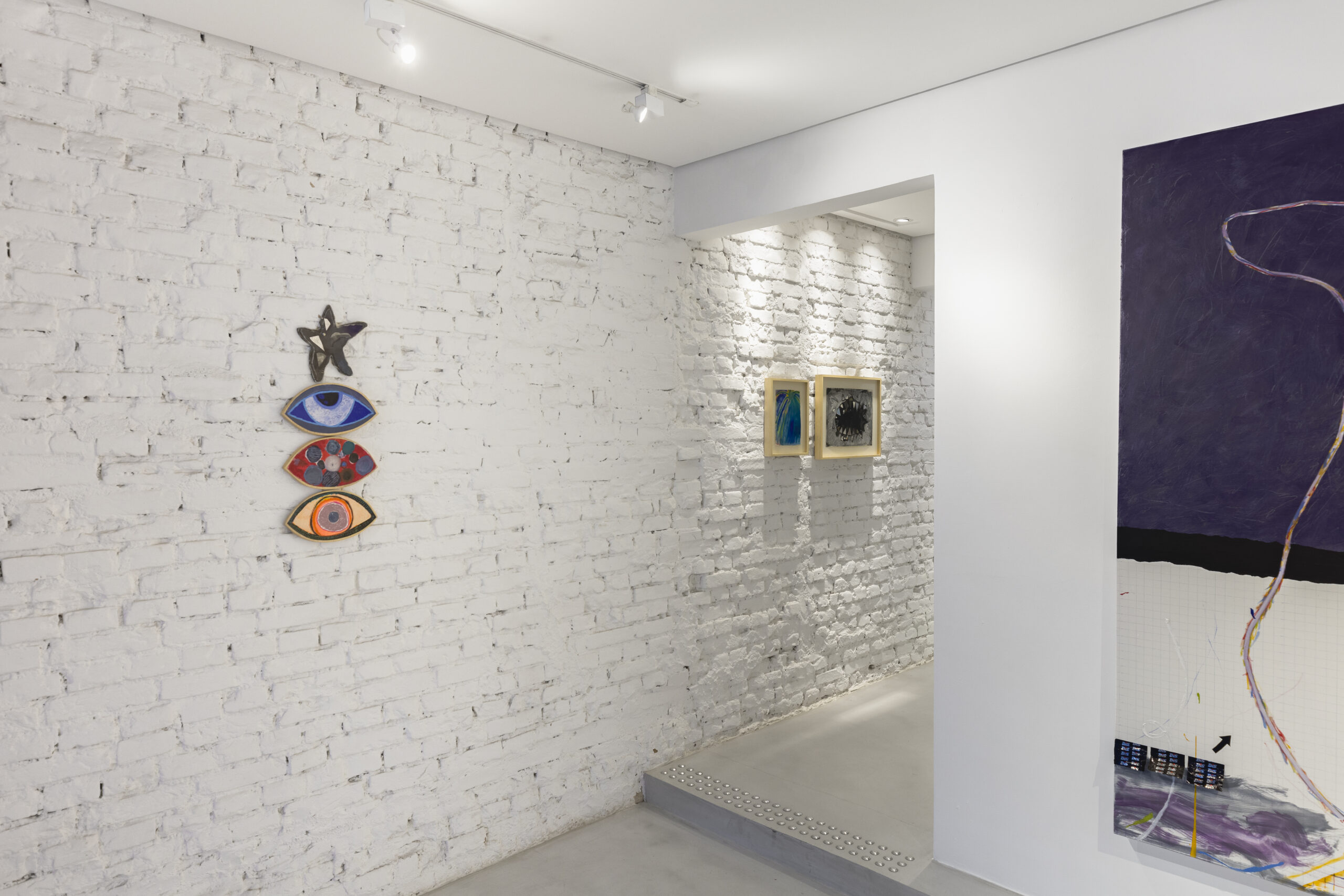
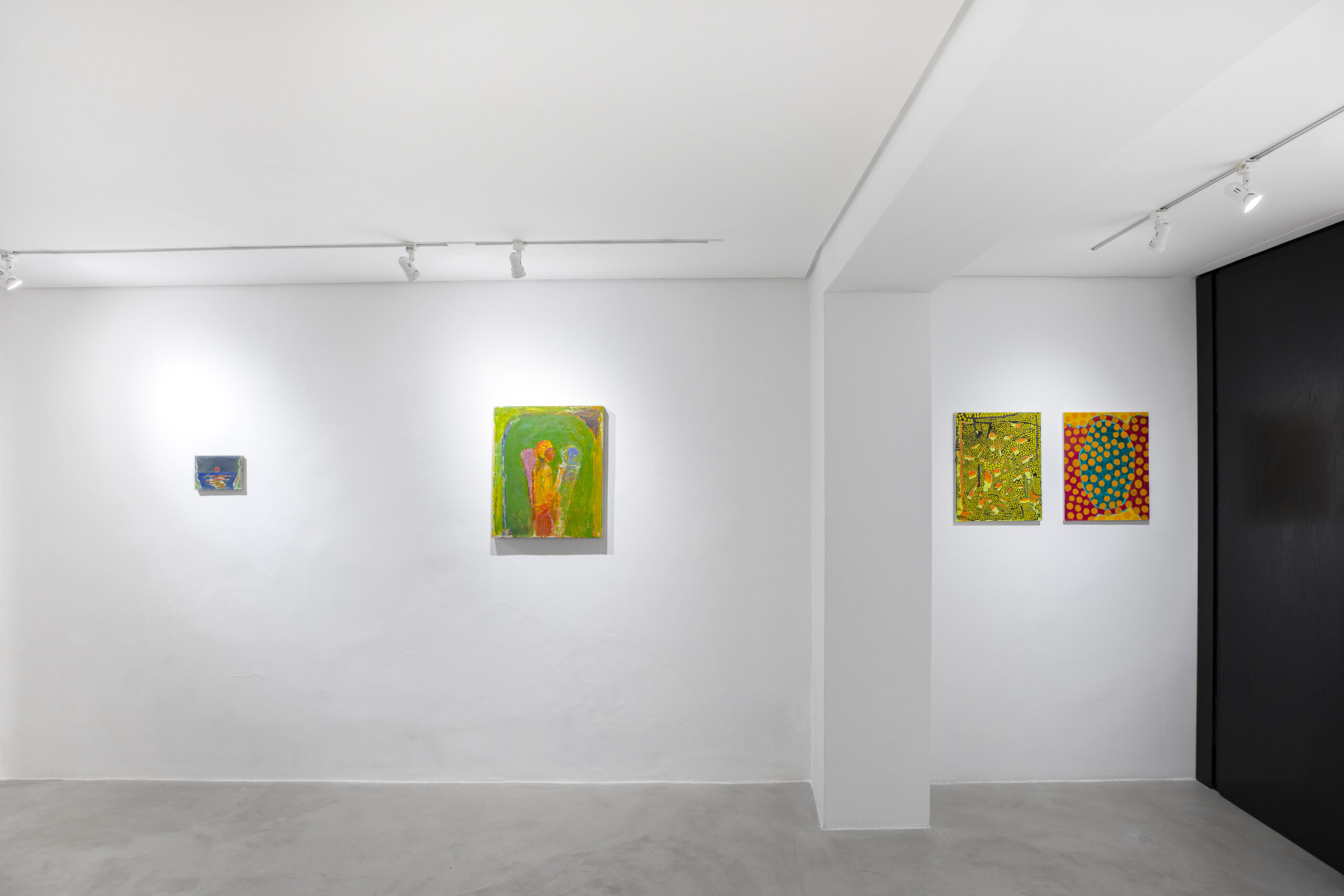
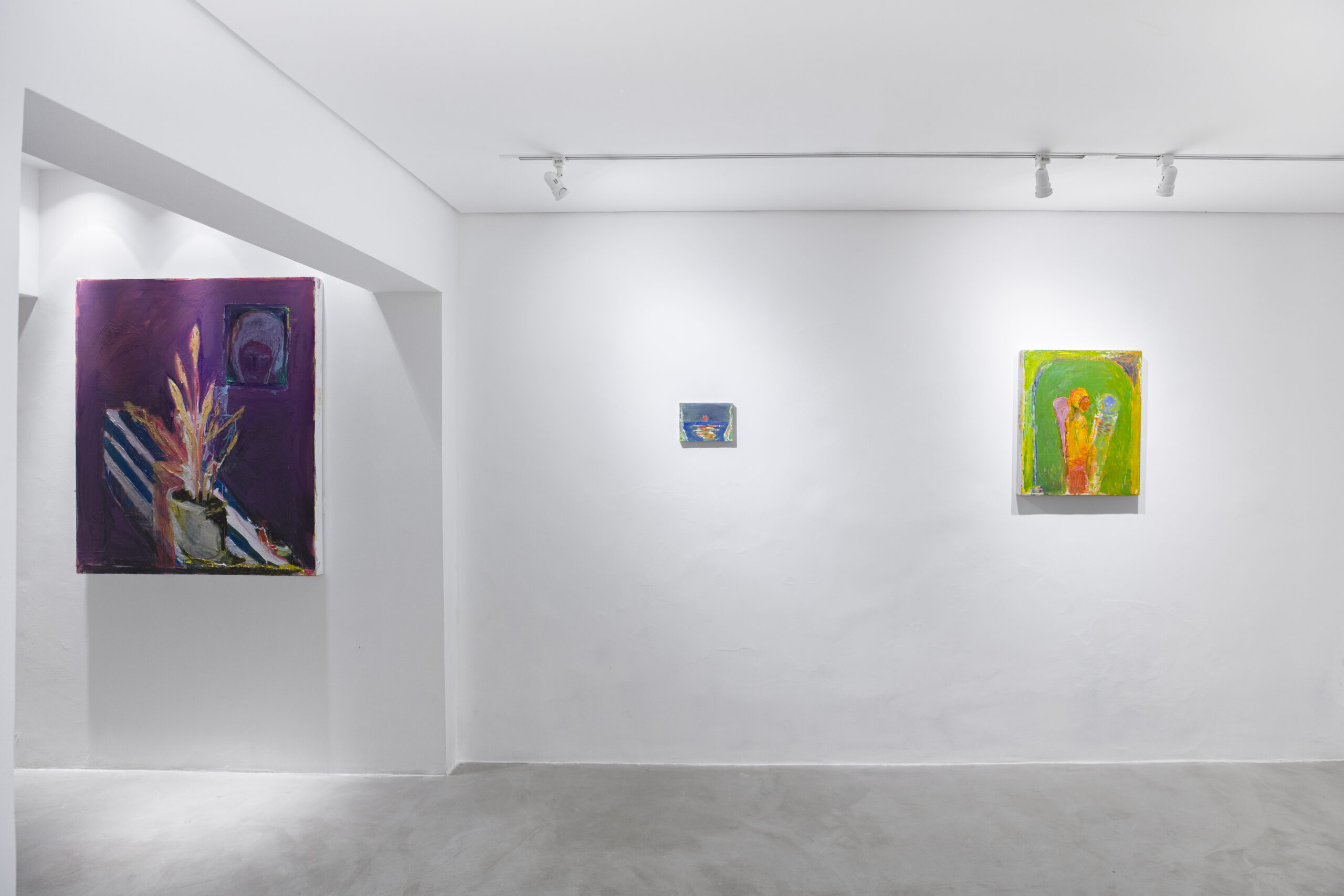
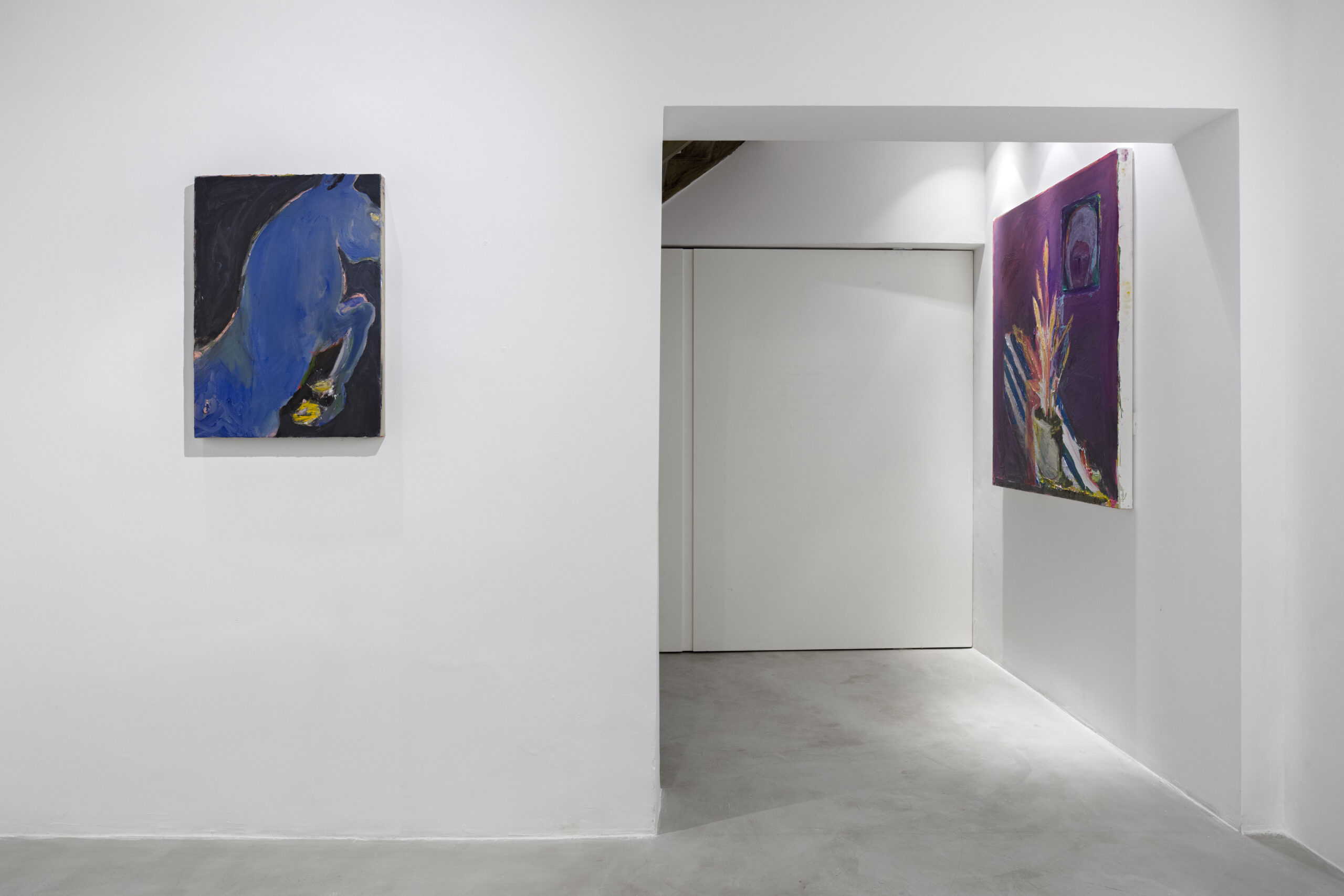

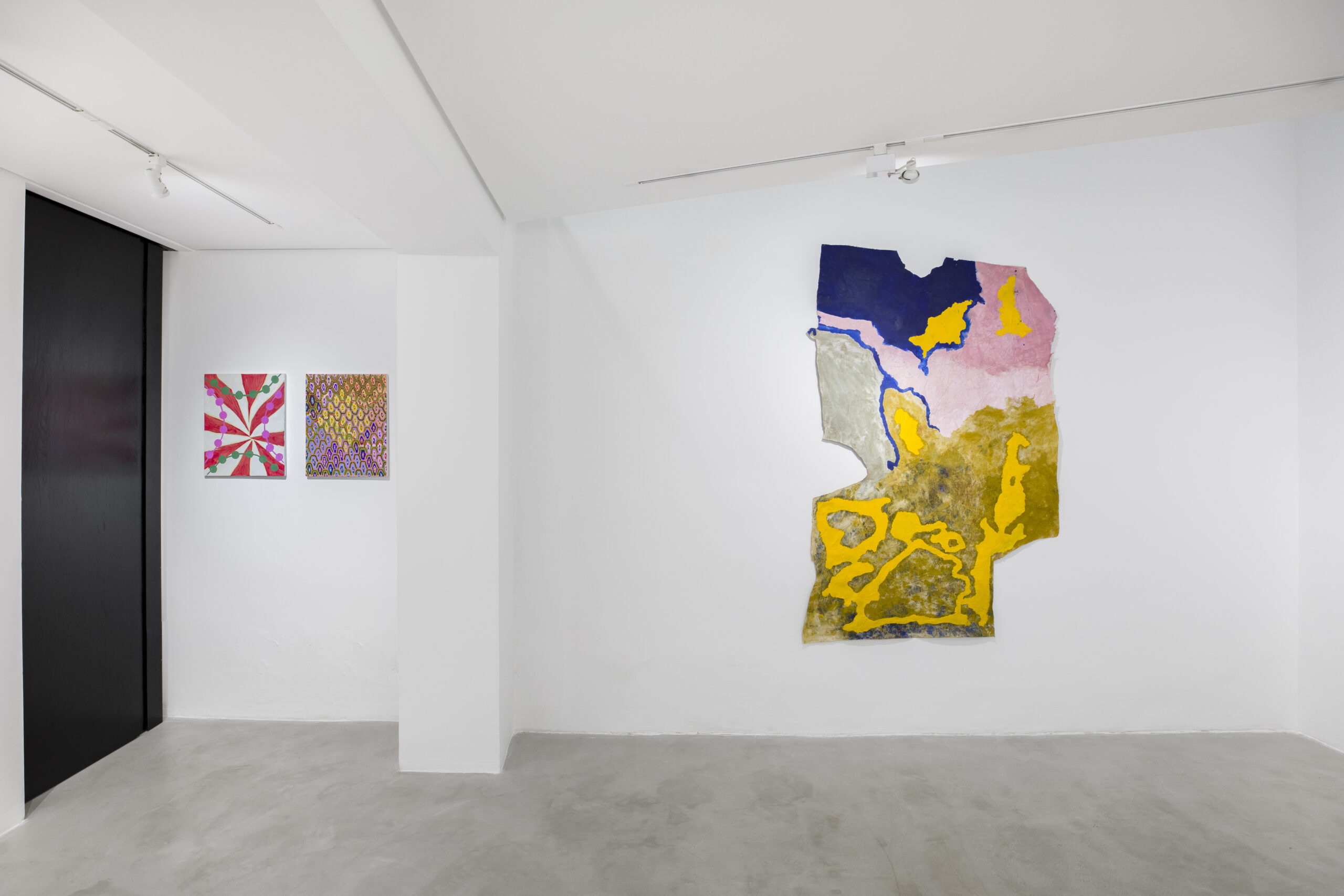
The intuition and experimentation that guide the curatorial line of the Quadra gallery also bring together the artists in the exhibition. Ana Almeida’s moving landscapes bring dense topographies that mix the murky colors of nature with the saturated colors of a toxic urbanity, in supports that reveal a free thinking of the traditional painting. Conversing and contrasting with Ana Almeida’s agenda and materiality are Yasmin Guimarães’ light, pastel-colored brushstrokes, which emerge from the periphery of the canvas to suggest ethereal scenery and punctuations like musical arrangements. Flora Rebollo, on the other hand, proposes works that come out of a cosmic dream and whose fluidity in execution blurs the boundaries between the processes of drawing, painting and installation. The personal mythology developed in the artist’s paintings also dialogues with the almost meditative quality of Elvis Almeida’s painting, in which the repetition of symbols and patterns to the point of exhaustion seems to seek the exhaustion of the gesture and go beyond the references of Art History and subcultures to find balance in the imperfection of the hand. The recurrence of archetypal figures and motifs seems to create bridges in time, bringing the carioca’s production closer to the works of artists from Mayan, Egyptian, Indian or aboriginal civilizations, modern artists like Lorenzato, as well as contemporary artists like Yayoi Kusama or the American Forrest Bess. Invoking Bess himself, the textures and colors of Matheus Chiaratti’s instinctive paintings also delve into the field of intuition, sensuality, nature and Jungian concepts such as the collective unconscious in an apparently simple and light composition (here even the fingers are used as brushes) mirroring intimate and sacred universes.
Similarly, Guilherme Ginane transposes a psychic journey onto the canvas in vigorous paintings in which chromatic composition and movement overcome the traditional clash between figure and background, divisions between São Paulo, Rio de Janeiro or European painting and embrace the history of art in an open conversation. Converging with this discussion, Thomaz Rosa and Marcelo Pacheco finally present a cross-section of the influences that guide and contaminate their research, such as modern art,
concrete poetry, pop art, minimalism, music and the prosaic in the case of the mul- tivers of the former; and classical art, popular art and everyday life for the latter. In the artists’ works, references are mixed without hierarchies, creating a place where painting plays the role of mediator in the search for a detached chance.
Bringing together the universes and entropies of 8 artists from Rio de Janeiro and São Paulo and accompanying the arrival of the Quadra gallery for its first season in the land of drizzle, Brisa proposes an immersion that embraces subjectivity and the collective; past, present and a certain idea of the future, with the partial and affective portrait of a new generation of painters, mixing, in a light and loose way, compositions, palettes and brush strokes in a cheap thing called life.
Julie Dumont