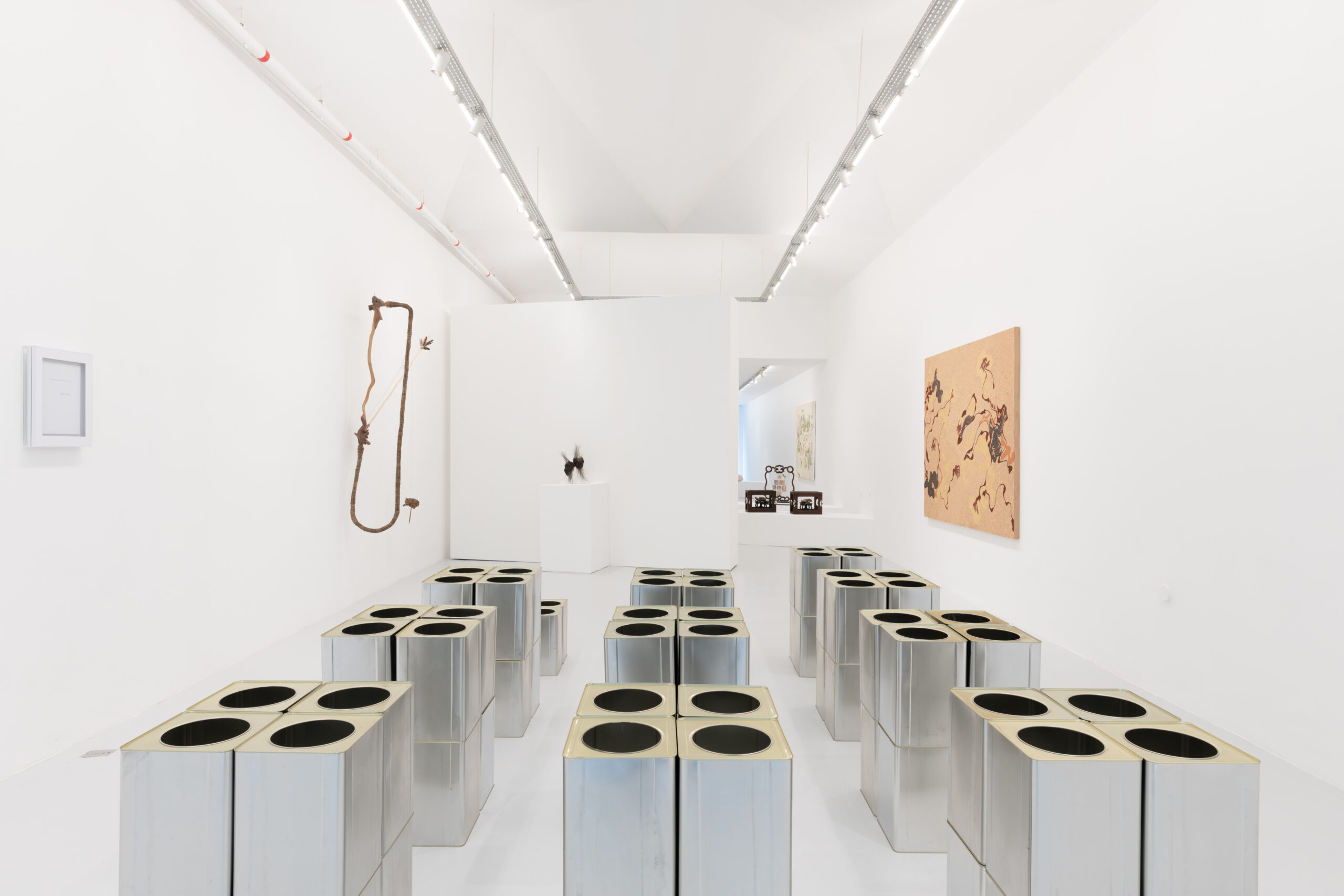
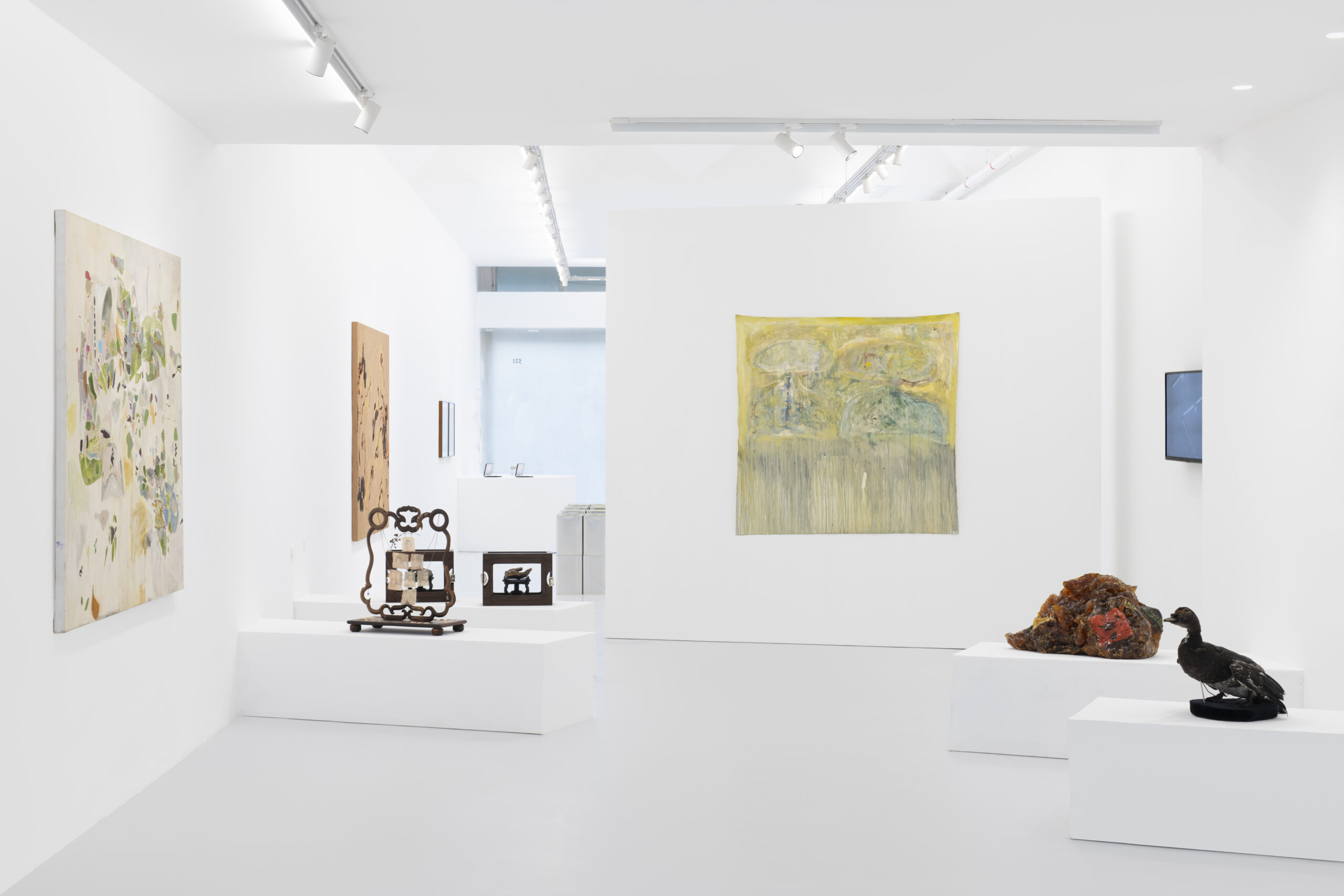
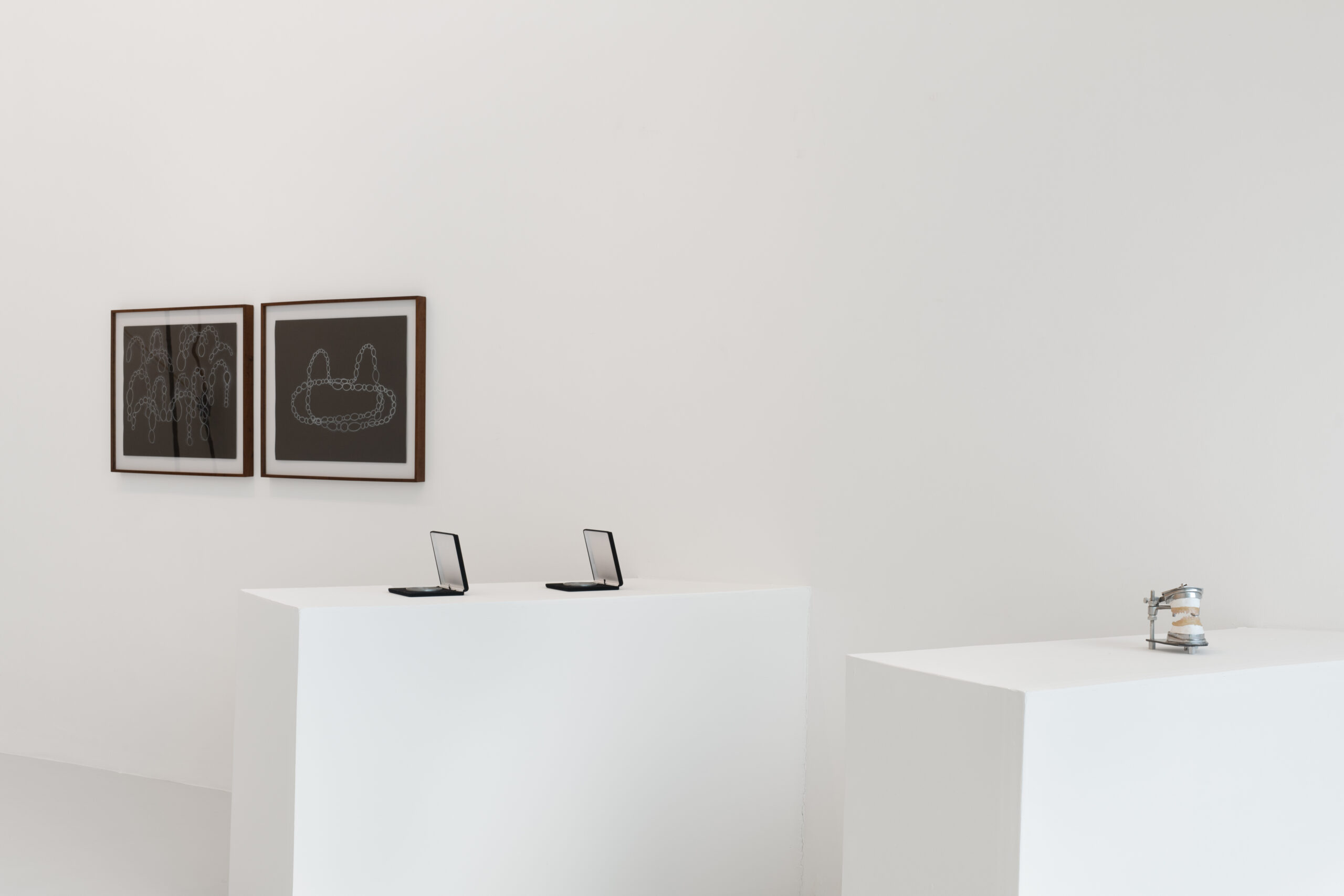
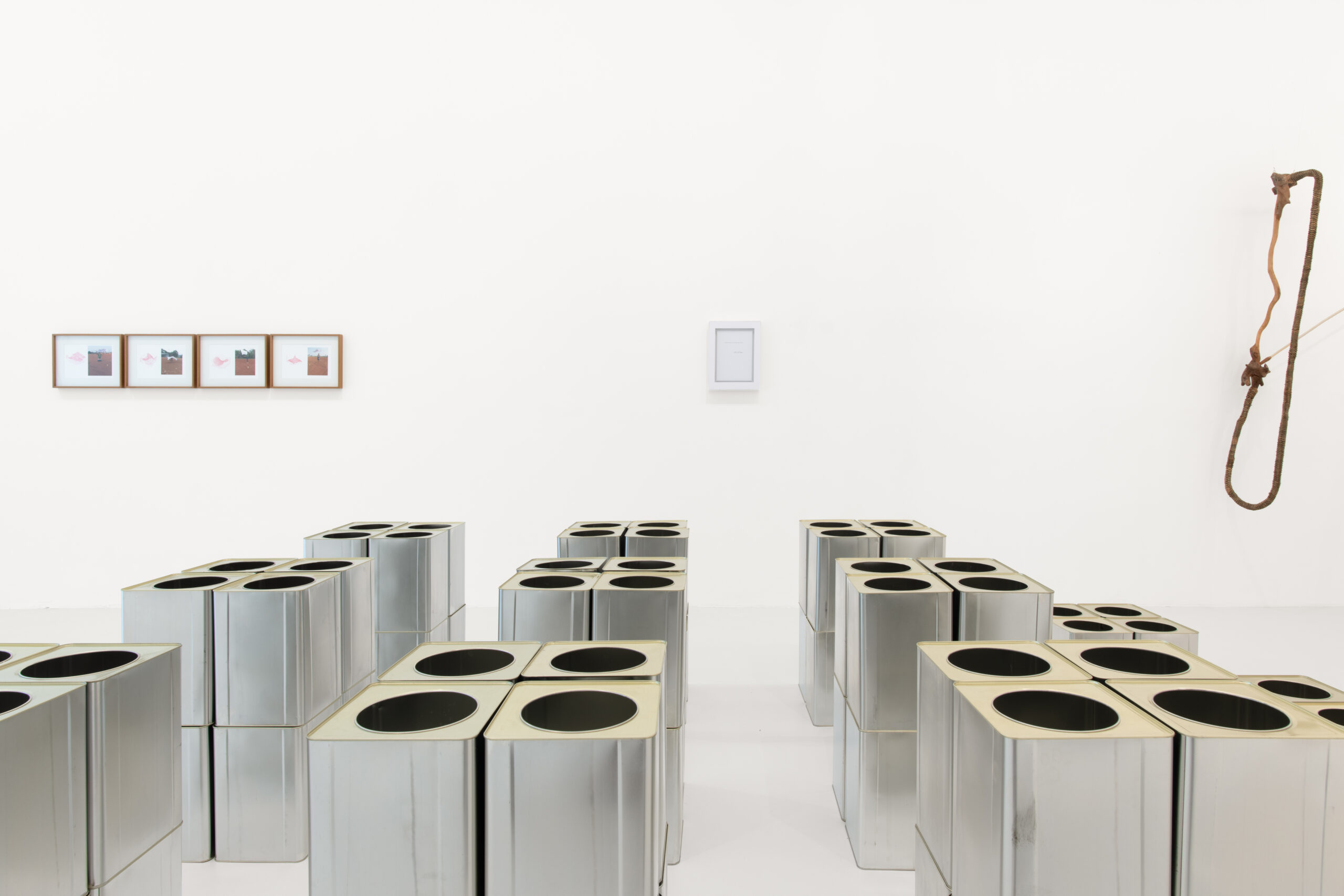
Gold and wood
Advânio Lessa, biarritzzz, Carla Santana, Caroline Ricca Lee, Gilson Plano, Iagor Peres, Jonas Van, Lu Ferreira, Paula Trojany and Wisrah C. V. da R. Celestino
curated by Ariana Nuala
February 15 - April 5, 2025
São Paulo
There is a latent force that emerges when contemplating wood and gold, elements that not only coexist, but intertwine in symbolic and material dimensions, challenging the boundaries of a fragmented existence. Gold and wood have distinct physical and geological properties that influence their behavior both on land and in water. In the sea, wood floats due to its porous and light structure, while gold, dense and compact, sinks. This dynamic reflects a natural interaction with gravity and the density of water, marking the contrast between lightness and weight.
On earth, wood grows from the ground, completing a life cycle by returning to it as it decomposes. Gold, on the other hand, also comes from the ground, but is the result of deep and slow geological processes, shaped by tectonic movements and sedimentation. Found in riverbeds or rock veins, gold carries with it an aura of permanence, contrasting with the ephemerality of wood.
Dialoguing with different worldviews, such as traditional Chinese philosophy, where both are part of the cycle of the five elements. Wood represents the energy that ascends and creates, supporting metal, which condenses and protects. This balance suggests a dance of continuity and reciprocity, challenging the separation between the rigid and the ethereal, and inspires medicinal practices that pulsate with vitality. In another reading, in Candomblé of Yoruba origin, this relationship resonates in the union of Oxum and Oxóssi: Oxum, mistress of sweet waters and gold, flows like a river that nourishes and shapes; Oxóssi, orisha of the hunt and the forests, manifests himself in the wood that sustains and the arrow that advances. Together, they reinforce the idea that value lies in connection – between what is born and what endures, between the brilliance of metal and the vitality of wood.

Ederaldo Gentil, a composer from Bahia, tells us in his song O Ouro e a Madeira: “Gold sinks into the sea (into the sea) / Wood stays on top (on top) / Oysters are born from the mud (from the mud) / Generating fine pearls.” This excerpt, which sums up the title of the song that gives its name to the exhibition, attracts a kind of phonic materiality that transcends form, becoming vibration. Fred Moten illuminates this dimension by suggesting that objects have a voice, that their matter carries an irrepressible aurality. This sound – a cry or a reverberation – breaks down hierarchies and challenges dichotomies between spirit and matter, creating a texture that vibrates between the visible and the unheard.
However, gold and wood are not just poetic or cosmological symbols; they are also witnesses to relations of power and accumulation that run through history. Historical reading highlights the repetitions that associate gold with wealth and domination, bearing in its brilliance the marks of colonial violence, the plundering of territories and the imposition of economic systems that reduce lives and landscapes to commodities. Wood, on the other hand, evokes the removal of forests, the conversion of ecosystems into consumer goods and the construction of structures that support architectures of power, destruction.
From this perspective, the exhibition proposes a game about value, challenging the structures that define it and persist in guiding it. Gold and wood, in the history of accumulation, reveal the logic of a world shaped by the concentration of wealth, by the separation between what is owned and what is private.
The elements carry the power to redesign what we consider valuable and how we relate to the world. Refusing historical insistence, but restless with the dynamics that isolate and subjugate, we are challenged to create forms of coexistence and reciprocity, to listen to what wood and gold have to say. In this sense, the works do not have to relate strictly to these elements, but, from other materialities, lead to divergences between value for a colonial world that degrades itself and the insistent walks to the sun that escape this destruction.
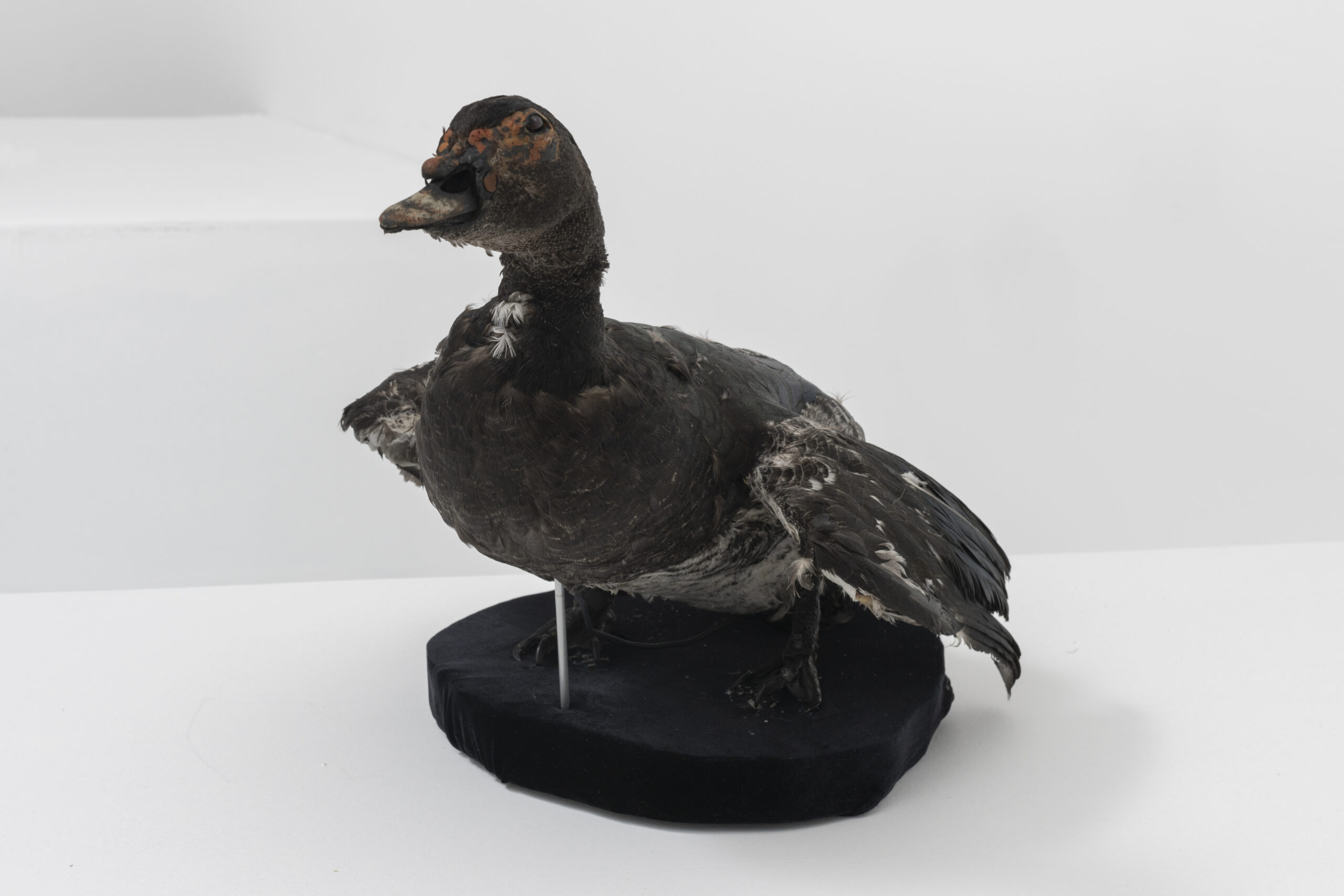
Within this system, the works orbit in relations of opposition in different ways. In Trojany’s work, this dynamic manifests itself in images that stare back at us, challenging the boundaries between observer and observed. As if in panoptic irony, his work often inverts the positions of power in the act of seeing, establishing a game in which what is exhibited also returns our gaze – not as a passive object, but as a presence that questions and displaces those who contemplate it.
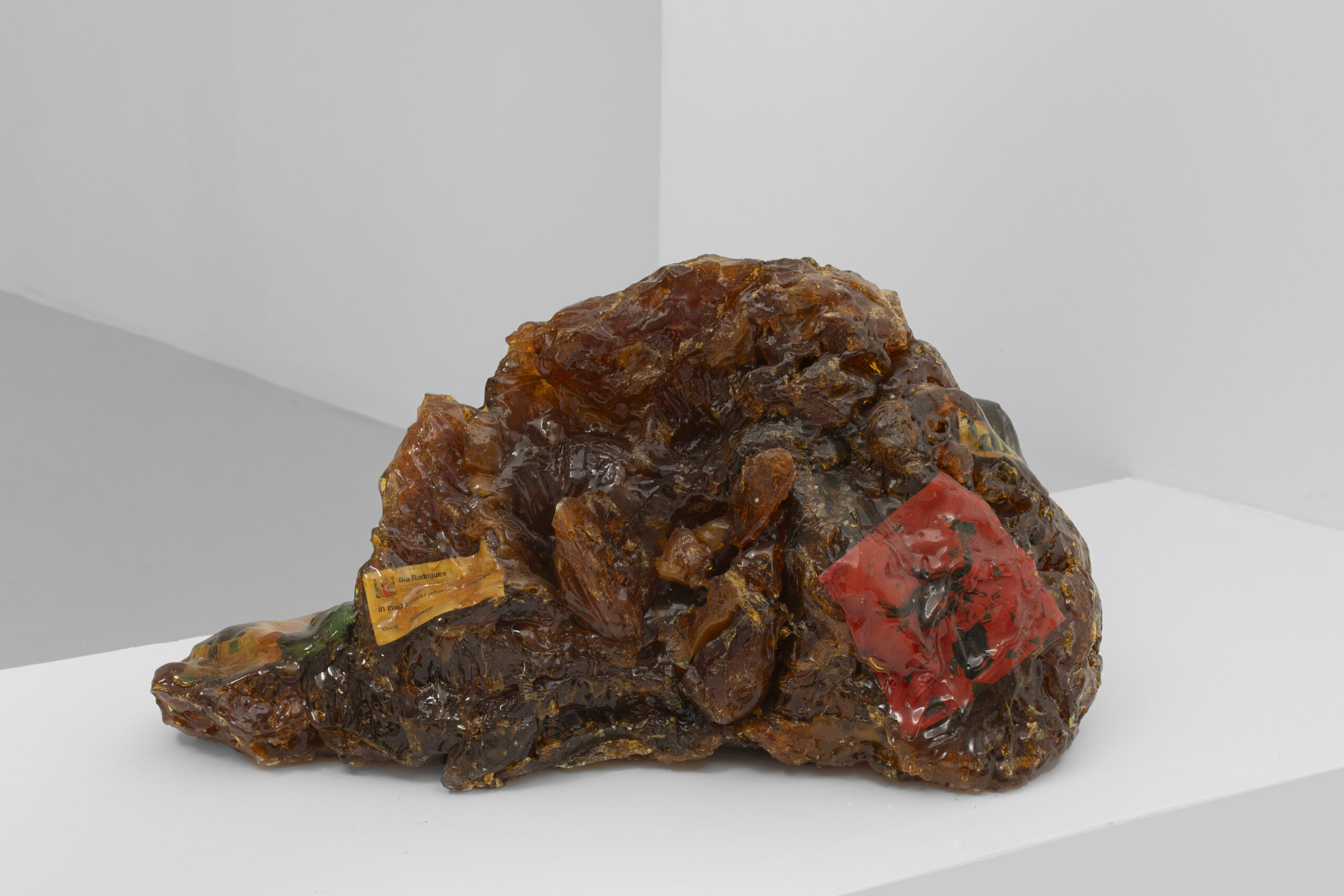
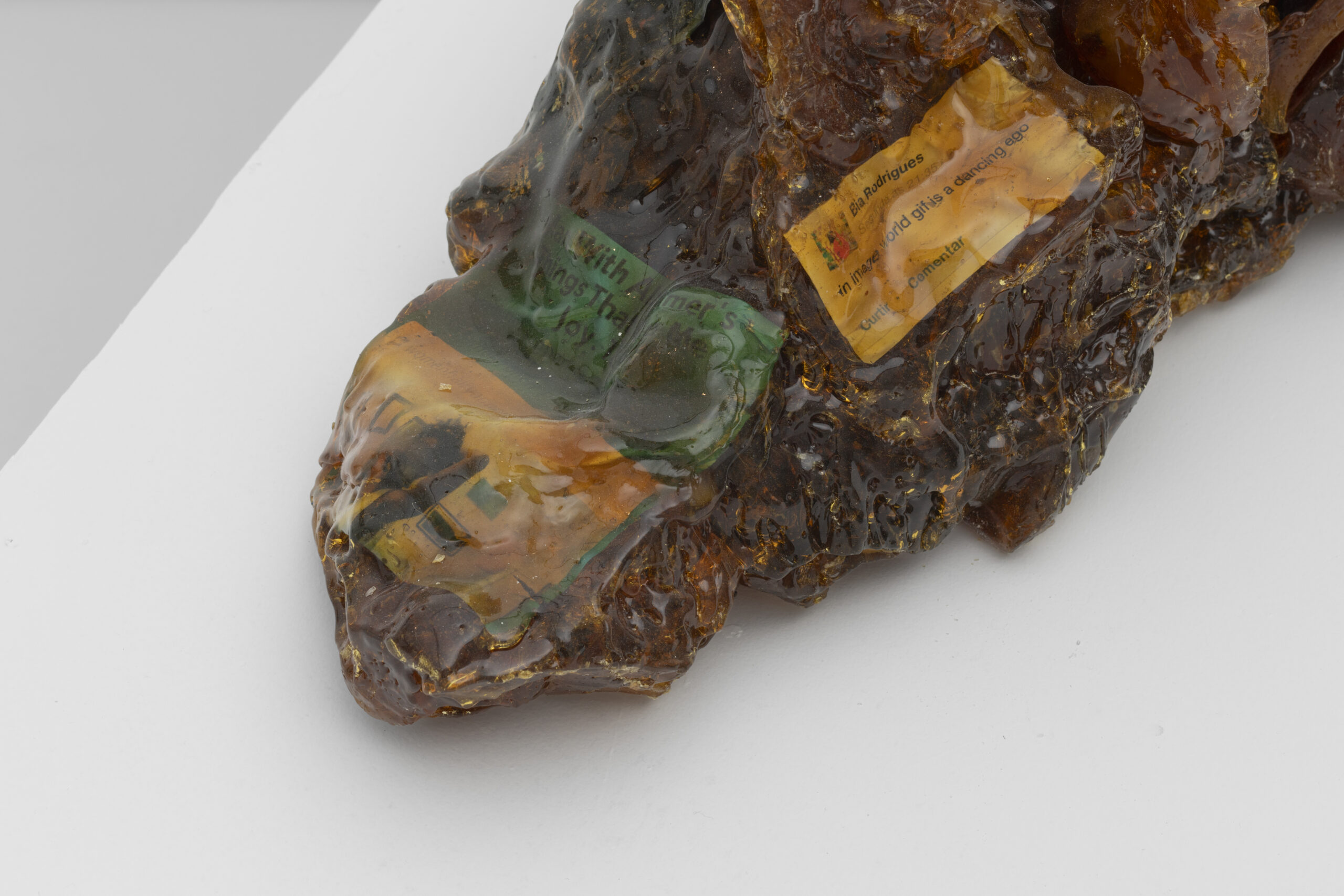
biarritzzz conducts her research as an archaeologist of the virtual, probing the boundaries between digital files and their obsolescence. Her practice subverts the logic of image banks, where every cut carries a displacement and every edit is an act of magic. The value of the media remains unstable, at once oriented and disoriented by the artist, creating layers between what can be captured and what will always escape.
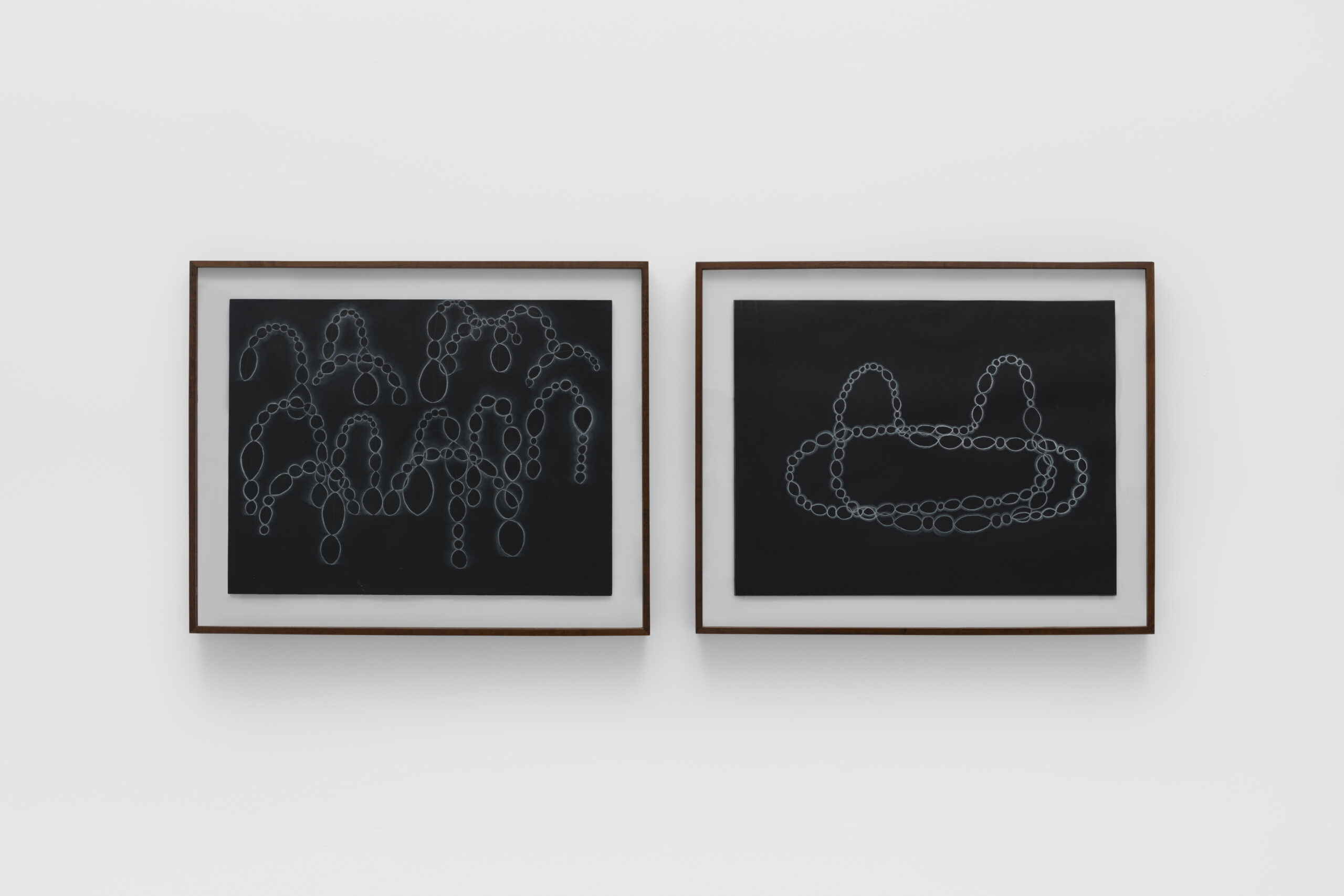
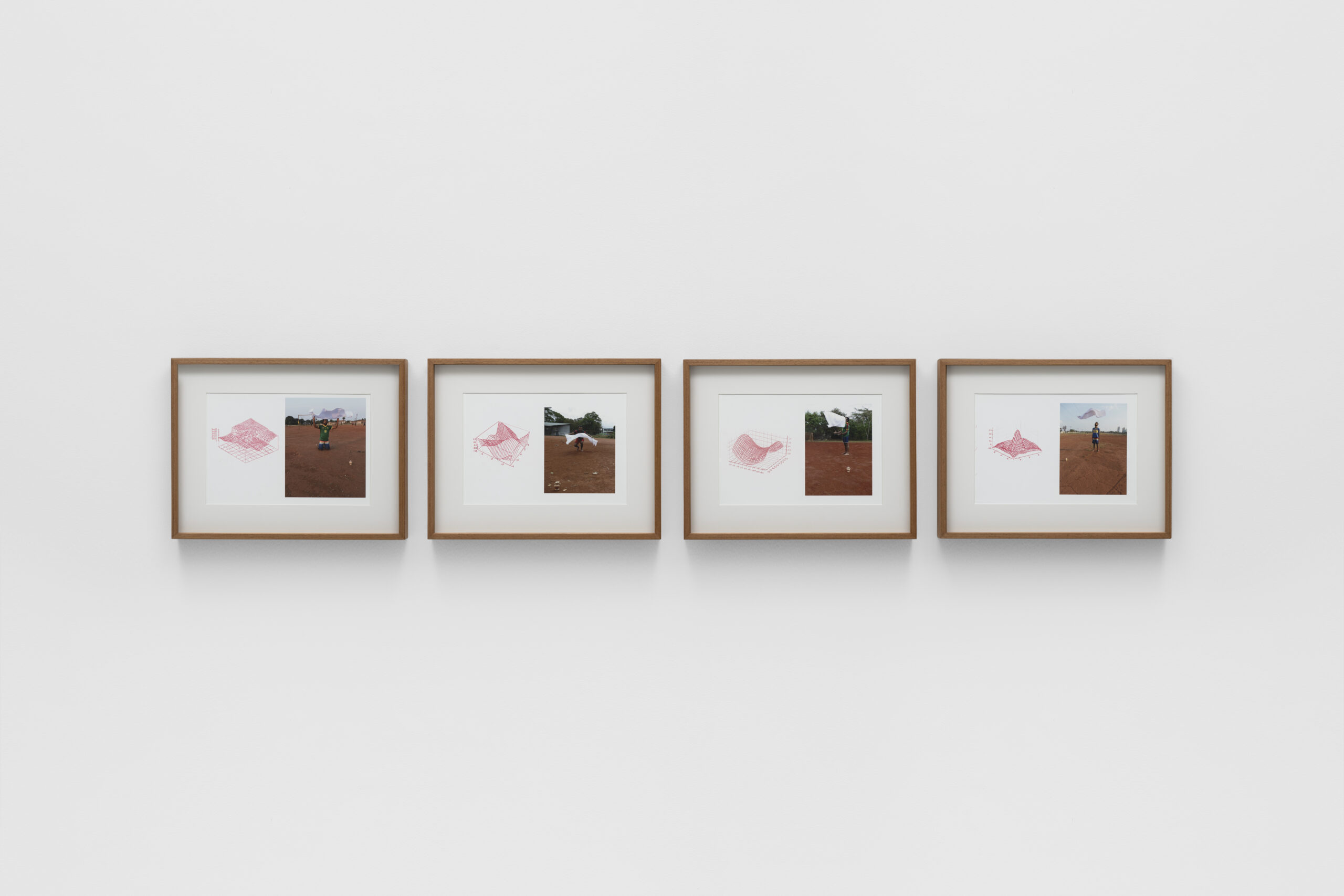
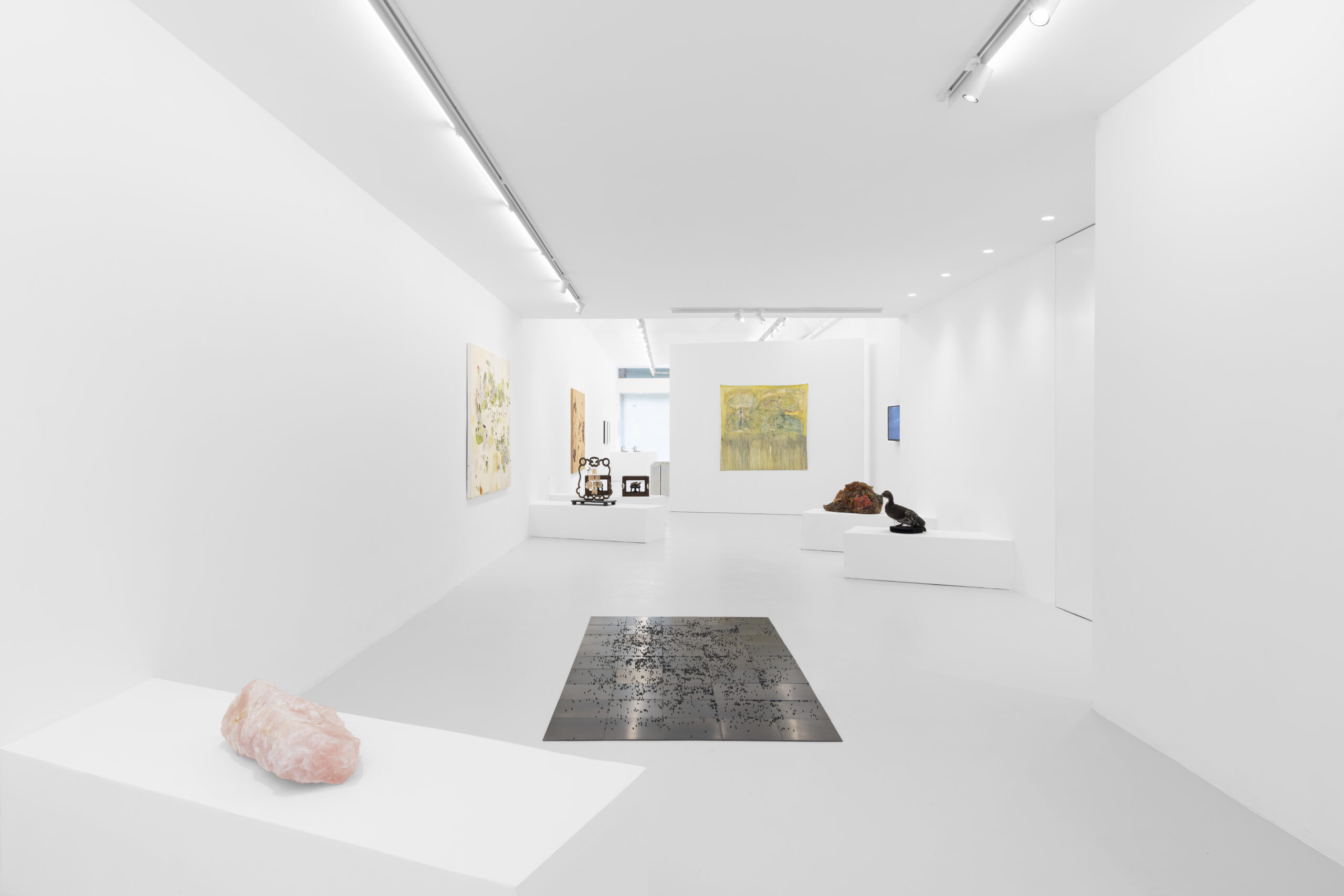
Measurement, as a process, is inscribed in the exhibition as a trait in constant negotiation. More than a metric associated with valuation, it unfolds in maps, diagrams and other forms of organization that seek to stabilize what, by essence, deviates. However, the works by Wisrah and Gilson Plano break this logic by disarticulating the objects from these measurements – either by projecting the body onto a suspended plane, or by challenging the materiality of what is intended to be fixed, deconstructing the contours of the measurable.
Gilson investigates the layers of what is not necessarily visible, but manifests itself in space as an apparition. His work focuses on the weight of invisible matter, that which, when dissolved, can momentarily condense and become perceptible. In her compositions, visibility is ephemeral, like a glimpse that imposes itself before disappearing. Wisrah, on the other hand, in a reiterative gesture, re-enacts what has form, but can always be presented in another way, expanding reading possibilities. In her work, apparently stable and trivial elements become capable of digging into biographical issues and broadening codes of action.
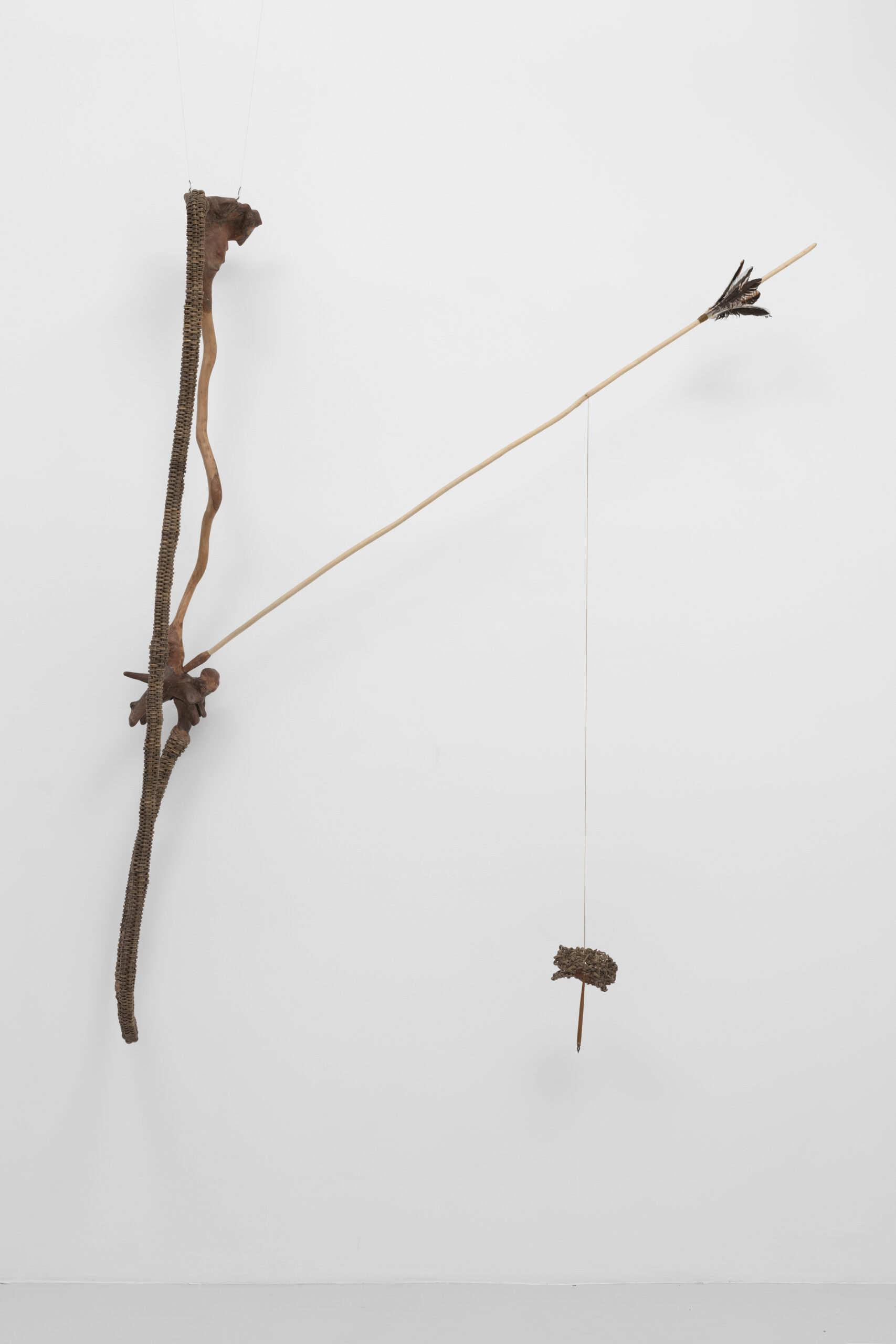
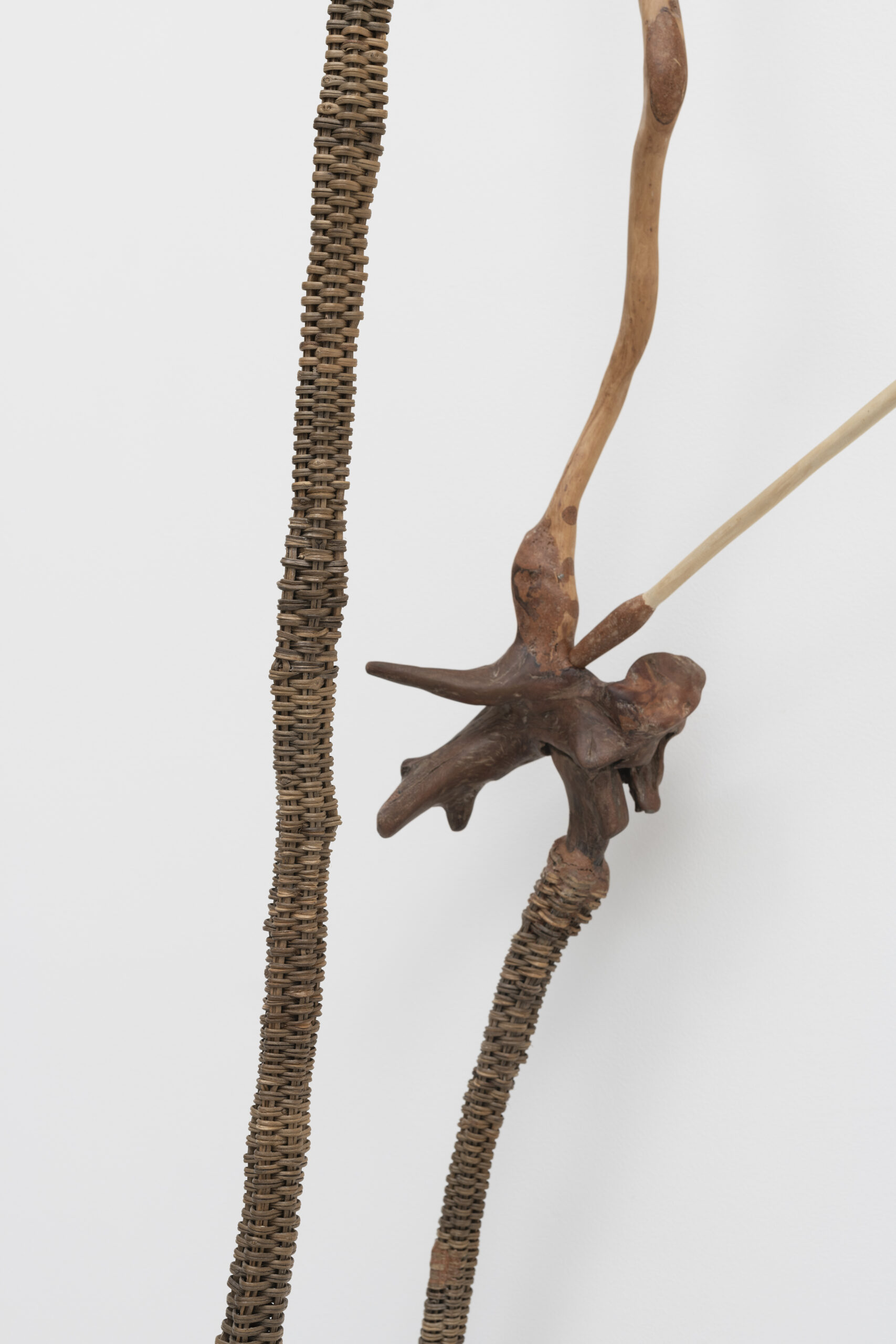
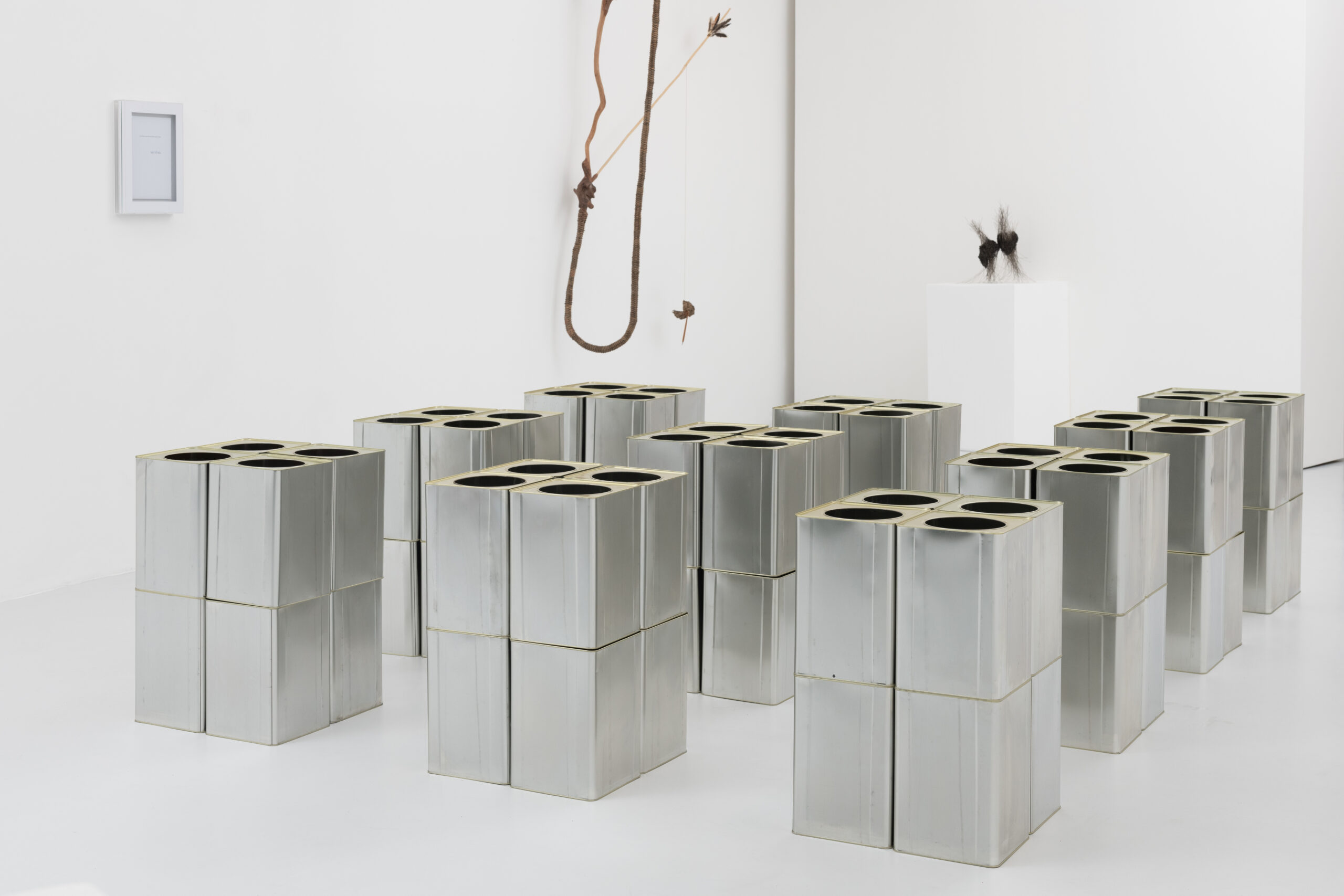
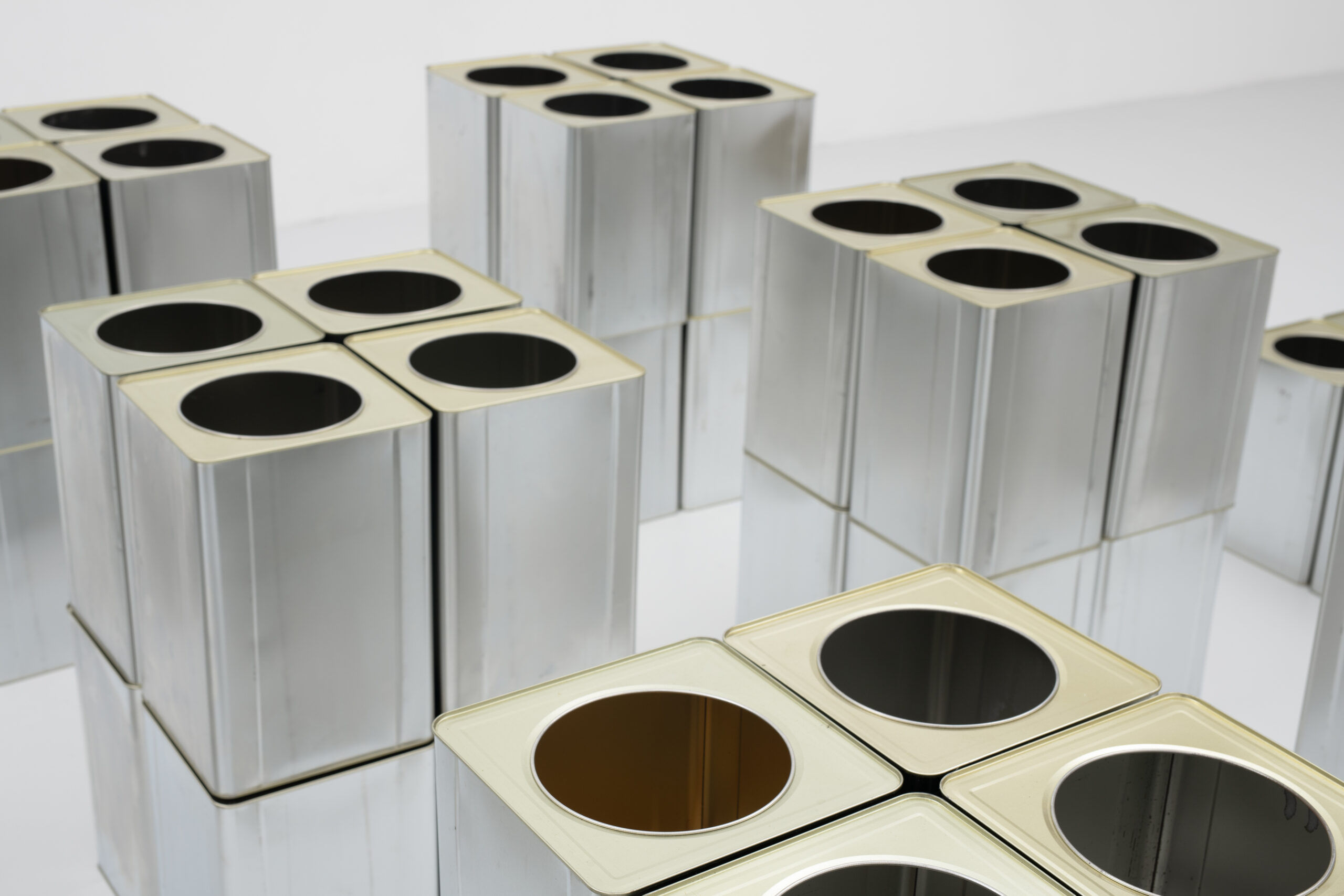
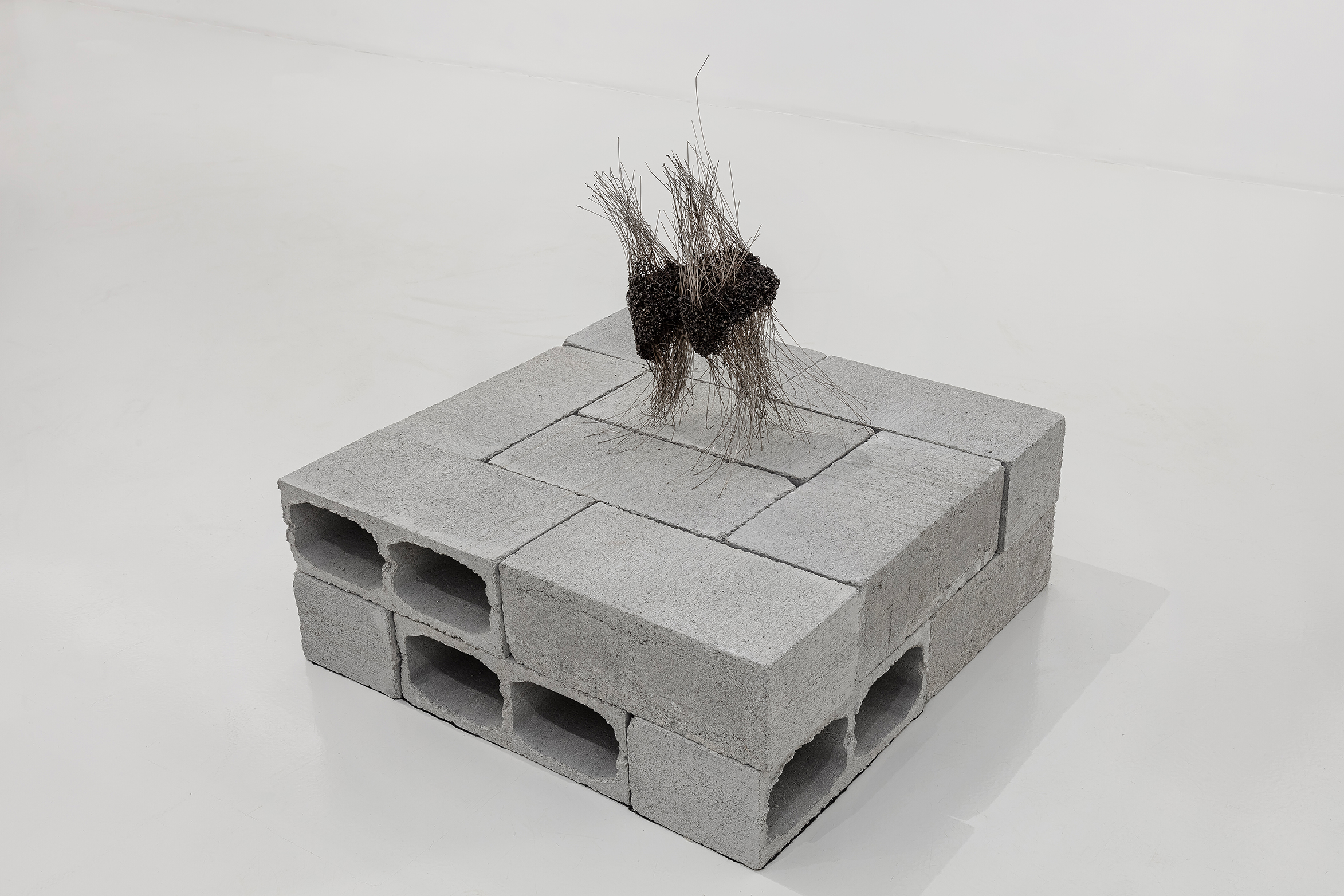
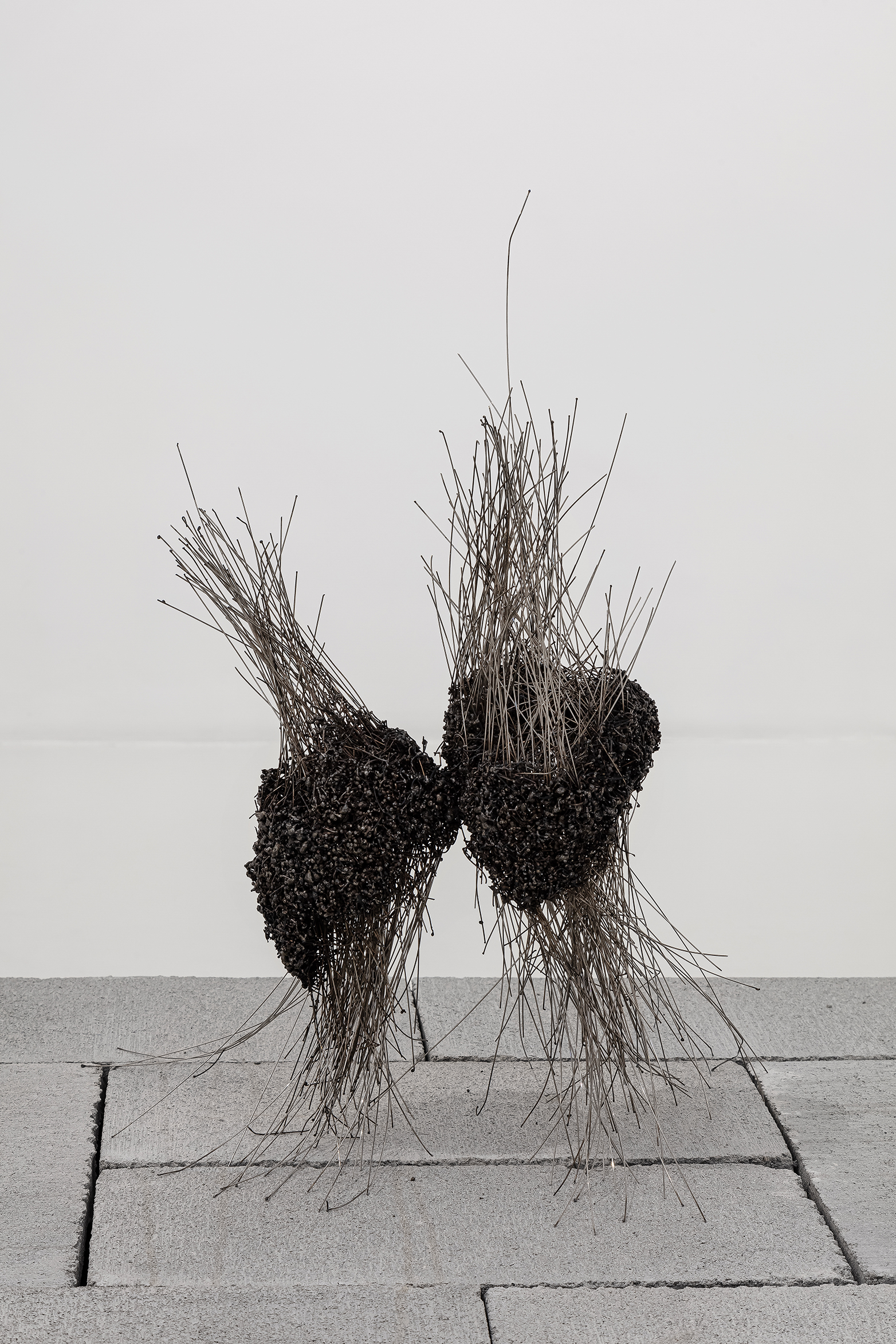

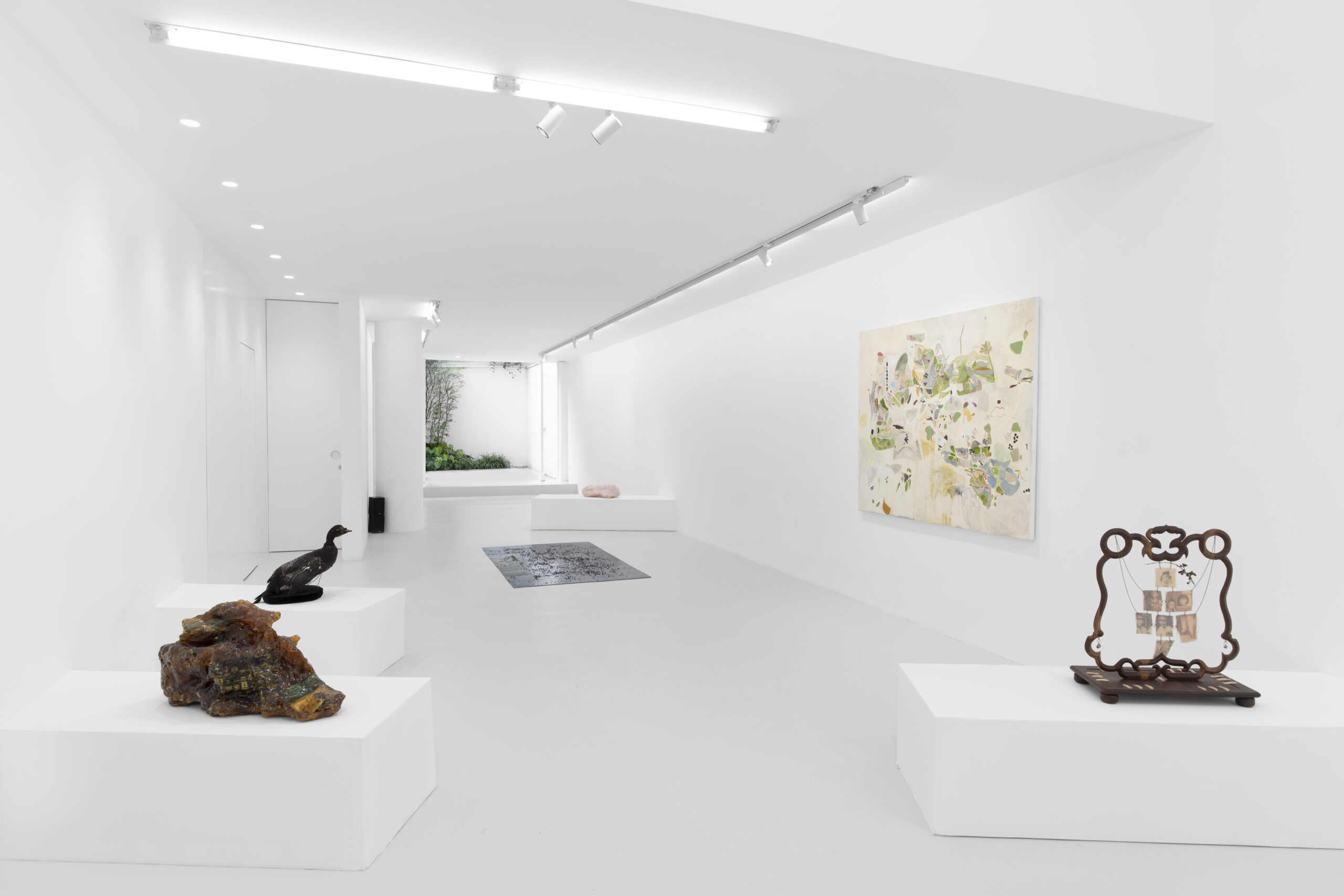
Sculptural matter manifests itself strongly in the work of Iagor Peres and Advânio Lessa, both interested in the intrinsic energy of the elements they use. Their sculptures are bodies in contraction, developing from the specific relationships between matter and environment. While Advânio works with wood and Iagor with metal, both observe how temperature and humidity affect their works, making them react in an organic way. For them, these materials are not inert, but living entities, traversed by constant vibrations and transformations.
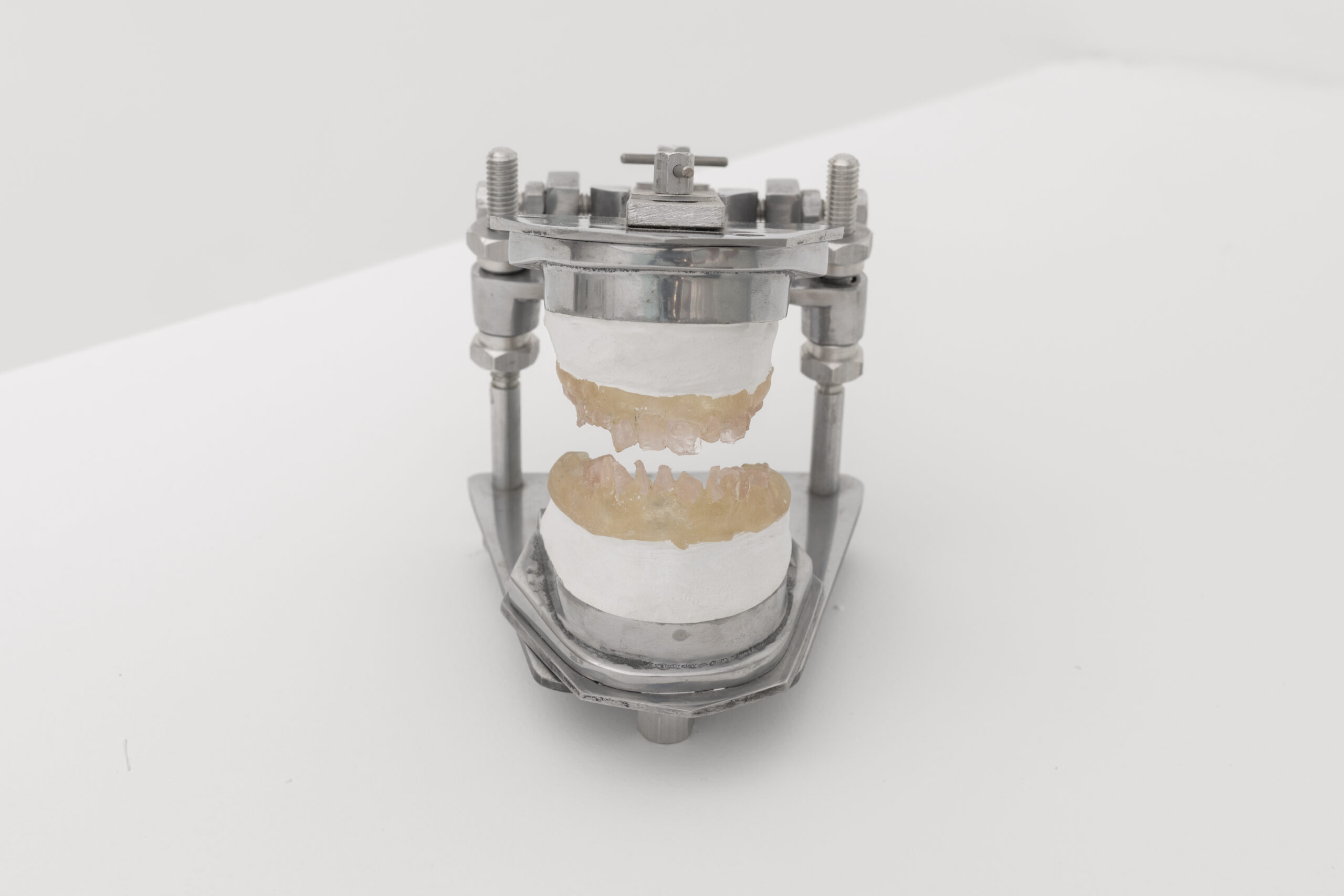
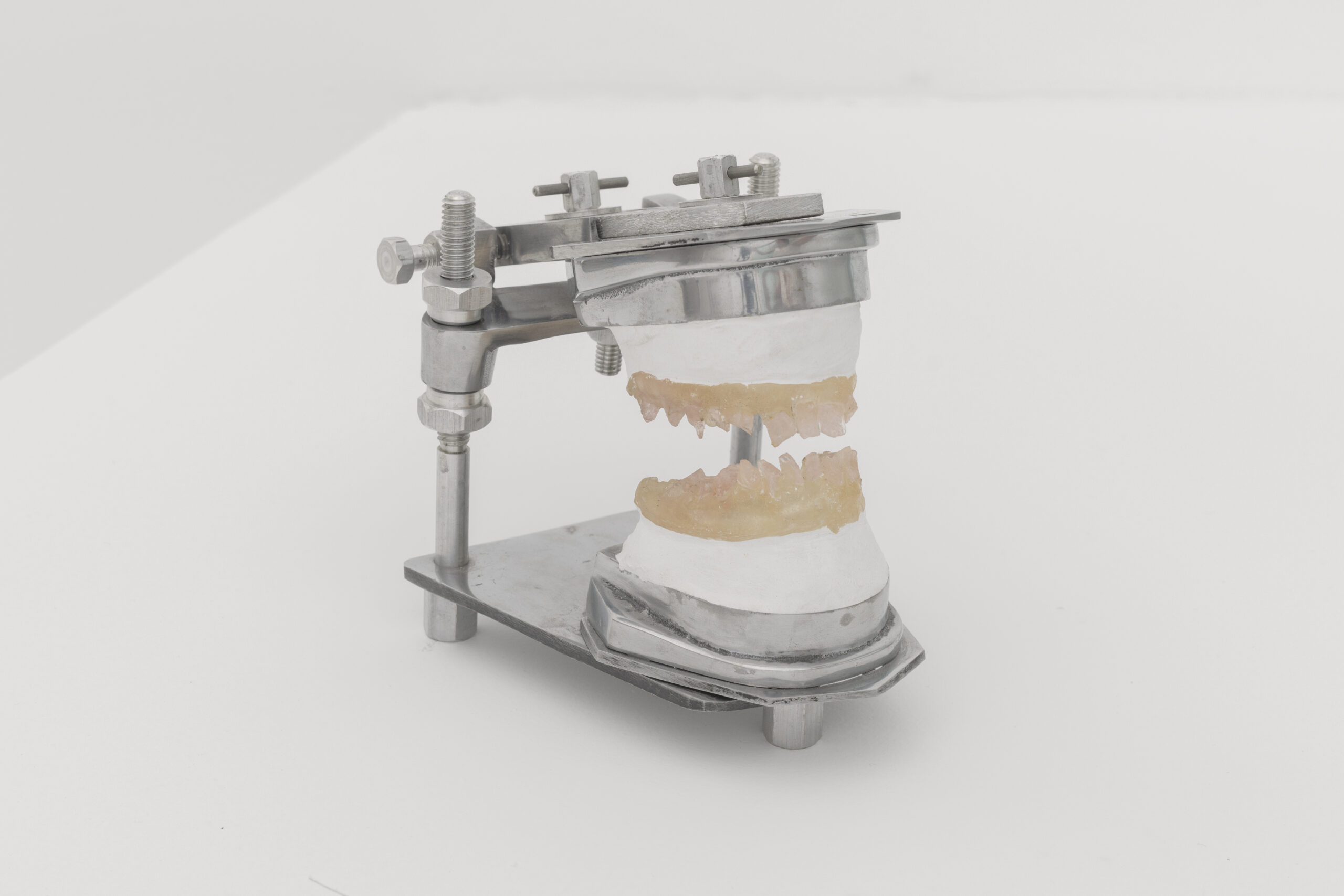
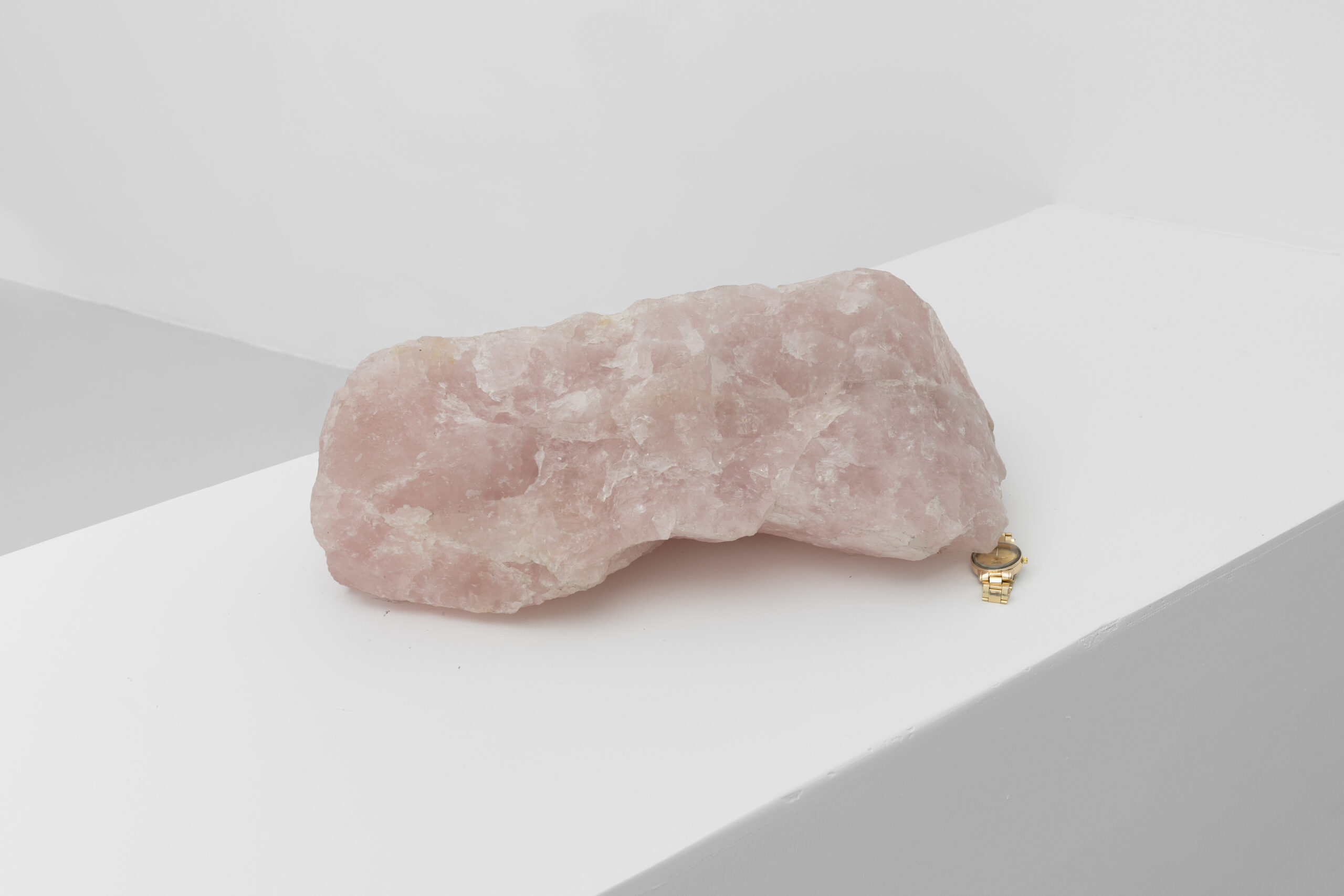
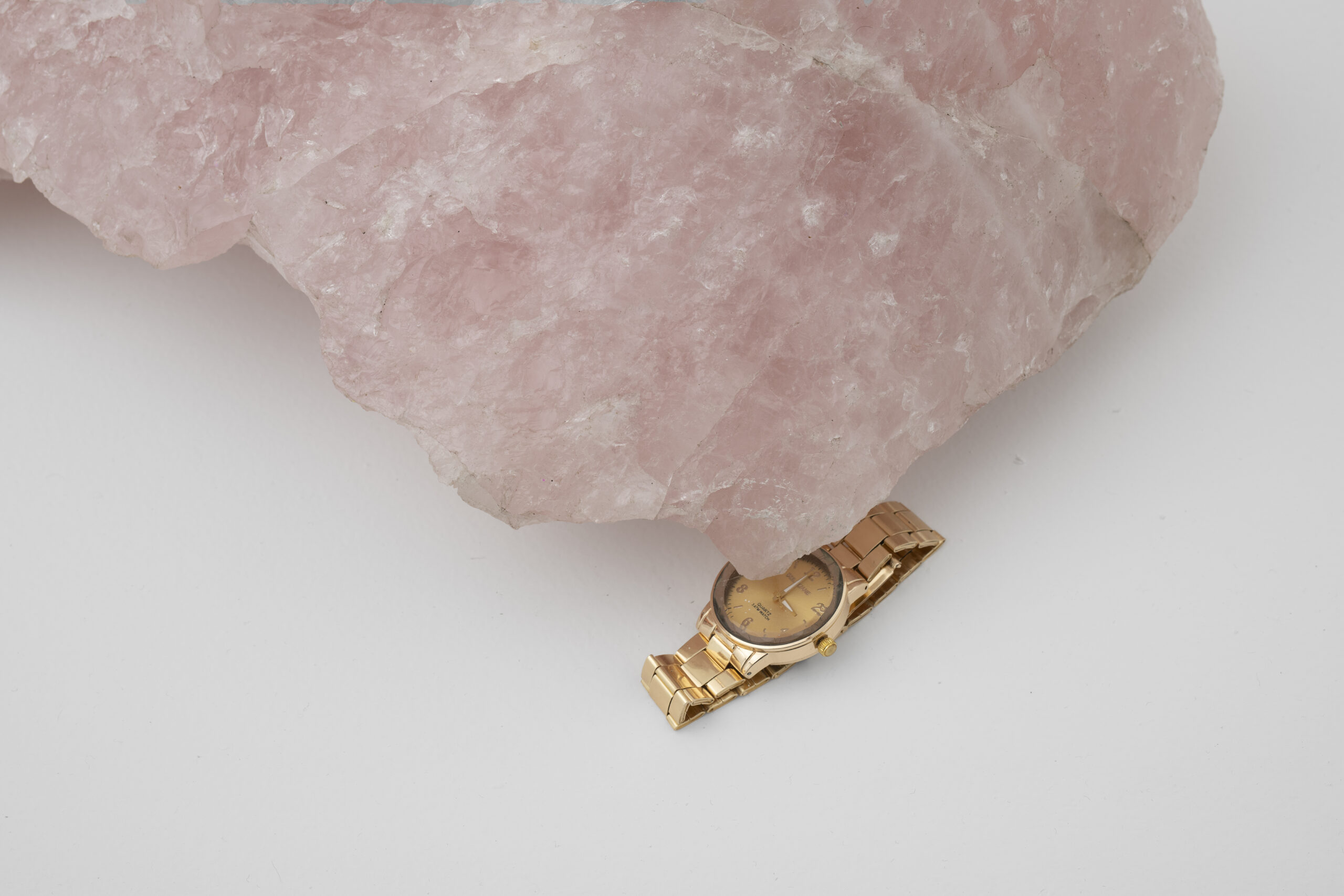
The relationship of value also manifests itself in the work of Jonas Van, who constructs fables around stones – understood not only as precious materials enshrined in various cultures, but also as elements sewn into and constituting the trans body. Jonas investigates how monstrosity can be crossed by metamorphosis, becoming valuable and never obliterated through the amalgamation of substances. He works with quartz, amethyst, tourmaline, obsidian and other stones, attributing to these minerals possible processes of transfiguration – not to remake states of violence, but to establish an alchemy anchored in the vitality of life.
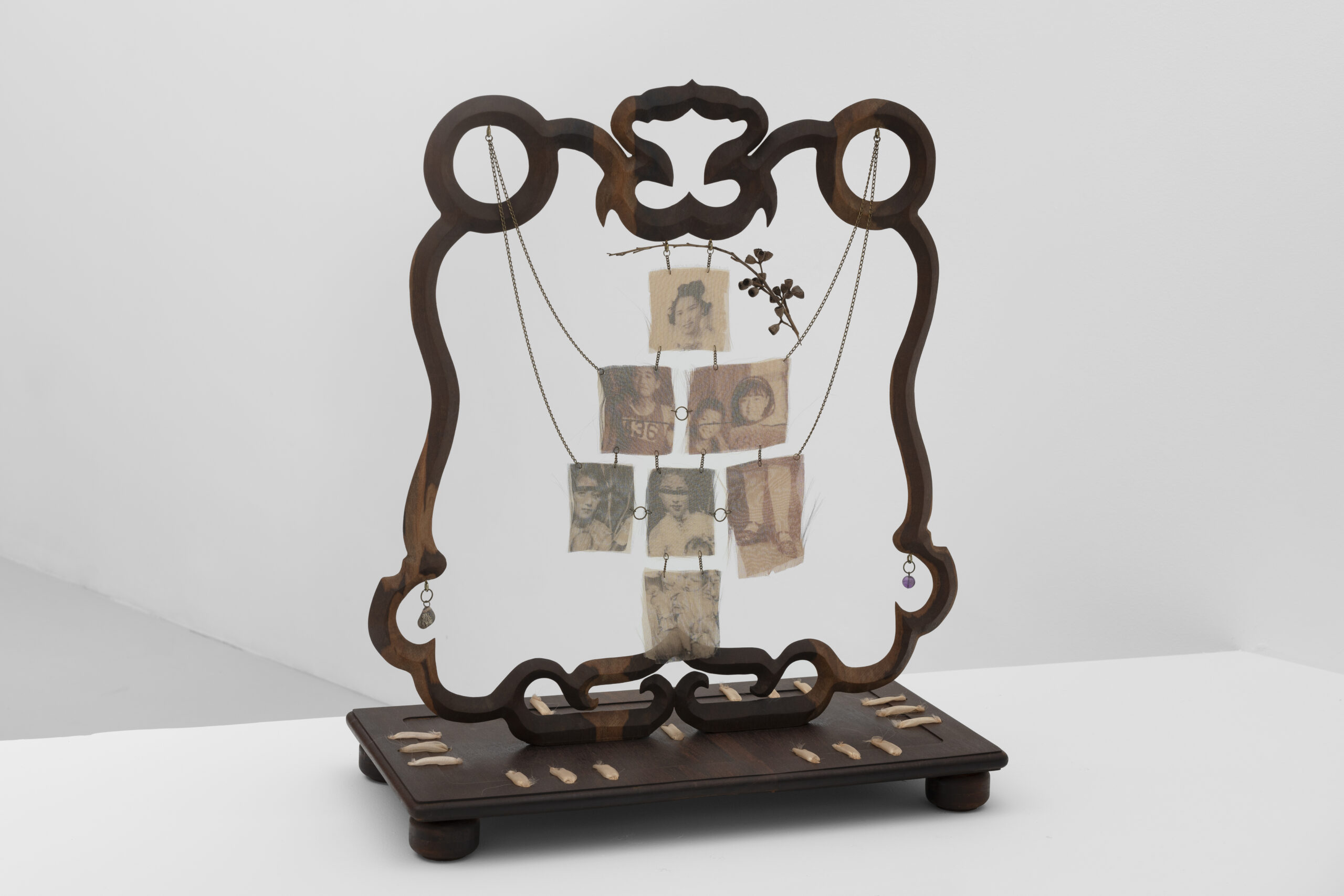
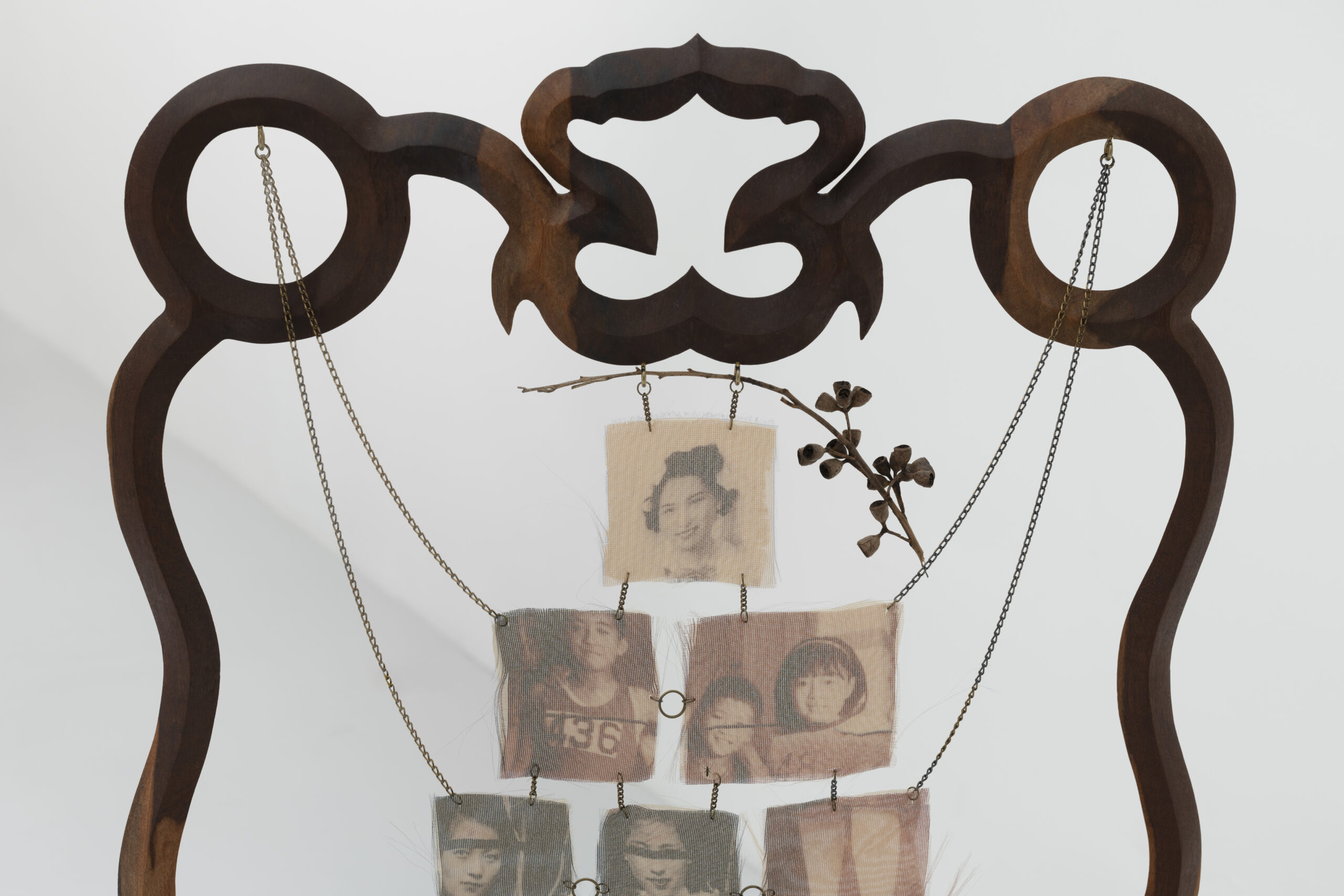

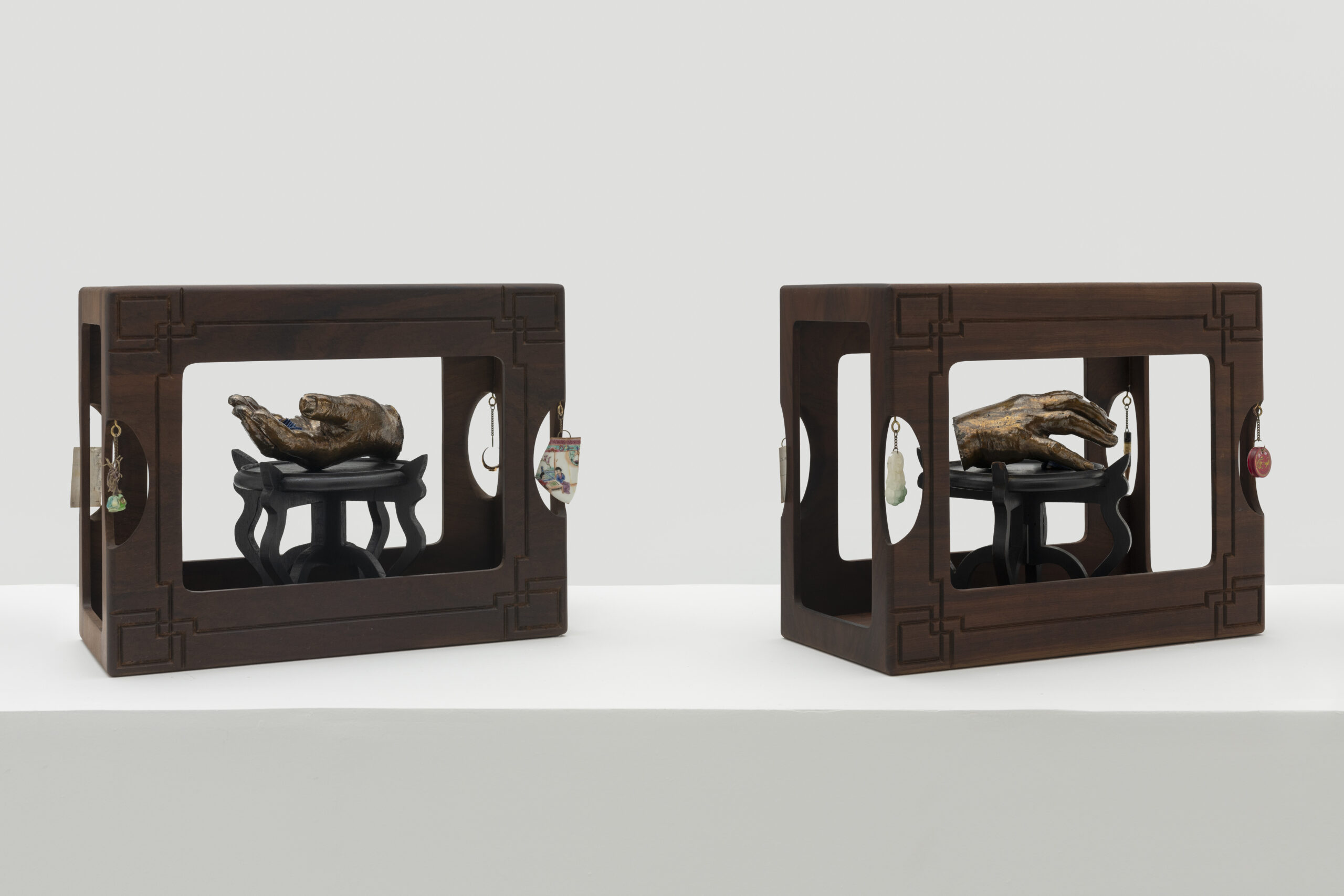
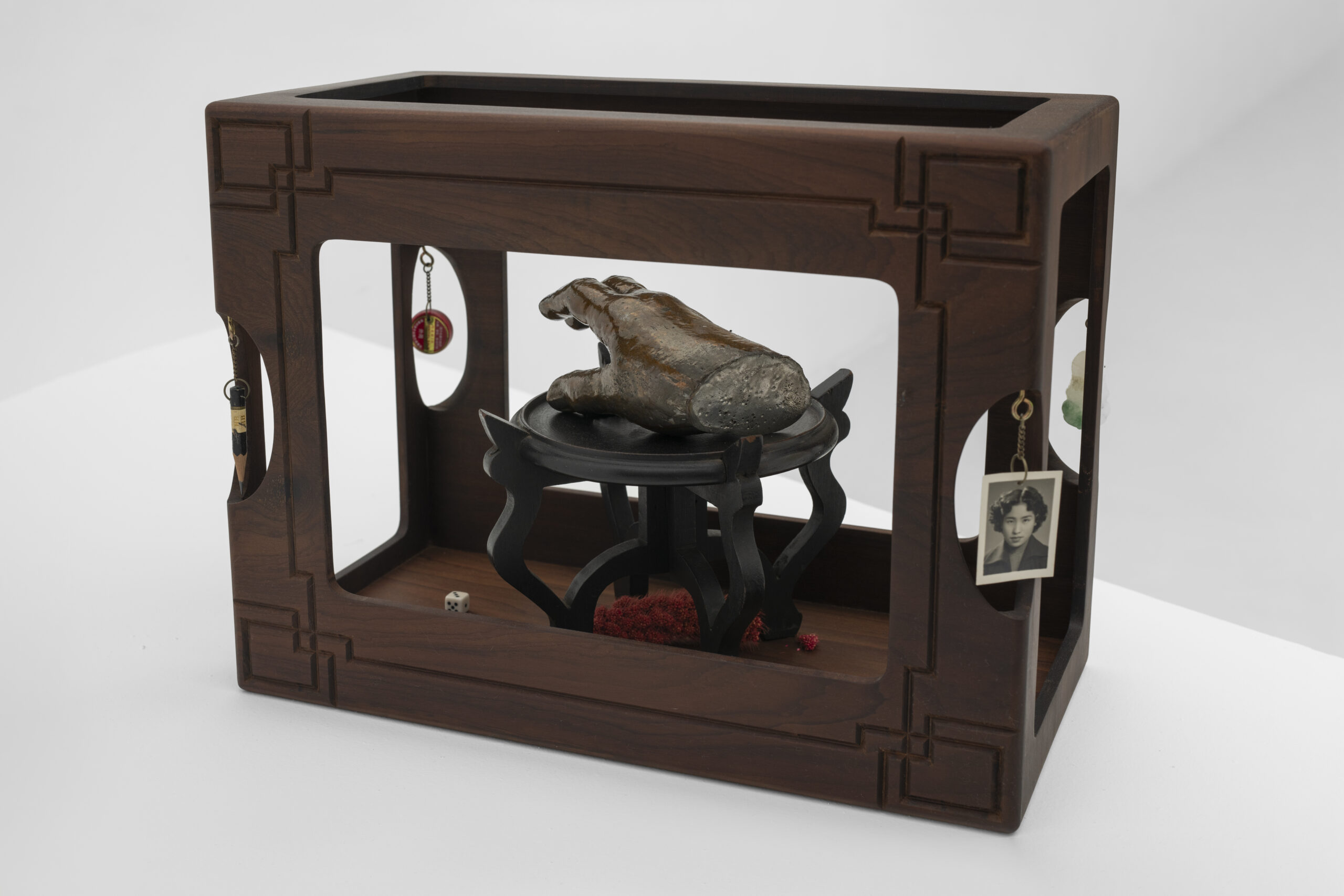
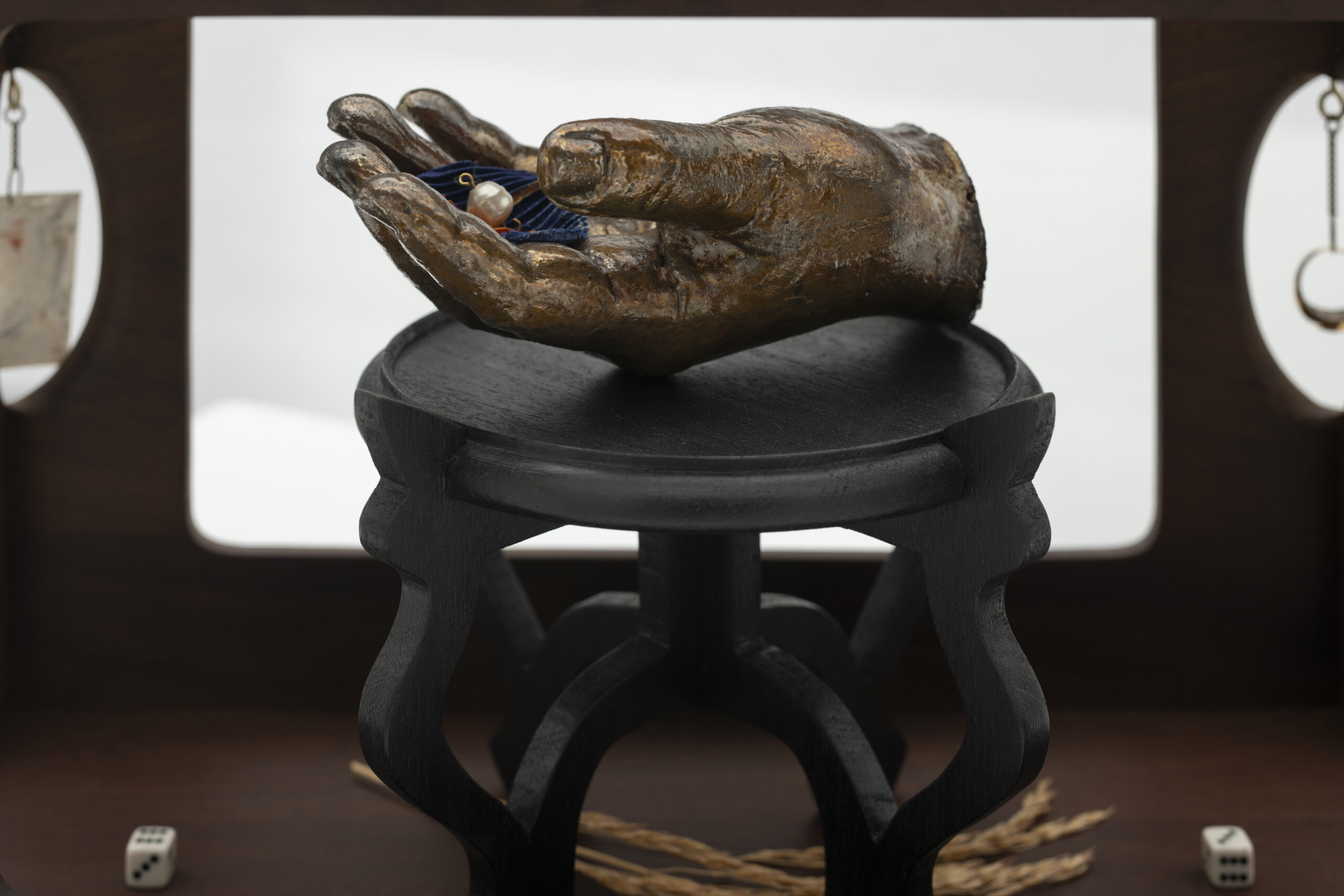
The intimate and the guarded – the home in its archives – unfold in Caroline Ricca Lee’s work. With each object touched, wefts of stories emerge, intertwined with the choice of materials, in a process of energetic feedback that shapes altars of sorts. Photos, textiles, wood, porcelain, analog files and creations that pass through multiple hands make up her work.
Almost like a collection of small artifacts, his work manifests a collective presence, revealed in the number of bodies that are inscribed in each element. Regardless of scale, size or weight, what defines them is the degree of value deposited there.
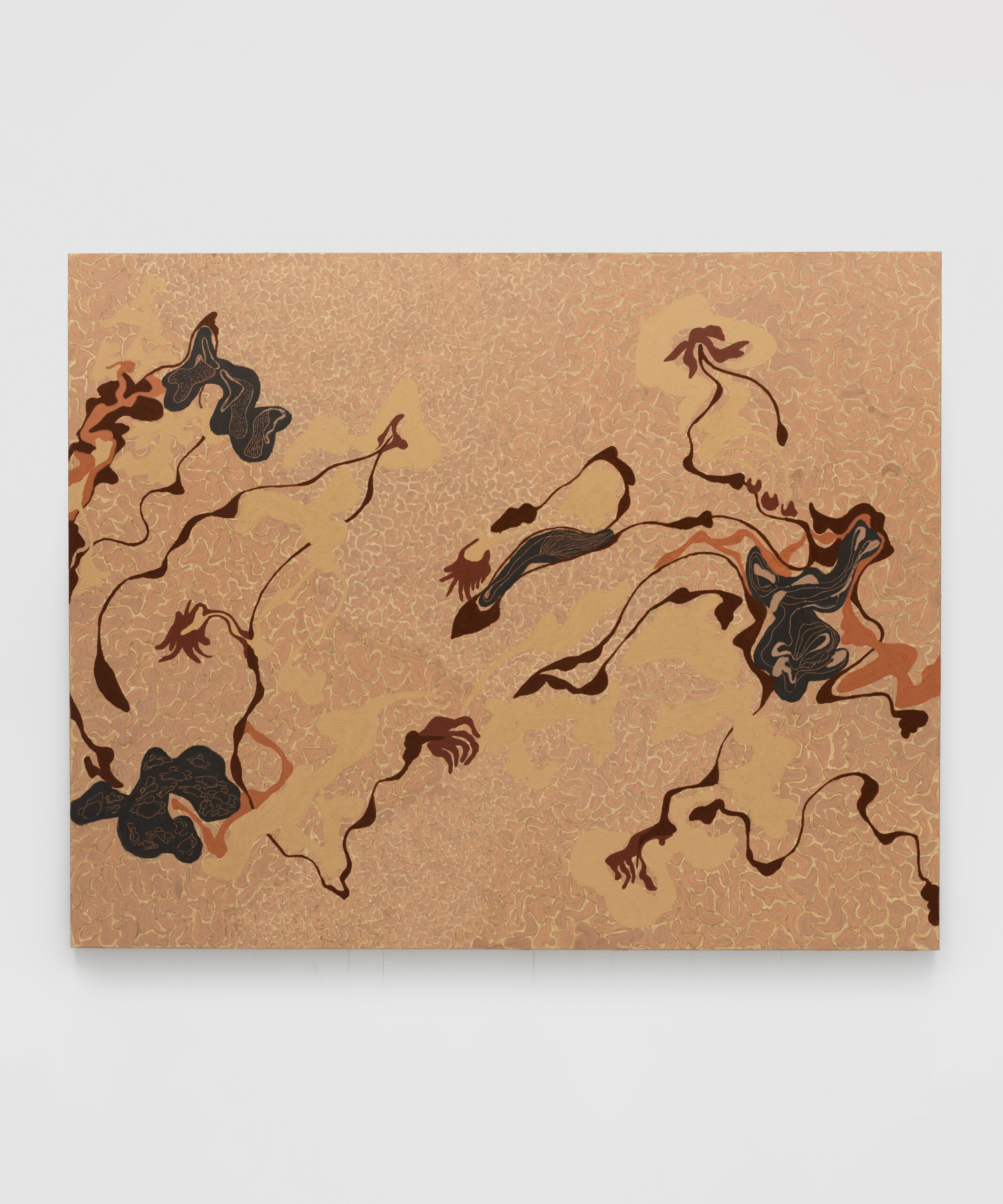
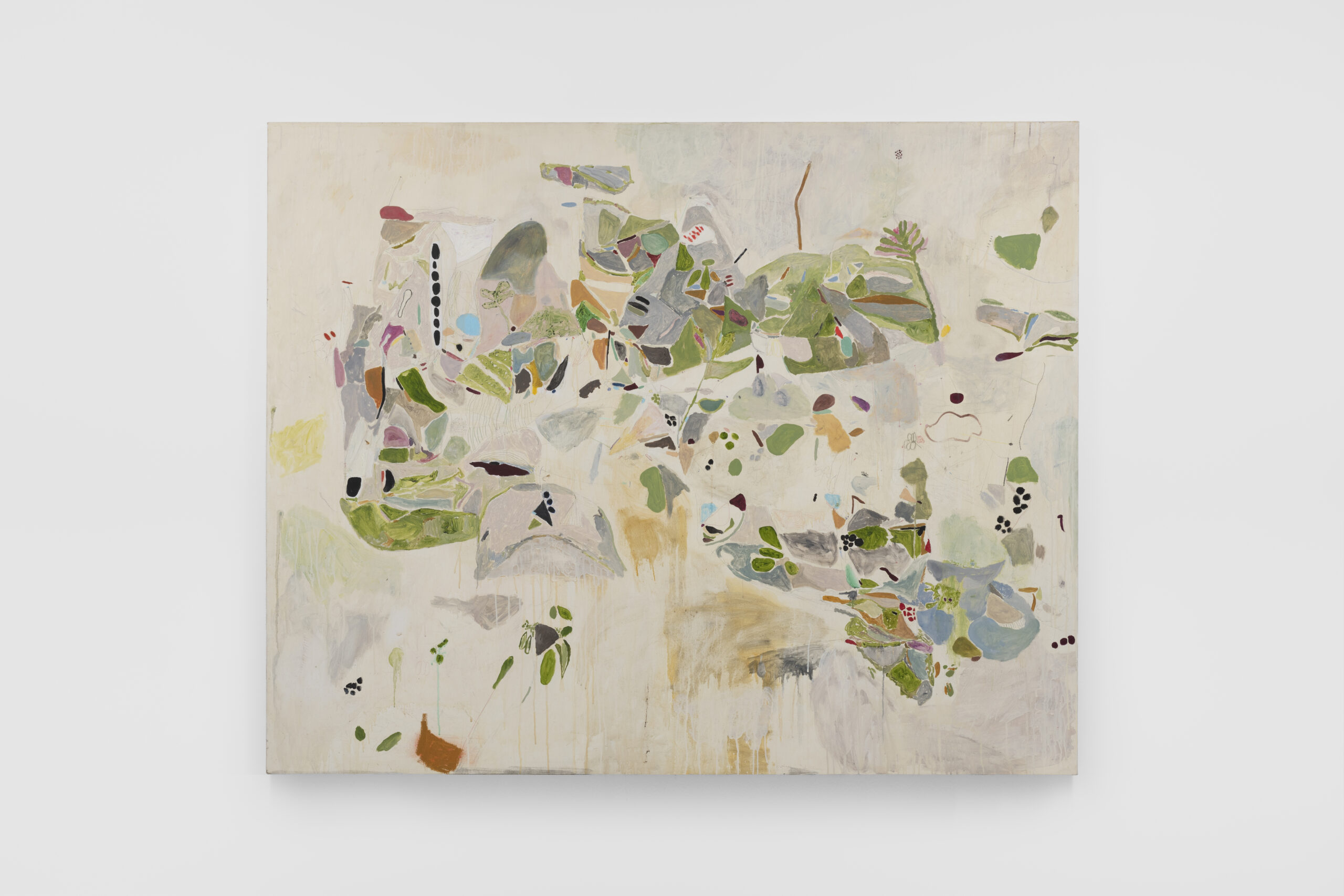
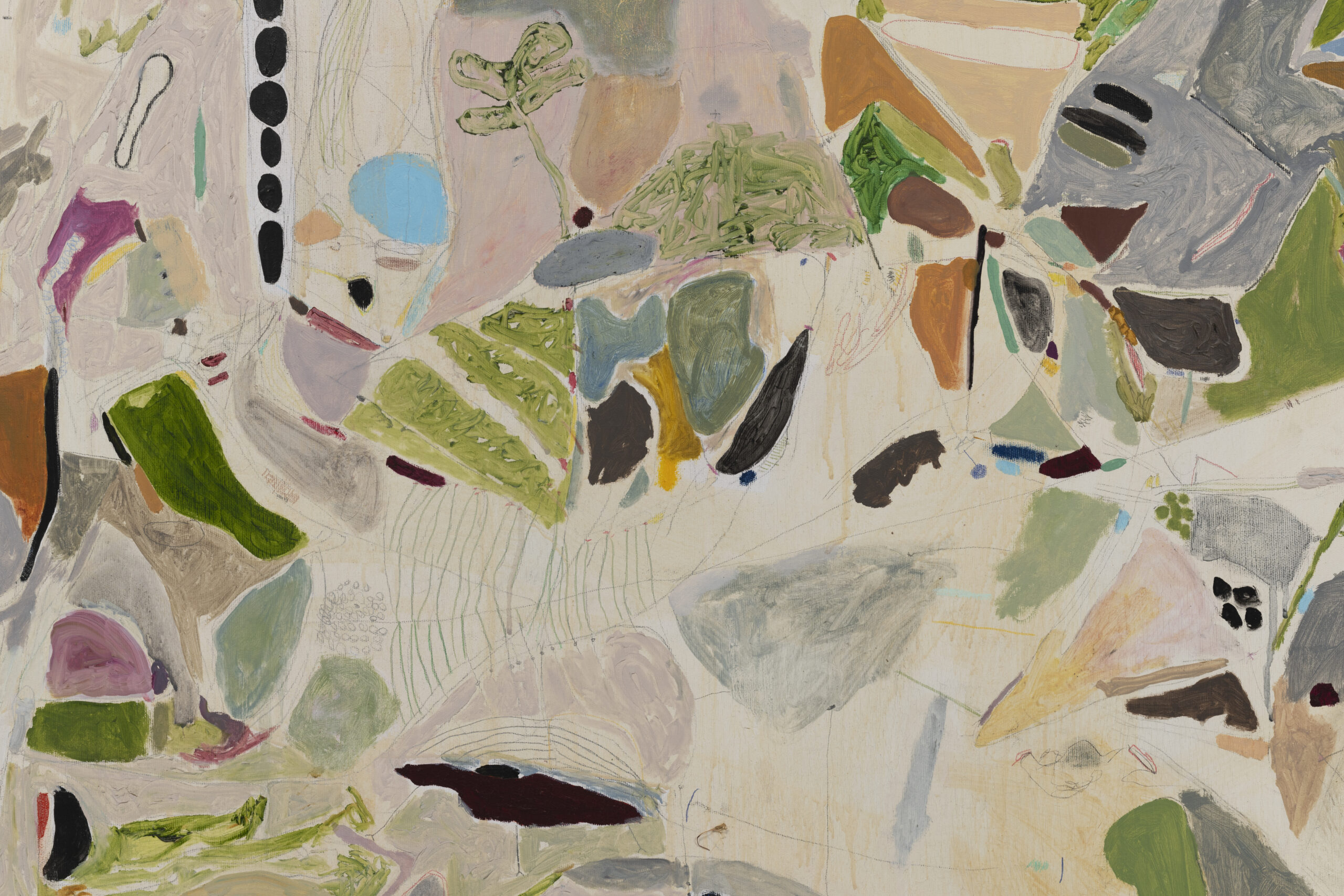
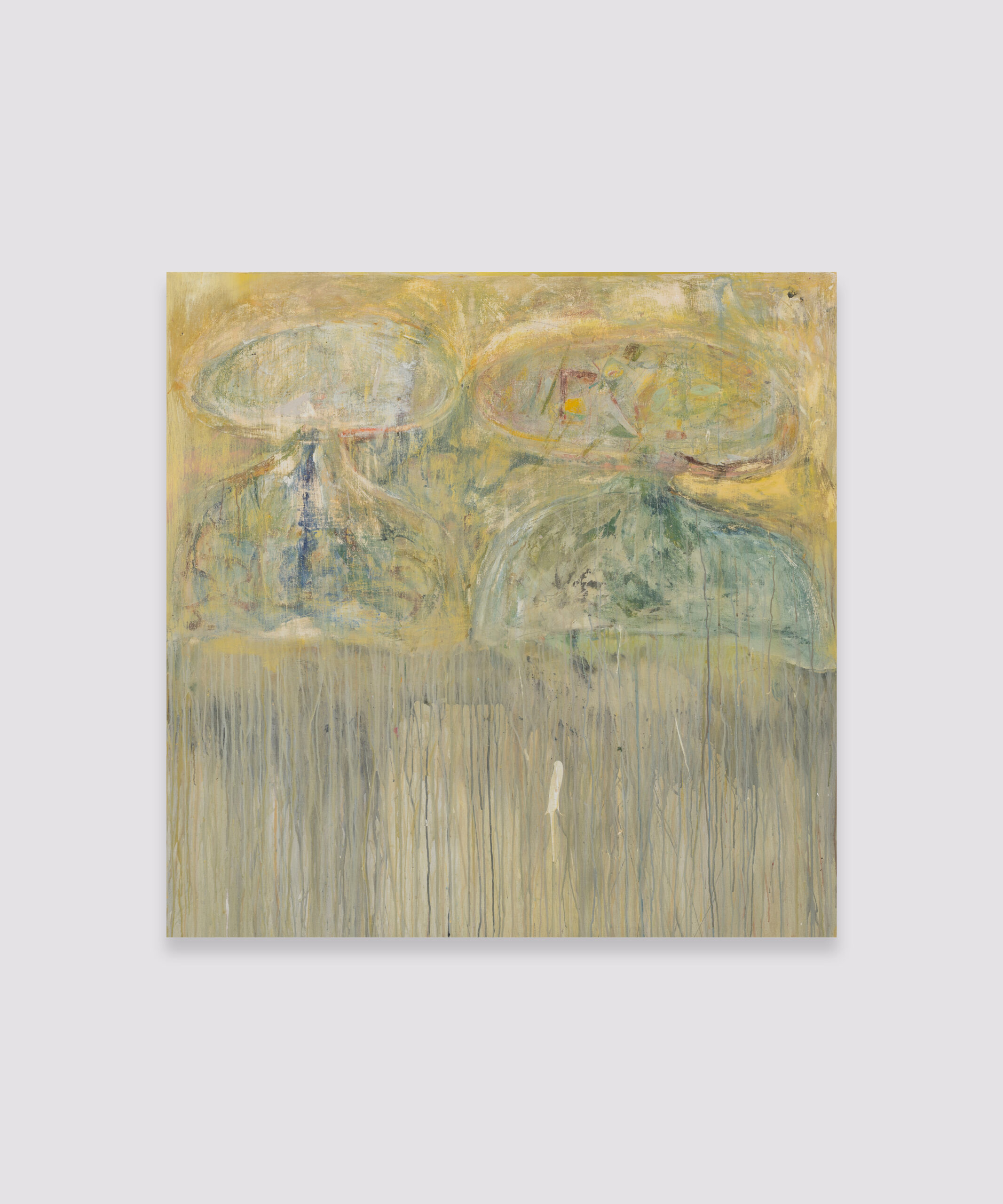
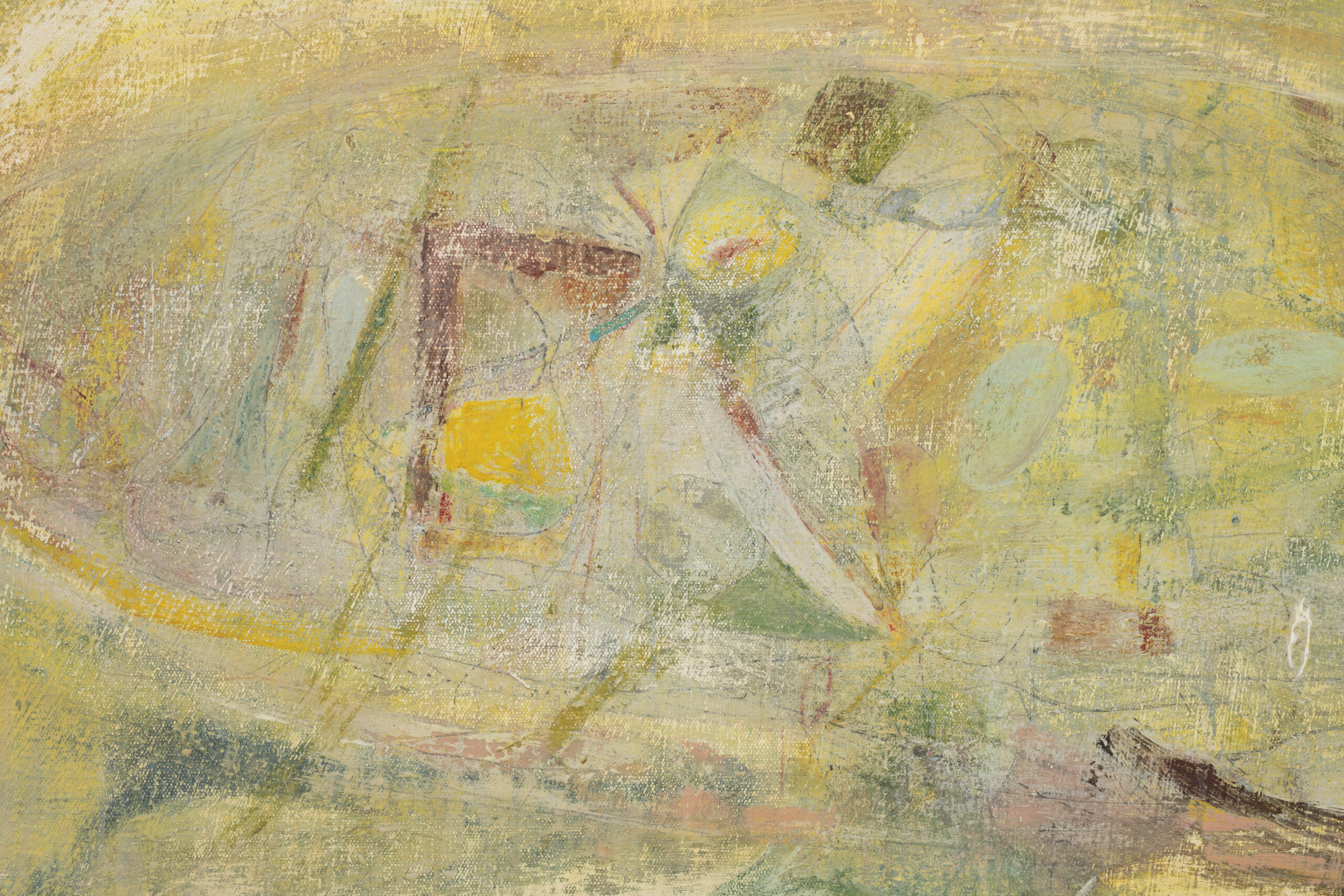
Finally, the works of Lu Ferreira and Carla Santana present pictorial landscapes in constant transformation. Carla dwells on the expansion of clay itself, creating canvases and sculptures that reveal the diversity of bodies contained in each fragment of the material – its variations of metals, minerals and other microscopic elements. Lu, on the other hand, uses water as a dissolving agent, blurring the surfaces of her paintings, soaking them, washing them and making possible scenarios even more turbid, refusing to commit to explaining, detailing or organizing each image.
Ariana Nuala