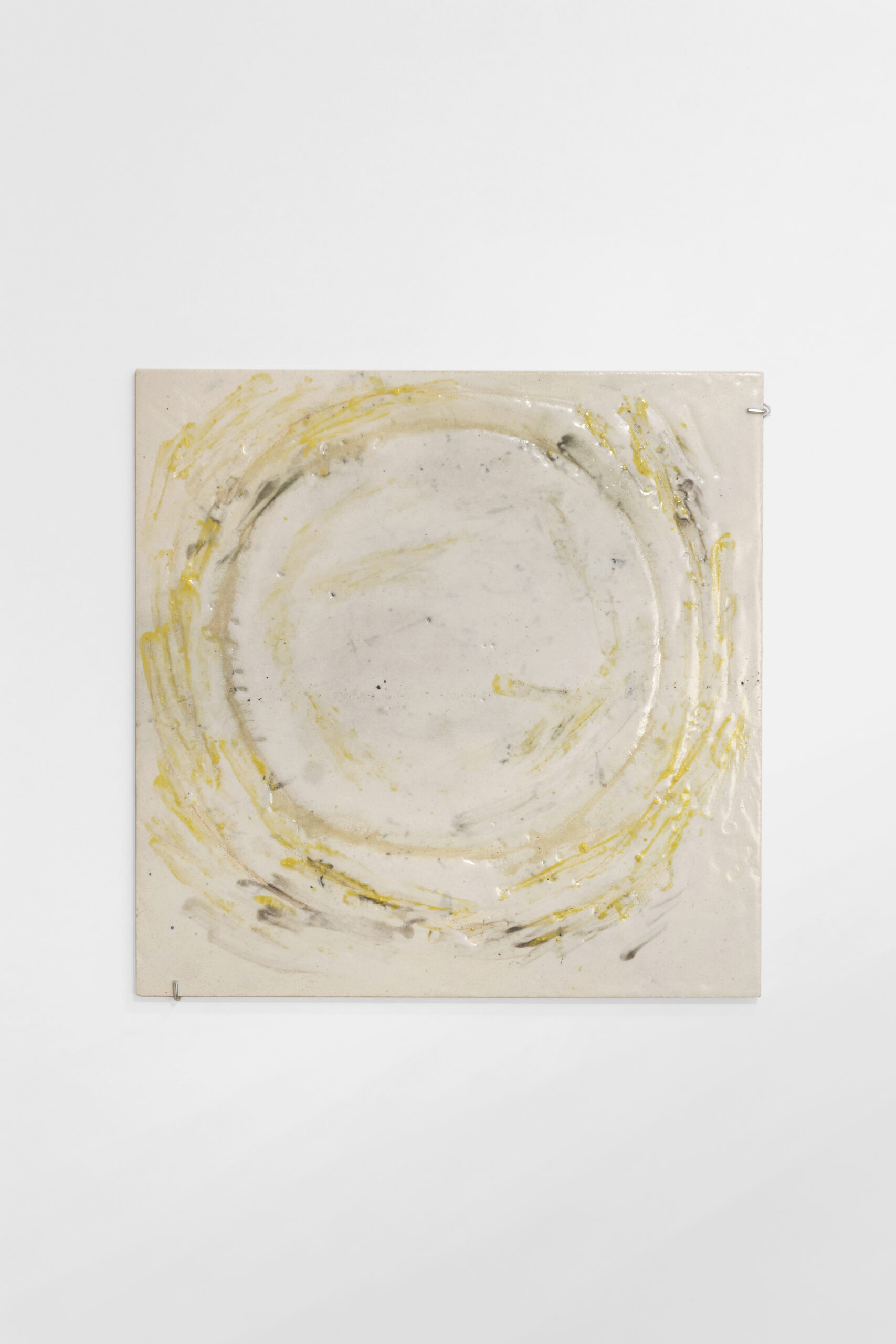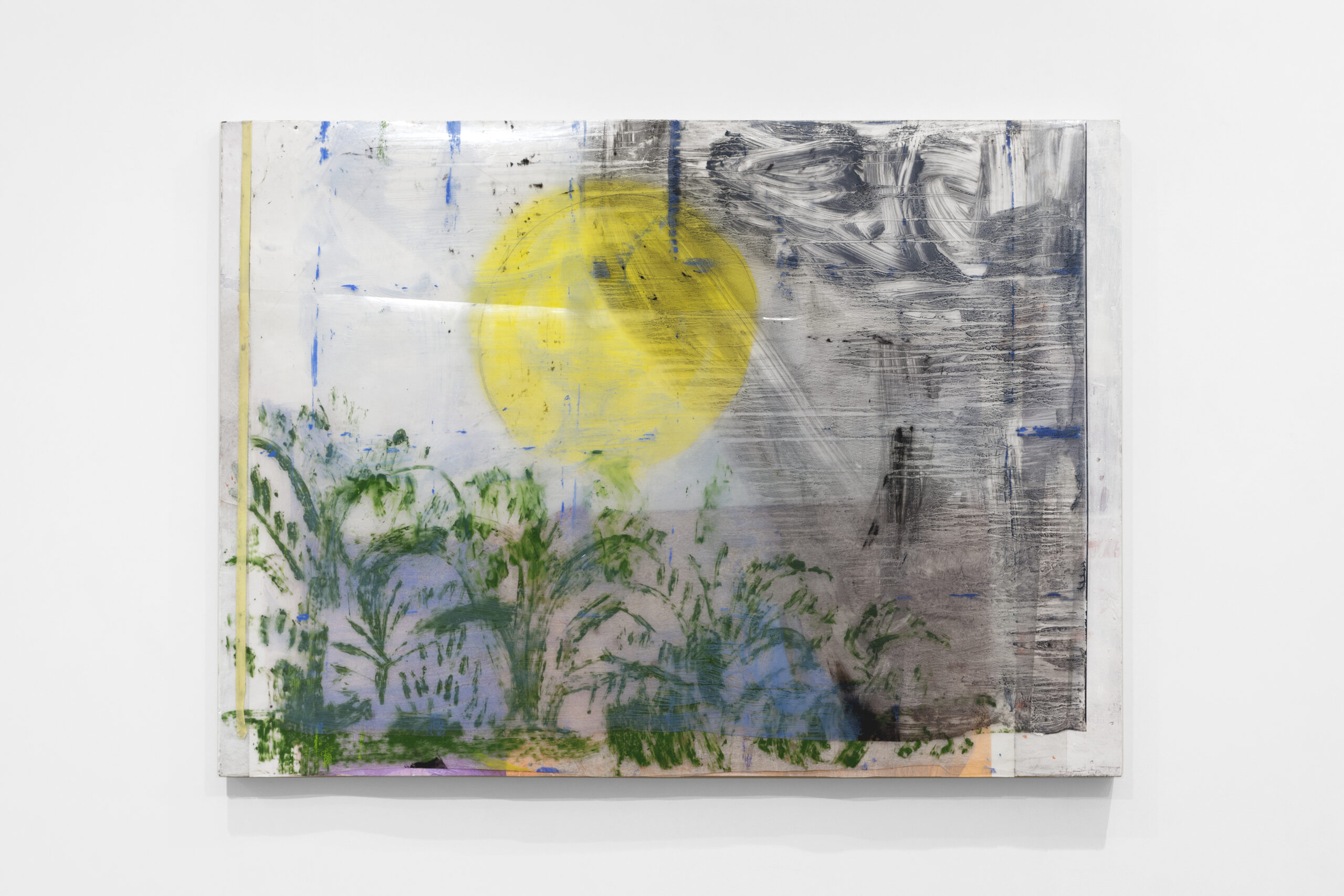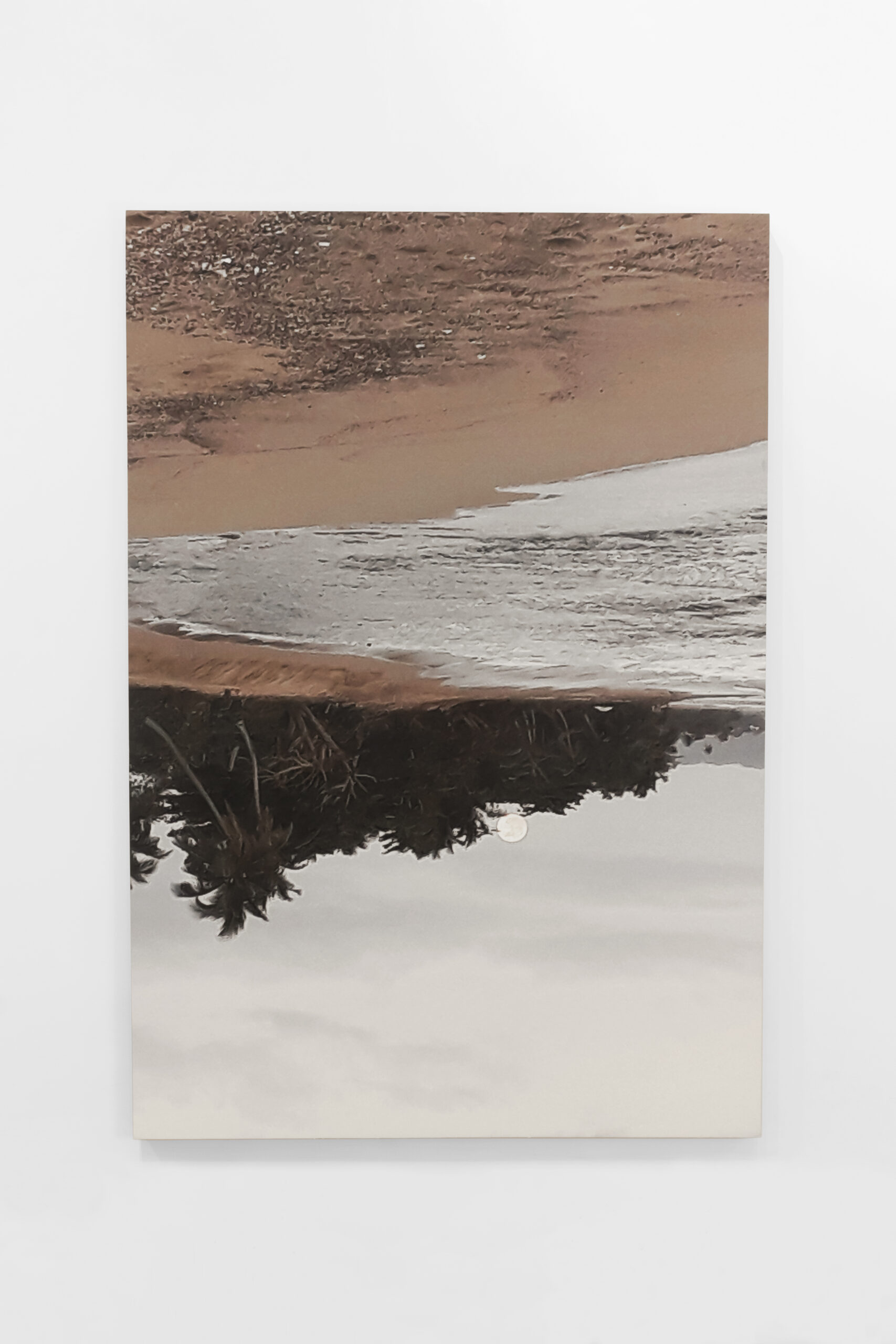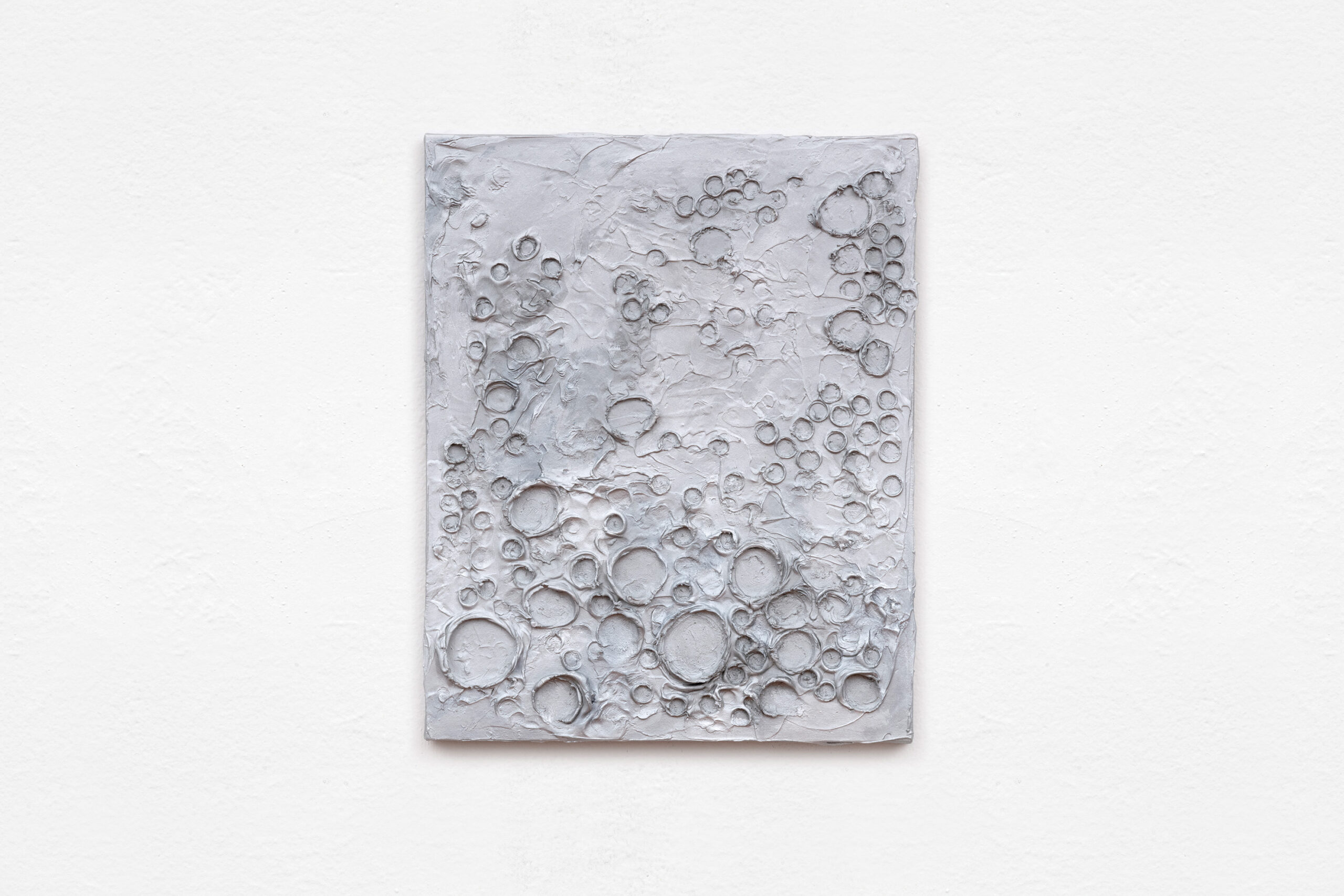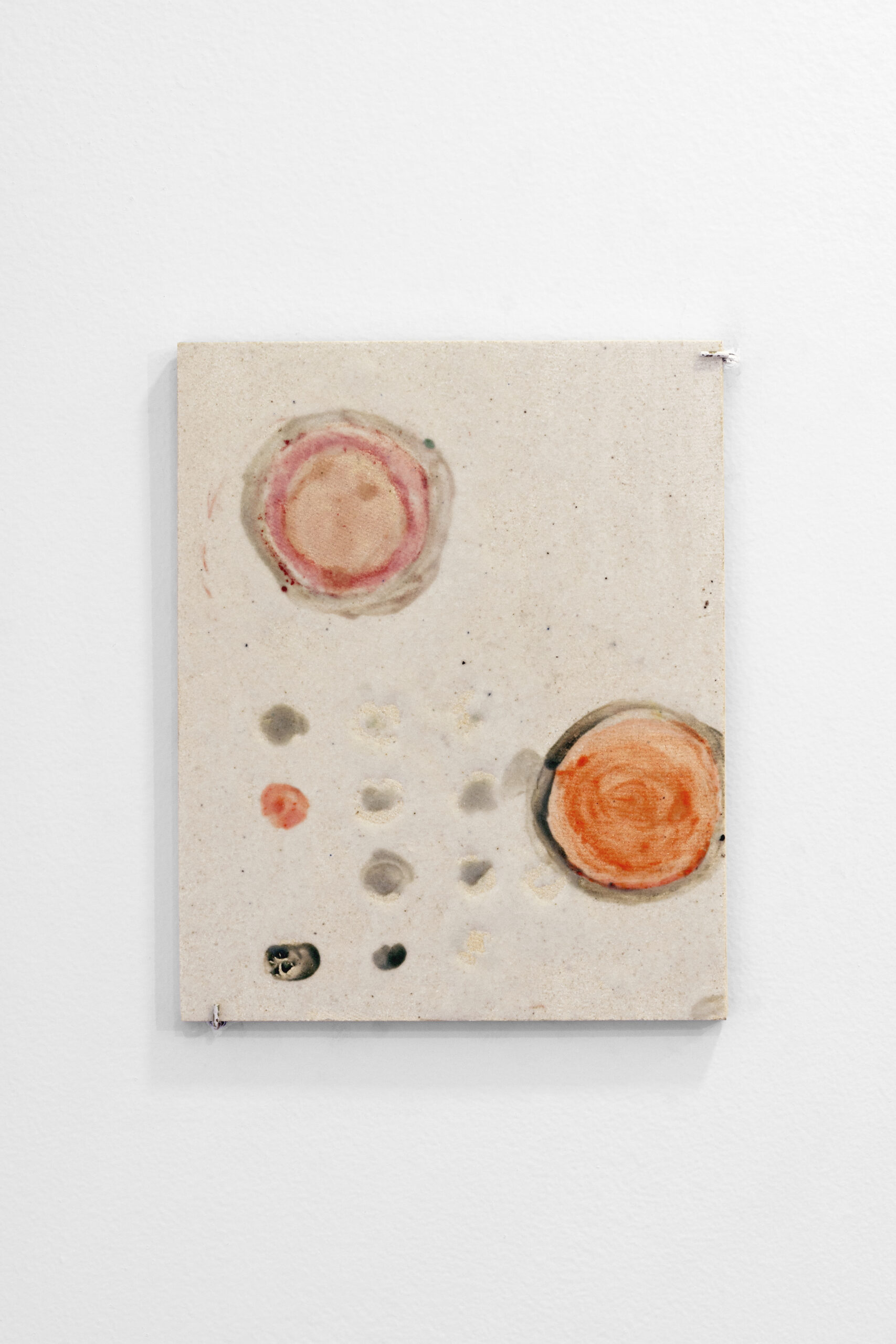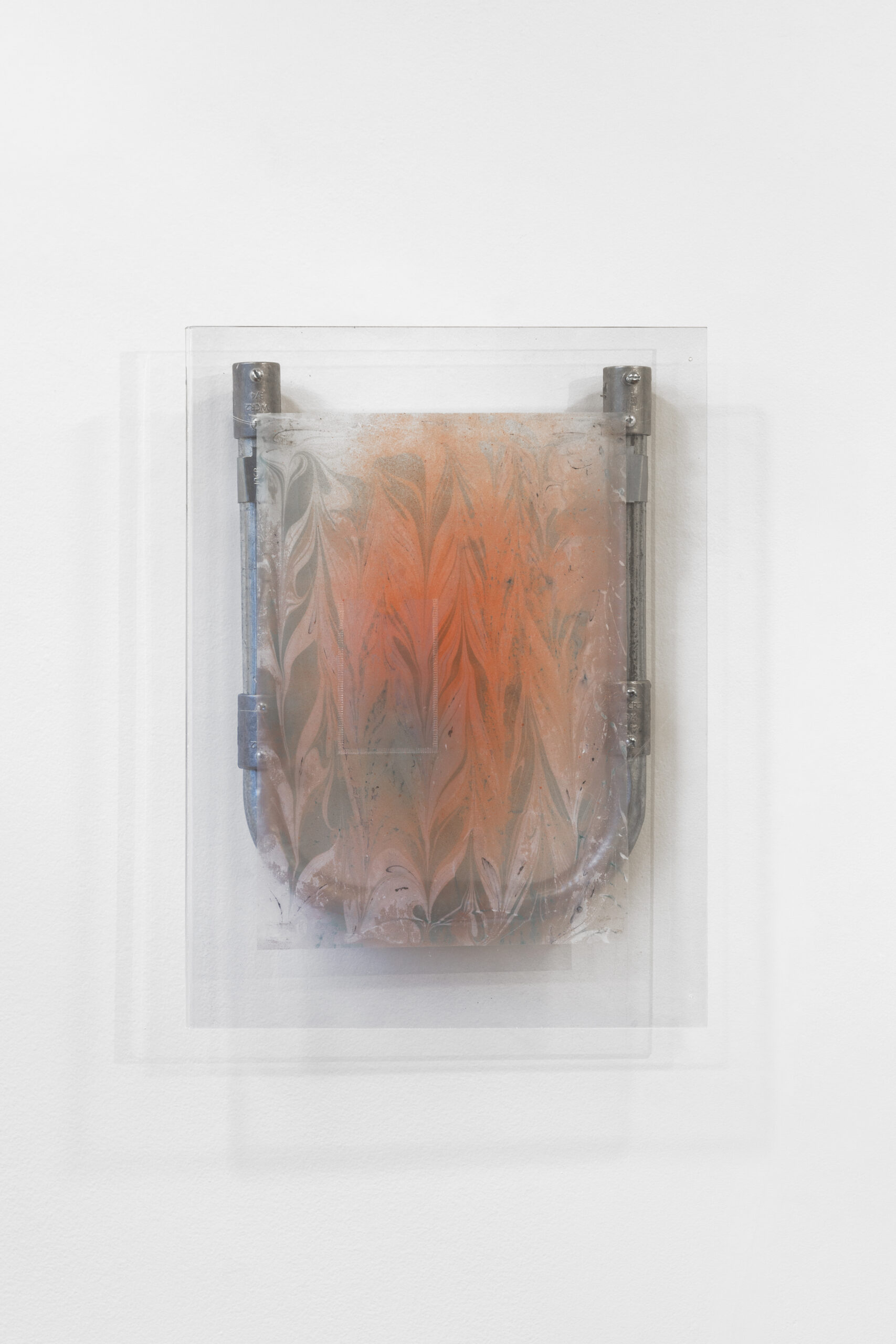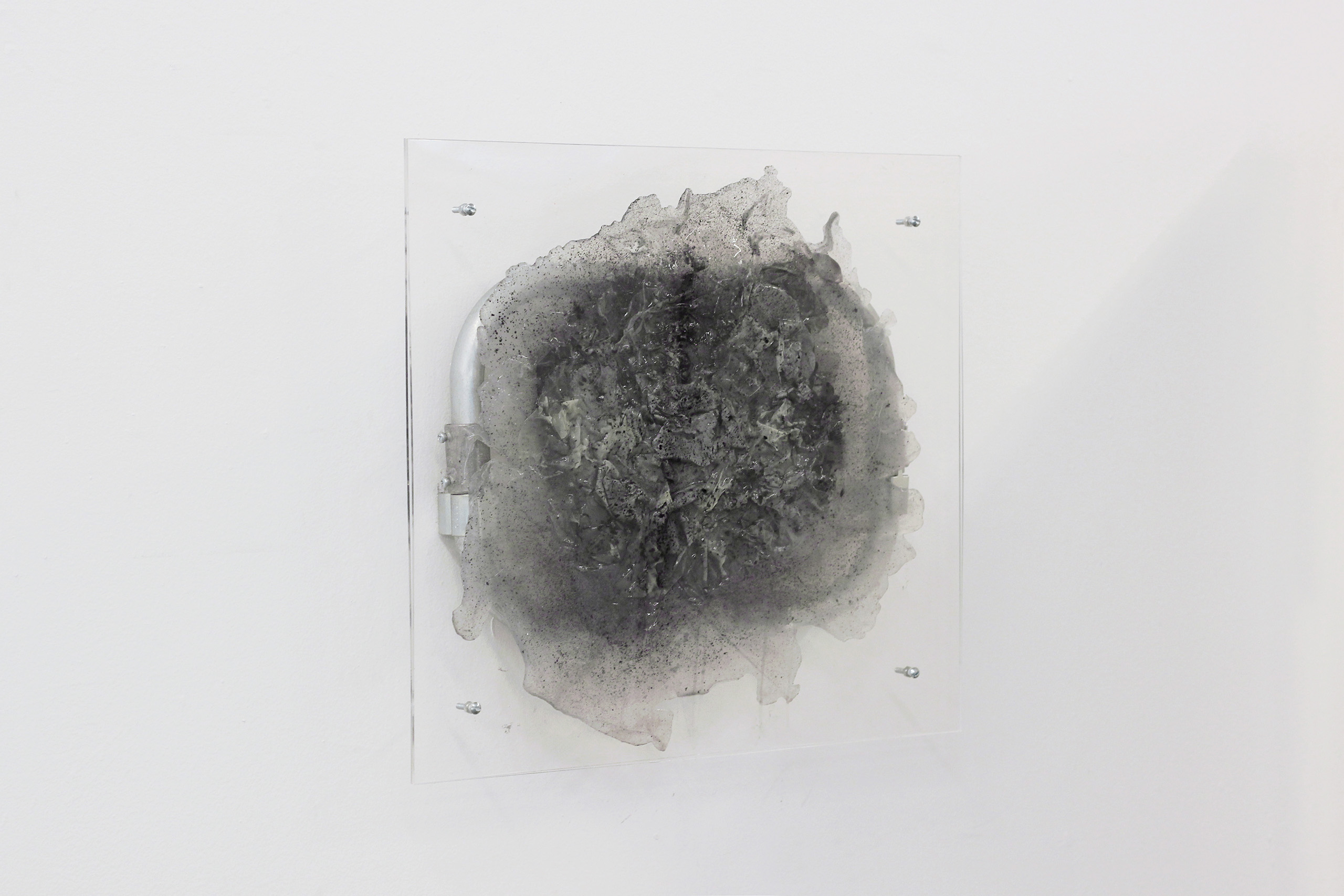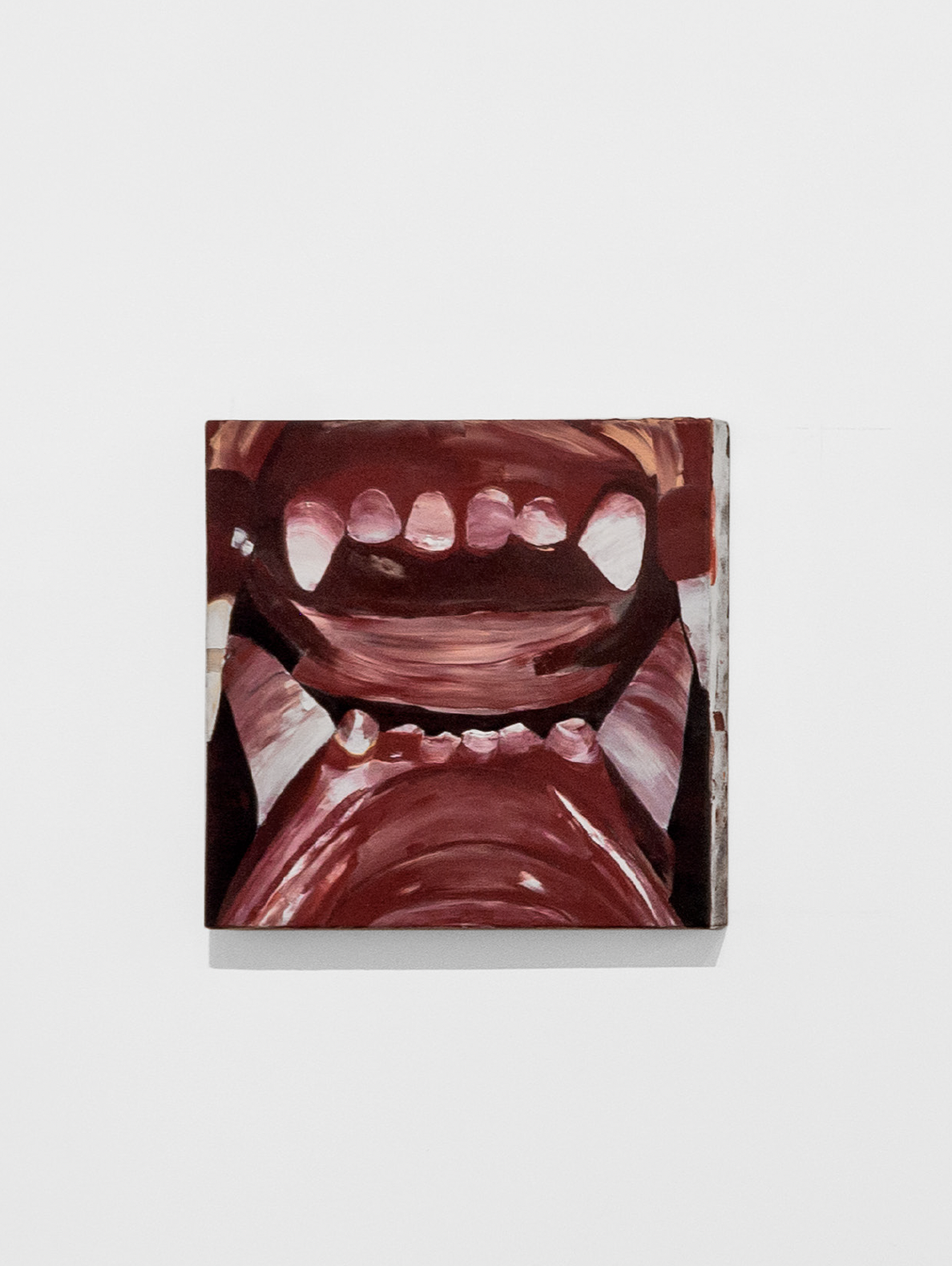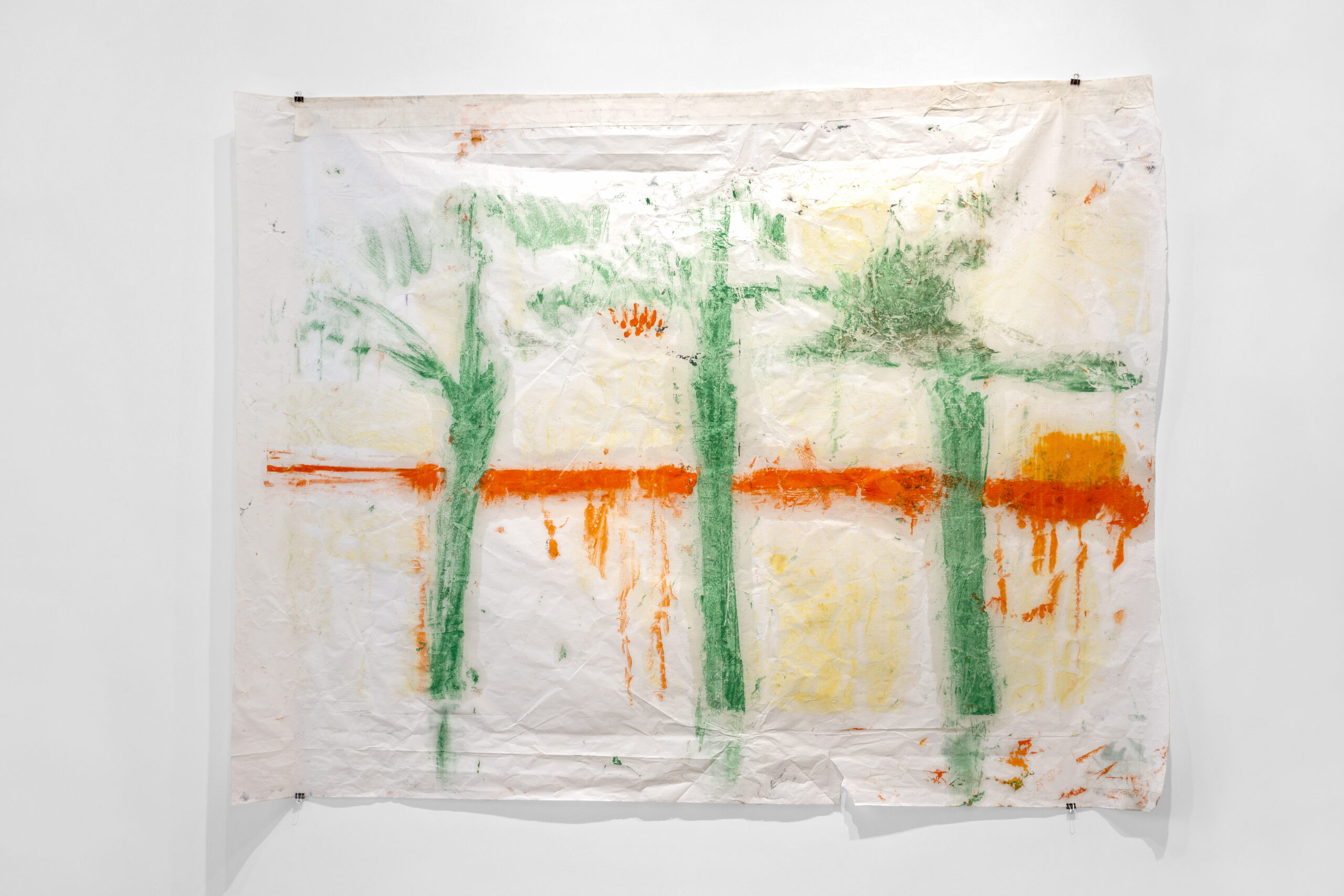
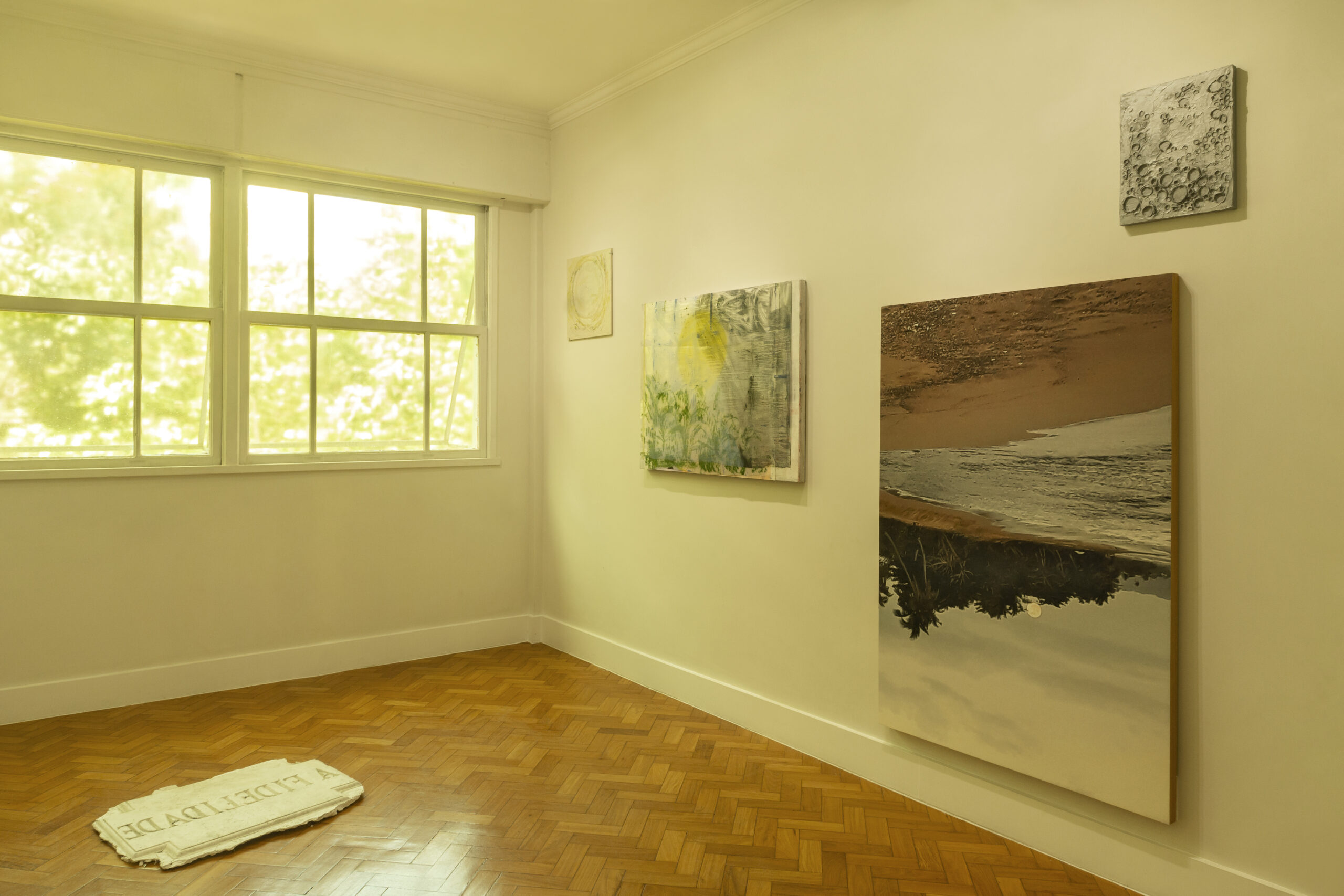
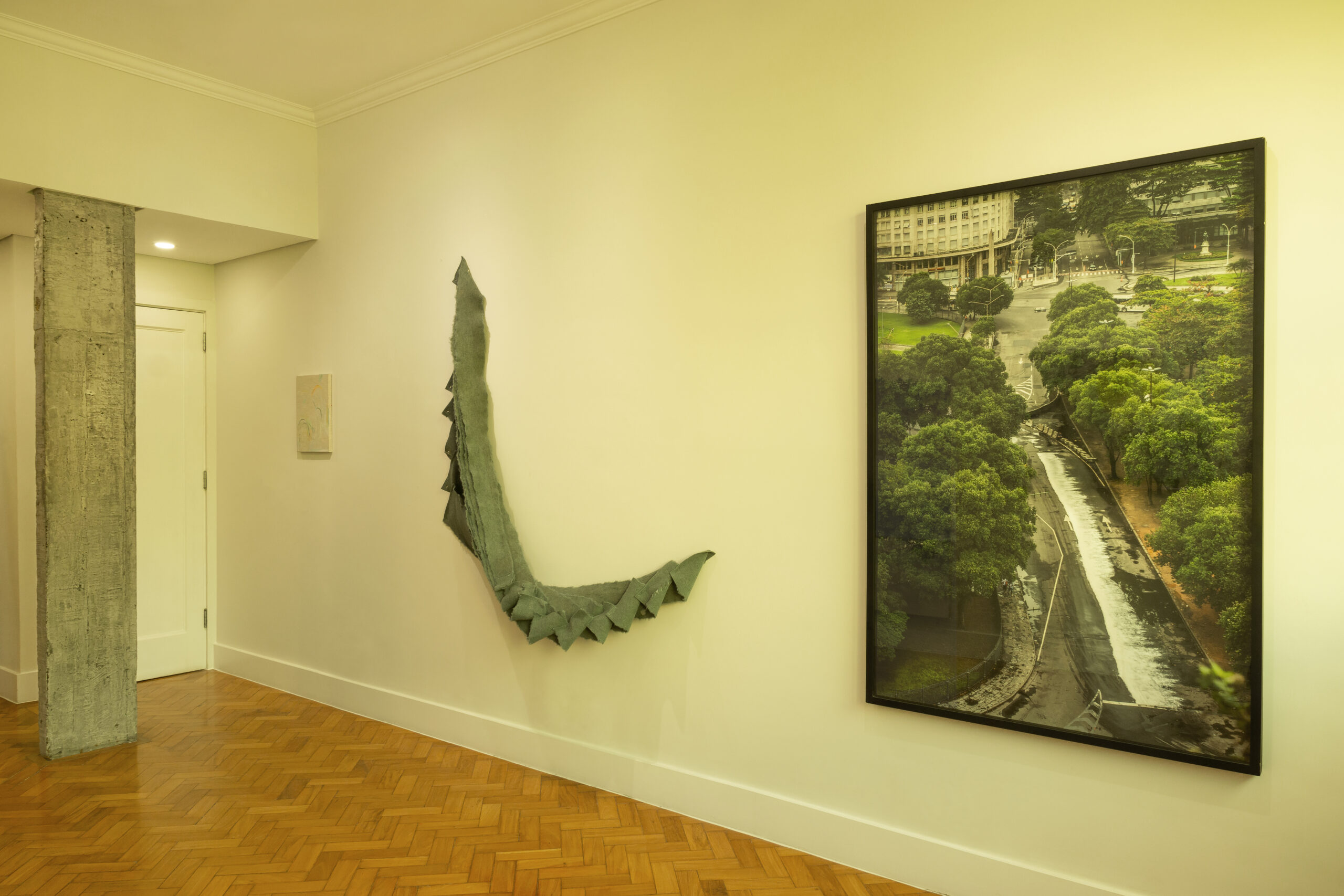
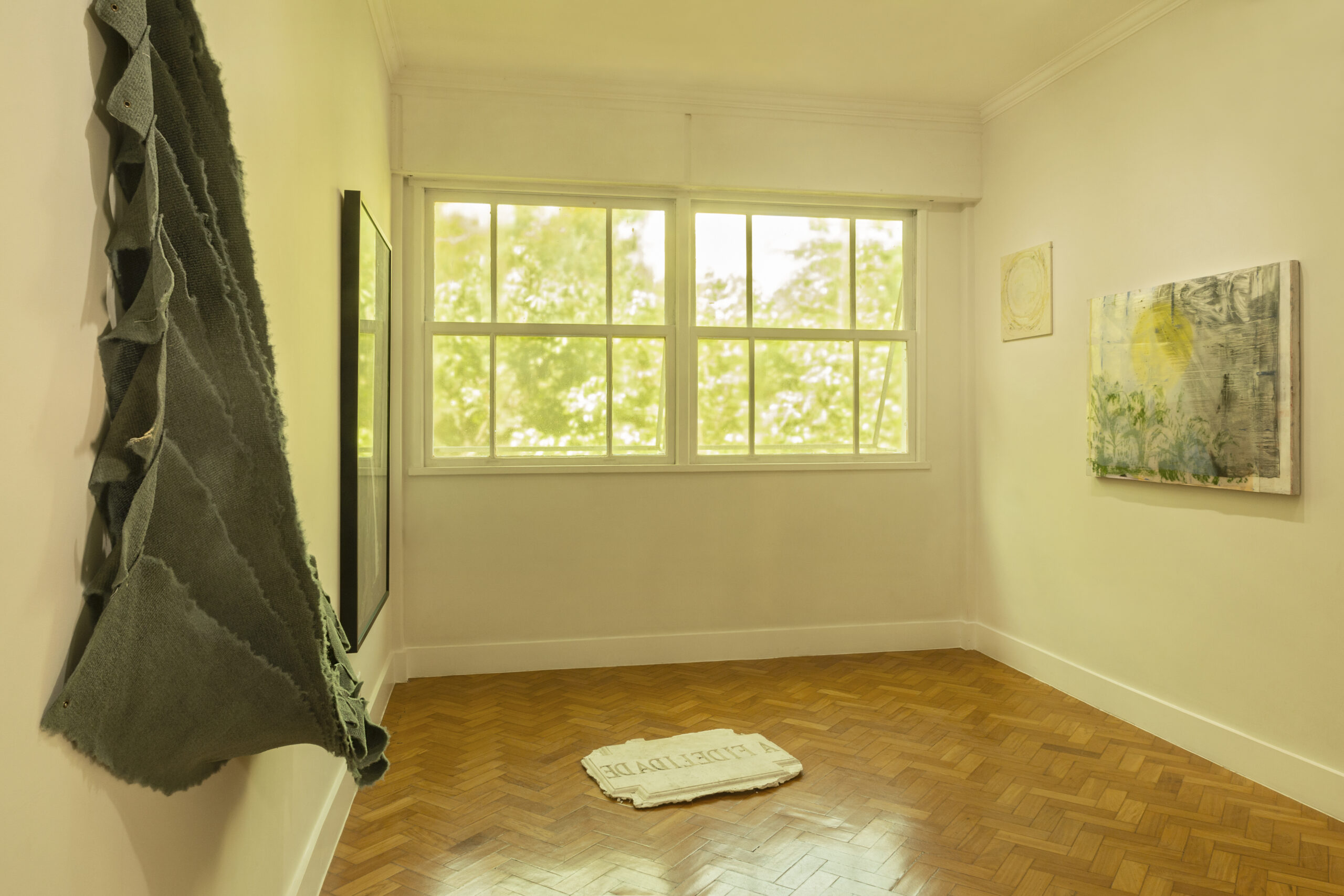
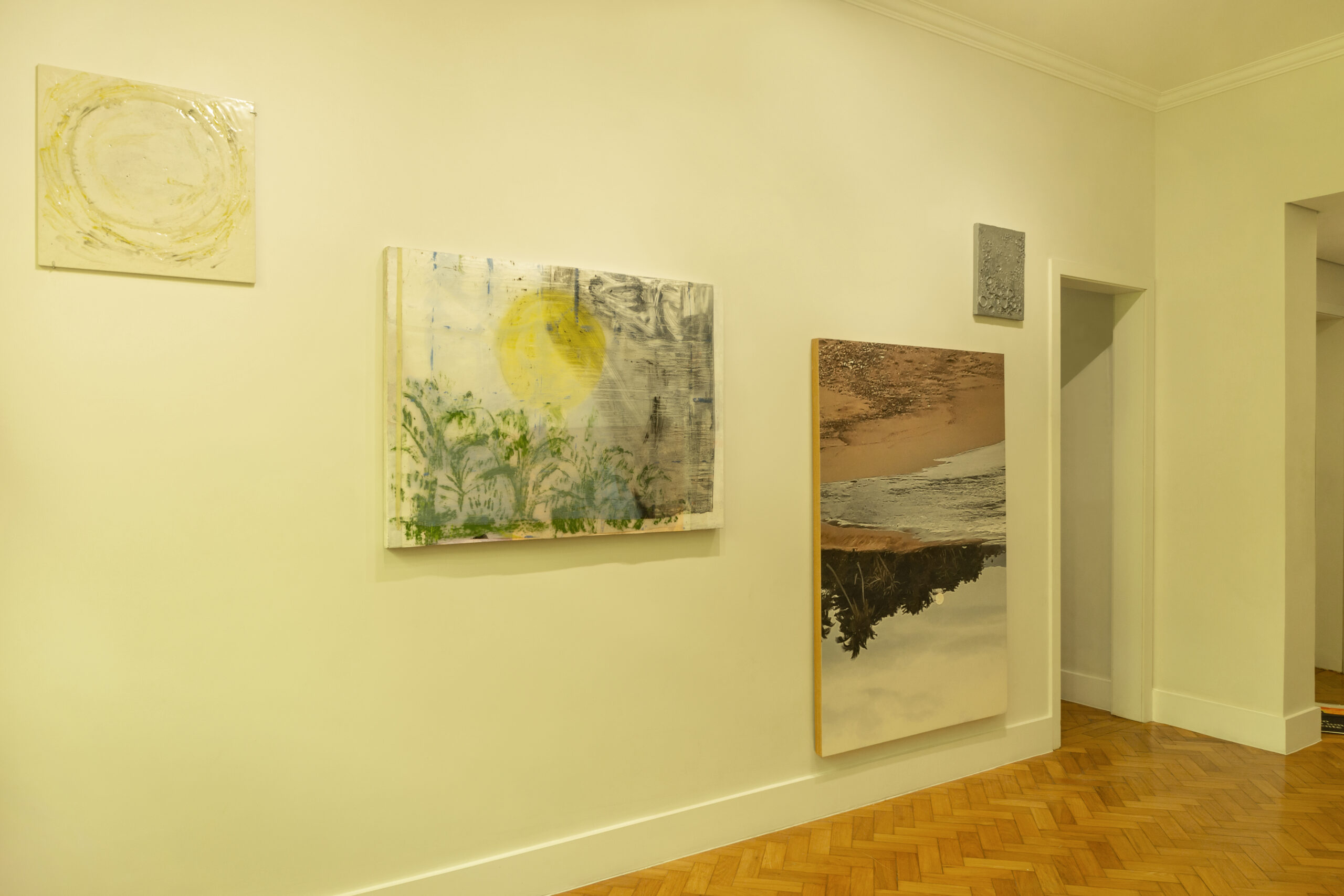
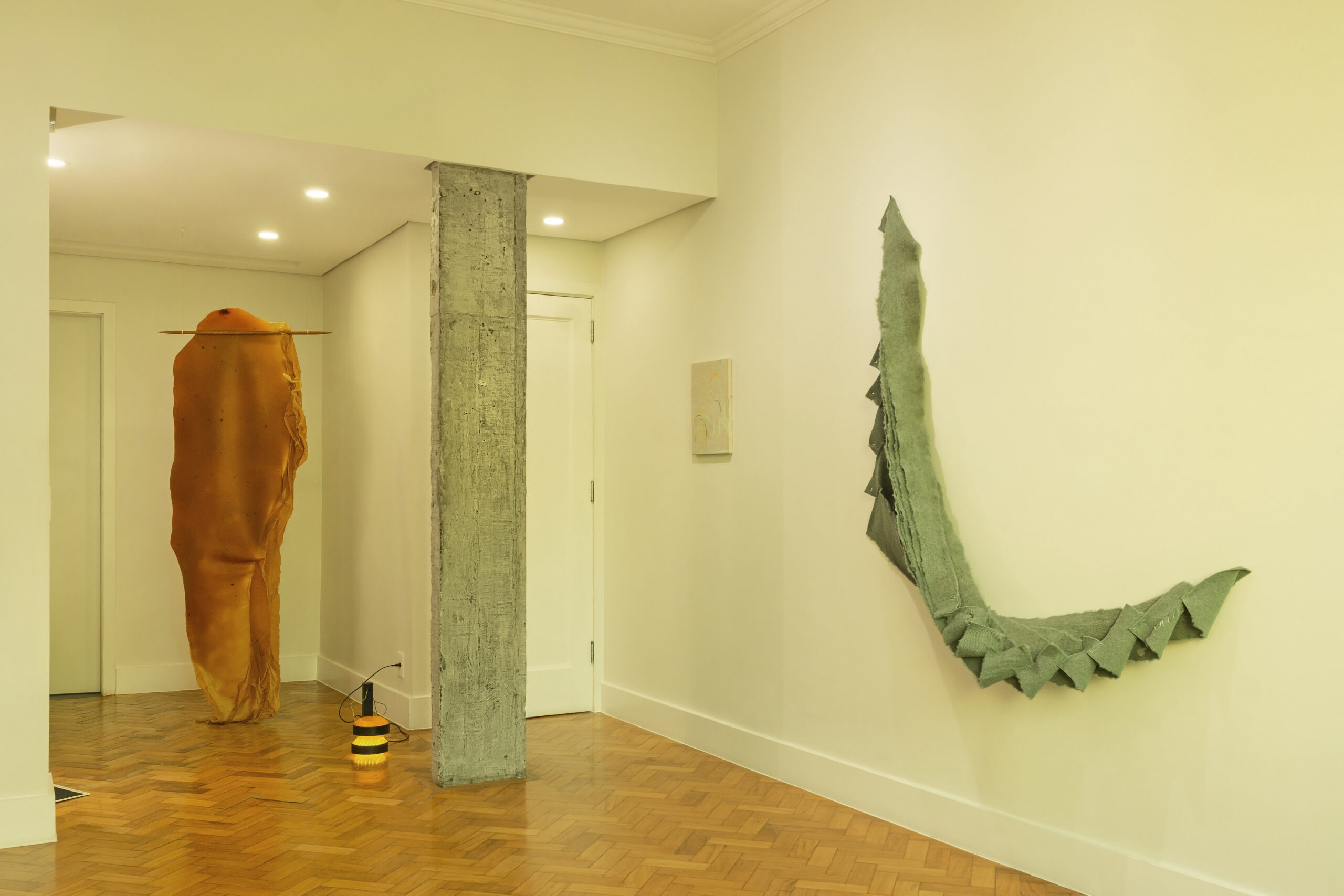
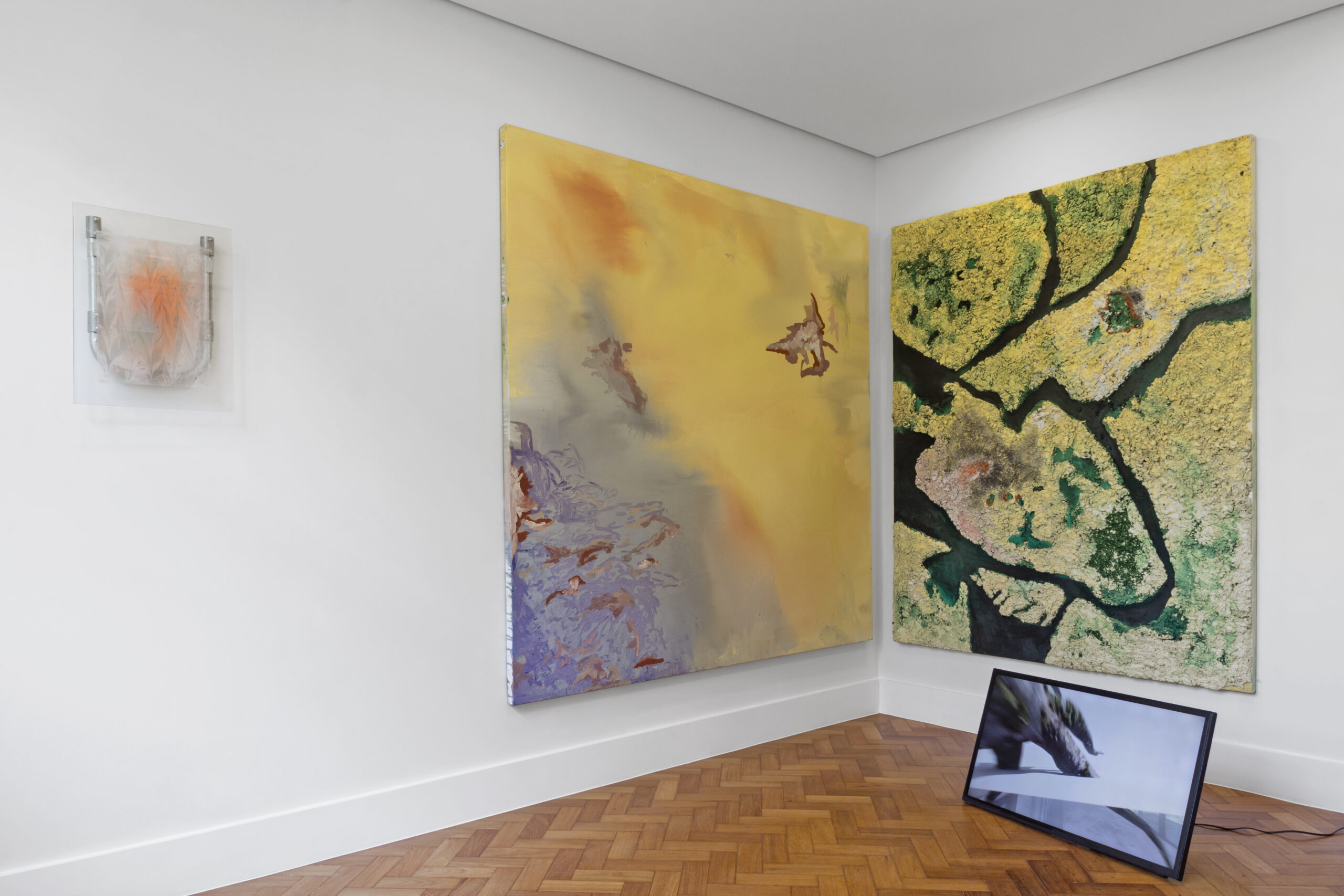
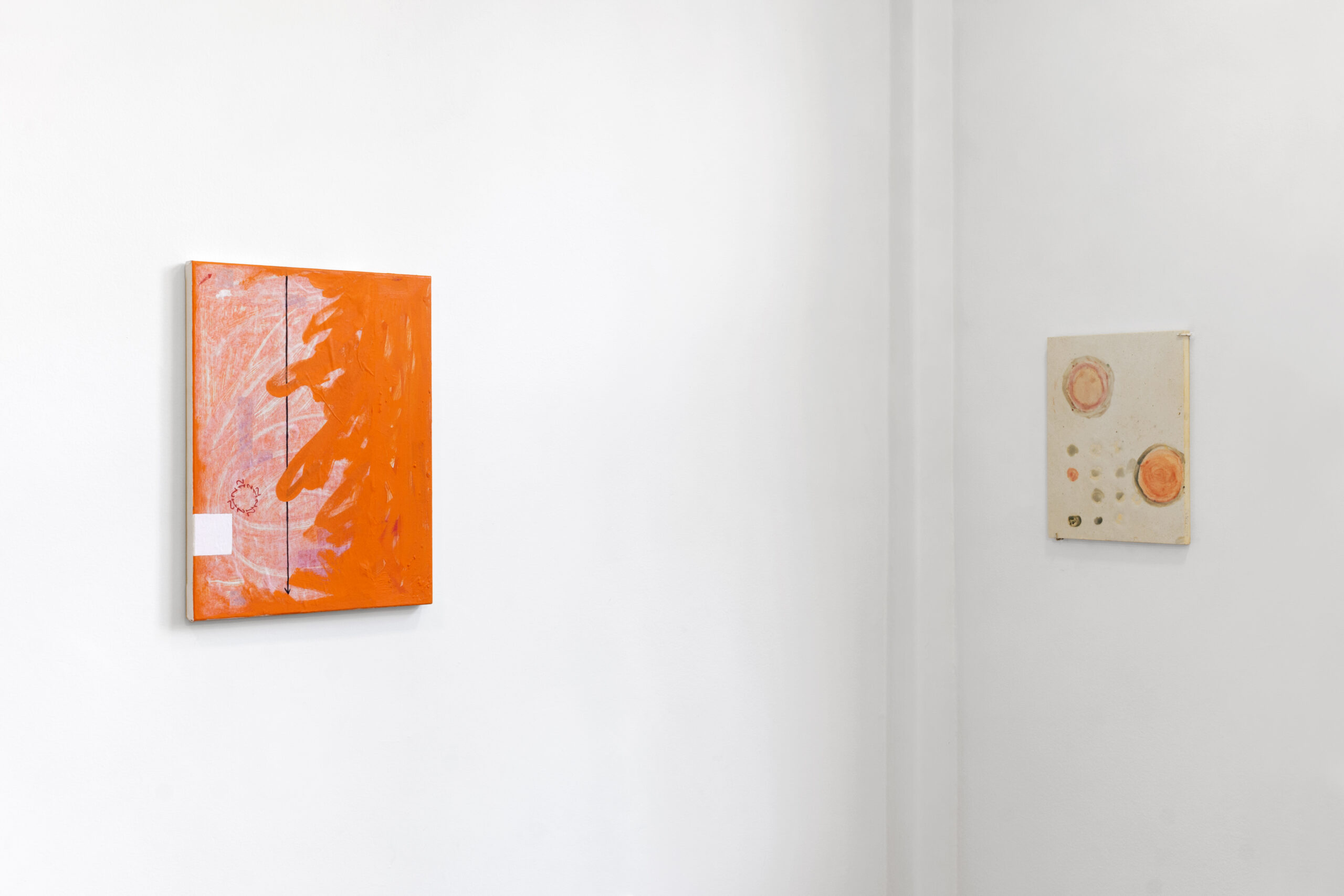
HEAT
Ana Cláudia Almeida, Antônio Simas Xavier, Arorá, Daniel Albuquerque, Daniel Frota de Abreu, Emilia Estrada, Gabriel Junqueira, Guga Ferraz, Gustavo Torres, Isabela Sá Roriz, Luisa Brandelli, Matheus Chiaratti, Tatiana Chalhoub, Thomaz Rosa, Vanderlei Lopes, Yasmin Guimarães and Zé Tepedino
curated by Victor Gorgulho
March 31, 2022 - May 13, 2022
Rio de Janeiro
Rio de Janeiro, April 2032.
Have you ever seen a sunrise? Have you ever seen the sunrise? God is like that – he’s always been an exaggerator . He came across the phrase as he abruptly opened the dusty book on the bedside table, his eyes almost closed. He woke up startled, the sky still gloomy, seen through the crack in the window of his dingy room: a large, old suite in a hotel that had been in ruins for decades, in the city center. He was the only one to occupy the building, a sturdy neoclassical concrete block embedded in the asphalt, located exactly where the sea once stood. But that was more than a century ago: soon everything would be landfilled; the city and also the golden utopias of the country’s superb and controversial former capital. Unable to get back to sleep, he decided to scribble loose thoughts in a notebook lying on the floor next to his bed:
Mornings are always abstract, diffuse. They slowly unveil their moist layers of peach, orange and light pink skin, in opulent wet buds of tangerine, pumpkin and cotton candy. Mornings have no sound. And it’s only in the morning that the sky plays its noblest role, revealing itself to be a monumental involuntary cinema, crossed by black birds and stained by tiny particles of cloud, dust and sidereal debris. It is only in the morning that the sky plays such a role: as the day unfolds, it is inhibited from entering the scene solo. It is then interspersed with airplanes, dirt and dust.
He dumped his notebook and pencil on the stained sheet towards the glassless bedroom window, the exact frame for the presumptuous seaside landscape. The sky somehow seemed different to him, filled with shades of gold, purple and feverish blue, swiftly tearing across the horizon from the sea towards the cityscape. He found it strange, but also poetic. He quietened down. He never felt afraid to think that one day Rio’s nature might reclaim its first landscape. Clean, splendid, deliciously quiet without the human bustle.
Since 2022, when the city had recorded record temperatures that would rise even higher in subsequent years – at an astonishing speed and fervor – Rio de Janeiro had been witnessing a kind of mass evacuation of its inhabitants. The wealthiest would head for Portugal, Miami or Marrakesh. The truly wealthy even ventured to Mars, willing to reproduce their aseptic condominiums on the surface of another planet. Those who remained here generally took over the inland towns, far from the coast, now densely populated and protected by the vegetation that remained after successive decades of technocentric disaster caused by human greed and stupidity.
In 2032, the Atlantic Forest was a kind of distant memory, a faded green patch, an inverted landscape. It was as if the city had been forcibly converted into an archaeological site populated only by its most fearless lovers; gypsies and flâneurs walking its streets every day in search of food and some kind of refuge. They even said that in the darkest corners of what remained of the Tijuca Forest, groups of young anarchists – the Tupinipunks – performed cannibalistic rituals, in a strange update and homage to the typical rites of some of the first inhabitants of these lands.
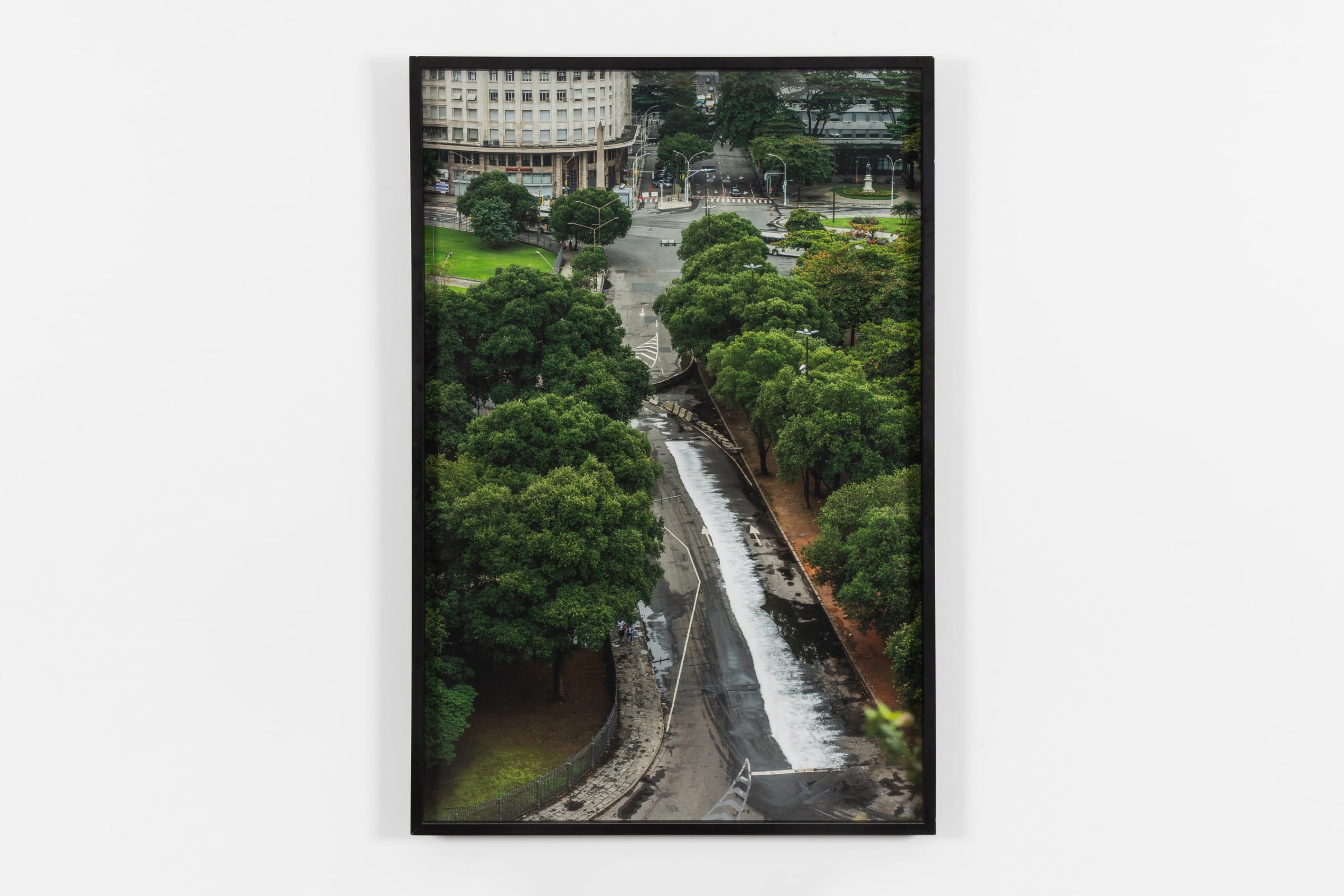
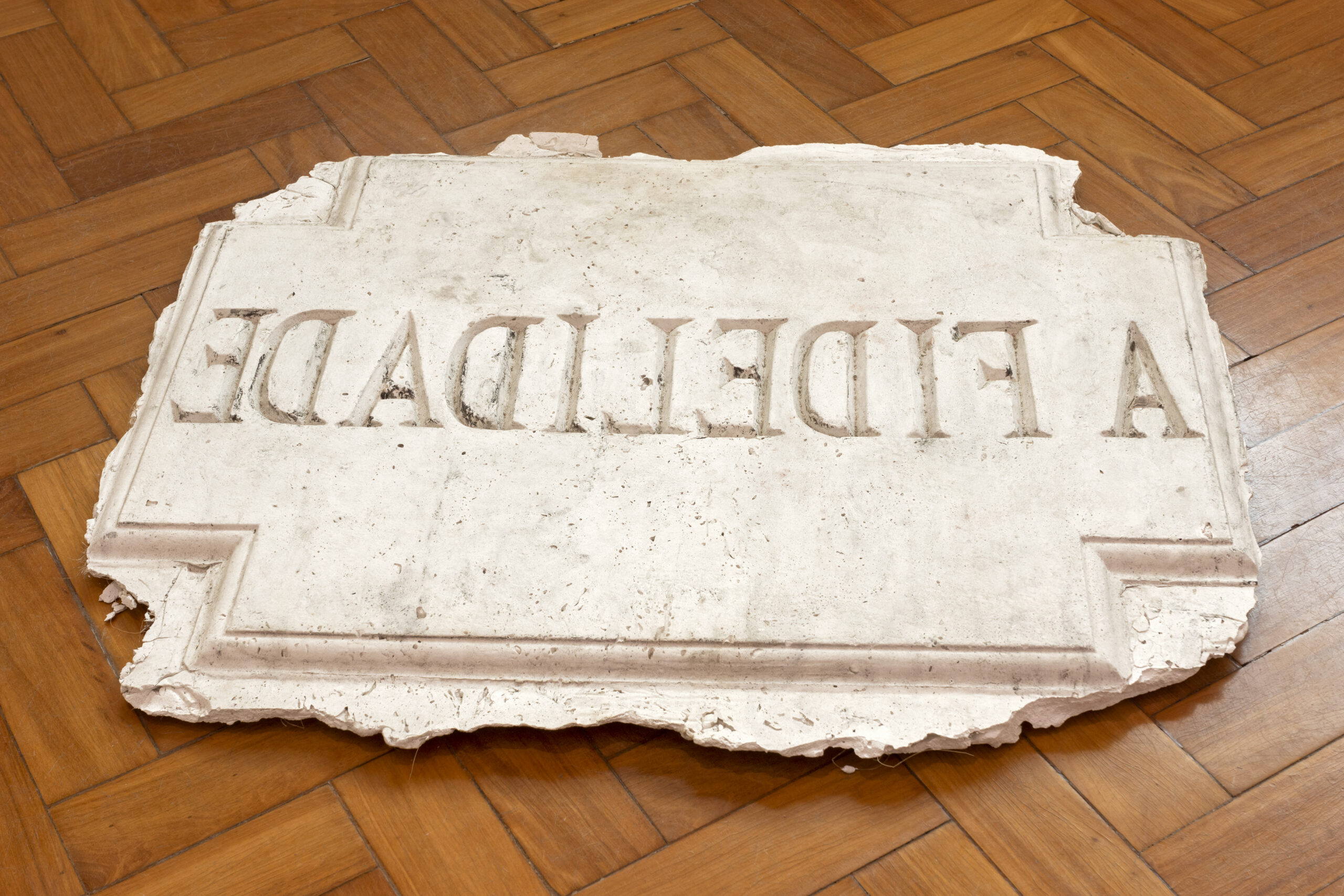
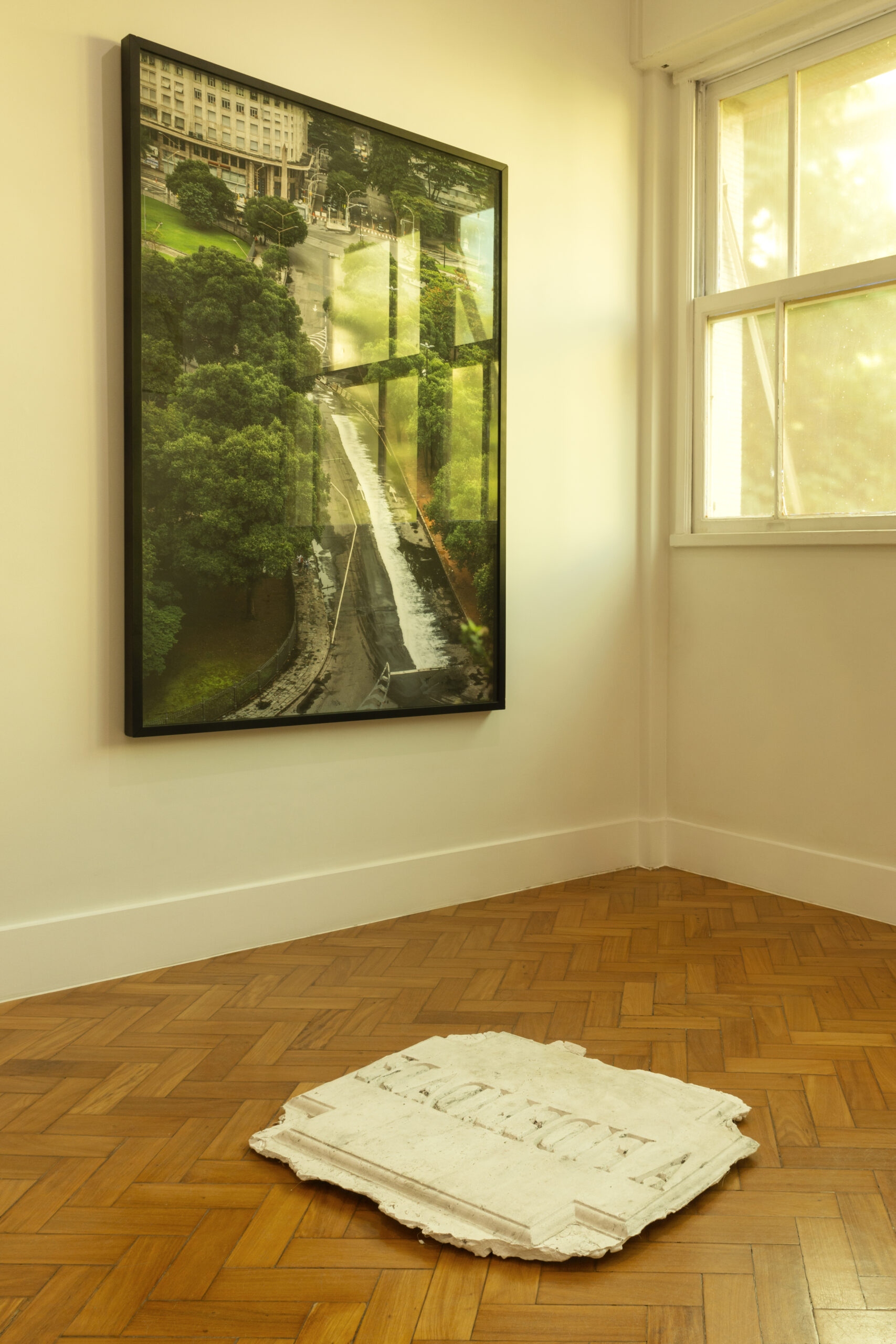
The sea, on the other hand, had almost completely dried up, leaving only a meager remnant of salt and foam on the asphalt, where traces of the most diverse natures rested: lamps still lit in an unsteady frenzy, sturdy pieces of republican monuments with enigmatic sayings, a whole range of affective memorabilia of what had once been that wonderful city. wonderful city. The screen of an old porn movie theater – architecture swallowed up by virtuality and concealed by the rubble of mirrored buildings – has appeared delicately folded in the vicinity of Passeio Público. There are those who saw it and guarantee its appearance, even though smartphone photos can no longer prove such discoveries. There was no sign and no horizon, just selfies sleepwalking through the twilight landscape.
On that April morning in 2032, from the top floor of the hotel ruin, distant screams and noises suddenly invaded the building. It was the sun, relentlessly announcing a bizarre and irrevocable approach to the city. Tropical melancholy?he thought, letting out a shy laugh. One by one, the thermometers that were still running on the public clocks on the city’s street corners went into overdrive and exploded, although without causing any astonishment or terror. The sun was in fact swallowing up the city, tasting it, in an unexpected daytime feast that gobbled up everything that was still there. A kind of brunch of the stars, the milky way in celebration.
All that remained was to enjoy it: the heat was no longer an impasse, but the trigger for a strangely pleasurable torpor, pure chemistry coursing through the city’s entire body. The fateful morning of April 2032 was not a disaster or a dystopian nightmare. Nor was it an apocalyptic image from some B-movie. Rather, it was the fairest and most predictable reality, non-negotiable in the reckoning between nature and the human race.
Rio de Janeiro had never been ours, we knew. An insubordinate landscape, a city squeezed between the mountains and the sea, now sandwiched under a disconcertingly beautiful burning sky. The heat was so great that it resembled cold, the icy apathy of abandonment and the end. Chiaroescuro covering the resort. From the top of the hotel ruin – minutes before the inevitable collision with the sun – he sketched a final admiration for the king-star, even more beautiful when seen up close, a kind of morphic sculpture made of bronze, ceramic and oil paint. Painting would never be able to represent himHe thought of farewell. He felt dismayed and happy, strangely relieved after all. It was the landscape once again becoming the sole owner of its exuberance and splendor. Once again and, perhapsfor all eternity.
Victor Gorgulho