Inside you
Ana Cláudia Almeida, Ana Maria Tavares, Artur Barrio, Carmela Gross, Hudinilson Jr, Lenora de Barros, Letícia Parente, Marcelo Pacheco, Marina Dalgarrondo, Matheus Chiaratti, Matheus Morani, Mauro Restiffe, Maurício Magagnin, Nuno Q. Ramalho, Paula Scavazzini, Tatiana Chalhoub, Thiago Rocha Pitta and Valeska Soares
curated by Ulisses Carrilho
November 19, 2022 - January 20, 2023
São Paulo
Touch me. Soft eyes. Soft soft soft hand. I am lonely here.
O touch me soon now. What is the word known to all men?
I am quiet here alone. Sad too. Touch, touch me.
[Ulysses, James Joyce]
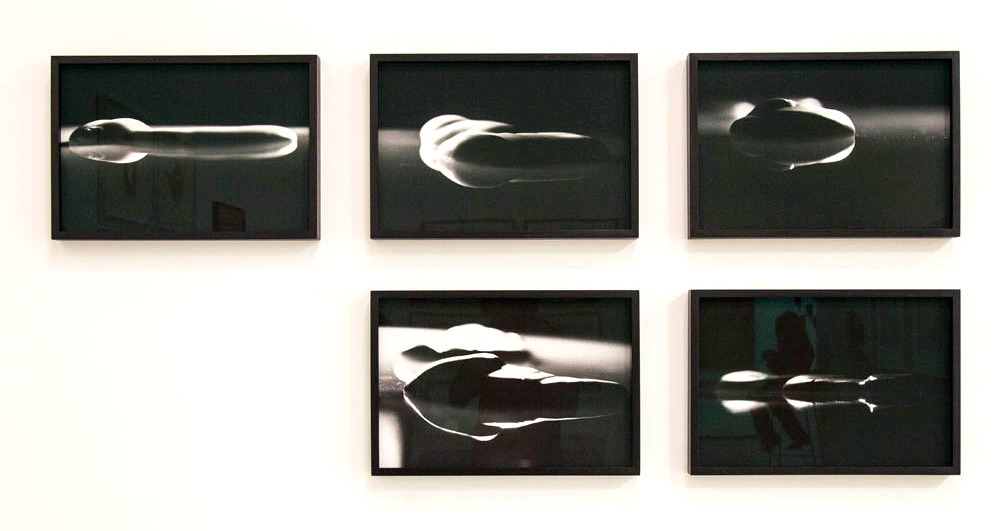
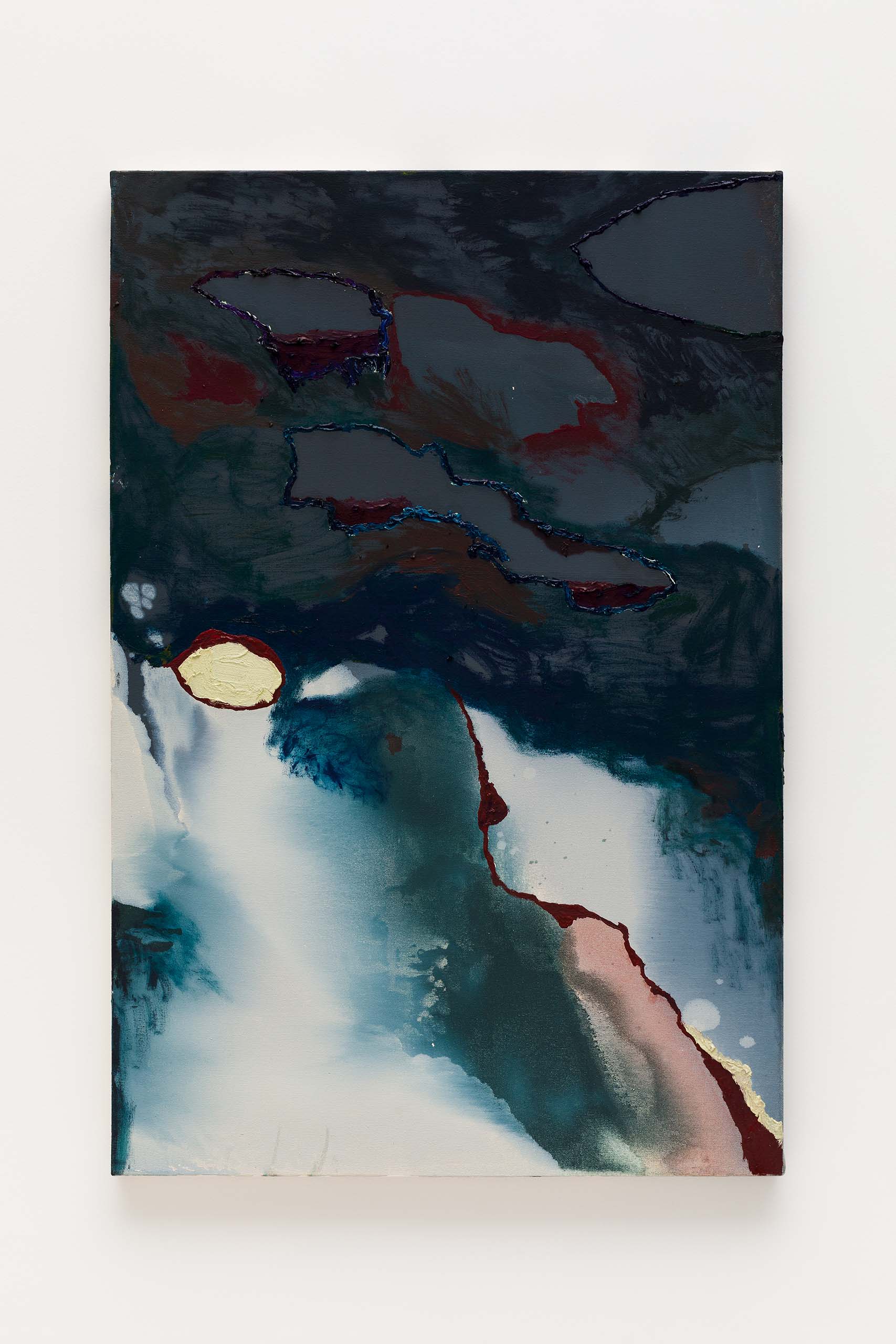
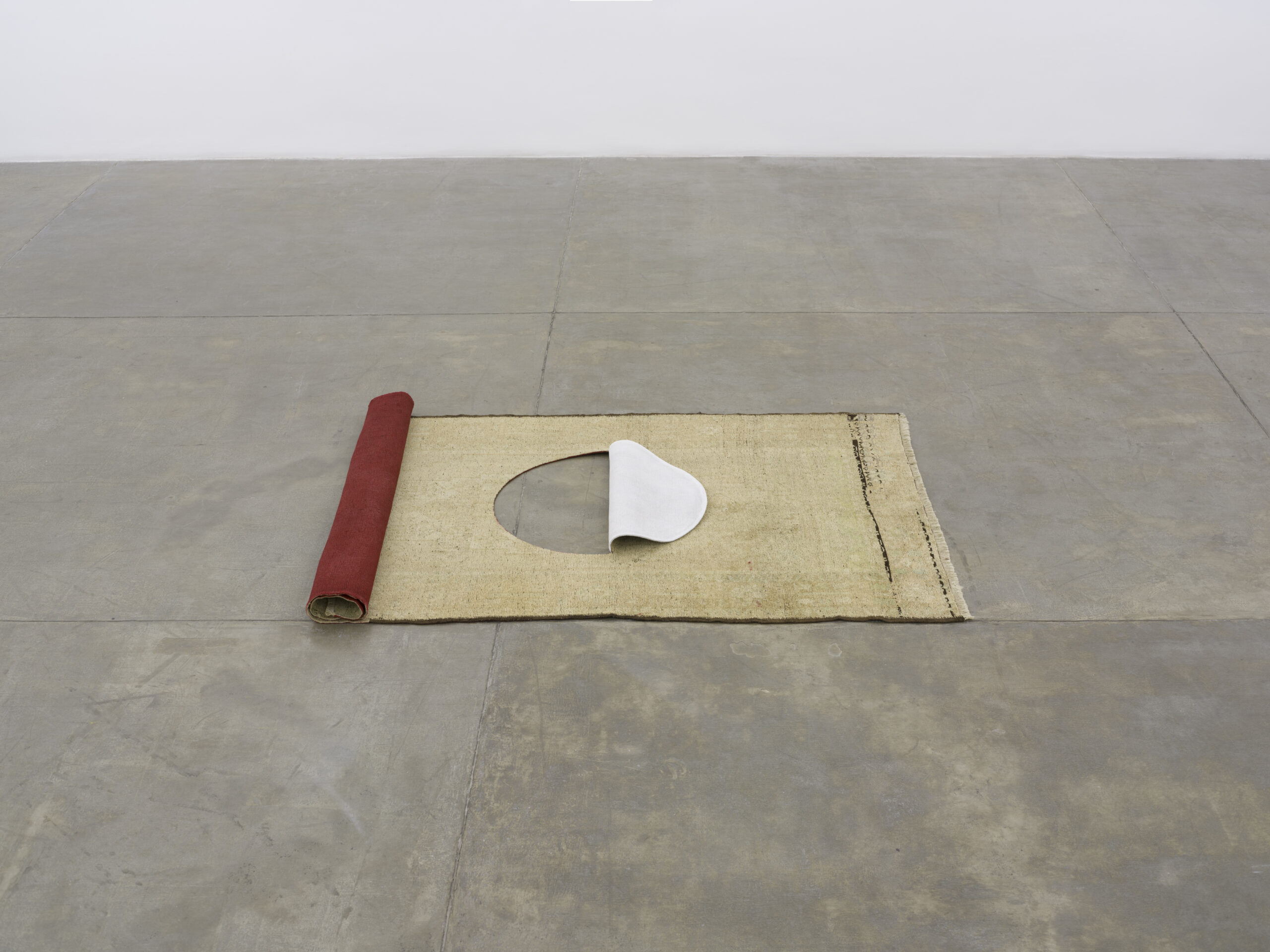
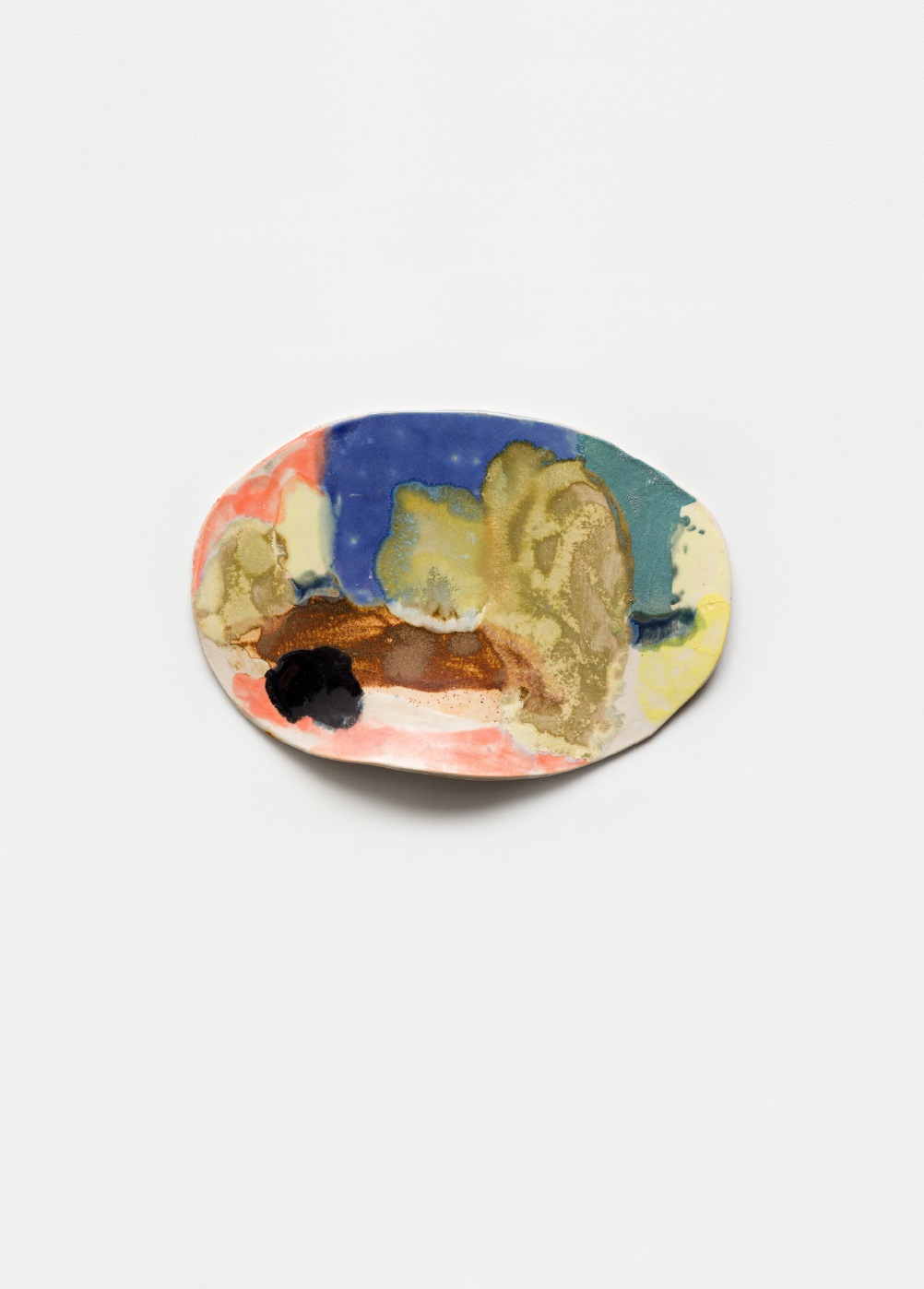
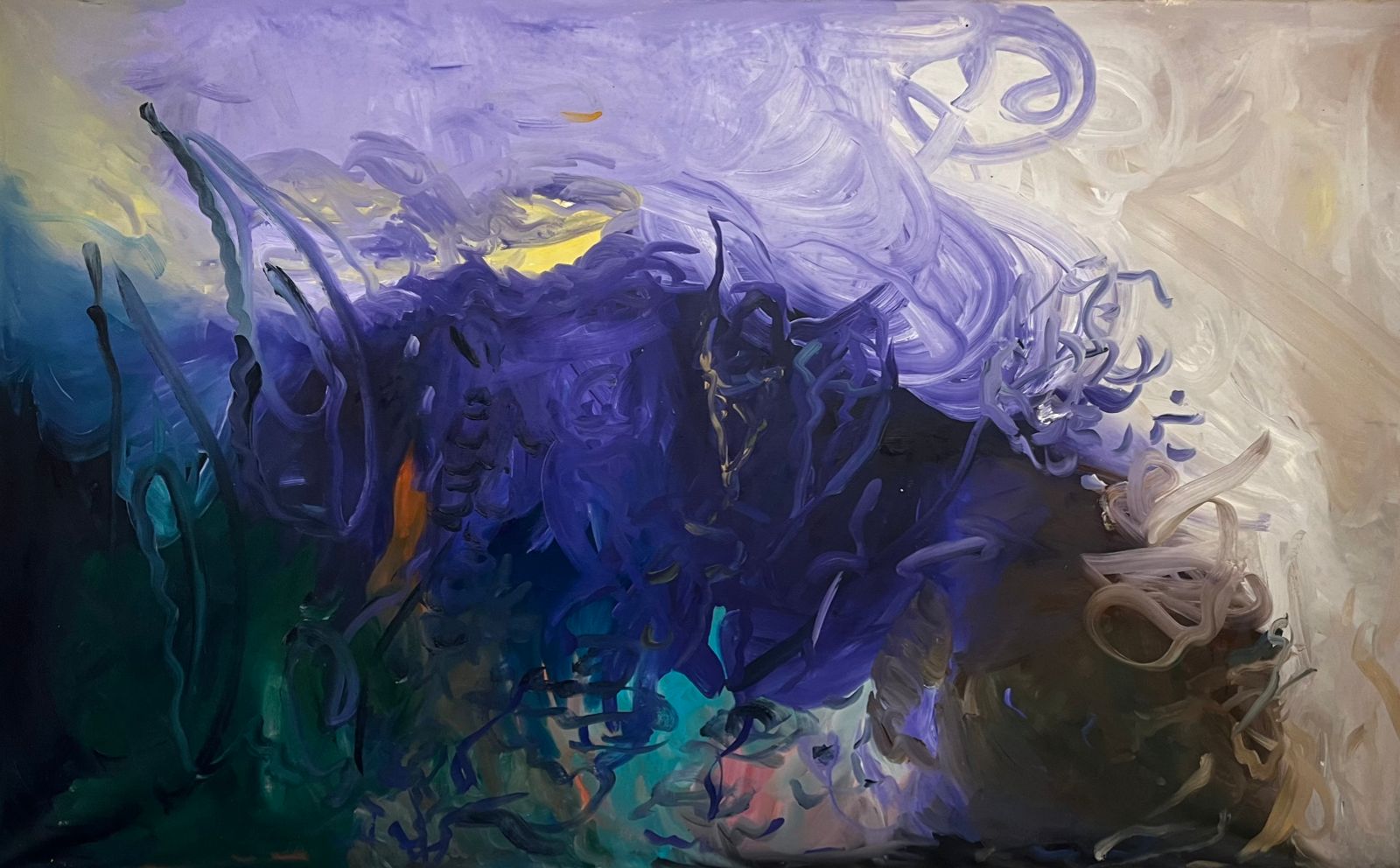
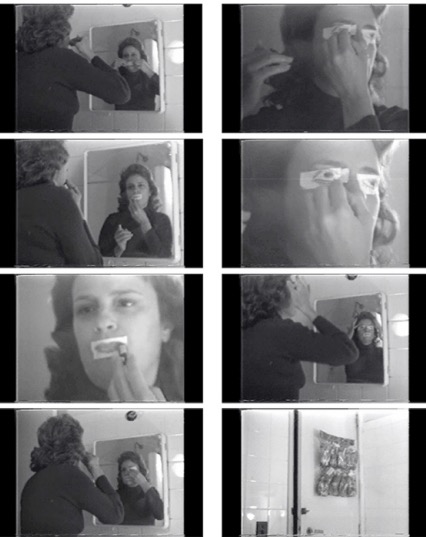
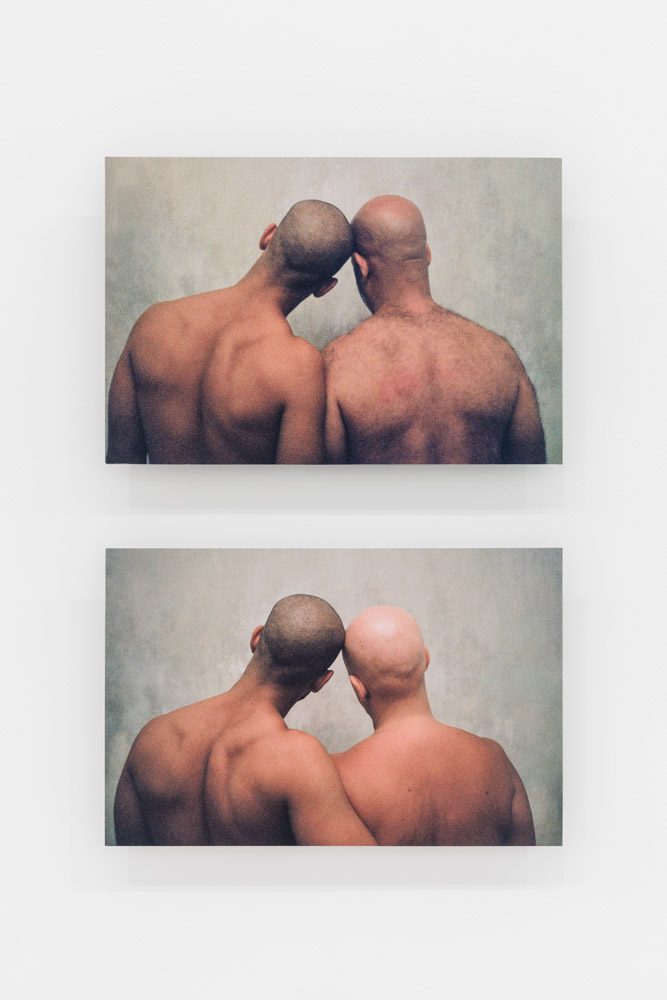
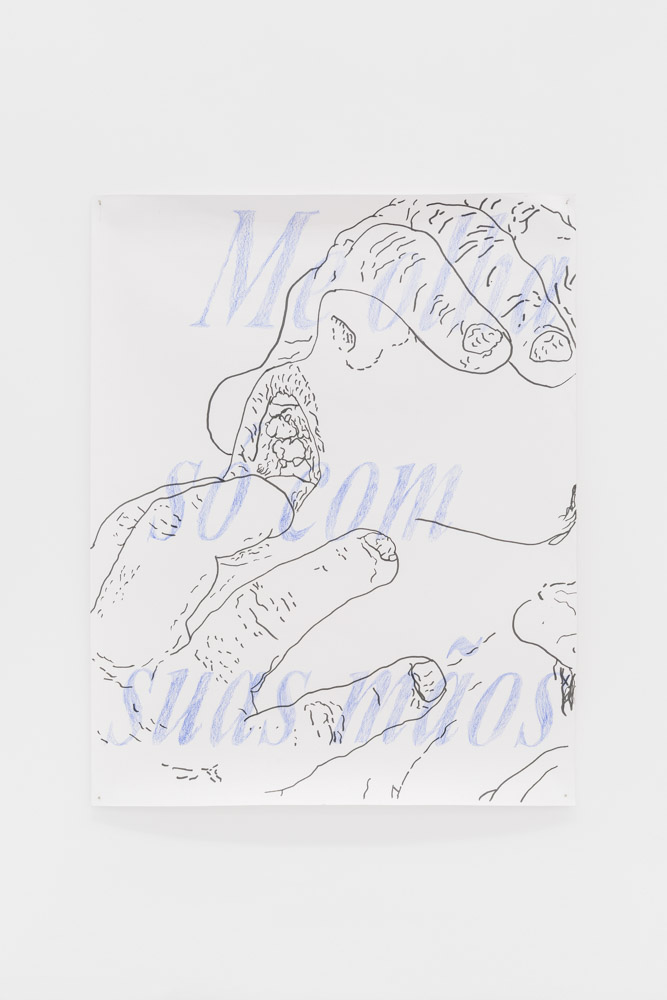
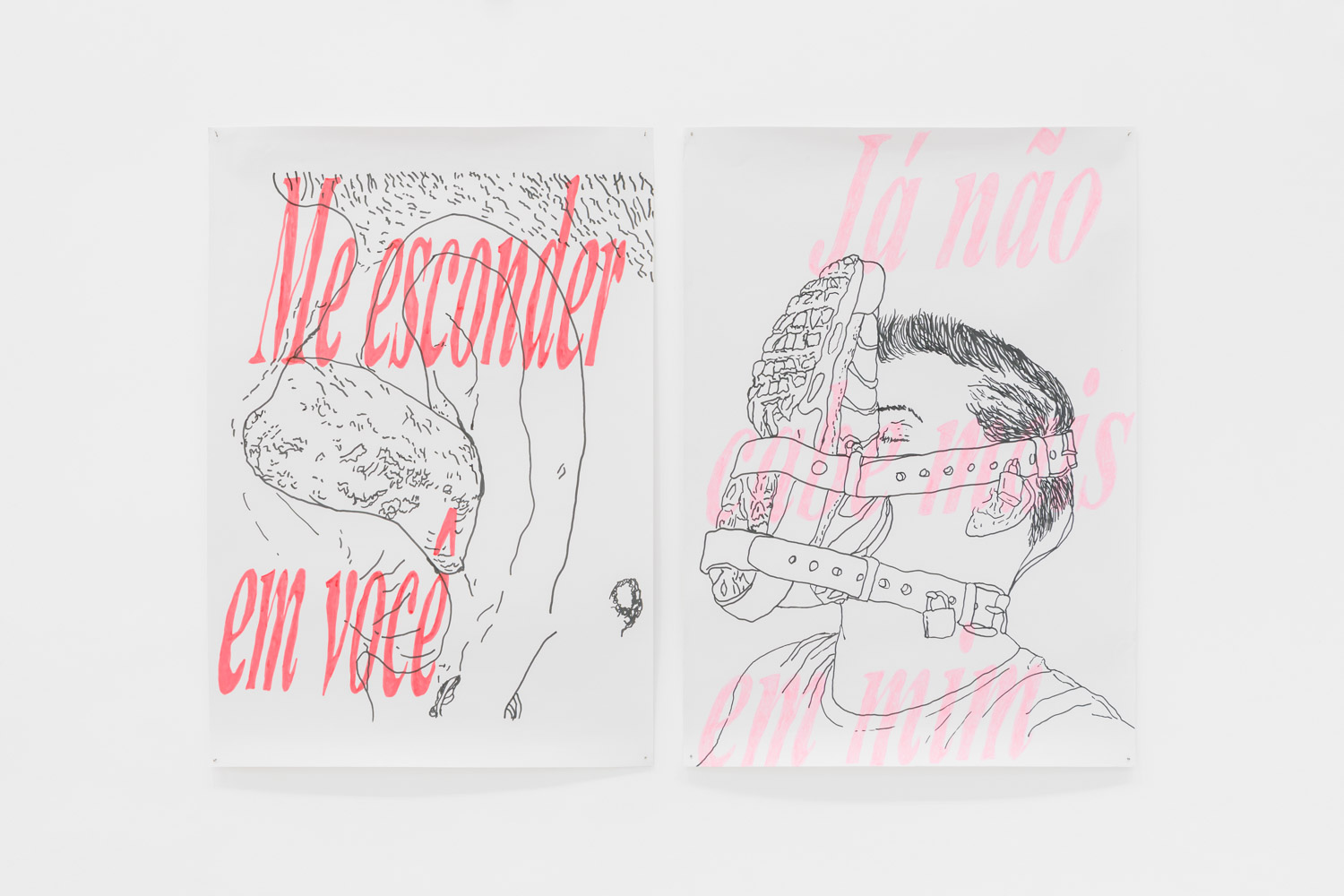
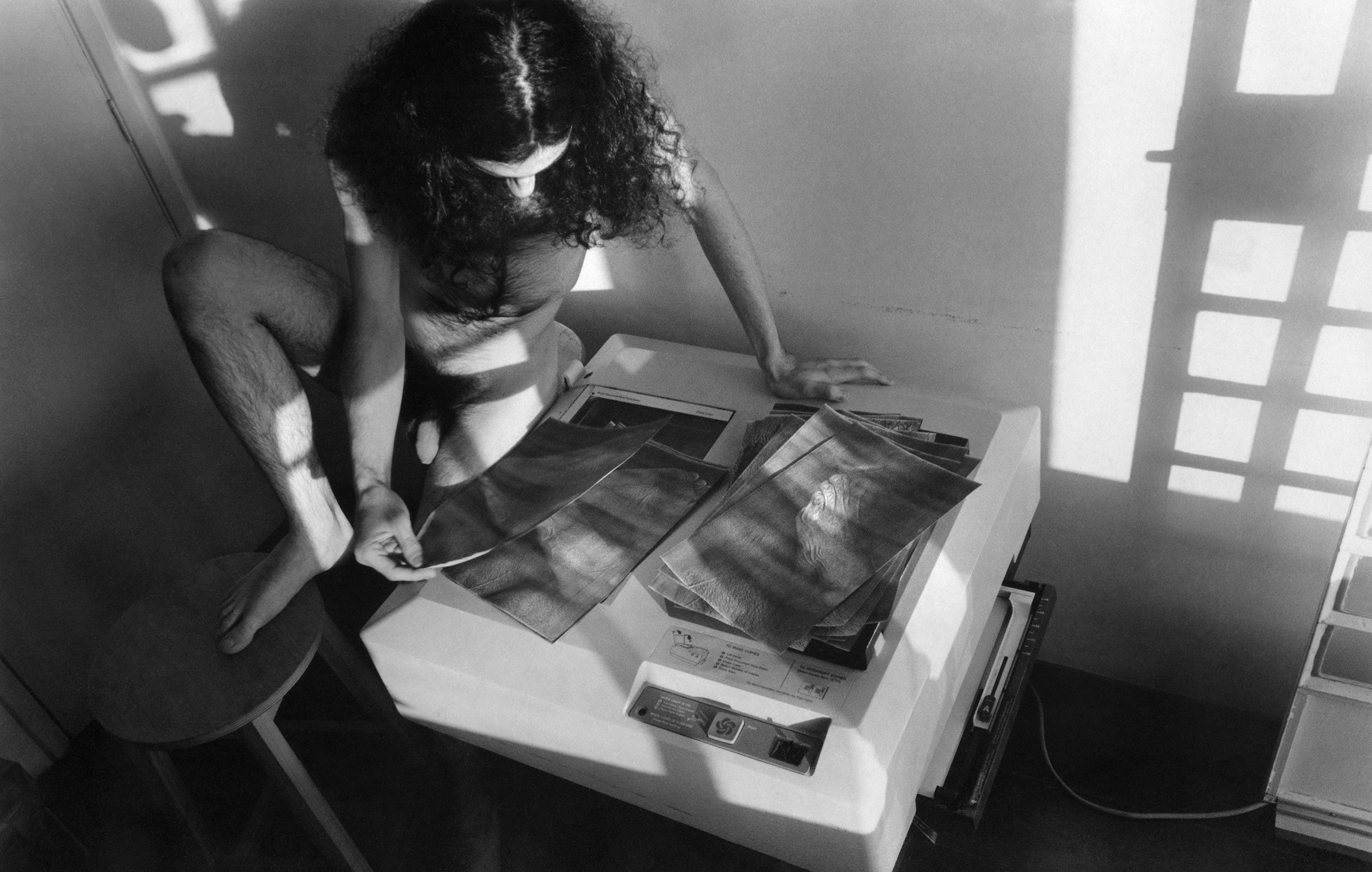
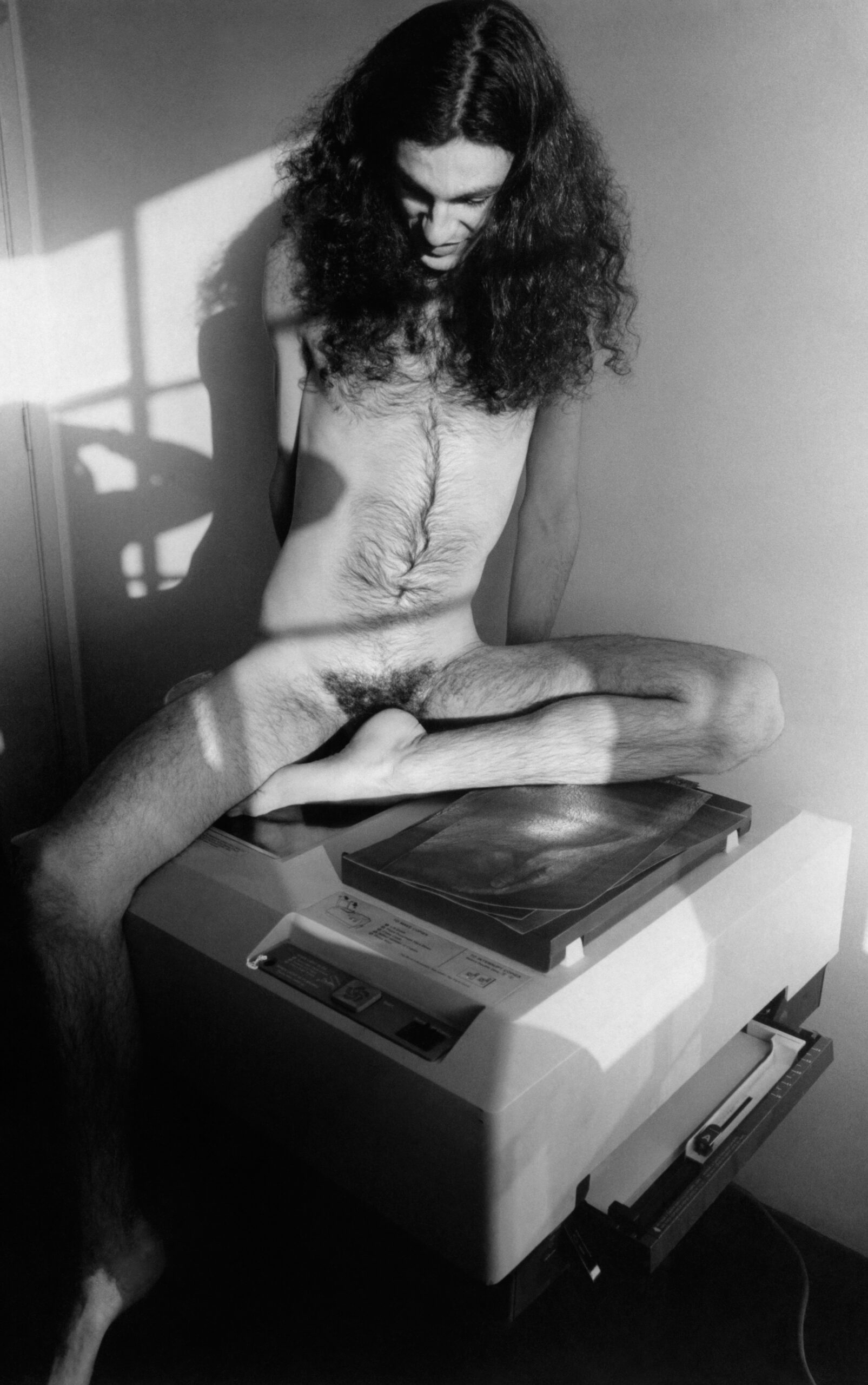
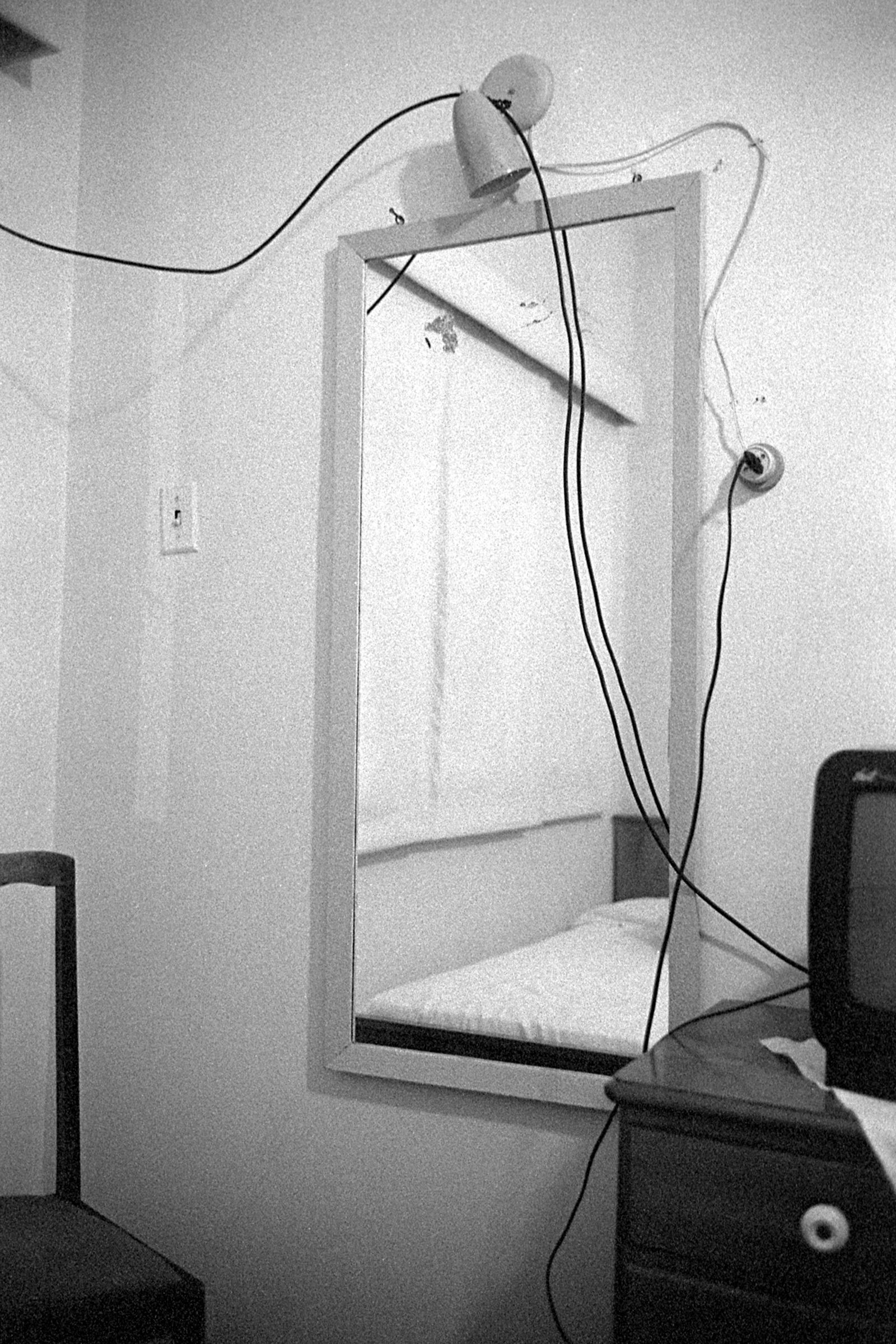
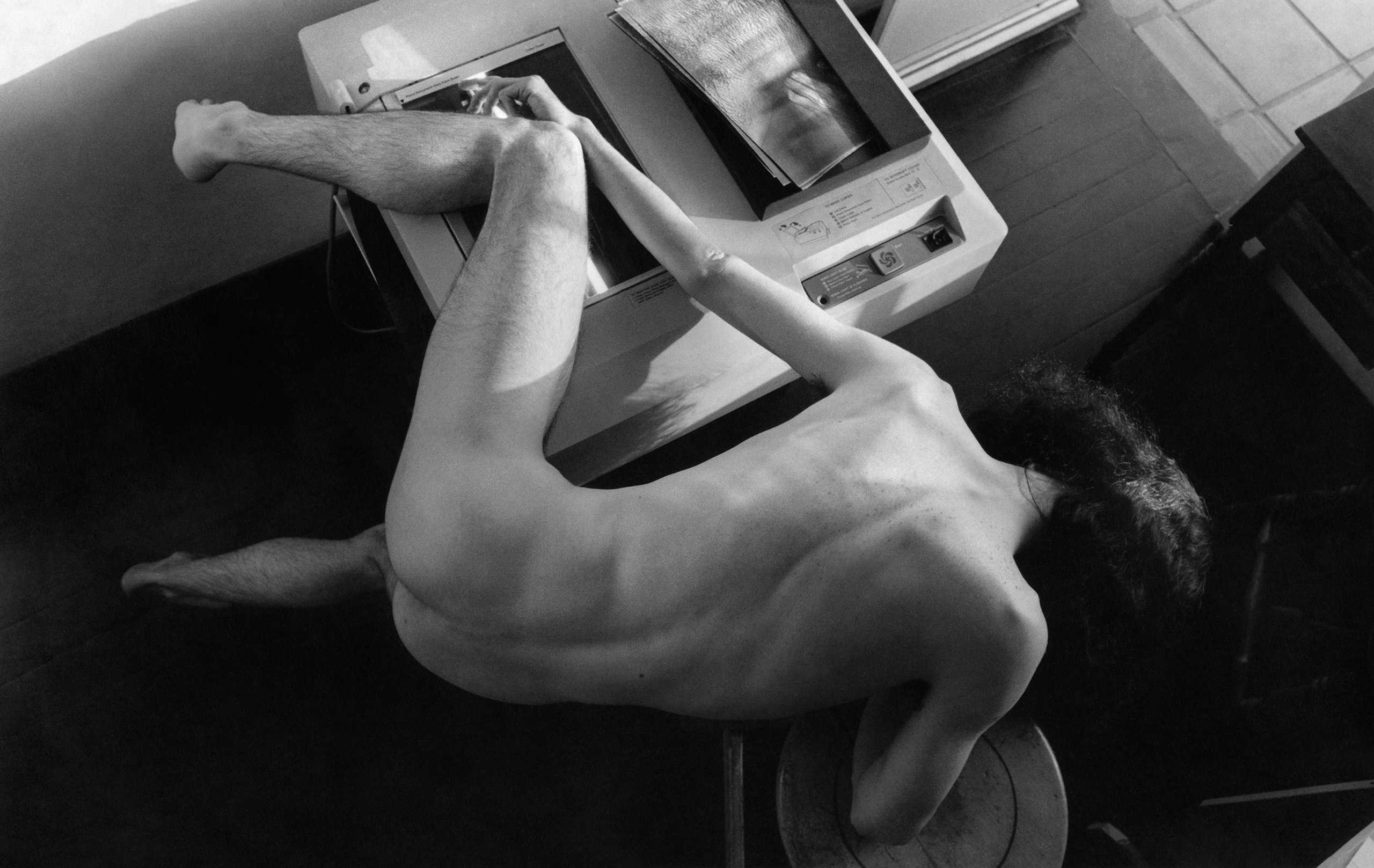
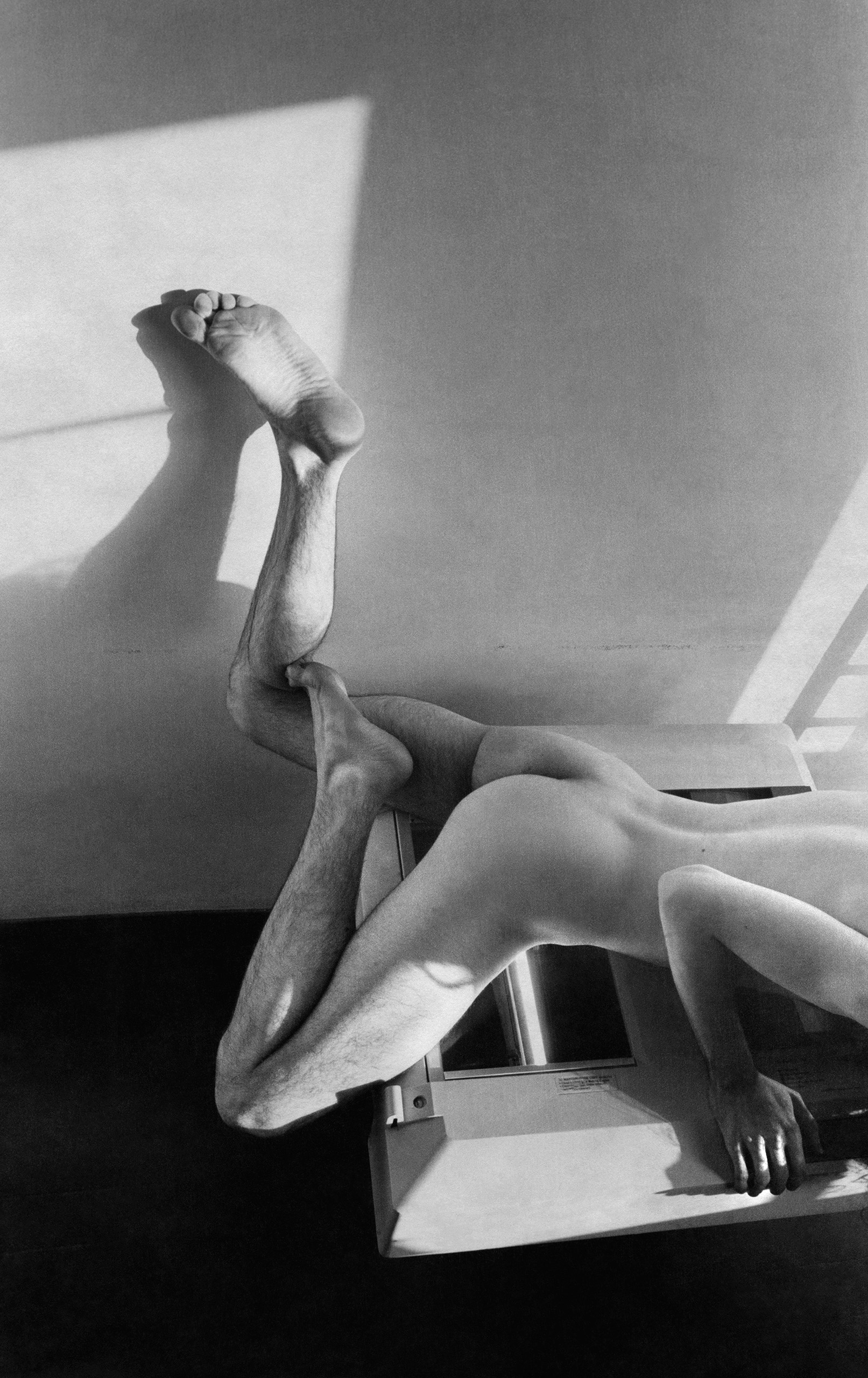
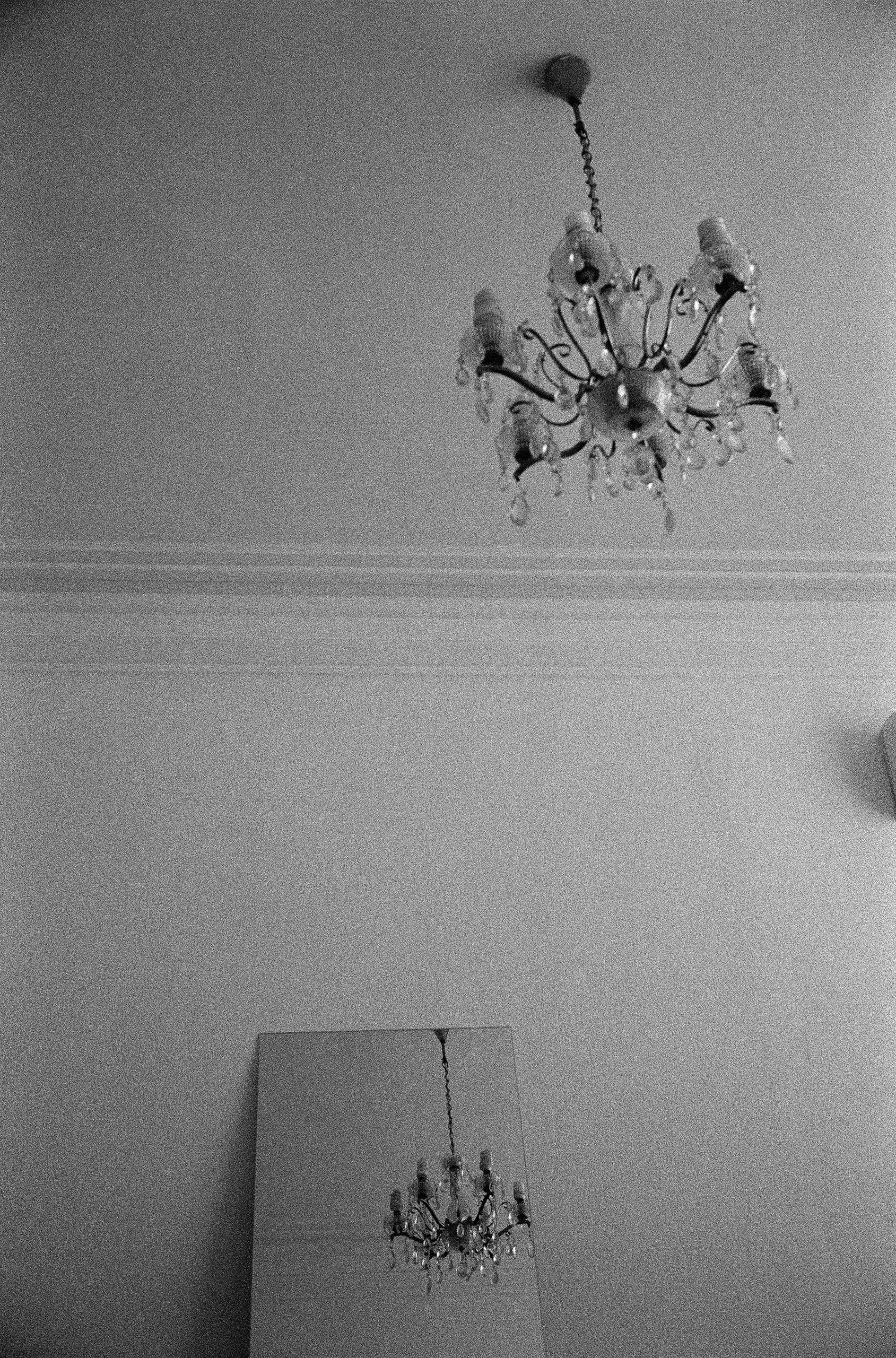
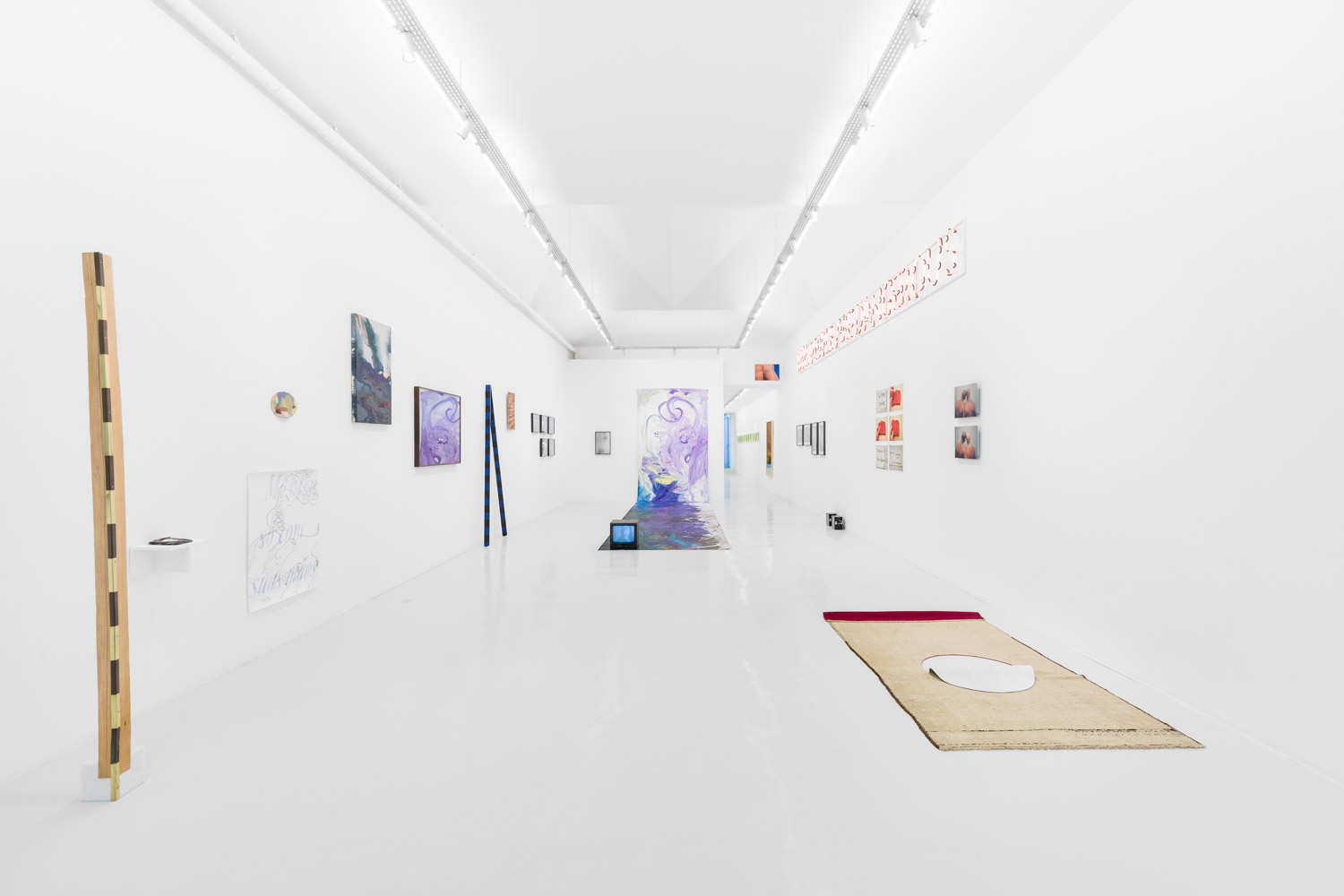
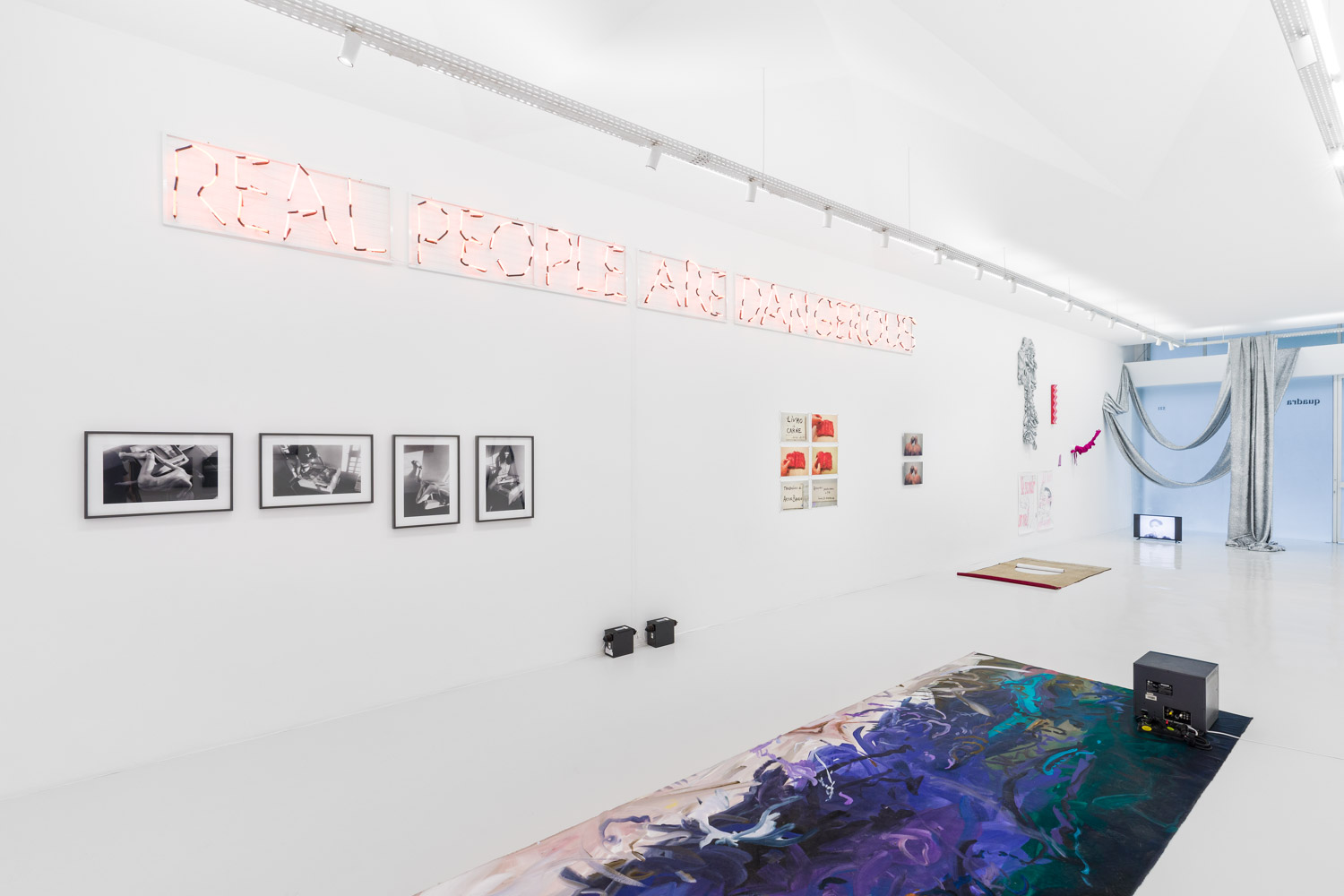
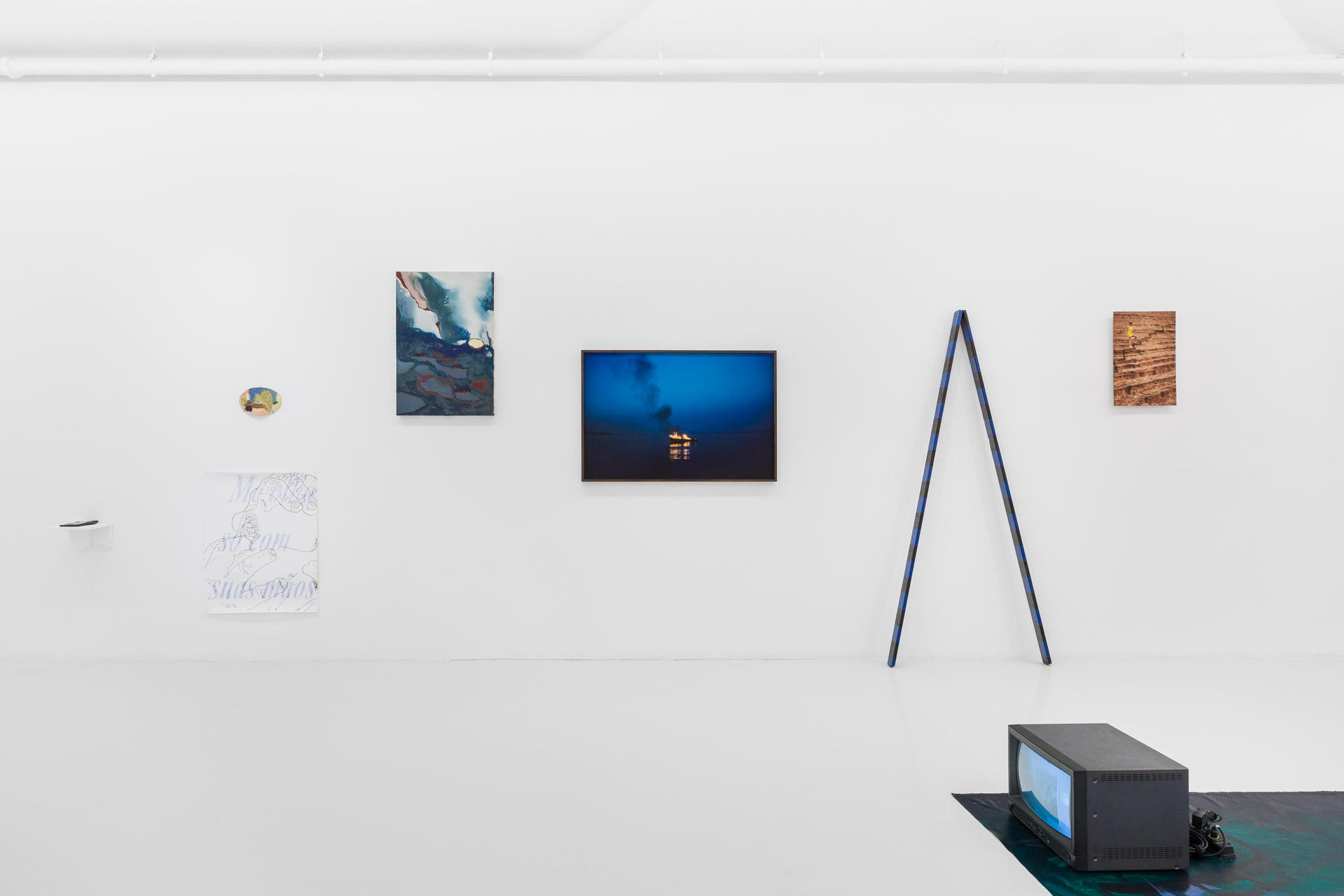
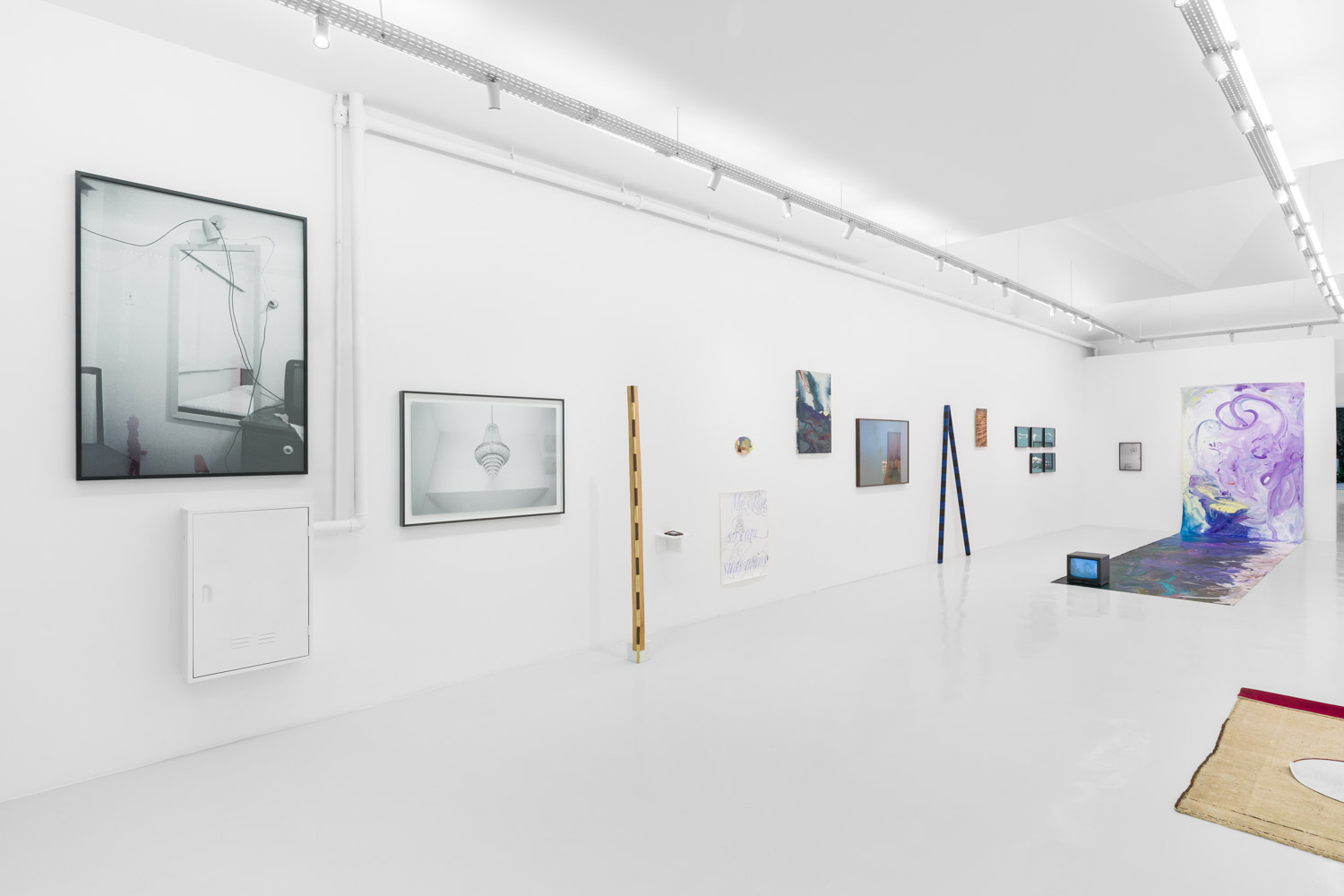
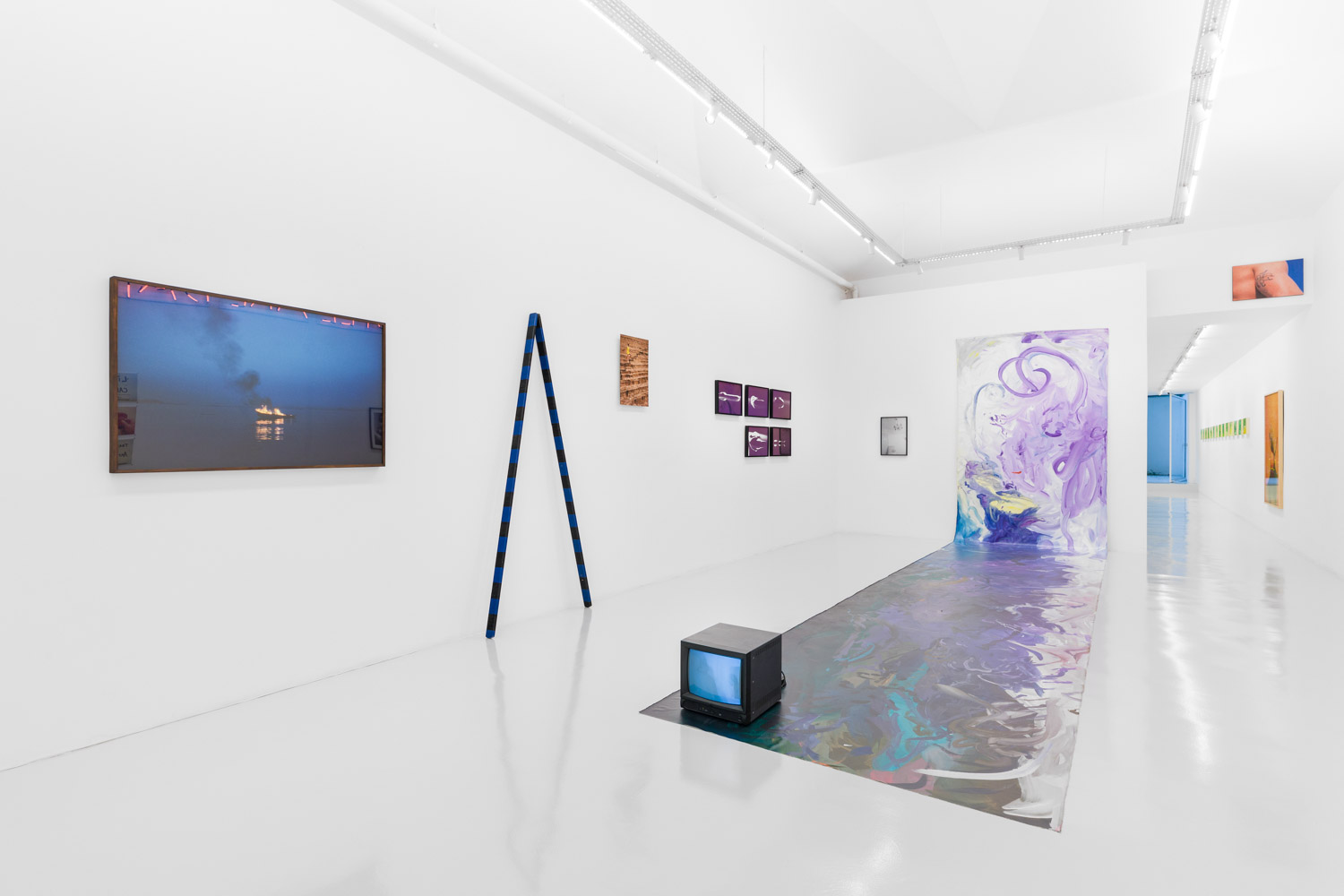
Dentro de ti wants to fabricate an erotic relationship with images – from us, the subjects who create and devour images – in order to establish, in the exhibition space, a space of relationship: an erotics between images. The works presented insubordinately dare to claim positions that are not fixed in the scheme of representation: bodies that deviate from representation; images that seem to refuse to be a double that reflects what is positioned in front of a mirror – or the waters of a lake. From the myth of Narcissus, a paradigm since Classical Antiquity for understanding representation, the works resonate with how the diffuse nature of the image echoes the murky conditions of the waters that led the young Narcissus to fall in love with himself.
The exhibition arises from an address to the mirror: Inside you.
In an era of frank affirmation of the image, the surfaces in the show flirt between the reflective and the cloudy.
The metaphor of the mirror as a source of knowledge runs through the trajectory of humanity in an eternal return. From the Old Testament come comparisons of the reflective capacity of the sky to specular surfaces. From the poet Ovid, in Metamorphoses, comes the oldest written reference to the Greek myth of Narcissus, who receives the fatal fate of falling in love with his own image when he sees himself reflected in the waters of a lake, becoming a flower. In the history of art, there have been many attempts to interpret Narcissus, a work produced by Caravaggio at the end of the 16th century. Taken up by Freud, the character who only feels desire for himself becomes his own object of desire, a heavy burden to carry. The subject of iconic works in the history of art, Narcissus has been made into an allegory of desire, of the image, of transformation by multiple painters; in addition to Caravaggio, Nicolas Poussin, Turner and Salvador Dalí all drank from these waters. In Renaissance art, myth was the paradigm for understanding each and every painting: through our relationship, as spectators, of projecting our own thirst onto these objects – and within their limits, our own marks undergo metamorphosis. In modern art, this relationship is strengthened: without fixed meanings, the abstract comes vertiginously closer to the mirror. In the play of forces between colors and shapes, in the movement of supposed harmony or purposeful imbalance, we perceive what we all experience every morning: while I recognize myself, I reject myself. This is my image, this is not me. In contemporary art, mirrors have emerged as a way of integrating the public’s body into the works. Between reflections, a dangerous game is played: one step later, the spectator’s body disappears – what remains is its emptiness, we see nothing but the whole world around us.
There were many attacks on the object: breaking the mirror, researching its back, attempts to engage in dialogues with the image. Wondering if there was another world inside it, seeking this plunge into the void. To think about how that image could free itself from the prison of the surface, which is bound to replicate things as they are. In these various possibilities, from a society marked by everyday narcissism, free of a single or less complex theme, Inside You appeals to a relationship of seduction, enjoyment and pleasure with images: bodies that see themselves reflected, doubles that want to be more than copies. More than reflections of subjects, we are investing in the hypothesis that images do not represent the world, but constitute it. They signal lack and excess, and contribute in a unique way to defining who the subjects are who seek to see themselves on the surface of these objects. It matters less what we see, but above all what we want, can, fail or succeed in seeing. The surfaces of the show range from reflective to murky, from explicit to dissimulation. In an entanglement between body and image, they exude a desire on the part of the beholder: a desire to be seen, to be perceived, to be recognized by the other, to seduce and provoke desire. Not the image as an enigma, but “wanting to see” itself.
Ulisses Carrilho