New Winds
Yasmin Guimarães
curated by Lucas Albuquerque
April 20, 2024 - July 10, 2024
São Paulo
Inhabiting the world from the edges
Under the harmless layers of color and strokes that make up the landscapes produced by Western art, complex tangles of symbolic constructions have been built and updated over time. Opposed to the indomitable and imposing nature, the landscape genre promotes the domestication of the natural by ordering it. The framing of the image, sometimes bucolic, romantic or even voracious, presupposes in the extra-frame the continuation of a sublime beauty, made tangible to humans through a cultural enunciation. Whether through the Renaissance perspective, the Byzantine symbolic construction or the fleeting modernist transposition, this desire for representation remakes, through the order of the sensible, a desire for Western control typical of the Anthropocene. The maxim: make everything visible in order to dominate.
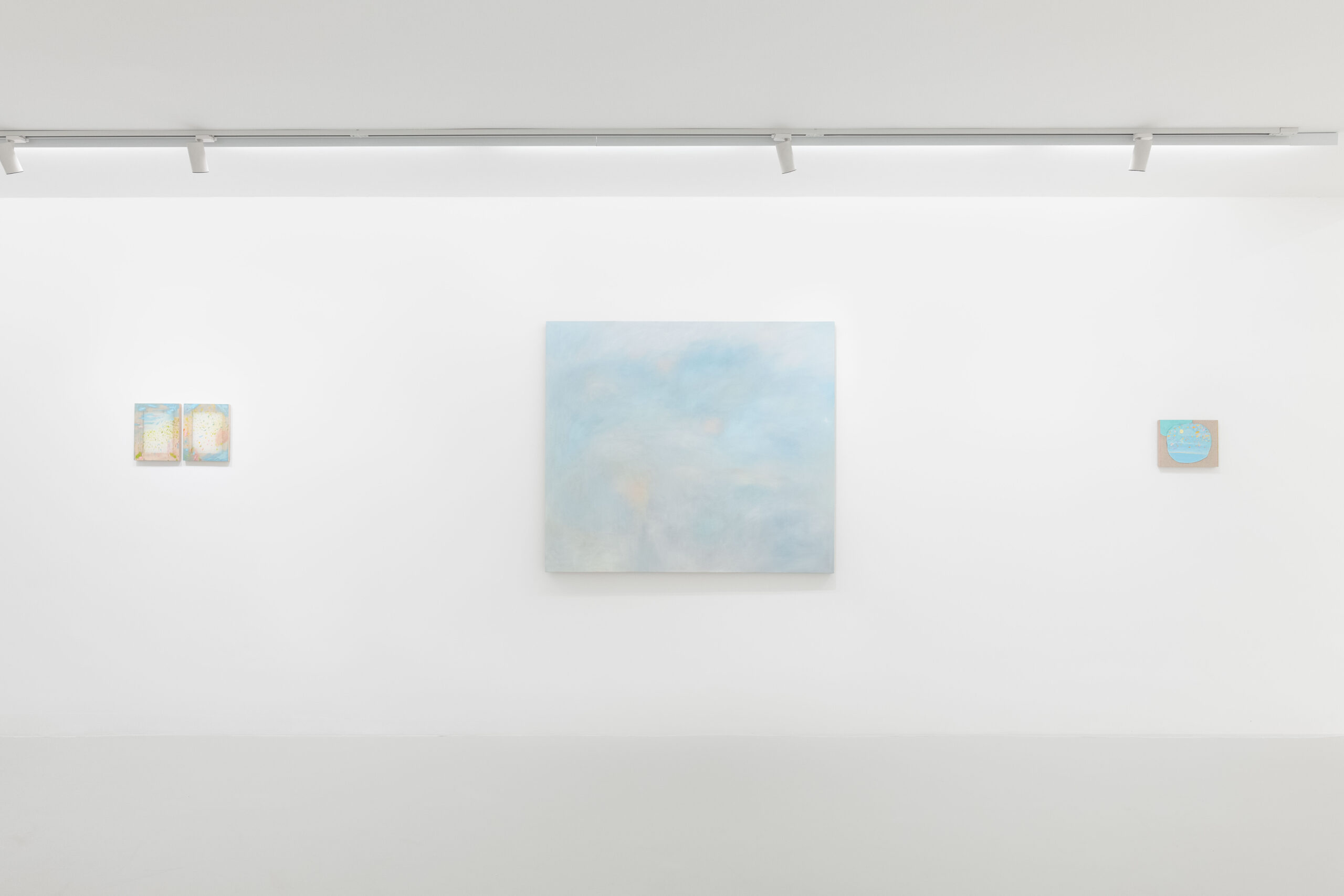
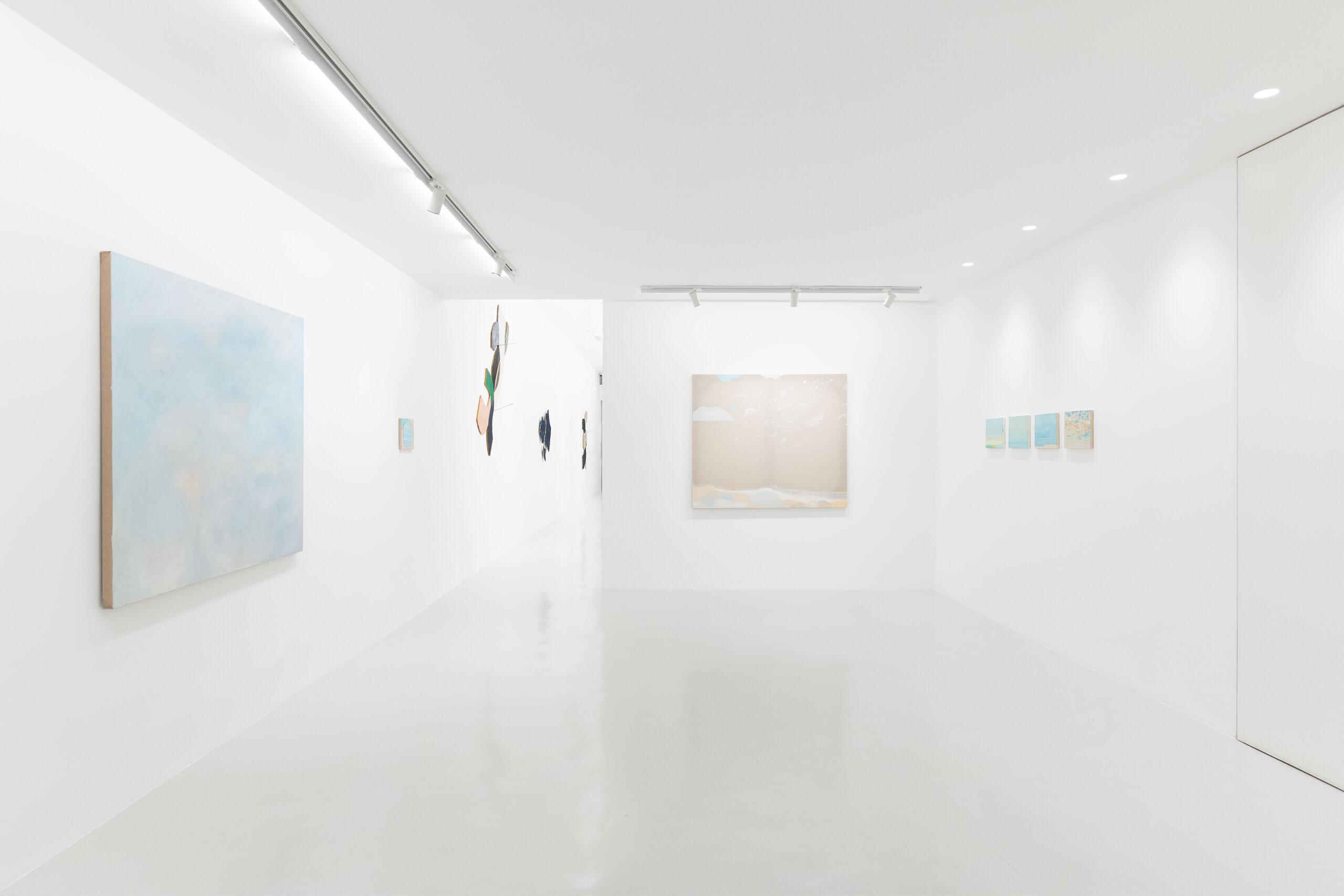
By disrupting these visual constructs, the artist Yasmin Guimarães constructs landscapes that sometimes float across unstable and shifting horizons, and sometimes make little attempt to resemble the natural world. More interested in the phenomenological aspect of the retinal impression of color in an imaginary relief, Yasmin makes the harshness of tropical light the tone of her painting. Reflecting on the colors that bathe the tropics where she lives and where her earliest memories of landscapes dwell, the São Paulo native replaces the warm orange tones with a cool palette of colors, thus establishing an honest encounter with the viewer, which is indispensable for her work. Indispensable, yes, because any imposition of another referential image on her canvases is a setback. You have to accept the unpretentious, almost innocent tone of the scene in order to be led by the lightness of his brushstrokes.
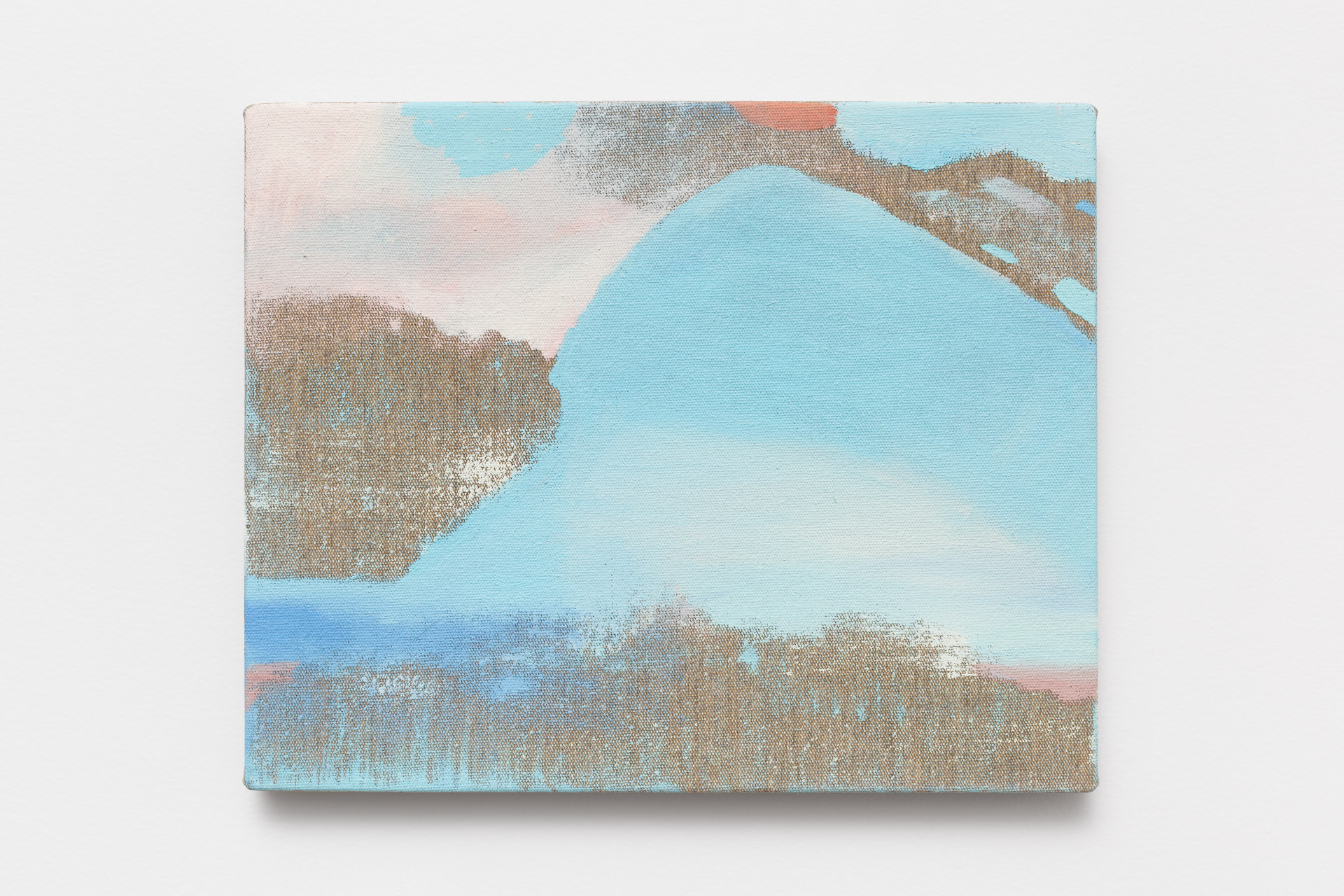
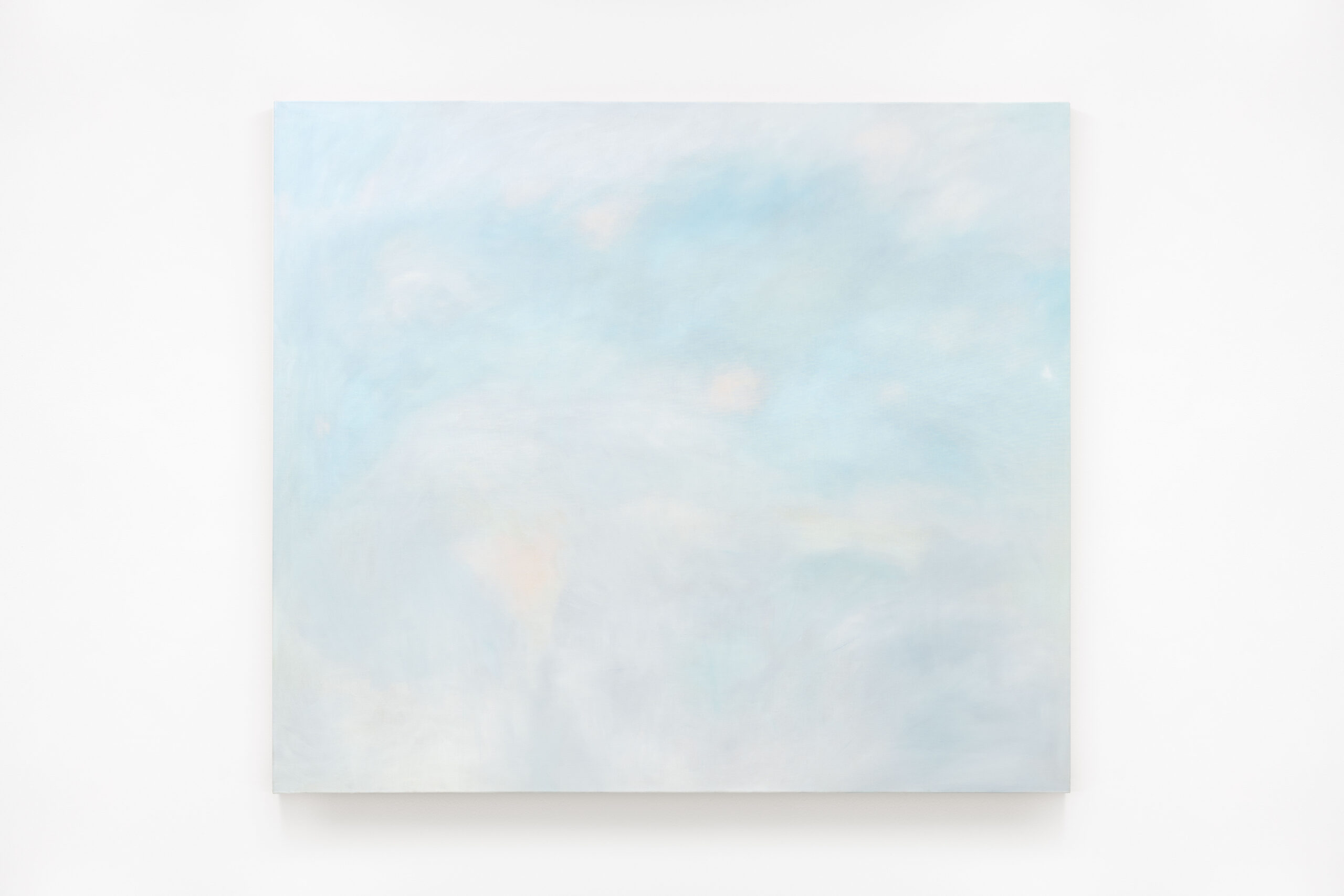
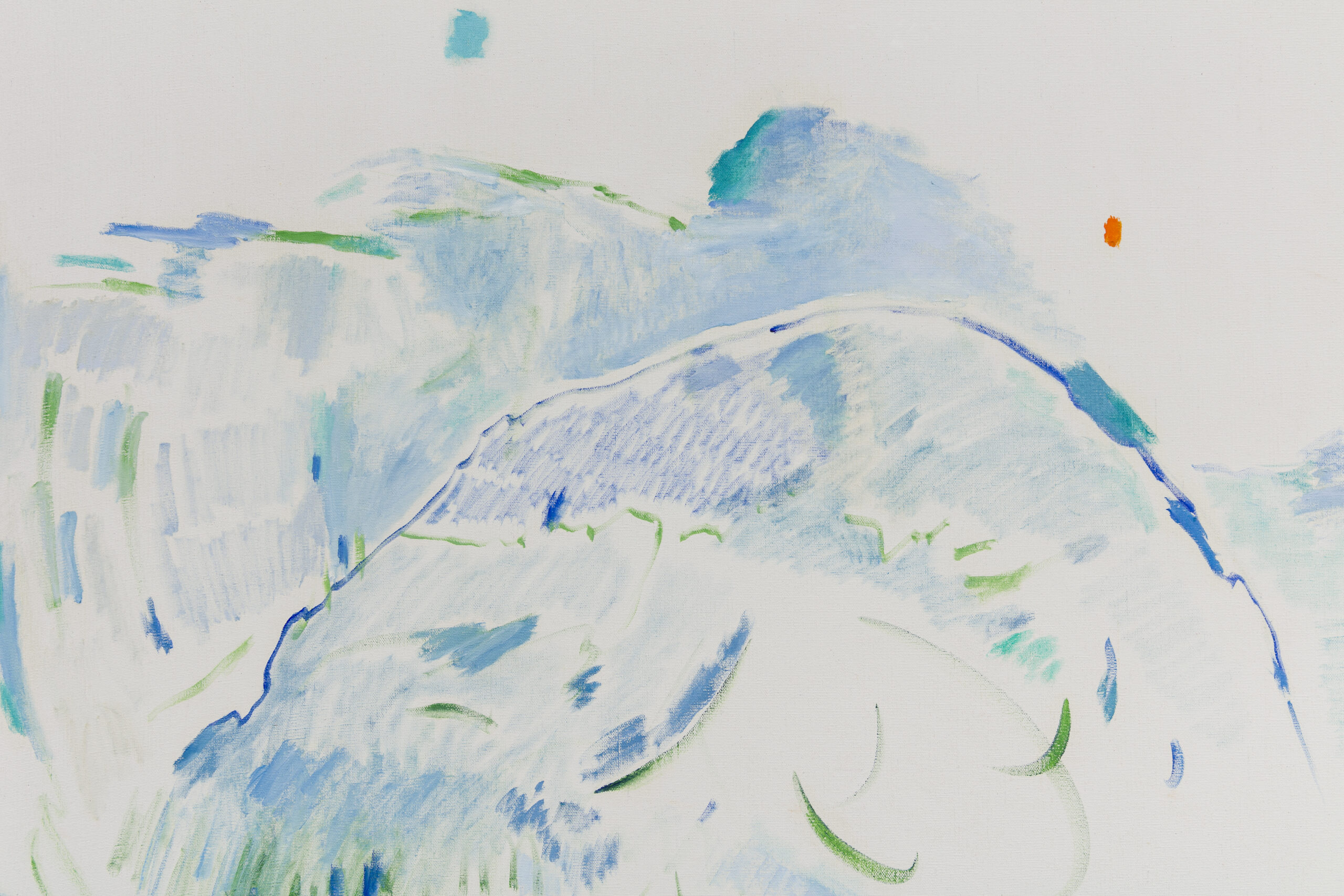
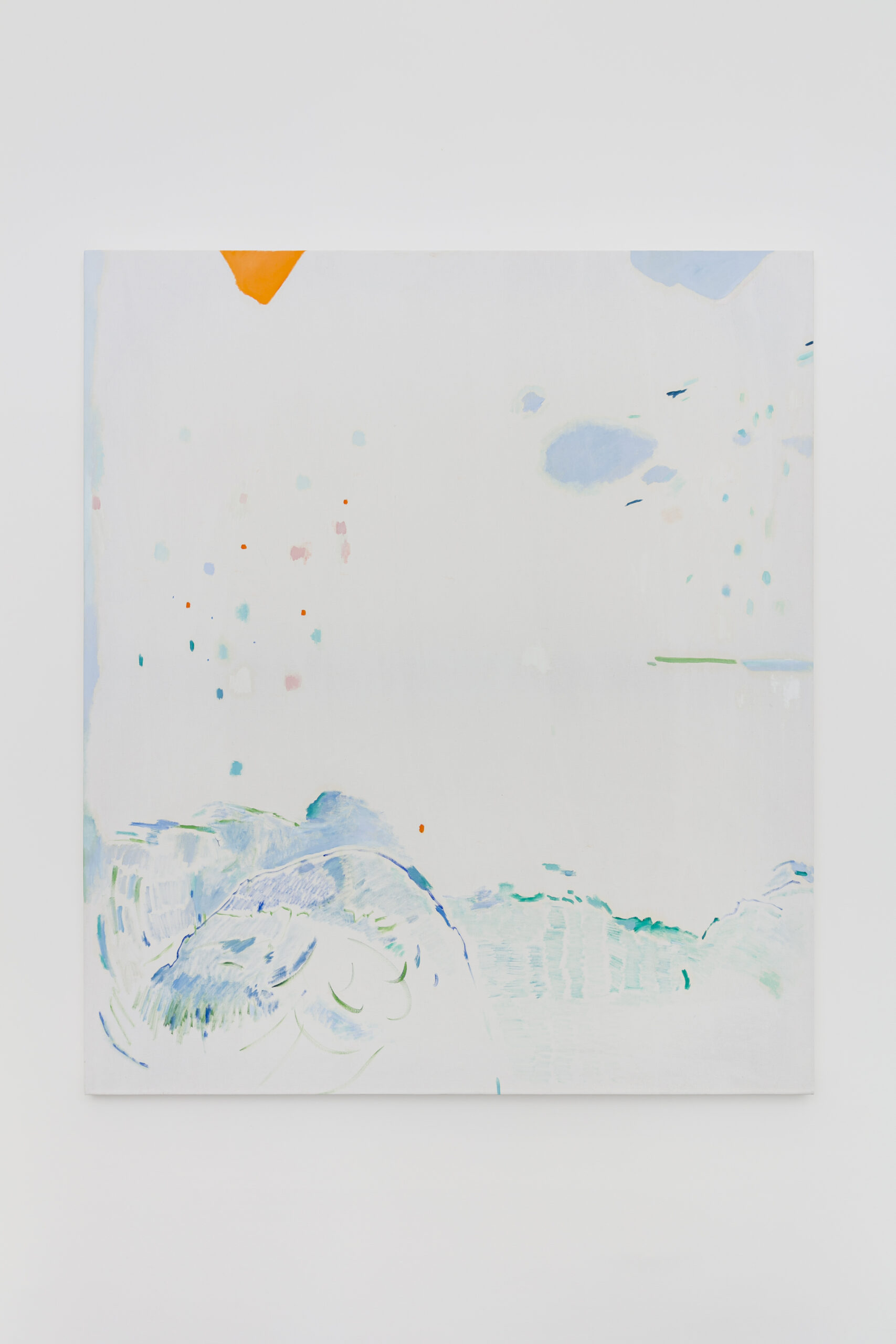
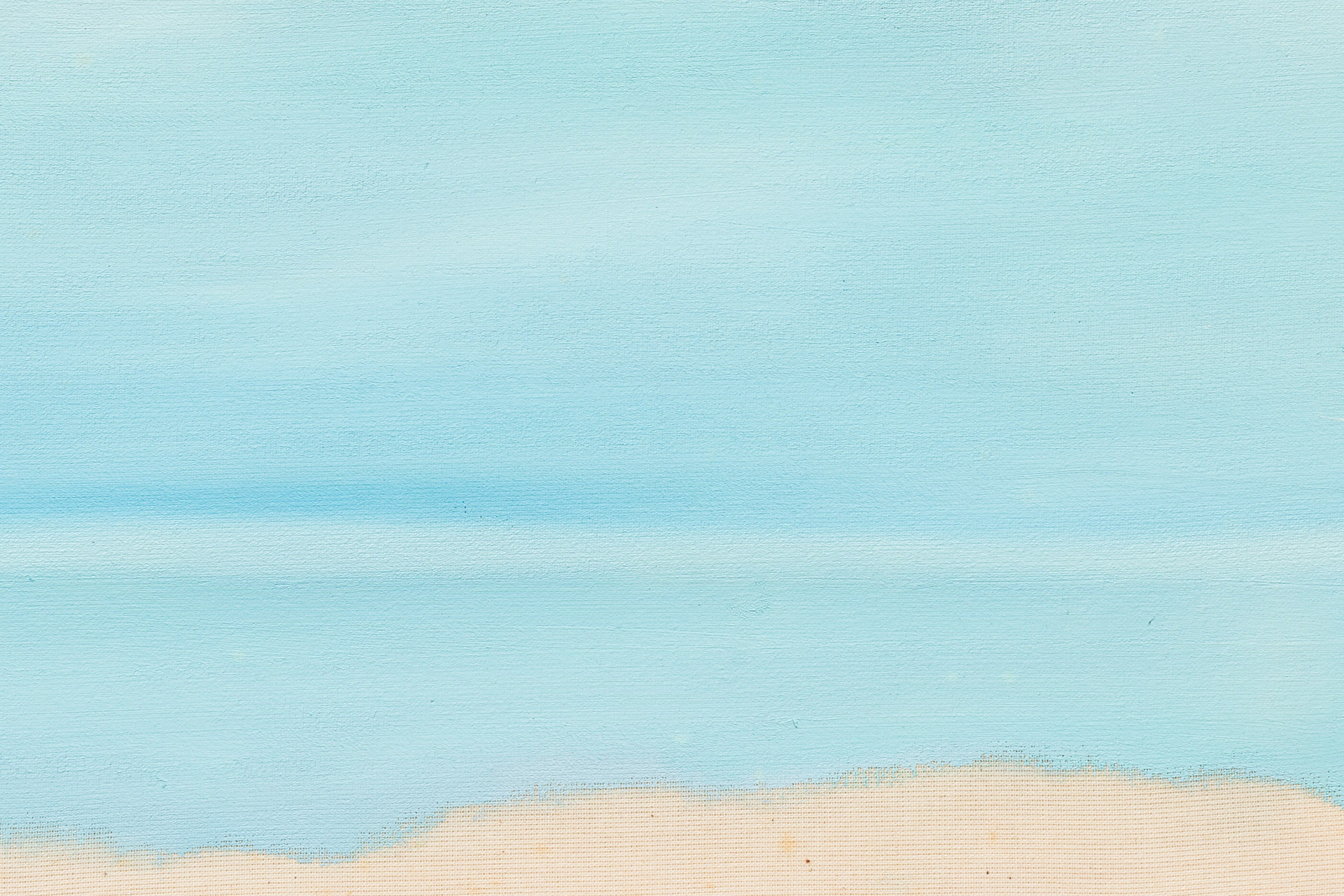
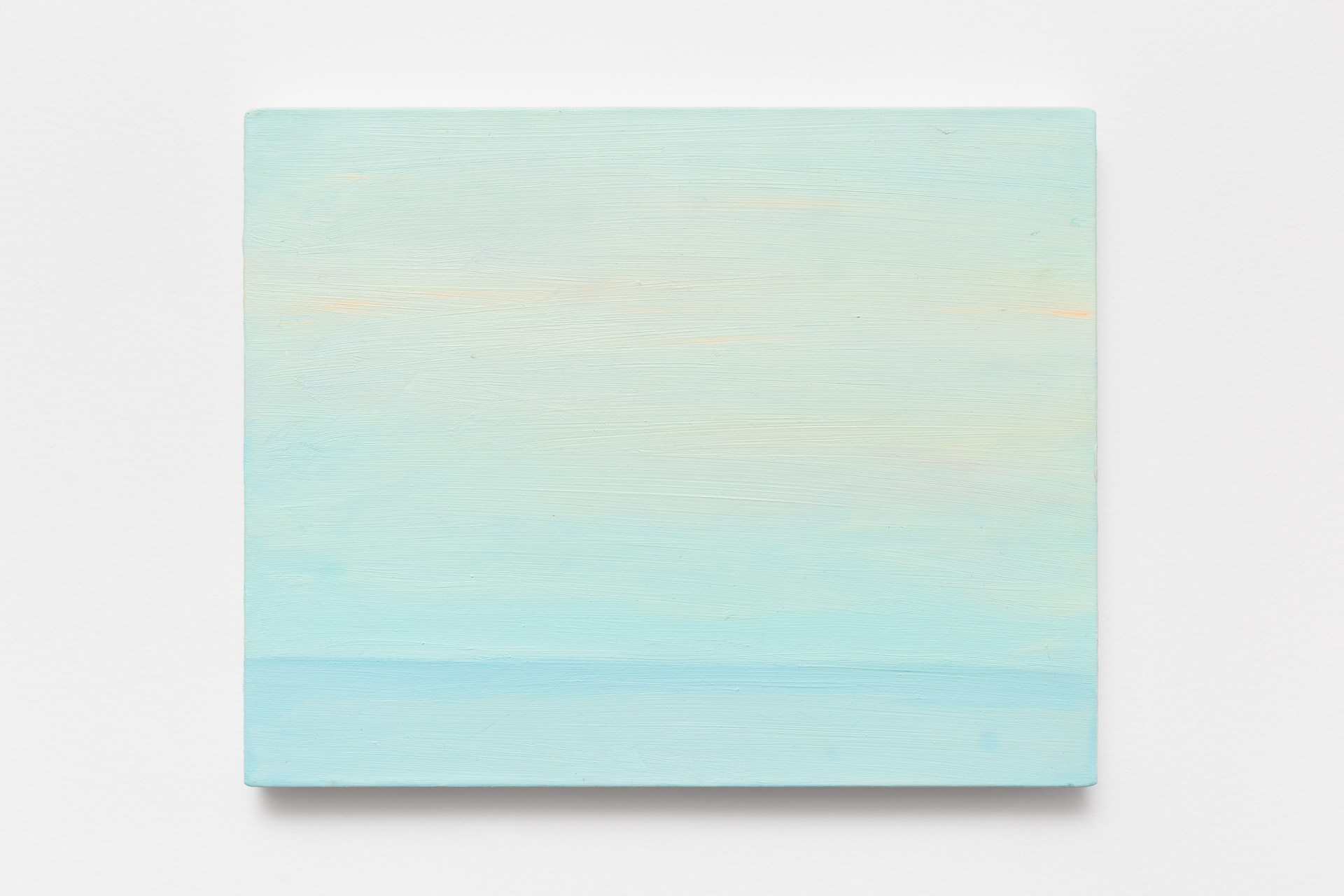
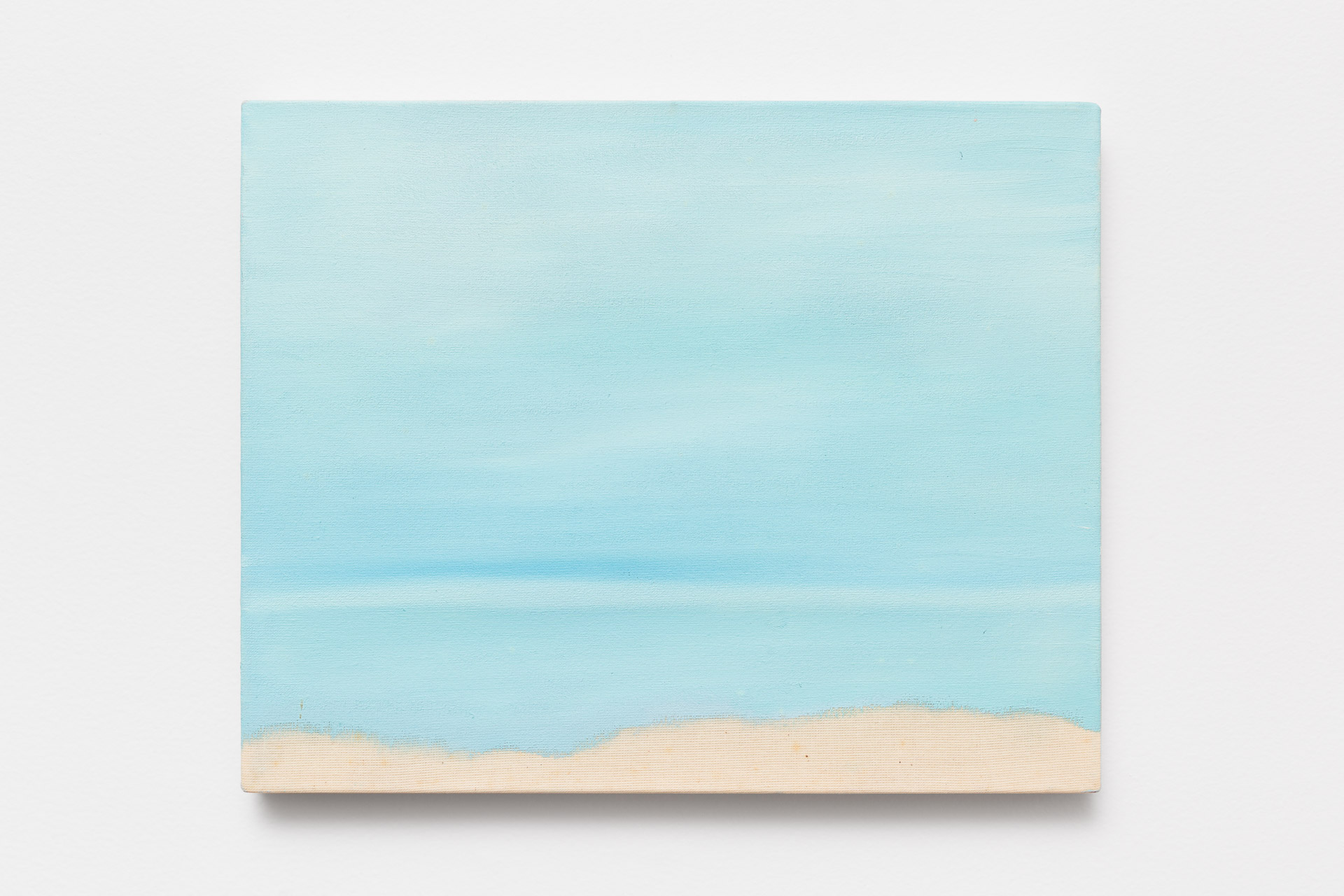
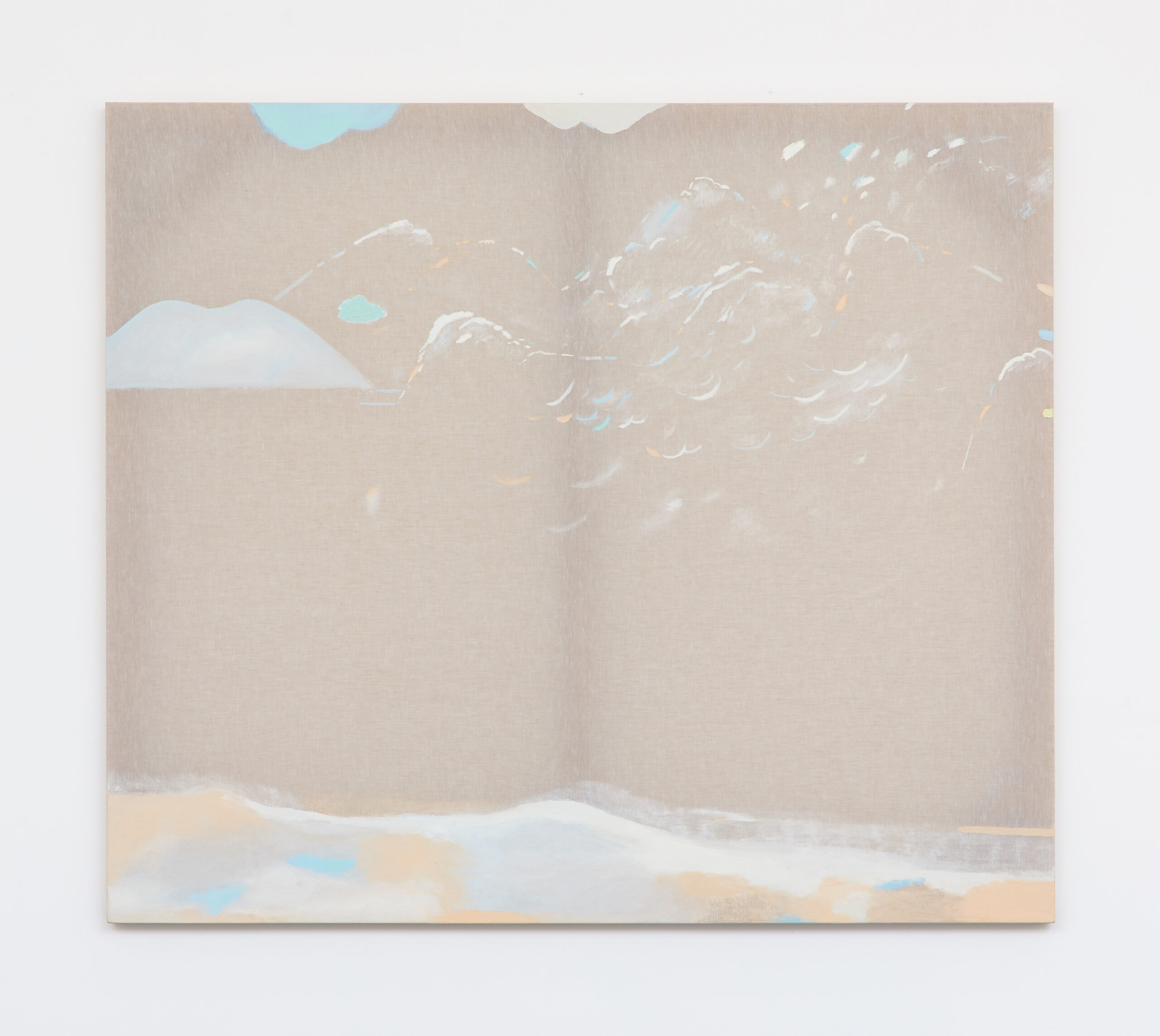
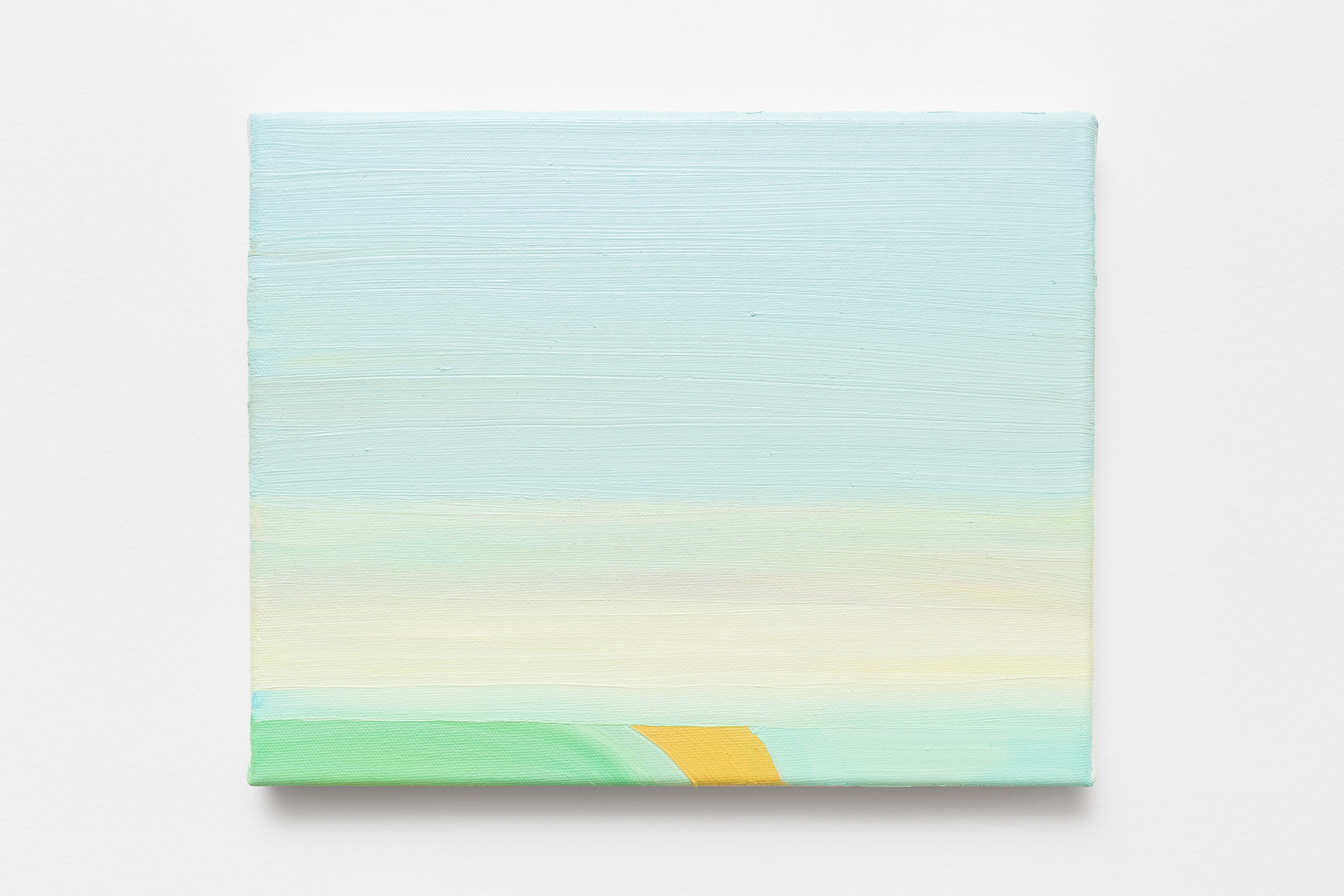
Of the ways in which Yasmin weaves new horizons, there are three procedures that I would like to explore in this critical essay, as they don’t necessarily denote phases of her young pictorial production or conscious choices, but rather ways of looking at emptiness that may or may not coexist in the same work. In the first of them, the scene is built up by layers of paint that thicken the canvas in gradations that vary subtly between tones. They form a kind of fog, whose movements of color circulate across the surface in rhythms that are sometimes serene (when they function as a background or as an object of reflection), sometimes energetic (when they are delimited by sharp edges). In these actions, the artist contemplates the horizon through the accumulation of retinal sensations that apprehend, as a metonymy, the part for the whole – the impression of a set of colors in tenuous variation to allude to the elaboration of a scene. A landscape-scene, of course, but only anchored to the vague subjective memory of the beholder, since none of the canvases carries, either in its title or in the anecdotes of its creator, a reference to an external.
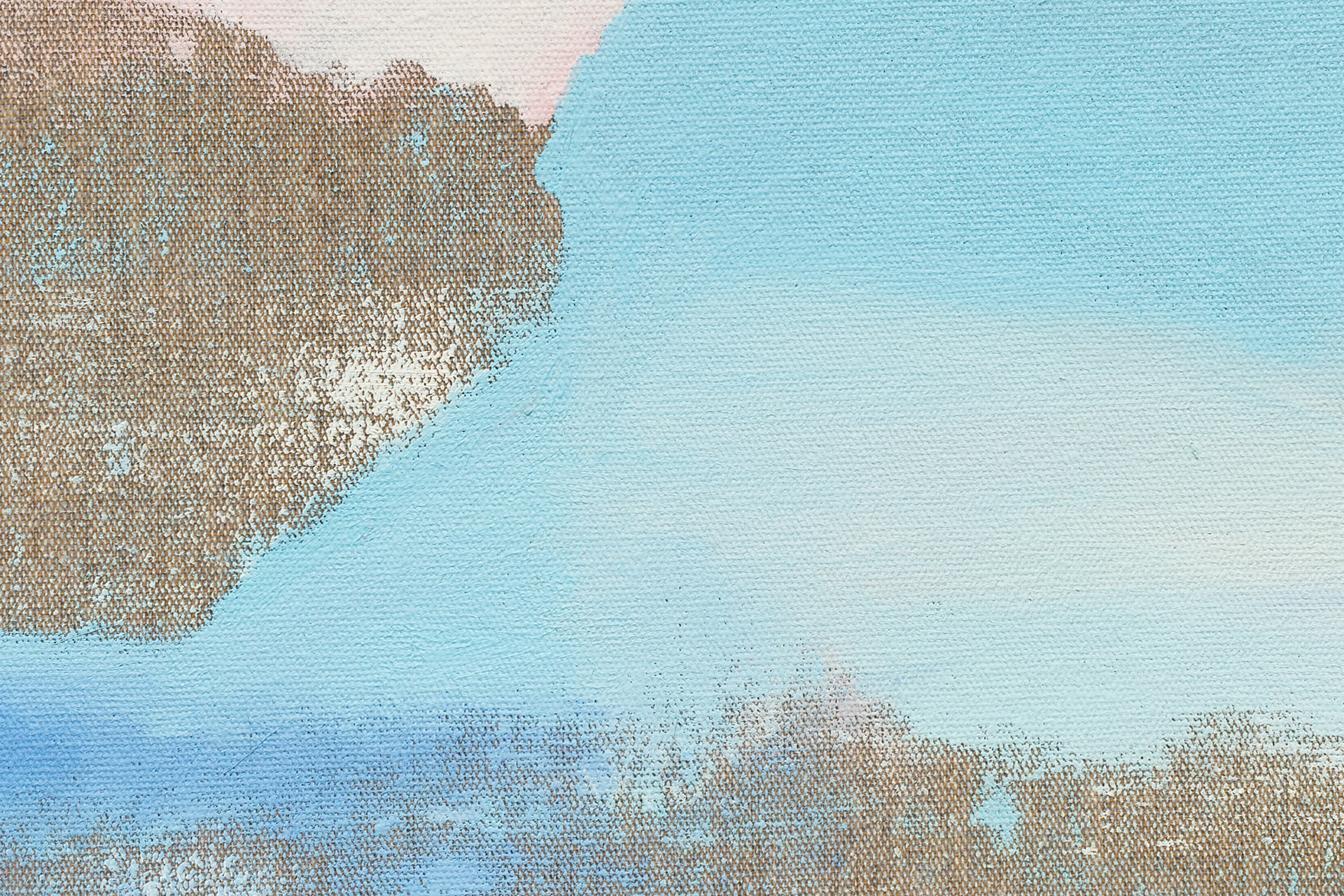
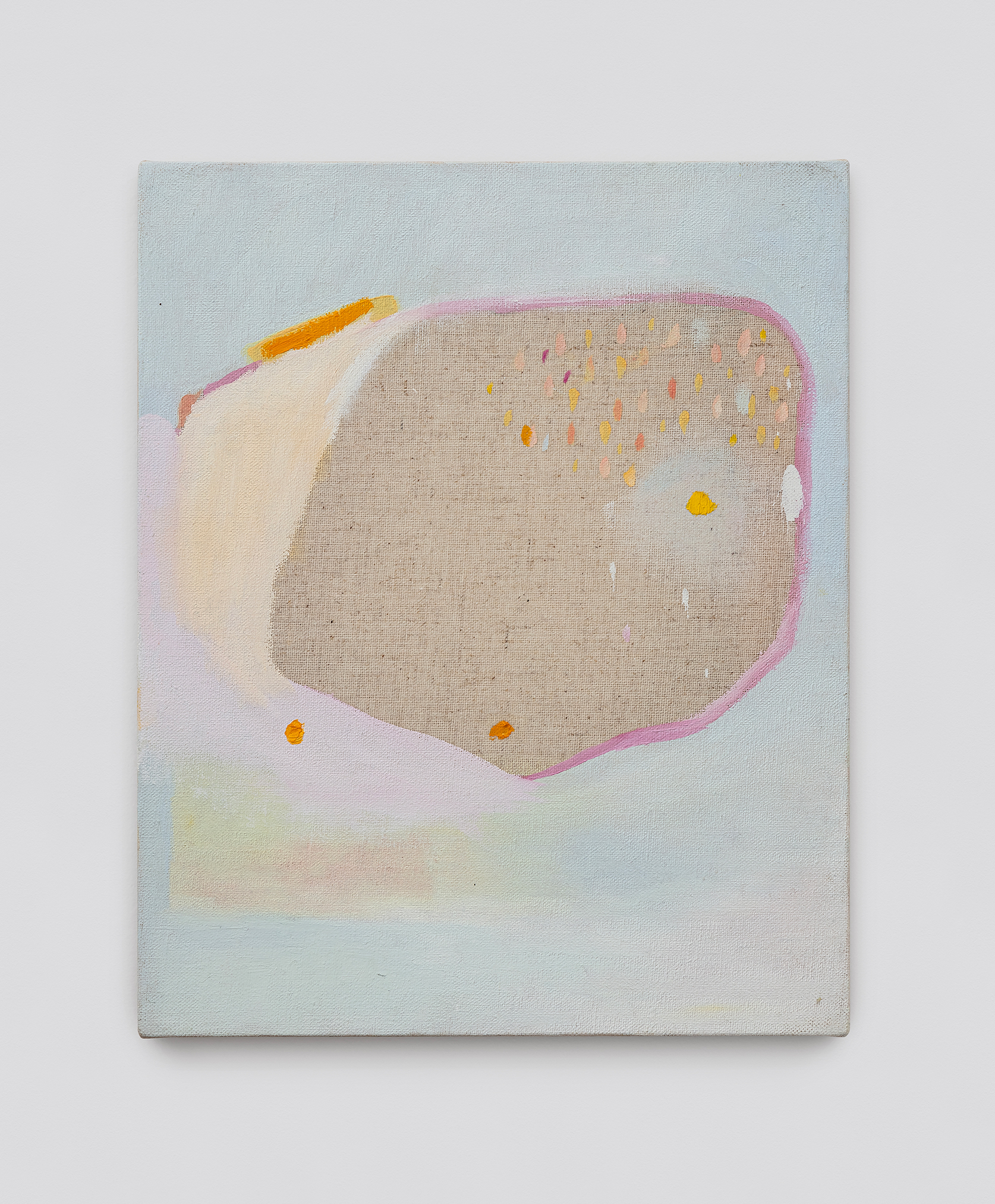
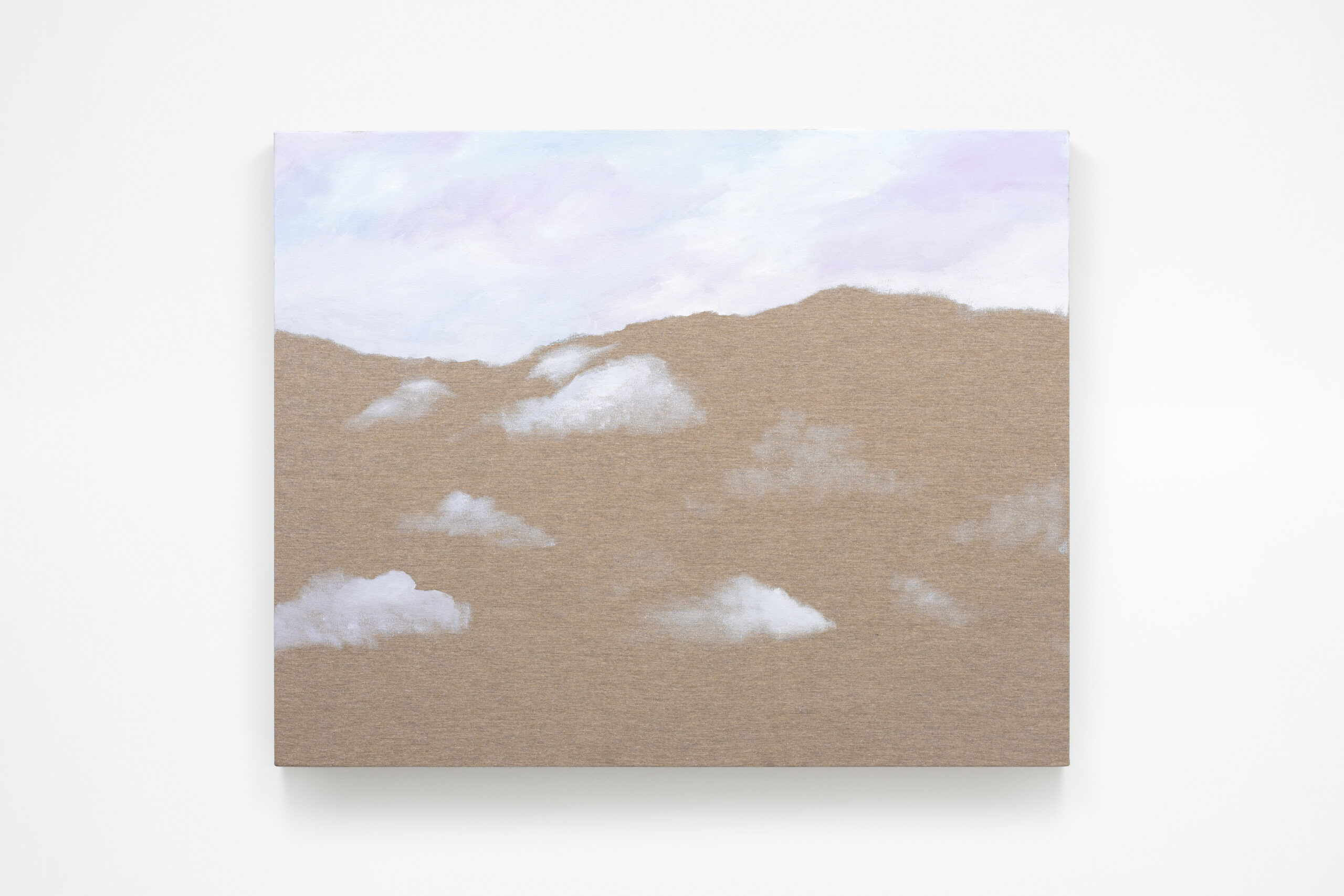
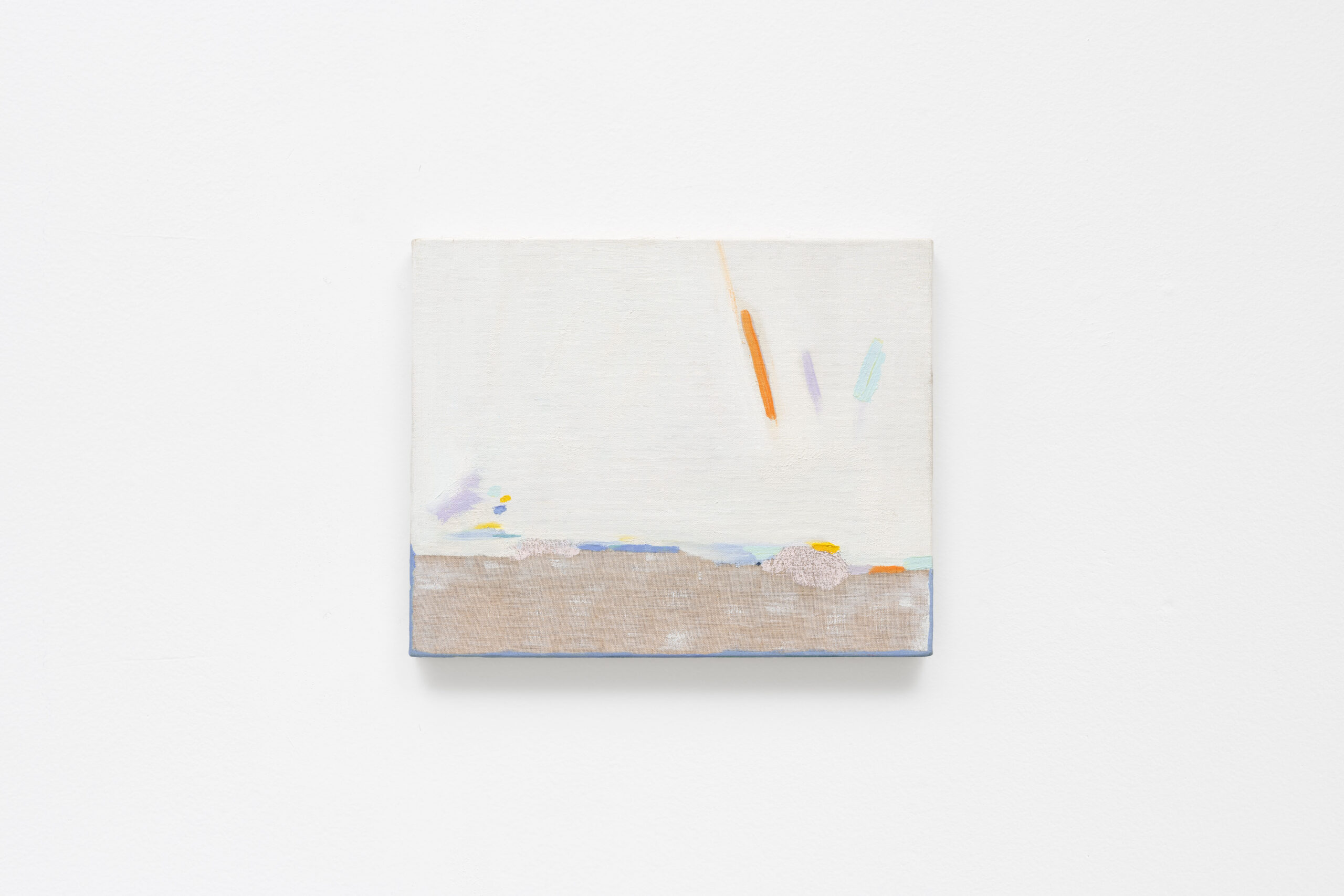
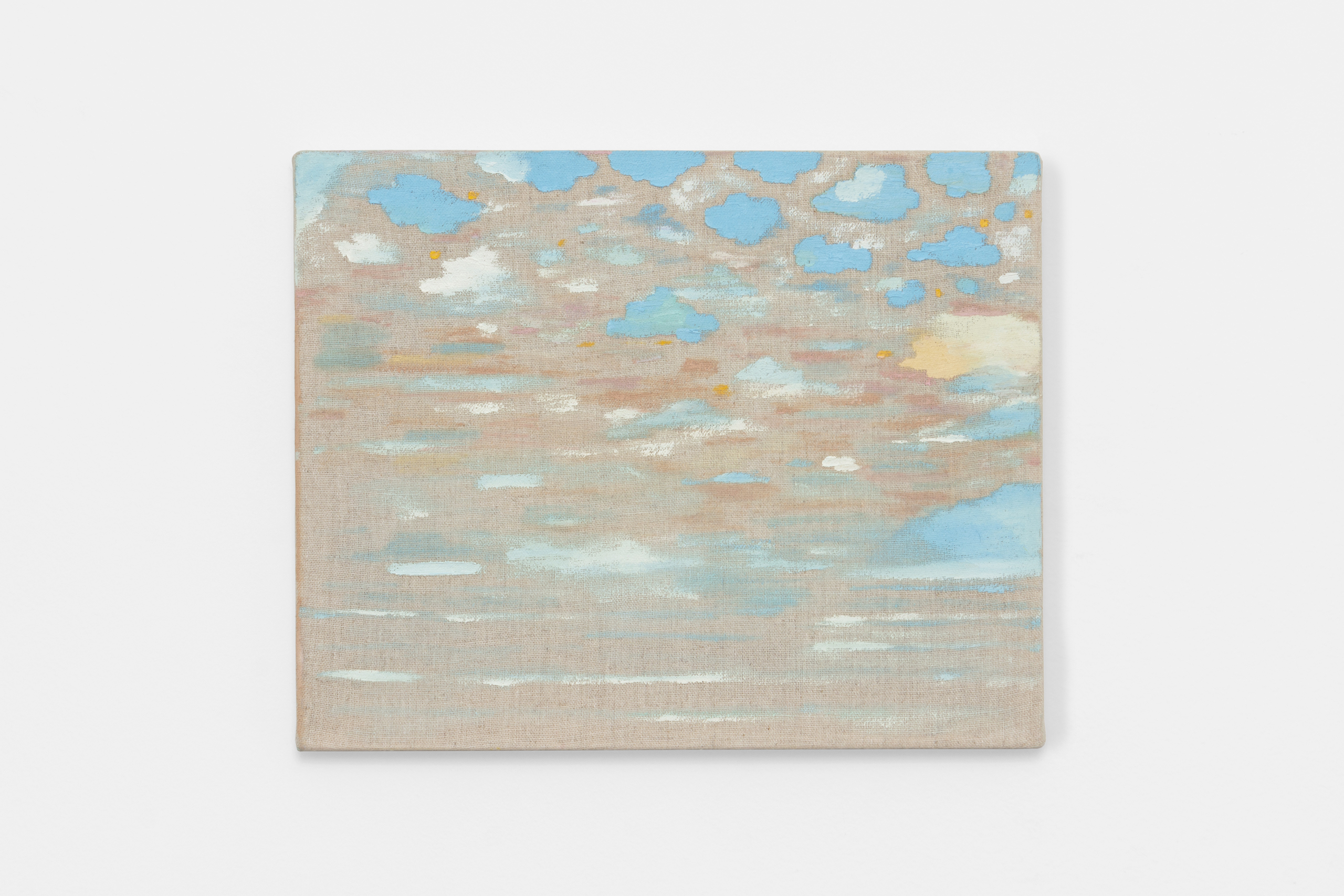
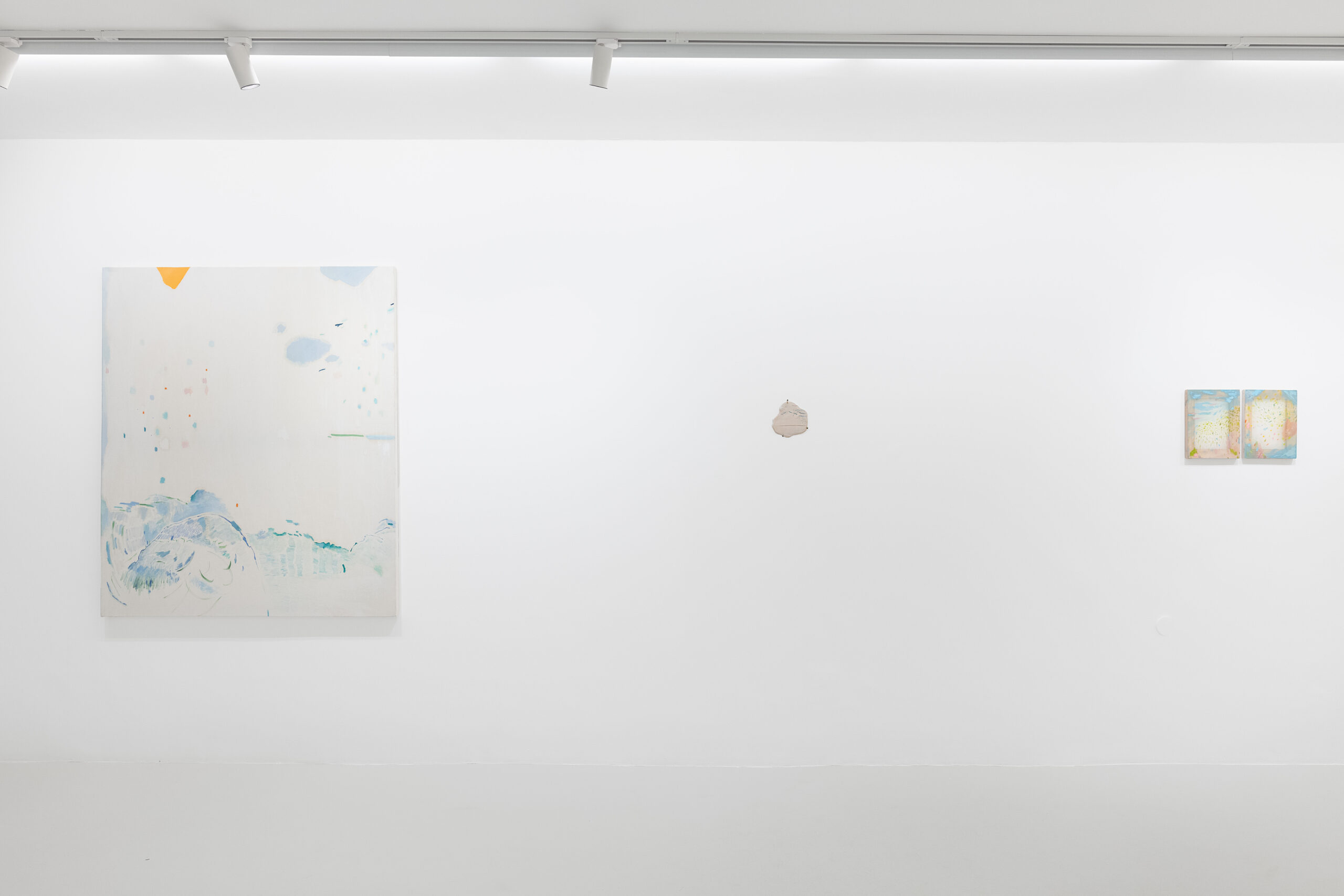
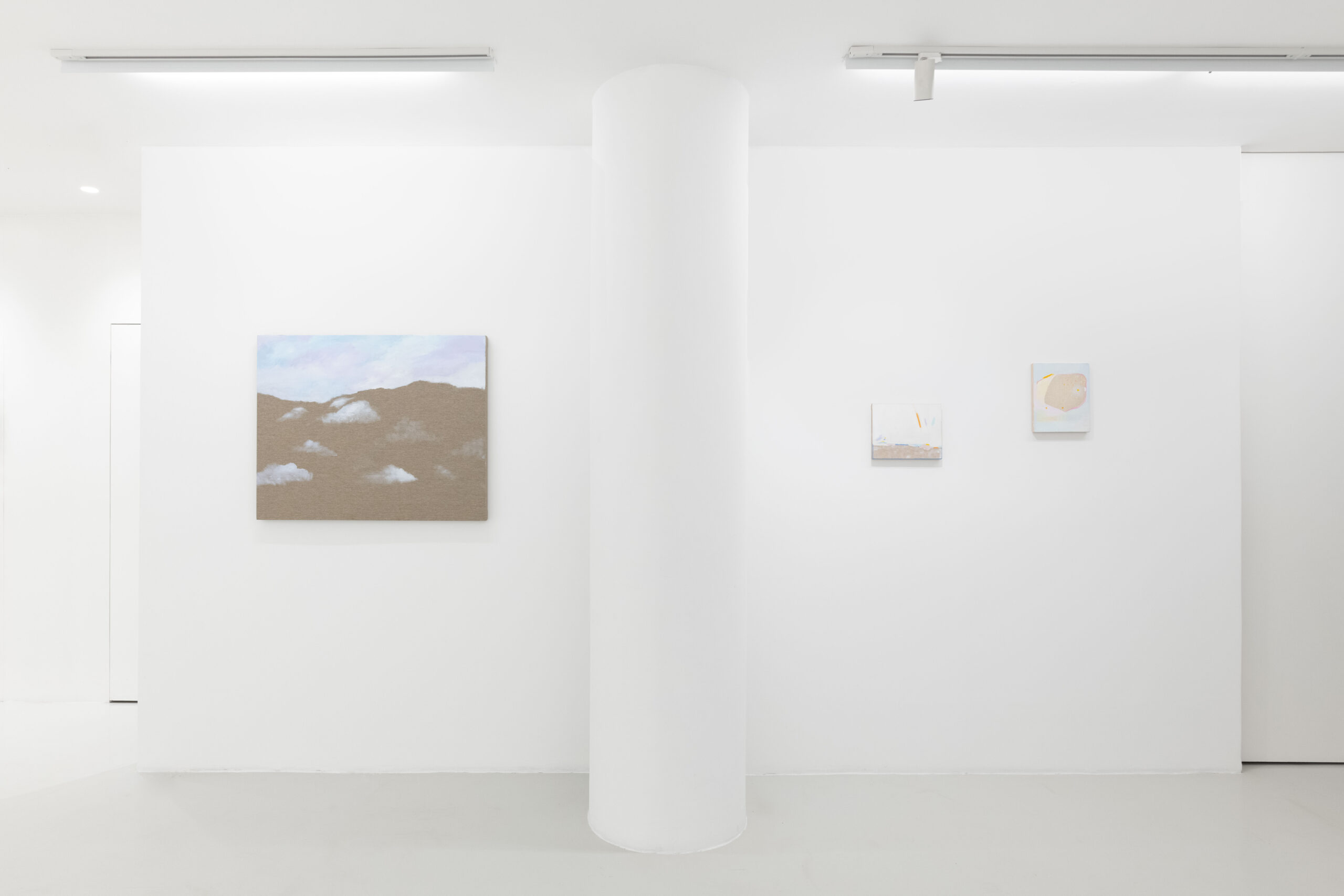
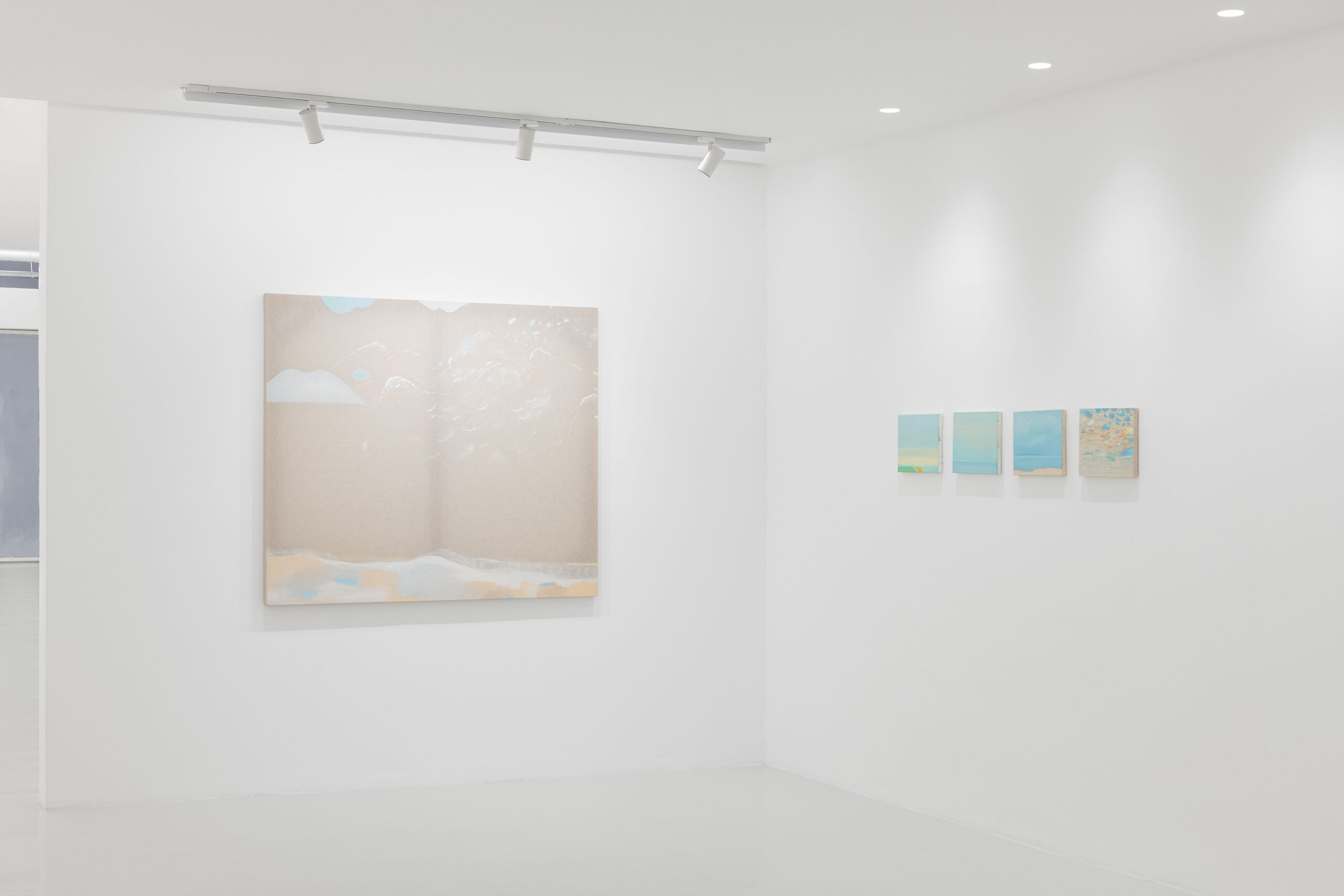
In another gesture, Yasmin represents a poetic digression into the immaterial qualities of nature through a work of subtraction. In these paintings, a certain loose pointillism is used to create trails of color that are either concentrated in parts of the scene or slide across the surface, whether or not they extend beyond the limits of the canvas. In dots of color, rarely superimposed directly, the artist aims to represent the wind, the thin layer of color that covers the edges of mountains and valleys, droplets of rain or even cloud formations – the latter made in quick gestures of wet paint or frictions of the brush drenched in almost dry oil. The choreography of the particles sweeps across the painting in an energetic way, condensing complex natural phenomena into zones of color that flow through the pictorial space. They show the raw background of the support, usually linen of varying colors, on which Yasmin proposes an interaction between the vegetable fiber and the motifs of her scenes.
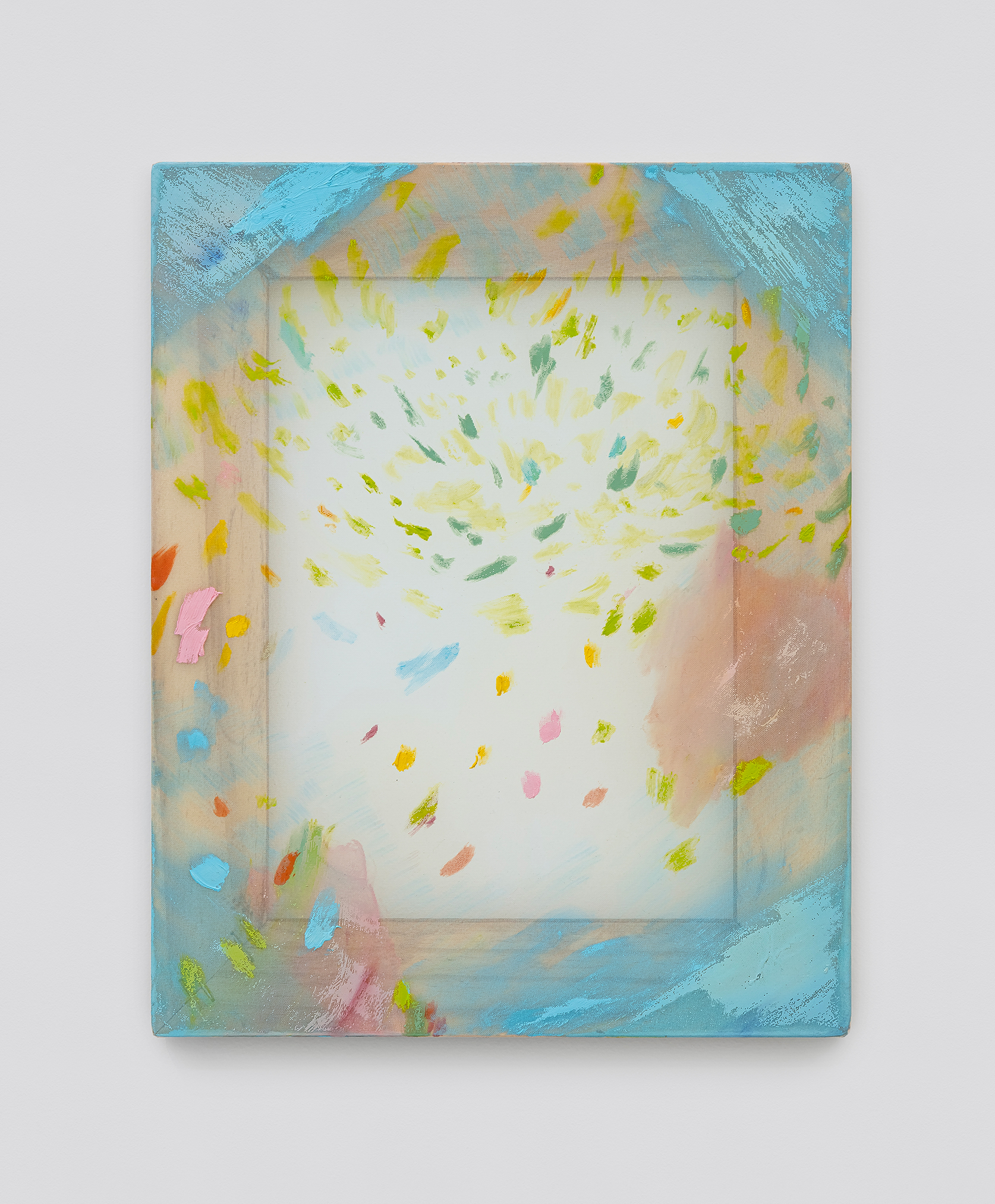
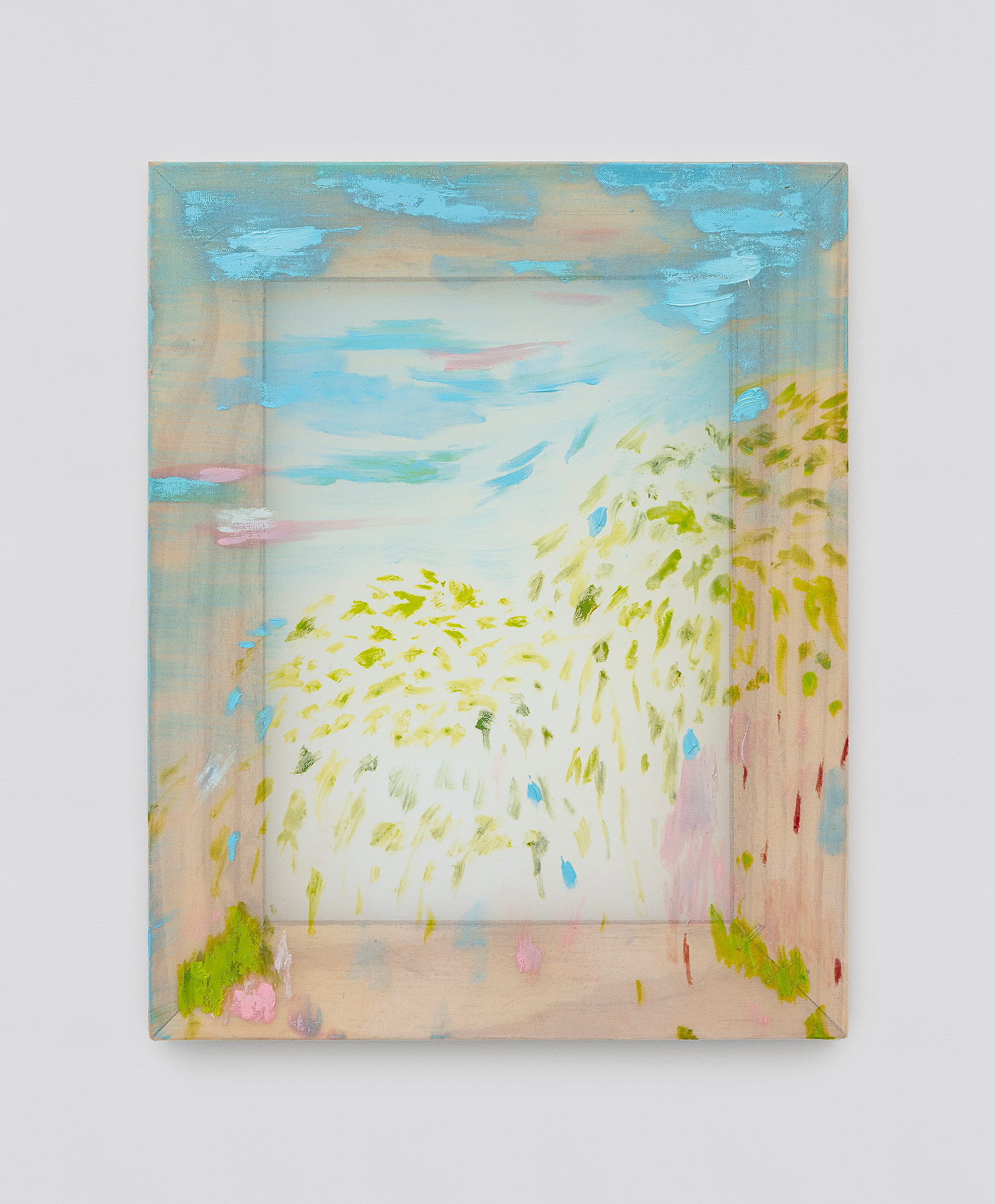
There is also a third procedure by the artist who, not content with the hardness of the linen, suspends her brushstrokes in delicate wefts of voil that show off her own frame. Here, the symbolic construction of the scene as a landscape is deconstructed in cheerful, rapid strokes of pastel tones, revealing to the beholder the intrinsic artifice of illusion. It’s a curious dichotomy, since it dismantles the illusory quality that comes from a realistic pictorial tradition common to the landscape genre, making it opaque as a materiality and cultural enunciation through the use of a translucent bulkhead that reveals its structure. It is in a gesture so subtle and full of beauty that Yasmin demonstrates that she is not tied to a Western heritage that sought mastery of its surroundings through the visual apprehension of the world, but in her sensitive aesthetic experience. As modest as it is witty, the oil sheds its seriousness and flows like the wind, riding the wave of its creator.
In these gestures, the artist gradually reveals that her interest in the matter of the things that surround the world is less than in their gaps and edges. Attracted by emptiness, her pictorial elaborations seem more akin to the construction of nature under an oriental visual canon that, under the influence of Taoism, reflects on the surroundings with the representation of the vitality of forms and their rhythmic movement demarcated by the contour of the brush, in the search for abstractions that suggest the extraphysical. Creation arises as a possibility of revealing the void. It thus contrasts with Western ideals, whose pursuit of an organic plastic form still retains traces in our way of experiencing the world, both in painting and in the regime of technical images, in a complete horror of emptiness. In her practice, Yasmin transforms the arduous task of facing emptiness into vital joy. Often, her wittiest compositions are those in which the flashes of paint find a free field to navigate, reveling in the eternal fluidity that revolves placidity.
Lucas Albuquerque