Take a good look at the mountains
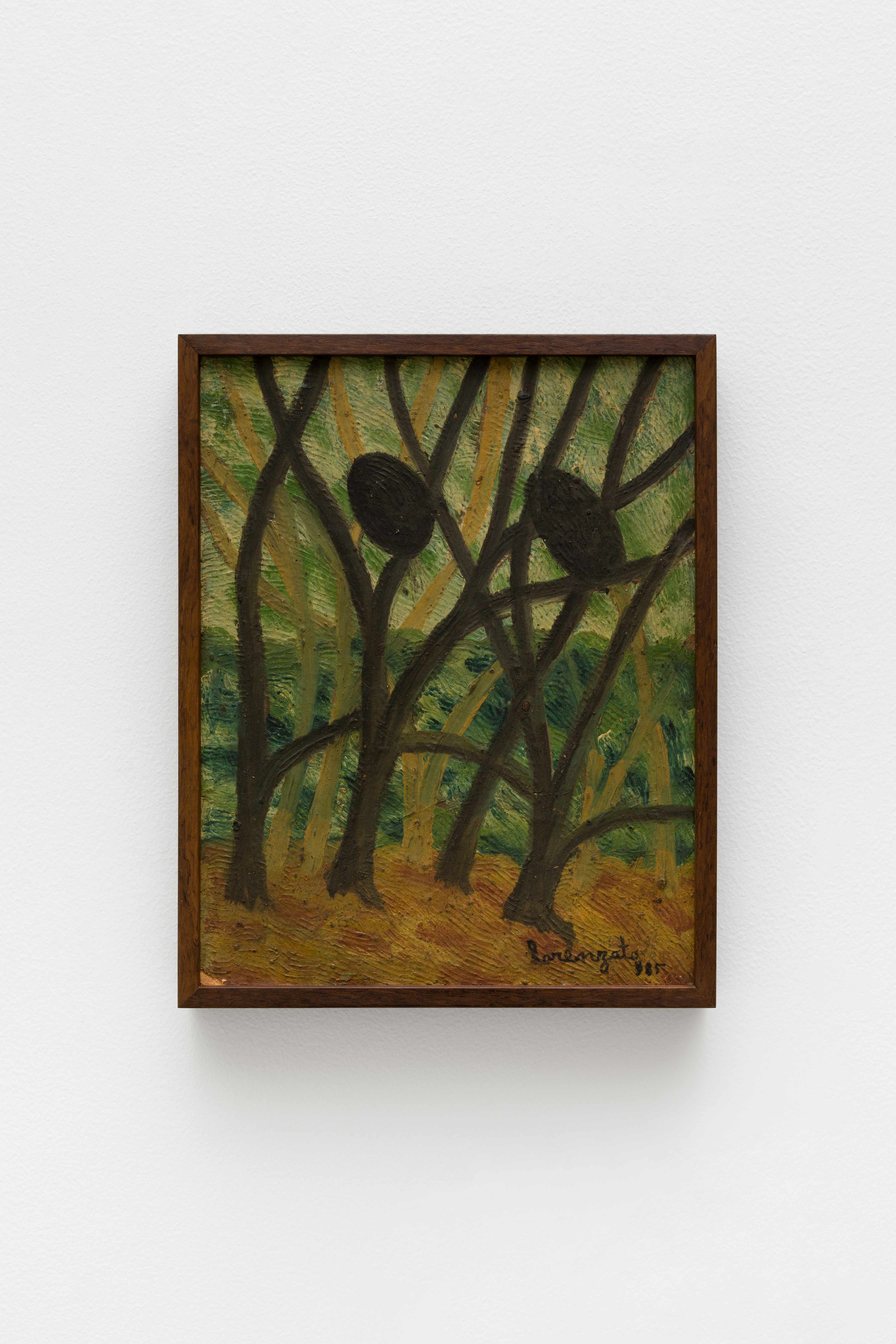
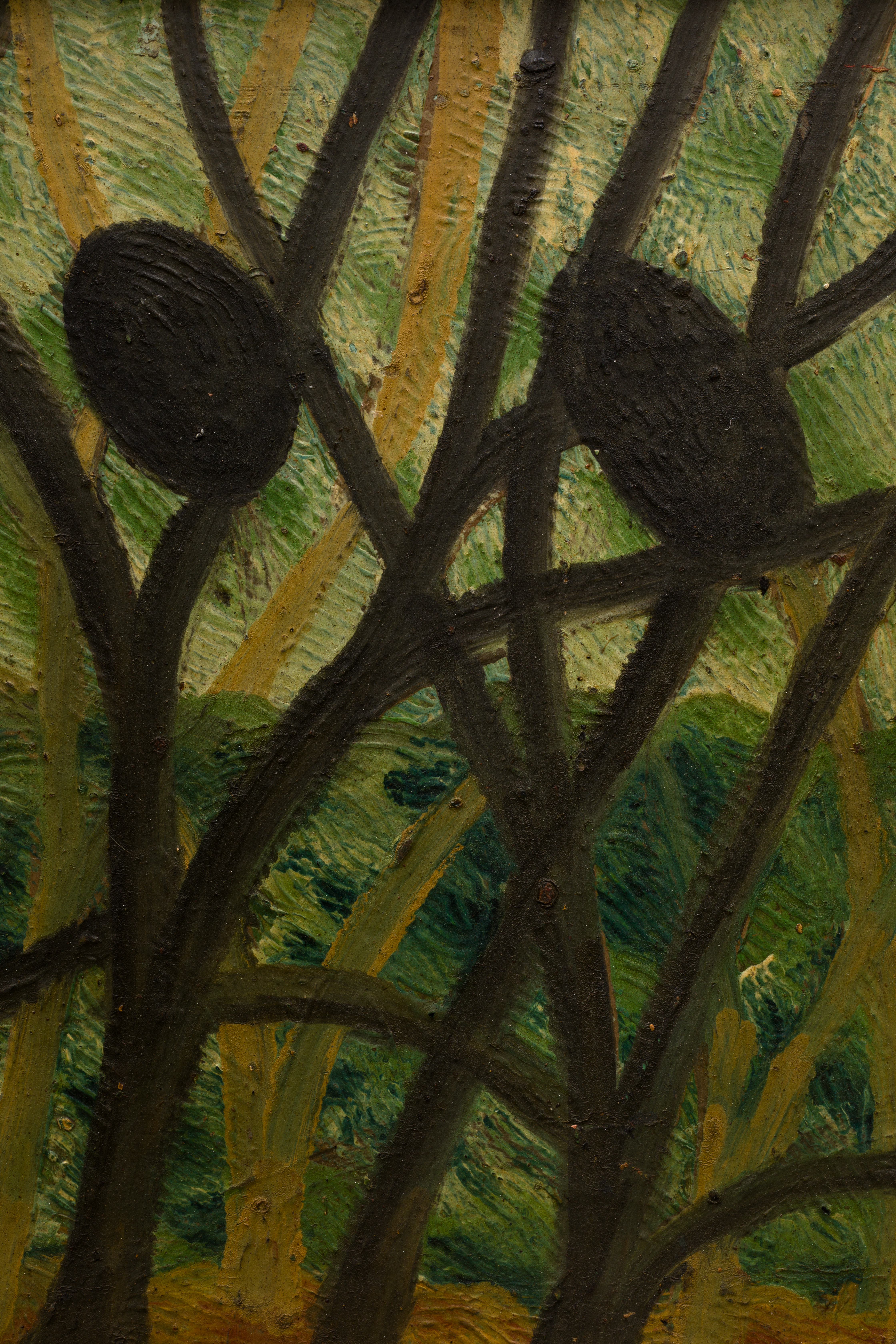
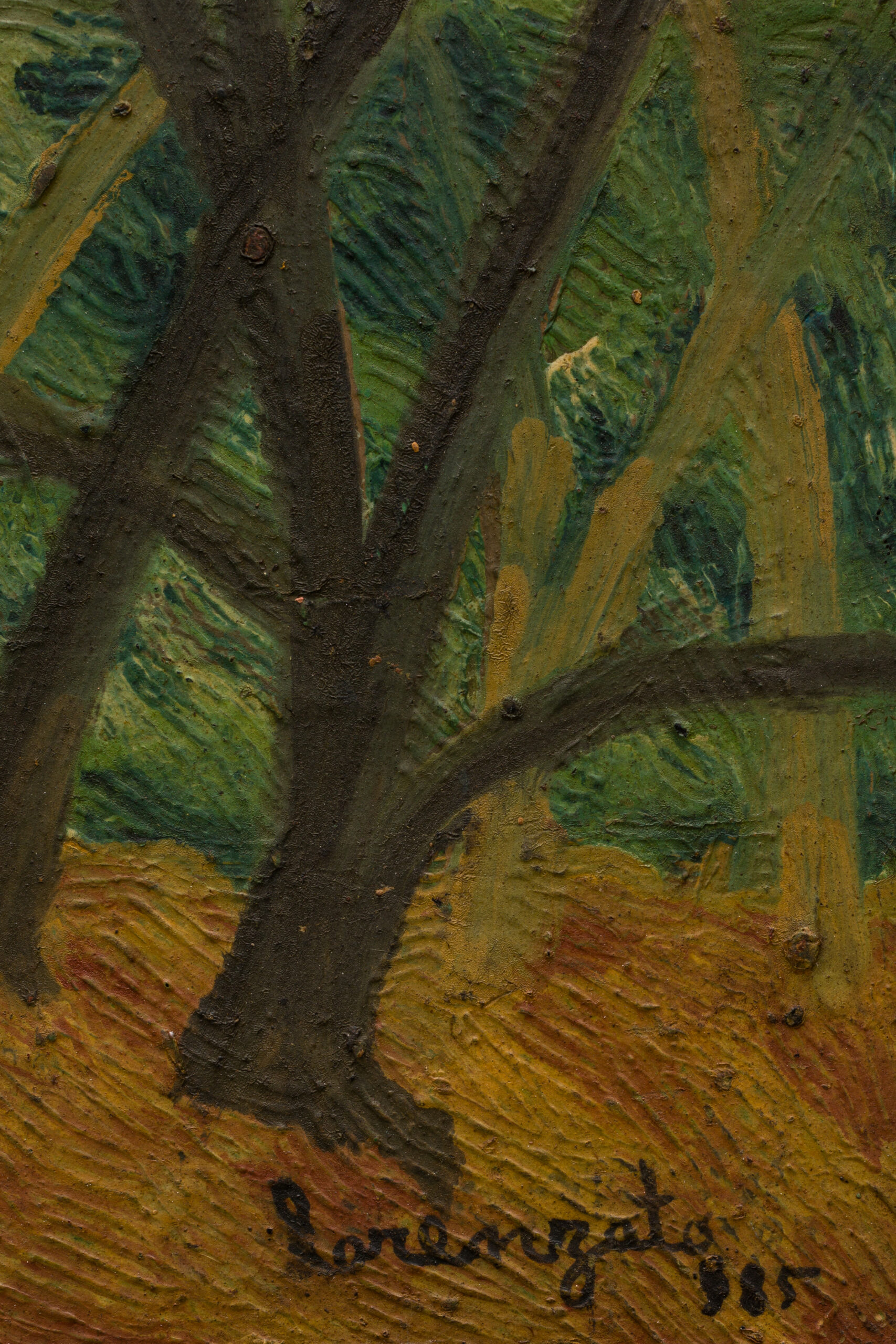
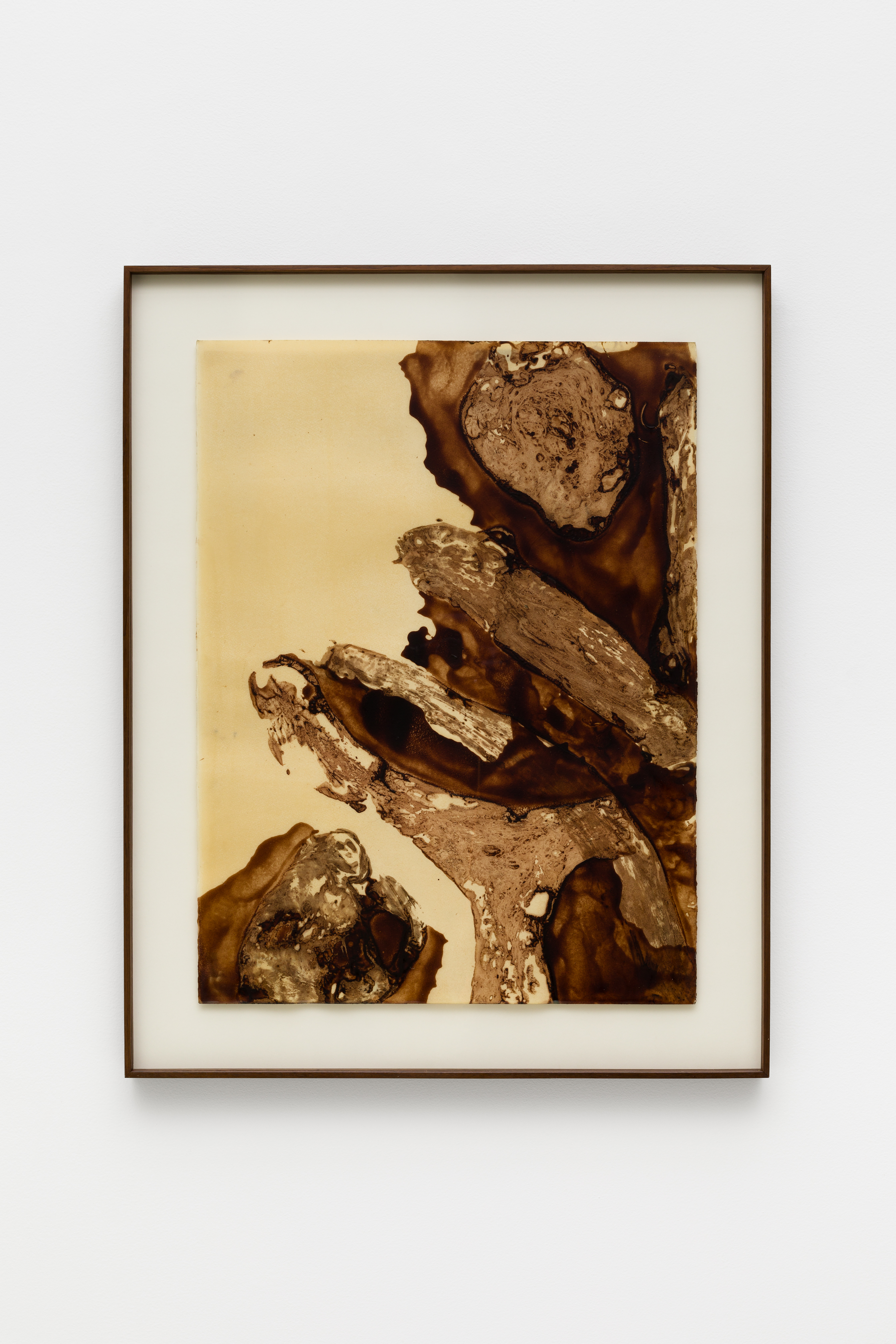
Aislan Pankararu, Alexandre Brandão, Amadeo Luciano Lorenzato, Amélia Toledo,Ana Cláudia Almeida,Ana Dias Batista, Ana Kia, Arorá, Ateliê da Rapa, Ayla Tavares, Brígida Baltar, Cao Guimarães and Rivane Neuenschwander, Carla Santana, Cildo Meireles and Edouard Fraipont, Dan Coopey, Deco Adjiman, Estela Sokol, Gilson Plano, Hamish Fulton, Iagor Peres, Isadora Almeida, Lais Myrrha, Laura Teixeira, Leka Mendes, Luiza Crosman, Manfredo de Souzanetto, Manuela Costa Lima, Marcelo Pacheco, Matheus Chiaratti, Nilda Neves, Paloma Mecozzi, Patrícia Leite, Rodrigo Andrade, Thomaz Rosa, Tiago Malagodi and Yasmin Guimarães
curated by Camila Bechelany
August 17, 2024 - October 26, 2024
São Paulo
“Once I was asked in front of a television camera:
“Who is the most important person you ever met?” and I remember answering: “A mountain.”
[Etel Adnan, in Journey to Mount Tamalpais]
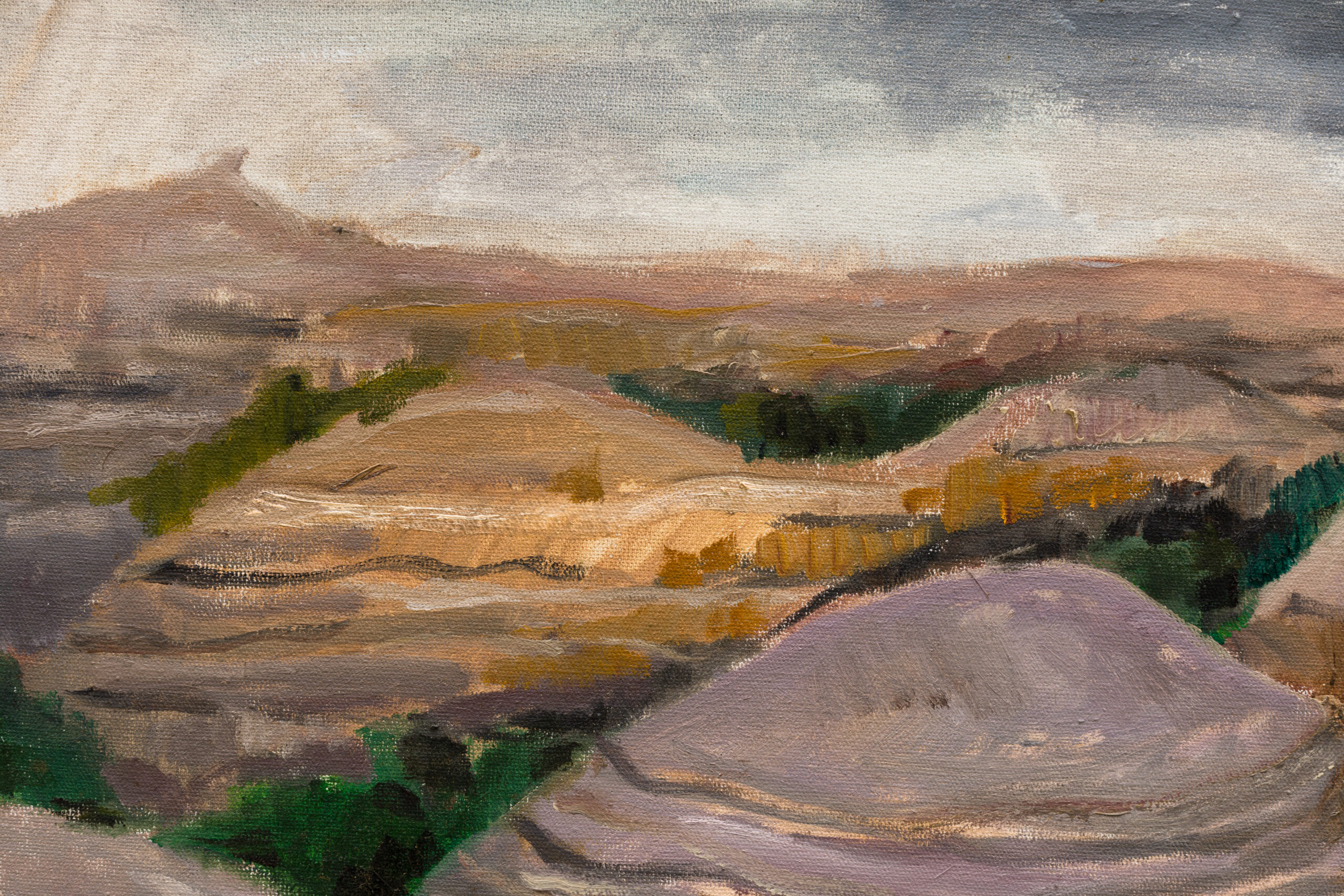
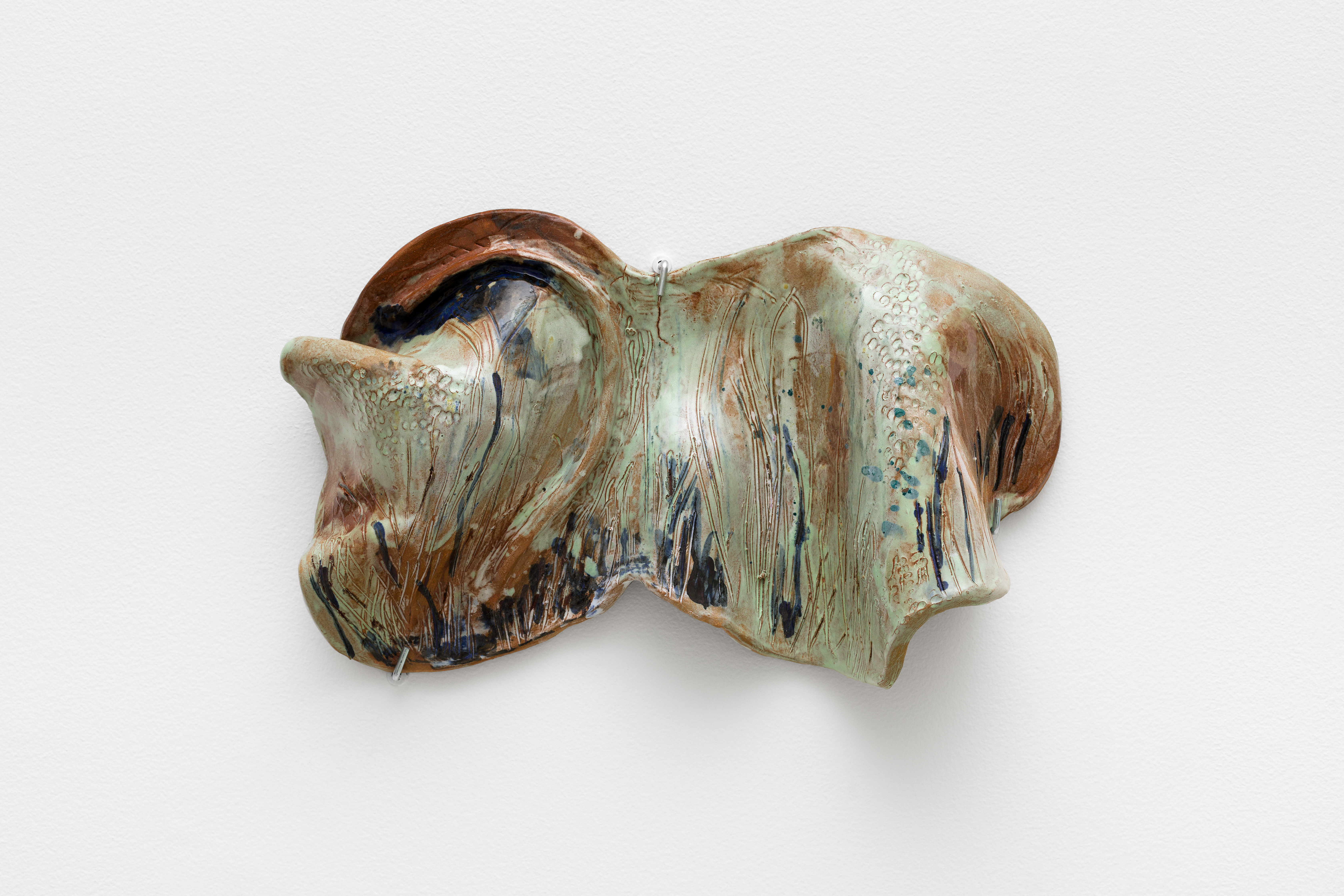
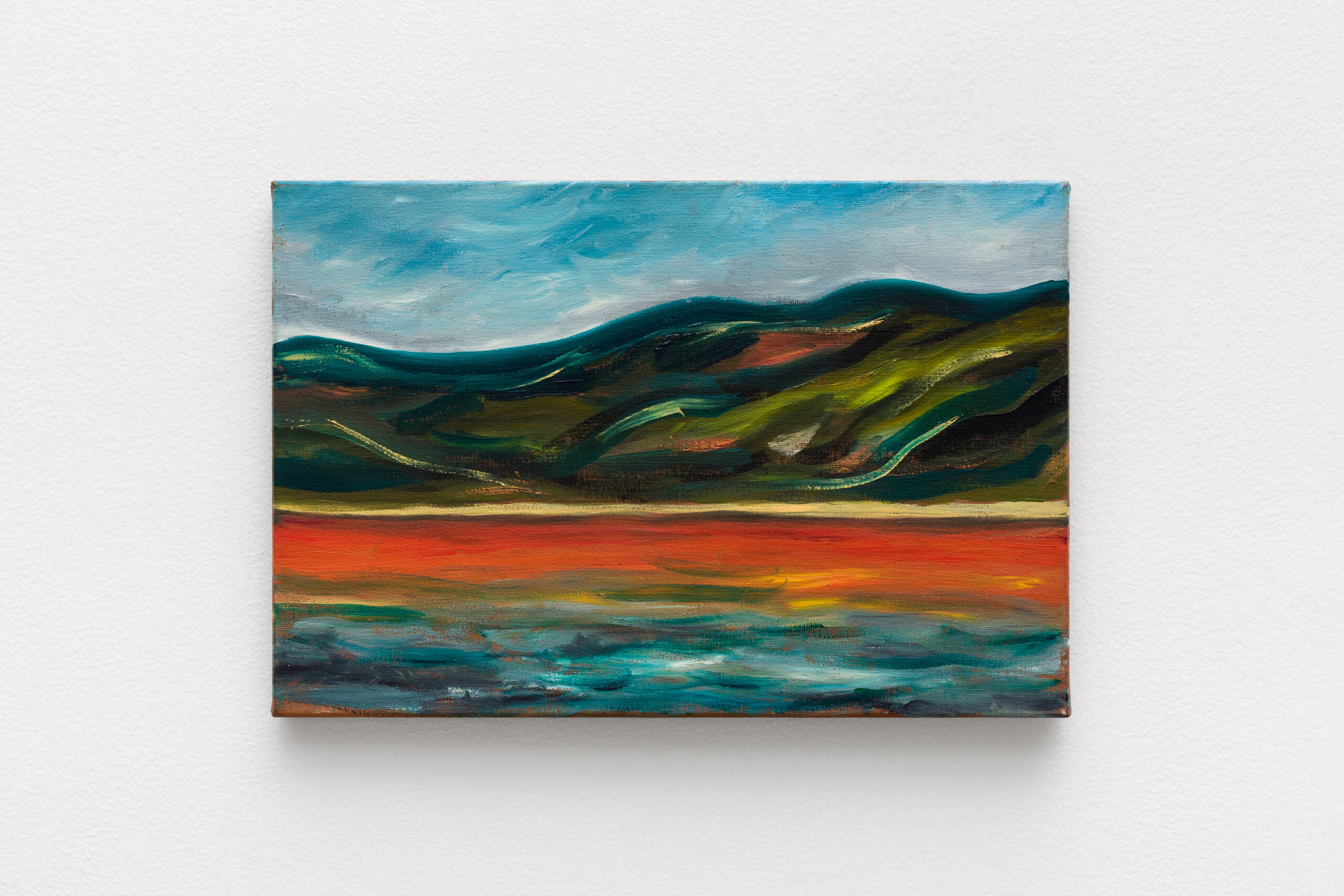
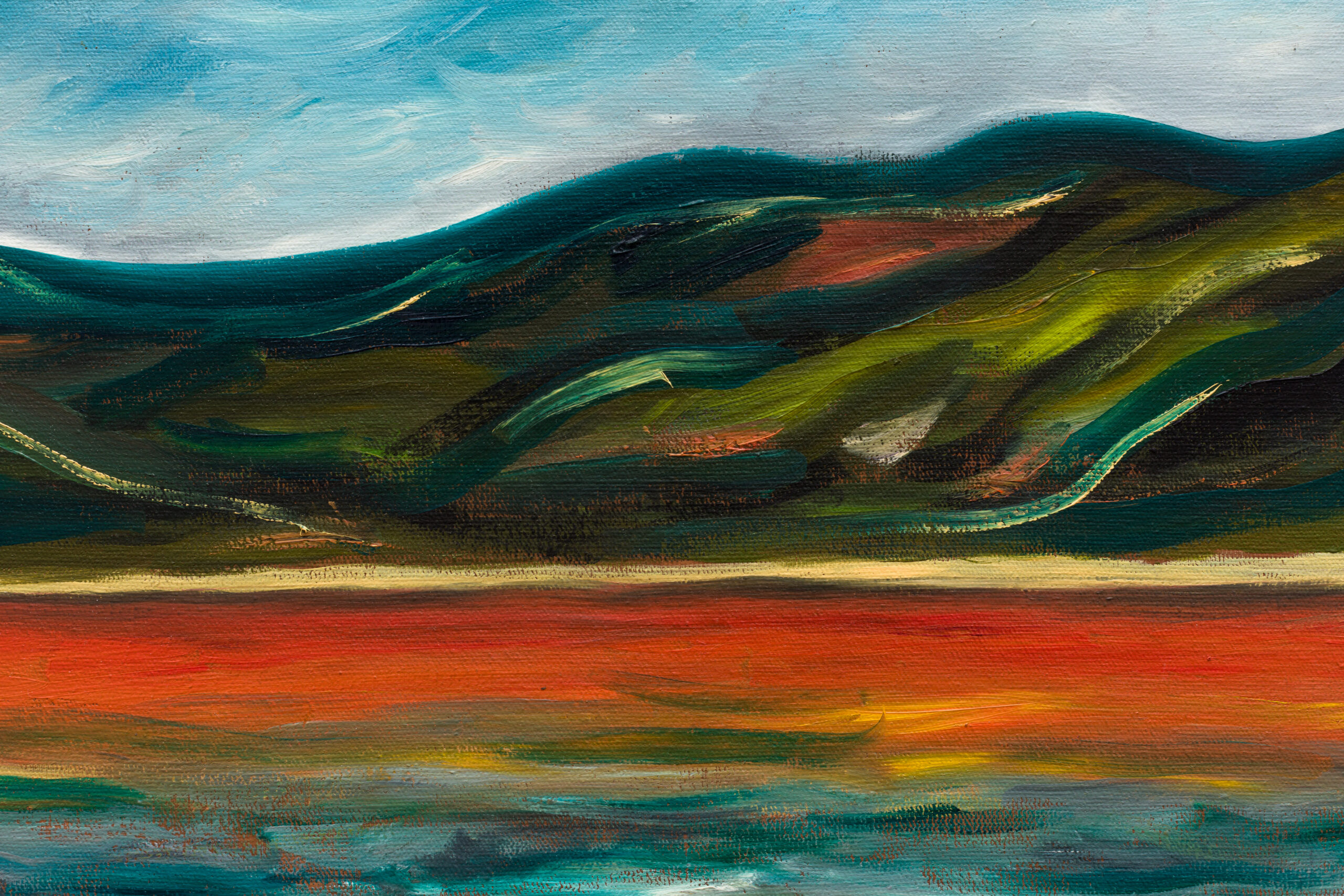
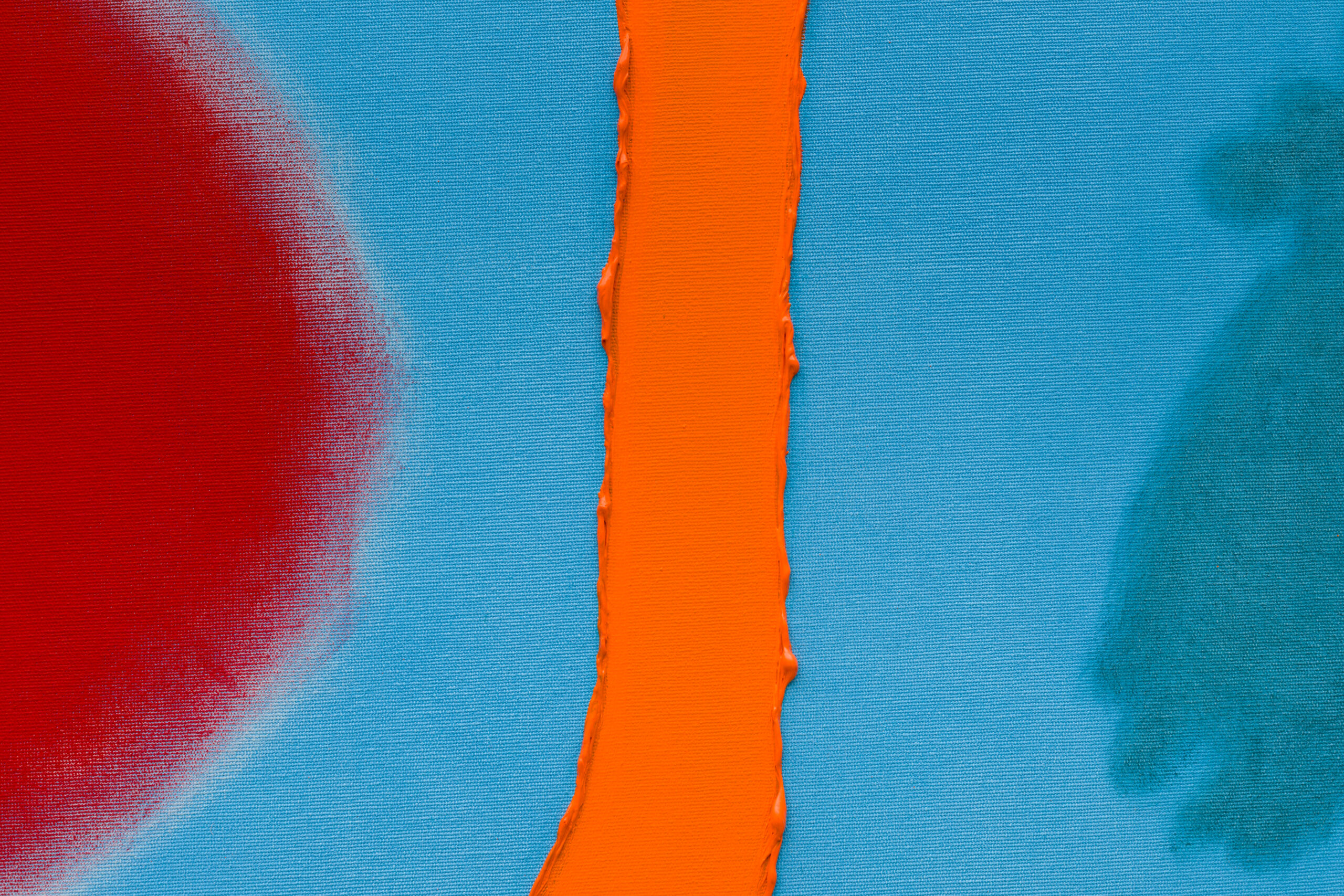
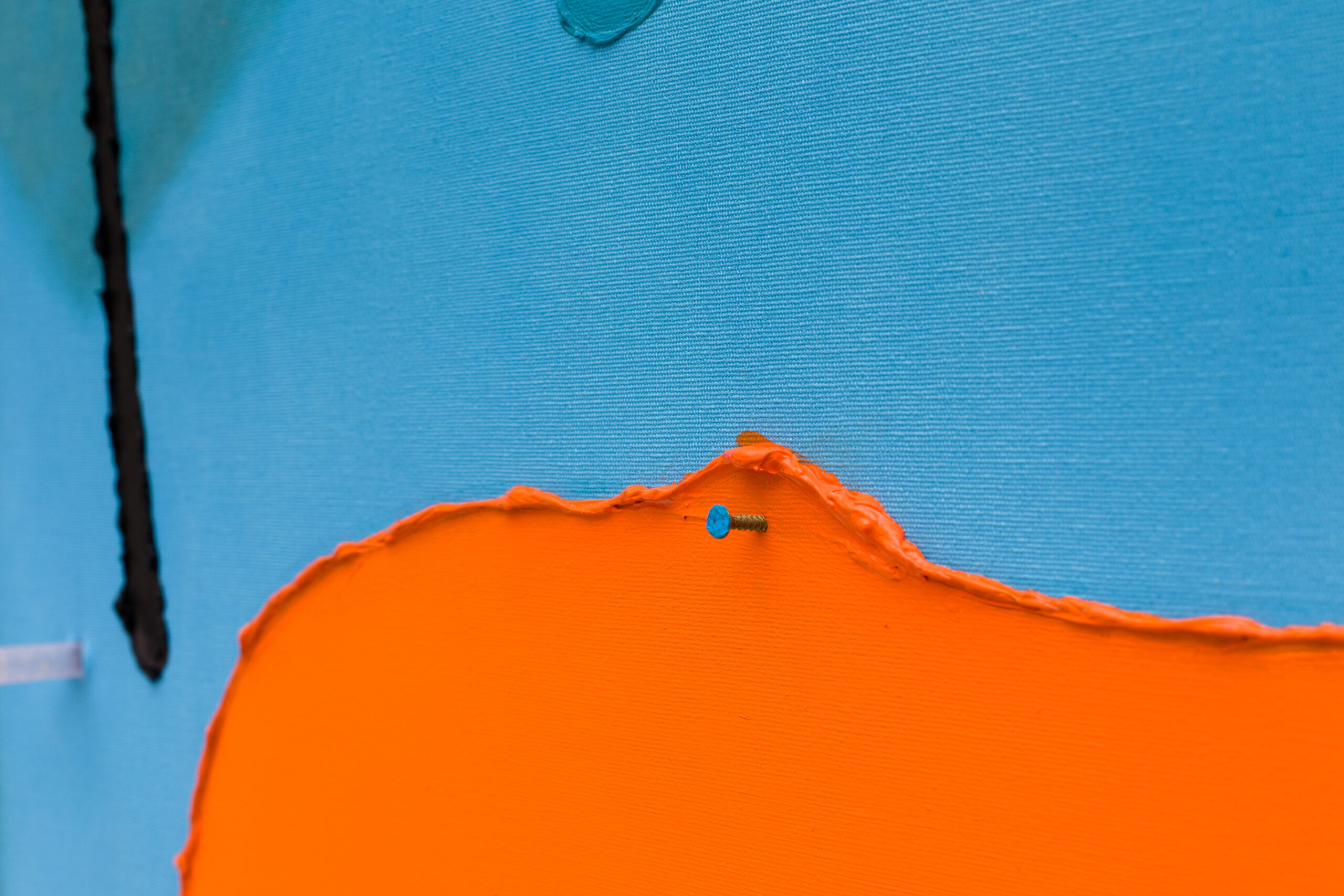
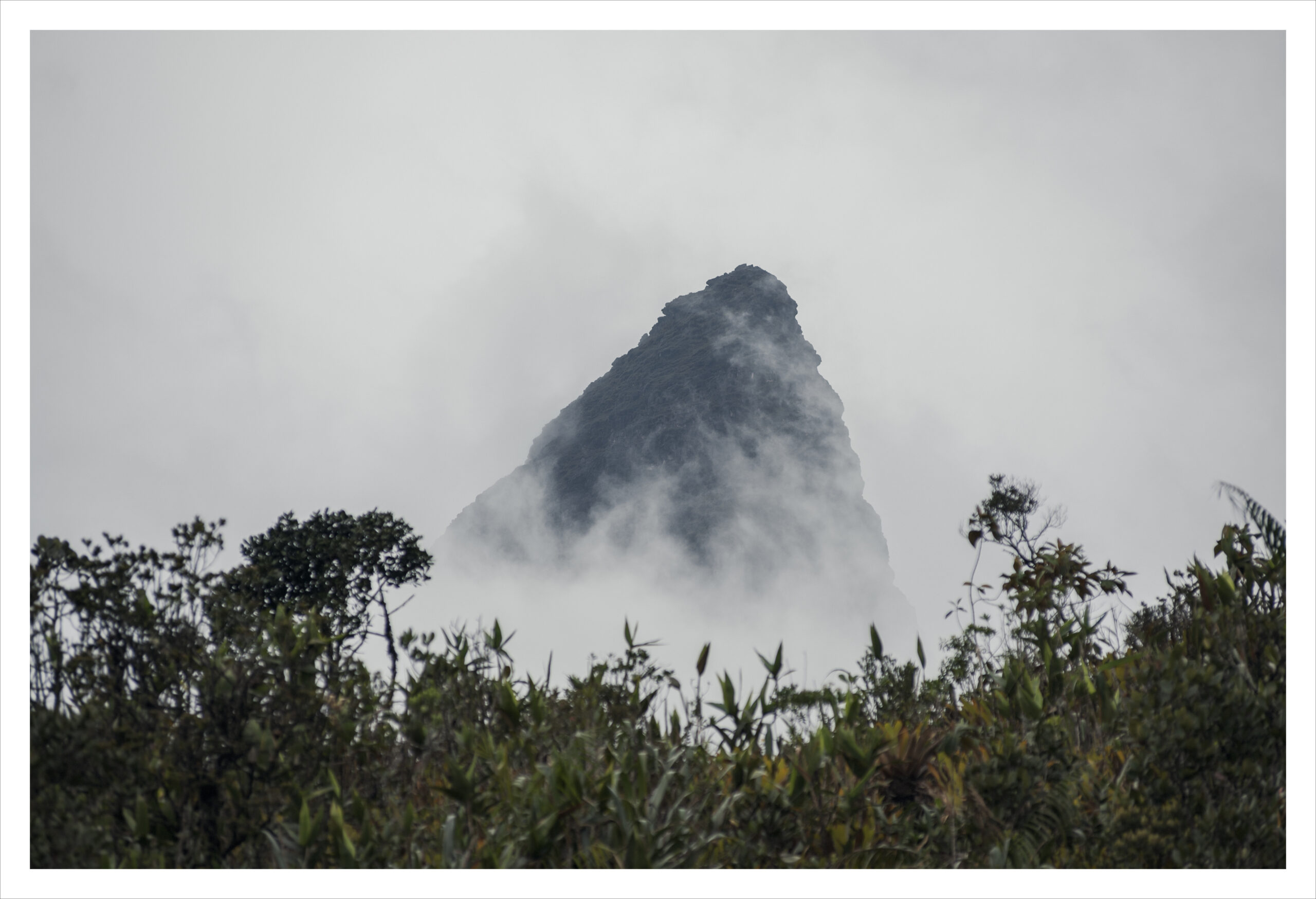
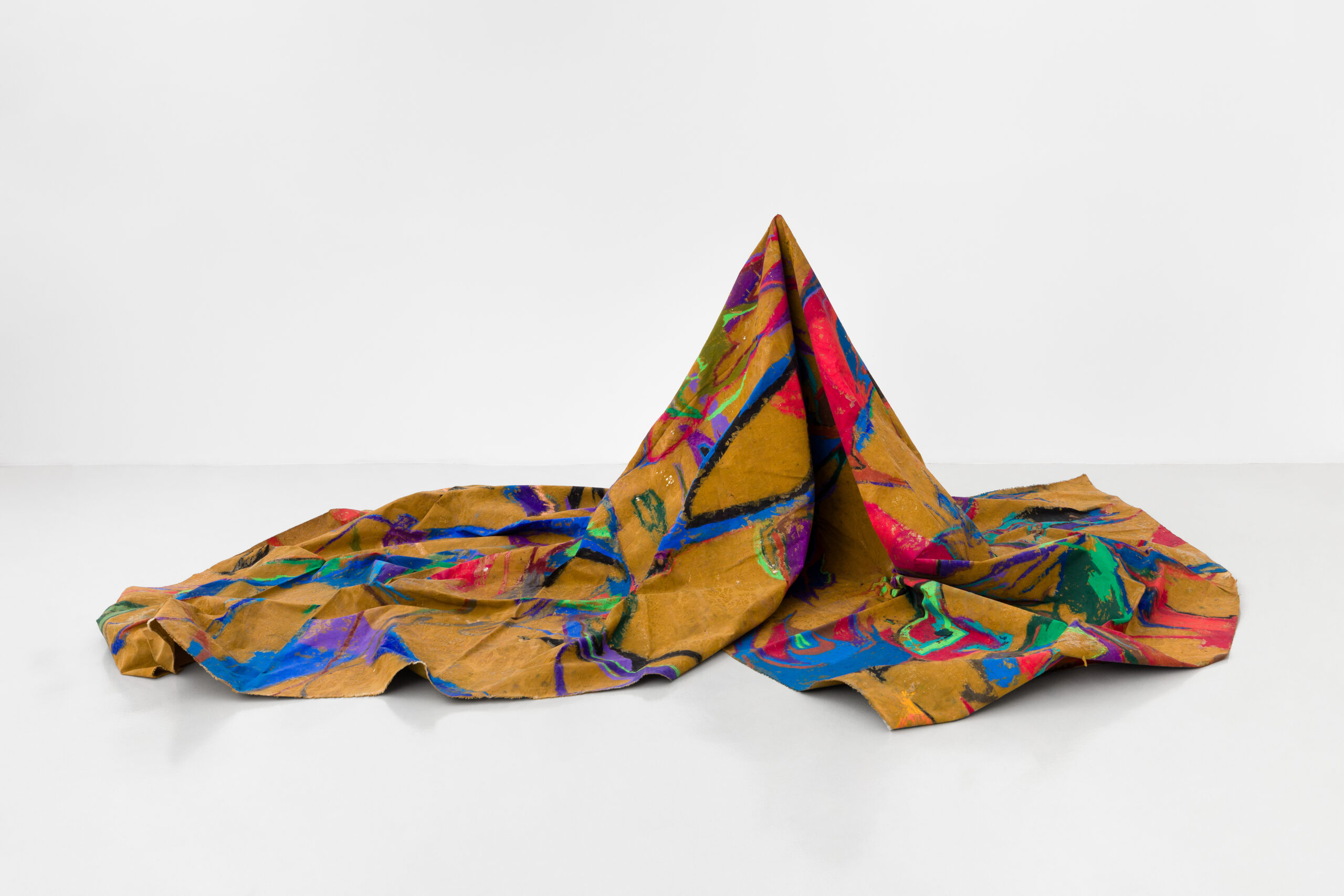
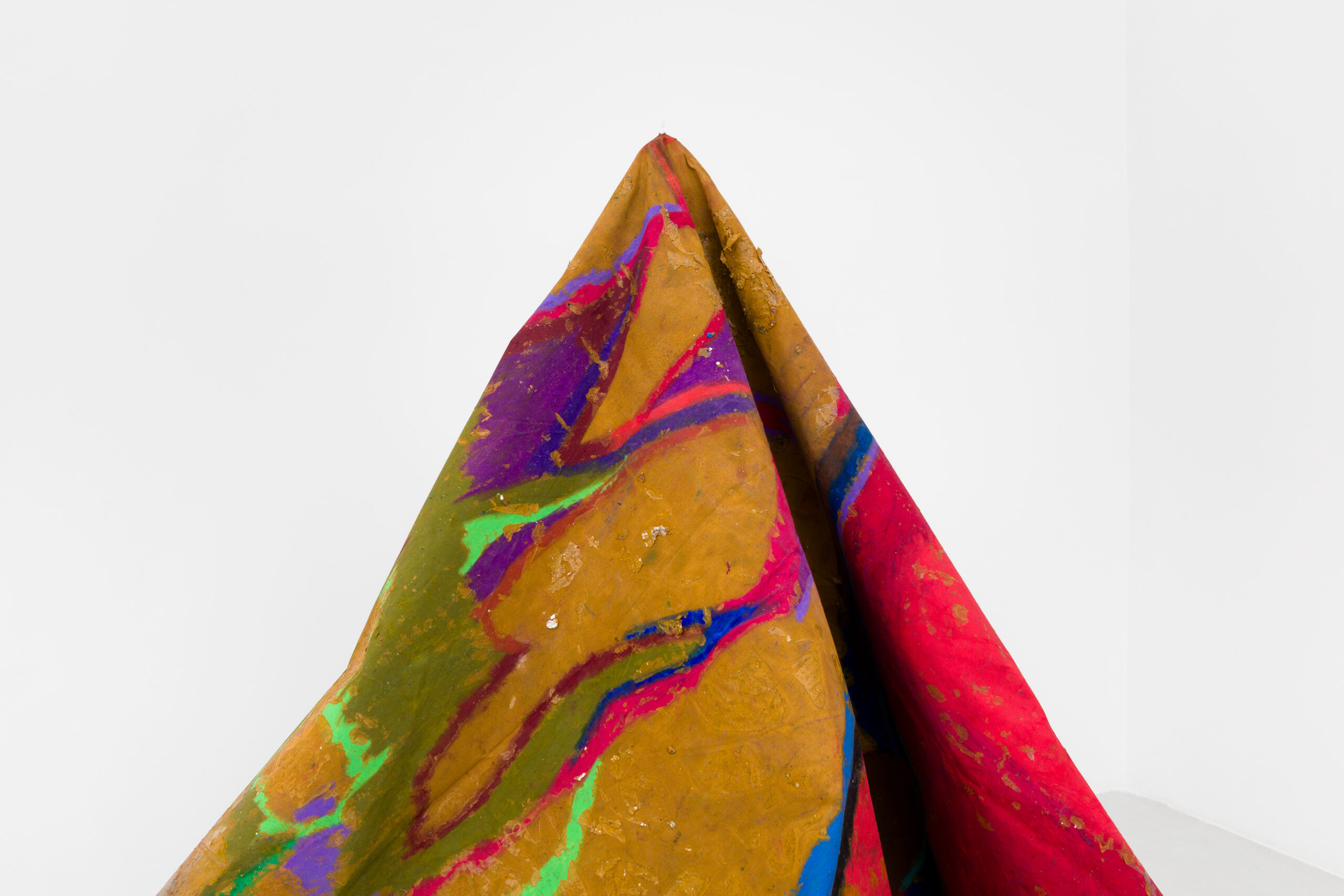
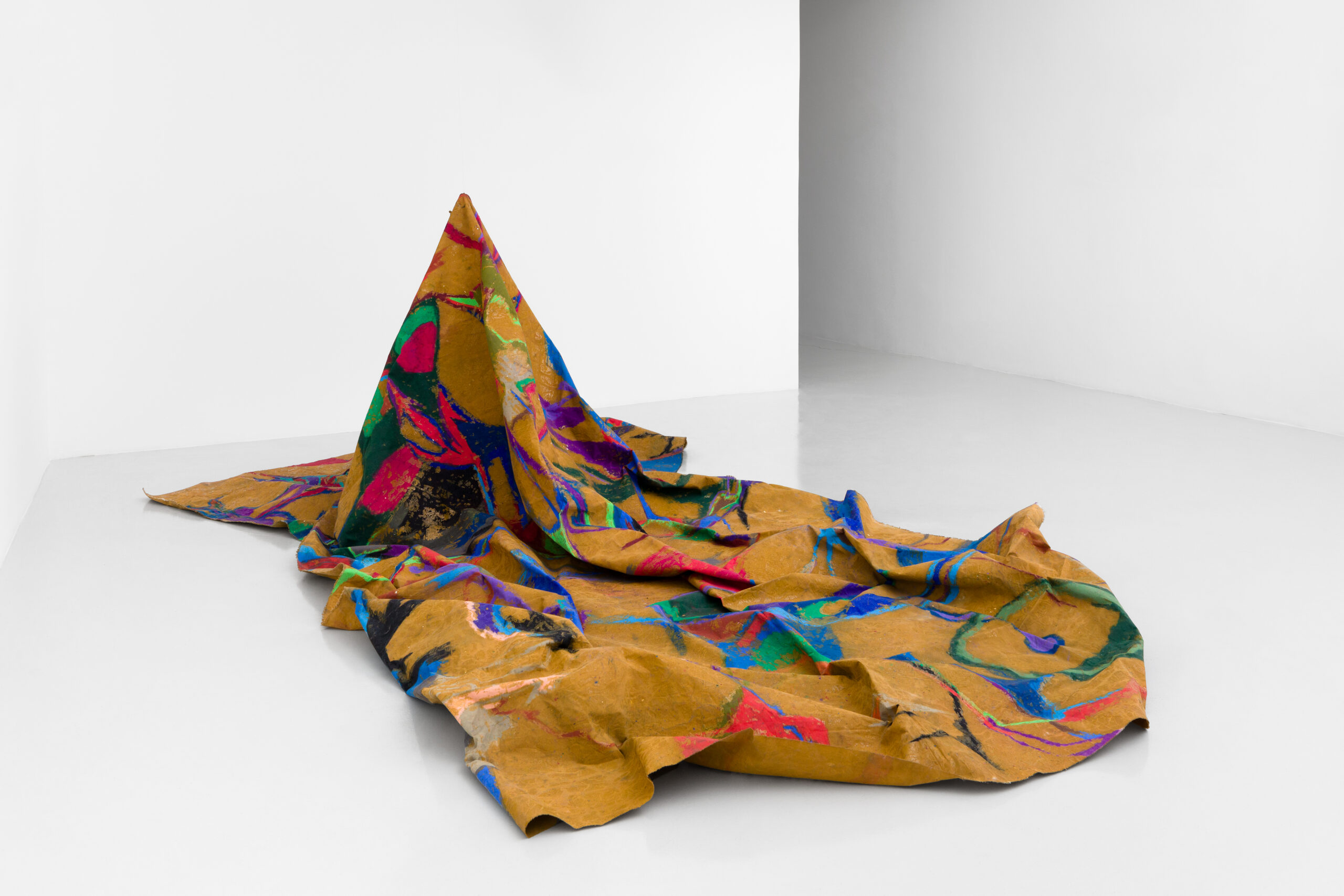
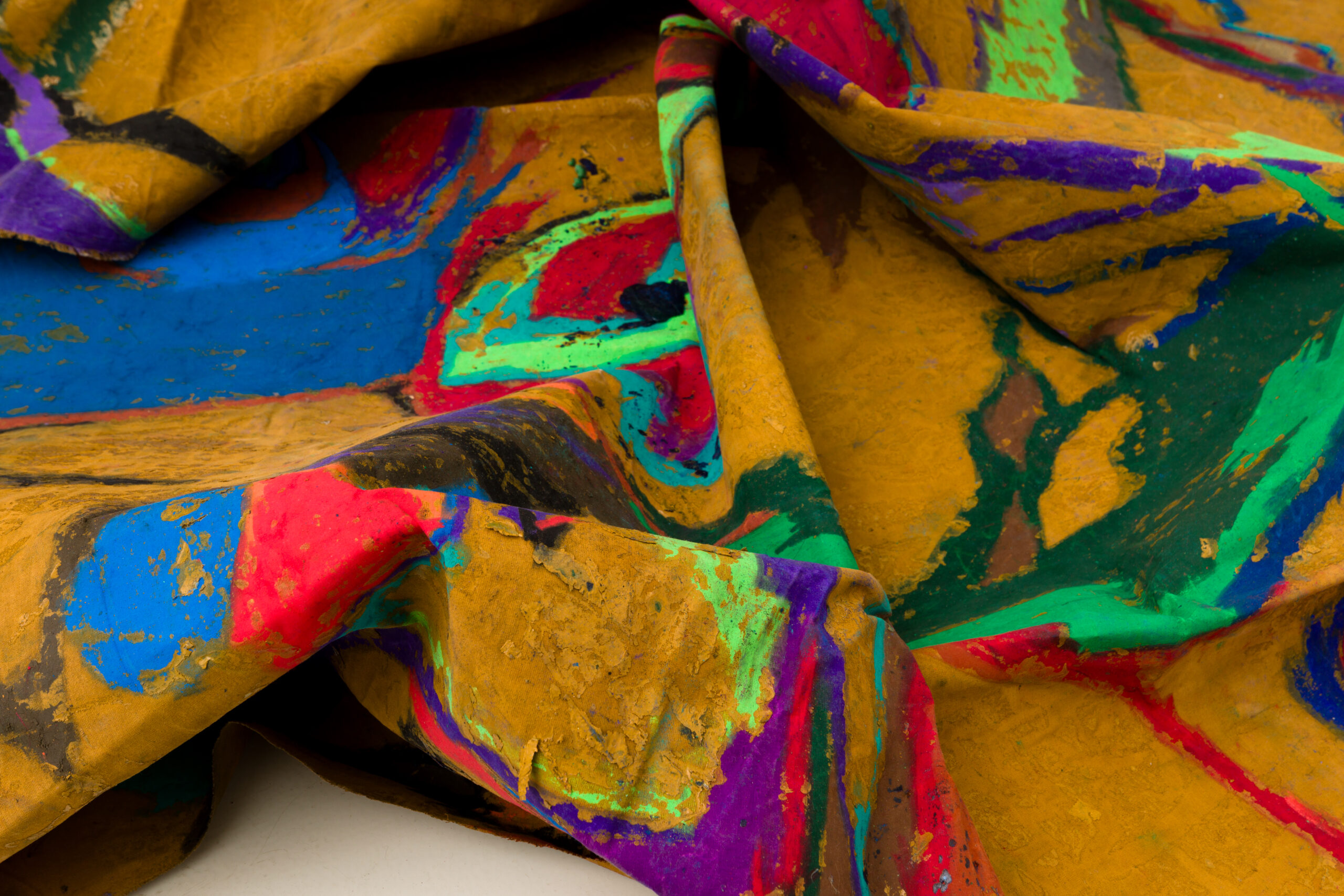
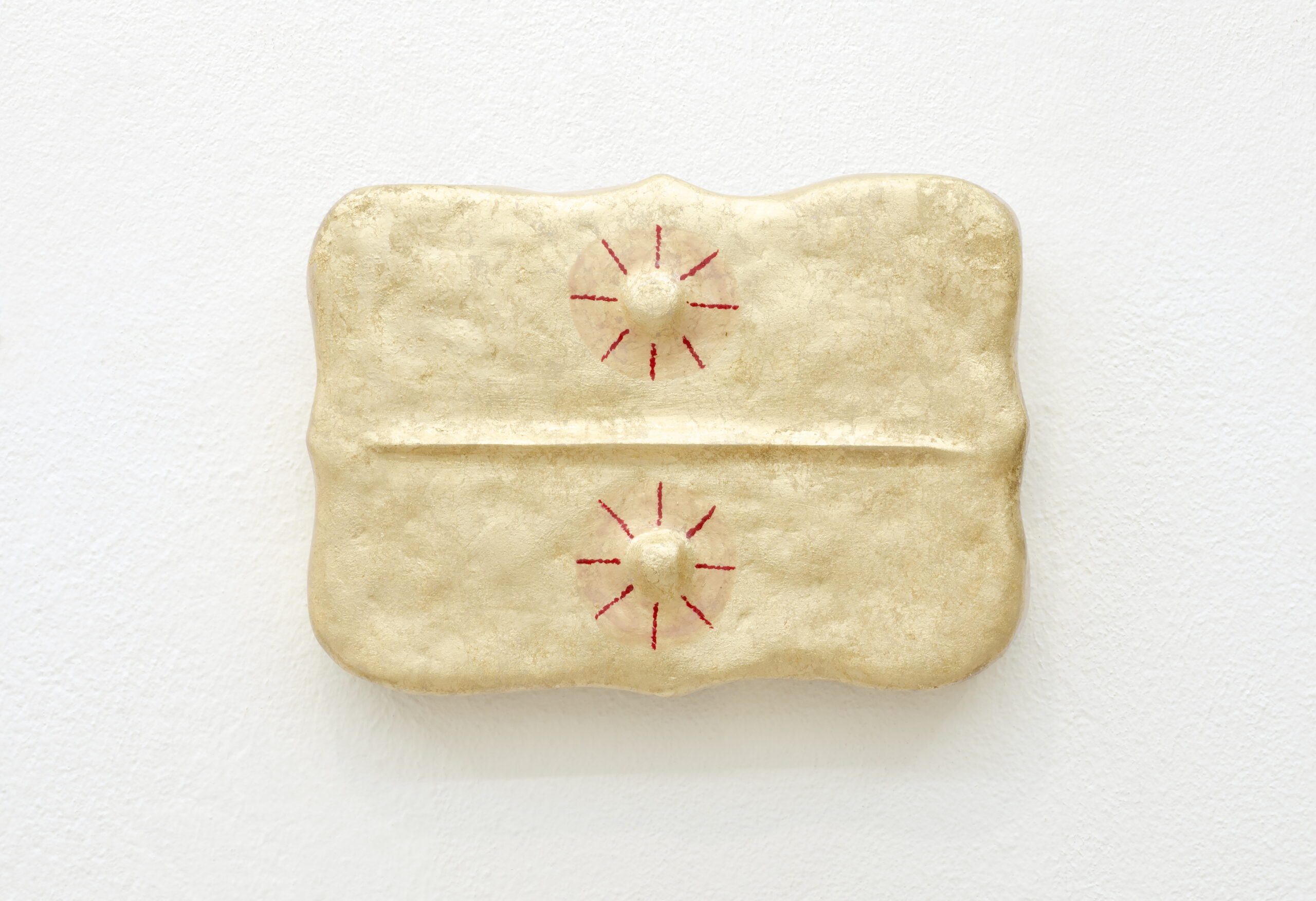
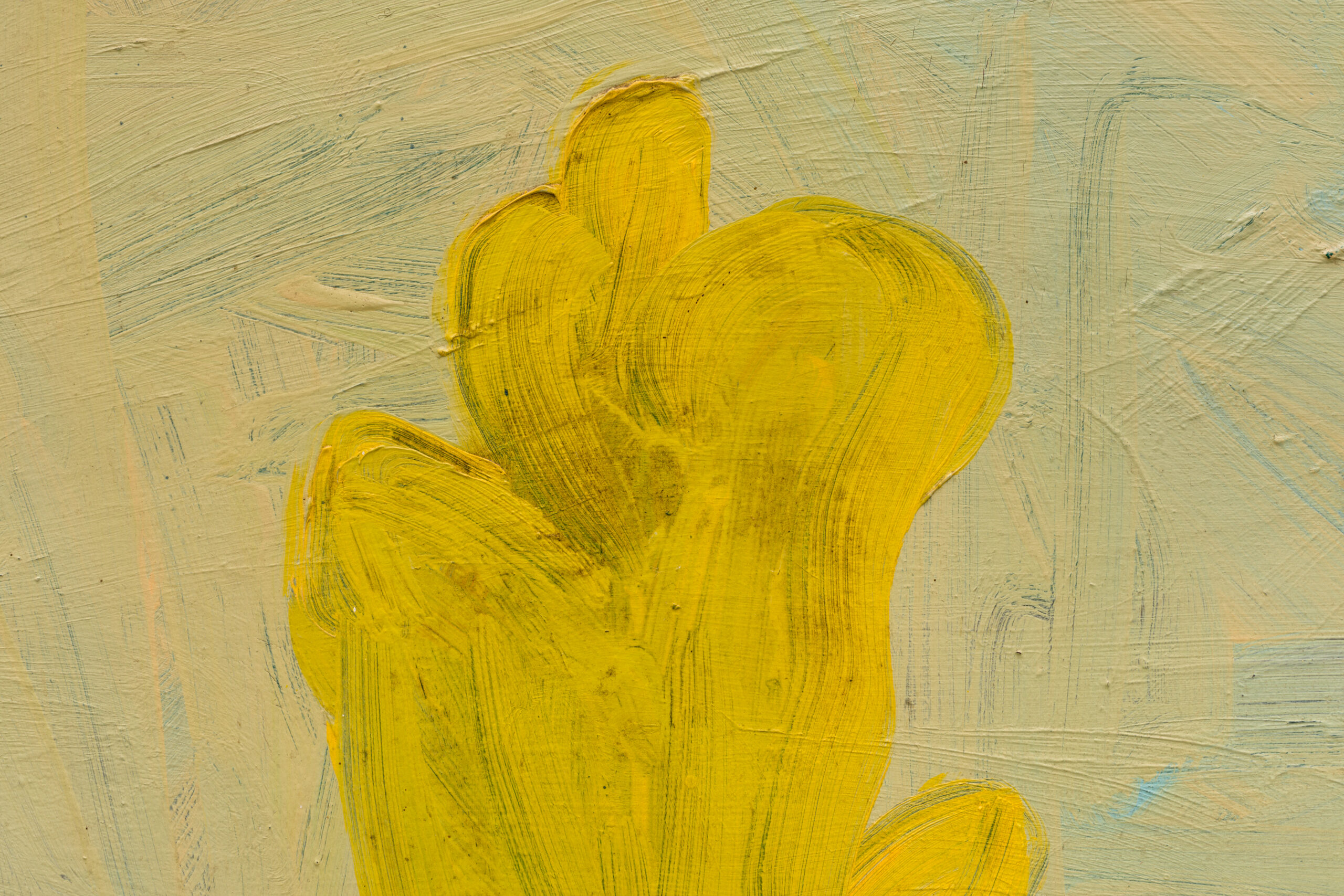
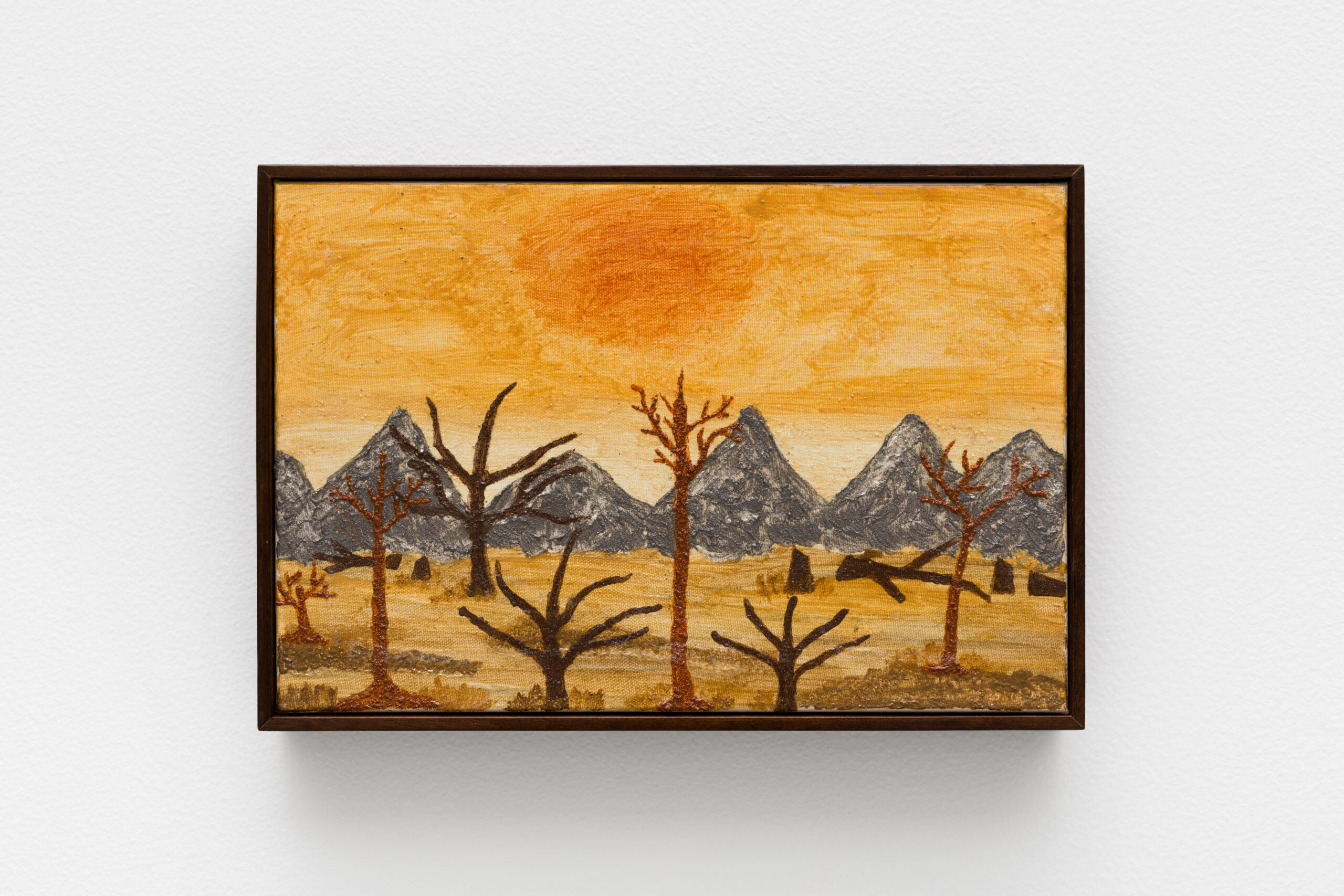
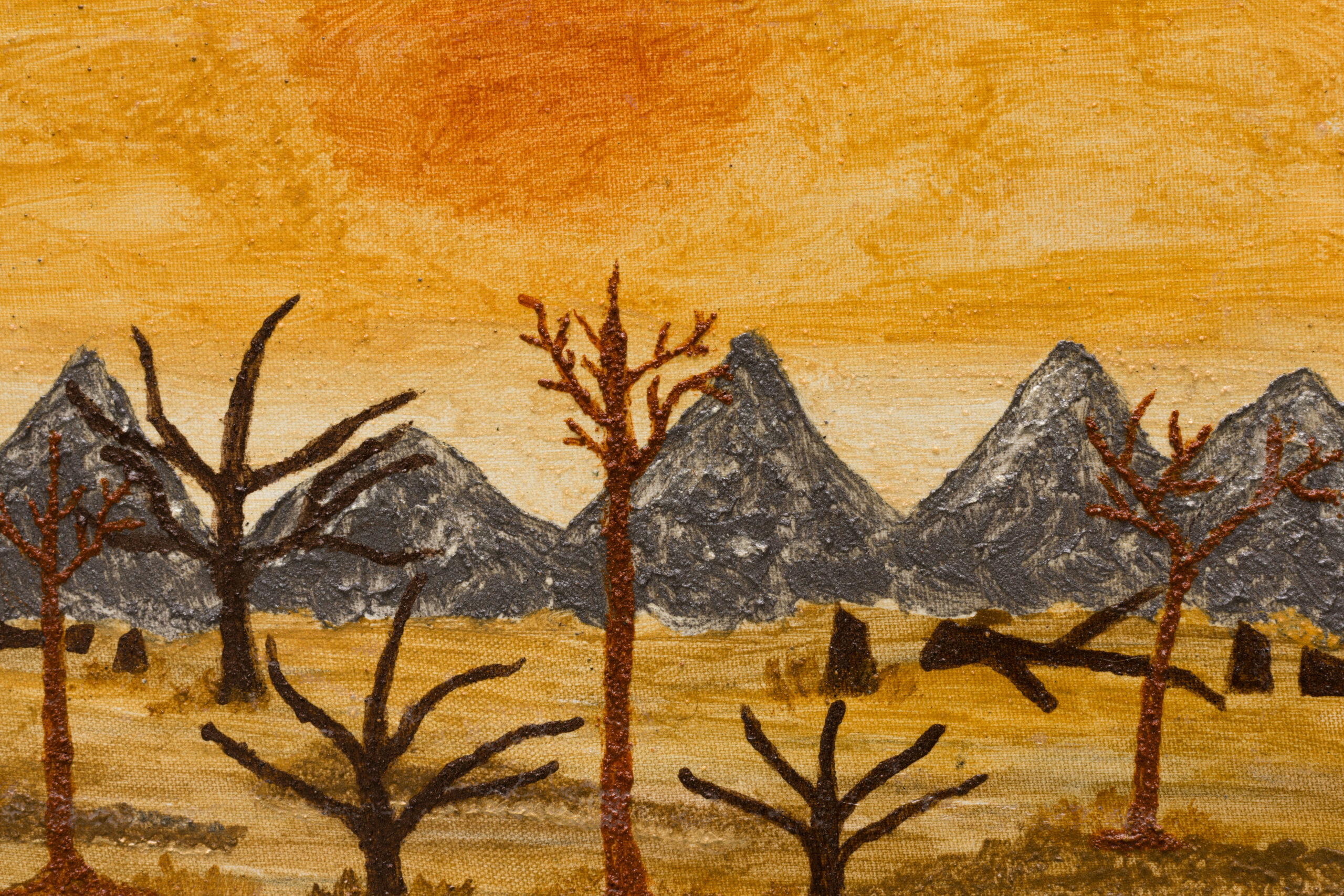
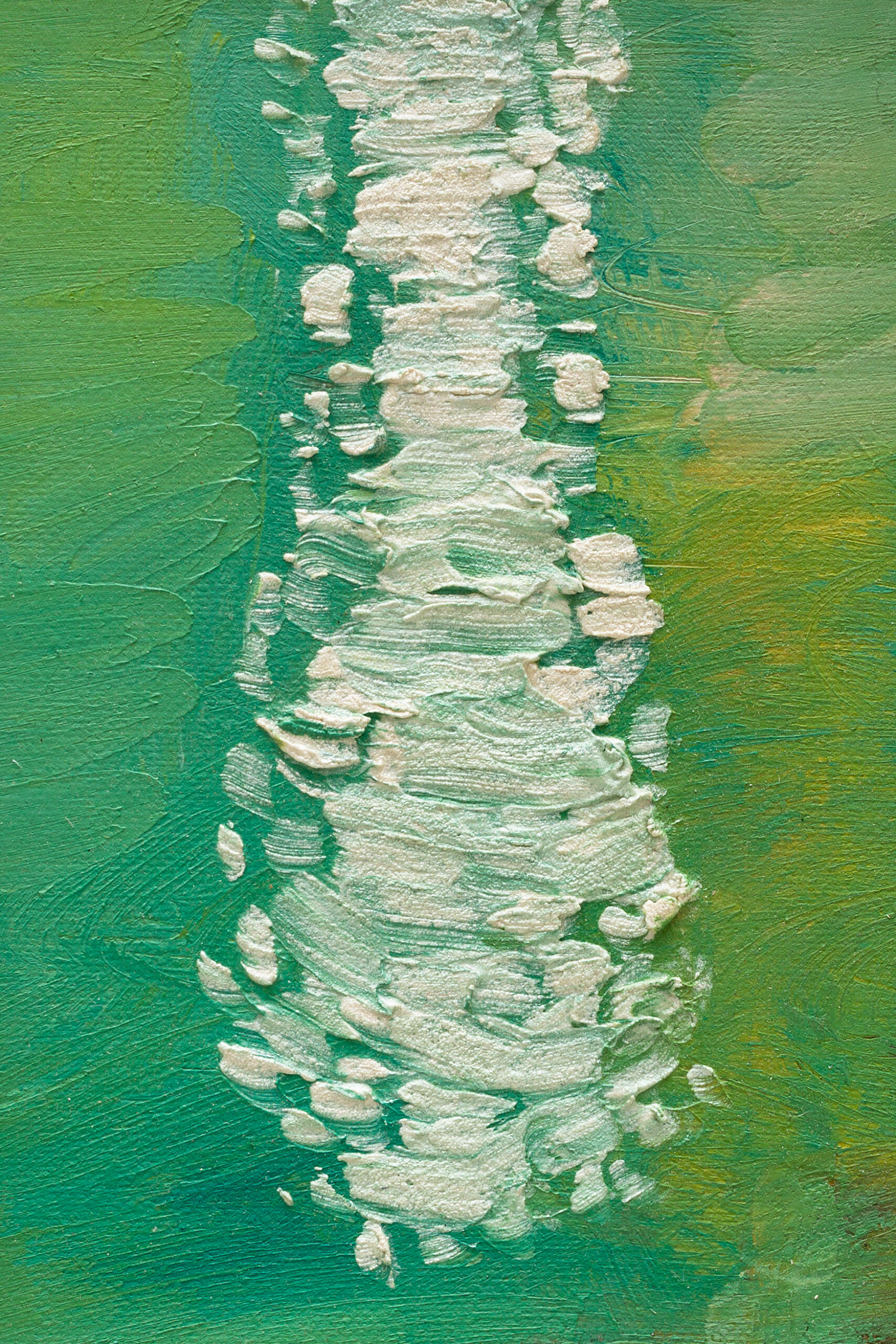
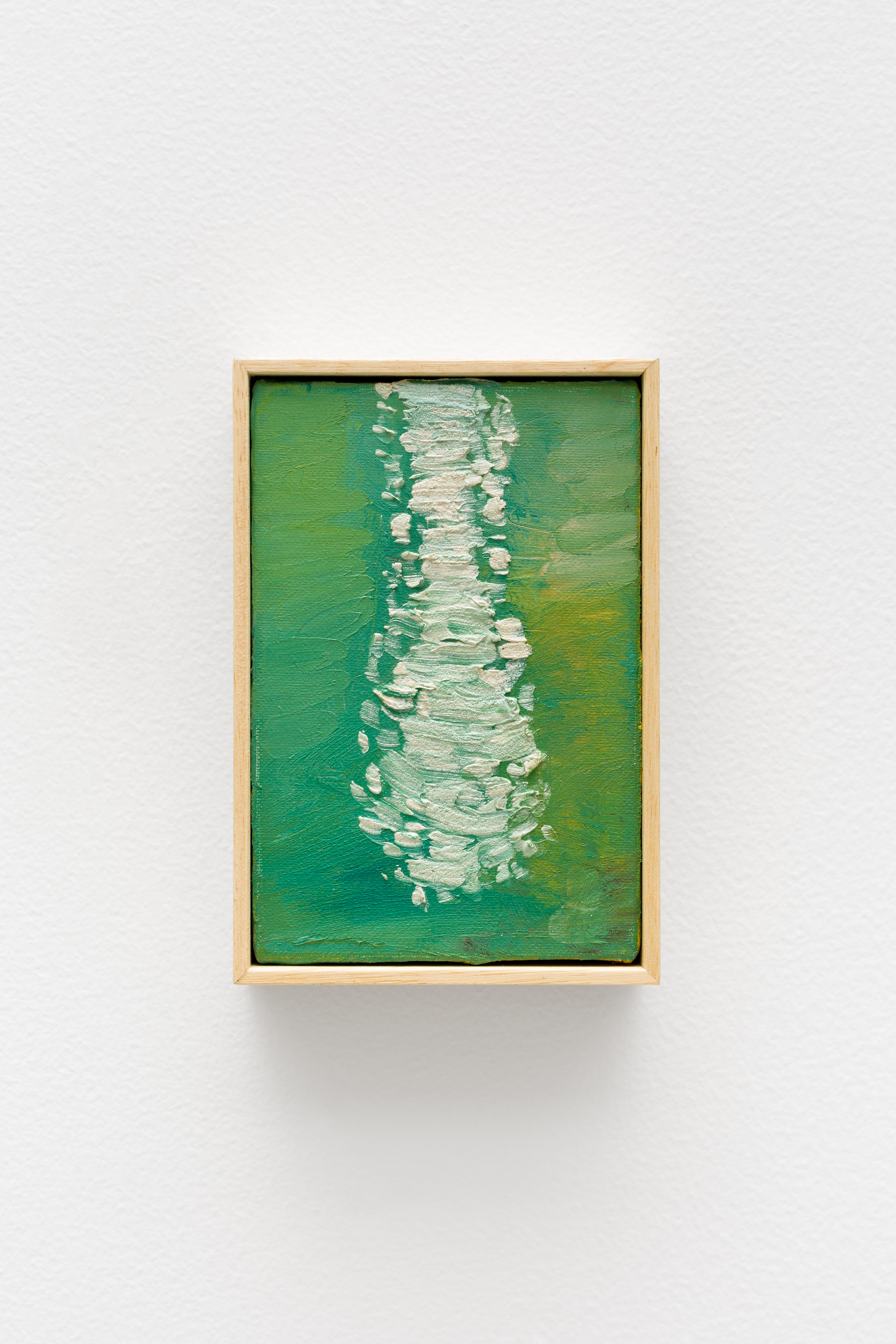
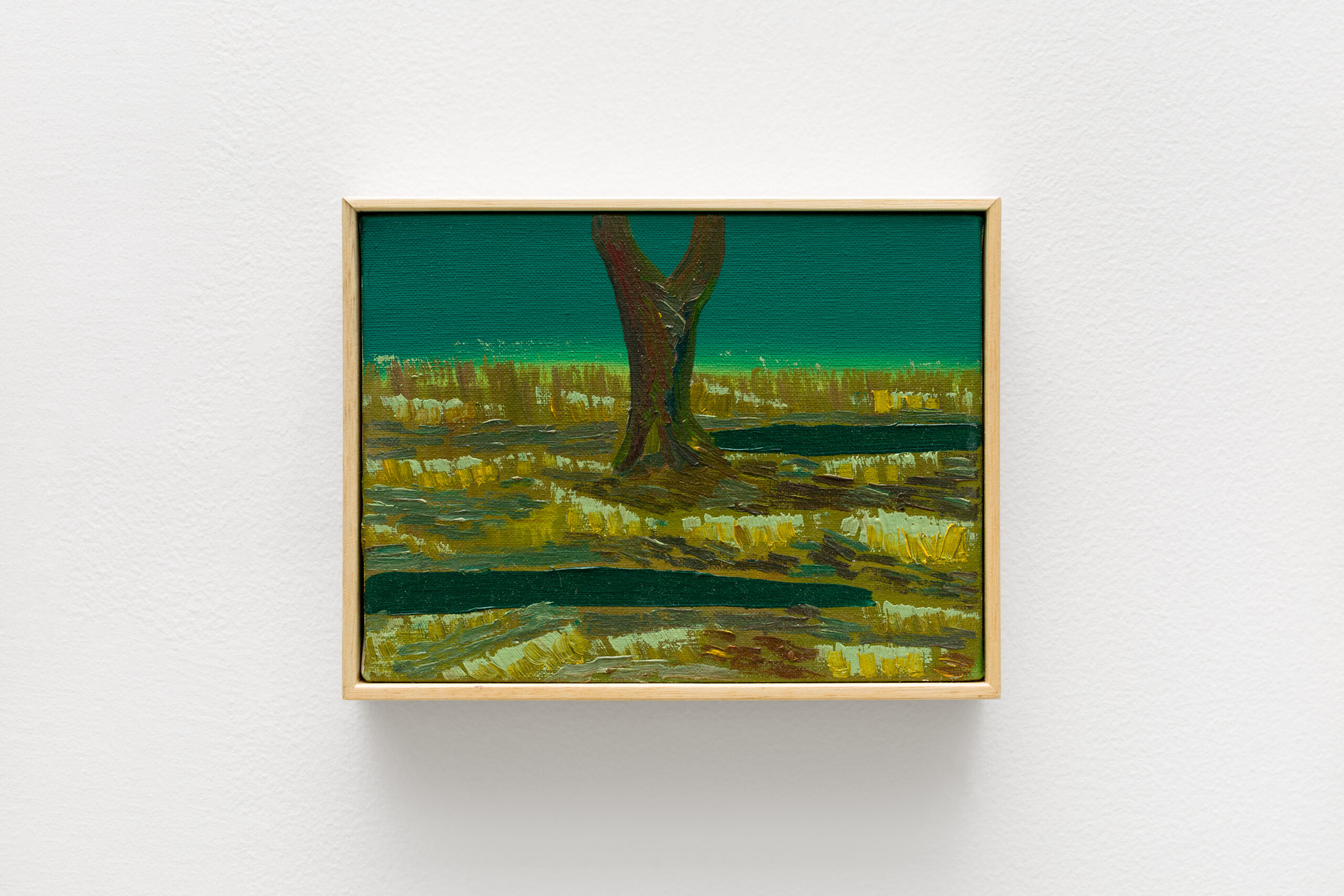
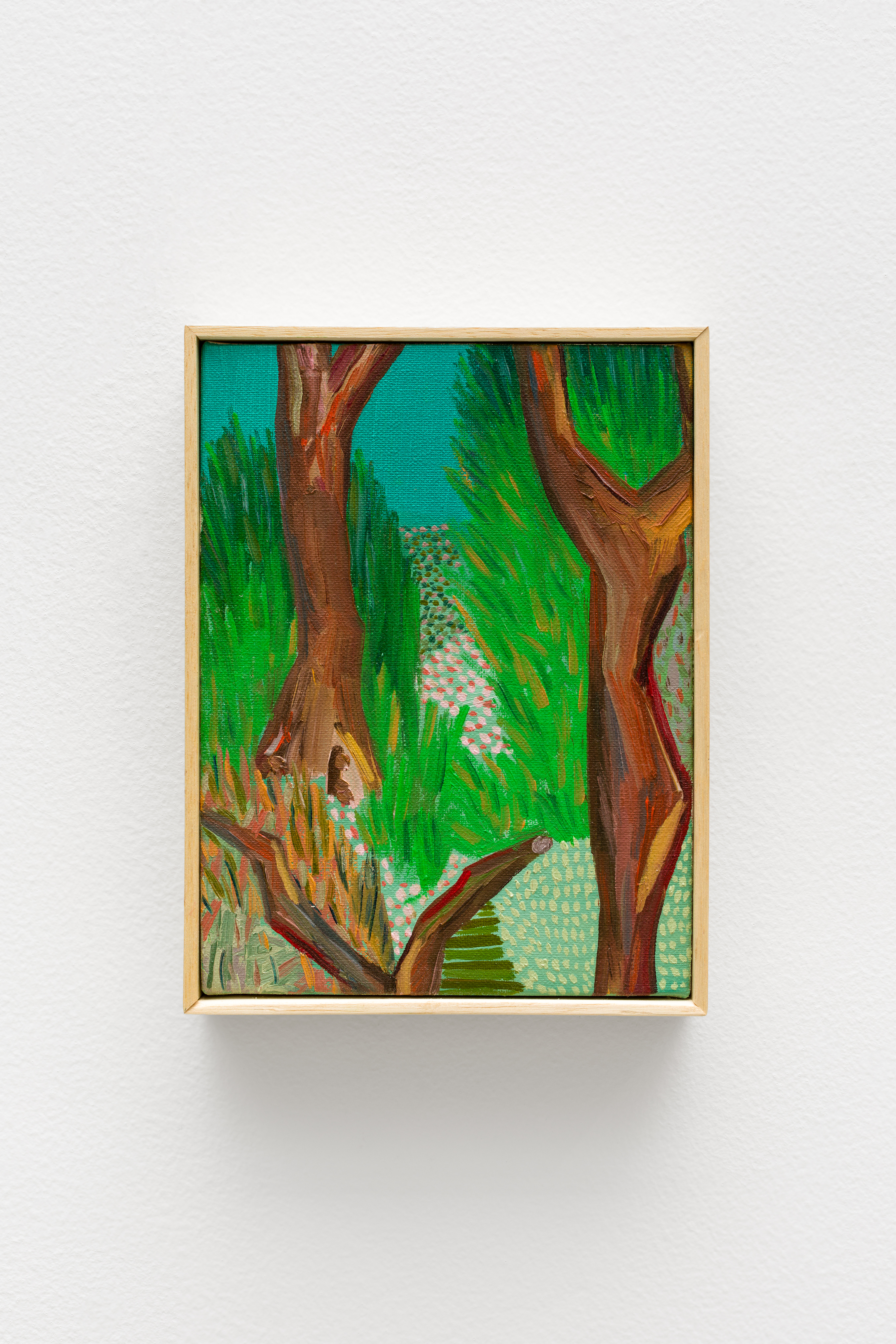
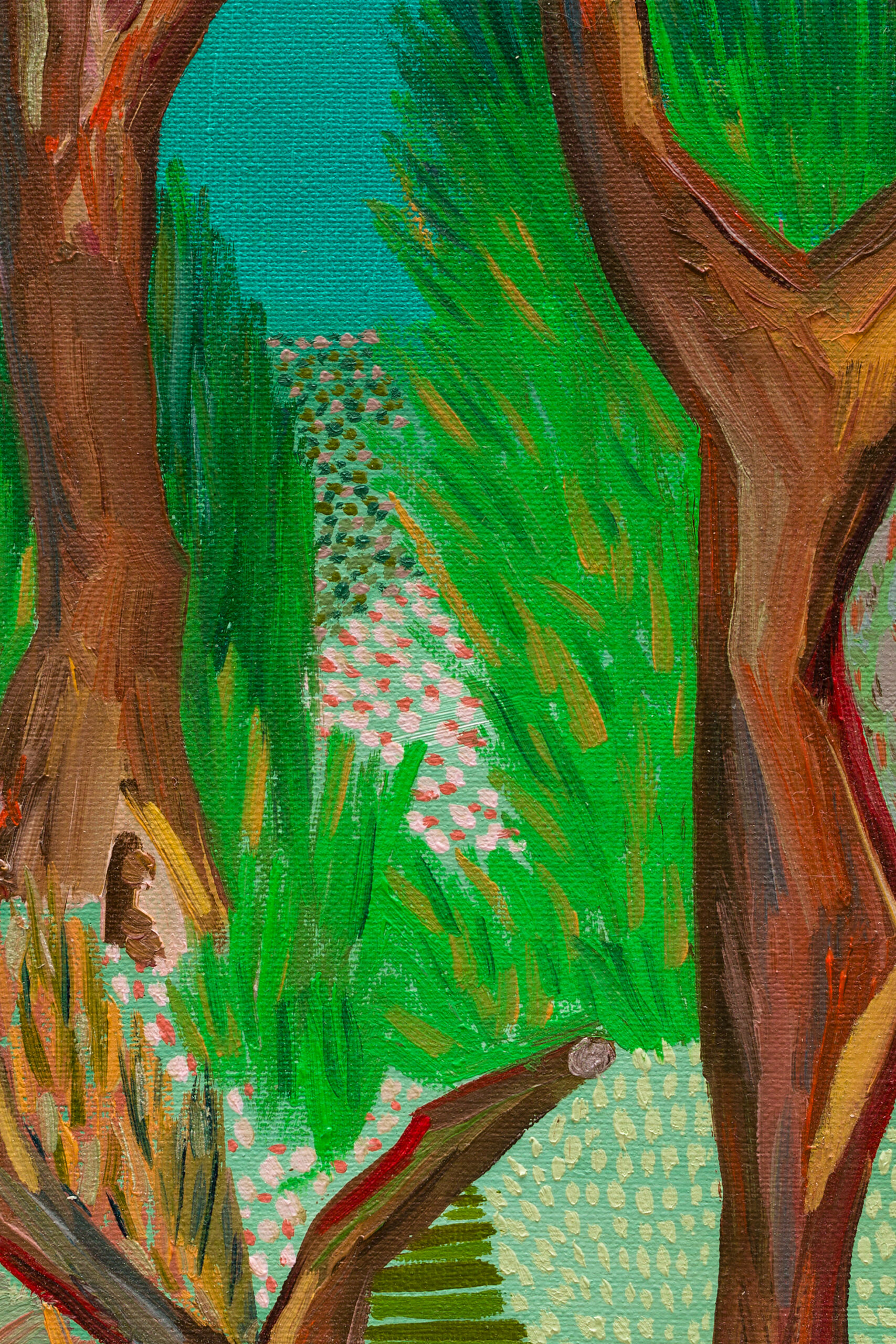
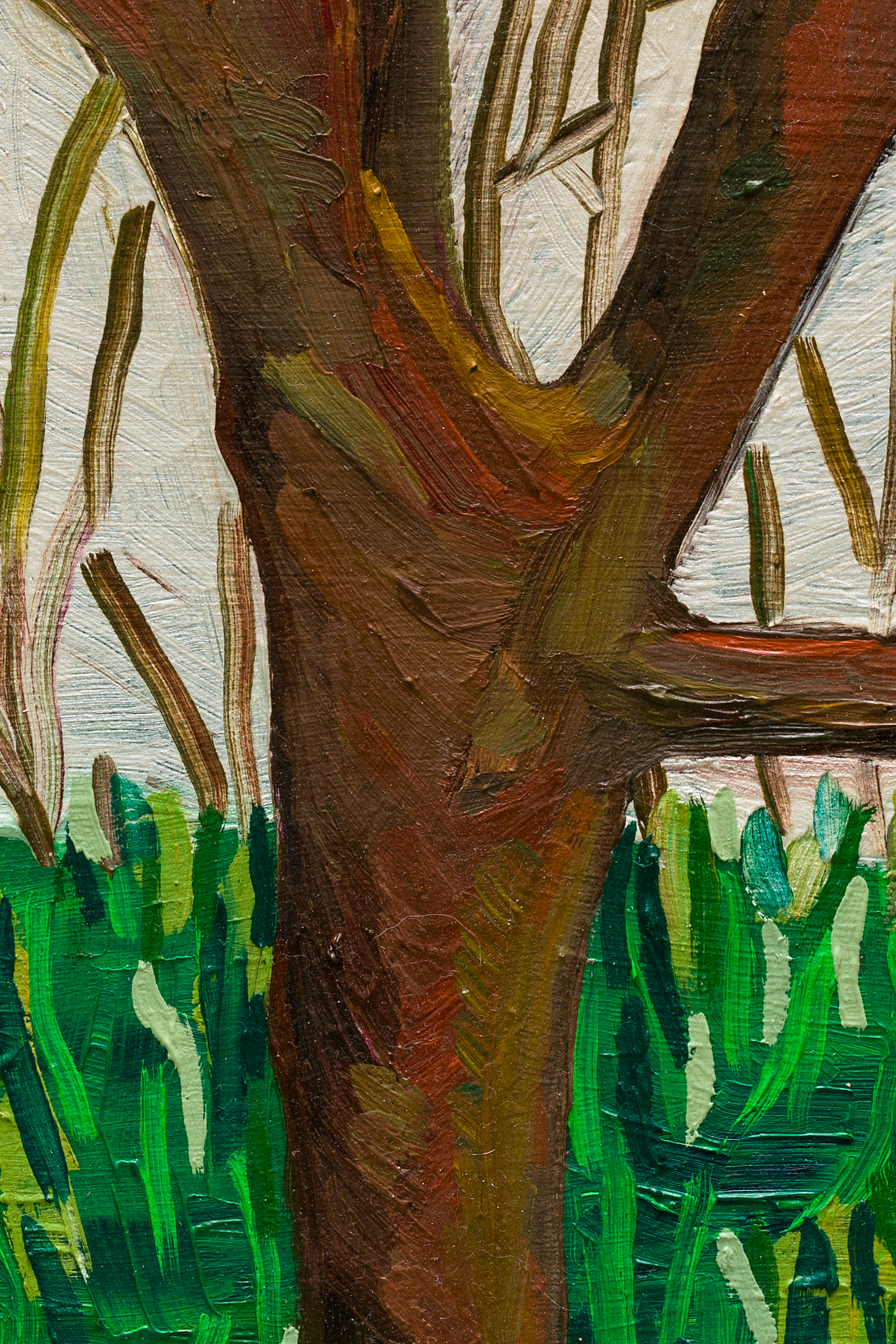
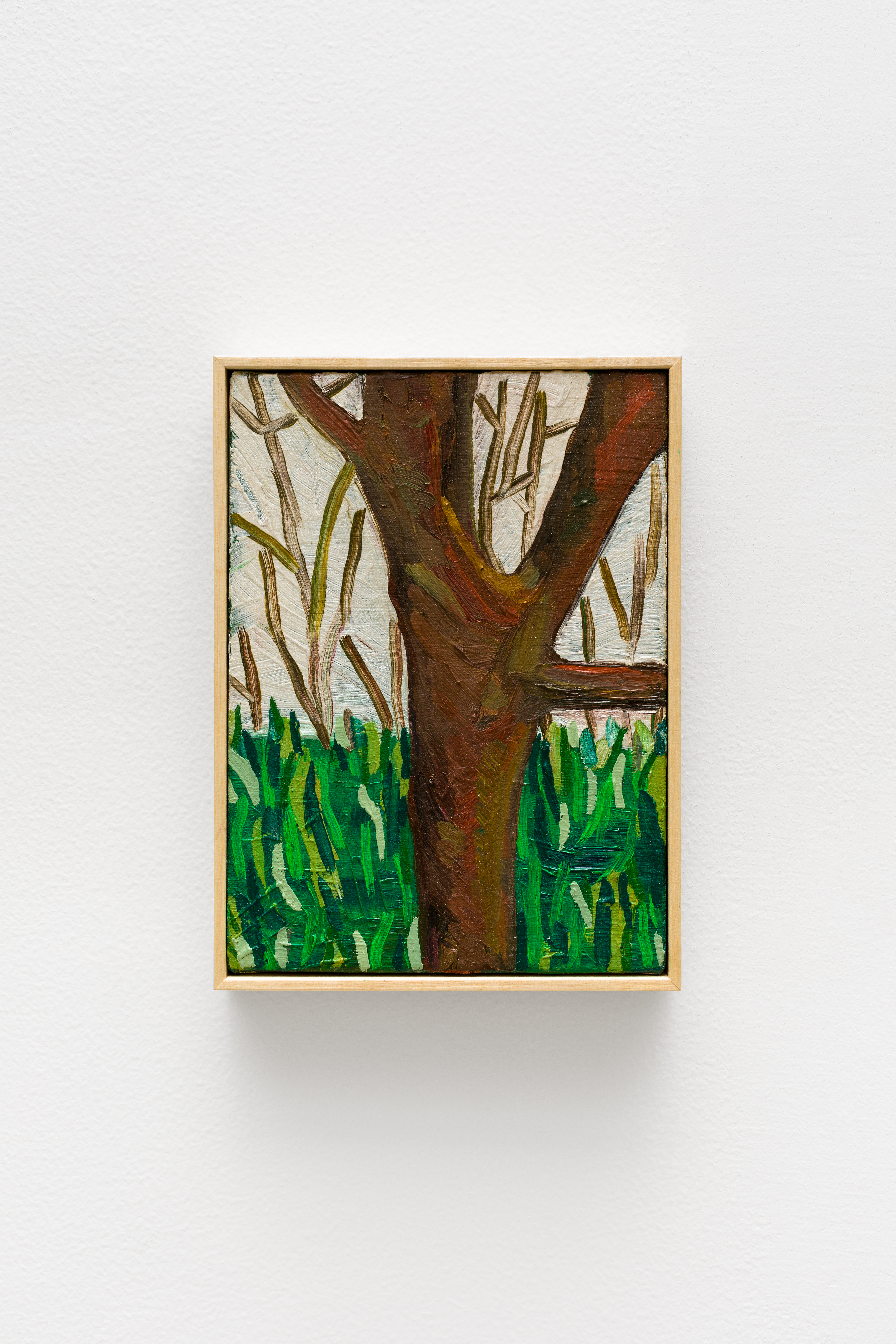
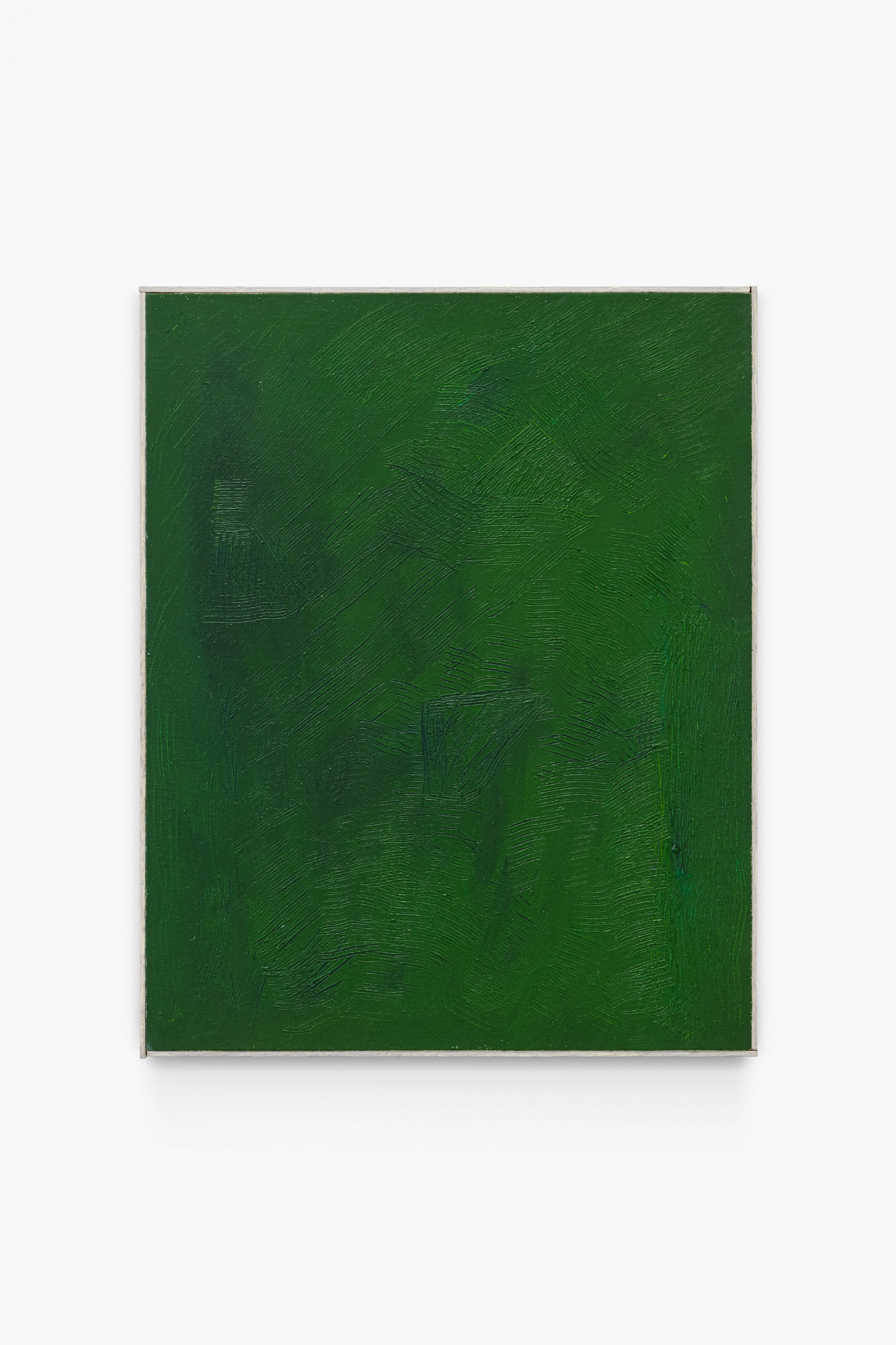
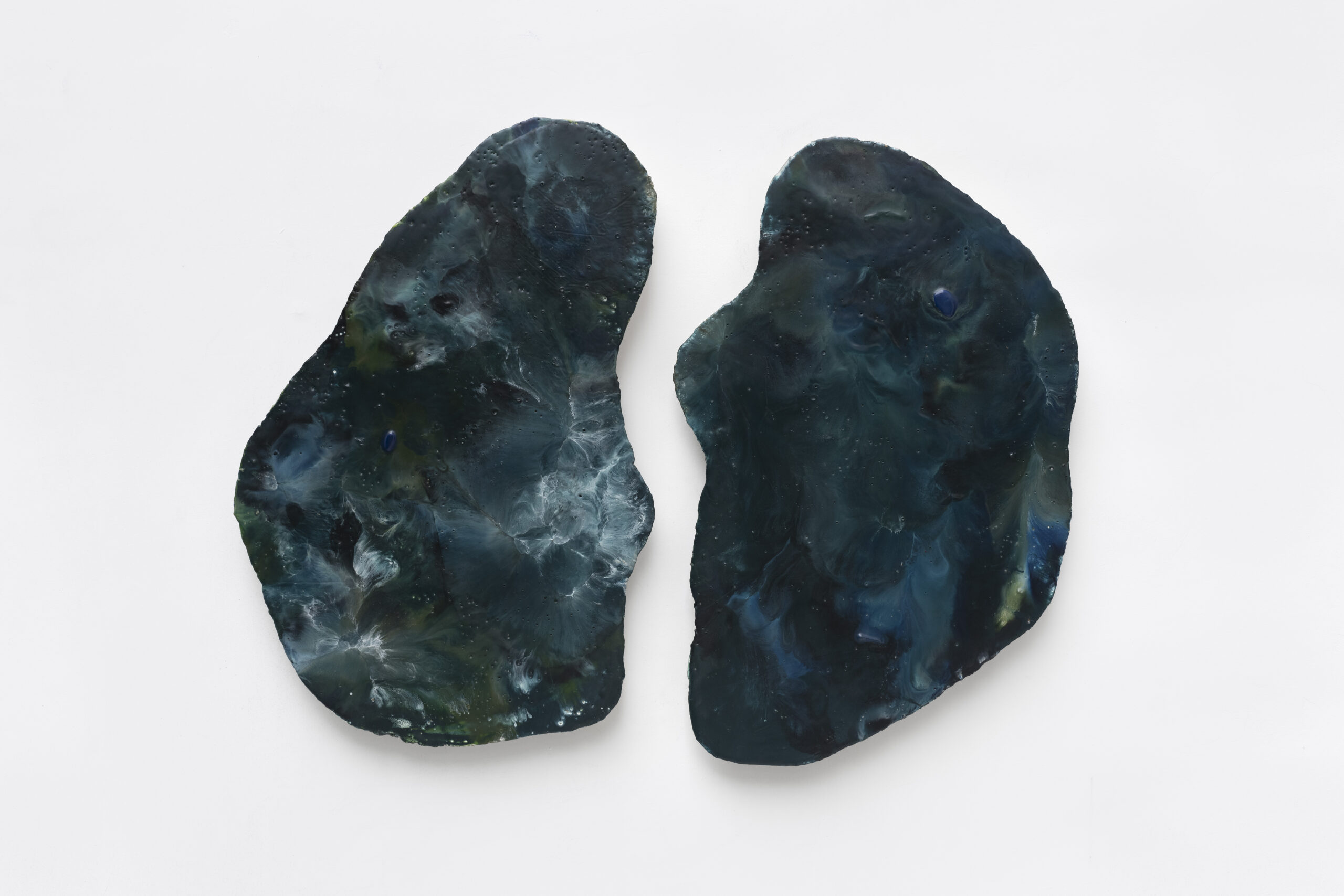
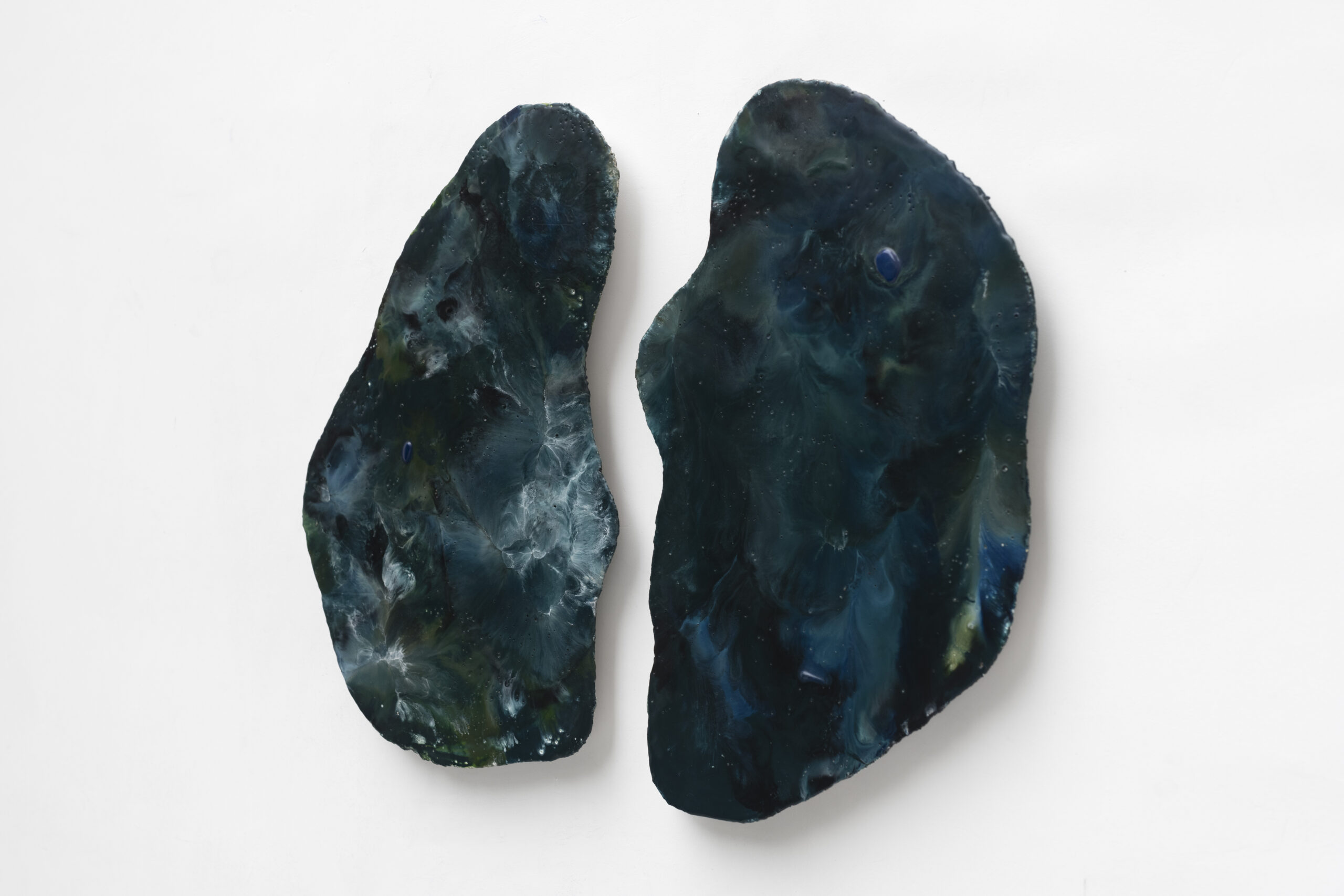
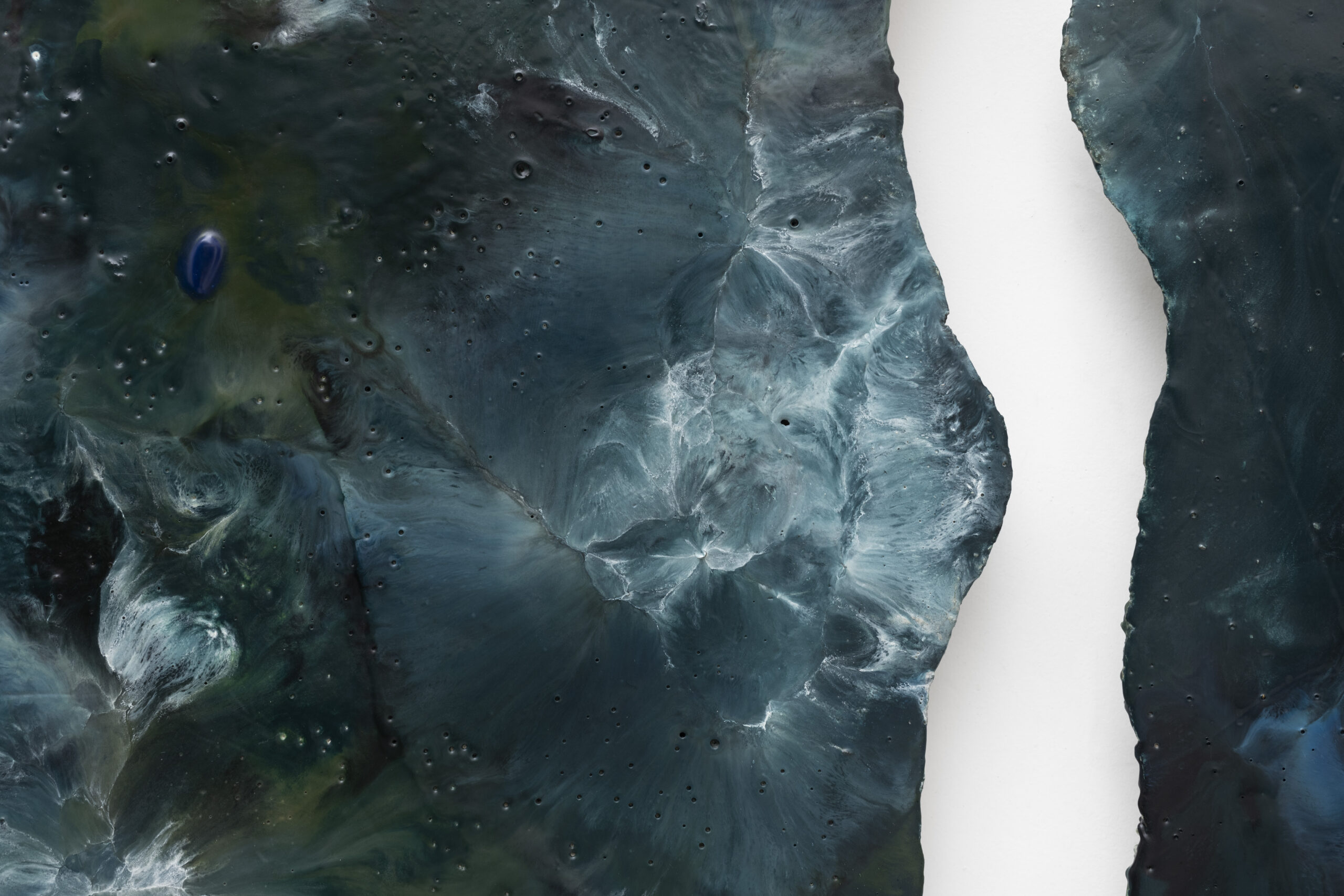
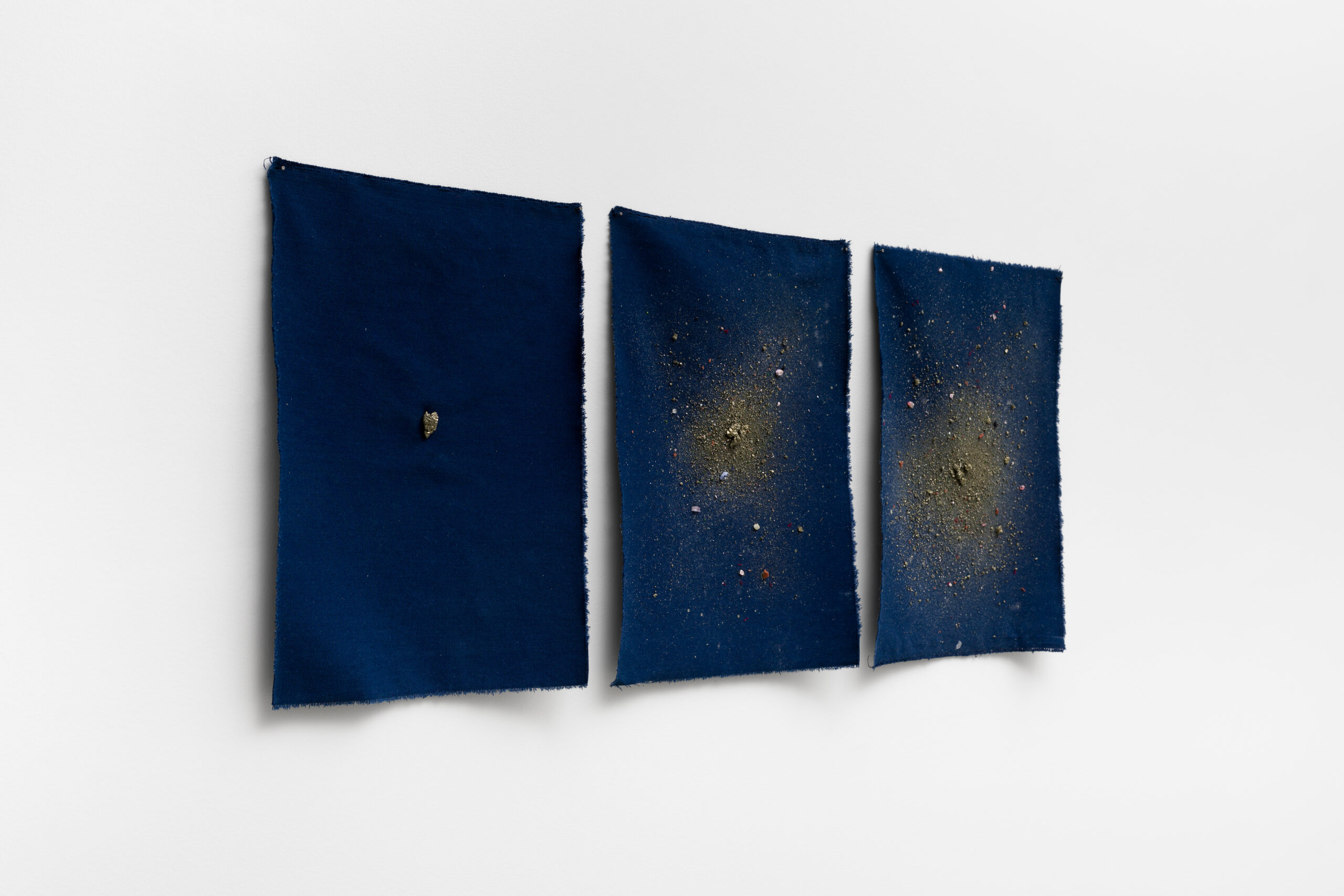
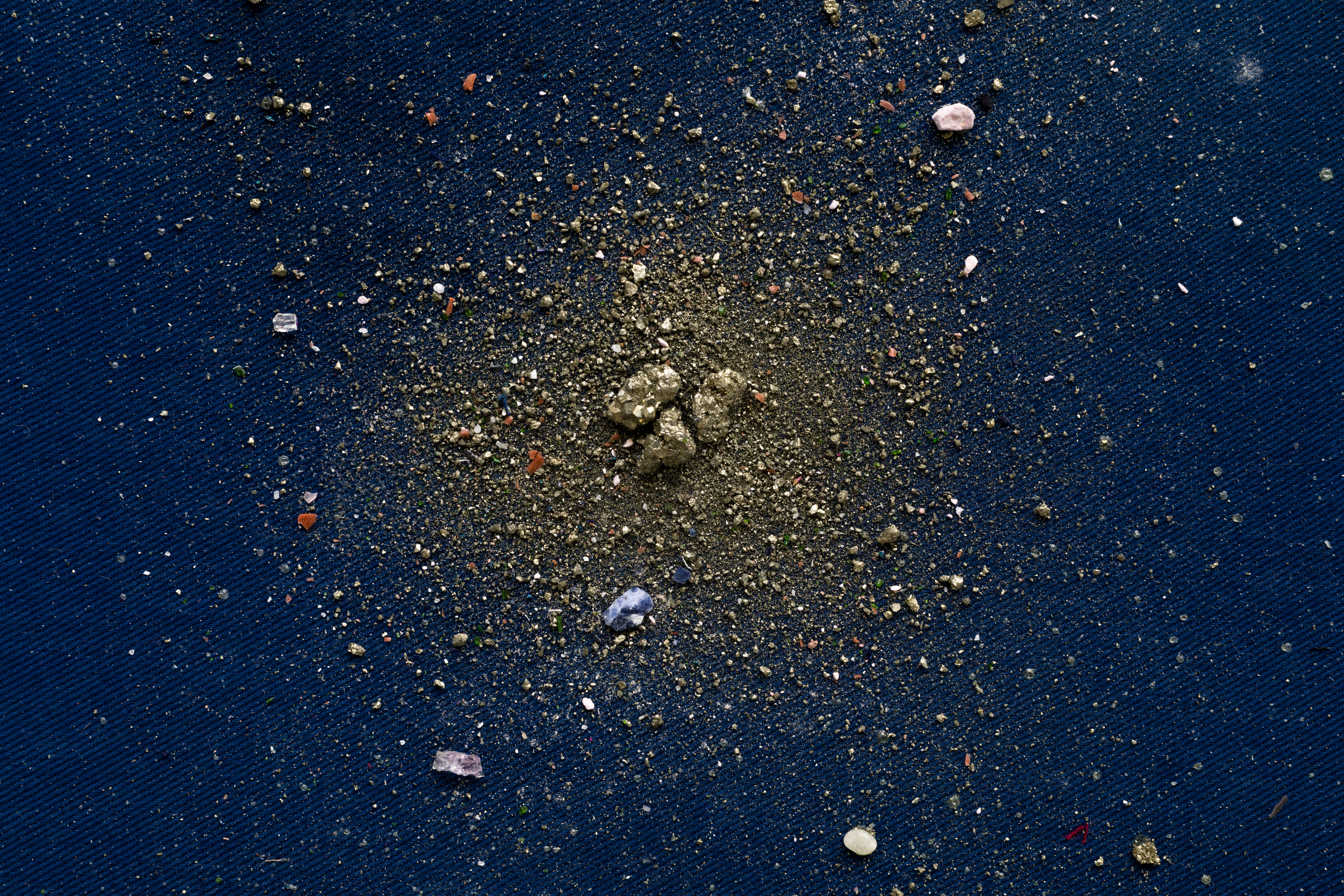
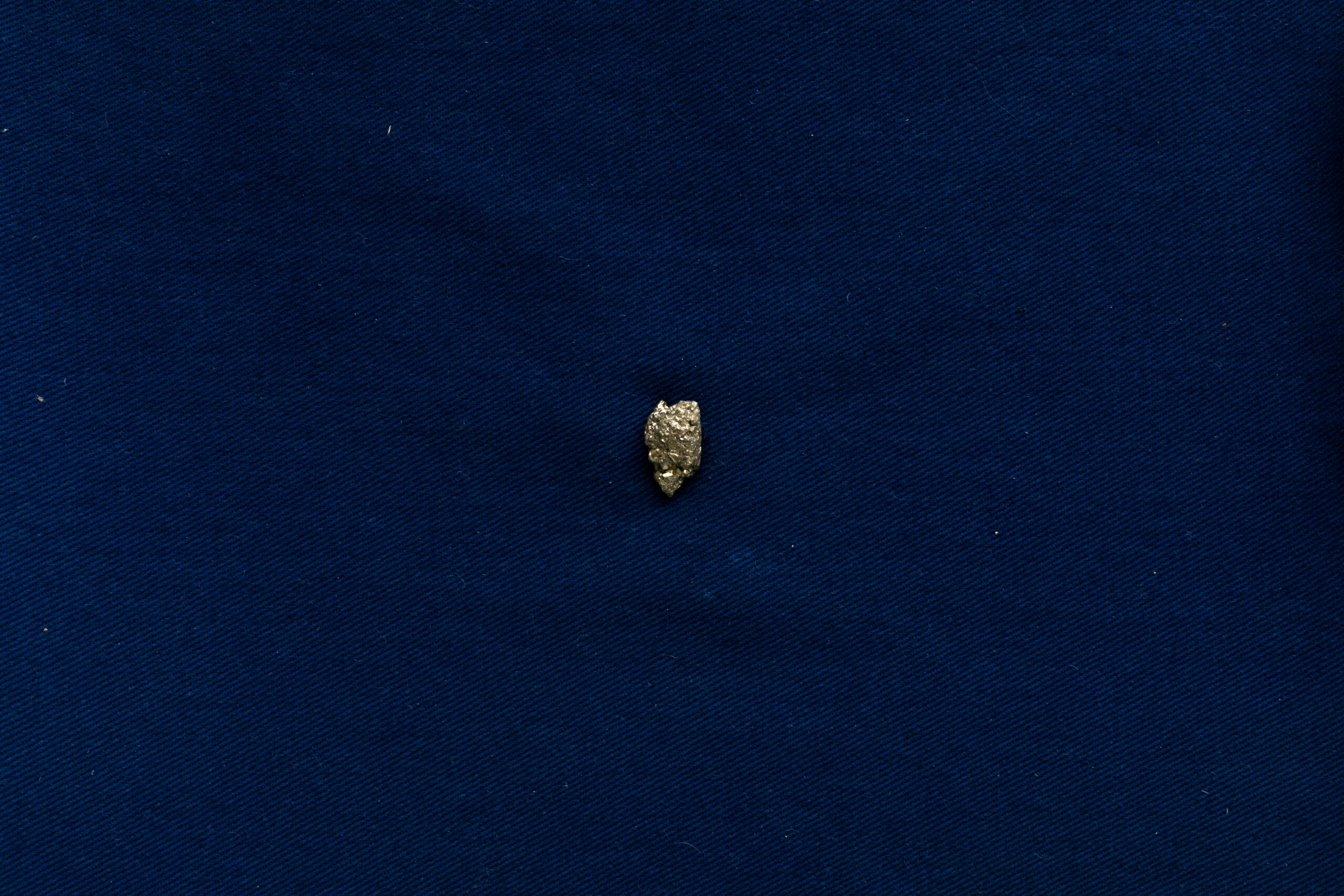
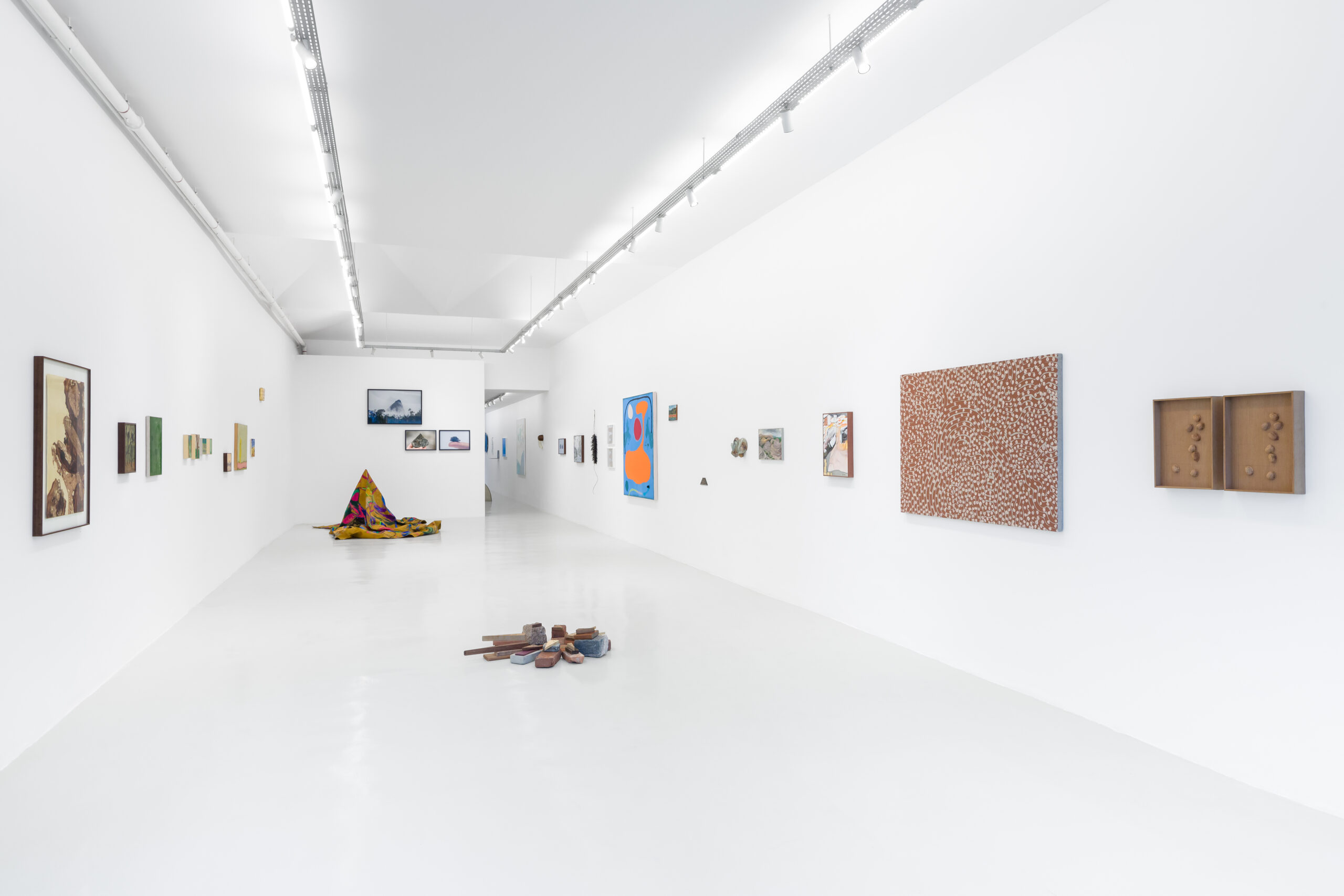
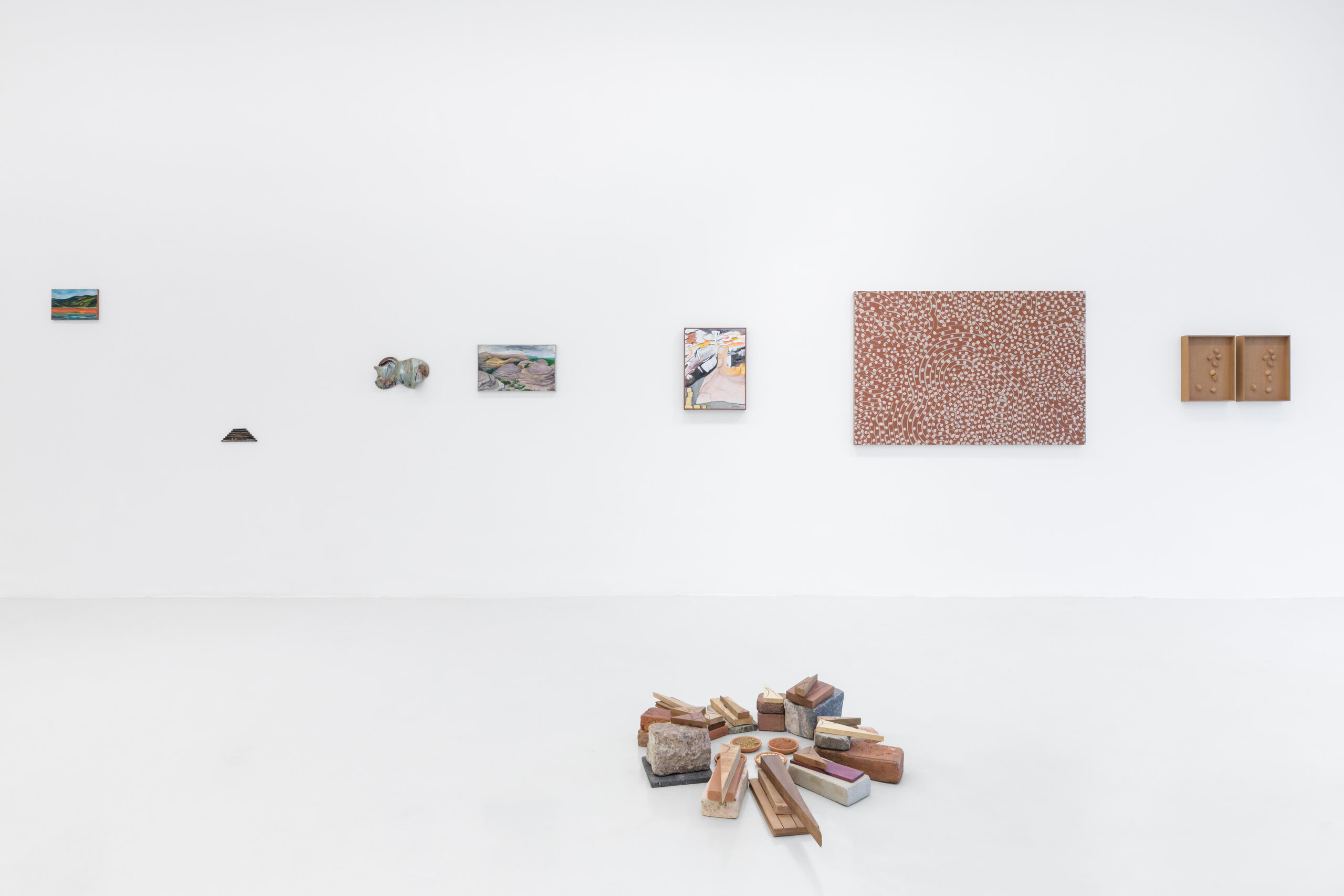
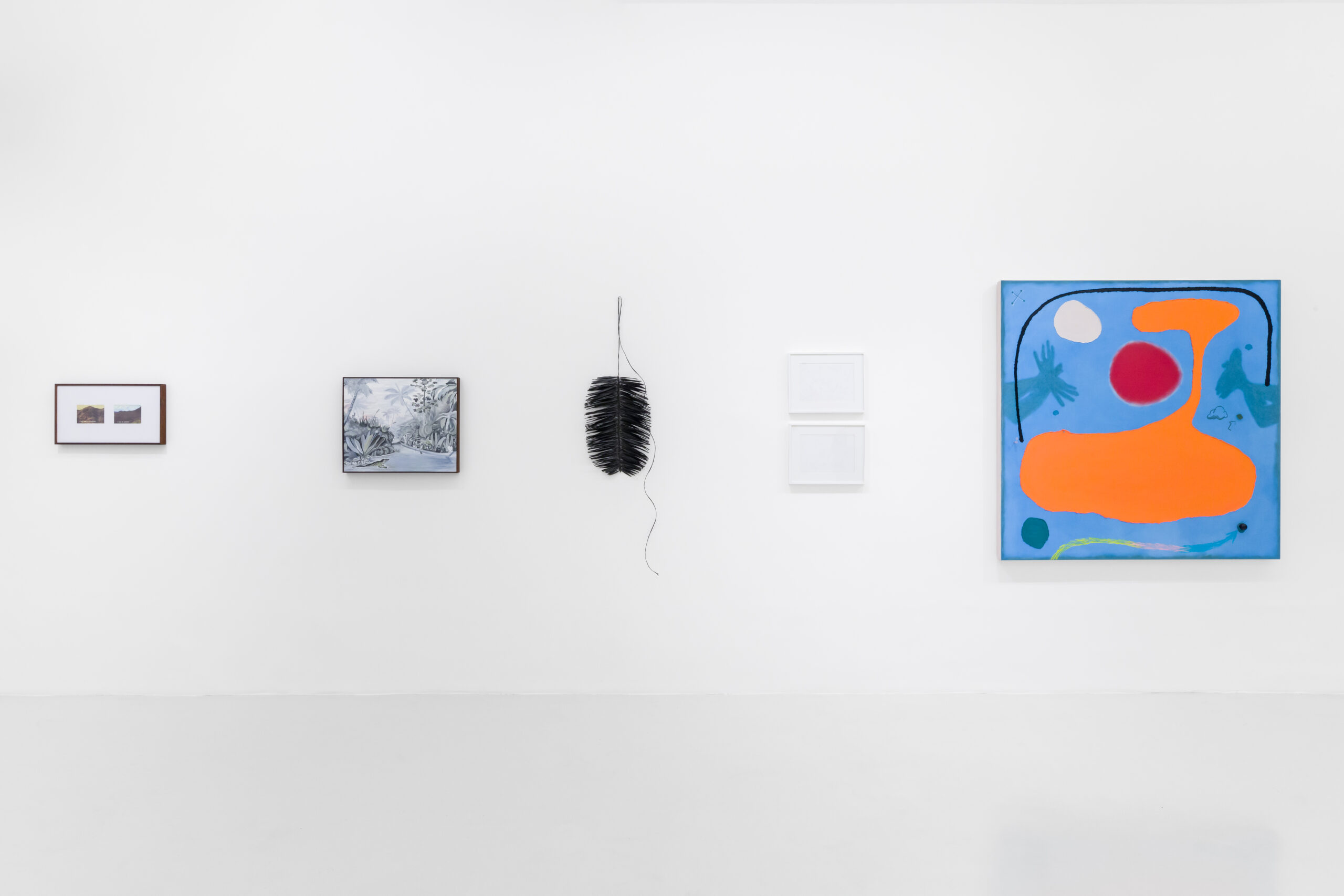
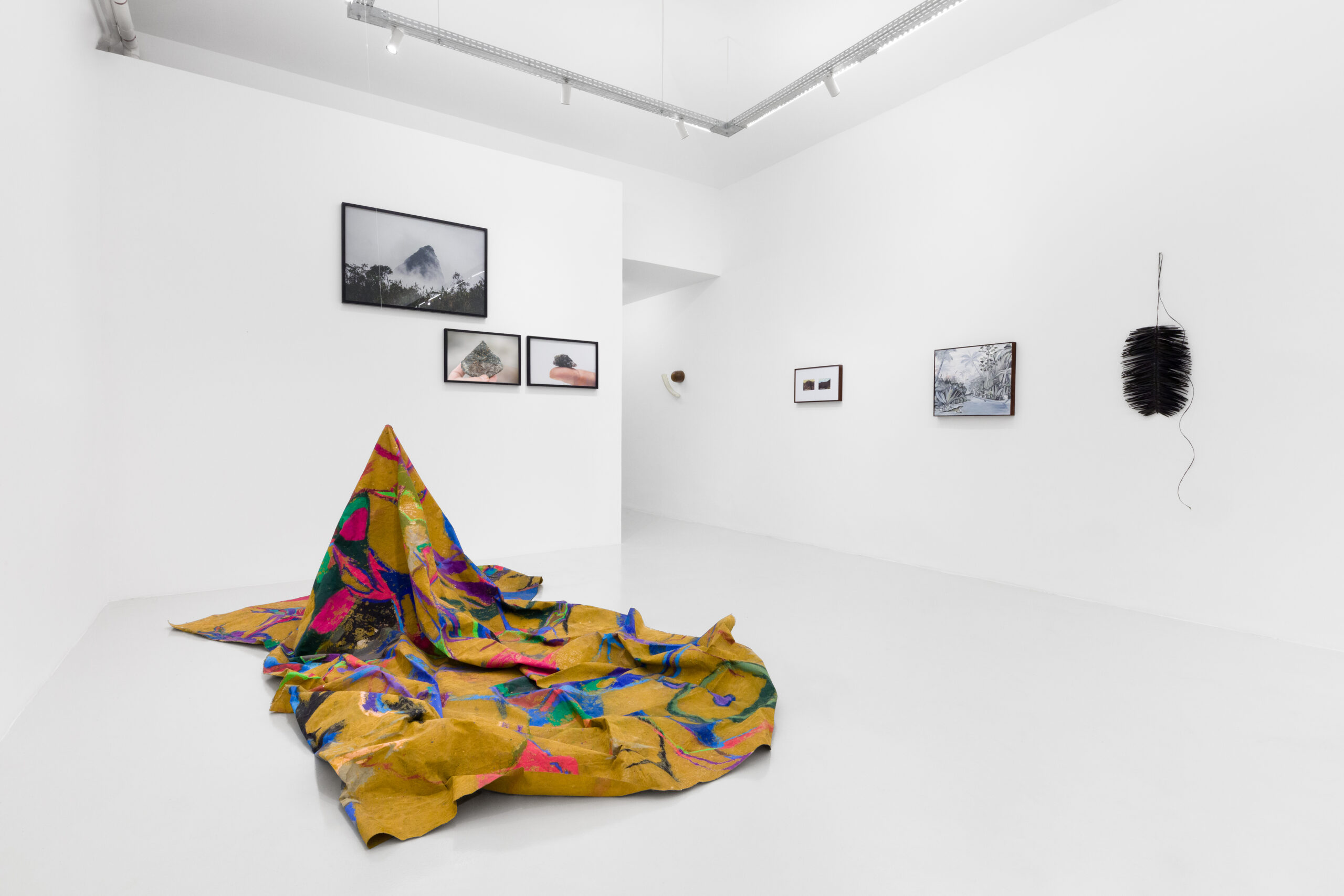
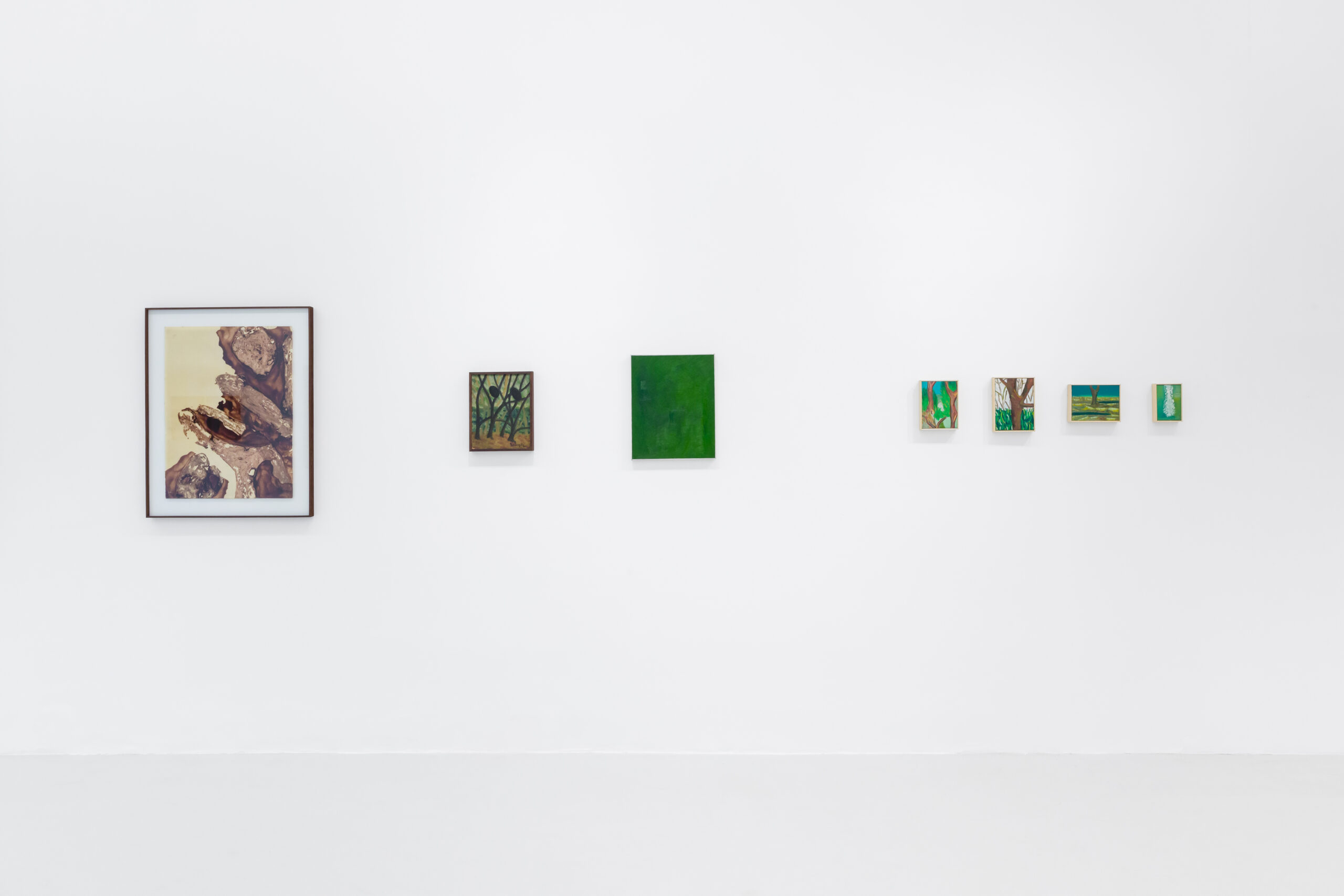
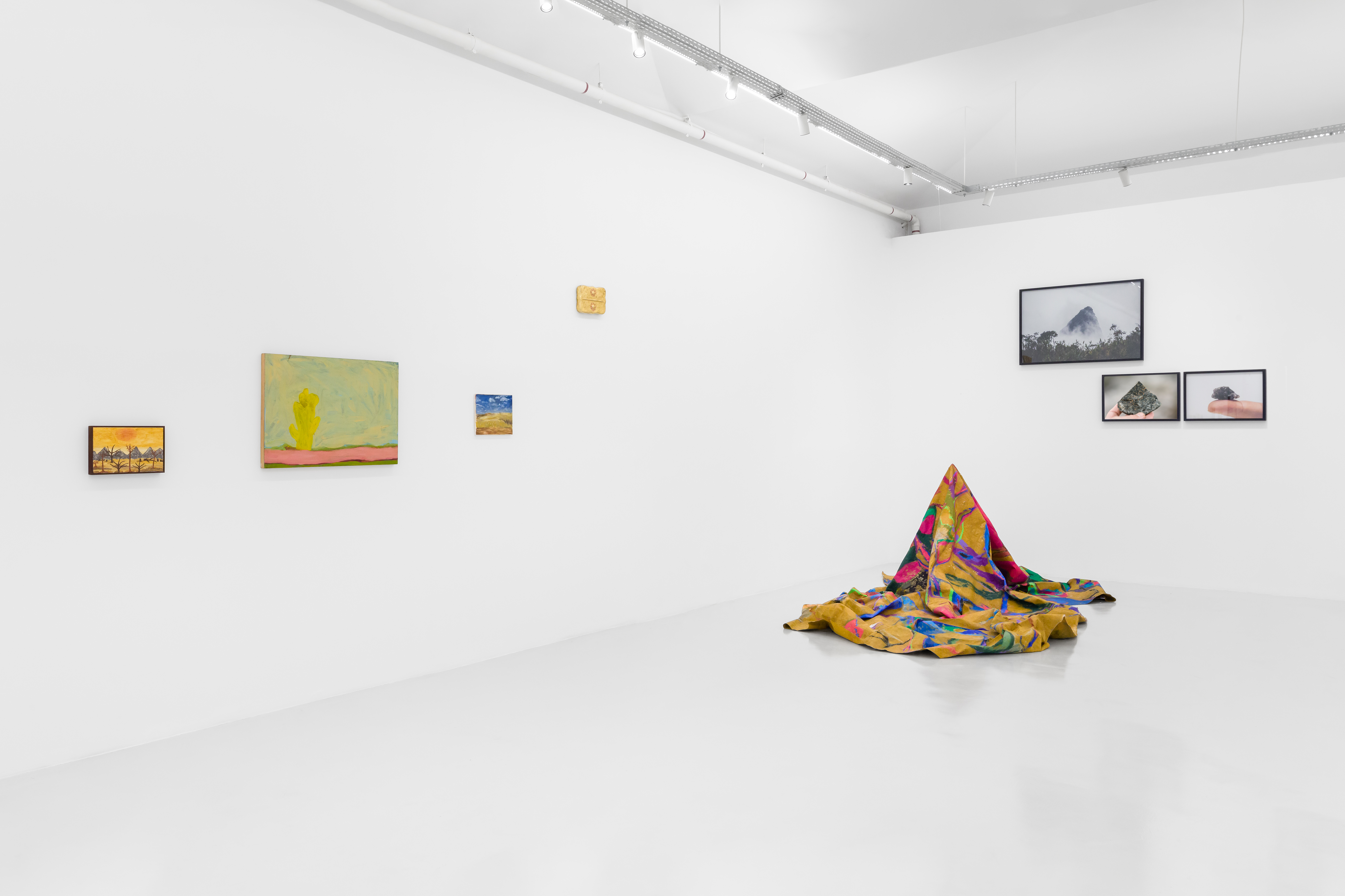
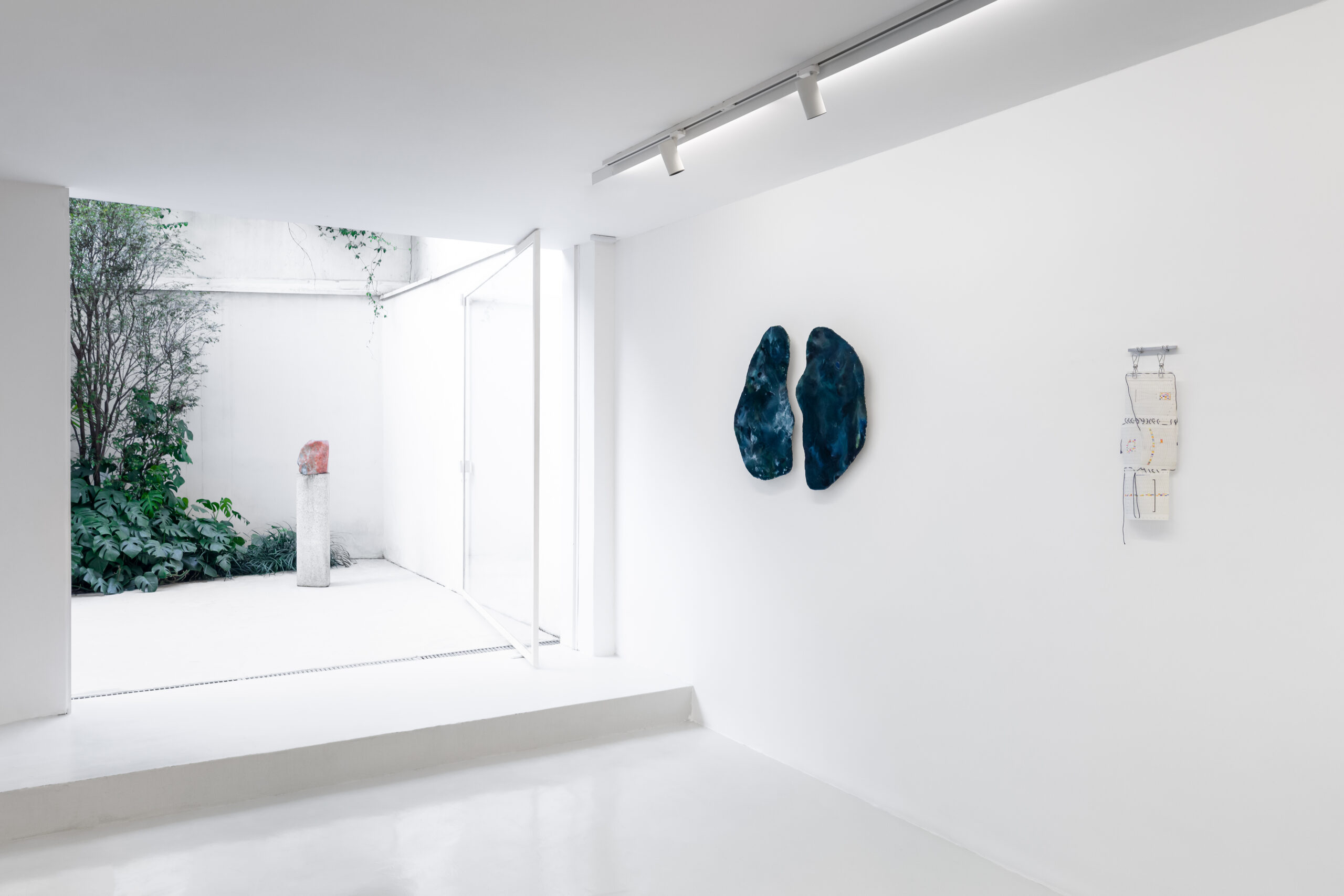
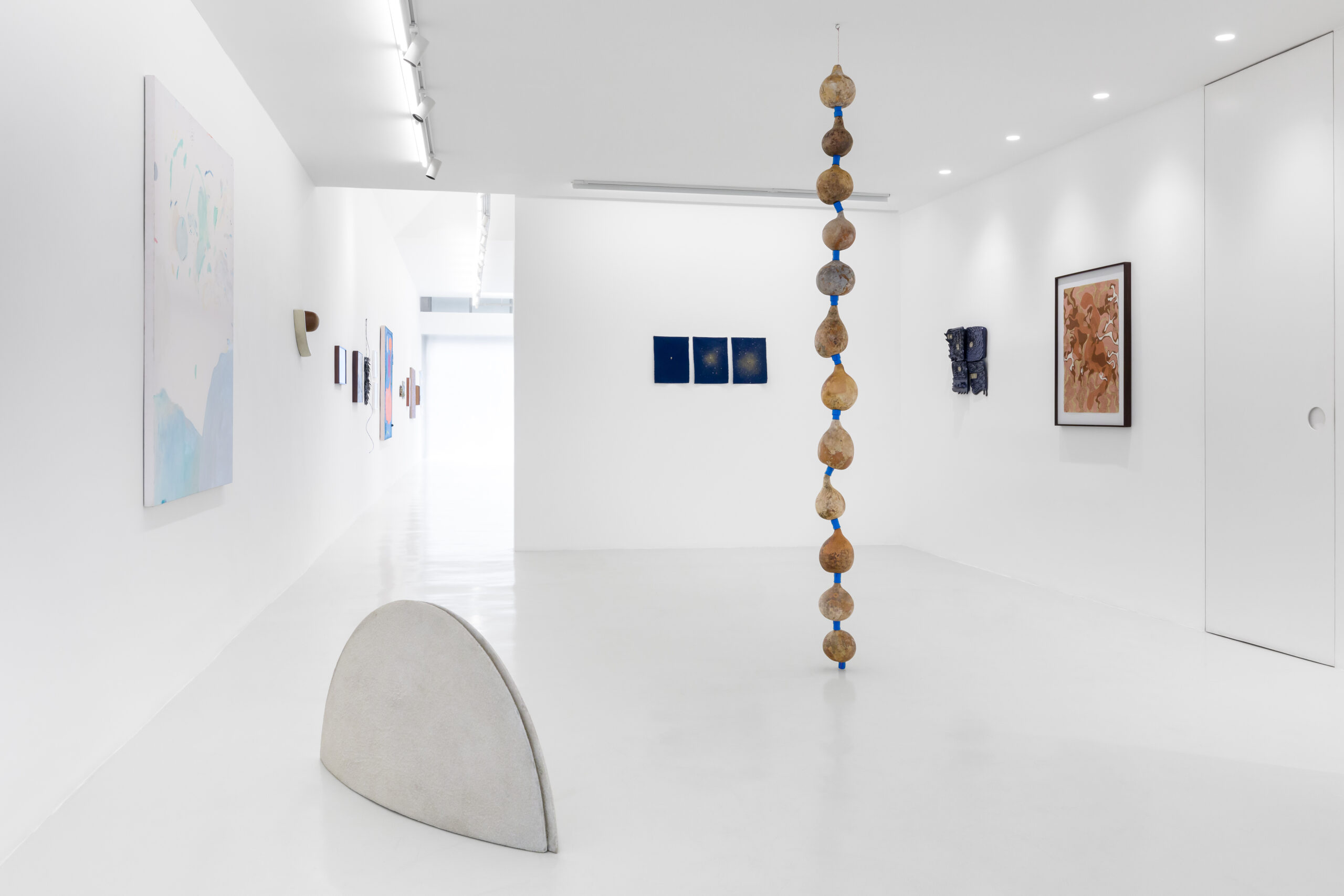
The exhibition Look at the mountains brings together more than 40 works that, in different ways and in different media, explore the theme of landscape, broadly understood as the space that surrounds us, by which we are affected and on which we act. But this isn’t about making an apology for nature, or rather an ideal of nature, not least because the idea that landscape is the exact correspondent of nature was invented with the aim of defining and dominating the surrounding space. Nor is it a question of carrying out a historical recovery of landscape painting, even though the current interest of a significant number of artists in this genre is remarkable, this would be anachronistic to say the least.
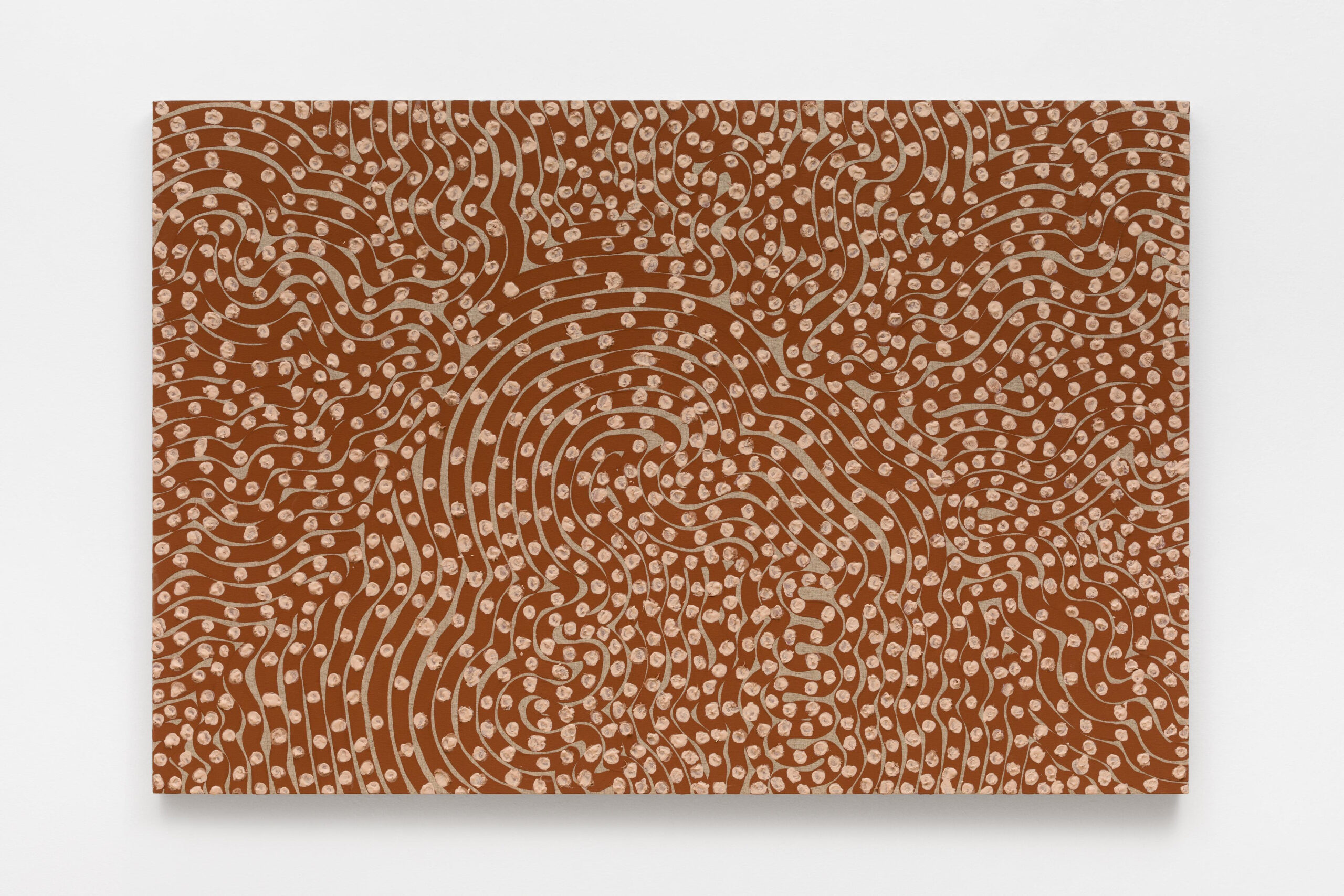
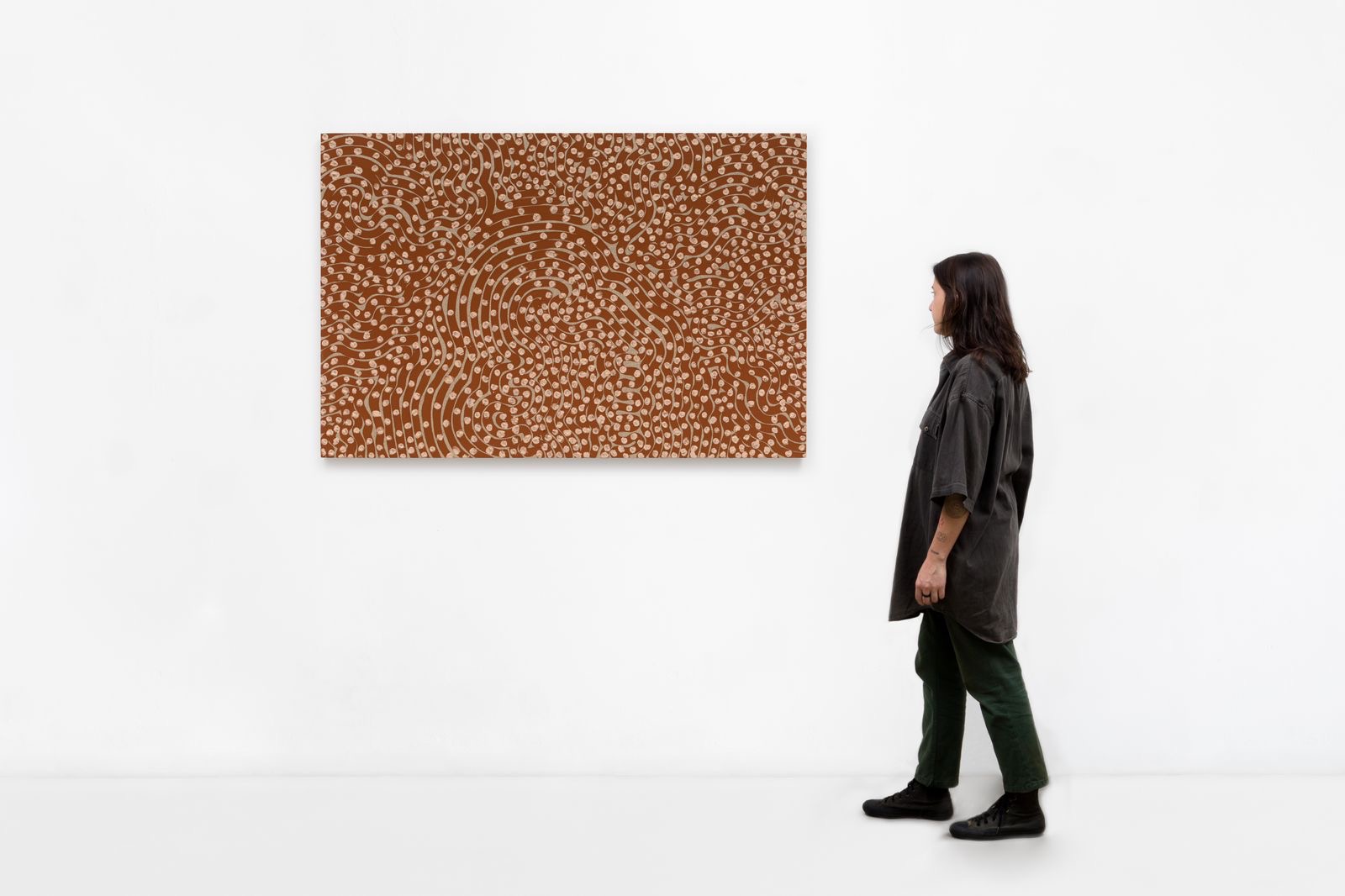
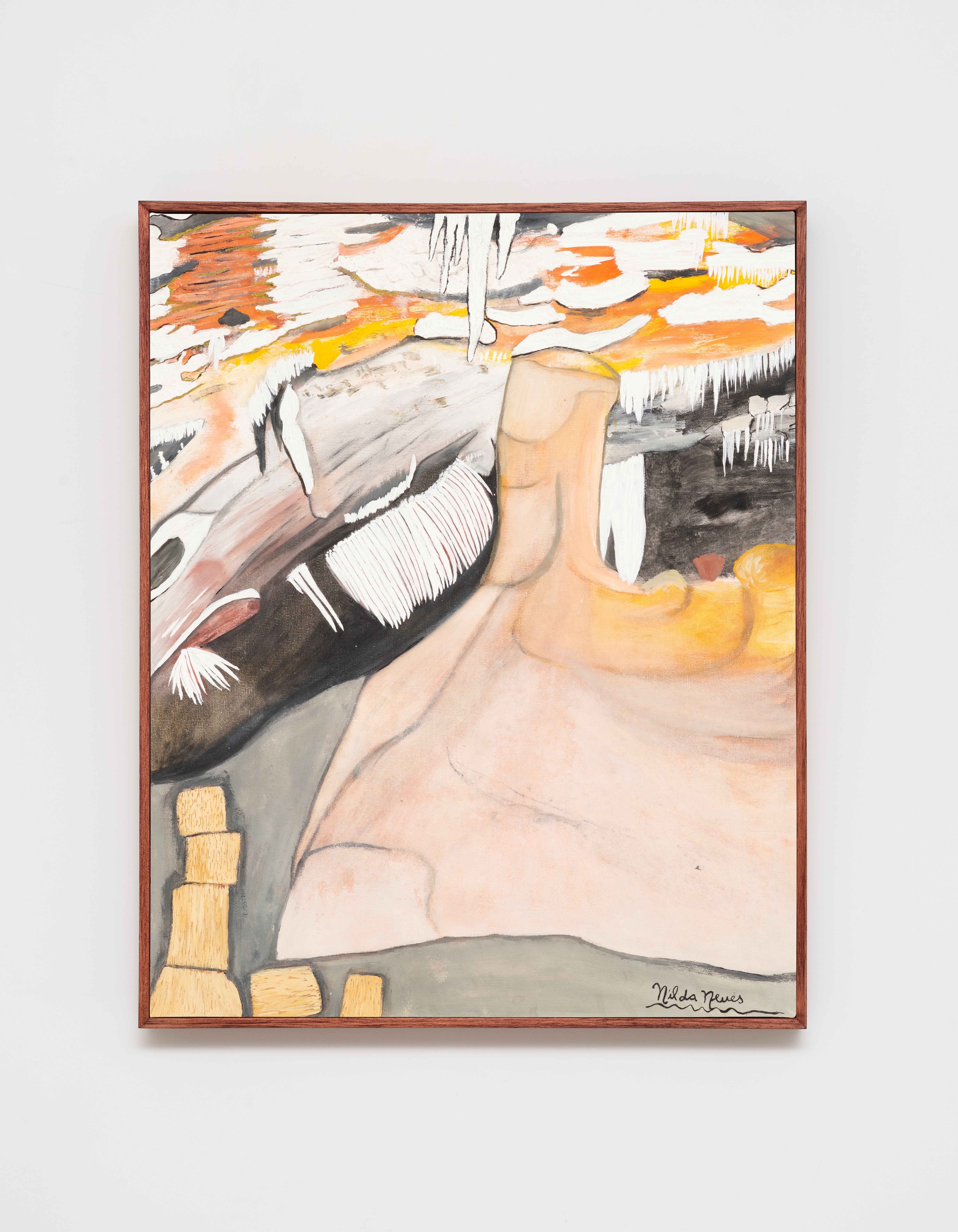
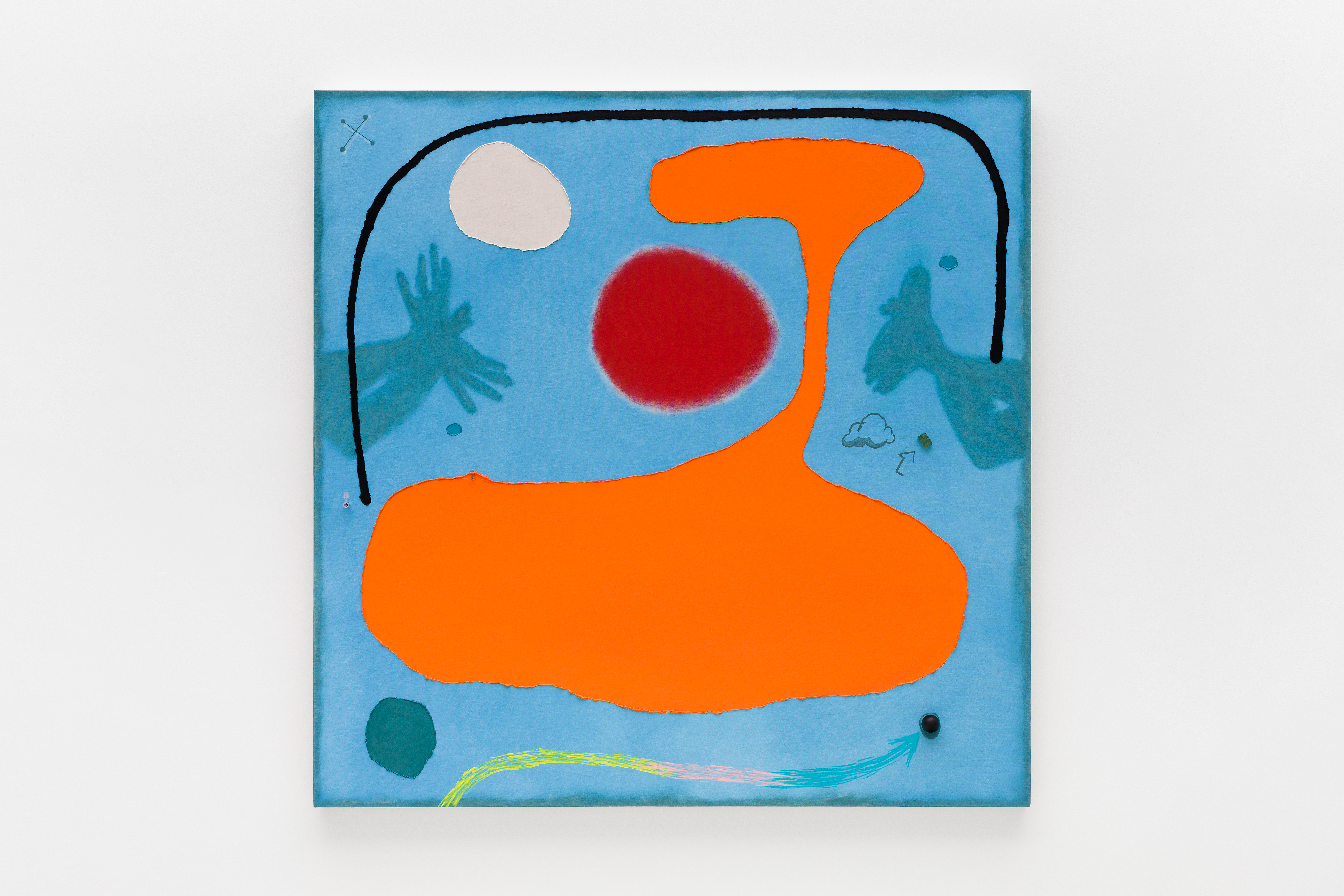
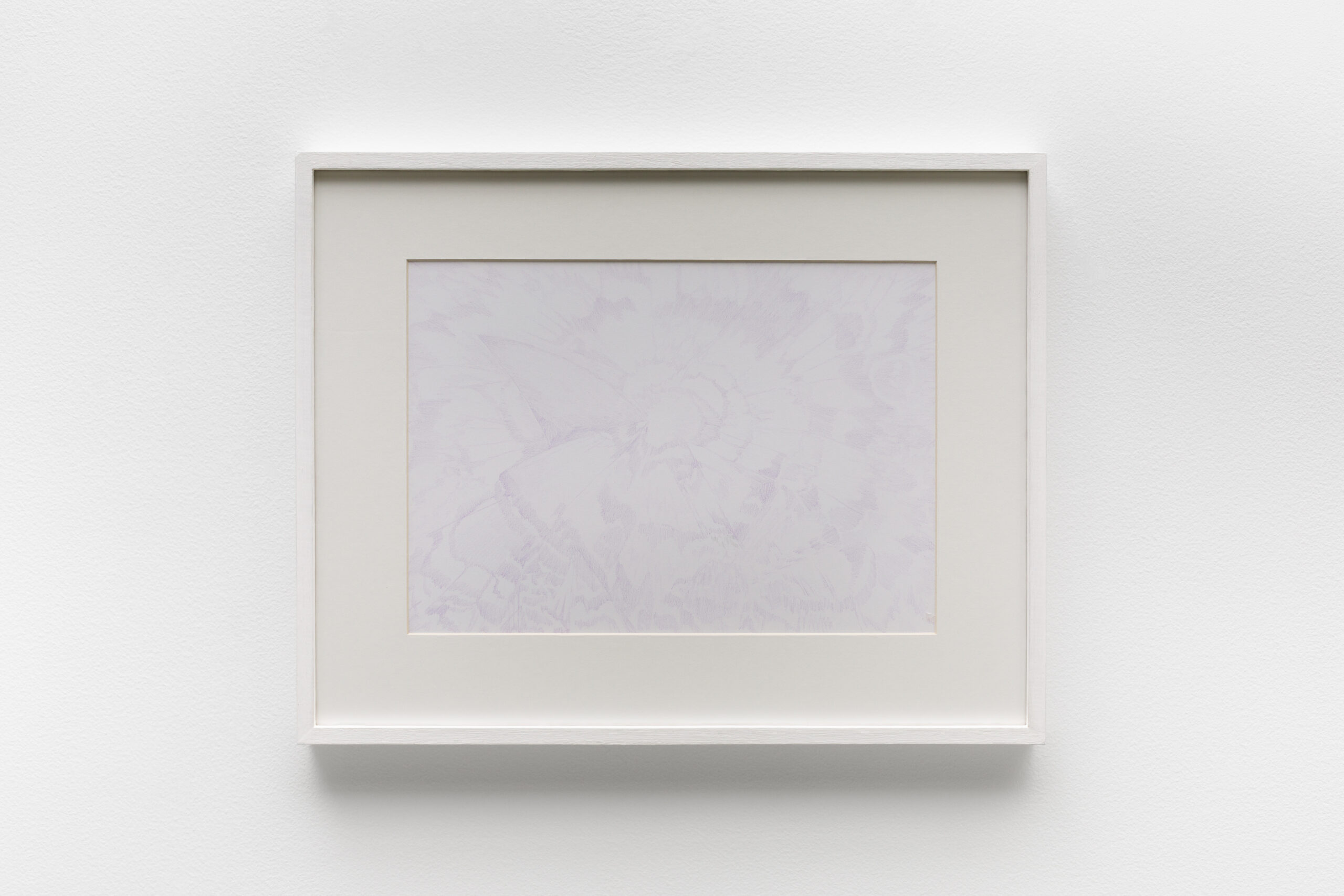
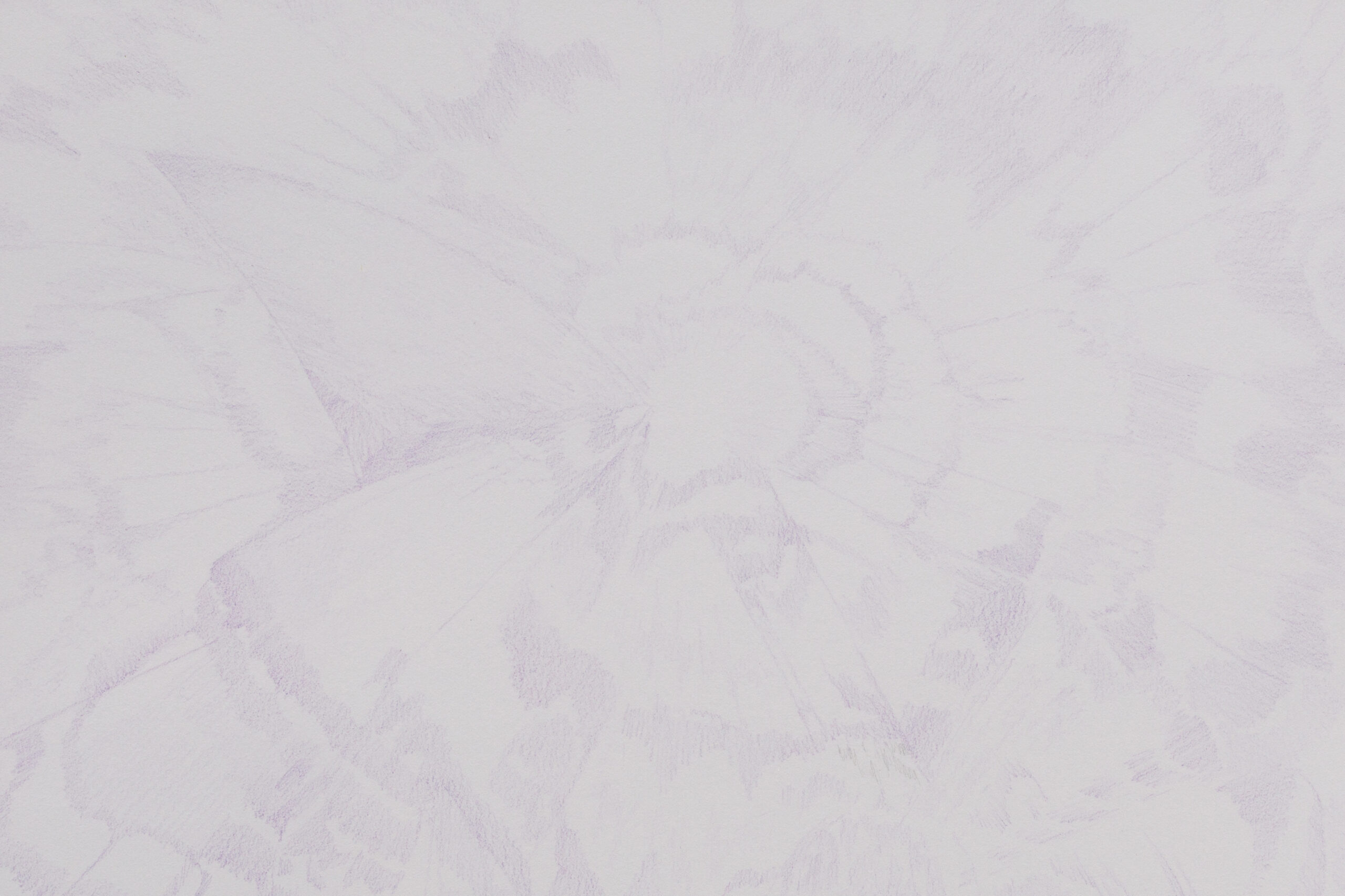
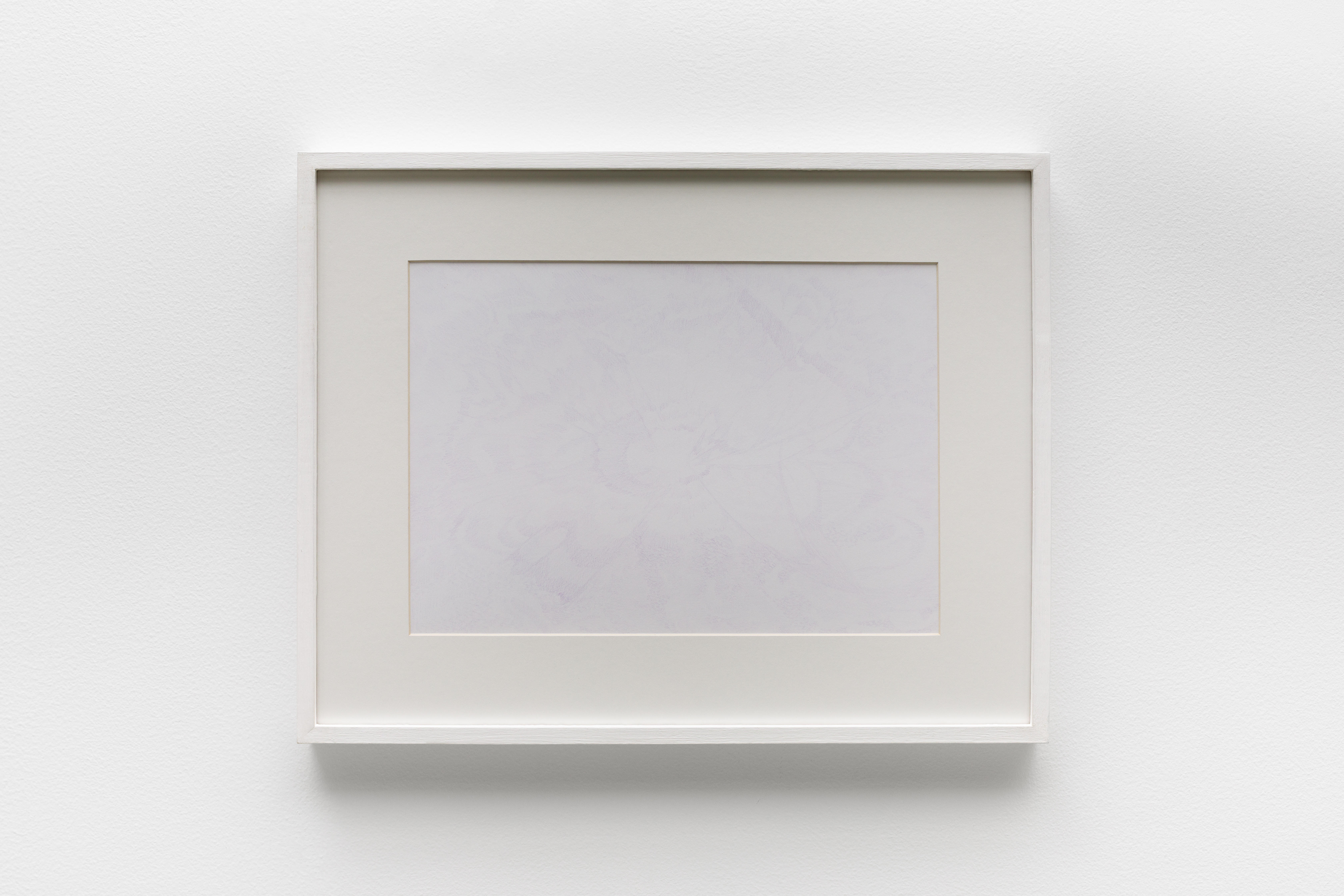
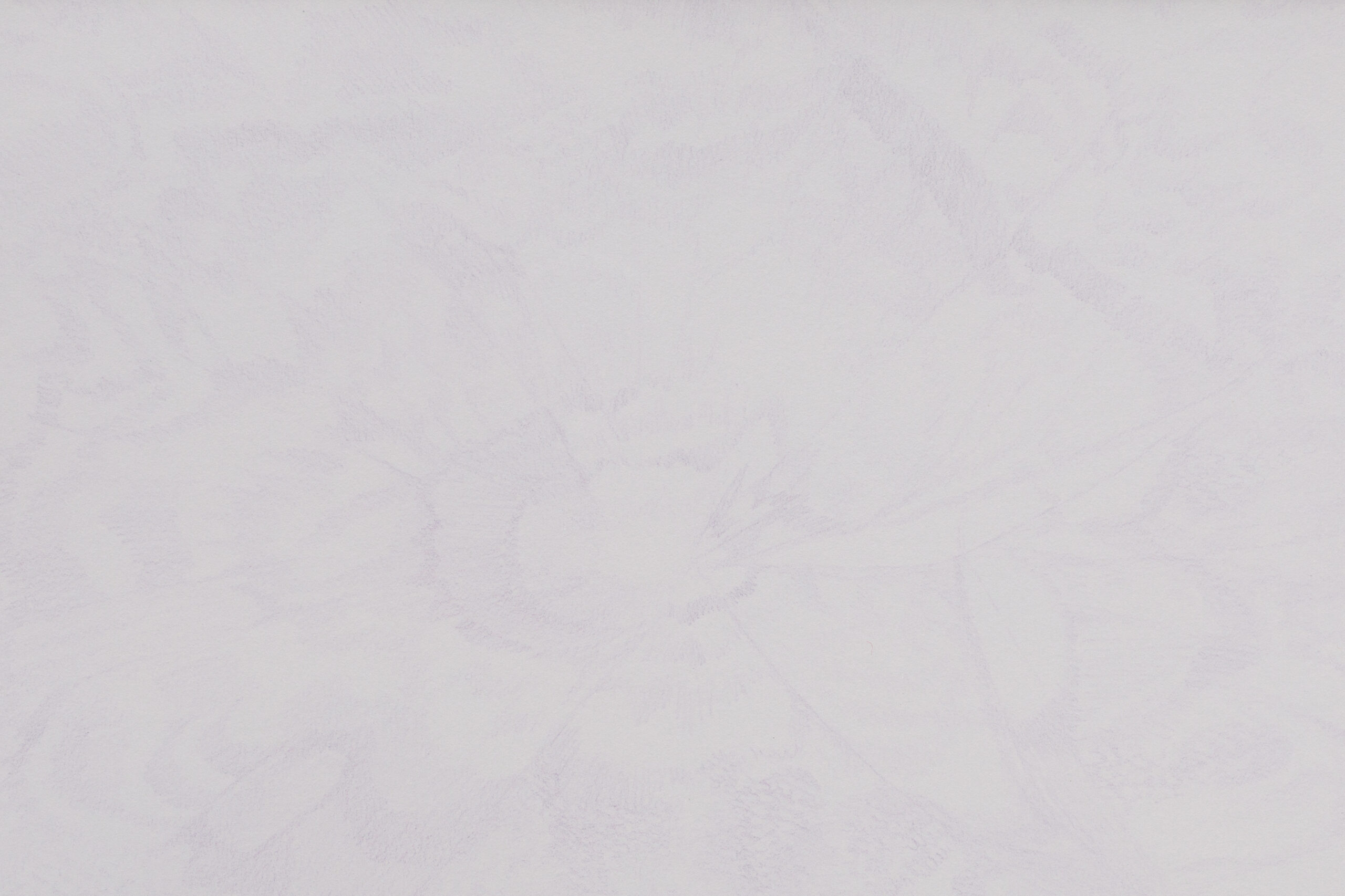
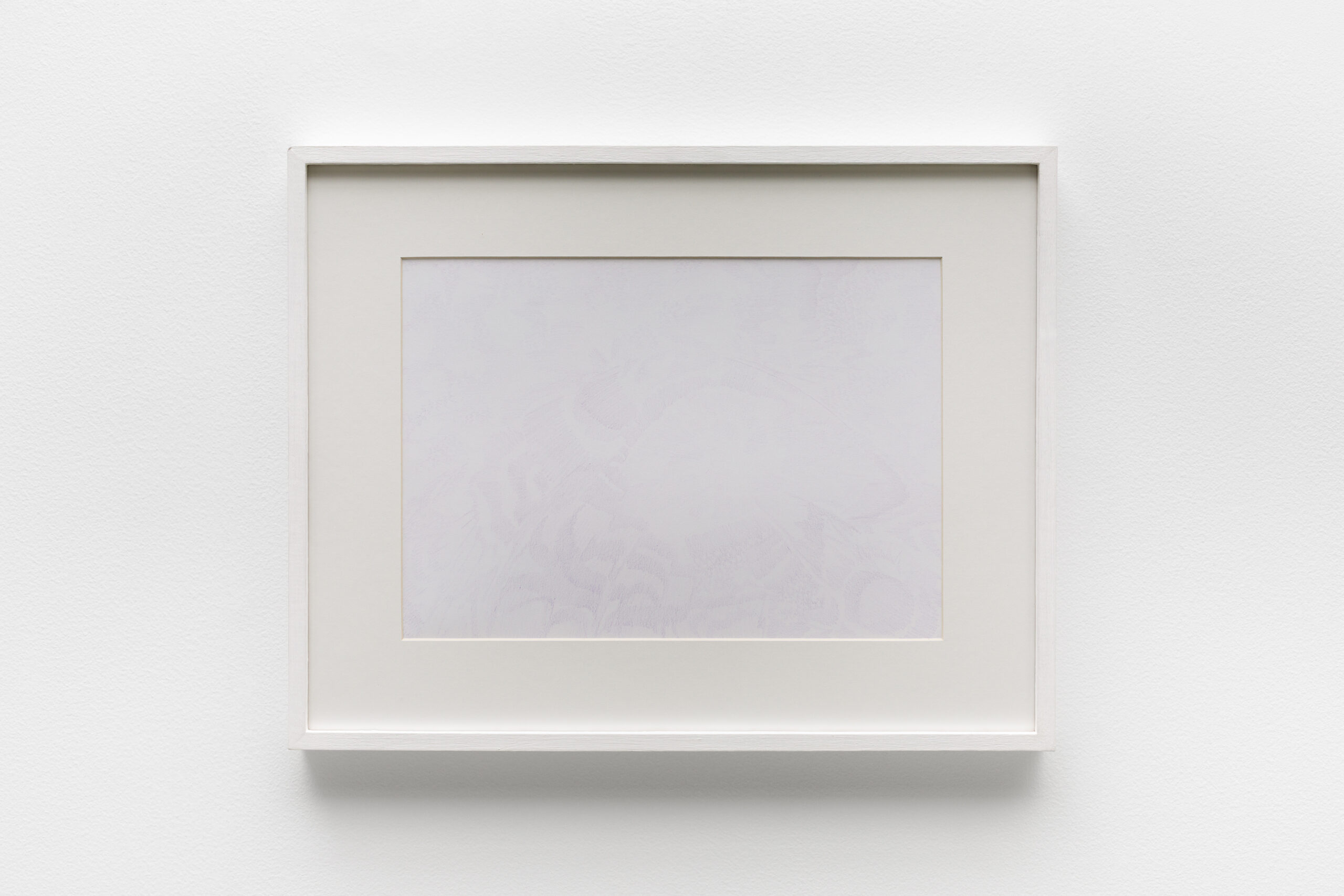
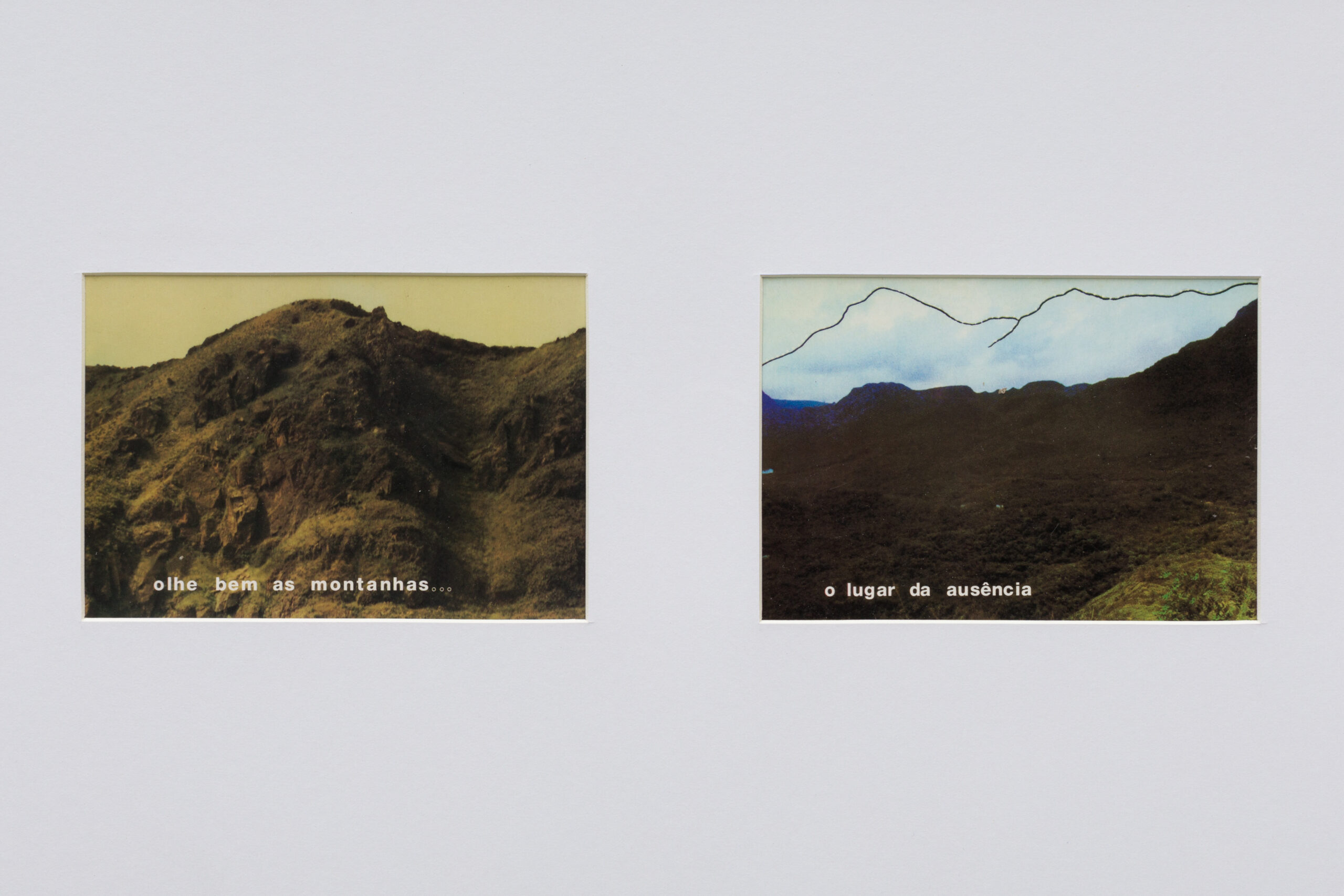
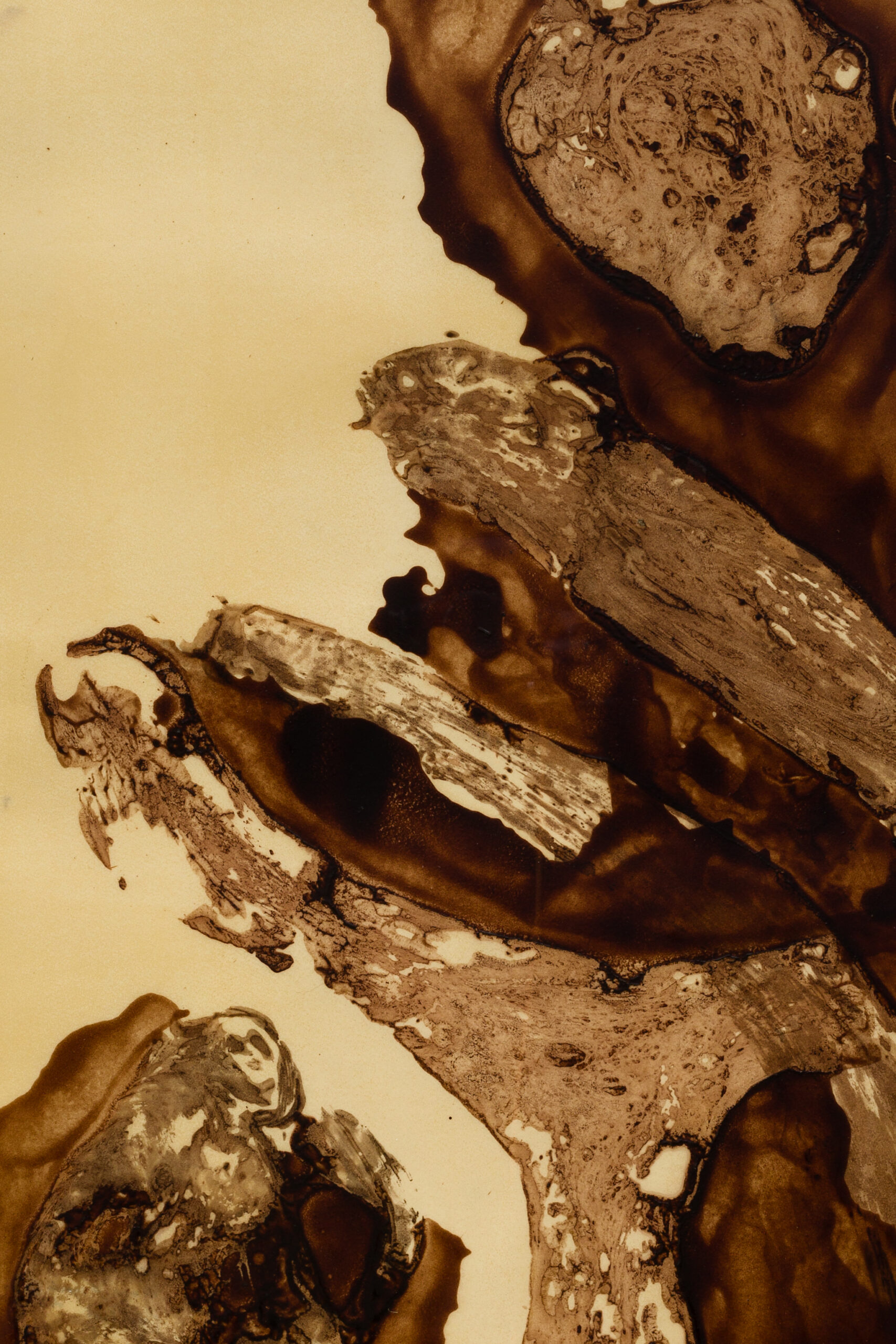
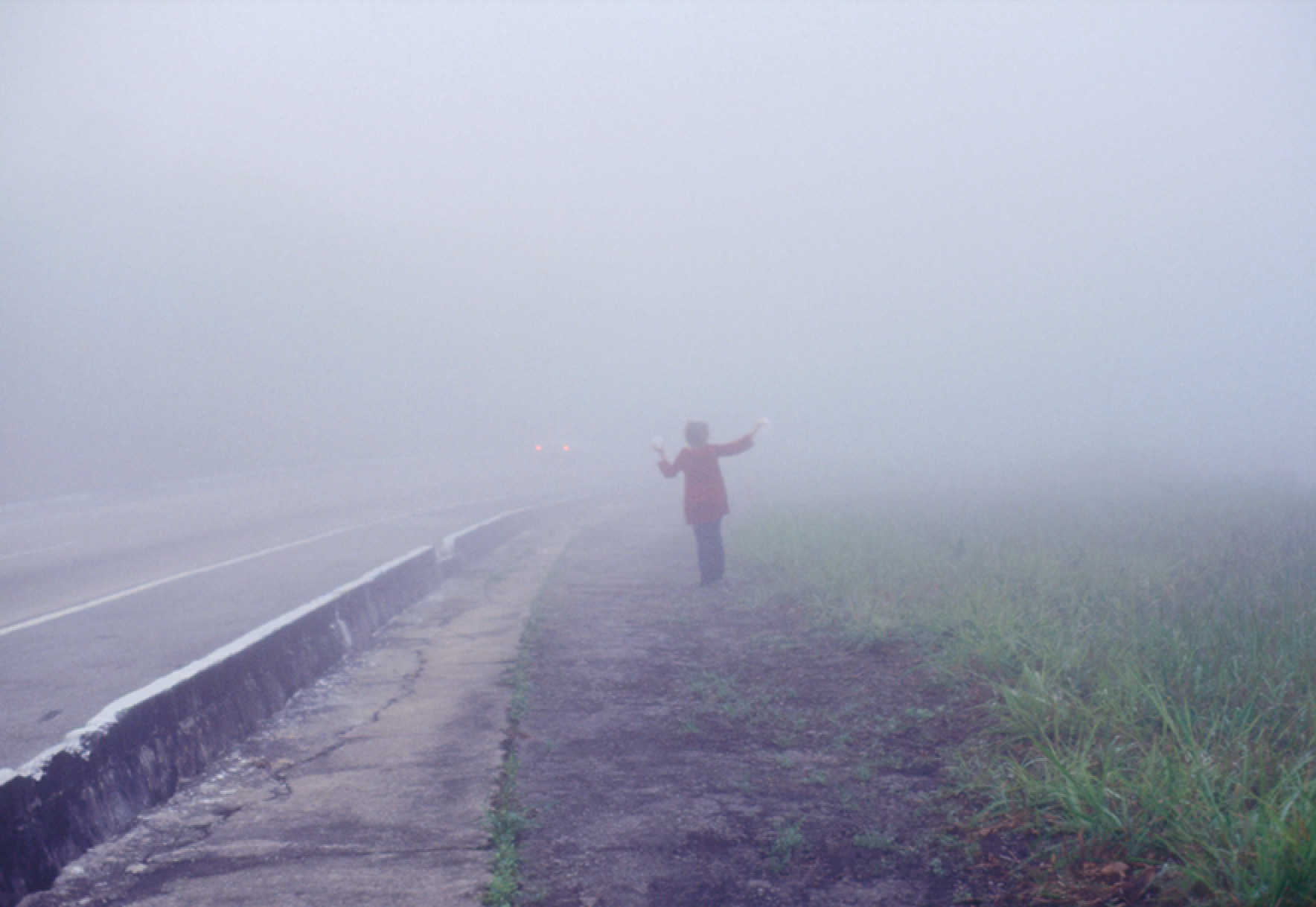
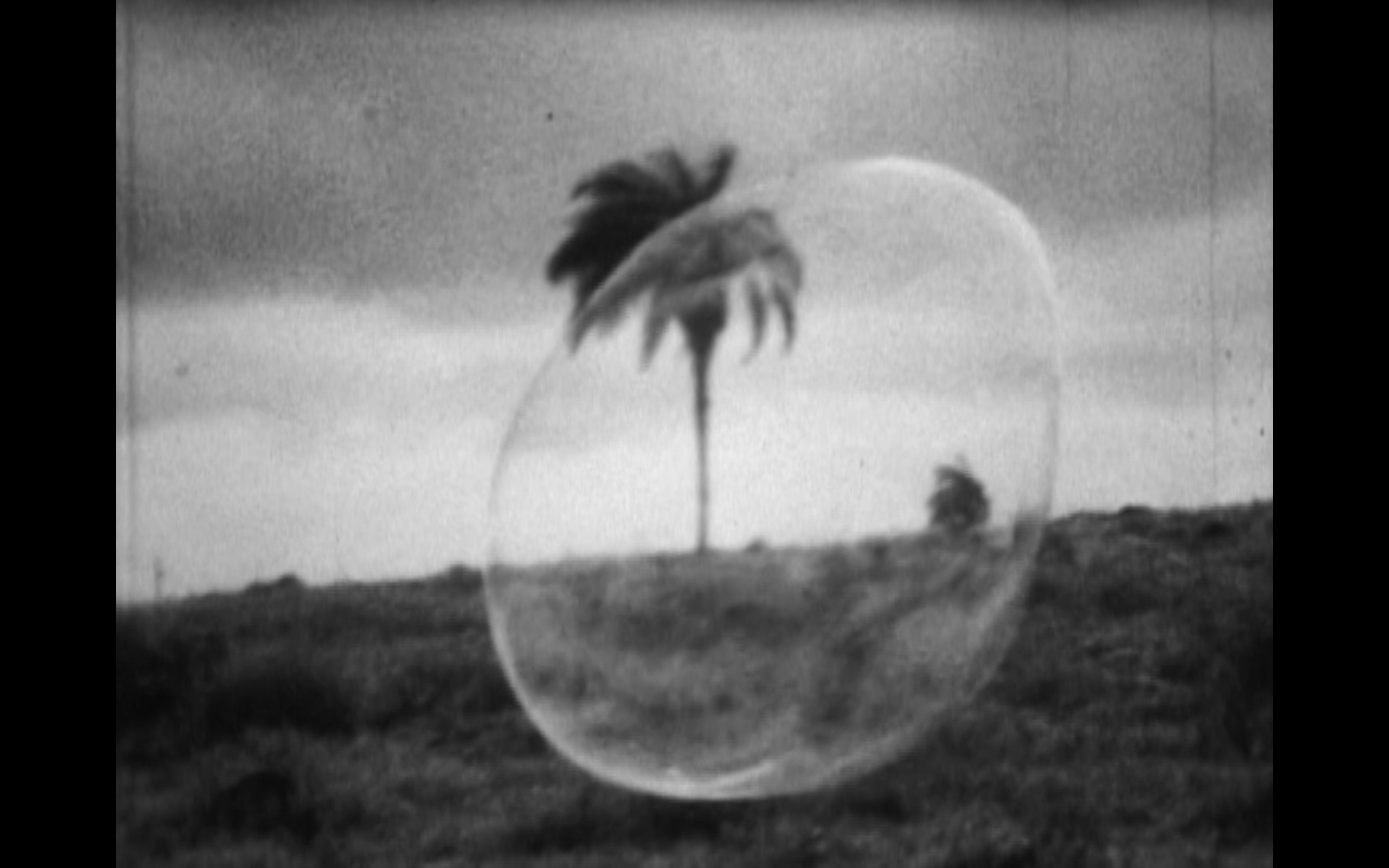
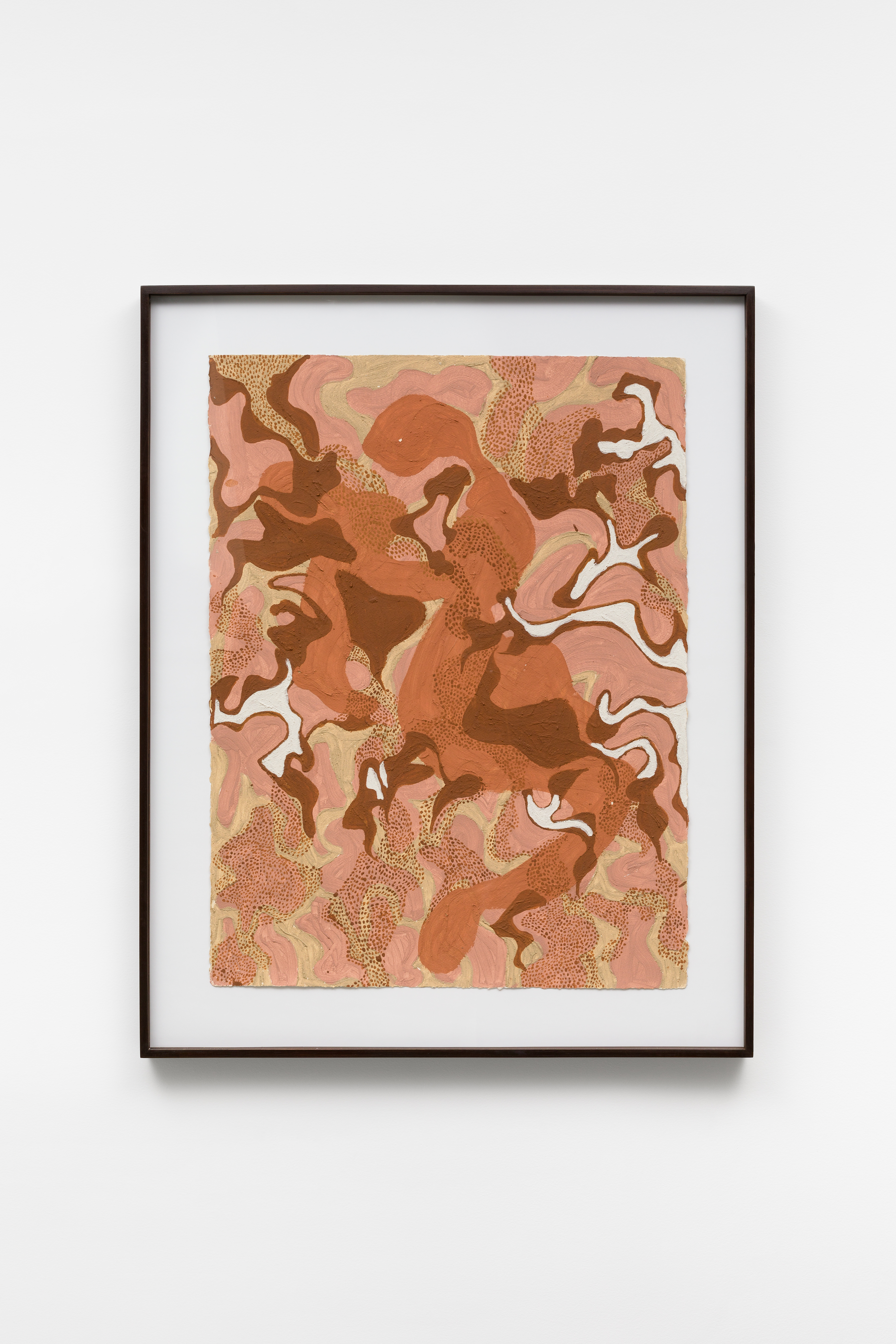
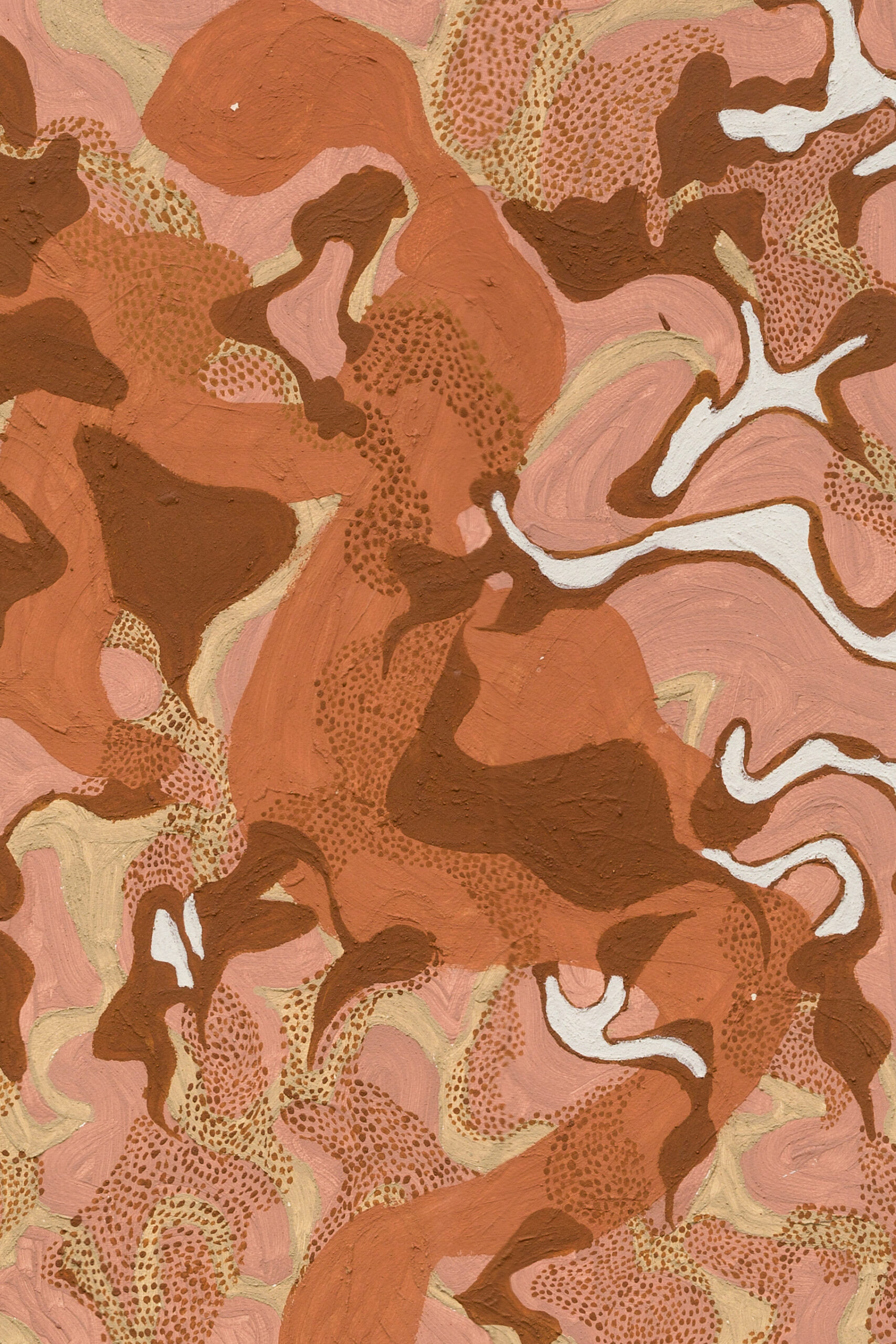
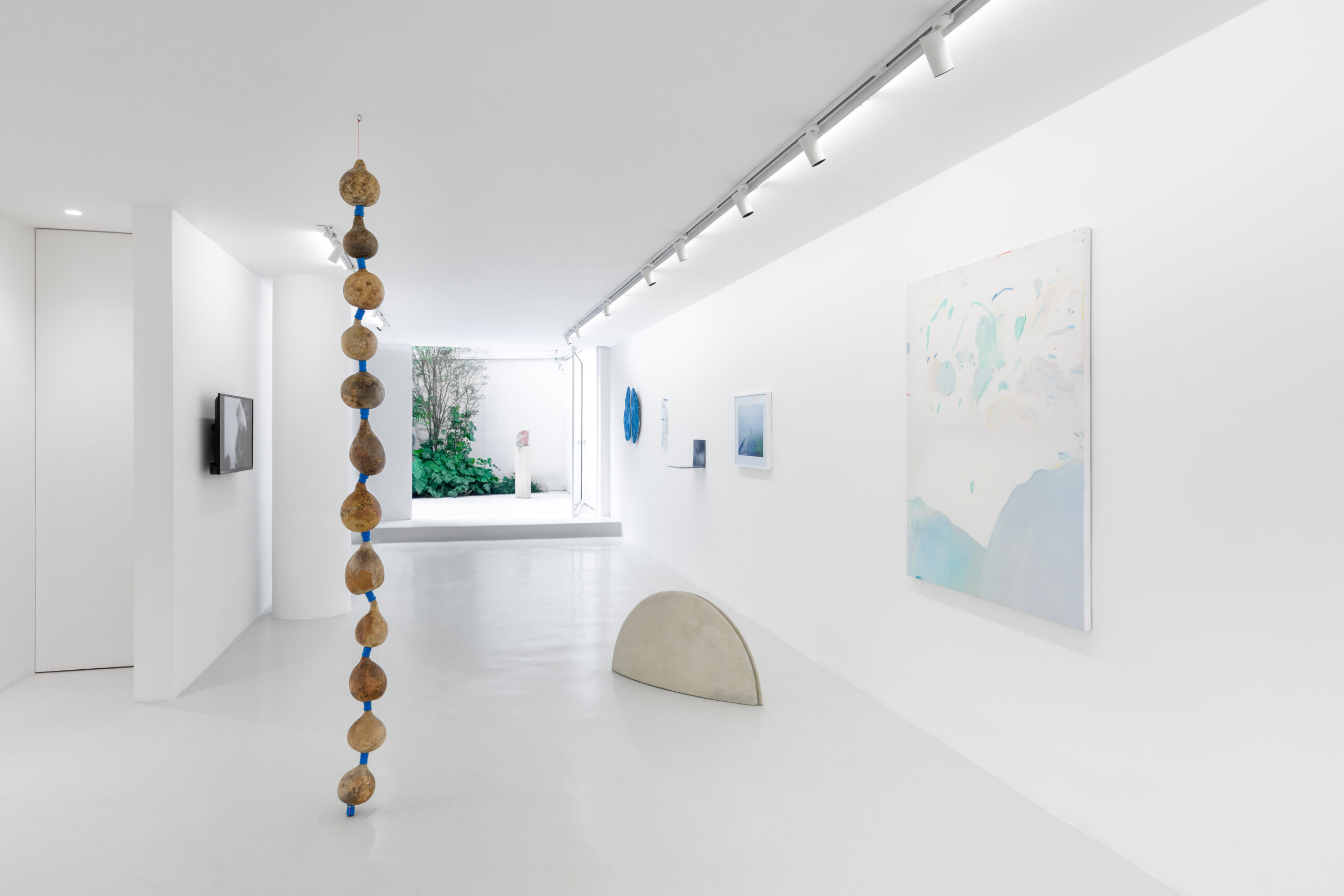
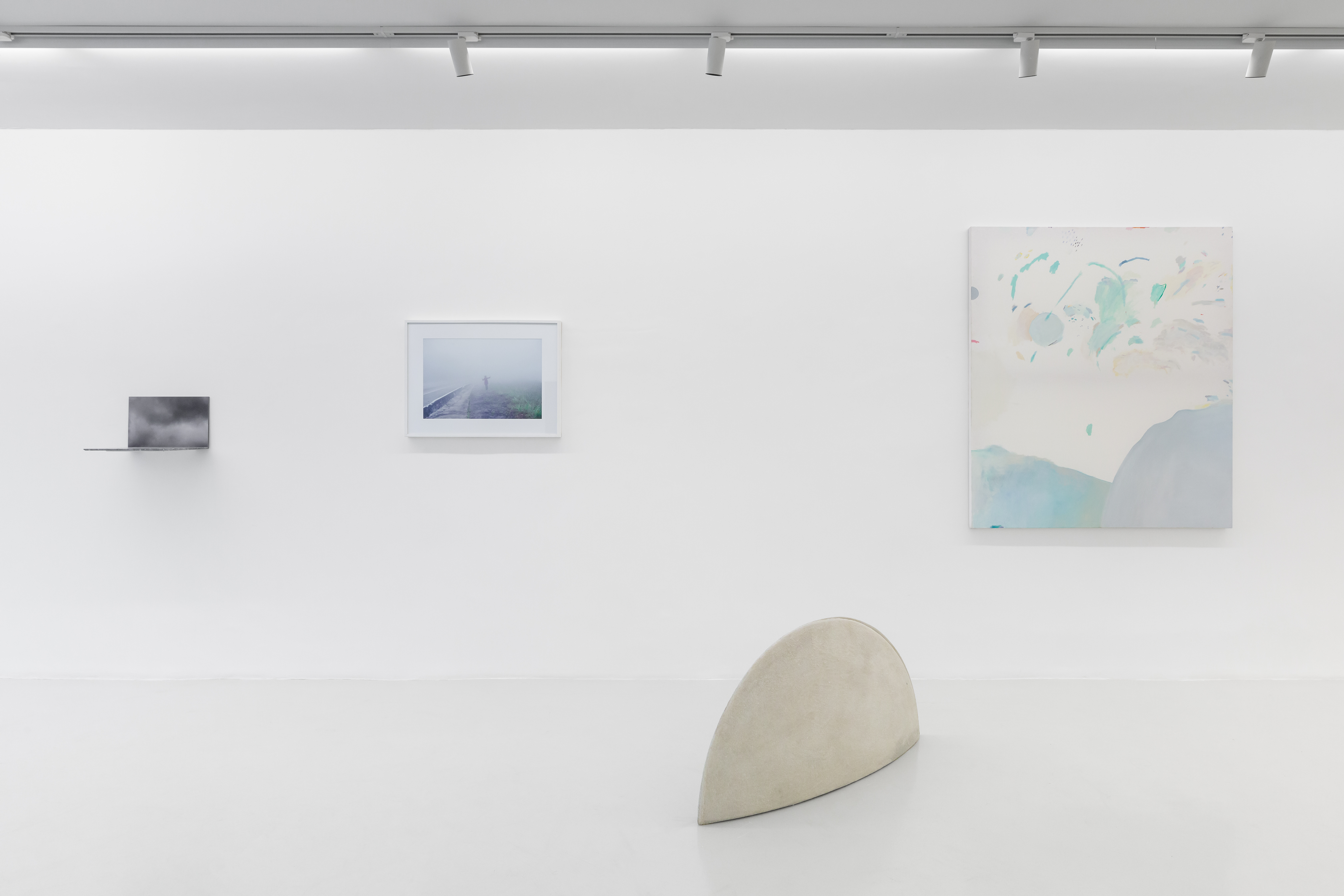
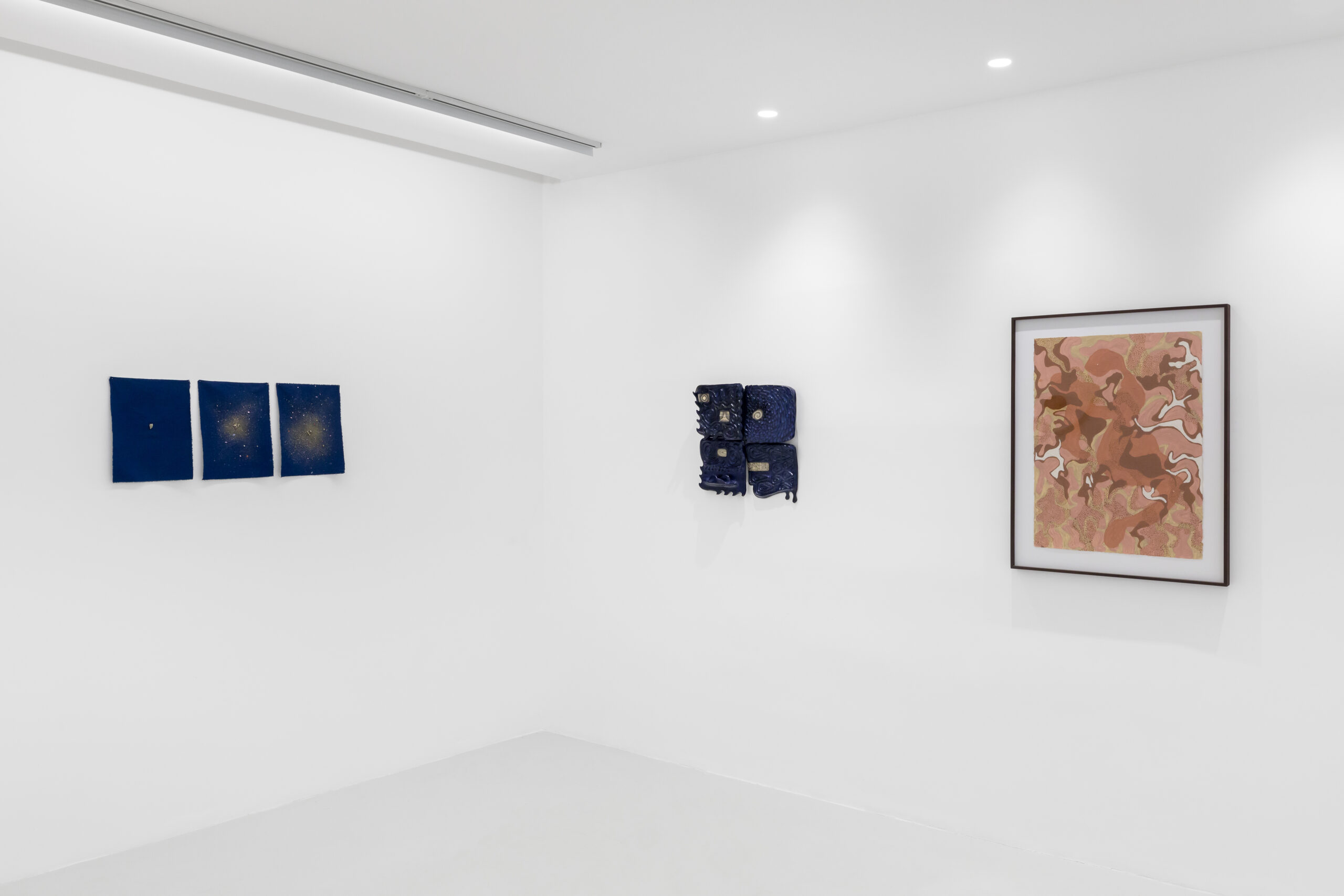
Above all, it’s about positioning ourselves in today’s world in order to see it without filters or artifice. Let’s accept the invitation of Manfredo de Souzanetto and Carlos Drummond de Andrade, artists who warned us to take a good look at the mountains, and return to the experience that anticipates and underpins any more complex experience we have with the world: the gaze. The 38 artists gathered here start from different points of view, from the most distant to the closest. There are scenarios constructed from the perspective of outer space, from outside the Earth, as in the drawings by Luiza Crosman and Leka Mendes, to views of the sky itself, as in the painting Pássaro de mão by Thomaz Rosa and the photograph by Brígida Baltar, in which the artist herself is enveloped in a cloud of mist. Other images start from the more tangible, from the earth itself, such as the paintings by Aislan Pankararu and Carla Santana, abstractions made up of earth pigments of different colors, referring us to paths and entrails, and dialogue with the interior of the cave in the painting by Nilda Neves. On the opposite side, at the closest, are Arorá’s drawings, which are only visible up close and reveal subtle abstractions like the inside of some flowers.
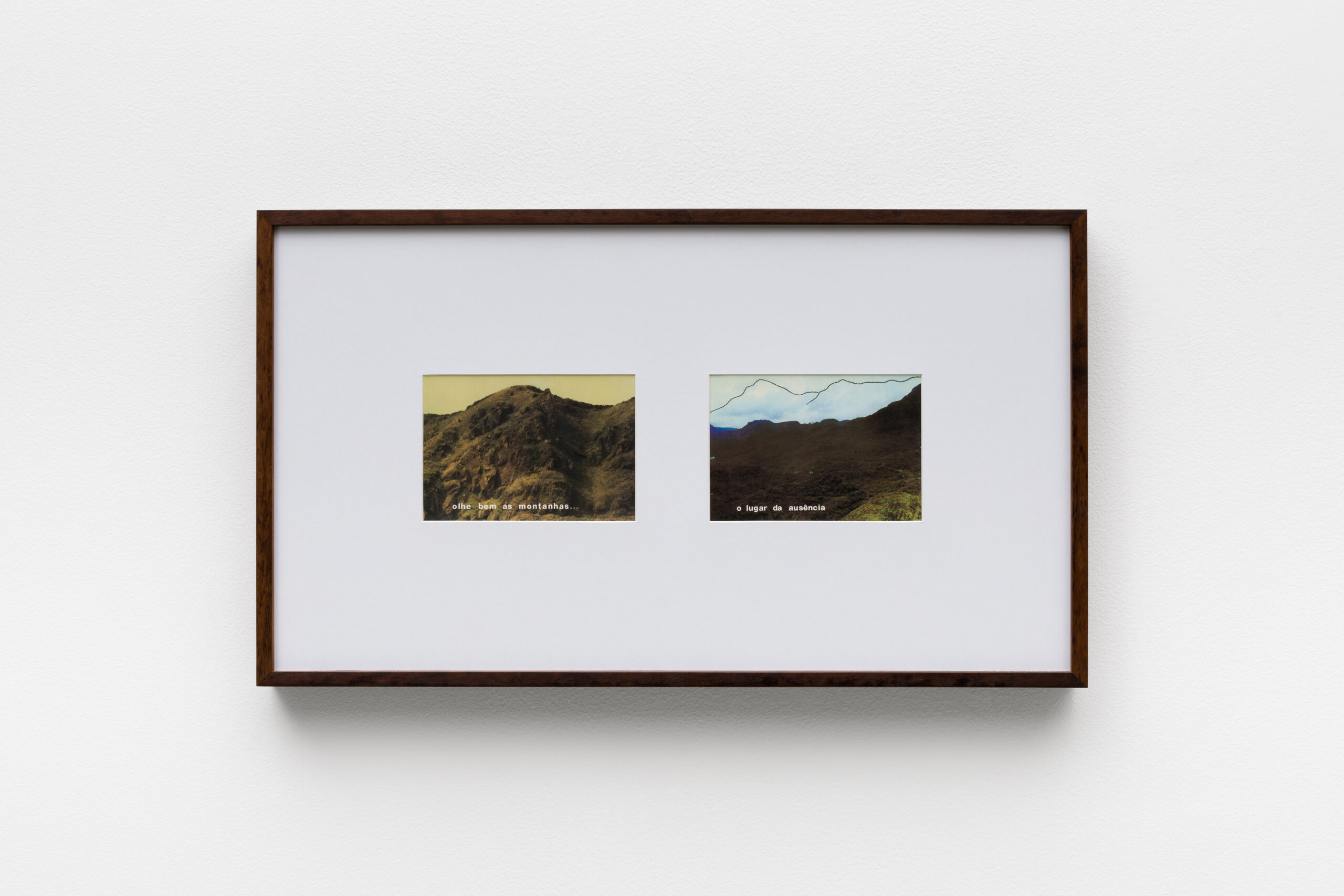
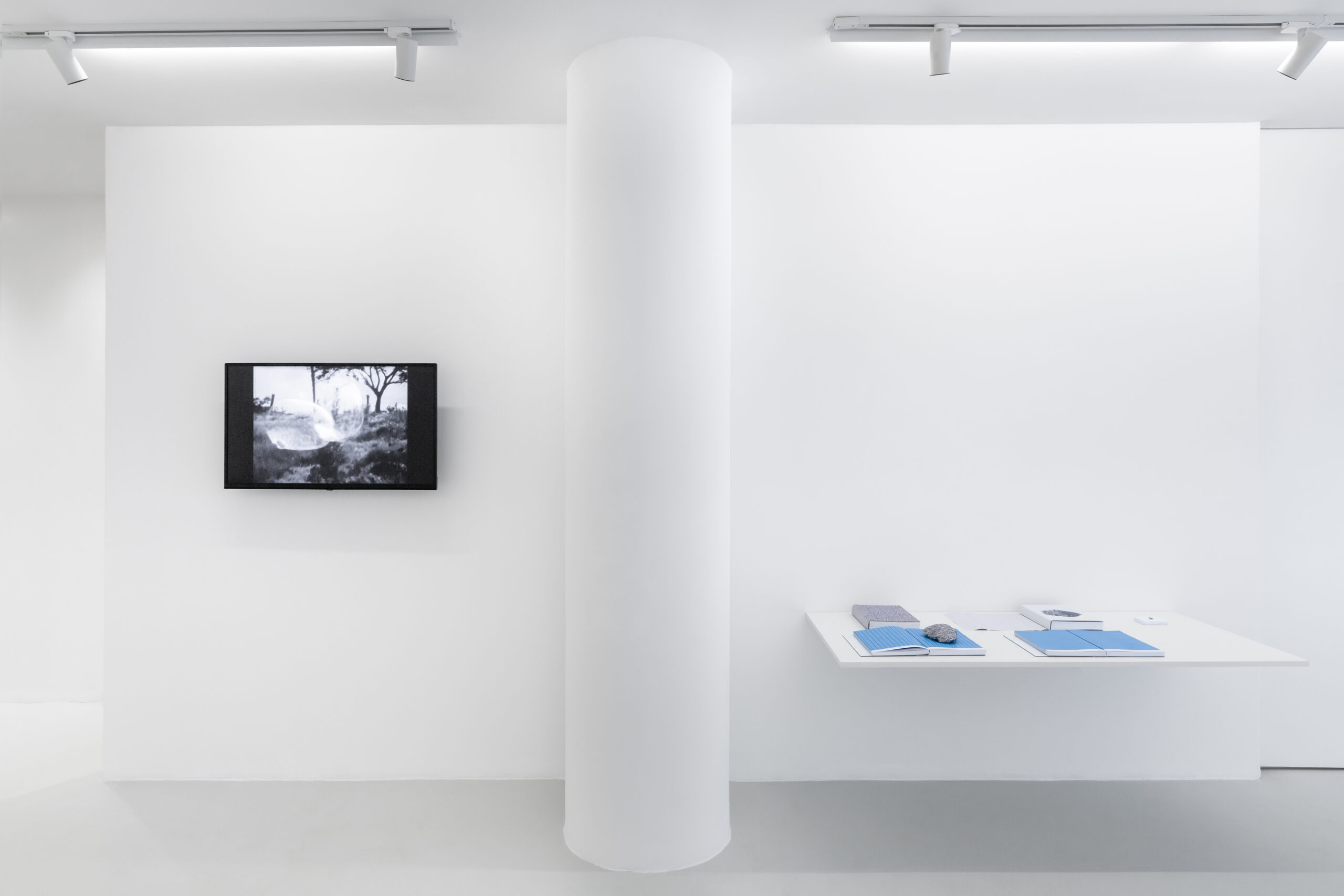
The initial motivation for this exhibition was the project carried out in Belo Horizonte in 1981 by Souzanetto, entitled O lugar da ausência ou réquiem para a Serra do Curral. On that occasion, the artist produced an action, creating postcards on which two photographic images of the Serra do Curral were seen, in a sort of before and after of the mining action that completely changed the profile of the mountain, which is the city’s hallmark. As well as being an ecological heritage site, the Serra is a historical and cultural heritage site, a symbol of Belo Horizonte’s landscape, and since the beginning of the 20th century it has been exploited for its mineral resources. In reality, the transformation of Belo Horizonte’s landscape represents a symptom of a long process of exploitation of the landscape in Minas Gerais as a whole, about which the poet Drummond wrote several texts1. The current circumstances of the impacts of human action on the environment, as well as the impacts generated for human life itself, cross the artists’ gaze even though they are not the subjects of their works.
In his celebrated essay The invention of landscapeAnne Cauquelin says: “A curious thing: when it comes to foreign cultures we easily imagine the relationship between the spaces presented and the ways of life (…) in such a way that we come to perceive a kind of inconsuble fabric, without inside or outside, in a single piece. But for us, in our own culture, we have great difficulty imagining that our relationship with the world (with reality, that is) could depend on a fabric such that the properties attributed to the spatial field by an artifice of expression – whatever it may be – condition the perception of reality.”
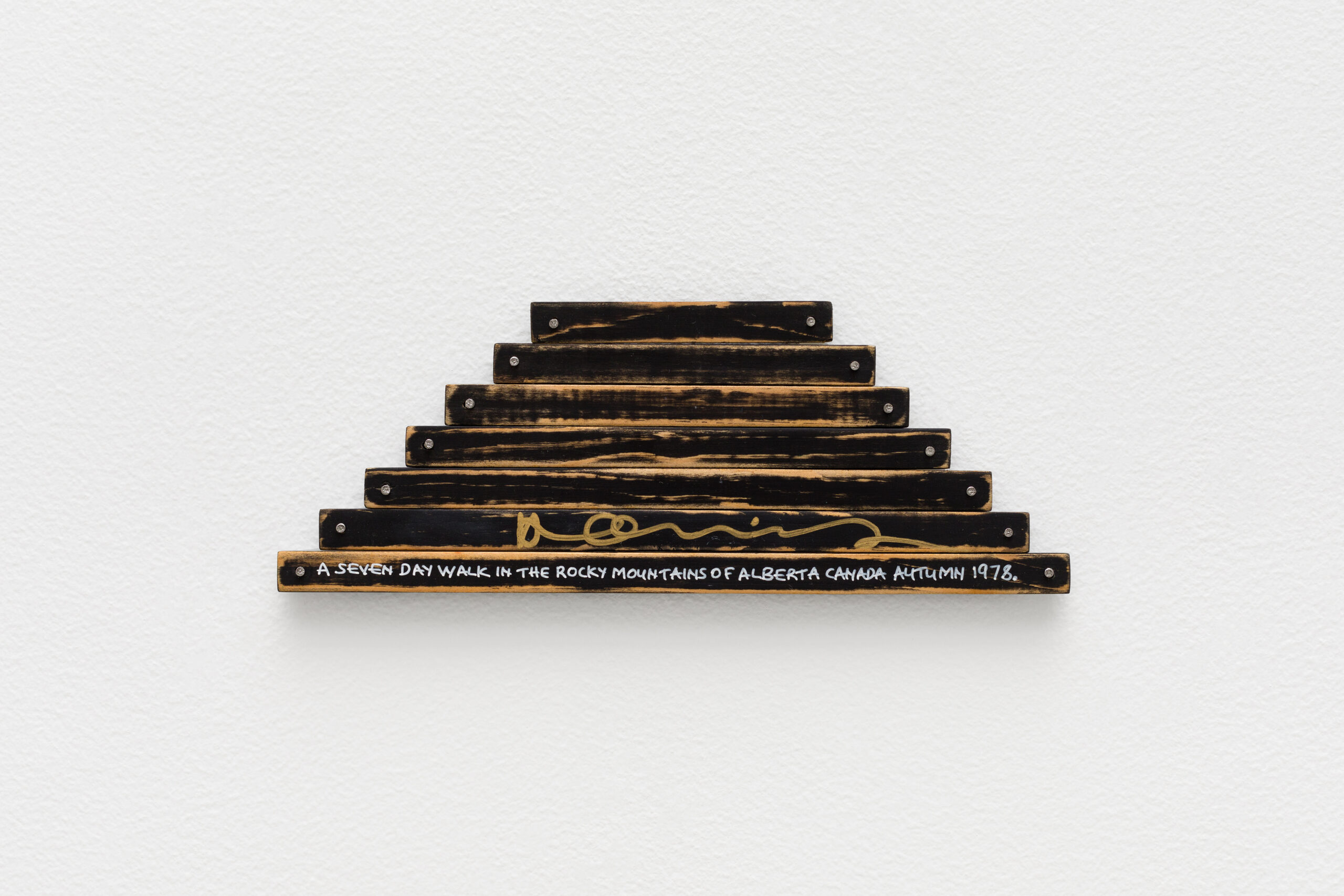
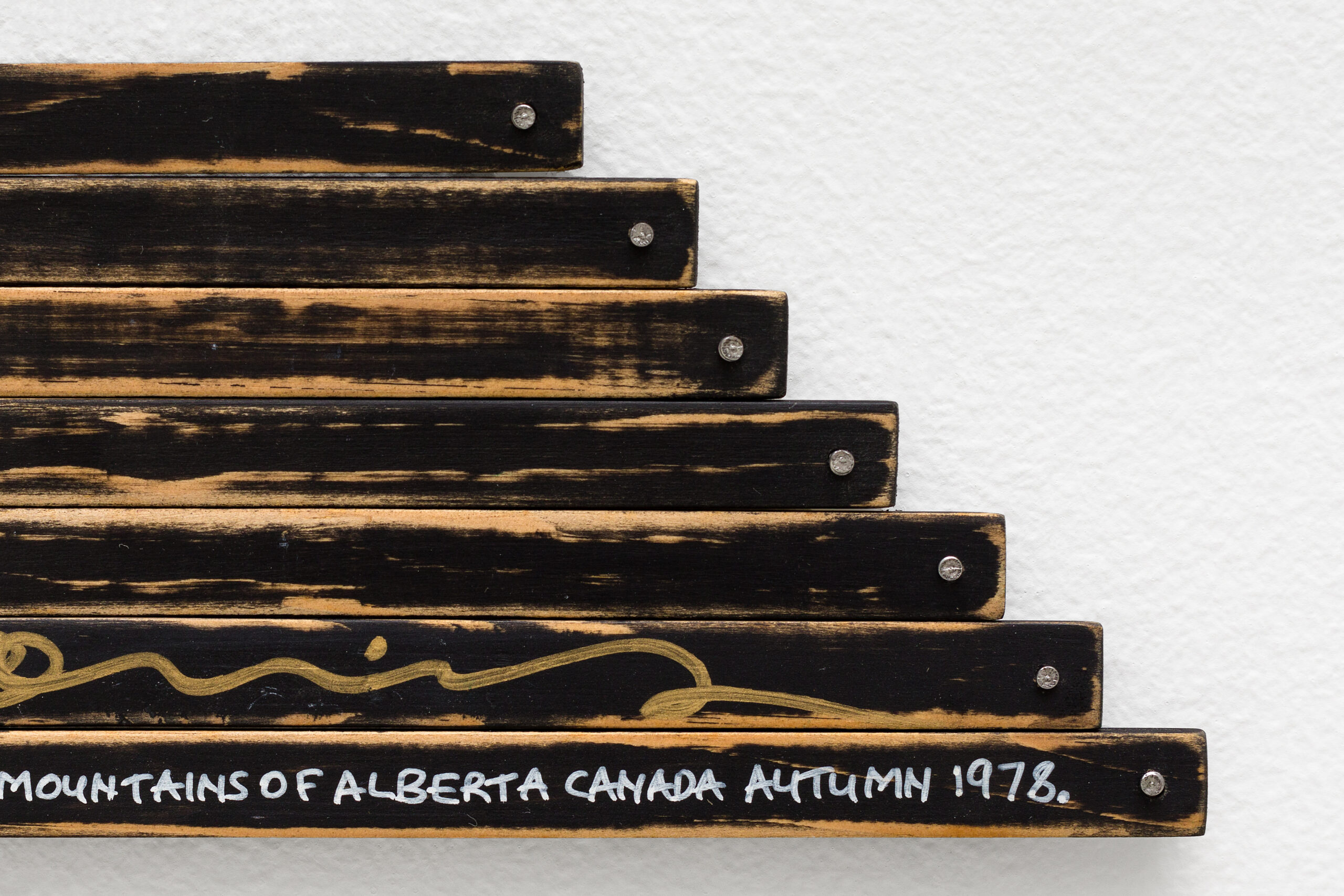
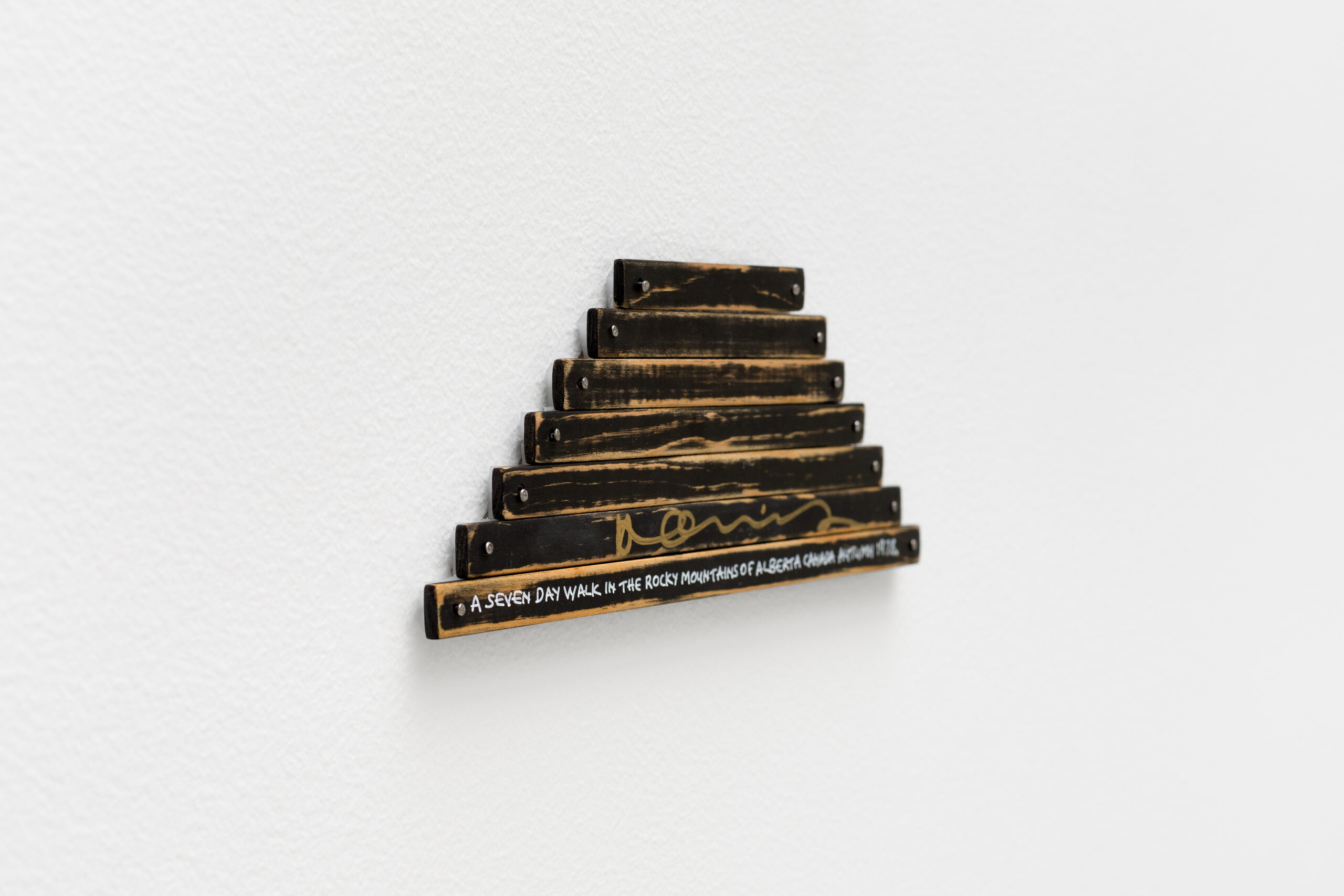
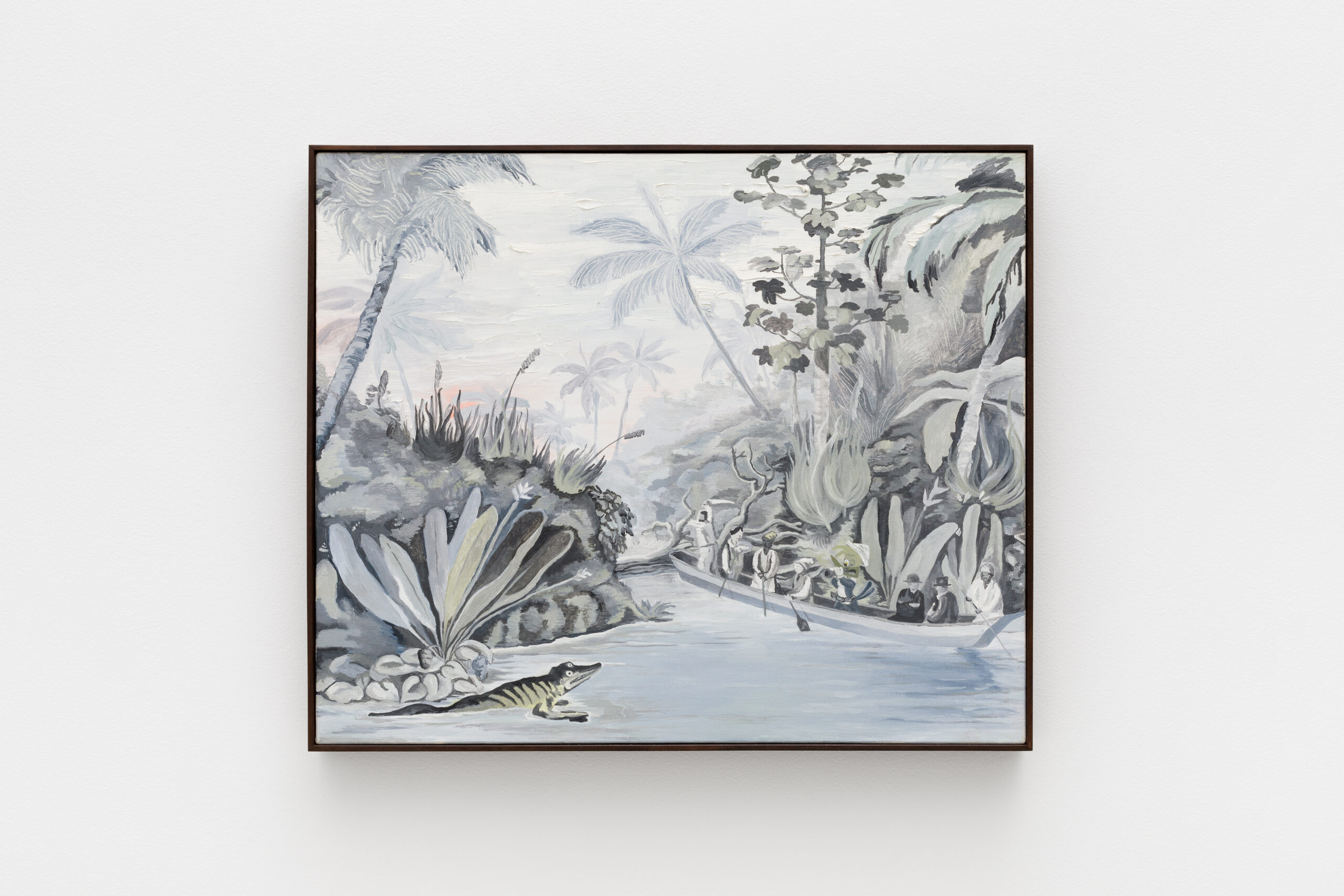
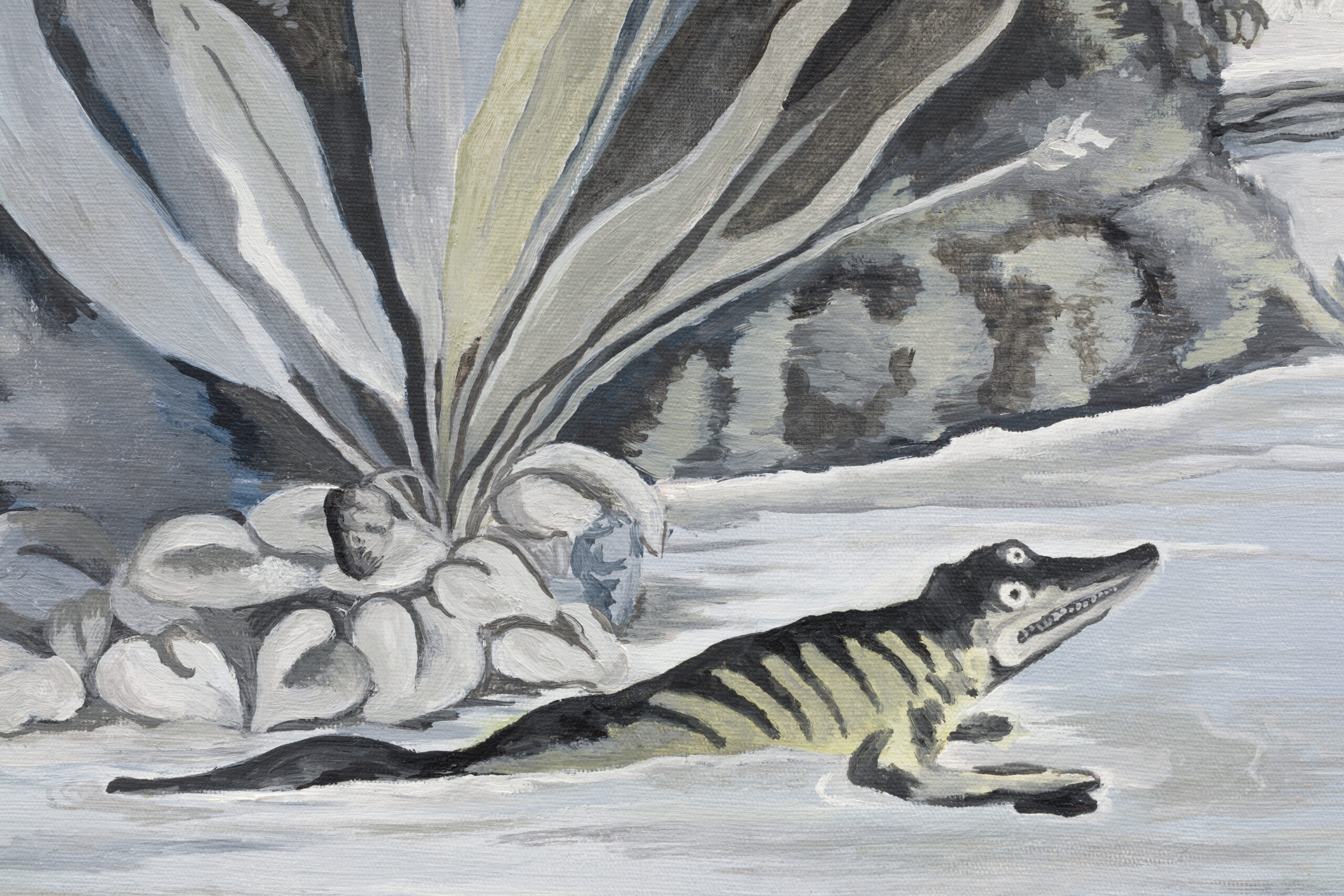
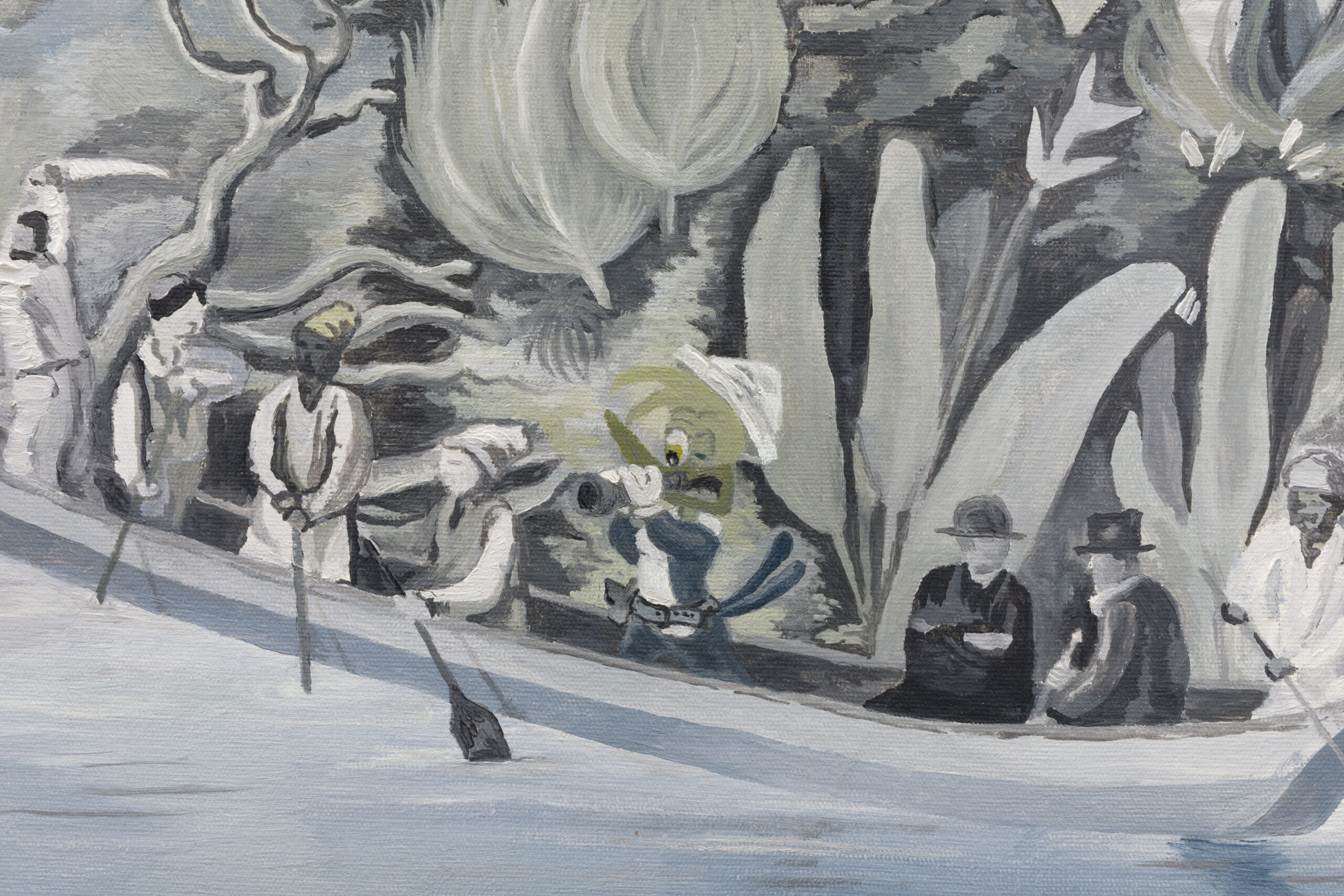
Therefore, our perception of reality must also be understood on the basis of the cultural construction and visual history built up to this point. The works presented here are based on human involvement with landscapes, whether seen on a device or experienced in person. There is no culture without nature and there is no nature without culture, and what is at stake is how these real-world motivations and concerns are represented in contemporary art scenes. There are indications of how we can see the world, through conceptualism, as in the works of Hamish Fulton and Cildo Meireles and Edouard Fraipont, in which actions in nature are translated into visual records. An object, in the case of Fulton, and photographs, in the case of Meireles and Fraipont. We can still see the world through grounded and historical truths, as in Tiago Malagodi’s painting, which revisits a 19th century engraving depicting the exploitation of the Rio Doce, apparently faithfully reproduced, but introducing a strange element into it, the character Pica-Pau, who by his anachronism reveals the permanence of imperialism in the Brazilian landscape.
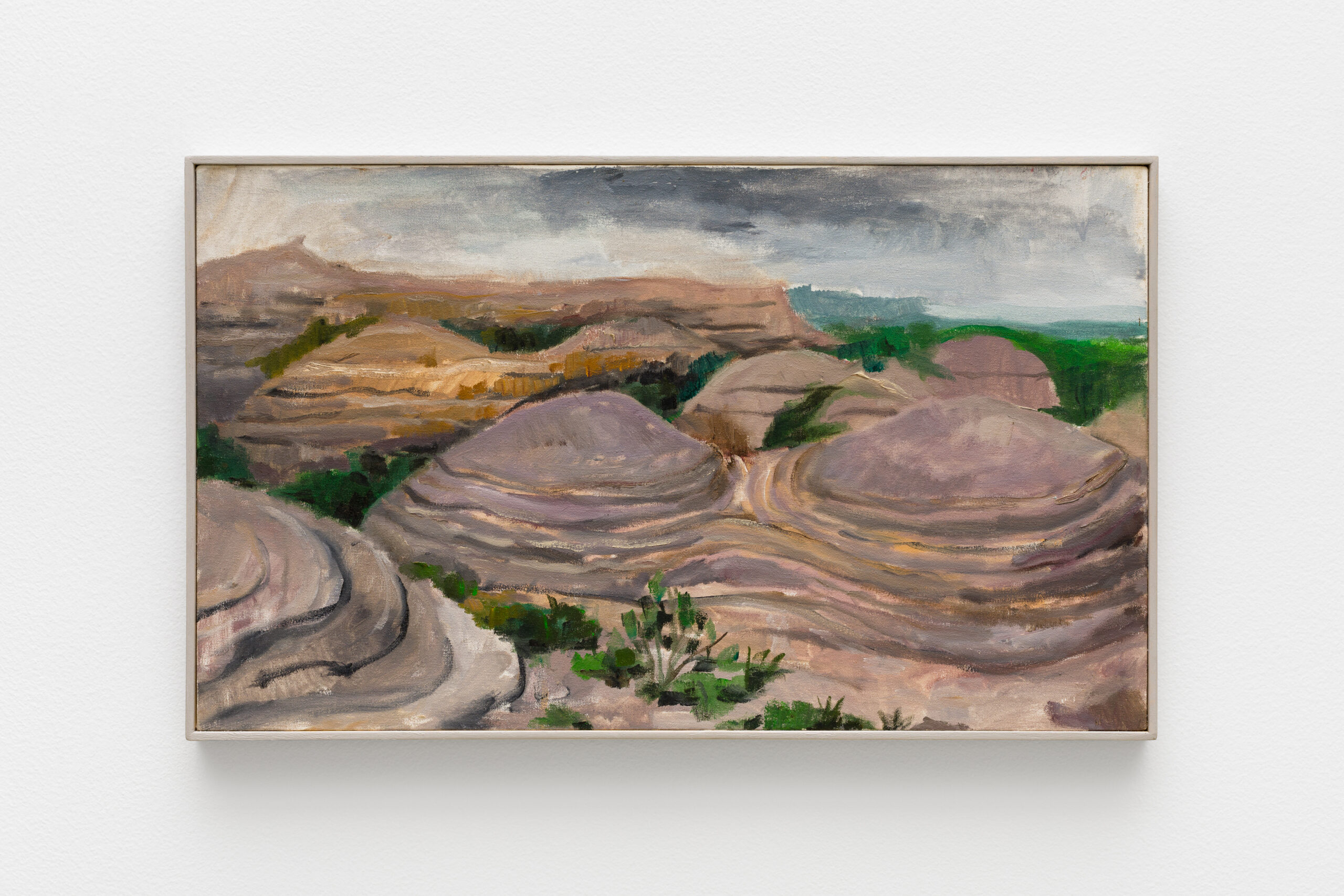
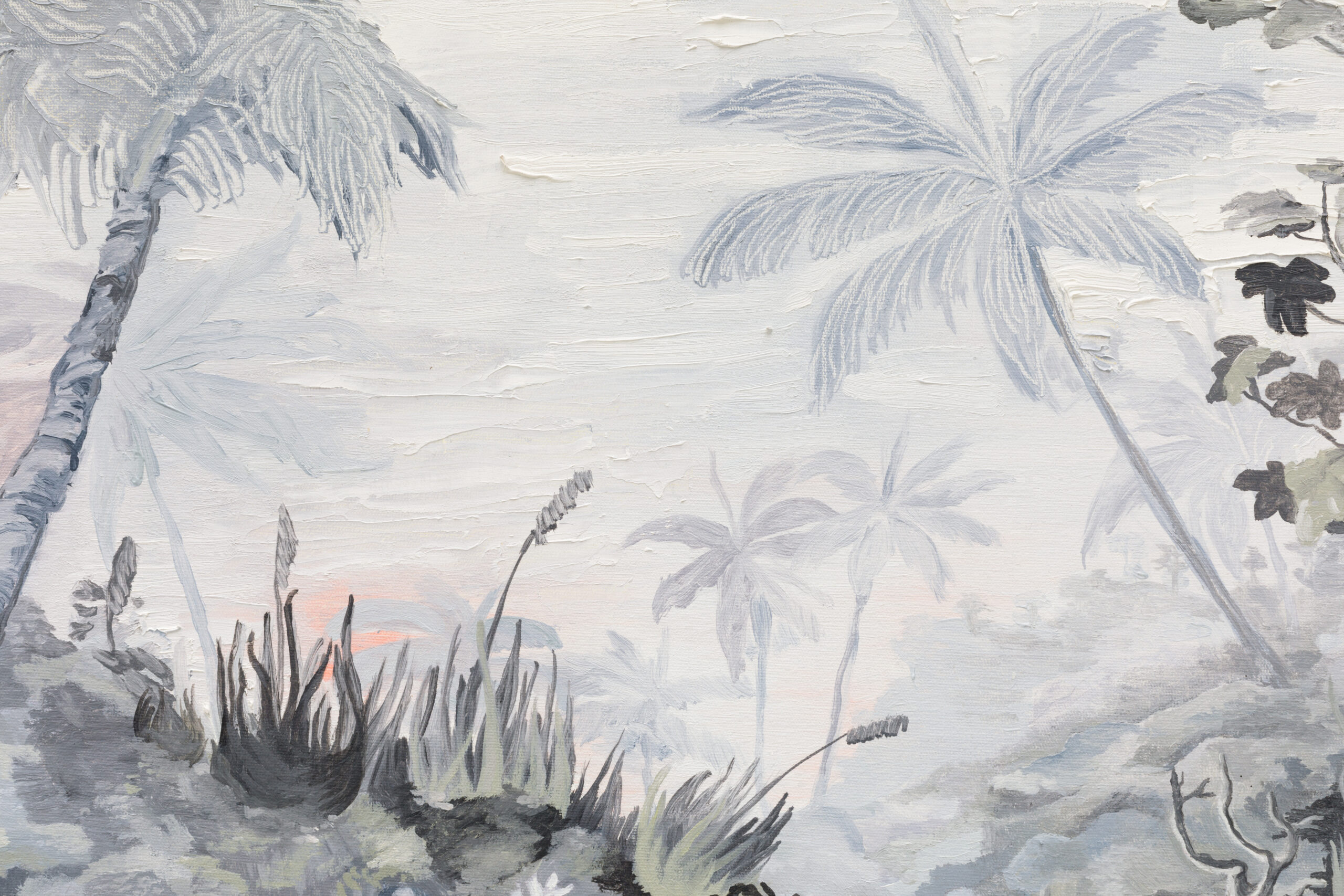
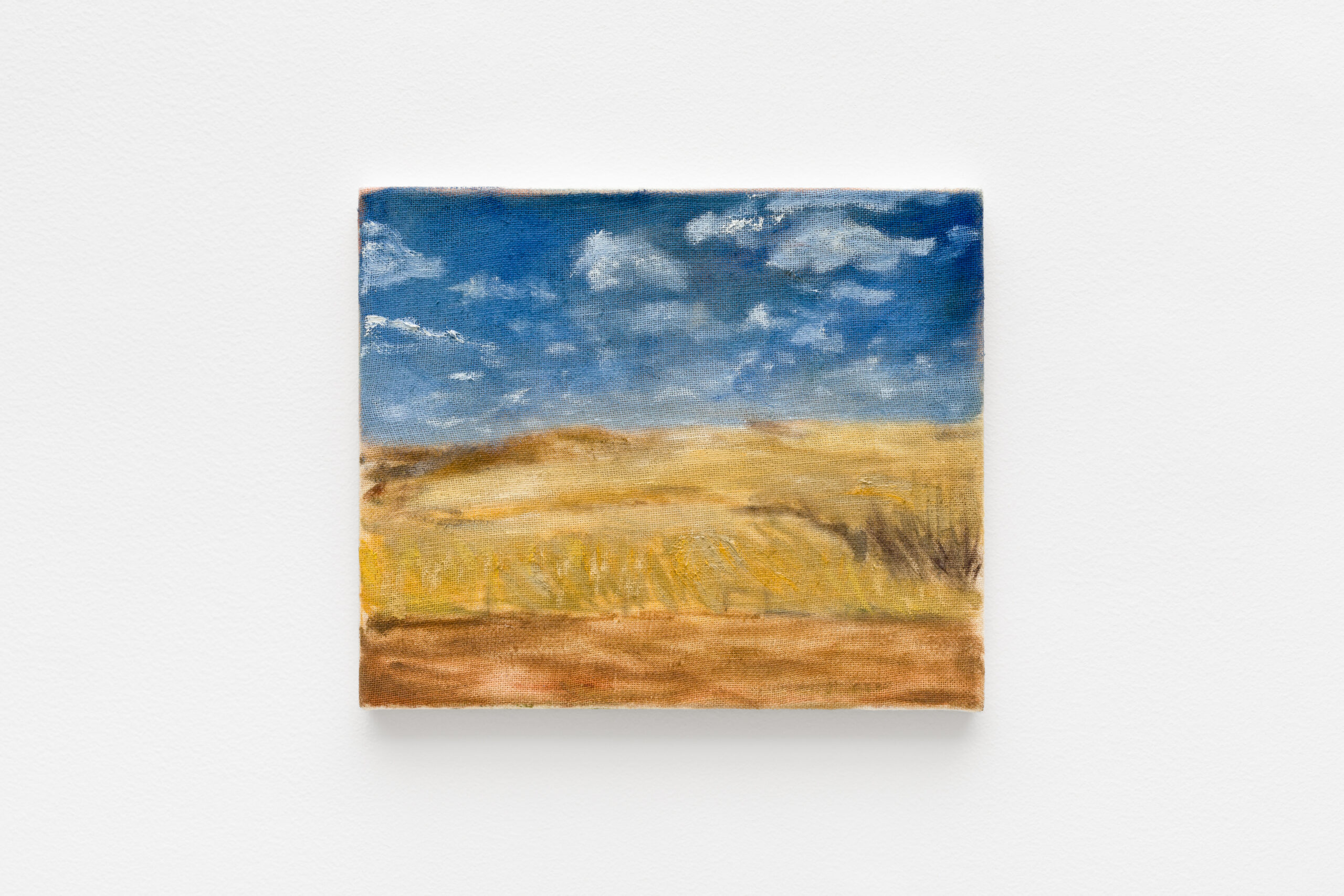
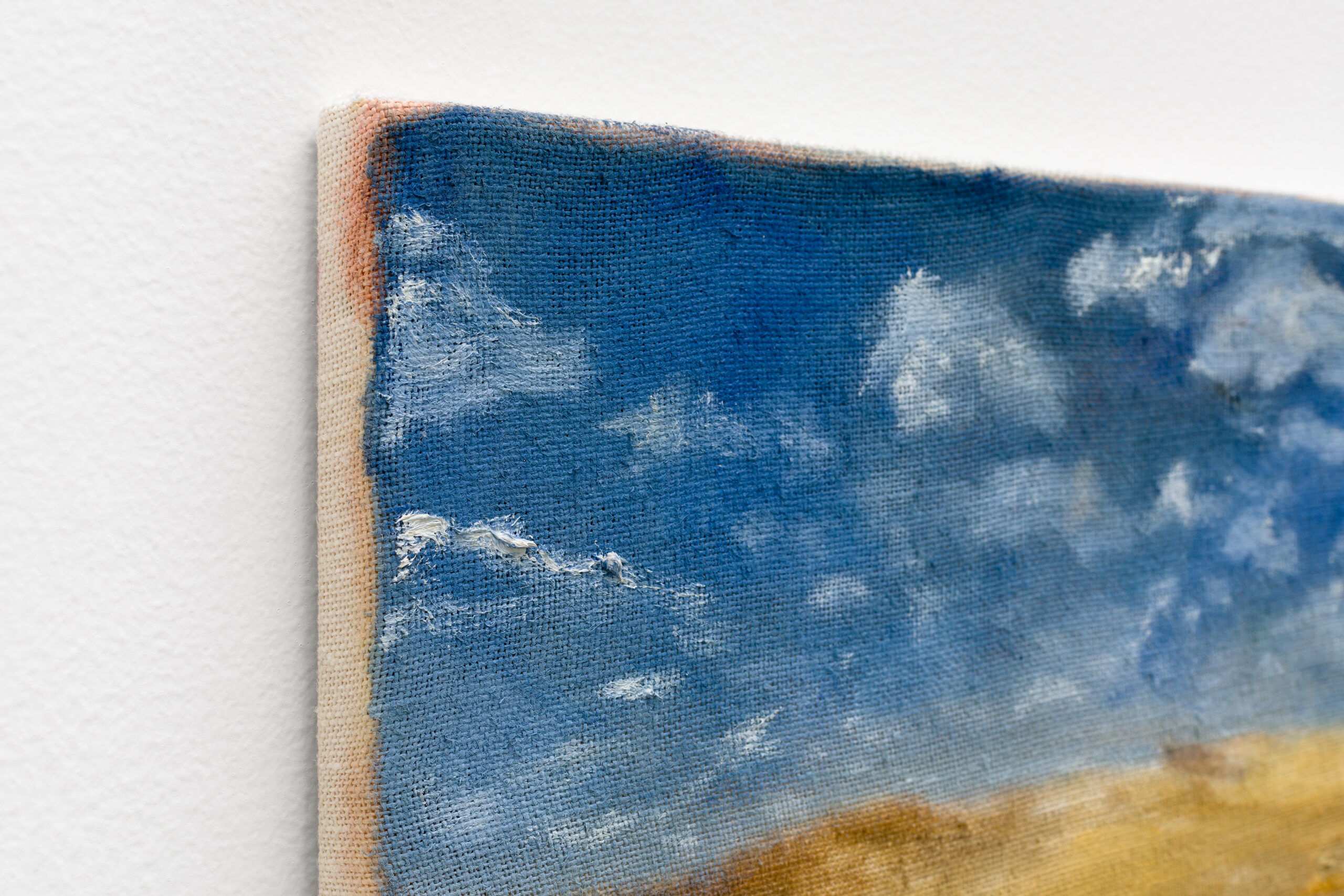
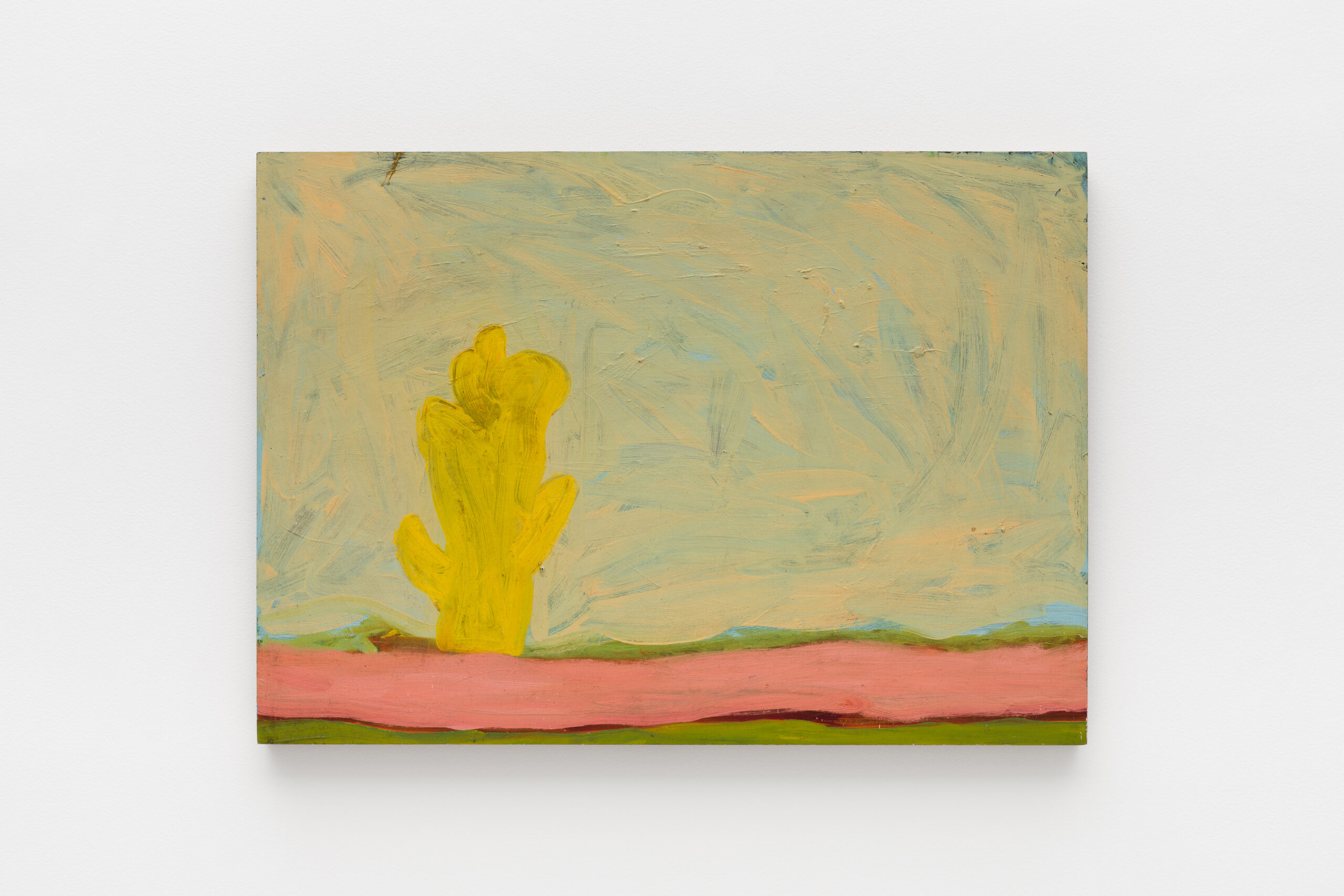
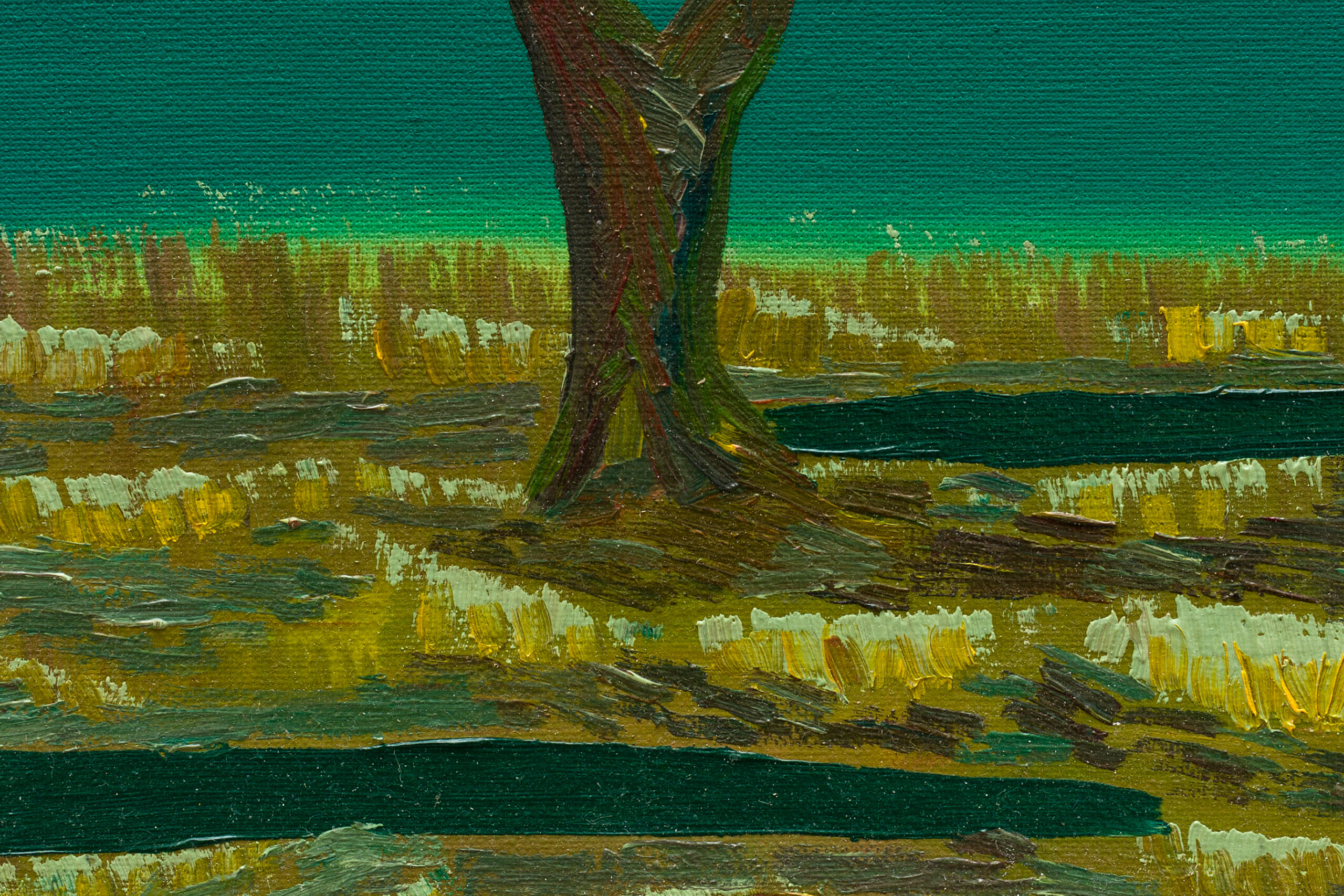
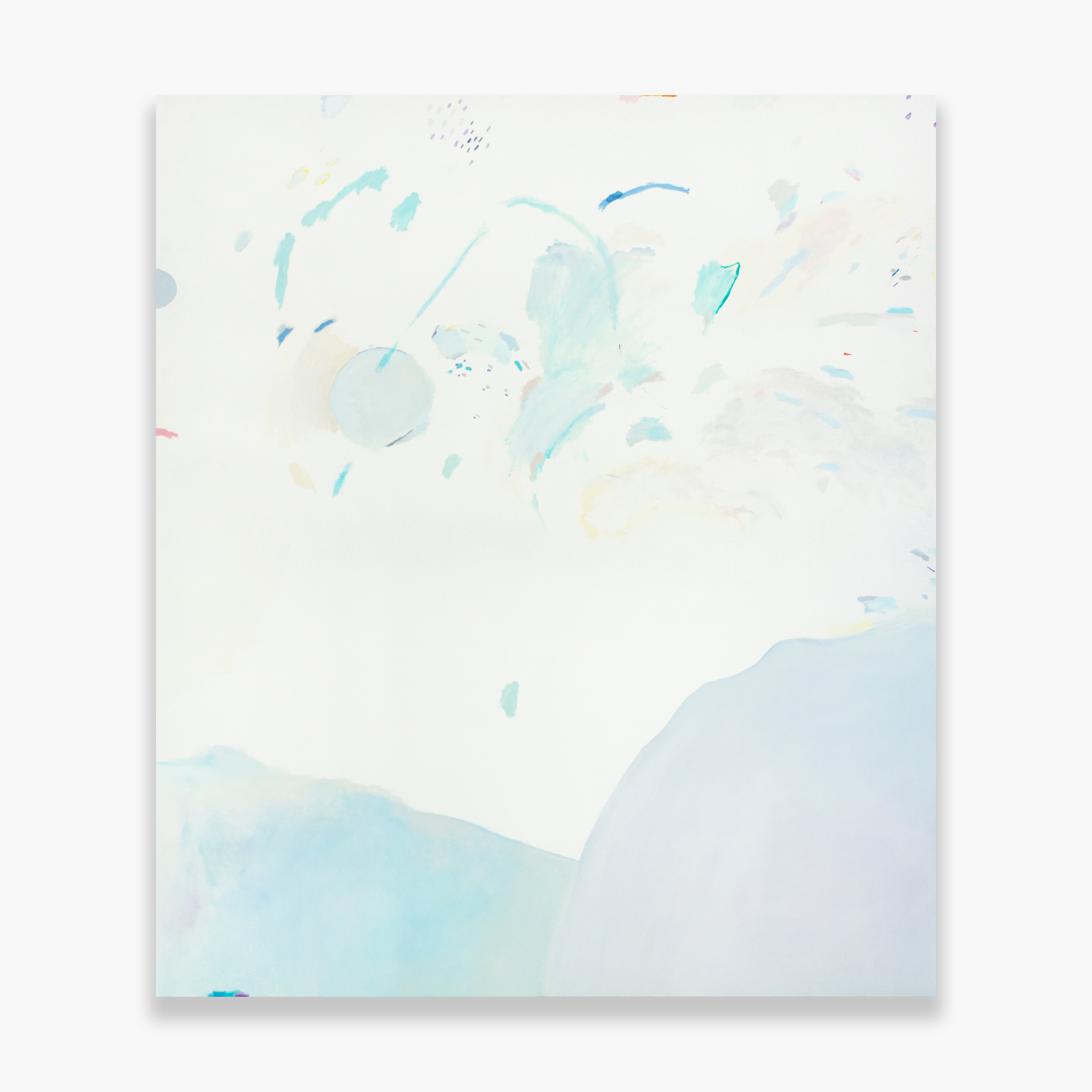
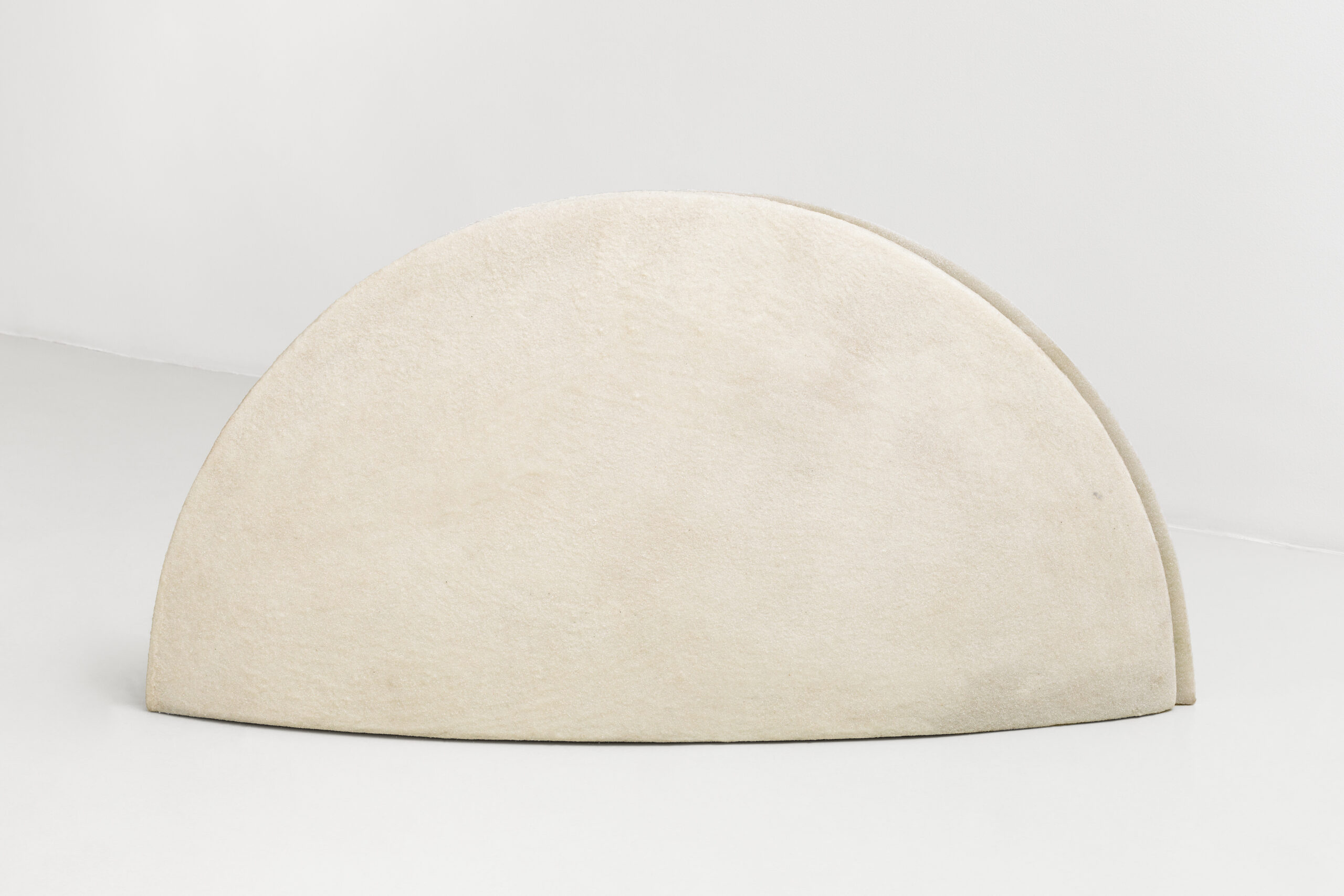
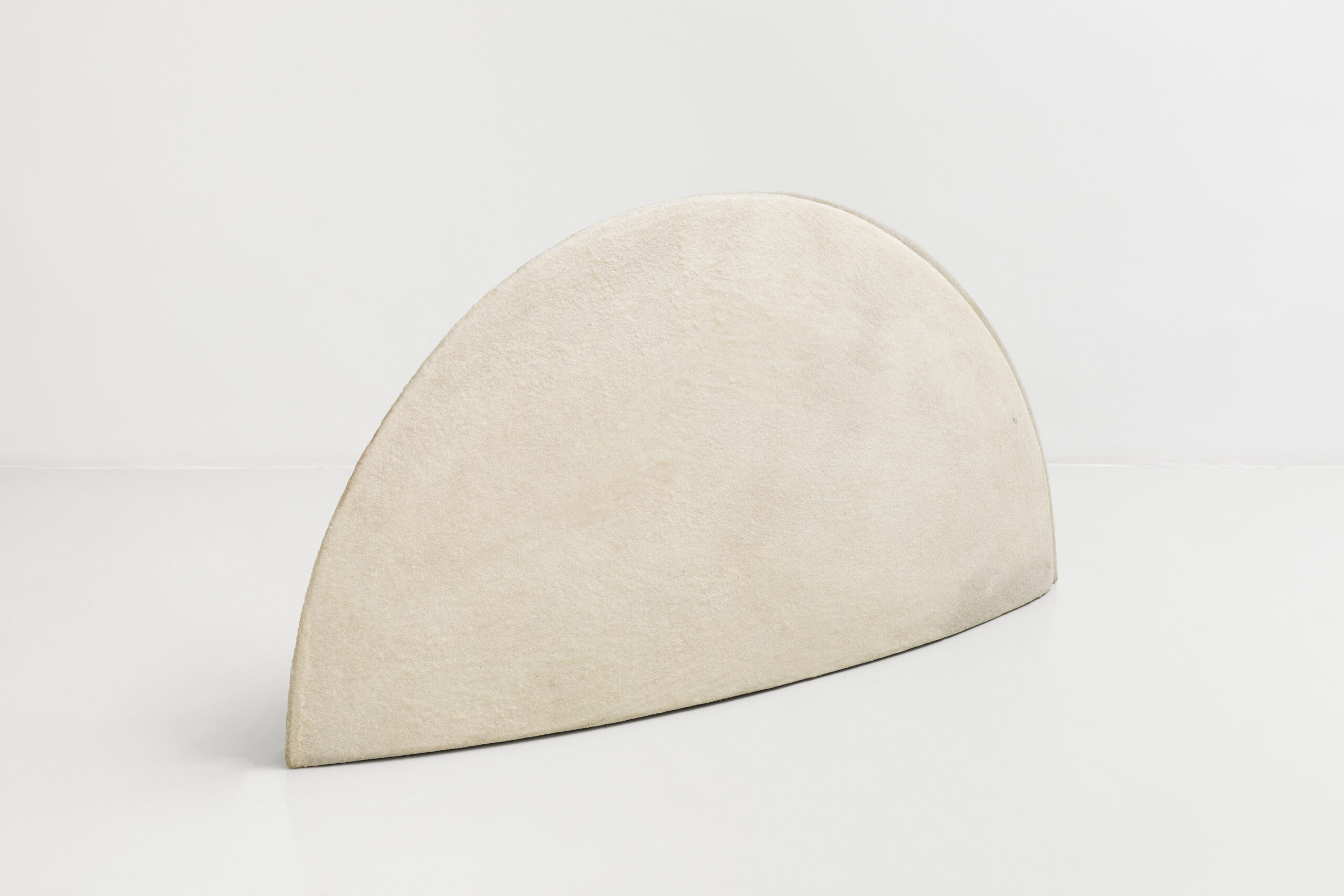
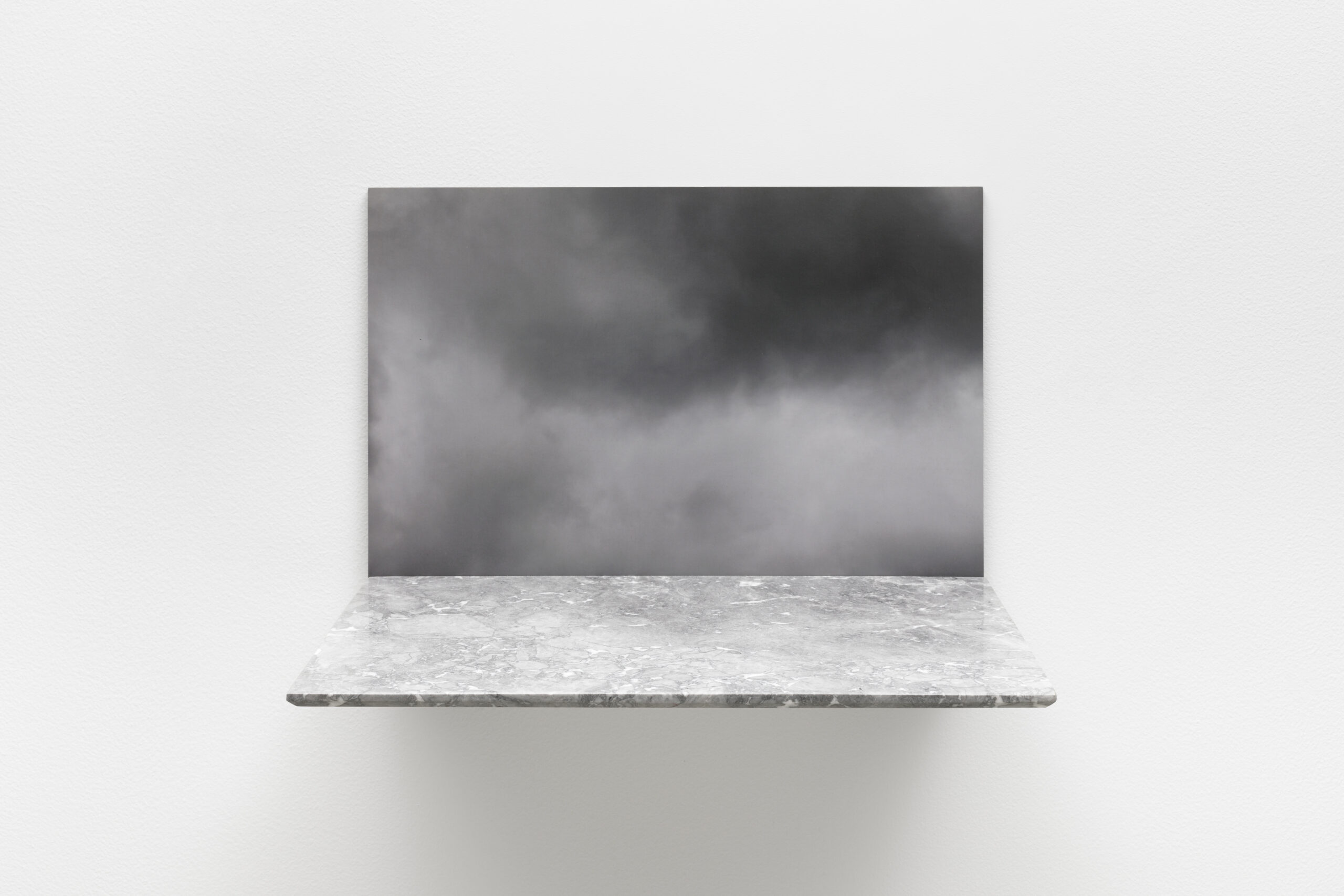
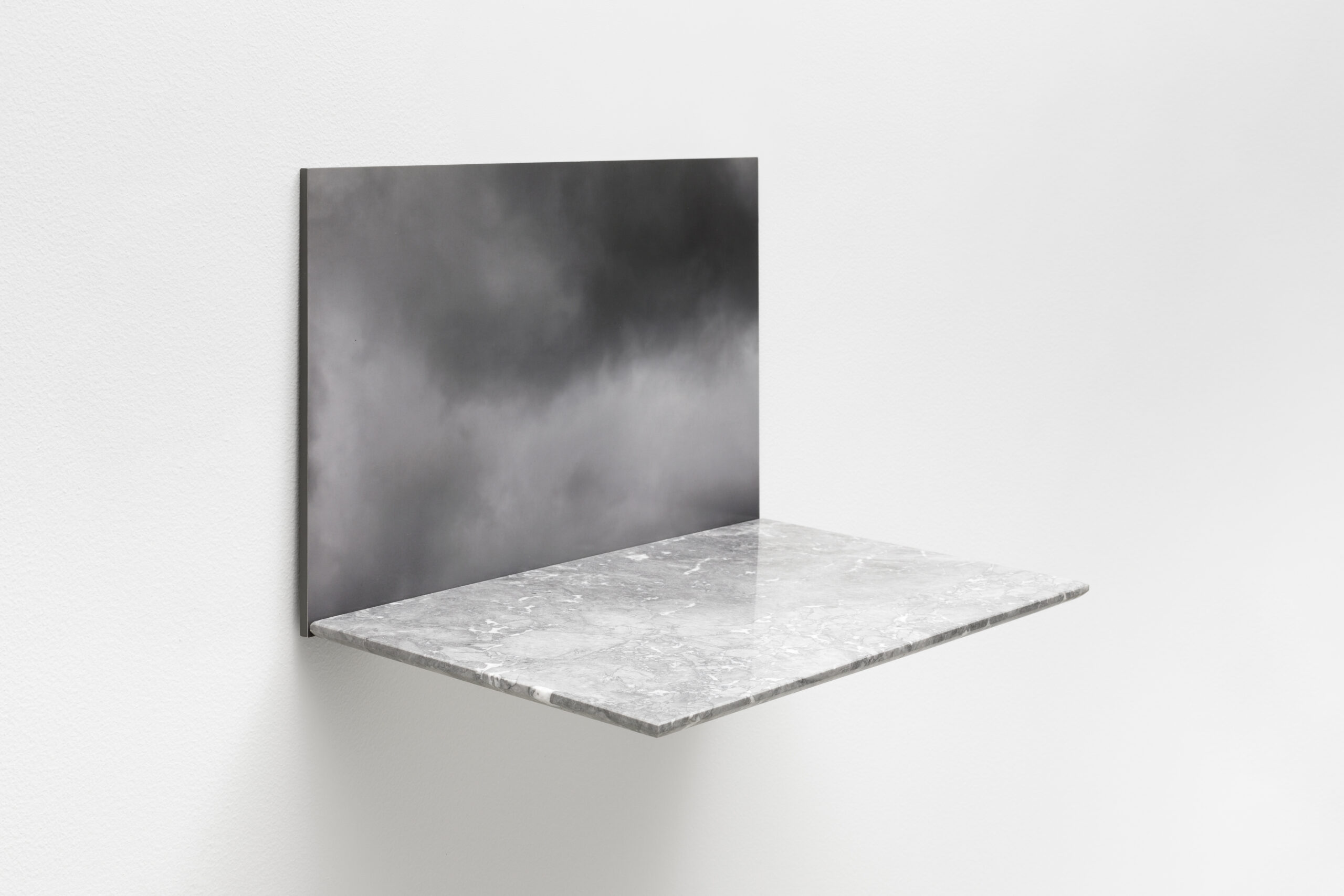
Some artists revisit landscape painting in a direct way, such as Patricia Leite, who pays homage to Fauvist painters by using contrasting colors that are unfaithful to reality. In Ana Kia, Isadora Almeida, Ateliê da Rapa, Yasmin Guimarães and Rodrigo Andrade, we see views of the mountain horizon from an expanded perspective, rescuing and updating linearity, a fundamental symbolic form underlying landscape. Whether they are paintings made outdoors or based on photographs or memories, these works stem from a desire to express space and the importance of nature as an element of the artist’s thought, perception and identity. Linearity is also used in the works of Laura Teixeira and Lais Myrrha, who create mirrored horizons from solid materials.
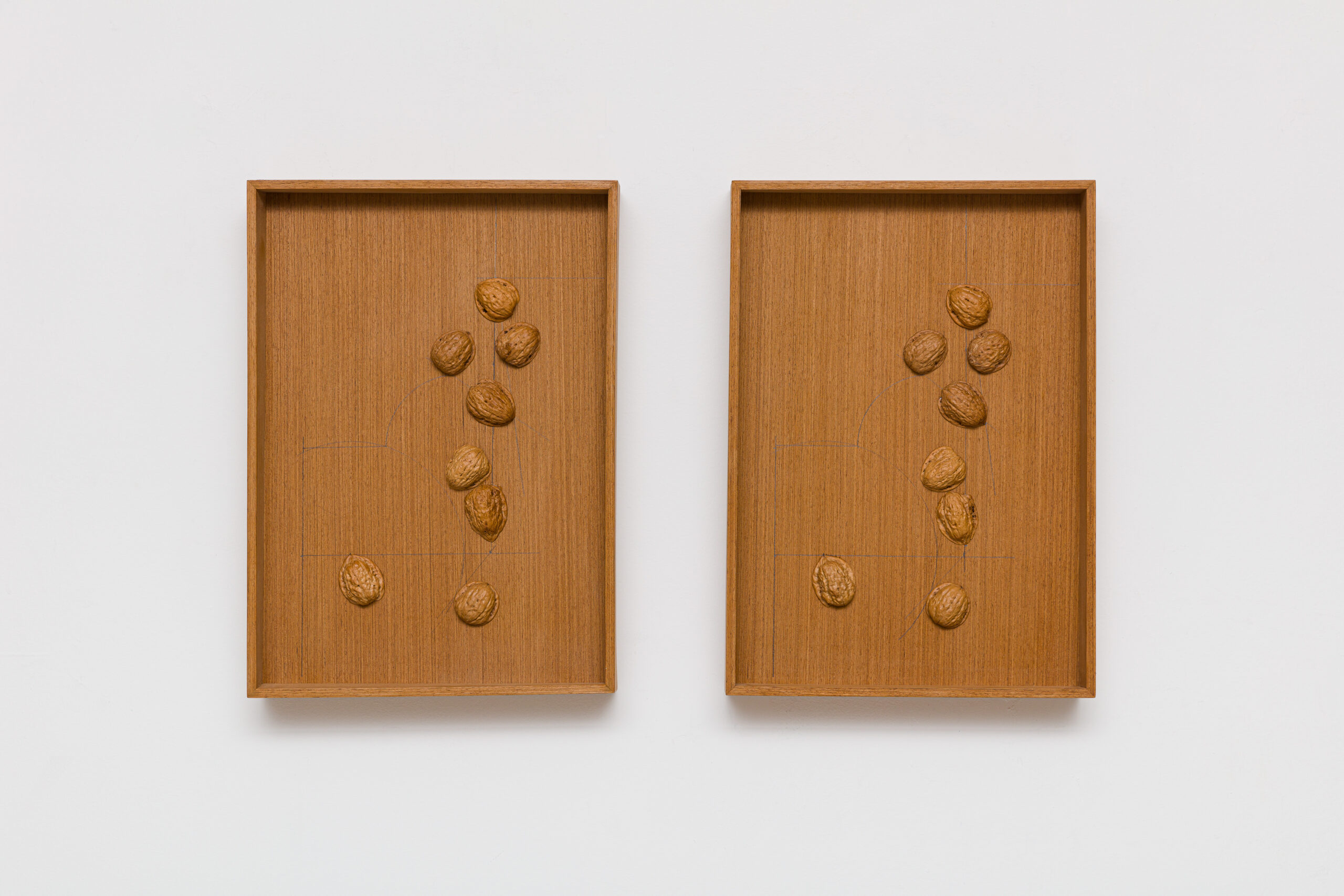
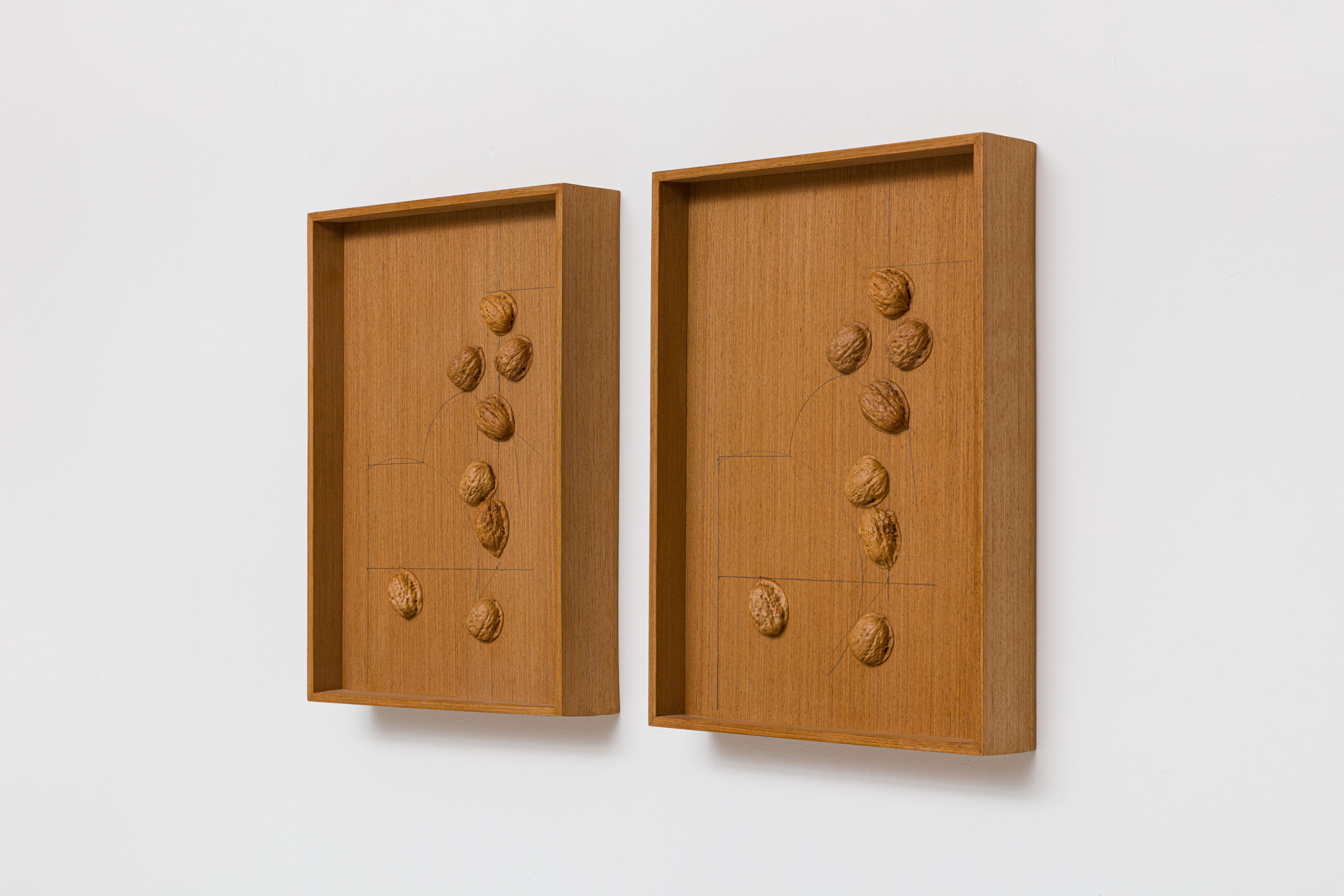
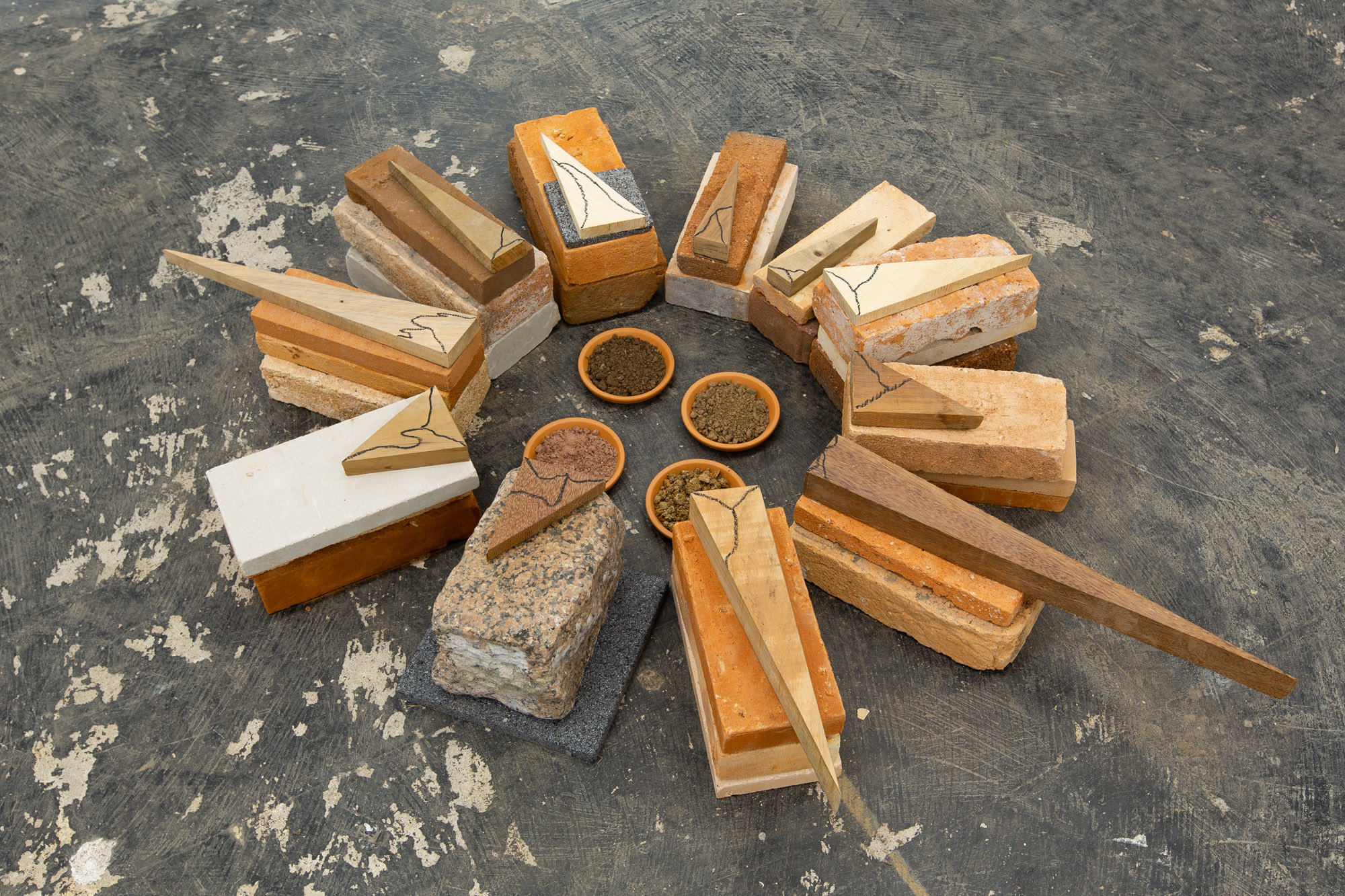
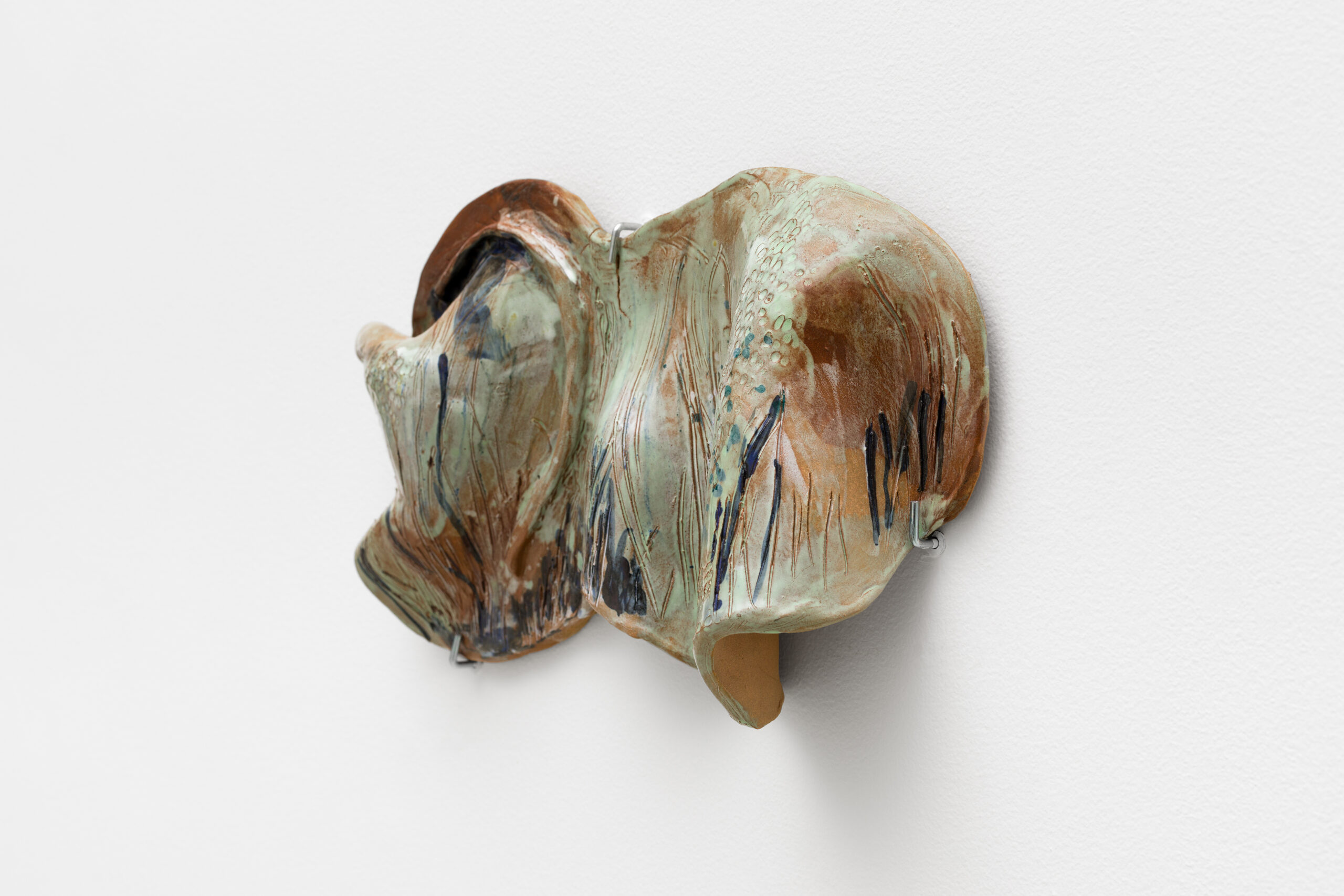
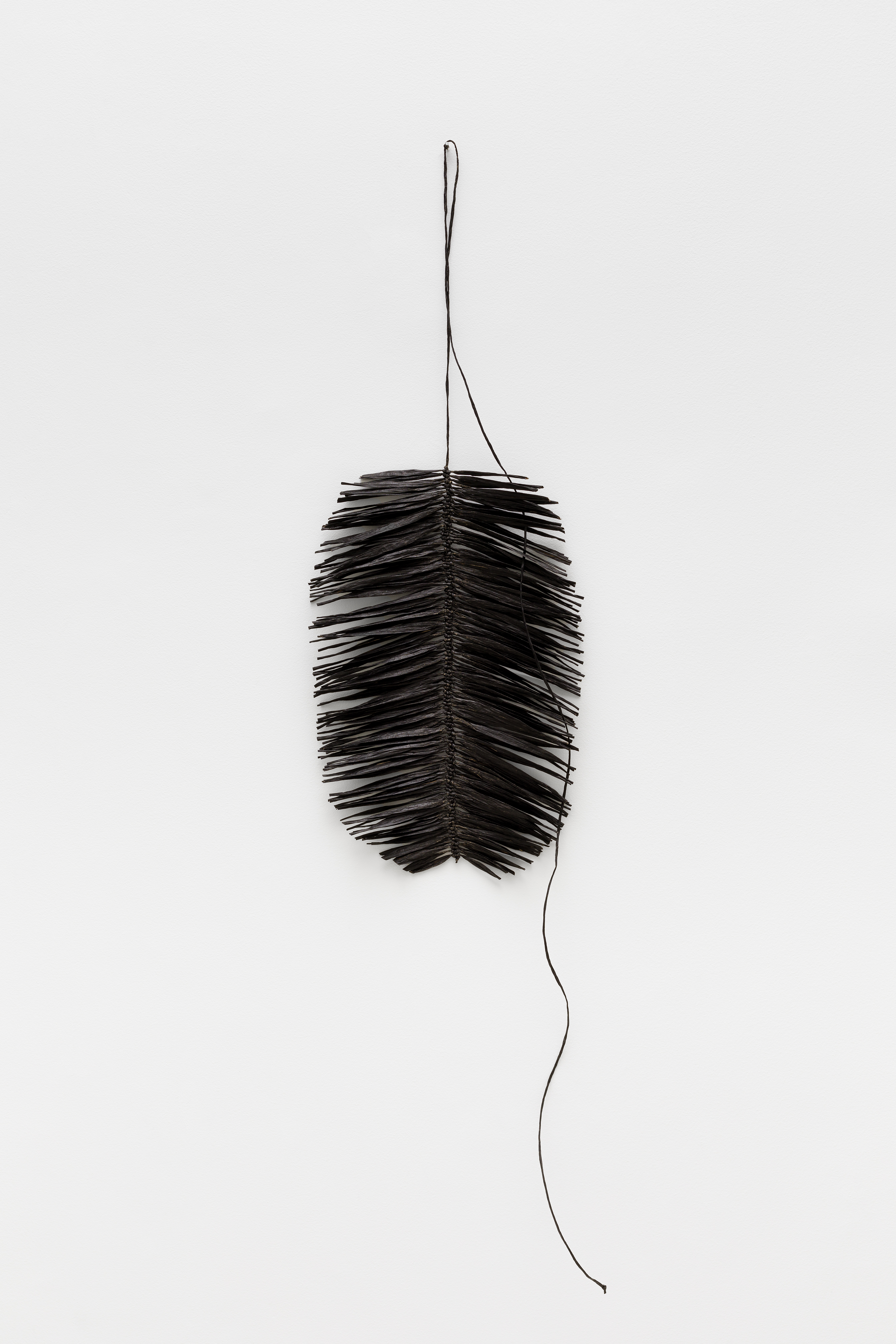
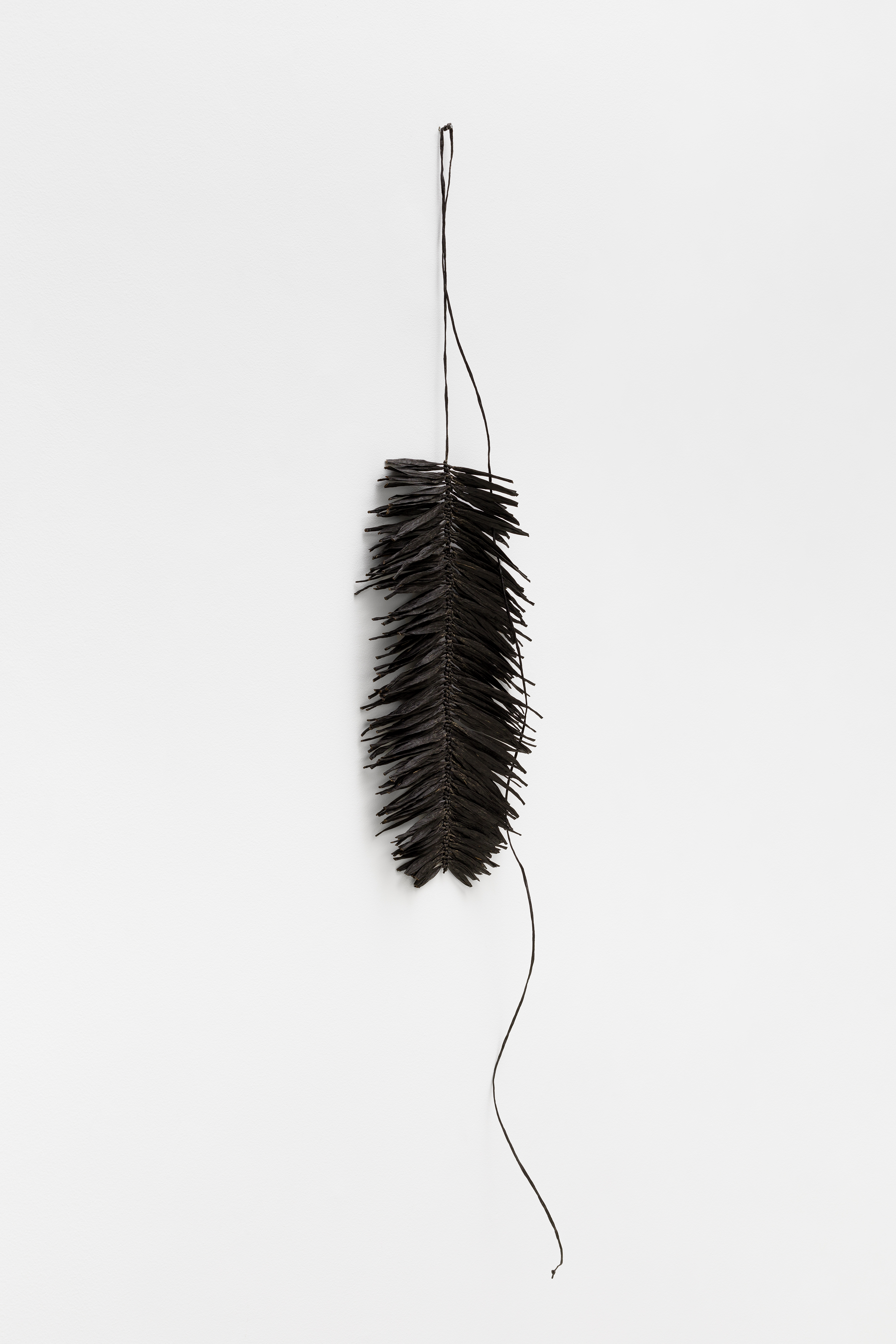
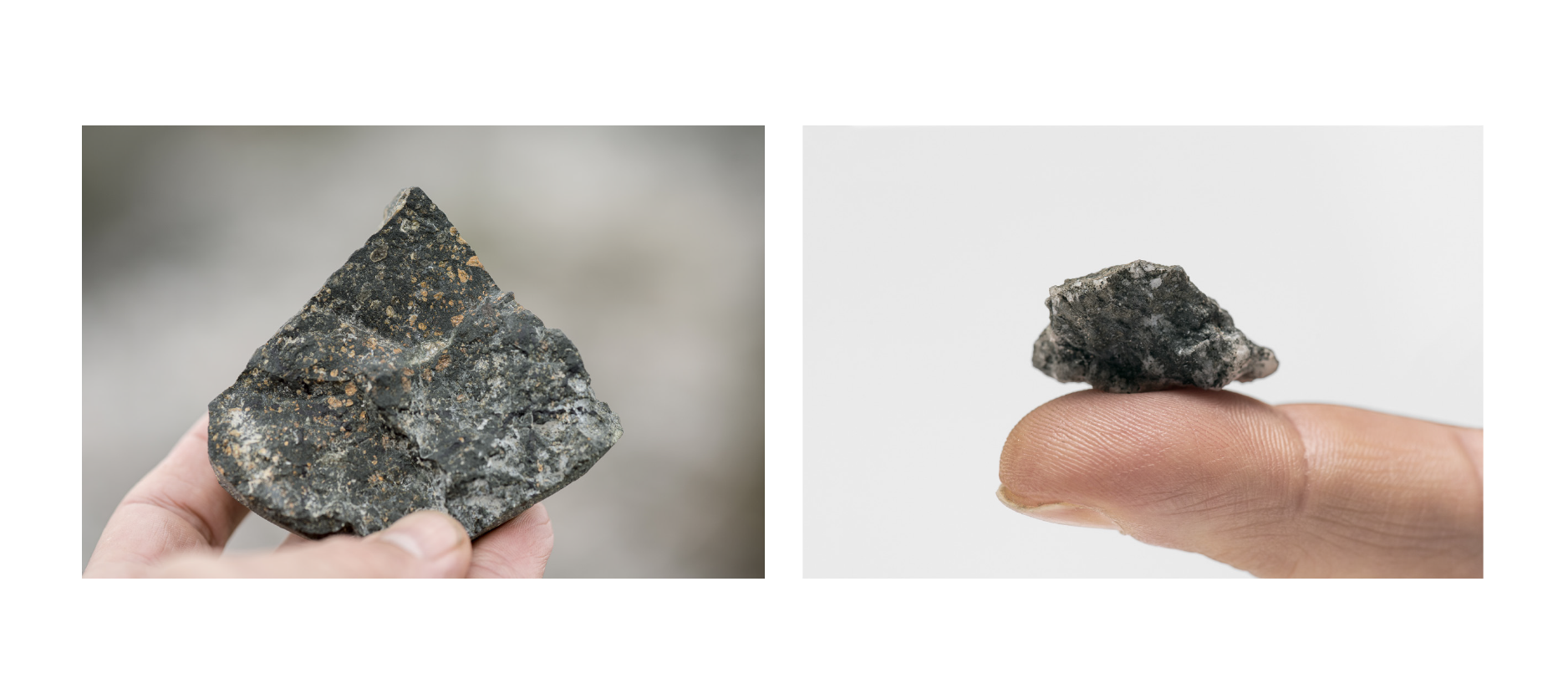
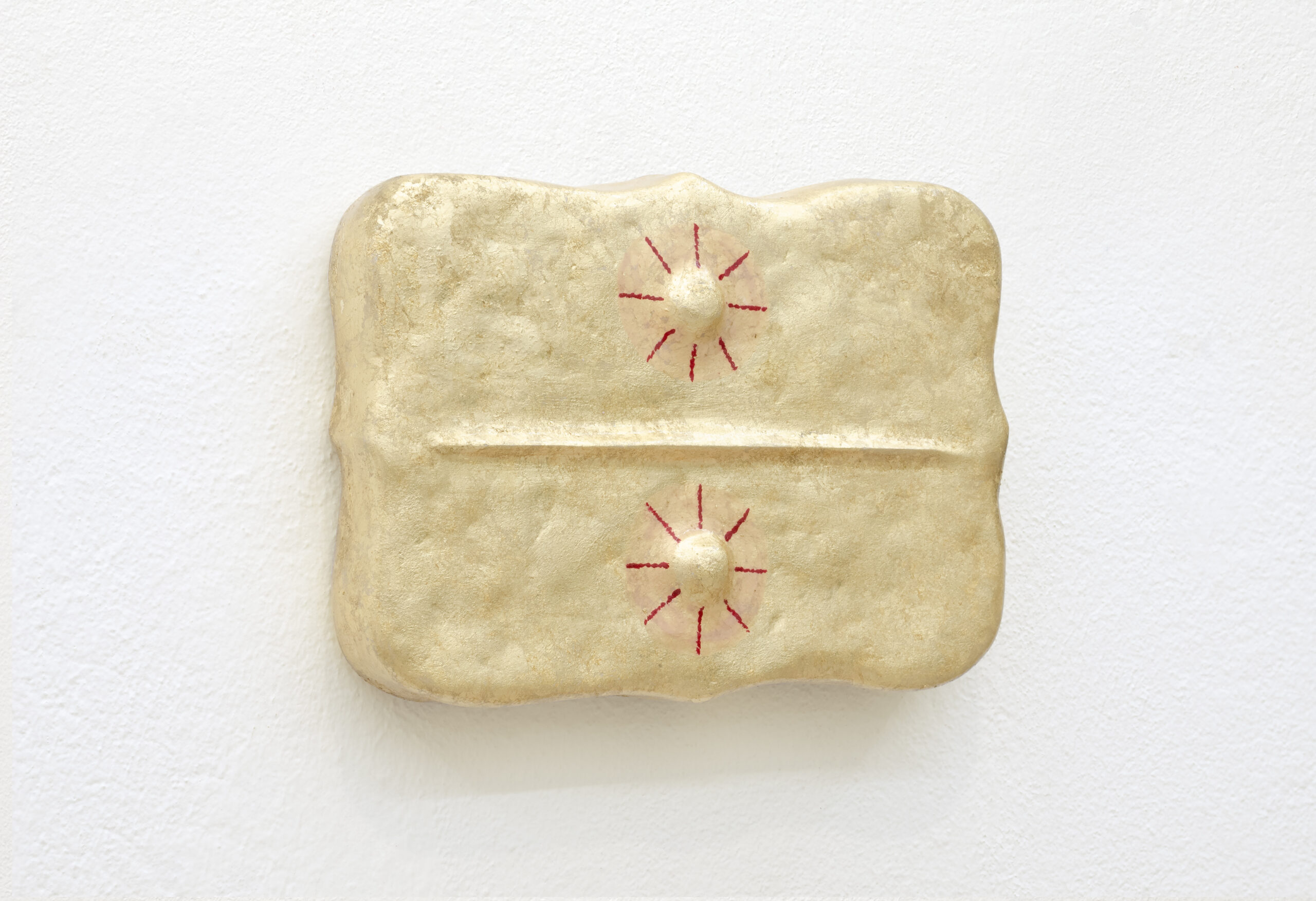
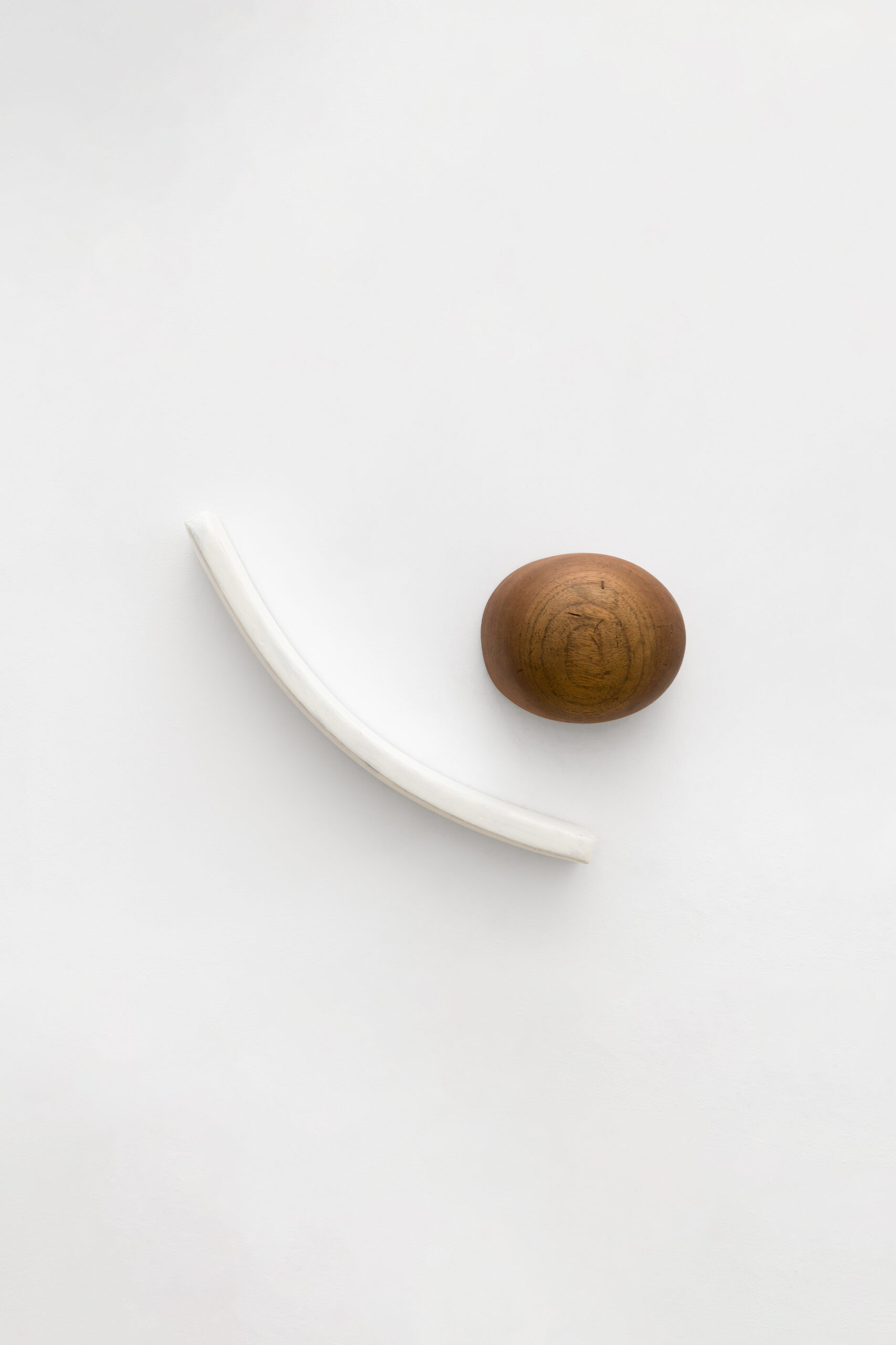
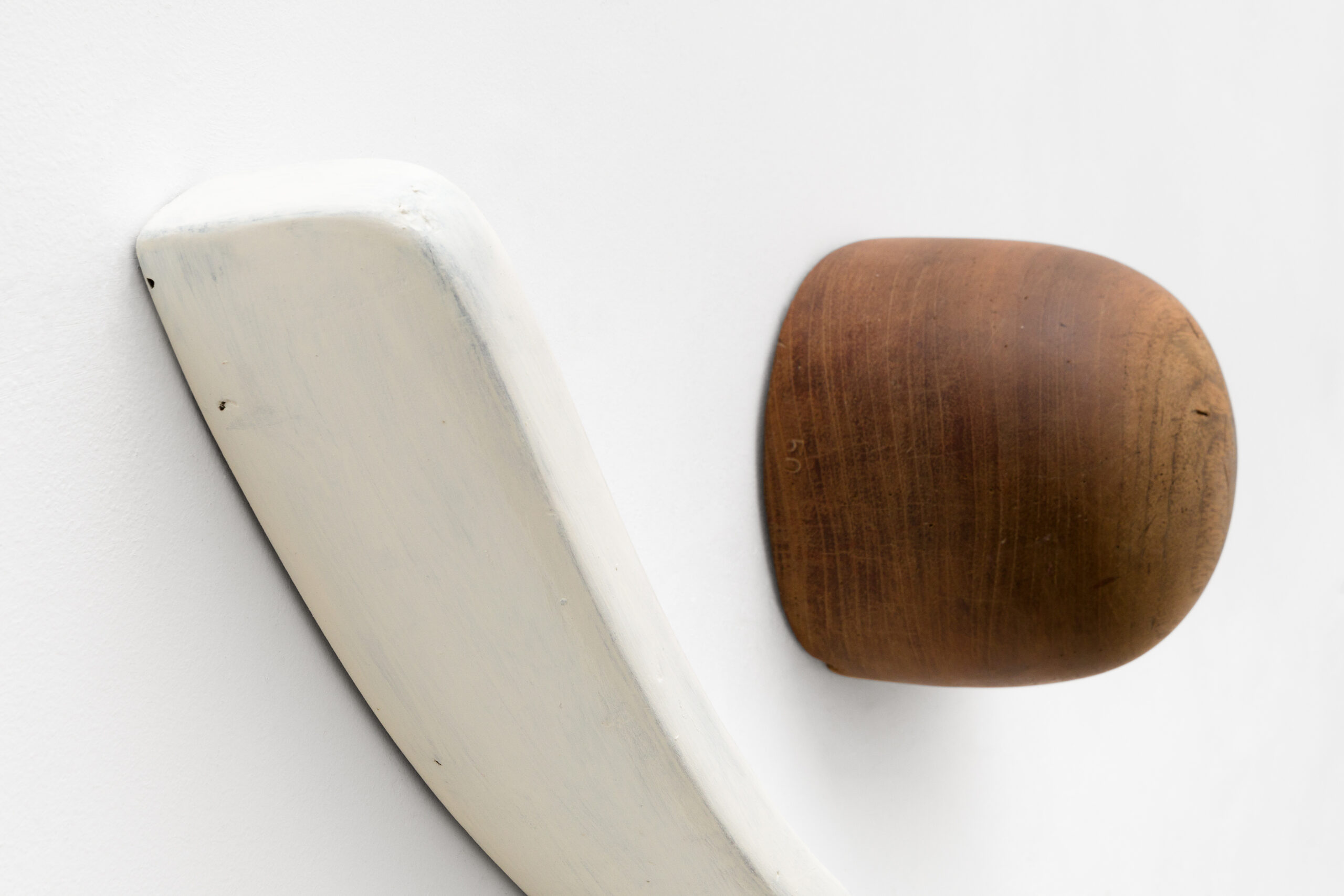
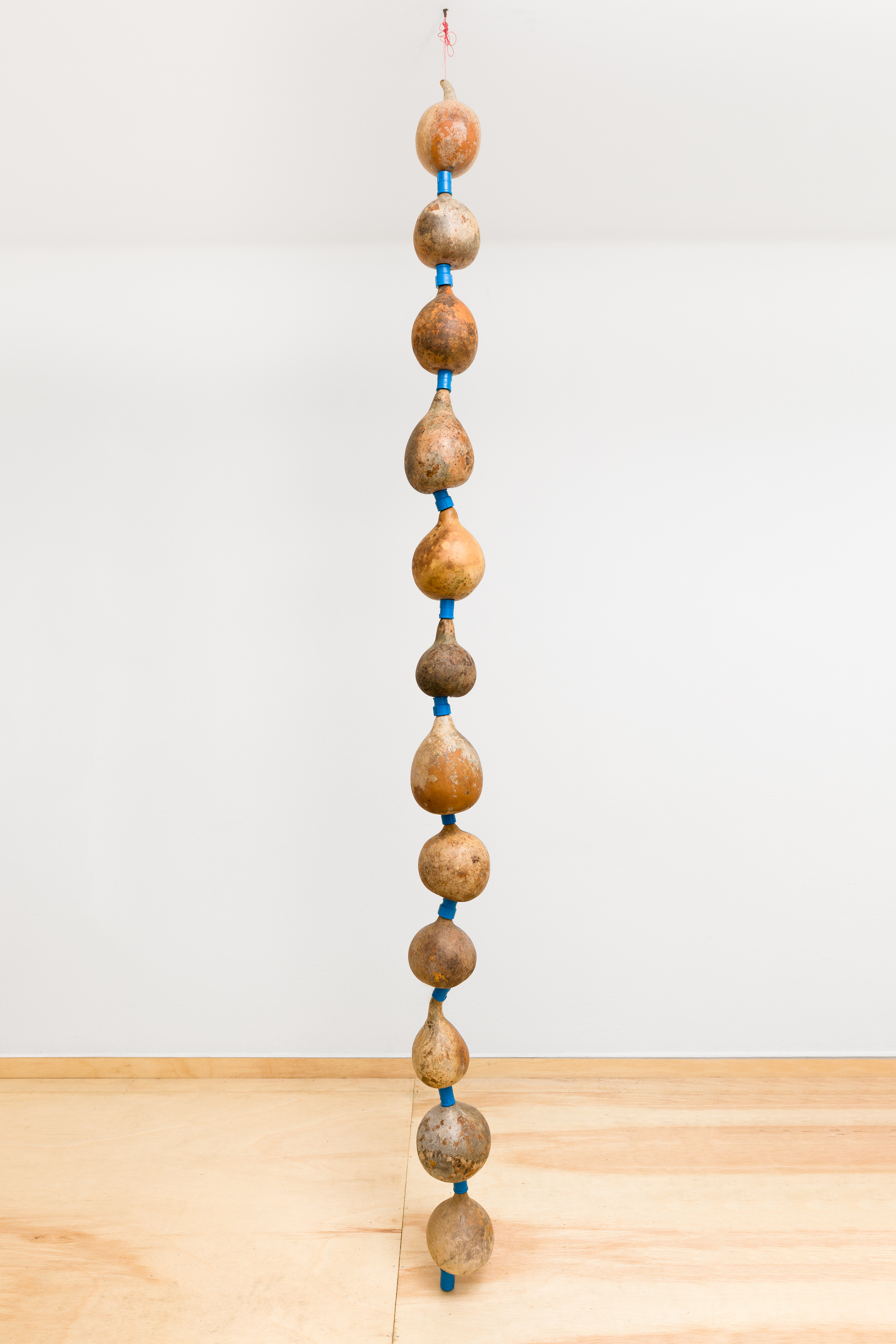
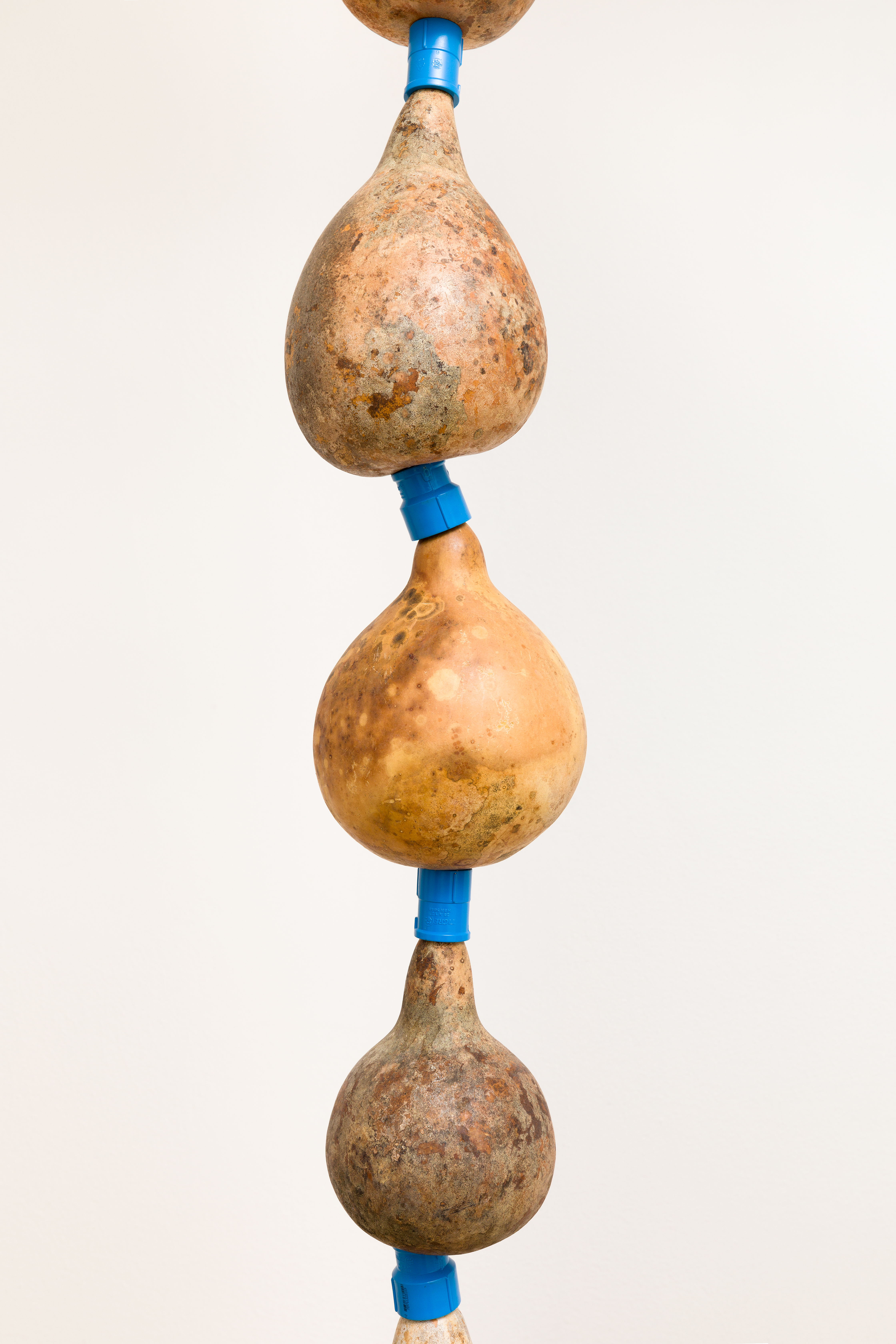
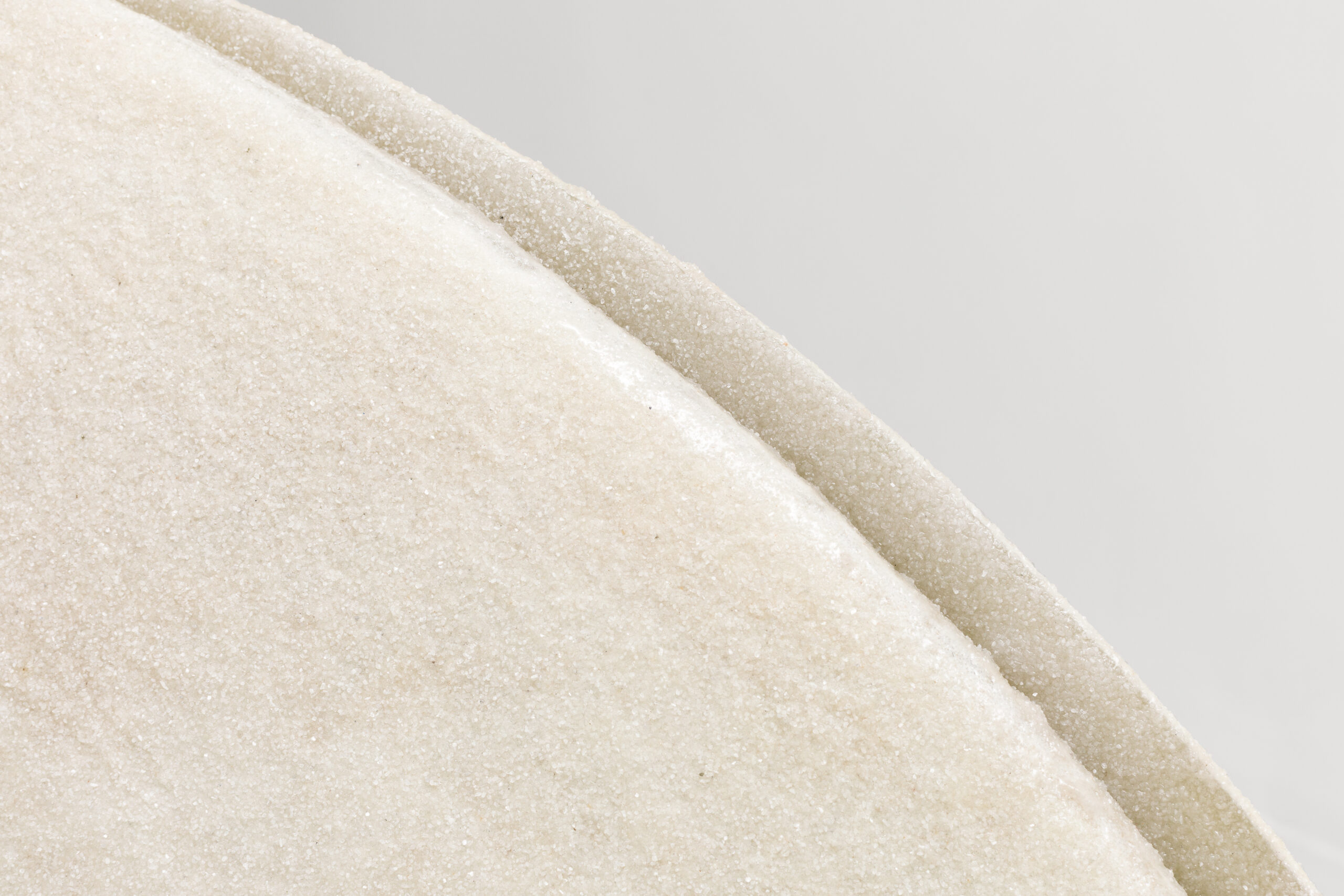

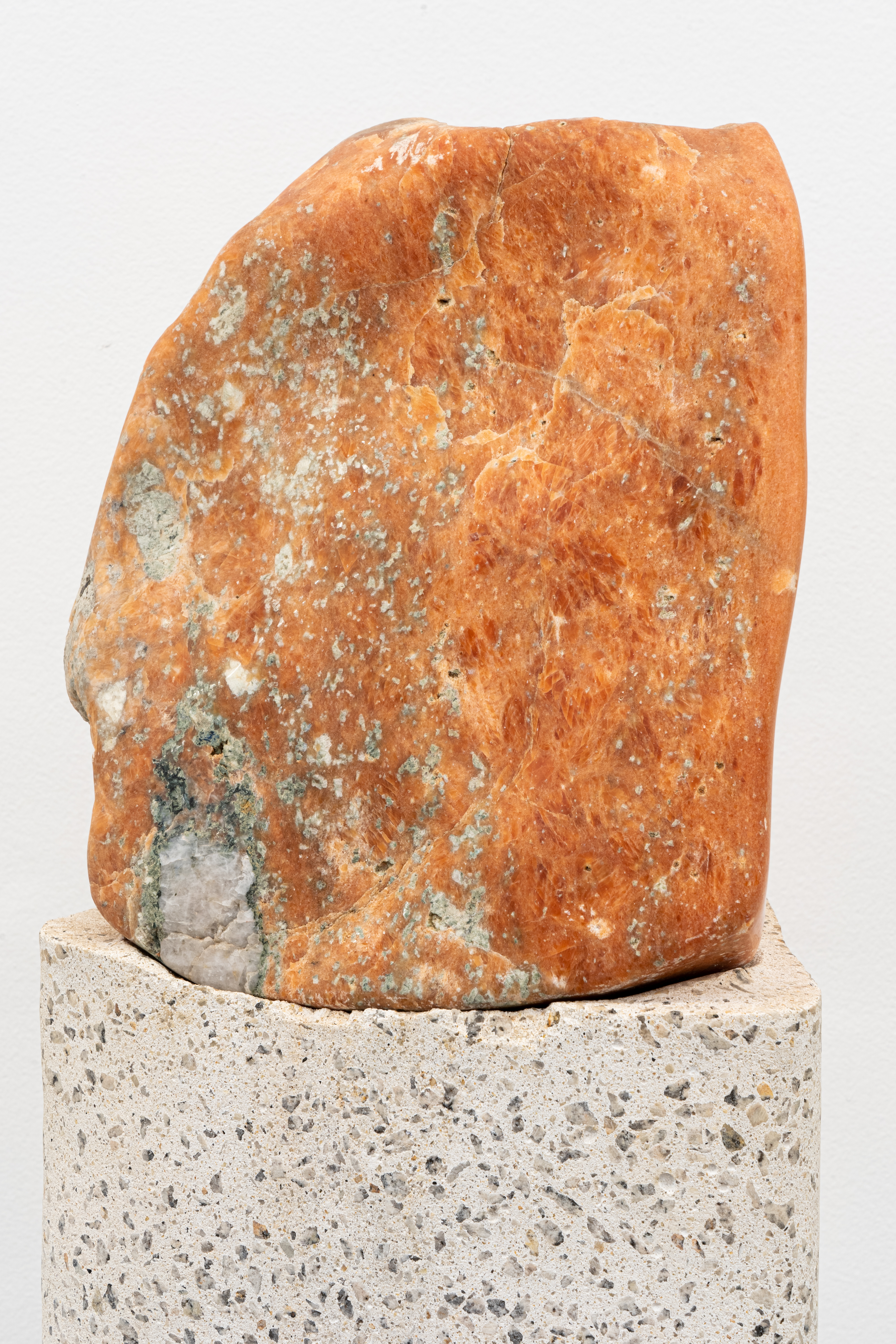
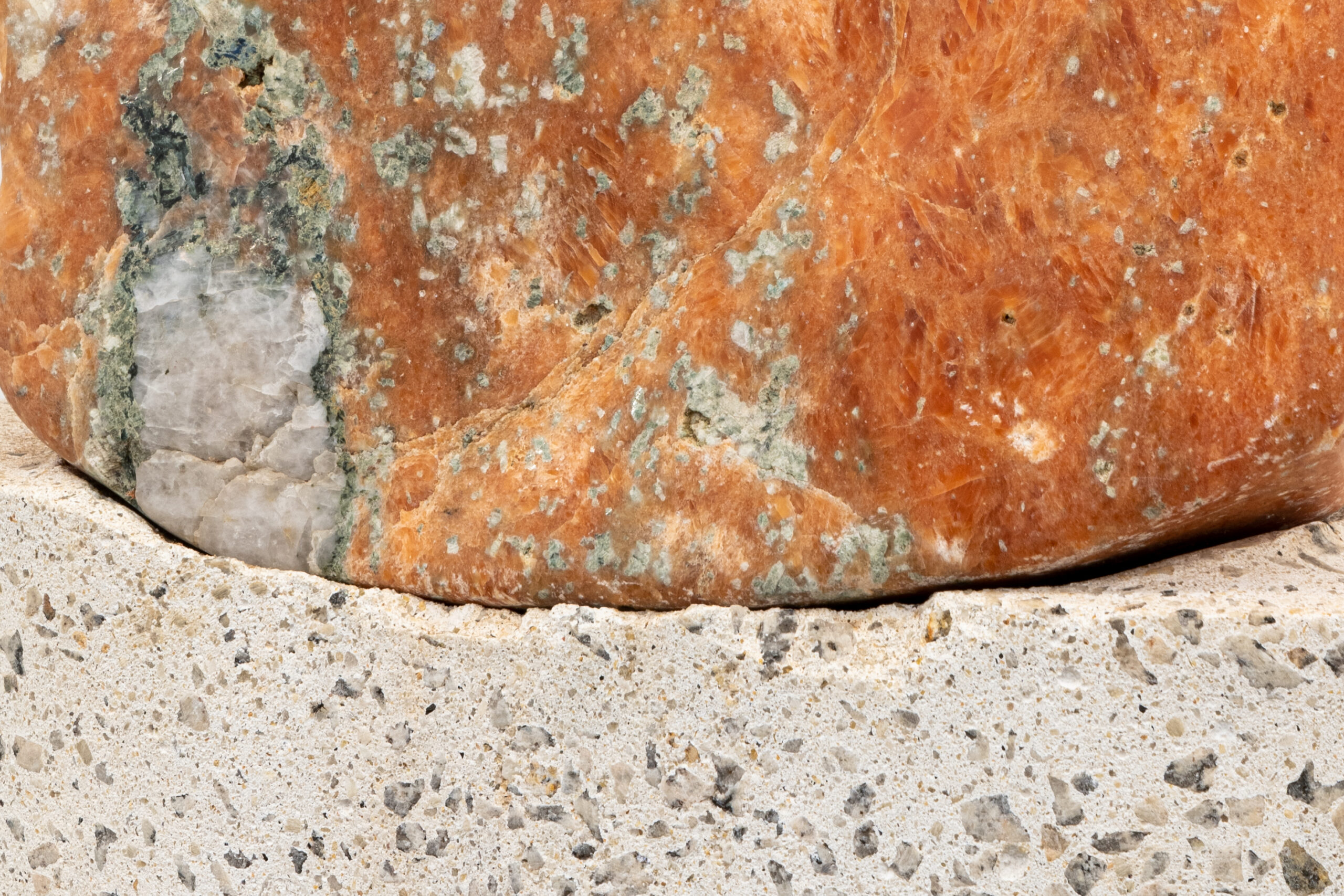
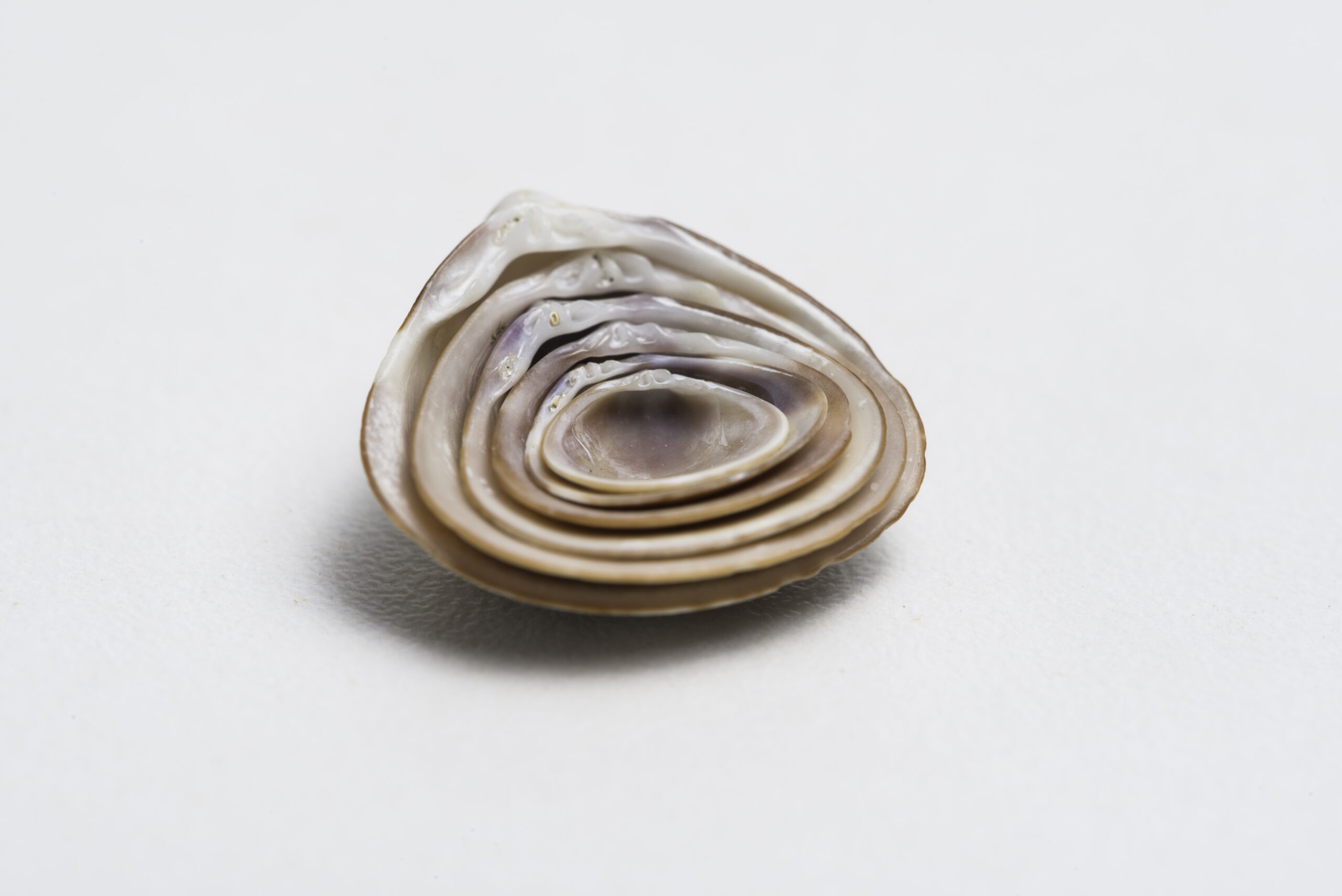
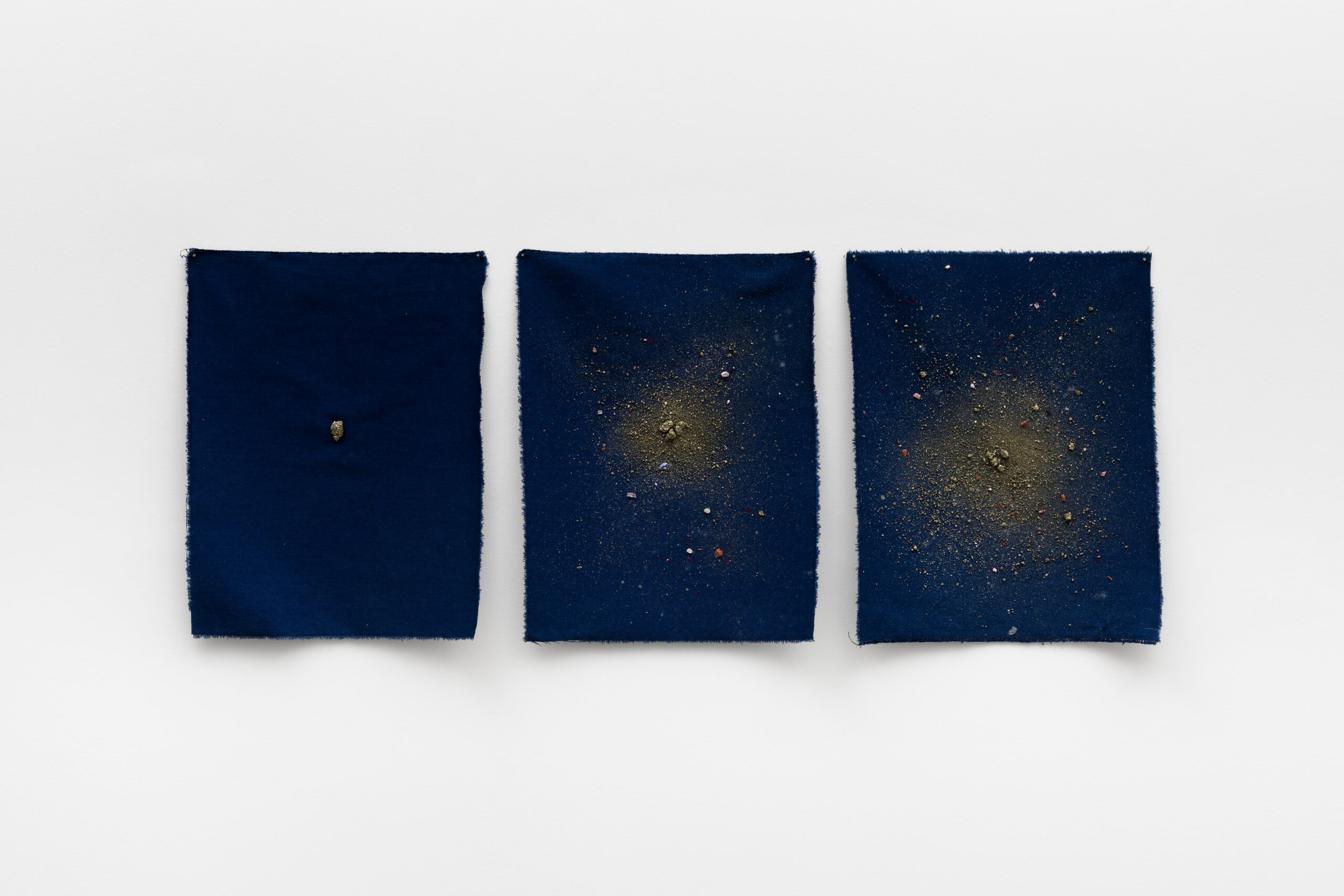
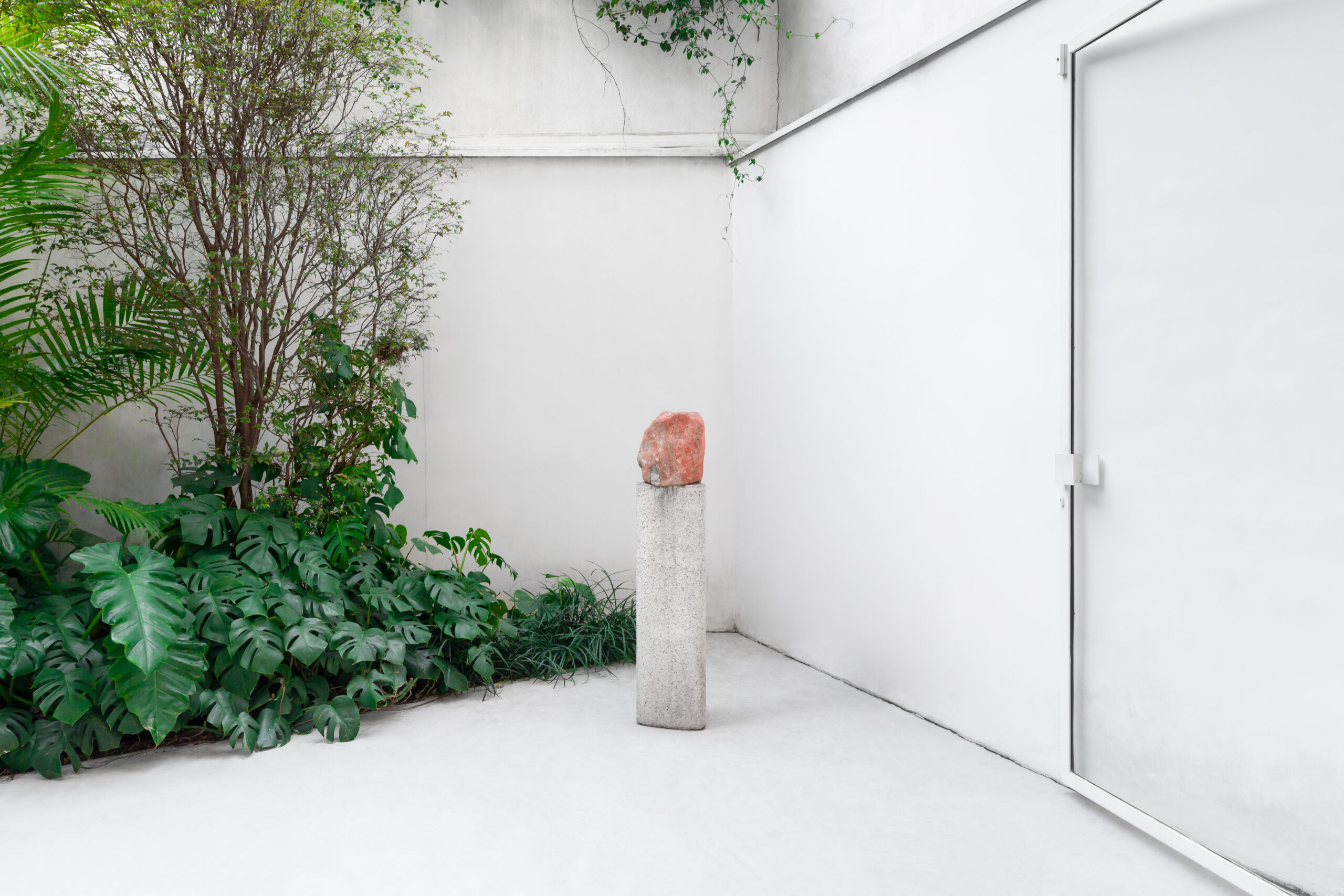
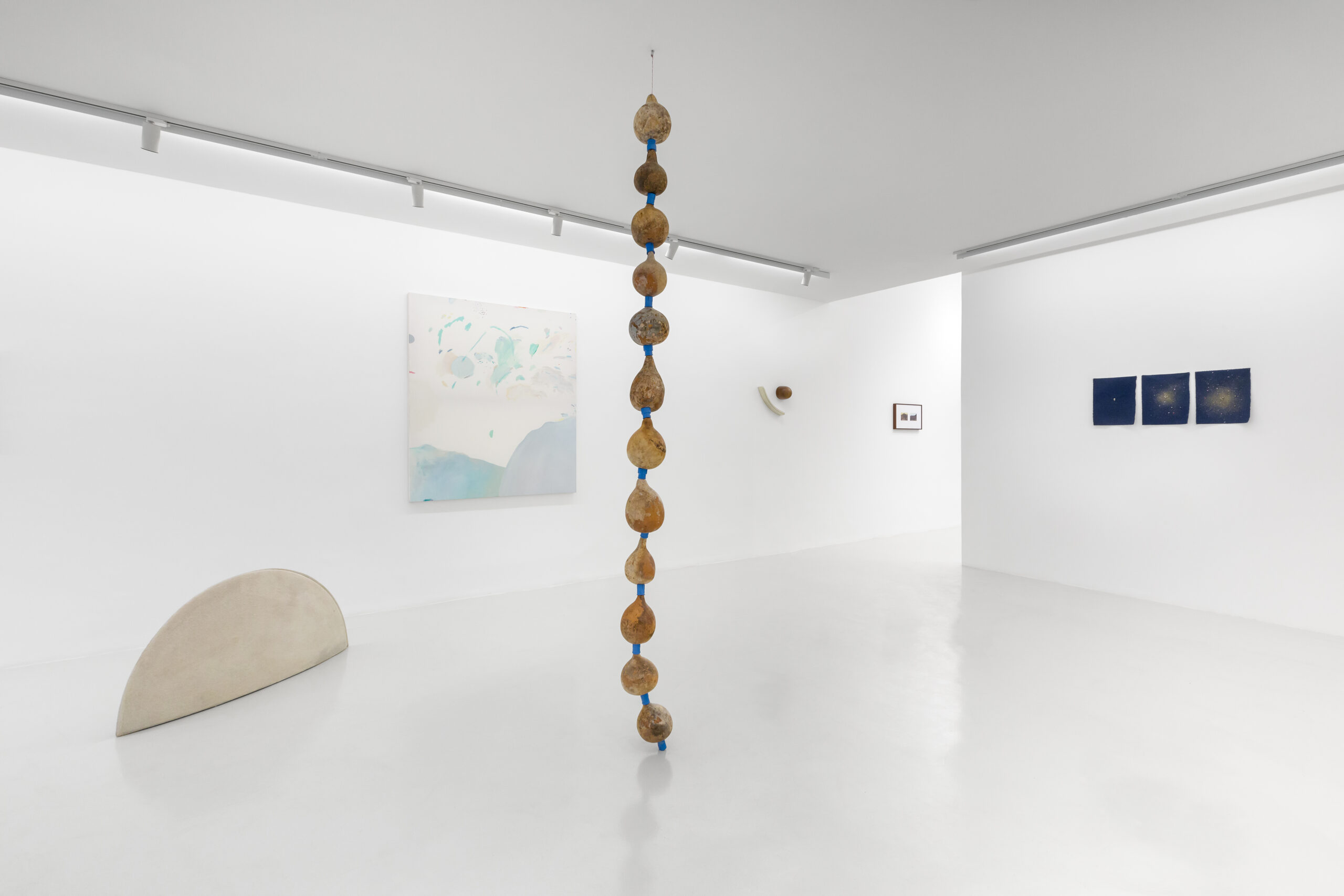
Materiality and the physical experience of the territory are motivations for another set of works. Marcelo Pacheco, Deco Adjiman and Dan Coopey use organic materials, wood and stones found on walks in the countryside or wanderings in the city, and Manuela Costa Lima uses gourds to create “a soft infinite column” that refers to orientation like a large inexact magnetic needle. Mapping the territory is also the theme of Ana Dias Batista’s work, which invokes our relationship with space through a kind of awareness of the scale of the world in relation to a stone. Finally, in Amélia Toledo’s work we are faced with a large natural stone that simply invokes reality by its unfailing presence, in such a way that the landscape becomes timeless and perfect.
Camila Bechelany