Unseasonably cold night
Allan Gandhi and Marcela Dias
curated by Carollina Lauriano
January 26 - March 25, 2023
Rio de Janeiro
“Nothing is more abstract than reality,” said Giorgio Morandi in the middle of the last century. I always turn to this phrase by the Italian painter at times when life seems to escape our grasp, which seems to me to be an interesting quote for thinking about the emotions and feelings that have come to surround and afflict us over the last three years, a time when the world has taken us by surprise, suddenly changing the course of history in a short period of time.
An unseasonably cold night evokes a free poetic interpretation of this changing period, based on the works of Allan Gandhi and Marcela Dias. While much has been speculated about society being able to take advantage of this moment of so much uncertainty to get through the period by creating significant changes in behavior in relation to the era of hyperconnectivity and hyper-stimuli that marks these first years of the 21st century, what we observed was a much more euphoric and cheerful return to coexistence.
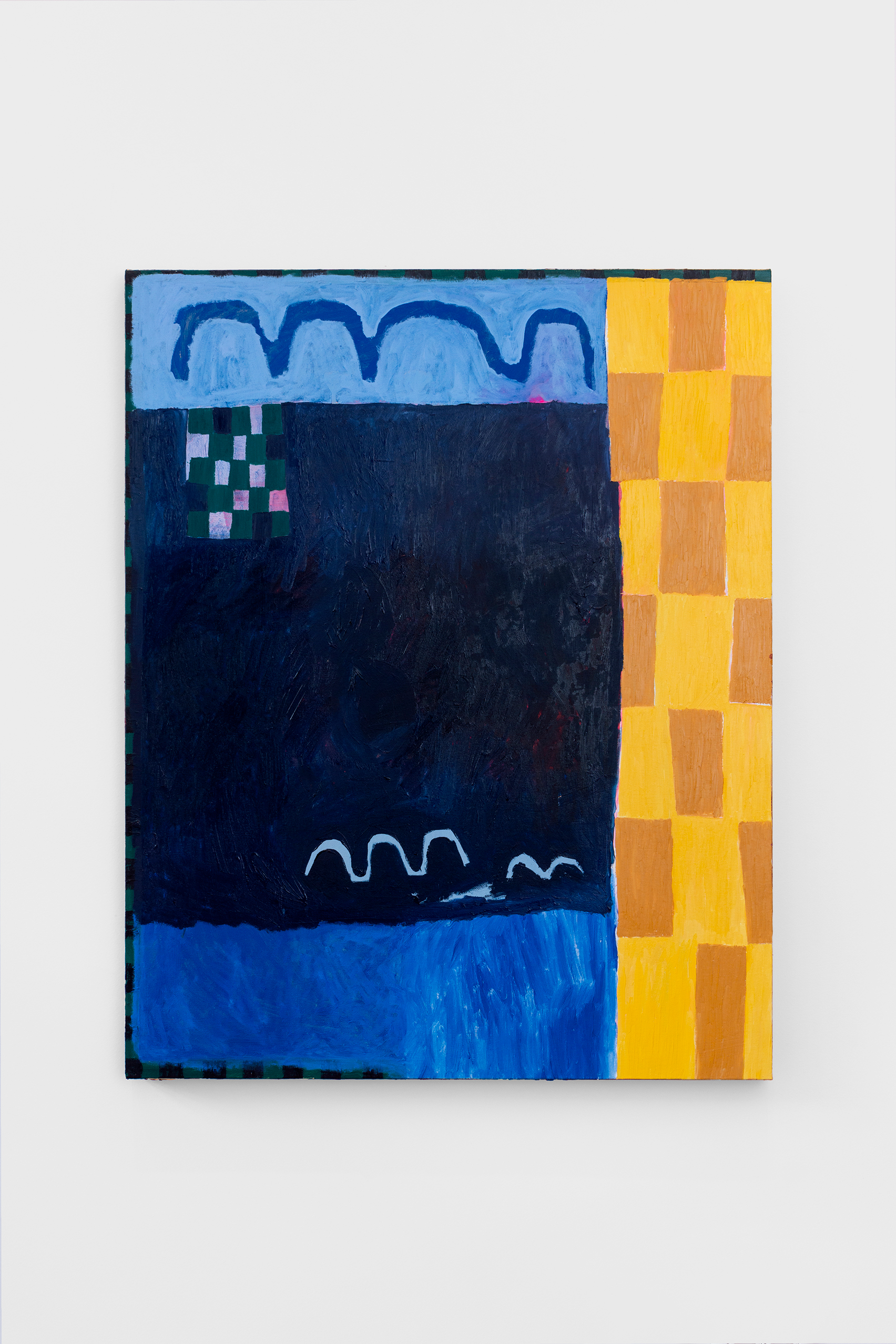
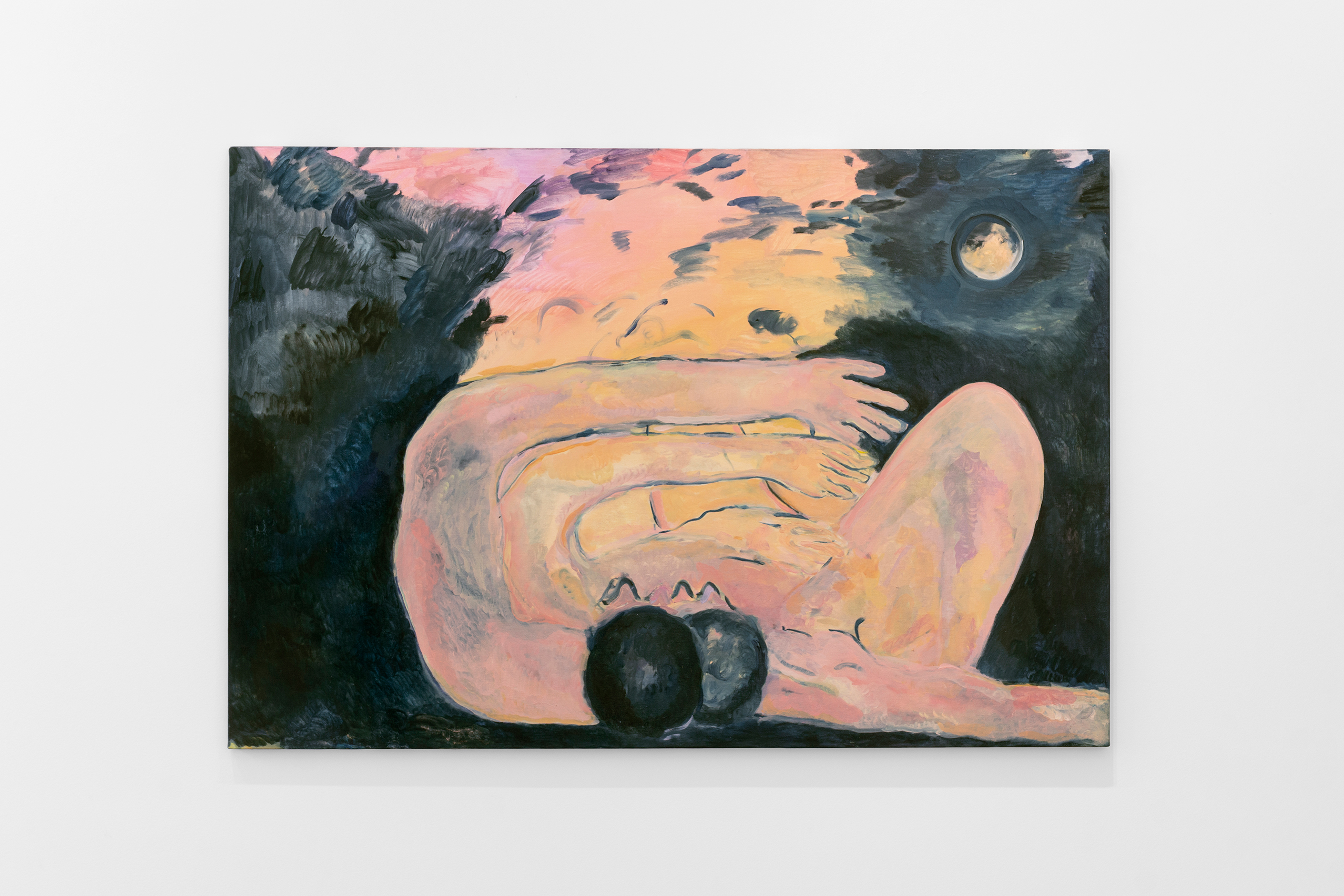
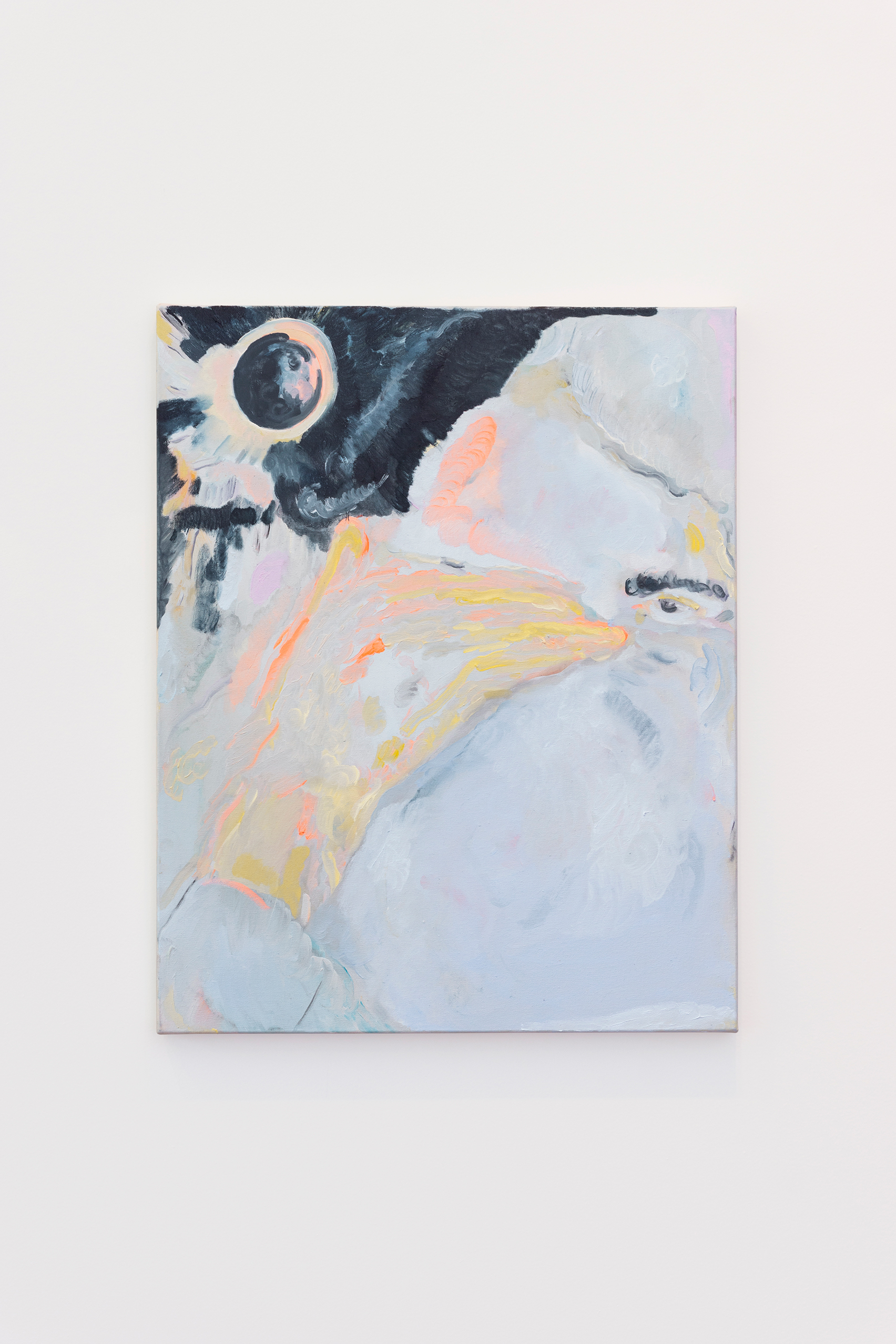
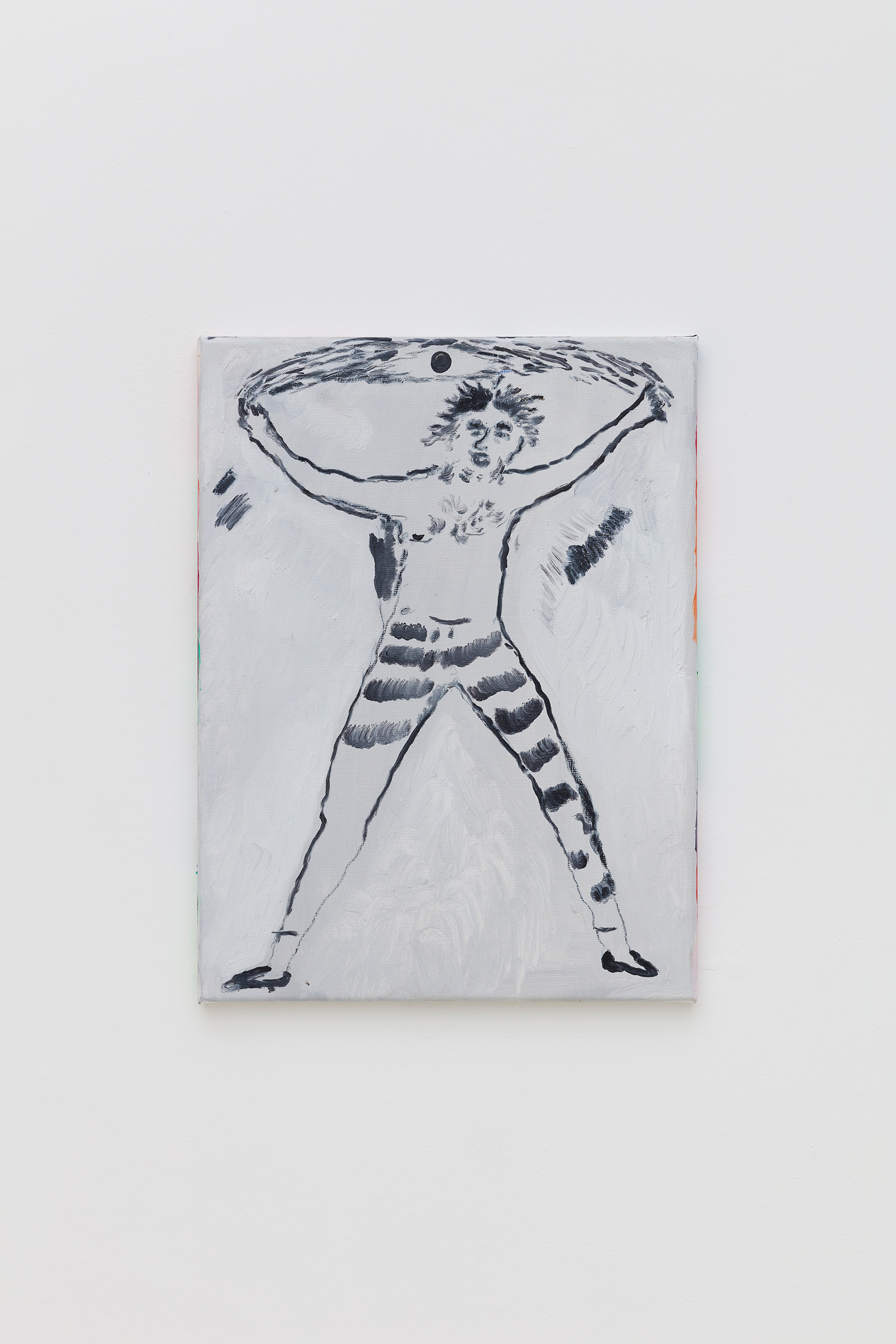
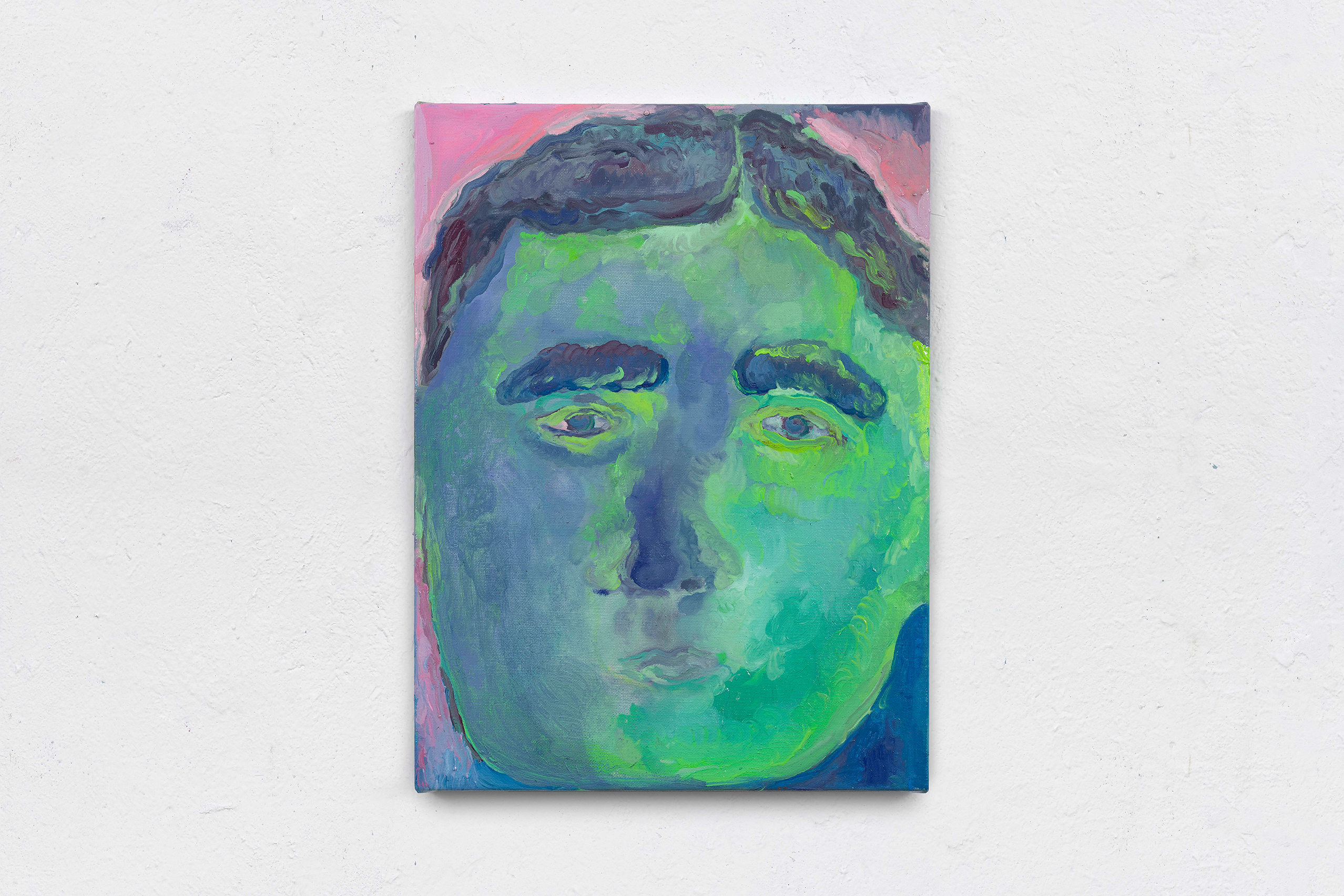
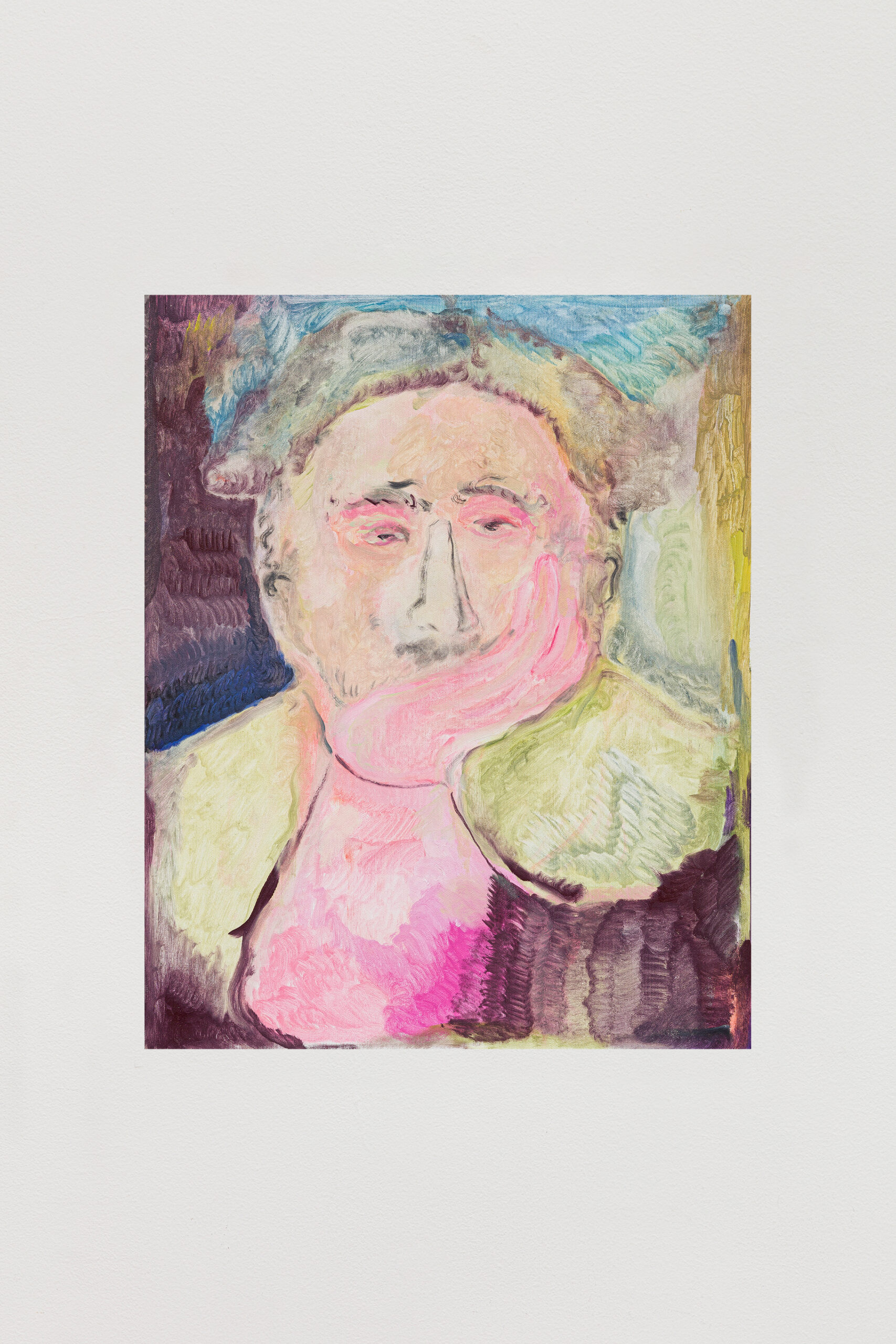
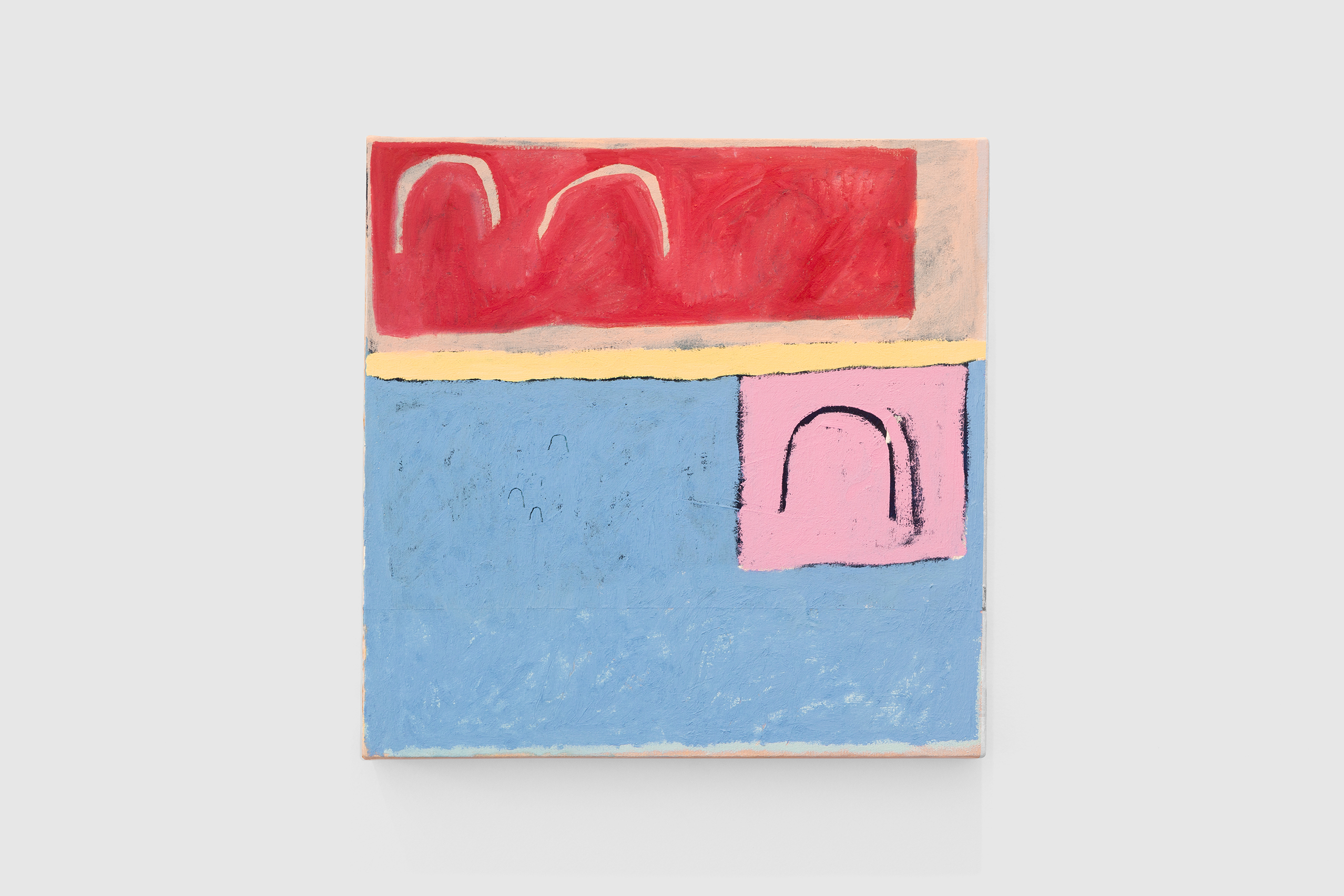
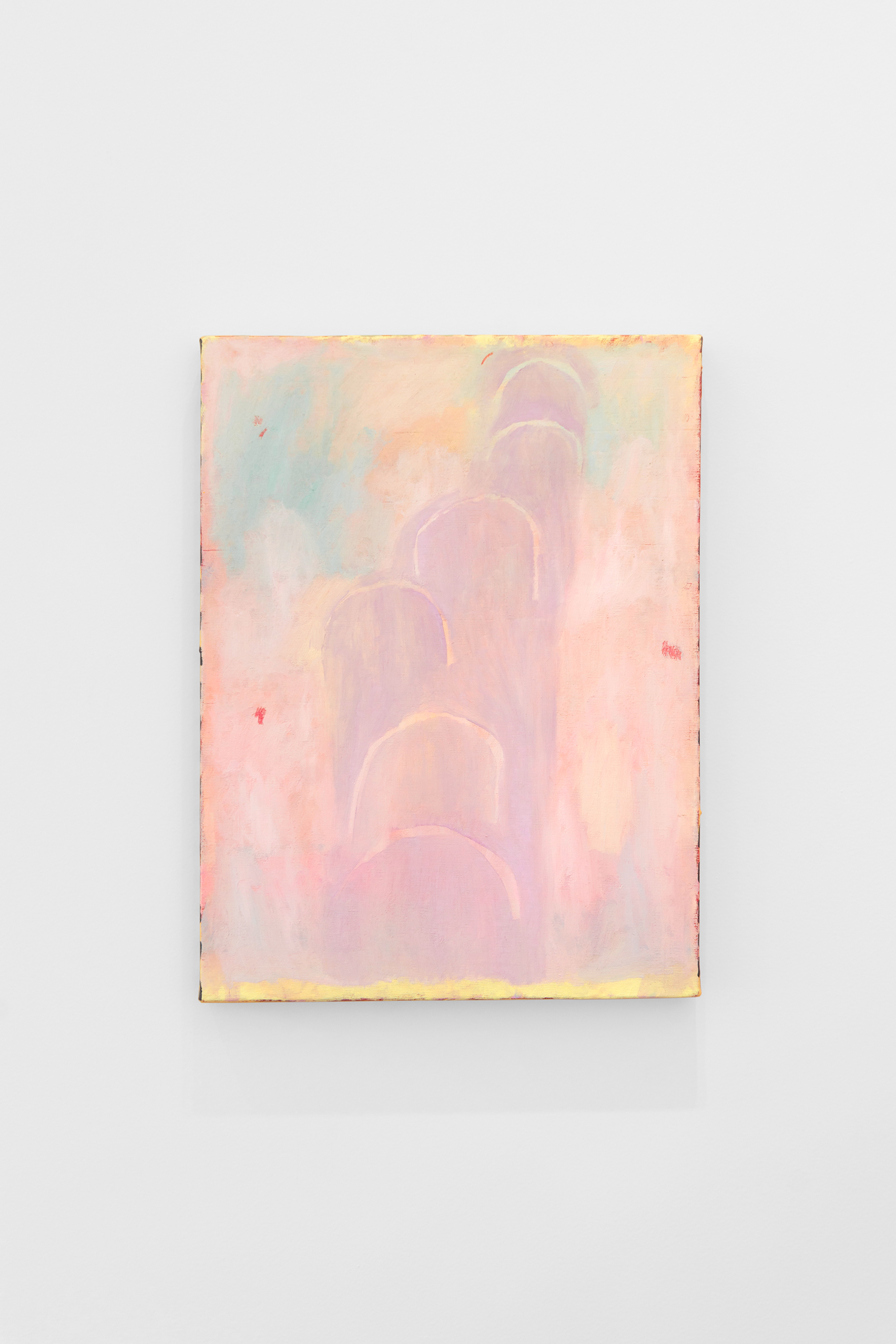
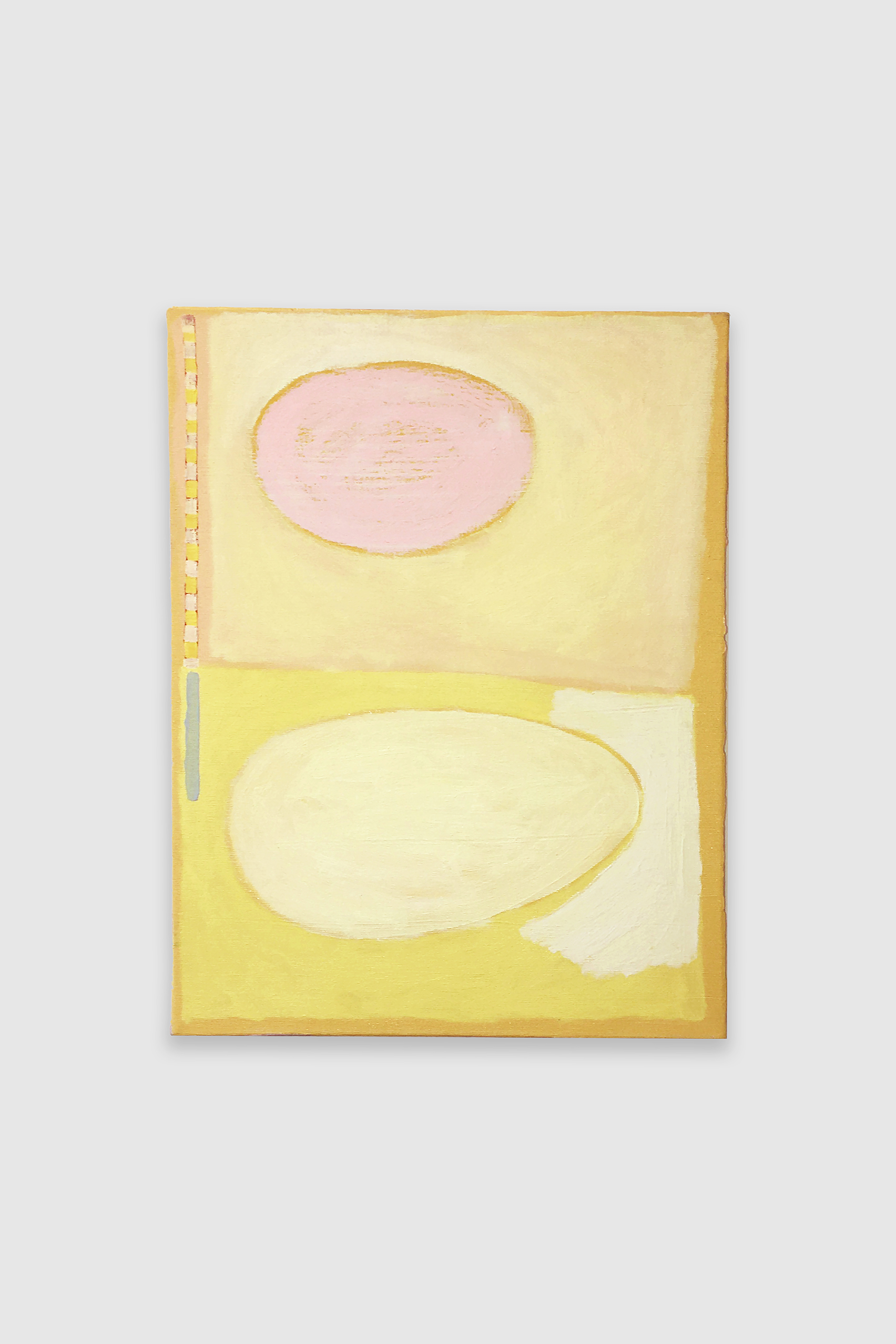
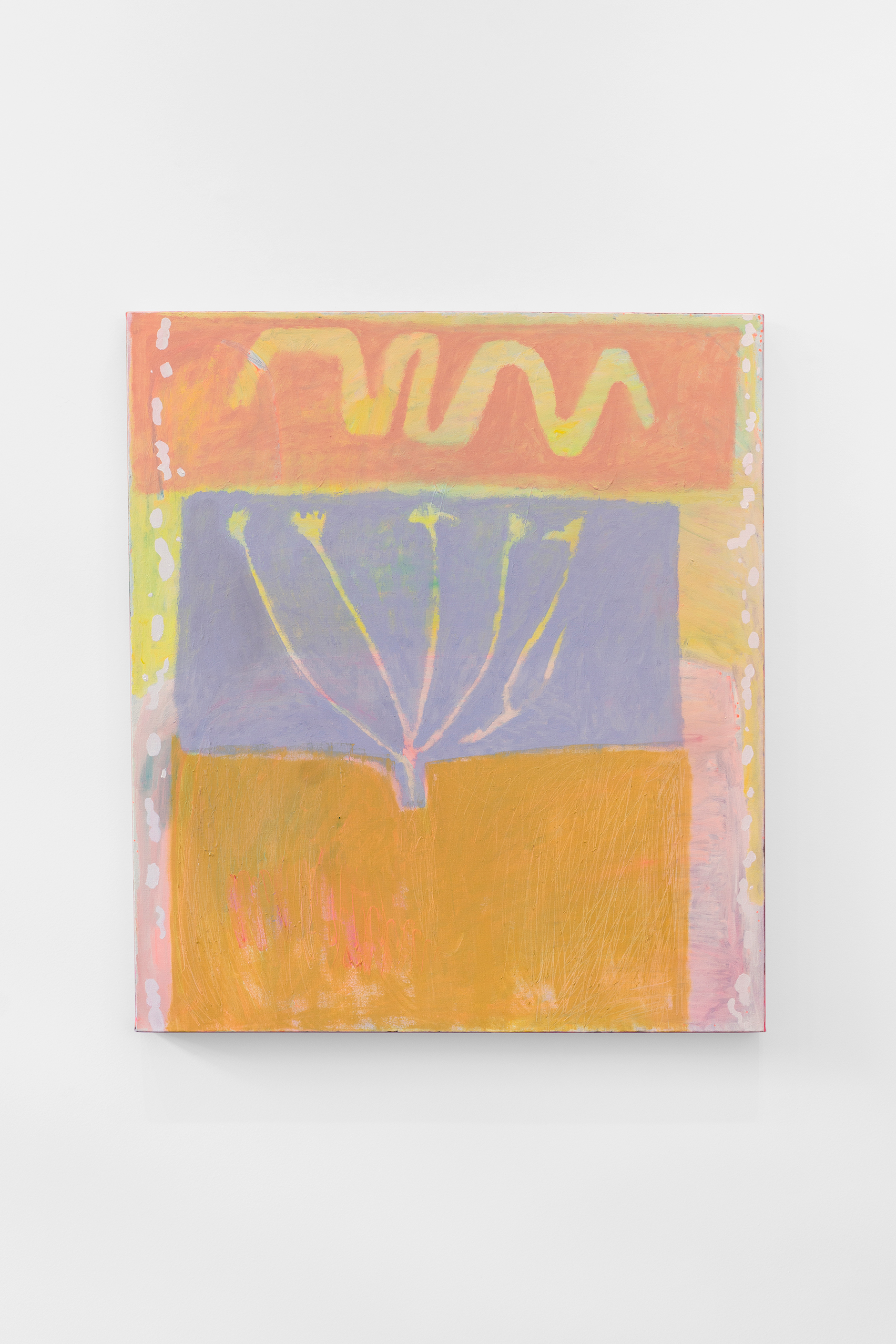
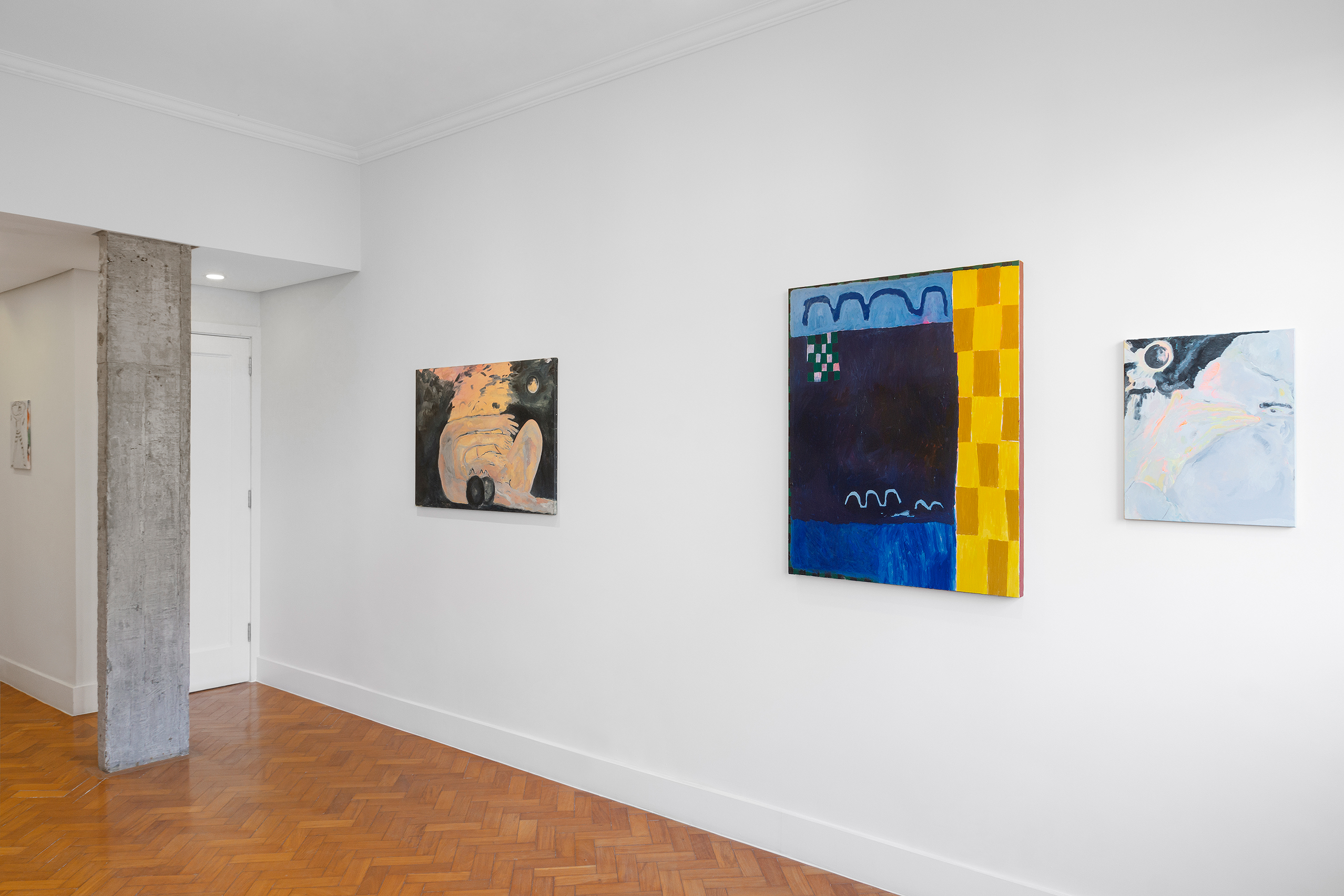
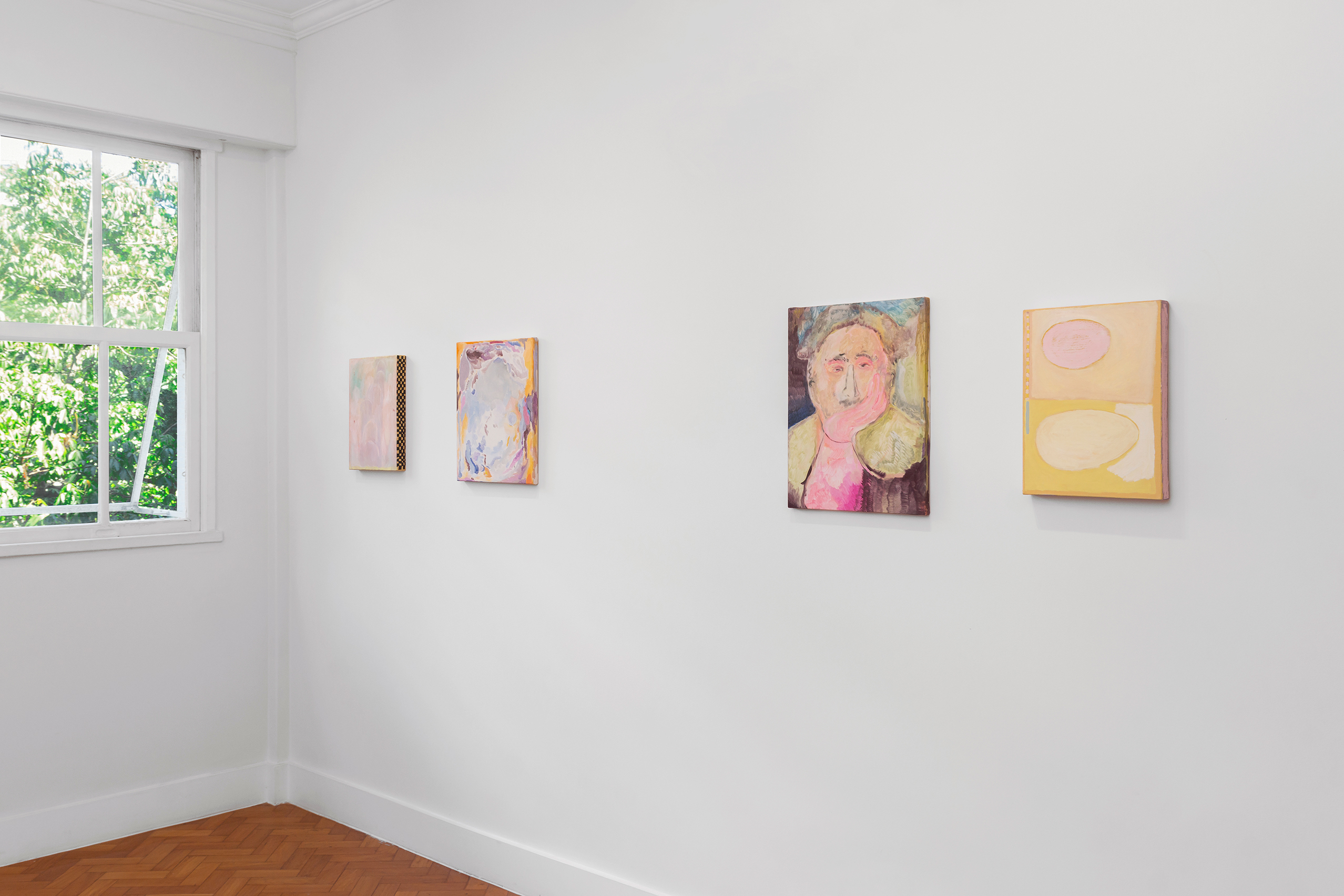
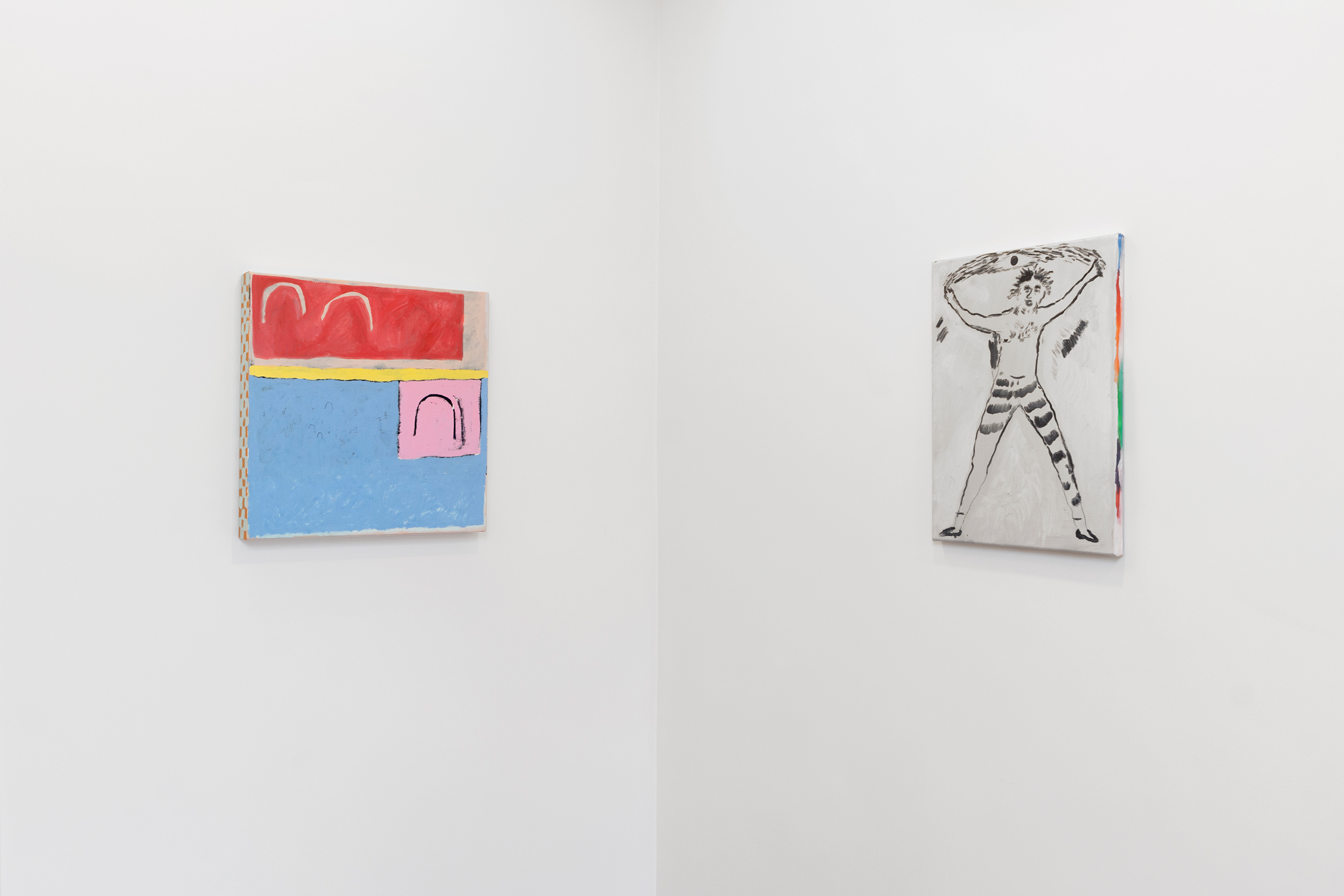
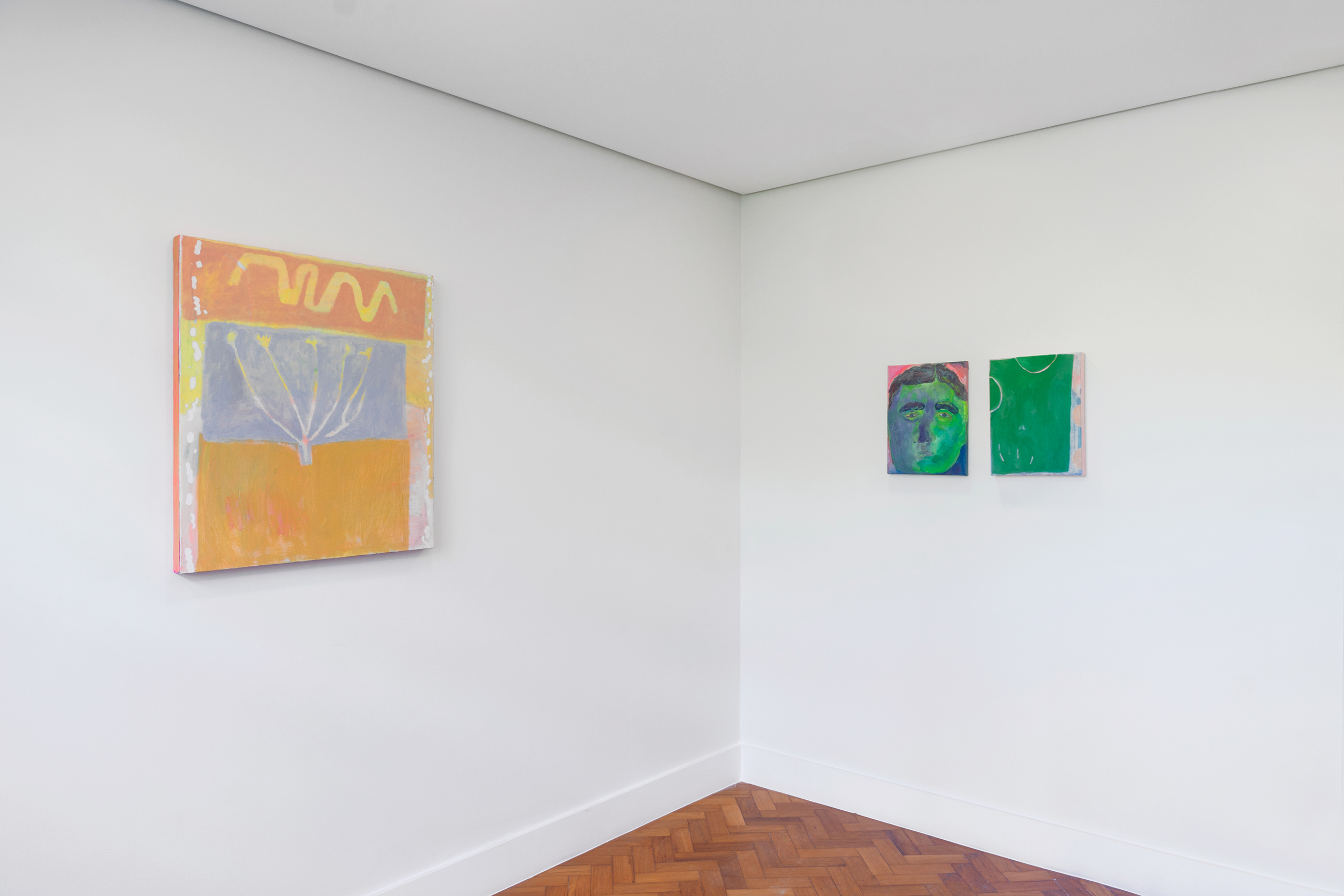
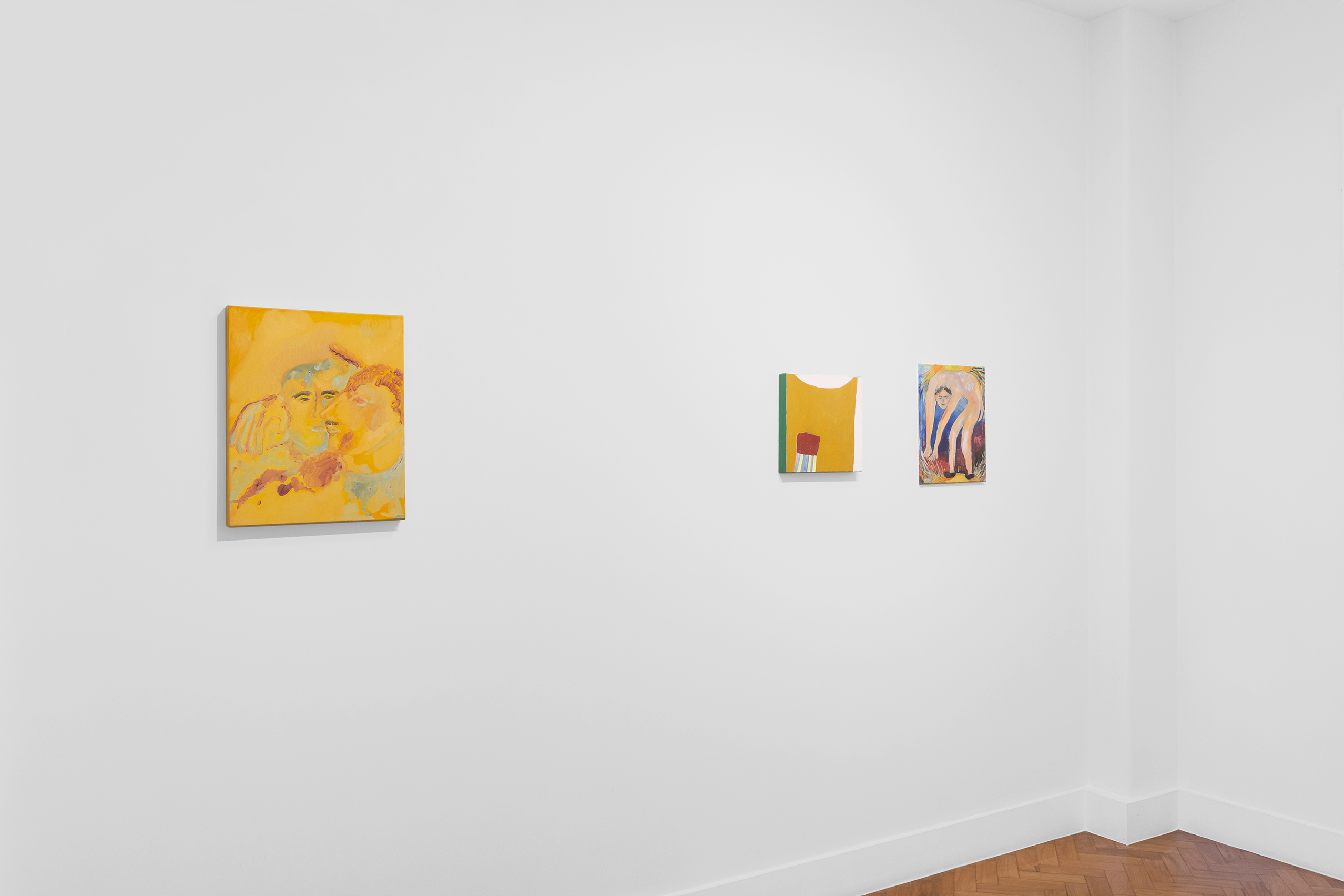
That’s why this exhibition focuses on the work of two young painters. Of all the artistic languages, painting is perhaps the one that reaffirms itself, all the time, as an inverse and extremely powerful way of dealing with the complexities and paradoxes of the contemporary world. The set of recent paintings by Gandhi and Dias tension these issues in complementary ways.
First of all, because the very materiality and texture of the object demand presence, either from the artist himself or from the viewer. Essentially, the production of both artists is the result of rigorous studio work. A notable commitment to research and artistic making itself. In common, both productions do not reveal themselves immediately. They are paintings that require time. As a result, they invite the viewer to linger attentively over the surface of the canvases, gradually discovering their mysteries.
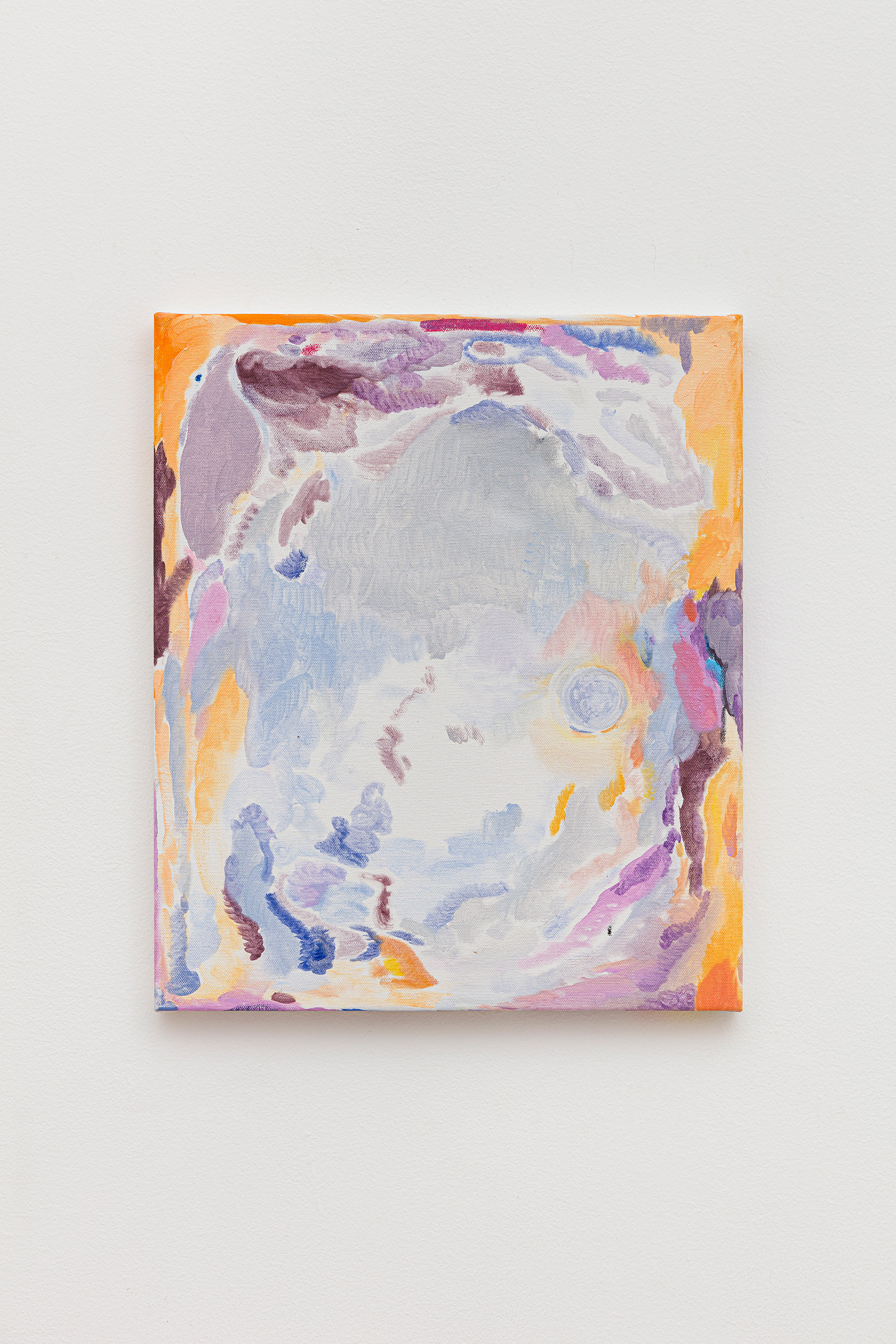
In fact, this is one of the premises of Marcela Dias’ paintings. In her compositions, the artist is interested in thinking about pentimento, that process in which a change is made to a painting while it is being made. In a society whose digital performance has led to an edition of life that presents a constant state of perfection, Dias’ paintings point us in the opposite direction. The artist is interested in thinking of error as a place for building and understanding her own artistic work.
Another interesting aspect of the artist’s painting is the play of layers she creates in her pictorial construction. Instead of trying to hide imperfections, Dias chooses to reveal them. Movements that should very well be incorporated more naturally into social dynamics. It is from this apparent vulnerability in her painting that the artist creates a field of strength for her body of work.
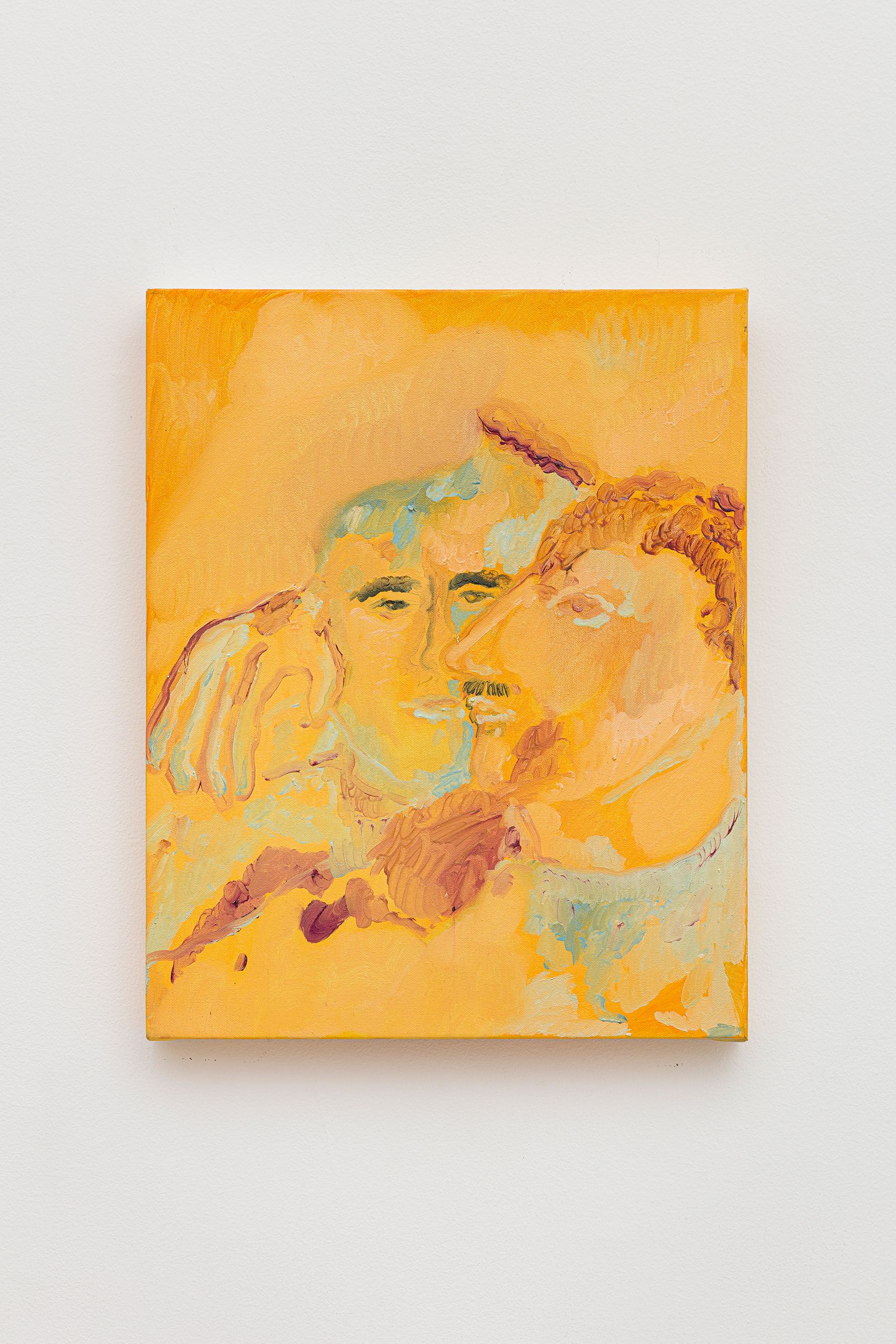
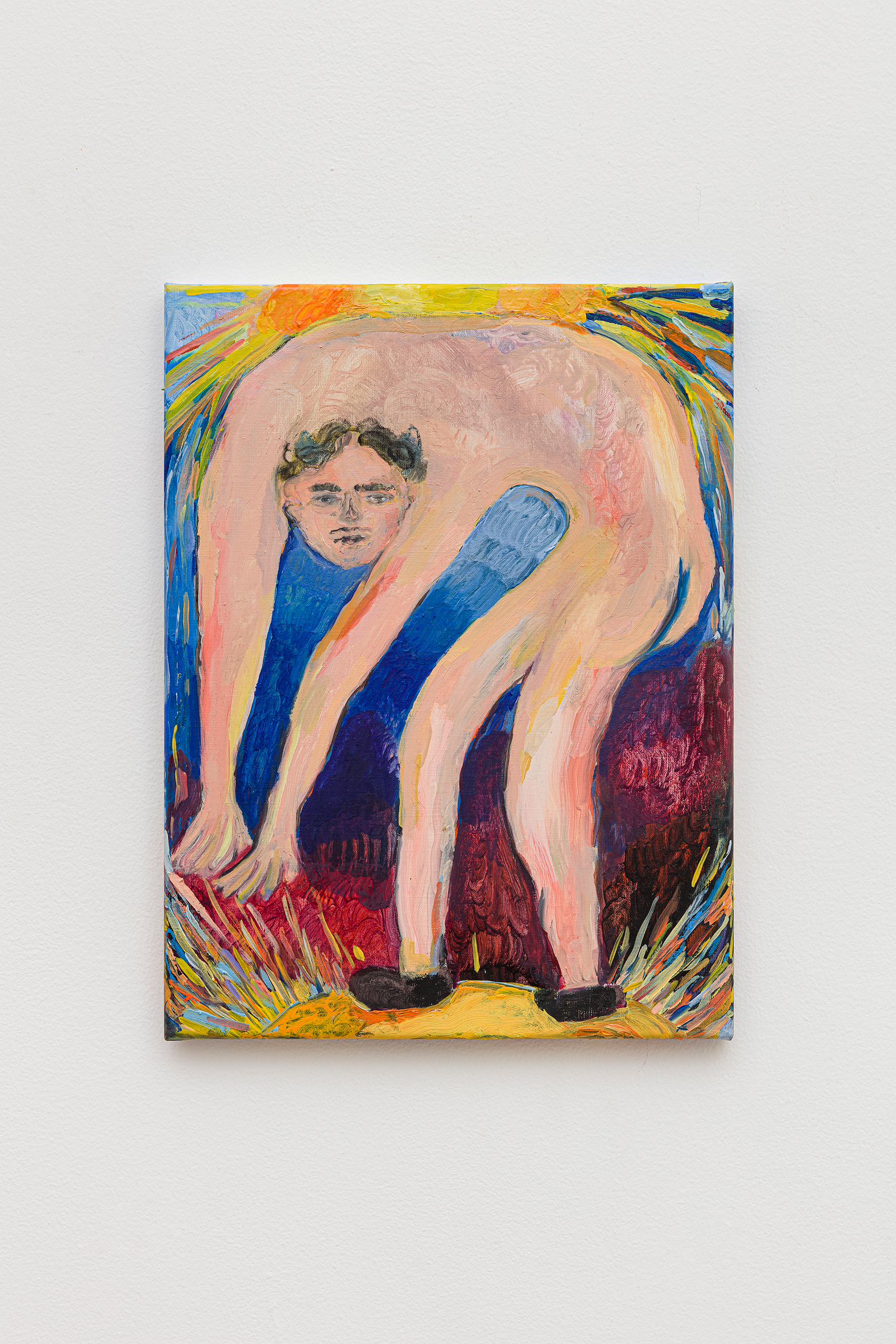
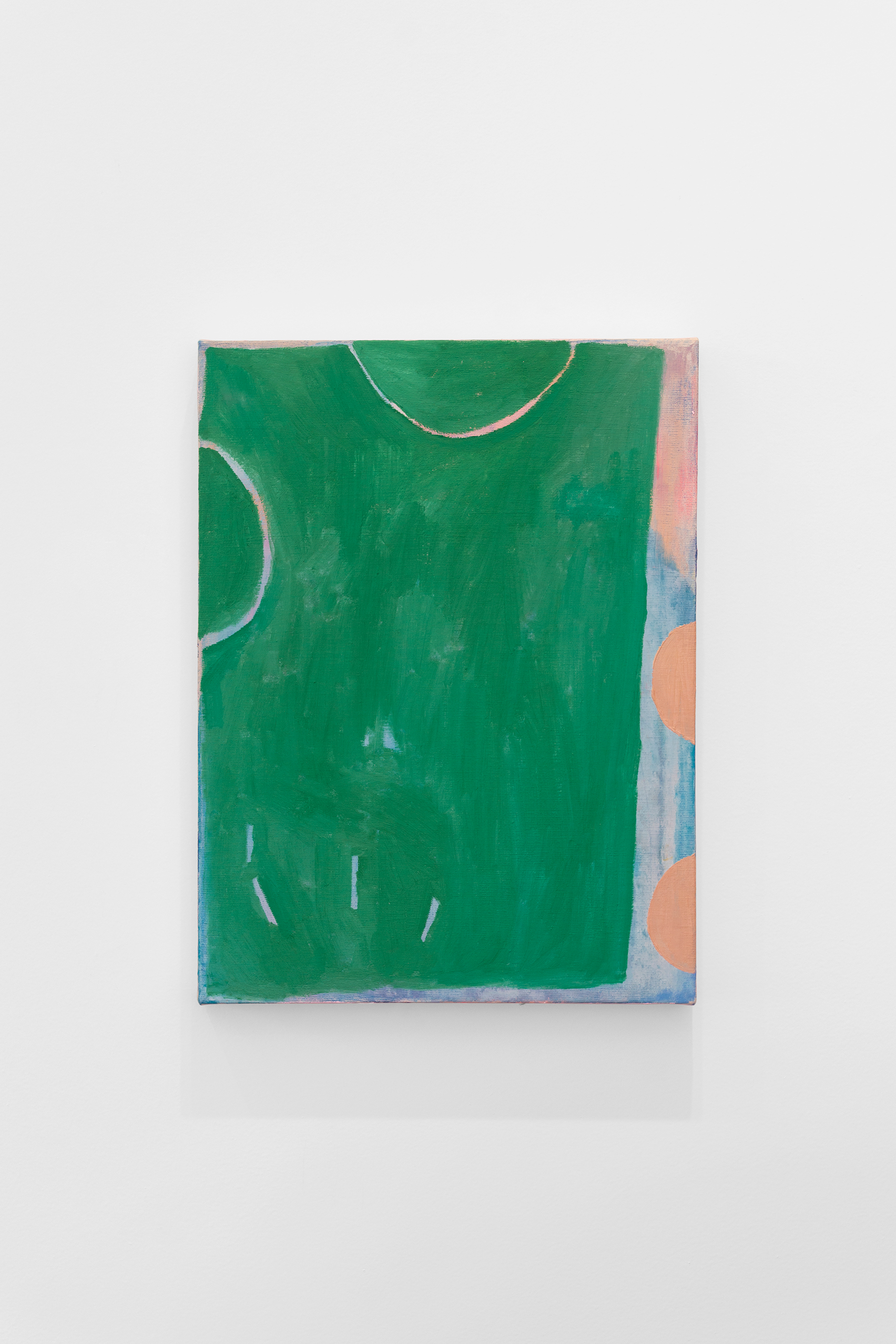
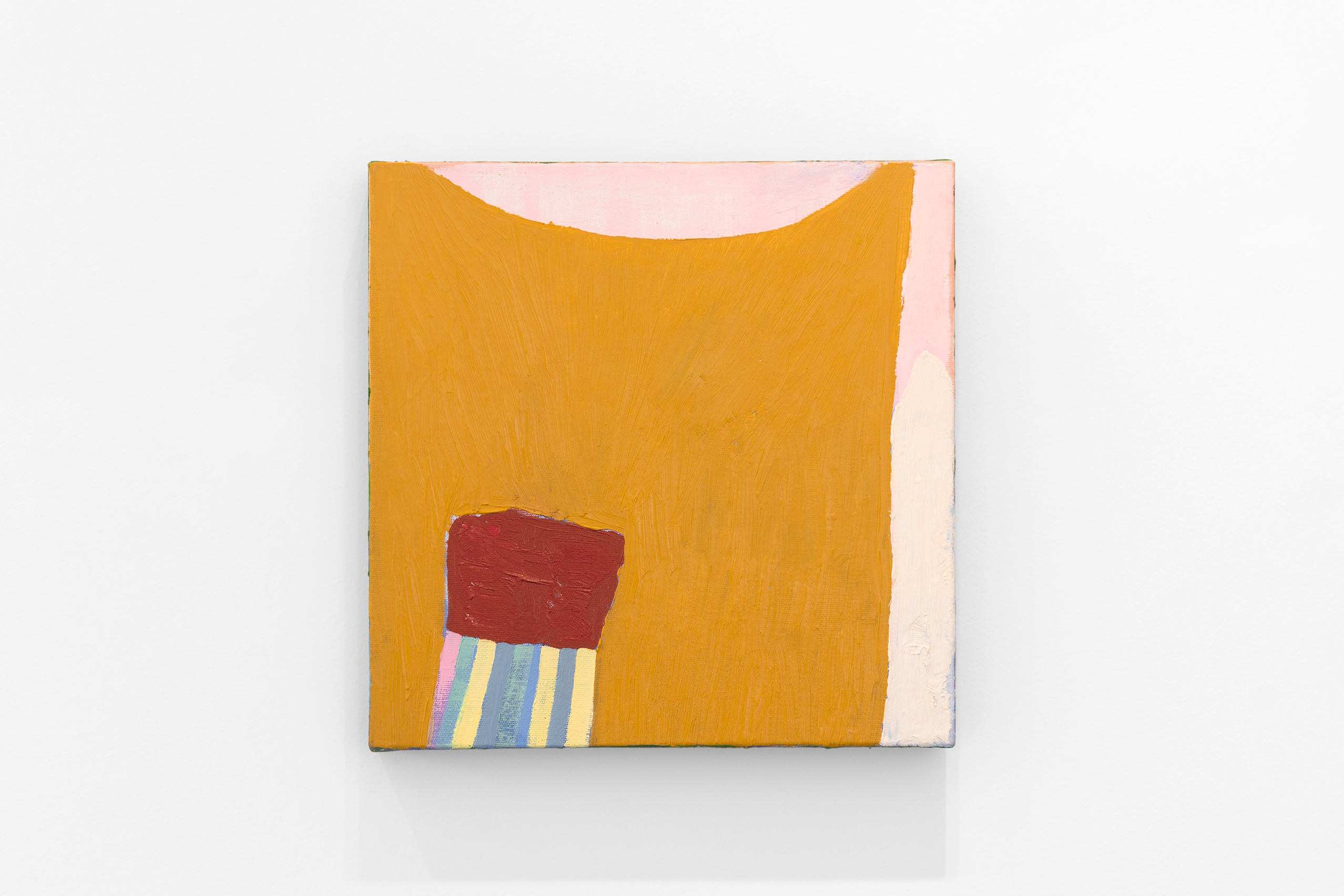
Allan Gandhi’s paintings, on the other hand, bring other perspectives to the discussion. Although his painting is meticulous, Gandhi’s creative process is completely intuitive. Without creating sketches to guide his compositions, he points out that it is often necessary to give up notions of control and rationalization and open up more to experimentation. In this way, good surprises can happen.
This is the case with the ambiguity constantly present in his compositions. Moving between abstraction and figuration, the fluid shapes and chromatic contrasts in Gandhi’s paintings challenge us to question what is in front of our eyes. On another note, this set of paintings by the artist reminds me of a journey of man in internal and external conflict with himself, since the more acidic tones remind me of an idea of an altered state of mind, there is also a search for mimesis with nature and the search for new horizons. Sun as orbit, but also as oracle.
In the face of these tensions that emerge from the pictorial investigations of Allan Gandhi and Marcela Dias, they appear as possible ways to rethink our individual and collective practices. If, on the one hand, we have a contemporary world that increasingly forces us to reproduce more and more unattainable standards of success, the dialog between the artists is a way of saying that we need to recalculate routes and look at life from other perspectives, with a little less fanfare and being more open to the desires – contradictory, secret, subjective – of our common, everyday life, and look for the beauty in that.
Carollina Lauriano