Zebra stripes and things without parents
Marcelo Pacheco
curated by Julie Dumont
March 6, 2021 - April 10, 2021
Rio de Janeiro
The stripes of the zebra and things without fathers is the pictorial portrait of a detour that turned into a road along the route of travels in Europe and Asia, between exhibitions missed and finally visited, because the synchronicities of life led Marcelo Pacheco, a lawyer by training, to embrace the visual arts. Like the protagonist of the popular novel The Zebra, by Frenchman Alexandre Jardin, the artist chose a path outside the curve, choosing the fantasy of a world where things, like people, can reinvent themselves in total autonomy.
From his first approach to art through photography, the artist pays attention to the frame, to the geometries found in the shadows left by the city’s railings, in the contours of its gates and in the patterns of its sidewalks or squares, or even simply in the framing of his own retina, his way of seeing and seeing his surroundings.
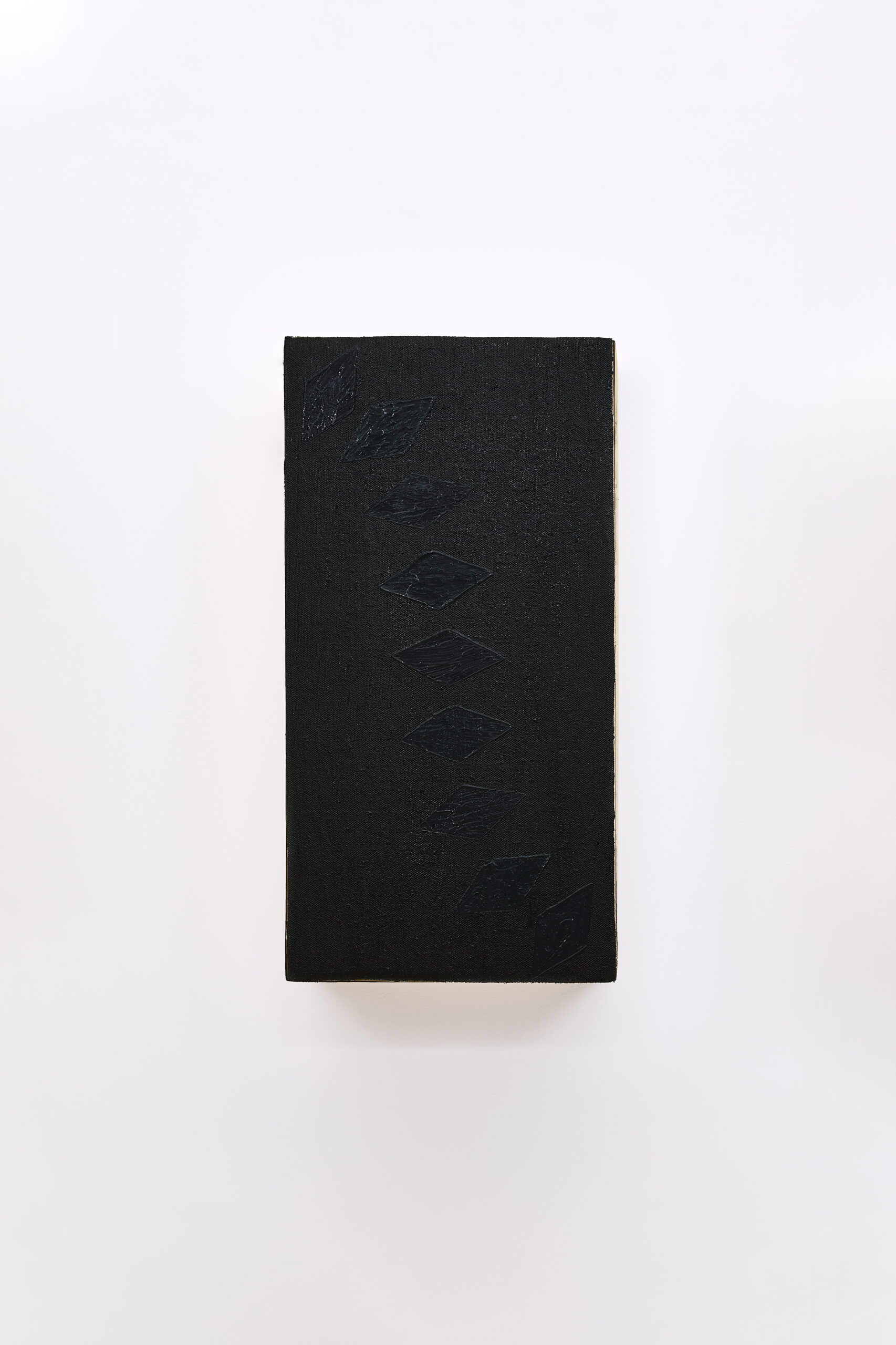
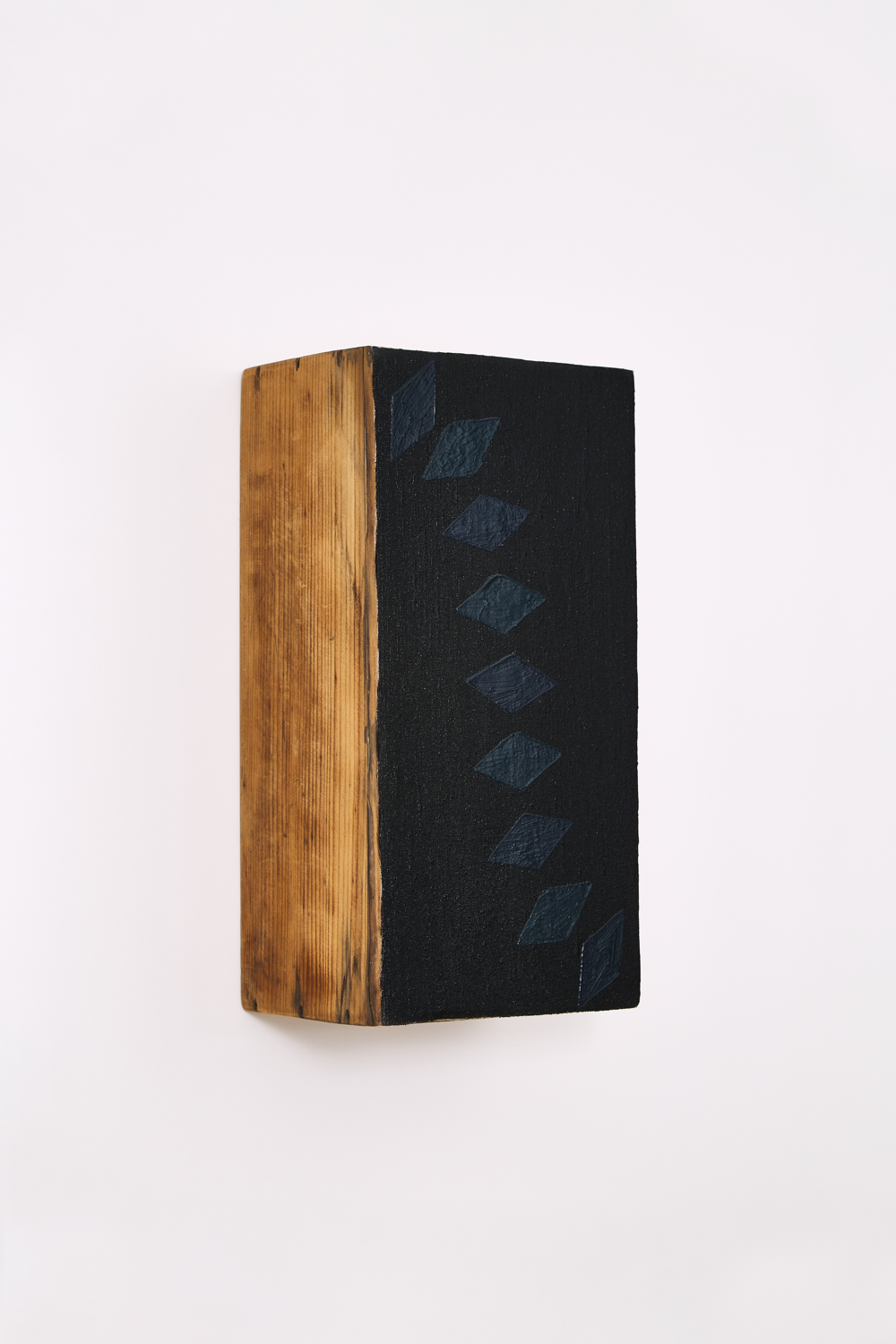
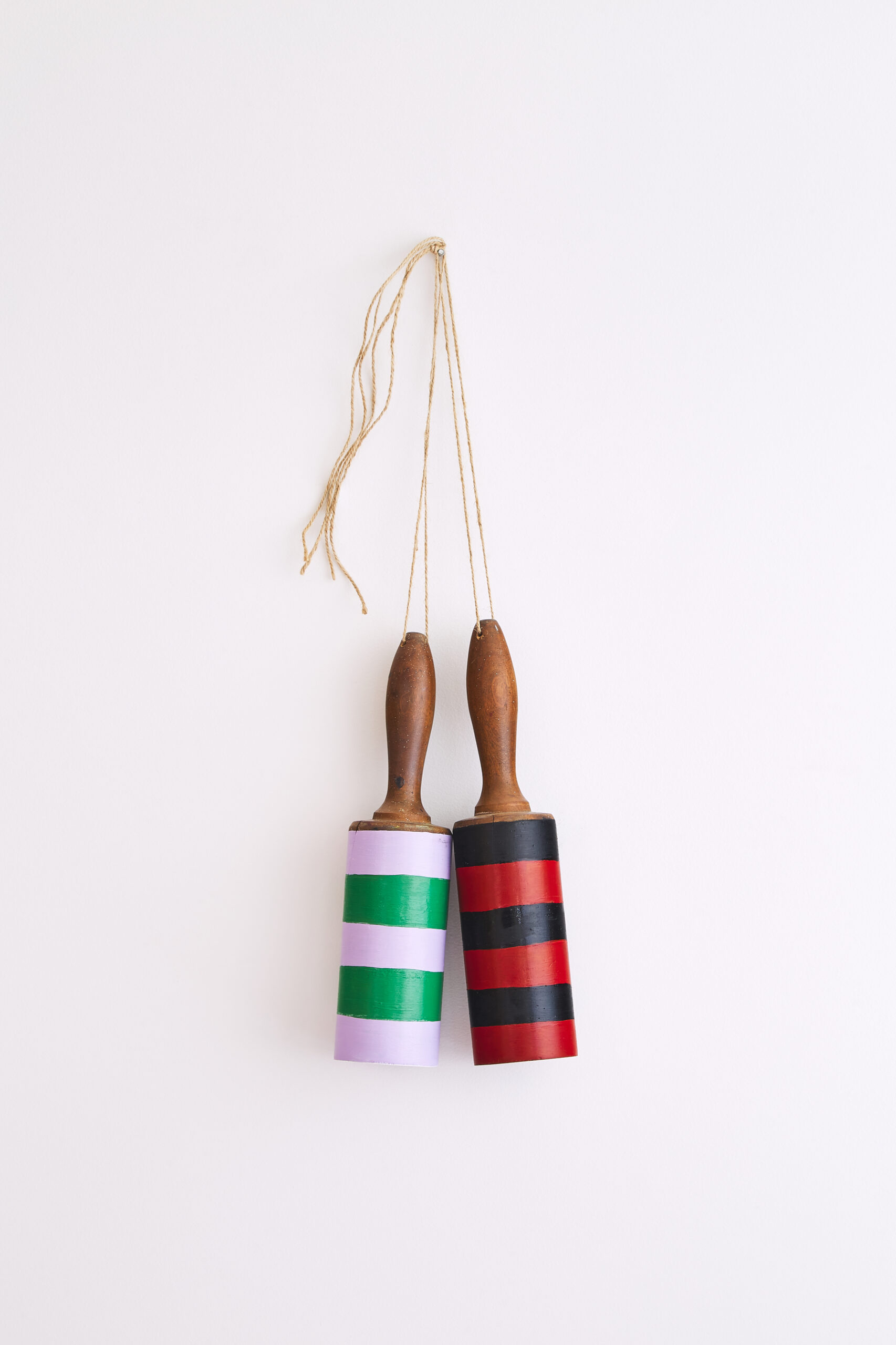
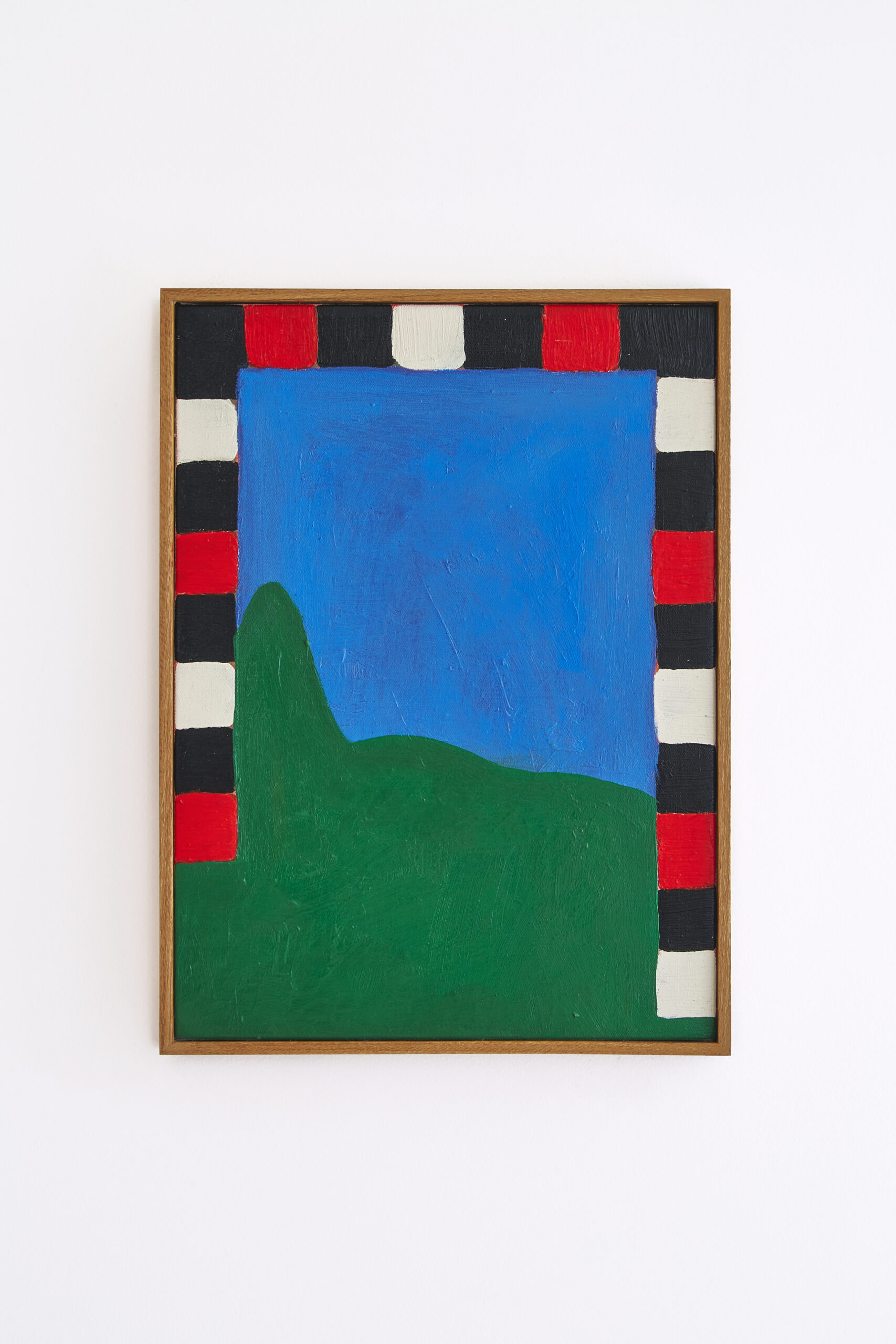
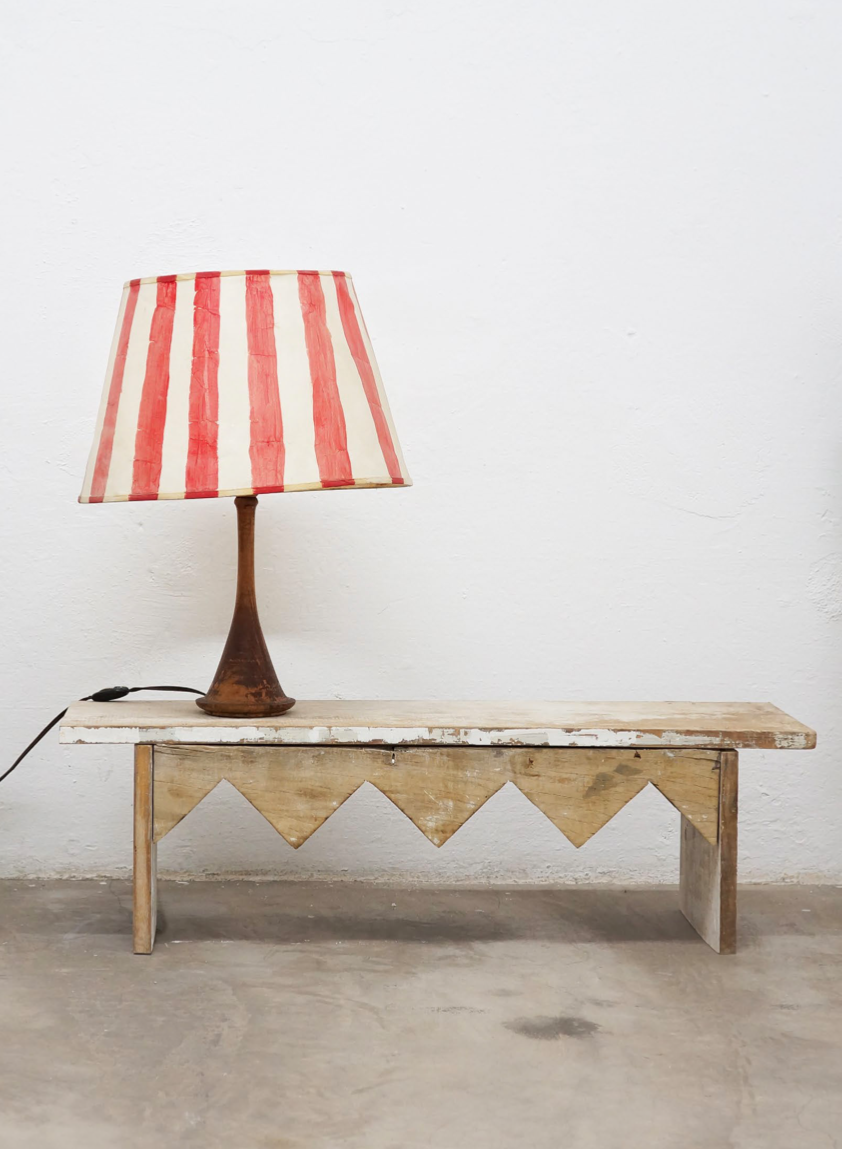
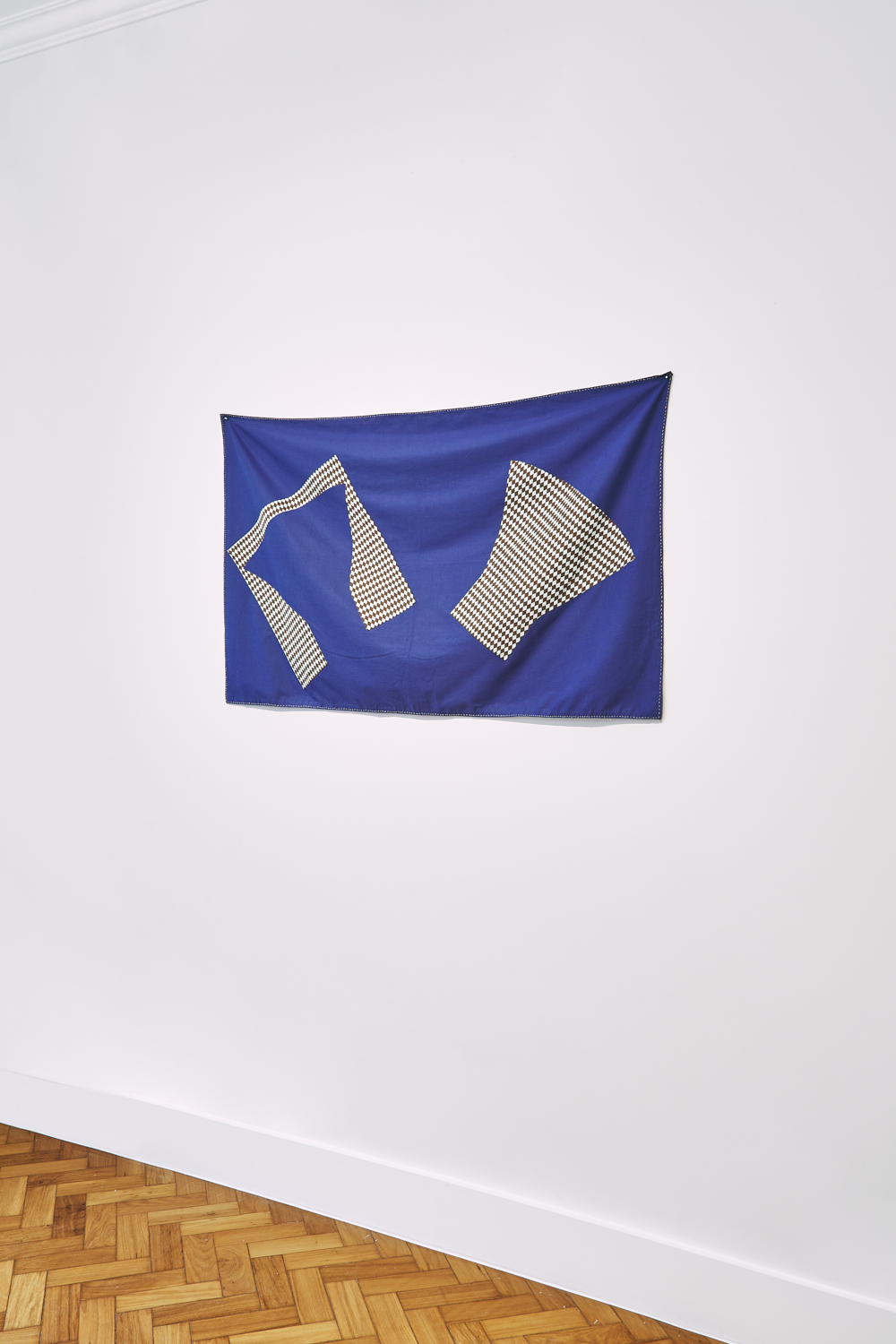
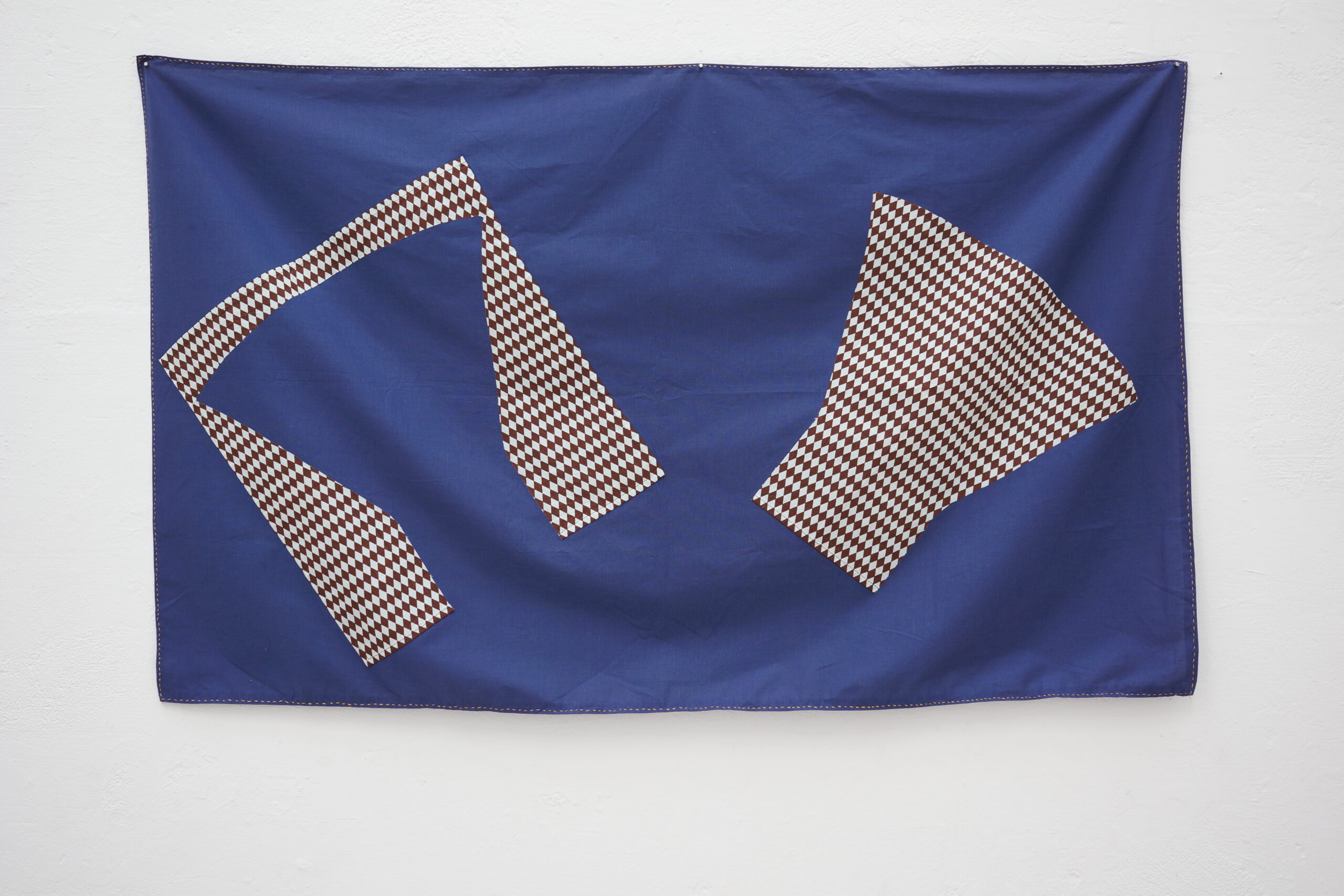
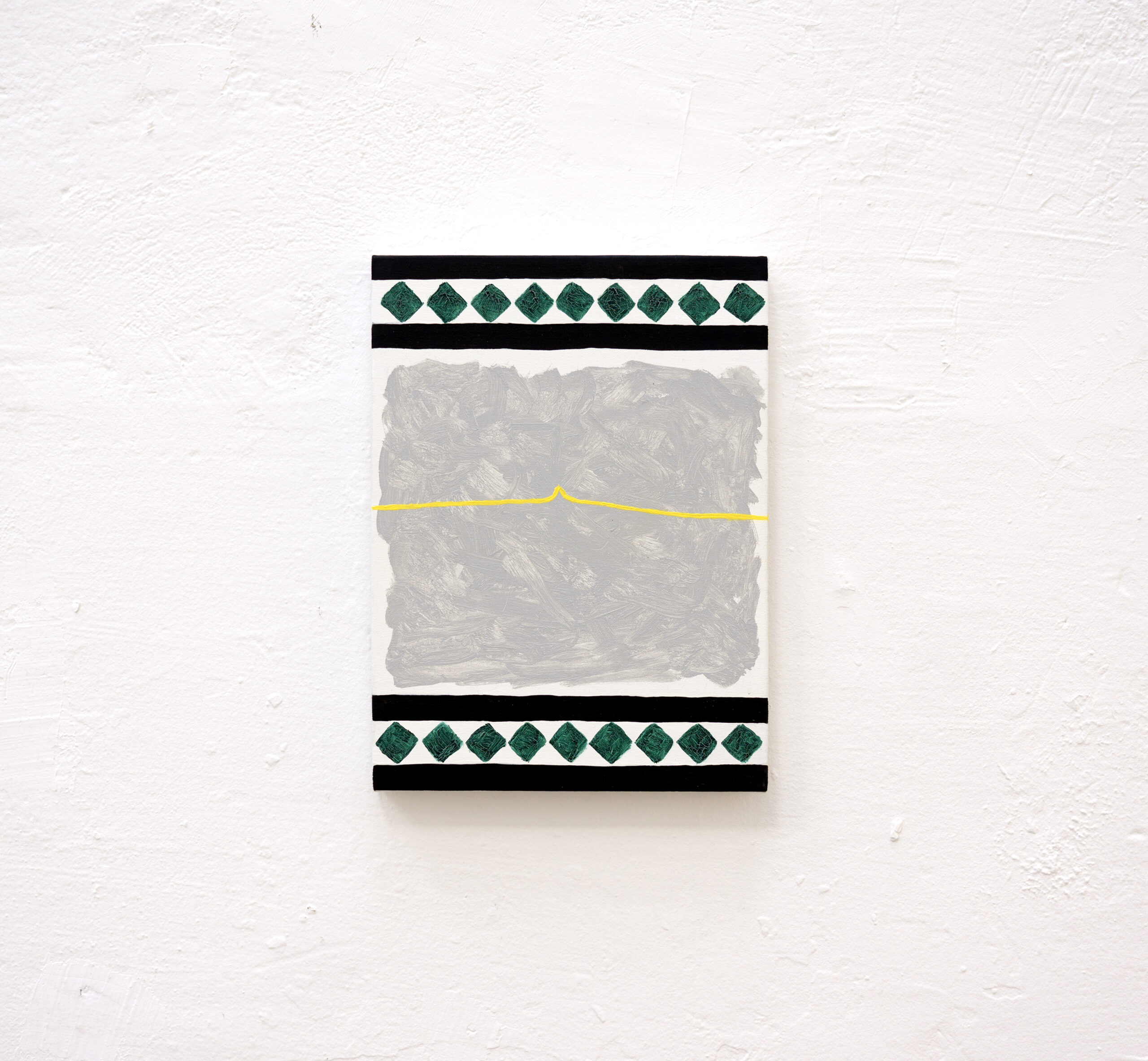
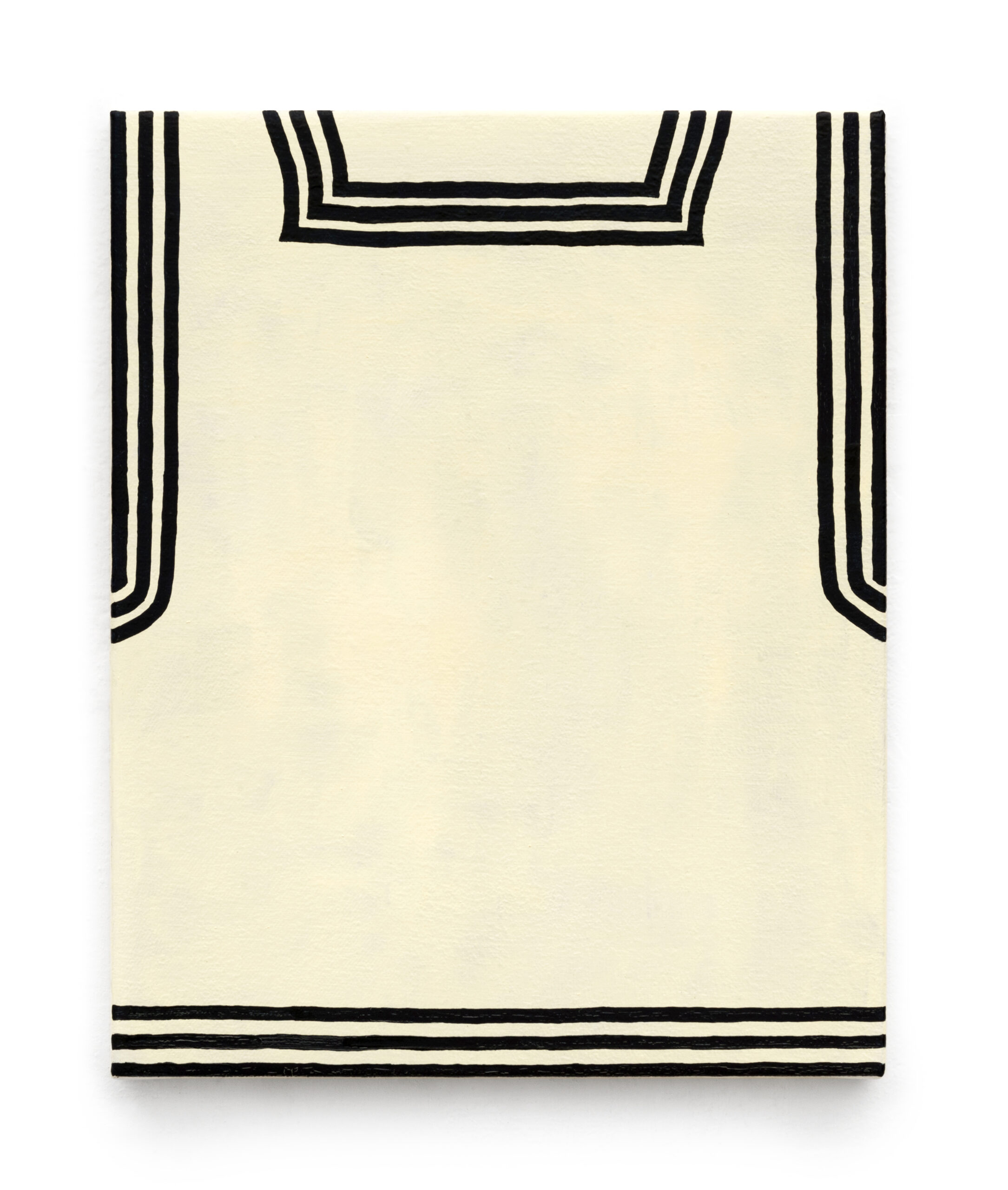
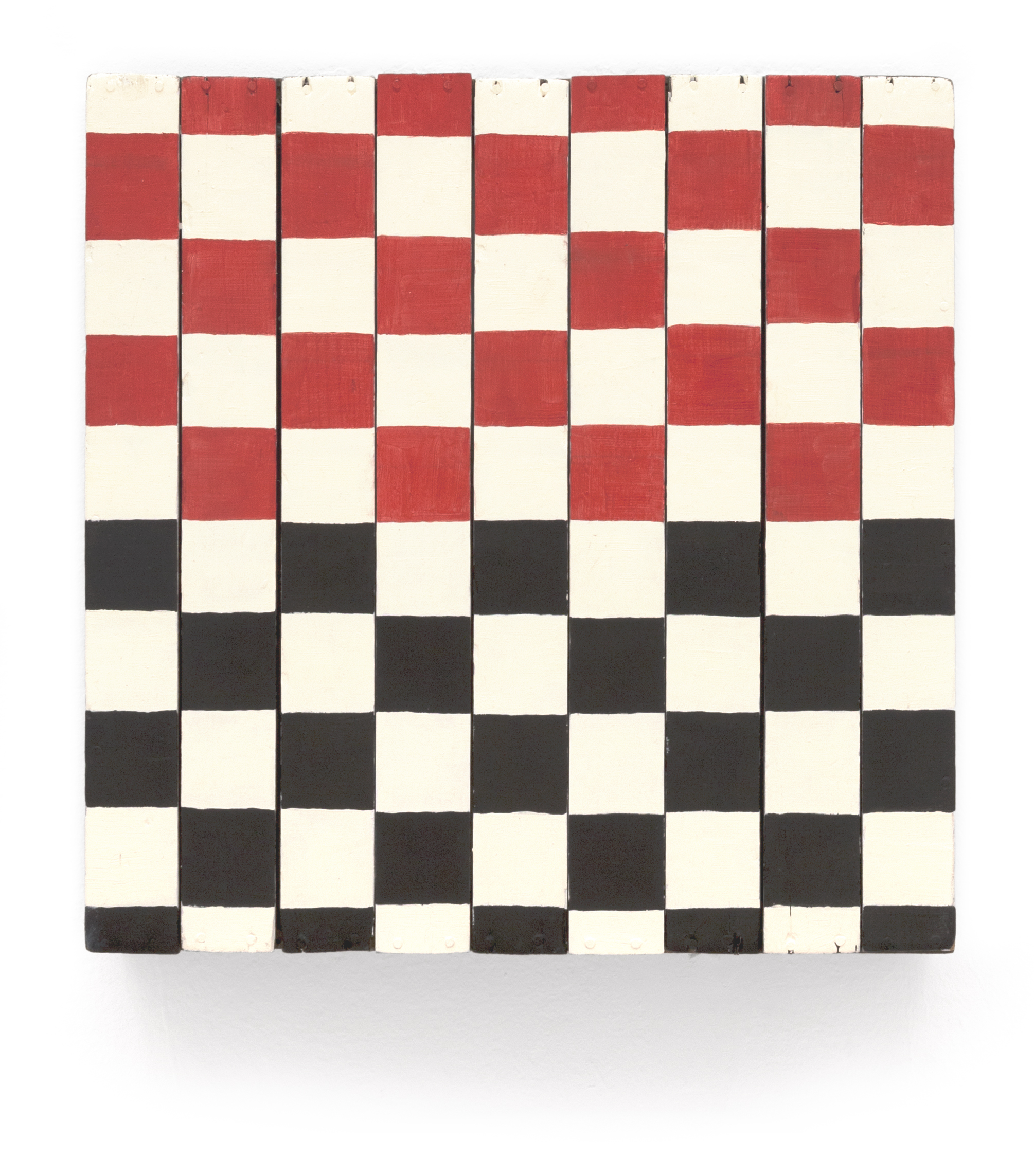
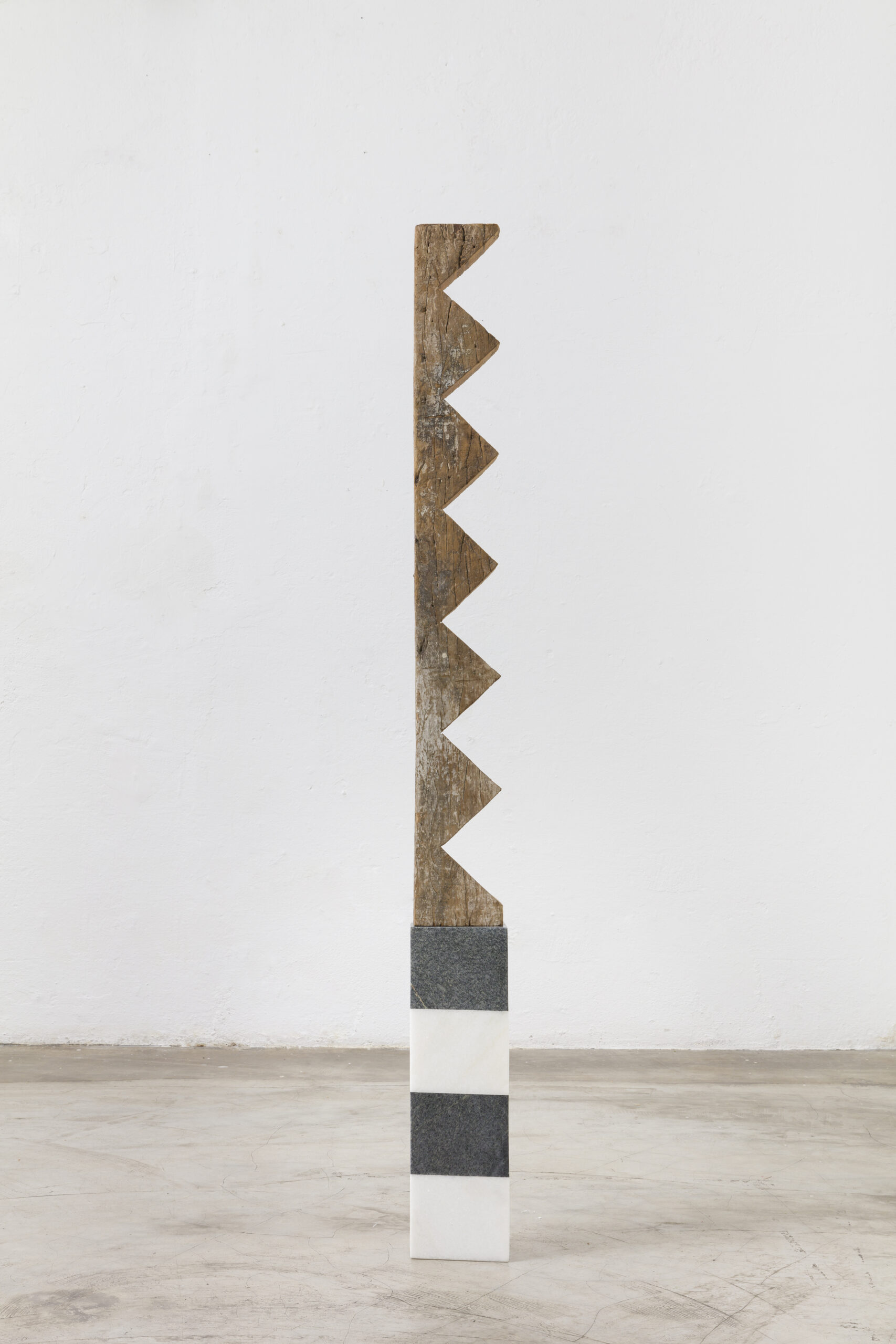
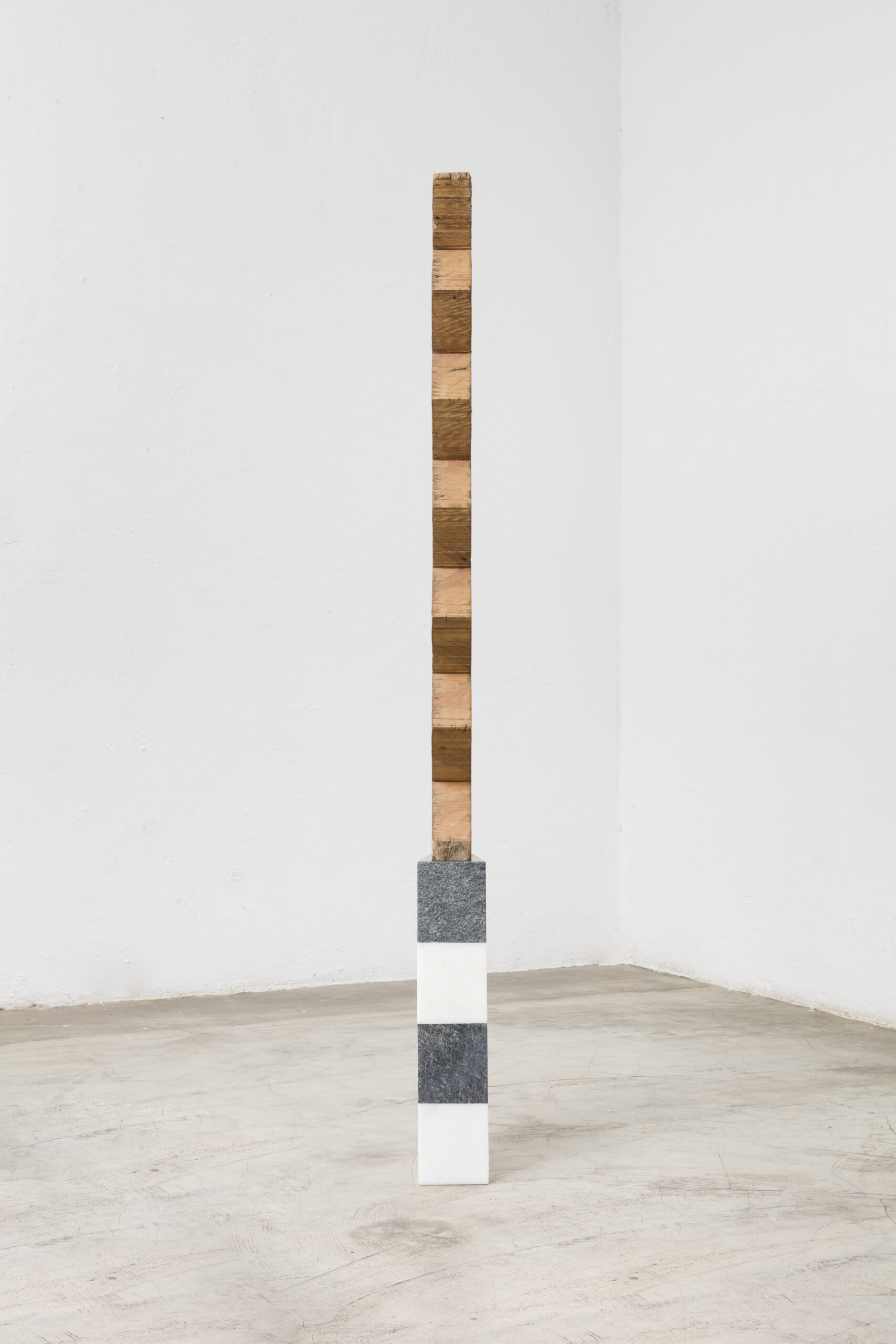
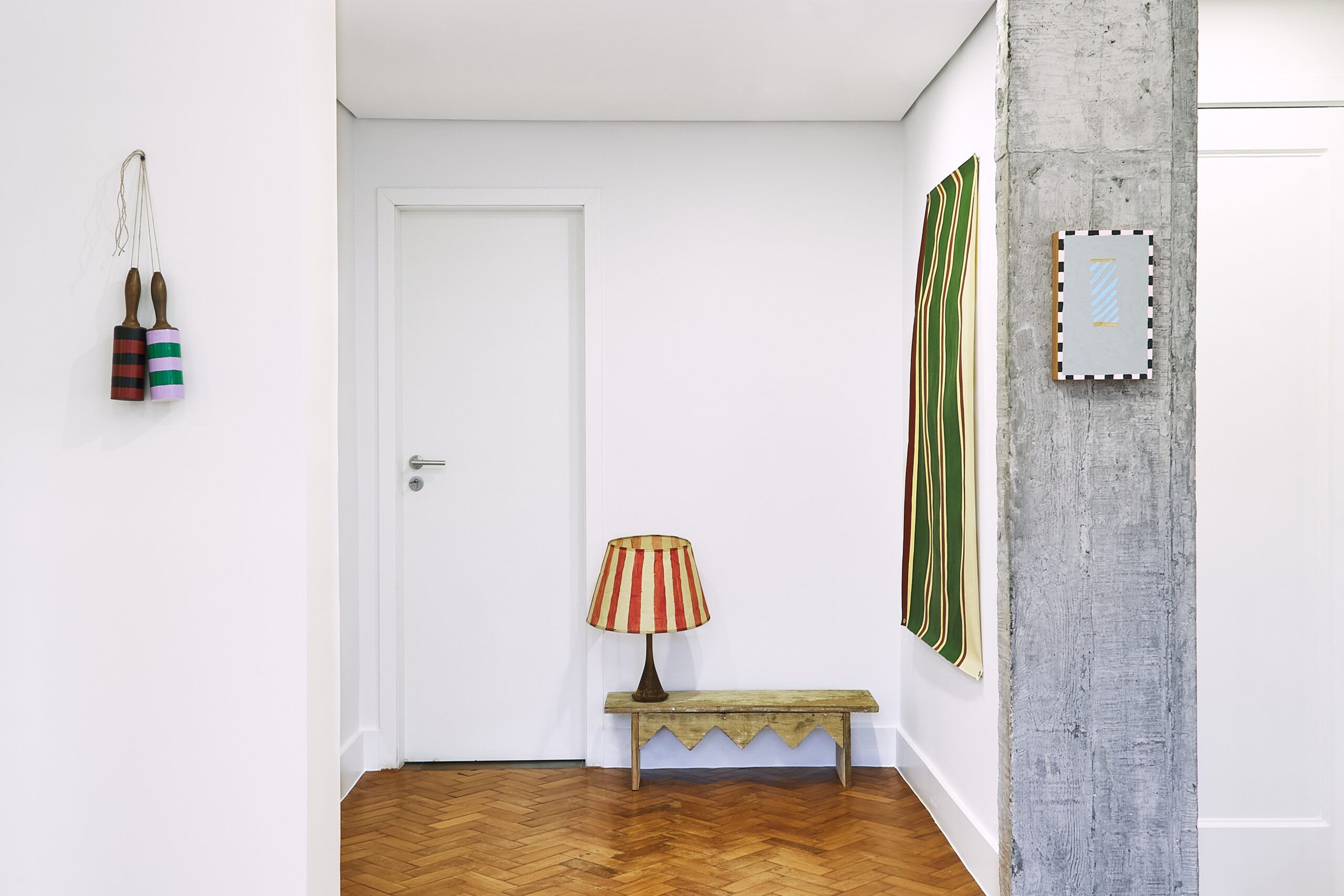
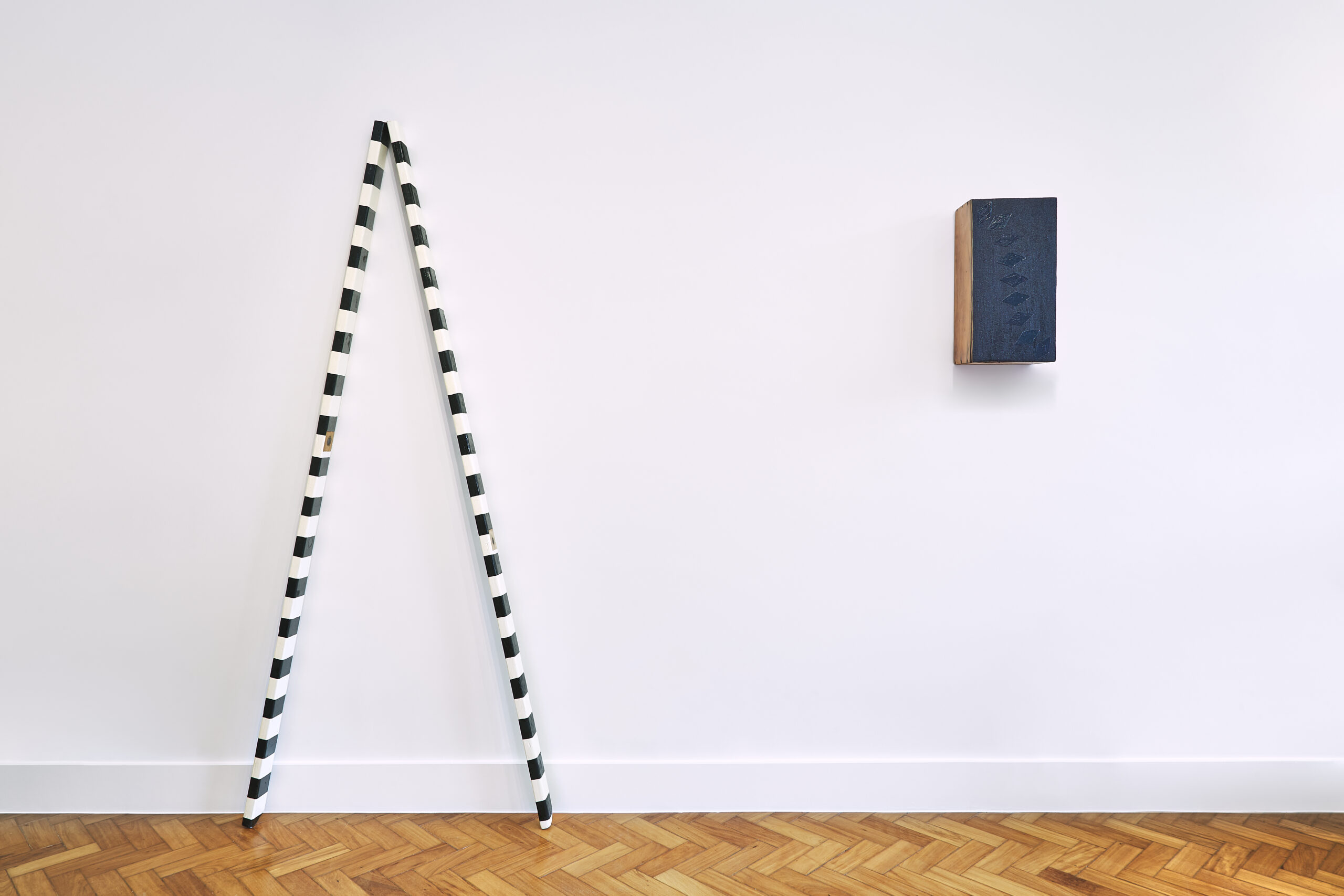
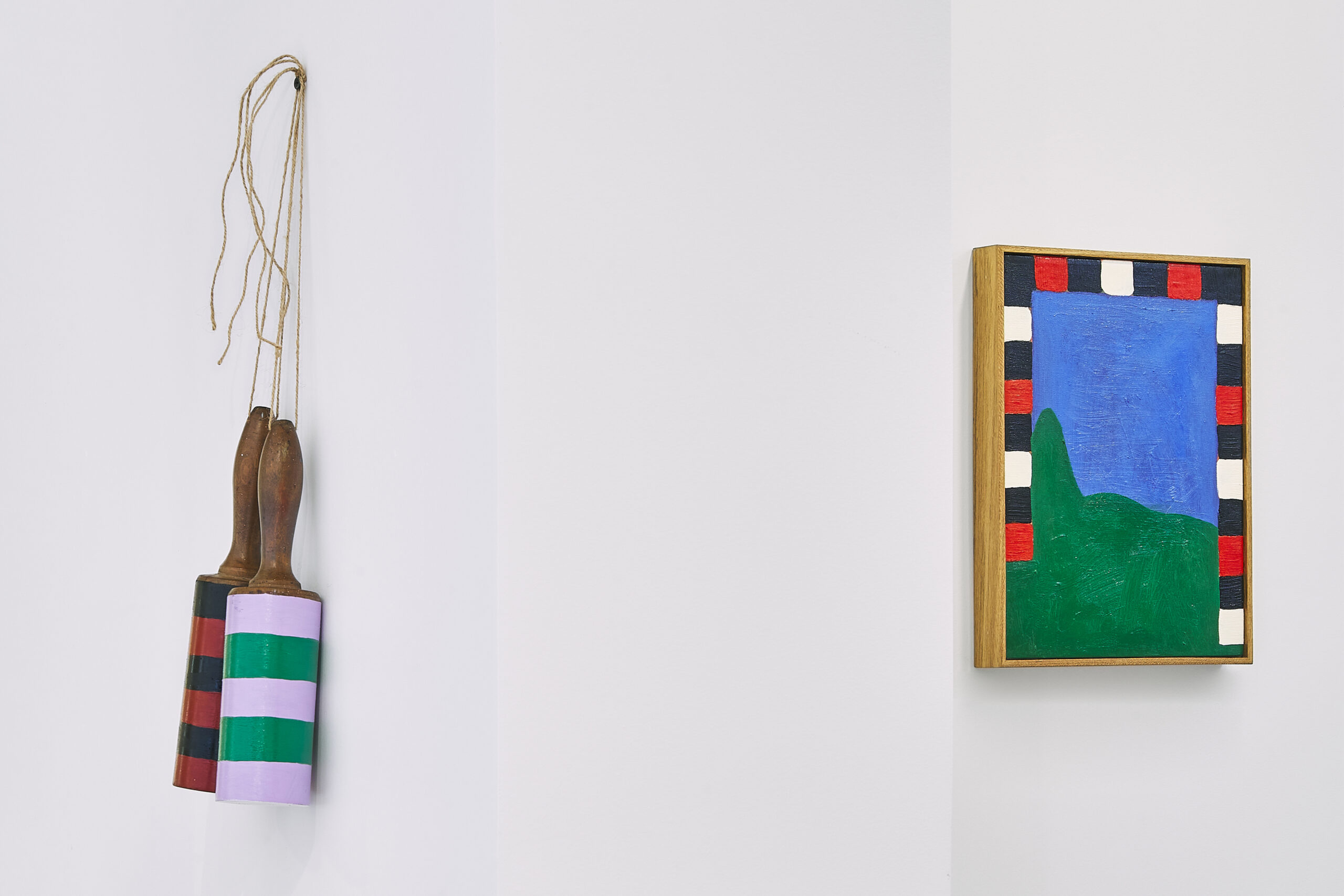
In his first solo show at the Quadra gallery, Marcelo Pacheco presents As listras da zebra e as coisas sem pais, a cross-section of his production made up of furniture elements and paintings, in a free association of color fields and patterns, in which paintings and sculptures-pictorial objects come together in an unpretentious dance.
Drawing from different sources in the history of classical, modern and contemporary art, the artist integrates, among other references, an intuitive practice that sprang from his observation of the American Abstract Expressionism of Motherwell or Johns, as well as a creative automatism inherited by them from the European Surrealists. Following a spontaneous affiliation with that movement, Marcelo Pacheco, using images from popular iconography or objects and fabrics with an affective charge, questions, beyond the apparent formalism of his practice, the difference between everyday elements and works of art, exploring the gap between art and life and thus dialoguing with artists such as Rauschenberg himself (not coincidentally a student of Motherwell’s) or even with works such as Louise Bourgeois’ “Ode à l’oubli”.
By creating layers that bring together the diverse repertoires of a revisited history of art, decorative arts, as well as an affectionate look at things from the domestic environment such as T-shirts, lamps or store awnings and market stalls, Marcelo Pacheco talks to the patterns created or reproduced in their infinite variants by his contemporaries and ancestors and invents solutions that enable this convergence of diverse elements. He creates a poetics where simplicity and sophistication can coexist, alongside issues specific to painting.
Just as the zebra’s stripes disconcert its predators and symbolize the maintenance of individuality within the group or even a certain anti-conformism, the artist’s brushstrokes blur the boundaries and hierarchies between the visual arts and popular culture, revealing, in between, a unique pattern, a simple vision of the world and its things, like a fingerprint. In this world, the lyrics of Gilberto Gil and Arnaldo Antunes’ song – adulterated by the artist’s ear – become something else, and things not only have no peace, they have no parents: dressed in their qualities of weight, volume, shape, color or texture, they free themselves from any kinship to become unique, like the zebra’s stripes.
Things have weight
Mass, volume, size
Time, shape, color
Position, texture, duration
Density, smell, value
Consistency, depth
Contour, temperature
Function, appearance, price
Destination, age, meaning
Things have no peace
[Gilberto Gil and Arnaldo Antunes/As coisas]
Julie Dumont, The bridge project