From the moon to the teat
Débora Bolszoni and Manuela Costa Lima
curated by Guilherme Teixeira
August 13, 2022 - October 15, 2022
São Paulo
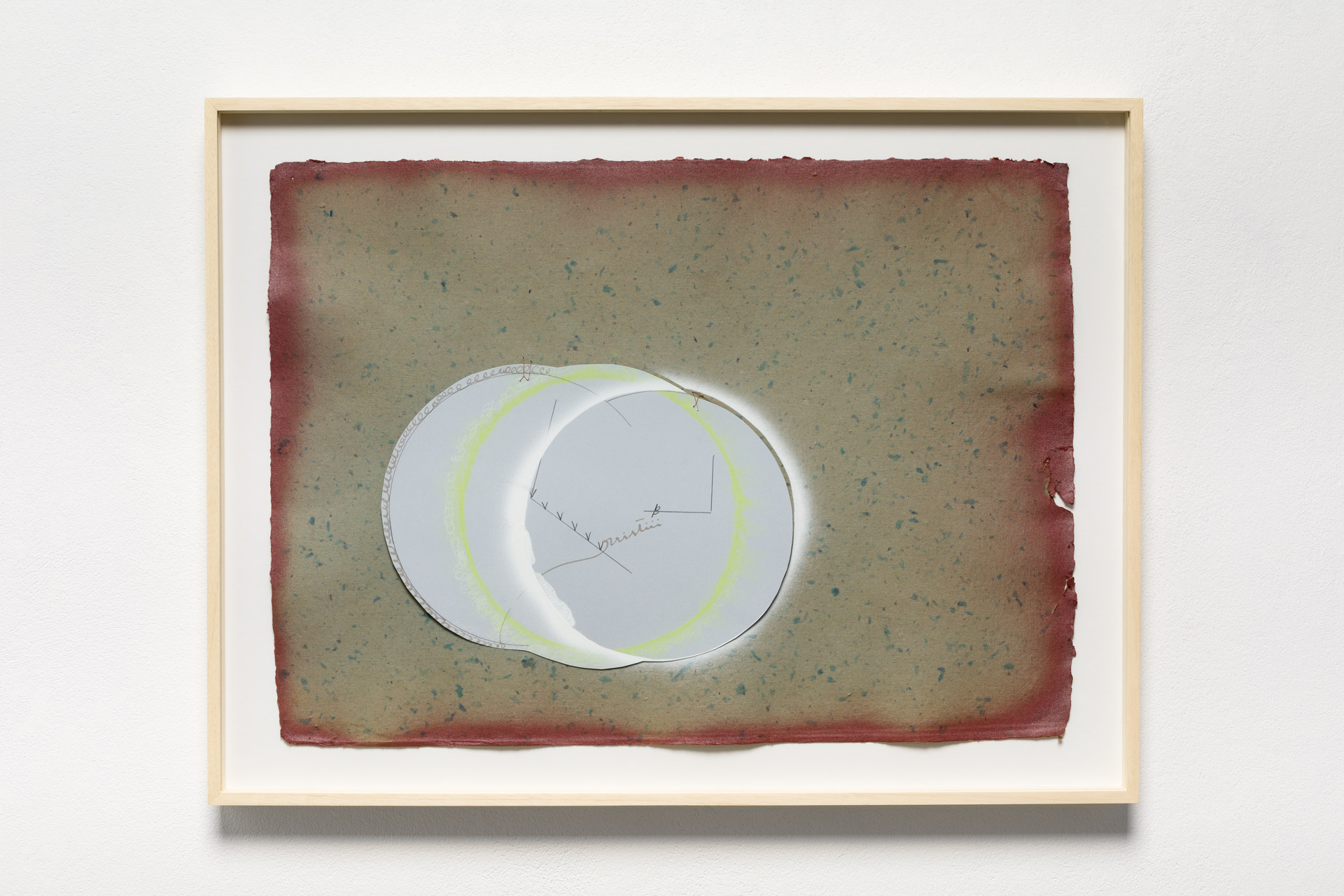
Gaia – according to the Greeks – and Telo – according to the Romans – regardless of the word, the meaning is the same: Earth. Perhaps it’s because it’s in the earth that humanity has planted its feet, grown its food and built its homes. And, however much its name and physical perception have changed over the centuries, the fact remains that it is round. Earthly life is anchored to a gigantic sphere that revolves around the Sun. For example, when you look up at the sky on a lunar eclipse, you can see the shadow of the Earth on the moon with the naked eye for a short time. This is an astronomical phenomenon that occurs when the Moon, Earth and Sun are aligned, capable of revealing in an image the voluptuousness of the round shape of this world. This shape also gives body to the eight planets of the Solar System, which, in a revolving dance, orchestrate the balance of terrestrial and extraterrestrial life, drawing countless energy lines in outer space that pulse towards infinity.
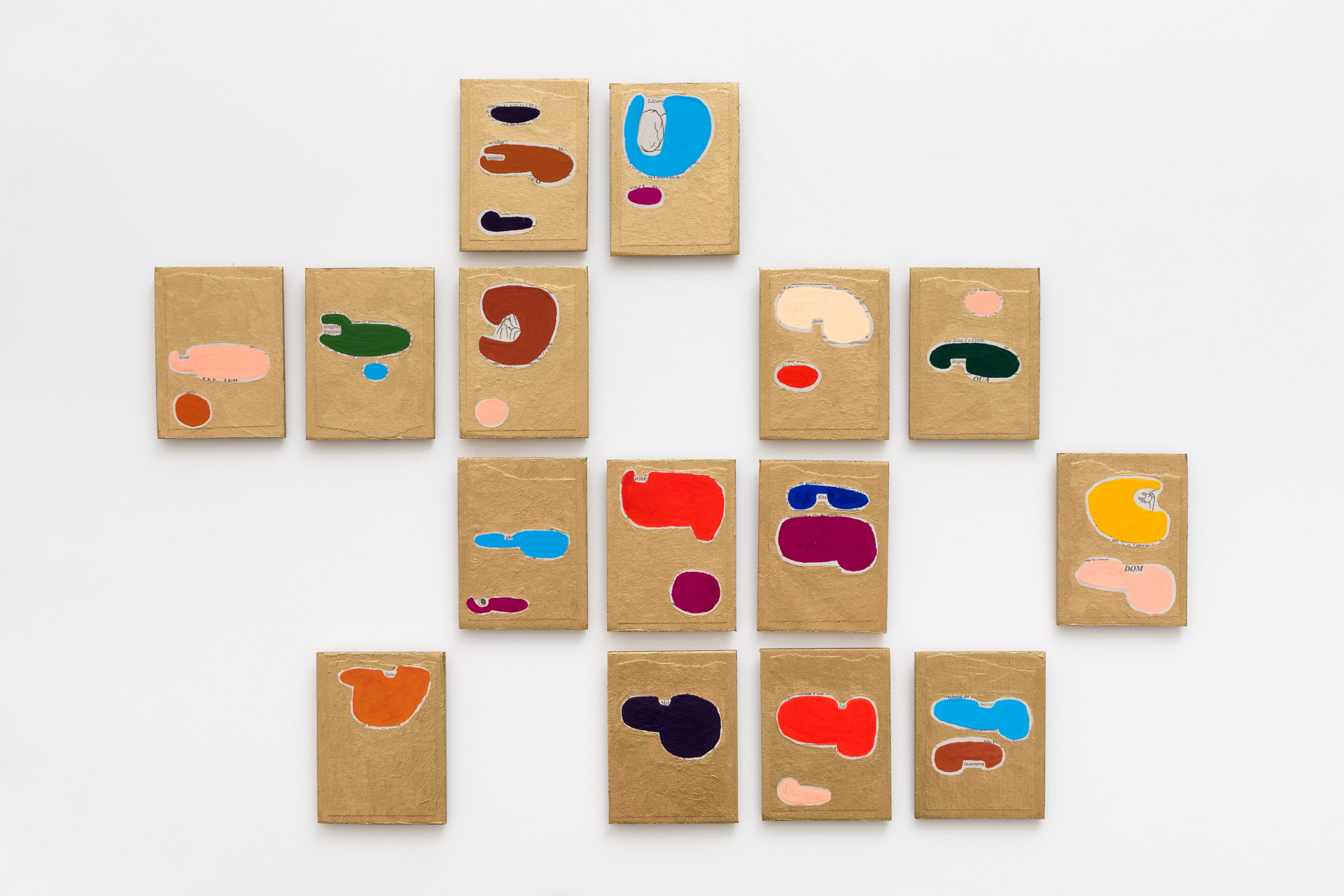
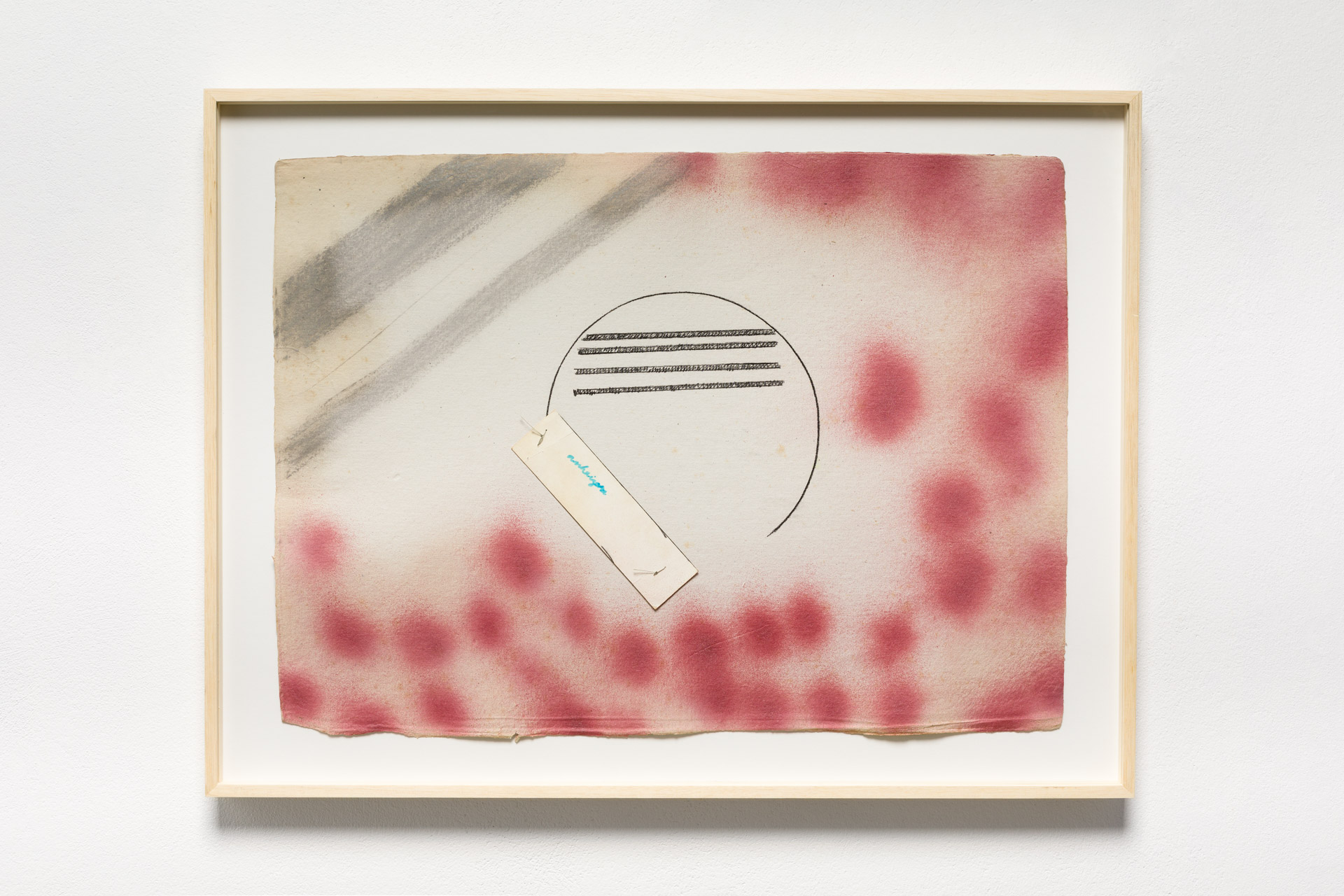
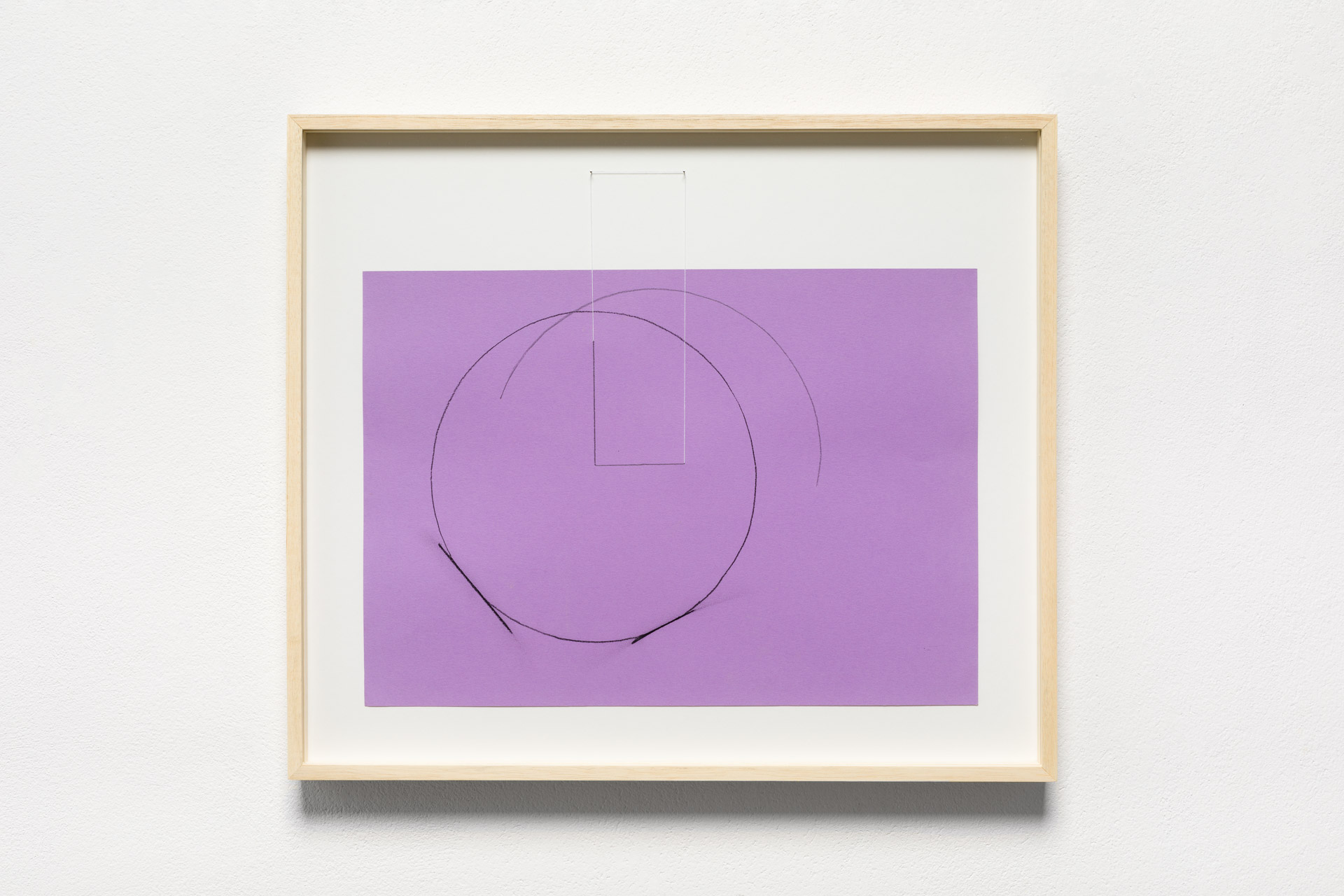
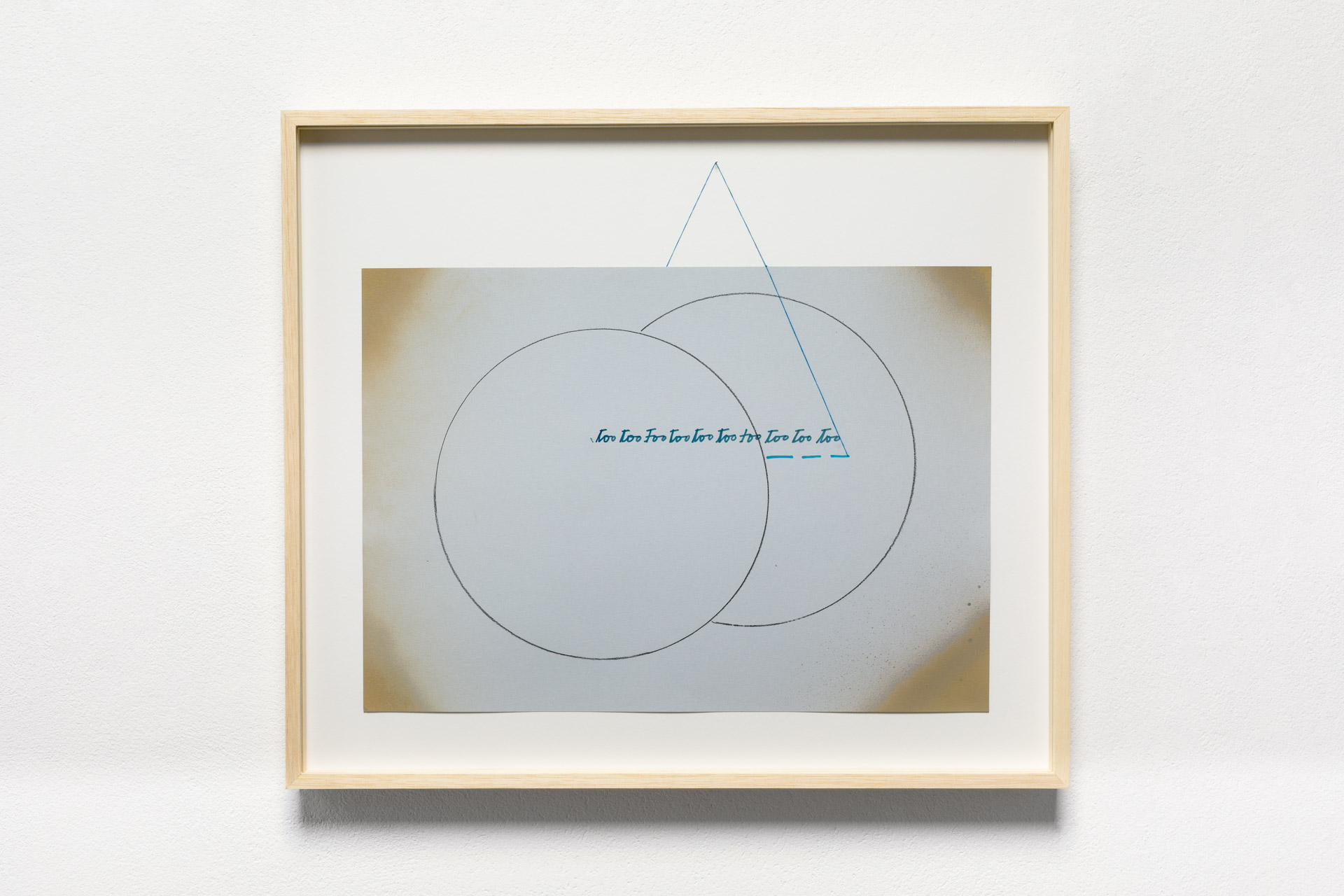
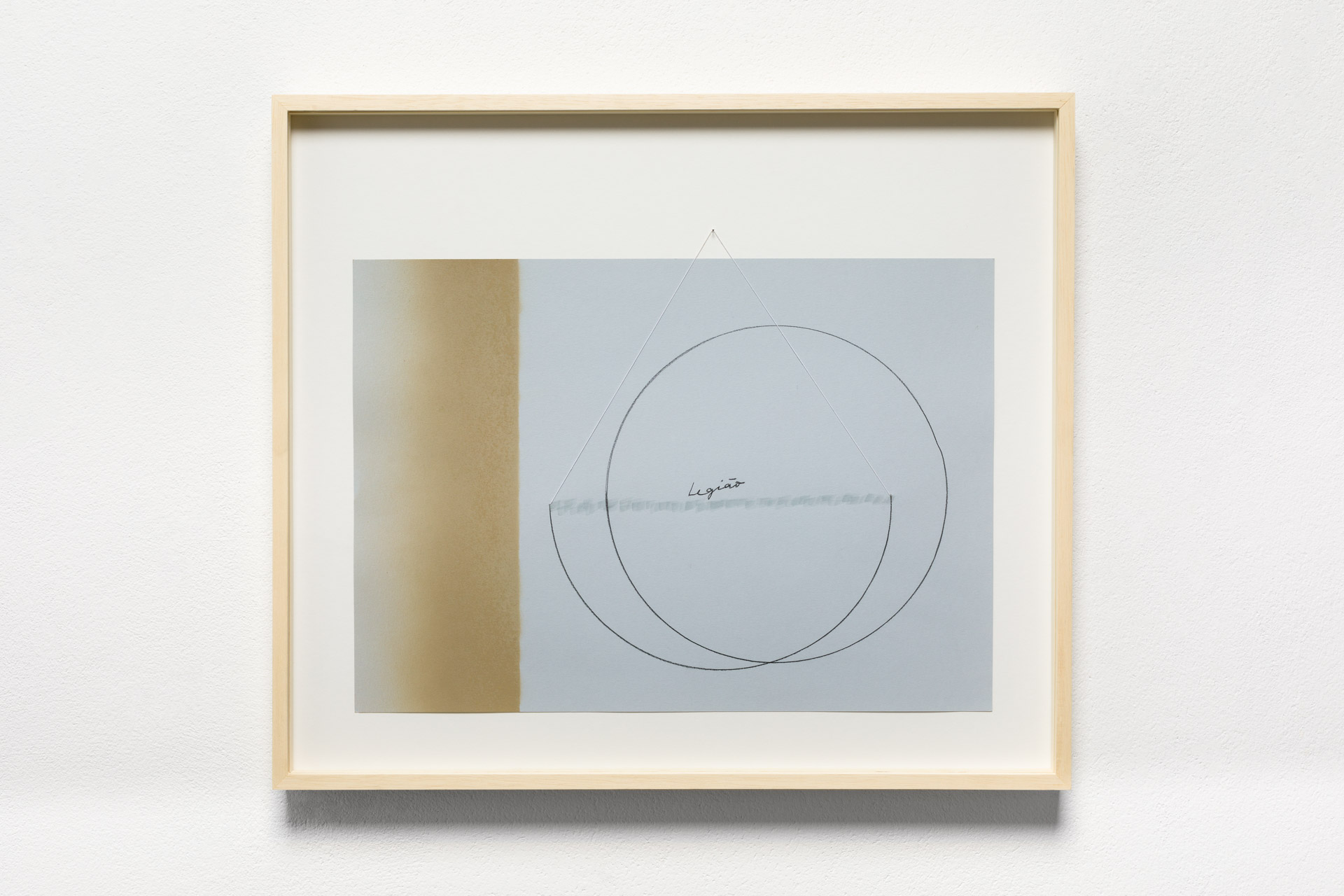
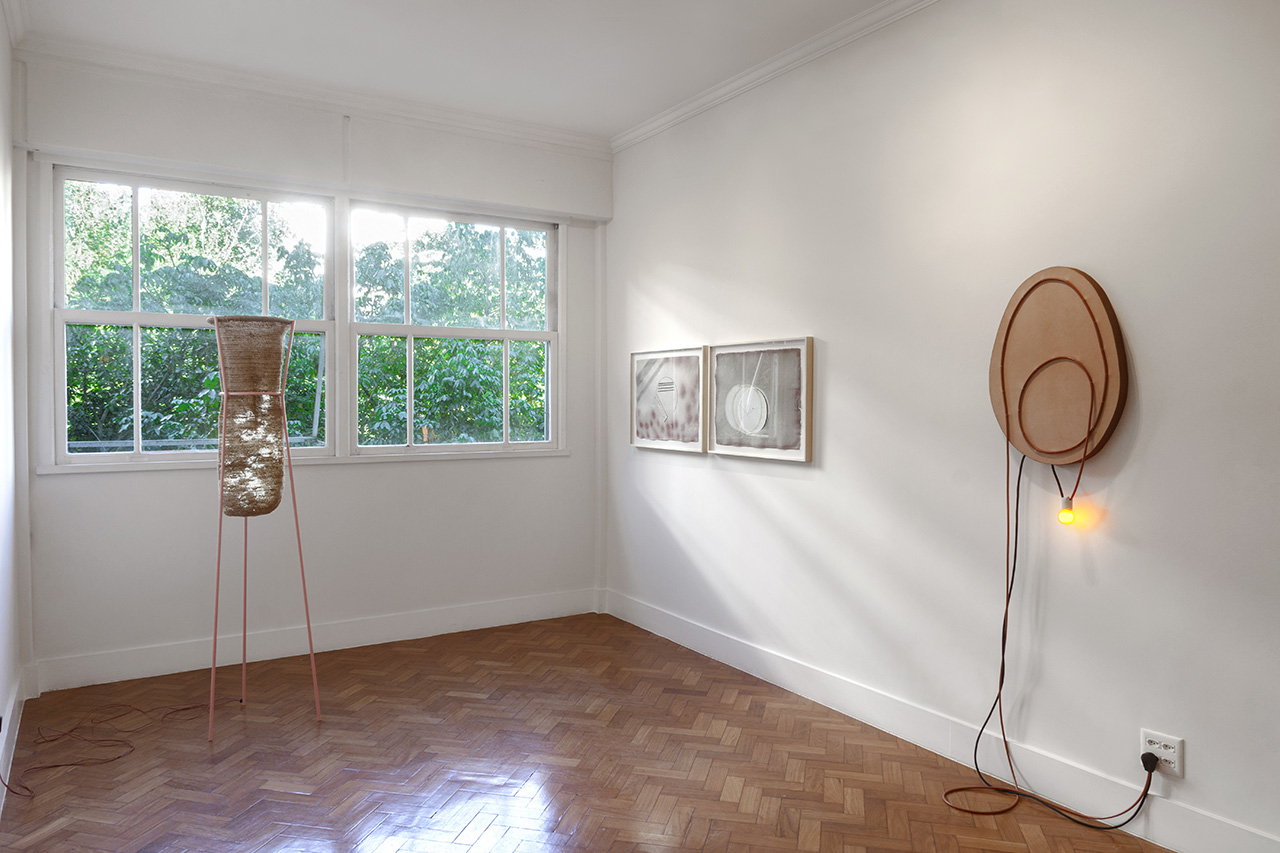
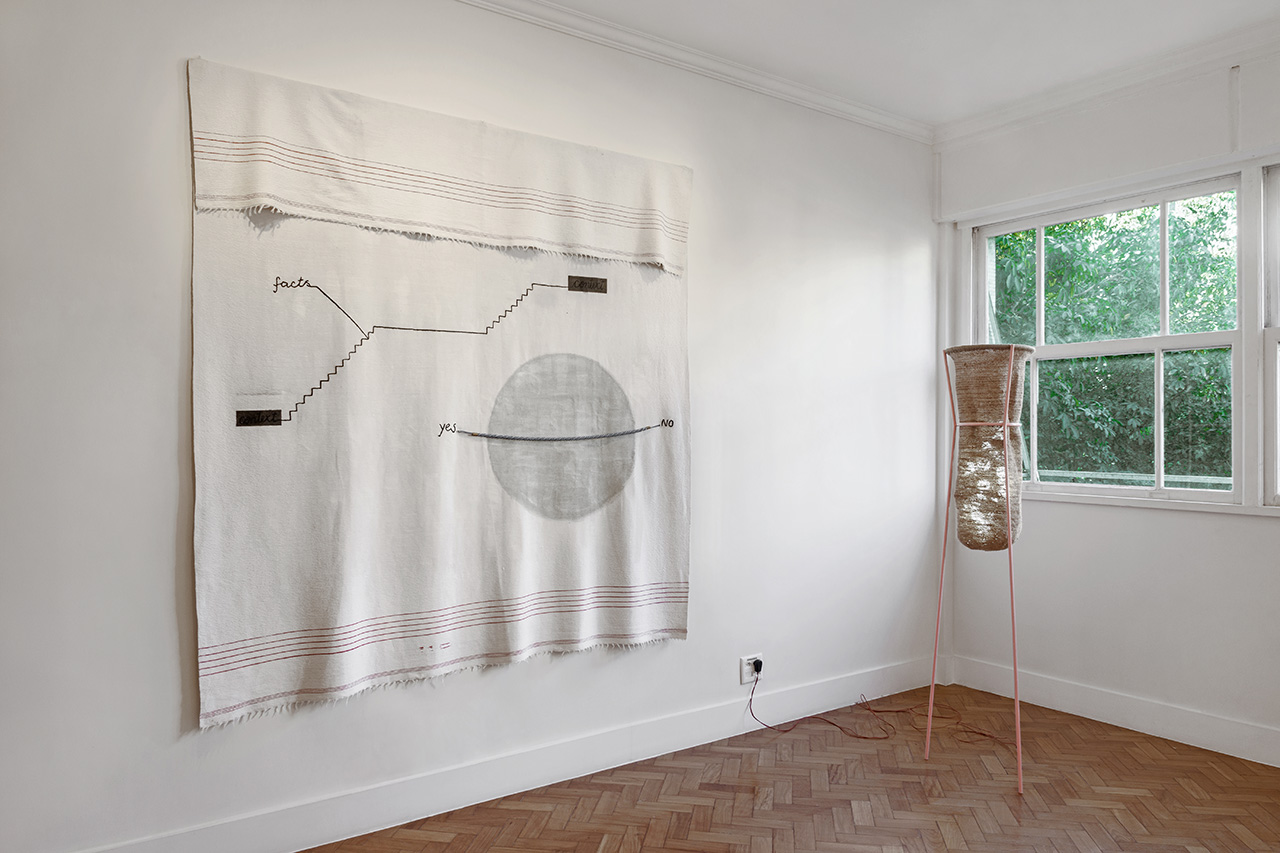
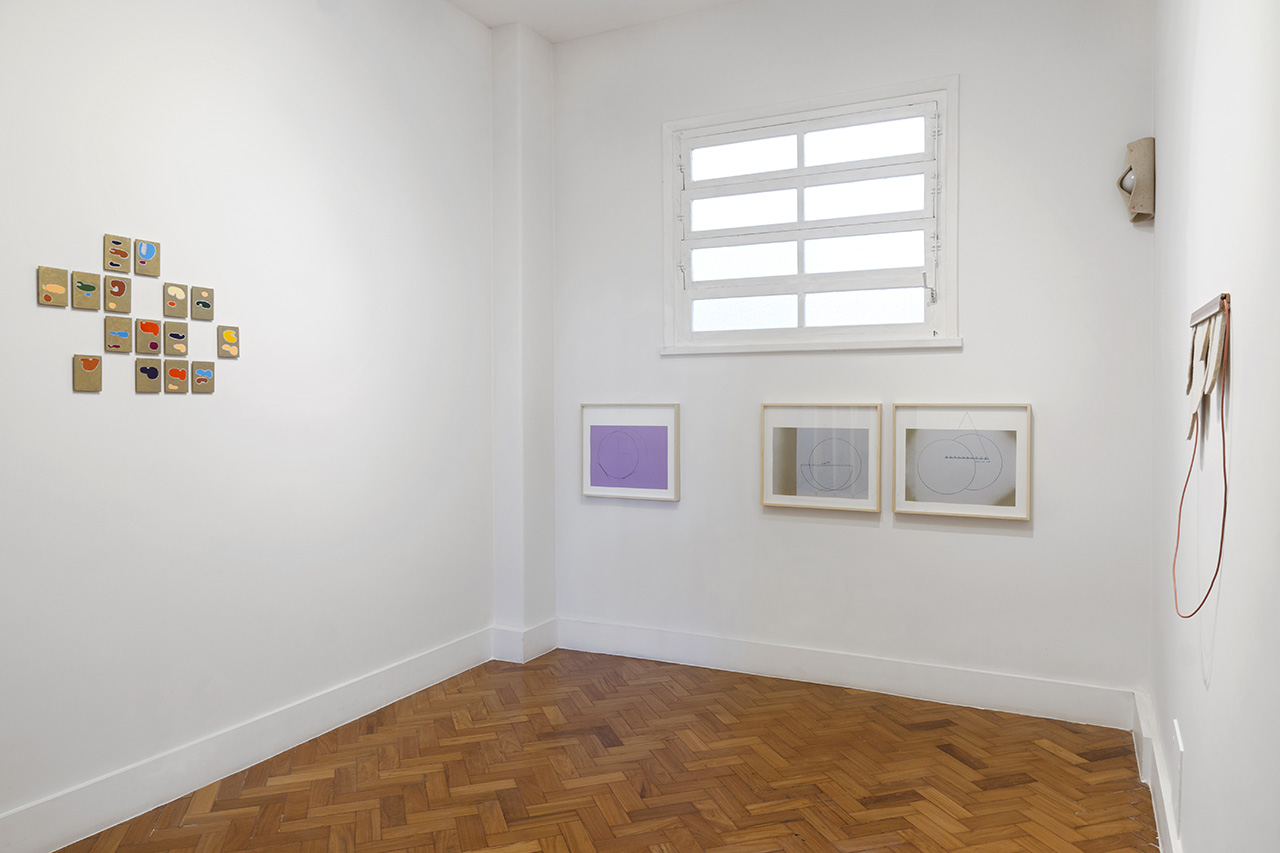
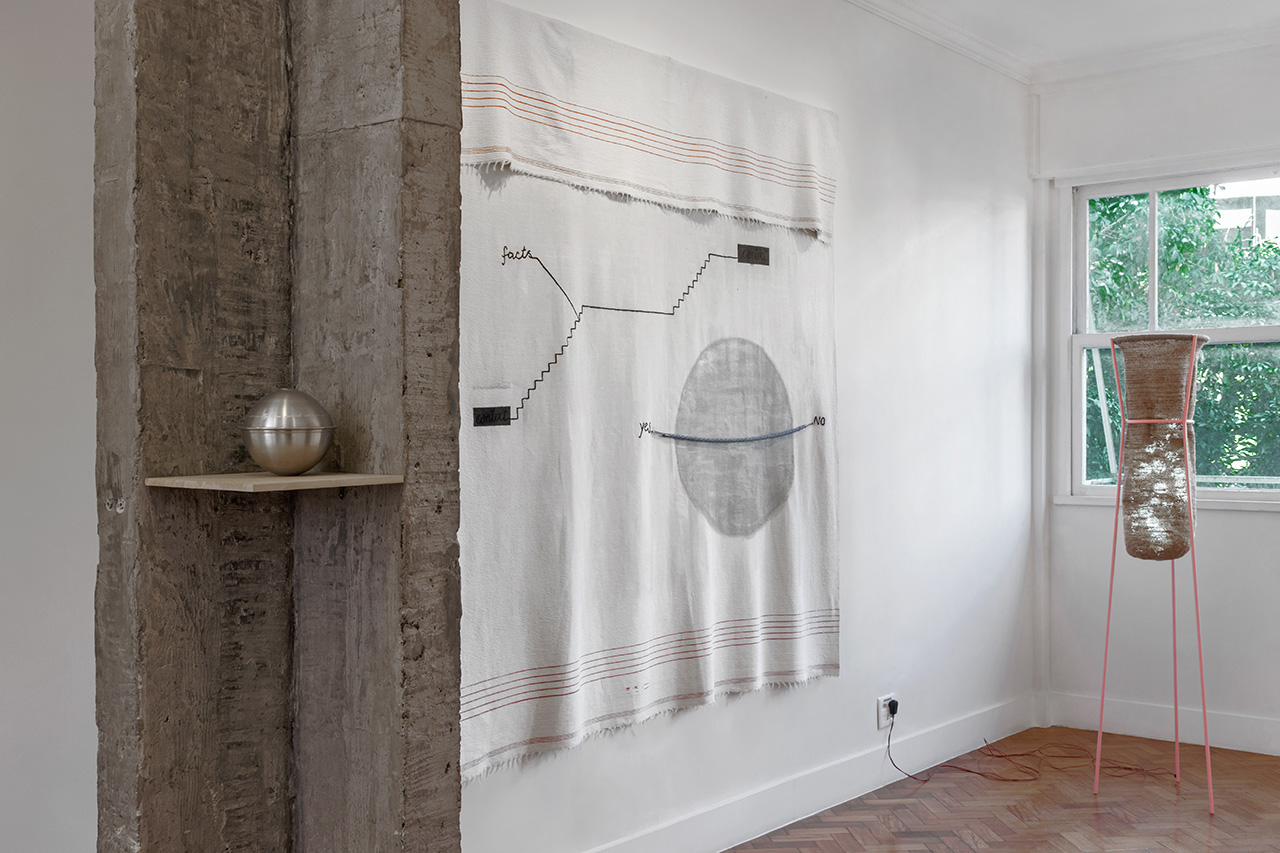
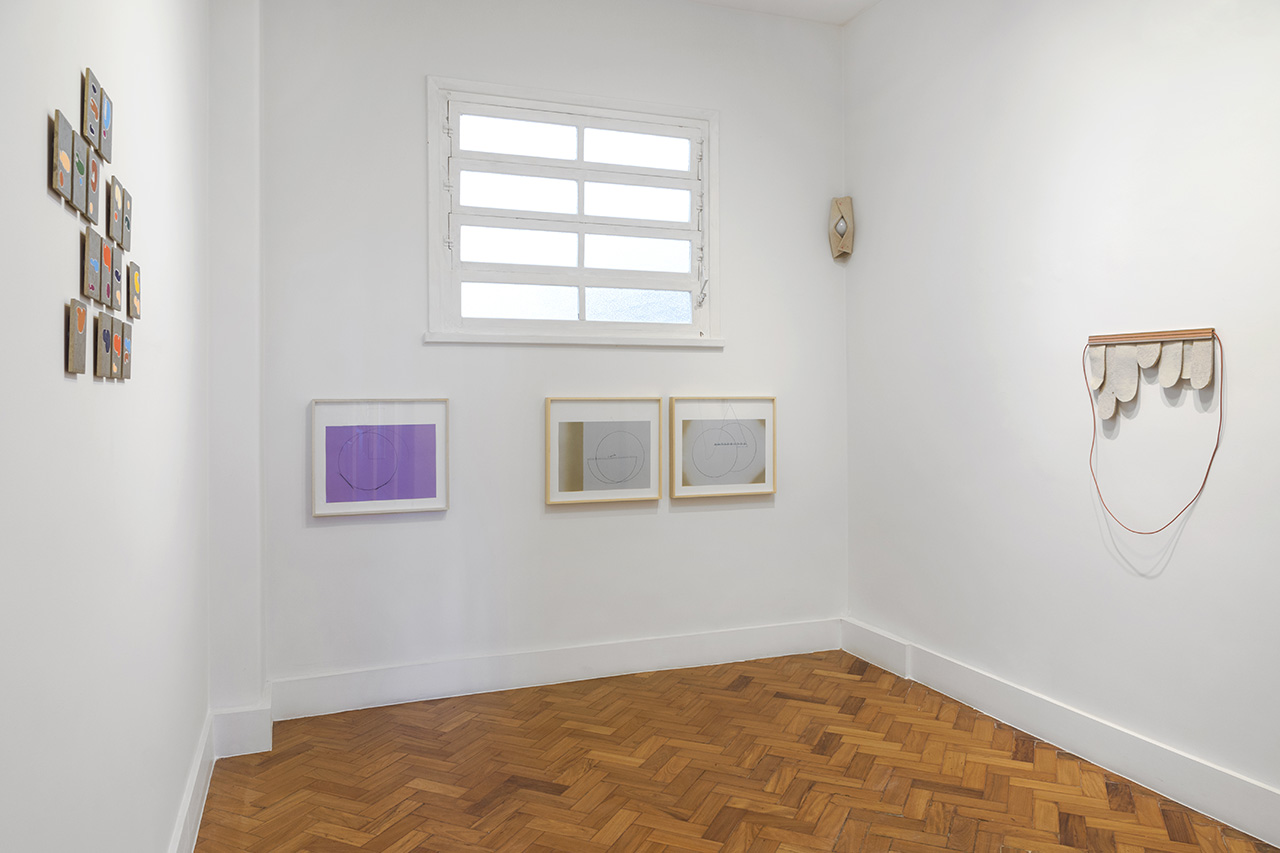
It is in the breadth of this metaphor that the images here are inscribed. Through a vision that goes from the macro to the micro, From the moon to the teat invites us to take the first steps towards it, like someone traveling through the stars in search of understanding the enigmas of the planes and dimensions that make up the mystery of life. Marked by the presence of round or rounded works, always connected by threads (be they copper wrapped in rubber, drawn with pigment or embroidered with cotton thread), there is no doubt that Débora Bolzsoni and Manu Costa Lima orbit the same universe. A universe unique to artists who read the world through the perception of physical and mental planes.
It is through the repetition of circumferential angles in contrast to the diversity of materialities, sometimes in combination with words, that both create works that recall the image of celestial bodies and the teat. Aware of the gravitational impact of this natural, round satellite, which reflects the sun’s light with magnitude and influences, above all, menstrual cycles, tides, crops and reproductions as a whole, the moon also orbits the exhibition.
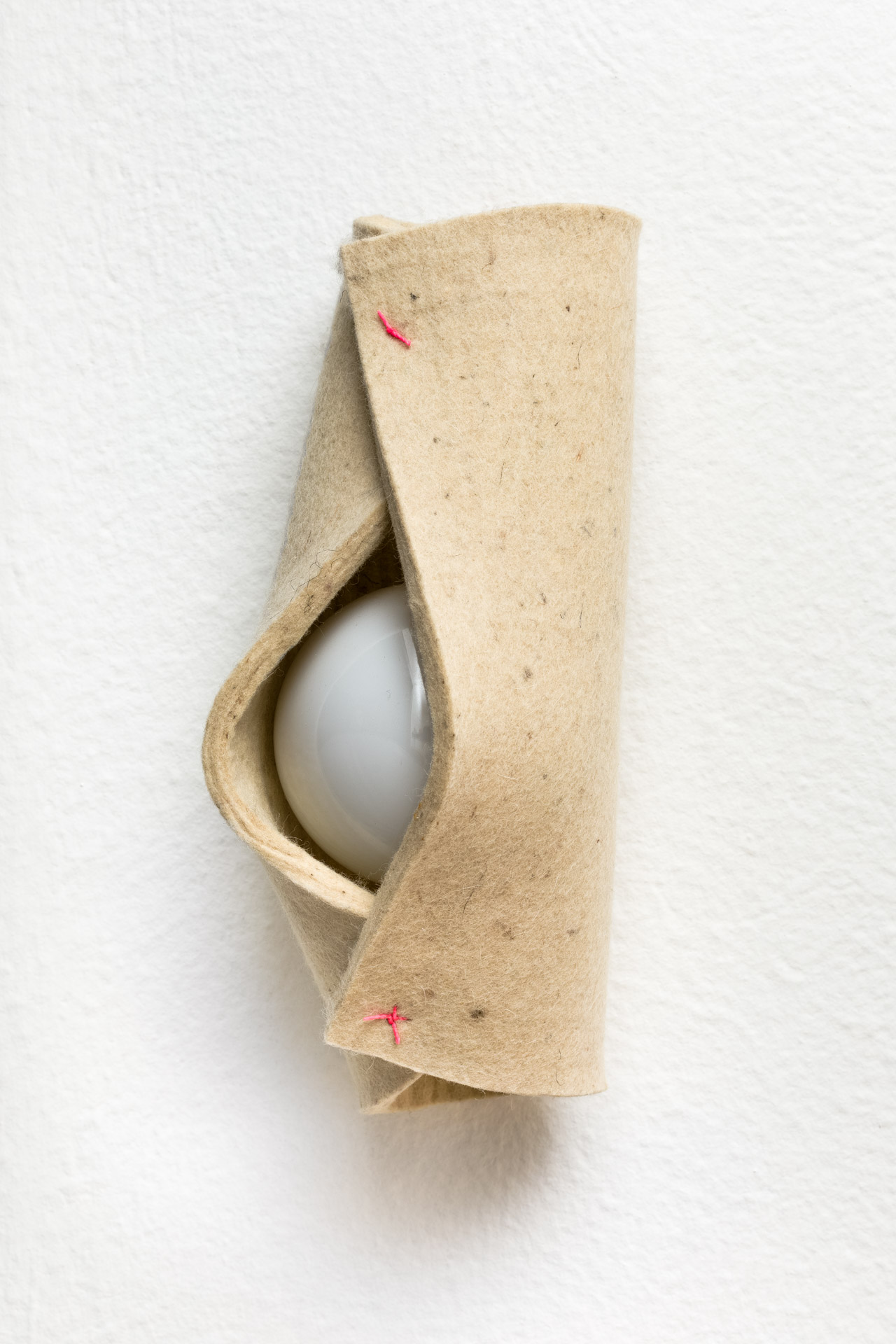
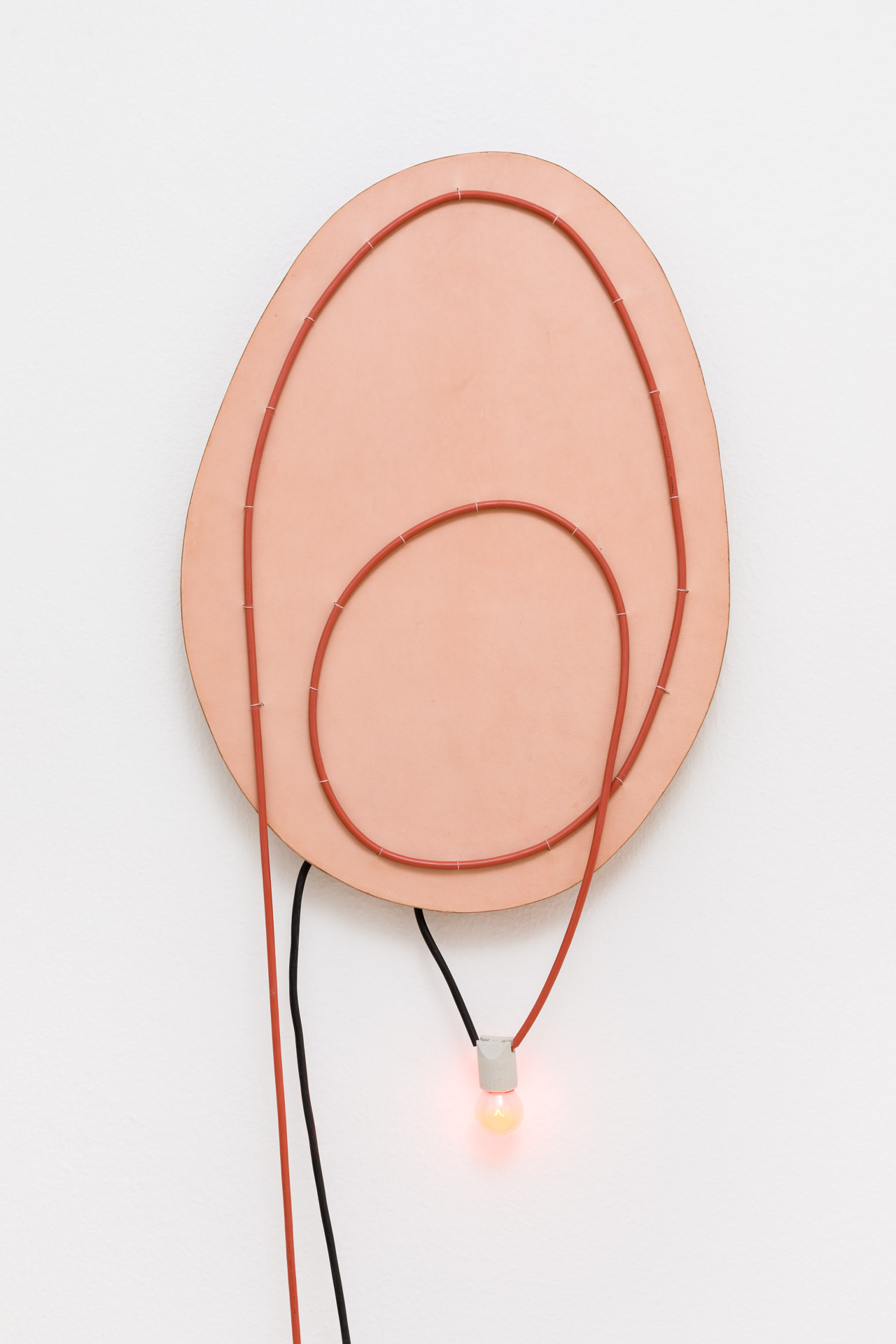
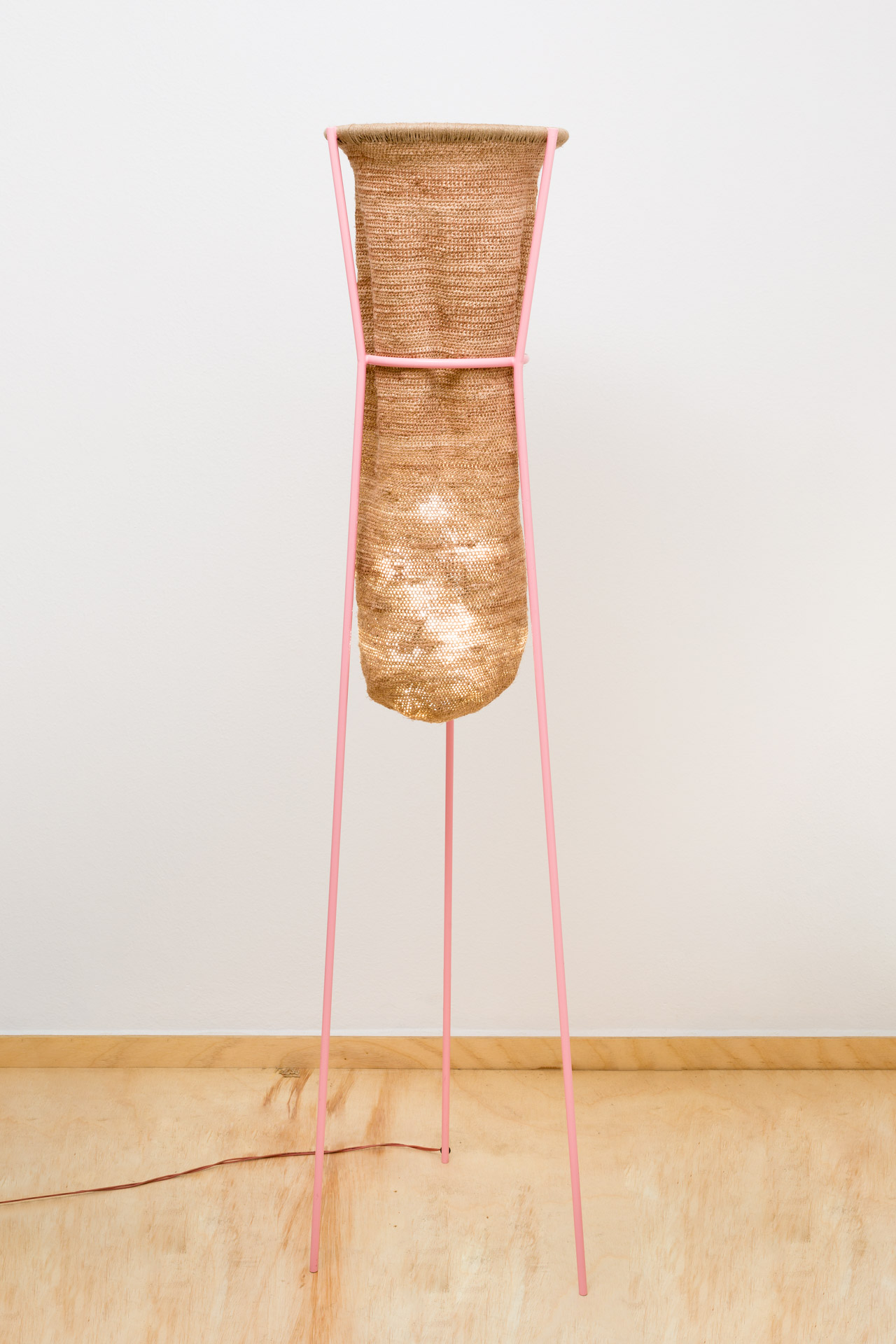
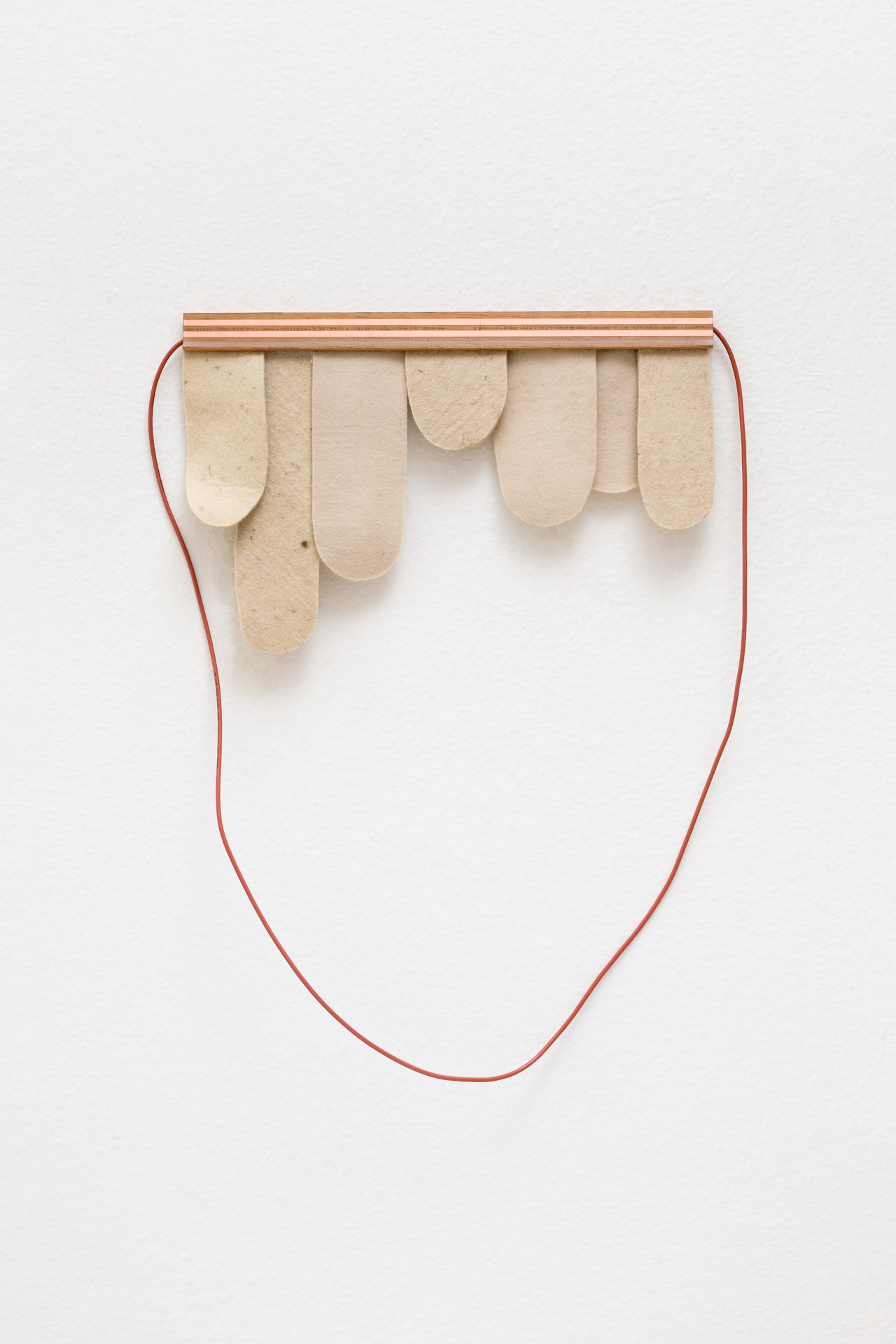
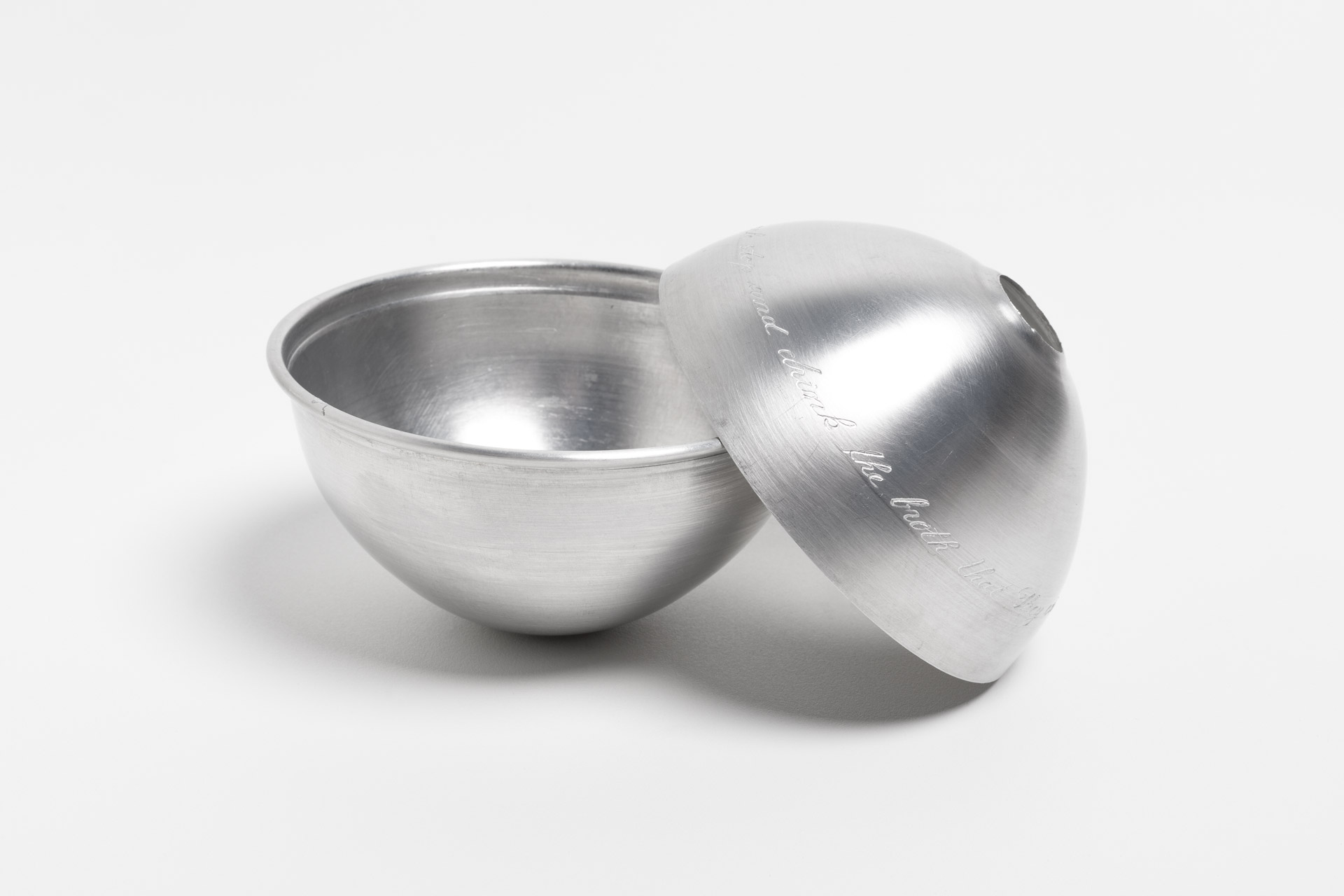
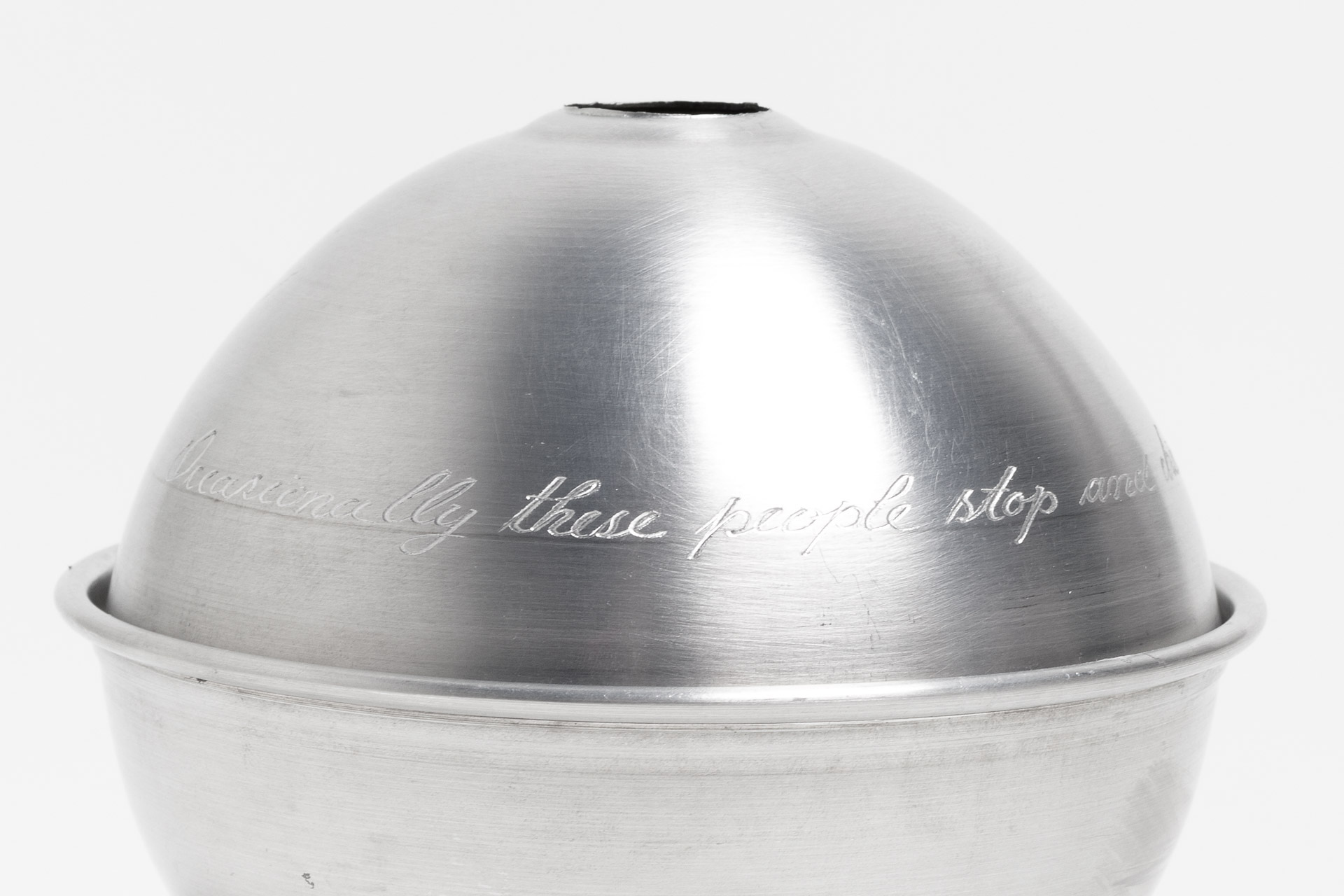
The moon and its relationship to the social organization of work is an eminent theme in Débora Bolzsoni’s work. Not for nothing, the artist serves a cold soup at the opening of the exhibition that refers to the color and texture of menstrual cycles. The food is served inside a kind of moon/sink with the following saying: Occasionally these people stop and drink the broth that they carry / From time to time these people stop and drink the broth that they carry. Meanwhile, the metaphor of mother’s milk, the source of vital energy that inhabits the teats, is present in Manu Costa Lima’s three-dimensional works. These works were made while the artist was breastfeeding her daughter. One can see in their works a concern with the material and the spiritual, through the presence of the energy flows inherent in this allusion to the Solar System or the energy present in both the food and the objects that make up the works, such as felt, light bulbs and copper wire. Energy as a symbol of spirituality.
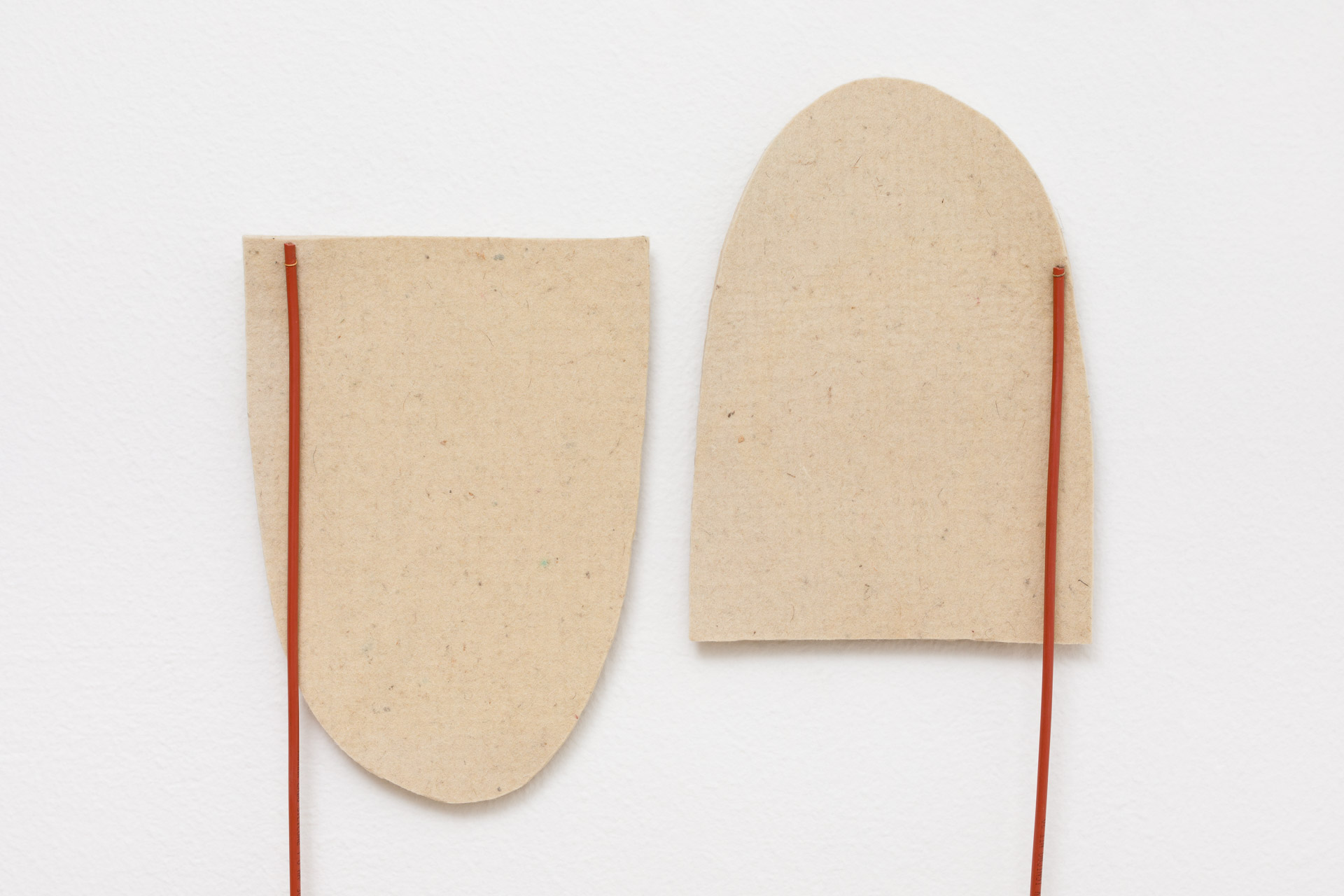
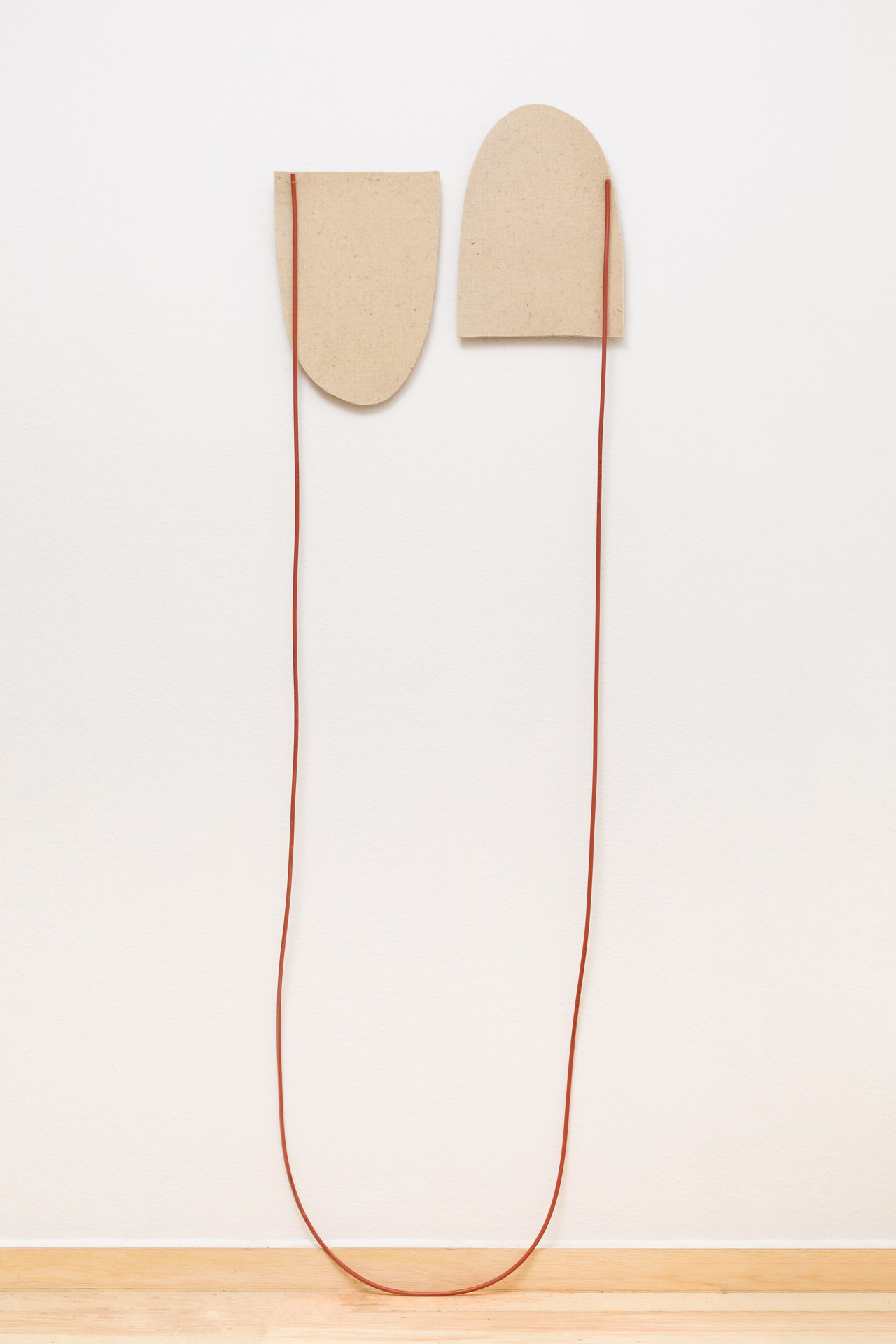
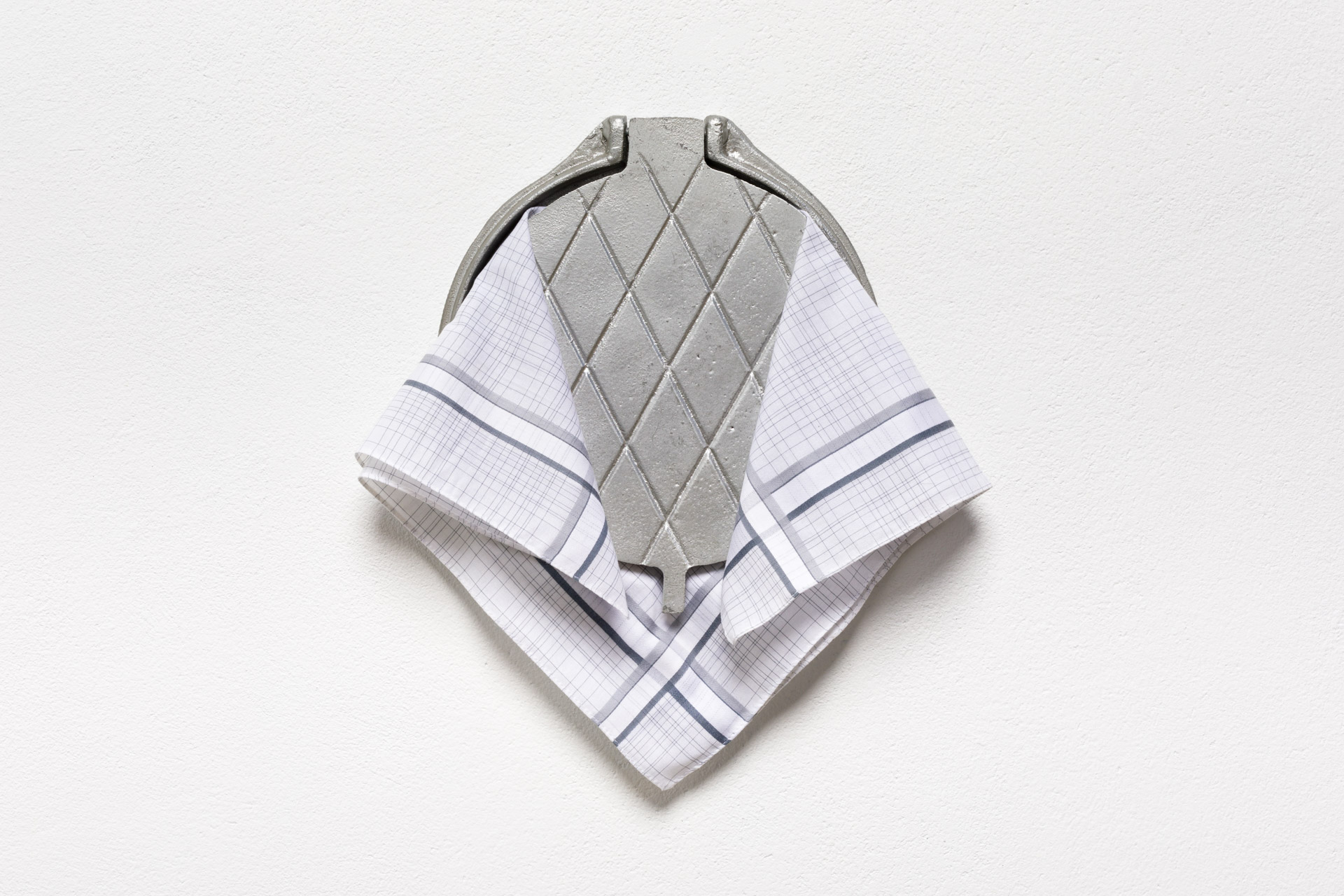
Thus, the works presented here do not come into the world in order to create ways of “thinking” or “expressing”, but rather of “perceiving”. The interest in the body is expressed through functional and symmetrical objects, in a procedure that deals with the serialism of pre-fabricated materials (power cables, light bulbs, fabrics, iron tops and aluminum gourds) to meet a mythical form (which goes from the moon to the teat). What you get is an exhibition with images that flirt with Minimalism, but at the same time are capable of spurting out milk and eggs. In other words, the artists’ inspiration from this period of art history is clear, but so is their confrontation with the mostly patriarchal presence that was established there.
It is also worth mentioning that these works continue the break with the institutional categories of art, as well as art as a means for the flow of commodity production. Combining the language of the ready-made with that of manufacturing in the same artistic process, the works are not limited to a commentary on modernity and its means of production, but rather seek to provoke a return to the technologies of the domestic space, such as cooking and embroidery. These are technologies historically socialized by the female gender, even though they are performed by both genders. So there is a weaving together of the means of production (factory and artisanal) and a performativity that claims the presence, existence and valorization of the female gender.
And if on the one hand there is a minimalist genealogy in the production of both artists, on the other there is a phenomenological interest in the flows that cross the bodies of cis women and trans men. Without being pamphleteering or obvious, the works on display evoke dialogues between issues specific to art and gender performativity, being crossed by an energetic and symbolic flow that goes from the moon to the teat, from the celestial force to the force of milk and the ovum.
Paula Borghi